20 Types Of Grapes And What Makes Each Unique
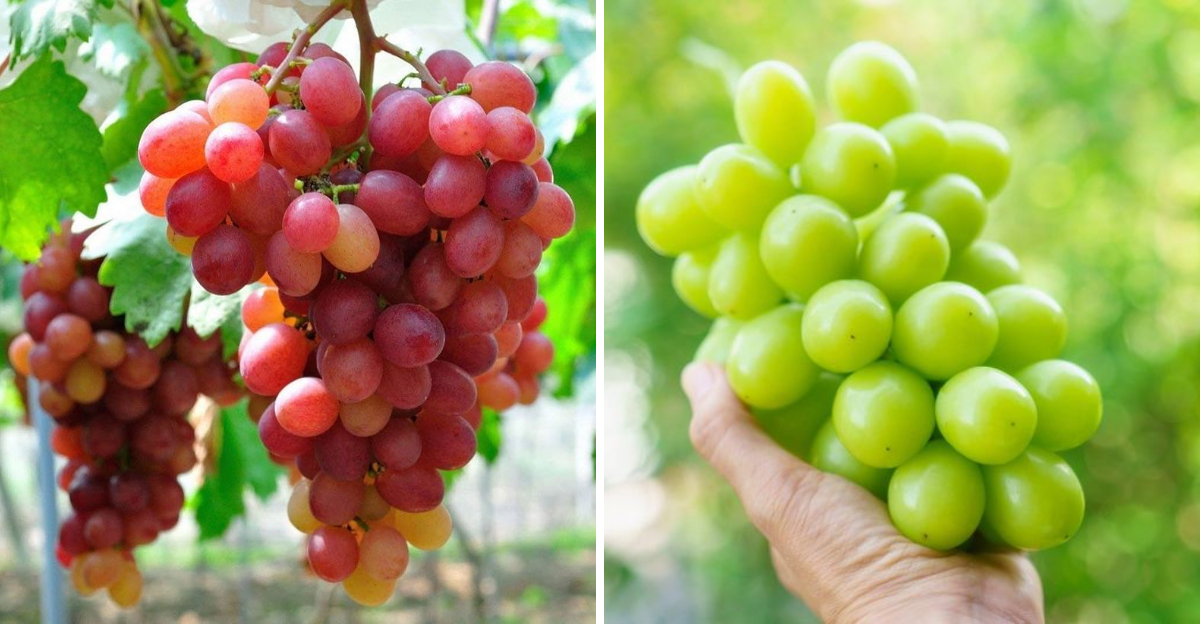
Not all grapes taste remotely the same, and once you know what to look for, the differences are hard to miss. Some are crisp and candy-sweet, some are floral and perfumed, and others are prized mostly for the wine in your glass.
If you usually grab whatever bag looks best at the store, this guide will help you choose grapes with way more confidence. Here are 20 standout types and the traits that make each one memorable.
1. Thompson Seedless
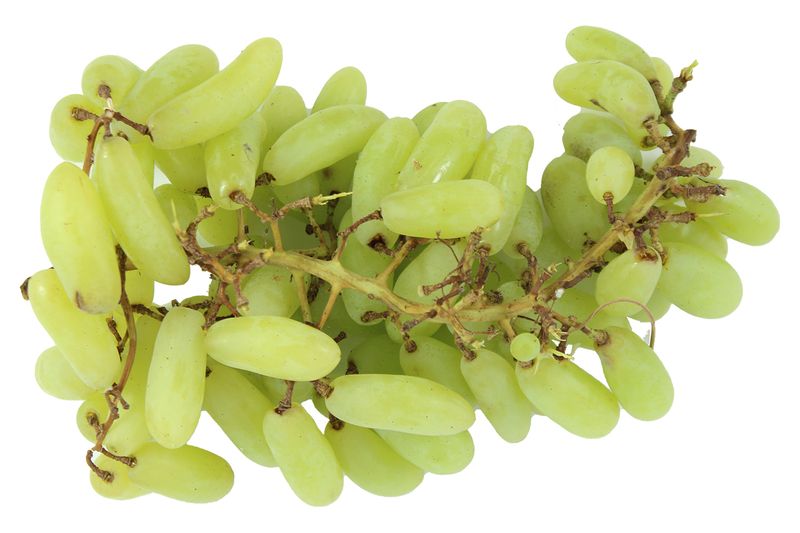
Thompson Seedless is the grape most people picture when they think of classic green table grapes. It has a mild, straightforward sweetness, a tender bite, and a versatility that makes it easy to love.
If you want a dependable everyday grape, this is usually the one you reach for.
It is also the variety behind many raisins, especially the standard brown kind found in lunch boxes and baking aisles. Because the flavor stays gentle rather than dramatic, it works well for snacking, fruit salads, freezing, and packing for kids.
You get familiarity, convenience, and easy sweetness in every bunch.
2. Flame Seedless
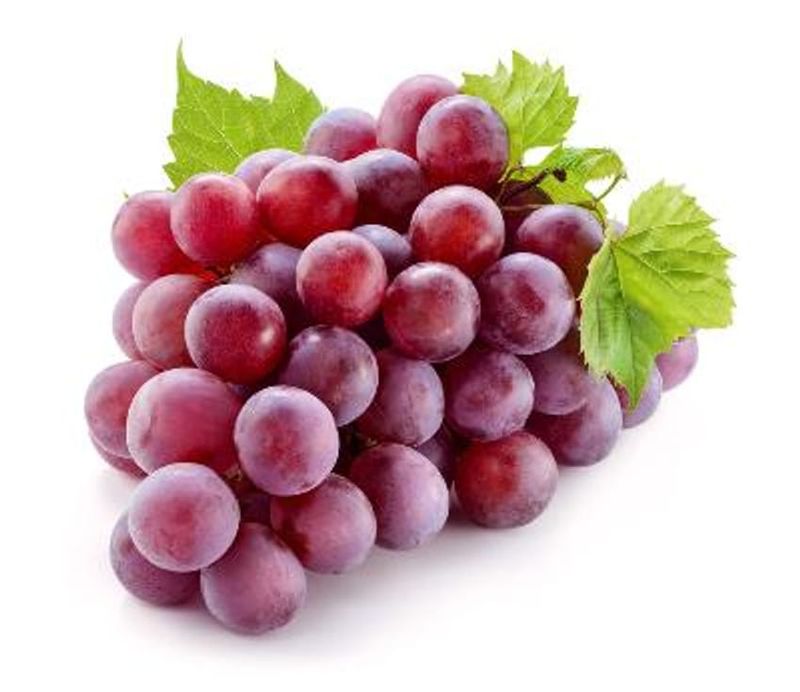
Flame Seedless is one of the most common red grapes sold for snacking, and it earns that spot easily. The berries are bright red, pleasantly crisp, and sweet without tasting heavy or syrupy.
When you want a clean finish and a refreshing bite, these are hard to beat.
They tend to feel more lively than softer grape varieties, which makes them especially good straight from the refrigerator. Their color also makes fruit trays and lunch boxes look more inviting without needing much effort.
If green grapes feel too mild for you, Flame Seedless offers a little more personality while staying approachable and familiar.
3. Red Globe
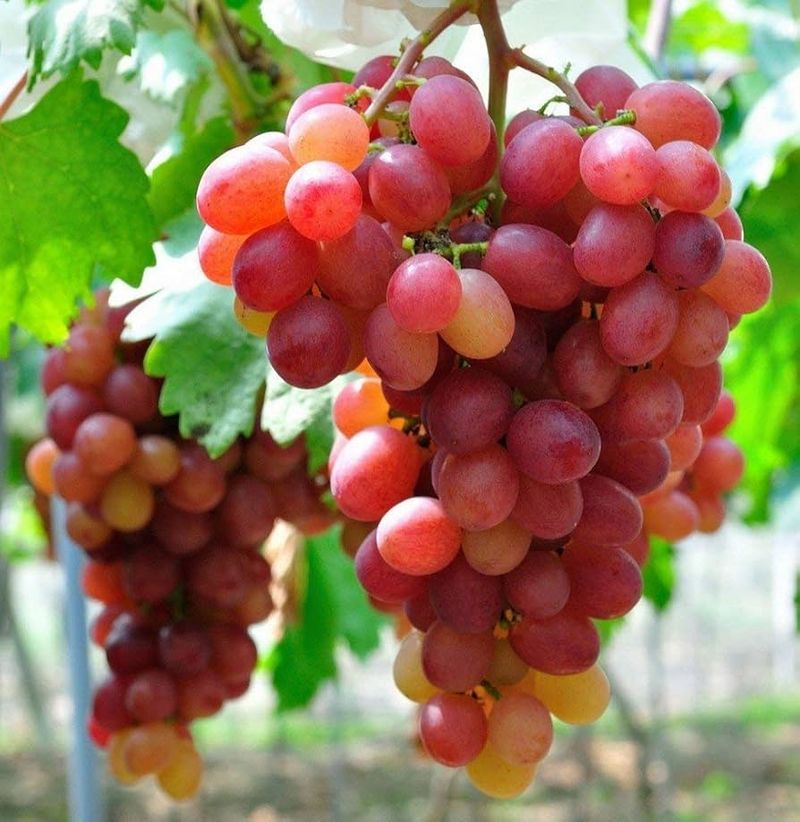
Red Globe grapes stand out immediately because they are huge, round, and satisfying to bite into. They are often seeded, which gives them an old-school table grape feel that some people still prefer.
Instead of an extra crisp snap, you get a juicy, substantial mouthful with mild sweetness.
These grapes are less about intense flavor and more about that big, impressive eating experience. Their size makes them look dramatic on cheese boards, fruit platters, and holiday spreads.
If you like grapes that feel generous and almost oversized in your hand, Red Globe delivers that in a way smaller seedless varieties simply cannot.
4. Concord
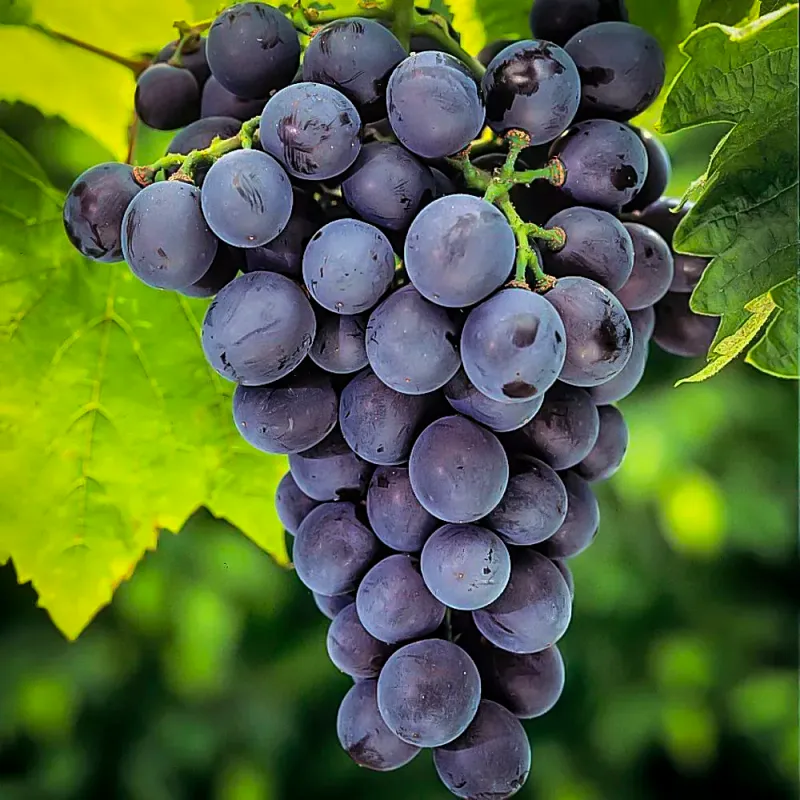
Concord grapes have a flavor so distinctive that one taste instantly explains grape juice, jelly, and childhood nostalgia. They are deeply purple, very aromatic, and wonderfully bold, with that unmistakable grapey intensity many other varieties never match.
The skins are softer and the flavor feels darker, fuller, and more dramatic.
Unlike neutral snacking grapes, Concord announces itself right away, which is why it is beloved for juice, jam, and preserves. The slip-skin texture can feel unusual if you are used to supermarket grapes, but it is part of the charm.
If you want a grape with personality and perfume, Concord is a true classic.
5. Muscadine
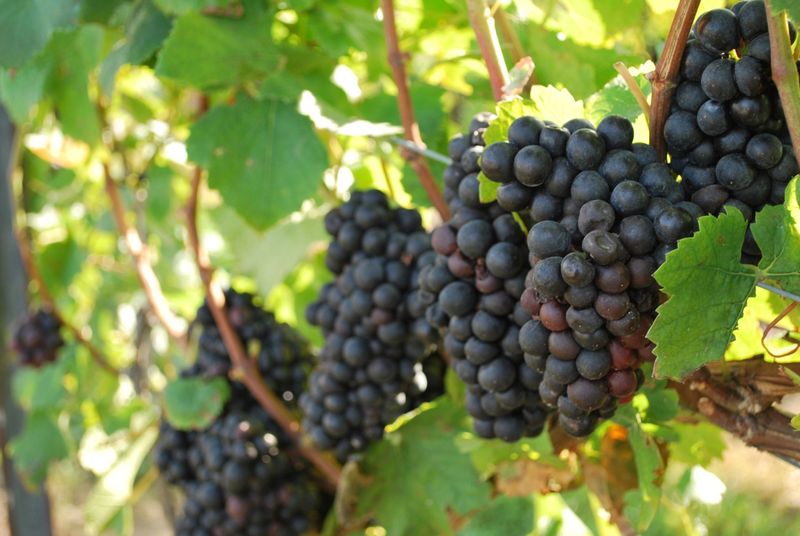
Muscadine grapes are unlike standard supermarket grapes, and that is exactly why people love them. They have thick skins, a highly aromatic profile, and a sweet, musky flavor that feels unmistakably regional and memorable.
If you grew up in the Southeast, this taste can feel deeply familiar and almost nostalgic.
The texture is often the first surprise for new eaters, since the skin is firmer and more pronounced than typical table grapes. Inside, the flesh is juicy and flavorful, with a punchier character than mild seedless varieties.
Muscadines are distinctive, old-fashioned, and full of personality, which makes them rewarding if you enjoy bold fruit.
6. Scuppernong
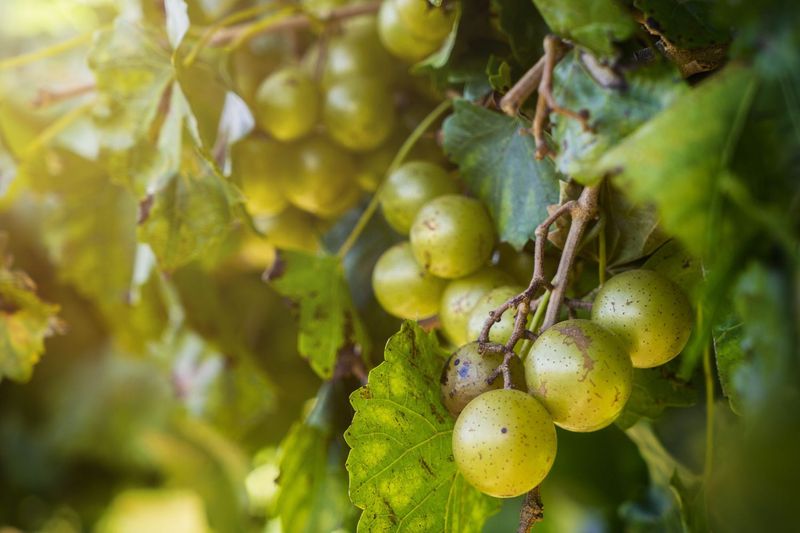
Scuppernong is a well-known type of muscadine, usually recognized by its bronze-green color and floral sweetness. It carries the same thick-skinned character as other muscadines, but the flavor often feels lighter, more perfumed, and especially distinctive.
If you want something that tastes tied to Southern history, this grape absolutely does.
It has long been important in Southern grape growing, and that heritage adds to its appeal beyond simple sweetness. The skin can still feel firm compared with common table grapes, yet the juicy interior rewards the effort.
Scuppernong offers tradition, fragrance, and a singular flavor that never really blends into the background.
7. Cotton Candy grapes
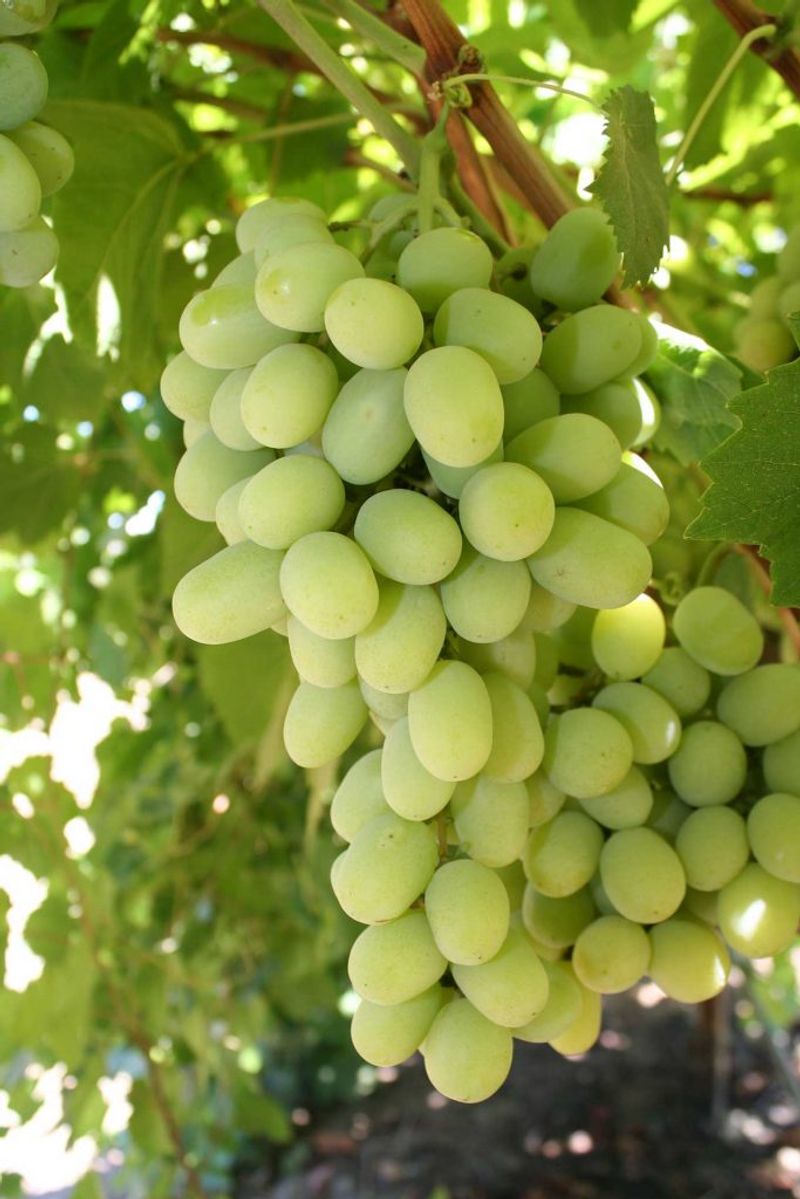
Cotton Candy grapes sound gimmicky until you try them and realize the name is surprisingly accurate. These pale green grapes were bred to deliver a flavor that really does recall spun sugar and carnival candy.
The sweetness is extra pronounced, but the fruit still keeps enough freshness to stay fun rather than overwhelming.
They are a great example of how grape breeding can create a snacking experience that feels playful and memorable. If regular green grapes seem too plain, this variety gives you something instantly recognizable and conversation-worthy.
Cotton Candy grapes are not subtle, and that bold candy-like charm is exactly what makes them stand out in a crowded produce aisle.
8. Moon Drops (Sweet Sapphire)
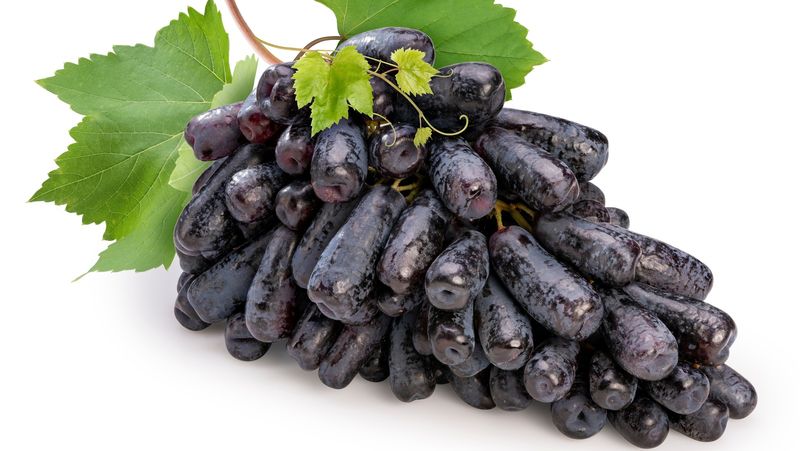
Moon Drops, also sold as Sweet Sapphire, are the grapes people notice immediately because of their dramatic shape. They are long, narrow, and finger-like, with dark skins and a very crisp snap when you bite in.
Beyond the novelty, the flavor is sweet, clean, and pleasantly straightforward.
What makes them memorable is the combination of unusual appearance and satisfying texture, which feels different from round grapes in both look and bite. They hold up well for snacking and tend to impress anyone seeing them for the first time.
If you want a grape that feels modern, fun, and genuinely distinct, Moon Drops absolutely fit that description.
9. Autumn Royal
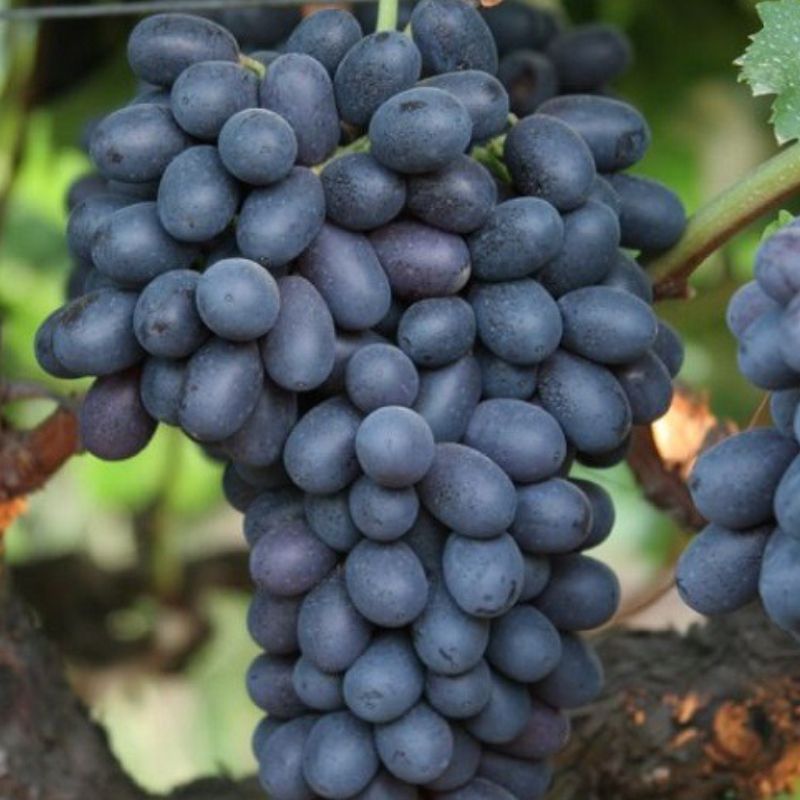
Autumn Royal is a large black seedless grape that offers a richer sweetness than many lighter table varieties. The berries are dark, attractive, and satisfying, with a crisp texture that keeps them from feeling too soft or heavy.
If you like black grapes but still want a fresh snap, this variety delivers.
Its flavor often feels fuller and more developed than standard red or green supermarket grapes, which gives it extra appeal on fruit boards and dessert plates. The seedless convenience also makes it easy to snack on without any effort.
Autumn Royal is a great pick when you want darker grapes that feel both indulgent and refreshing.
10. Black Corinth (Zante currant grape)
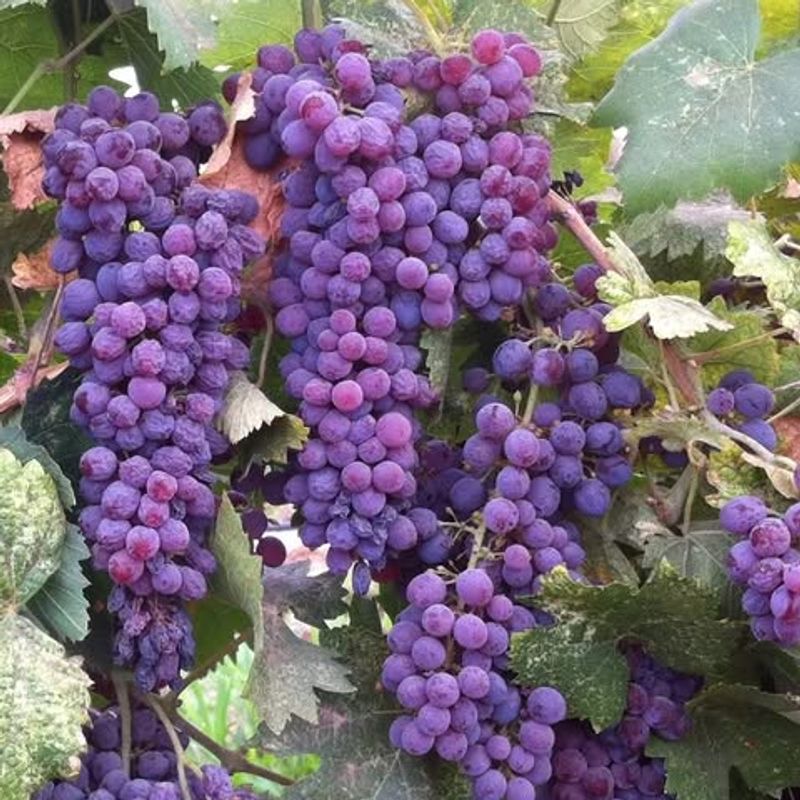
Black Corinth grapes are tiny, dark, and far less common in fresh produce sections than standard table grapes. Their real fame comes from being dried into Zante currants, where their sweetness becomes concentrated and intensely flavorful.
Fresh, they are more niche, but still interesting if you enjoy unusual varieties.
Because the berries are so small, the eating experience feels completely different from large snacking grapes like Red Globe. They are less about crunch and more about compact bursts of flavor with a delicate size.
If you bake with currants or love specialty fruit, Black Corinth offers a direct link between fresh grapes and one classic dried ingredient.
11. Sultana
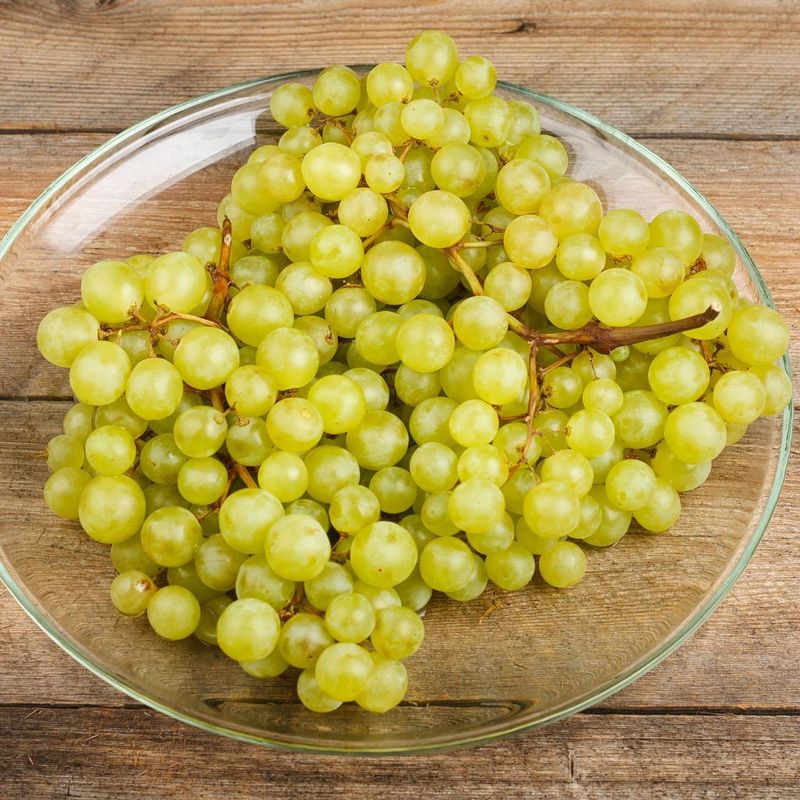
Sultana grapes are sweet, mild, and usually seedless, which makes them easy to enjoy in much the same way as Thompson Seedless. They are especially associated with golden raisins, where their gentle flavor and pleasant sweetness translate beautifully after drying.
Fresh, they taste soft, approachable, and never too assertive.
That mild character can be a real advantage when you want a grape that works with almost anything, from breakfast bowls to cheese plates. They do not compete for attention, yet they remain satisfying and versatile.
If your taste leans toward delicate sweetness over intense perfume or tartness, Sultana is a quietly reliable variety worth knowing.
12. Kyoho
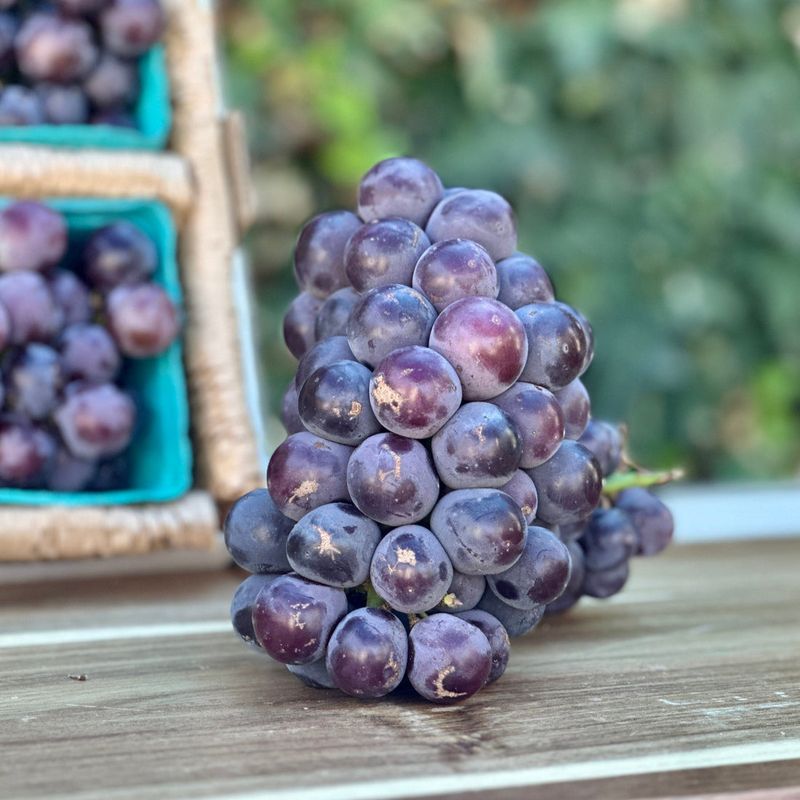
Kyoho grapes are famous for their large size, juicy flesh, and premium reputation across East Asia. They are sweet and satisfying, but their most noticeable trait is the slip-skin texture, where the skin separates easily from the pulp.
Many people peel them before eating, which becomes part of the experience.
Compared with everyday table grapes, Kyoho feels more luxurious and a bit more ceremonial, especially when beautifully packaged as gift fruit. The berries can be impressively big, making each one feel substantial and rich.
If you enjoy fruit that offers both elegance and abundance, Kyoho stands out as a grape with real presence.
13. Shine Muscat
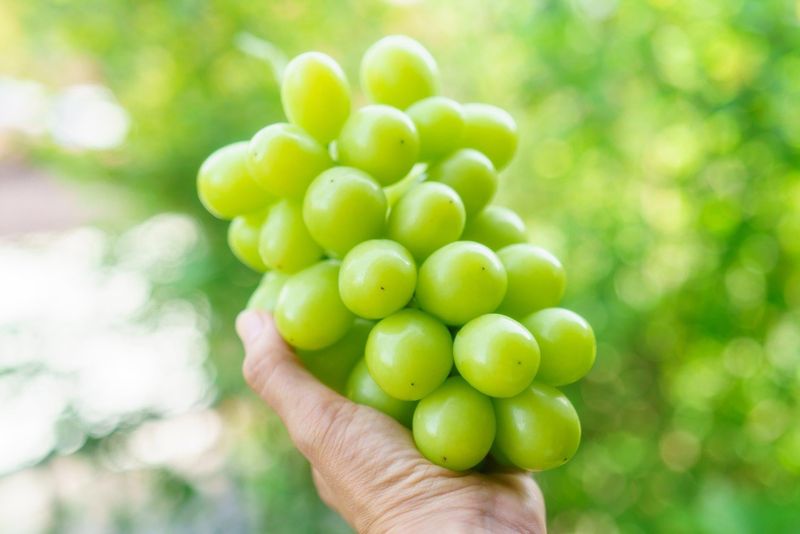
Shine Muscat is one of those grapes that feels luxurious before you even taste it. The berries are bright green, very sweet, and notably firm, with a floral aroma that many people describe as perfume-like.
If you like fruit that smells as striking as it tastes, this variety is unforgettable.
Its sweetness is high, yet the texture stays crisp enough to keep each bite balanced and refreshing. That combination of fragrance, firmness, and polished appearance helps explain why Shine Muscat is often sold as a premium fruit.
It is not a background grape at all, but a statement grape built to impress you immediately.
14. Niagara
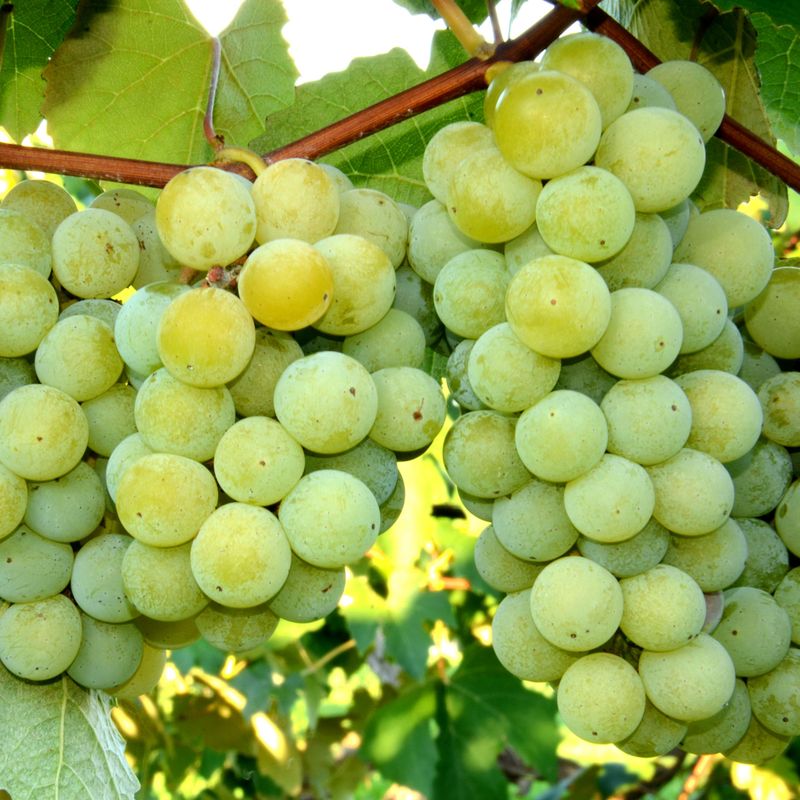
Niagara grapes are light green to yellow and known more for aroma than crisp everyday snacking appeal. They have a strong, sweet scent and a flavor that often reminds people of classic American grape juice styles.
If you enjoy highly fragrant fruit, Niagara has a very recognizable profile.
These grapes are often used for juice and sweet wines rather than being treated as premium table grapes. That does not make them lesser, only different in where their strengths really shine.
Niagara is best understood as a grape with expressive fragrance and old-fashioned charm, especially when transformed into something sippable and deeply aromatic.
15. Cabernet Sauvignon
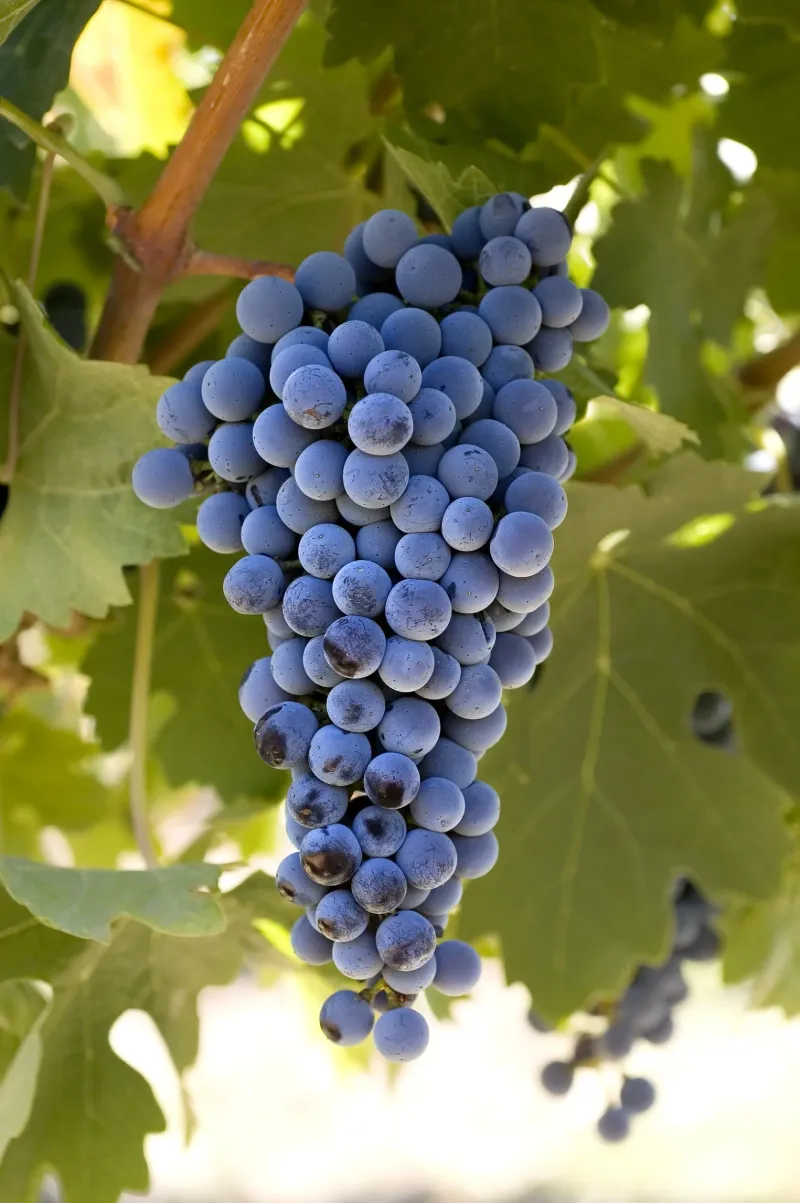
Cabernet Sauvignon is not the grape you usually buy for casual snacking, but it may be the most famous red wine grape in the world. The berries are small and dark, and their importance comes from the bold wines they produce.
Think dark fruit, structure, and a style built to feel powerful.
When grown well, Cabernet Sauvignon can deliver wines with depth, tannin, and serious aging potential, which is why it dominates so many wine conversations. It is less about immediate sweetness and more about concentration and complexity.
If you want to understand red wine grapes, Cabernet Sauvignon is one of the most essential names to know.
16. Merlot
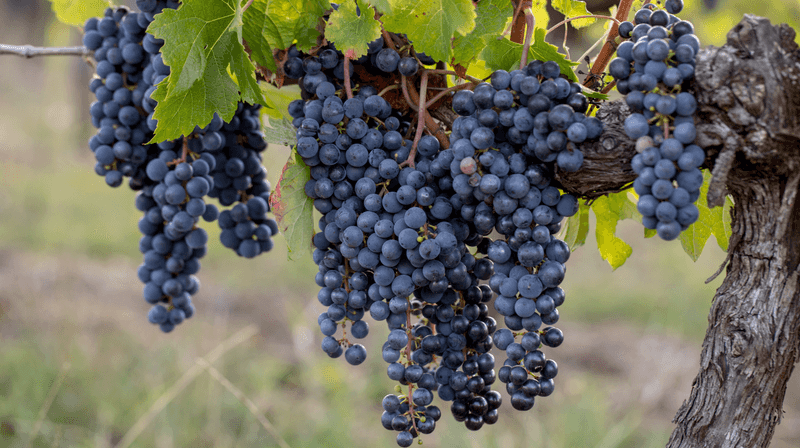
Merlot is another major red wine grape, but its reputation is usually softer and rounder than Cabernet Sauvignon. It still offers dark fruit character, yet the resulting wines often feel plumper, smoother, and more approachable at a younger age.
If Cabernet can seem stern, Merlot tends to feel more welcoming.
That gentler style has made it a favorite for drinkers who want richness without as much firmness or tannic grip. It also plays an important role in blends, adding body and softness where needed.
Merlot may sound familiar, but that popularity comes from a genuine strength – it often gives you comfort, fruit, and balance.
17. Pinot Noir
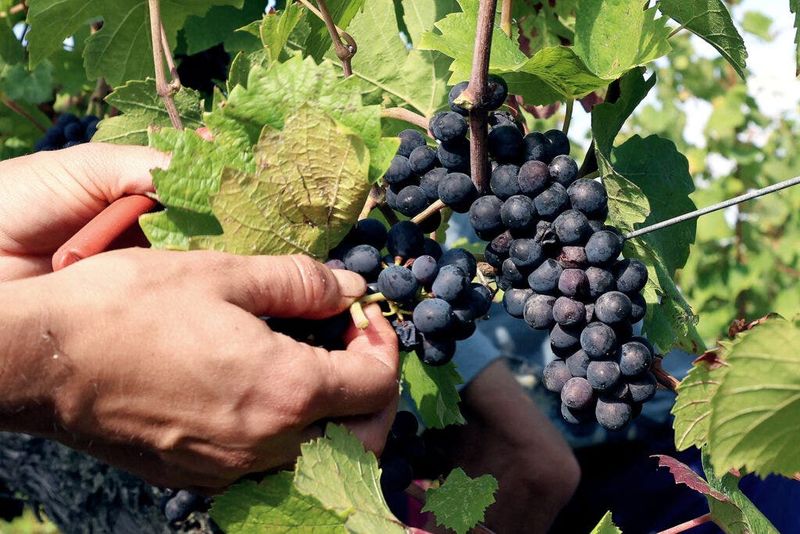
Pinot Noir is beloved because it can produce elegant, nuanced wines, but the grape itself is famously difficult to grow. It has thin skins and a sensitive nature, which makes vineyard conditions especially important to the final result.
When everything goes right, the wines can feel refined, layered, and beautifully expressive.
Compared with heavier red varieties, Pinot Noir often leans more delicate, aromatic, and transparent in style. It is also essential for many sparkling wines, which adds to its prestige and versatility.
If you are drawn to subtlety over sheer power, Pinot Noir is the grape that proves softness and complexity can be thrilling together.
18. Chardonnay
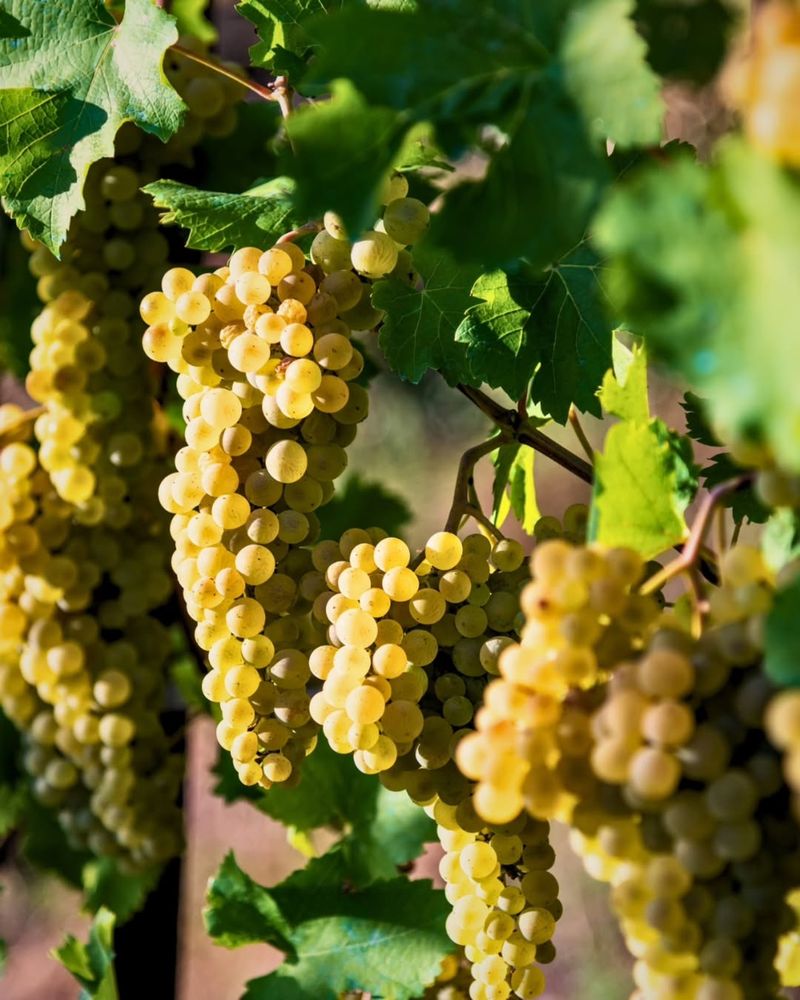
Chardonnay is one of the most important white wine grapes because it can express itself in dramatically different ways. Depending on climate and winemaking, it may taste crisp and citrusy, creamy and oaky, or somewhere beautifully in between.
That flexibility makes it a grape with enormous range and influence.
Unlike highly aromatic varieties that announce themselves immediately, Chardonnay often acts like a canvas for place and technique. It can be lean and mineral, rich and buttery, or lively and sparkling, which keeps it endlessly relevant.
If you have ever thought all white grapes were similar, Chardonnay is a clear reminder that style can change everything.
19. Riesling
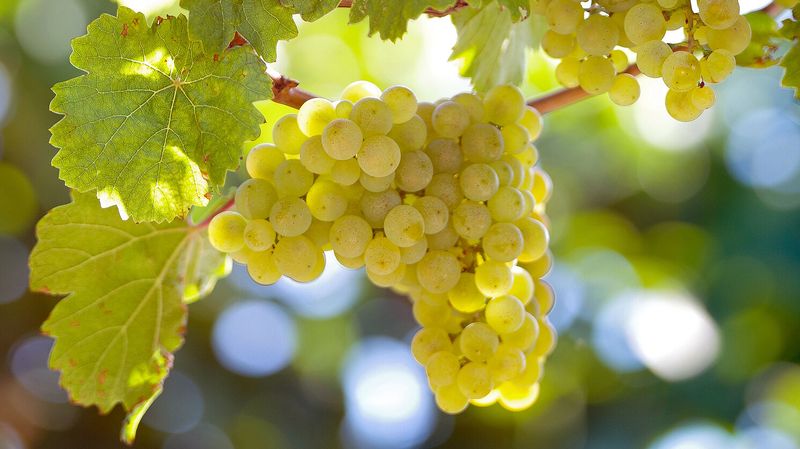
Riesling is an aromatic white grape known for wines that can range from bone dry to intensely sweet. Floral notes, citrus, orchard fruit, and vivid acidity often define its personality, giving it both fragrance and structure.
If you like wines with precision and lift, Riesling is incredibly rewarding.
One reason people love it is that sweetness does not tell the whole story, since even sweeter versions can stay bright and balanced. Riesling also reflects its growing place clearly, showing different mineral and fruit expressions across regions.
It is a grape with real versatility, but its signature combination of perfume and freshness always keeps it recognizable.
20. Gewürztraminer
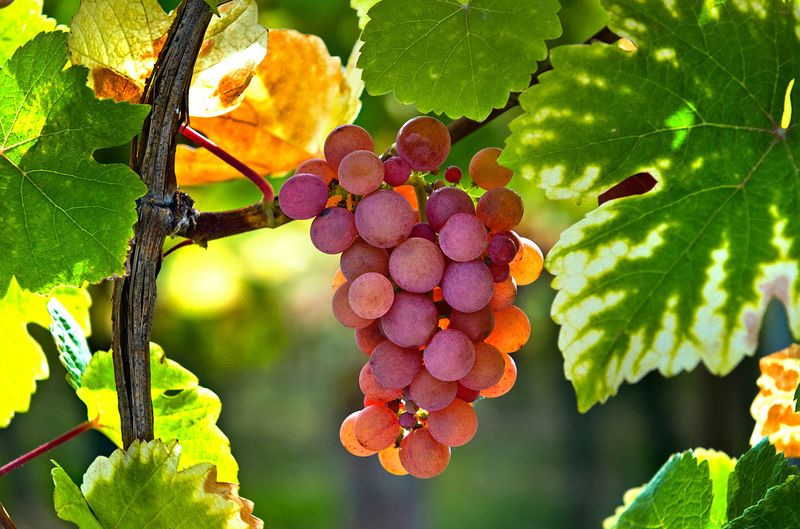
Gewürztraminer is one of the most aromatic wine grapes you will ever encounter, and subtle is not really part of its personality. Its wines often show lychee, rose, spice, and exotic fruit, creating a profile that feels intensely perfumed from the first sip.
If you want restraint, this is probably not your grape.
That bold fragrance is exactly why fans adore it, especially alongside foods that appreciate a little richness and perfume. Compared with more neutral white varieties, Gewürztraminer feels expressive, dramatic, and instantly recognizable.
It may divide opinions, but it never disappears into the background, and that unapologetic character is what makes it special.