20 Unusual Foods Older People Eat
Unusual here just means less common now, not weird or wrong. Many older folks ate what stretched a budget, lasted in the pantry, or came from nearby farms and corner delis.
Taste these again and you might discover clever tricks hidden in plain sight. From humble cans to gelatin molds, there is real flavor and history on every plate.
1. Liver and onions
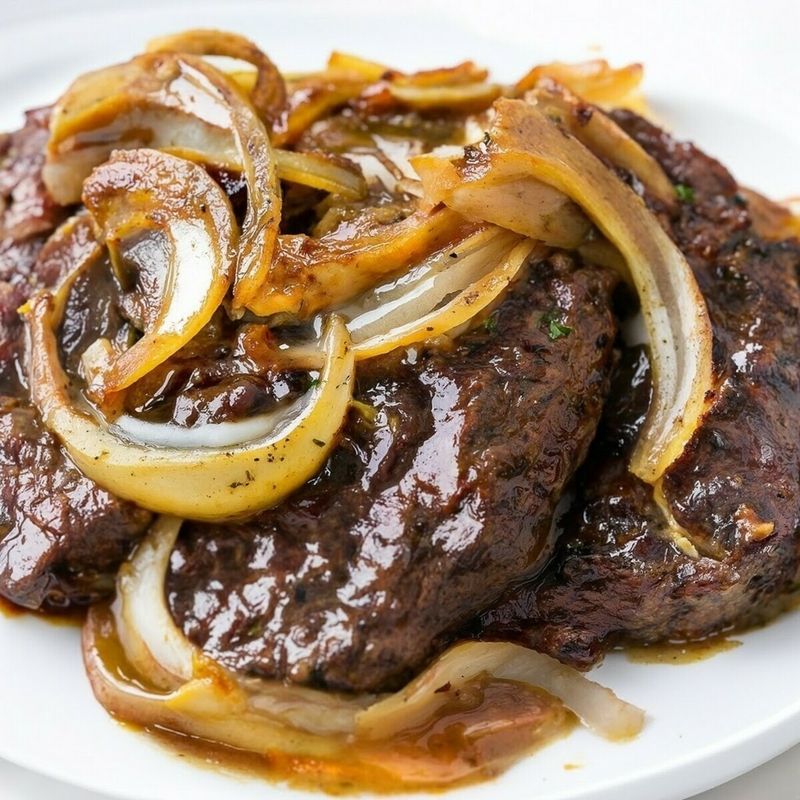
You either grew up loving liver and onions, or you avoid it on sight. Older cooks prized it because it was inexpensive, iron rich, and easy to fry with butter.
The onions mellow the mineral bite, turning a thrifty cut into real comfort.
If texture worries you, slice thin and cook quickly so it stays tender. Add a splash of vinegar or lemon at the end and plenty of black pepper.
Serve it with mashed potatoes and peas, and suddenly you understand why grandparents still swear by it. Leftovers make a great sandwich on rye.
2. Sardines on crackers
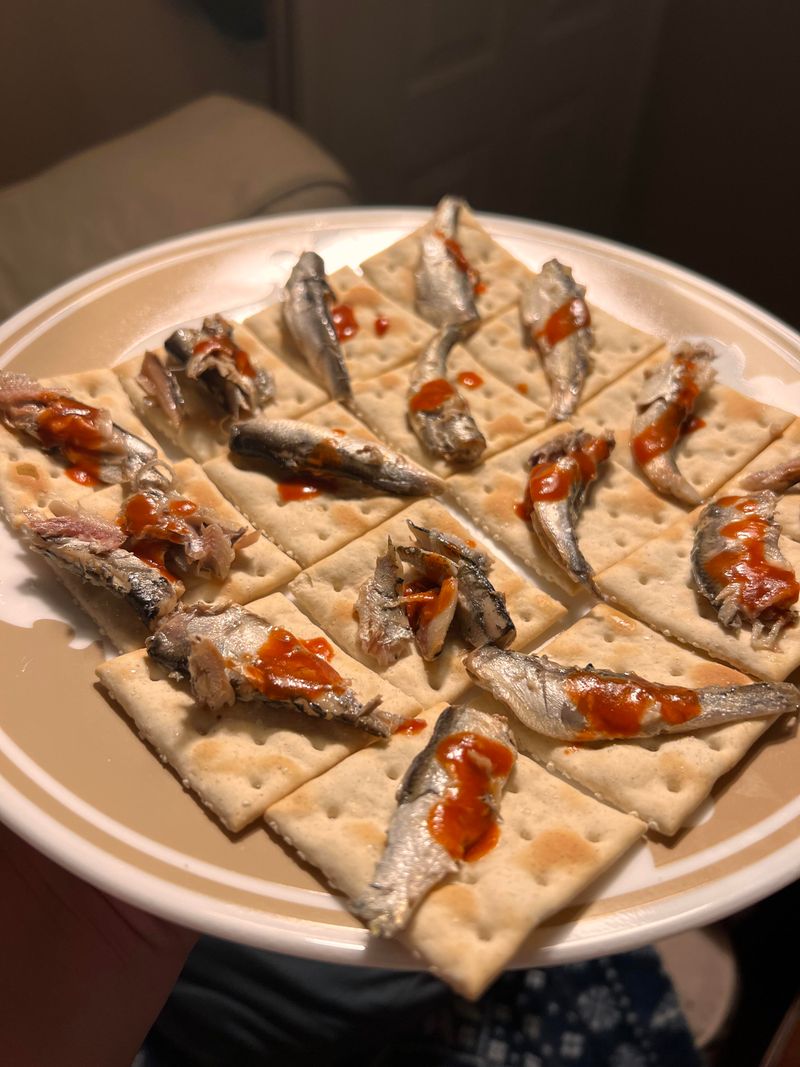
Sardines on crackers feel like a time capsule lunch. You open the tin, drain the oil, and lay those little fillets on salty squares.
A squeeze of lemon, a smear of mustard, and suddenly this cheap pantry snack tastes bright, briny, and satisfying.
Older folks kept them for protein that never spoiled. You might be surprised how good they are with hot sauce or sliced onion.
Try them with cheddar and apple, or crumble onto tomato soup, and you will see why this simple habit sticks. The shelf life and flavor payoff make it an easy win.
3. Pickled herring
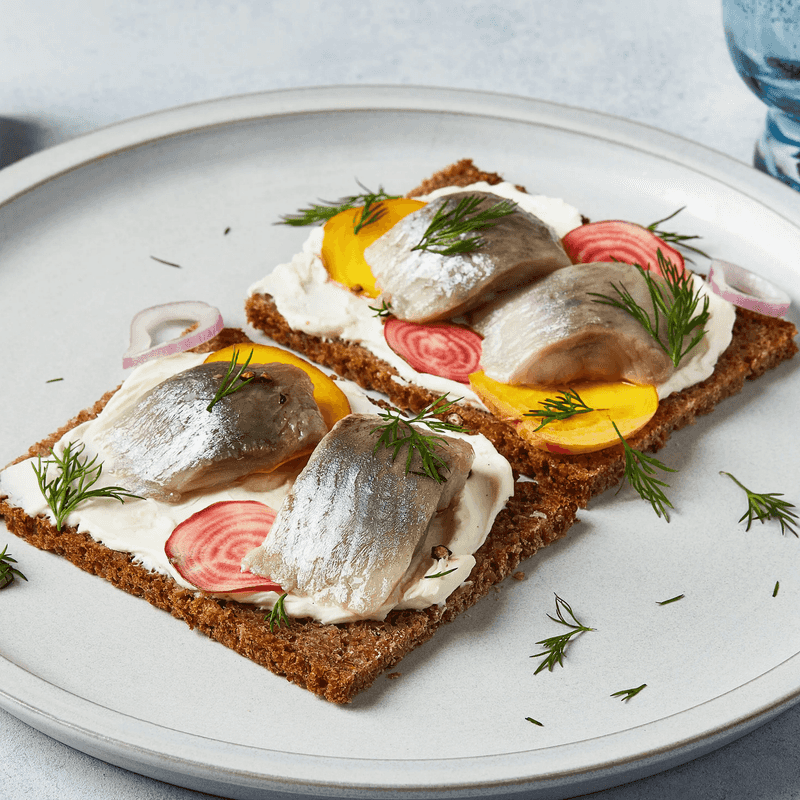
Pickled herring brings sweet, tangy brine with soft, silky fish. If you grew up near old delis, you remember jars packed with onions and spices.
A forkful on rye bread with sour cream tastes bold, nostalgic, and a little fancy for almost no effort.
You can buy it plain, in wine sauce, or in creamy dill. Serve chilled with boiled potatoes, beets, or crisp cucumbers.
It is budget friendly, protein rich, and perfect when you want something quick that still feels like tradition on a plate. Leftovers make great snacks after church or family gatherings.
4. Head cheese
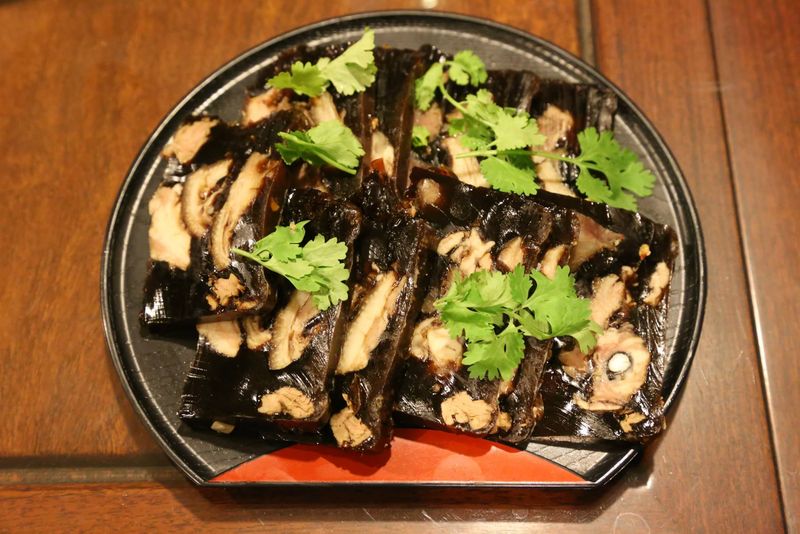
Head cheese is not cheese at all, but a jellied terrine made from pork bits cooked slow. Older shoppers once found it at every deli counter.
Sliced thin, it is savory, peppery, and surprisingly delicate when chilled properly.
You eat it on rye with mustard or a little vinegar. The gelatin sets into a sliceable loaf that wastes nothing and tastes like old world thrift.
Try it with pickles and raw onion, and you will understand the frugal, flavorful charm. It pairs nicely with cold beer, hard cheese, and crisp lettuce on sandwiches.
Serve very cold.
5. Braunschweiger (liver spread)

Braunschweiger turns a plain sandwich into something rich and smoky. Spread it on soft white bread with onions and pickles, and lunch suddenly feels old school satisfying.
Older folks liked that one slice delivered iron, fat, and flavor without fuss.
You can mix it with a little mayo and mustard for a creamy spread. Add lettuce and tomato, or go simple with crackers.
It keeps well, tastes bold, and reminds you that quick food does not have to be bland or boring. Try it on rye with horseradish, and you might convert a skeptic.
Serve chilled.
6. Vienna sausages

Vienna sausages live in many grandparents’ cupboards for a reason. Pop a can, rinse, and sear them for quick protein that costs very little.
The texture is soft, the flavor is gentle, and a little browning adds welcome snap.
You might eat them with hot sauce, rice, or plain on crackers. Skillet them with onions and peppers, and dinner appears in minutes.
They travel well for camping and storms, which explains why older shoppers still keep stacks ready. Slice into mac and cheese, scramble with eggs, or glaze with mustard and honey.
Keep a few cans.
7. Deviled ham spread
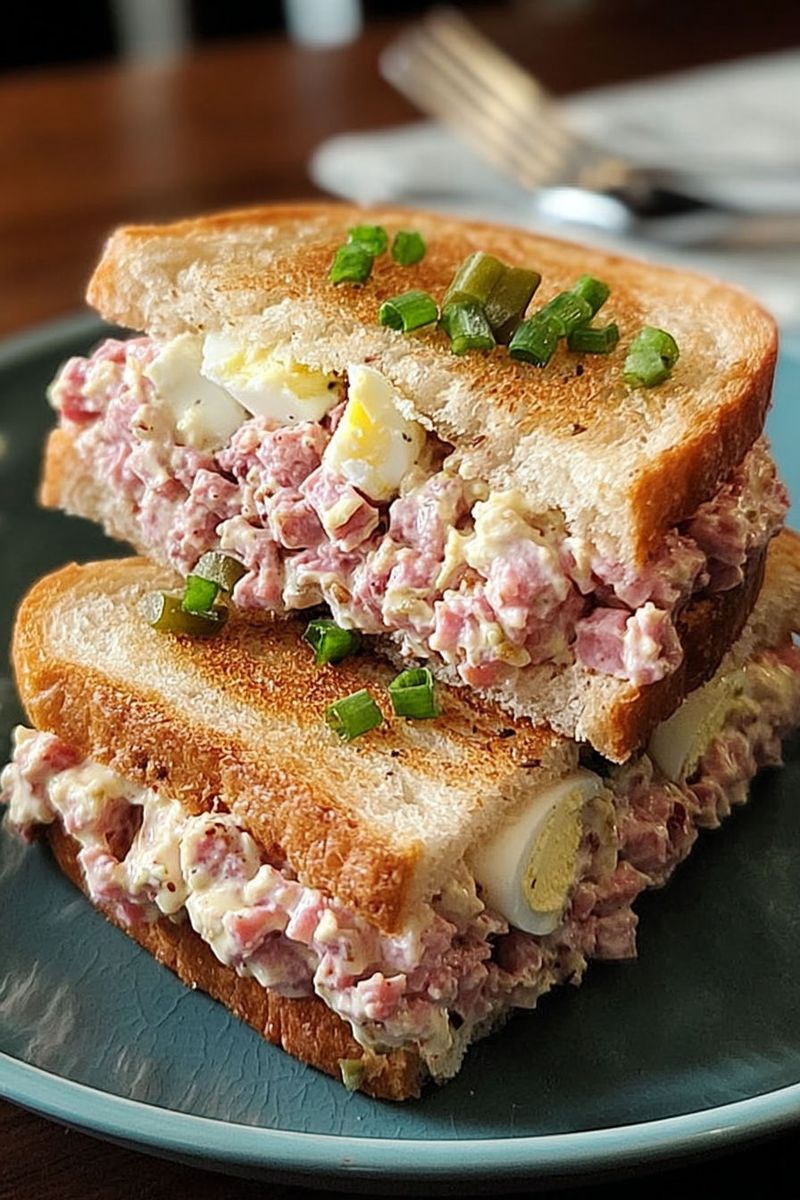
Deviled ham spread tastes like smoky, peppery childhood lunches. You stir the can into mayo, add relish, and pile it on soft bread.
It is salty and creamy, and it turns leftovers into something fast when money and time run thin.
Older folks mixed it with chopped eggs or celery for crunch. You might like it toasted with cheddar, or spread on crackers with hot sauce.
It belongs at picnics, card tables, and late night snacks where convenience meets real flavor. Stir in Dijon and parsley, and it feels fresher without losing the nostalgia.
Chill before serving.
8. Potted meat
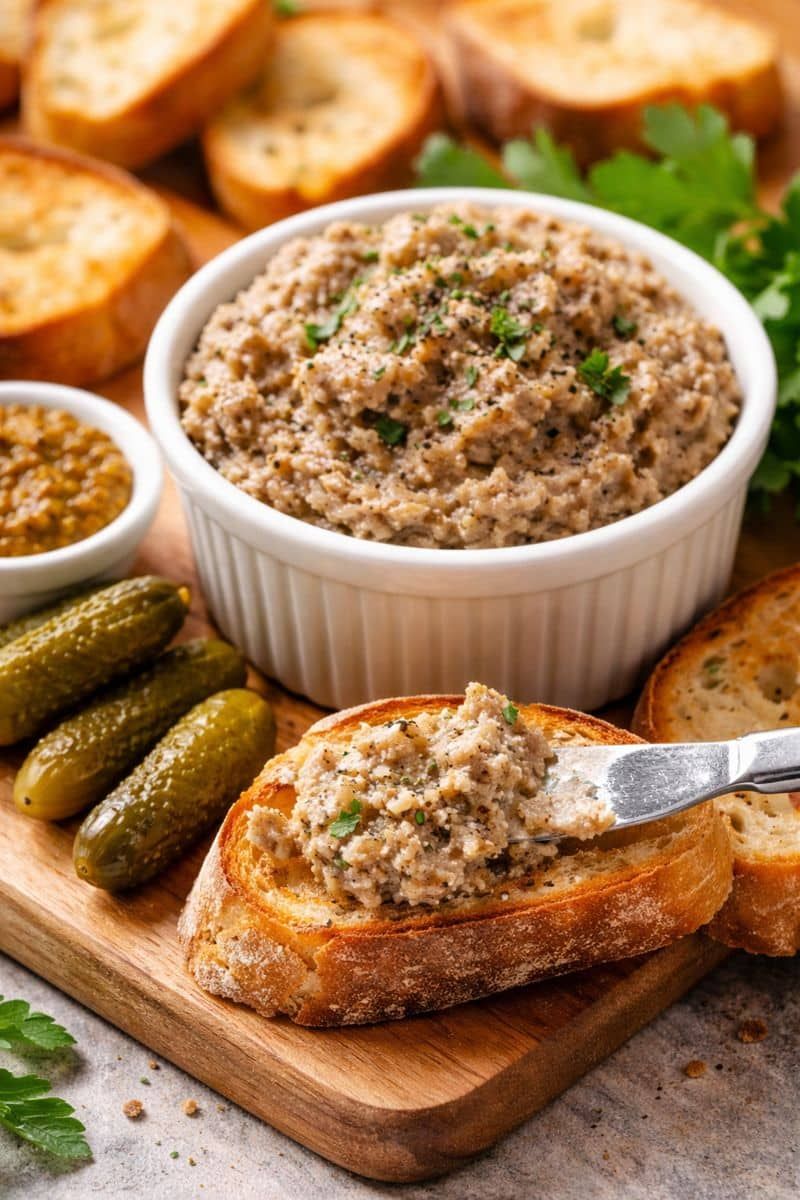
Potted meat is the ultimate throwback spread, silky and intensely savory. You open, stir, and smear on bread or crackers without cooking a thing.
It kept families fed during lean years, which is why the taste hits memories as much as taste buds.
Spread it thin with mustard and pickles if you find it rich. Fry it with onions for gravy over rice.
You may not crave it daily, but when storms knock power out or the pantry runs low, this tiny can delivers dependable comfort. A dash of hot paprika adds warmth without overwhelming the classic flavor.
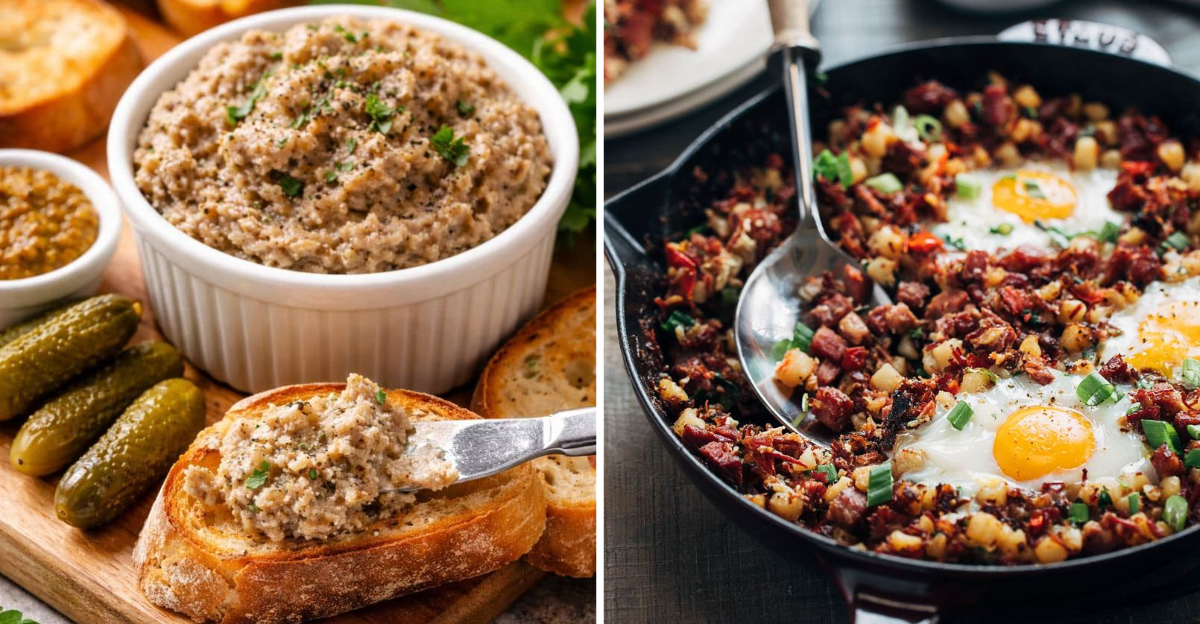
9. Canned corned beef hash
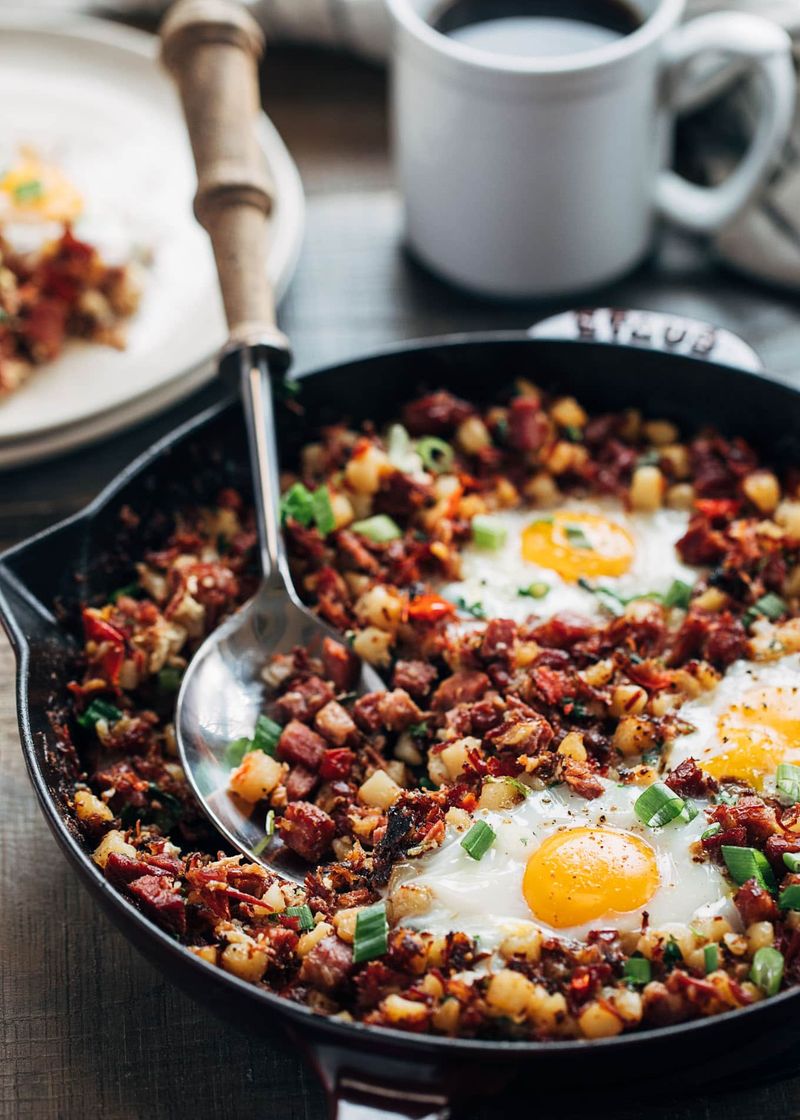
Canned corned beef hash turns breakfast into crispy, salty joy. Press it into a hot skillet, let the edges brown, and you get crackly bits with tender potato.
Top with eggs and it becomes hearty enough to carry you through chores.
Older kitchens loved it for shelf stability and speed. Add diced onion and bell pepper for color, or stir in a splash of vinegar.
You can tuck leftovers into tacos, shape patties for sandwiches, or pile beside ketchup and relish for diner vibes. Crisp in bacon fat, and the flavor leaps without any extra cost.
10. Spam

Spam still rules many pantries because it fries into caramelized, salty cubes. Slice or dice, then sear until golden and the edges turn irresistible.
That smell brings back school lunches, camping trips, and weeknights when dinner needed to appear fast.
You can glaze it with soy and sugar, toss into fried rice, or layer on pineapple buns. Older cooks love how one can stretches with eggs and greens.
Keep some for storms, hikes, or lazy Sundays, and you will not regret it. Air fry slices for crunch, then add mayo and lettuce for a fast sandwich.
11. Creamed chipped beef on toast
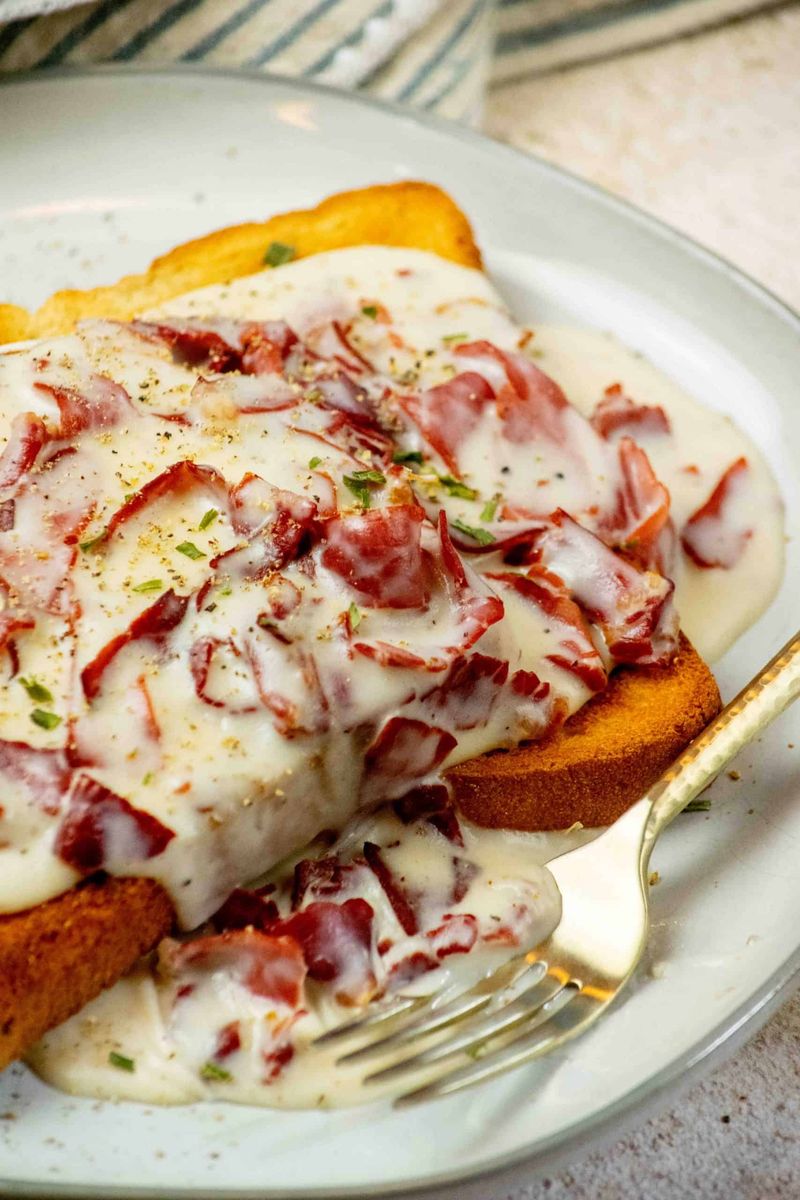
Creamed chipped beef on toast tastes like diner coffee and crowded tables. Thin dried beef simmers in a creamy roux until it softens.
Poured over thick toast, it brings salty punch, buttery sauce, and the feeling that someone took care of breakfast.
You can add peas or mushrooms, but keep pepper generous. Older folks know it feeds many for little cash, especially with eggs.
Try it over biscuits or hash browns, and suddenly the old military nickname sounds more like a cozy joke. Nutmeg in the sauce adds warmth, and a parsley sprinkle freshens everything.
12. Jell-O salads
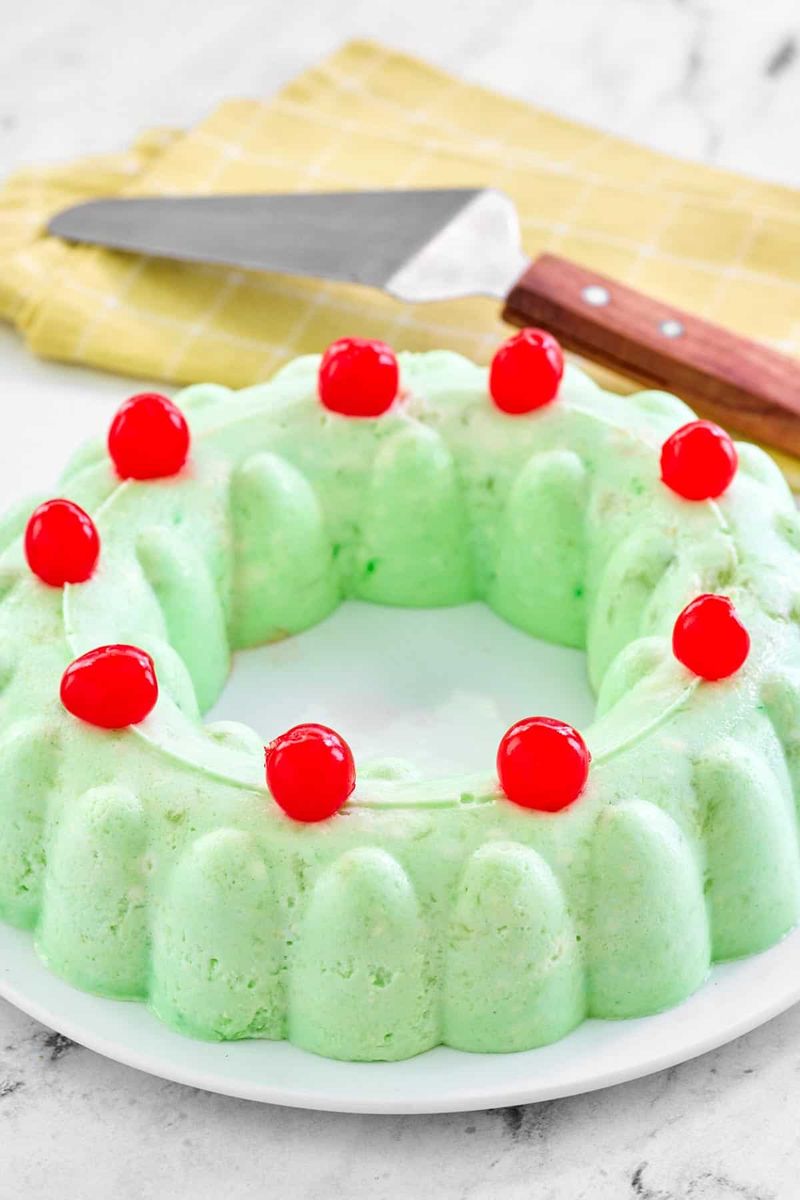
Jell-O salads were midcentury showpieces, wiggly towers packed with fruit or vegetables. Some versions sparkle with pineapple and cherries, while others hide olives and celery.
Either way, the bright colors and molded shapes make the table look festive on a tiny budget.
Older hosts knew you could chill one overnight and serve a crowd. You might enjoy the fruity ones with whipped topping, or try a savory ring beside ham.
It is playful, practical, and pure nostalgia that still steals attention at potlucks. Use clear molds and contrasting layers for drama without much effort.
Chill until firm.
13. Cottage cheese with fruit
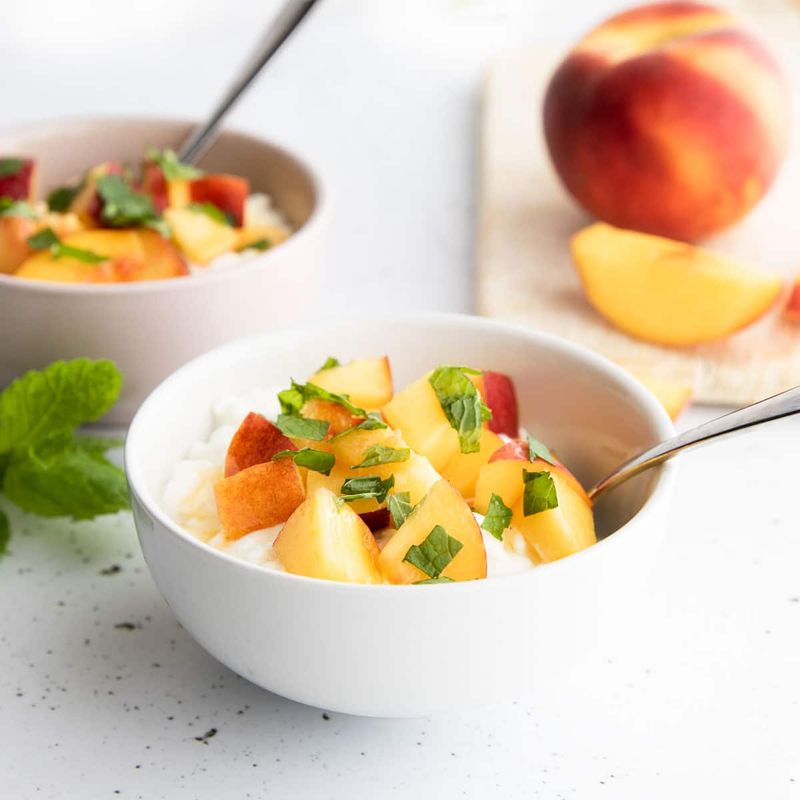
Cottage cheese with fruit was the original light lunch. Scoop it into a bowl, crown with peaches or pineapple, and dust with cinnamon.
The mild curds make a creamy, clean base that highlights sweet, tart, and juicy toppings without much sugar.
Older folks liked the protein and the price. You can add walnuts, tomatoes, or chives if sweet is not your thing.
Try it with pepper and olive oil on toast, and you might discover a new snack that feels fresh, filling, and friendly. Cold grapes and melon make it feel like a diner plate from summer.
14. Ambrosia salad
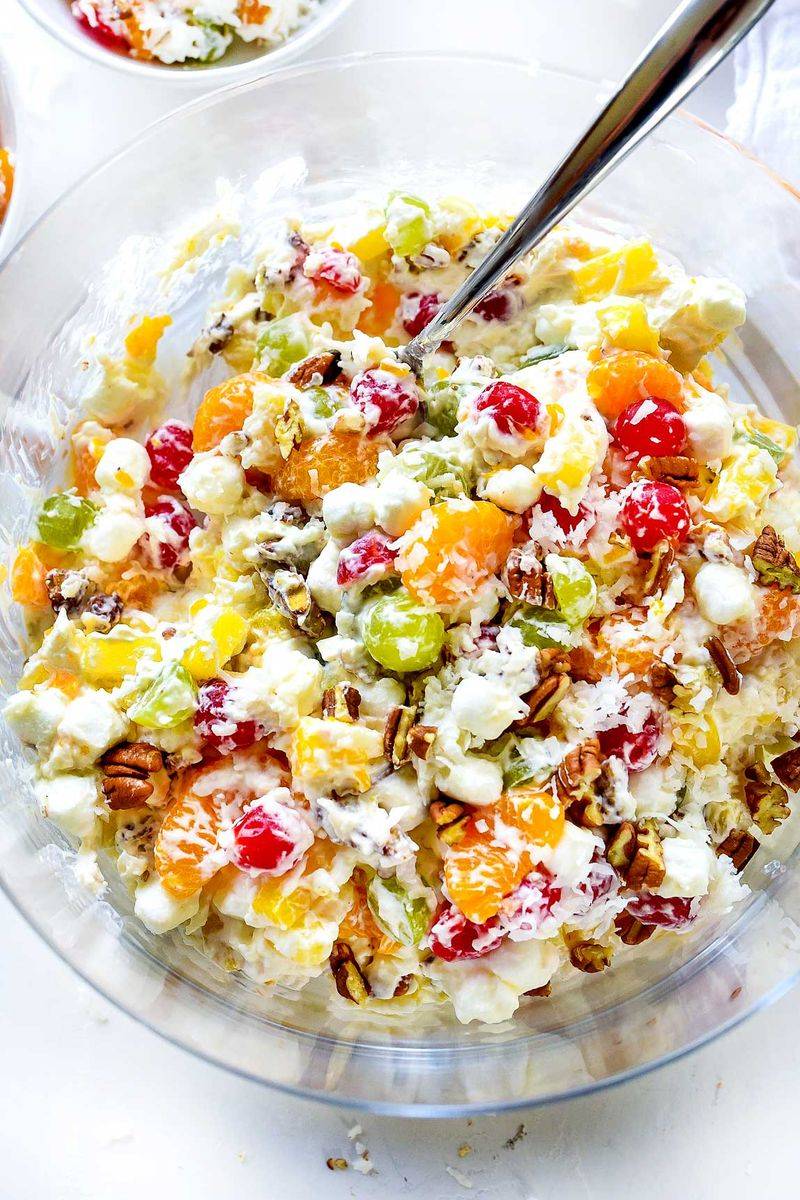
Ambrosia salad is potluck joy dressed in whipped topping. Canned fruit, coconut, and tiny marshmallows mingle into a spoonable dessert that tastes like childhood holidays.
It is sweet and creamy, with bright citrus notes that keep it from feeling heavy.
Older relatives bring it because it travels well and pleases picky eaters. You can add pecans for crunch or swap yogurt to lighten it.
Serve very cold beside ham or turkey, and watch people who claimed they are full take another scoop. Tangerine segments brighten the bowl and make leftovers extra refreshing tomorrow.
Chill overnight first.
15. Fruit cocktail
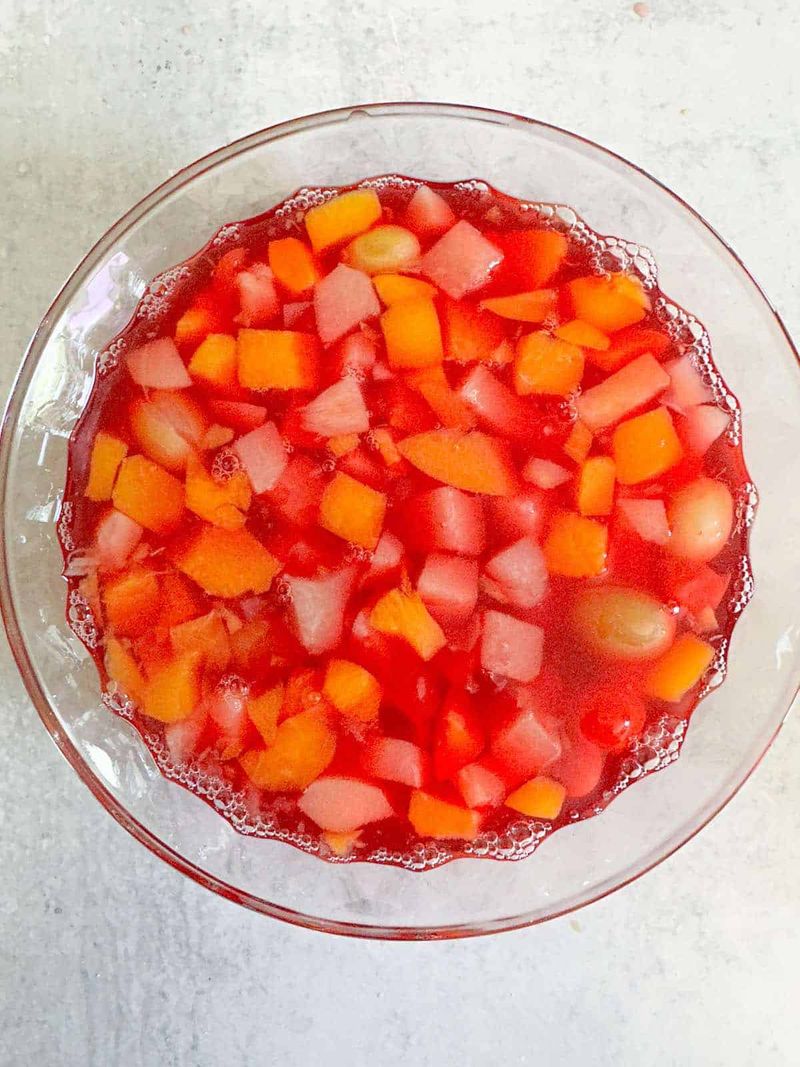
Fruit cocktail once starred in lunchboxes and school desserts. Open the can, drain lightly, and spoon over cottage cheese or cake.
The syrupy mix of pears, peaches, grapes, and that famous cherry turns humble snacks into something sweet and celebratory.
Older eaters loved its price and predictability. You can chill it with mint, fold into gelatin, or stir into yogurt.
Try it over ice with lime, and the vintage pantry hero becomes a breezy dessert you will happily share with kids. A pinch of salt sharpens the fruit and keeps the sweetness from dragging.
Serve very cold.
16. Prunes
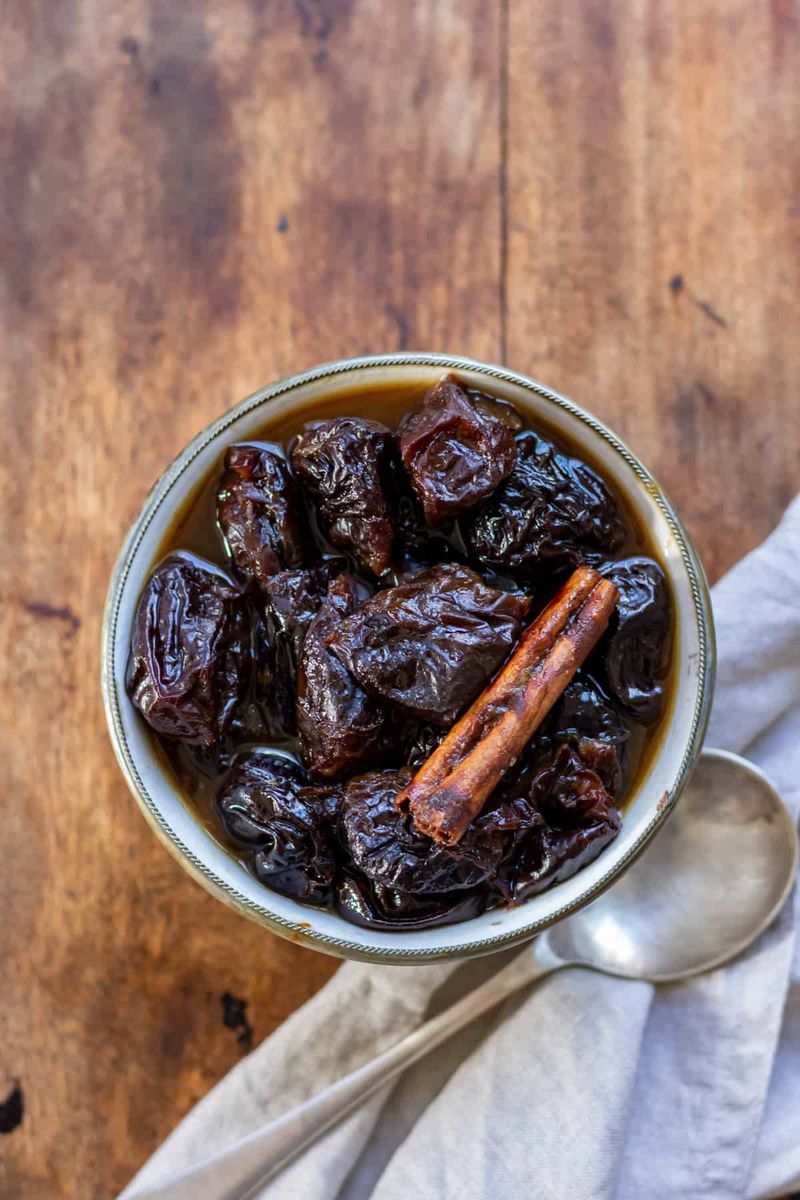
Prunes are simply dried plums, chewy, sticky, and deeply sweet. Older folks kept them for fiber, minerals, and an affordable long lasting fruit.
A few with tea takes the edge off hunger and helps your system move along without drama.
You can stew them with cinnamon, splash with orange juice, or fold into oatmeal. Chop into cookies for caramel notes that do not require extra sugar.
They store for months, travel easily, and taste far better than the jokes suggest. Try with yogurt and walnuts, and breakfast suddenly feels classic and satisfying.
Keep a jar handy.
17. Raisins in savory dishes
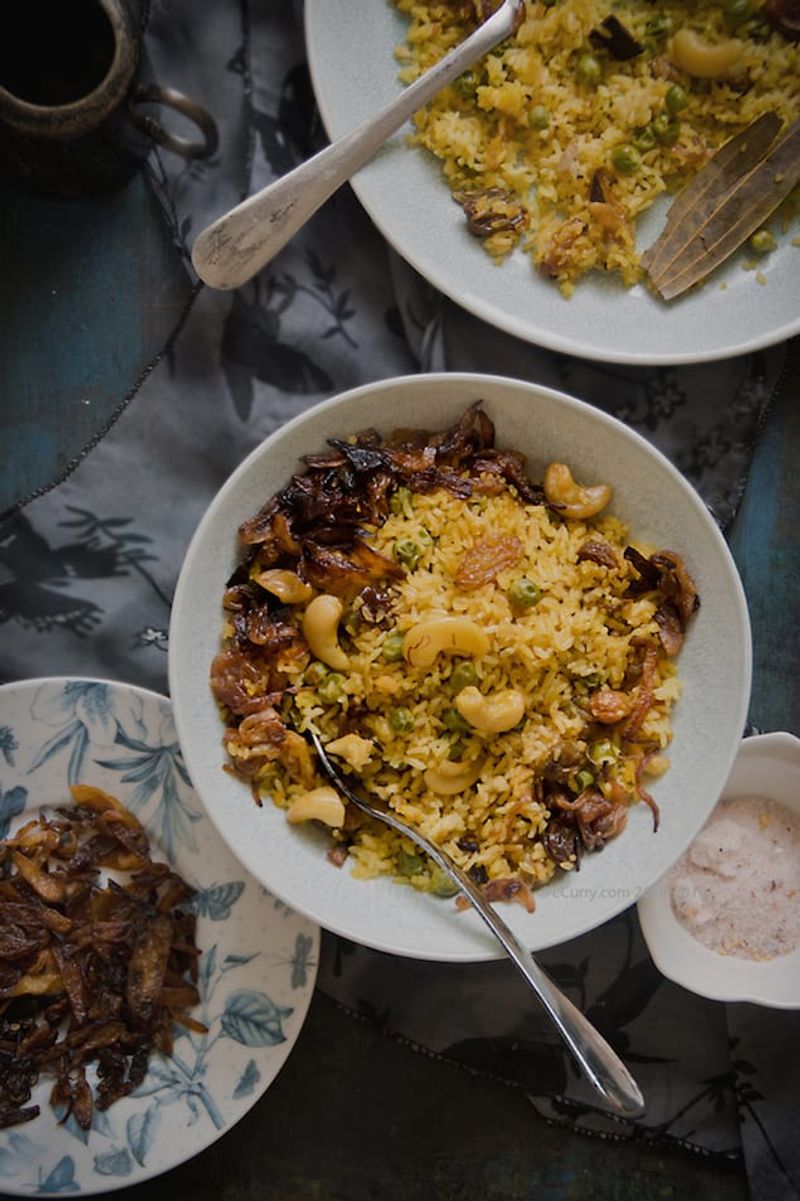
Raisins in savory dishes surprise new cooks, but older recipes use them often. A handful in rice pilaf, meatballs, or cabbage rolls adds gentle sweetness that balances salt and spice.
The little bursts turn hearty plates into something more layered and comforting.
You might toast them in butter first, or soak in vinegar to plump. Try them with pine nuts, carrots, and cumin, and the flavors sing.
It is a tiny step that makes leftovers taste intentional instead of tired. Older cooks learned this trick from Mediterranean and deli traditions, and it still works.
Use sparingly.
18. Boiled peanuts
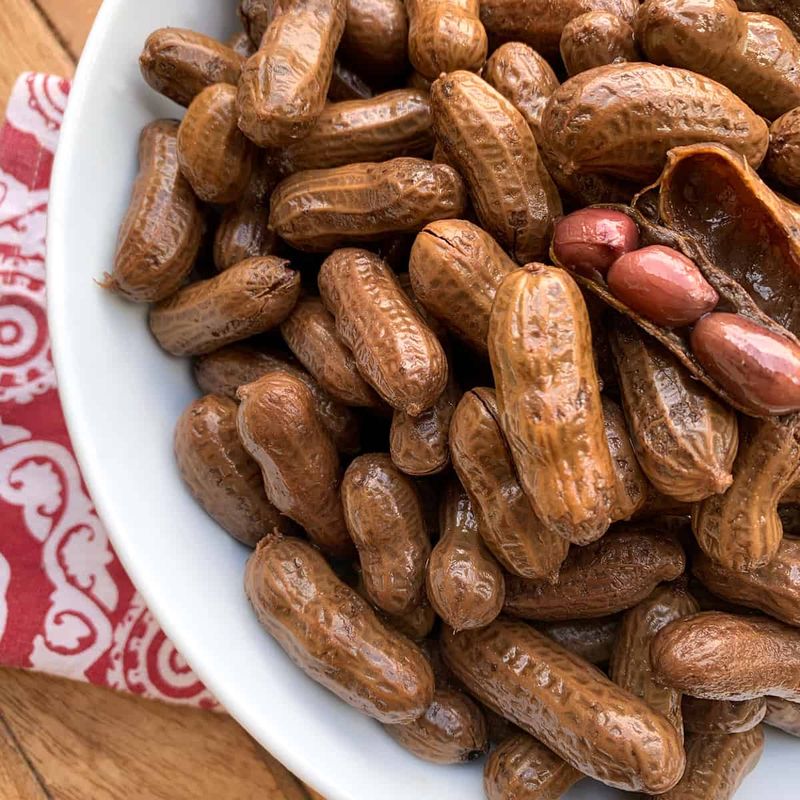
Boiled peanuts are a Southern roadside staple with a devoted following. Green peanuts simmer in salty water until the shells soften and the nuts turn tender.
The texture is unusual for newcomers, but the briny warmth becomes addictive by the second handful.
You eat them hot, straight from a paper bag, juice dripping everywhere. Older travelers swear they beat gas station chips.
Add Cajun spices or garlic, and you will probably convert a friend at your next tailgate. Leftovers reheat beautifully, and the broth can season rice or greens later.
Bring napkins and patience. Serve very hot.
19. Grapefruit with sugar
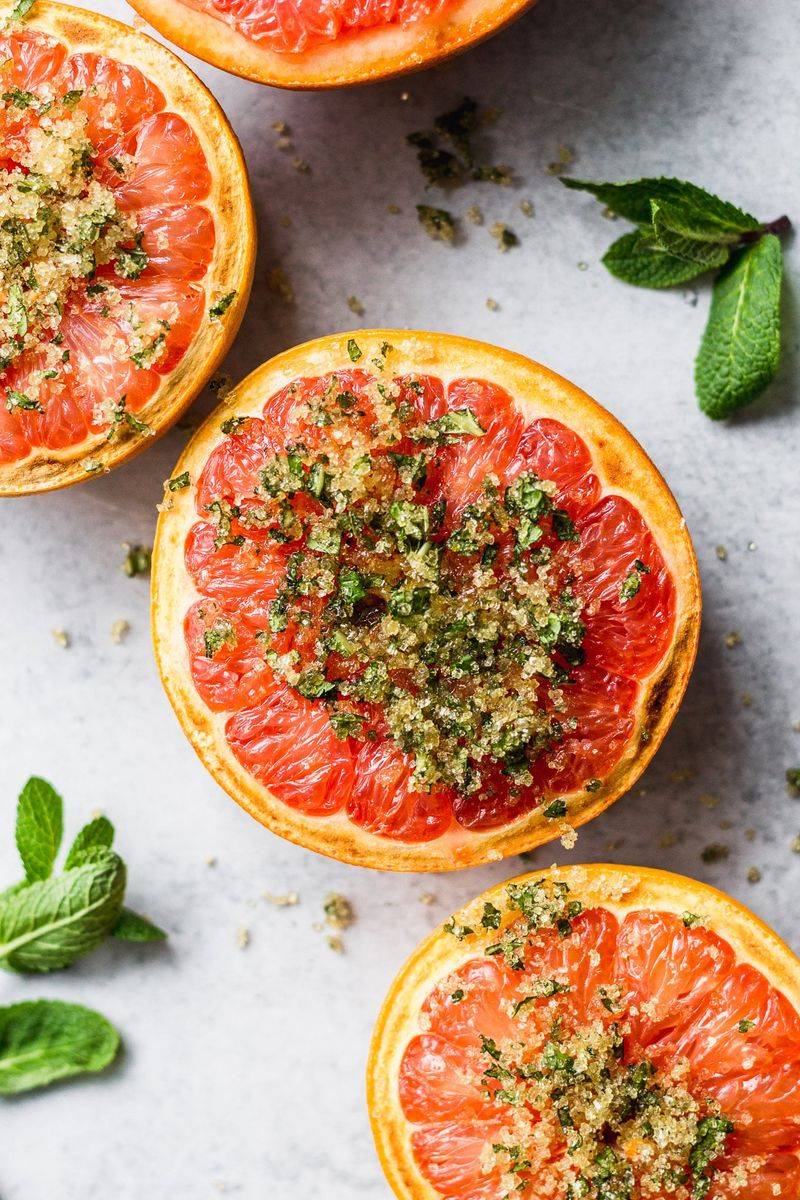
Grapefruit with sugar tastes like bright morning sunshine in a bowl. Halve the fruit, loosen segments, and sprinkle lightly so the tartness sparkles.
Older breakfasts loved that mix of bitter, sweet, and juicy that wakes you up without coffee.
You can broil it for a caramel crust or add mint and salt. A quick squeeze of the juice over yogurt or fish tastes amazing.
Keep a spoon handy and enjoy every drop the old fashioned way. Many grandparents added a cherry on top, because breakfast should feel cheery sometimes.
Try brown sugar if you want deeper flavor.
20. Tomato aspic
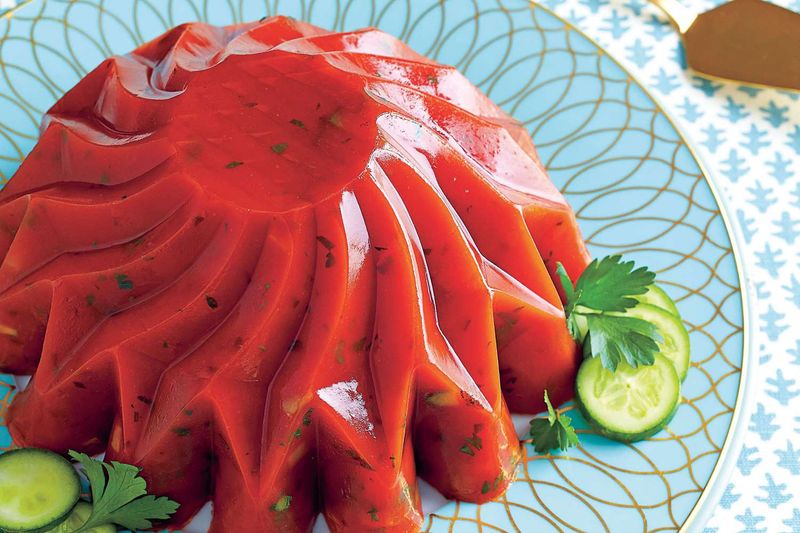
Tomato aspic is a savory gelatin that feels straight from vintage cookbooks. Spiced tomato juice sets with gelatin into a firm, sliceable mold.
Older party tables served it with shrimp salad or cream cheese, and the color always popped.
You might not crave it weekly, but it is refreshing with crunchy celery. Add lemon, horseradish, and Worcestershire, then chill until clear and bouncy.
Serve in little cubes beside cold meats, and you will understand the strange charm that refuses to fade. Older cooks liked how it stayed pretty on hot days and paired with salty snacks.