20 Warning Signs To Watch For In Sushi Restaurants
Sushi can be an unforgettable treat, but a few red flags can turn a fun night out into regret. Knowing what to watch for helps you avoid poor quality and risky handling. You deserve fresh fish, clean prep, and honest hospitality that respects your plate and your health. Spot these warning signs early and dine with confidence.
1. Fish that looks dull or dry
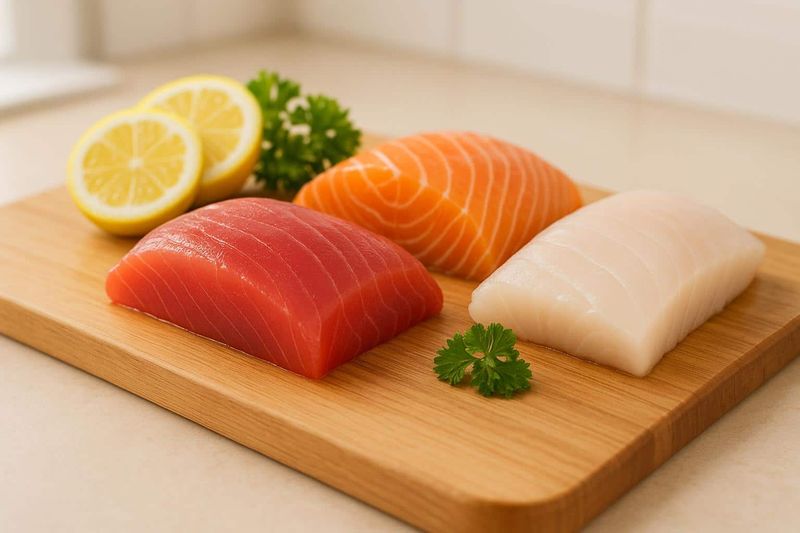
Dull fish signals age or poor handling. Fresh cuts should glisten, look moist without pooling liquid, and have vibrant color. If the surface appears matte, frayed, or slightly crusted, you might be staring at yesterday’s leftovers, not premium seafood.
Ask to see another piece or pick a different item. Trust your eyes before your palate. Good sushi should shine gently under the lights, like it just left the cutting board. If it looks tired, your stomach may feel the same later.
2. Strong fishy or sour odor
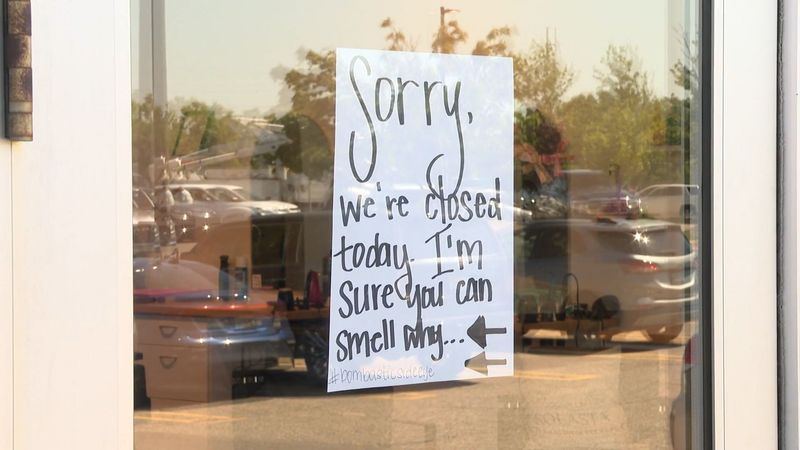
Fresh fish smells clean, like the ocean on a calm day. A strong fishy, sour, or ammonia-like odor is a huge warning that proteins are breaking down. That funk is not seasoning, it is spoilage calling.
Stand near the bar and take a discreet sniff. If the air turns pungent, walk away. Quality seafood is subtle on the nose, even when rich in flavor. Your sense of smell is free quality control, so use it before committing your appetite and wallet.
3. Warm rice served at unsafe temperature
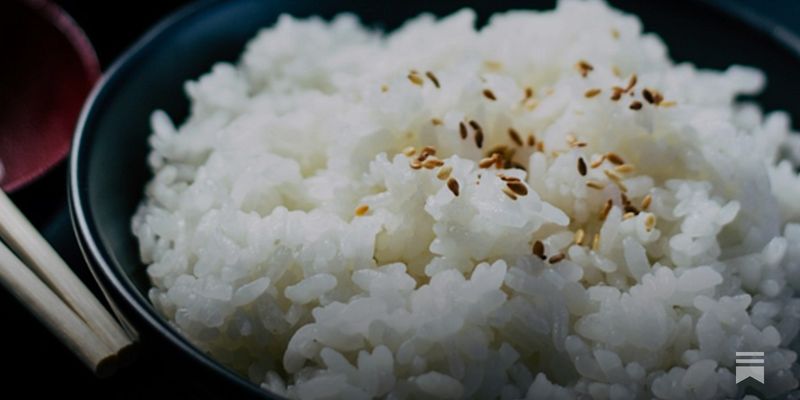
Sushi rice should be slightly warm or room temperature, never hot. If it feels steamy or oddly sticky-sweet and mushy, the vinegar balance and holding temperature might be off. Improperly cooled rice risks bacterial growth, especially Bacillus cereus.
Touch lightly with chopsticks and notice texture. Proper rice separates yet holds shape. If the grains clump into paste or the temperature surprises you, consider choosing cooked items instead. Great rice is the backbone of sushi, and careless handling can ruin both flavor and safety in one bite.
4. Fish displayed without proper refrigeration
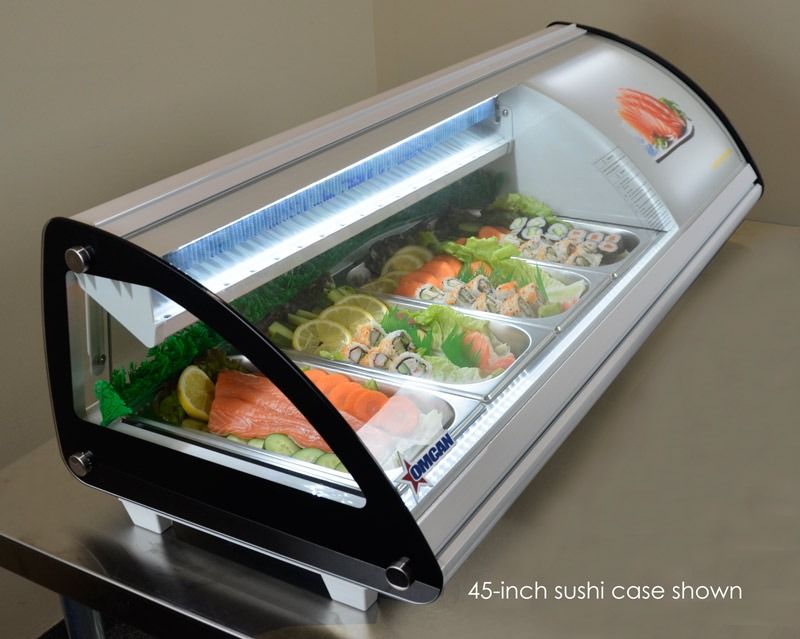
Display cases should be cold with clear thermometers visible. If you see softening flesh, pooling liquid, or ice melting into slush, that fish is not at a safe holding temperature. Warm seafood invites bacterial growth and texture loss.
Look for firm fillets and consistent chill. If there is no cold air flow or the glass sweats excessively, choose a different place. A proper case protects your health and the chef’s work. Refrigeration is not optional in sushi service, it is the silent guardian between you and trouble.
5. Cloudy or old-looking sashimi edges
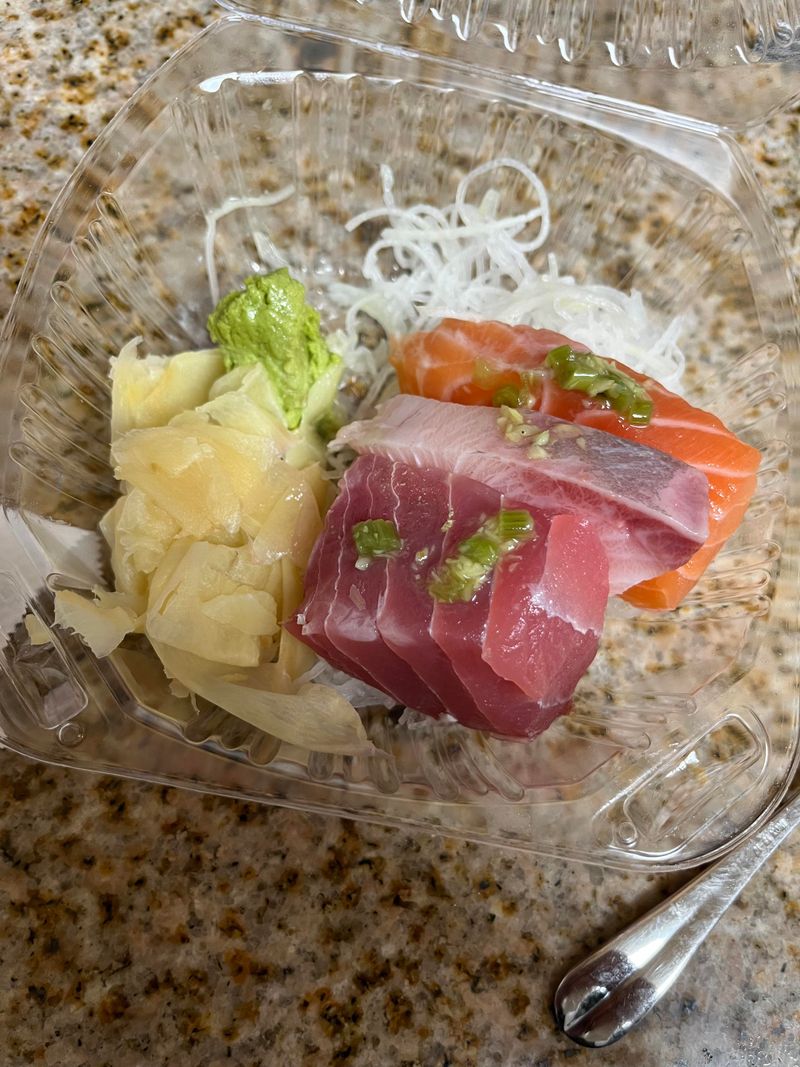
Clean slices have sharp edges and even sheen. When sashimi looks fuzzy at the margins or turns whitish-gray, oxidation and dehydration are at play. That usually means time has passed since cutting, and quality has slipped.
Ask when the fish was sliced. Many chefs cut to order for optimal texture. If the plate arrives with ragged edges or a chalky look, do not hesitate to return it. Freshness shows in the details, and pristine edges are visual proof that the knife and timing were right.
6. Dirty cutting boards or knives
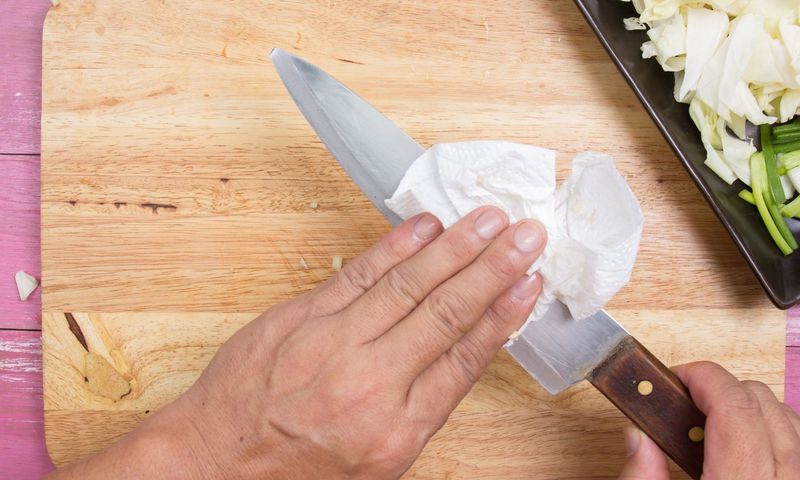
Cutting boards and knives should look spotless between tasks. Residue, stray rice grains, or sticky smears suggest rushed service and poor sanitation. Fish proteins cling and turn rancid fast, especially under warm lights.
Watch for quick wipes with sanitized towels and occasional swaps of boards. If the tools look neglected, the flavors will follow. Clean steel glides and produces precise cuts. Dirty blades mash and smear. The state of the tools mirrors the pride of the kitchen, and you deserve better than streaks and stains.
7. Overly complicated all-you-can-eat rules
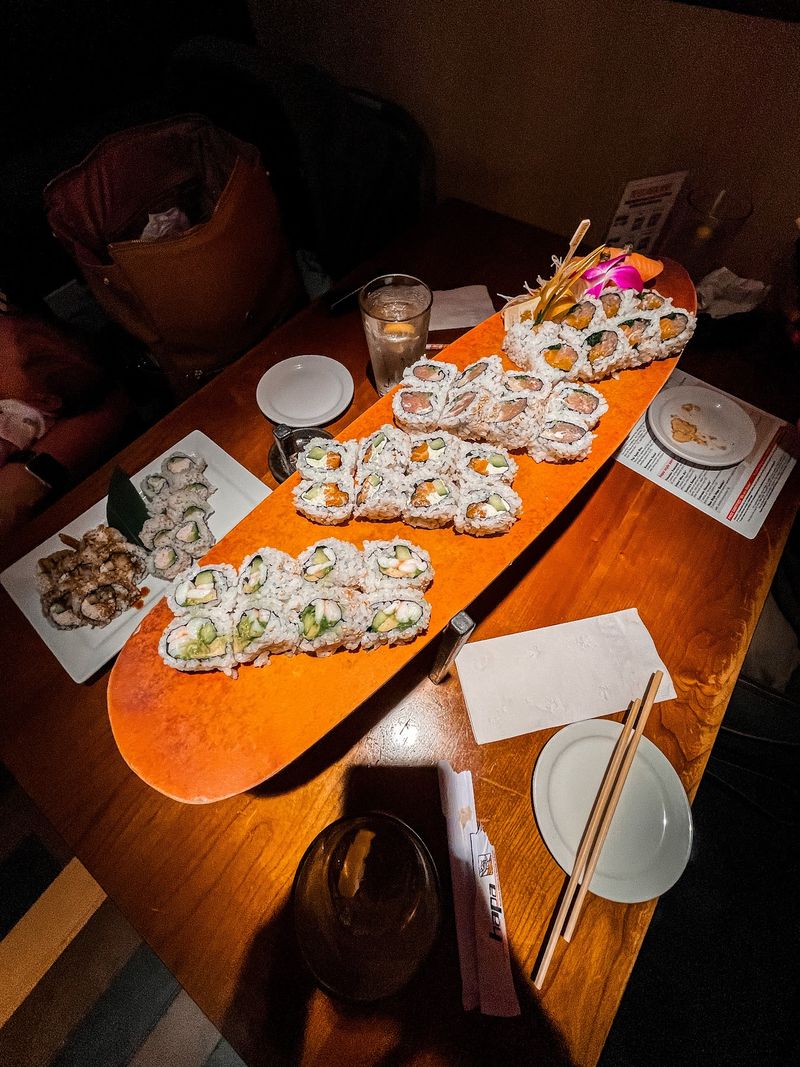
AYCE can be fun, but if rules read like a legal contract, be cautious. Excessive penalties for leftovers, time traps, and surcharge tricks often hide mediocre fish and corner-cutting. Good places keep it simple and fair.
Scan for transparency. Reasonable limits are fine, but predatory fine print signals a focus on volume over quality. You want a kitchen proud of ingredients, not policing your plate with gotchas. If the deal feels like a trap, it probably tastes like one too.
8. Generic fish names on the menu
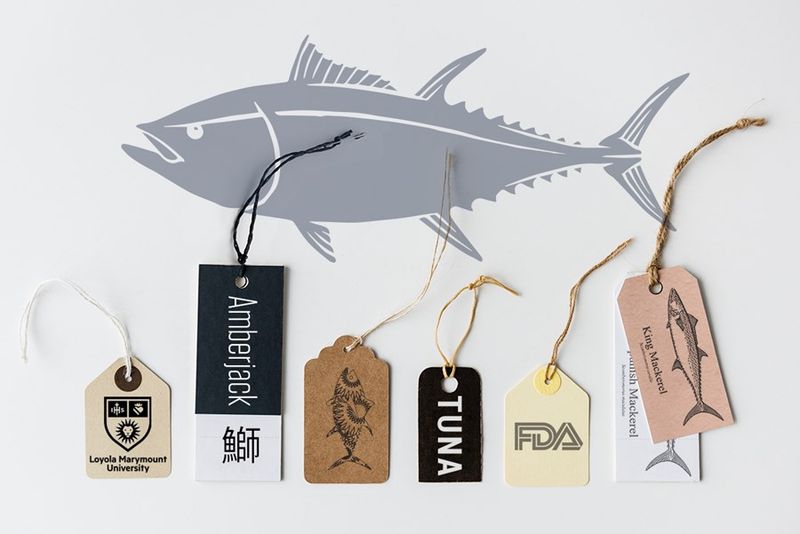
Great sushi bars specify species and origins. Vague labels like white fish or tuna can mask substitutions, farmed sources you did not choose, or lower grade cuts. Specifics show pride and traceability.
Ask which tuna, which salmon, and where it is from. If answers sound rehearsed or evasive, consider passing. Clear details help you make informed choices about flavor and sustainability. Ambiguity belongs in mystery novels, not on your dinner plate when raw fish is involved.
9. Too many deep-fried or sauce-heavy rolls
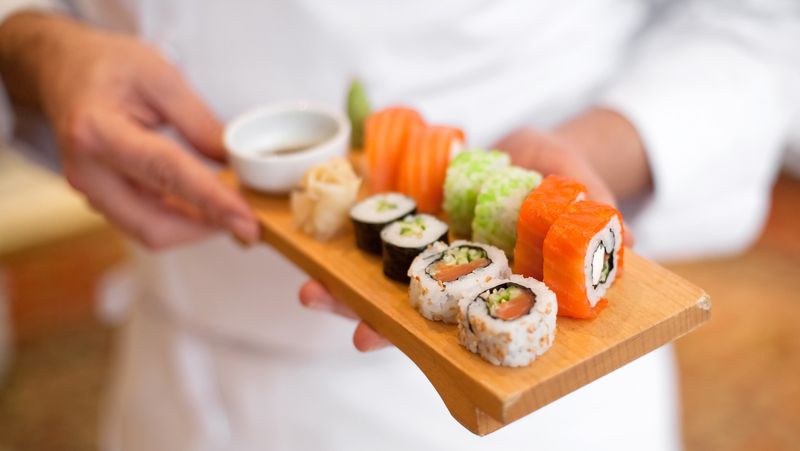
Fun rolls have a place, but an overload of fried items and sugary sauces hints the restaurant is hiding average fish. Strong flavors cover flaws better than they celebrate freshness. Classic nigiri should stand proudly without camouflage.
Glance around. If every plate is a crunchy, sauced tower, be wary. Balance suggests confidence. A chef who trusts the seafood keeps it simple, letting clean textures and gentle seasoning shine. If the menu reads like a dessert bar, consider simpler options or a different spot.
10. No visible handwashing or sanitizer stations

Food prep areas should have sinks or sanitizer within easy reach. If you never witness a quick wash after touching phones, towels, or packaging, that is a hygiene miss. Raw fish deserves disciplined clean hands every time.
Look for routine, not drama. Handwashing should be casual and constant, like breathing. When stations are hidden or absent, standards slide. You are not being picky, you are being prudent. Safe sushi happens where cleanliness is obvious and habitual.
11. Questionable rice texture or seasoning
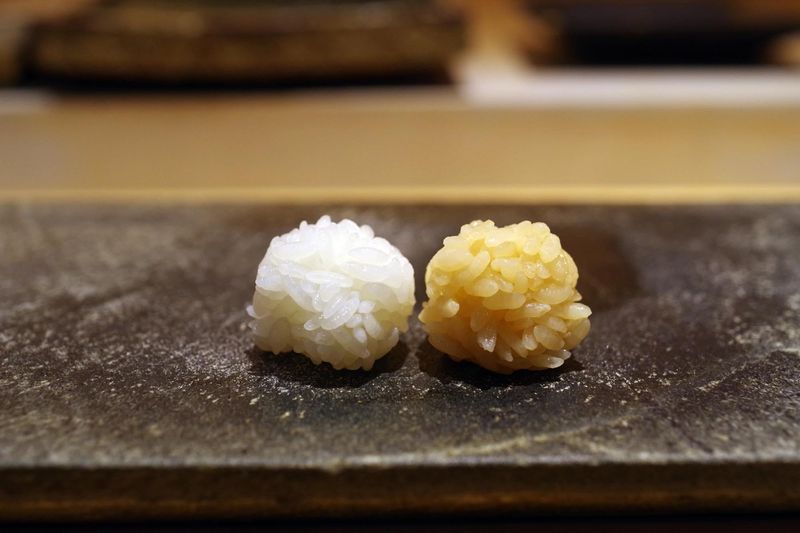
Perfect sushi rice is lightly seasoned, tender yet distinct, and slightly warm. When it is gummy, hard, or overly sweet, the kitchen is struggling with fundamentals. Fish quality cannot rescue broken rice.
Notice how nigiri holds together then gently falls apart in your mouth. If it collapses instantly or sticks like glue, the ratio of vinegar, sugar, and salt is off, or the technique slipped. Great rice whispers balance. Bad rice shouts regret. Choose a place that treats shari like the star it is.
12. Frozen texture or ice crystals in fish
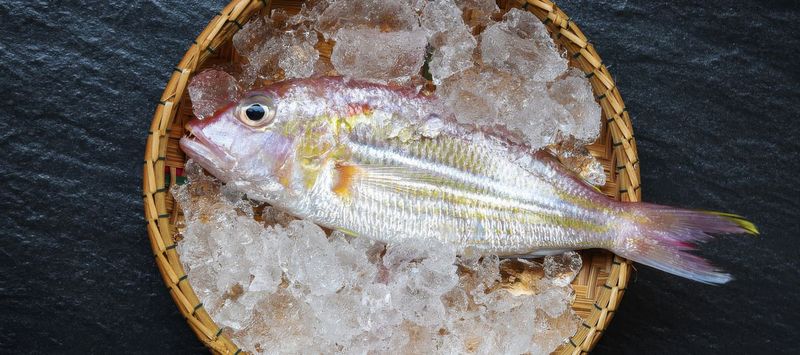
Some fish can be safely frozen, but it should never taste watery or show ice crystals. Thawing done poorly ruins structure, leaving mushy flesh and bland flavor. You should taste clean ocean, not freezer burn.
Press gently with chopsticks. If liquid floods out or fibers collapse, the thaw was rushed or repeated. Properly handled, frozen fish still feels silky and resilient. Slushy edges and weeping plates are your cue to stop ordering raw items.
13. Old or wilting garnishes
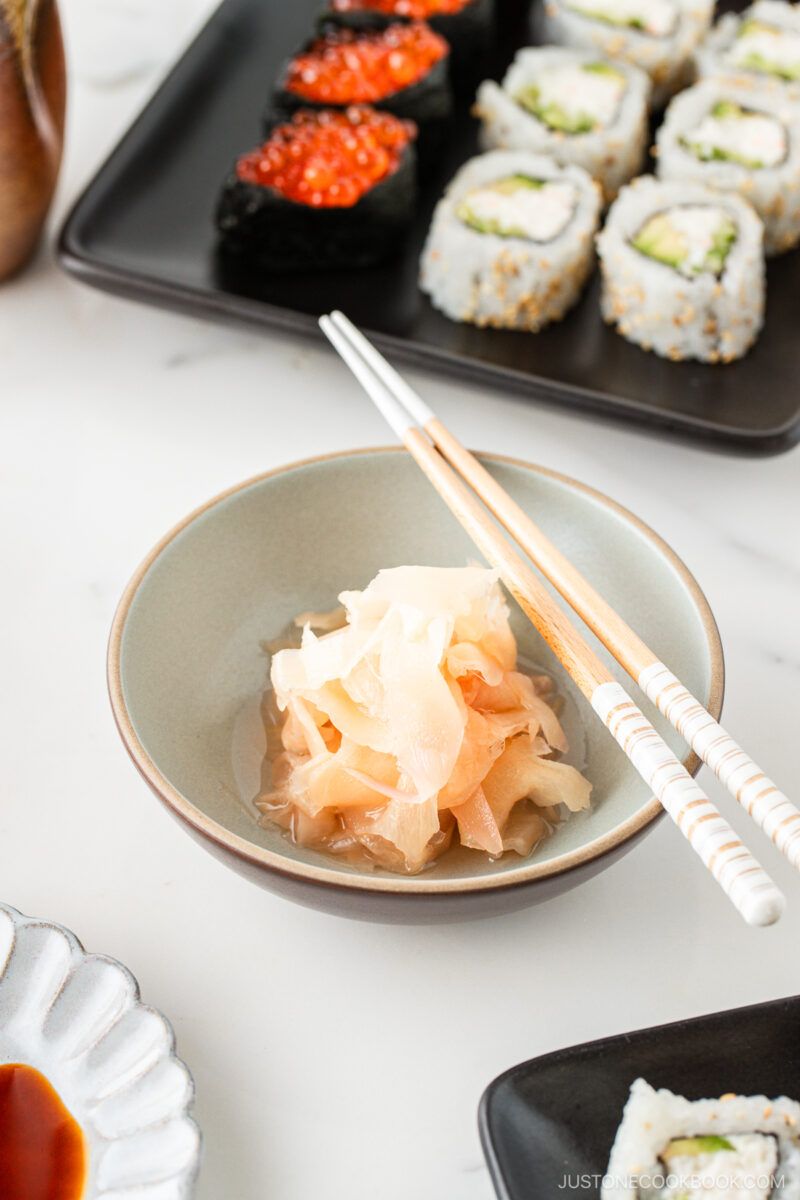
Garnishes tell the truth when fish tries to lie. Wilted shiso, browning ginger, or dried lemon slices suggest poor rotation and inattentive plating. If they cannot keep plants fresh, how are they treating fish.
Fresh garnishes pop with color and aroma. Dull accents equal dull care. You are paying for details, from leaf to loin. When small things sag, confidence in the big things follows. Vote with your chopsticks and move on.
14. Yellowing or dry nori
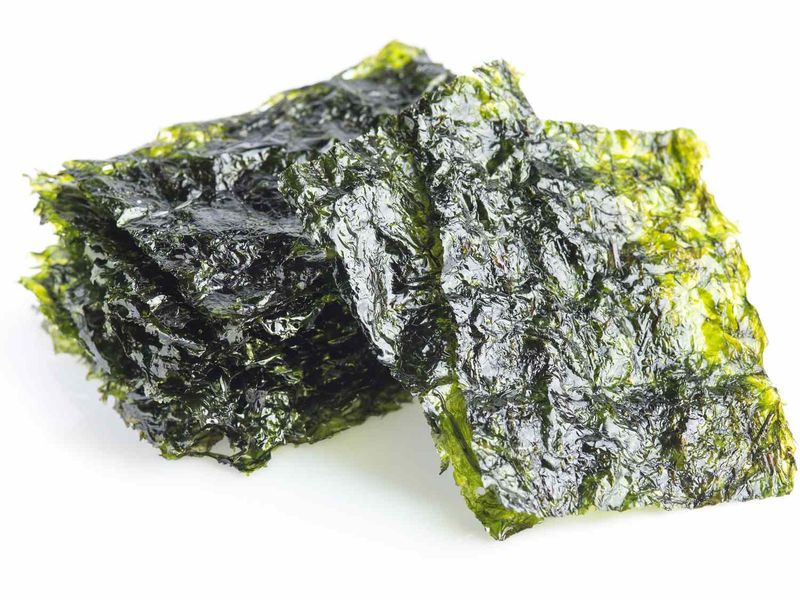
Nori should be crisp and aromatic, shattering slightly when bitten. Yellowing or leathery sheets taste stale and can overpower delicate fillings. Moisture control and storage make or break seaweed texture.
Listen for that quiet crackle. If the wrap drags or chews like rubber, quality slipped or rolls sat too long. A good shop toasts nori just before rolling and avoids humidity traps. Fresh seaweed is a small joy that protects big flavors.
15. Messy rice work and uneven cuts
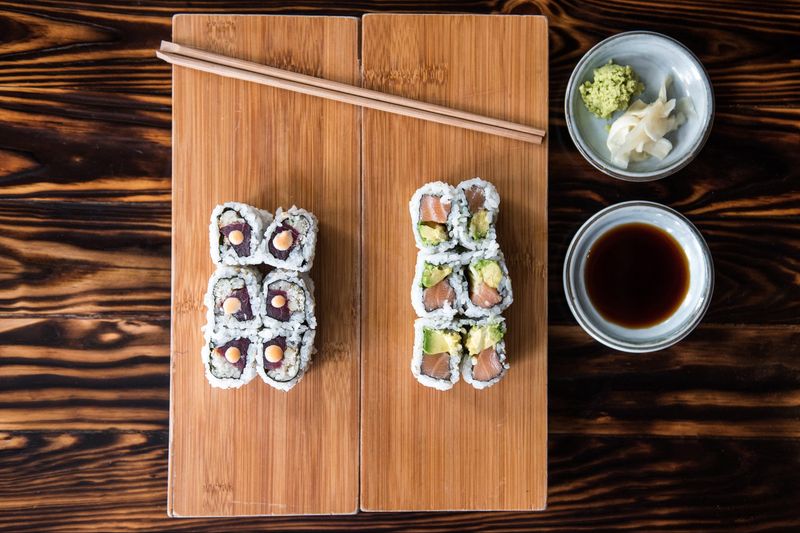
Craft shows in the shapes. Uniform nigiri and clean cuts reflect blade control and care for product. Lumpy rice mounds and jagged slices mean rushed prep or inexperience, which often tracks with quality lapses.
Presentation is more than pretty pictures. It affects mouthfeel and balance. If your plate looks chaotic, flavors likely follow suit. Choose places where geometry sings and every piece feels deliberate. Consistency is confidence you can eat.
16. Reluctance to answer sourcing questions
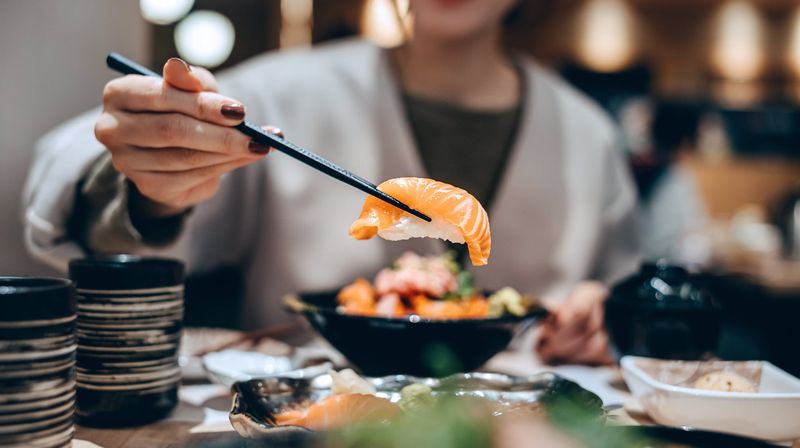
Good chefs enjoy sharing stories about their fish. If staff dodge basic questions about species, origin, or delivery schedules, something is off. Transparency builds trust, especially when serving raw seafood.
Ask kindly and listen. Clear, simple answers create confidence. Vague or defensive replies invite doubt. You deserve to know what you are eating and why it was chosen. Honest sourcing is a hallmark of serious sushi shops, not a burden.
17. Improper glove use or no glove changes
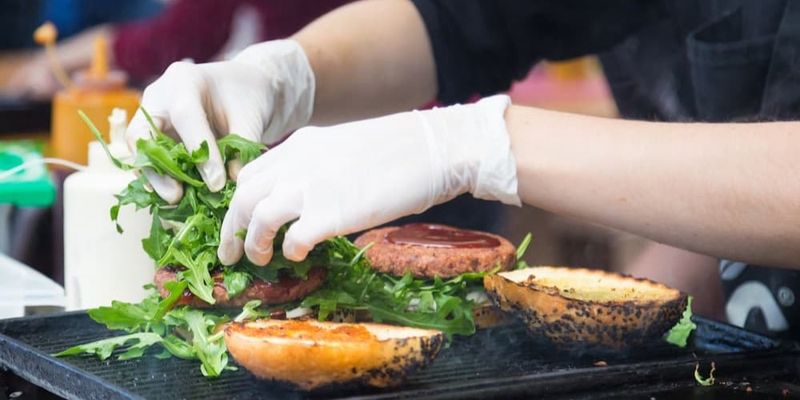
Gloves are not magic. Touching phones, doors, or hair with gloved hands then grabbing rice spreads contamination just as fast. The point is changing gloves and washing hands between tasks.
Watch the rhythm. New task, new gloves, quick wash. If gloves become a costume instead of a tool, standards are slipping. Clean hands beat dirty gloves every time. Protect your stomach by observing habits, not just equipment.
18. Limited turnover during peak hours
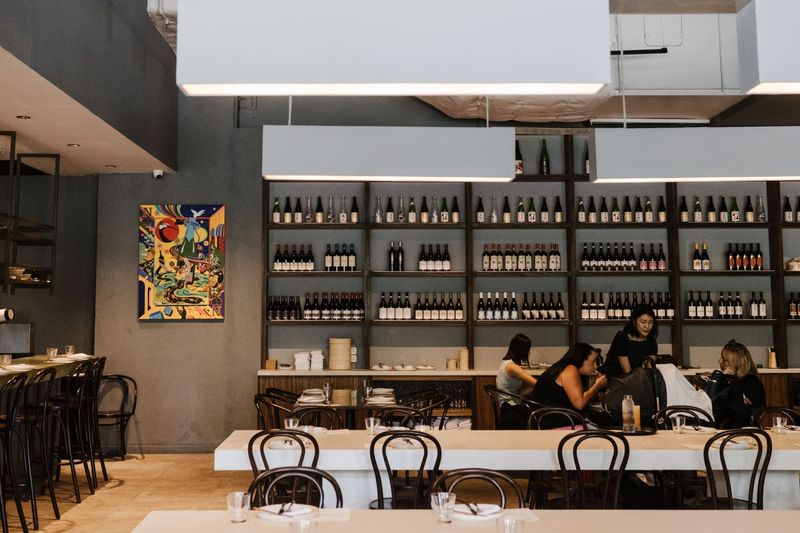
Freshness thrives on movement. If the case is packed but the room is quiet during prime time, fish may linger too long. Slow turnover risks texture loss and off flavors, even with refrigeration.
Check local buzz and timing. A steady crowd usually means frequent prep and frequent deliveries. Empty seats are not always a red flag, but combined with other signs, they matter. Follow the flow where product moves and quality stays alive.
19. Improperly stored ginger and wasabi
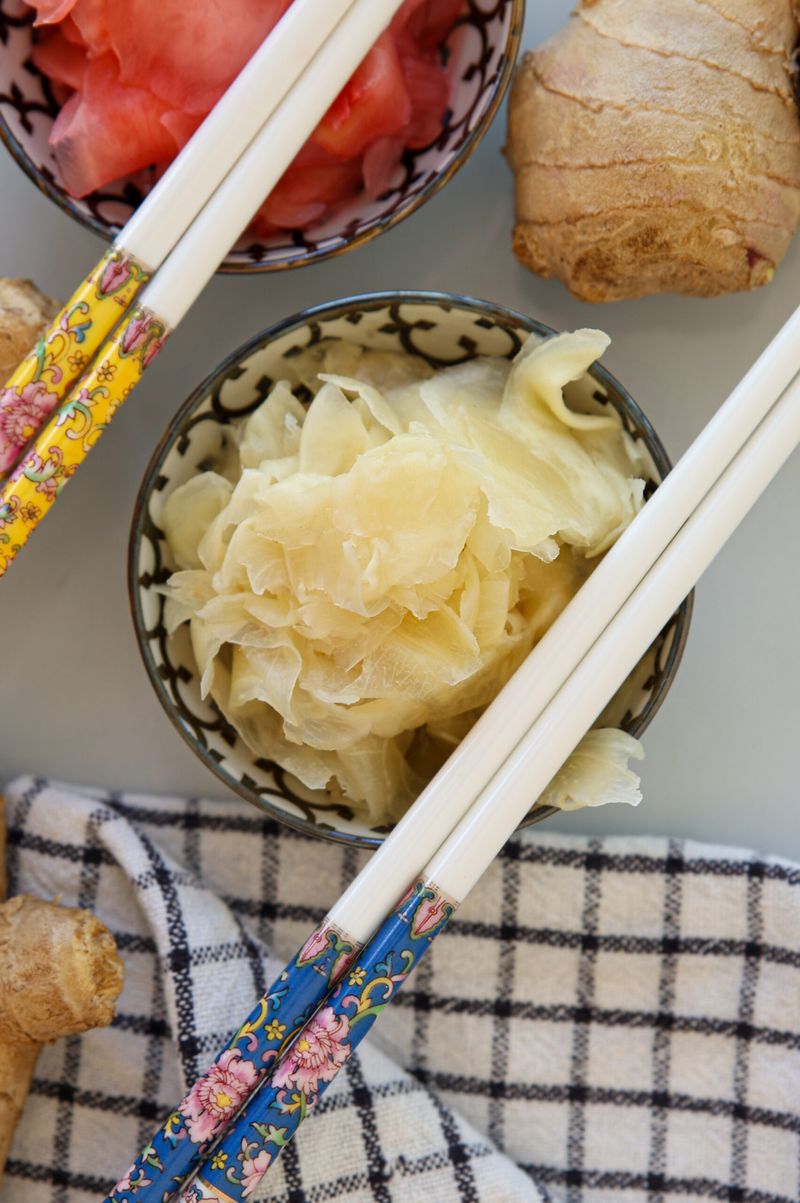
Pickled ginger should be crisp, lightly sweet, and clean. When it sits uncovered or swims in murky liquid, texture and sanitation suffer. Wasabi that crusts or cracks on the edges signals neglect and staleness.
These condiments reset your palate. If they are tired, the experience dulls and hygiene questions grow. Covered containers, small batches, and frequent refreshes show care. Your taste buds will notice the difference immediately.
20. Inconsistent pricing for similar items
Prices should reflect species, grade, and market conditions. When two similar items are wildly different without explanation, it can hint at substitution, confusion, or sloppy menu management. Transparency matters as much as taste.
Ask why a cut costs more or less. Clear reasoning builds trust. If answers crumble, so might standards. Predictable pricing usually pairs with predictable quality, and your peace of mind is part of the meal.