21 Expensive Grocery Items That Cost Less In Another Aisle
Grocery stores are designed to make you spend more, but smart shoppers know the real deals hide in plain sight. The same staple can cost dramatically less just a few steps away in another aisle.
Once you spot the patterns, your cart total starts shrinking without sacrificing quality. Ready to outsmart the shelf tags and keep more money in your pocket?
1. Spices in the international aisle
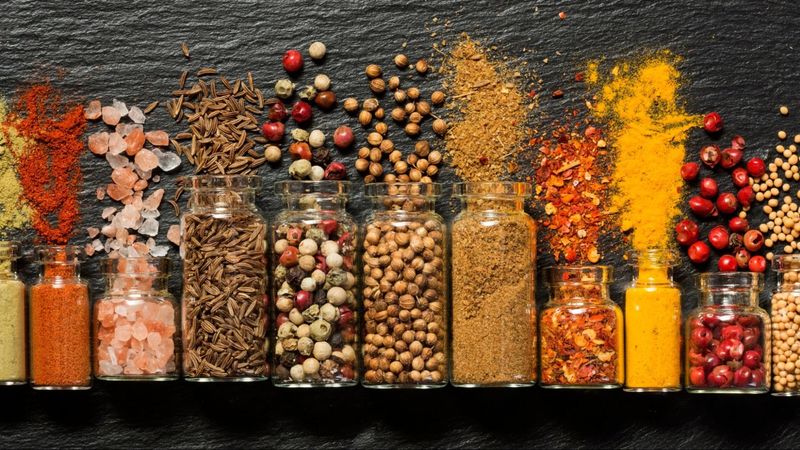
Those tiny glass spice jars look fancy, but you pay mostly for packaging and branding. Check the international aisle for bagged spices or larger jars at a fraction of the cost.
Compare cumin, paprika, and chili powder weights to see the savings quickly.
Buy whole spices when possible and grind them at home for fresher flavor and longer shelf life. Store extras in airtight jars to keep them potent.
If you cook often, consider the bulk bins too, where you can buy exact amounts without overpaying.
2. Baking soda near cleaning supplies
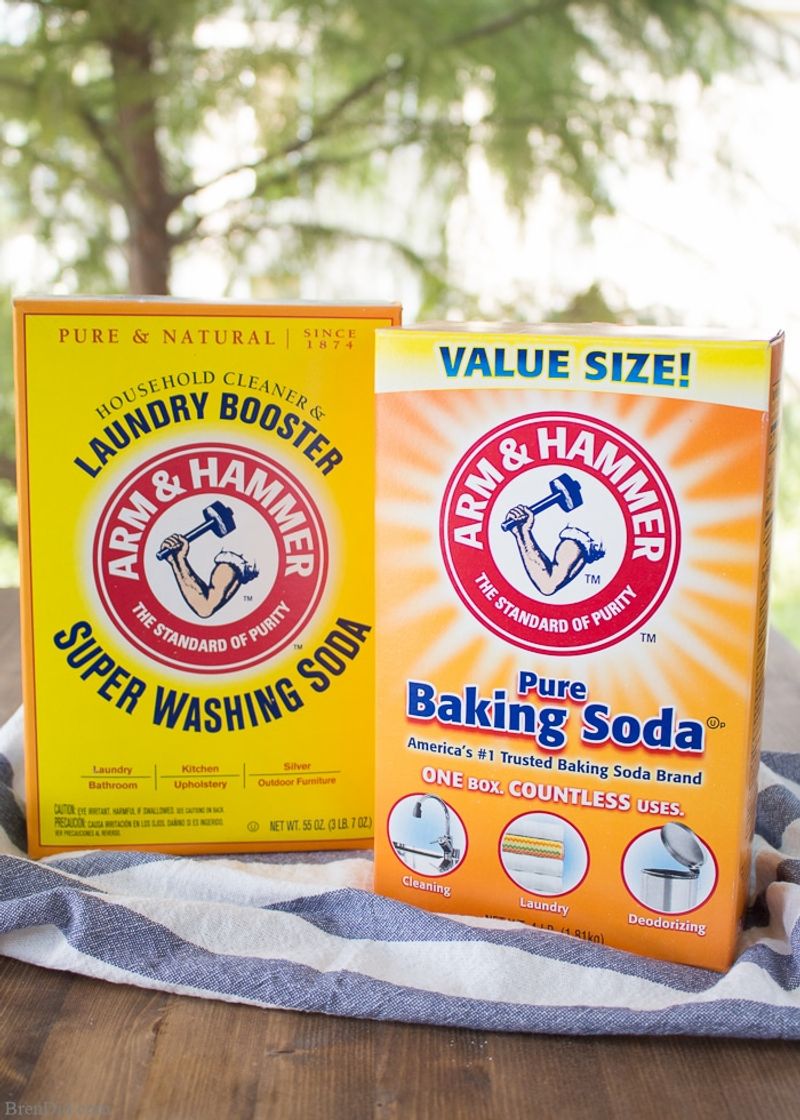
Baking soda marked for cooking can be pricier per ounce than the giant bags labeled for cleaning. Both are the same sodium bicarbonate, but the cleaning aisle versions come in bulk.
Read labels and choose pure baking soda without added scents.
Transfer the bulk bag into smaller containers for kitchen and laundry use. It deodorizes, scrubs, and bakes for less.
If you bake frequently, bulk saves big without compromising recipes, especially for biscuits, pancakes, and quick breads.
3. Nuts from bulk bins
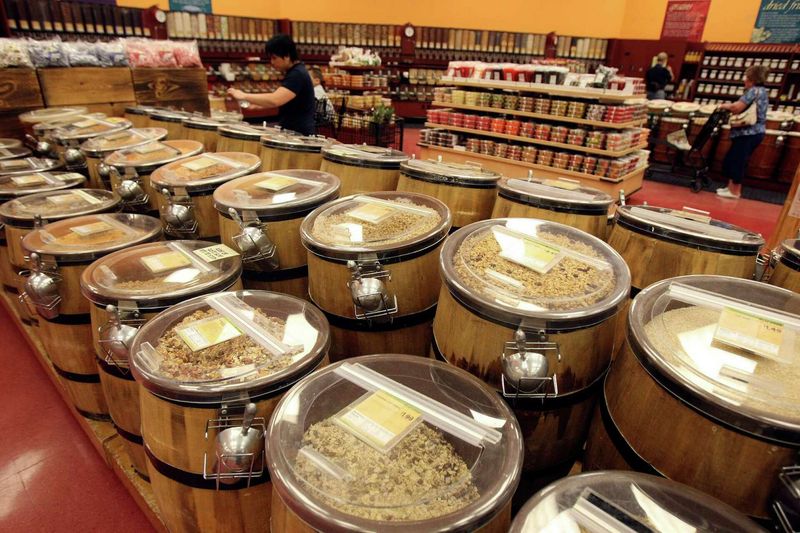
Prepackaged nuts in the snack aisle often include glossy branding and smaller quantities. Bulk bins let you buy only what you need, cutting waste and slashing the price per pound.
Toast nuts at home to boost flavor and extend freshness.
Check the unit price and compare raw versus roasted options. Often raw nuts are cheaper, and a quick pan roast does the trick.
Store in airtight containers or the freezer to prevent rancidity, keeping your investment from going stale.
4. Dried beans vs canned aisle
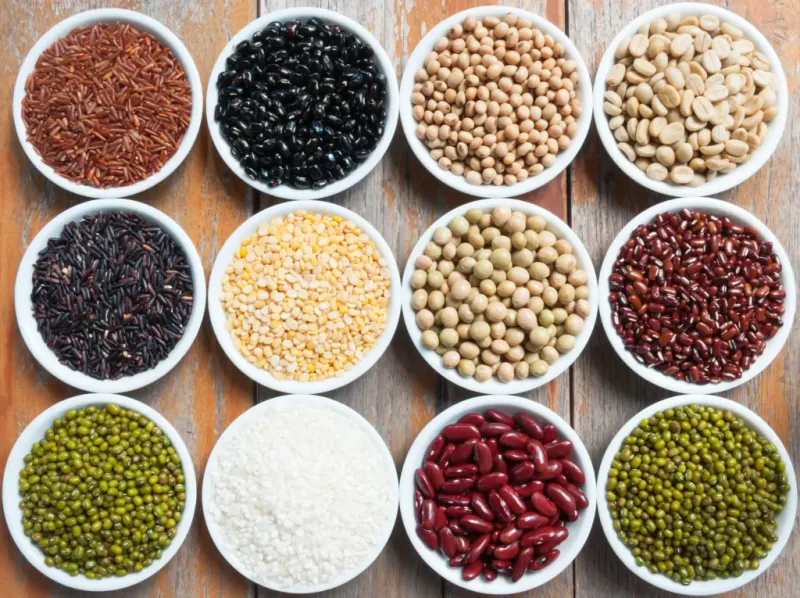
Canned beans are convenient, but dried beans cost far less per serving and taste better. Check the bulk section or international aisle for bags of black beans, chickpeas, and lentils.
Soak overnight or quick soak, then pressure cook for speed.
Cook big batches and freeze in portions to mimic canned convenience. You control the salt and texture, and the savings add up fast.
Keep a few cans for emergencies, but make dried beans your weekly default when time allows.
5. Oats from the cereal aisle bottom shelf
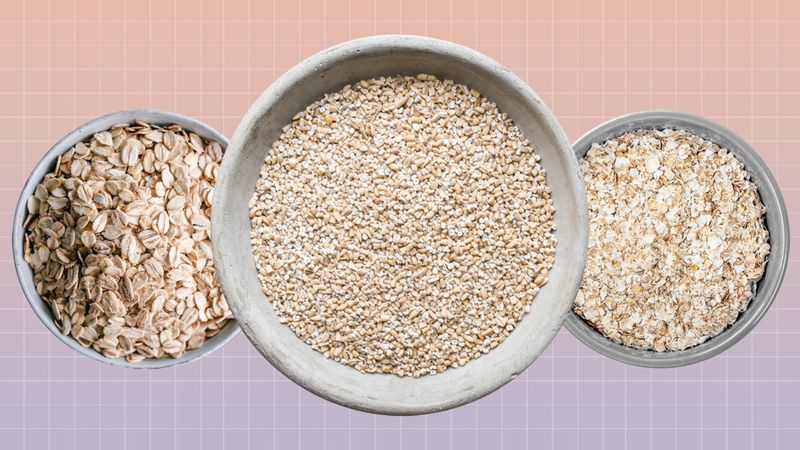
Flavored oatmeal packets charge extra for sugar and marketing. Plain rolled oats or steel cut oats on lower shelves usually deliver a better unit price.
You can add fruit, cinnamon, and nuts at home for tastier bowls.
Buy the biggest size you will use within a couple of months to keep them fresh. Store in a sealed container to prevent pantry pests.
For quick mornings, batch cook oats and portion them out, saving money and time.
6. Cheese blocks over pre-shredded
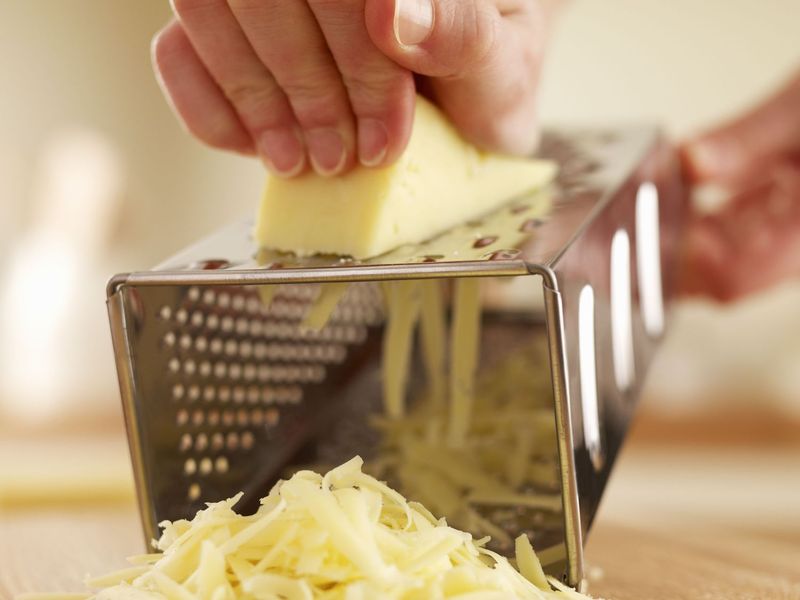
Pre-shredded cheese includes anti-caking agents and costs more per ounce. Grab a block and shred it yourself for better melt and flavor at a lower price.
A simple box grater or food processor makes it easy.
Buy on sale and freeze grated portions for pizza, tacos, and casseroles. Blocks also last longer when wrapped properly.
You will notice creamier results without the powdery texture shreds can add to sauces.
7. Yogurt in larger tubs
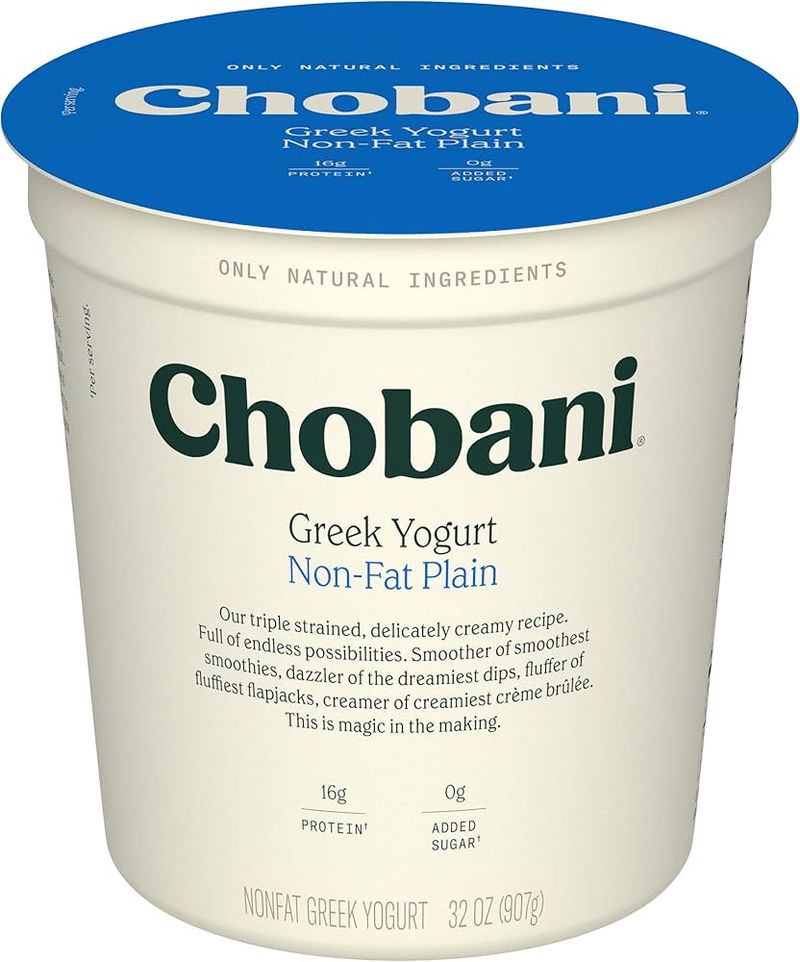
Single-serve yogurts are convenient, but the markup is steep. Large tubs of plain yogurt cost significantly less per ounce and give you more flexibility.
Sweeten with honey or fruit and portion into reusable containers.
Greek style in larger tubs is often cheapest when on sale. Use it for breakfasts, dips, and marinades.
You get more protein and fewer additives while avoiding the premium paid for tiny cups and dessert-like flavors.
8. Maple syrup near baking supplies

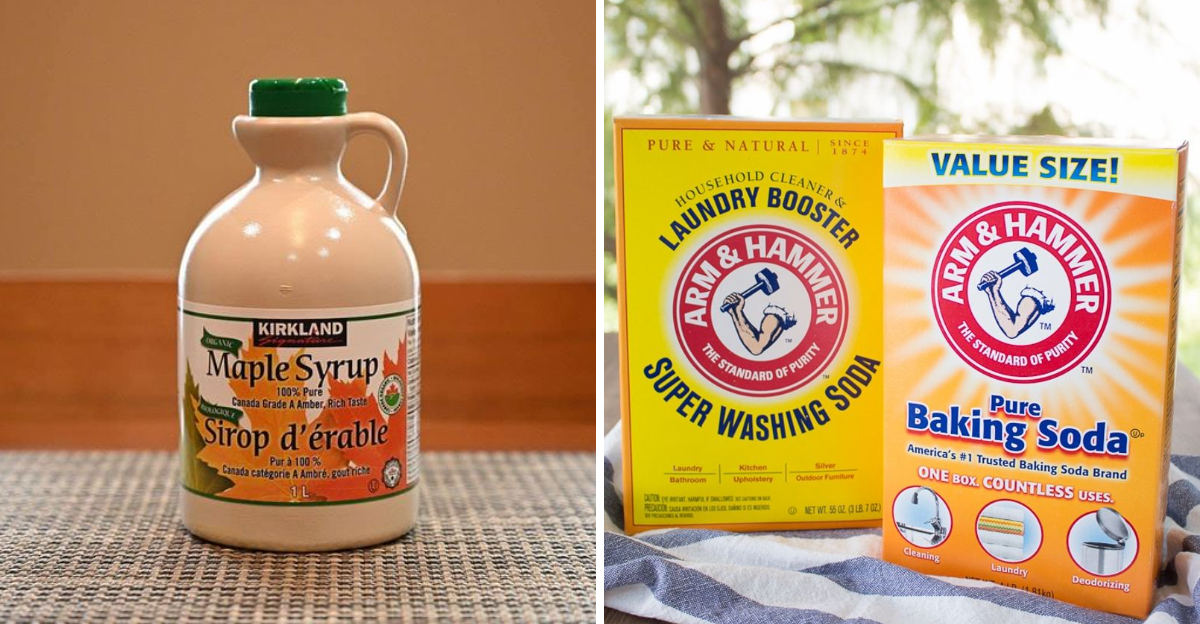
Maple syrup in the breakfast aisle often comes in small, premium bottles. Check baking supplies or the international aisle for larger jugs at a lower price per ounce.
Grade A tastes consistent and works for pancakes and baking.
Buy during seasonal promotions to stock up. Store in the fridge after opening to preserve quality.
If the budget is tight, blend a little real syrup with unsweetened applesauce as a lighter, cheaper pancake topping.
9. Chocolate chips vs baking bars
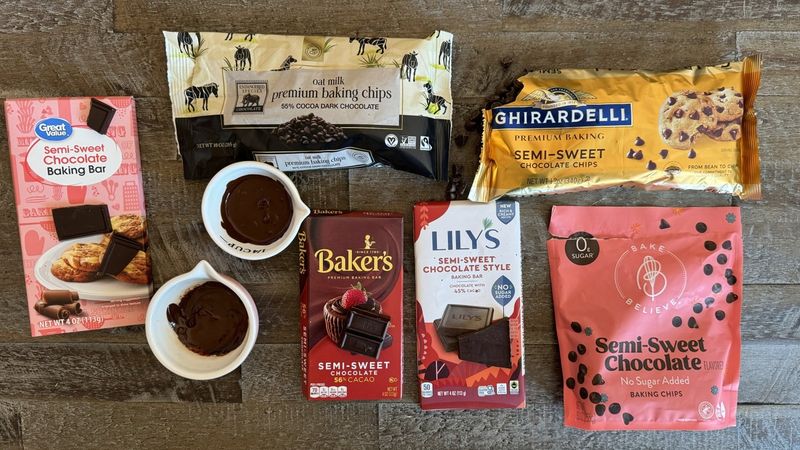
Chocolate bars in the candy aisle can be pricey for baking projects. Baking chips or bars in the baking aisle usually offer better unit prices and consistent performance.
Look for cocoa butter content for smoother melting.
When recipes need chopped chunks, buy baking bars and dice them yourself. Store chocolate in a cool pantry to prevent bloom.
Watch for sales around holidays, then freeze extra to stretch your budget across multiple desserts.
10. Granola ingredients over bagged granola
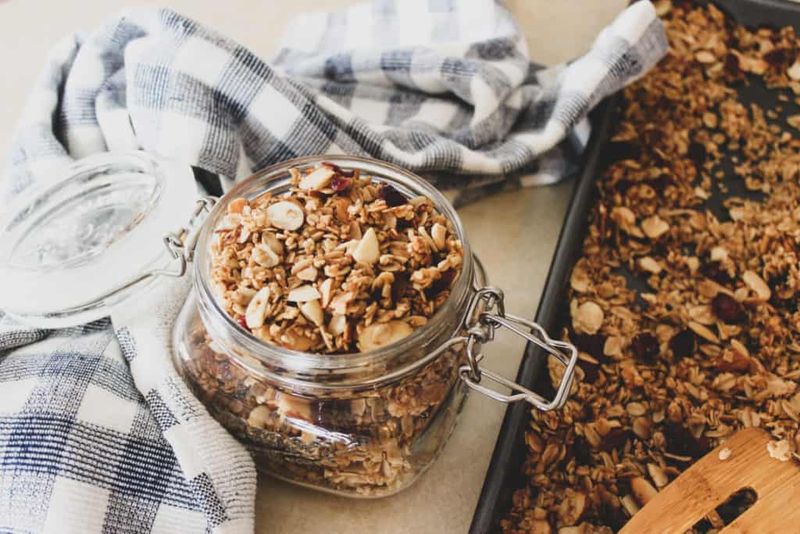
Bagged granola is costly, mostly because of added sugar and packaging. Build your own from oats, nuts, seeds, and a little honey or oil for a fraction of the price.
Toast on a sheet pan and store in jars.
Buy ingredients from bulk bins to minimize waste and customize texture. Add dried fruit after baking to keep it chewy.
You will get fresher flavor, less sweetness, and more value per breakfast bowl or snack.
11. Bread from the bakery markdown rack
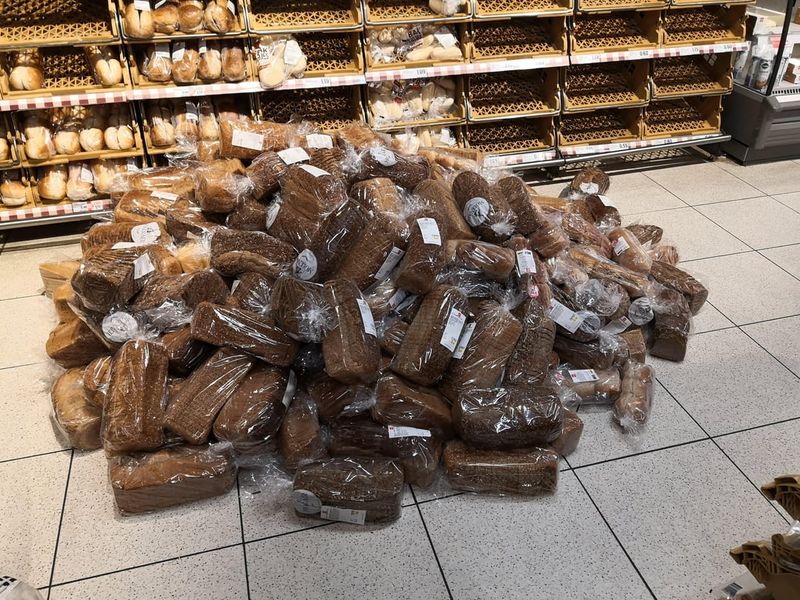
Fresh bakery bread can be expensive, but the day-old rack is a goldmine. These loaves are usually perfect for toasting, sandwiches, or croutons at half price or less.
Slice and freeze to keep quality high.
Ask staff when markdowns happen, often early morning or evening. You will find baguettes, sourdough, and multigrain options.
A quick refresh in the oven revives crustiness, delivering bakery flavor without the premium price.
12. Herbs from produce bundles

Clamshell herbs are tidy but expensive for the quantity. Larger produce bundles or bunches cost less and offer more leaves.
Trim stems, wash, and store in a jar of water in the fridge to keep them perky.
Chop and freeze extras in olive oil cubes for future cooking. Cilantro, parsley, and dill are especially cheaper as bundles.
You will waste less packaging and save on weeknight flavor boosters.
13. Coffee beans from bulk or local roaster
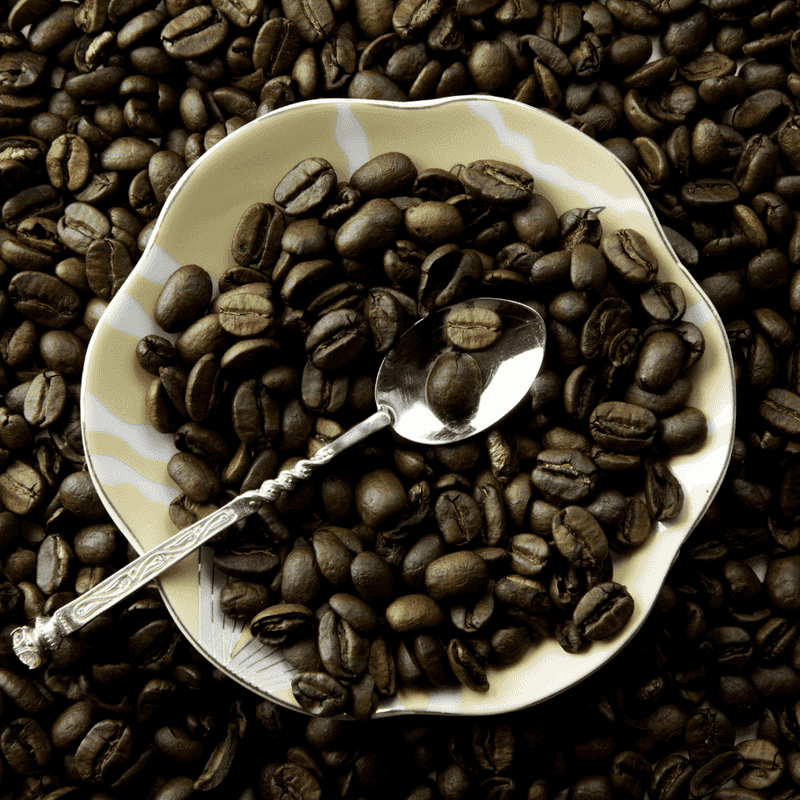
Premium national brands charge for marketing and shelf placement. Bulk beans or a store brand from a local roaster can deliver fresher flavor at a lower price.
Always check roast date and buy just enough for two weeks.
Grind at home right before brewing for the best cup. Freeze extra beans in airtight bags if you catch a sale.
You will pay less and enjoy better aroma than many big-name blends.
14. Rice from the international aisle
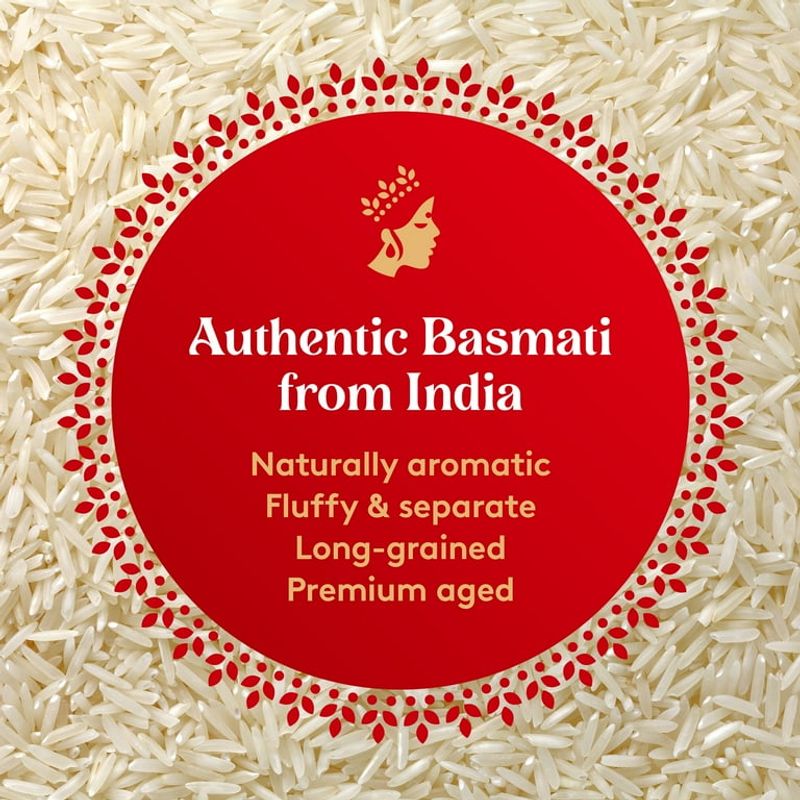
Small boxed rice in the grains aisle can be surprisingly pricey. The international aisle often has larger bags of jasmine, basmati, and medium-grain rice with better unit prices.
Rinse before cooking for fluffier grains.
Store rice in a sealed container to prevent pests. Buying 10 to 20 pound bags cuts costs for frequent rice eaters.
Flavor with stock, aromatics, or a pat of butter for restaurant-quality results at home.
15. Cereal vs plain corn flakes and add-ins
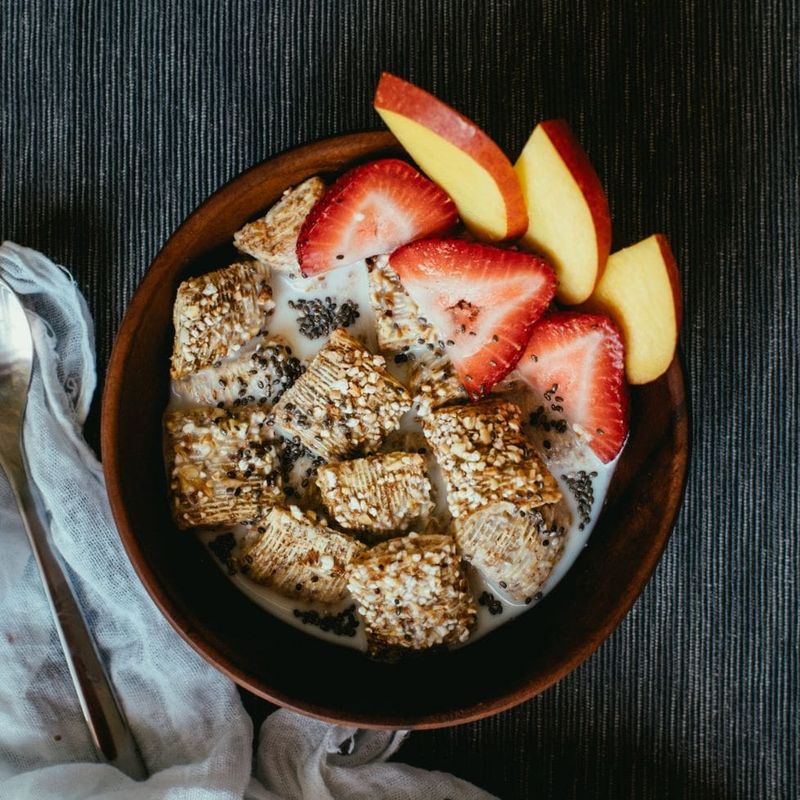
Branded cereals charge for flavors and mascots. Go for plain corn flakes or bran and add your own nuts, cinnamon, or dried fruit.
You get better control over sugar and a lower price per bowl.
Watch the unit price on bottom shelves for store brands. Mixing in bulk-bin raisins or seeds stretches value further.
It tastes fresher and keeps your breakfast budget in check without boredom.
16. Condiments: store brand near bottom shelf
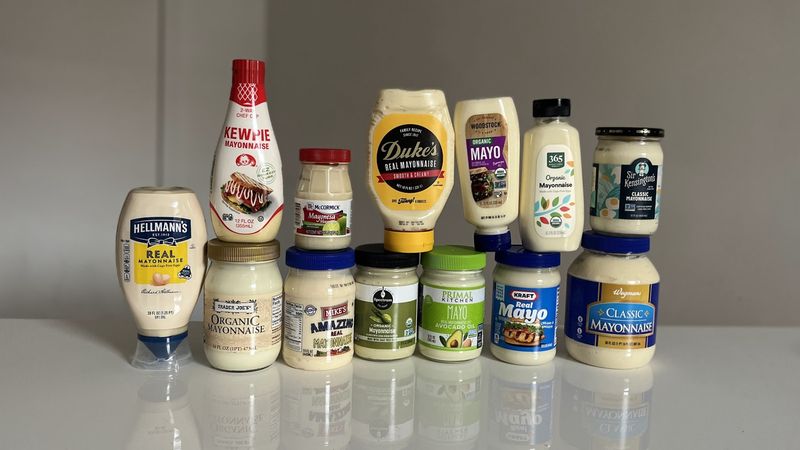
Eye-level condiments are often the most expensive. Look down for store-brand ketchup, mustard, and mayo with comparable ingredients at lower prices.
Taste tests frequently show minimal differences for everyday use.
Buy the smallest size you will finish before the date, especially for mayo. Keep an eye on sales cycles and stock up responsibly.
You will shave dollars off cookout season without sacrificing flavor.
17. Cleaning vinegar vs specialty cleaners

Specialty cleaners promise miracles, but many tasks need only diluted cleaning vinegar. A large jug costs far less and handles glass, counters, and limescale.
Add a few drops of dish soap for grease and rinse well.
Avoid natural stone and check manufacturer guidance for surfaces. Reuse a spray bottle and label your mix.
You will save on packaging and fragrance markups while keeping your routine simple.
18. Frozen fruit over pre-cut fresh
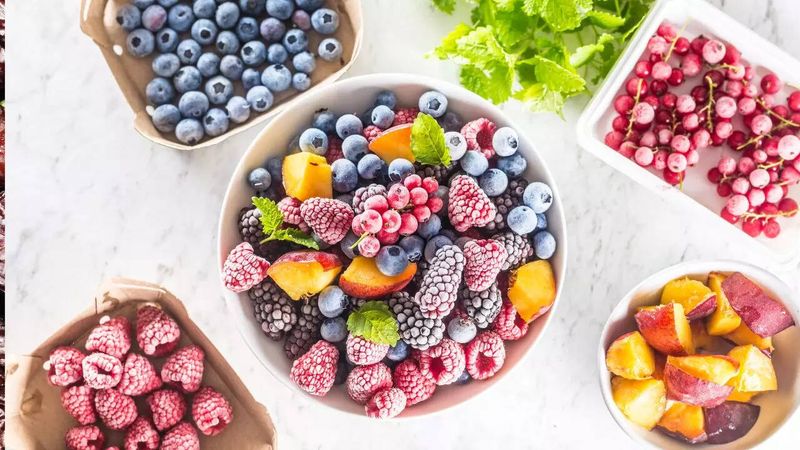
Pre-cut fruit bowls charge for labor and have short shelf lives. Frozen fruit is picked ripe, flash-frozen, and sold cheaply in larger bags.
It is perfect for smoothies, baking, and oatmeal without waste.
Thaw only what you need and keep the rest sealed tight. Look for unsweetened varieties to avoid added sugar.
You get consistent quality year-round and pay far less than fresh pre-cut tubs.
19. Seltzer from the soda aisle bottom shelf
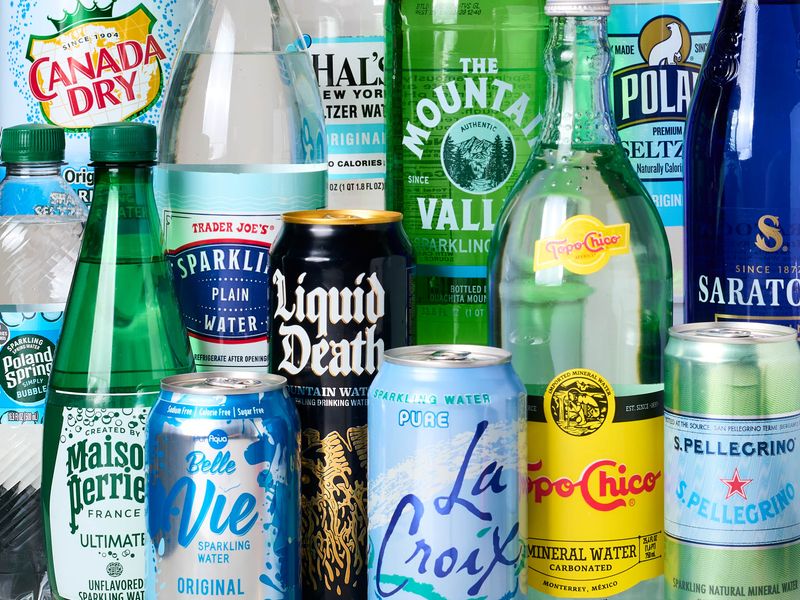
Trendy seltzers can be pricey for bubbles and branding. Plain or store-brand seltzer on lower shelves typically costs much less.
Add a squeeze of citrus or a splash of juice for flavor without the markup.
Buy multipacks when on sale and store at room temperature. Chill only what you will drink soon.
It is the same refreshing fizz for a better price, especially if you go through cans quickly.
20. Peanut butter near bulk or store brand
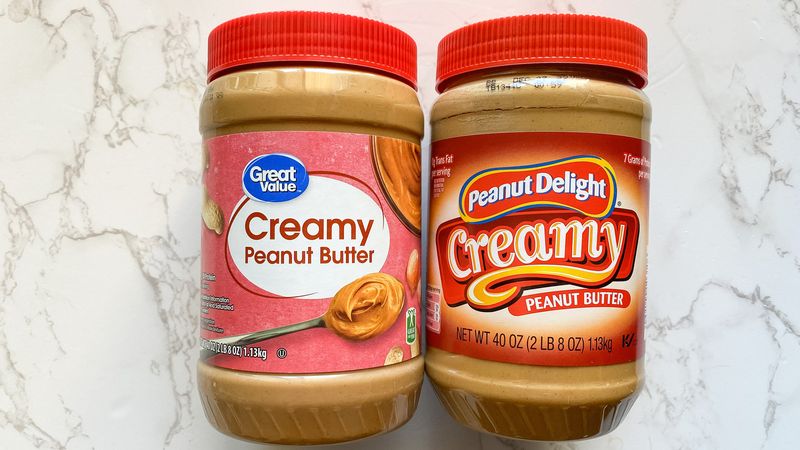
Nut spreads vary wildly in price. Store-brand peanut butter or bulk tubs often undercut premium labels with similar ingredients.
Stir natural versions and refrigerate to keep separation manageable.
Compare unit prices and watch for sales on larger jars. If you only need small amounts, shop the smallest size to avoid waste.
You will still enjoy creamy sandwiches and sauces without paying for fancy labels.
21. Broth from bouillon or concentrates
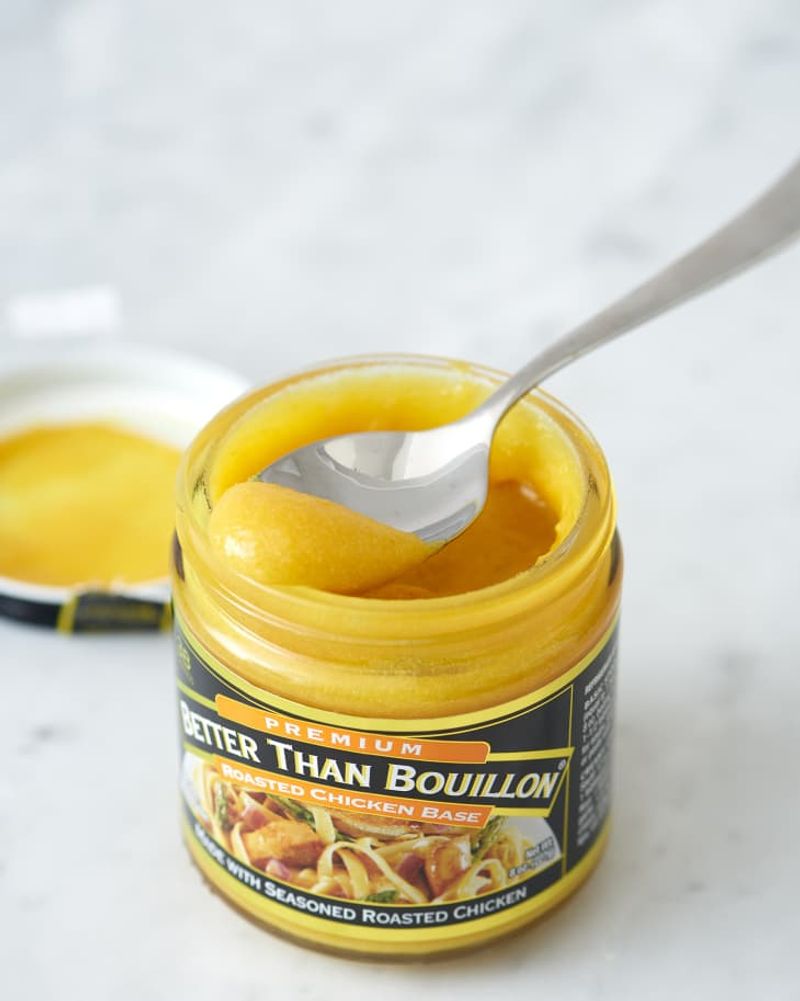
Boxed broth is convenient but heavy and costly per cup. Bouillon cubes or paste concentrates make quarts for a fraction of the price.
Adjust strength to taste and add aromatics for depth.
Keep a jar in the fridge and you will always have broth on hand. It reduces waste and frees pantry space.
Perfect for soups, grains, and sauces without paying for water in a box.