21 Unexpected Facts About Arby’s Roast Beef
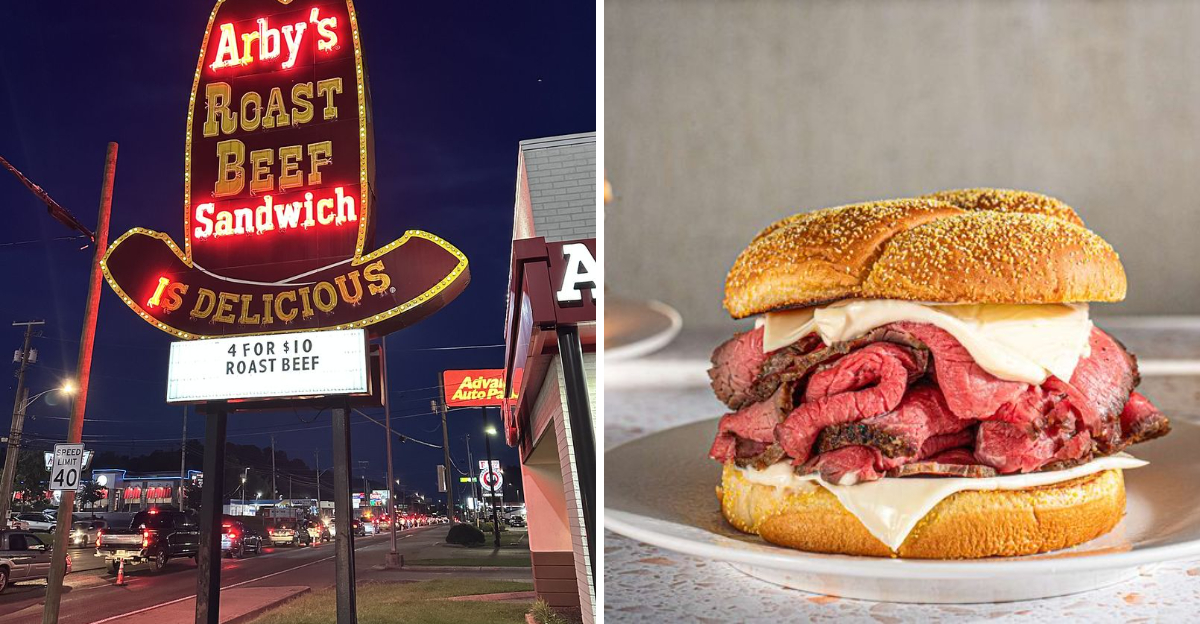
Think you know Arby’s roast beef? Get ready to be surprised. These bite-size revelations peel back the bun on sourcing, prep methods, myths, and the quirky history that shaped a cult classic. By the end, you will see that familiar sandwich in a totally new light.
1. The name does not mean roast beef
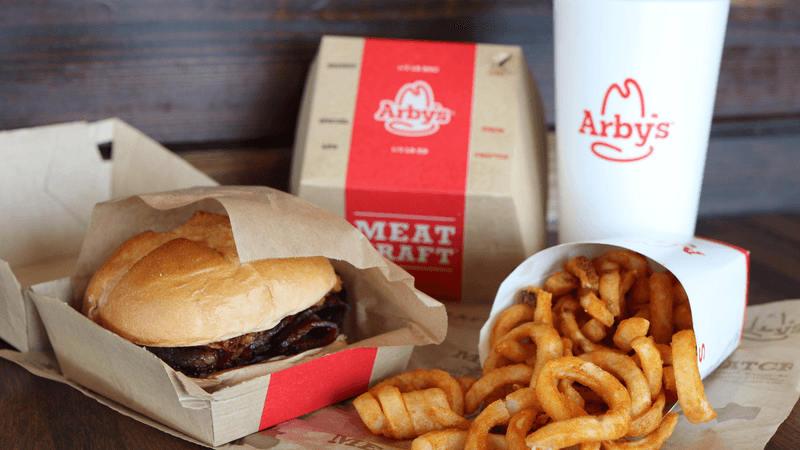
Arby’s was not named for roast beef. It actually comes from the initials R and B, referencing the Raffel Brothers who founded the chain. That playful twist started a long tradition of brand misdirection.
So when you order roast beef, you are participating in a punny legacy. The name cleverly nods to the founders while sounding like the main sandwich. It is marketing that feels inevitable in hindsight.
You can casually drop this fact the next time someone argues about acronyms. It is a neat piece of trivia. And it sets the tone for many surprising truths ahead.
2. It began as a higher-end fast food concept
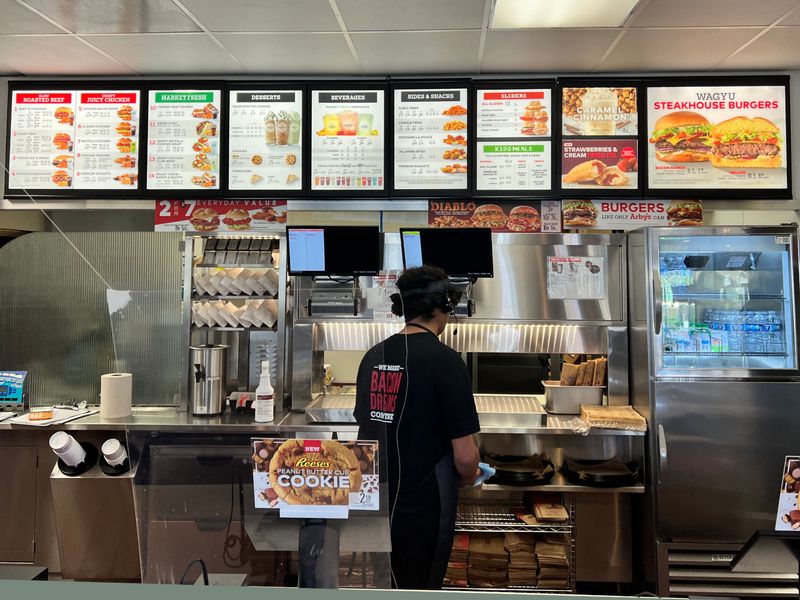
Early Arby’s aimed upscale compared to burger joints. The founders used nicer materials, a more polished design, and a premium product. Roast beef was positioned as a step above griddle-smashed patties.
You can feel that intent in the curly-brim hat sign and refined packaging. Even the price point originally sat higher. It was a deliberate move to court adults seeking something different.
That strategy helped Arby’s stand apart in a crowded field. While the industry chased volume, Arby’s pushed quality cues. The result was a distinct brand lane that still shows today.
3. The iconic hat sign has a backstory
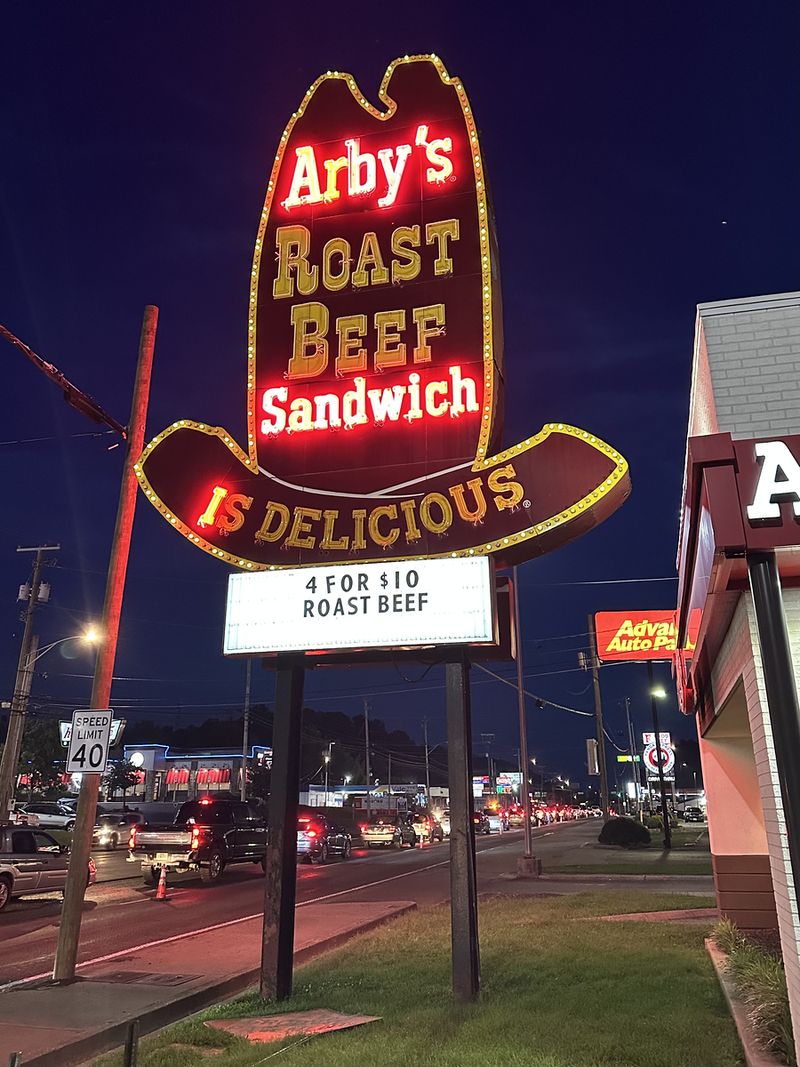
The towering hat sign was not just decoration. It signaled a Western-inspired vibe that framed roast beef as hearty, ranch-friendly fare. Bright neon pulled travelers off highways with irresistible charm.
Design like that tells a story before menus do. The hat gave Arby’s instant personality and regional flair. You could spot it from far away and know exactly what awaited.
Plenty of chains had arches or scripts. Arby’s had a hat announcing beef confidence. Even today, those signs tap nostalgia and geographic romance in a single glance.
4. Roast beef is slow-roasted in-house at many locations
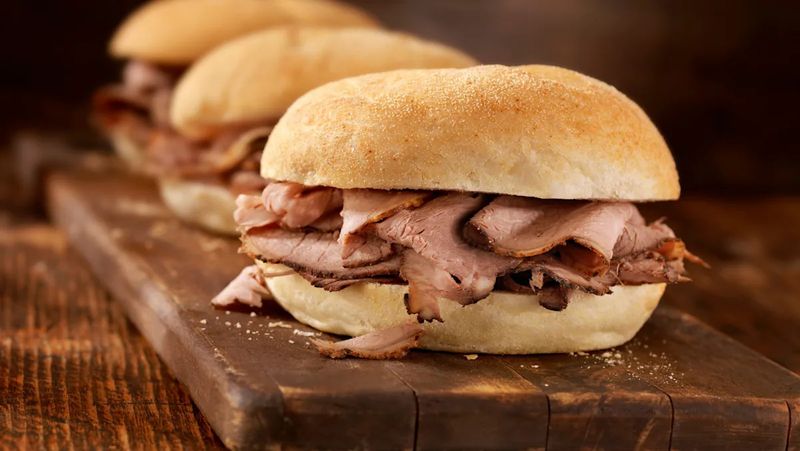
Many Arby’s restaurants slow-roast beef in-house, a detail that surprises people used to pre-cooked patties. The process involves sealed roasts cooked for hours, then held for service. It is more like a deli than typical fast food.
You can taste the difference in texture and slice. Instead of uniform discs, the meat has fibers and bark. That slow approach anchors the brand’s claim to sandwich craft.
Operations vary by market, but the roasting tradition remains central. When timing is right, you get fresh-from-oven slices. That is a defining Arby’s experience.
5. It uses a blend of beef cuts
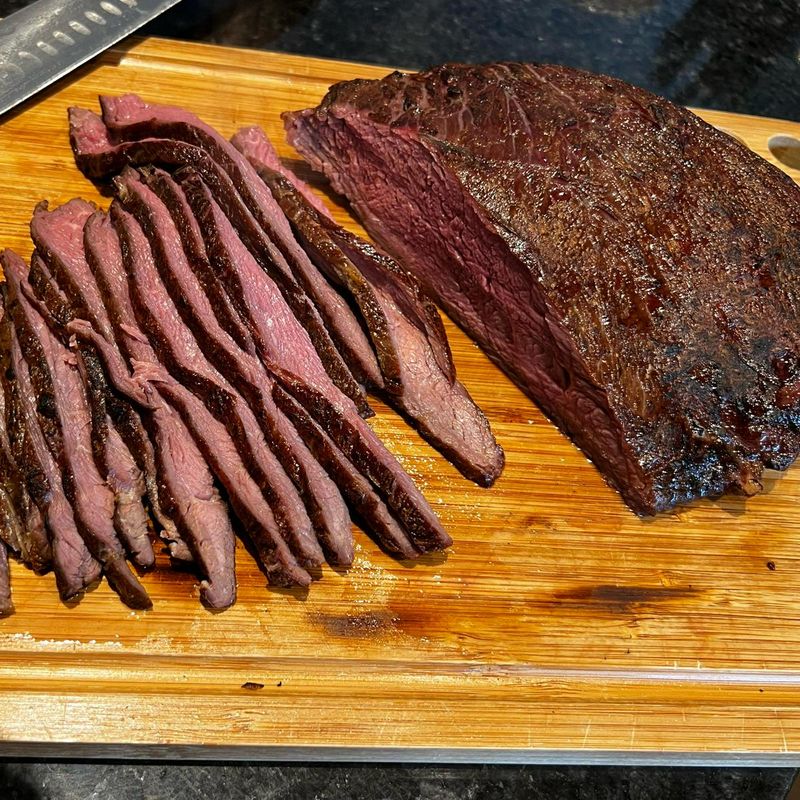
Arby’s roast beef typically draws from multiple beef muscles rather than a single glamorous cut. Blending allows consistent texture and sliceability at scale. It balances tenderness, moisture, and cost.
You get a sandwich that behaves predictably under the slicer. That is crucial when a lunch rush hits and precision matters. It also reduces supply volatility across markets.
Purists may prefer one cut, but operations need reliability. Blends can deliver a signature bite every time. In practice, that consistency helps the brand keep its promise.
6. No, it is not liquid meat
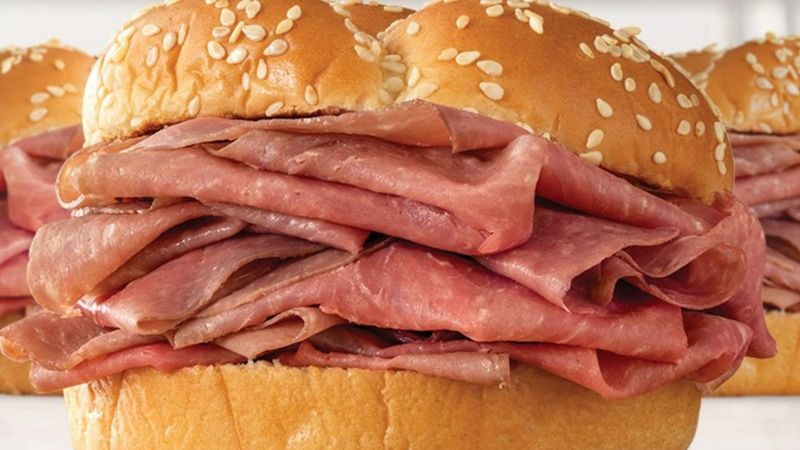
A persistent rumor claims Arby’s roast beef arrives as liquid and reconstitutes into meat. That is false. The product is real beef, sealed, seasoned, and cooked before slicing.
Sealed packaging can look odd, which feeds the myth. But when opened and heated, it behaves like any cooked roast. Fibers separate, fat renders, and aroma tells the truth.
Next time someone shares that story, you can counter with facts. The process is industrial, not sci-fi. It is beef, not a bizarre slurry.
7. The Beef n Cheddar nearly never happened
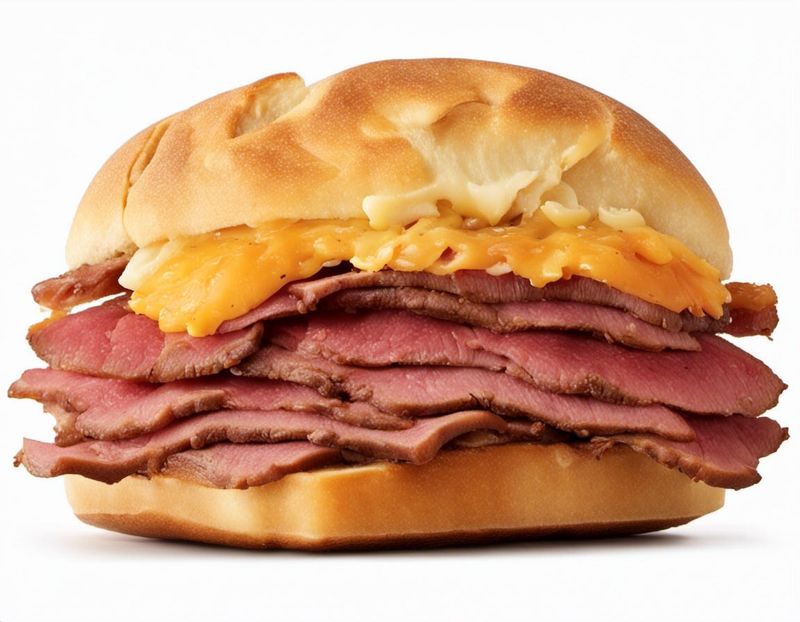
One of the most beloved Arby’s items, the Beef n Cheddar, almost did not make the menu. Early tests debated the cheddar sauce’s texture and holding stability. Sauce systems are tough at scale.
Once refined, the item soared. You get sweet tang from red ranch and a creamy hit from cheddar, layered over warm beef. It is messy in the best way.
That near-miss shows how fragile innovation can be. Without persistence, a fan favorite might vanish before existing. Thankfully, it stuck the landing.
8. Horsey Sauce is not horseradish-only
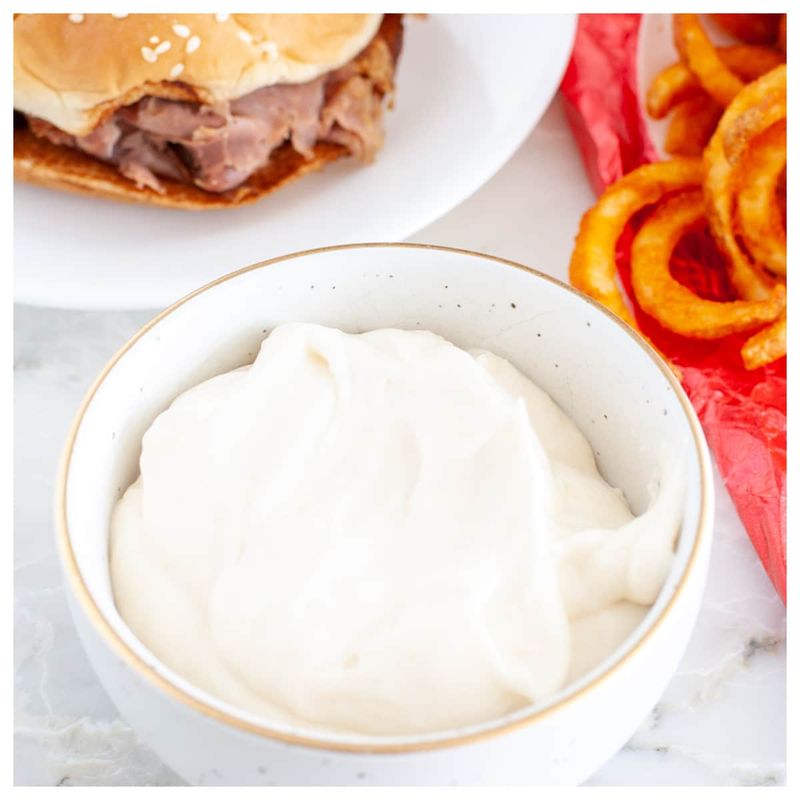
Arby’s Horsey Sauce gets its kick from horseradish, but it is tempered with mayo and seasonings. That blend turns nasal heat into a smooth, snackable burn. It is designed for repeat bites, not one-and-done shock.
You can pair it with roast beef, of course, or dunk curly fries for contrast. The creaminess bridges salt and sweetness. It also plays nicely with cheddar elements.
If straight horseradish scares you, this formula feels approachable. It is calibrated for drive-thru life. Control the squeeze, and you control the heat.
9. Thin slicing is a performance art
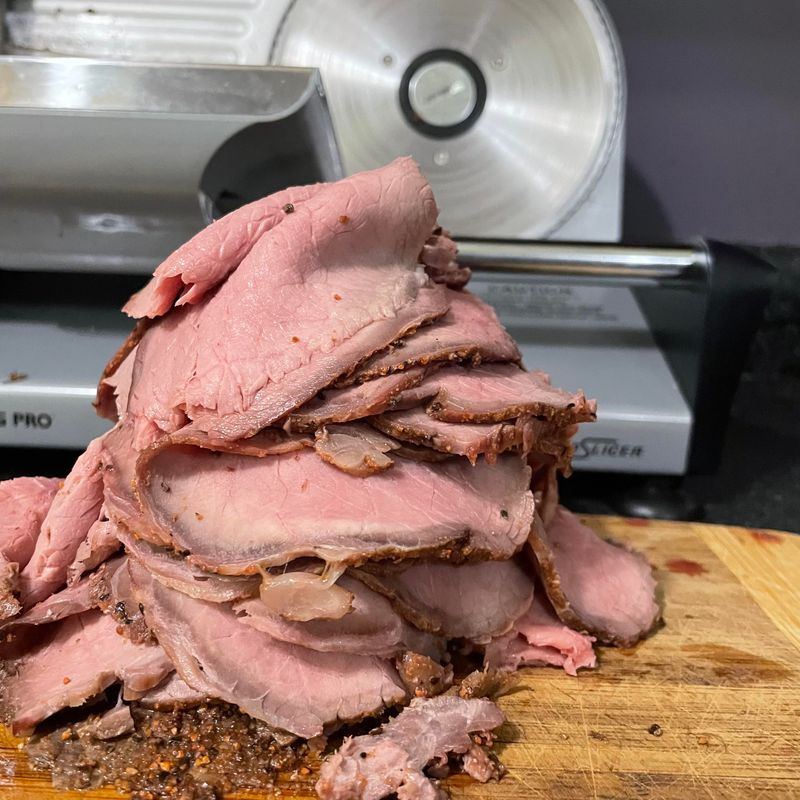
The signature paper-thin slice creates volume without heaviness. It folds into ribbons, catching sauce and air for a light bite. That texture is difficult to replicate at home.
Operators practice consistent pressure and feed rate on commercial slicers. Get it wrong, and you end up with ragged edges or crumbles. Get it right, and every stack looks cloud-soft.
Thin slicing also helps temperature carry through the pile. Warmth disperses quickly so each mouthful feels cozy. The technique is equal parts craft and speed.
10. The au jus trick
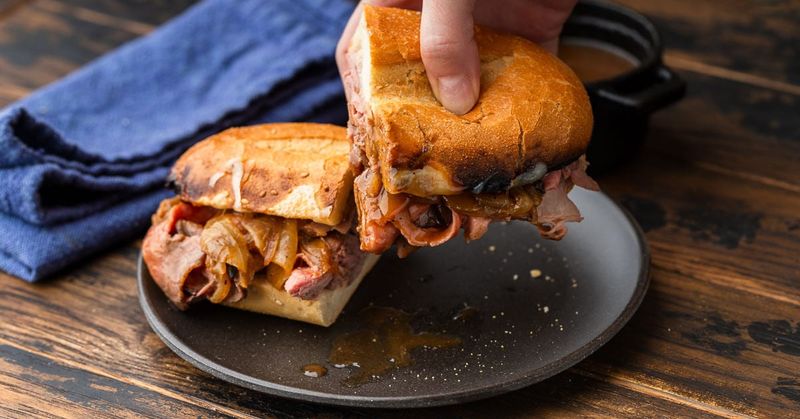
Ask politely, and some locations will provide a side of au jus for dipping. It is not always on the board, but it is a quiet pro move. The beef drinks up the savory liquid beautifully.
That extra moisture transforms texture, especially on larger sandwiches. You get warmth, salt, and depth in every bite. It is a nod to French dip tradition.
If you love customization, this small hack feels huge. Try it with Horsey Sauce for a hot-cold contrast. It might become your new habit.
11. Curly fries were a happy accident for beef
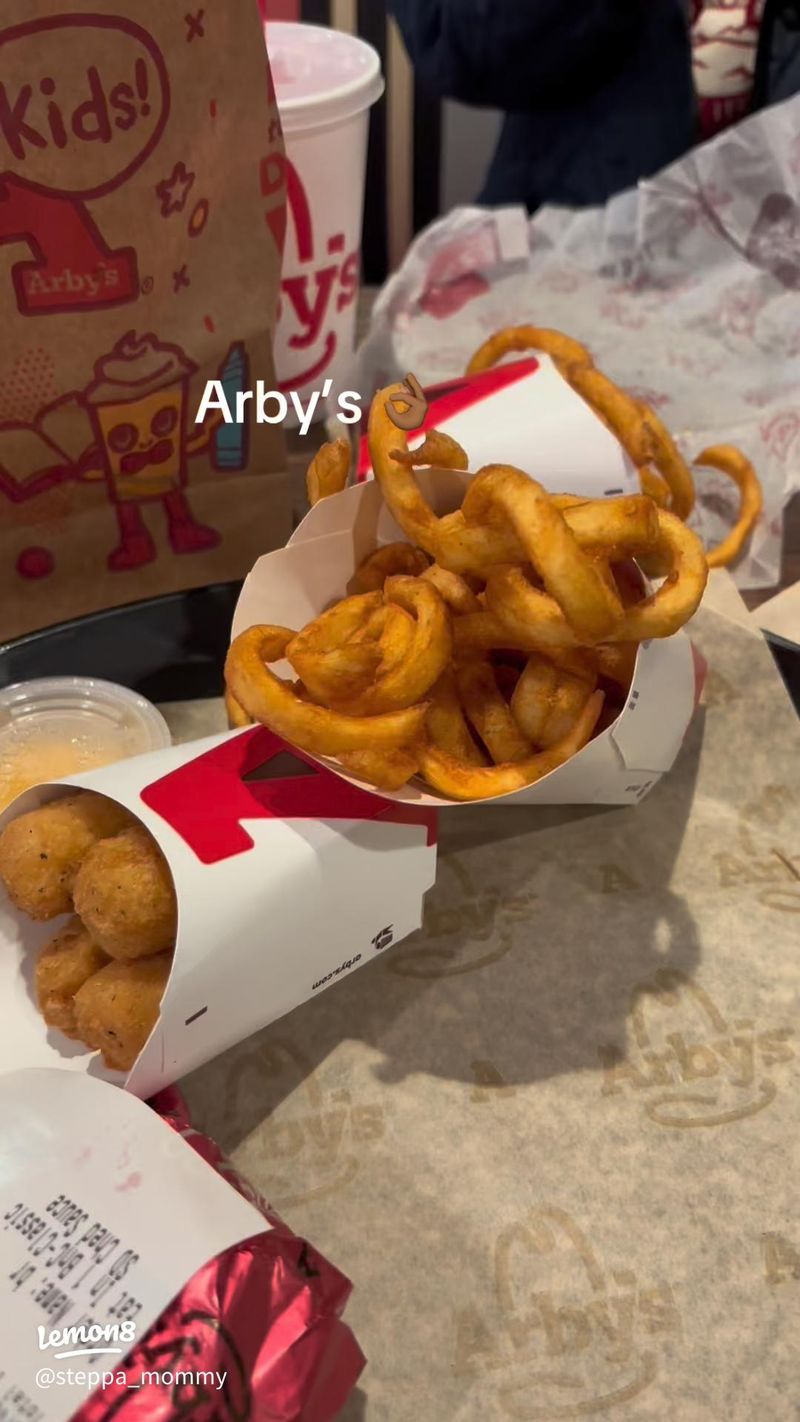
Curly fries are not beef, but they changed the roast beef experience. Their seasoning adds a peppery, slightly garlicky note that complements the meat. The spiral shape holds sauces without getting soggy too quickly.
Pairing them with beef made Arby’s meals feel complete. The fries became a signature side that elevated sandwiches. They also added visual drama to trays.
When people crave Arby’s, they often crave both items together. That synergy is smart menu architecture. Fries that reinforce the star protein are rare.
12. You can go double or half
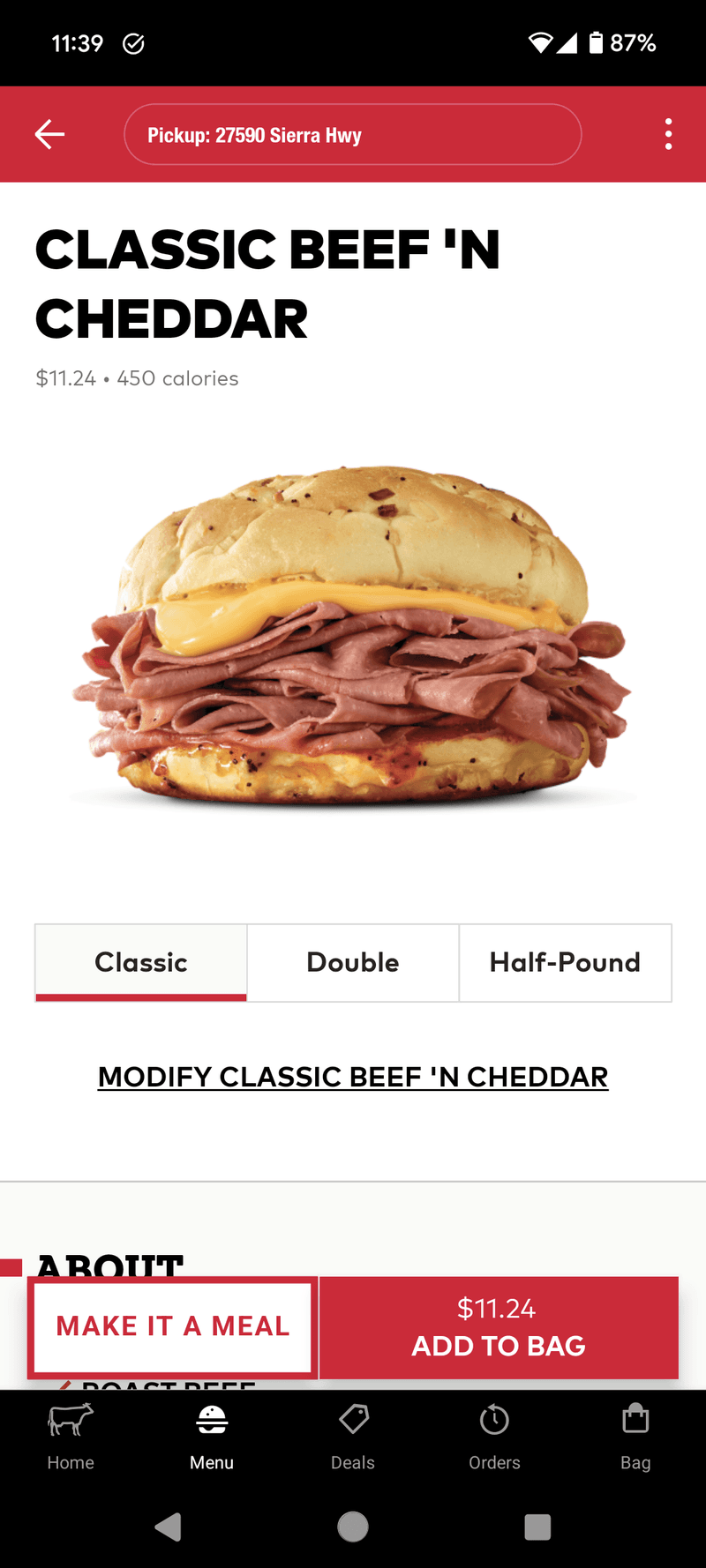
Portion flexibility is a quiet feature. Arby’s offers variations like Classic, Double, and Half sizes that tailor appetite and budget. You get control without awkward custom requests.
Scaling meat changes sauce balance and bun dynamics. A Double can handle extra cheddar or au jus without collapsing. A Half keeps lunch easy and tidy.
If you are exploring, start with Classic to learn ratios. Then bump up or down until it feels perfect. Menu architecture that respects appetite makes loyalty easier.
13. Red Ranch is not standard ranch
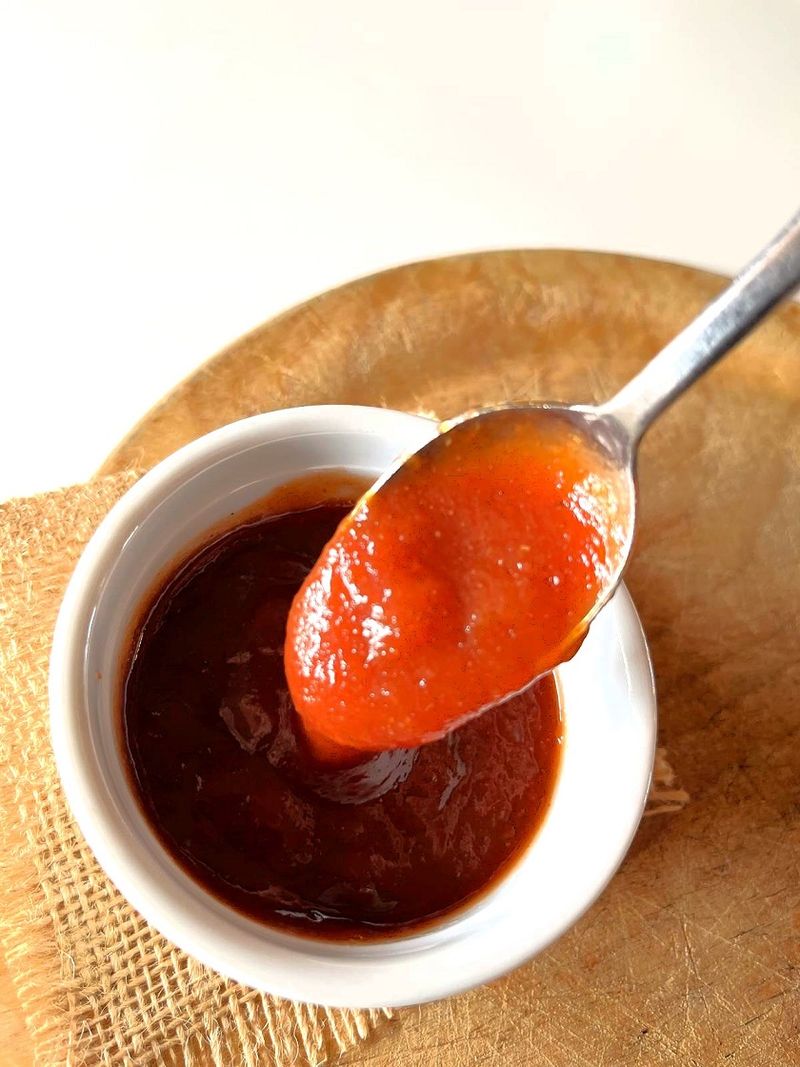
Red Ranch on the Beef n Cheddar is its own thing. It is sweeter and tangier than classic ranch, with a light tomato-chili vibe. That profile offsets cheddar’s richness and the beef’s savoriness.
People often assume it is dyed ranch dressing. Not quite. It was developed to harmonize heat, salt, and sweet in one swipe.
If you enjoy balance, this sauce is a must. Ask to add it to other builds for fun. You might discover a new favorite combo you return to often.
14. Limited-time roasts test new ideas
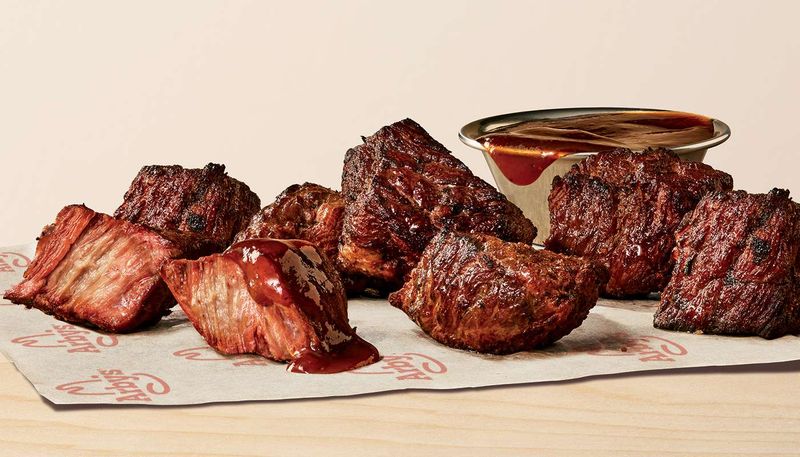
Seasonal or limited roasts let Arby’s play with spice rubs, buns, and sauces. These drops gauge demand without permanent commitments. If a combo sells, elements can inform future standards.
You benefit with novelty that still feels familiar. The base beef remains, while accents rotate. Think smoky peppers, sweet heat, or garlicky toppings.
Watch the calendar and app notifications if you chase flavor. Being early means shorter lines and fresher batches. It is how fans turn curiosity into discoveries.
15. Buns matter more than you think
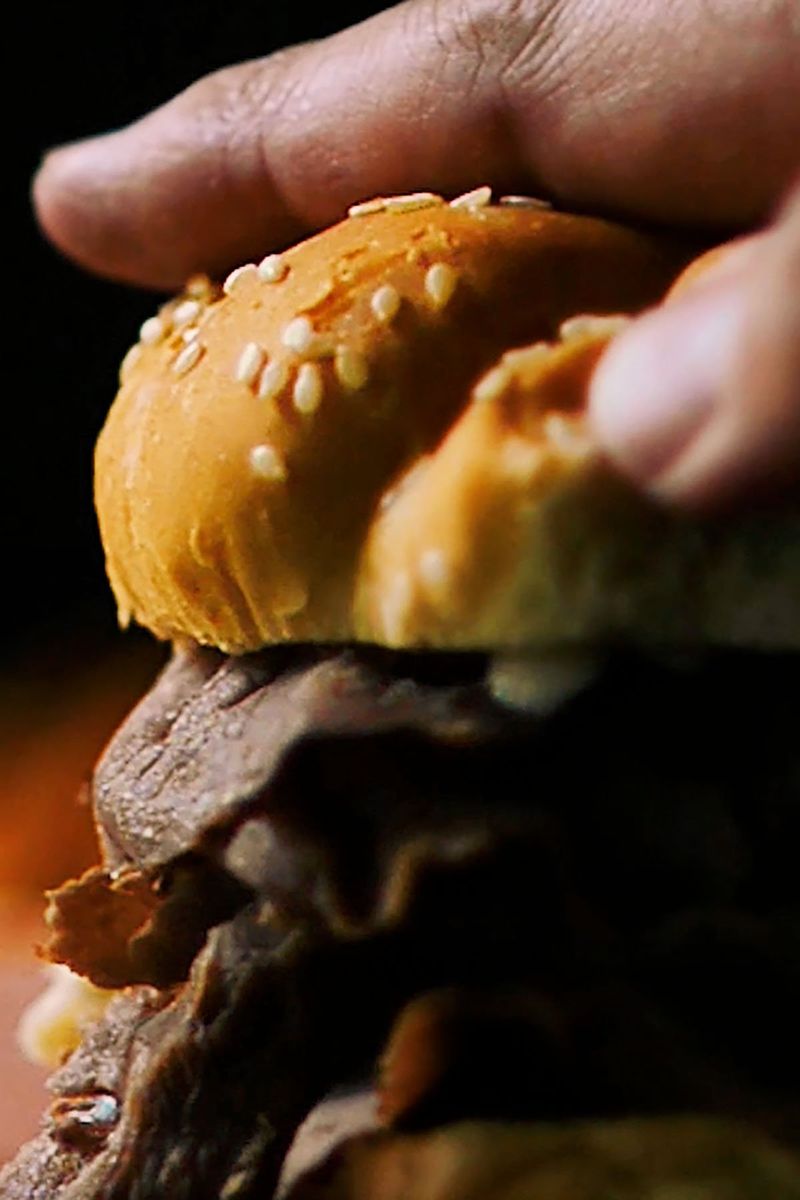
Arby’s bun choices are engineered for warmth, soak, and grip. A sesame or onion roll can change how beef breathes under heat. Crumb density helps manage juices and sauce spread.
If a sandwich feels off, it may be the bread match, not the meat. Lighter buns brighten cheddar-heavy builds. Heavier buns stabilize au jus dips.
Try swapping buns when allowed. The difference in chew and aroma can be dramatic. Bread is not just a vessel here; it is part of the equation.
16. Heat-holding is a science

After roasting, keeping beef safe and succulent relies on time-and-temp controls. Holding cabinets maintain humidity and warmth to prevent drying. Strict windows ensure slices stay tender.
You do not see this from the counter, but it dictates quality. Overshoot the window and texture suffers. Undershoot and service rhythm breaks.
That silent choreography is why lunch rush still tastes good. It is logistics dressed as hospitality. Precision equals your sandwich being consistently satisfying.
17. Nutritional swaps can help balance things
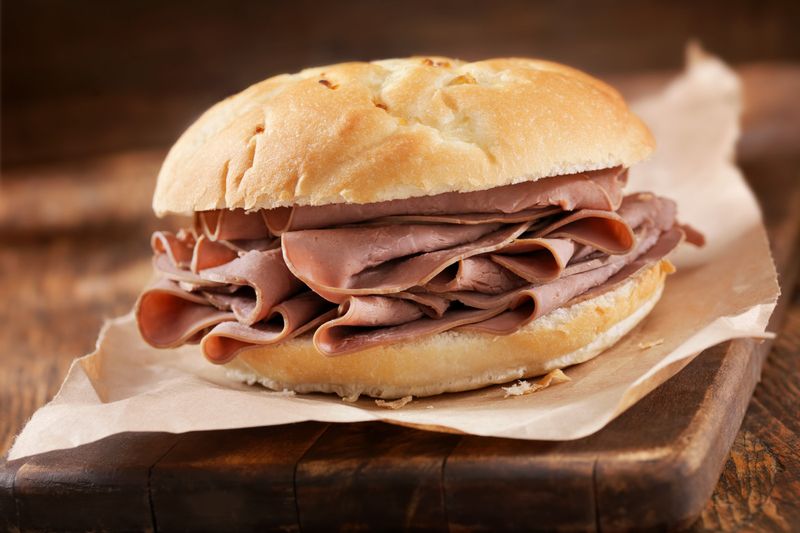
If you want a lighter route, there are simple tweaks. Skip extra sauces, choose a smaller size, or pair with a salad. Even choosing water helps balance sodium from seasoned beef.
Flavor does not disappear. Horseradish heat and roast notes still shine. You just adjust richness and portion intensity.
Think of it as menu steering, not restriction. Small moves stack up over a week. You enjoy the craving without derailing goals.
18. There is a quiet cult of add-ons
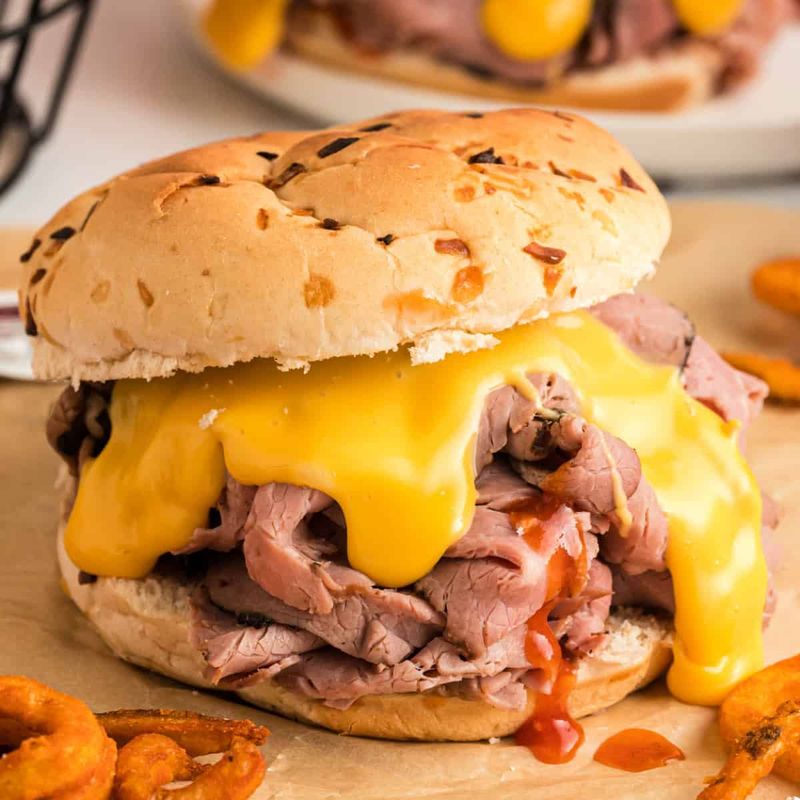
Some locations will offer pickles, onions, or jalapenos on request. These add-ons snap against the soft beef texture. Acidity and heat cut richness and refresh your palate.
It is not a secret menu so much as customization culture. Be kind, ask clearly, and expect availability to vary. Staff often love helping you craft a win.
Try jalapenos with cheddar or pickles with Horsey Sauce. You could unlock a signature bite. Exploration is half the fun of fast food.
19. The meat-to-bun ratio is deliberate
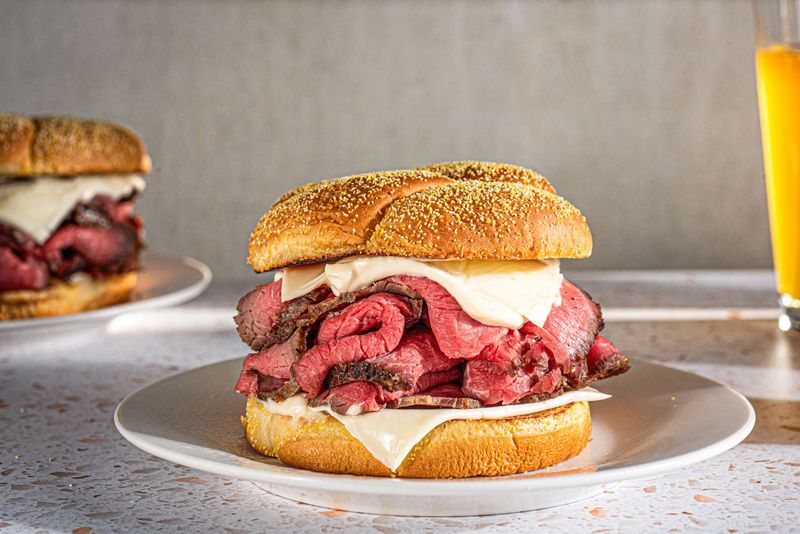
Arby’s calibrates weights and slice thickness to achieve a target bite ratio. The idea is to get beef in every mouthful without drowning the bread. It is more precise than it looks.
Engineers model how folds stack and where sauces pool. That informs training, slicer settings, and bun selection. Consistency builds trust over time.
If your sandwich feels perfect, that is not luck. It is math plus muscle memory. The goal is dependable satisfaction across thousands of stores.
20. Drive-thru scripting supports freshness

Order prompts are designed to surface timing cues. When you add sauces or size up, the system paces slicing and assembly. That keeps beef warm and bread intact when handed over.
You experience it as friendly questions. Behind the scenes, it is throughput science with hospitality vibes. Good scripting lowers errors and waste.
The outcome is a sandwich that feels made for you. Small talk hides serious coordination. Freshness is choreographed in seconds.
21. International menus remix roast beef
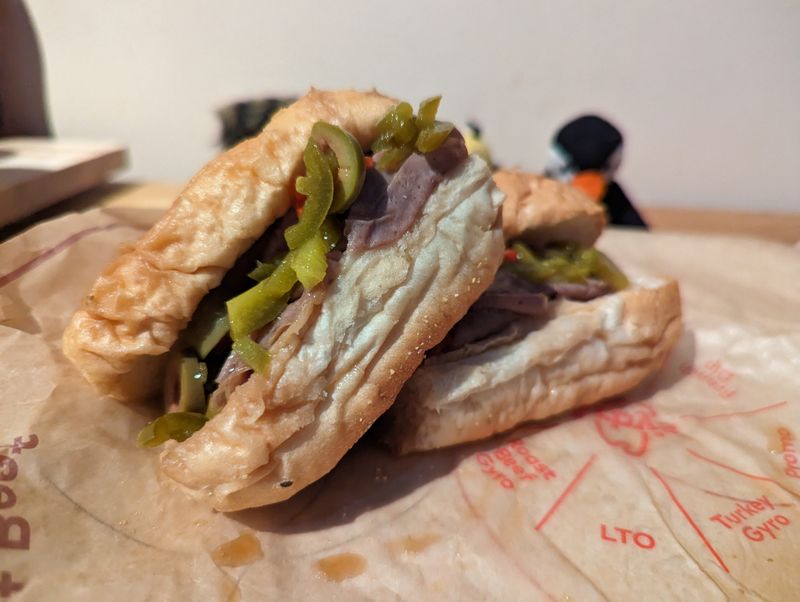
Outside the US, Arby’s adapts roast beef with regional flavors. You might see spicy local peppers, different cheeses, or alternative buns. The base stays familiar, but accents speak the neighborhood.
These variations test versatility. Beef is a friendly canvas for heat, sweet, and herbal notes. It welcomes citrus, pickled veg, and funky cheeses.
Traveling fans can taste comfort and discovery at once. It is a fun litmus for culinary trends. Same sandwich spirit, new dialects on the plate.