22 American Vegetables That Became Extinct Over Time
Some flavors once common in American gardens have vanished, leaving only whispers in seed catalogs and dusty journals. You can almost taste the lost crunch and aroma if you listen to the stories growers passed down.
These extinct vegetables reveal how taste, climate, disease, and market trends shaped what ends up on your plate. Keep reading to meet 22 vanished favorites and imagine the meals that might have been.
1. Carolina Gourd Squash
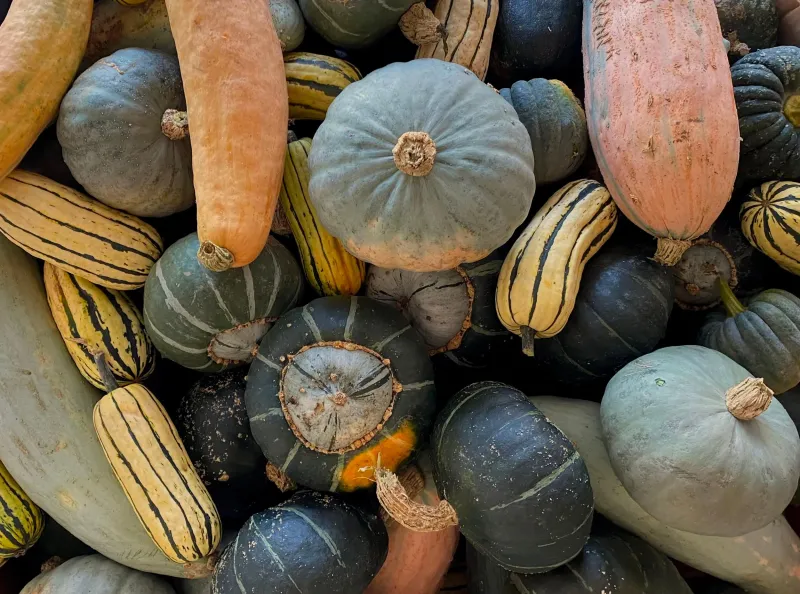
Once a Southern heirloom, the Carolina Gourd Squash reportedly filled smokehouses with a sweet, nutty scent. Farmers valued its thick rind for storage and its silky flesh for pies.
Then market preferences narrowed, shipping demanded uniformity, and the squash slipped from fields unnoticed.
Seed saving waned as families left farms, and a few dry seasons sealed its fate. Old newspaper clippings mention fair ribbons and county recipes, but no viable seed remains.
You can picture the pale green stripes, yet taste is memory now. Its loss reminds you how fragile diversity can be.
2. Vermont White Runner Bean
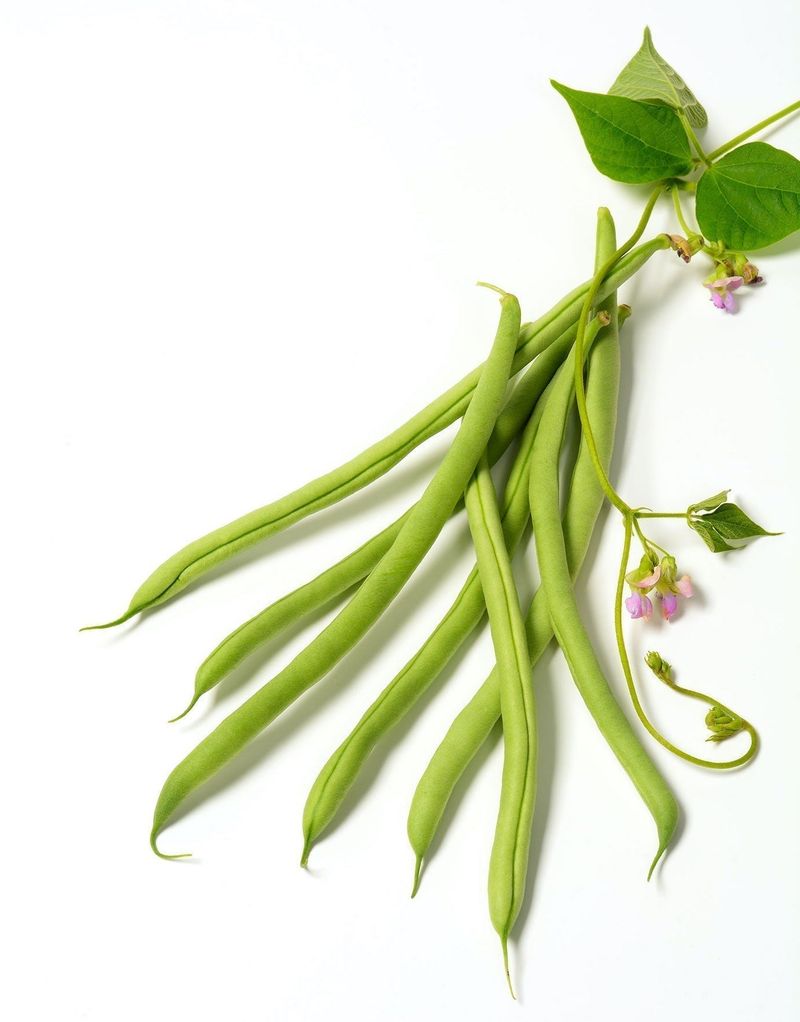
This climbing bean scaled farmhouse porches, dripping with white pods like tiny lanterns. Cooks simmered them slow with salt pork, praising their creamy texture and delicate sweetness.
As catalogs favored colorful, heavy yielders, this quiet classic lost shelf space and seed swaps dwindled.
Blight years hit hard, and isolated strains collapsed. A final mention appears in a 1930s grange bulletin, after which silence.
You might imagine shelling them at dusk, listening to crickets and gossip. Without careful stewardship, even dependable beans can disappear between seasons, leaving only recipes with blank ingredients.
3. Ohio Sugar Parsnip
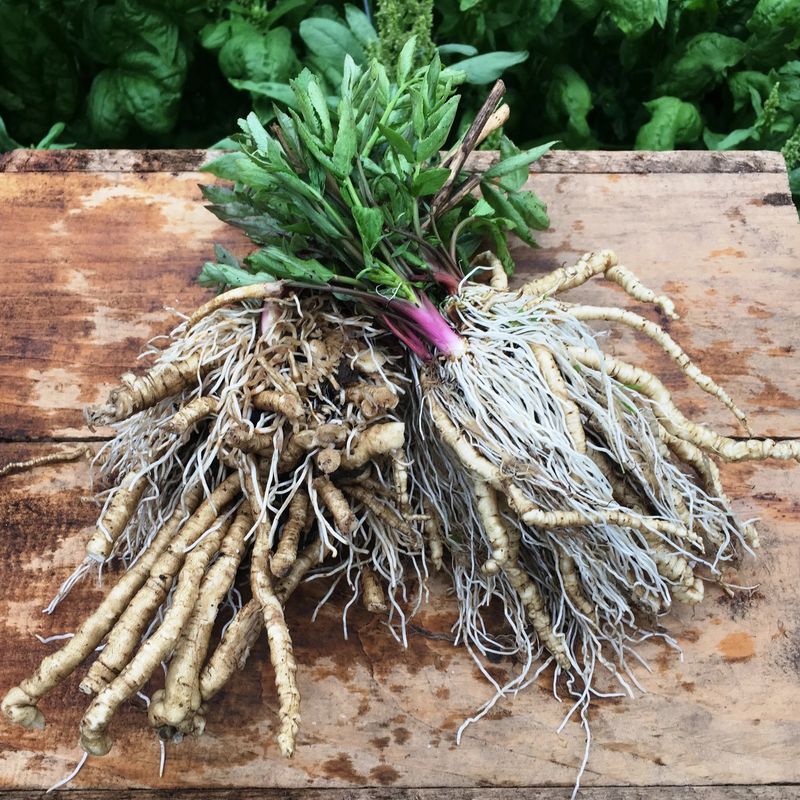
Praised for winter sweetness after frost, the Ohio Sugar Parsnip was once a root cellar staple. Farmers pulled it from frozen ground, rinsed the grit, and roasted wedges alongside chicken.
When hybrid carrots rose, parsnips lost attention and seed lots grew small, then stale.
Wet springs encouraged rot, while canker spread through scattered patches. A few gardeners wrote letters seeking fresh seed, but envelopes came back empty.
You can almost smell the caramelized edges from an iron skillet. Its extinction tastes like opportunity missed, a reminder that culinary fashion can erase entire flavors.
4. Missouri Lemon Cucumber
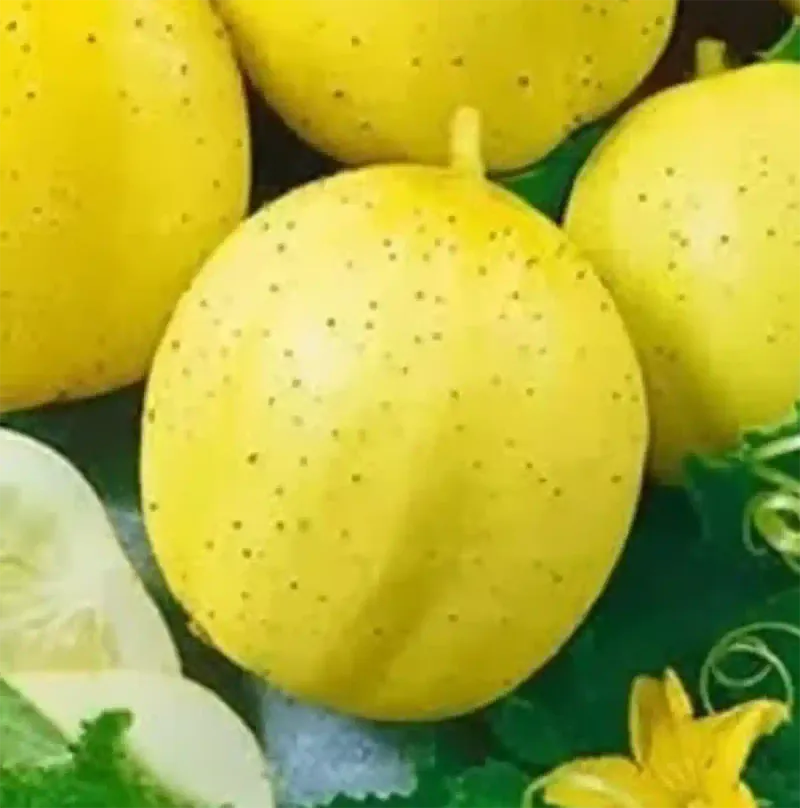
Round, pale, and faintly citrusy, the Missouri Lemon Cucumber cropped up in prairie gardens near kitchen doors. Children snacked on them with salt, while picklers layered slices in crocks.
As shipping demanded uniform, dark-green cucumbers, this cheerful oddball lost commercial backing and vanished.
Drought followed by mildew wiped remaining backyard patches. A single seed jar reportedly shattered during a move, ending a line.
Picture a bowl of yellow orbs beaded with condensation on a summer porch. Without local seed libraries, small delights like this slip away before anyone writes down the taste.
5. Hudson Valley Snow Pea
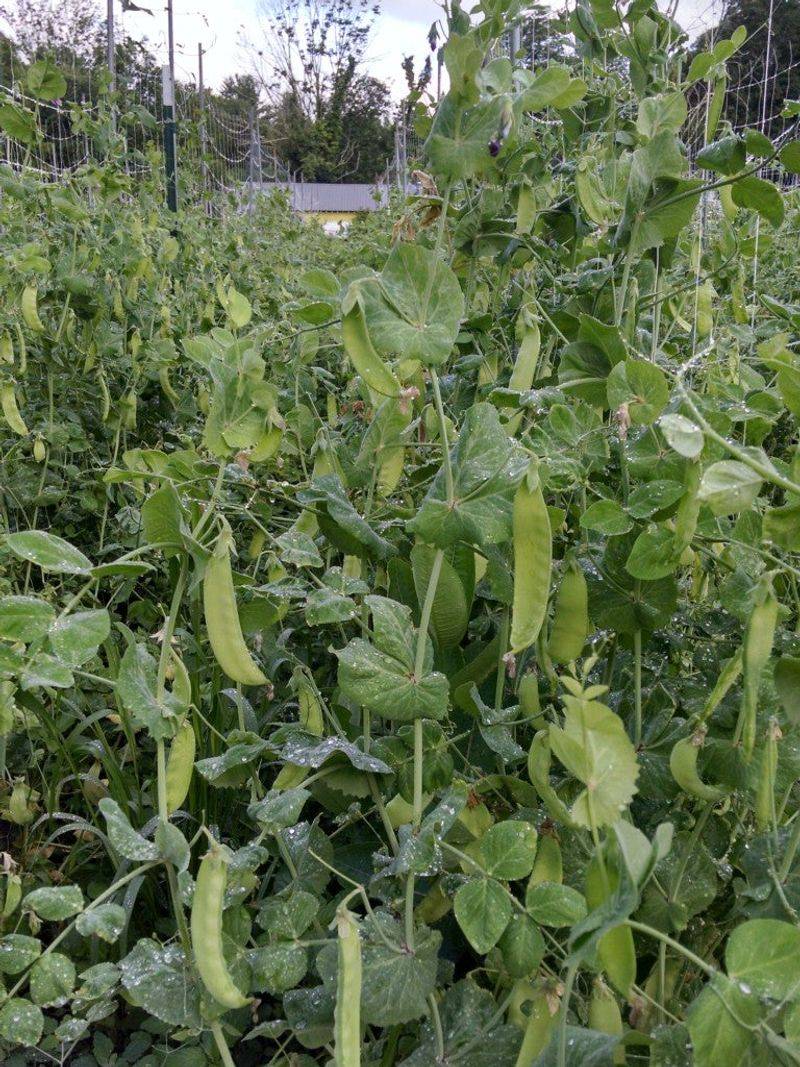
The Hudson Valley Snow Pea thrived in cool river breezes, with thin pods so sweet you ate them raw. Chefs once prized their delicate crunch in spring sautés.
When larger, shippable varieties dominated, this tender type split and bruised during transport, losing market favor.
A late frost gutted seed crops, and volunteers hybridized beyond recognition in community plots. Notes from a seed trial mention “sugar glass pods” and then the line ends.
Imagine snapping a translucent pod in your palm. It is gone now, a casualty of logistics and an impatient spring.
6. Dakota Pink Turnip
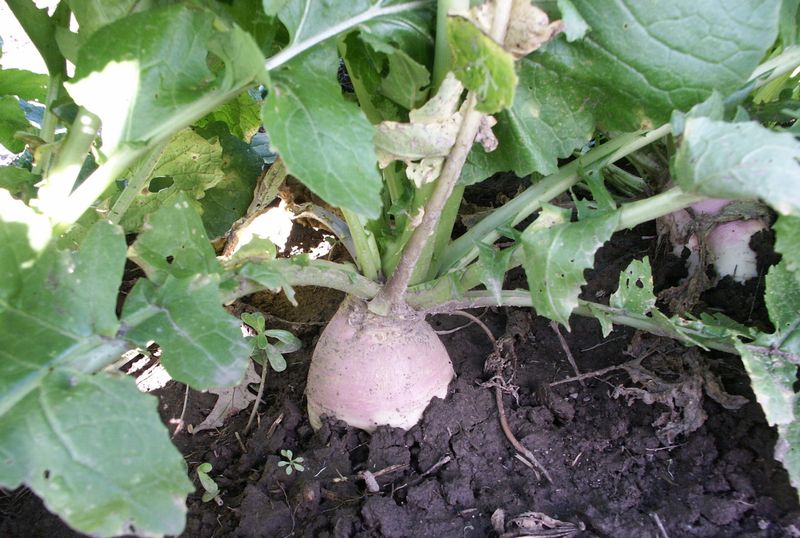
Tough yet rosy-skinned, the Dakota Pink Turnip once fed homesteaders through wind-battered winters. Boiled with butter or mashed into stews, it gave a peppery lift.
When sweeter rutabagas and uniform white turnips took over catalogs, the pink-skinned oddity lost traction with buyers.
Seed isolation failed as small farms consolidated, and cross-pollination muddied traits. A grasshopper boom ruined the last documented seed patch.
You can see those blush roots in a burlap sack, dirt dusting your hands. Their disappearance says plain food needs champions, or it vanishes between better-marketed options.
7. California Cone Tomato
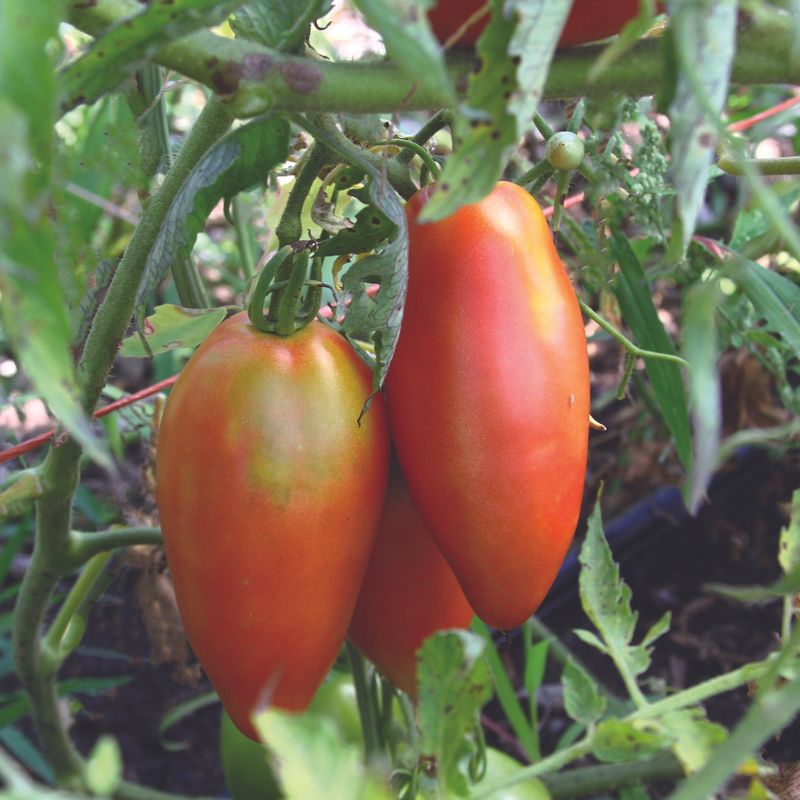
Shaped like a tapered cone, this tomato packed dense flesh perfect for roasting and paste. Market growers valued its sturdy skins until processors demanded uniform round fruit.
Plant diseases marched through Central Valley rows, and rotations shortened as land prices climbed.
Backyard keepers aged, records slipped, and seed packets expired in drawers. A final photograph shows scarlet cones laid like peppers on a sheet pan.
You can almost hear them hiss under broiler heat. Now they are a footnote, a casualty of consolidated processing lines and the relentless push toward sameness.
8. Appalachian Blue Kale
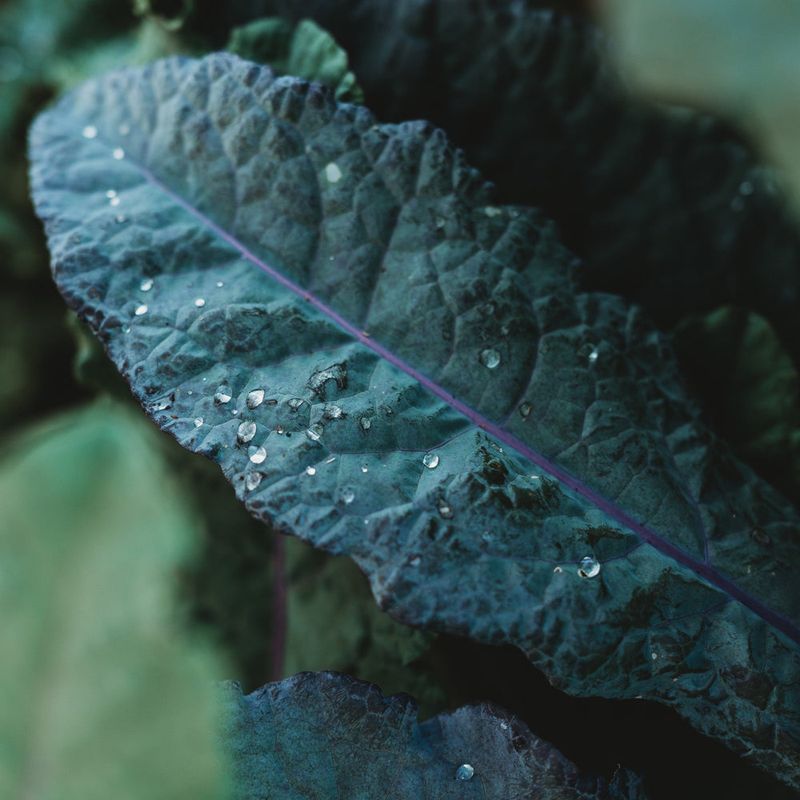
This blue-tinged kale clung to terraced hillsides, leaves edged with a silvery bloom. Grandmothers simmered it low with cider vinegar, bacon, and a pinch of sugar.
Modern hybrids overshadowed it with bolt resistance and bag-ready leaves, while this rustic strain stayed regional.
A wet summer invited downy mildew that wiped out the last seedbed. By the time gardeners looked, remaining plants had crossed with curly types.
Picture a cast-iron pot steaming on a woodstove. The blue kale tasted like mineral-rich soil and cold mornings, now lost to convenience and forgotten seed envelopes.
9. New Orleans Creole Okra
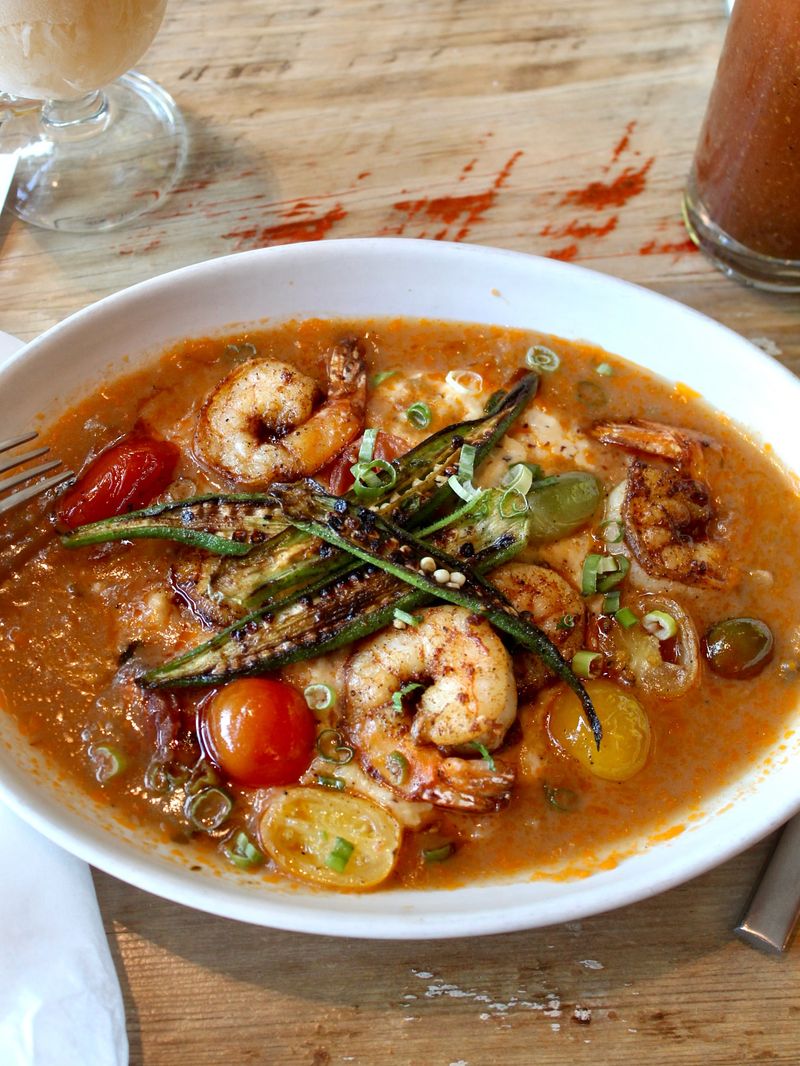
Slender and subtly sweet, this okra starred in gumbo pots long before mass-market varieties set the standard. Vendors once sold bundles wrapped in newspaper along riverfront markets.
After hurricanes disrupted seed keepers and fields, the line faltered, then vanished during redevelopment.
Cross-pollination with newer types blurred its traits, and a seed freezer failure sealed the loss. You can picture the pods simmering with tomatoes and shrimp, thickening like silk.
The city kept its recipes, but the vegetable behind them slipped away. Preservation needs backups, neighbors, and luck.
10. Prairie Candle Onion
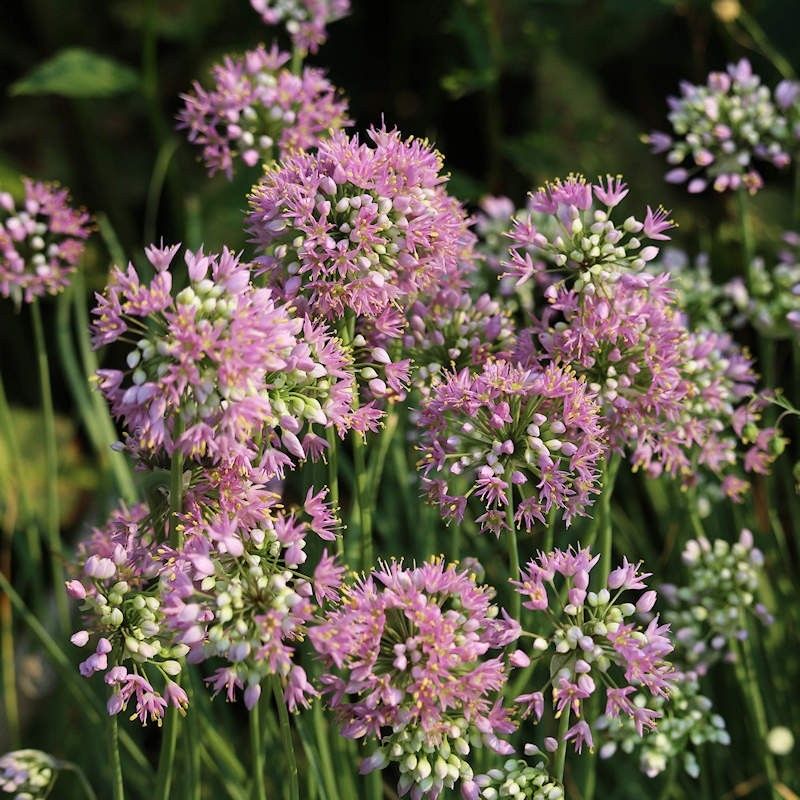
Named for its tall, candle-like scapes, this onion stored well and caramelized to a deep copper sweetness. Settlers braided them and hung strands in cellars.
As sweeter daylength-specific varieties took priority, the Candle lost trial plots and catalog lines.
An onion maggot outbreak swept remaining gardens. A retired grower’s notebook lists planting dates but no seed source.
Imagine slicing through crisp white rings that sizzle and perfume a skillet. The Prairie Candle burned out quietly, proof that even workhorse onions can disappear when markets chase uniform bulbs over flavor and resilience.
11. Yankee Marrow Squash
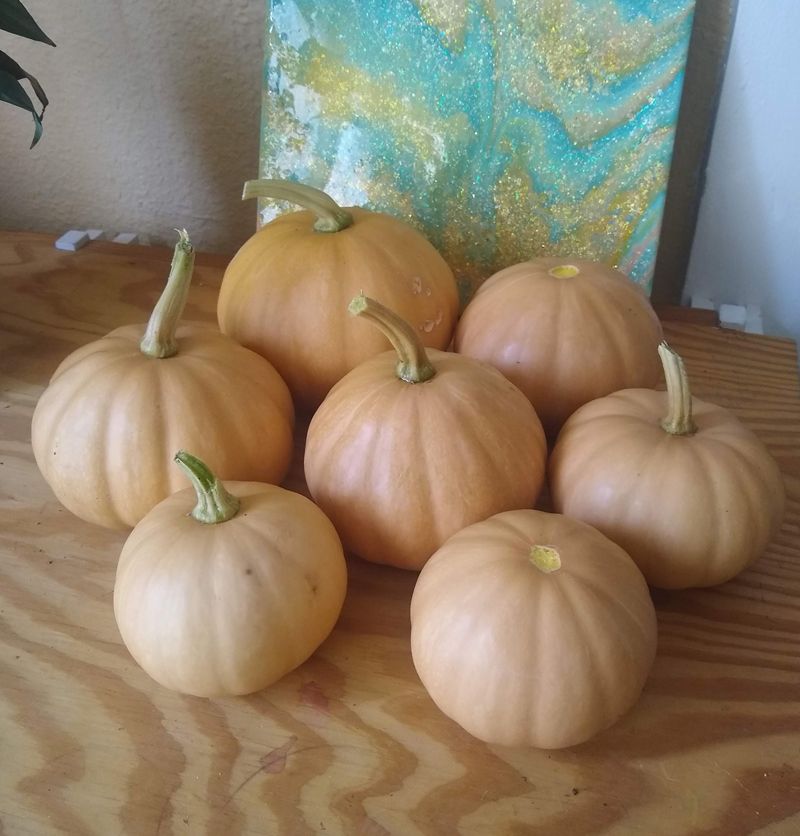
Older than many Thanksgiving menus, the Yankee Marrow Squash roasted into rich, custard-like flesh. Housewives baked it with molasses and nutmeg.
As streamlined butternuts gained favor for uniform slices, this knobbier relic looked unruly in crates and lost shelf space.
Vine borers cut stems one brutal summer, and seed saved afterward lacked vigor. A farm journal entry from 1948 celebrates a bumper crop, then no further notes.
You can smell the caramel and spice from an old enamel pan. Now the marrow survives only in clipped recipes and faded postcards.
12. Roanoke White Corn Bean
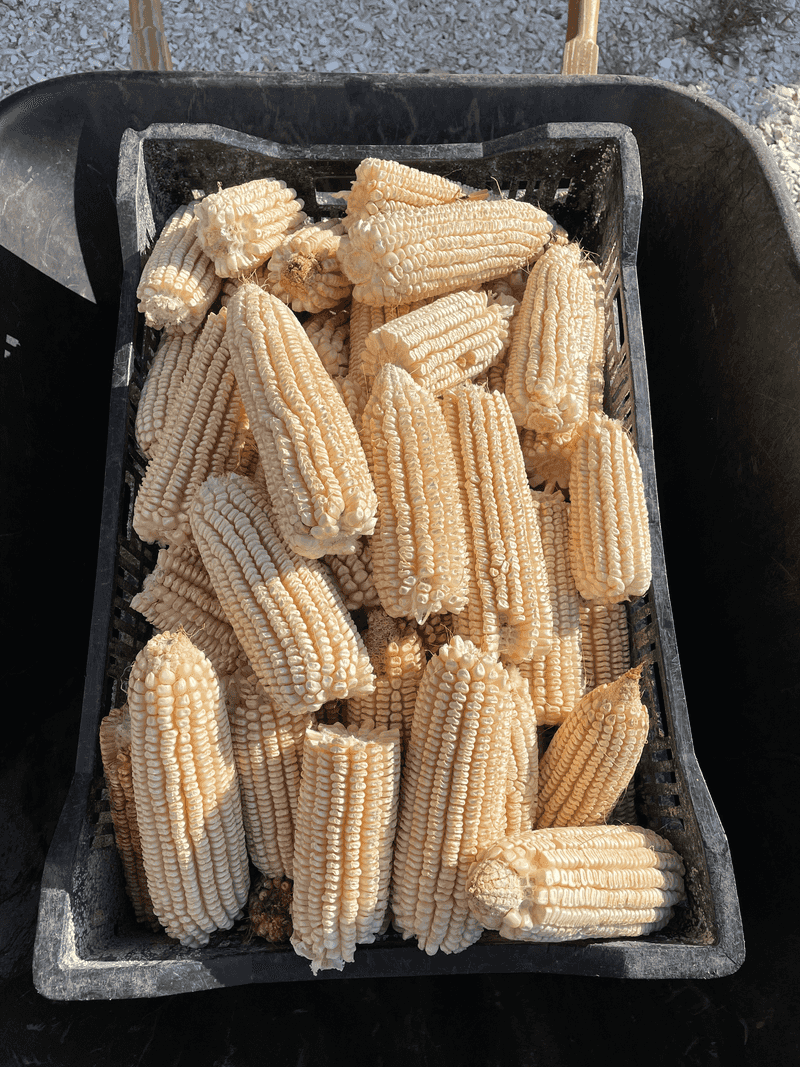
A pole bean treasured for flat white seeds, it paired with corn in Appalachian gardens. Cooks slow-stewed the beans until brothy and tender.
With mechanization, pole beans lost acreage to bush types easier for canneries, and this heirloom slipped into obscurity.
When a storm flattened trellises, the final seed harvest molded in sheds. A few seeds sprouted later but crossed with neighbors.
Imagine ladling spoonfuls into chipped bowls on a porch rail. That simple comfort is a ghost now, reminding you how infrastructure choices change what food survives.
13. Indiana Peach Tomato
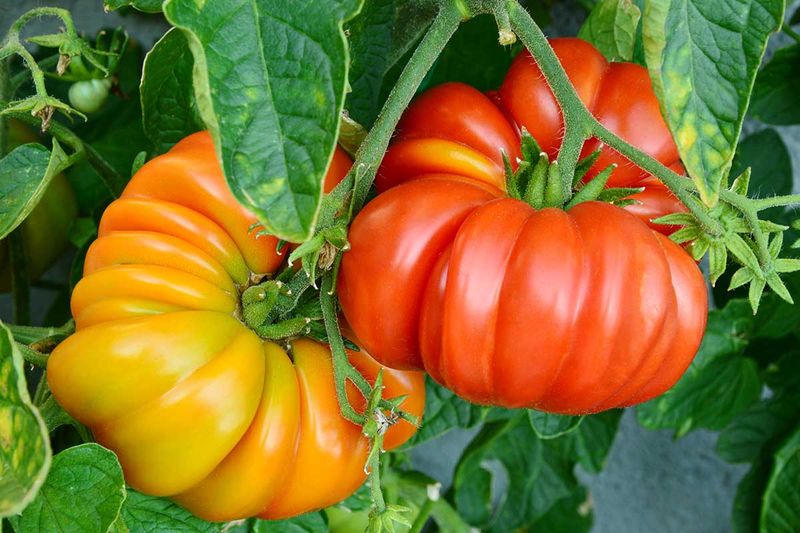
Blushed like ripe peaches, this tomato tasted floral and sweet with gentle acidity. Farmstands sold them in paper baskets that stained with juice.
Bruising during transport and cosmetic standards punished its delicate skin, while disease-focused breeding drifted away from these soft fruits.
An early frost clipped the final seed crop at blossom. Saved seeds later germinated poorly.
You can feel the give under your thumb, then an explosion of fragrance. The variety is gone, and with it a little summertime poetry that supermarket spheres cannot recite, no matter how red they look.
14. Bayou Ribbon Pepper

Long and ribbony, this pepper twisted like carnival streamers. Cooks fried strips in cast iron and folded them into rice.
As bell peppers dominated contracts for their blocky predictability, the Ribbon found fewer buyers and seed houses dropped it.
Floods followed by heat stressed plantings, and a seed cooperative dissolved after leadership changes. An oral history mentions red ribbons drying from rafters.
Picture their glossy curls glinting with oil in a skillet. Without small markets celebrating odd shapes, diversity thins out, one beautiful pepper at a time.
15. Ozark Lace Lettuce
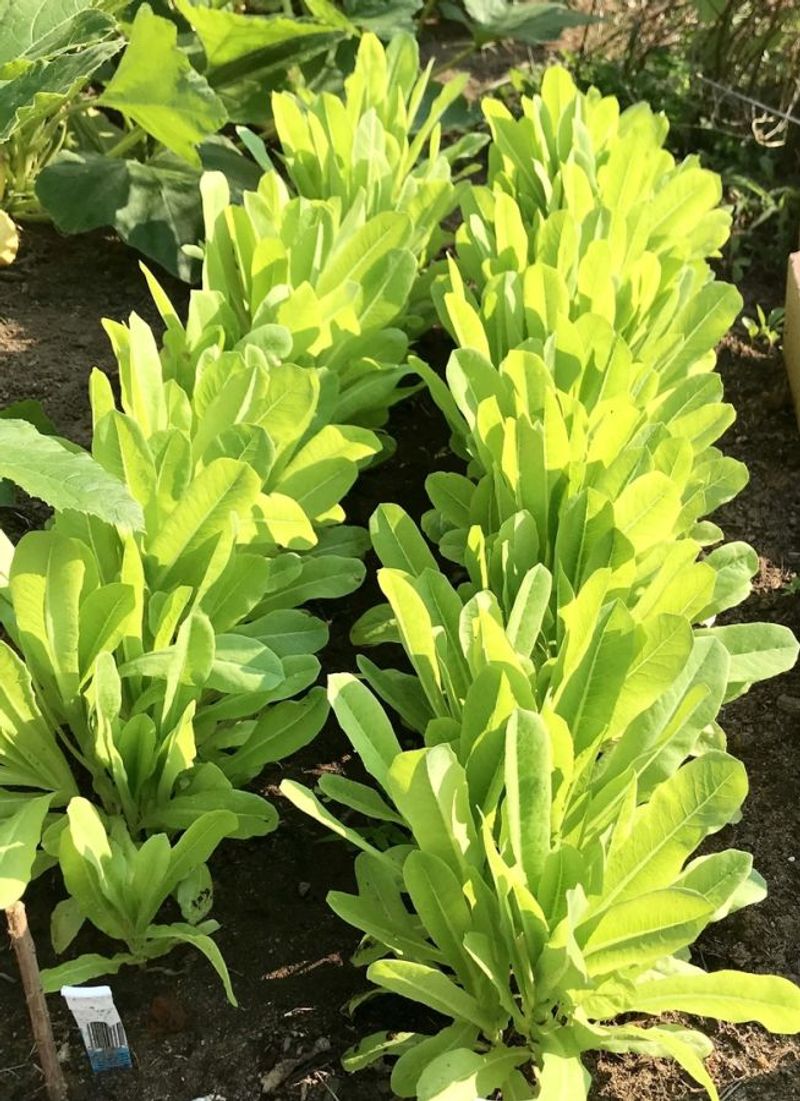
Frilled leaves like lace gave salads a feathery crunch. Gardeners in shaded hollows prized its heat tolerance.
When plastic clamshell salads favored sturdier textures, this delicate heirloom could not survive washing lines and cold-chain jostling, so growers let it go.
Saved seed suffered from accidental crosses with romaines. A drought year finally knocked germination below hope.
Imagine a wooden bowl brimming with ruffled greens, dew still clinging. You would dress it lightly and taste spring itself, but the line is finished now, dissolved into anonymous mixes and memory.
16. Copper Ridge Carrot
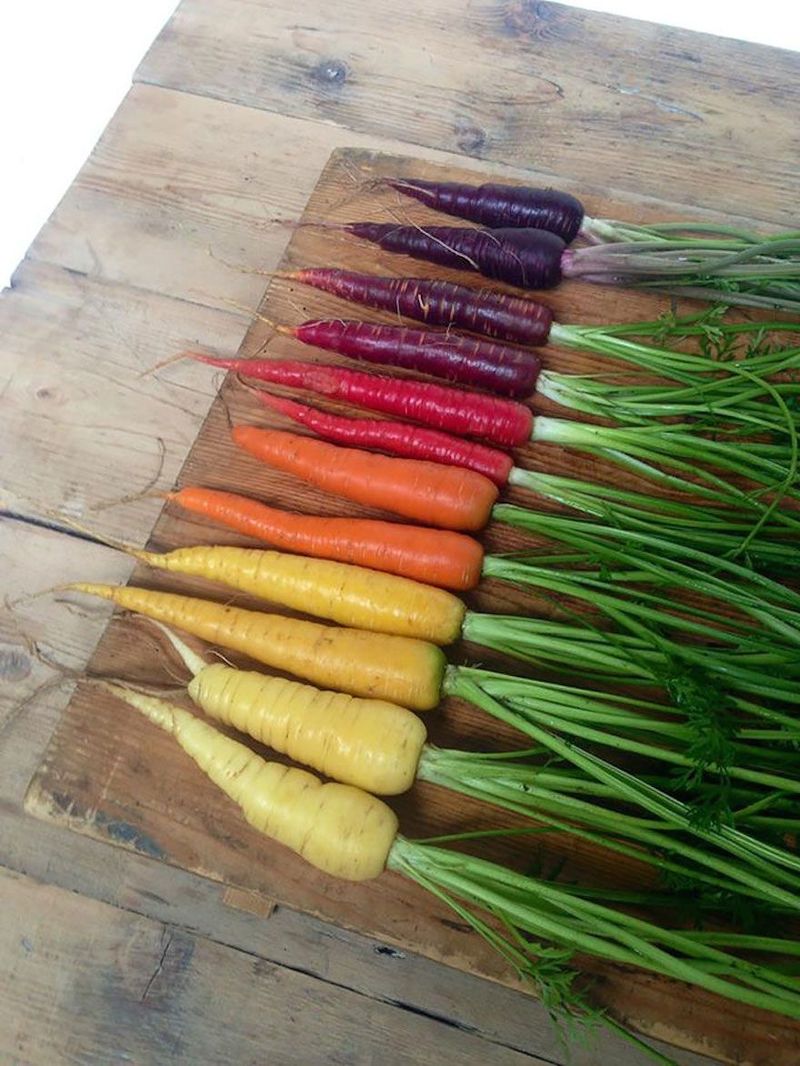
This carrot gleamed with a copper sheen and earthy sweetness. Market bunches looked like polished metal in sunlight.
As uniform orange Nantes types took over shelves, Copper Ridge seemed too eccentric for contracts and disappeared from trials.
Root-knot nematodes overwhelmed a few remaining seed beds, and a mislabeled envelope completed the loss. You can hear the crunch, see the glint under faucet spray.
Another root gone, reducing the color palette of dinner plates and the stories farmers tell at winter meetings.
17. Cherokee Fog Pumpkin
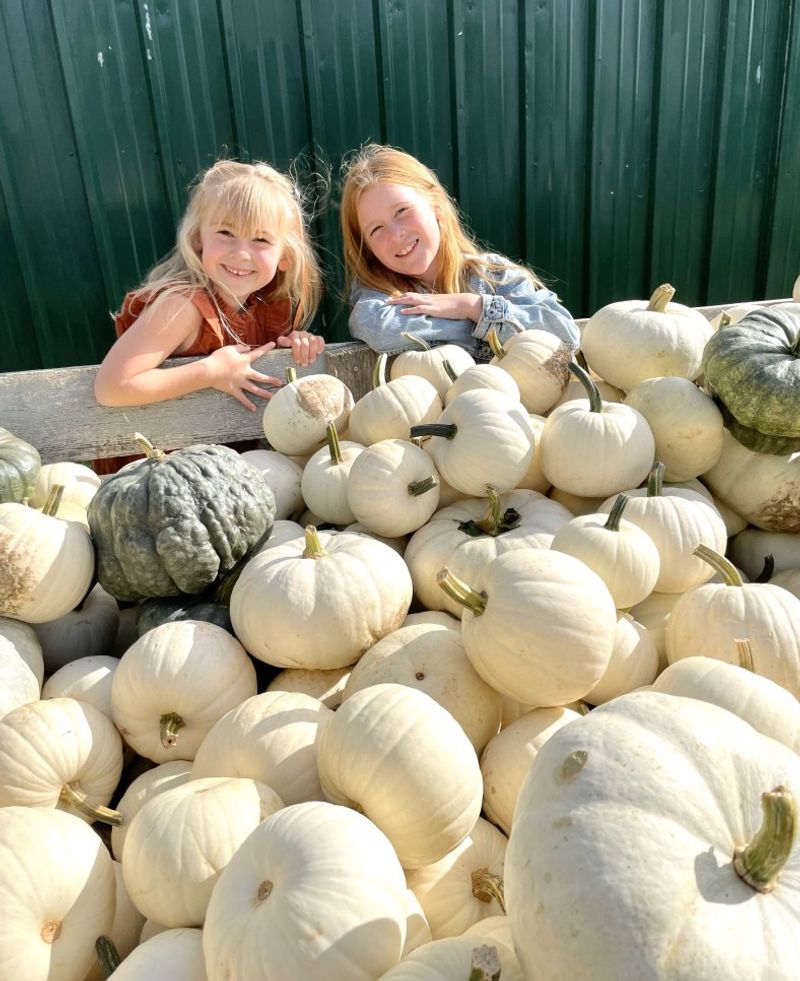
Named for the misty mornings it ripened through, this pumpkin carried a smoky sweetness. Bakers favored it for pies that needed less sugar.
After commercial lines standardized on hard-shelled, shipping-friendly types, the Fog’s thin rind counted as a flaw.
Squash bugs and a wet harvest turned seed to mush in storage. A seed cache reportedly froze and thawed during a power outage, ending viability.
Picture a pale gray pumpkin on a stone step, beaded with fog. Its flavor lingers only in family stories and a pie recipe without a true match.
18. Cape Cod Sea Beet

This coastal beet tolerated salty winds and sandy loam. Fishermen planted rows near shacks, boiling greens with vinegar after long days.
As tourism displaced cottage gardens and disease pressure rose, the sea beet lost ground and caretakers.
Seed drifted into chard lines, muddling identity. A final patch succumbed to leaf miners during a scorching July.
You can taste the minerality and see gulls wheeling overhead. Without place-based stewardship, vegetables adapted to edge habitats fade fast, leaving shorelines richer in postcards than food traditions.
19. Black River Celery
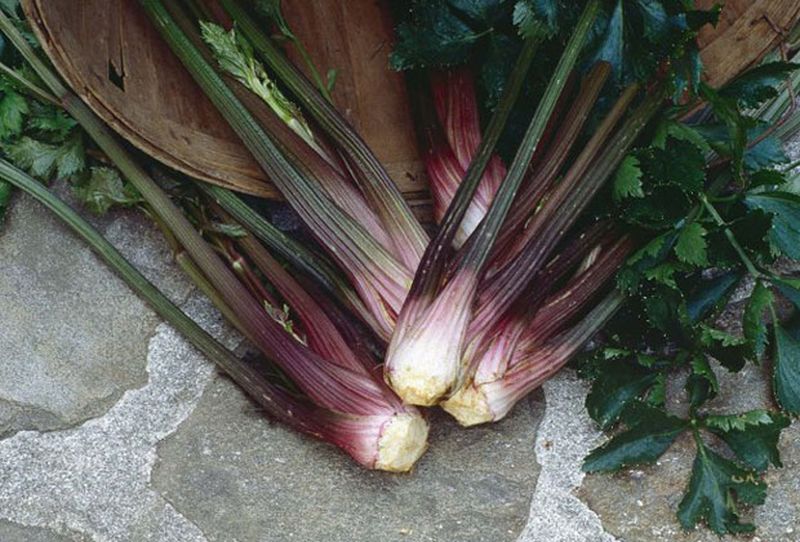
A dark-stemmed celery from marshy fields, it brought intense aroma to soups. Canners disliked its variable size, and supermarkets pushed pale, mild stalks instead.
As drainage projects reshaped wetlands, growers lost ideal soils and the line thinned.
Late blight hit one autumn and seed heads never matured. A handwritten tag in a jar is all that remains in archives.
You can smell the peppery snap as a knife bites through stalks. Another reminder that infrastructure can erase the very terroir a vegetable needs to thrive.
20. Texas Sun Drum Radish
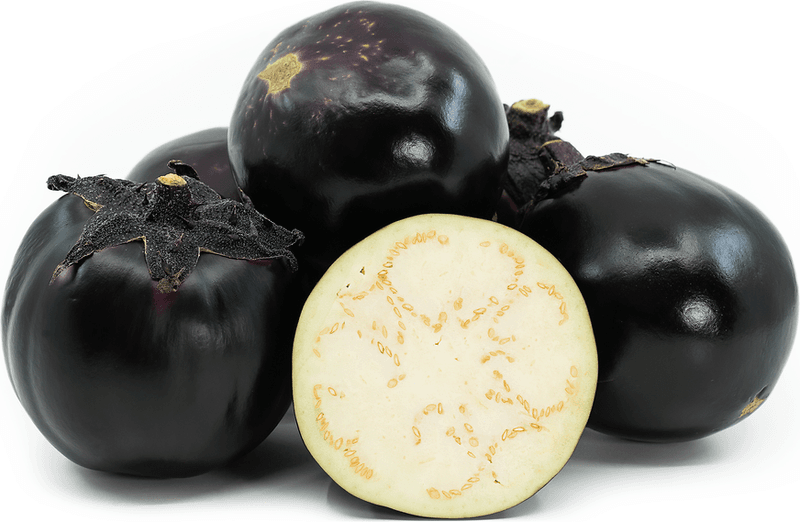
Round as a drum and striped faintly, this radish offered heat that mellowed quickly. Field hands ate it with tortillas and salt.
As uniform cherry types took the spotlight and storage demands rose, the Drum’s short window felt inconvenient.
Heat waves sent it bolting, and a seed keeper’s relocation scattered records. The last jar cracked in a shed during a cold snap.
Imagine slicing rosy disks that glow on a plate. That flash of heat is a memory now, replaced by predictable crunch without the same swagger.
21. Albany Winter Peppergrass
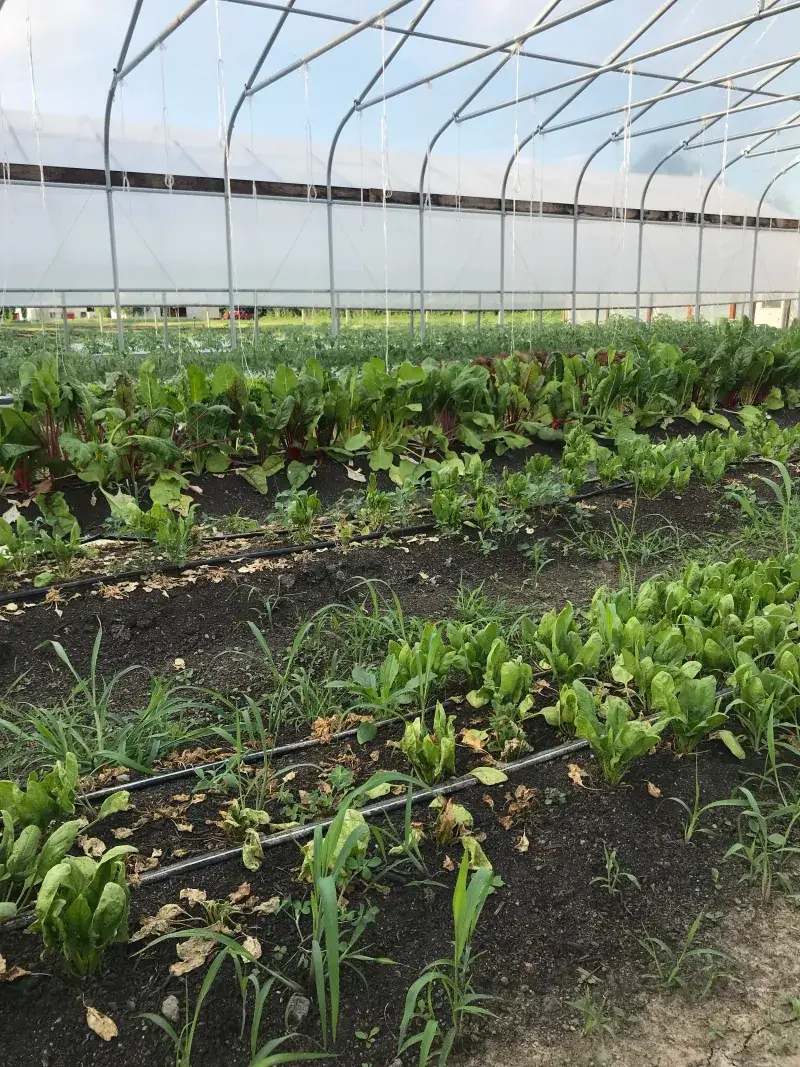
This hardy salad green peppered cold sandwiches with bite all winter. City gardeners snipped it from window boxes and stoops.
As tastes leaned sweeter and baby greens dominated bags, peppergrass felt too assertive and fell out of mixes.
Urban redevelopment relocated gardeners, and a seed swap circle dissolved. A cold snap killed an overwintering seed crop, ending continuity.
You can feel its tickle on your tongue like a whisper of wasabi. Without neighborhood networks, small-city heirlooms vanish between storefronts and snowplows.
22. Michigan Glass Eggplant
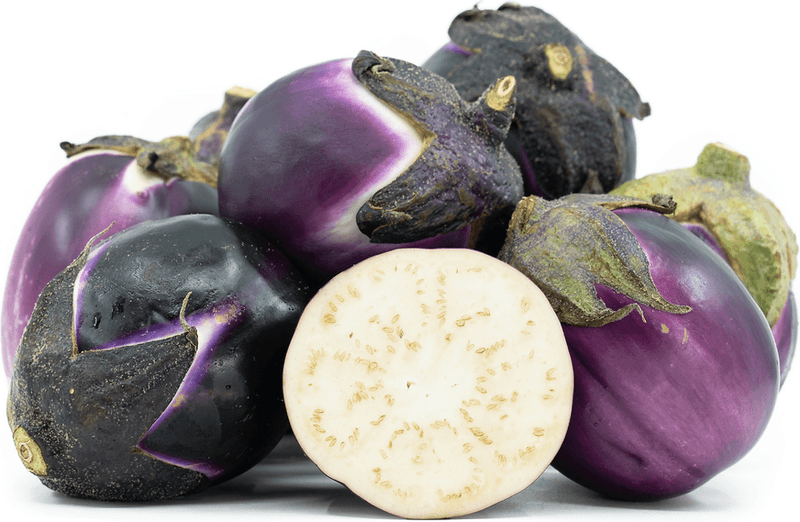
Glass-smooth skins that reflected light gave this eggplant its name. Cooks praised thin skins and custardy flesh for frying and caponata.
Shippers disliked bruising and sunscald, turning to tougher hybrids while this beauty lost trials.
A greenhouse heater failed during a late spring and seedlings perished. Saved seed later showed low vigor.
Picture a glistening purple fruit on a wooden crate, almost mirror-like. Its flavor is gone from Sunday suppers, a casualty of transport math and a little bad luck.