22 Dining Etiquette Mistakes Abroad That Could Seriously Offend Locals
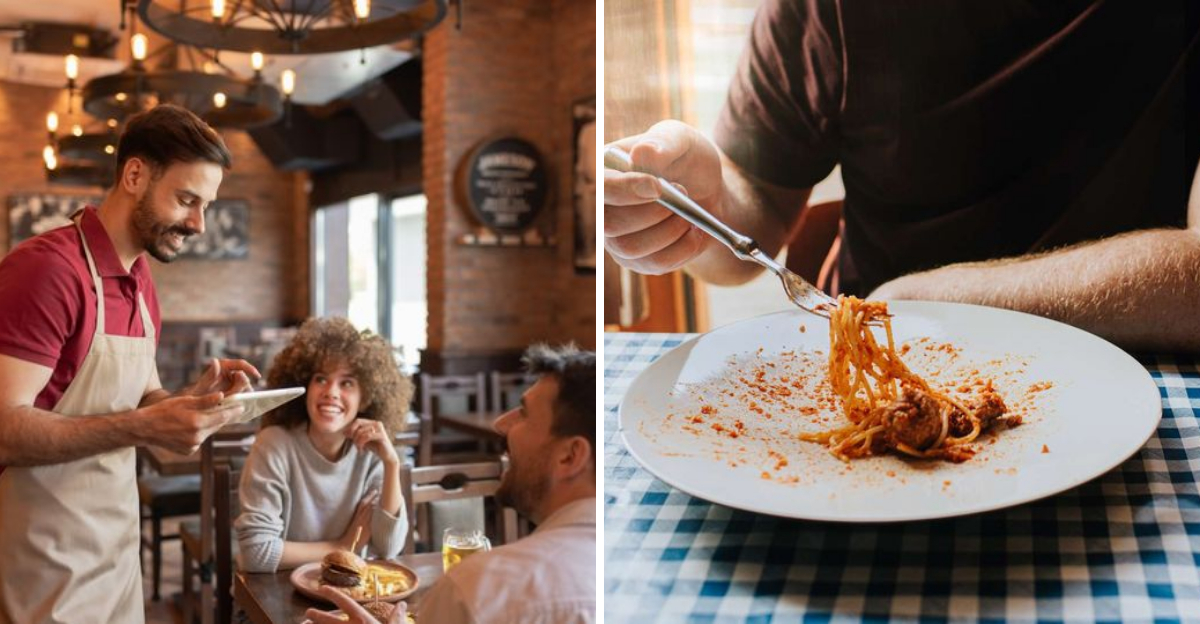
Travel feeds the soul, but dining missteps can sour a table fast. What feels normal at home might read as rude, arrogant, or even shocking somewhere else.
Learn the small cues that tell locals you respect their traditions, from tipping norms to chopstick manners. Master these and you will enjoy warmer service, richer conversations, and truly memorable meals.
1. Assuming tipping works the same everywhere
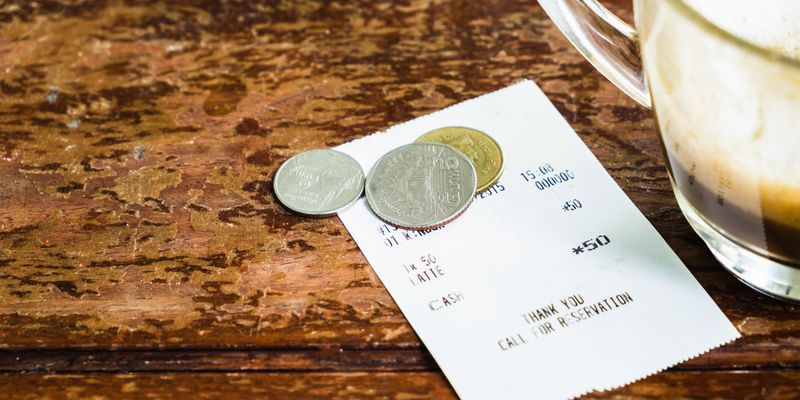
Tipping is not universal, and amounts vary wildly. Some countries include a service charge, others expect modest rounding, and a few discourage tipping altogether.
Over-tipping can embarrass staff, while under-tipping where it is customary can offend.
Politely ask if service is included, or glance at the bill for clues. When in doubt, discreetly check local norms before the meal.
You will avoid awkwardness and show respect for the local wage system.
2. Snapping, whistling, or waving aggressively to get a server
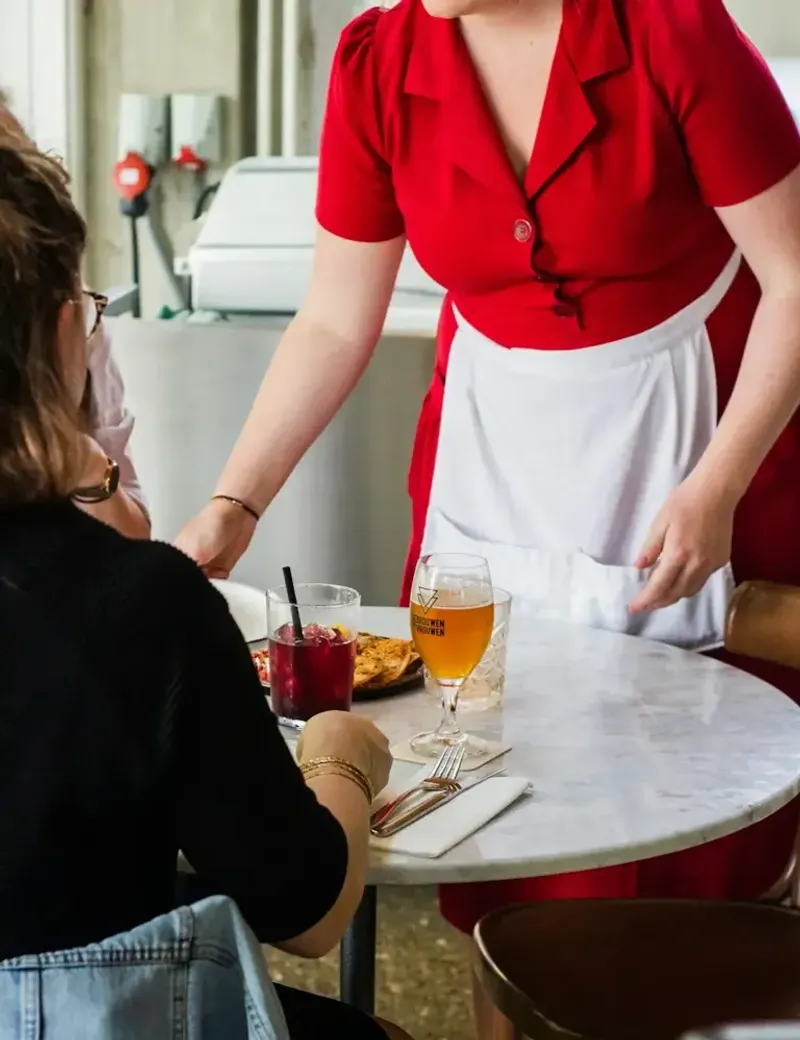
Snapping fingers or whistling travels badly. In many places, it signals you see staff as servants, not professionals.
A gentle hand raise and patient eye contact are polite and effective.
Watch how locals get attention. Often, you will notice relaxed pacing and discreet signals.
Respect that rhythm and your service will feel smoother and kinder to everyone.
3. Sitting yourself when there is a host or wait-to-be-seated culture
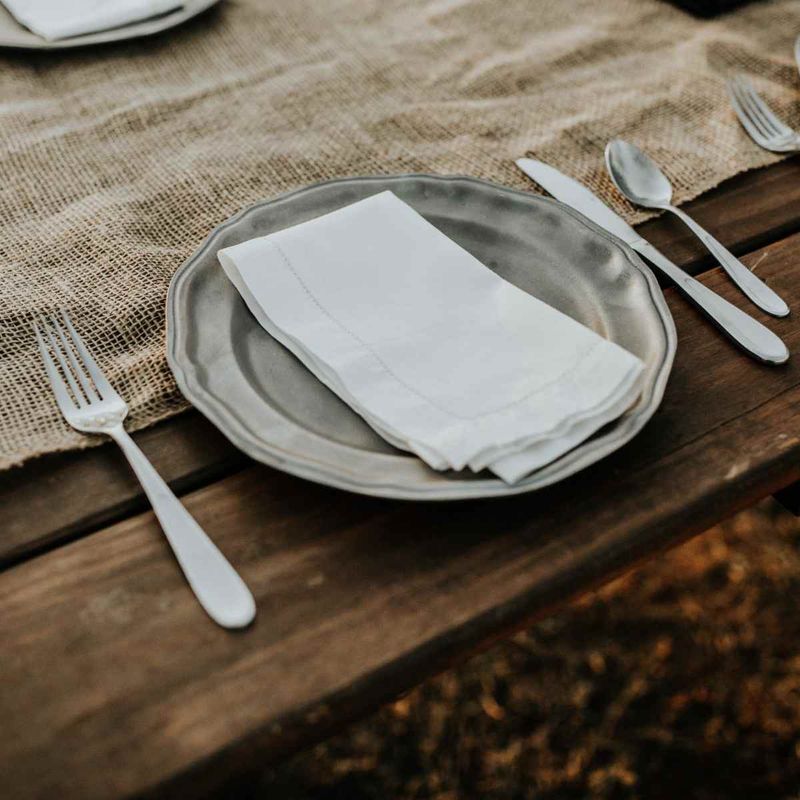
Even if tables look open, seating can be carefully managed. Walking past the host stand and claiming a table may disrupt service flow and seem presumptuous.
Pause, greet the host, and wait to be placed.
Look for subtle signs, like a reservation book or a small queue. A short wait earns goodwill and often a better-fitting table.
You respect their system and avoid misunderstandings.
4. Starting to eat before everyone is served
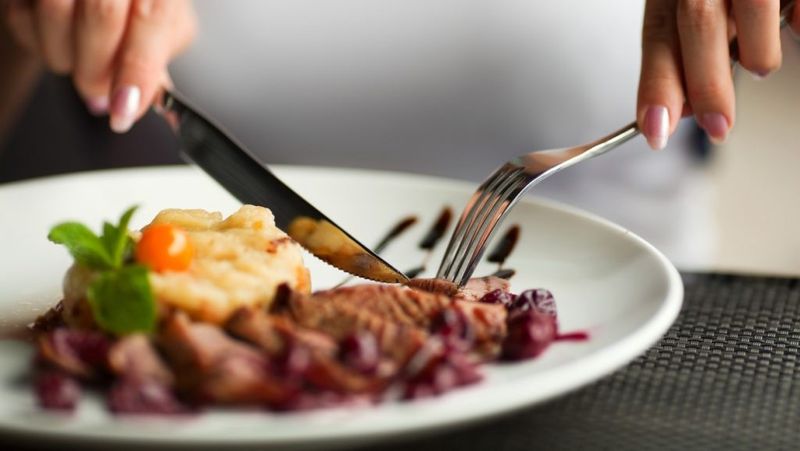
In many cultures, it is courteous to wait until everyone is served or until the host begins. Diving in early can feel self-centered.
If food could get cold, ask politely whether you should start.
Read the room: watch for toasts, nods, or a host’s invitation. A simple pause communicates patience and inclusion.
Meals taste better when everyone shares the first bite together.
5. Putting elbows on the table
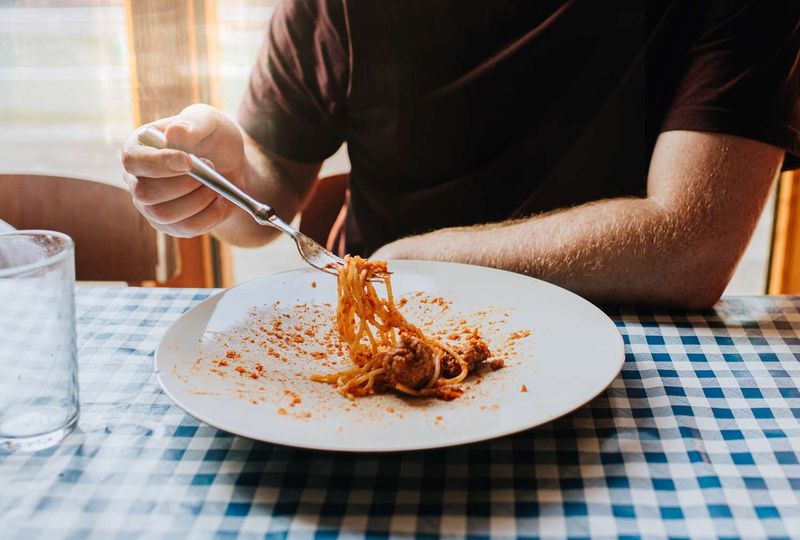
Elbows on the table might seem harmless, but in formal settings it reads sloppy. Many traditional dining cultures see posture as respect for the table and the company.
Keep forearms off the surface while eating.
Between courses, a relaxed elbow is less risky, but still watch others. Good posture helps you handle cutlery cleanly and keeps conversation attentive.
Elegance starts with small signals.
6. Talking loudly like you own the room

Volume expectations change across borders. What feels lively at home may sound brash elsewhere.
Loud voices can disrupt the room and annoy staff and neighbors.
Match the space. If the restaurant is hushed, keep conversations gentle and focused.
You will notice service feels more attentive, and nearby tables will appreciate your consideration.
7. Asking for heavy modifications or acting offended if the dish cannot be changed
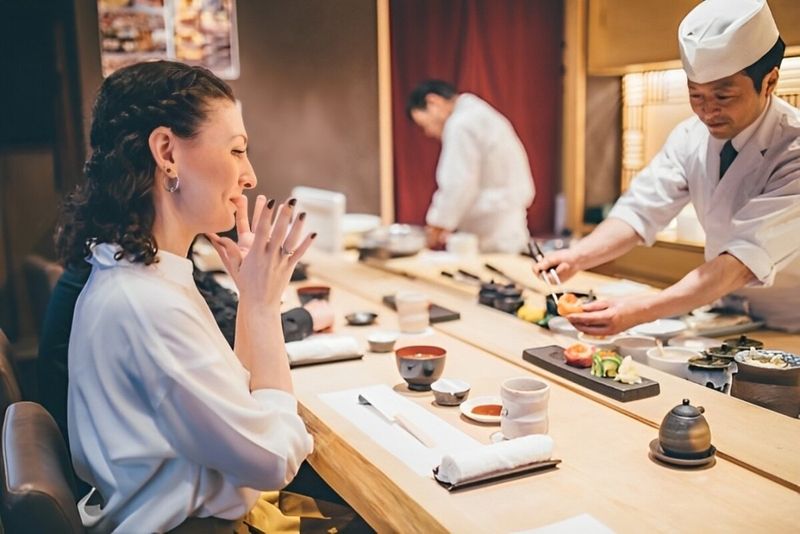
Not every kitchen accommodates substitutions. Many cuisines balance flavors and textures carefully, and major changes can feel like disrespect.
Ask once, kindly, and accept the answer without fuss.
Allergies are different, so communicate clearly if health is involved. Otherwise, consider choosing a dish that already fits your preferences.
You honor the chef’s craft and avoid awkward tension.
8. Asking for ketchup, ranch, or extra sauce for everything
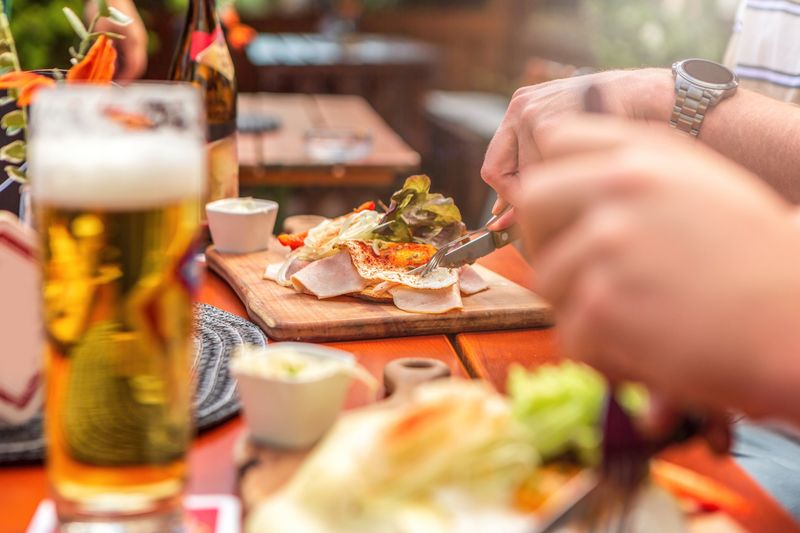
Blanketing a specialty dish in ketchup or ranch can signal you do not trust the flavors. Some kitchens take pride in a precise profile.
Taste first, and ask gently if a local condiment is customary.
When in doubt, say you are curious about traditional pairings. You might discover something better than expected.
Curiosity reads as respect and brings better recommendations.
9. Expecting the check to arrive automatically
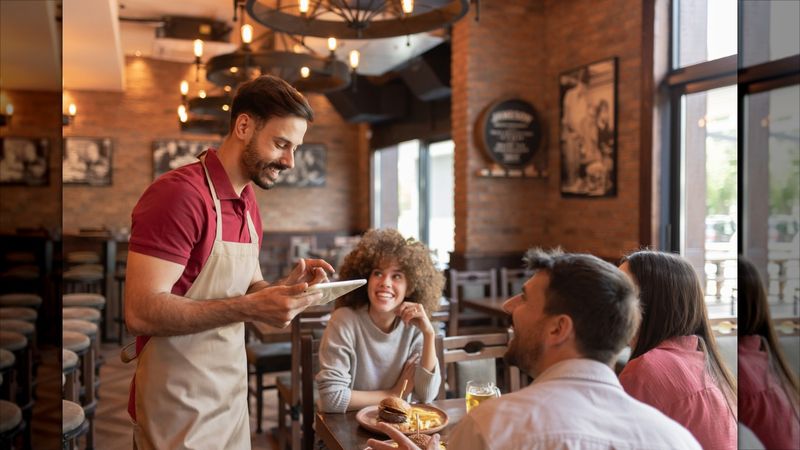
In many countries, servers will not rush you by dropping the bill. They wait for your signal so you can linger.
If you expect automatic checks, you may grow impatient and seem pushy.
Catch the server’s eye and make a small writing gesture. It is universally understood, and you will get the bill without disrupting the mood.
Enjoy the relaxed pace.
10. Trying to split the bill into ten different payments
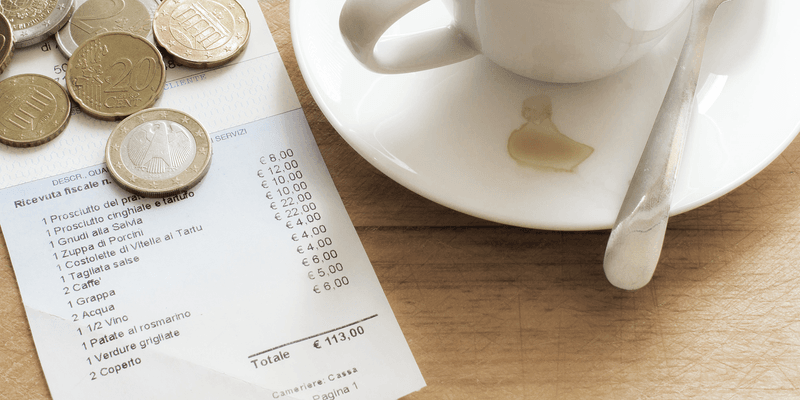
Some restaurants are not equipped for many separate payments. Requesting ten splits can clog service and irritate staff.
One payment with private reimbursements afterward is usually kinder.
Plan ahead by using a shared app or calculating shares at the table. If separate checks are essential, ask early and accept a no gracefully.
You will keep things smooth and courteous.
11. Forgetting greetings and basic politeness
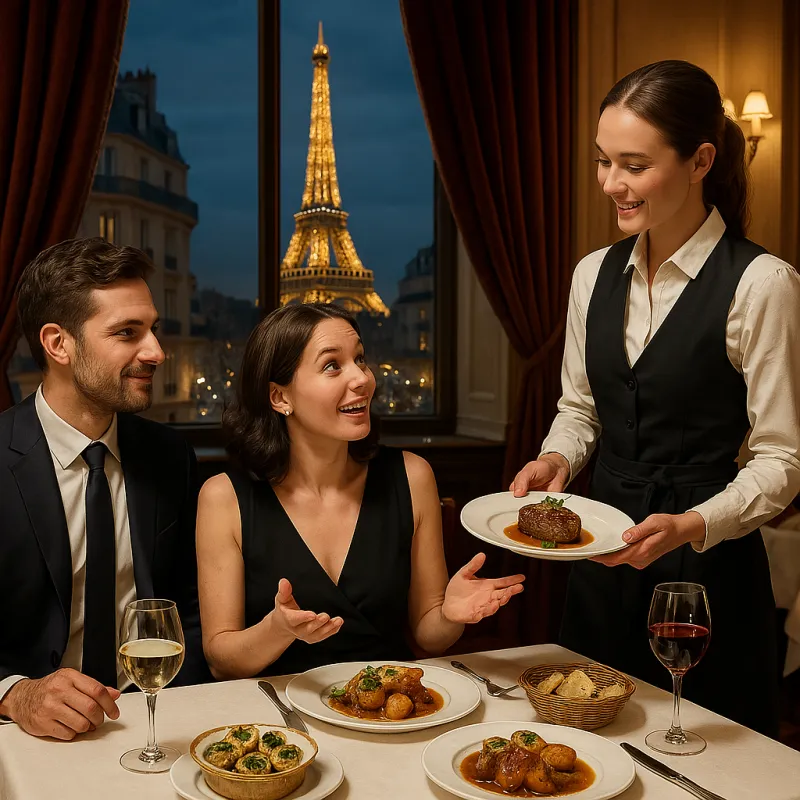
A simple hello sets the tone. In many cultures, greeting staff before ordering is basic respect.
Skipping it can feel cold and transactional.
Learn a few local phrases: hello, please, thank you. Even imperfect pronunciation earns goodwill and better guidance.
Politeness is the cheapest upgrade you will ever get while traveling.
12. Using your left hand for eating or passing food in certain regions
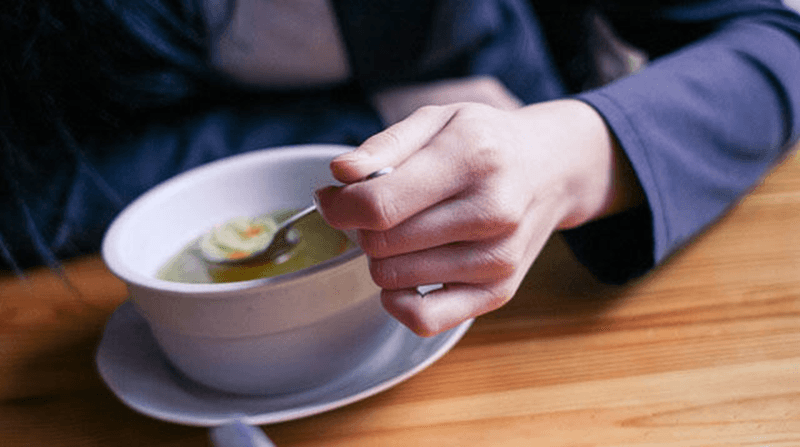
In parts of South Asia, the Middle East, and some African cultures, the left hand carries unclean associations. Using it to eat or pass food can be offensive.
Aim to use your right hand for these tasks.
If left-handed, do your best and move thoughtfully. Locals usually notice the effort more than perfection.
When unsure, observe and mirror the table.
13. Sticking chopsticks upright in rice
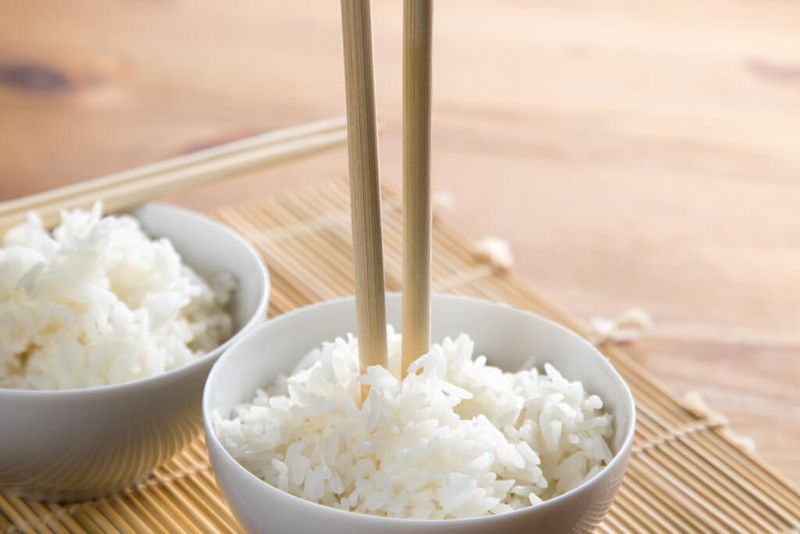
Chopsticks standing upright in rice resemble funeral offerings in Japan and parts of East Asia. It is a potent symbol and deeply inappropriate at the table.
Always rest chopsticks horizontally on a holder or bowl rim.
Small habits carry big meaning. By placing chopsticks correctly, you avoid a jarring association and show cultural awareness.
It is an easy fix with a big impact.
14. Passing food chopstick-to-chopstick
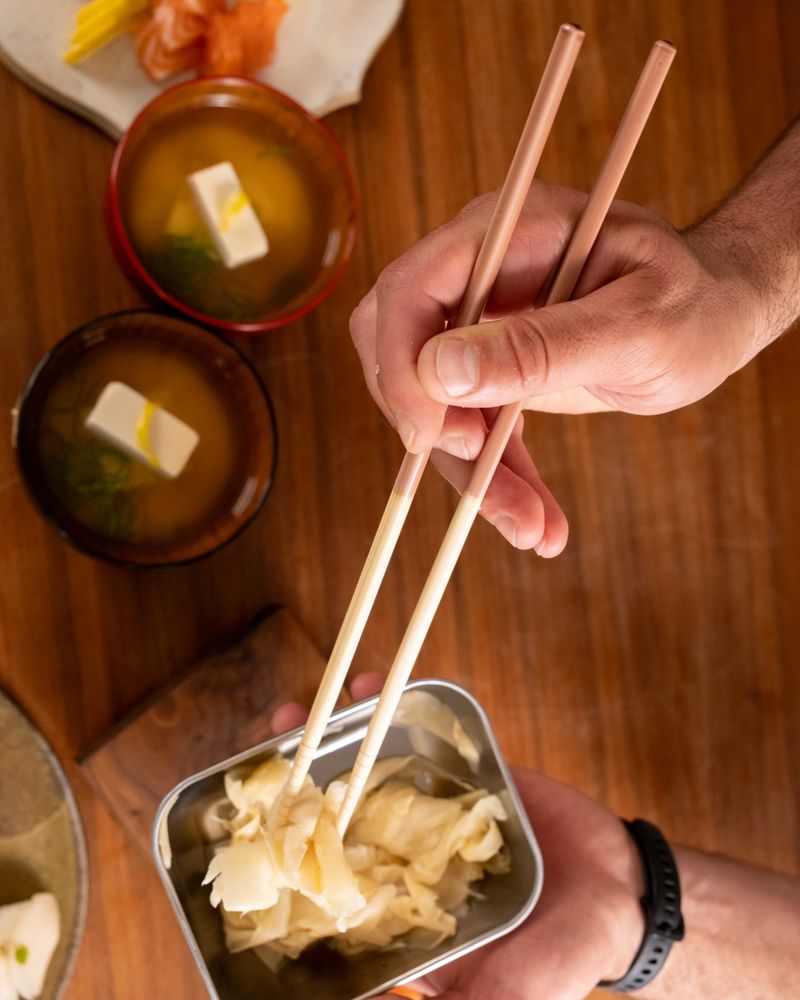
Passing food from chopstick to chopstick echoes a funeral practice involving bones. In Japan, it is considered very poor manners.
Instead, place food onto a plate for the other person to pick up.
Ask for a serving spoon or turn chopsticks around if appropriate. The goal is to keep the gesture neutral.
Respectful sharing keeps the table comfortable for everyone.
15. Pointing with chopsticks or using them like a spear
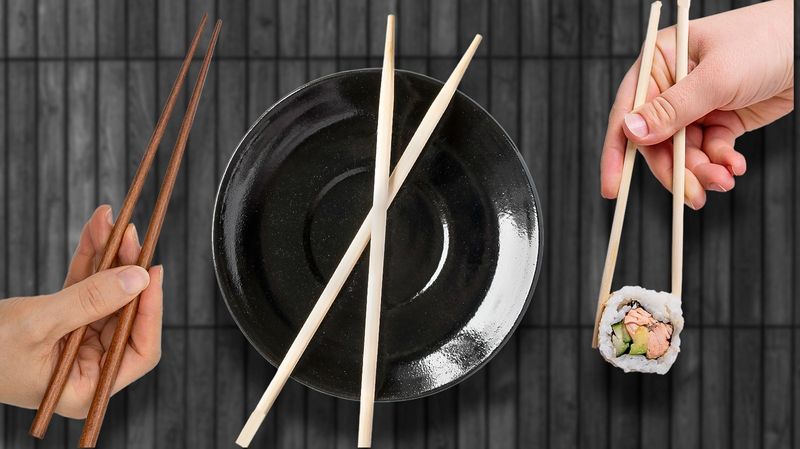
Chopsticks are eating tools, not pointers. Waving, stabbing, or gesturing with them feels aggressive and careless.
Keep them low and steady, and set them down when talking.
Practice picking up food gently without piercing it. You will look more skilled and avoid splashes.
Graceful chopstick etiquette is noticed and appreciated.
16. Using your bread like a utensil the wrong way
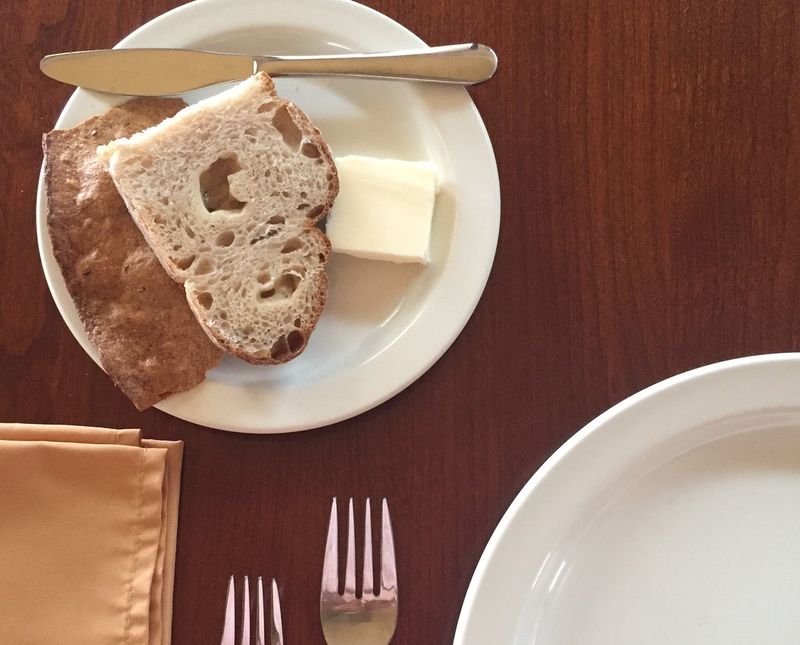
Bread rules vary by region. In many places, you tear small pieces to scoop or push food, but you do not bite from a shared loaf or double-dip.
Keep crumbs on your plate, not the tablecloth.
Ask how bread accompanies the dish. Sometimes it is for sauce, sometimes just for the cheese course.
Respecting the ritual adds charm to the meal.
17. Reaching across people instead of asking
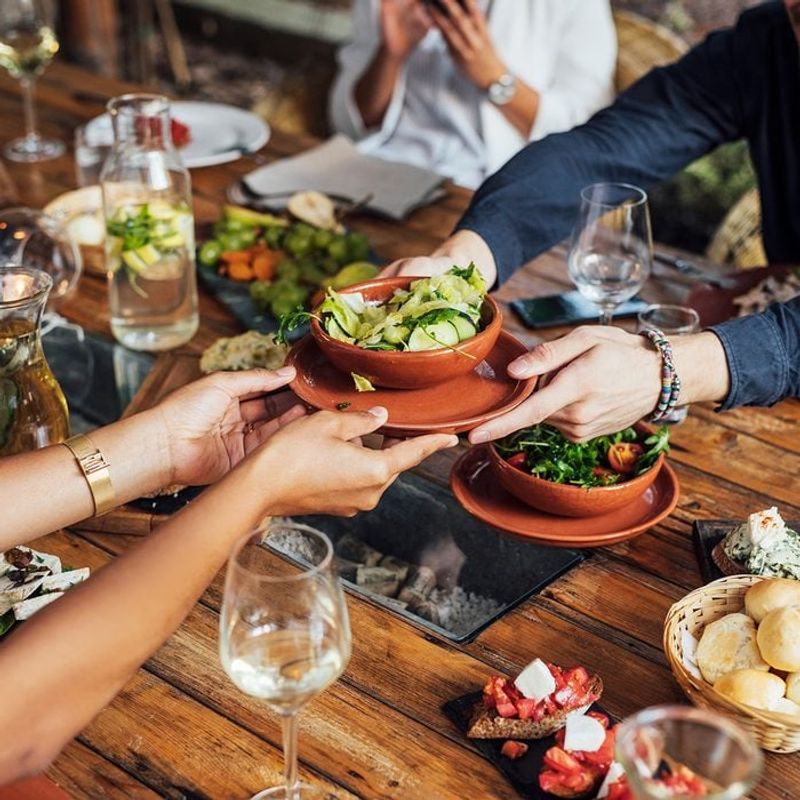
Leaning over plates and bodies can feel intrusive and clumsy. In many cultures, it is better to ask for items to be passed.
This keeps spills down and courtesy up.
Use simple phrases and eye contact. A small request builds rapport around the table.
Good manners turn strangers into pleasant company.
18. Not following host-led rituals like toasts and who starts
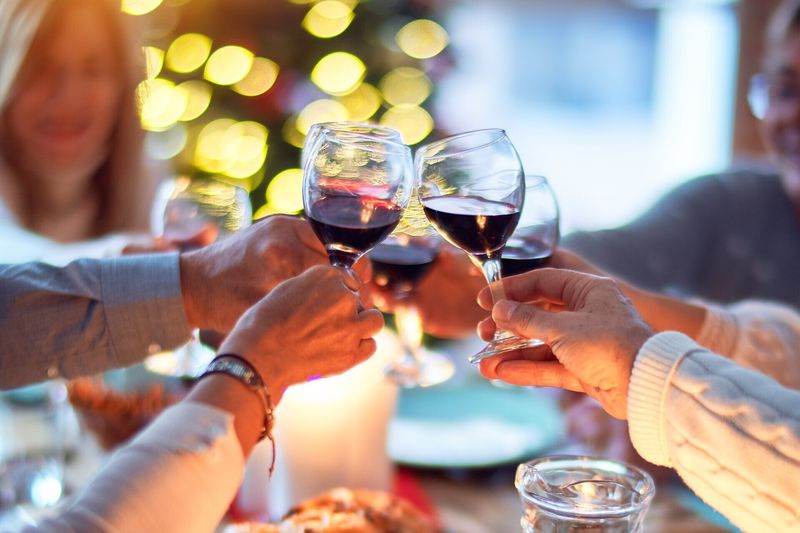
Hosts set the tempo in many cultures. Starting before a toast, pouring yourself first, or ignoring cues can feel dismissive.
Watch for signals and wait to be invited.
If unsure, ask quietly what is customary. Matching the host’s rhythm shows gratitude and attention.
You will be remembered as a gracious guest.
19. Getting impatient with slower service
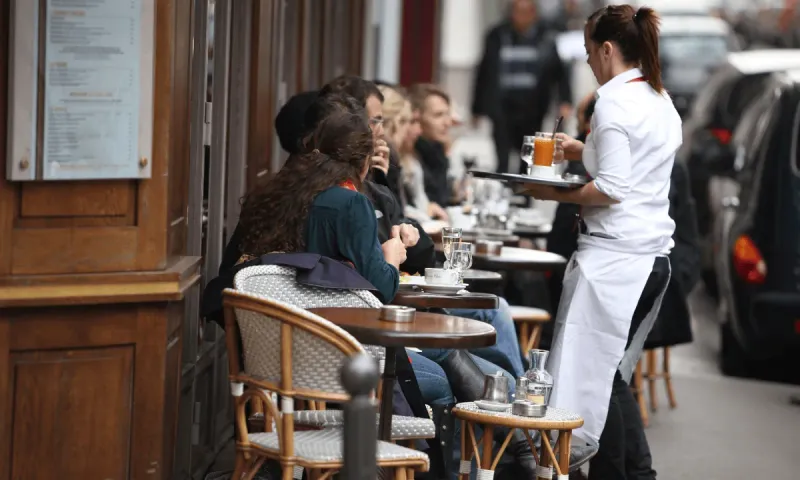
Outside fast-service cultures, meals are meant to breathe. Servers are not ignoring you; they are giving you space.
Demanding speed can read as disrespectful.
Set expectations by asking about timing for courses. Enjoy the pause as part of the experience.
Patience often brings more attentive service when it truly matters.
20. Eating while walking where it is frowned upon
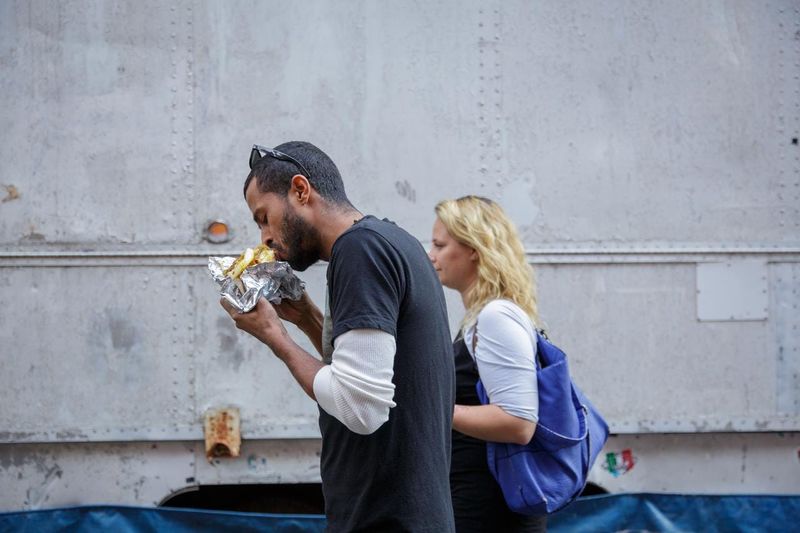
Street food is celebrated in many places, but not all cities embrace walking while eating. In some cultures, it is seen as messy or disrespectful in nicer areas.
Pause and finish your snack before moving.
Look for bins and designated areas. You will keep sidewalks clean and avoid side-eye from locals.
A short break makes food taste better anyway.
21. Ignoring dress expectations

Dress signals respect for the venue and fellow diners. Beachwear or gym clothes can clash with formal dining cultures.
When in doubt, lean smart-casual and you will fit most settings.
Check the website or call ahead. Packing one elevated outfit saves stress and last-minute shopping.
Looking the part opens doors, literally and figuratively.
22. Taking photos like it is a photo shoot
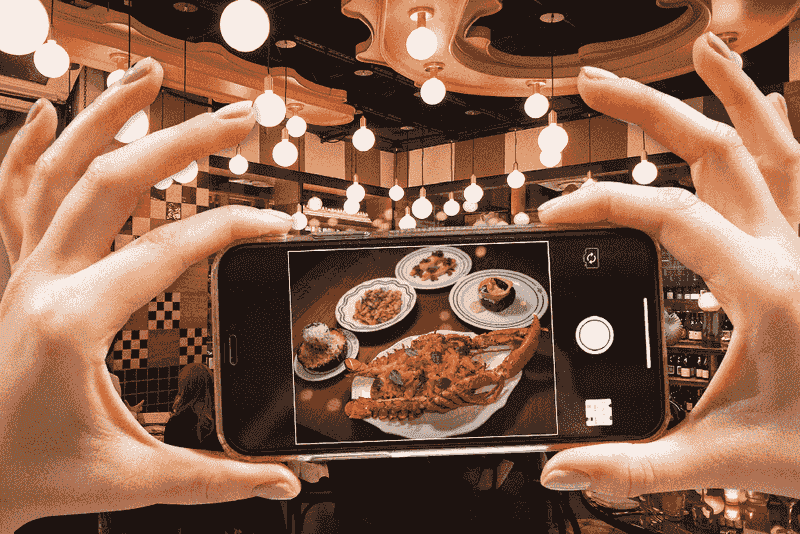
A quick photo is usually fine, but staging scenes, blocking aisles, or using flash can disrupt service. Filming staff without consent may be especially unwelcome.
Keep it fast, quiet, and unobtrusive.
Ask if photography is allowed, particularly in intimate spaces. Then put the phone away and enjoy the moment.
The best memories are not always on camera.