22 Major Mistakes People Often Make With Avocados
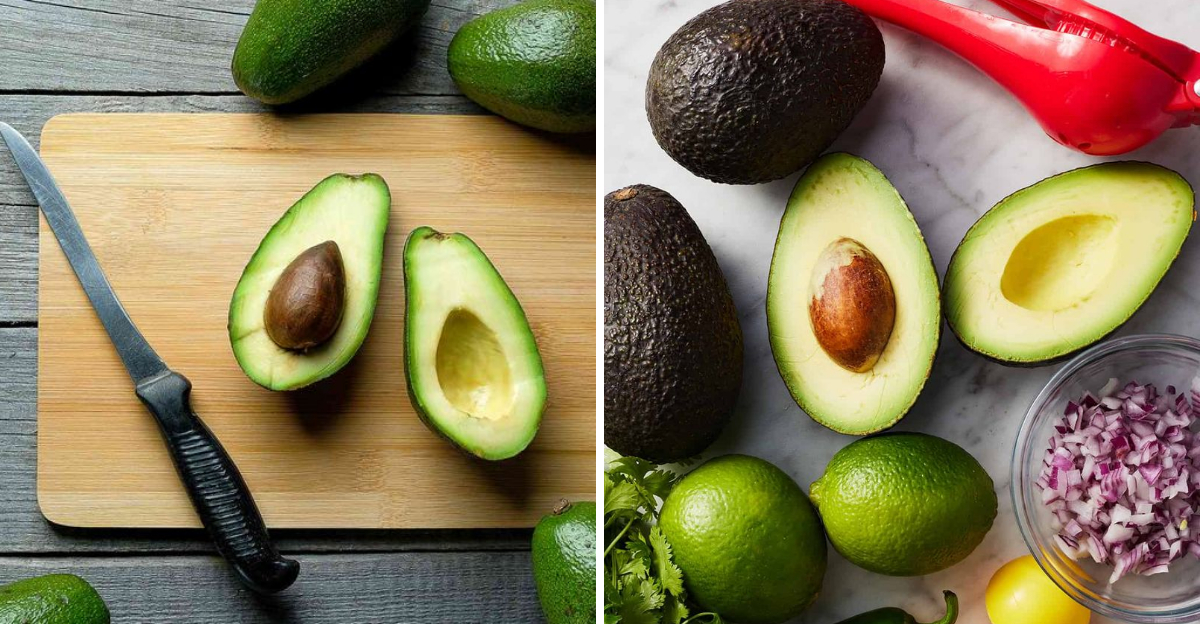
Avocados are beloved for their creamy texture and versatility, but they’re easy to mishandle. From buying to storing, people often make preventable mistakes. Here’s a guide to avoid common avocado blunders and enjoy them at their best.
1. Buying all of them at the same ripeness
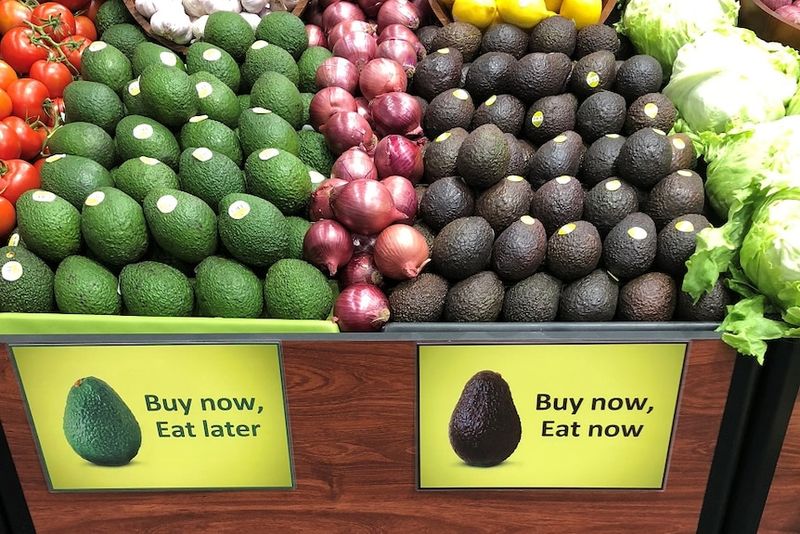
Picture this: a kitchen counter crowded with avocados, all ripening simultaneously. This scenario may lead to an overwhelming avocado surplus. Buying avocados at the same ripeness means they’ll become ready to eat at once, creating a rush to consume them before they spoil.
Instead, select avocados at varying stages of ripeness. This way, you can enjoy them over several days without any going bad. Start with a mix of firm and soft avocados. Having a variety ensures you’ll always have one ready to eat.
Planning ahead saves both your time and your avocados.
2. Judging ripeness only by color

Color can deceive when it comes to avocados. While many associate darker skin with ripeness, this isn’t always true. Different varieties can have varying shades, making color an unreliable guide. Hass avocados, for example, might turn dark green or black when ripe, but not all do.
The key is to combine color observation with other ripeness tests. Gently press near the top to check for a slight give. This combination will help avoid the disappointment of cutting into an underripe or overripe avocado.
Remember, appearances can be misleading!
3. Squeezing them like you’re testing a stress ball
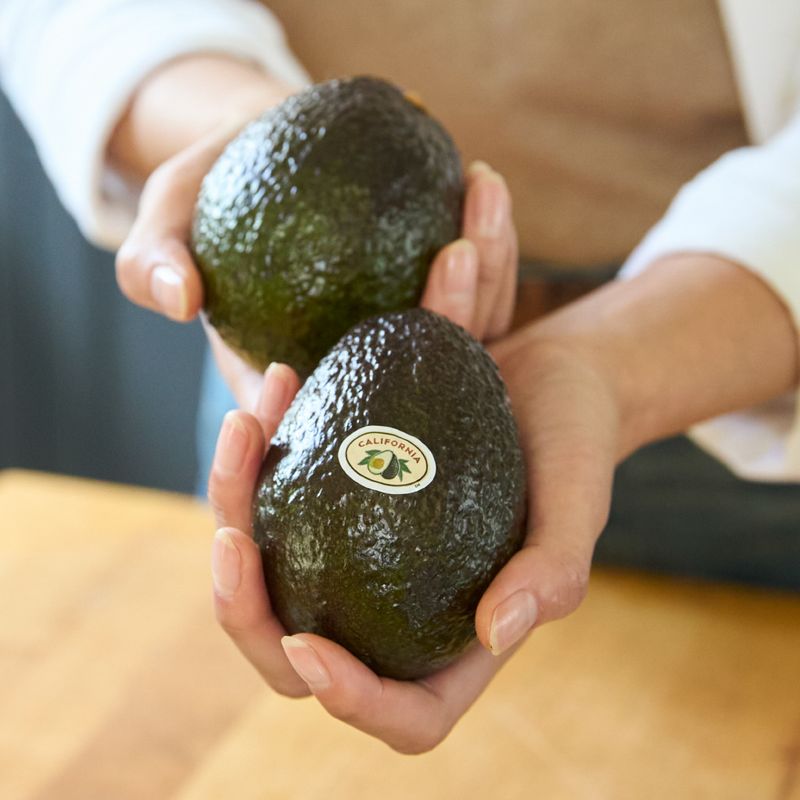
Ever wonder why your avocados have brown spots inside? Rough handling is often to blame. Many people squeeze avocados too hard, thinking they’re checking for ripeness. This bruises the delicate flesh, leading to those unsightly spots.
A gentle press is all that’s needed. Use your fingertips on the top end of the fruit to feel for slight softness. This method keeps the avocado intact while providing an accurate ripeness check.
Next time, approach with care, and your avocados will thank you with perfect interiors.
4. Pressing the middle instead of the stem end

Testing an avocado’s ripeness by pressing its middle can lead to disappointment. This method often results in hidden bruises beneath the skin. The best technique involves applying gentle pressure near the stem end.
This area provides a more accurate gauge of ripeness without damaging the flesh inside. If it gives slightly under your touch, it’s ready to eat. Avoid the middle; it’s a common source of bruising trouble.
Master this technique, and you’ll find perfectly ripened avocados every time, free from bruising surprises.
5. Ignoring the stem “cap” check
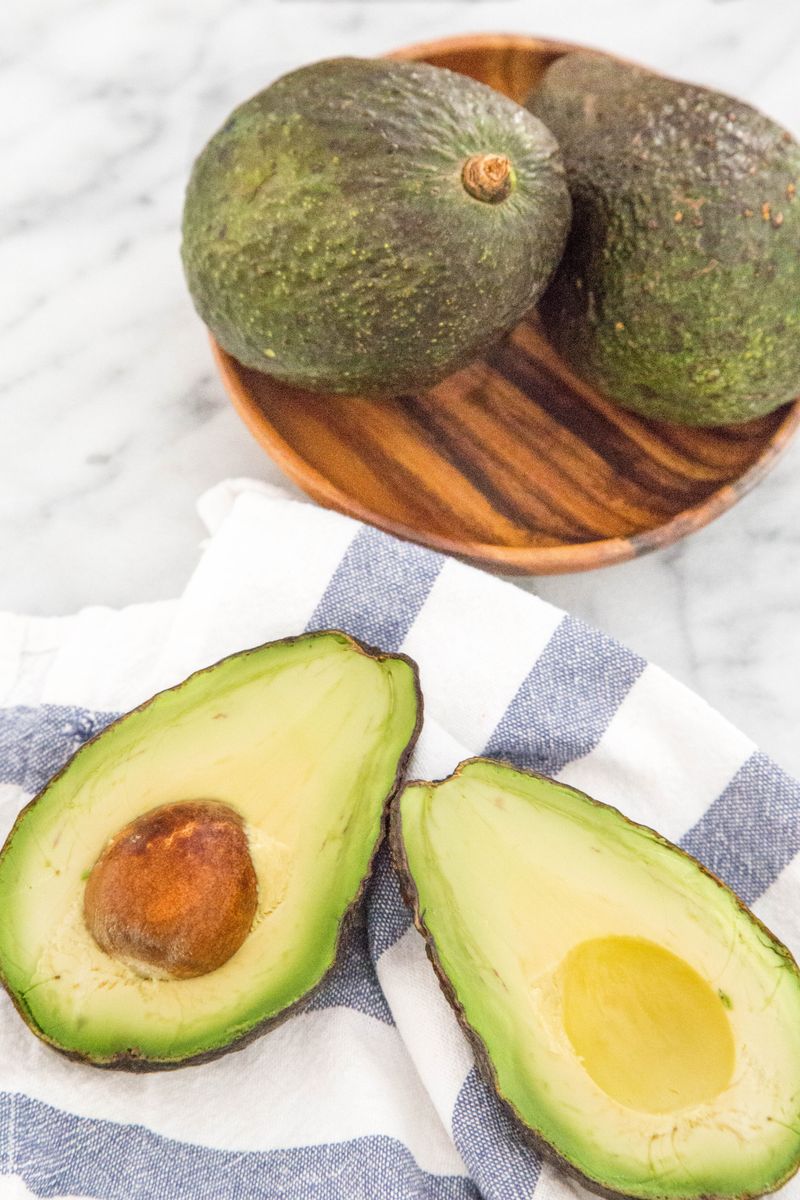
The tiny stem cap on an avocado holds ripeness secrets. Many overlook this simple check, yet it’s incredibly telling. If the stem nub pops off easily, revealing green underneath, the avocado is likely ripe.
A brownish color suggests it’s overripe and may not have the best texture inside. This small step can save you from unpleasant surprises when you slice into your avocado.
Make the stem cap check a habit, and you’ll ensure your avocados are consistently delicious and ready to eat.
6. Not planning ahead for ripening time
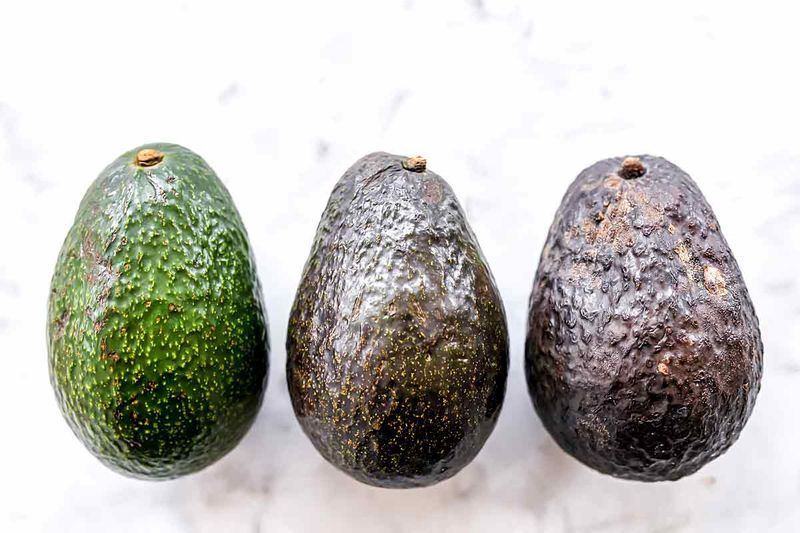
Need avocados for a weekend brunch? Buying them last-minute is a recipe for disappointment. Avocados require patience and foresight as they don’t ripen overnight. Purchasing rock-hard avocados on the day you need them doesn’t work.
To have ripe avocados on time, buy them several days ahead. Plan their ripening schedule by staggering purchases or using a paper bag to speed things up.
With a little planning, you’ll always have ripe avocados when you need them, avoiding last-minute shopping stress.
7. Ripening them in the fridge
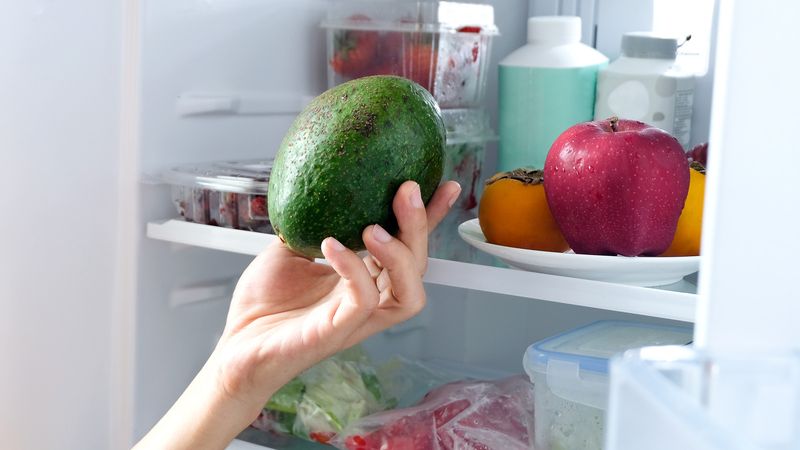
The fridge is a ripeness spoiler for avocados. Cold environments slow down the ripening process, which is excellent once they’re ripe but not before. Storing unripe avocados in the fridge extends the wait unnecessarily.
Ripen avocados at room temperature first. Once they reach your desired ripeness, transfer them to the fridge to maintain their state for a few more days.
This method ensures you enjoy perfectly ripe avocados without unwanted delays.
8. Leaving ripe avocados on the counter too long

The ripe avocado clock is always ticking, and leaving them on the counter post-ripening spells trouble. Once ripe, avocados have a limited window before they spoil.
To maximize freshness, move them to the fridge once they reach that perfect softness. This slows the spoilage process, giving you a few extra days to consume them.
Keep an eye on ripeness, and act swiftly to avoid wasting those precious green gems.
9. Not using the paper bag trick
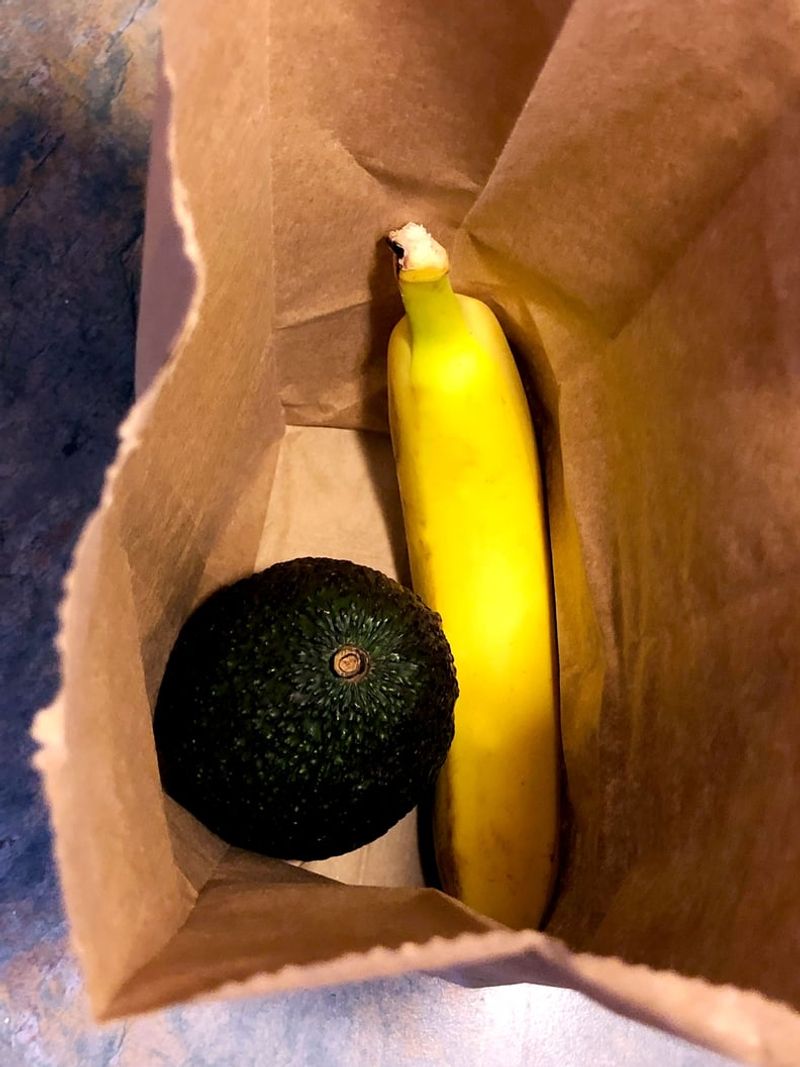
Speeding up avocado ripening is a common need, and the paper bag trick is a simple solution. Many overlook this effective method, which involves placing avocados in a paper bag.
Adding a banana or apple accelerates the process further, thanks to the ethylene gas they emit. This method can cut ripening time significantly and is perfect for when you need avocados ready in a hurry.
Mastering this trick ensures you have ripe avocados when you need them without any hassle.
10. Microwaving to “ripen” them
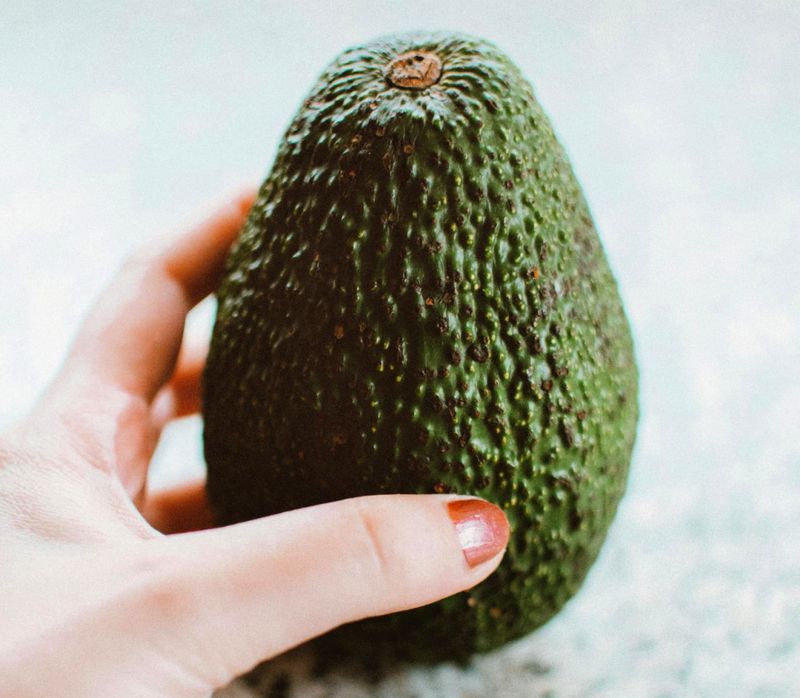
In a rush, some turn to the microwave to soften avocados. While this might make them physically softer, it doesn’t equate to true ripeness. Flavors remain undeveloped, and textures can be off.
Microwaving is a last-resort move, as it induces artificial softness rather than genuine ripeness. The taste and experience of a naturally ripened avocado are unmatched.
Avoid this shortcut if possible and allow nature to take its course for the best results.
11. Cutting them days before you need them

Planning ahead is great, but cutting avocados too early is a common misstep. Once cut, avocados start oxidizing and browning quickly, even with protective measures.
It’s best to wait until the day you need them. If you must prep them early, store the cut pieces with as little air exposure as possible and use lemon juice to slow oxidation.
Timing is everything with avocados, and cutting them just before use maintains their fresh appeal.
12. Storing cut avocado without protecting the surface
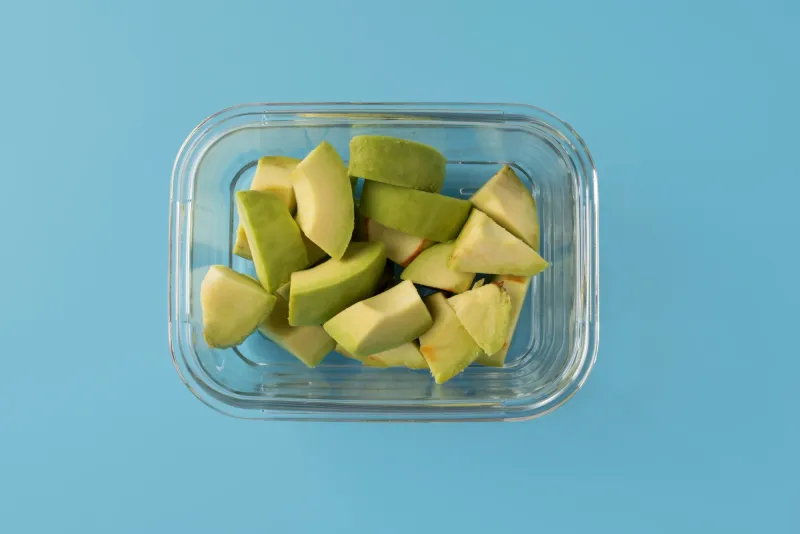
Air is the enemy of cut avocados, turning their vibrant green to an unappetizing brown. Many fail to protect the exposed flesh adequately, leading to disappointment.
To maintain freshness, wrap cut avocados tightly with plastic wrap or store them in airtight containers. This minimizes air contact and preserves the color.
Proper storage techniques keep your avocados looking and tasting their best, even after they’ve been cut.
13. Relying only on lemon juice as protection
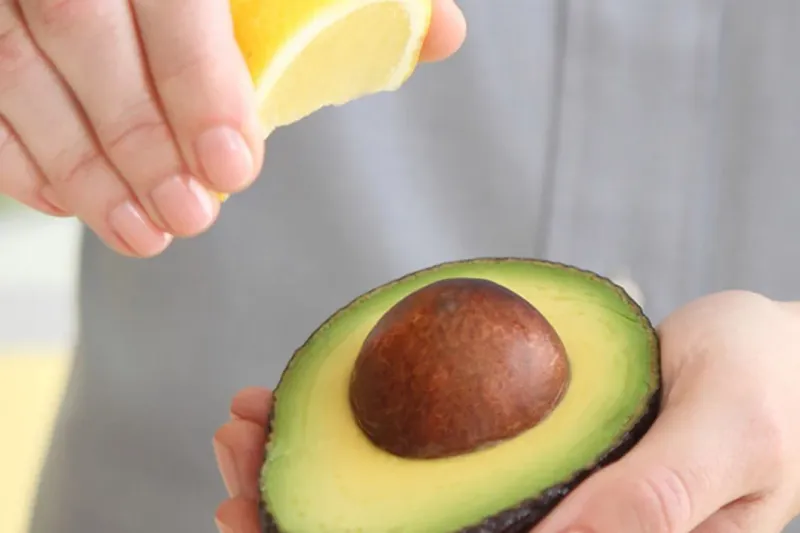
Lemon juice is a popular choice to prevent browning, but relying solely on it isn’t enough. While it slows oxidation, it doesn’t eliminate air exposure, which is the true culprit.
Combining lemon juice with airtight storage or wrapping ensures better preservation. The acidity helps, but sealing out air makes a bigger difference.
Take a two-pronged approach for the freshest cut avocados, and enjoy their lively color longer.
14. Tossing the pit back in and thinking it “saves” it
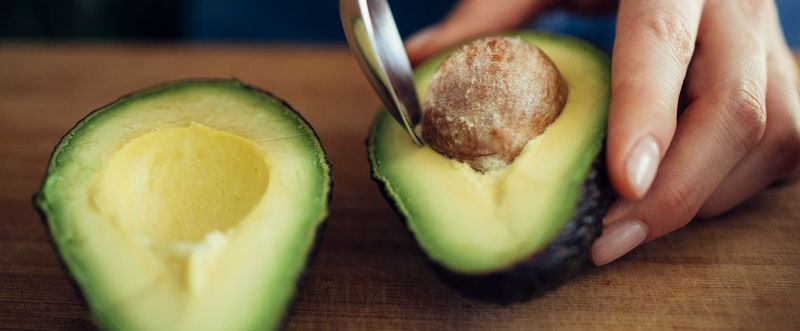
Many believe that leaving the pit in a cut avocado prevents browning. While it protects the small area it touches, the rest remains exposed.
The best approach is to use plastic wrap or an airtight container to protect the entire surface. The pit alone isn’t enough to stop oxidation.
For truly fresh avocados, focus on minimizing air contact, not relying solely on the pit’s limited shielding.
15. Storing guacamole in a tall container
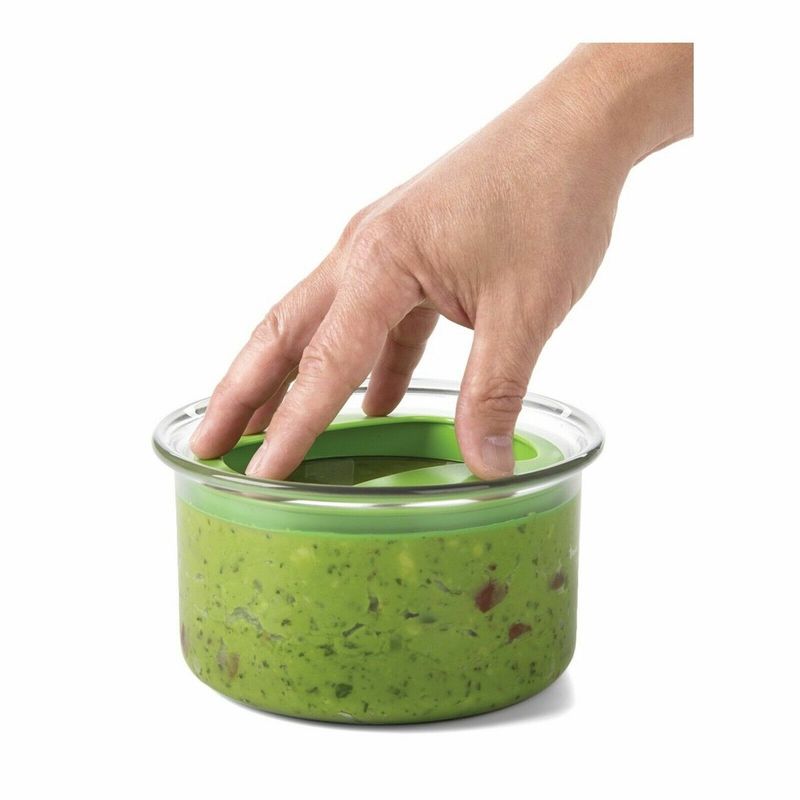
The surface area exposed to air determines how quickly guacamole browns. Storing it in a wide, shallow container increases exposure, leading to faster discoloration.
A tall, narrow container reduces surface area and helps maintain vibrant green guacamole. Plus, it’s easier to cover tightly with plastic wrap.
This simple adjustment can make a significant difference in keeping your guacamole fresh and appealing.
16. Forgetting the water trick for guacamole
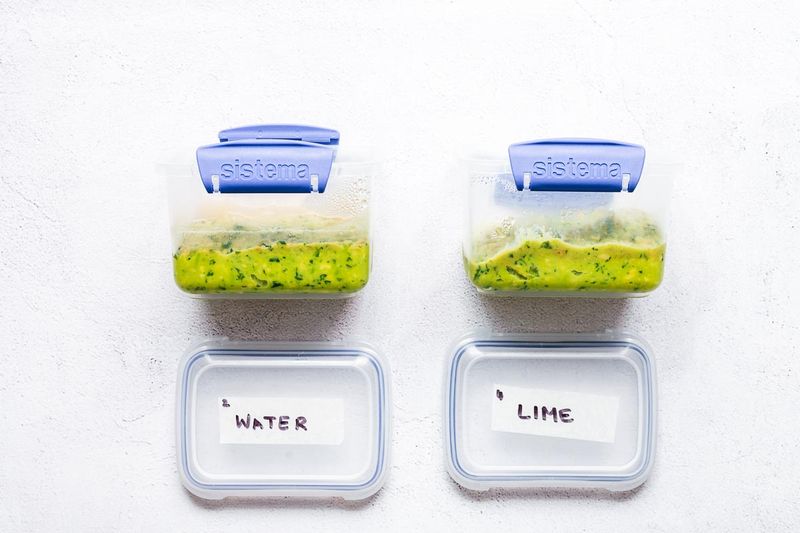
Keeping guacamole fresh can be a challenge, but the water trick offers a surprising solution. Many miss this simple yet effective method.
Pour a thin layer of water on top of the guacamole before sealing it. When ready to enjoy, pour off the water and stir. This technique prevents air exposure better than expected.
Try this strategy for guacamole that stays green and delicious longer, surprising your guests with its freshness.
17. Making guacamole too early for a party
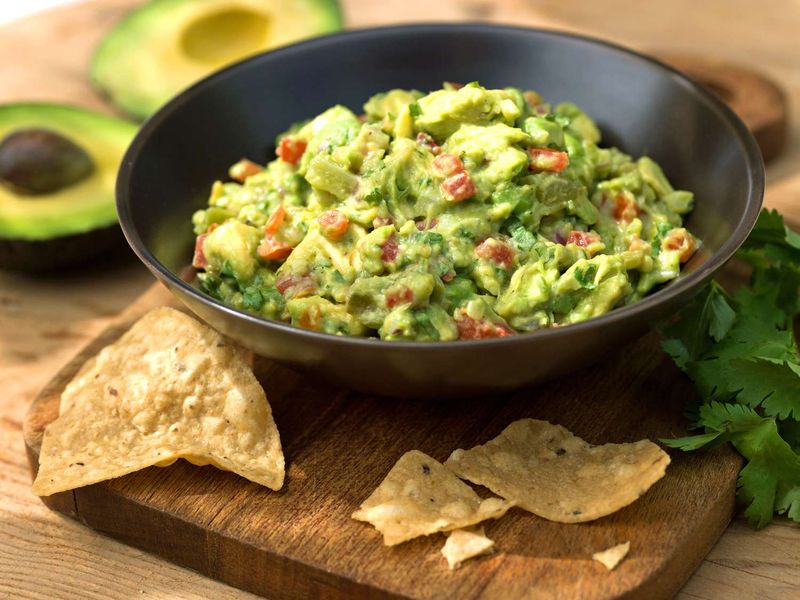
Guacamole’s appeal lies in its freshness. Making it too early for a party compromises its vibrant flavor and color. Even with preservation strategies, the bright, just-made vibe fades over time.
Prepare guacamole as close to serving time as possible for the best taste and appearance. If you must make it ahead, use airtight storage to delay browning.
Timing is key to serving party-perfect guacamole that leaves a lasting impression.
18. Over-mashing
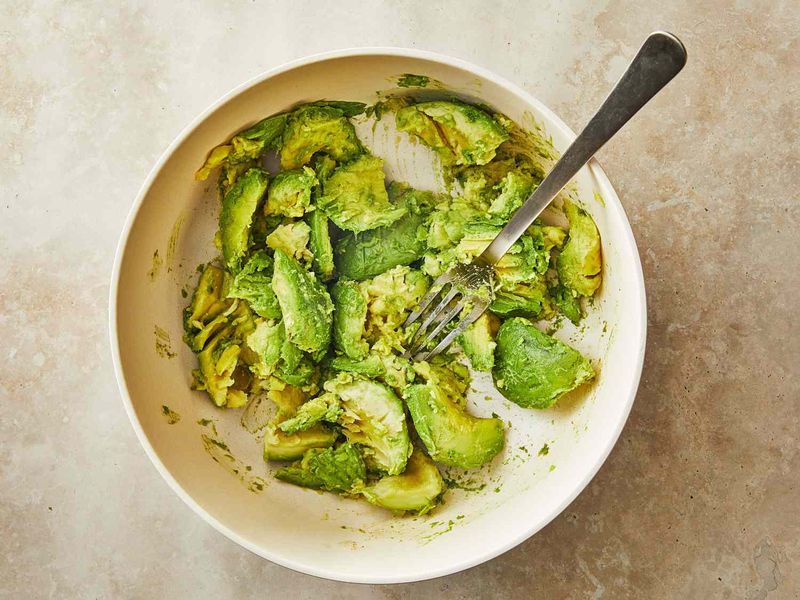
Guacamole can easily transform into a green puree if over-mashed, losing its delightful texture. Many enjoy a chunky version, where avocado pieces mingle with other ingredients.
Stop mashing once the desired texture is reached, retaining some chunkiness. This approach provides a more satisfying bite and showcases the avocado’s natural creaminess.
For guacamole with character and texture, avoid over-mashing and appreciate the avocado’s versatility.
19. Under-seasoning
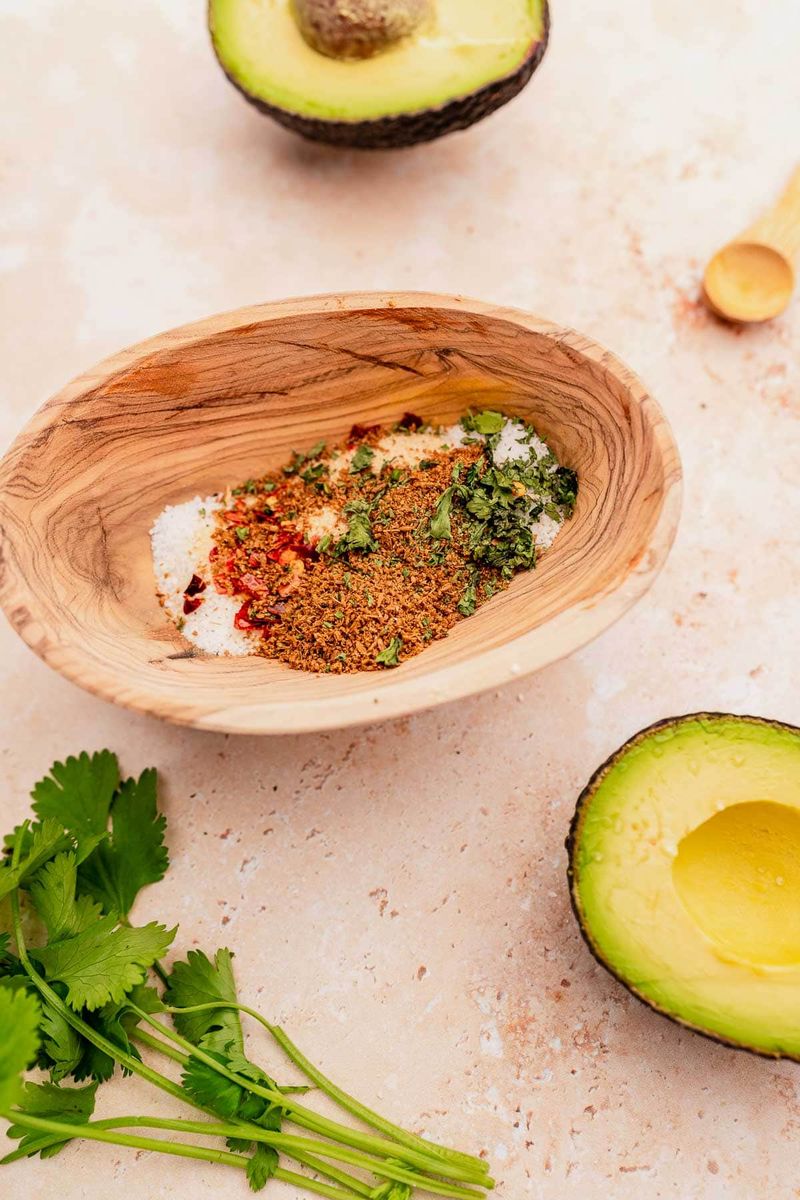
Avocado is delicious, but it needs seasoning to shine. Guacamole lacking salt and other flavors can taste bland, disappointing those expecting a flavor burst.
Generously season your guacamole with salt, lime, and other spices. This elevates the avocado’s natural taste and highlights its creamy texture.
Don’t shy away from seasoning. It’s the key to transforming avocado into an unforgettable dish.
20. Skipping acid
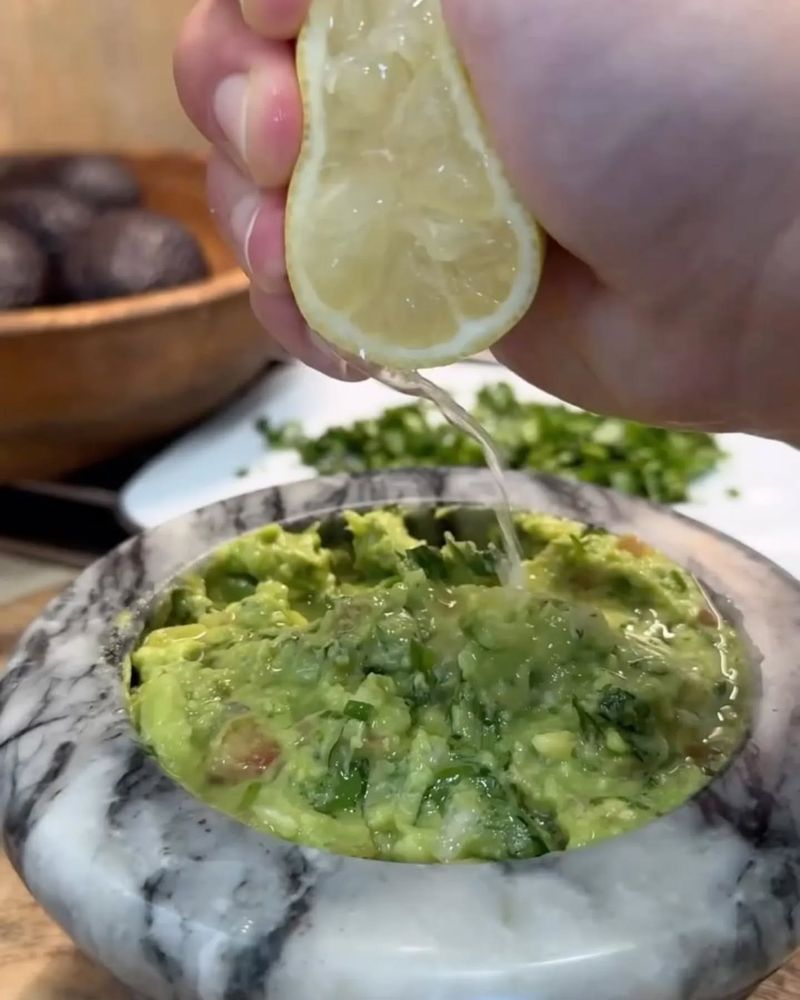
Avocado’s richness benefits from the balance that acid provides. Skipping lime or lemon in guacamole means missing out on flavor enhancement.
Acid brightens the overall taste, lifting the creaminess and providing balance. It’s not just a flavor booster; it’s essential for a well-rounded dish.
Make sure to include fresh lime or lemon juice in your guacamole for a vibrant, delicious result.
21. Using weak add-ins
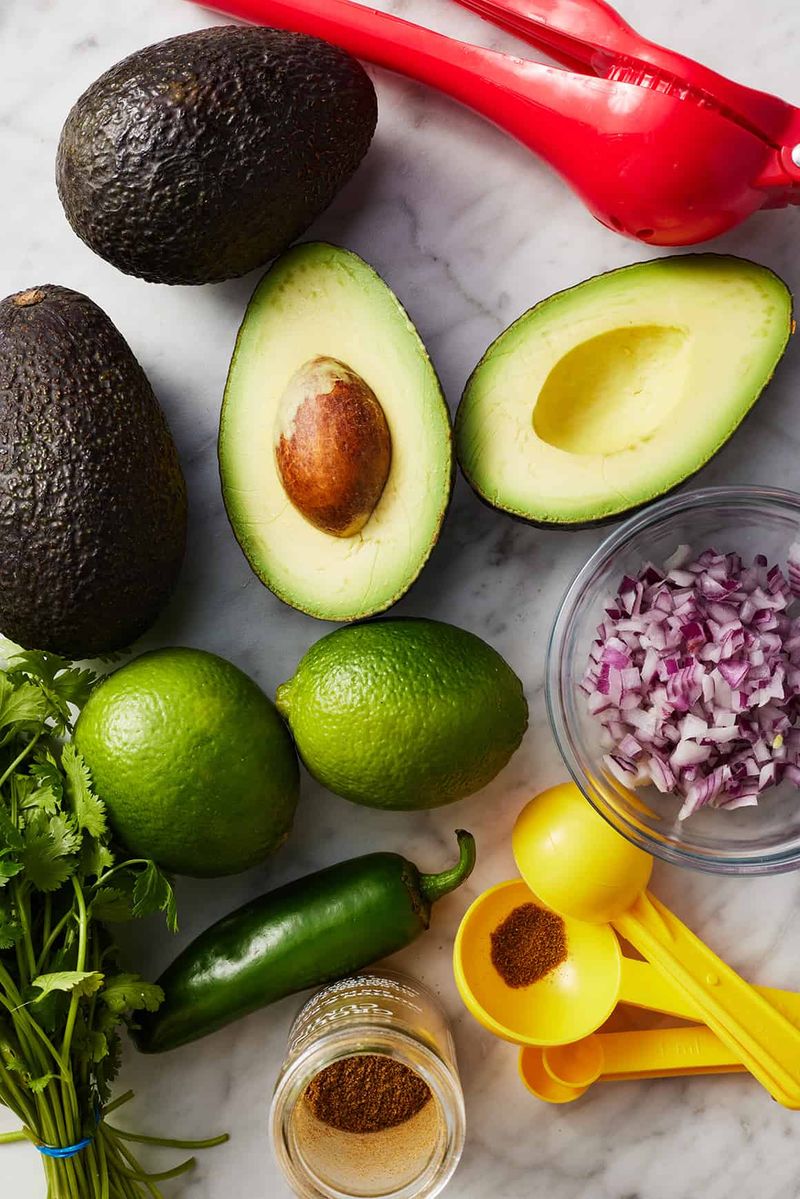
Guacamole ingredients matter, and weak add-ins can drag down the entire dish. Watery tomatoes and bland onions dilute flavors and texture.
Choose firm, ripe tomatoes and crisp onions to complement the avocado. Fresh herbs add brightness, enhancing the overall taste.
For guacamole that stands out, select quality ingredients that contribute to its appeal and flavor.
22. Throwing away “overripe” avocados that are still usable
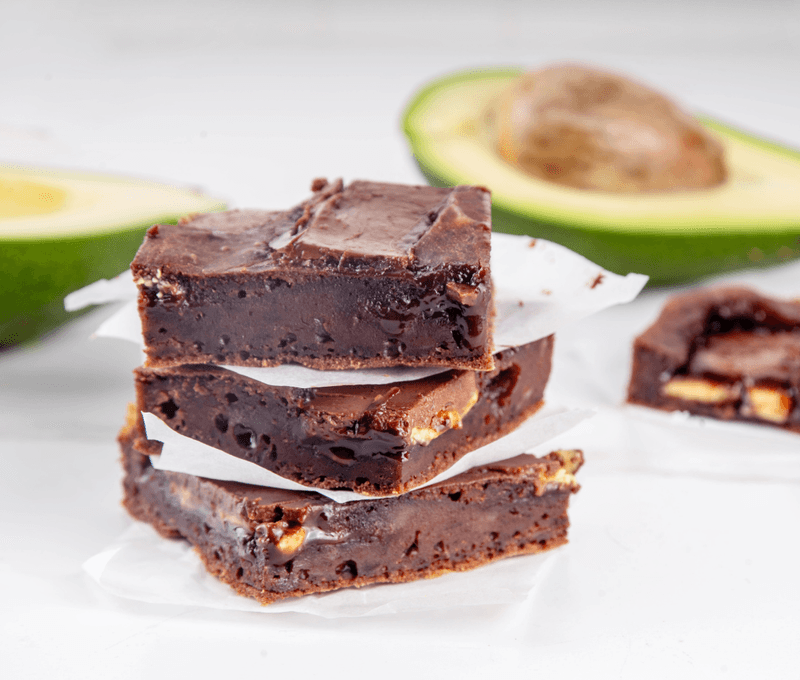
Even overripe avocados have purpose. Unless moldy or rancid, they can be transformed into delicious creations. Smoothies, baking, and desserts are perfect uses.
Their creamy texture works well in chocolate pudding-style desserts or as a spread on toast. Don’t discard them just because they’re soft.
Embrace avocado’s versatility and reduce waste by finding creative ways to use overripe ones effectively.