22 Things You Didn’t Know About Chick-Fil-A’s Chicken
Think you know everything about Chick-Fil-A’s chicken? There is a lot happening behind that crispy exterior and those famously tender bites. From farm sourcing to kitchen secrets, the details explain why it tastes different from the rest. Get ready to discover surprising facts that will change how you look at every nugget and sandwich.
1. It starts with whole breast meat
Chick-Fil-A uses whole breast meat, not pressed patties or fillers, which sets a baseline for texture and consistency you can feel in every bite. The chicken is trimmed to reduce uneven thickness for more even cooking. That is why the sandwiches rarely feel stringy or rubbery.
Using whole muscle meat also allows better seasoning absorption across the surface without masking flavor. You taste clean chicken first, then the spice blend. It is a simple decision that anchors the entire menu.
2. Pressure-cooked in peanut oil
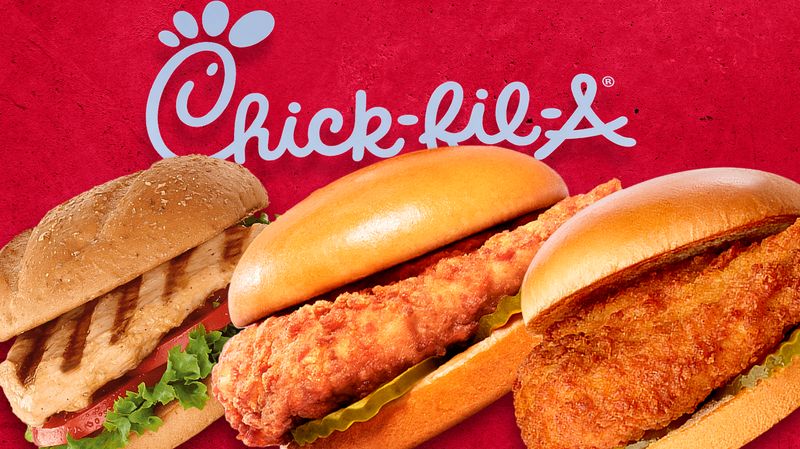
Chick-Fil-A pressure cooks its classic chicken in refined peanut oil, which helps lock in moisture and create a distinctive crisp. Pressure cooking reduces oxidation and helps the crust set quickly. You get juicy meat with a consistent bite.
Refined peanut oil has a high smoke point and neutral flavor, so seasoning shines without greasy aftertaste. The chain repeatedly filters its oil to maintain quality. If you have peanut allergies, the oil is highly refined, but you should still consult medical advice before trying.
3. The 20-hour marinade
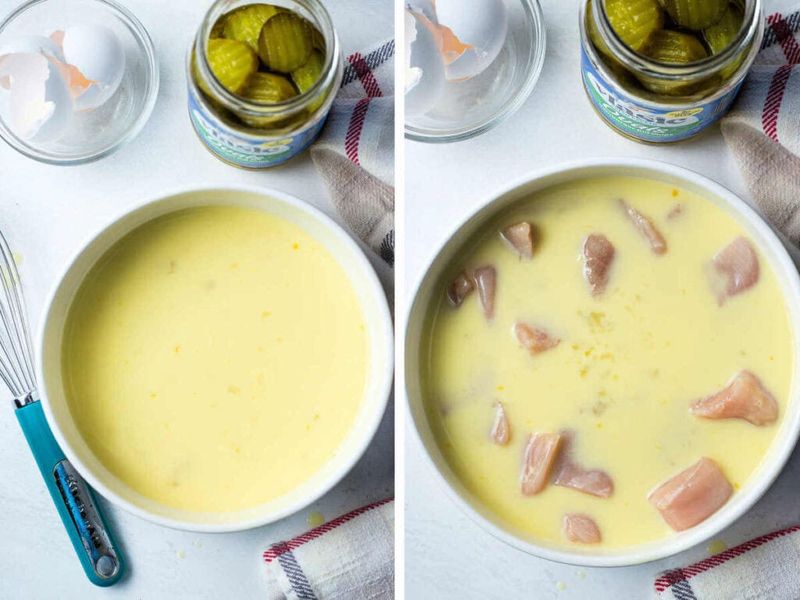
The chicken is marinated for hours to develop tenderness and flavor distribution before breading. That soak penetrates the meat so seasoning does not sit only on the crust. Long marination also helps preserve juiciness through frying.
While the exact recipe is proprietary, the marinade balances salt, acidity, and aromatics to enhance natural chicken flavor. You can tell because the seasoning tastes integrated, not just surface-level spice. That makes the sandwich taste good even without extra sauce.
4. Hand-breaded every shift
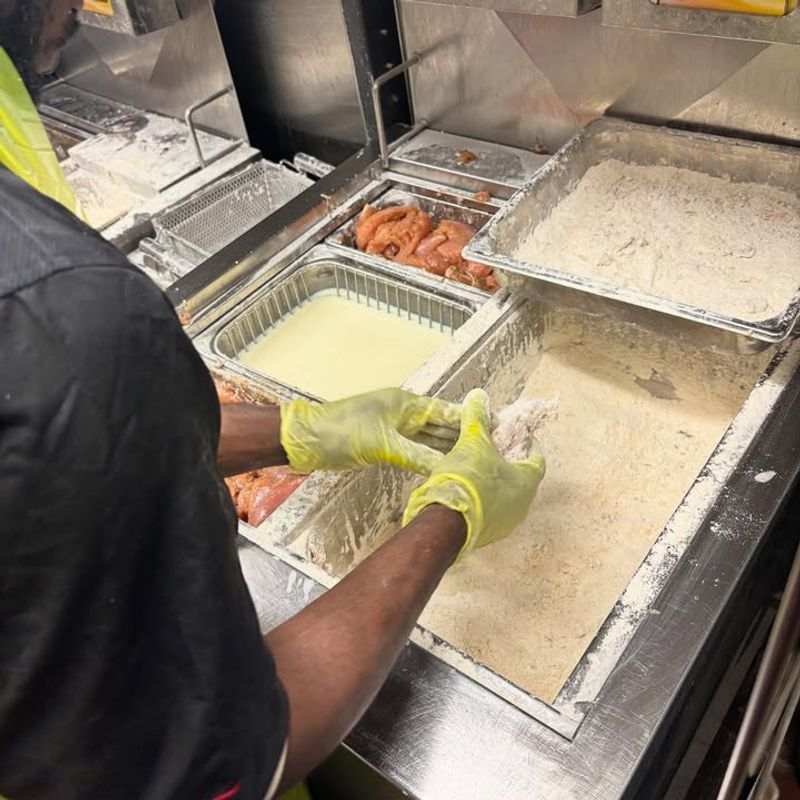
Team members hand-bread the chicken in store, shaking it through seasoned flour for that signature craggy crust. The ridges matter because they increase surface area for crunch. You get a light, crisp texture that stays put.
Hand breading also means small variations that feel more like homemade food than factory uniformity. The process is fast but careful, with stations set for wet and dry steps. That ritual happens across shifts to keep batches fresh and consistent.
5. Pickle brine influence
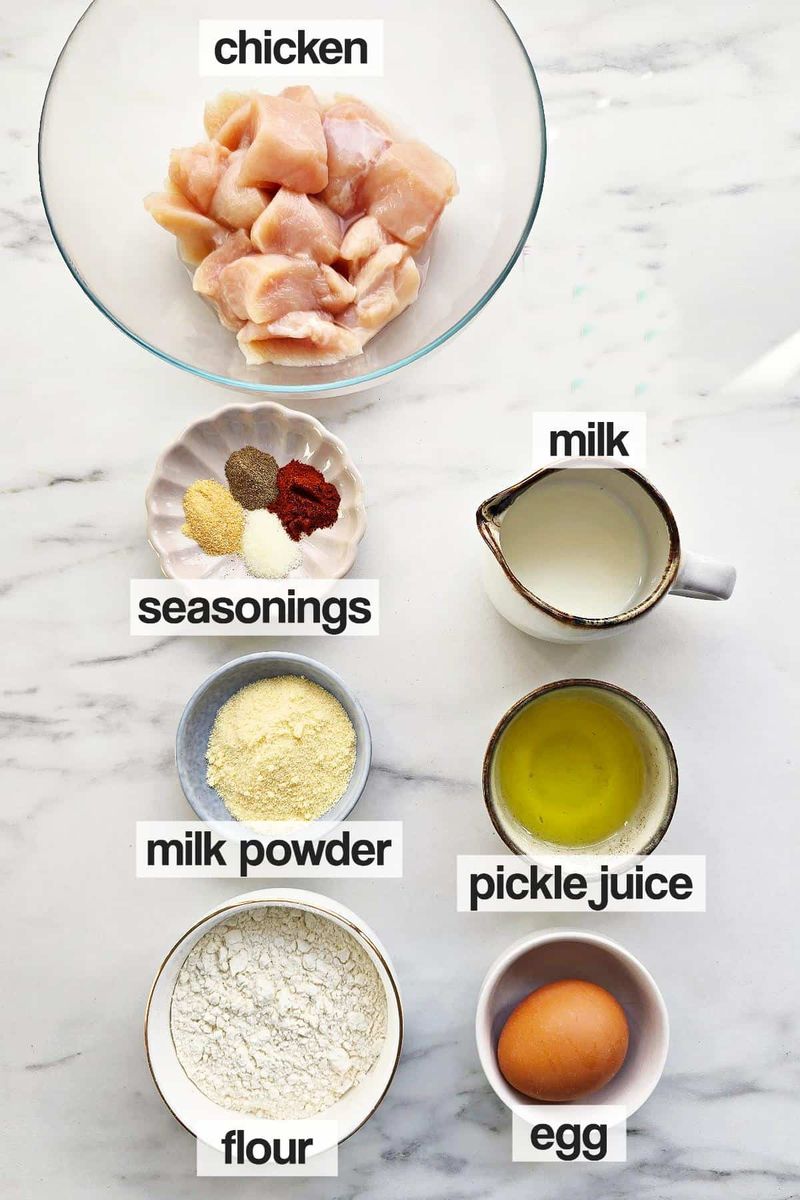
Many fans swear there is a whisper of pickle in the chicken, thanks to a briny marinade profile and pickles tucked under the bun. Whether or not it is literal pickle juice, acidity tenderizes and brightens flavor. That tang cuts the richness of fried crust.
Pickles on the sandwich are not just garnish. They add crunch and a salty-sour pop that balances the sweet bun. Try a bite without them and you will notice what goes missing.
6. The spice blend is proprietary
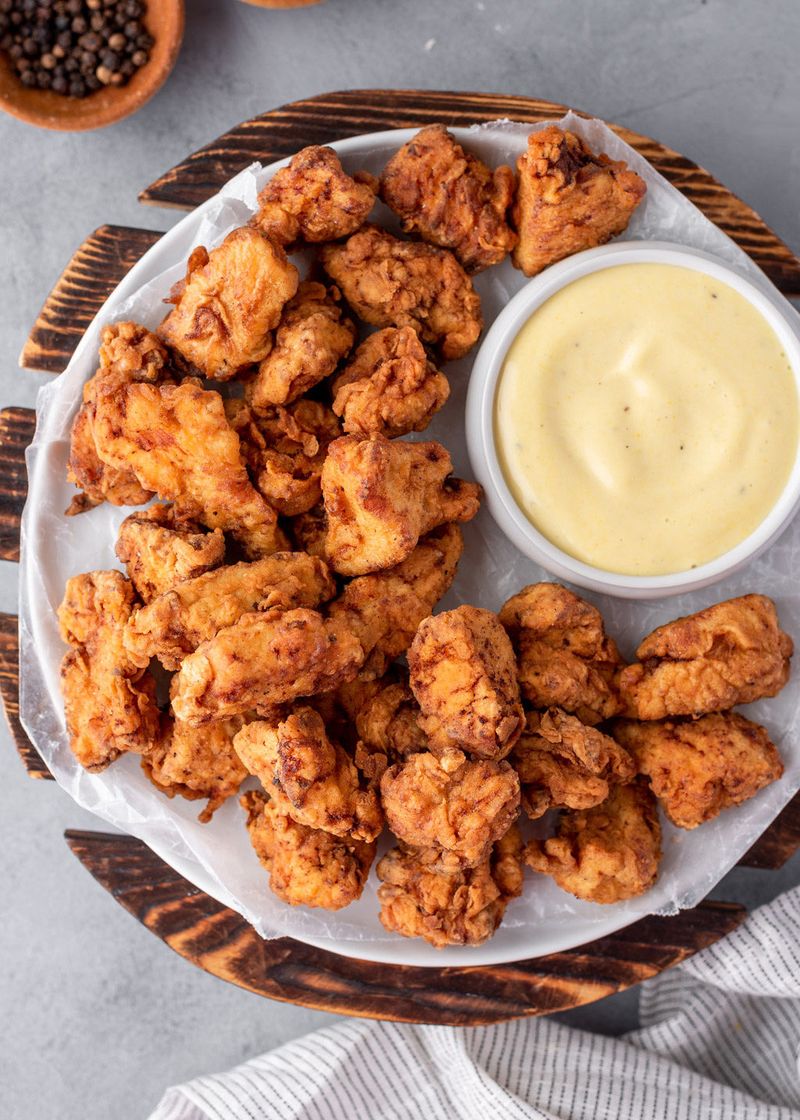
You taste black pepper, a little garlic, and a mellow warmth, but the exact seasoning remains confidential. That secrecy protects a profile people recognize instantly. It is balanced to complement peanut oil and brioche-style buns.
Replicators come close with copycat recipes, yet the real blend leans on precise ratios and finely milled spices. Granulation size changes how spices stick to the crust. That detail makes the crunch taste seasoned throughout rather than patchy.
7. Pressure locks in juiciness

Frying under pressure lowers boiling temperature inside the cooker, reducing moisture loss. The crust sets fast, trapping steam that keeps the interior tender. That is why the breast stays juicy even when cooked through.
Unlike open fryers, pressure systems minimize oil splatter and oxygen exposure, helping maintain cleaner flavors. The result is crisp outside, moist inside, and less greasiness on the bun. It is engineering meeting comfort food.
8. No microwaves in the kitchen
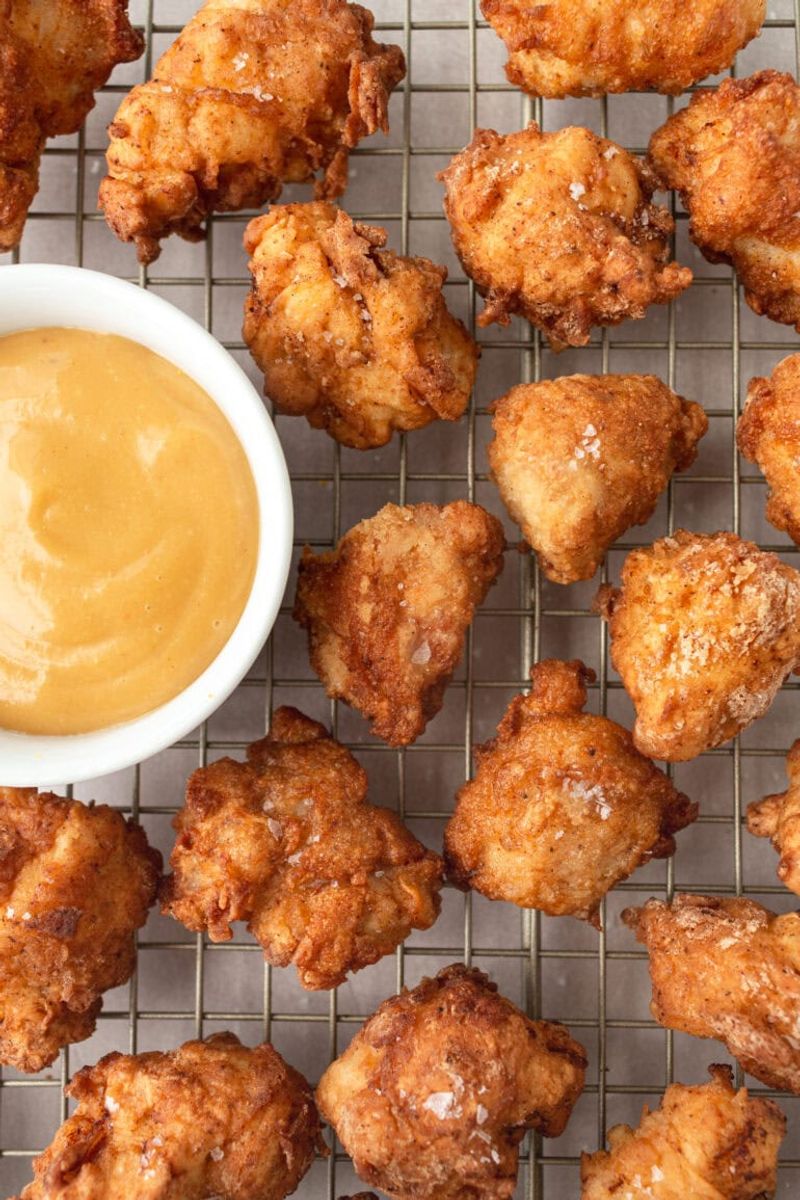
Chick-Fil-A restaurants do not rely on microwaves for chicken prep, which helps preserve texture. Heat is applied through fryers and holding cabinets designed for minimal degradation. You get fewer soggy spots and better crust integrity.
While certain sides may use different equipment, the chicken itself is not microwaved to reheat. That policy supports made-to-order freshness. If your sandwich tastes crisp, it is because the process avoids shortcuts.
9. Trimmed for uniform thickness
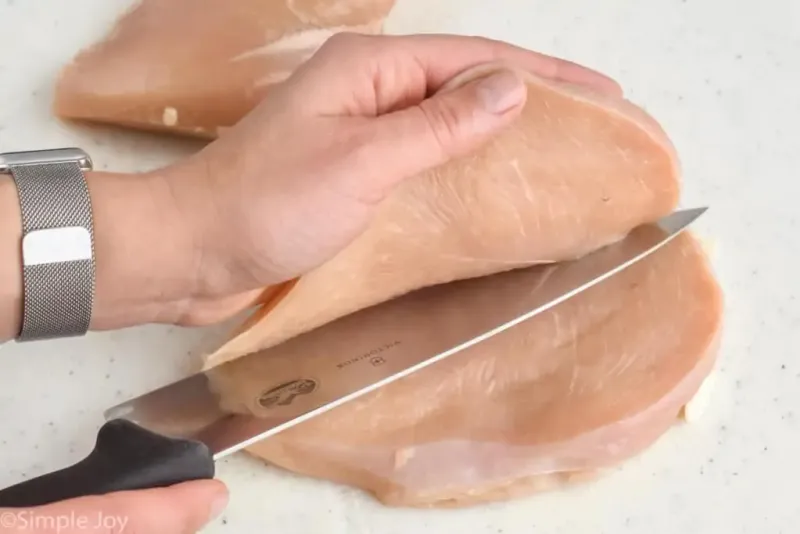
Uneven chicken cooks unevenly, so team members trim and butterfly thicker pieces to help heat penetrate evenly. Consistent thickness reduces dry edges and undercooked centers. That is how the sandwich stays tender across every bite.
Standardized cuts also make breading cling squarely and fry uniformly. You notice the difference when the crust does not slide off. The process aims for thickness targets rather than random shapes.
10. Held for minutes, not hours
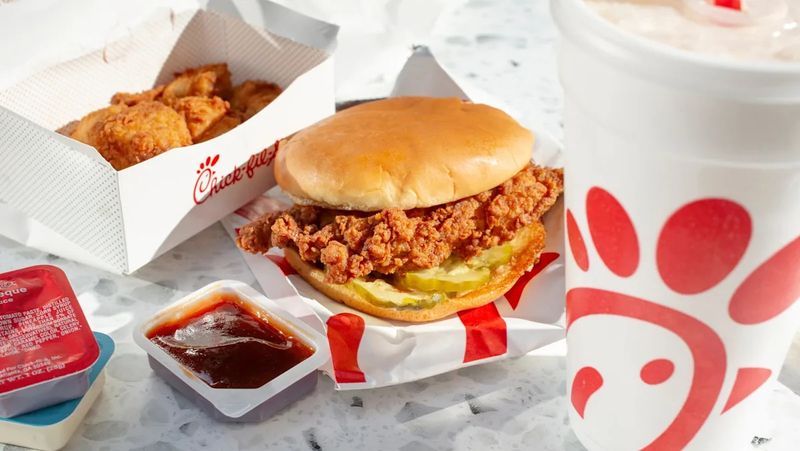
After frying, chicken rests in heated cabinets for a short window to maintain food safety and crispness. The hold times are measured in minutes, not hours, to preserve quality. That is why sandwiches feel fresh during busy rushes.
Fast turnover reduces staling and keeps the crust from sweating. You get better texture when the line moves. If lines are long, that often means your chicken is even fresher.
11. Pressure cooking reduces oil absorption

Under pressure, the crust forms faster and reduces how much oil can seep into the meat. That makes the sandwich feel lighter despite being fried. You taste seasoning and chicken more than grease.
This also helps buns stay cleaner with less soak-through. Combined with refined peanut oil, the result is a cleaner finish. You leave satisfied rather than weighed down.
12. The waffle fry pairing is strategic
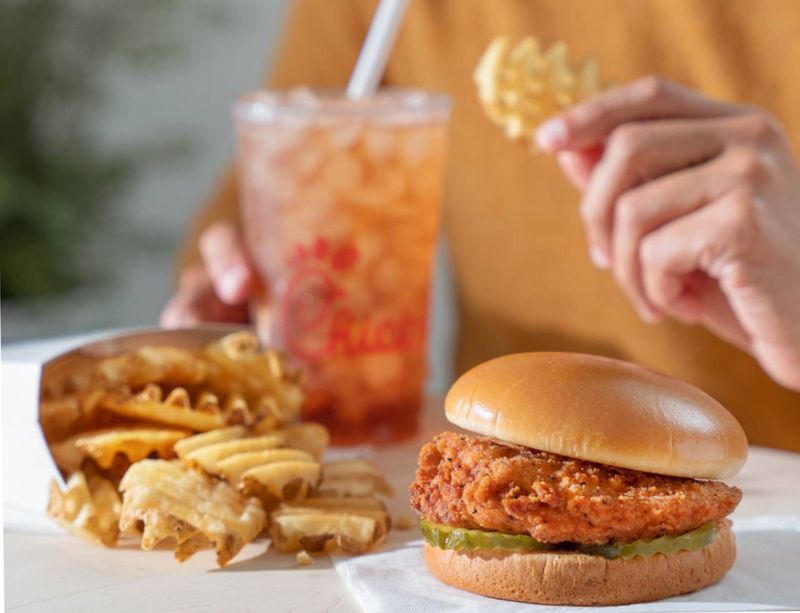
The chicken’s rich, savory profile needs a starchy foil, and waffle fries deliver surface area for salt and sauce. Those ridges hold dips without collapsing. It is a deliberate complement, not an accident.
Because the chicken crust is craggy, the fry texture mirrors it, making each bite feel cohesive. You are pairing crunch with crunch, salt with salt. Sauce bridges both into one snackable rhythm.
13. Pickles are standard on the original
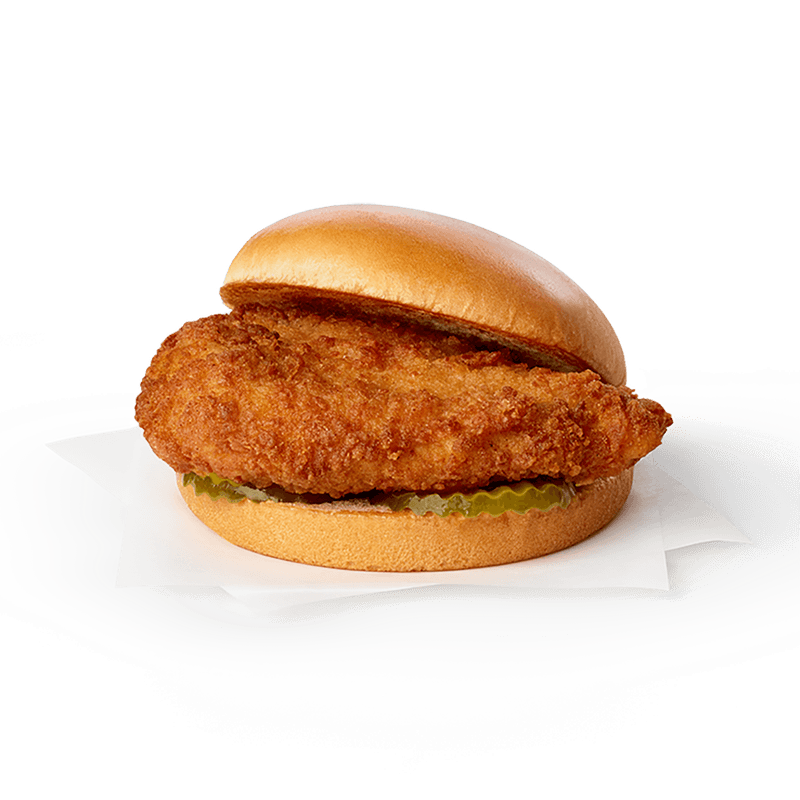
The Original Chicken Sandwich ships with two pickle chips by default, and their placement under the fillet matters. Heat releases aroma that perfumes the bun slightly. You get flavor even where pickles are not touching.
Skipping pickles changes the balance, so try it both ways to see what you prefer. They provide contrast that many copycats miss. Small detail, big effect.
14. Gluten-friendly prep options exist

While not a gluten-free kitchen, Chick-Fil-A offers grilled chicken options and gluten-friendly buns to reduce exposure. You should still assess cross-contact risk based on your needs. Staff can change gloves and utensils on request.
The grilled fillet retains marinade flavor without breading, offering a lighter alternative. It pairs well with lettuce-wrapped preparations if you skip buns entirely. Communicate clearly at the counter for best results.
15. Seasonal spice tweaks happen
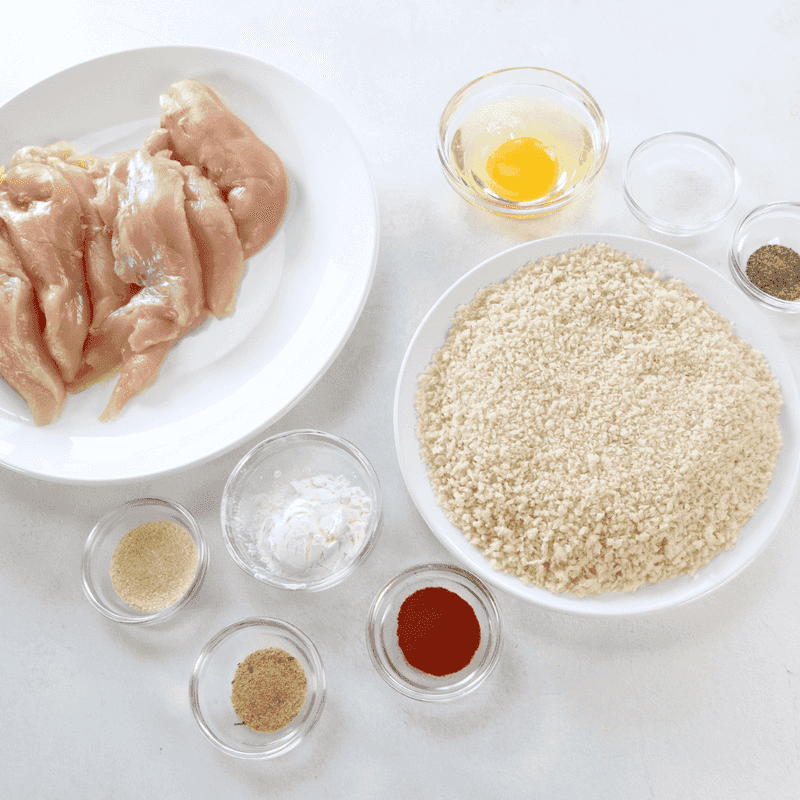
Supply chain and crop variation can subtly shift spice intensity across the year. Pepper lots change, and paprika brightness can vary by harvest. Blends are adjusted to keep the flavor recognizable.
Most people never notice, but superfans sometimes detect tiny differences. That is the quiet art of large-scale flavor management. Consistency is a moving target that teams chase daily.
16. Dedicated allergen protocols
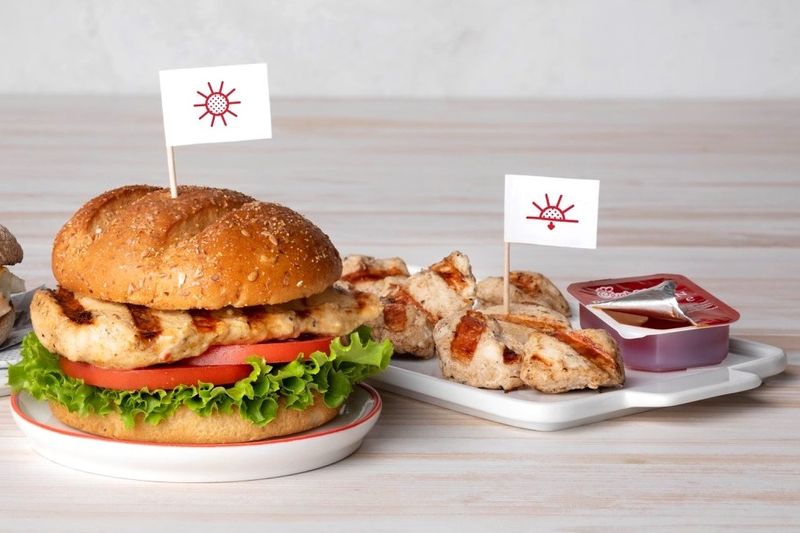
Peanut, dairy, and gluten concerns mean training covers allergen handling and communication. You can request ingredient lists and procedures at the counter. Teams are coached to prevent cross-contact where possible.
Refined peanut oil has proteins removed, but caution is still advised. Ask for fresh gloves and separate utensils if you are sensitive. It is about collaborating for a safer meal.
17. Breakfast chicken is different
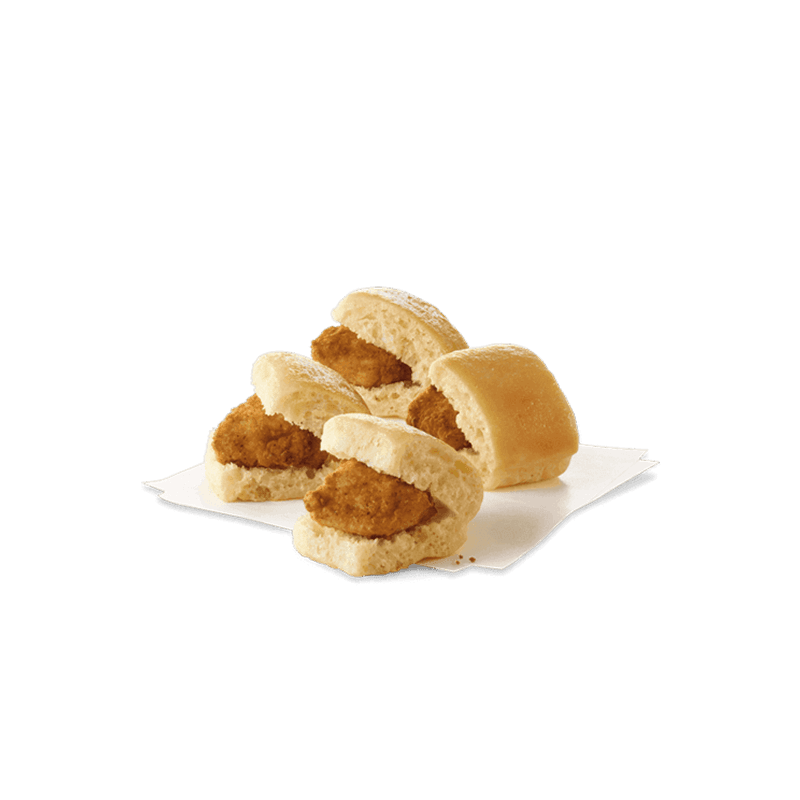
The Chick-n-Minis and breakfast filets are sized and seasoned to suit morning items, so bites feel lighter with soft rolls. You get a gentle savory hit that plays well with honey butter. It is not just a small lunch fillet.
The cook times are tuned for quick service during morning rushes. That keeps texture tender without heavy crunch. Breakfast chicken is engineered for a softer start to the day.
18. Brining balances salt and sweetness
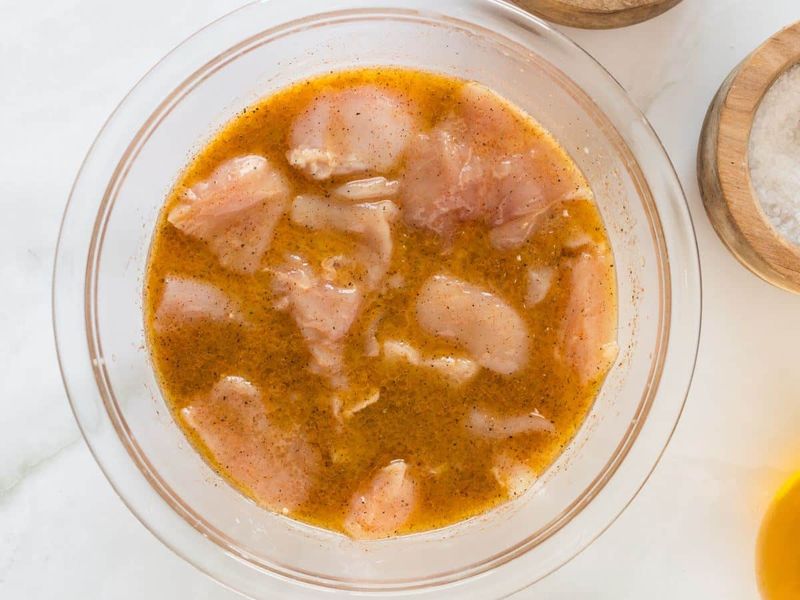
Effective brining seasons the interior without making the crust overly salty. A touch of sugar in a brine supports browning and rounds edges of acidity. You end up with savory-sweet harmony that suits a soft, slightly sweet bun.
That is why the sandwich tastes complete even before sauce. The flavors feel layered rather than sharp. Balance is the quiet trick behind craveability.
19. Pickle-to-bun moisture control
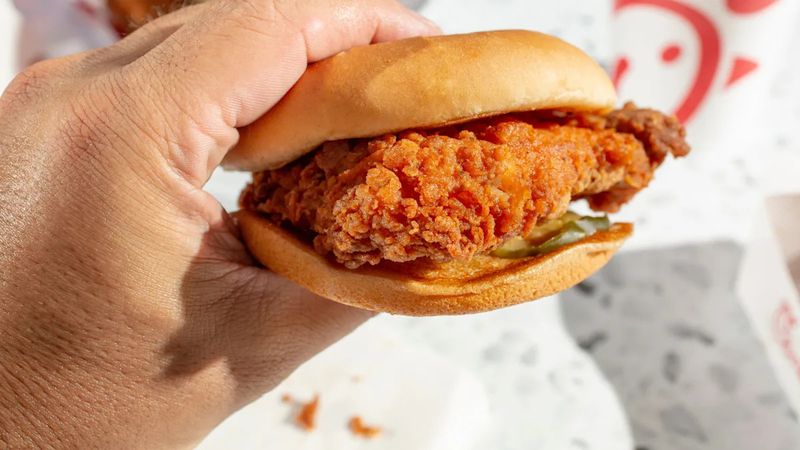
Placing pickles under the fillet shields the bun from direct steam and juice. The slices act like tiny moisture buffers while adding snap. Your top bun stays fluffier longer.
This is one reason the sandwich travels reasonably well. Even after a drive, the bun holds up if you do not seal steam inside the bag. Venting helps keep everything crisp.
20. Grilled chicken uses a different marinade
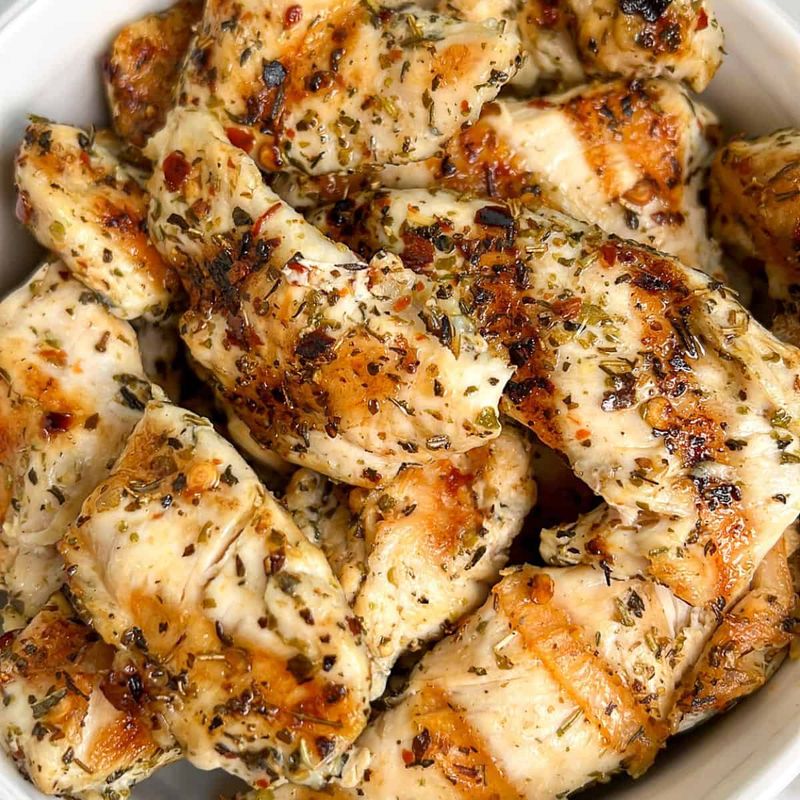
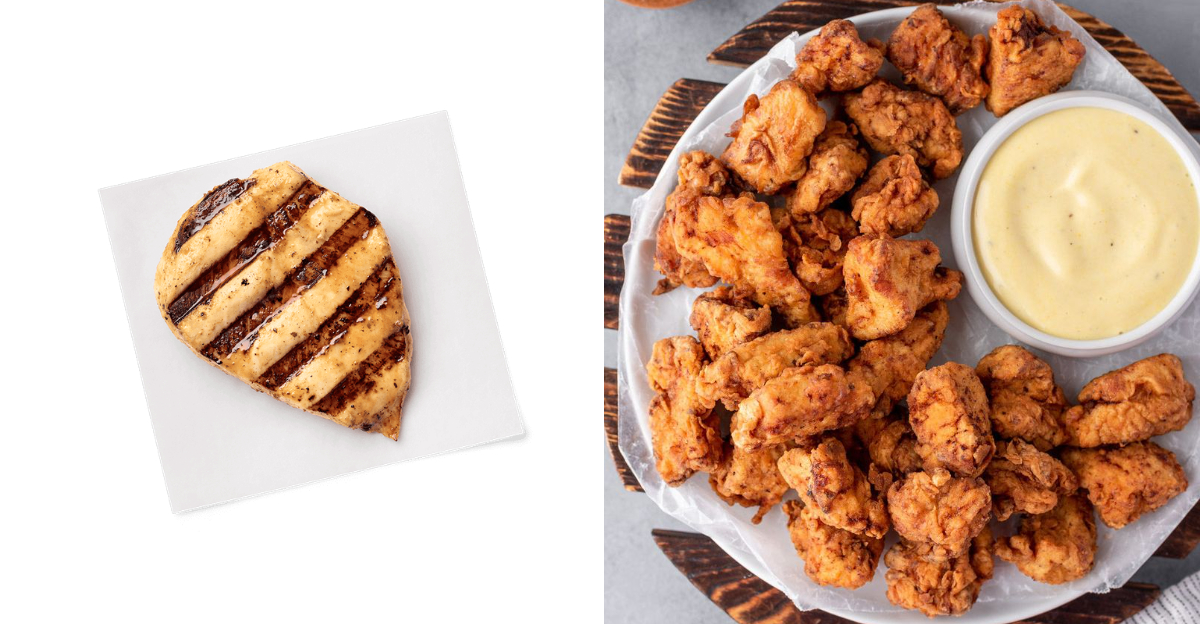
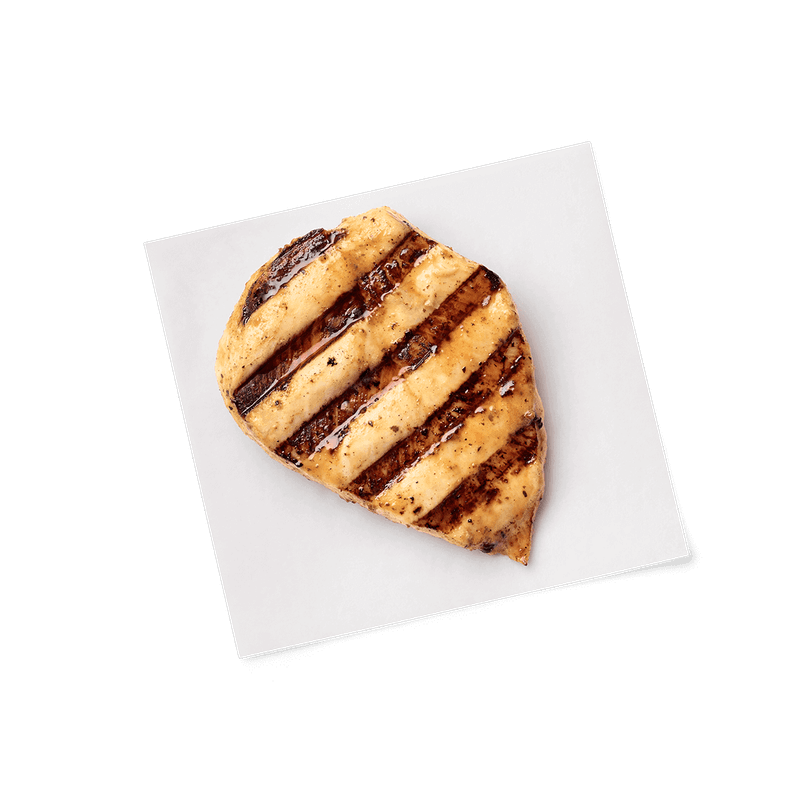
Grilled filets sit in a marinade tailored for high heat without breading, emphasizing herbs and light citrus notes. The goal is flavor that can stand on its own since there is no crust to carry spice. You get smoky marks and clean taste.
The grill grate pattern is not just cosmetic. It increases surface contact for sear while letting fat drip away. That makes a leaner bite with satisfying char.
21. Nuggets are cut for maximum crust
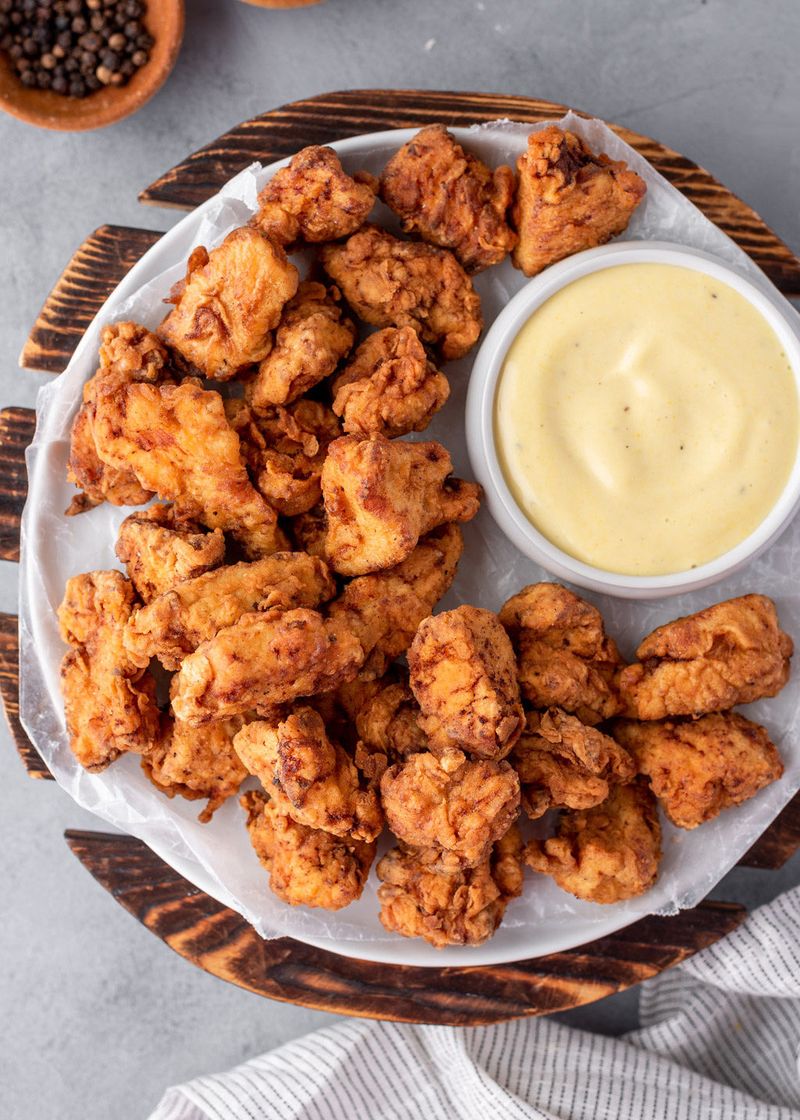
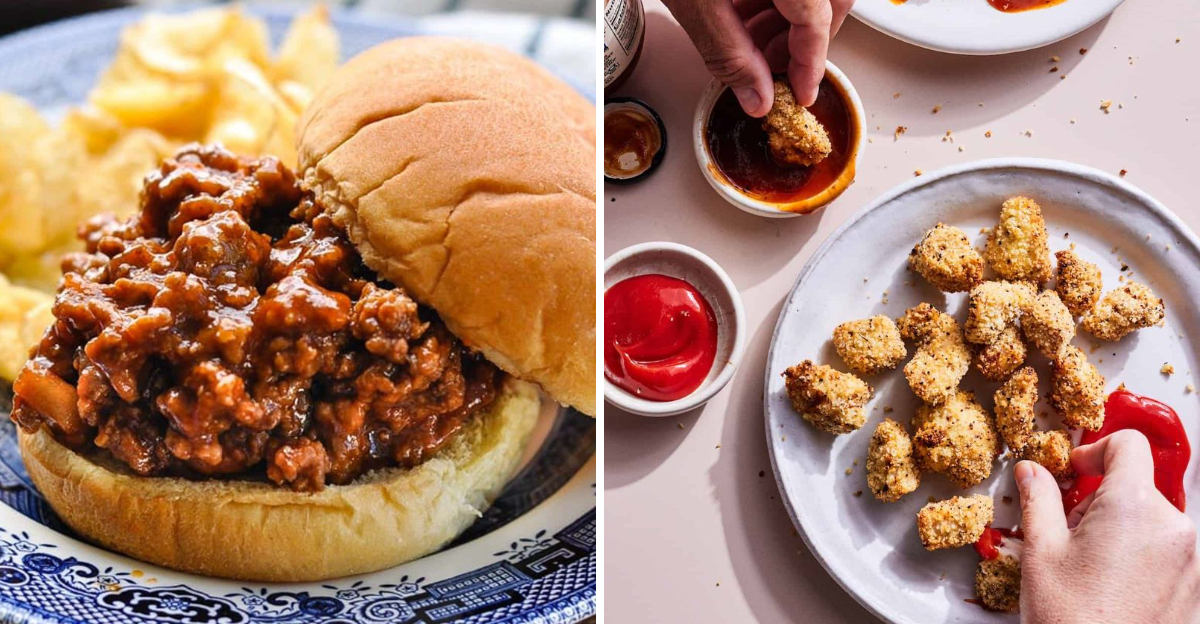
Chick-Fil-A nuggets are portioned so each piece gets plenty of exterior for crunch. More edges mean more seasoning per bite. That geometry explains why nuggets can taste bolder than a full fillet.
They are breaded the same way as sandwiches but fry faster due to size. You get quick turnover and hot, snappy texture. Dipping completes the experience.
22. Sourcing Standards Quietly Shape Flavor
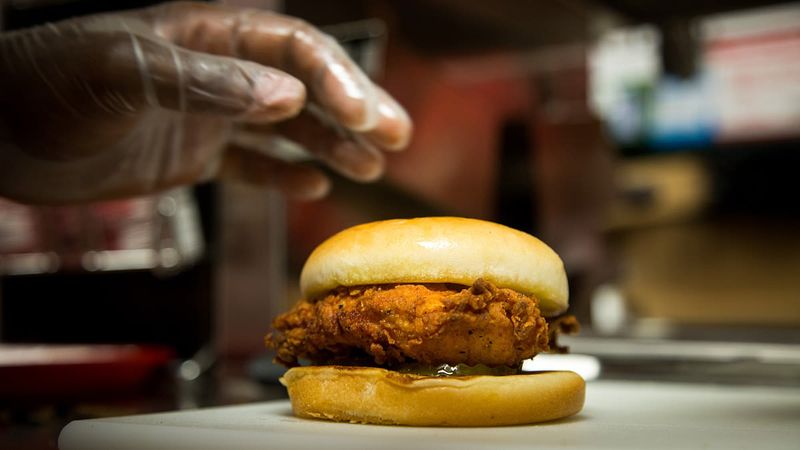
Before seasoning ever touches the meat, sourcing decisions set the tone for taste and texture. Chick-Fil-A has long emphasized supplier partnerships with consistency benchmarks that influence bite, juiciness, and clean flavor. That predictability lets your order taste familiar across states without feeling factory bland, a balance that is trickier than it seems.
You might notice a gentle, chicken-forward profile that does not rely on heavy gimmicks. That comes from breed selection, feed quality, and strict specs around bird sizing. When chickens grow on consistent timelines and diets, the muscle fibers cook more uniformly, and your sandwich reliably delivers that signature, craveable tenderness.