22 Unexpected Foods That Appear Healthy But Aren’t
Healthy looking foods can be sneaky. Labels shout natural, light, or protein packed, and suddenly you feel virtuous for tossing them in the cart. But some choices hide sugar, sodium, or ultra processed tricks that quietly derail your goals. Let’s pull back the curtain so you can eat smarter without giving up flavor or fun.
1. Granola Clusters
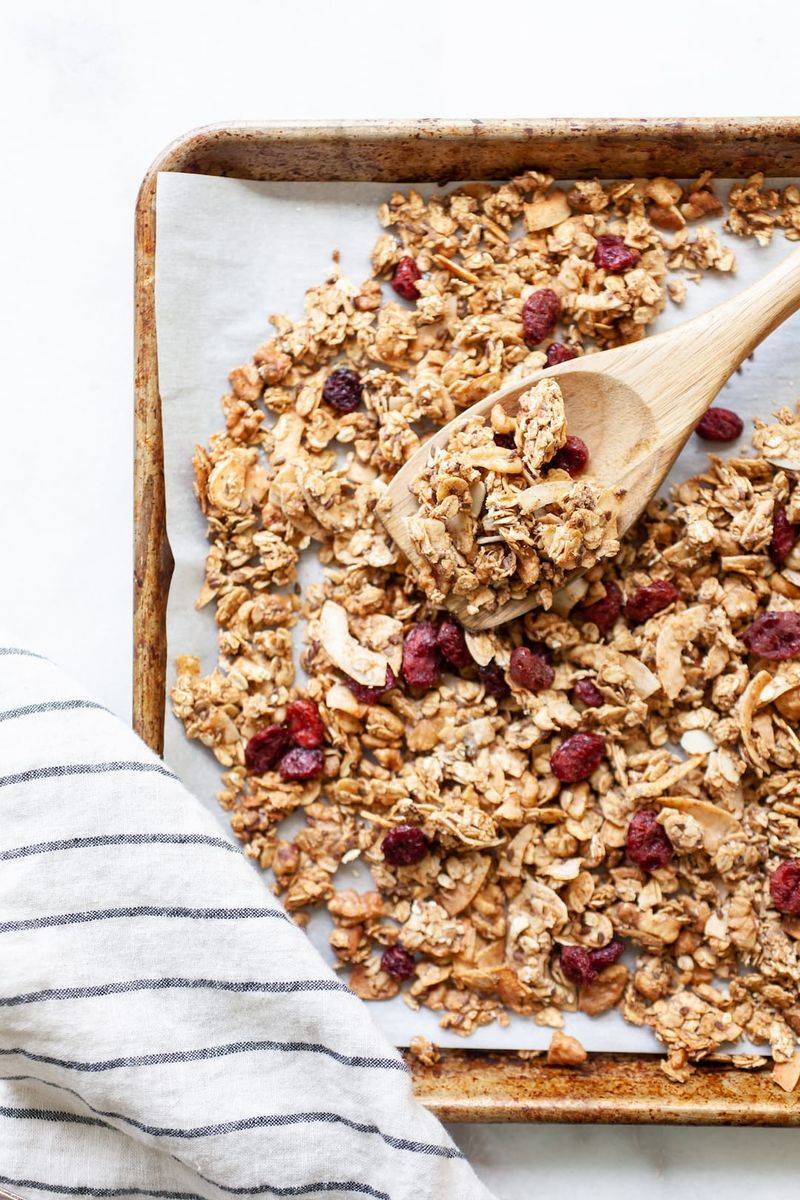
Granola seems wholesome, yet many blends pack more sugar than dessert. Honey, maple syrup, and brown rice syrup add up fast, especially when clusters stick together. Dried fruit concentrates sweetness and calories while appearing natural.
Portions also balloon because a handful feels small but delivers dense energy. Oils used for crunch raise calories further, and added chocolate chips or yogurt bits sneak in saturated fat. Choose plain oats, nuts, and seeds, then sweeten lightly yourself.
2. Flavored Yogurt Cups
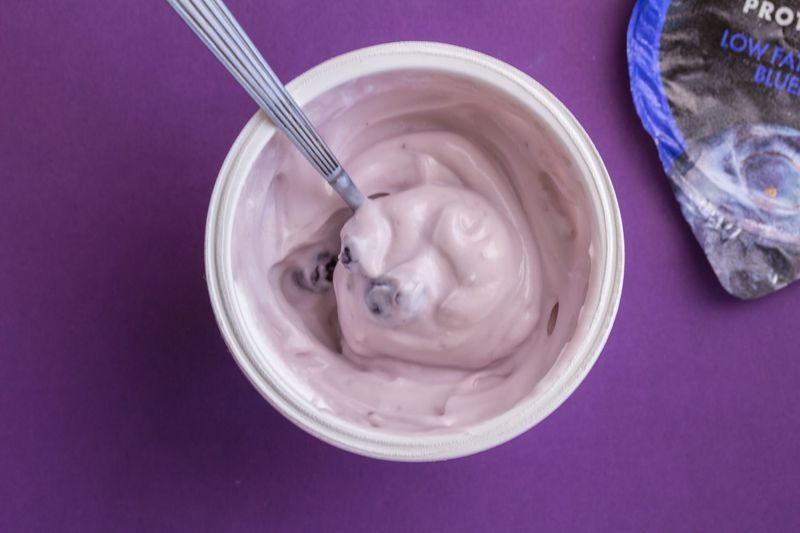
Fruit on the bottom sounds fresh, but those swirls are basically jam. Added sugars spike quickly, sometimes rivaling ice cream. Even low fat versions can taste dessert like because sweetness compensates for missing richness.
Protein may look decent, yet you could digest a sugar surge before lunch. Artificial flavors and stabilizers keep texture silky while hiding the syrupy load. Choose plain yogurt, add real fruit, and a sprinkle of cinnamon for brightness.
3. Veggie Chips
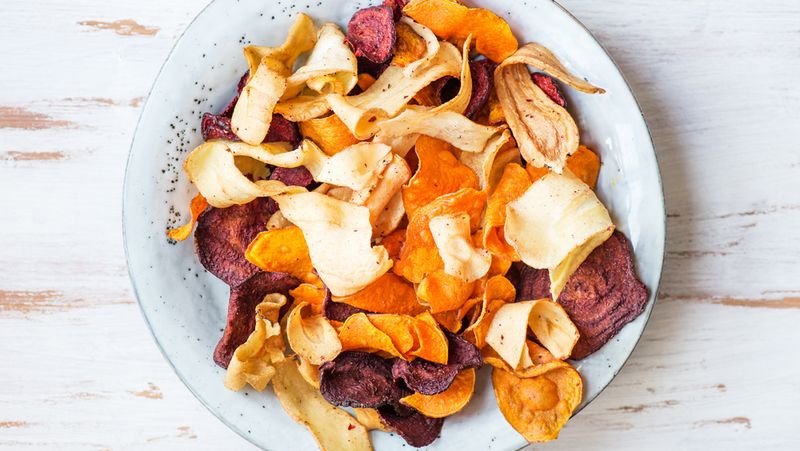
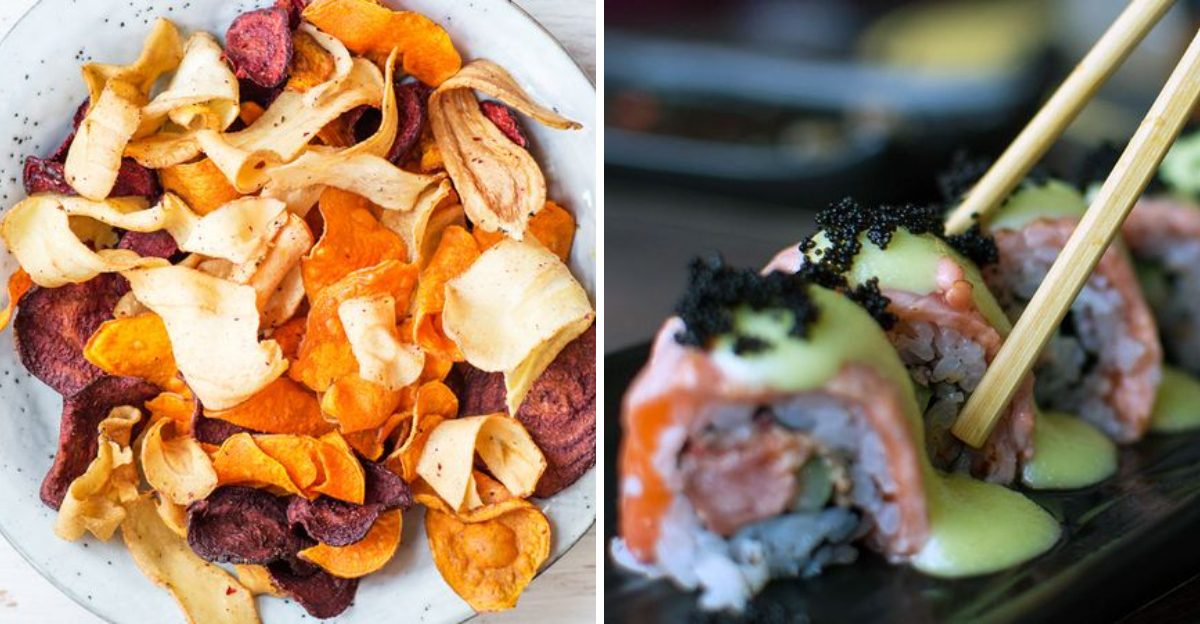
Veggie chips wear a halo because they are made from vegetables. But thin slices fried in oil still behave like chips. Sodium climbs, and the crunchy texture invites mindless eating.
Powdered vegetable blends can be mostly starch with flashy colors. The fiber you expected may be minimal, and vitamins suffer during processing. Roast real vegetables or choose baked options with short ingredient lists for a crisp you can trust.
4. Acai Bowls
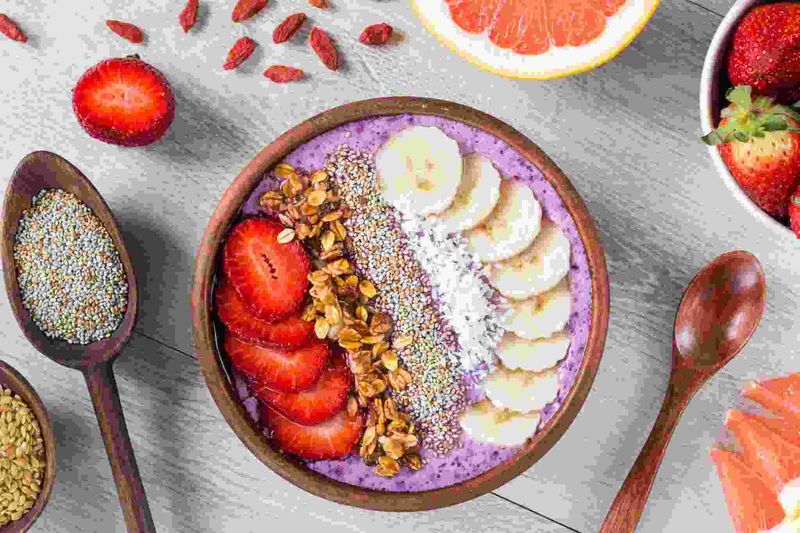
Acai bowls look like wellness in a spoon. Still, the base is often sweetened puree, then topped with honey, granola, and fruit. That stack can push sugar sky high.
Portions arrive in large bowls that seem appropriate because fruit feels light. But blended fruit removes chewing cues, so you finish quickly and want more. Build smarter with unsweetened puree, protein like Greek yogurt, and measured toppings.
5. Bottled Green Juices
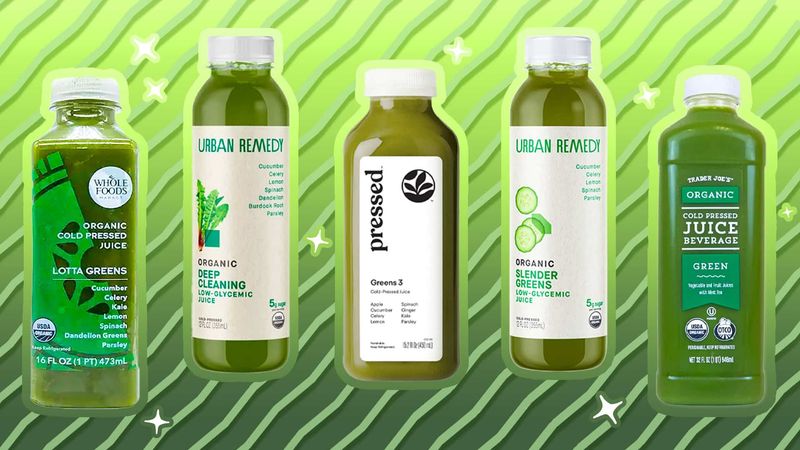
Green juices promise detox vibes, yet most rely on apple or pineapple for sweetness. That means plenty of sugar without the fiber of actual greens. The sip goes down fast, so satiety lags behind.
Labels highlight vitamins but hide concentrated calories. Some bottles equal multiple servings of fruit. Blend a smoothie with whole greens and a protein source, or better, crunch your salad.
6. Protein Bars
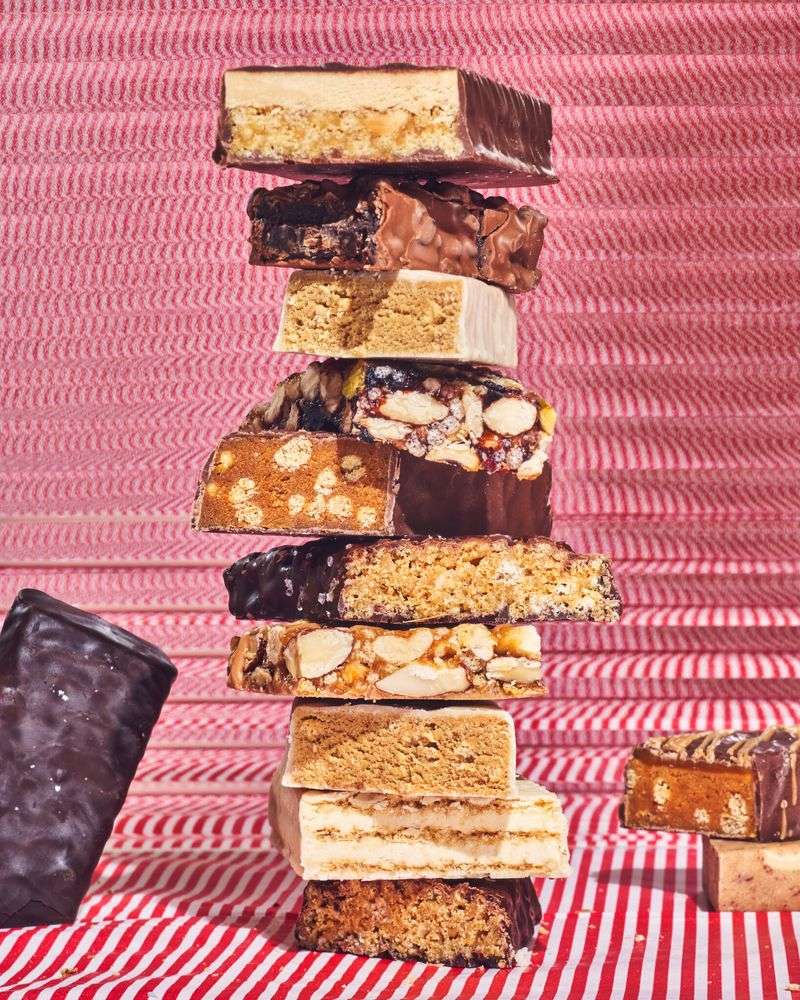
Protein bars seem like gym friendly fuel, but many are candy bars in disguise. Coatings, syrups, and sugar alcohols create sweetness that can upset your stomach. Calories climb quickly for something you eat in seconds.
Fiber claims may come from isolated ingredients rather than whole foods. Some bars lean on cheap proteins with long ingredient lists. Choose bars with short labels, or make simple snacks like nuts and fruit with real yogurt.
7. Sushi Rolls With Sauces

Sushi feels clean, but saucy rolls turn the tide. Spicy mayo, eel sauce, and tempura bits stack fat, sugar, and sodium. White rice delivers quick carbs without much fiber.
Giant rolls can equal multiple servings of rice you barely notice. Cream cheese and fried fillings push calories further. Choose sashimi, simple maki, or brown rice and request sauces on the side for flavor control.
8. Gluten Free Cookies

Gluten free does not equal nutrient dense. These cookies often swap wheat for starches and sugars that bake beautifully but offer little fiber. The result tastes great and disappears fast.
Marketing can convince you they are better for everyone, not just those with celiac. Yet calorie and sugar counts match regular cookies, sometimes worse. If you want a treat, enjoy it mindfully, or bake with oats and almond flour for more substance.
9. Store Bought Smoothies
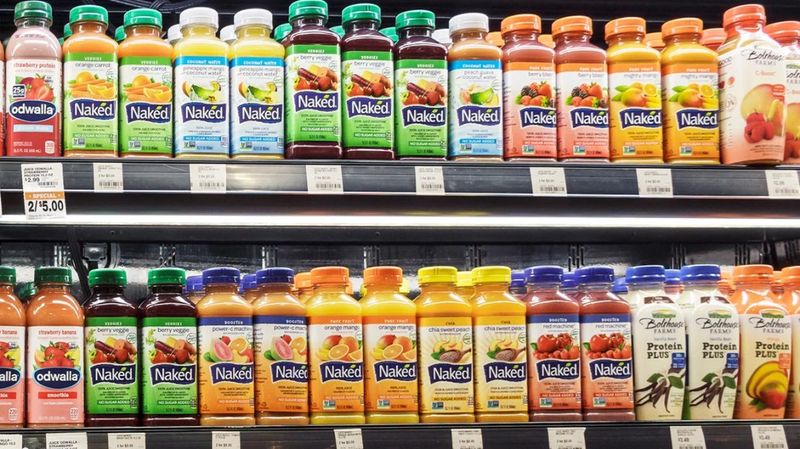
Pre made smoothies look like effortless wellness. But many pack concentrated fruit purees plus added juices or sherbet. That combination raises sugar and lowers fiber compared with blended whole fruit.
Serving sizes can be tricky because a bottle may hide two servings. Some options add protein but still taste like sweet dessert. Blend your own with leafy greens, seeds, and plain dairy or plant milk for balance.
10. Caesar Salad Kits
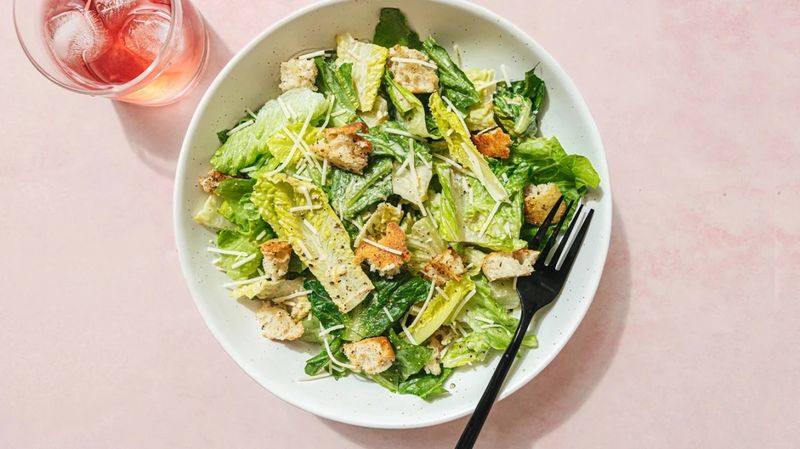
Romaine and parmesan sound classic, yet the dressing drives calories and sodium. Croutons add refined carbs and oil, while portion pouches encourage using everything. Suddenly you have a heavy meal disguised as salad.
Light versions still include creamy bases and stabilizers. You could go generous with greens and go light on dressing. Add grilled chicken, beans, and lemon for zip without the bloat.
11. Dried Fruit Mixes
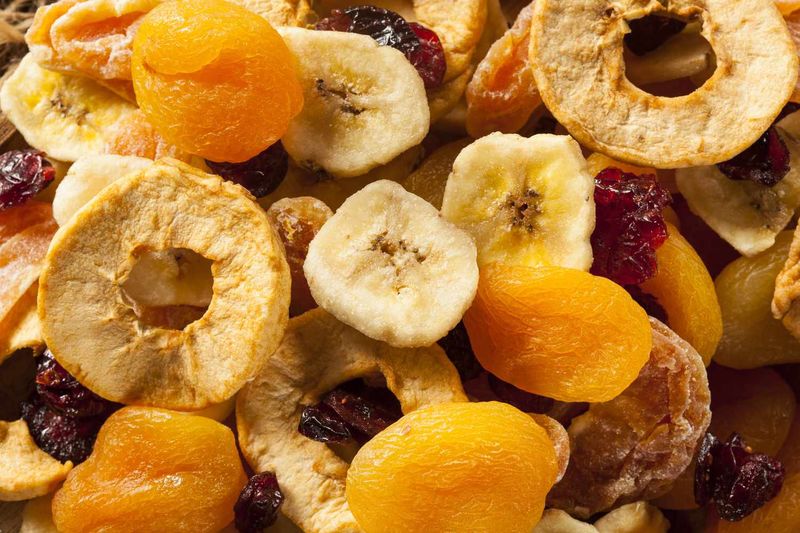
Dried fruit concentrates natural sugars into tiny chewy bites. That handful disappears quickly because water weight is gone. Many mixes add cane sugar or juice infusions to amplify sweetness.
Portion control becomes tough when pieces are sticky and addictive. Sulfites and oils are common for texture and color. Pair a small portion with nuts for balance or choose fresh fruit to slow the pace.
12. Frozen Yogurt With Toppings

Froyo sounds better than ice cream, but self serve cups encourage mountain building. Sweet flavors plus candy bar toppings erase any advantage. Sugar piles high under the guise of customization.
Portion weights surprise at checkout because dense add ons hide beneath the swirl. Fat can creep up with cheesecake bites and peanut butter cups. A small cup with fruit and nuts keeps things reasonable without pretending it is health food.
13. Whole Wheat Muffins
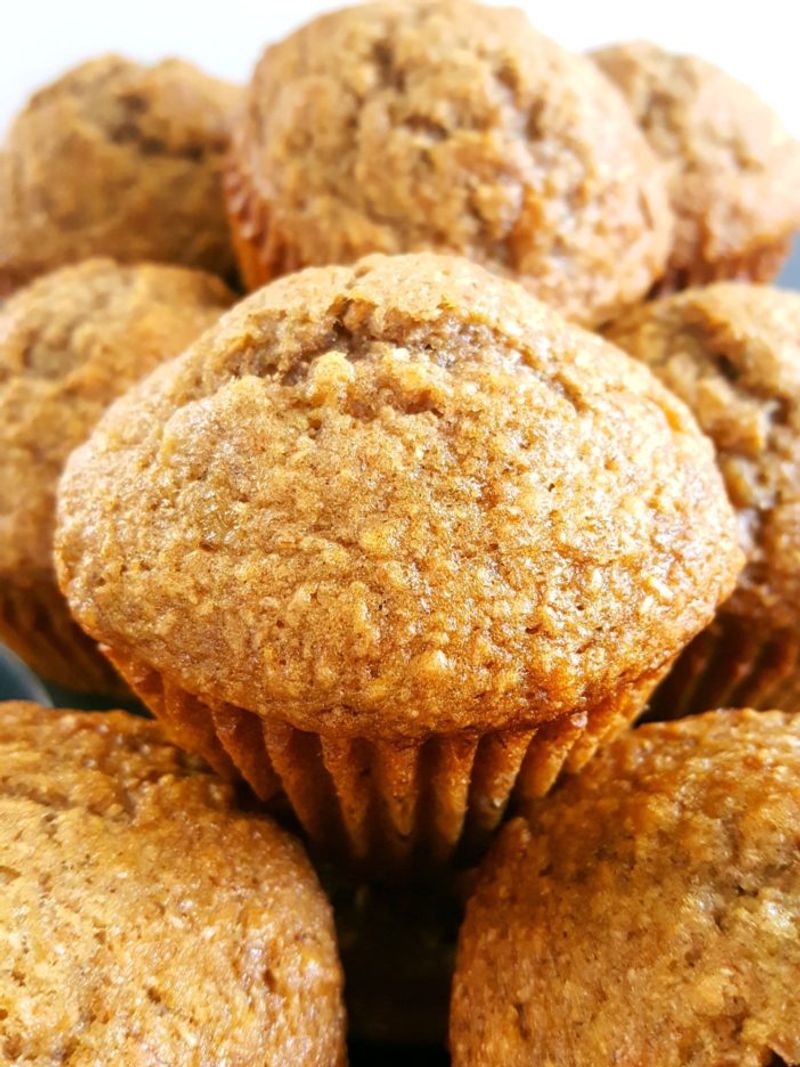
Whole wheat on the label feels safe. Yet many muffins are cake sized and sweetened generously. Oil and sugar make a tender crumb that tastes amazing but hits like dessert.
Portions equal several slices of bread plus butter. Add streusel or chocolate chips and you are firmly in treat territory. Go mini, share, or bake with less sugar and add fruit or nuts for real heft.
14. Agave Sweetened Snacks
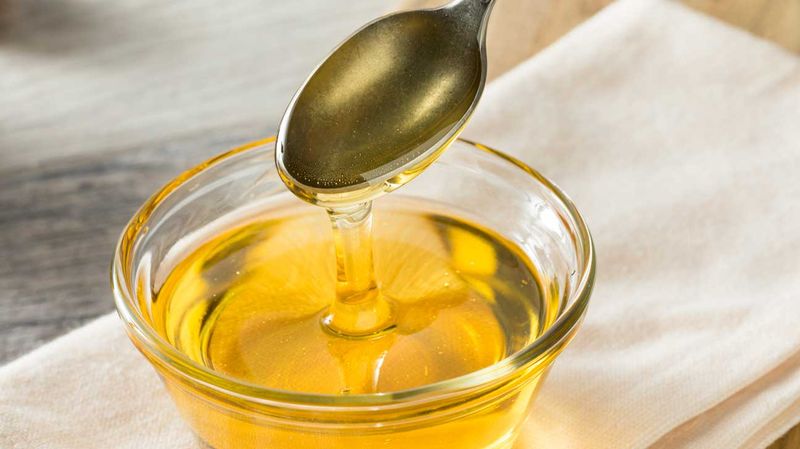
Agave sounds plant forward and low glycemic, but it is still sugar. High fructose content can be tough on metabolism when overdone. Snacks using agave may taste less sweet, so you eat more.
Health halos make overpouring easy in tea, yogurt, or baked goods. Calories remain calories, no matter the source. Use small amounts for flavor and lean on spices, citrus, or vanilla for sweetness support.
15. Plant Based Meat Alternatives
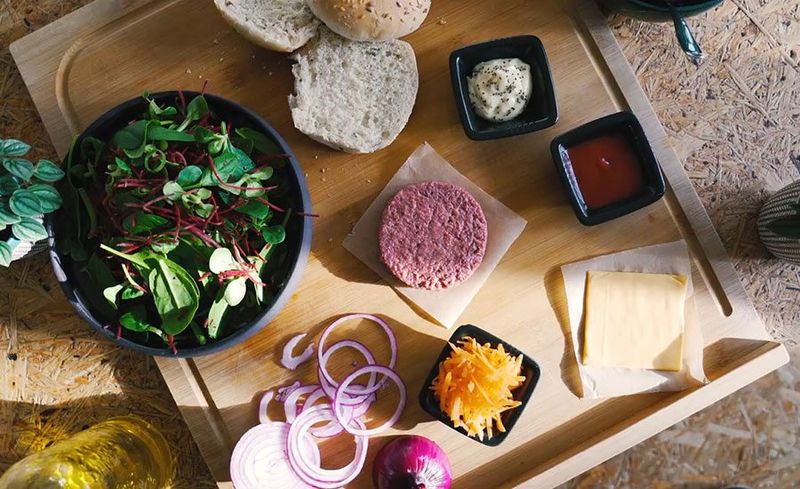
Plant based does not guarantee minimally processed. Many patties rely on refined oils, sodium, and flavor enhancers to mimic meat. The ingredient list reads like a lab sheet.
Protein looks impressive, yet fiber might be low and additives high. Sauces and buns turn a noble choice into a heavy meal. Rotate with whole food options like bean patties, mushrooms, or lentil loaves to keep balance.
16. Trail Mix With Candy
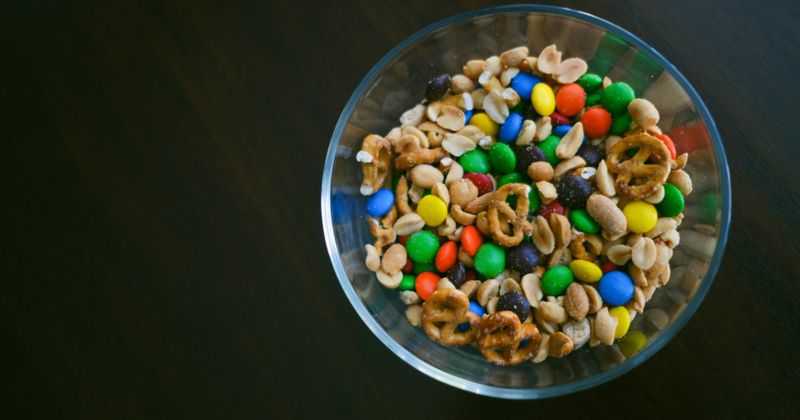
Trail mix provides energy for hikes, but candy studded blends are sugary landmines. Nuts offer nutrition, yet coated chocolates and yogurt pieces tip the scales. Handfuls add up before you notice.
Serving sizes are small and rarely followed. Oil roasted nuts and salted seeds increase calories and thirst. Build your own with raw nuts, seeds, and a dark chocolate sprinkle for balance.
17. Breakfast Cereals Labeled Natural

Natural means little legally. Many cereals still carry added sugars and refined grains shaped into crunchy flakes. Milk turns them into a sweet bowl that disappears quickly.
Fiber claims can hide behind isolated additives rather than whole grains. Portions are tiny compared with typical pours. Check grams of sugar per serving and aim for short ingredient lists with whole grains first.
18. Balsamic Glaze Drizzles
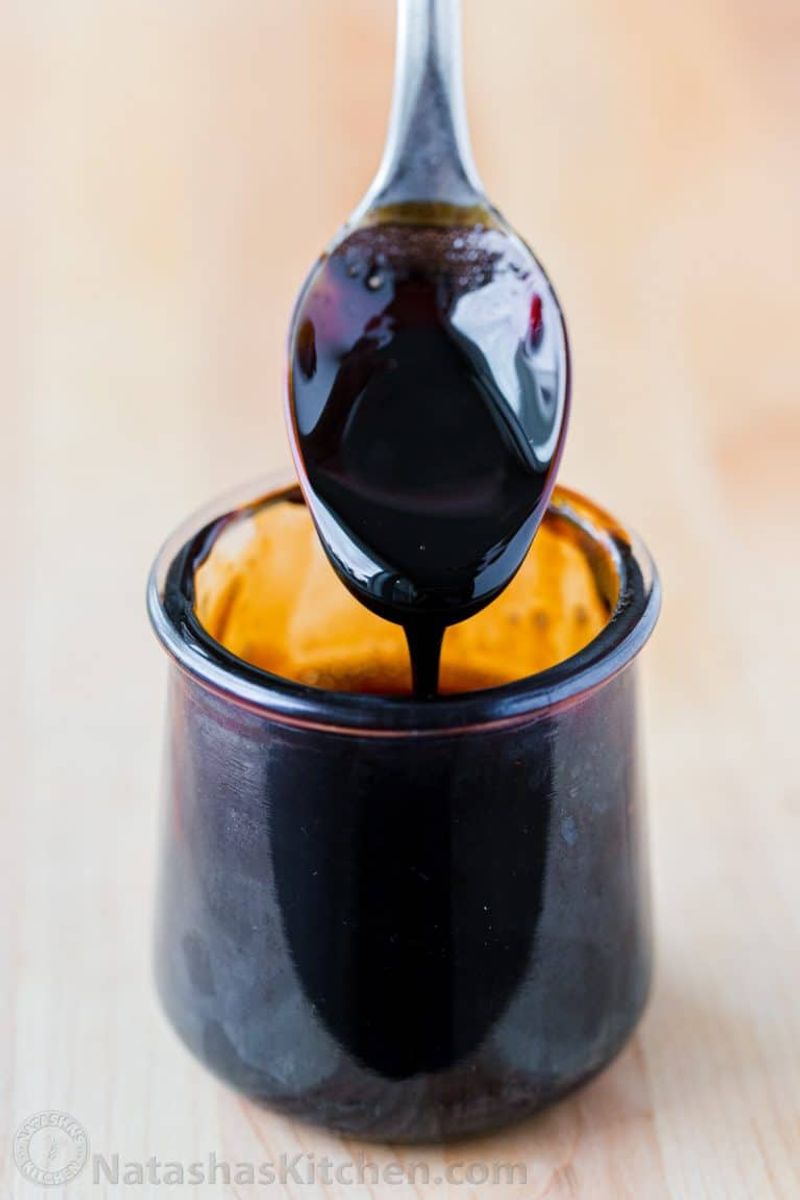
Balsamic vinegar is light, but glaze is concentrated and sometimes sweetened. A pretty drizzle can rival dessert sauce in sugar per tablespoon. It coats salads, pizzas, and veggies so it is easy to overdo.
Because it looks gourmet, extra pours happen fast. Regular vinegar delivers tang without the syrupy bump. Use a small streak or switch to a splash of vinegar and olive oil.
19. Coconut Water Beverages
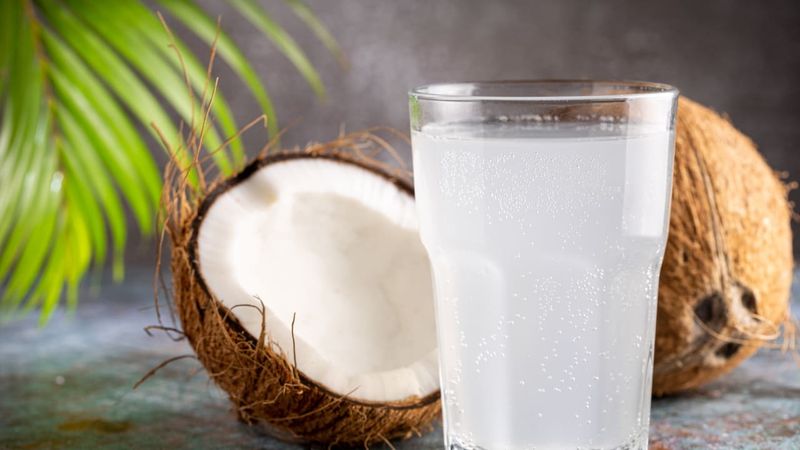
Coconut water feels like a natural sports drink. For light activity, those sugars and calories are often unnecessary. Flavored versions add more sweetness and sometimes aroma chemistry.
Electrolytes are present, yet sodium may be lower than true sports drinks. That makes it less helpful during heavy sweating. Sip occasionally for taste, not as an everyday hydration habit.
20. Rice Cakes With Sweet Toppings
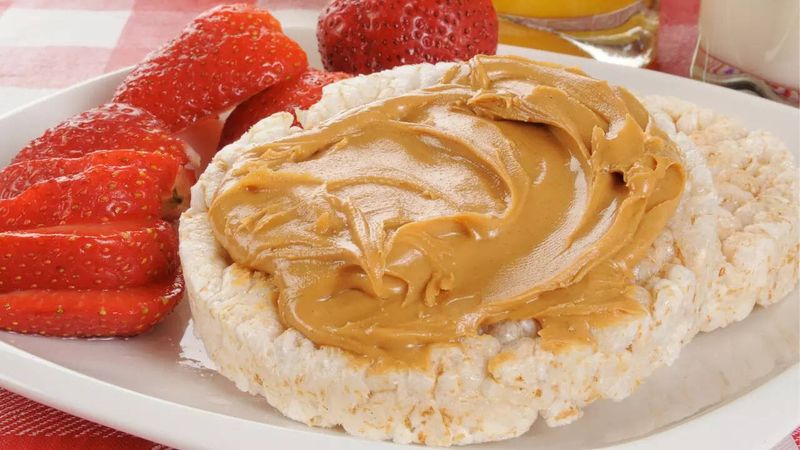
Rice cakes promise airy crunch, but they are rapid carbs. Add honey, jam, or sugary spreads and the glycemic surge speeds up. Hunger can rebound quickly afterward.
Even nut butter toppings can become calorie bombs if spreads are thick. Without protein or fiber balance, this snack feels like air and sugar. Add cottage cheese and berries, or switch to whole grain toast for staying power.
21. Oat Milk Lattes

Oat milk tastes creamy, but many brands are sweetened by processing. Hydrolyzed starch turns into sugars that blend seamlessly into espresso. Flavored syrups double down on sweetness.
Large lattes can rival dessert calories, especially with whipped add ons. Barista blends include oil for foam, raising energy density. Order smaller sizes, unsweetened milk, and ask for half syrup to enjoy the ritual without the sugar rush.
22. Poke Bowls With Sauces
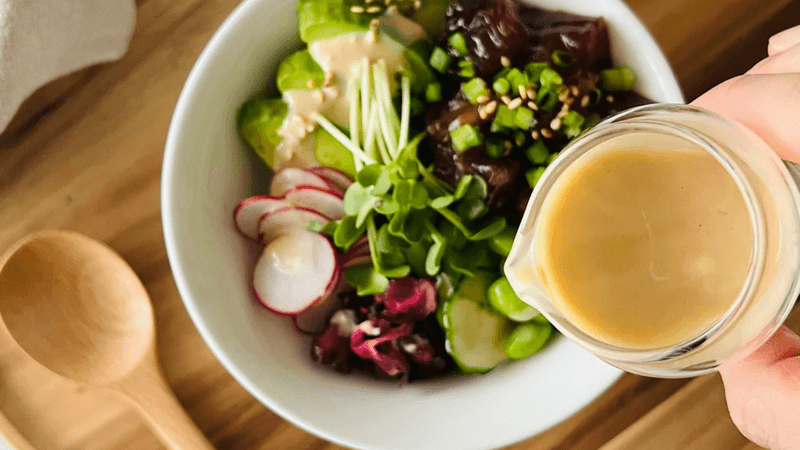
Poke started simple, yet fast casual versions load sauces and crispy bits. White rice, sweet marinades, and mayo dressings push sugar and fat up. Portions feel healthy because there is fish, but the bowl is hefty.
Sodium climbs with soy sauce and pickled add ons. Choose half rice, extra greens, and lighter sauces like ponzu on the side. You keep the freshness without the hidden burden.