23 Foods To Avoid If You Have Type 2 Diabetes
Managing type 2 diabetes starts in your kitchen, not just at the pharmacy. The right choices can smooth out blood sugar spikes, while the wrong ones can send them soaring. This list spotlights common foods that quietly sabotage glucose control, even when they seem harmless. Keep reading to sidestep sneaky culprits and make simple swaps that protect your energy, mood, and long term health.
1. Sugary Breakfast Cereals
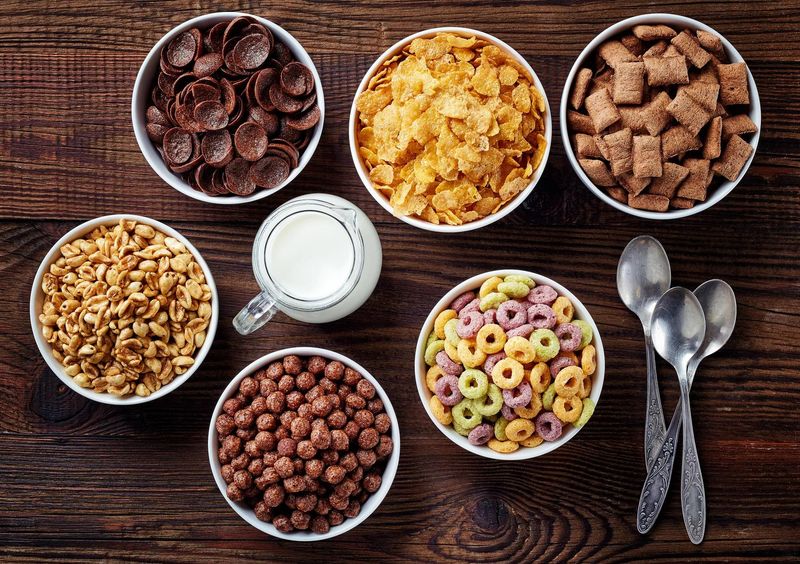
Many cereals look healthy but hide loads of refined carbs and added sugars. Those flakes digest fast, causing sharp blood sugar spikes that fade into energy crashes. Even “whole grain” on the box can mask sweeteners and low fiber.
Flip the label and scan for sugar near the top and fiber under 5 grams. Choose high fiber unsweetened options, or swap for oats with cinnamon and nuts. Your meter will likely thank you.
2. White Bread
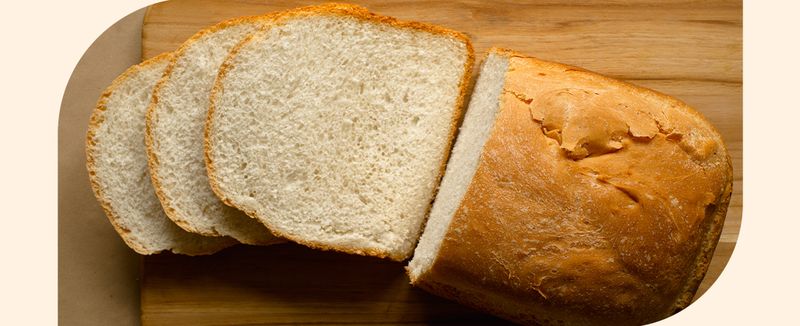
White bread is quickly digested starch, which means fast glucose release. Even small portions can raise blood sugar more than expected. Toasting does not change the carb load enough to matter.
Swap to dense whole grain bread with at least 3 grams fiber per slice, or try sprouted grain or low carb options. Lettuce wraps or whole grain tortillas can work too. Check post meal readings and adjust portions.
3. Sweetened Yogurt
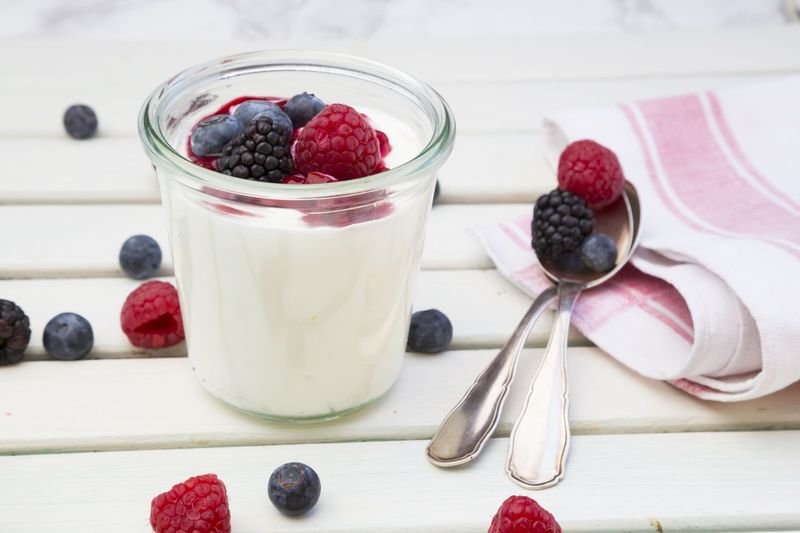
Fruit flavored and dessert style yogurts pack surprising sugar. Even “light” versions often rely on added sweeteners and gums that spike cravings. The protein may help, but not enough to offset the sugar rush.
Choose plain Greek yogurt for higher protein and lower carbs, then add cinnamon, nuts, or a few berries. If you need sweetness, use a small amount of monk fruit or stevia. Your numbers will be steadier.
4. Fruit Juice
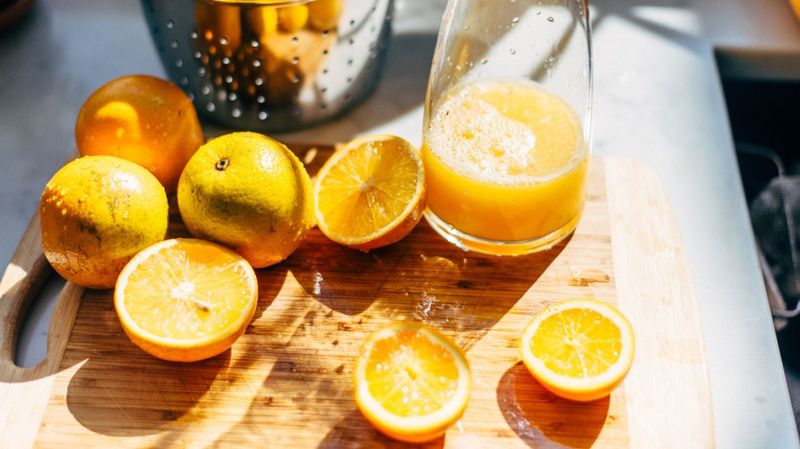
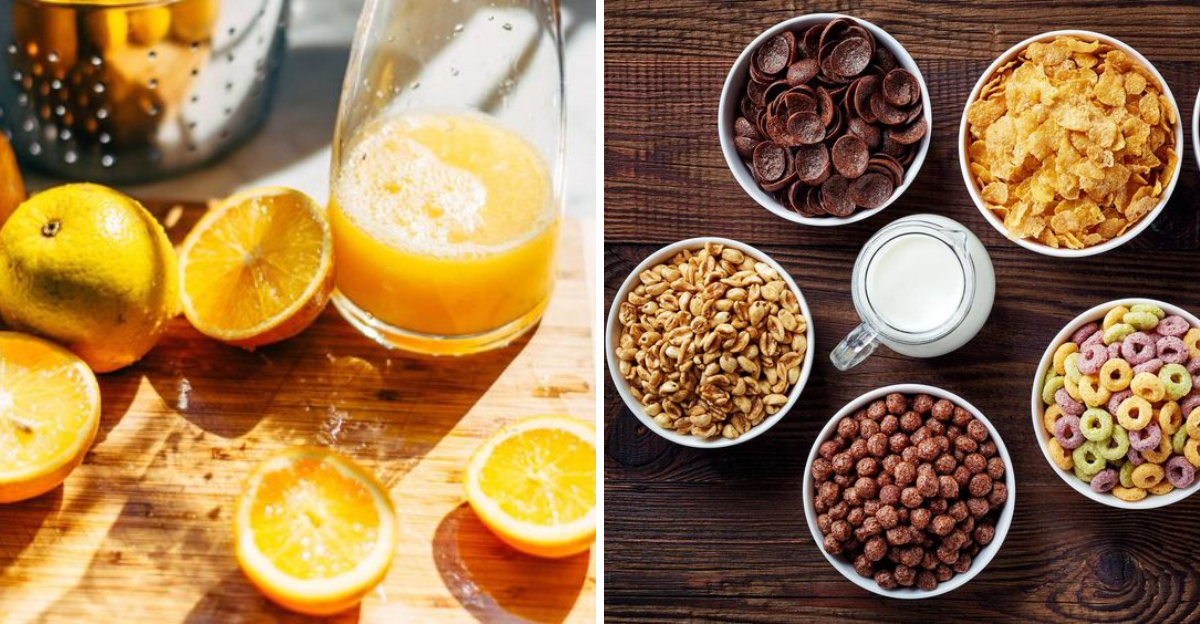
Juice delivers concentrated fruit sugar without fiber to slow absorption. A small glass can equal several pieces of fruit, spiking blood sugar rapidly. “No added sugar” still means high natural sugar.
Eat whole fruit instead so fiber helps temper the impact. If you truly want juice, dilute heavily with water, drink alongside protein, and measure your response. Most days, stick with water, tea, or sparkling water with citrus.
5. Soda and Sweetened Drinks
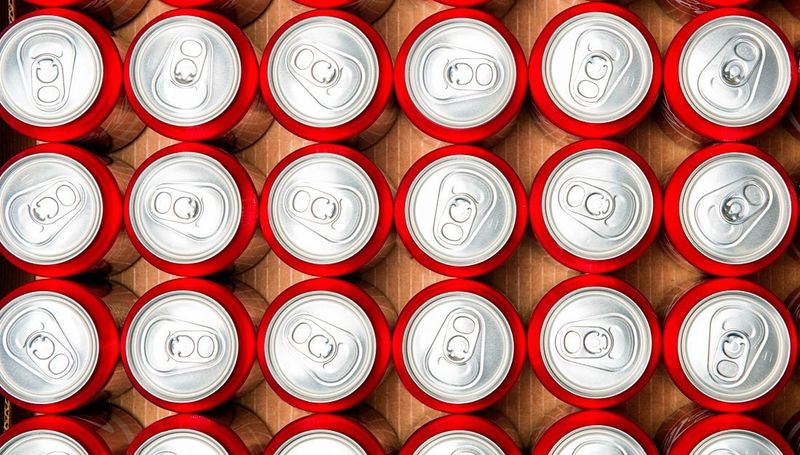
Regular soda is essentially liquid sugar that hits the bloodstream fast. Even small bottles can contain massive carb loads. Energy drinks, sweet teas, and lemonades can be just as problematic.
Switch to unsweetened tea, black coffee, or flavored sparkling water. If you enjoy sweetness, consider non nutritive sweeteners in moderation and watch how your body responds. Hydration habits shape glucose control more than many realize.
6. Pastries and Donuts
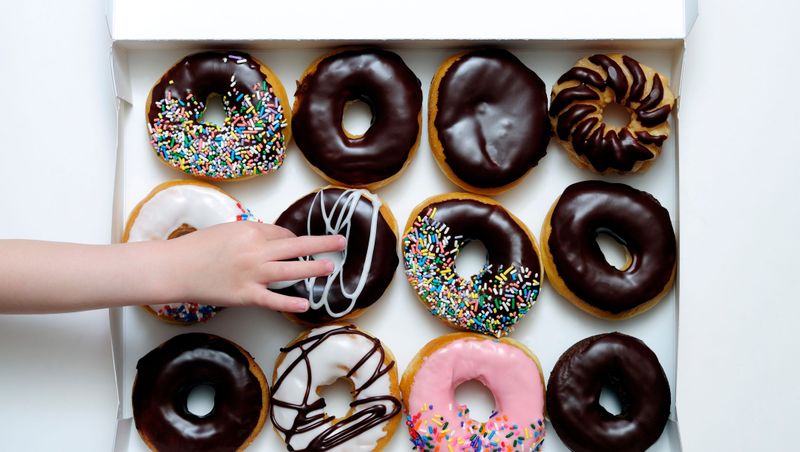
Pastries combine refined flour, sugar, and unhealthy fats for a triple threat. They digest quickly and offer minimal fiber, leading to spikes and crashes. The portion sizes are deceptively small yet carb dense.
Save these for rare treats if at all, and pair with protein when you do indulge. Consider almond flour muffins or Greek yogurt parfaits as a better morning option. Your energy will feel steadier.
7. White Rice
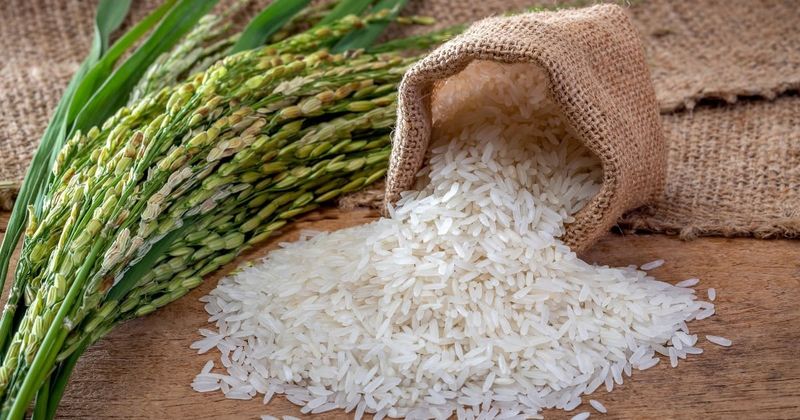
White rice is mostly quick starch with a high glycemic impact. Large servings can push post meal glucose much higher than expected. Fried rice adds oil and sometimes sugar, compounding the problem.
Try brown rice, wild rice blends, or cauliflower rice to lower the load. Portion control matters, so consider half cup servings alongside protein and veggies. Test your response and adjust.
8. Fried Foods
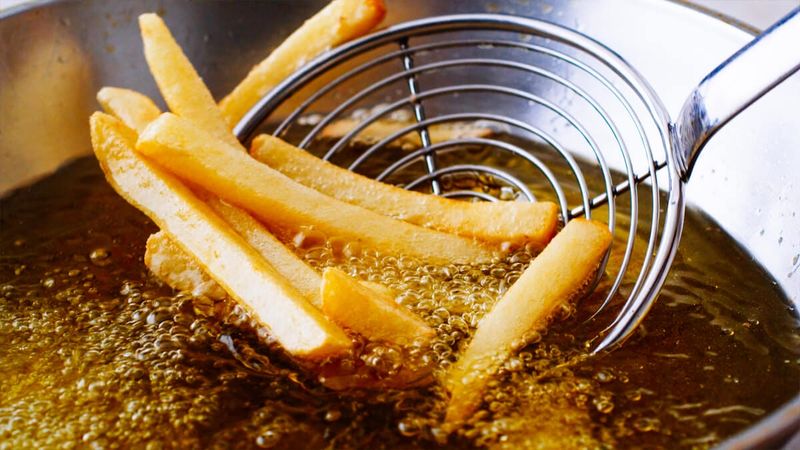
Deep fried foods combine refined carbs and oils that can worsen insulin resistance. Breading adds starch while high heat creates problematic compounds. The calories add up fast without much nutrition.
Air fry, bake, or grill instead, and use whole grain coatings if needed. Balance plates with leafy greens and lean protein. Your heart and blood sugar both benefit from these swaps.
9. Candy Bars
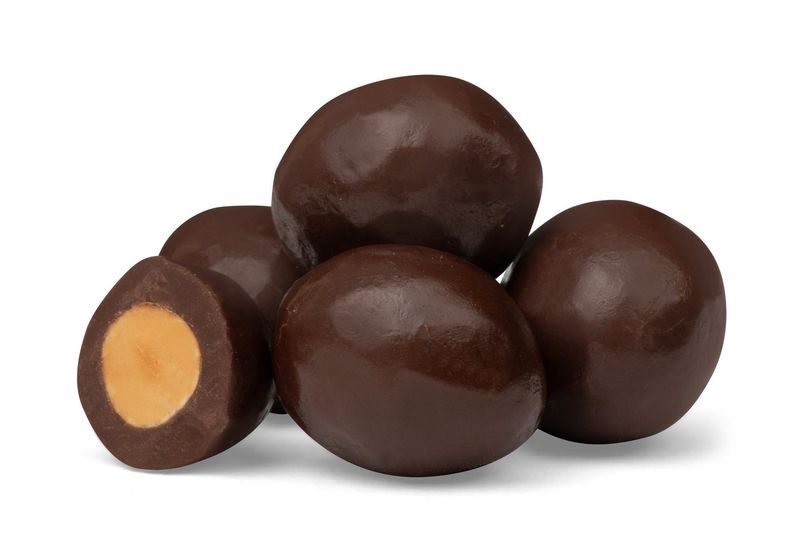
Candy bars are concentrated sugar with minimal fiber or protein. Many also include unhealthy fats that do not aid satiety. A quick hit of sweetness can lead to a later crash and more cravings.
Keep dark chocolate squares with nuts for a slower release treat. Consider protein rich snacks like cheese sticks or Greek yogurt when cravings strike. Planning ahead reduces impulse choices at checkout.
10. Energy Drinks
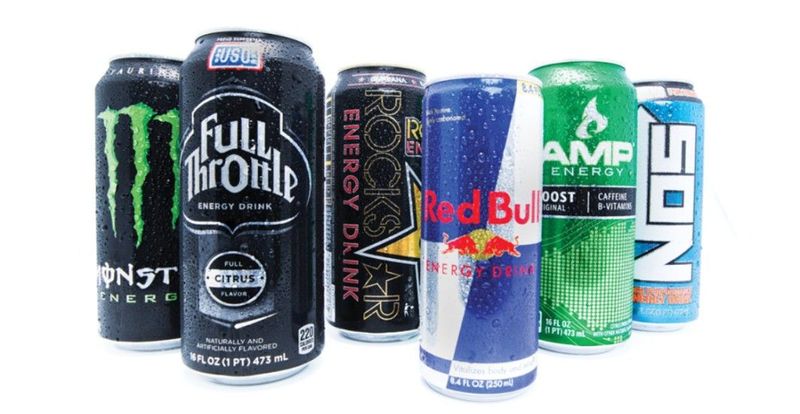
Energy drinks often cram in sugar and stimulants that stress blood sugar and sleep. Even sugar free versions can trigger appetite changes or jitters. The rapid caffeine hit may mask fatigue signals.
Switch to coffee, tea, or sparkling water with a squeeze of lime. If you use zero sugar options, monitor glucose and how you feel. Rest, hydration, and protein rich snacks beat the crash cycle.
11. Flavored Coffee Drinks
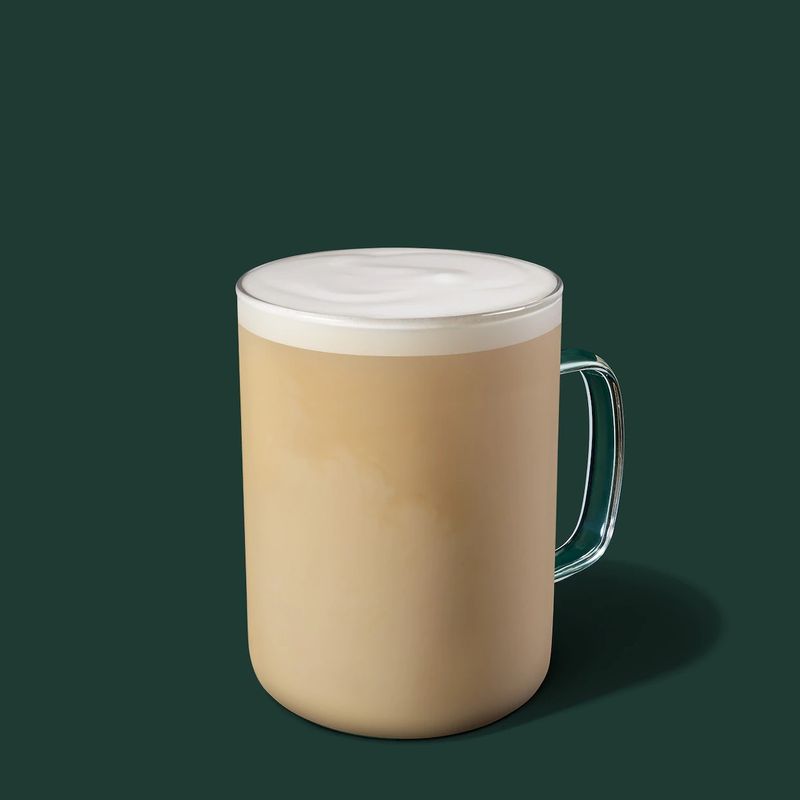
Mocha, latte, and blended coffee drinks can hide dessert level sugar. Syrups, whipped cream, and milk add up fast. You might be sipping more carbs than a slice of cake.
Order plain coffee with a splash of cream and cinnamon. Ask for sugar free syrups sparingly, and choose smaller sizes. Your morning ritual can stay satisfying without the glucose roller coaster.
12. Packaged Snack Cakes
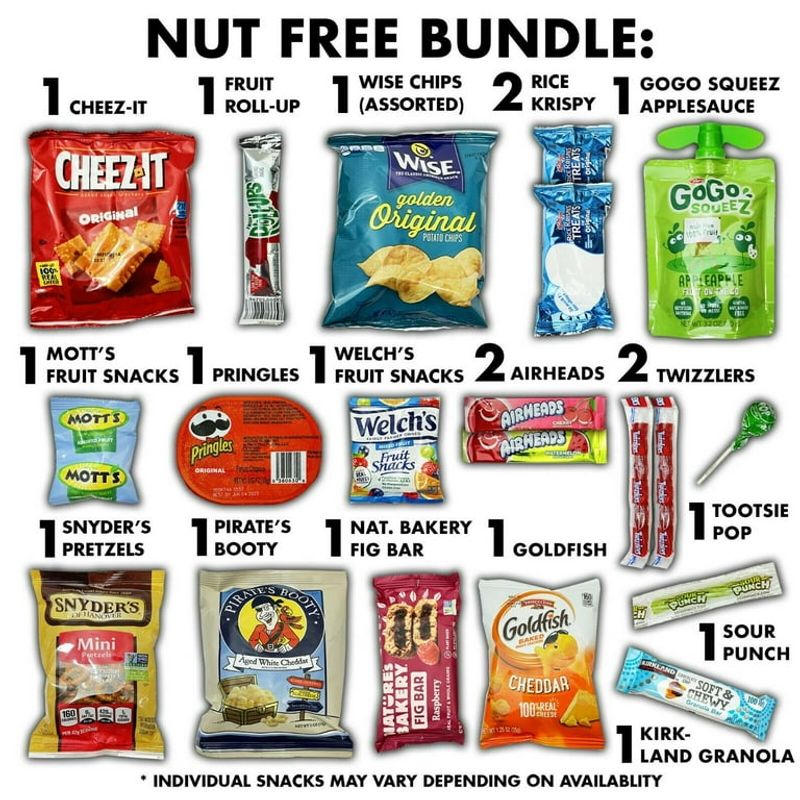
Snack cakes mix refined flour, sugar, and shelf stable fats. They digest quickly and rarely provide meaningful fiber or protein. The quick sweetness can become a daily habit without satisfaction.
Replace with nuts, cheese with whole grain crackers, or a small apple with peanut butter. Keep options visible and convenient so better choices win. Your afternoon slump does not need a sugar fix.
13. White Pasta
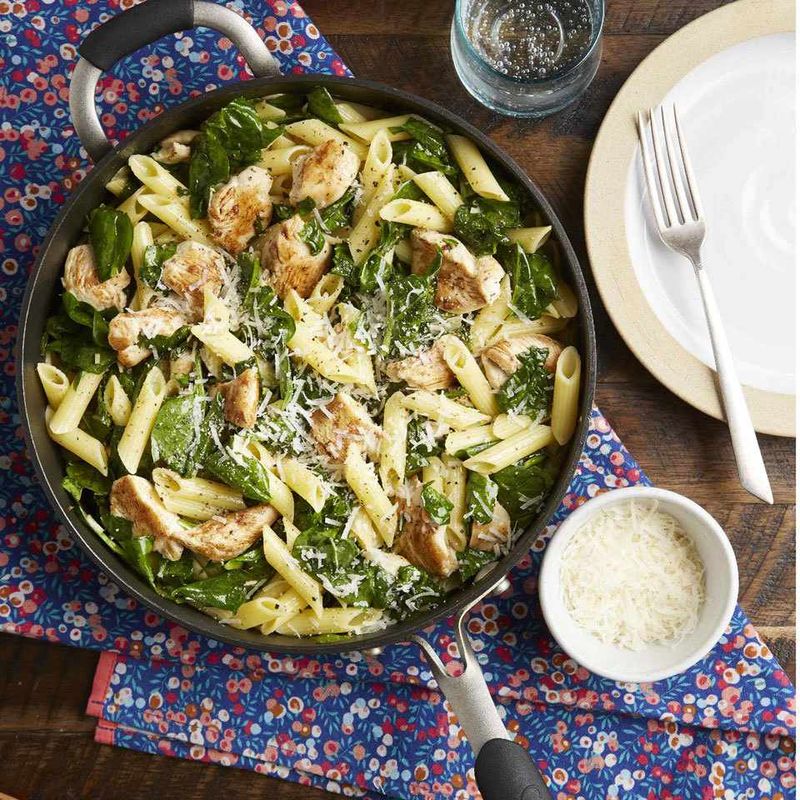
Traditional pasta is refined semolina that turns into glucose quickly. Large servings make spikes more likely, especially without fiber or protein. Restaurant portions can triple what your body handles comfortably.
Choose high fiber pasta, chickpea or lentil pasta, or zucchini noodles. Pair with protein rich sauces and vegetables, and keep portions modest. You will still enjoy pasta night without the aftermath.
14. Flavored Oatmeal Packets
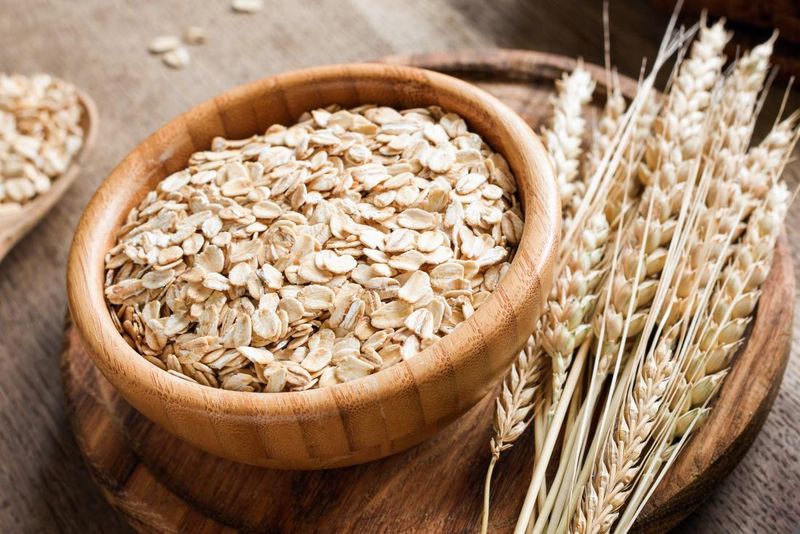
Instant oatmeal often comes with added sugar and processed oats that digest fast. The convenience is great, but the glycemic impact can be steep. Even fruit flavors hide syrupy sweeteners.
Buy plain rolled or steel cut oats and add chia seeds, cinnamon, and nuts. A few berries boost flavor without the sugar bomb. You control the sweetness and the spike.
15. Canned Fruit in Syrup

Fruit in heavy syrup delivers a sugary soak that overwhelms natural sweetness. The syrup adds unnecessary carbs that bypass fiber’s benefit. Even light syrup can be too much for balanced control.
Choose fruit packed in water or its own juice, then drain and rinse. Better yet, opt for fresh or frozen fruit. Pair with yogurt or nuts to soften the impact on glucose.
16. Ice Cream

Ice cream blends sugar and saturated fat in a creamy package. Portions creep up easily, and toppings multiply carbs. Even “light” versions may use sugar alcohols that upset digestion.
Try small servings, frozen Greek yogurt, or protein ice cream alternatives. Add nuts for texture and better fullness. If cravings hit often, keep single serve cups to protect your goals.
17. Sweetened Condiments
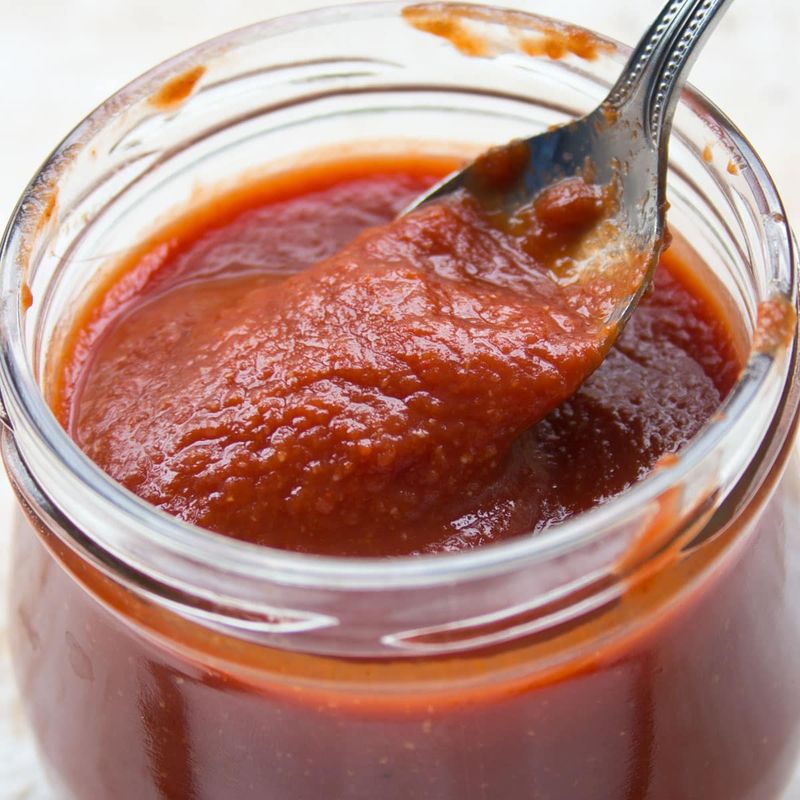
Ketchup, barbecue sauce, and sweet chili sauce hide surprising sugars. A few squeezes can add several teaspoons to your meal. That sweetness raises the glycemic punch of otherwise balanced plates.
Look for no sugar added versions or make your own. Use mustard, hot sauce, or herb heavy dressings instead. Taste buds adapt quickly when you give them a chance.
18. Granola and Snack Bars
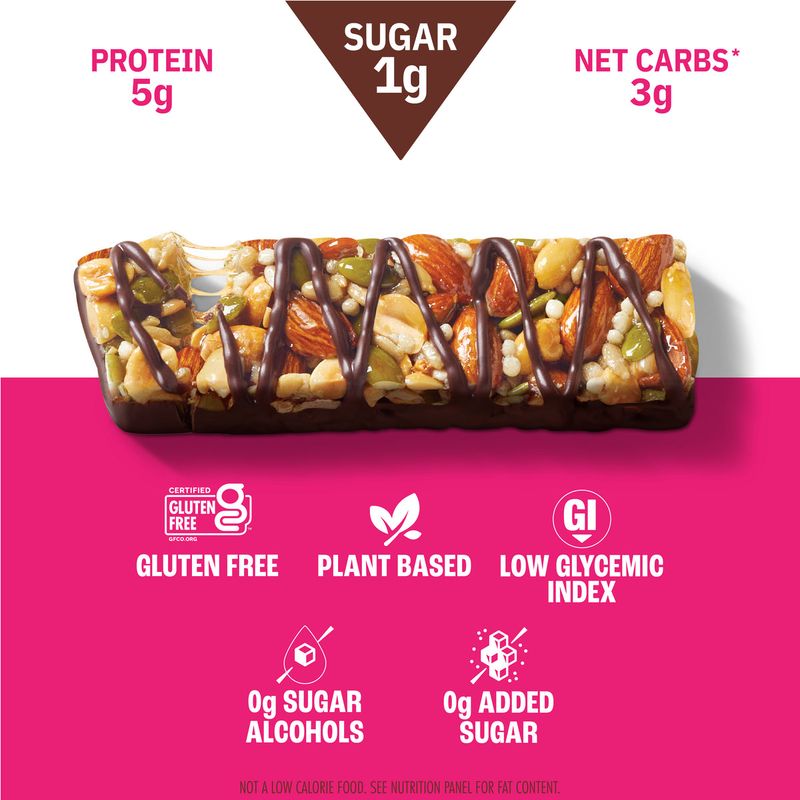
Many bars market health while packing honey, syrups, and chocolate. The combination can spike blood sugar and leave you hungry. Fiber claims often mask small serving sizes and high sugars.
Choose bars with 3 to 5 net carbs per serving and solid protein. Or make homemade nut and seed bars with minimal sweetener. Keep them for emergencies, not daily grazing.
19. Alcoholic Cocktails

Mixed drinks often combine alcohol with sugary mixers that spike glucose. Alcohol can also impair judgment, leading to extra snacks. Late night drinking may cause lows followed by rebounds.
Choose dry wine, light beer, or spirits with soda water and citrus. Set limits, sip slowly, and eat a protein rich meal. Check levels before bed when experimenting with new drinks.
20. Restaurant Desserts

Restaurant desserts are oversized and engineered for maximum sweetness. One slice can exceed a day’s carb budget. Sharing helps, but even bites add up fast.
Plan ahead and decide whether dessert fits your goals today. If yes, split widely and pair with coffee. If not, finish with berries or mint tea and leave satisfied.
21. Dried Fruit

Dried fruit concentrates sugar by removing water. A small handful equals several pieces of fresh fruit. Sticky textures can also cling to teeth and raise dental risk.
Use tiny portions for flavor in salads or yogurt. Choose fresh fruit or berries for routine snacks. Measure, do not eyeball, and watch your meter for feedback.
22. Pretzels and Crackers
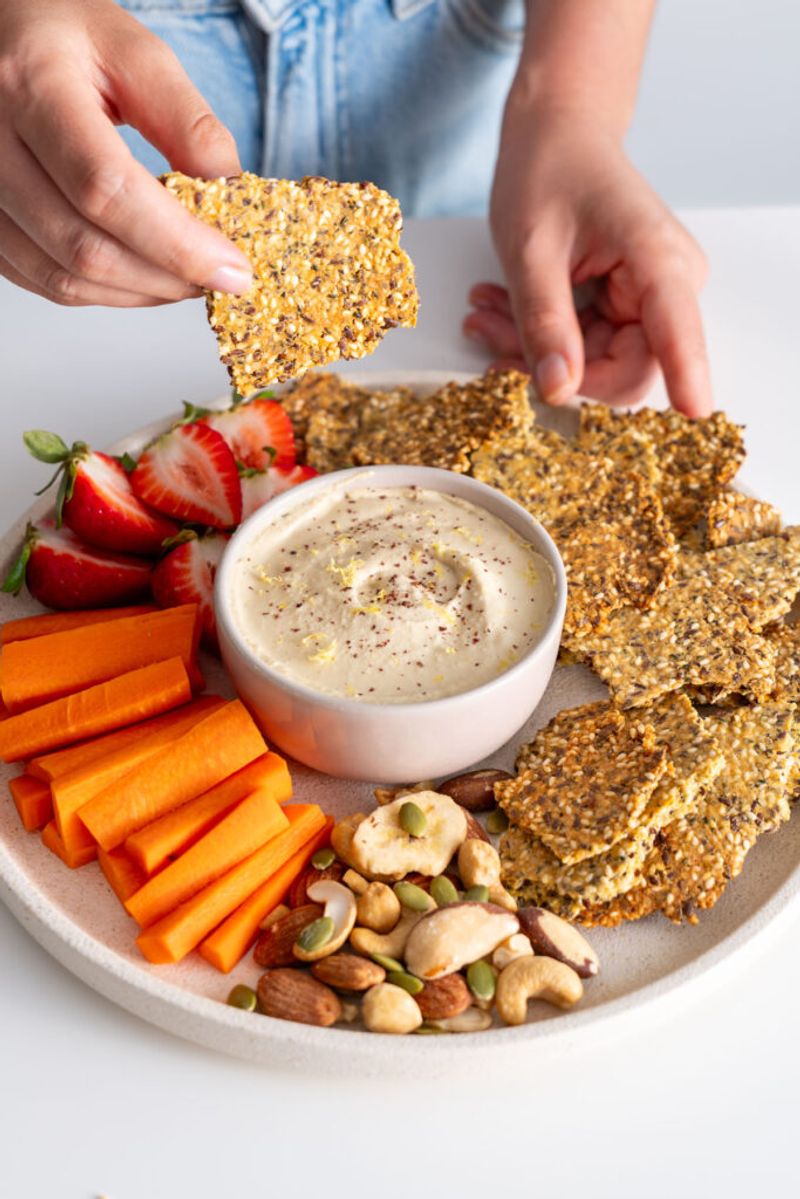
Pretzels and many crackers are refined carbs with little fiber. They digest quickly and rarely satisfy hunger. Flavors and salt keep you nibbling long past a serving.
Swap to high fiber seed crackers or pair a small portion with cheese. Better yet, choose veggies with hummus for crunch. Keeping portioned snacks prevents mindless munching.
23. Sweetened Plant Milks
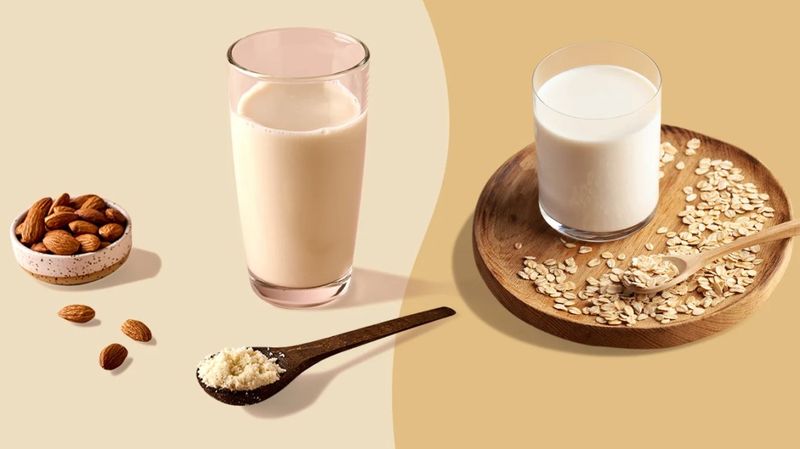
Sweetened almond, oat, and soy milks can rival soda in sugars. Oat milk especially can be carb heavy even when unsweetened. Lattes made with these can spike glucose unexpectedly.
Pick unsweetened versions and check carbs per cup. Add cinnamon or vanilla extract for flavor without sugar. Track your favorite coffee shop orders and adjust accordingly.