
23 Nutrient-Packed Vegetables To Include In Your Daily Diet, According to Experts

Discover a vibrant selection of vegetables that can boost your nutrition and add colors to your plate, as recommended by experts. These 23 picks provide a wealth of vitamins, minerals, and flavors to enhance your meals.
1. Spinach
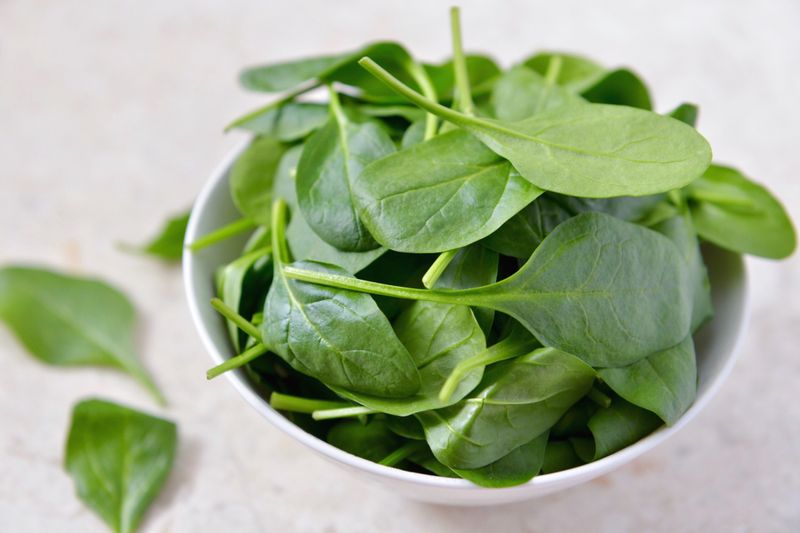
Packed with iron and calcium, spinach is a leafy green that’s versatile and easy to incorporate into your diet. Whether tossed into a smoothie or wilted in a warm pasta dish, it brings a subtle flavor and a nutritious punch. Its mild taste makes it an ideal base for salads or a bright addition to omelets.
Rich in antioxidants, spinach is also known for its heart health benefits. Enjoyed raw or cooked, its tender leaves provide a pleasing texture. Try layering it in sandwiches or blending it into soups for an extra nutrient boost.
2. Kale
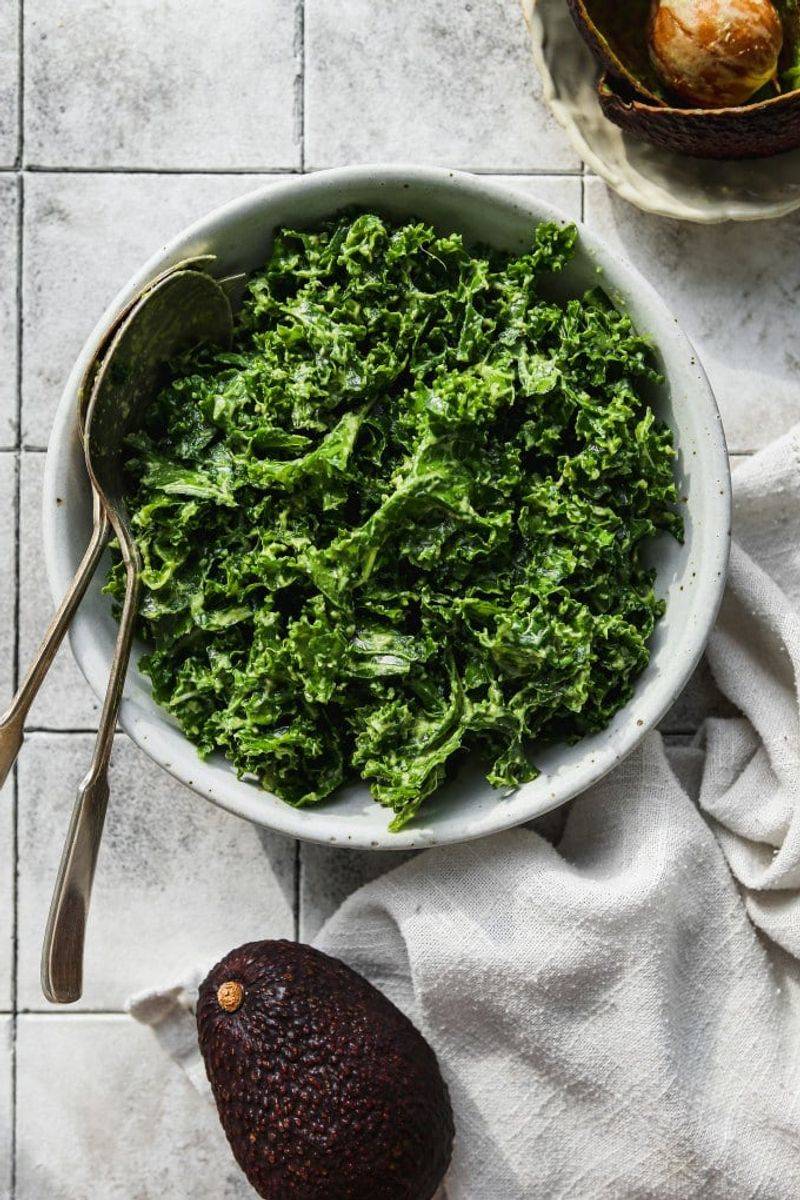
Kale offers a hearty texture and a slightly bitter taste that stands up well in salads and sautés. A powerhouse of vitamins A, C, and K, kale supports bone health and immune function. Its robust nature makes it perfect for chips or as a base for a nourishing grain bowl.
Often hailed as a superfood, kale’s curly or flat leaves are packed with fiber and calcium. Massage it with olive oil for a tender salad or roast it for a crunchy snack. Experimenting with kale smoothies can be a delightful exploration of its versatile nature.
3. Swiss Chard

Swiss chard’s vibrant stems and deep green leaves make it a visually appealing addition to your plate. Known for its slightly earthy flavor, it’s rich in vitamins K and A, supporting vision and bone health. Sautéed or added to frittatas, it’s a fantastic way to enjoy this nutritious green.
Chard’s tender texture is complemented by its subtle taste, making it suitable for soups or pasta dishes. The rainbow varieties can add a splash of color. Explore its mild bitterness by pairing it with garlic and lemon for a simple side dish.
4. Collard Greens

Collard greens are a staple in Southern cuisine, known for their dense nutritional profile. Rich in folate and vitamin C, they are traditionally simmered with seasoning for a flavorful side dish. Their robust texture makes them perfect for wraps or hearty stews.
Often enjoyed with a touch of vinegar or hot sauce, collard greens offer both taste and health benefits. They’re high in fiber, supporting digestive health. Explore their versatility by sautéing them with onions or including them in a green smoothie for an unexpected twist.
5. Broccoli

Broccoli’s familiar green florets are a go-to for fiber and micronutrients. Roasting brings out a sweet, nutty flavor, making it a family favorite. High in vitamin C, it supports immune health and offers cancer-fighting properties.
Whether steamed or stir-fried, its firm texture and flavorful profile make it a versatile vegetable. Add it to casseroles or enjoy it raw with dips. Incorporating broccoli into your diet can be both delicious and rewarding for your health. Its ability to pair well with cheese and garlic boosts its appeal.
6. Brussels Sprouts

Brussels sprouts, often misunderstood, become crispy delights when roasted. Their slightly bitter taste transforms into a sweet nuttiness that’s hard to resist. Packed with vitamin K, they support bone and heart health.
Small and cabbage-like, these sprouts are perfect for roasting with olive oil and spices. Their rich nutrient profile includes fiber and antioxidants. Pair them with balsamic glaze or bacon for a gourmet touch. From holiday tables to everyday meals, Brussels sprouts shine as a nutritional powerhouse.
7. Cauliflower

Cauliflower’s mild flavor and versatile texture make it an adaptable vegetable in various dishes. Whether roasted, mashed, or riced, it’s a low-carb alternative with a satisfying crunch. High in fiber and vitamin C, it supports digestive health.
Its ability to absorb flavors makes it suitable for curries and soups. Experiment with cauliflower pizza crusts or buffalo bites for a creative twist. With its subtle taste, cauliflower blends seamlessly into smoothies, providing a nutritious boost without overpowering other flavors.
8. Cabbage

Cabbage is a crunchy, economical vegetable with endless uses. Its high vitamin C content supports immune health, while fiber aids digestion. Perfect for slaws, stir-fries, or soups, its subtle flavor complements a variety of dishes.
Red and green cabbage varieties bring different textures and colors to meals. Fermented as sauerkraut or kimchi, it offers probiotic benefits. Whether braised or grilled, cabbage retains its nutritional profile and enhances any meal with its crisp, refreshing bite.
9. Carrots

Carrots are sweet, crisp, and a vibrant addition to any meal. Rich in beta-carotene, they promote eye health and a strong immune system. Enjoyed raw, roasted, or in stews, carrots offer a delightful sweetness and satisfying crunch.
Their versatility extends to soups and salads, where they add color and texture. Carrots can also be juiced for a refreshing drink. Whether as a snack or a side dish, their nutritional benefits and pleasing flavor make them a staple in healthy diets.
10. Sweet Potatoes

Sweet potatoes stand out for their sweet, earthy taste and vibrant orange hue. More starchy than some vegetables, they are rich in vitamins A and C, promoting good vision and immune health.
Baked, fried, or mashed, they offer a comforting and satisfying side. Their natural sweetness pairs well with cinnamon or honey for a warm dish. Explore sweet potatoes in salads or as a base for hearty stews. Their nutritional profile makes them a delicious and versatile ingredient in various cuisines.
11. Bell Peppers

Bell peppers add a burst of color and crunch to meals, with red, yellow, and green varieties offering slightly different flavors. High in vitamin C, they contribute to a healthy immune system.
Whether sautéed, grilled, or stuffed, bell peppers bring a refreshing sweetness to the table. Their versatility allows them to be the star of stir-fries, salads, or as a crunchy raw snack. From fajitas to pasta, bell peppers enhance dishes with both flavor and nutrients.
12. Tomatoes
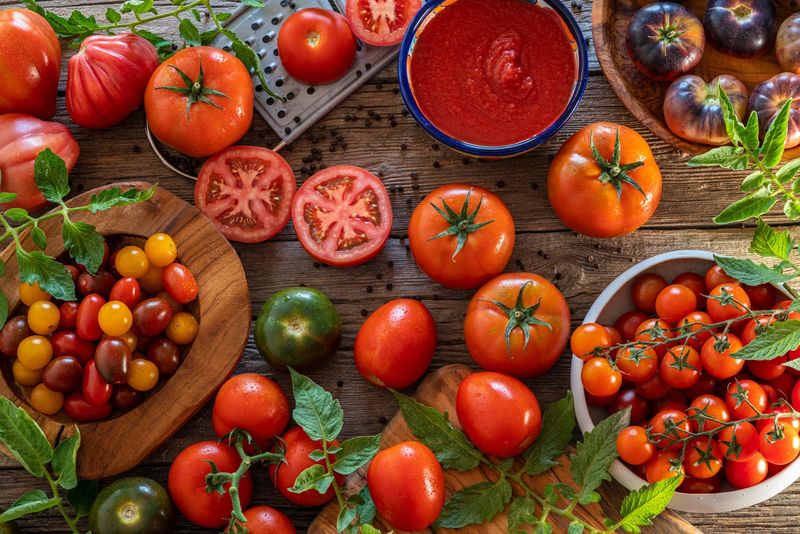
Tomatoes, technically a fruit, behave like vegetables in culinary uses. Bursting with lycopene, they support heart health and provide antioxidants. Their juicy texture and rich flavor enhance salads, sauces, and sandwiches.
From cherry to heirloom varieties, tomatoes bring diversity to dishes. Consider roasting them for concentrated sweetness or enjoying them fresh with mozzarella and basil. Their vibrant color and nutritional profile make tomatoes a beloved kitchen staple.
13. Zucchini

Zucchini is a mild, quick-cooking vegetable ideal for adding volume to meals. Low in calories and high in vitamin C, it supports immune health and hydration. Grilled, sautéed, or spiralized into noodles, zucchini offers versatile culinary applications.
Its tender texture absorbs flavors well, making it a perfect addition to stir-fries or casseroles. Try baking zucchini bread or stuffing it for a flavorful main dish. This adaptable vegetable adds nutrition and subtle flavor to a variety of recipes.
14. Eggplant

Eggplant’s rich, velvety texture shines when roasted, especially with garlic and herbs. Known for its deep purple skin, eggplant is high in fiber and low in calories, aiding digestion and heart health.
Its slightly bitter taste mellows with cooking, making it suitable for stews or as a meaty main dish alternative. Explore its versatility in dishes like ratatouille or baba ganoush for a Mediterranean flair. Eggplant’s ability to absorb flavors enhances its appeal in diverse cuisines.
15. Mushrooms

Mushrooms, although not technically a vegetable, are celebrated for their savory flavor and satisfying texture. Rich in B vitamins, they support energy production and brain health. Sautéed, grilled, or added to soups, mushrooms bring umami and depth to dishes.
Their versatility extends to risottos, pizzas, and omelets, where they complement other ingredients beautifully. Whether enjoyed on their own or as part of a larger dish, mushrooms offer both nutritional benefits and a delightful earthy taste.
16. Asparagus

Asparagus, with its slender stalks and vibrant green color, is a favorite spring vegetable. Rich in fiber and vitamins A, C, and K, it supports healthy digestion and bone health. Simply roasted or sautéed, asparagus feels elegant with minimal effort.
Its tender yet crisp texture makes it a wonderful side dish or salad ingredient. Pair it with lemon and parmesan for a fresh and savory flavor combination. Asparagus’s delicate taste and nutritional profile make it a prized addition to any meal.
17. Green Beans
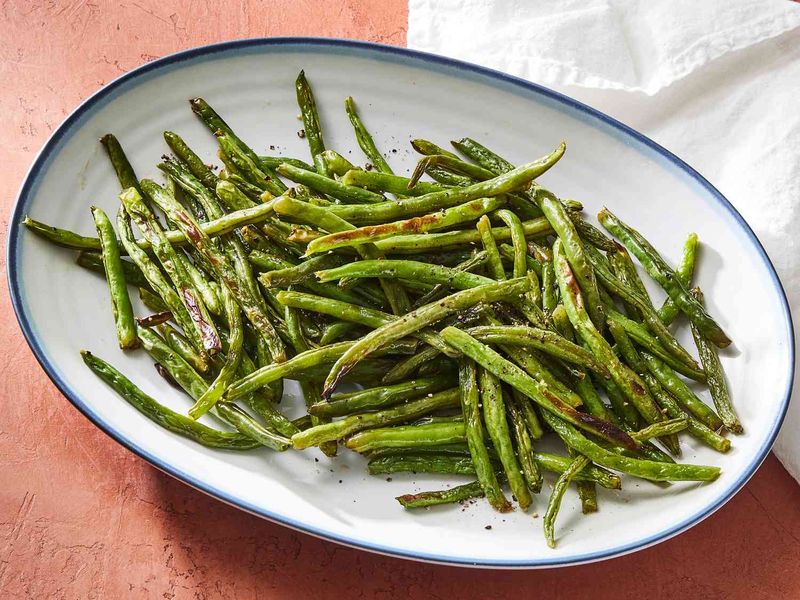
Green beans are a simple, reliable vegetable that’s easy to prepare and enjoy. High in fiber and low in calories, they support weight management and overall health. Whether steamed, stir-fried, or blanched, green beans retain their crisp texture and vibrant color.
Their mild flavor pairs well with garlic, almonds, or lemon zest for a refreshing side dish. Ideal for casseroles or cold salads, green beans are a versatile addition to any meal. Their ease of preparation and nutritional benefits make them a favored choice in kitchens.
18. Peas
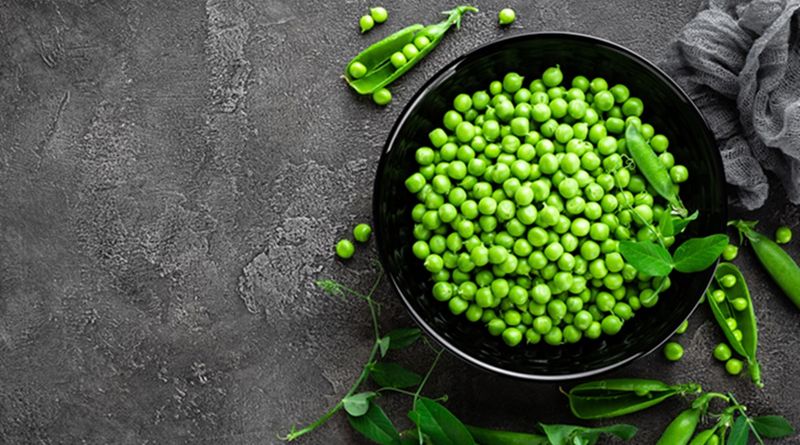
Peas, small yet mighty, pack a punch with protein and fiber compared to many other vegetables. Their sweet flavor and tender texture make them a favorite in soups, salads, or as a standalone side dish.
Rich in vitamins C and K, peas support immune function and bone health. Enjoyed fresh or frozen, they add color and nutrients to pasta, risottos, or stir-fries. Their versatility and nutritional profile make peas a delightful and healthful addition to any diet.
19. Beets
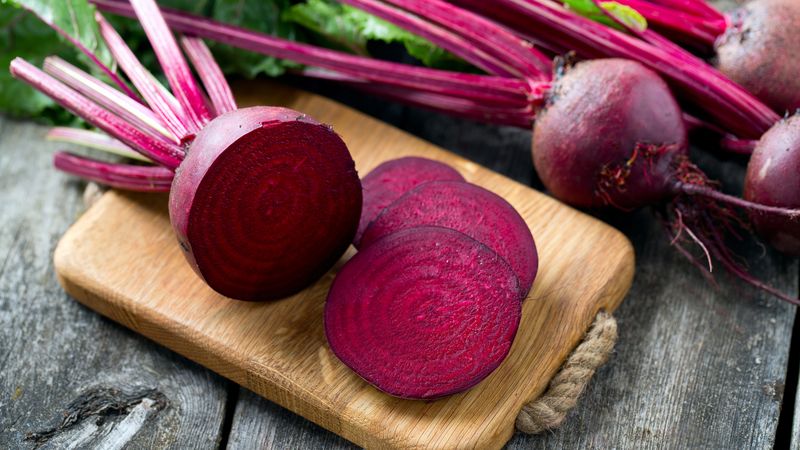
Beets, with their earthy sweetness, are a colorful addition to any meal. Rich in folate and manganese, they support brain and bone health. Roasted or in salads, beets offer a distinct flavor and vibrant hue.
Their natural sugars caramelize beautifully when cooked, enhancing their taste. Whether juiced, pickled, or boiled, beets bring nutrients and excitement to dishes. Their versatility allows them to complement both savory and sweet recipes, making them a versatile kitchen staple.
20. Onions
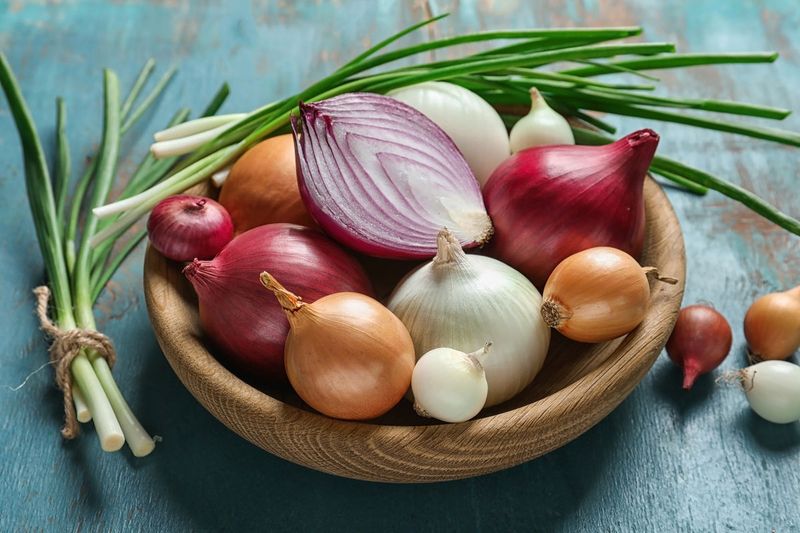
Onions are a culinary cornerstone, adding flavor and beneficial plant compounds to countless dishes. Rich in antioxidants, they support immune health and have anti-inflammatory properties.
Whether caramelized, sautéed, or raw, onions bring depth and sweetness to recipes. Their versatility makes them a staple in soups, stews, and salads. From mild yellow to pungent red varieties, onions adapt to various cuisines, enhancing flavors and providing nutritional benefits.
21. Garlic
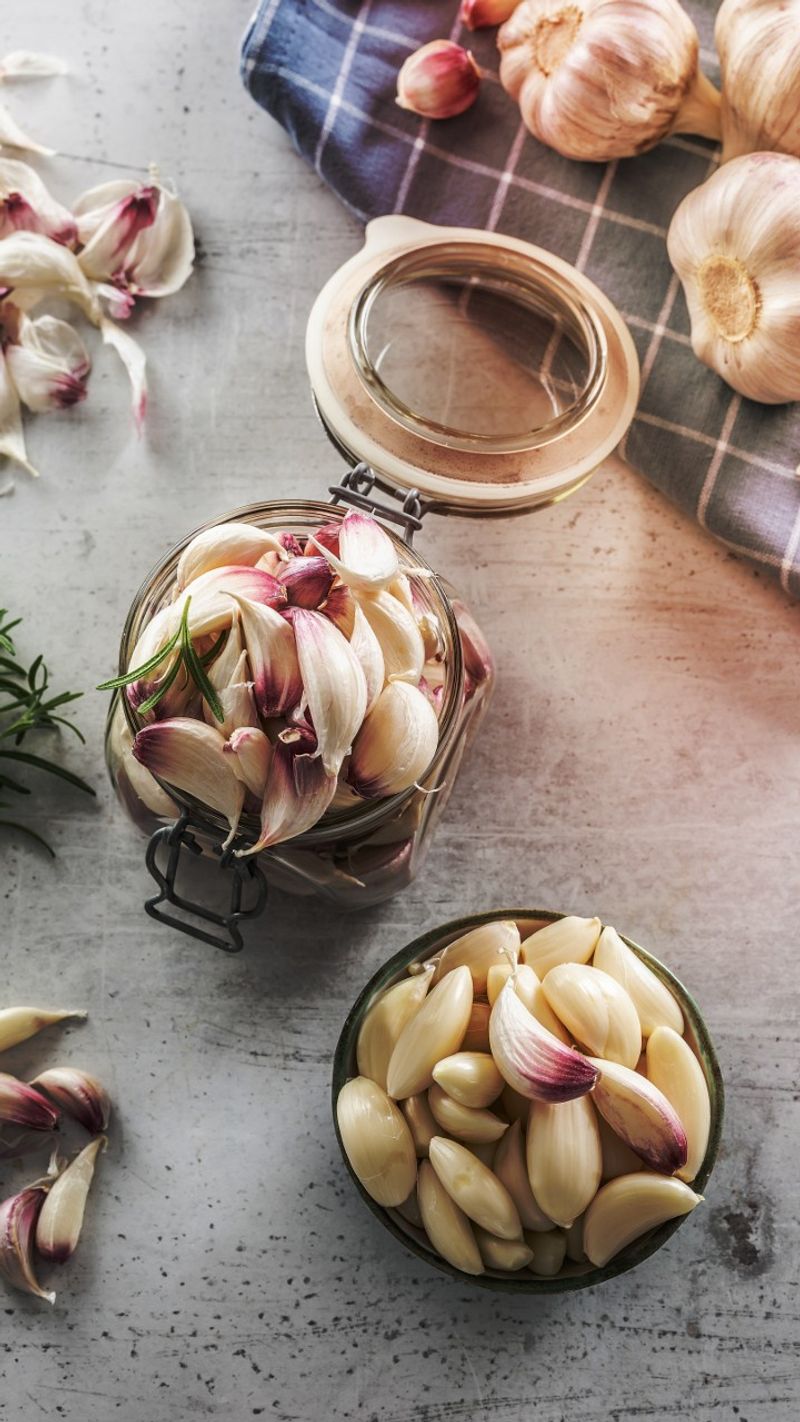
Garlic, though not a vegetable side dish, is a culinary hero that enhances flavor and offers health benefits. Rich in antioxidants, it supports immune function and reduces inflammation.
A little garlic goes a long way, infusing dishes with its pungent aroma and taste. Whether roasted whole or minced, it complements vegetables, meats, and sauces. Garlic’s medicinal properties and distinctive flavor make it an essential ingredient in kitchens worldwide.
22. Broccoli Rabe
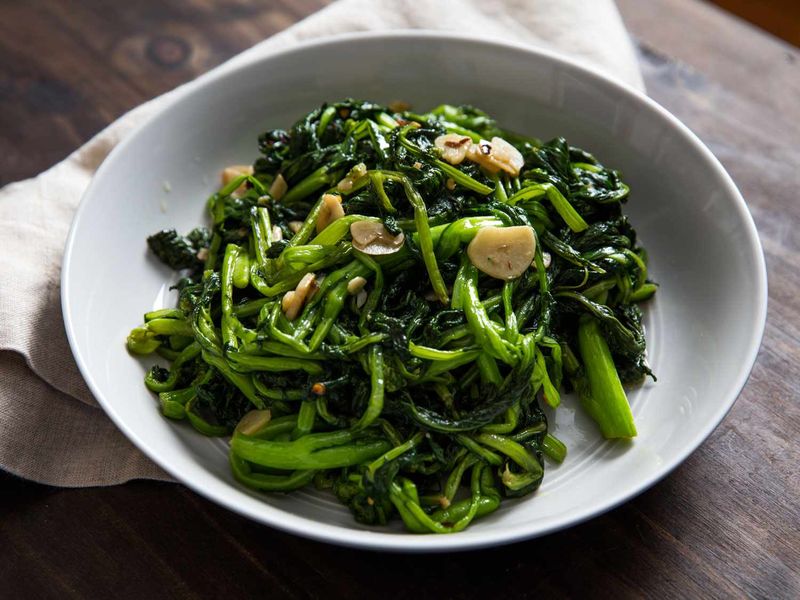
Broccoli rabe, with its slightly bitter taste, shines when paired with garlic, chili, and olive oil. High in vitamins A, C, and K, it supports eye health and bone strength.
This leafy green is perfect for sautéing or incorporating into Italian dishes like pasta and pizza. Its bold flavor and nutritional profile make broccoli rabe a gourmet addition to your vegetable repertoire. Its unique taste and health benefits are celebrated in various culinary traditions.
23. Seaweed (like Nori or Wakame)
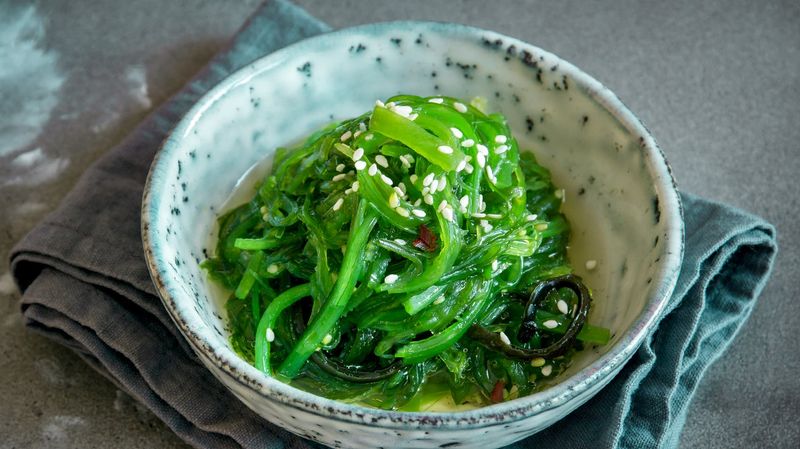
Seaweed, including varieties like nori and wakame, is a mineral-rich addition to soups, rice bowls, and snacks. Packed with iodine, it supports thyroid health and metabolic function.
Its unique texture and briny flavor enhance dishes beautifully. Whether in sushi rolls or as a salad ingredient, seaweed adds nutrients and culinary intrigue. Exploring seaweed in your diet can introduce new tastes and valuable minerals, making it a nourishing choice for adventurous eaters.