25 Favorite Foods That Don’t Taste The Same Anymore
Ever bite into a childhood favorite and think, this tastes different now? You are not imagining it.
Recipes shift, ingredients get swapped, and our taste buds evolve, too. Let’s revisit classic foods that feel a little off today, and figure out why that old magic does not always hit the same.
1. Chocolate Chip Cookies
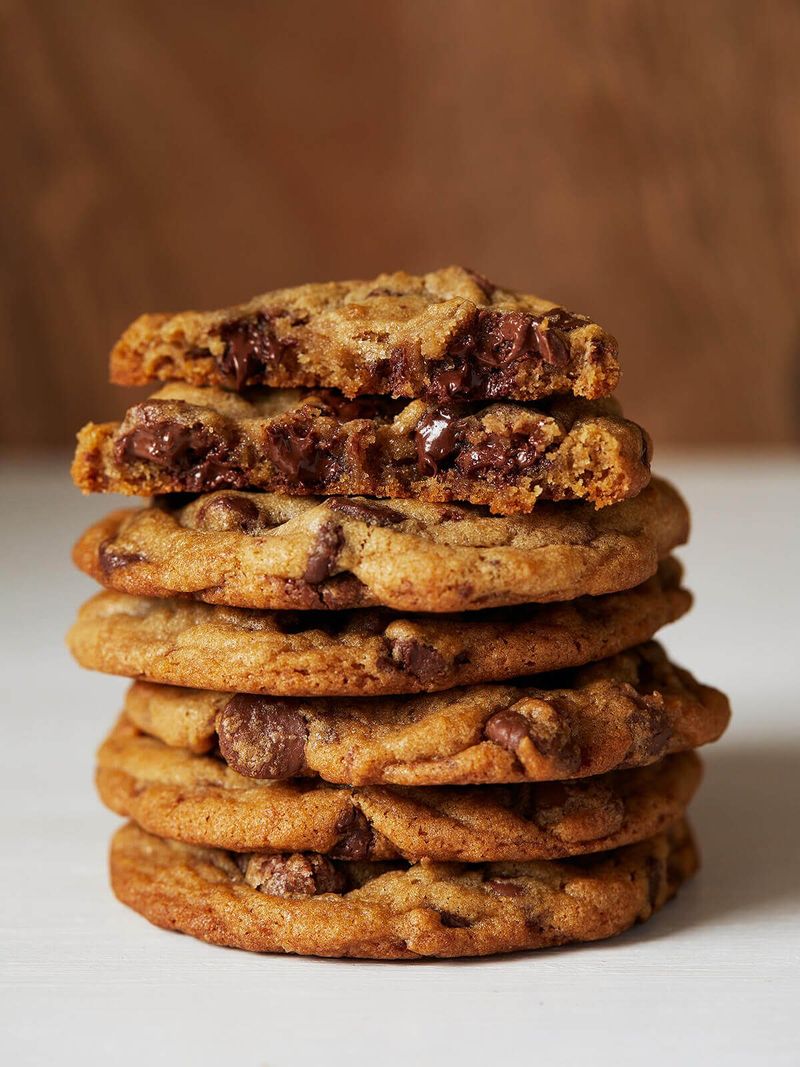
Chocolate chip cookies used to deliver buttery depth and pockets of molten chocolate. Today, some taste thinner, sweeter, and less complex.
Butter often gets partially replaced with cheaper fats, and chocolate quality varies widely. Even the flour grind and leavening tweaks change the chew.
You bite in expecting cozy richness and meet a quicker crumble.
Prepackaged options push shelf stability, so moisture gets managed aggressively. That means less lush middle and more uniform crunch.
Chips may have more stabilizers and less cocoa butter, dulling the melt. You can still bake amazing ones at home, but many supermarket standards feel simplified.
They satisfy, yet the nostalgic bakery vibe seems dialed down.
2. Vanilla Ice Cream
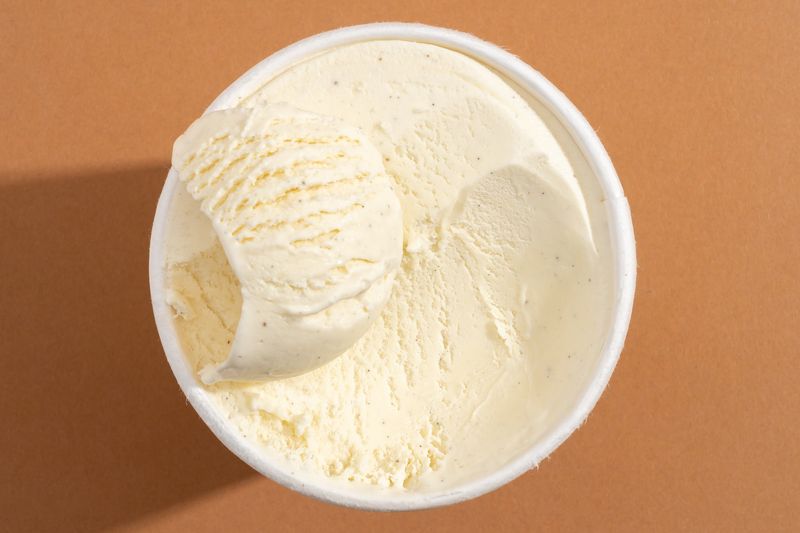
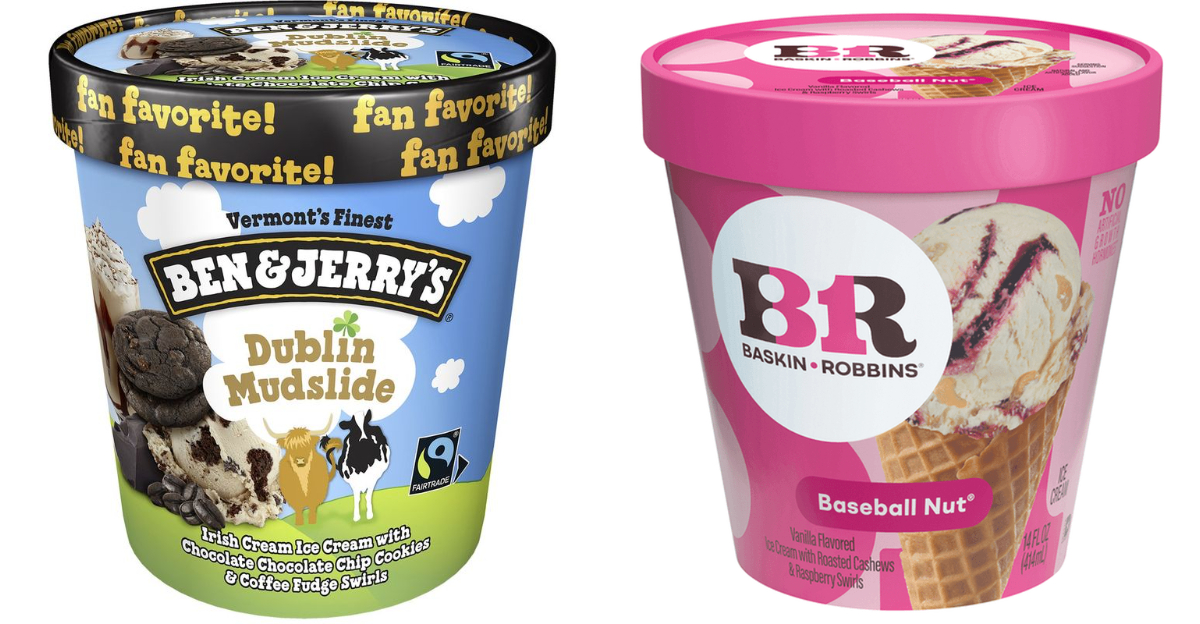
Vanilla ice cream once tasted like a creamy cloud with floral warmth. Lately, some brands lean sweeter and lighter, with less lingering vanilla finish.
Formulas swap out egg yolks or reduce cream for stabilizers and air, boosting volume but thinning body. You notice fewer bean specks and a quicker melt, more foam than custard.
Natural vanilla is pricey, so companies rely on flavor blends and extracts to keep costs steady. That changes aroma complexity.
Even the butterfat percentage steers mouthfeel, so a small tweak feels huge on the tongue. It is still comforting, but that slow, velvety roll across your palate?
Often replaced by a breezy chill that leaves faster.
3. Tomato Ketchup
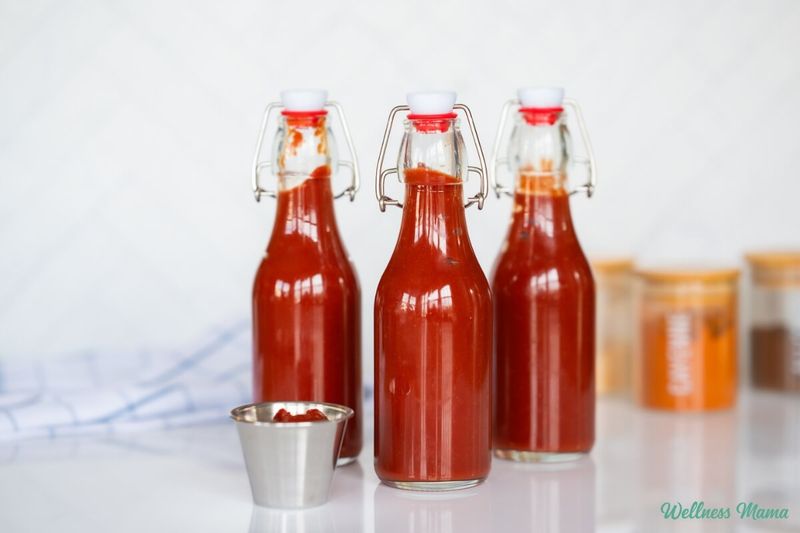
Ketchup used to shout tomato first, sugar second. Today, it sometimes lands sweeter, with less vinegary spark and fewer savory edges.
High fructose corn syrup, altered tomato solids, and acidity tweaks reshape the balance. You dip a fry expecting tangy brightness, and instead get a smoother, simpler sweetness.
The bite is mellowed for broad appeal.
Some brands shifted spices, thinning out clove and allspice background notes. Texture can be glossier and less pulpy, which changes cling.
You can taste a careful calibration toward consistency across batches. It spreads beautifully, but the lively, tomato-forward zip seems muted.
You might find that retro zing by seeking small-batch bottles or European styles.
4. Cheddar Cheese Snacks
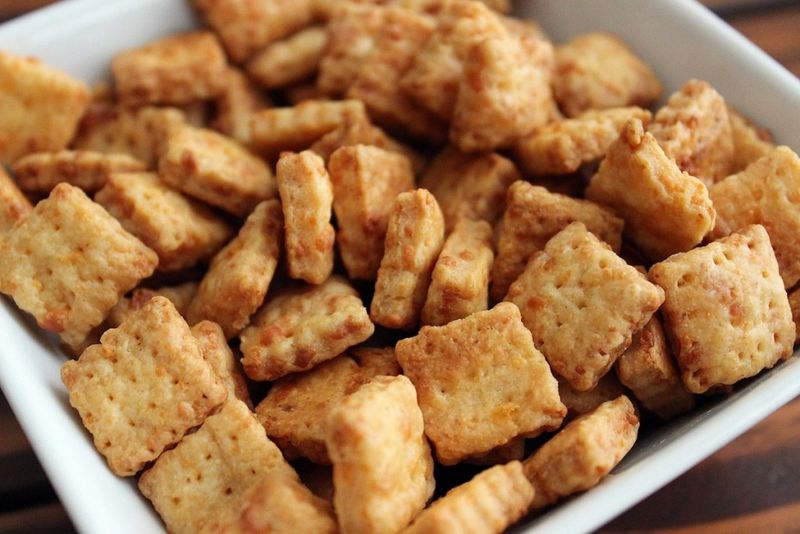
Cheddar snacks once blasted sharpness with buttery, tangy echoes. Lately, they can taste saltier yet less cheesy, like the volume changed but not the notes.
Powder blends swap real aged cheddar intensity for standardized dairy flavors. You still get orange dust fingers, just less cave-aged vibe.
The crunch remains, but the finish feels shorter.
Cost and consistency drive formulas toward uniformity. That means less variation, fewer spikes of funky tang.
Seasoning now leans toward lactic and oniony background rather than true cheddar bite. You keep chasing that bite and get a puff of salt instead.
Fun? Absolutely.
But the cheddar character you remember seems politely distant and smoothed out.
5. Potato Chips
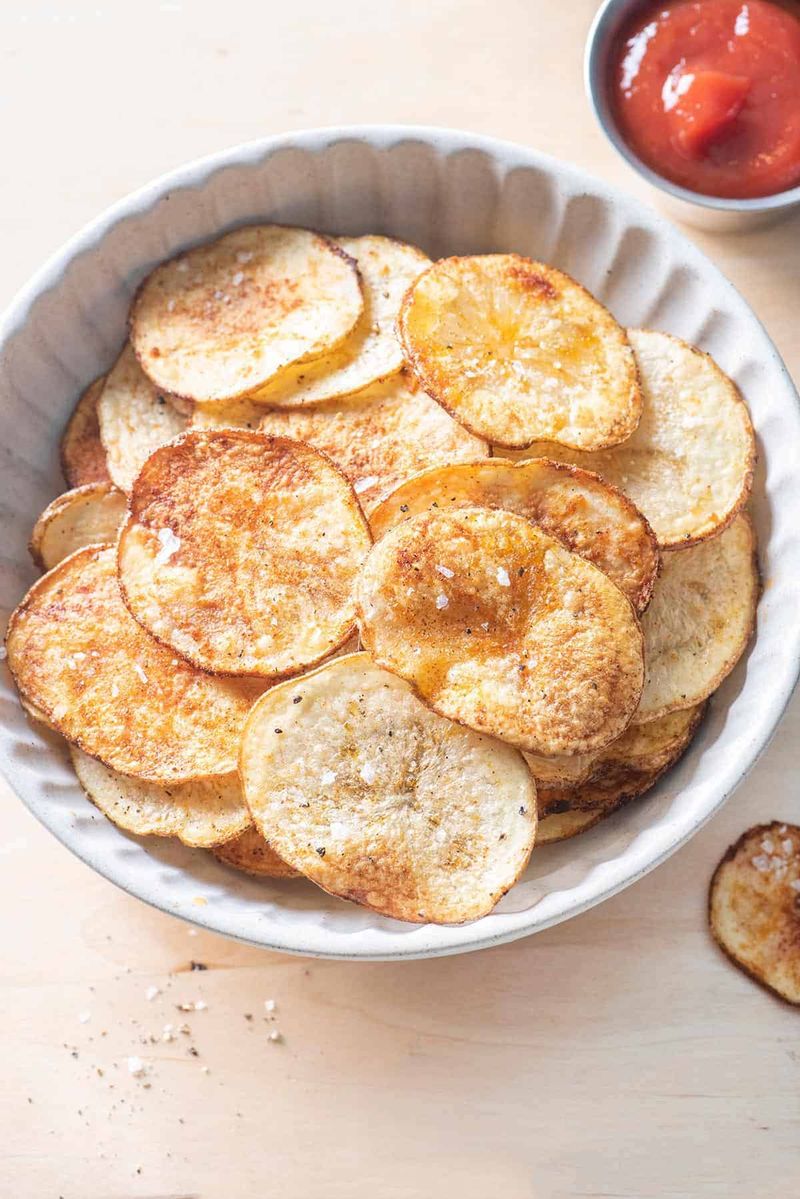
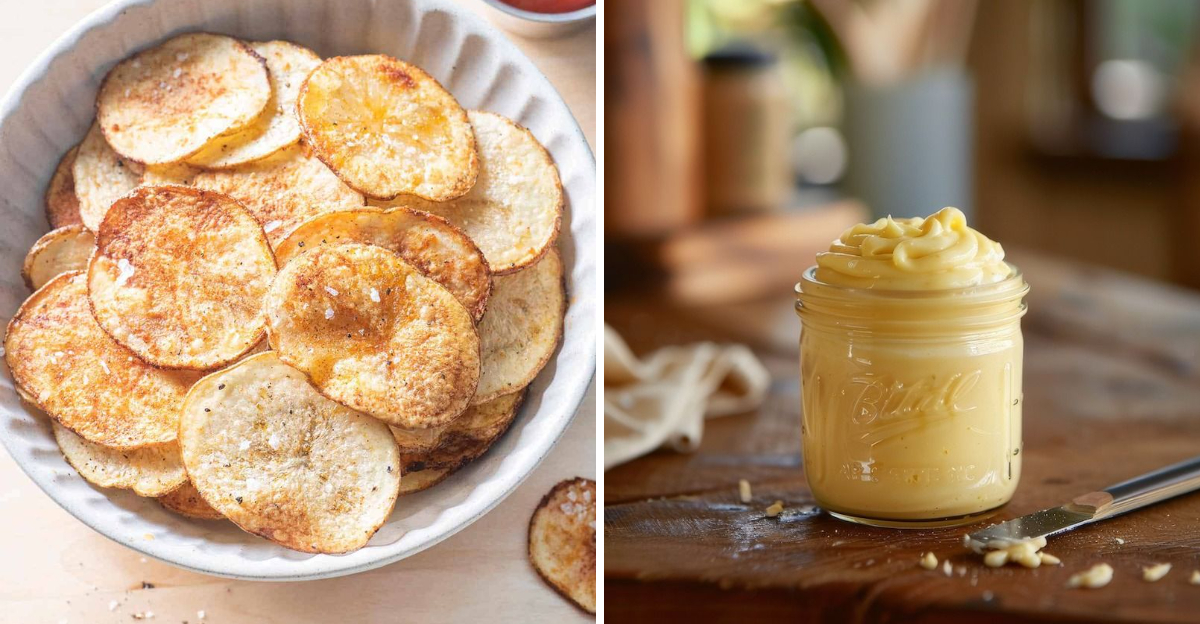
Potato chips used to taste like fried potato first, seasoning second. Today, oil choices and thickness adjustments can change the crunch-tone and aroma.
Some batches feel less potato-forward, more seasoning-driven. You still crush a bag, but the earthy, fried edge seems milder.
Shelf-stable oils and uniform slicing create predictability at the cost of character.
Salt calibration shifted, too, leaning strong without deeper savoriness. Flavored varieties dominate, masking the base chip.
Kettle styles fight back with heft and blistered texture, but even they vary with oil cycles. It is all still deliciously snackable, yet the simple potato whisper is quieter.
Pair with a dip to coax out that old, honest spud sweetness.
6. Frozen Pizza
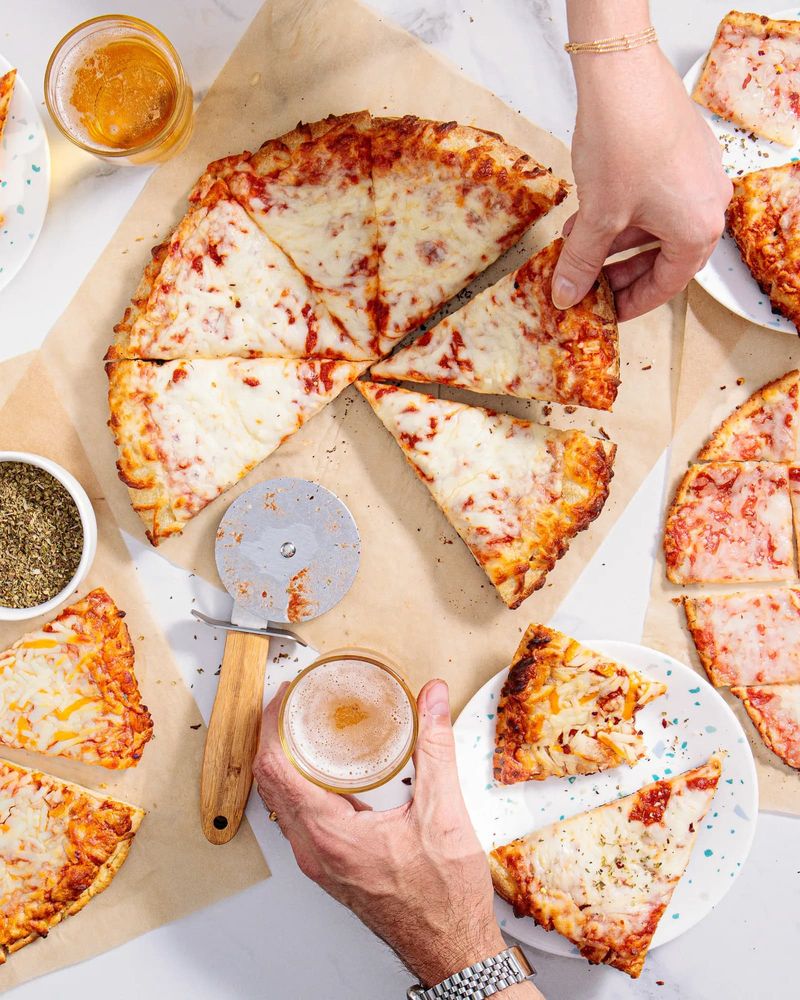
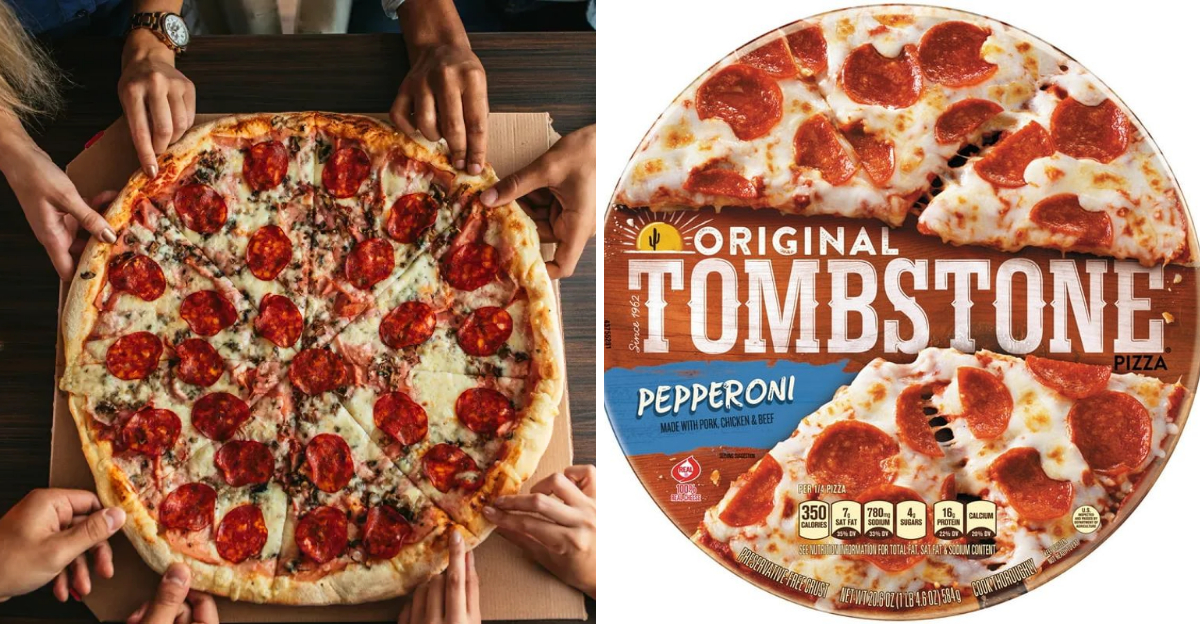
Frozen pizza has always balanced convenience and crave. But many options now taste sweeter in the sauce and lighter in cheese depth.
Cheese blends optimize melt over flavor, and crusts favor uniform crisp rather than fermented complexity. You still get an easy weeknight win, yet miss those subtle bakery notes.
The pepperoni kick feels toned down.
Par-baking and fast freezing changed texture expectations. Crust airiness is reliable, but the wheaty aroma is faint.
Sauce formulations chase consistency, not garden brightness. You can fix a lot with extra olive oil, chili flakes, and a dusting of real Parmesan.
Without tweaks, it satisfies hunger but rarely delivers pizzeria soul anymore.
7. Chocolate Bars
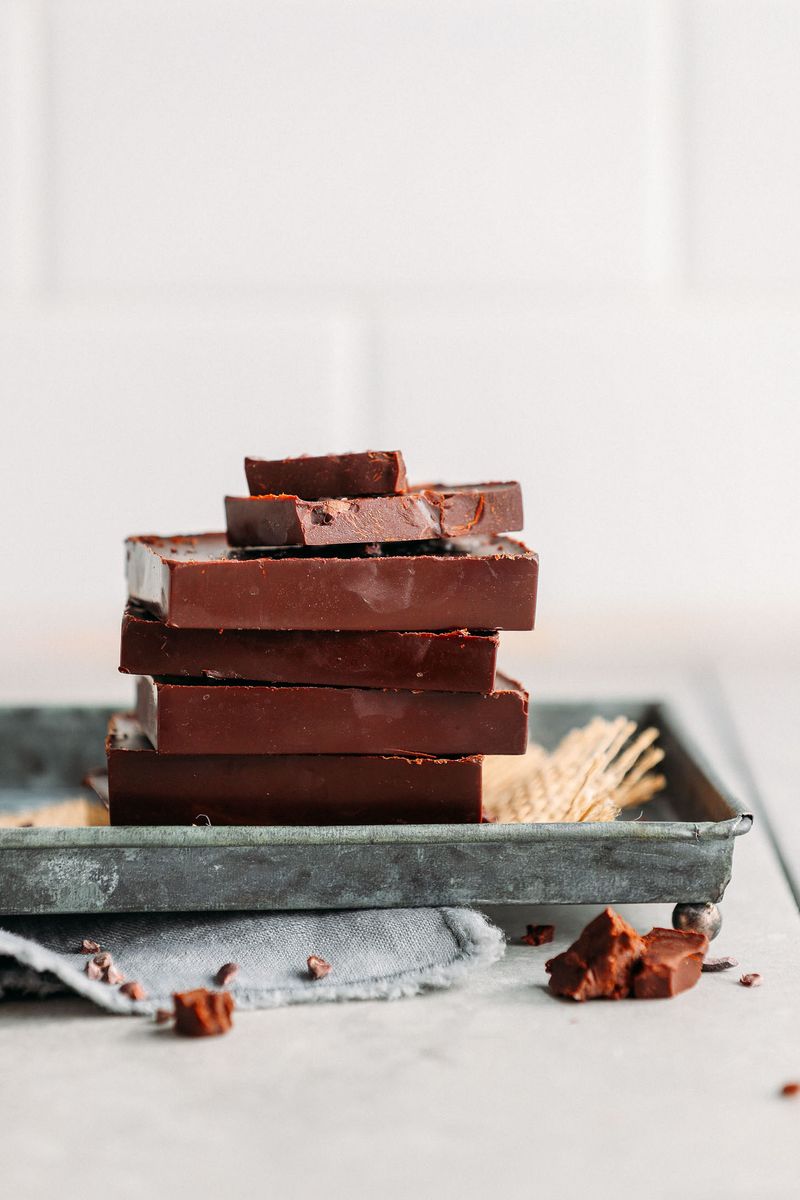
Chocolate bars once snapped with cocoa intensity and slow butterfat bloom. Some mainstream versions now taste sweeter, waxier, and less aromatic.
Cocoa percentages can dip, and added fillers adjust mouthfeel. You bite in and wait for the deep roast and fruit notes, but the finish goes quiet.
Stabilizers and warmer supply chains may dull nuance.
Premium bars still sing, yet everyday bars chase consistency and shelf life. Vanilla blends and less cocoa butter change melt behavior.
Even the temper can feel softer. You get a quick sugar rush instead of a long chocolate journey.
If you miss complexity, scan labels for higher cocoa content and origin specifics, then savor deliberately.
8. Orange Juice

Fresh orange juice used to crackle with zesty oils and a just-squeezed bloom. Cartons today can taste flatter, with a steady sweetness but less aromatic lift.
Pasteurization and flavor packs create consistency while smoothing peaks. You sip, waiting for that sunburst punch, but the finish lands gentle.
Pulp helps texture yet rarely restores the sparkle.
Varietal blends and storage impact brightness. Even the packaging material shifts perceived freshness.
Your palate remembers peels being zested in the air. Now, you are drinking reliability more than seasonality.
If you want the old thrill, squeeze at home or hunt cold-pressed bottles. It is extra effort, but the citrus perfume returns instantly.
9. Mayonnaise
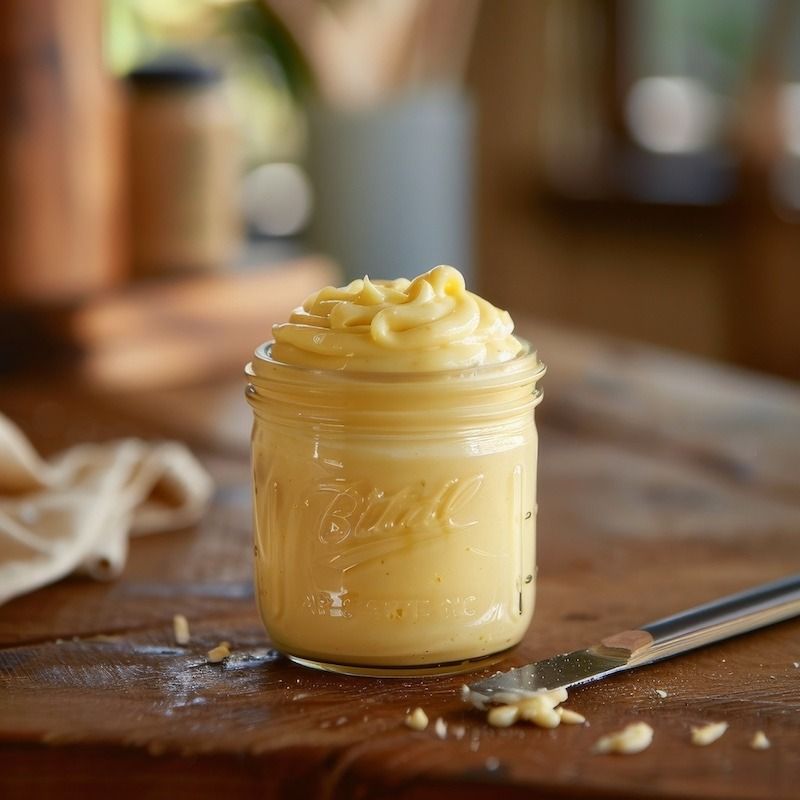
Mayonnaise used to whisper lemon and mustard through a plush, eggy body. Some jars now feel lighter, sweeter, and less assertive.
Oil blends shifted toward neutral profiles, and acids softened for mass appeal. You spread it and miss the lush, silky backbone.
The finish arrives clean but not memorable, like the personality is shy.
Refrigerated varieties can taste brighter, yet shelf-stable wins on convenience. Emulsifiers keep things smooth, sometimes at flavor’s expense.
Salt levels stepped down as labels went friendly. It still anchors sandwiches, just with less attitude.
Add a squeeze of lemon and a pinch of salt to revive that classic café zing at home.
10. Sliced Bread
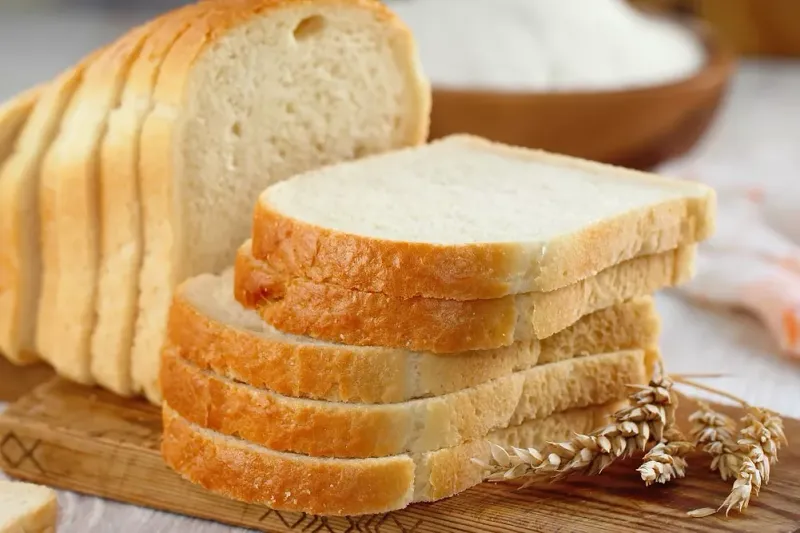
Sliced bread once had a wheaty perfume and a tender, resilient chew. Many loaves now feel softer but sweeter, with a shorter flavor arc.
Dough conditioners and sugars improve softness and shelf life. You toast a slice and it crisps uniformly, yet the aroma stays faint.
The crumb tears neatly but lacks that rustic springback.
Whole grain labels increased, which is great for nutrition, but often with milder roasts. Standardization flattens bakery-to-bakery distinctiveness.
You still make excellent sandwiches, just with less character from the bread itself. If you crave that old bakery depth, try local loaves or bake with a preferment.
The difference in aroma and chew is immediate.
11. Maple Syrup Imitations
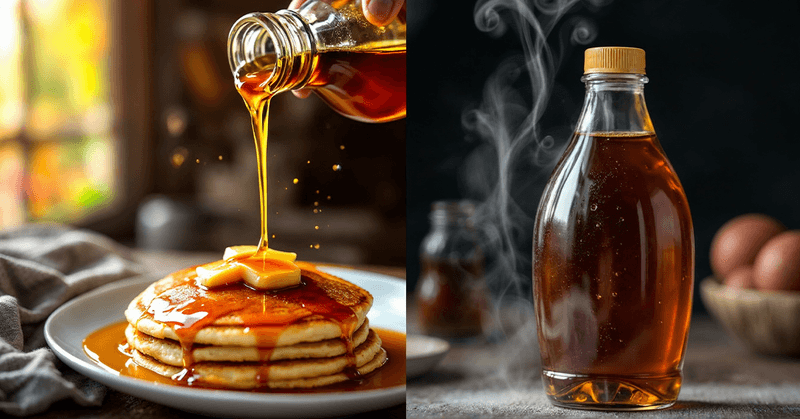
Real maple syrup sings with woodsy complexity and a slow, caramel glide. Many table syrups mimic the look but lean heavy on corn syrup and flavorings.
You pour expecting forest notes and get straight sweetness. The aroma is flatter, the finish quicker.
It still comforts on pancakes, yet the maple soul feels like a whisper.
Cost drives the swap, and labels can hide the difference in small print. Grade and origin matter for real maple.
Once you taste those layers, imitation feels one-note. If your memory holds a camp breakfast vibe, go for pure maple and warm it gently.
The steam carries back that nostalgic, smoky-lake morning.
12. Pickles
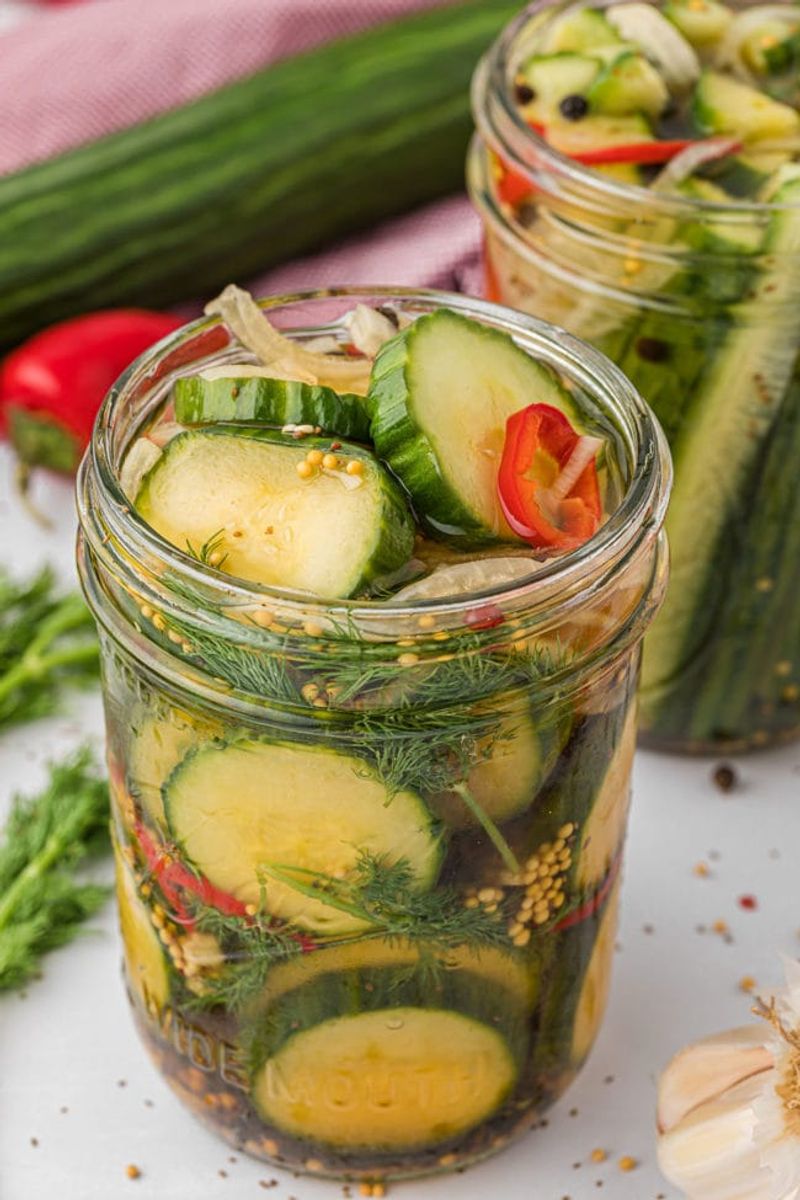
Pickles used to snap with garlic, dill, and assertive vinegar. Some jars today taste sweeter and softer, trading crunch for approachability.
Calcium chloride and pasteurization methods change texture dramatically. You bite in and get a polite crunch, then a quick fade.
The brine’s bite feels trimmed, like it tiptoes around your tongue.
Refrigerated brands often keep the crisp, yet shelf-stable dominates aisles. Spice complexity can be thinner, with fewer peppercorn and mustard seed pops.
Sweet pickles are everywhere, crowding out dryer sours. You can reclaim old-school zing with a simple refrigerator pickle.
Fresh cucumbers, garlic, vinegar, and patience bring back that bracing deli memory.
13. Canned Soup
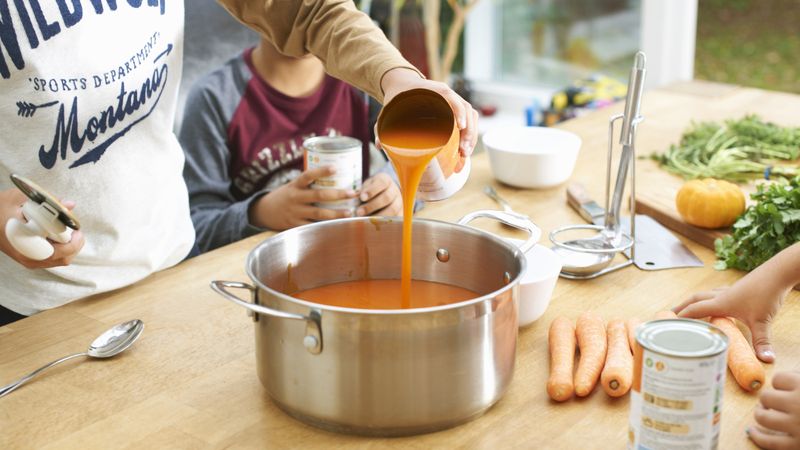
Canned soup used to feel like pantry warmth in a bowl, with savory broth and tender veggies. Lately, you might taste thinner stock, softer noodles, and a sweetness creeping in.
Sodium cuts and stabilizer swaps keep labels friendly but trim depth. You finish a bowl and miss that simmered-all-day illusion.
Herbs read faint, and chicken tastes shy.
Texture is consistent, which is useful, yet the variability of home simmering is gone. You can rescue it with better stock, leftover roast bits, and lemon.
The convenience still wins cold nights, but the soulful broth memory lingers. Look for condensed heritage lines or small-batch cans if you want closer-to-grandma vibes.
14. Energy Bars
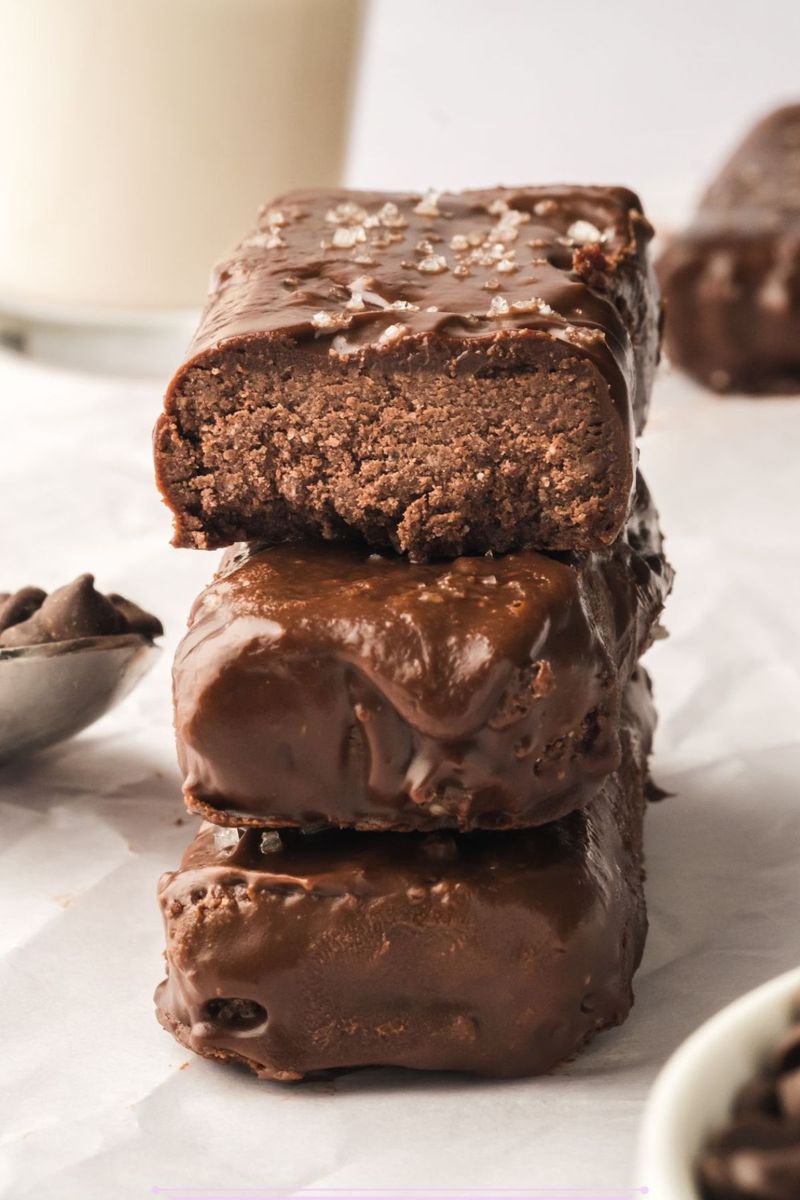
Energy bars used to taste like dense trail fuel with nutty heft. Now many skew candy-like, with syrups and crisped proteins shaping texture.
Sweetness rises while roasty notes recede. You bite expecting oat warmth and get a slick, uniform chew.
Functional protein blends bring chalkiness that masks subtle flavors.
Clean-label pushes swap artificial sweeteners for dates or syrups, still emphasizing sugar. Shelf stability demands consistent moisture, which flattens character.
You still rely on them for convenience, but they rarely feel like real food. Seek bars with recognizable nuts, seeds, and minimal binders.
That brings back the crunchy, campfire energy your memory keeps chasing.
15. Strawberry Jam
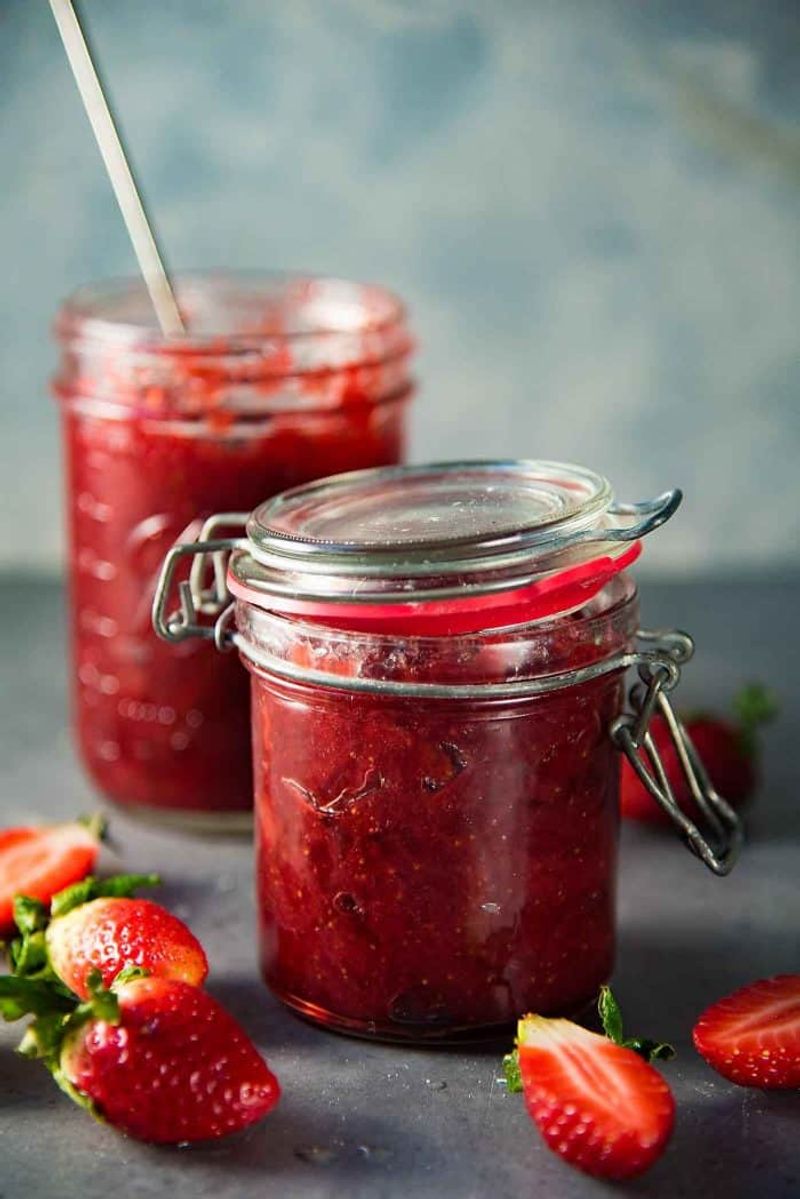
Strawberry jam used to burst with sun and seeds, a spoonful of June. Many jars now taste smoother and sweeter, with less berry tartness.
Pectin tweaks and concentrate bases deliver consistent set, not fragrant nuance. You spread it and the color dazzles, but the aroma stays shy.
The finish ends syrupy rather than sparkly.
Lower fruit percentages stretch costs and standardize outcomes. Refrigerated small-batch options often preserve brightness.
Your toast still tastes like childhood, yet the berry field feels farther away. Stir in lemon zest or layer with fresh berries to revive contrast.
When you find a jam with high fruit content, that old strawberry perfume returns immediately.
16. Tomato Soup
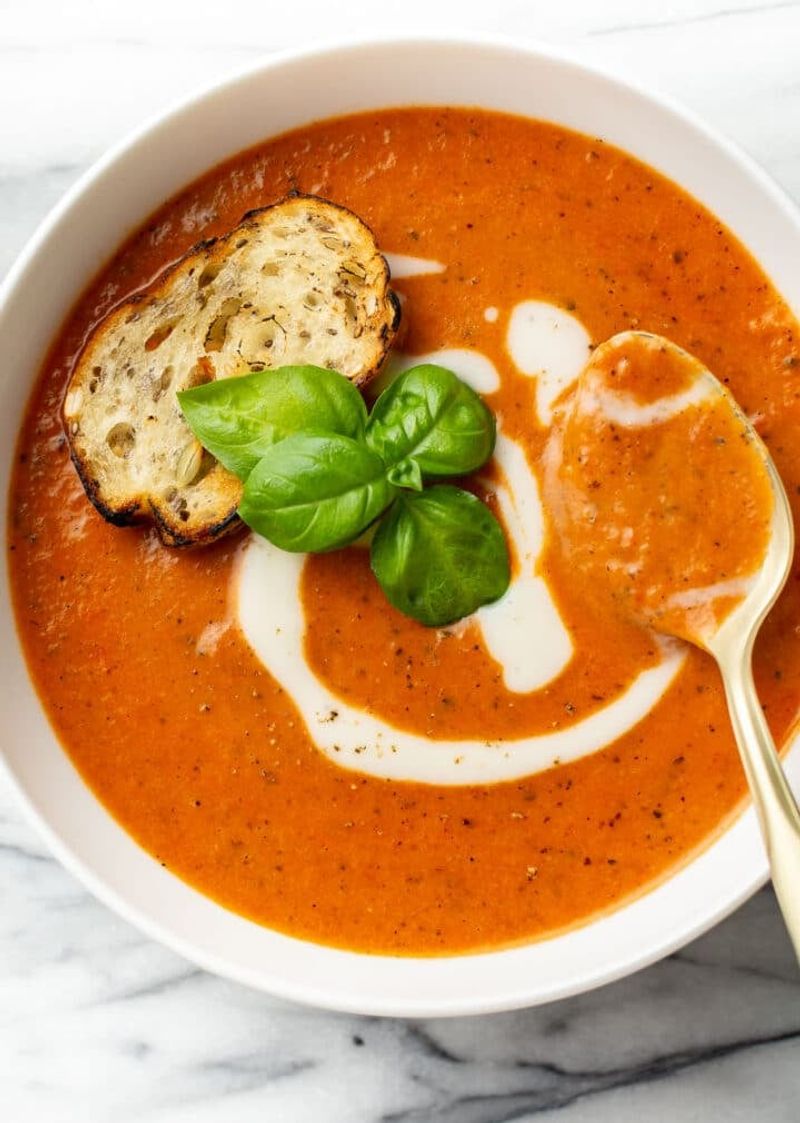
Tomato soup used to bloom with garden acidity and a buttery finish. Lately, it often leans sweet, with a smoother, less tangy profile.
Concentrates and dairy additions tame sharp edges but flatten nuance. You sip and expect tomato spark, yet meet a polite, creamy hush.
The herb notes hover faintly instead of leaping out.
Packaging shapes flavor, too: cartons sometimes taste fresher than cans. Salt cuts and sugar lifts rebalance the spoon.
It is still a grilled cheese soulmate, just quieter than memory. Add roasted tomatoes, a spoon of tomato paste, and olive oil to wake it up.
Suddenly, the bowl sings like your favorite café again.
17. Ice Cream Sandwiches
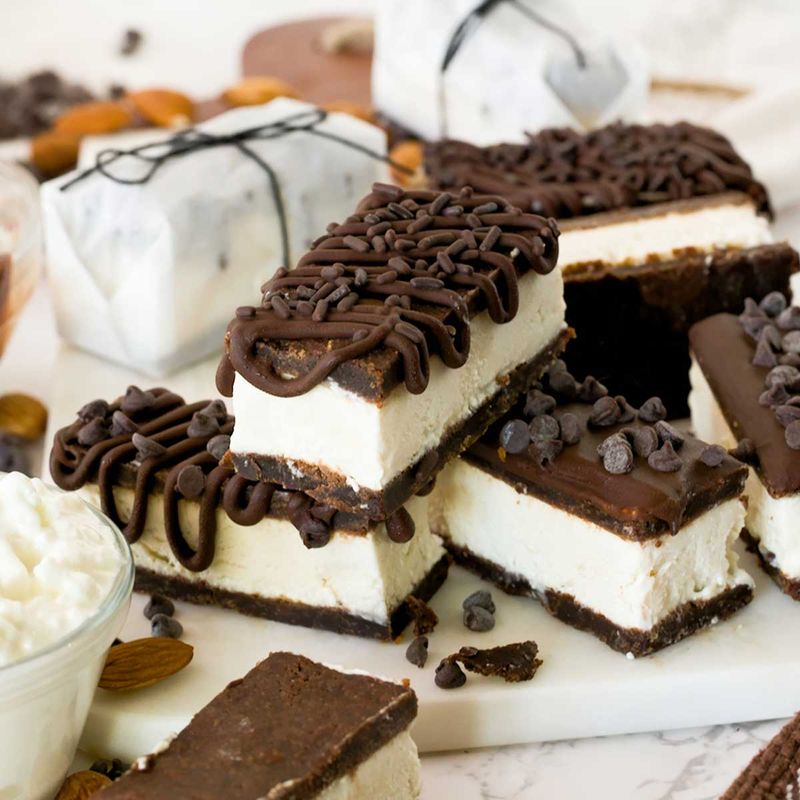
Ice cream sandwiches used to smudge chocolatey wafers with custardy vanilla. Now, some taste thinner, with airy ice cream and cakier wafers.
Stabilizers keep shape but change melt, so the middle dissolves faster and cleaner. You chase a nostalgic drip, but it behaves too neatly.
The cocoa taste in wafers can read muted and sweet.
Portion downsizing changed thickness ratios, shifting every bite. Real dairy levels vary by brand, affecting aroma and finish.
You still love the handheld chill, yet the indulgent slowness is missing. Try premium brands or assemble your own with bakery brownies.
You will get back that dense, creamy linger that refuses to rush.
18. Hot Dogs

Hot dogs used to smack smoky, garlicky, and snappy. Some now taste milder, with less snap and a softer spice mix.
Casings change bite, and leaner meat blends reduce richness. You take a bite and hear less pop.
The finish arrives cleaner but simpler, like a familiar song played on smaller speakers.
Regional butchers still nail that old-school profile. National brands aim for consistency and broad approval.
Smoke flavor can replace slow smoking, shifting aroma. You can level up by steaming buns, using spicy mustard, and seeking natural-casing dogs.
That combo restores the juicy crack and savory hum you remember from ballpark days.
19. Cereal Marshmallows
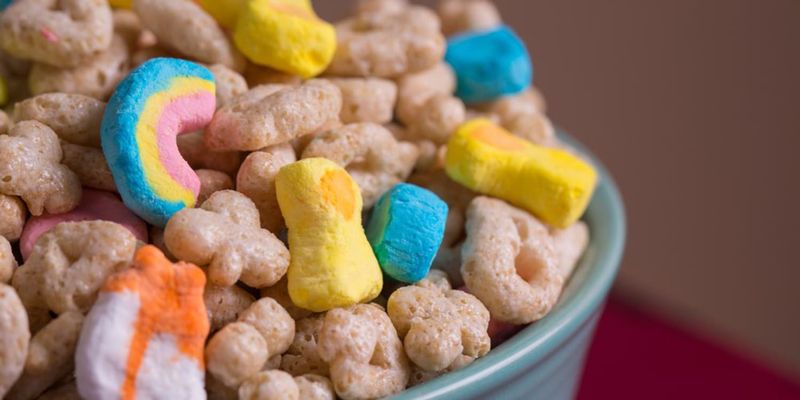
Those tiny marshmallows used to crunch, melt, and perfume milk with vanilla. Now, they can feel extra sugary, less creamy, and oddly uniform.
Dehydration methods and flavorings prioritize shape retention. You chase that magical crunch-to-melt flip but get a quicker dissolve.
The vanilla note seems faint, and the colors do most of the talking.
Base cereal reforms also affect balance. If flakes are less toasty, marshmallows dominate, making the bowl cloying.
You still enjoy the rainbow, yet the charm feels cosmetic. Consider mixing with a plainer cereal to restore contrast.
That way, the little charms sparkle again instead of running the show entirely.
20. Granola
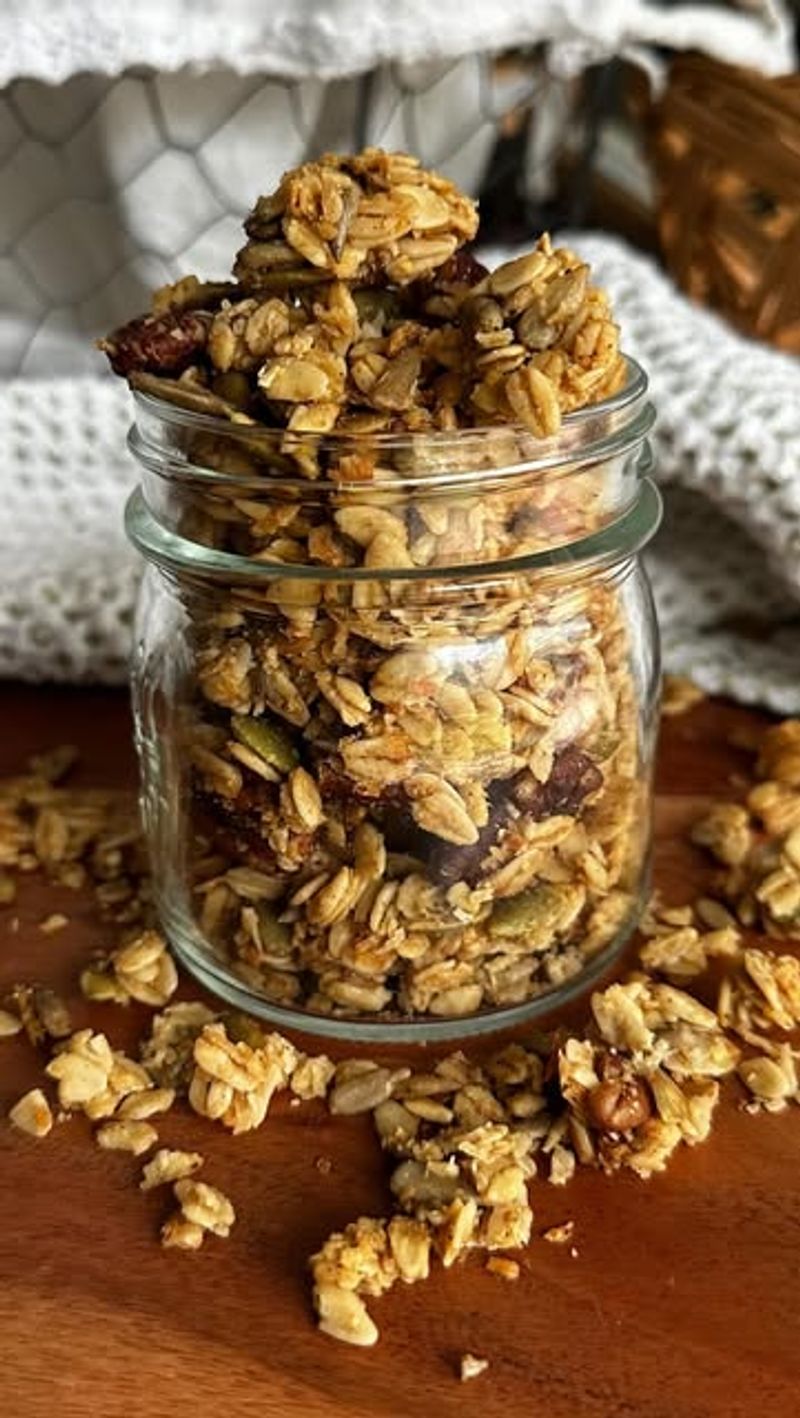
Granola once tasted like toasted oats and nuts held by a whisper of honey. Today, many bags lean candied, with oversized clusters and palm-based oils.
The roast note takes a backseat to sweet crunch. You spoon it and miss that nutty perfume.
Dried fruit can taste sharper, as if balancing extra sugar rather than complementing oats.
Protein fortification and flavorings add uniformity but blunt nuance. You still get crunch satisfaction, just fewer cozy bakery vibes.
Bake at home with olive oil and minimal sweetener to restore balance. Add seeds for bitterness and salt for contrast.
Suddenly, breakfast shifts from candy bowl to campfire-toasted comfort again.
21. Chocolate Milk
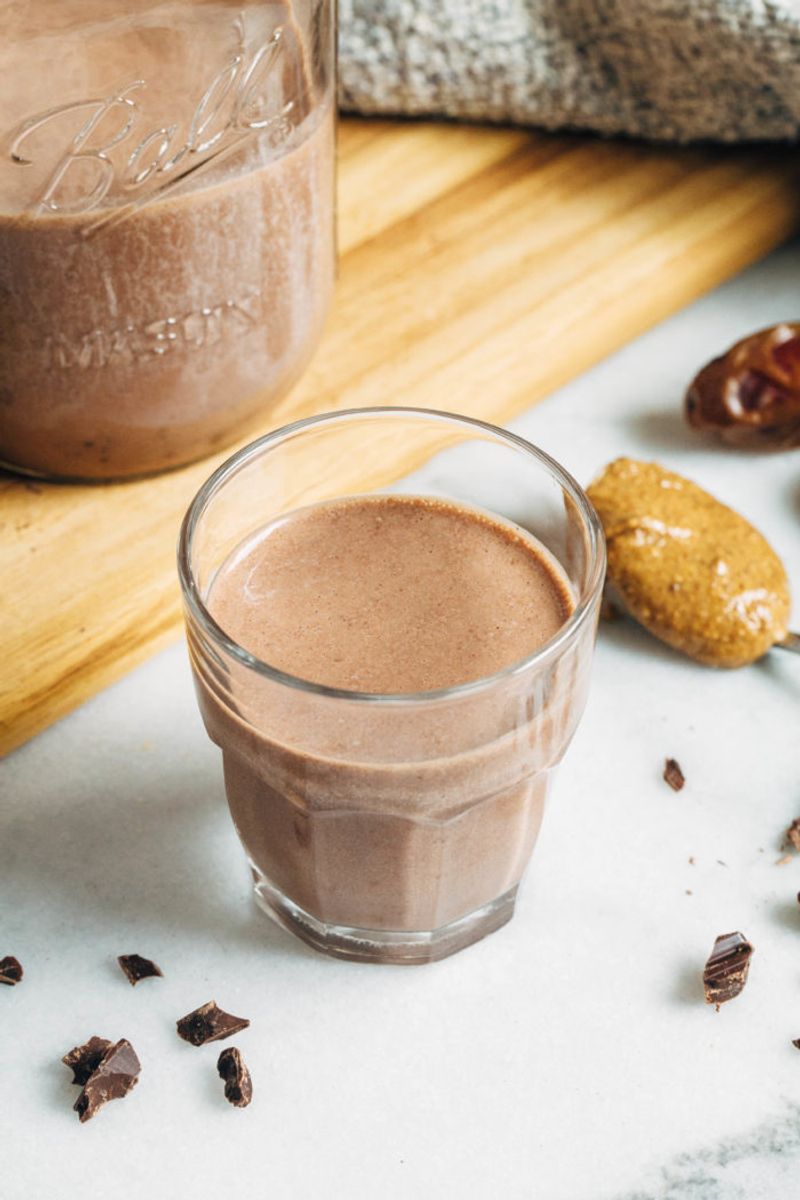
Chocolate milk once felt creamy with cocoa warmth and a mellow sweetness. Now, some bottles lean sugary with thinner body.
Stabilizers smooth texture, but cocoa depth reads faint. You take a sip and wait for bittersweet bloom, yet it fades.
The chill refreshes while the chocolate note stays shy, more whisper than hug.
Lower fat options trade richness for calories, changing mouthfeel. Syrup-based mixes can taste sharp rather than rounded.
You can reclaim nostalgia with real cocoa, a little sugar, and a pinch of salt. Whisk in warm milk, then chill.
The result brings back that lunchroom smile with grown-up chocolate confidence.
22. Fast Food Fries
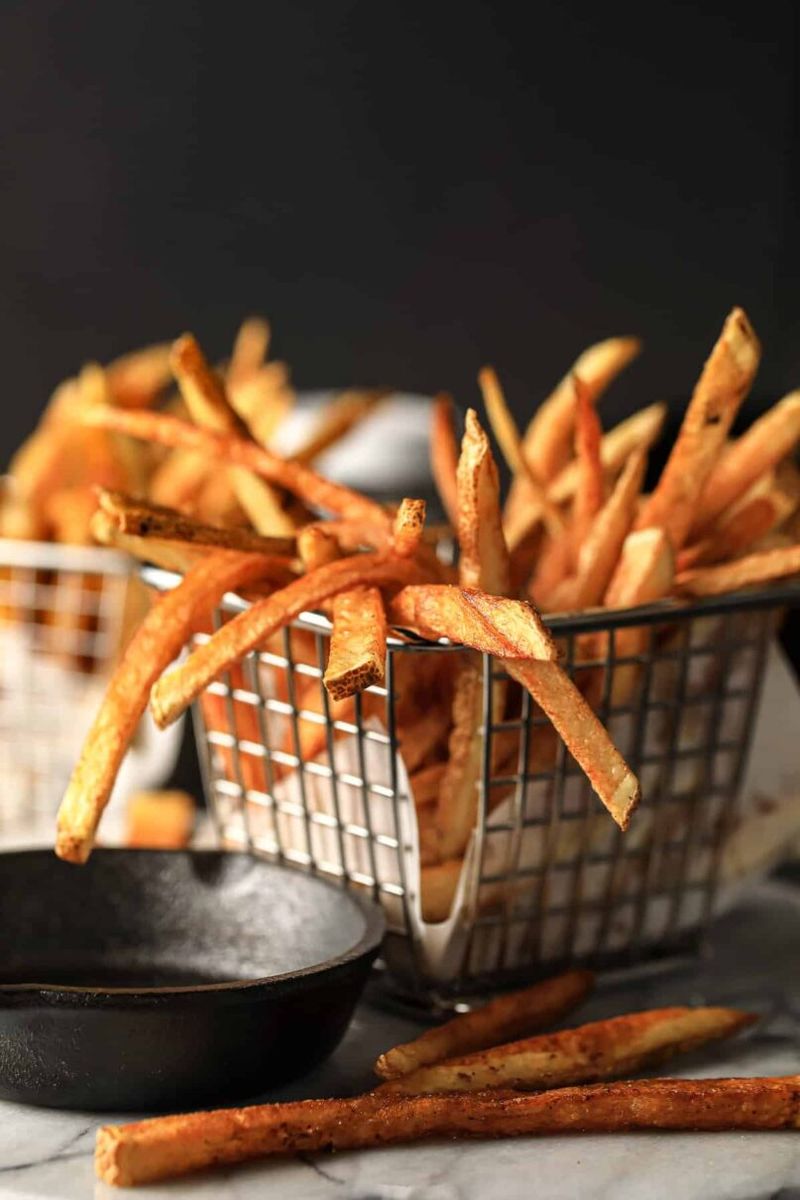
Fast food fries once balanced beefy aroma, crispy shell, and fluffy center. Oil changes and coating tweaks now shape a different bite.
Many taste saltier yet less savory, with crispness that lingers but flavor that drops. You chase that perfect fresh batch, but the magic window feels shorter.
Reheats go limp faster than memory suggests.
Supply shifts and par-fry processes affect potato varietals and sugars. Dipping sauces steal the show, hiding the simpler base.
Still addictive, of course. For home fries, use double-cook methods and beef tallow or peanut oil if safe.
Suddenly, the kitchen smells like an old-school fry station again.
23. Canned Tuna
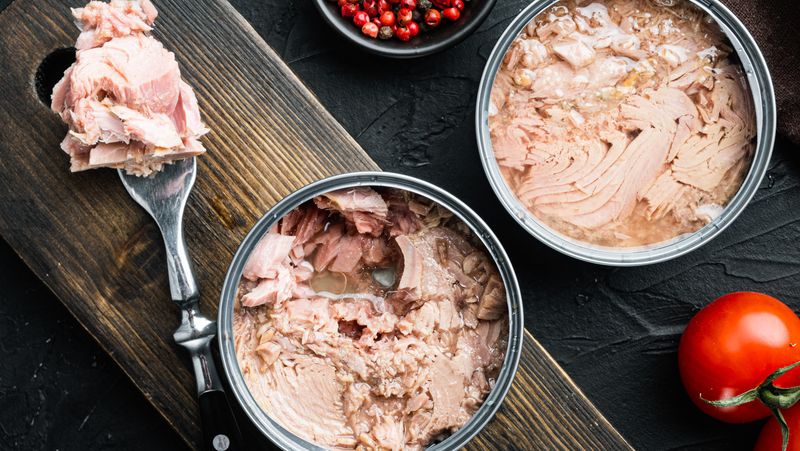
Canned tuna used to taste brinier with firmer flakes. Some cans now feel softer, milder, and slightly metallic.
Species substitution, packing liquid changes, and processing heat alter flavor. You mix a salad and it blends fine, yet the sea note is faint.
The texture collapses quicker under mayo, which hides what little character remains.
Oil-packed options retain flavor better than water-packed, but cost more. Sustainability choices shift species toward milder profiles.
If you miss the old punch, look for pole-caught, skipjack or albacore in olive oil. Add lemon, capers, and cracked pepper.
Suddenly the sandwich pops with the marina breeze you were craving.
24. Rice Krispies Treats
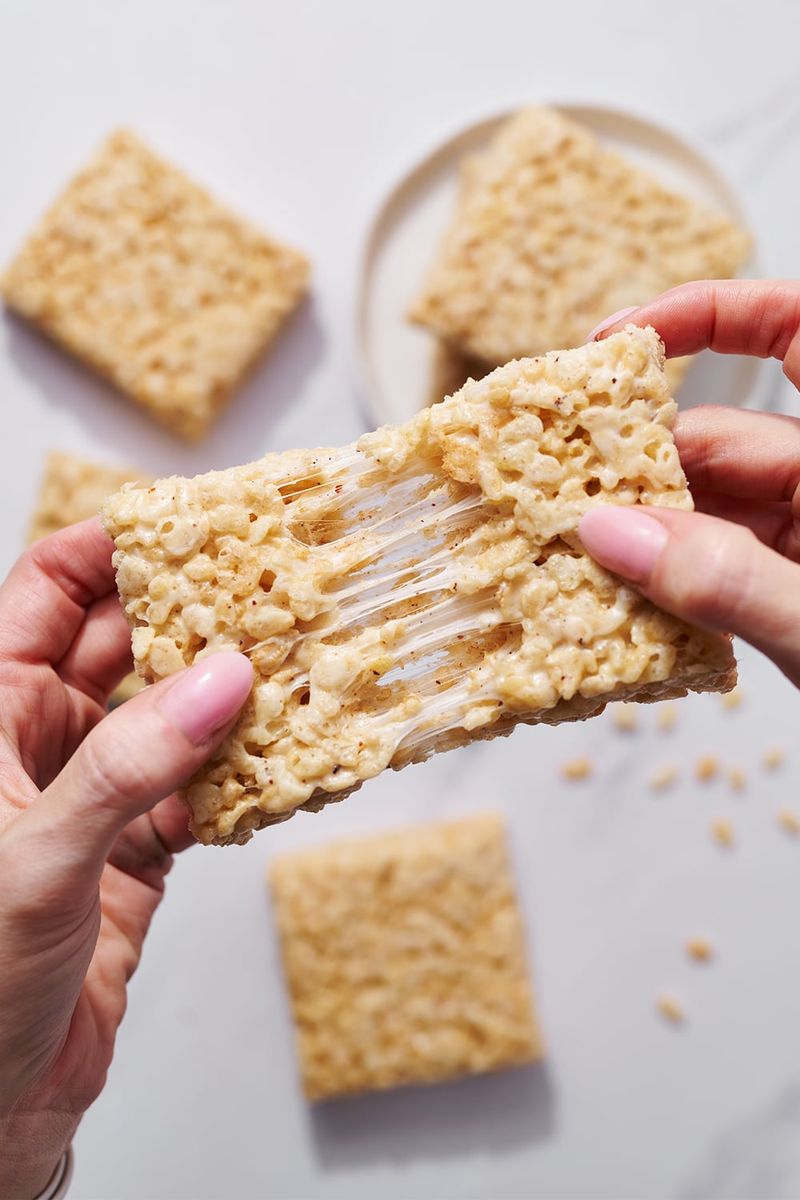
Rice cereal treats used to taste like butter and toasted cereal wrapped in marshmallow glow. Now, many prepackaged bars feel sweeter with less butter aroma.
Shortening and syrups maintain texture on shelves but flatten flavor. You bite in and the chew is right, yet the warmth is missing.
The cereal base tastes quieter, more filler than feature.
Homemade versions still win with real butter and a pinch of salt. Browning the butter transforms everything, adding nutty depth.
You can also fold in vanilla and a handful of extra cereal for crunch. Suddenly, the square sings again, balancing nostalgia with grown-up flavor.
It is the upgrade your memory hoped for.
25. Ice Pops
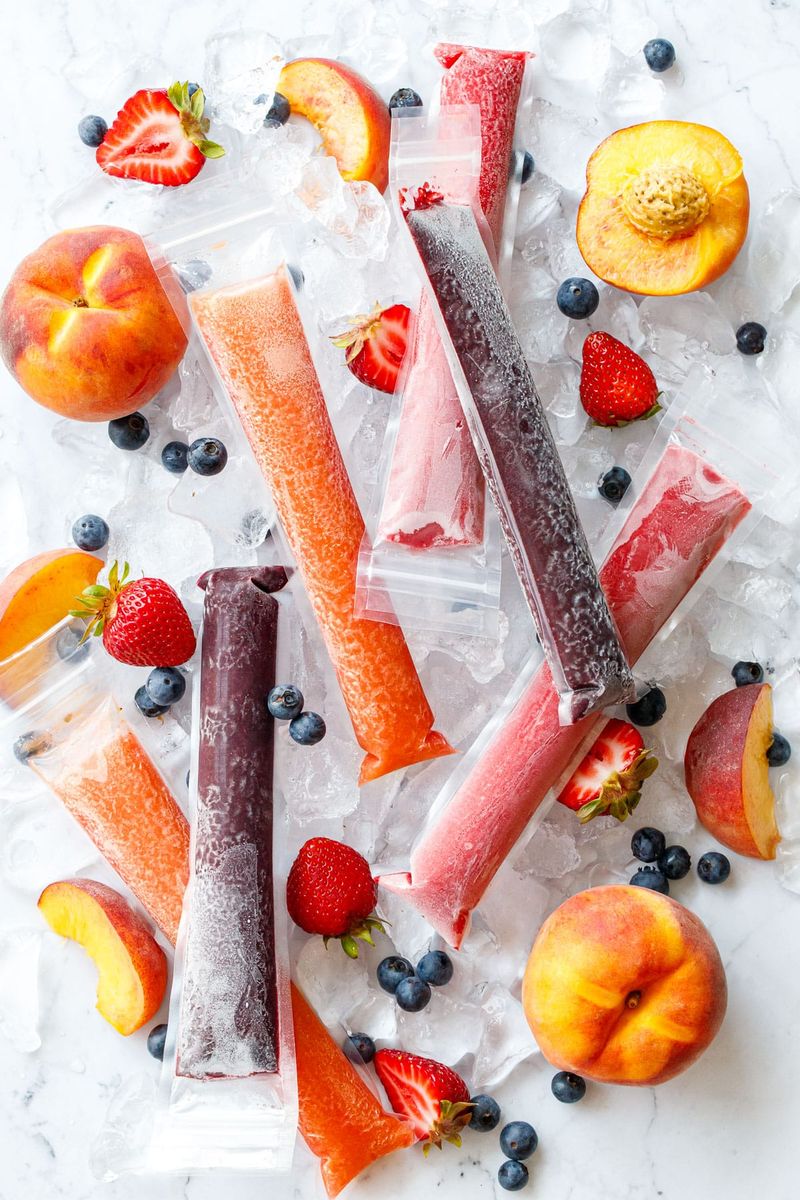
Ice pops used to burst with tart fruit and a playful freeze. Many now taste sweeter, with simpler fruit notes and less acidity.
Stabilizers keep texture smooth, yet dilute brightness. You lick and want a lip-twitching zing, but it cruises mild.
The colors shine while the fruit whispers from the back row.
Real juice percentages vary wildly by brand. The more juice, the more aroma and complexity you get.
You can make freezer pops with blended fruit, citrus, and a touch of sugar. The difference is immediate: cleaner melt and louder fruit.
Summer suddenly tastes like actual orchard and not just color-coded chill.