25 Foods That Became Too Expensive, Causing People To Stop Buying Them
In recent years, several popular foods have skyrocketed in price, prompting many consumers to rethink their spending habits. Here are 25 foods that have become too costly, causing people to cut back or stop buying them altogether.
1. Ribeye, Steaks, And Roasts
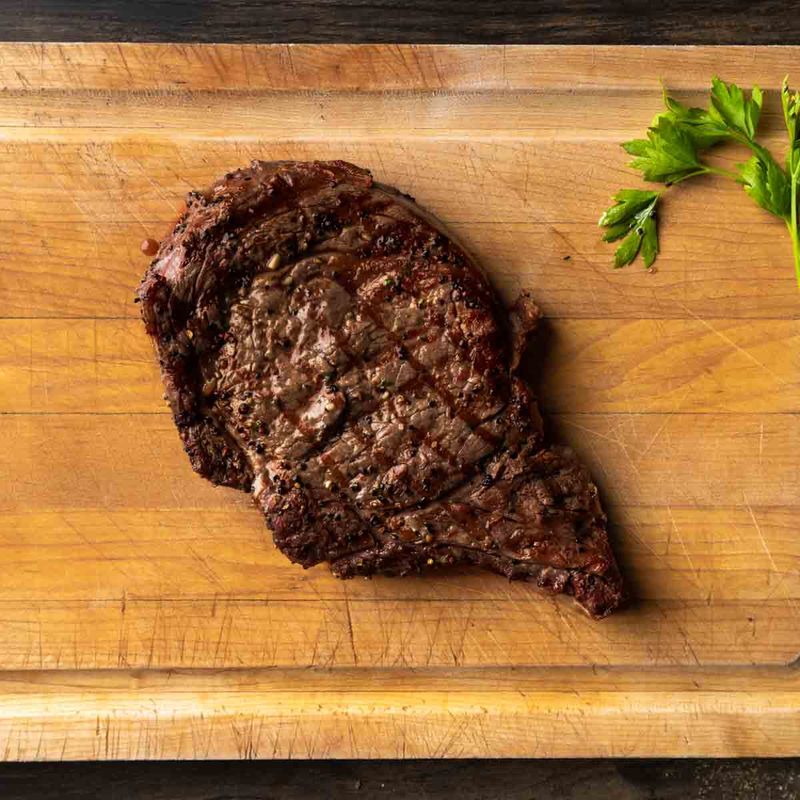
The luxury of ribeye steaks and hearty roasts is now reserved for special occasions. The rising cost of beef means that once-common steak nights are now infrequent treats. Families have swapped these premium cuts for more affordable options like ground beef or chicken.
For many, the sizzling sound of a ribeye on the grill is a rare delight. Special gatherings are now the only time when such indulgences are feasible. The shift has reshaped how people plan their meals, with budget-friendly options taking center stage.
2. Eggs (During The Big Price Spike)

Eggs, once a kitchen staple, became a luxury during the price surge. Shoppers who used to grab multiple cartons began rationing their purchases. Baking projects were shelved, and breakfast became a simpler affair with oatmeal or peanut butter toast taking over.
The humble egg’s versatility couldn’t prevent its decline in popularity. As prices soared, people found alternatives to satisfy their breakfast cravings. The unexpected cost spike led many to reevaluate their shopping lists, focusing on value and practicality.
3. Butter

Butter, the quintessential baking ingredient, saw its price leap to unexpected heights. Home bakers began to ration their use, saving the rich, creamy delight for essential recipes like cookies and pies. Oil became the substitute in less crucial dishes.
The rising costs made people reconsider their baking habits. Special occasions became more cherished as butter was reserved for those delightful moments. The increase in price led to creativity in the kitchen, with bakers seeking cost-effective alternatives.
4. Bacon

Bacon, beloved for its savory crunch, turned into a special treat rather than a weekly staple. Rising pork prices led consumers to use bacon sparingly, treating it as a flavor enhancer in soups and salads rather than a breakfast regular.
The shift in bacon’s availability transformed meal planning. Its distinctive taste is now cherished for special recipes, with families opting for alternative proteins. The expense has inspired a more thoughtful approach to incorporating bacon into meals.
5. Deli Meats And Sandwich Fixings
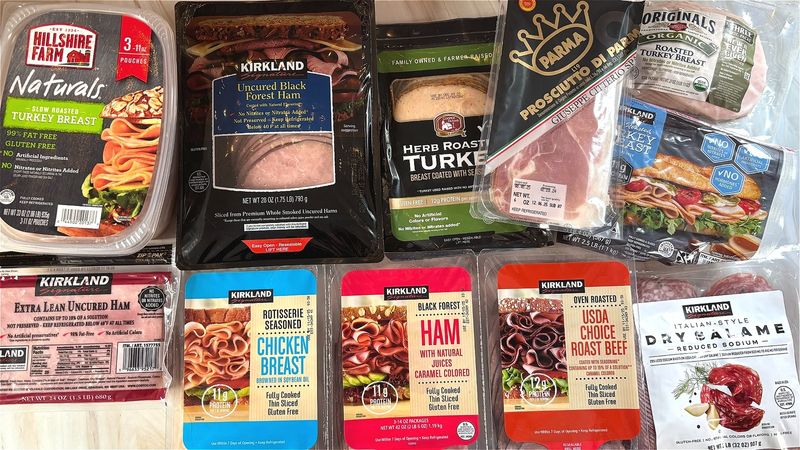
The convenience of deli meats has become a costly luxury. Sliced turkey, ham, and roast beef are now replaced by more budget-friendly options like canned tuna or peanut butter and jelly. Lunches have transformed as people seek economical solutions.
The rising prices have made deli meats an occasional purchase rather than a regular staple. Shoppers have adapted by turning to homemade alternatives, crafting sandwiches that still satisfy without breaking the bank. The shift has encouraged culinary creativity.
6. Extra-Virgin Olive Oil

Once a pantry staple, extra-virgin olive oil’s soaring price has pushed it into luxury territory. People now buy smaller bottles, saving the premium oil for salads and finishing touches, while using cheaper oils for everyday cooking.
The change has led to a more mindful approach to oil use in the kitchen. The rich flavor of olive oil is now appreciated in moderation, reserved for dishes that truly benefit from its taste. Shoppers continue to seek value without compromising on quality.
7. Avocados

Avocados, once a weekly staple for many, saw a slowdown in popularity as prices soared. The inconsistent quality and size, combined with high costs, made guacamole nights a rare luxury.
Shoppers became cautious, buying only when sales were available. The creamy fruit, celebrated for its versatility, became an occasional indulgence rather than a regular addition to salads and sandwiches. This price shift altered how people approached their avocado cravings.
8. Fresh Berries
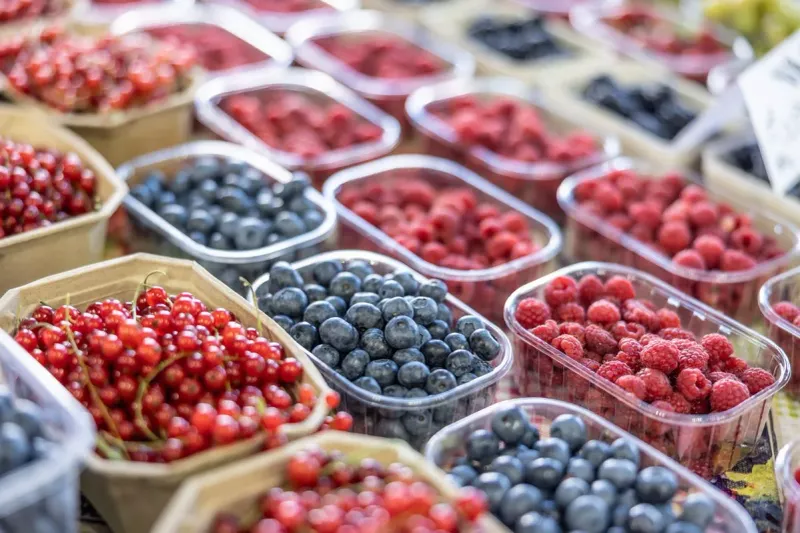
Fresh berries, such as blueberries and raspberries, became a costly treat rather than a daily delight. The rapid price increase led many to turn to frozen options, saving fresh berries for special occasions.
The price hike transformed how people incorporated these juicy fruits into their diets. No longer a common breakfast addition, fresh berries became a weekend luxury. The shift encouraged shoppers to explore cost-effective ways to enjoy their favorite berries.
9. Not-From-Concentrate Orange Juice

Families that once enjoyed a morning glass of not-from-concentrate orange juice found themselves cutting back. The shrinking cartons and rising prices meant that juice became less of a daily habit.
Diluting with water or switching to whole oranges became common strategies to manage costs. The shift in purchasing habits reflected a broader trend of prioritizing value and practicality over convenience, reshaping breakfast routines across households.
10. Specialty Coffee Beans
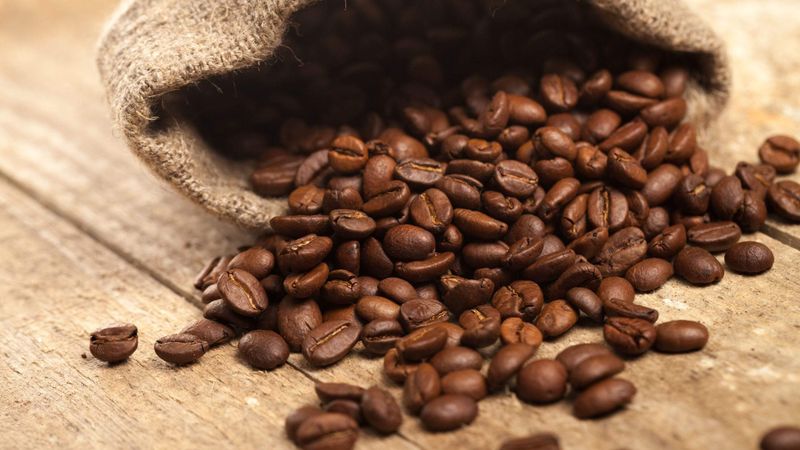
Specialty coffee beans, once a daily indulgence, have become a rare treat. The rising costs have led individuals to stretch their beans longer, mixing in cheaper blends to maintain their coffee rituals.
The shift has encouraged coffee lovers to savor their cherished morning brew, making it a moment of luxury in an otherwise ordinary day. This change reflects broader adjustments in spending habits, where every cup is now carefully considered.
11. Chocolate Bars And Baking Chocolate
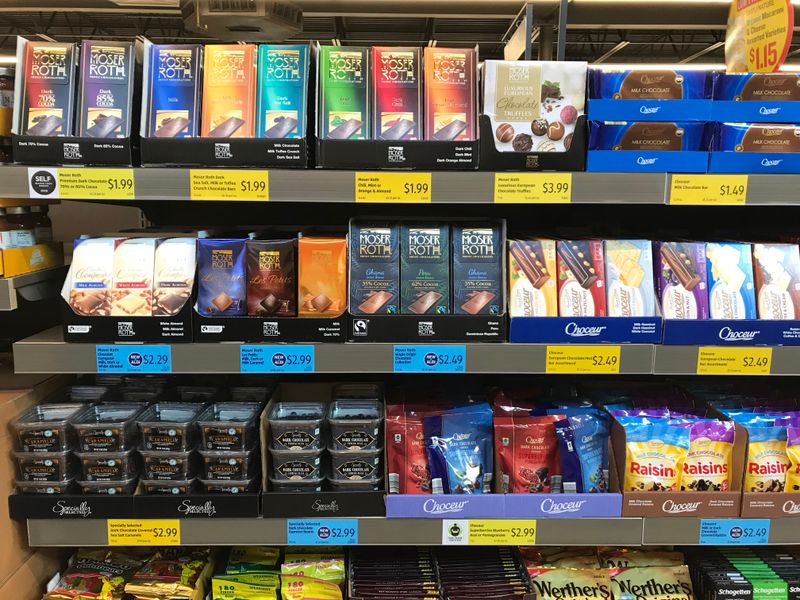
The rising cost of cocoa has made chocolate bars and baking chocolate less accessible. Home bakers have reduced their chocolate-based treats, while impulse purchases at checkout have dwindled.
The once-common indulgence is now reserved for special recipes and occasions. Shoppers wait for sales to enjoy their favorite chocolate bars, transforming how they approach their sweet cravings. The shift highlights a growing focus on budget-friendly choices.
12. Cheese (Especially Imported Or Specialty)

The casual enjoyment of imported or specialty cheeses has been curtailed by rising prices. People now approach cheese as a garnish rather than a staple, grating it over dishes rather than serving it in abundance.
Cheese boards, once a frequent treat, are now reserved for guests or special events. This change in habits reflects a broader trend toward mindful spending, where quality is prioritized over quantity in culinary choices.
13. Nuts: Almonds, Pistachios, Cashews
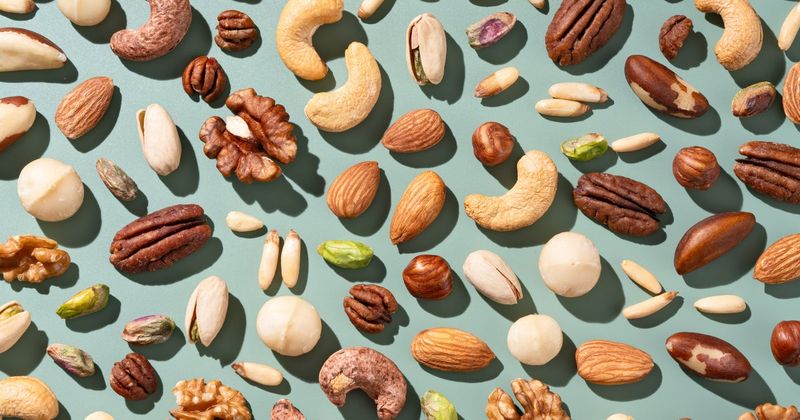
The once-ubiquitous snack of almonds, pistachios, and cashews has seen a decline in popularity. Rising prices have led people to substitute with more affordable options like peanuts and sunflower seeds.
Rather than constant snacking, nuts are now used sparingly in baking or as salad toppings. The shift has encouraged a more thoughtful approach to enjoying these nutritious snacks, focusing on balance and budget.
The change reflects a broader pattern of adapting to price fluctuations while maintaining a love for quality ingredients.
14. Greek Yogurt And High-Protein Dairy

Greek yogurt, once considered an affordable health food, has become a costly indulgence. Rising prices have led consumers to opt for regular yogurt or stretch their tubs with fruit and granola.
This shift has transformed how people incorporate high-protein dairy into their diets. The focus is now on maximizing flavor and nutrition without the added expense, reflecting a broader trend of mindful eating and spending.
15. Breakfast Cereal
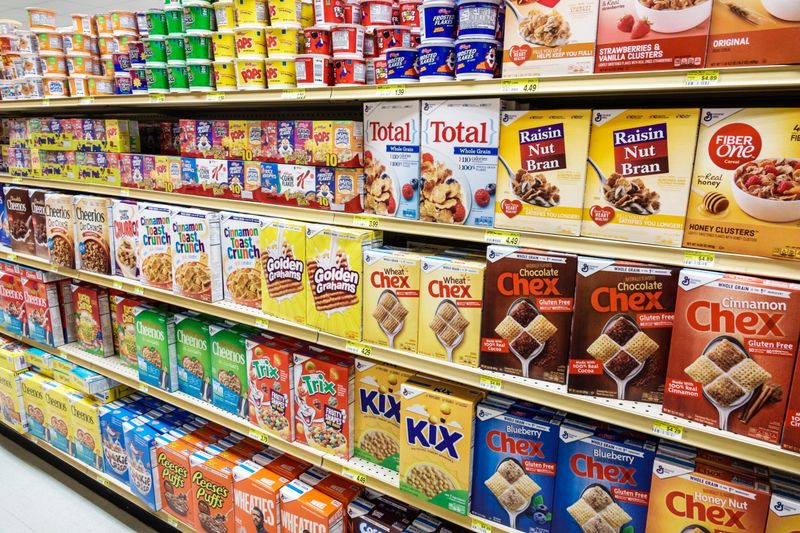
The once-simple pleasure of pouring a bowl of cereal has become more expensive. Families have noticed the lighter boxes and higher prices, leading them to reduce their cereal varieties or explore store brands.
Toast, eggs, and oats have become more common breakfast alternatives, reflecting a shift in morning routines. The change underscores a growing awareness of cost and value, encouraging mindful choices at the grocery store.
16. Fresh Salmon Fillets

Once a go-to choice for a healthy dinner, fresh salmon fillets have become a special occasion treat. The rising costs have led people to buy smaller portions or switch to canned salmon.
This shift reflects a broader trend towards budget-friendly seafood choices. Shoppers continue to seek nutritious options without compromising on quality, finding creative ways to enjoy their beloved fish.
The change in purchasing habits highlights a focus on balance and affordability in meal planning.
17. Shrimp

Shrimp, once a versatile ingredient for cocktails and pasta, has seen a decline in everyday use. Rising prices have led consumers to reduce portion sizes or save shrimp for special meals.
The shift reflects broader adaptations in dining habits, as people seek to maintain their favorite flavors while managing costs. Alternatives like chicken or beans have become more common in recipes, highlighting a focus on budget-friendly choices.
18. Crab And Lobster

Crab and lobster, always considered splurge foods, have become even more exclusive due to rising prices. Special celebrations are now the only occasions when these delicacies are enjoyed.
The high cost has led to a reduction in restaurant orders, with diners opting for less expensive alternatives like fish or steak. This trend underscores a broader emphasis on value, transforming how people approach luxury dining experiences.
19. Restaurant Burgers

The classic restaurant burger and fries, once a budget-friendly meal, have become pricier. Rising beef and labor costs have led many diners to make burgers at home, saving restaurant visits for special occasions.
This shift highlights broader changes in dining habits, where value and quality are carefully balanced. The nostalgic pleasure of a burger is now enjoyed thoughtfully, emphasizing the importance of mindful spending in culinary choices.
20. Fast-Food Combo Meals

Fast-food combo meals, once the go-to budget option, have risen in price, prompting people to rethink their choices. Many now order off the value menu or skip the drink and fries altogether.
This change in habits reflects a broader trend towards cost-effective dining. Cooking at home has become a popular alternative, as families seek to stretch their budgets while still enjoying their favorite flavors.
21. Plant-Based Meat Substitutes
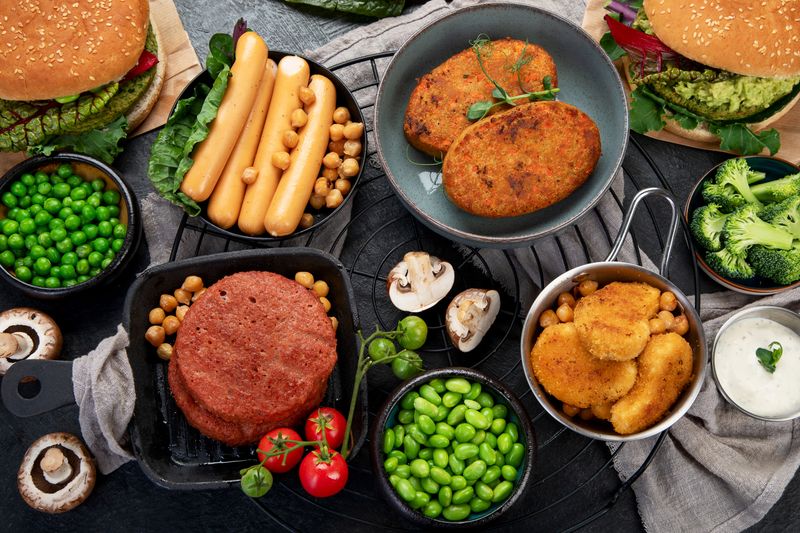
Plant-based meat substitutes, once an exciting alternative, have remained costly despite their popularity. Rising prices elsewhere have led many to return to traditional protein sources like beans and tofu.
The shift reflects a broader focus on value and sustainability, with consumers seeking affordable ways to embrace plant-based diets. Creativity in meal planning has become key, balancing innovation with practicality.
22. Pre-Cut Fruit And Veggie Trays
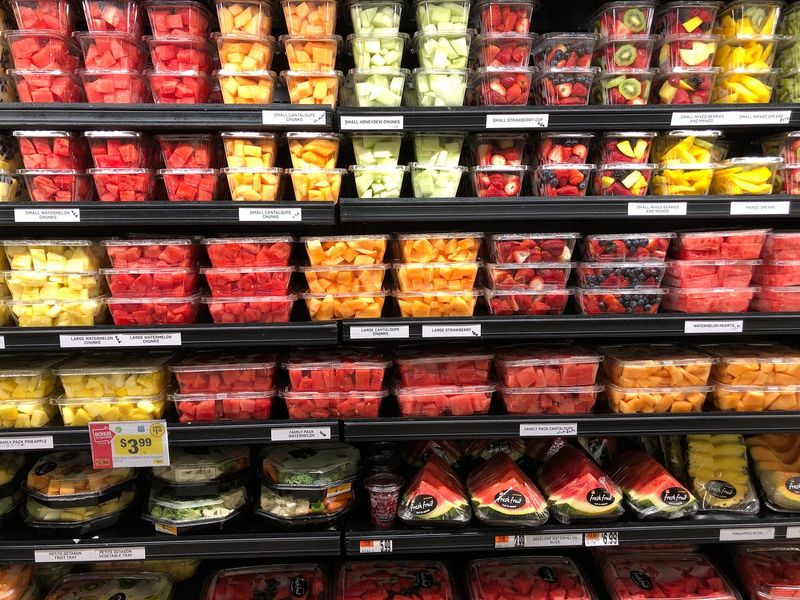
The convenience of pre-cut fruit and veggie trays has become too costly for many. Shoppers are now opting to buy whole produce and prep it themselves, saving both money and enhancing freshness.
This change reflects a broader trend towards hands-on approaches in the kitchen, prioritizing value and quality over convenience. The shift encourages a more engaged relationship with food, embracing the joy of preparation.
23. Prepared Salads, Deli Sides, And Hot Bar Items
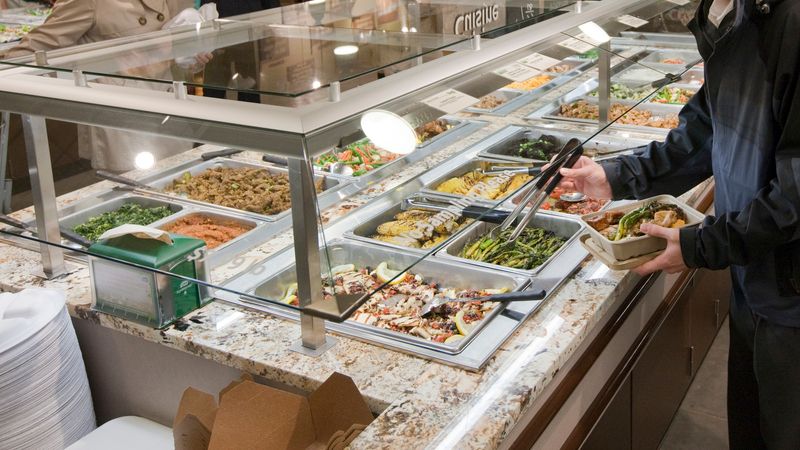
Grocery store hot bars and prepared salads have become as expensive as sit-down meals. Shoppers now view them as occasional treats, opting to build salads at home instead.
This shift underscores a growing emphasis on homemade meals that prioritize both nutrition and cost-effectiveness. The change encourages a focus on culinary creativity, making everyday dining a more personalized experience.
24. Premium Ice Cream Pints

The little treat of a premium ice cream pint has become a luxury. Shoppers have turned to store brands or larger value sizes to satisfy their sweet tooth without breaking the bank.
The shift reflects a broader adaptation to rising costs, where indulgence is balanced with practicality. Ice cream lovers continue to enjoy their favorite dessert, but with a mindful approach to spending.
25. Bottled Iced Coffees And Fancy Ready-To-Drink Drinks

The refreshing convenience of bottled iced coffees has become a costly habit. Many have stopped tossing them into the cart, opting to brew coffee at home and chill it instead.
This change highlights a broader focus on cost-effective solutions, where daily pleasures are reimagined to fit within budget constraints. The shift encourages a return to homemade comforts, embracing the joy of crafting personal favorites.