25 Foods That Were Legal In The 1970s But Are Banned Today
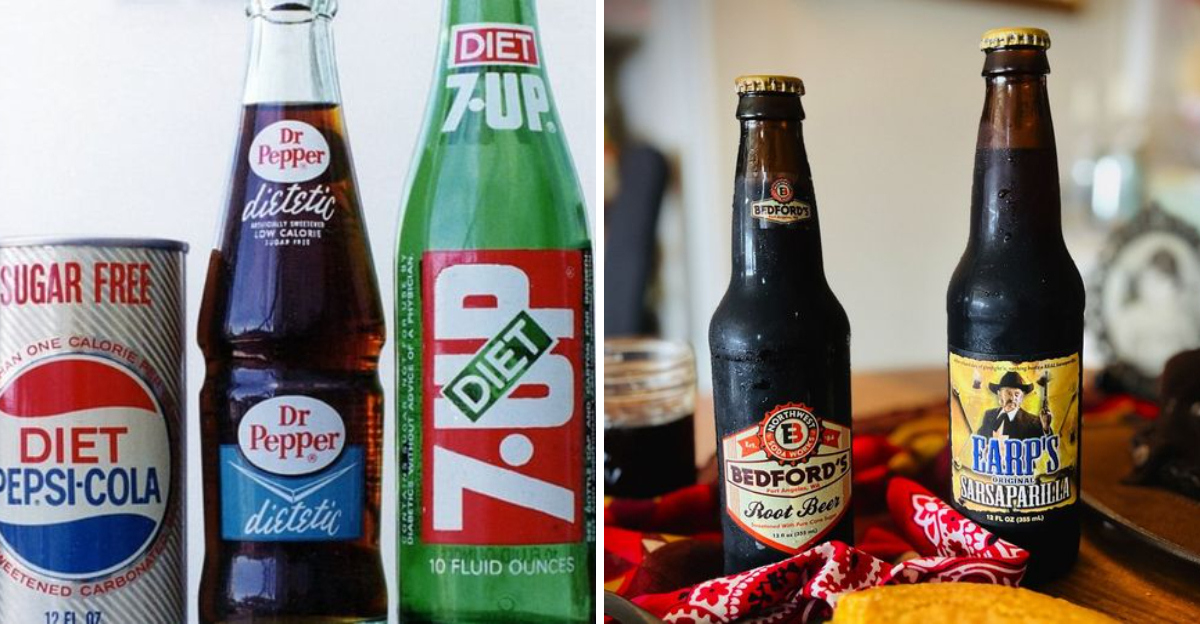
Step back into the 1970s, when snack aisles and diners served things that would raise eyebrows today. Many beloved bites vanished as science caught up with safety and regulations tightened.
You will recognize a few nostalgic names, but the stories behind their bans are even more surprising. Ready to peek into the past and see what disappeared from your plate and why?
1. Cyclamate Sweetened Sodas
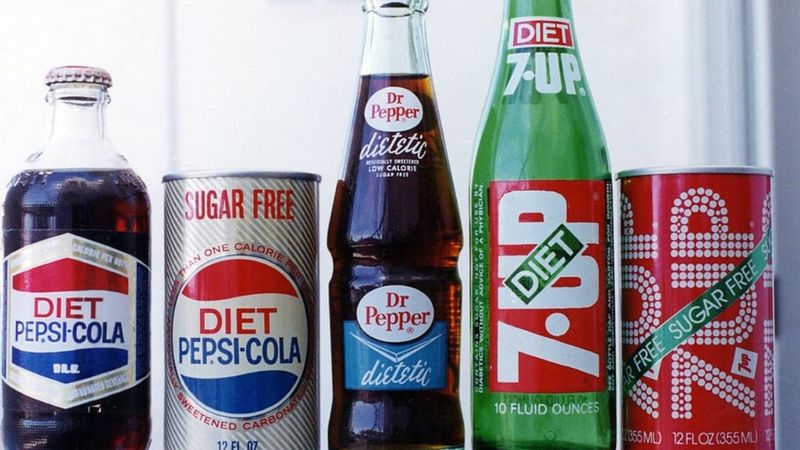
Back in the 1970s, cyclamate sweetened countless diet sodas with a clean, sugar like punch. It seemed like a miracle for calorie watchers, and soda fountains leaned in hard.
Then studies on lab animals sparked cancer questions, and regulators pulled the plug in several countries.
You might still hear old timers swear those colas tasted better. Modern alternatives replaced cyclamate, but nostalgia never fully fades.
Today, cyclamate remains banned in the United States, though used elsewhere. The lesson is simple: what feels harmless today can get reexamined tomorrow, and your favorite fizz can vanish overnight.
2. Red Dye No. 2 Candies
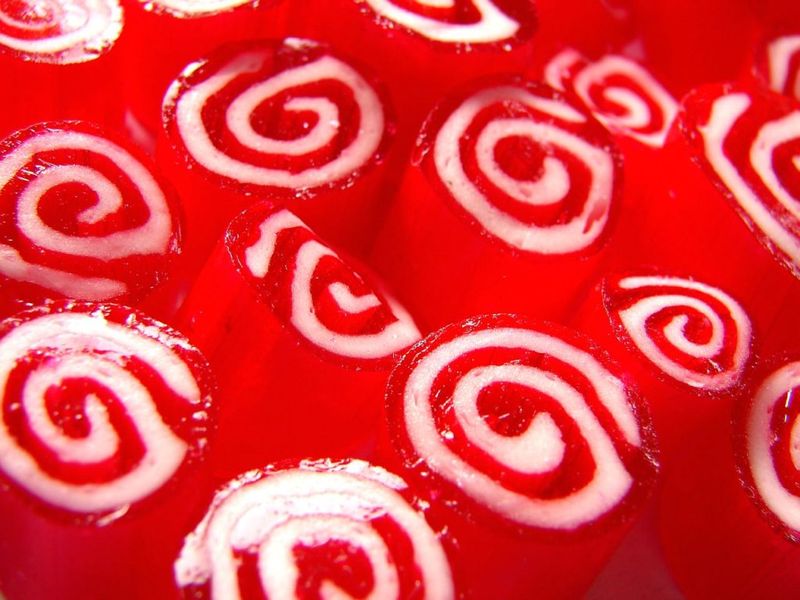
Those bright cherry red candies from childhood owe their glow to Red Dye No. 2. It coated gums, hard candies, and holiday treats in a bold shade that screamed fun.
Then controversy hit after studies suggested potential cancer risks, and the color disappeared from U.S. shelves.
Manufacturers reformulated, but some say the replacements never looked quite the same. You still see vivid reds, just not that dye number.
Labels changed, parents got cautious, and the market pivoted fast. It is a reminder that color can carry consequences, and sometimes the prettiest sweets do not belong in your pantry anymore.
3. Sassafras Root Beer With Safrole
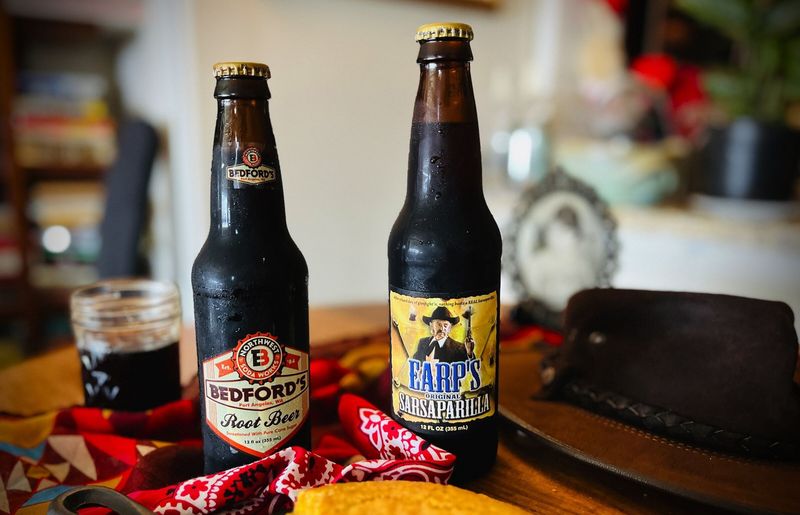
Old fashioned root beer used to lean on sassafras, packed with safrole, for that unmistakable aroma. It smelled like forest and spice, a time capsule in a glass.
Then safrole drew links to liver damage and cancer risk, and the natural version got banned in foods.
Modern root beer still tastes nostalgic, but it relies on safrole free extracts or artificial blends. You get the vibe without the hazard, at least according to regulators.
If you miss the earthy punch, you are not alone. Safety rules nudged tradition aside, but the memory lingers every time a frosty mug hits the table.
4. Kinder Surprise Eggs (U.S.)
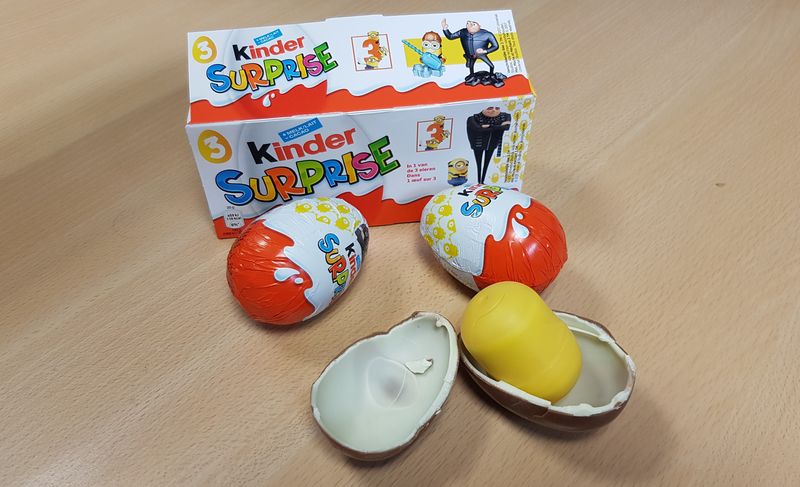
In the 1970s, chocolate eggs with toys inside charmed kids across the globe. The U.S. took a hard line on embedded non food objects, calling them a choking hazard under federal rules.
So while other countries indulged, American shelves stayed empty of classic Kinder Surprise.
You can still buy similar treats with separated toys, but the original design crossed the line. It is not about chocolate quality, just child safety regulations.
If you ever traveled and smuggled a few back, you know the thrill. Nostalgia is sweet, but safety standards put guardrails on surprise filled snacks.
5. Pufferfish Fugu (Many Regions)
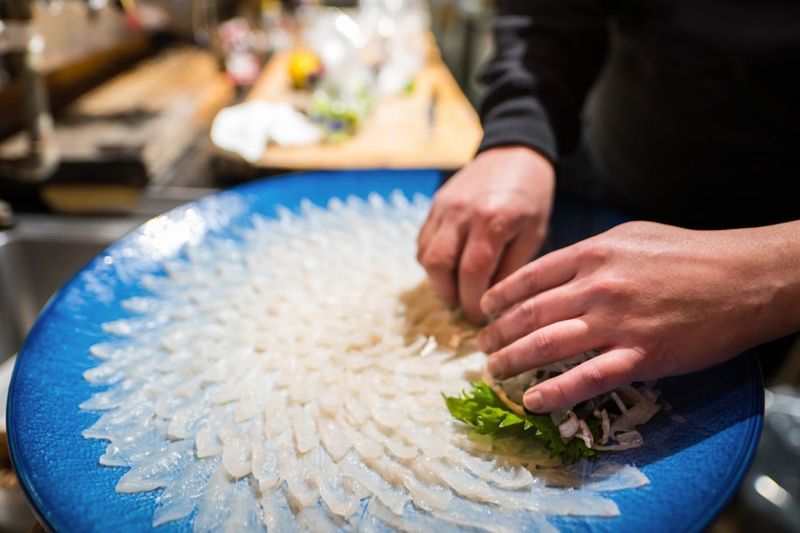
Fugu is legendary, equal parts culinary thrill and cautionary tale. In the 1970s, regulation varied wildly, and some places served it with minimal oversight.
The toxin tetrodotoxin can stop breathing in minutes, which is hardly dinner drama you want.
Today, many regions banned or tightly restricted it, demanding rigorously trained chefs and licensed kitchens. If you chase culinary dares, know that one careless cut spells disaster.
The mystique remains, but access tightened dramatically. For most diners, it is a story to watch on documentaries rather than a plate to chase on a weekend getaway.
6. Raw Milk Cheese Under 60 Days (U.S.)

Back then, raw milk cheeses popped up in markets with minimal aging. The romance of farmhouse wheels was strong, but pathogens do not care about poetry.
Listeria and friends spurred the rule requiring 60 day aging in the U.S. for safety.
You still find glorious raw milk cheeses, just not the young, oozy versions once sold with fewer rules. Europe kept many traditions under strict controls, while America tightened guardrails.
Flavor took a small hit, safety took the wheel. If you crave that youthful funk, you might need a passport or a careful, legal alternative age statement.
7. Margarine With Trans Fats
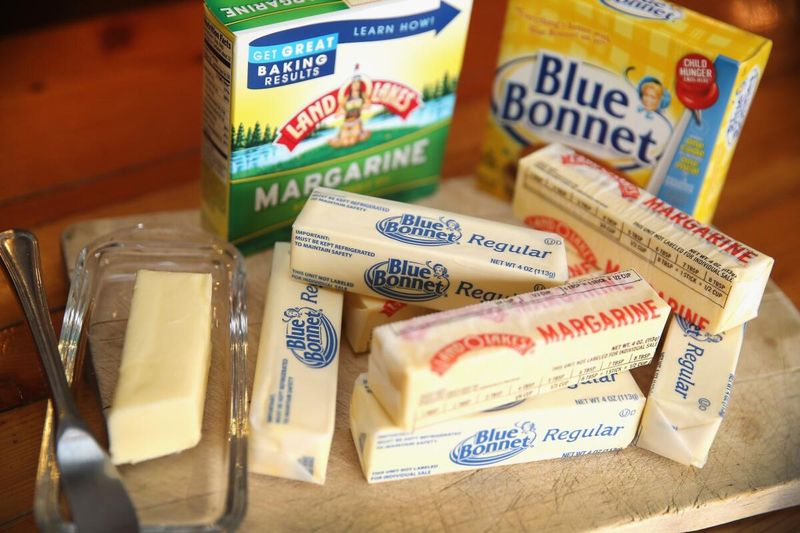
In the 1970s, margarine strutted in as the heart friendly hero. Hydrogenation made it spreadable, cheap, and stable, but it also loaded products with trans fats.
Over time, science showed those fats hurt hearts more than butter ever did.
Countries banned or severely restricted partially hydrogenated oils, pushing reformulations across shelves. You still find margarine, only now without the old industrial baggage.
Labels read cleaner, and doctors exhale a little easier. If your grandmother swore by the golden tub, it is a different formula now.
The spread survived, but the sneaky fats are history in many places.
8. Chilean Sea Bass From Certain Fisheries
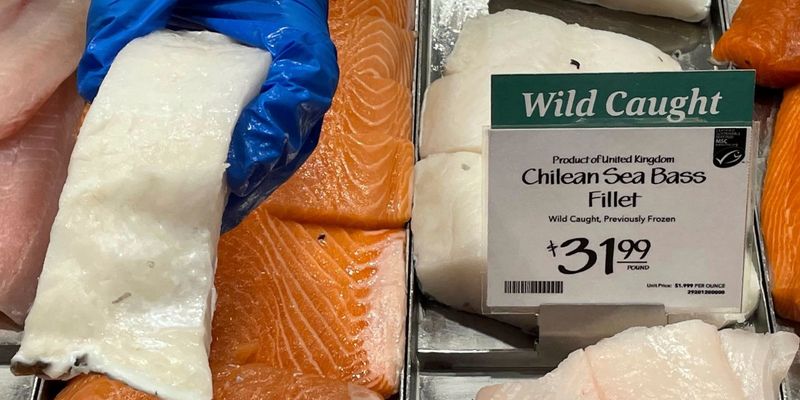
Once marketed hard, Chilean sea bass became a white tablecloth darling in late decades. In the 1970s, oversight lagged, and some stocks were hammered by overfishing.
Today, specific fisheries faced bans or strict import restrictions to protect the species.
Restaurants switched to certified sources or different fish entirely. You might still see it, but the origin matters more than ever.
Sustainability can feel abstract until a favorite disappears from the menu. If you loved that buttery flake, ask where it is from.
Responsible sourcing is the difference between enjoying dinner and draining the ocean quietly.
9. Azodicarbonamide Bread Additive

In the 1970s, fluffy bread with long shelf life felt modern and clever. Azodicarbonamide helped strengthen dough and bleach flour, delivering consistent loaves at scale.
Later, concerns over breakdown byproducts and occupational exposure prompted bans or restrictions abroad.
Many bakeries ditched it, and consumers started scanning ingredient lists. You can still find soft bread without this additive, proof that texture does not require questionable chemistry.
If you crave a pillowy slice, artisan methods and enzymes offer safer routes. The ingredient went from common to controversial, and shoppers learned to ask what makes bread so strangely perfect.
10. Shark Fins In Soup

Luxury banquets once prized shark fin soup for status more than flavor. The 1970s did not see the same conservation spotlight, and fins moved through markets with little friction.
As awareness grew, many regions banned possession or trade to protect shark populations.
Chefs crafted alternatives that mimic the texture without fueling ecosystem damage. You might miss the ceremony, but not the ethics debate.
Today, serving it can spark outrage faster than applause. If cultural tradition matters, consider respectful updates.
The ocean needs sharks more than any party needs a delicate broth with a heavy environmental tab.
11. Olestra Snack Chips (Certain Markets)
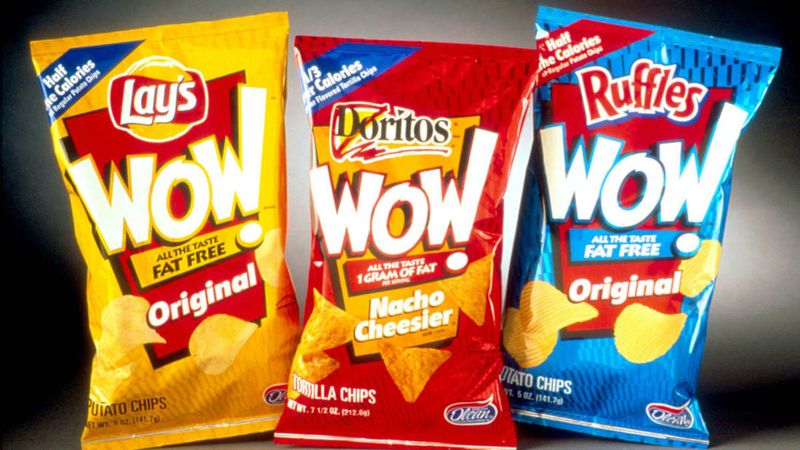
Fat free chips powered by olestra promised crunch without guilt. In the 1970s the tech was brewing, and later decades delivered shelves of bright bags.
Then came the infamous warnings about digestive issues and nutrient absorption concerns, prompting withdrawals or restrictions in some places.
Some markets still allowed them, others quietly moved on. You probably remember the hype more than the flavor.
Better oils and portion mindfulness replaced the gimmick. These days, the lesson lands clearly: shortcuts in nutrition often ask for payback.
Crunch is great, but a balanced snack beats a lab trick with awkward fine print.
12. Sodium Cyclamate Tabletop Sweetener

Beyond sodas, cyclamate once sat beside sugar packets at diners. Stirring it into coffee felt sophisticated, like you had cracked the calorie code.
Concerns over carcinogenicity pushed regulators to ban it in the U.S., though debate never fully ended.
Other sweeteners stepped in, each with their own pros and cons. If you miss the taste, you will find it legal in some countries.
At home, most folks pivoted to aspartame, sucralose, or stevia. The little packet wars continue, but cyclamate’s American chapter effectively closed.
Your morning cup changed forever, even if it still looks the same.
13. Absinthe With Thujone Above Limits
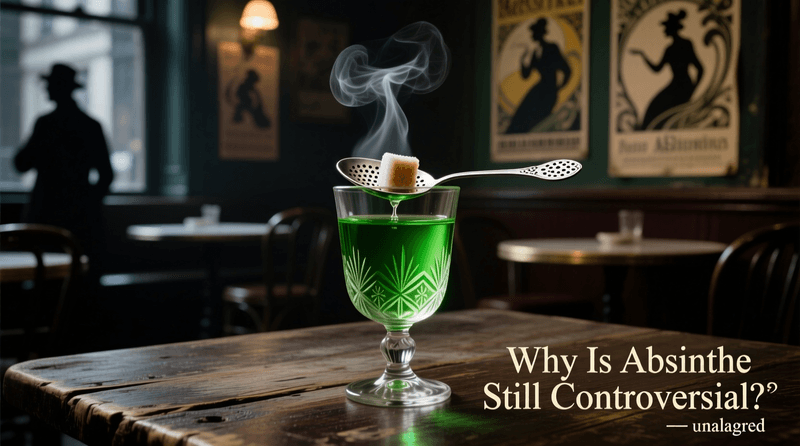
Absinthe floated through bohemian myths, but regulators focused on thujone from wormwood. In the 1970s, bans and stigma lingered from earlier decades, limiting sales in many regions.
Modern rules allow very low thujone levels, effectively banning the old potent formulations.
You can buy absinthe today, but it is not the same wild spirit. The green fairy became a lab measured, compliant bottle.
If you chase romance, you will still find ritual and louche, just not the risky chemistry. Safety standards shaved the edges off a legend, and your glass reflects that compromise every time it clouds over.
14. Lead Soldered Canned Foods
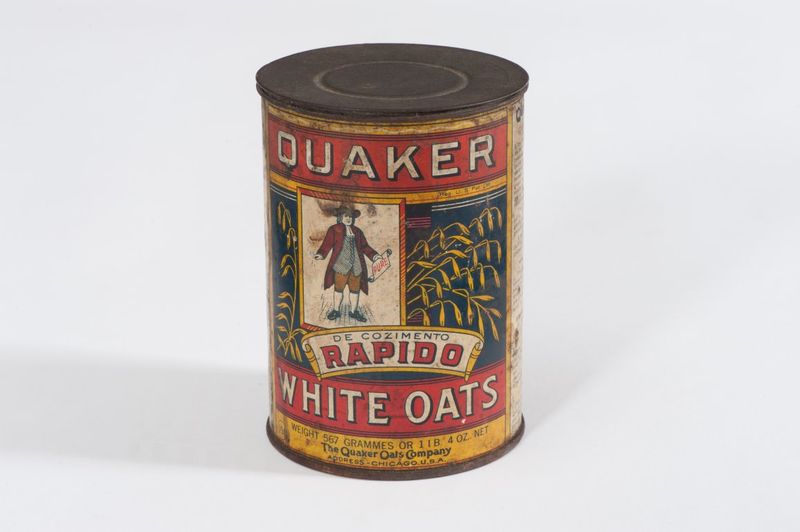
Old cans often used lead solder seams, and nobody blinked much in the 1970s. Over time, research tied lead exposure to serious health harm, especially in children.
Regulations phased out lead solder, effectively banning those canning methods in many places.
Today, modern cans rely on safer seams and liners, though packaging debates continue. If you collect vintage tins, admire them on the shelf, not in the pantry.
Progress here is simple: less lead, fewer problems. Your soup and beans are safer for it, and that is one quiet victory worth celebrating every ordinary weeknight dinner you open.
15. Saccharin In Certain Products (Temporarily Restricted)
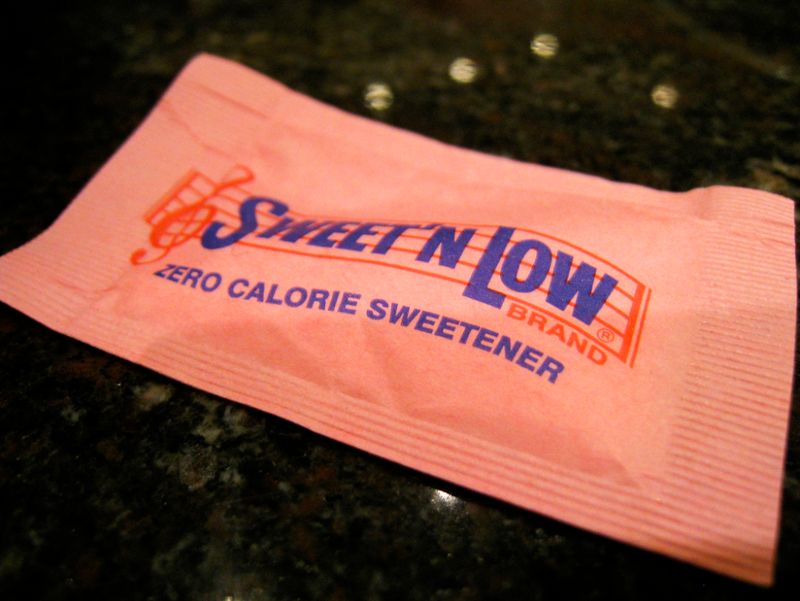
Saccharin survived many scares, but in the 1970s it faced warning labels and restrictions. Some products vanished while others carried advisories after rodent studies raised cancer alarms.
Later reviews softened the stance, but those years reshaped what sat on shelves.
You might remember tiny pink packets and debates at the coffee counter. Today, saccharin is permitted with less drama, yet some specific formulations from that era are long gone.
Consumers moved on, and companies diversified sweeteners. The episode proves how fast risk perception can flip.
Sweetness never stays simple when science and policy hash it out publicly.
16. Rennet From Calf Stomachs In Some Markets

Traditional cheeses used animal rennet, often sourced from calves. In the 1970s, that was standard, and few questioned it.
Later, ethical concerns and supply issues pushed some regions and brands to ban or phase out animal rennet, switching to microbial or fermentation derived alternatives.
Cheese lovers still get incredible texture and flavor with modern enzymes. If you shop vegetarian, labels matter more than ever.
The ban is not universal, but certain markets drew hard lines. For many, it is a quiet shift with big implications, letting more people enjoy cheese without wrestling with the old sourcing debate.
17. Irradiated Spices Without Labeling
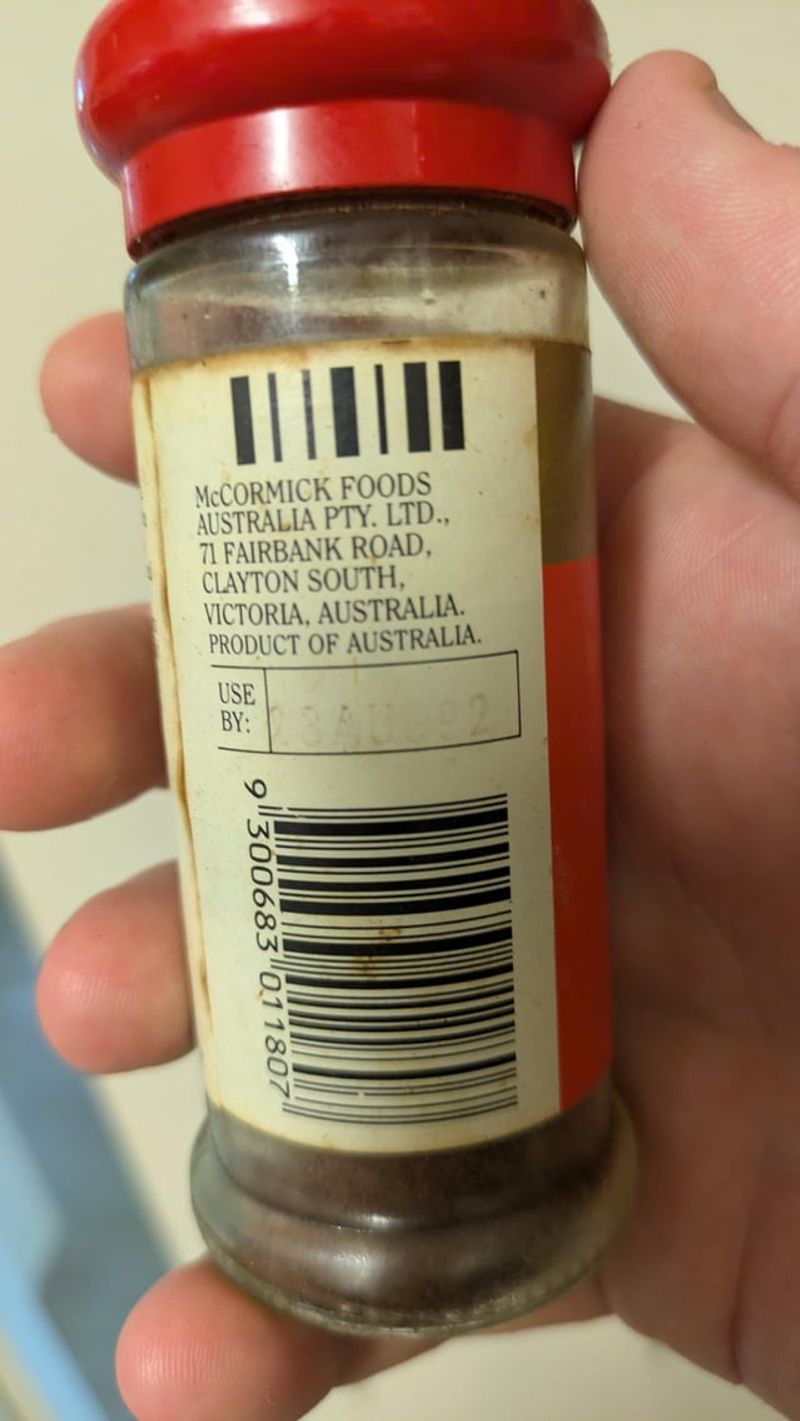
The 1970s saw experiments with irradiation to kill pathogens in spices. Without clear labeling, trust wobbled, and some regions banned unlabeled irradiated foods.
Today, irradiation may be allowed, but transparency rules make hiding it unacceptable.
You benefit from safer spices and honest packaging. The compromise is simple: use the tech, tell the truth.
If labels once scared you, modern standards aim to inform instead of alarm. Your curry and chili still sparkle with flavor, just minus the microbial hitchhikers.
It is progress that feels invisible, until you consider how rarely spices now cause outbreaks.
18. Artificial Vanilla With Coumarin
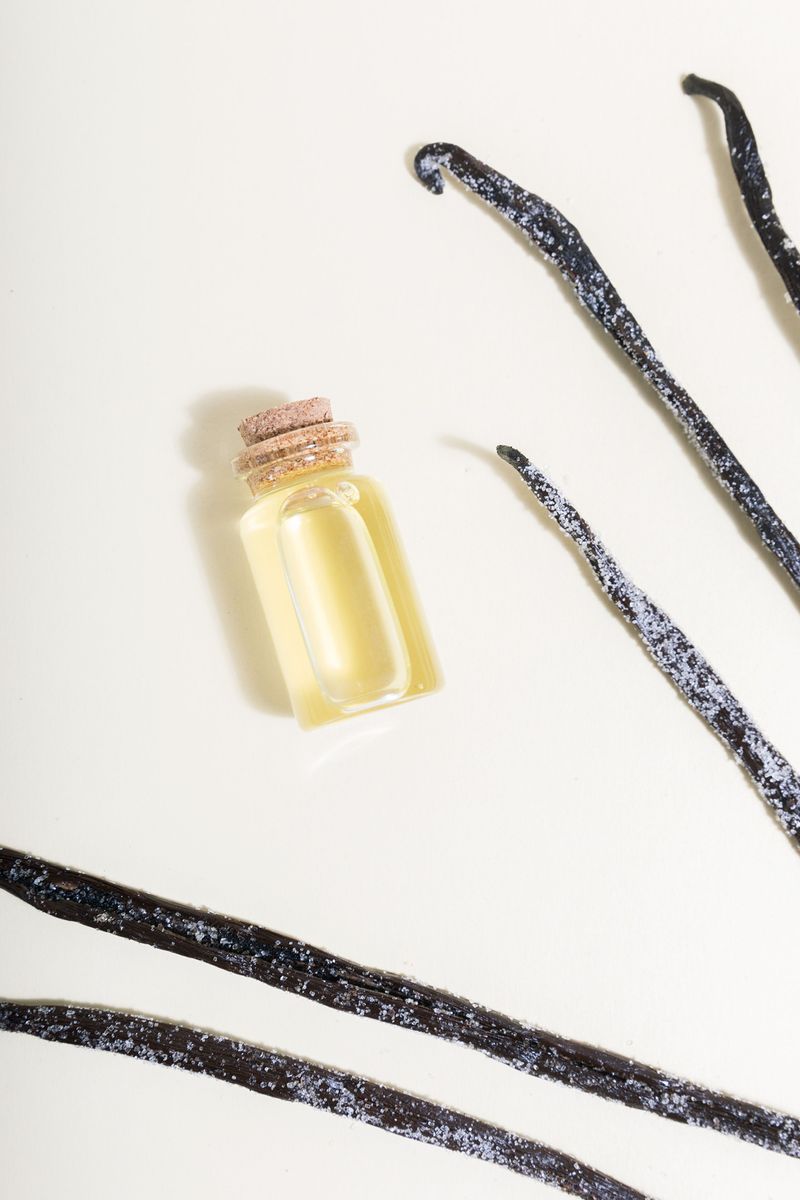
Some imitation vanilla once leaned on coumarin, a compound tied to liver toxicity. In the 1970s, it still slipped into certain markets and imports.
As data mounted, regulators banned coumarin as a flavor additive in many countries, cutting it from syrups and candies.
Real vanilla and safer synthetics filled the gap. If a bargain bottle tastes oddly woody and sweet, check the label.
The ban cleaned up a murky corner of flavoring. Bakers got better options, and you got fewer risks in your cookies.
Nostalgia is fine, but not when it shadows your dessert with avoidable health concerns.
19. Colorant Red 4 In Some Foods
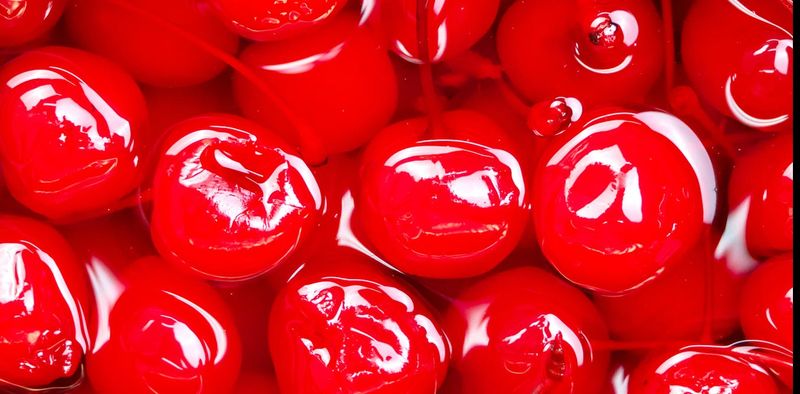
Red 4 once colored snacks and beverages with a bright, festive hue. Then safety reviews narrowed its permitted uses, banning it from certain foods while allowing limited cosmetic applications.
The 1970s marked a turning point as labels and oversight tightened.
Manufacturers swapped in other reds, sometimes with mixed visual results. If holiday treats looked different one year, this dye shuffle might be why.
Consumers got savvier, and regulatory updates kept rolling. Today, your candy aisle reflects decades of trial and error, with Red 4 mostly sidelined from foods where it once shined unchallenged.
20. Brominated Vegetable Oil In Sodas (Many Regions)
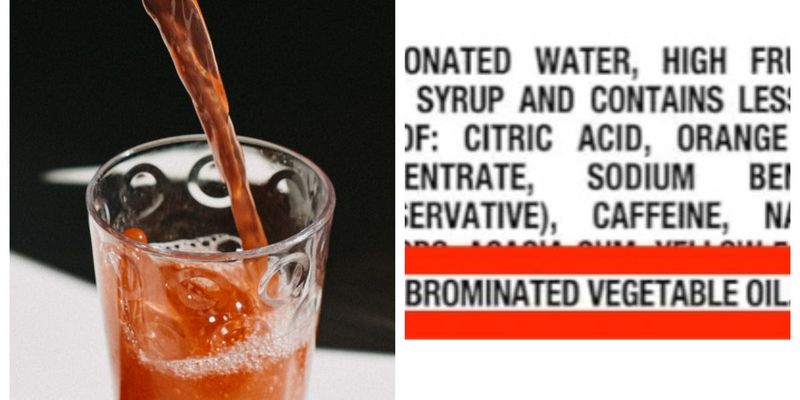
BVO helped keep citrus flavors suspended in sodas so they looked and tasted consistent. In the 1970s, that tech felt like magic in a bottle.
Later, bromine accumulation concerns triggered bans or phase outs in many countries, with brands reformulating to safer emulsifiers.
If you loved neon orange soda, you might notice subtle differences now. The fizz still pops, but the ingredient list looks cleaner.
You can thank persistent advocacy and evolving science for the switch. Your thirst gets quenched without extra baggage, and that is a trade worth toasting with a newly reformulated can.
21. Foie Gras From Force Feeding (Some Regions)
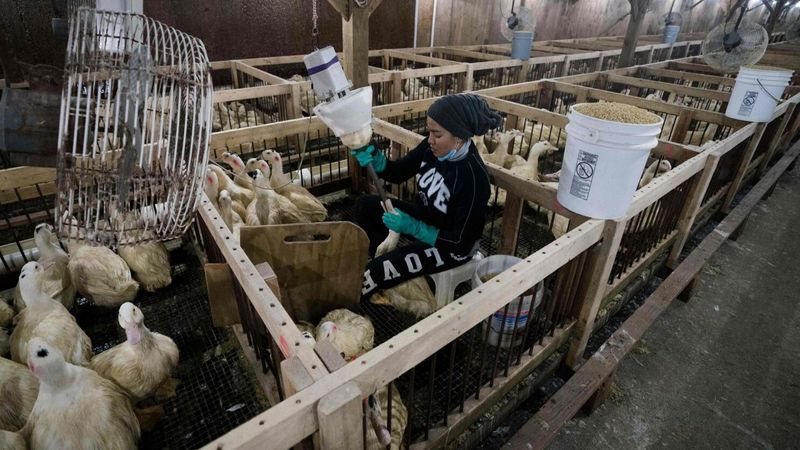
Foie gras carries centuries of culinary prestige, yet the method of force feeding stirred ethical outrage. In the 1970s, protests began gaining traction, and later decades brought bans in certain regions.
Restaurants faced tough choices between tradition and compassion.
Today, some places outlaw production or sale, while others allow it under strict rules. Alternatives from naturally fattened birds are emerging.
If you loved the silky texture, you may find ethical versions or opt out entirely. Dining can be pleasure without cruelty, and that conversation reshaped menus more than any trend could.
22. Kashrut-Untested Gelatin In Some Import Candies (Specific Bans)
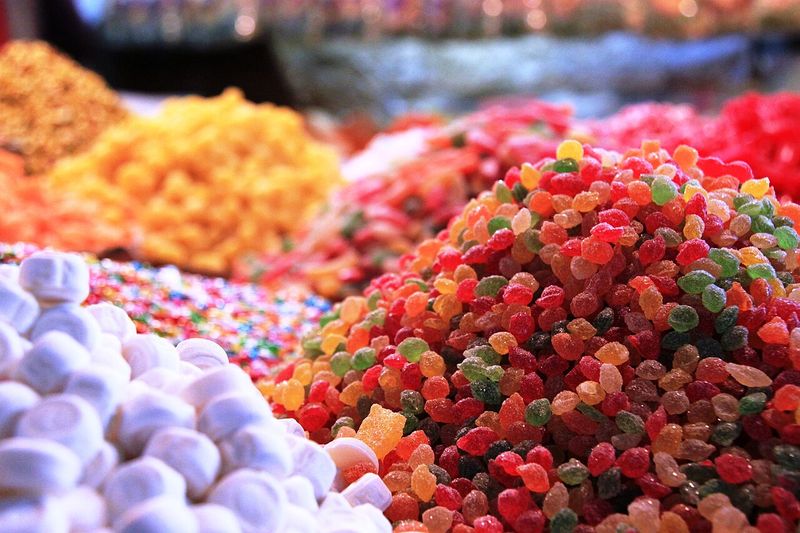
Import candies in the 1970s sometimes used gelatin without clear sourcing. For communities requiring kosher certification, that ambiguity led to targeted bans or seizures in certain jurisdictions.
It was not poison, but it violated religious dietary law and consumer expectations.
Today, clearer labels and certified gelatin changed the landscape. You can enjoy gummies without second guessing.
Retailers learned that transparency is not optional when trust is on the line. The bans might seem niche, but they pushed the whole market toward better documentation, which ultimately helps everyone scanning the ingredients panel before that sweet bite.
23. Raw Sprouts In Certain Institutions
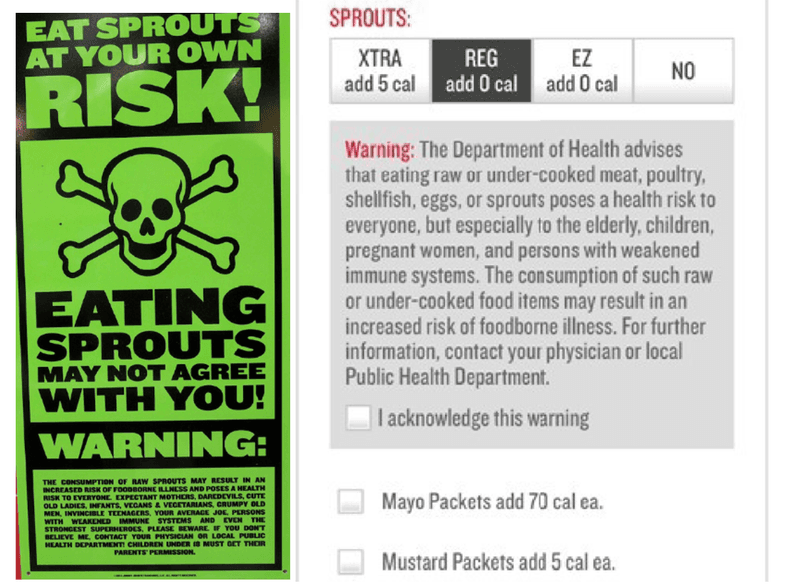
Sprouts looked like health in a handful during the 1970s natural foods boom. Unfortunately, warm, moist sprouting conditions also breed pathogens.
After outbreaks, some hospitals and institutions banned raw sprouts to protect vulnerable populations.
You can still enjoy them at home with care or opt for cooked versions. Chefs learned to rinse, test, and sometimes replace sprouts with safer crunch.
The vibe remains fresh, just more mindful. If you miss that sandwich layer, try lightly sautéed alternatives.
Safety first is not buzzkill, just a smarter way to keep the green goodness on your plate.
24. Artificial Sweetener P-400 (Obscure Regional)
Some regions experimented with niche sweeteners like P 400 during the 1970s diet craze. Documentation later flagged metabolic concerns and inadequate testing, prompting bans where it had briefly appeared.
It never went mainstream, but it shows how fast novelty can leap onto shelves.
Today, global standards demand deeper safety data before approval. You probably never tasted it, which is for the best.
The market’s sweet tooth now leans on better studied options. If a new packet appears overnight, it will face a tougher road than P 400 ever did, and that protects your morning coffee ritual.
25. School Cafeteria Pink Slime Beef
In the 1970s, processed beef additives were less scrutinized, and lean finely textured beef later earned the nickname pink slime. Public backlash surged as ammonia treatments came to light, pushing schools and chains to ban or restrict it.
The meat was technically safe, but perception matters.
Today, sourcing demands transparency and better grinding practices. If you bite a burger at school now, odds are it is cleaner on paper and palate.
The episode reminded everyone that cost cutting can backfire. You want lunch you can trust, not a chemistry lesson disguised as a patty.