25 Foods You Should Never Heat Up Again As Leftovers
Not every leftover deserves a second spin in the microwave. Some foods change texture, lose flavor, or even become risky when reheated the wrong way.
Before pressing reheat, learn which dishes are better cold, repurposed, or tossed to keep your taste buds happy and your stomach safe. Let this be your go to guide the next time you open the fridge with a fork in hand.
1. Cooked Rice
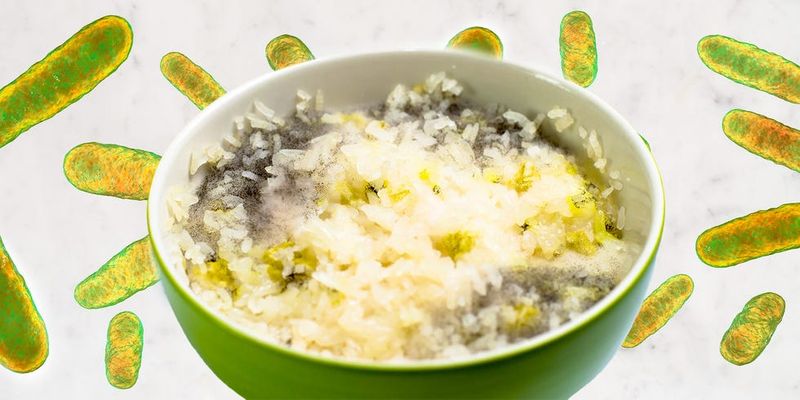
Leftover rice seems harmless, but it can harbor Bacillus cereus, a heat resistant bacteria that may survive reheating. When rice sits out too long, toxins can form and heating does not reliably destroy them.
If you must save rice, cool it quickly, refrigerate promptly, and eat within a day.
Reheating often dries grains, leaving them hard or gummy. Instead, repurpose cold rice into a quick salad with crunchy vegetables and a zesty dressing.
For warm dishes, cook fresh rice or steam briefly with added moisture and care. When in doubt, do not risk it.
2. Spinach
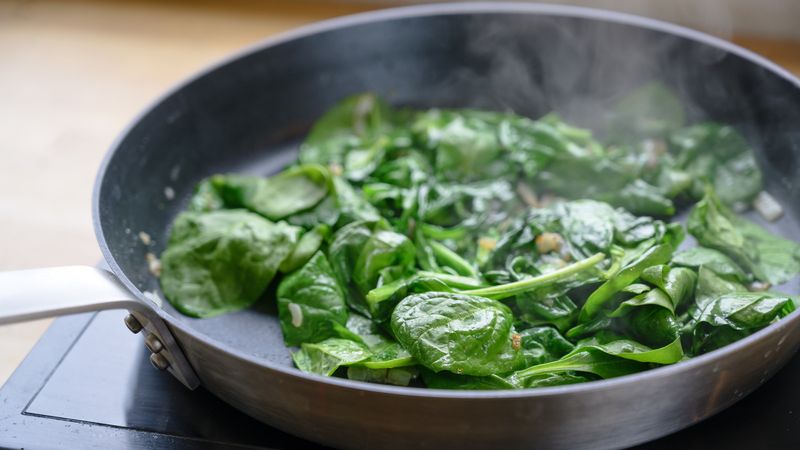
Spinach contains nitrates that can convert to potentially harmful nitrites when reheated, especially at high temperatures. The bright leafy flavor also turns dull and metallic after a second heat.
If you cooked a big batch, enjoy it promptly and store the rest chilled for a cold use instead.
Use leftover spinach cold in smoothies, omelets added at the end, or folded into ricotta for toast. You keep nutrients and avoid rubbery texture.
If you prefer warm greens, sauté just what you need. Freshly cooked spinach always tastes better and sidesteps unnecessary risk.
3. Mushrooms
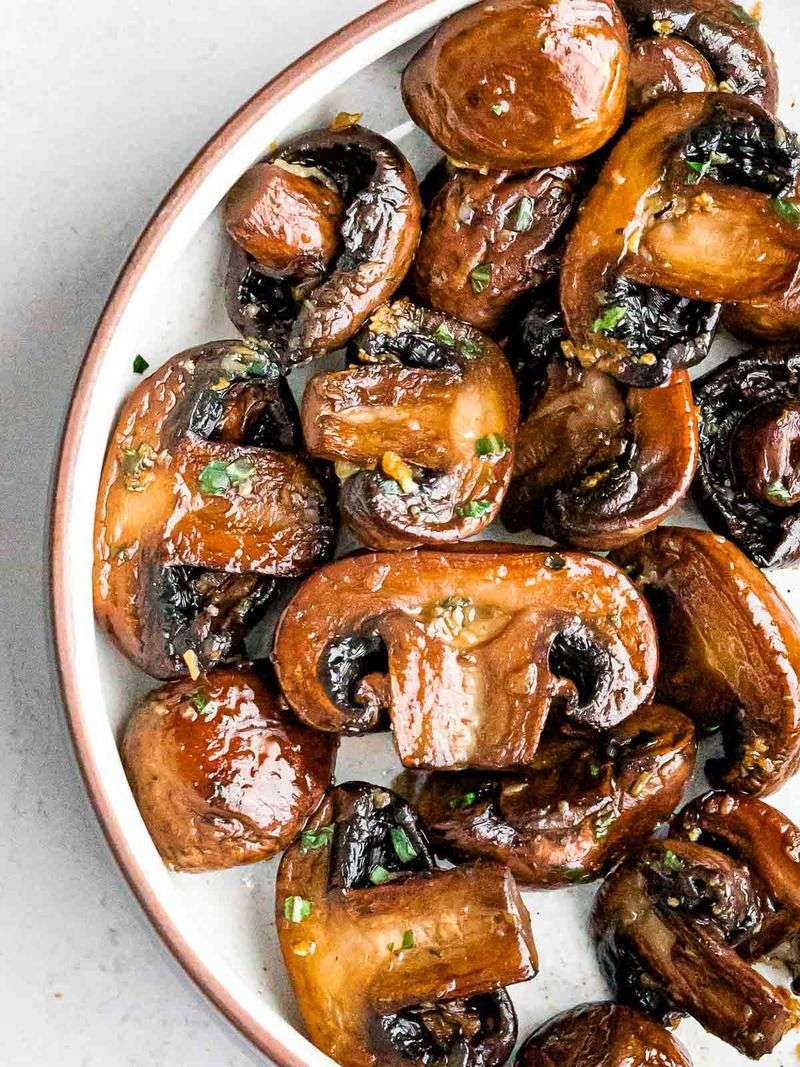
Mushrooms are delicate and their proteins and enzymes break down quickly. Reheating can cause off flavors and rubbery, spongy bites that lose their savory appeal.
Inconsistent storage also raises risk for stomach upset. If you cooked more than needed, cool promptly and keep them refrigerated.
Instead of nuking them, serve cold marinated mushrooms or slice onto salads and sandwiches. Their umami remains satisfying without another blast of heat.
When craving hot mushrooms, sauté a fresh handful with butter and herbs. You will get better texture, fuller aroma, and safer results.
4. Chicken
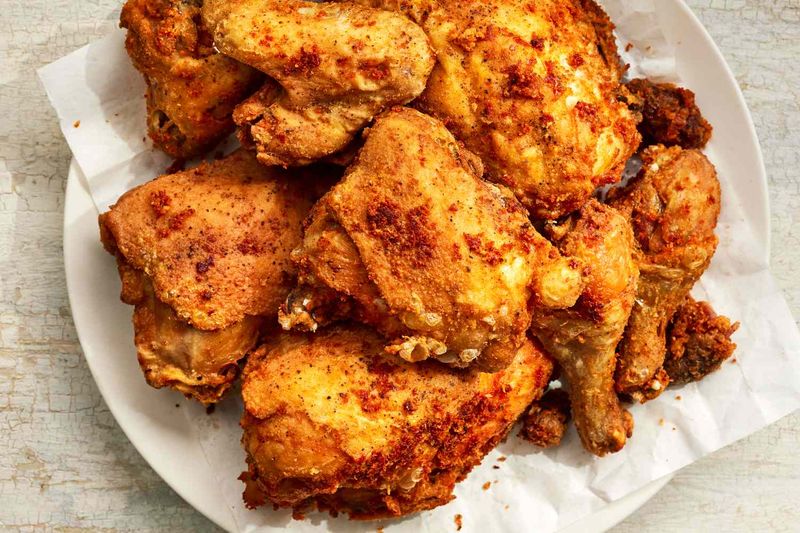
Chicken dries out fast and reheating can push it into stringy, cardboard territory. Worse, uneven microwaving might leave cold spots where bacteria can survive.
If you reheat, do it once only, thoroughly, and to a safe internal temperature. But often, a cold transformation beats another round of heat.
Shred cooked chicken into a chilled salad with yogurt dressing, grapes, and celery. Make chicken salad wraps or add to pasta salad.
If warmth is essential, simmer briefly in broth to gently reheat. Avoid multiple reheats to reduce risk and maintain tenderness.
5. Eggs (Hard-Boiled or Scrambled)
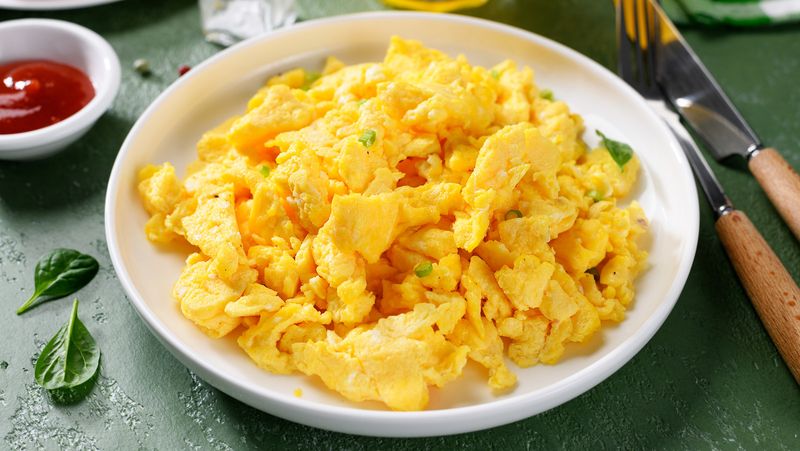
Reheating eggs can create a strong sulfur smell and a chalky, rubbery texture. Microwaving whole eggs may even cause explosive bursts.
Scrambled eggs dry out and lose creaminess on the second heat. It is safer and tastier to eat them cold or at room temp, depending on storage time.
Slice hard boiled eggs onto salads, grain bowls, or toast with mayo and paprika. For scrambled leftovers, make breakfast burritos eaten at room temperature or gently warmed by residual heat from other ingredients.
When you want hot eggs, cook fresh. Your taste buds will thank you.
6. Seafood (Fish and Shellfish)
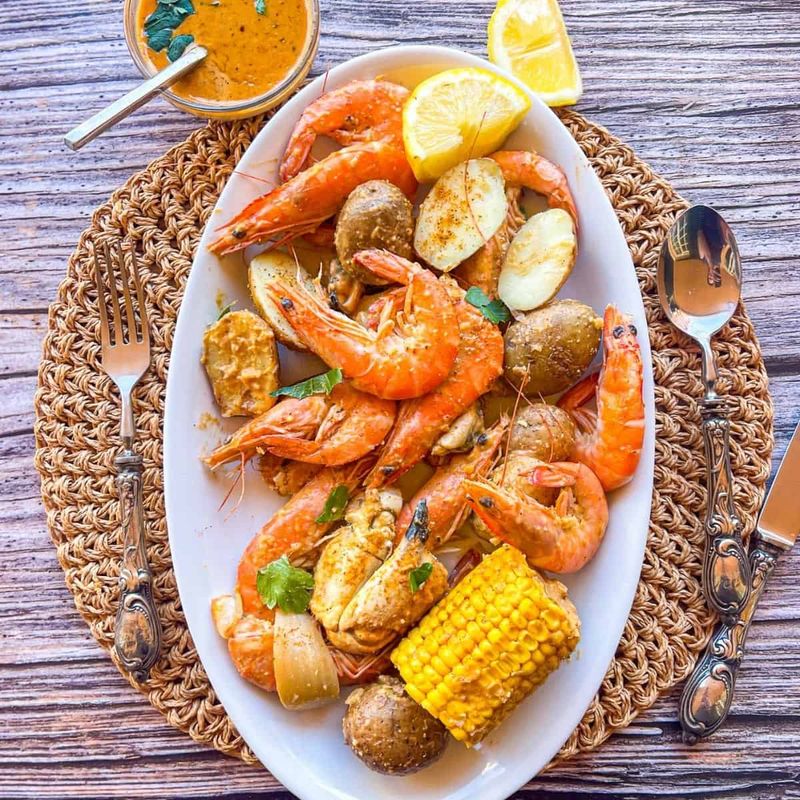
Seafood turns dry, tough, and extra fishy when reheated. Delicate proteins seize, and oils oxidize, amplifying off odors.
Reheating can also spread that smell through your kitchen or office. If you must, reheat gently with steam, but many dishes taste better cold the next day.
Flake cold salmon into salads with lemon and herbs. Toss chilled shrimp with avocado and citrus for a quick cocktail style bowl.
For warm seafood cravings, cook fresh in minutes. You protect texture, preserve flavor, and keep your space smelling pleasant.
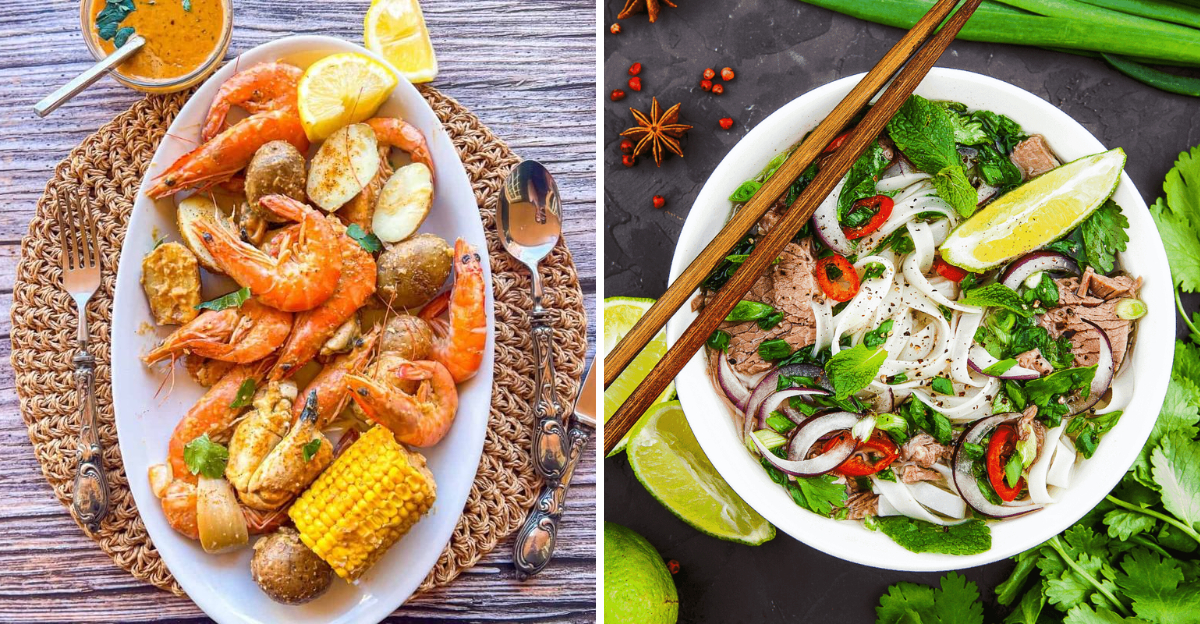
7. Rice Noodles and Pho
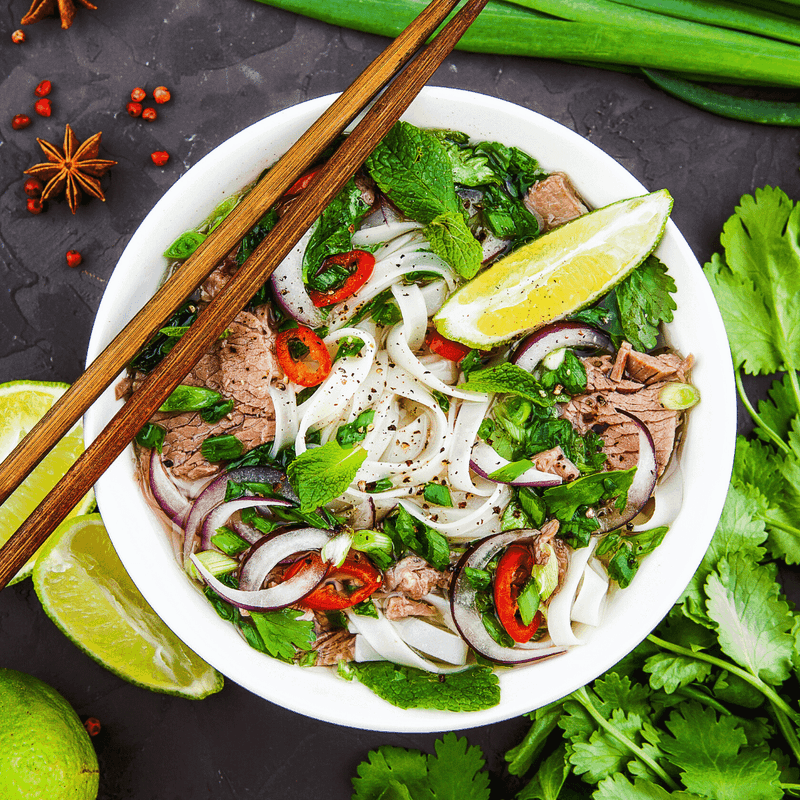
Rice noodles absorb broth and turn mushy after reheating, losing that slippery bounce. Pho in particular becomes cloudy, with limp noodles and tired herbs.
The aroma fades and the broth can taste flat. It is disappointing compared to the fresh bowl you remember.
Separate components before storing if possible. Reheat broth alone while keeping noodles cold, then assemble quickly.
Or enjoy it chilled as a noodle salad with lime, fish sauce, and crunchy veggies. When craving steamy soup again, make or buy fresh.
Your slurps will be happier.
8. Fried Chicken
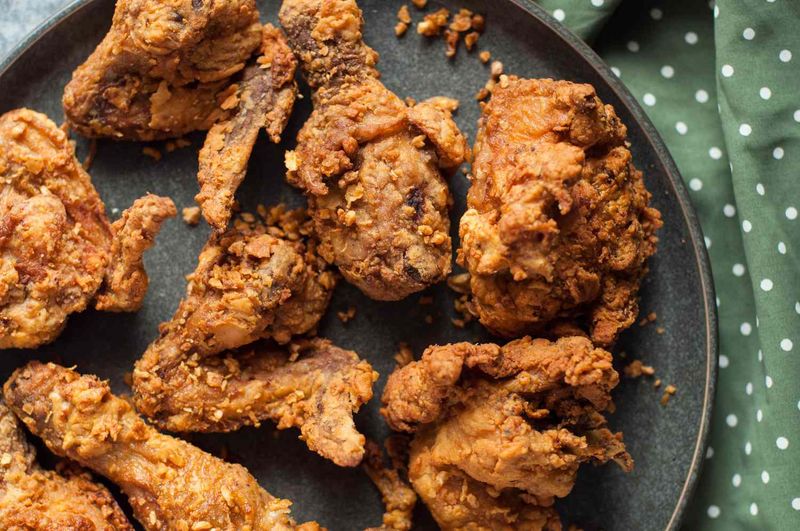
Fried chicken lives and dies by its crunch. Refrigeration traps moisture, turning the crust soggy, and microwaves make it worse by steaming the breading.
The meat can dry out while the coating stays limp. That magic fresh-from-the-fryer snap just does not come back easily.
If you insist, re-crisp in a hot oven or air fryer, not a microwave. Better yet, enjoy cold fried chicken with pickles for a picnic vibe.
Or strip the meat for salads and sandwiches. For true crispy joy, save reheating for ovens and keep expectations realistic.
9. Pizza with Fresh Greens
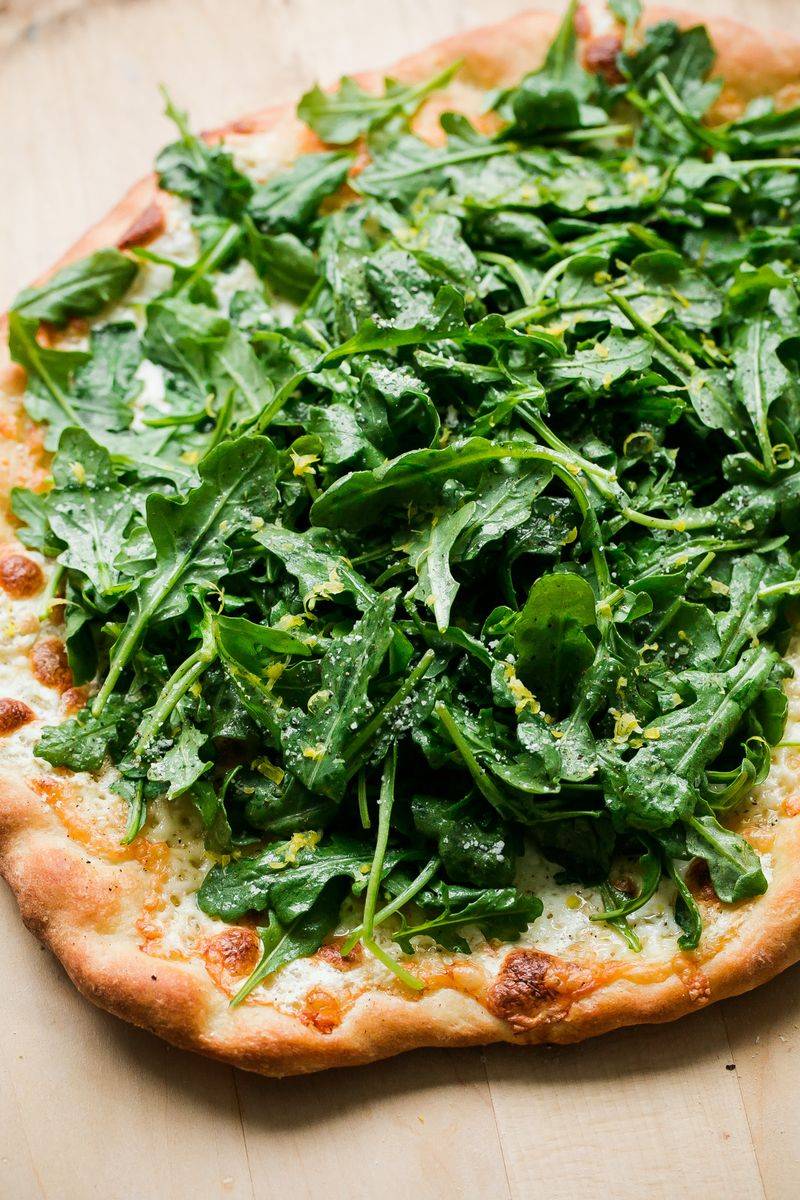
Reheating pizza with fresh greens like arugula or basil wilts the toppings and dulls peppery flavors. The crust might crisp, but the salad on top becomes limp and sad.
Microwaves make it soggiest. If the slice includes delicate greens, rethink your plan before blasting it.
Warm the slice first, then add fresh greens afterward for contrast. Or eat it cold where the textures still play nicely together.
When ordering pizza, request greens on the side to control wilting later. You will preserve brightness and that satisfying crackle under your teeth.
10. Sushi
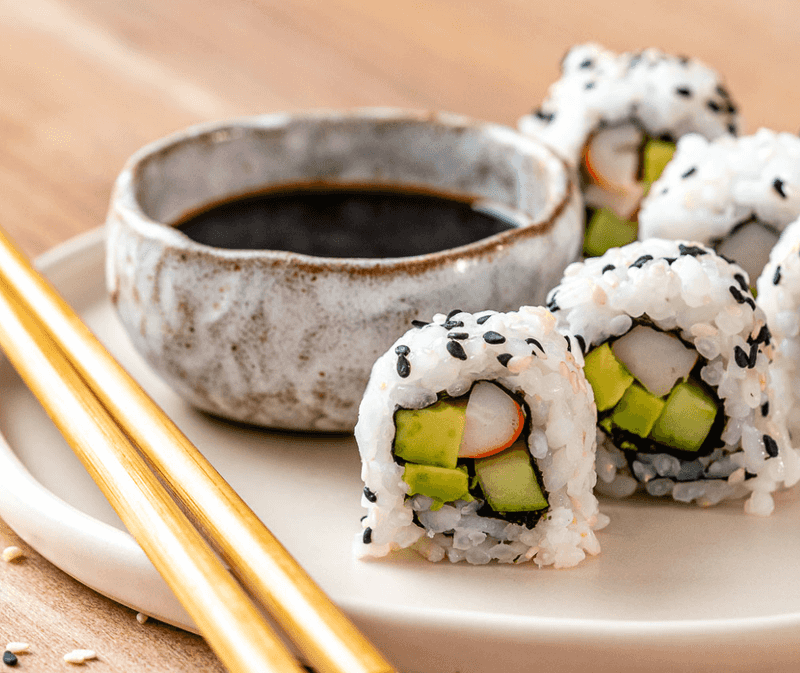
Sushi relies on pristine texture and temperature. Reheating ruins the rice, turning it hard or gummy, while fish becomes mealy and overly fragrant.
Warm mayonnaise fillings can taste off. Once chilled, the harmony of bite and balance is lost, and heating will not fix it.
Eat sushi the day it is made, ideally within hours. If leftovers exist, enjoy them cold as soon as possible.
Add a splash of soy and wasabi to refresh flavors. For a warm fish craving, cook a separate fillet.
Keep sushi sacred and fresh.
11. Creamy Pasta
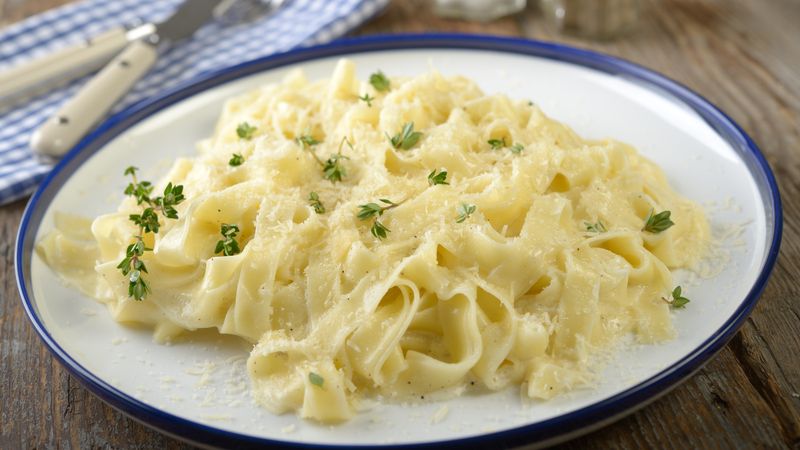
Cream based sauces separate when reheated, leaving an oily slick and grainy texture. The pasta drinks up moisture, turning bloated while the sauce dries.
Microwaves worsen uneven heating. What felt luxurious fresh becomes heavy and dull after a second round.
If you must warm it, add a splash of pasta water or milk and reheat gently on the stovetop, stirring constantly. Better yet, serve it cold as a pasta salad with lemon and cracked pepper.
Next time, cook only what you need to keep it silky.
12. Mashed Potatoes
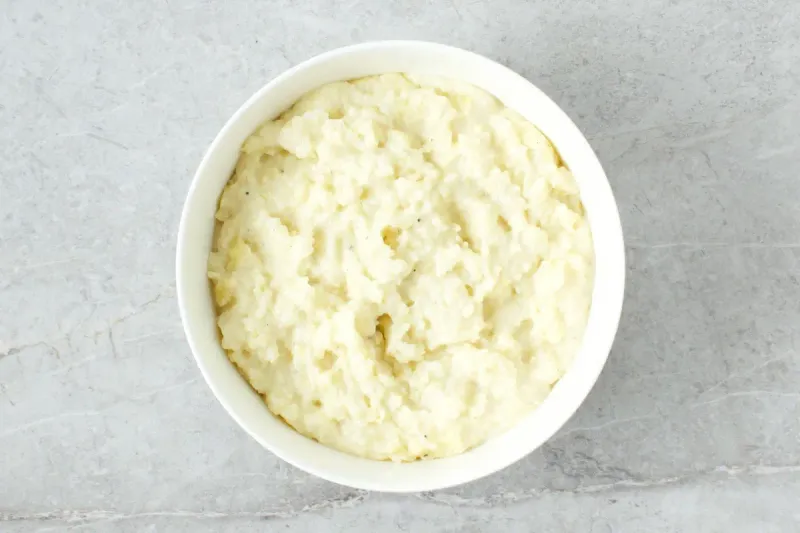
Mashed potatoes stiffen in the fridge and turn gluey when blasted in the microwave. Starch molecules tighten, so texture shifts from fluffy to dense.
The surface can dry out while the center stays cool, creating unpleasant pockets. That comforting creaminess becomes harder to recapture.
If you reheat, use low heat with added cream, butter, and a splash of stock, whisking gently. Or shape cold mash into potato cakes, pan seared until crisp.
When the craving hits again, make a fresh small batch for best results. Your spoon will notice the difference.
13. French Fries
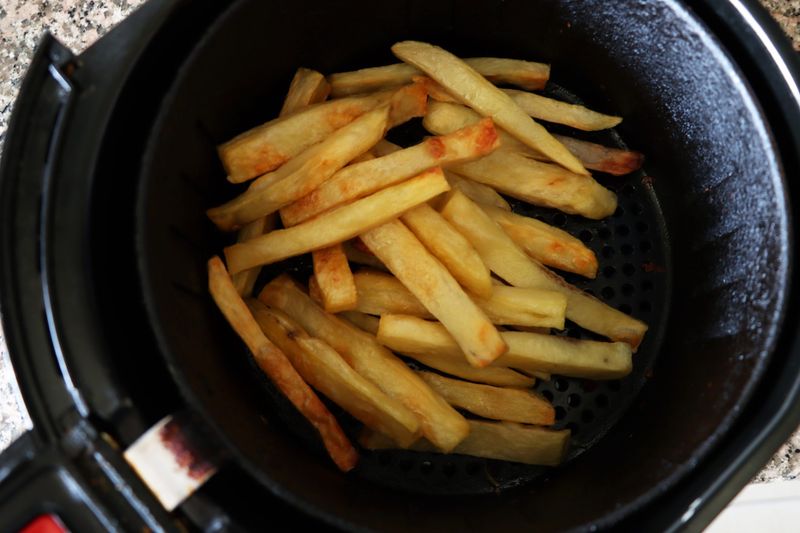
Fries lose their crisp fast as moisture migrates into the crust. Microwaves steam them into limp sticks with a waxy chew.
Reheating rarely restores that shatteringly crisp exterior. The flavor also dulls as oils oxidize and salt dissolves against damp potatoes.
If you must, use a ripping hot skillet or air fryer with a tiny oil film. Still, expectations should stay modest.
Better options include turning fries into loaded hash with eggs or chopping into a frittata. Next time, order smaller portions to keep every fry joyful.
14. Risotto
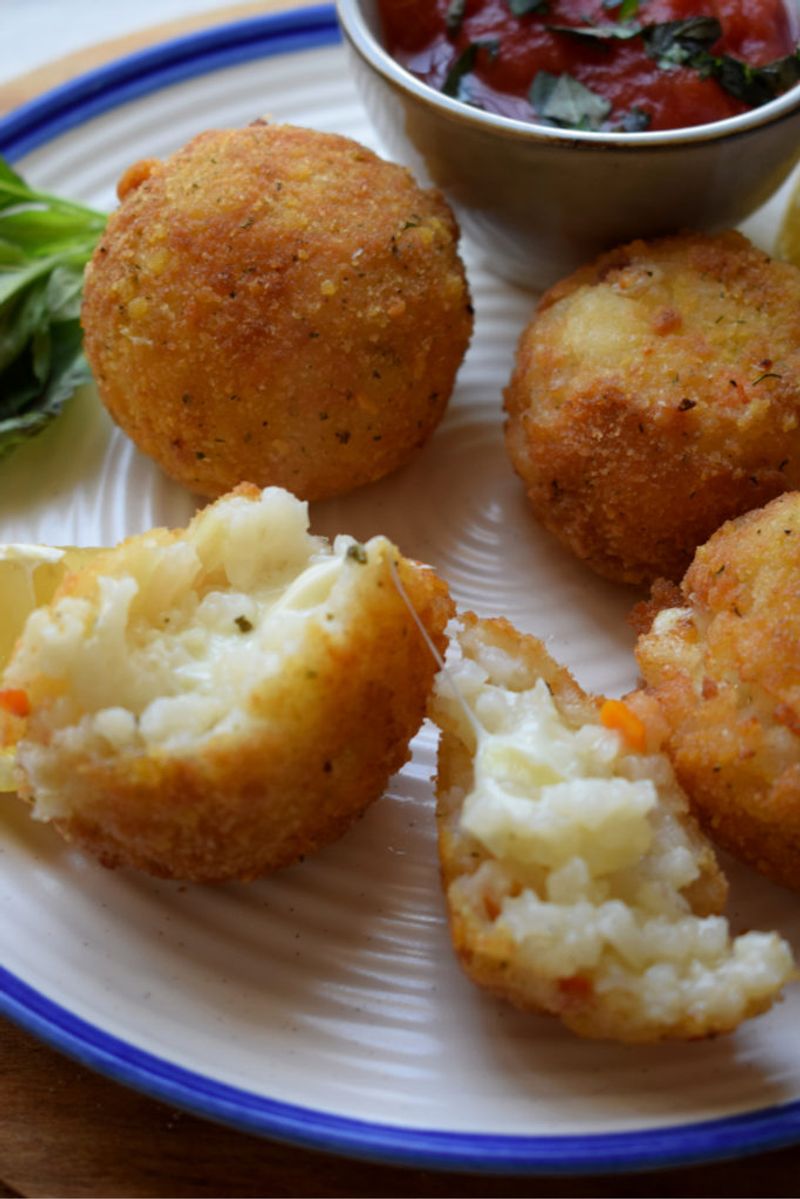
Risotto’s silky texture depends on constant stirring and gradual starch release. Once chilled, it sets into a block and reheating creates gluey or grainy results.
The delicate balance of broth, butter, and cheese breaks. Flavor flattens and the romance disappears.
Transform leftover risotto into arancini by forming balls, stuffing with cheese, and pan frying or baking. Or thin gently with hot stock on the stove, stirring patiently, but it still will not taste first night perfect.
Better to make small batches and savor immediately.
15. Quiche

Quiche combines delicate custard with a crisp crust that turns soggy upon reheating, especially in the microwave. The egg custard can curdle, weeping moisture into the pastry.
Spices mute and cheese oils separate, dimming that brunch charm. Texture is the biggest casualty.
If you must warm a slice, use a low oven and shield edges with foil. Better yet, enjoy quiche at room temperature with a crisp salad.
The flavors hold nicely without heat. For peak pleasure, bake what you will eat the same day.
16. Steak
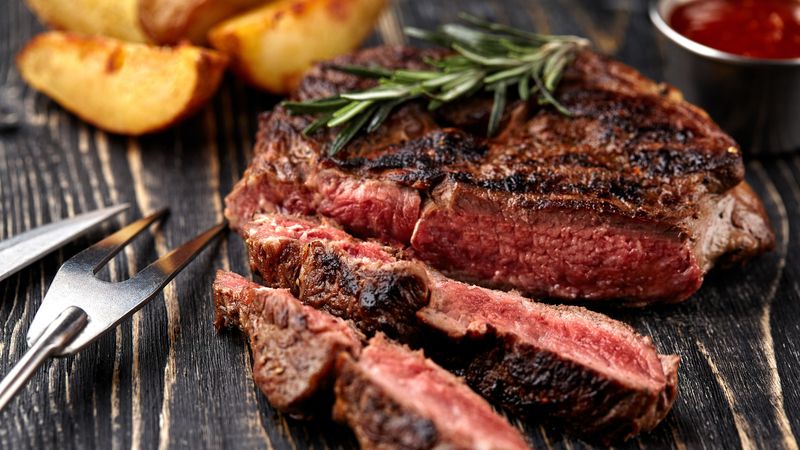
Reheating steak often pushes the meat past your preferred doneness, turning rosy centers gray and dry. The sear softens and fat loses its luscious mouthfeel.
Microwaves create hot spots and chewiness. That first night magic rarely returns once the temperature climbs again.
Eat leftover steak cold in salads or sandwiches with mustard and arugula. If warmth is crucial, rewarm gently in a low oven and finish with a quick sear.
Or slice thin and flash stir fry. Still, nothing beats freshly cooked steak timed to perfection.
17. Bacon
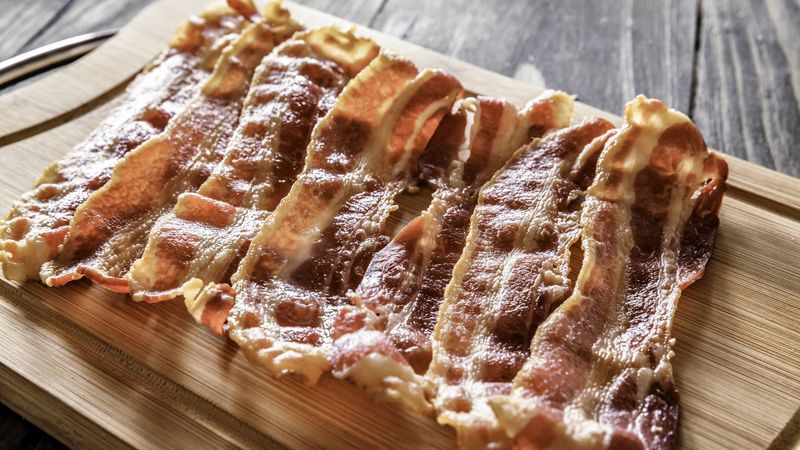
Bacon’s crispness evaporates after chilling, and reheating can make it leathery or overly brittle. Microwaves steam it, while skillets risk overcooking edges before the center warms.
The smoky aroma remains, but texture disappoints. Save the sizzle by planning portions more carefully.
Use cold bacon crumbled into salads, BLTs, or creamy pastas where texture matters less. If you must reheat, bake on a wire rack in a hot oven briefly.
Consider cooking bacon to soft and crisping to order later. That way, every strip lands just right.
18. Fried Rice
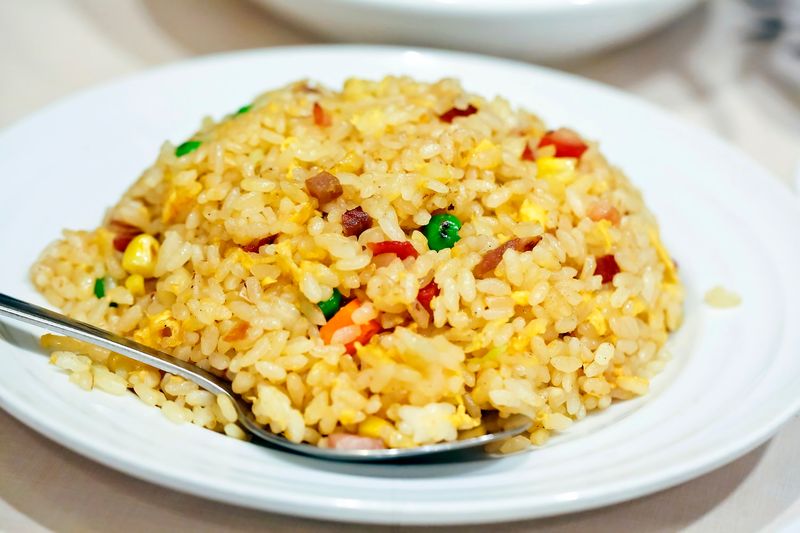
Fried rice can be risky if it sat out before chilling, due to Bacillus cereus. Reheating also dries grains while vegetables go limp.
The wok hei fades, leaving a flat, greasy taste. Microwaves heat unevenly, creating temperature pockets you cannot trust.
When storing, cool rice quickly and refrigerate promptly. If reheating, do it once only and piping hot.
Better yet, eat cold as a rice salad with scallions, sesame, and vinegar. For that smoky char, cook a fresh batch in a ripping hot pan.
19. Beets
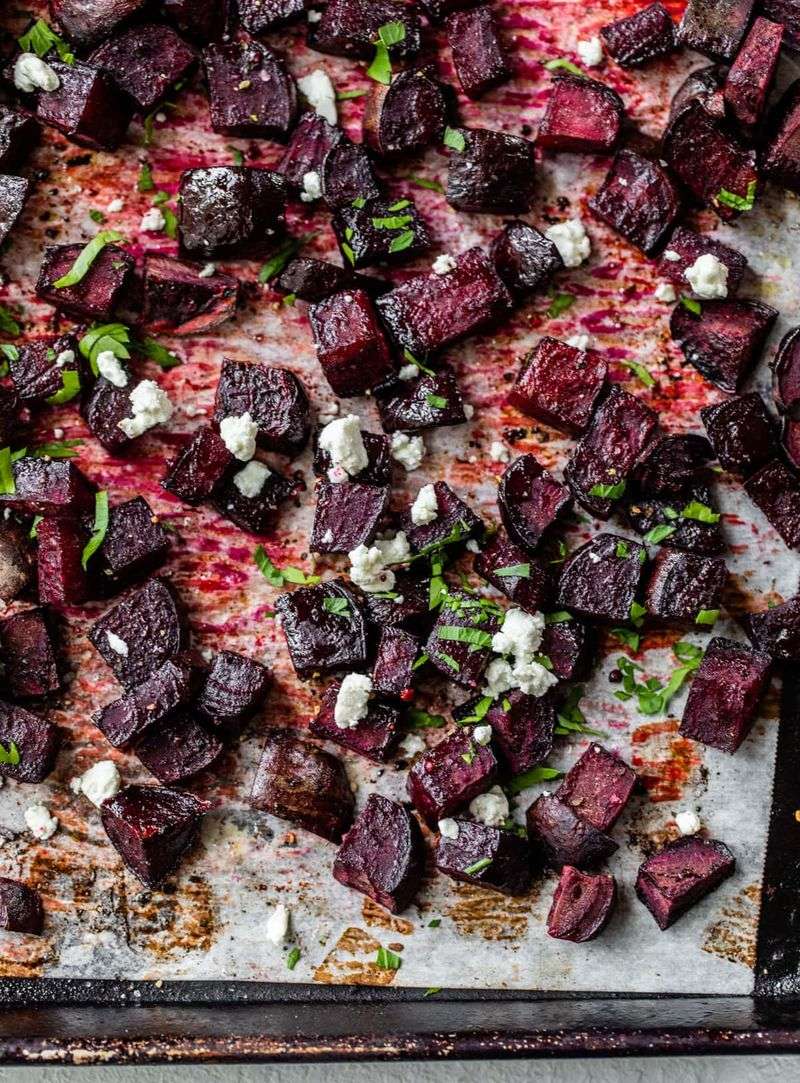
Beets’ earthy sweetness shines when freshly roasted, but reheating can intensify a muddy flavor and make textures fibrous. Their pigments may bleed more, staining everything while losing vibrancy.
Microwaves also create uneven warmth through dense flesh. The result often underwhelms compared to day one.
Enjoy cold beets in salads with citrus, goat cheese, and walnuts. Toss with vinaigrette to brighten and balance that earthiness.
If warm beets are nonnegotiable, briefly warm in a covered pan with a splash of stock. Still, fresh roasted yields the best bite.
20. Broccoli and Cauliflower
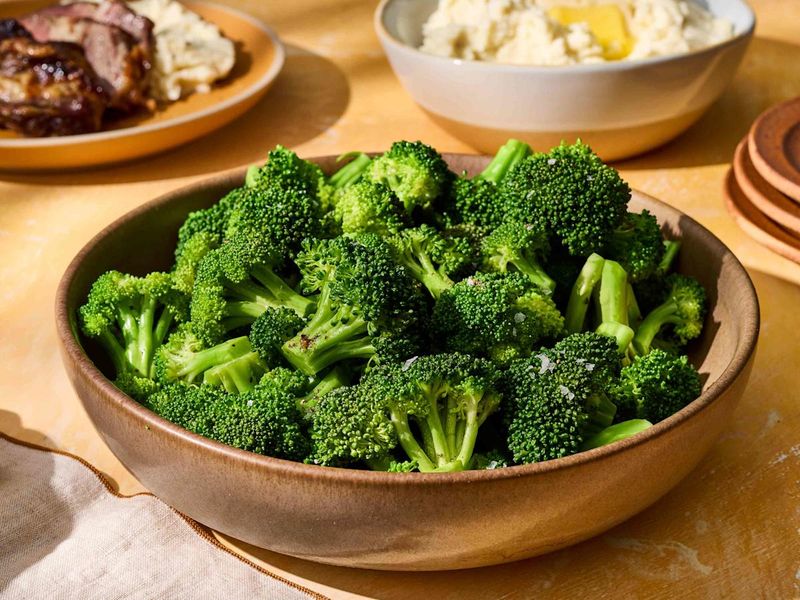
Cruciferous veggies release sulfur compounds when reheated, leading to strong odors and bitter notes. Texture becomes mushy fast, especially after steaming.
Microwaves accentuate the smell, making your kitchen less inviting. While safe if stored properly, the eating experience often disappoints.
Serve leftovers cold with lemony yogurt dip or chop into a crunchy salad with almonds. Or quickly stir fry fresh florets for hot meals instead of reheating.
Blanching less initially also helps if you plan ahead. Keep your greens vibrant and your house smelling pleasant.
21. Cream Soups
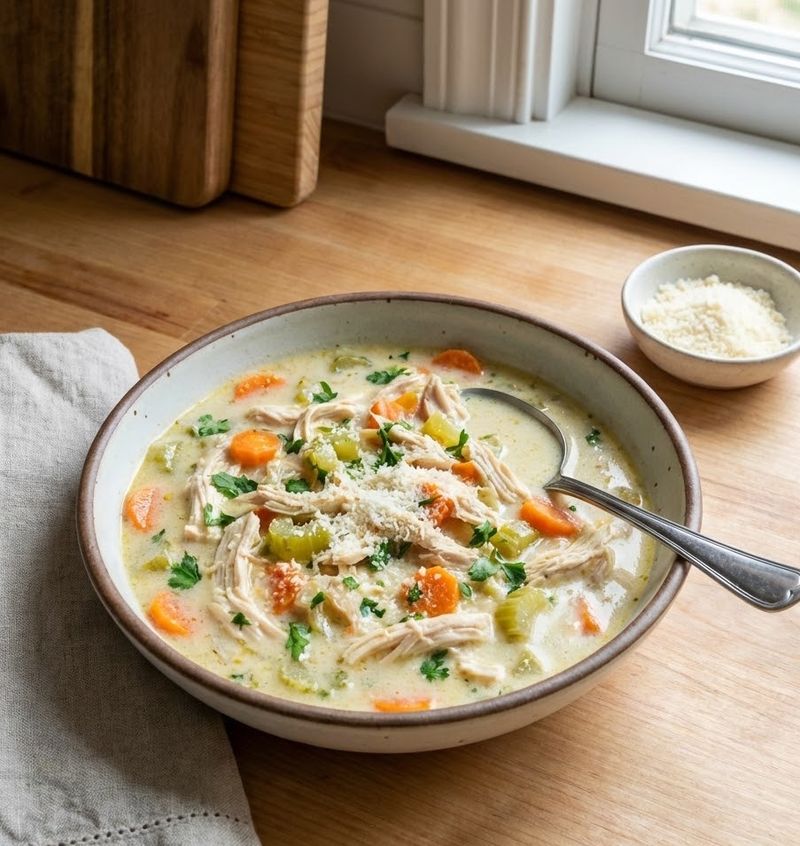
Cream based soups split on reheating, forming a greasy layer and grainy mouthfeel. Thickeners can break, and delicate flavors mute.
Microwaves overheat edges while the center lags, worsening separation. The cozy bowl you remembered becomes a culinary shrug.
Warm gently on the stove with added stock or milk, stirring constantly, but accept it may not fully recover. Better: portion and freeze before adding dairy, then incorporate cream fresh when serving.
For reliable leftovers, choose broth based soups that reheat beautifully without drama.
22. Chinese Takeout Noodles
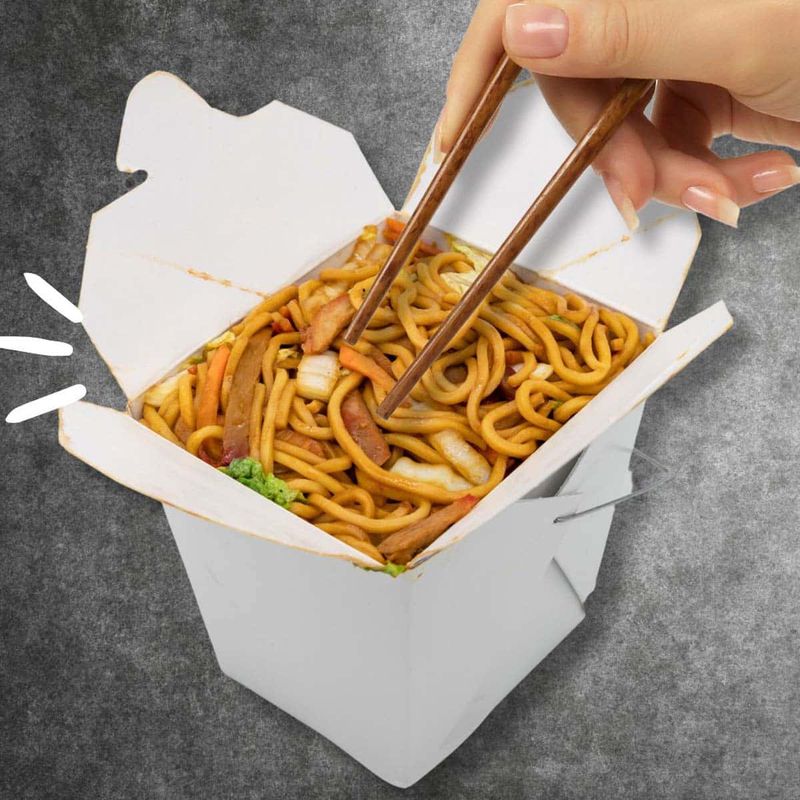
Oily noodles clump and turn greasy when reheated, with vegetables wilting and meats drying out. The wok char disappears, replaced by a heavy film on your tongue.
Microwaves make it worse by steaming and separating sauces. You lose the springy chew that made the dish satisfying.
Eat leftovers cold as a sesame noodle salad with cucumbers and chili crisp. If warm is required, reheat in a hot pan with a splash of water or broth to loosen.
Still, fresh stir fry beats any reheat in minutes.
23. Roasted Garlic
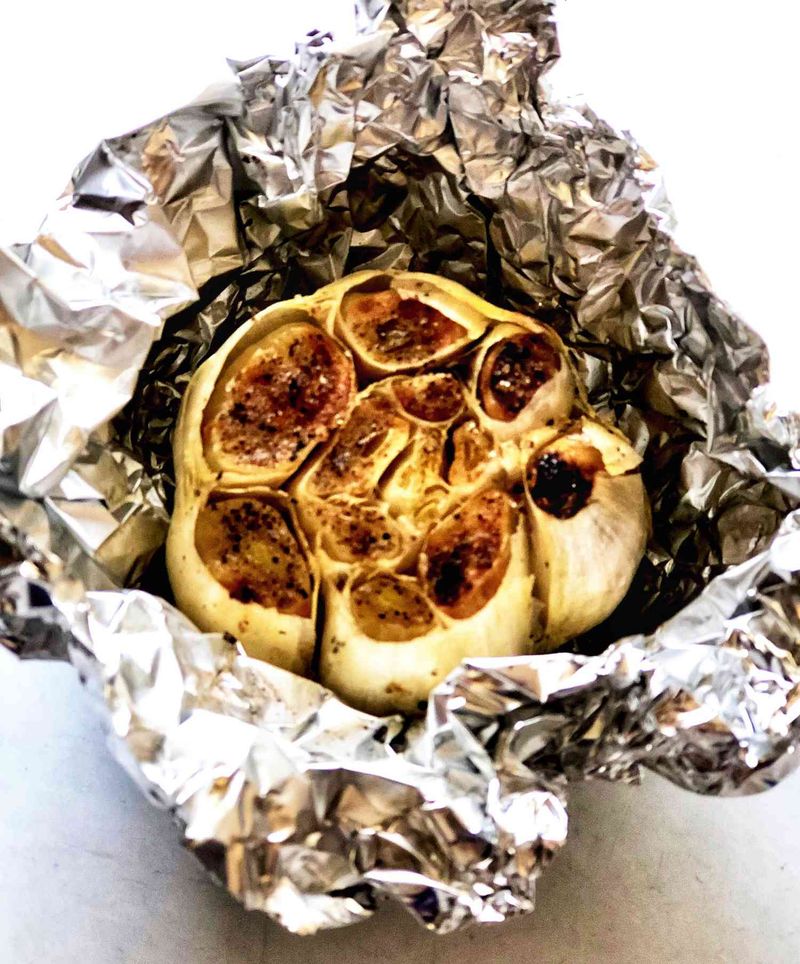
Roasted garlic is mellow and sweet fresh, but reheating can push it toward bitterness and sulfurous notes. The delicate sugars may burn quickly, and the fragrance can turn pungent.
Texturally, it may dry out and lose spreadability. The magic lies in that first warm smear.
Use leftovers cold in aioli, dips, or mashed into butter. Stir into vinaigrettes or spread onto toast straight from the fridge.
If you crave warmth, add near the end of cooking to avoid scorching. Freshly roasted remains best for plush sweetness.
24. Tuna Casserole
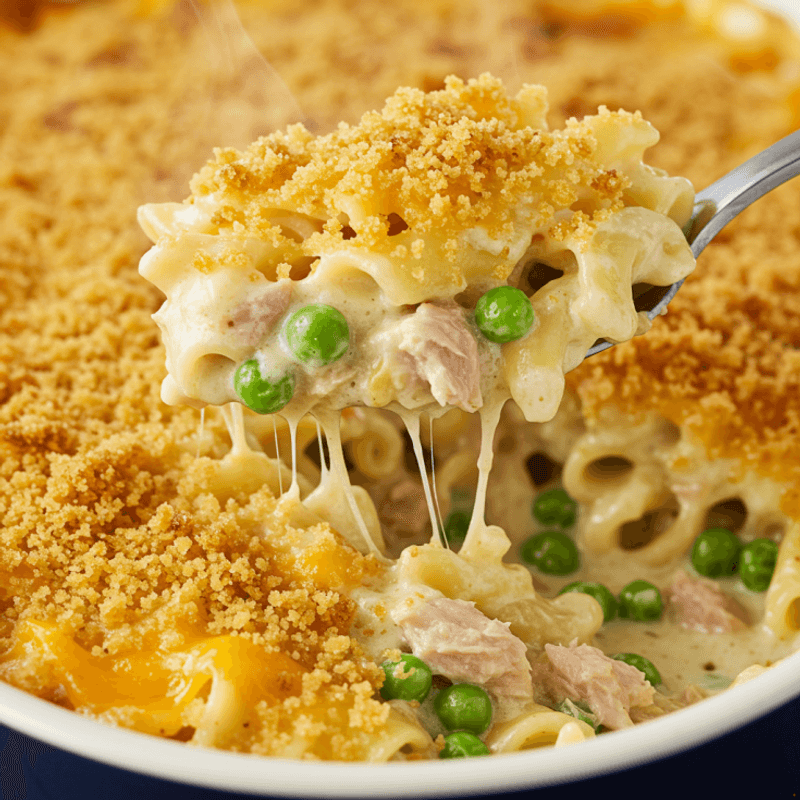
Tuna casserole dries out quickly on reheating, with noodles going mushy and sauce separating. The fishy aroma intensifies, overshadowing any comforting nostalgia.
Crumb toppings lose crunch and turn sandy. Microwaves exacerbate uneven heating, leaving hot corners and cool centers.
Serve cold as a pasta salad with extra mayo, peas, and lemon zest to revive moisture. If warming, add milk and reheat gently in the oven covered with foil.
Still, consider making smaller trays to finish in one sitting for best texture and smell.
25. Pancakes
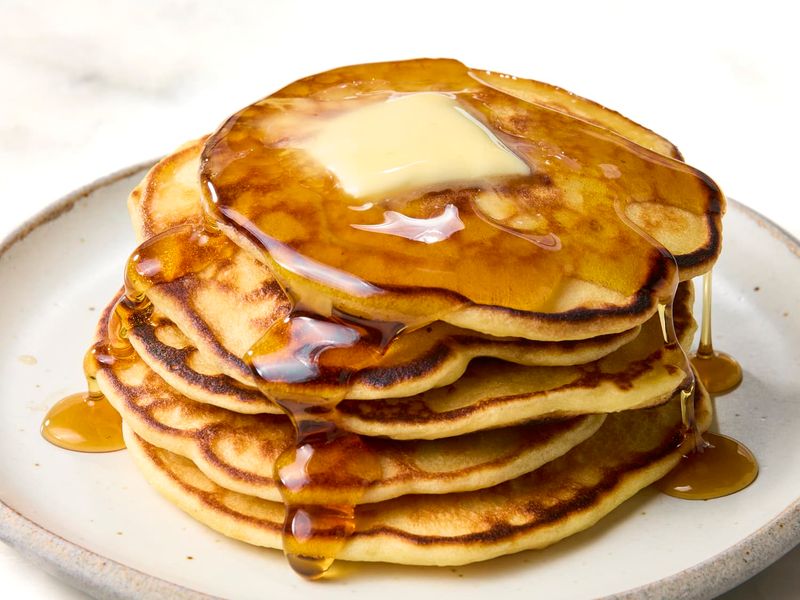
Pancakes stale fast as starches retrograde, turning chewy and rubbery when reheated. Microwaves make them damp and limp, while skillets risk scorching the exterior before the inside softens.
The fluffy lift from fresh griddle heat just does not return easily.
Eat leftovers cold with yogurt and fruit, or slice into strips for snackable dippers. If you must warm, use a toaster or hot oven on a rack to revive some crisp edges.
Still, mixing a small fresh batch delivers the best weekend stack.