25 Overlooked Christmas Cooking Dangers That Could Get You In Trouble
Christmas cooking feels magical until small mistakes snowball into real hazards. Between crowded kitchens, hot ovens, and rushed timelines, it is easy to miss risks that could ruin the day. With a few smart moves, you can keep traditions delicious and safe while avoiding fines, fires, or foodborne illness. Here are the overlooked dangers you should fix before the first timer dings.
1. Thawing Turkey On The Counter
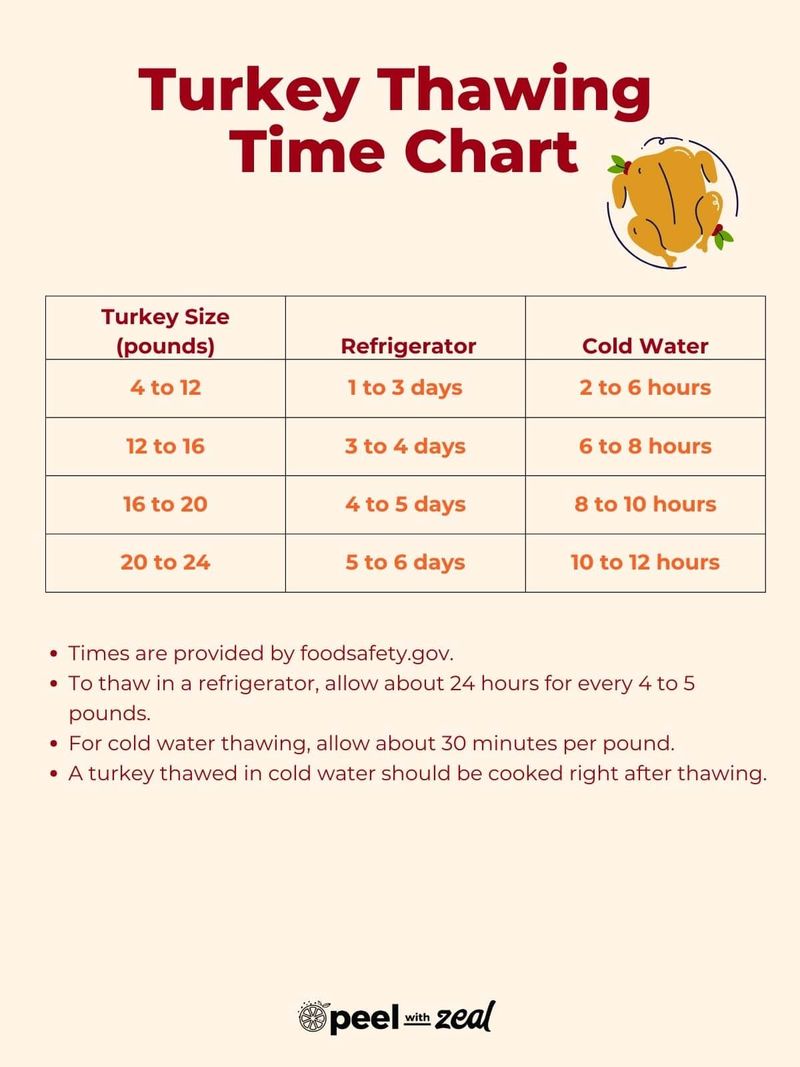
Thawing a turkey on the counter feels convenient, but bacteria love that room temperature sweet spot. The surface warms long before the center defrosts, welcoming Salmonella and Campylobacter. You cannot see or smell the risk, yet it multiplies quietly while you hang stockings.
Thaw safely in the fridge on a tray, allowing 24 hours per 4 to 5 pounds. Short on time? Submerge the bird in cold water, changing it every 30 minutes. Keep raw juices contained and sanitize surfaces. Your future self will thank you.
2. Undercooking Poultry
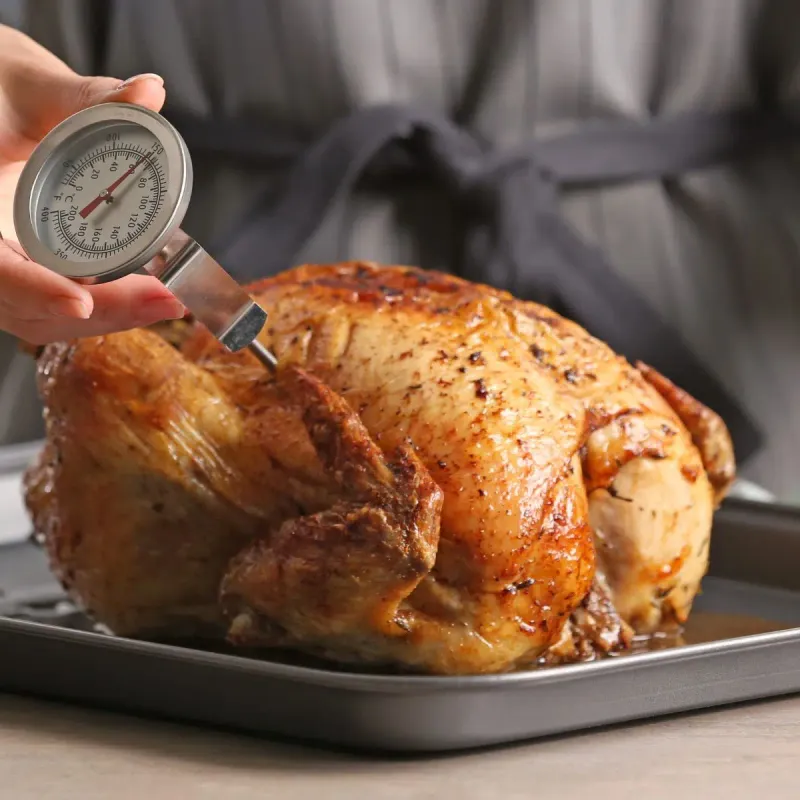
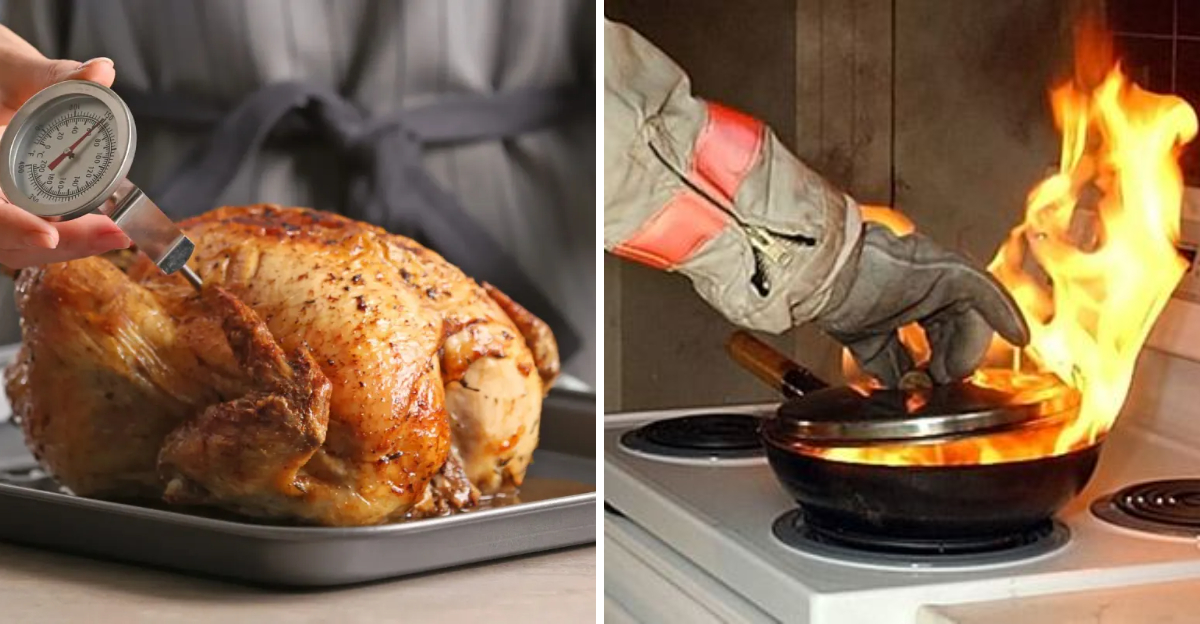
Golden skin can trick you, but color is not safety. Poultry needs 165 F in the thickest part of the breast and thigh to kill dangerous bacteria. Guessing or timing by weight alone leaves you gambling with your guests’ stomachs.
Use a reliable instant-read thermometer and check multiple spots without touching bone. Let the bird rest so juices redistribute and the temperature stabilizes. If it is low, back into the oven it goes. You worked hard on this meal, so finish strong with precise temps and calm confidence.
3. Cross-Contamination From Cutting Boards
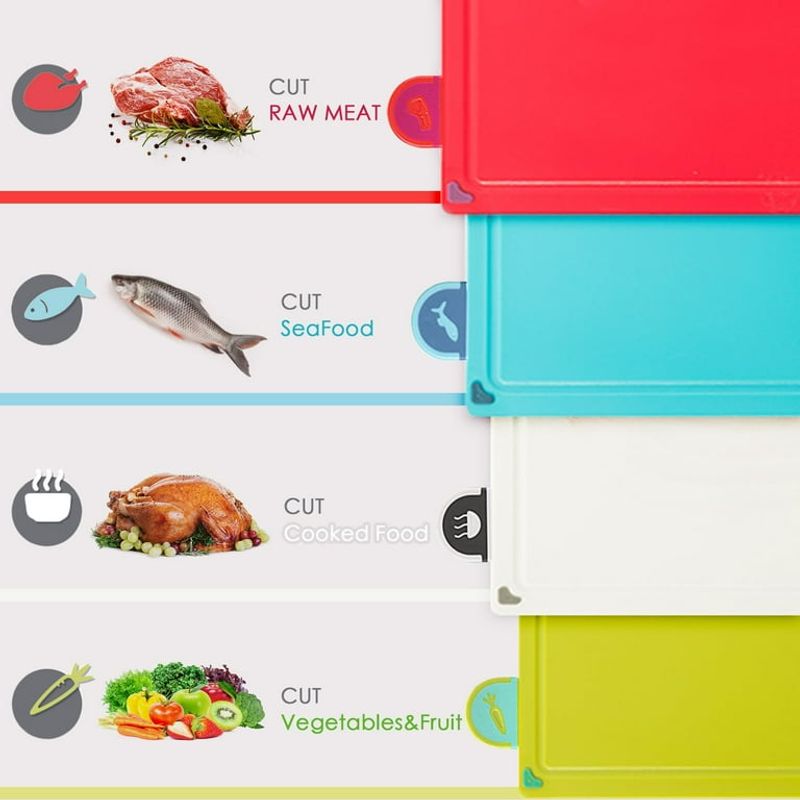
Mixing raw poultry and produce on the same board spreads invisible contamination. Juices seep into tiny cuts, then hop onto salad greens and garnish. That crisp cucumber can carry the same bacteria you were trying to cook off the chicken.
Use color-coded boards or a dedicated raw-protein surface. Wash boards with hot, soapy water, then sanitize with diluted bleach or a dishwasher cycle. Replace deep-grooved boards that trap residues. Keep knives paired with their task until washed. Your cutting station should be a safety zone, not a microbial handshake.
4. Reusable Towels Spreading Germs
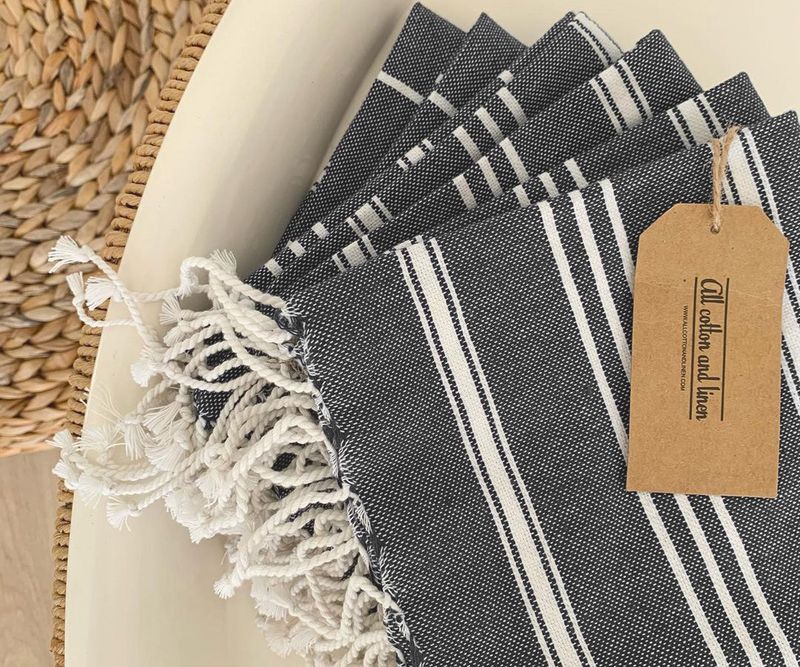
That trusty kitchen towel becomes a germ shuttle when it touches raw juices, then touches everything else. Wiping hands, counters, and knives with the same cloth spreads trouble fast. During a busy holiday rush, you barely notice you are doing it.
Switch to paper towels for raw meat cleanup and keep a fresh towel for clean tasks. Launder cloths on hot and rotate often. Assign one towel to hands, another to dishes. If it gets damp, change it. Prevention here is simple, cheap, and incredibly effective.
5. Leaving The Stove Unattended
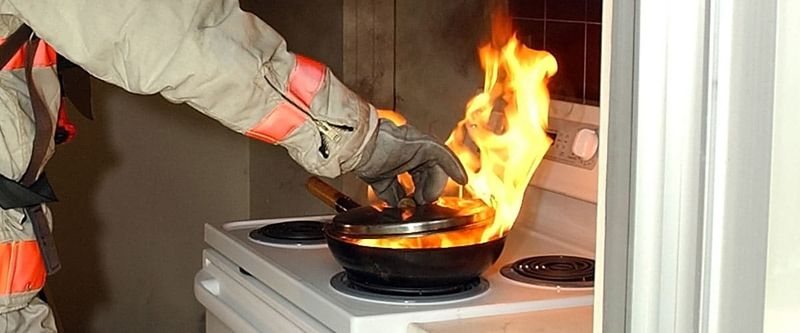
Holiday multitasking turns simmer into scorch before you realize it. A split-second distraction can boil over oil or ignite a forgotten pan. Kitchen fires start fast, and they love festive chaos.
Stay within arm’s reach when frying or sauteing. If you must step away, cut the heat and move pans off the burner. Keep lids nearby to smother flames, and never use water on grease. Set phone timers and delegate door duties. Protect your feast by guarding the flame, not letting it guard you.
6. Overloading Electrical Outlets
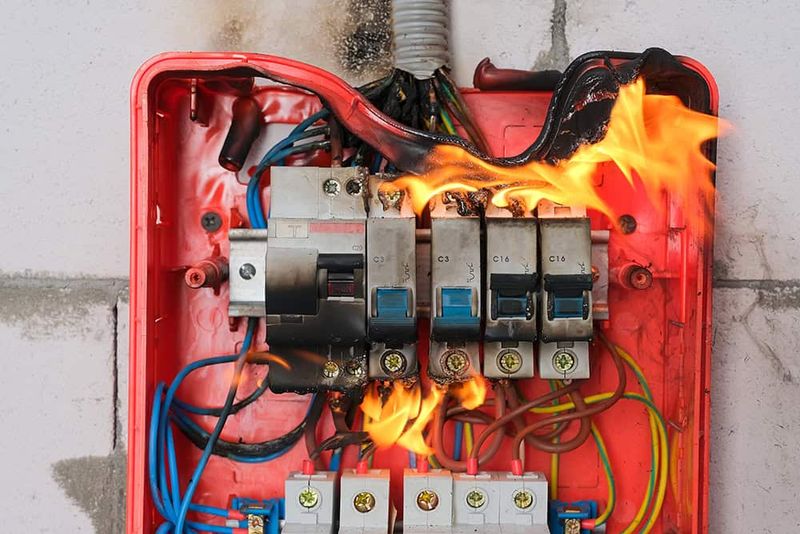
Plugging every gadget into one strip is tempting when counter space is tight. But overloaded circuits overheat, trip breakers, or worse. Holiday lights and warming trays add quiet strain you will not notice until something smells hot.
Spread appliances across outlets on different circuits. Use heavy-duty surge protectors rated for kitchen use, not flimsy dollar-store options. Unplug devices when not in use. Keep cords away from water and hot surfaces. A safe electrical plan keeps dinner humming and the tree glowing without surprise darkness.
7. Improper Knife Storage During Rush
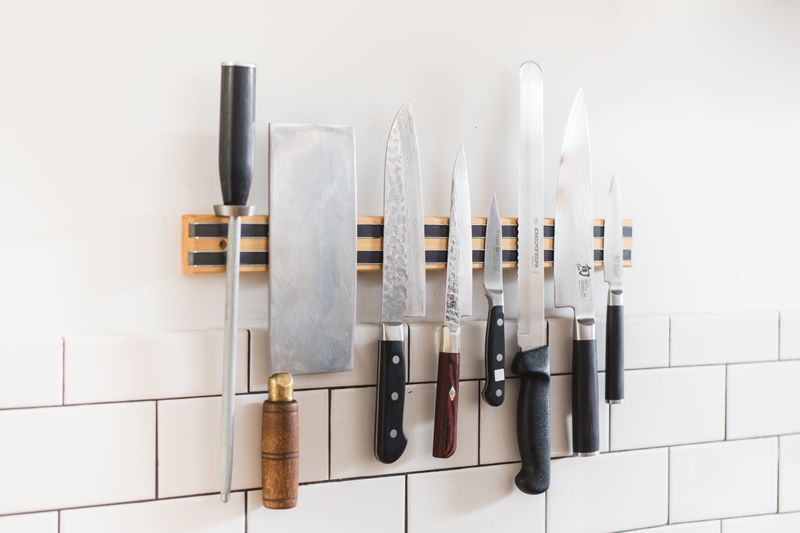
Loose knives disappear under towels and produce, turning your counter into a booby trap. One distracted grab can lead to a deep cut and a detour to urgent care. Chaos multiplies when family jumps in to help without seeing the blade.
Park knives in a magnetic strip, sheath, or dedicated tray as you work. Keep handles dry and visible. Announce a knife zone and protect it from clutter. Sharp tools deserve respect, and safe storage saves hands, sleeves, and sanity when the kitchen is buzzing.
8. Ignoring Food Allergies In Potlucks
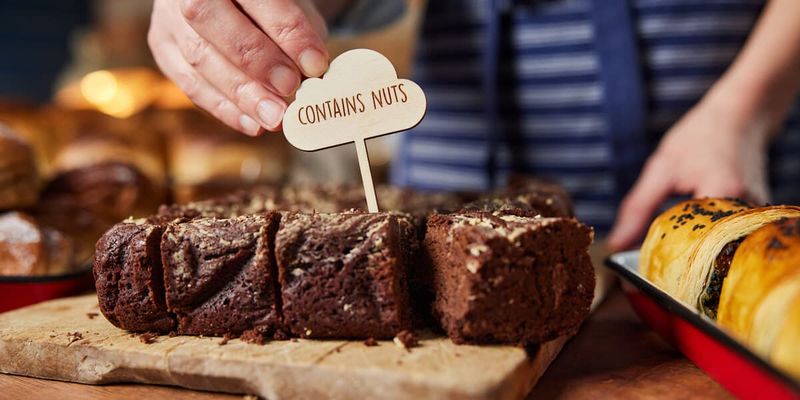
Shared feasts hide allergens in innocent-looking dishes. A handful of nuts or a splash of butter can land someone in serious trouble. You want everyone to indulge, not reach for an EpiPen.
Label dishes clearly with common allergens and ingredients. Keep serving utensils with their dish to avoid cross-contact. Offer a few safe, simple options and keep packaging on hand for reference. Communicate early with guests about needs. Thoughtful planning turns a risky spread into a welcoming table where everyone eats confidently.
9. Rinsing Raw Poultry In The Sink
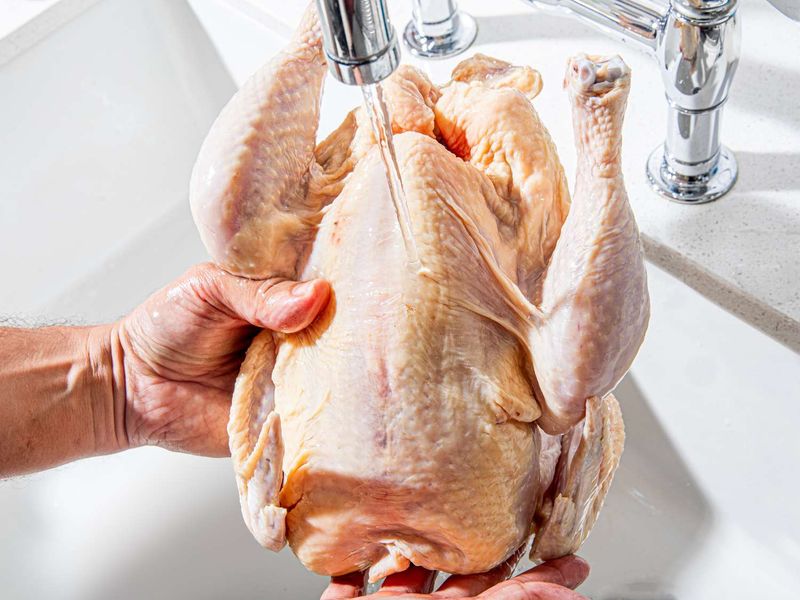
Rinsing poultry feels clean, but it sprays bacteria across your sink, counters, and drying rack. Those droplets travel farther than you think and land on salad bowls and spoons. Cooking is what kills germs, not a faucet rinse.
Skip the rinse and pat dry with disposable towels. Sanitize the sink and surrounding area if raw juices touch it. Keep dishes and produce away from the splash zone. Let heat do the sanitizing in the oven. Your sink is for washing hands and tools, not birds.
10. Unstabilized Cutting Boards
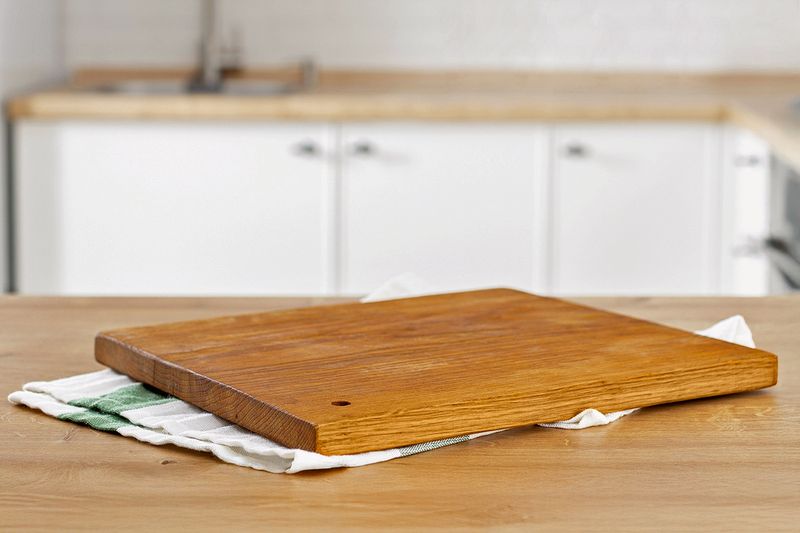
A sliding board throws your knife stroke off balance. One slip and your fingers pay the price. Glossy countertops make the problem worse when holiday hustle speeds up the chop.
Place a damp paper towel or nonslip mat under the board. Choose heavier boards for aggressive tasks and lighter ones for garnish. Wipe liquid buildup that turns surfaces into ice rinks. Stability brings control, and control brings safety and cleaner dice. Keep your hands where they belong.
11. Cluttered Walkways And Tripping Hazards
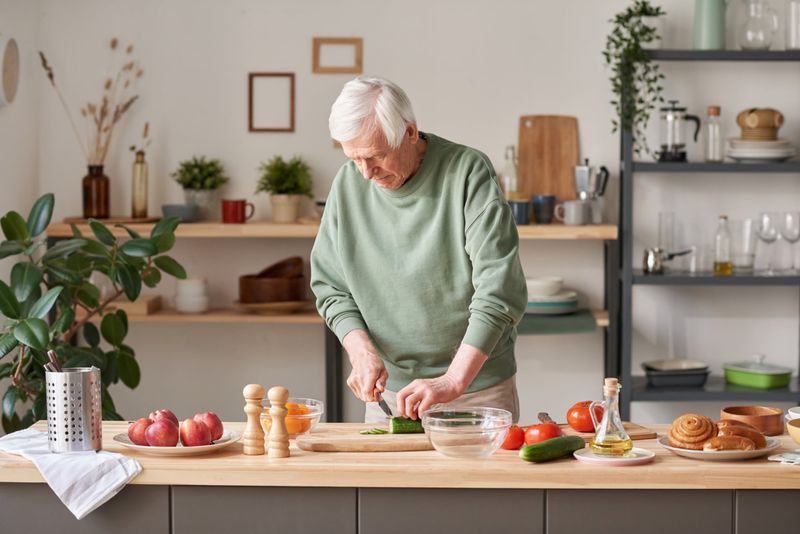
Carrying hot pans through an obstacle course invites burns and spills. Extension cords, stools, and gift bags love to snag ankles. When guests crowd the kitchen, movement gets jerky and risky.
Clear a runway from oven to counter before you cook. Assign a kid-free zone and tape cords along walls. Use oven mitts that cover wrists and keep pets gated away. Announce hot pan travel like you are backstage at a restaurant. Smooth paths keep dinner moving and skin unscorched.
12. Not Cooling Leftovers Quickly
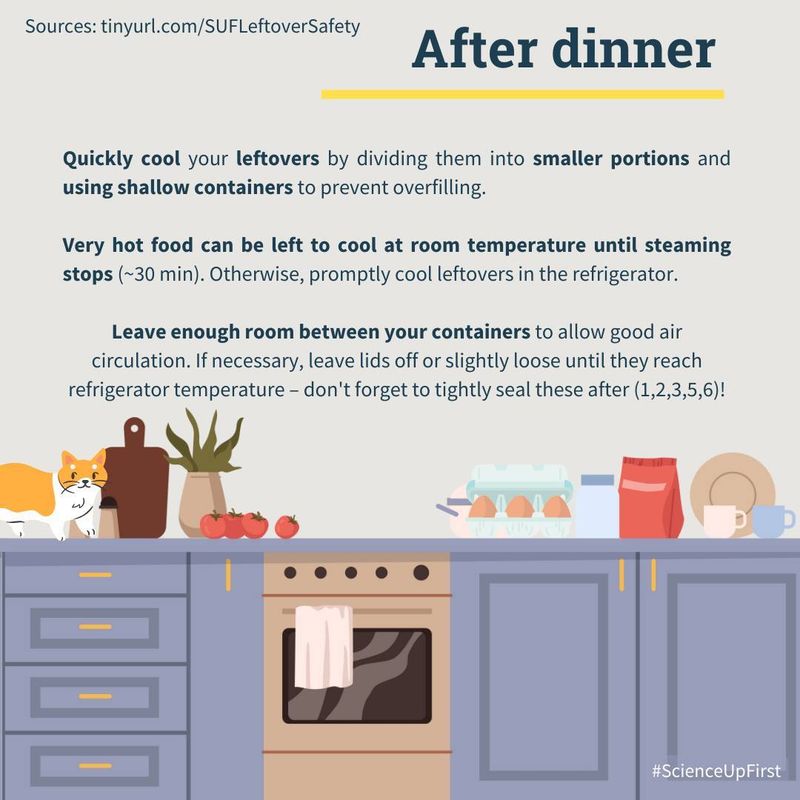
Leaving a big pot to cool on the counter invites bacteria to party in the danger zone. Dense dishes take forever to drop temperature, even if they seem warm not hot. The longer it sits, the riskier it gets.
Divide leftovers into shallow containers and refrigerate within two hours. Stir occasionally in an ice bath for fast cooling if needed. Label dates and reheat to 165 F. Keep the fridge below 40 F. Safe cooling keeps tomorrow’s lunch delightful rather than regrettable.
13. Raw Dough With Eggs
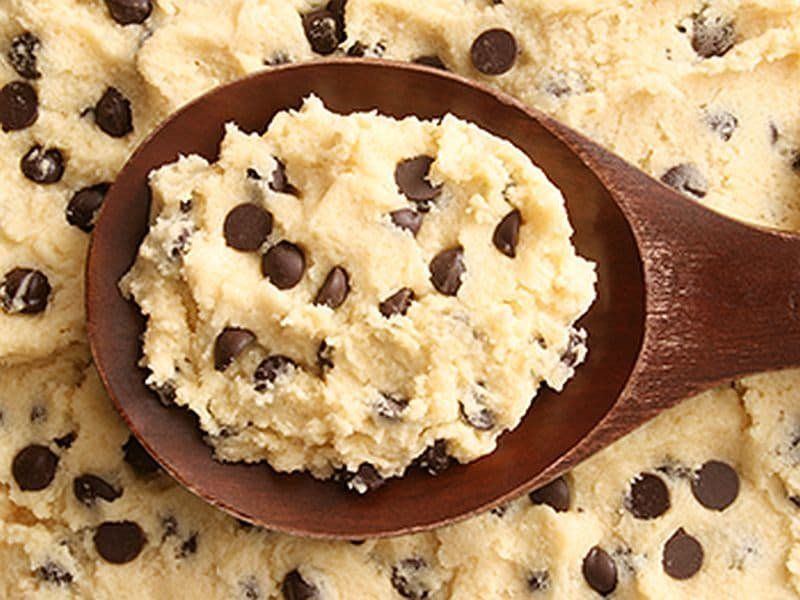
Holiday baking tempts you to lick the spoon, but raw eggs can carry Salmonella. Flour can harbor pathogens too. The tradition is charming until it sends someone to bed miserable.
Use pasteurized eggs or heat treated flour for edible dough, or wait until cookies are baked. Keep kids away from raw batter bowls. Clean utensils that touch raw mixture before they touch decorations. You can still sample safely with a recipe meant for snacking. Joy without the risk tastes better.
14. Fridge Overcrowding Blocking Airflow
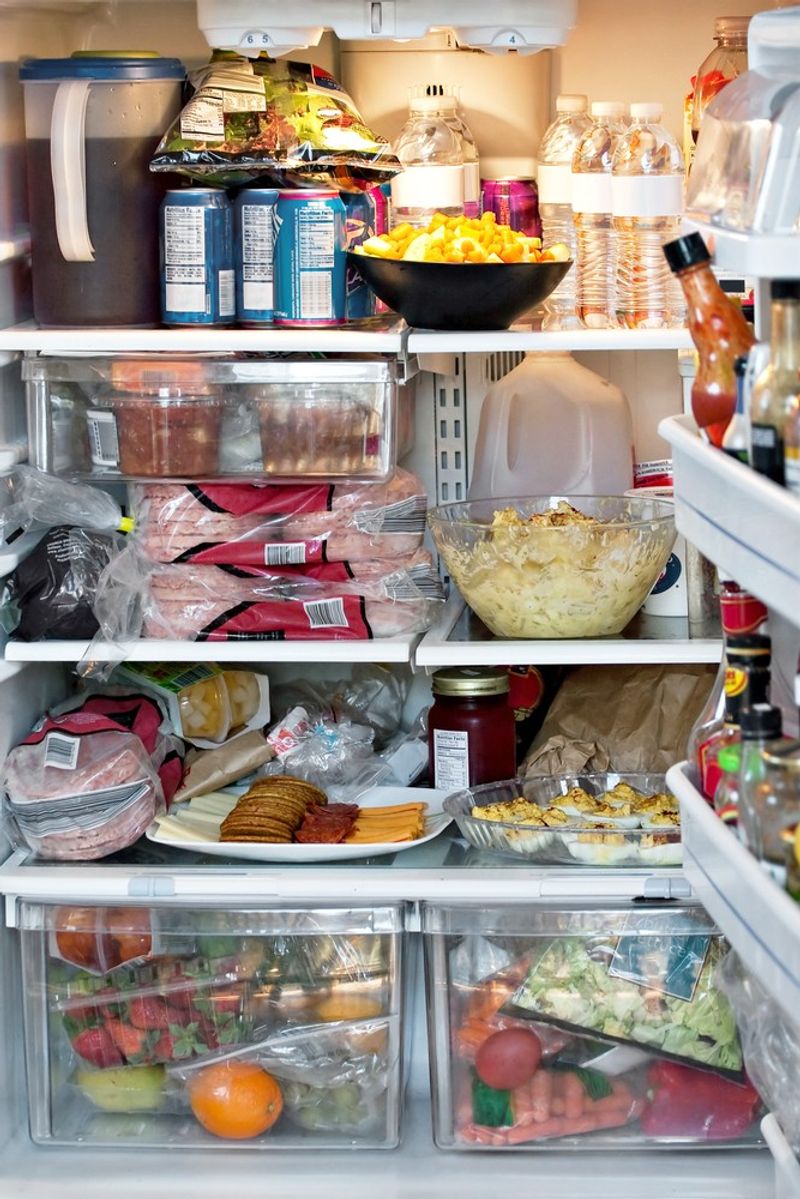
Stuffing the fridge to the brim warms everything up. Blocked vents and crammed shelves stop cold air from circulating. Perishables creep above 40 F, flirting with spoilage and illness.
Prioritize essentials and use coolers with ice packs for drinks. Leave space around vents and use a fridge thermometer. Chill gravy and stocks in shallow containers. If the door struggles to close, something needs relocating. Smart organization keeps food safe and your appliance from overworking during the big push.
15. Using The Wrong Fire Extinguisher
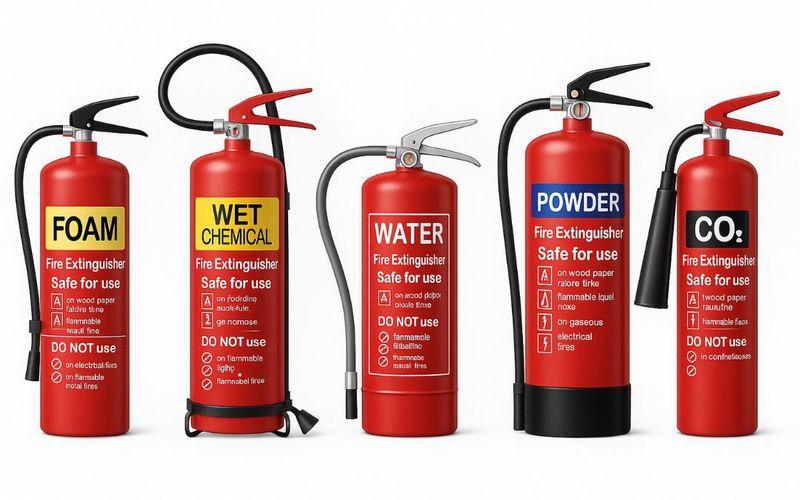
Water and grease fires do not mix. Spraying water spreads burning oil and escalates panic. Reaching for the wrong extinguisher wastes precious seconds.
Keep a Class K or ABC extinguisher accessible and know the PASS method. For small pan fires, slide on a lid and cut heat. Baking soda can help, but never flour. Practice where the extinguisher lives so you can grab it blindfolded. A little prep makes you the calm hero in a smoky moment.
16. Alcohol Near Open Flames
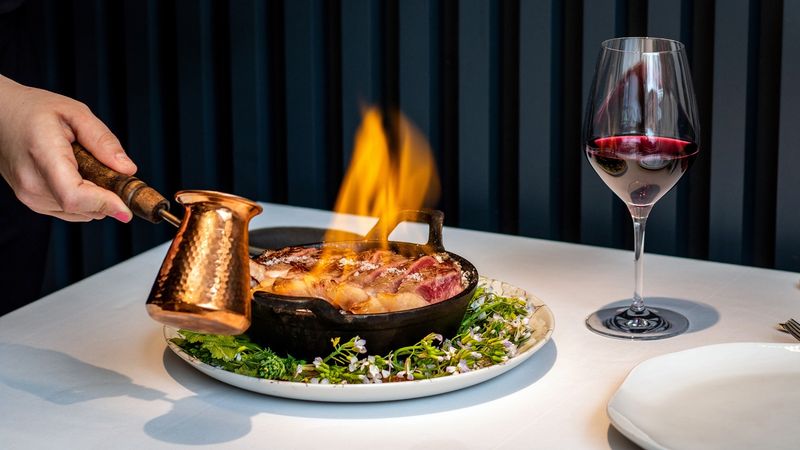
Holiday cheer and open flames make a volatile pair. Spirits ignite easily, and vapor can flash when it meets flame. Candles, dish towels, and decorations become collateral in a heartbeat.
When flambéing, clear the area and keep a lid nearby. Pour from a measured cup, not the bottle. Kill nearby burners and candles, and stand back when igniting. Keep long sleeves tight and hair tied. Celebrate safely so the only glow comes from the tree and happy faces.
17. Glass Bakeware Thermal Shock
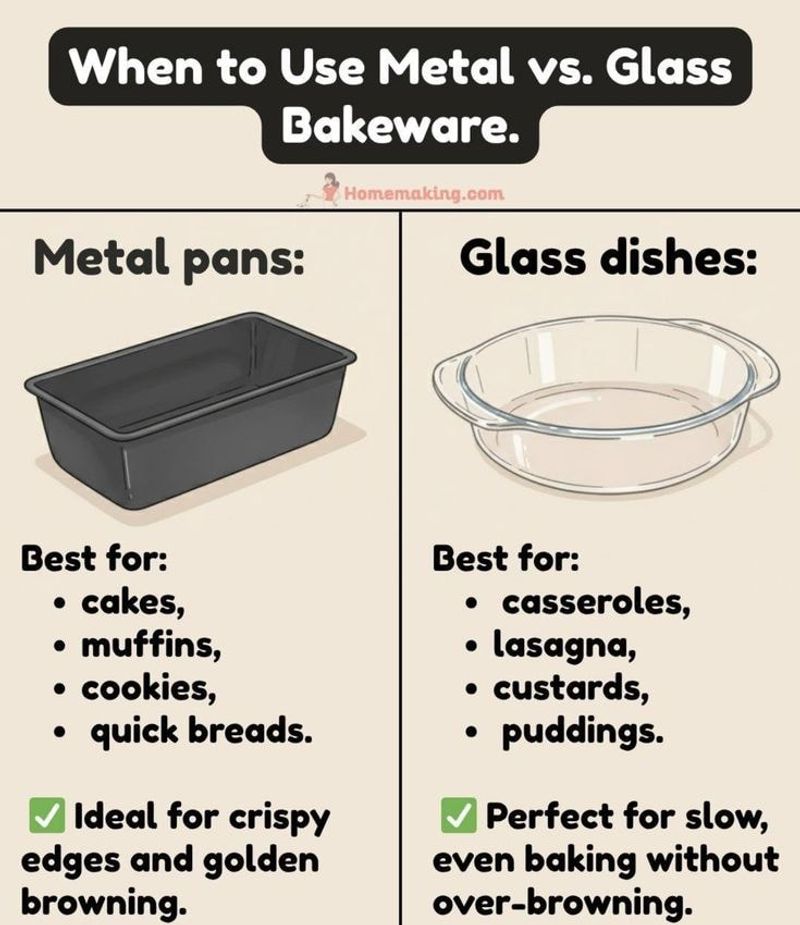
Glass hates sudden temperature swings. Moving a hot dish to a cold surface can shatter it without warning, launching shards and dinner everywhere. Holiday casseroles deserve better than a glittery disaster.
Set hot glass on a dry towel, wooden board, or cooling rack. Avoid broilers and stovetops unless the manufacturer approves. Let fridge chilled dishes warm before the oven. Check for chips that weaken structure. Treat glass gently so it treats you gently back.
18. Improper Buffet Holding Temperatures
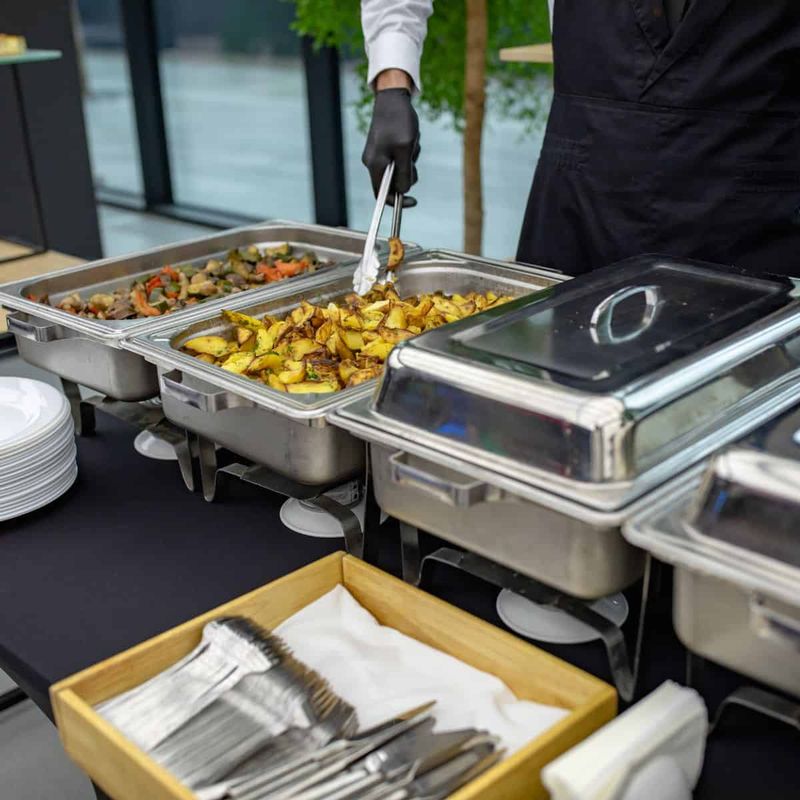
Buffets feel carefree, but lukewarm food sits squarely in the danger zone. Guests graze for hours while bacteria enjoy the same spread. The vibe should be merry, not microbiological.
Keep hot foods at 140 F or above and cold foods at 40 F or below. Use chafers, slow cookers, and ice baths to hold safe temps. Refresh small batches rather than one giant pan. Rotate fresh utensils often. You can host like a pro and keep everything delicious and safe.
19. Forgetting To Remove Giblets
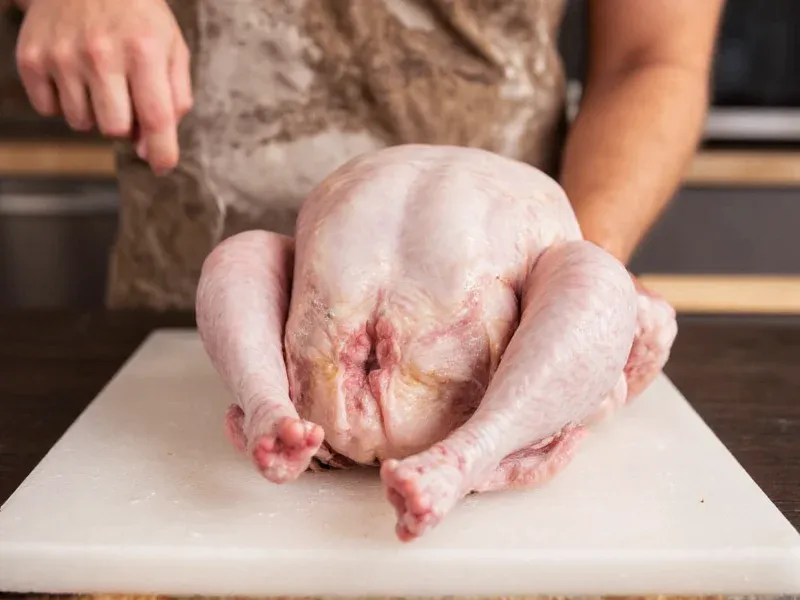
That little bag hides well in the cavity or neck. Roast the bird with it inside, and you might melt paper or plastic into dinner. It is embarrassing and can taint flavor or safety.
Before seasoning, check both cavities with a flashlight. Remove giblets and use them for stock or gravy, or discard. Make it a checklist item on your prep plan. A single minute of attention prevents a head-shaking moment at carving time.
20. Moldy Spices And Rancid Nuts
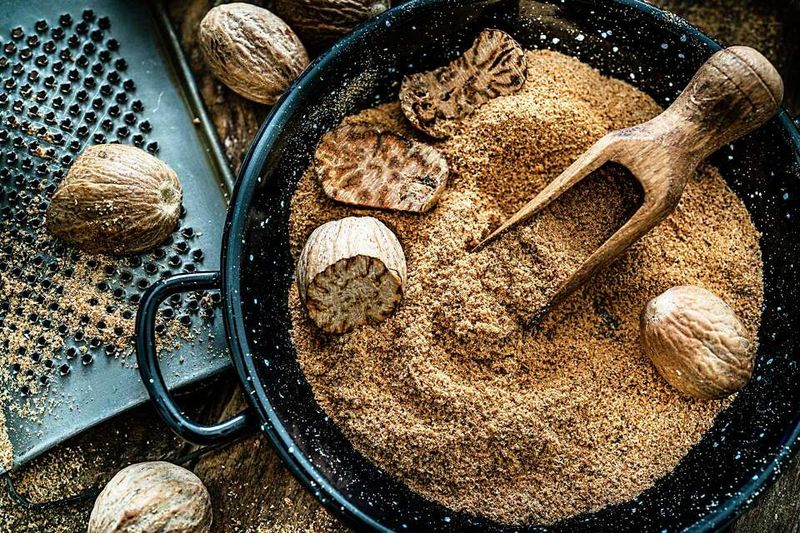
Old spices lose punch, but they can also harbor mold if stored poorly. Nuts go rancid, lending bitter flavors and potential stomach upset. Holiday baking deserves bright cinnamon, not stale dust.
Smell and taste test before the big day. Store spices airtight away from heat and light, and freeze nuts to extend freshness. Buy smaller quantities you can use within months. Good ingredients make good memories, and they do not cost much to refresh.
21. Pet Interference In The Kitchen
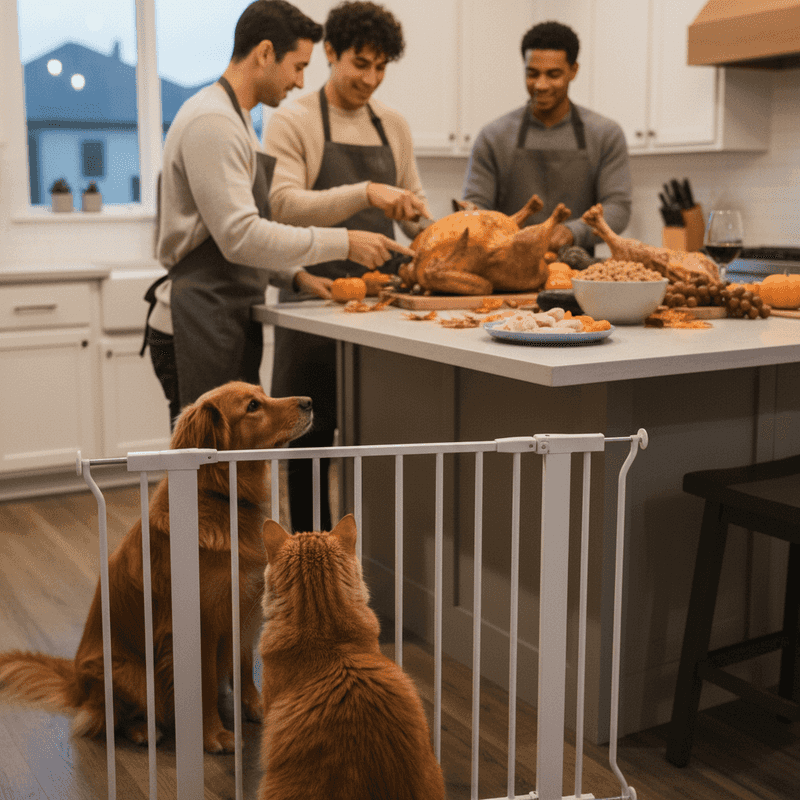
Pets are family, but tails and paws do not mix with hot pans. A quick trip or counter surf can send food and flames flying. You will feel awful, and they could get hurt.
Set up a comfy pet zone away from the kitchen with treats and toys. Use baby gates or close doors during peak cooking. Keep trash secured and food out of reach. Everyone eats safer when four-legged sous-chefs take a holiday break.
22. Neglecting Handwashing During Rush
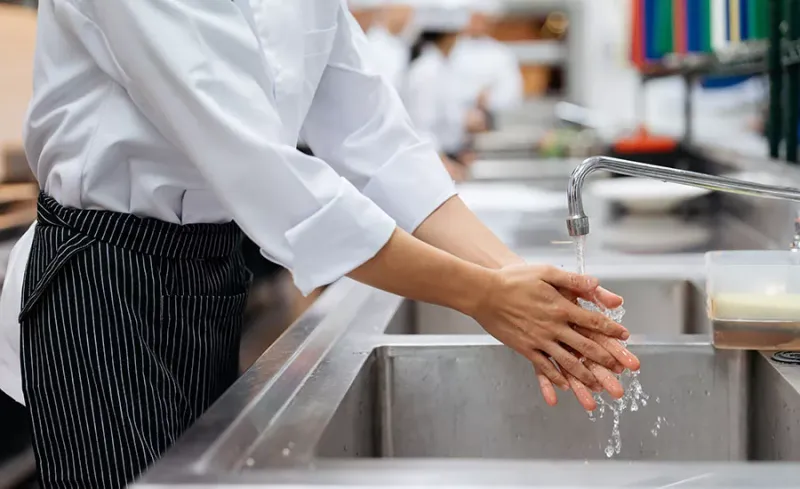
Hustle blurs boundaries. You touch raw poultry, then herbs, then your phone, and suddenly the salad is compromised. Quick rinses do not cut it when greasy hands carry pathogens.
Wash with warm water and soap for 20 seconds, especially after raw proteins, trash, or bathroom breaks. Dry with disposable towels and avoid touching faucets with clean hands. Set reminders and make the sink the busiest station. Clean hands protect every course you serve.
23. Using Old Or Frayed Oven Mitts
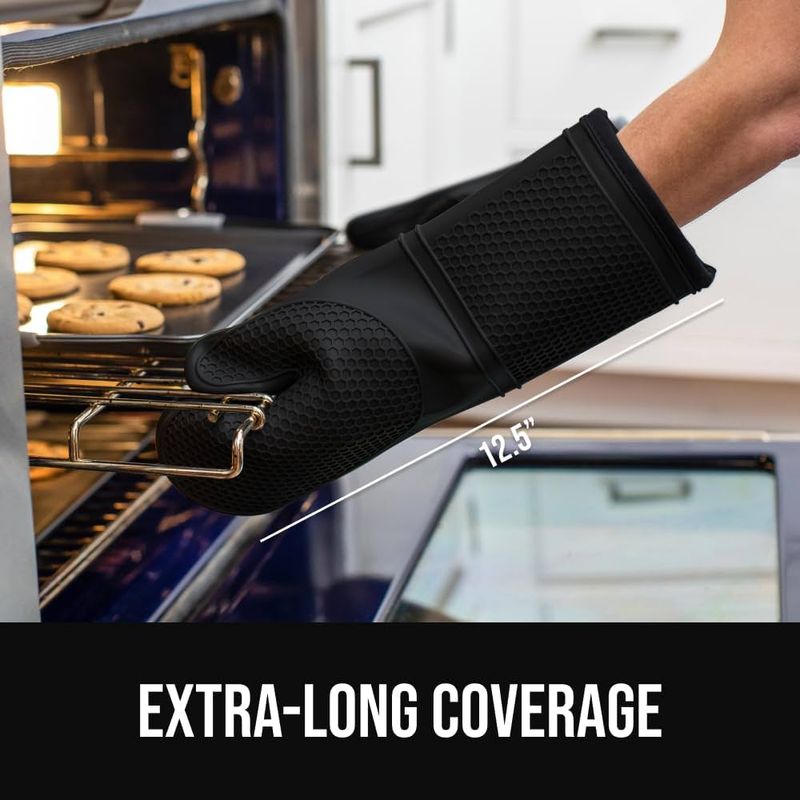
Thin mitts turn into surprise branding irons. Steam and grease soak through fabric and bite fast. Heavy pans demand secure grips, not sketchy threads.
Inspect mitts for holes and replace when worn. Choose long, heat resistant gloves that cover wrists. Keep them dry and within easy reach of the oven. Pair them so you are never hunting during a hot transfer. Good mitts are cheap insurance for your hands and holiday mood.
24. Unattended Candles Near Decorations
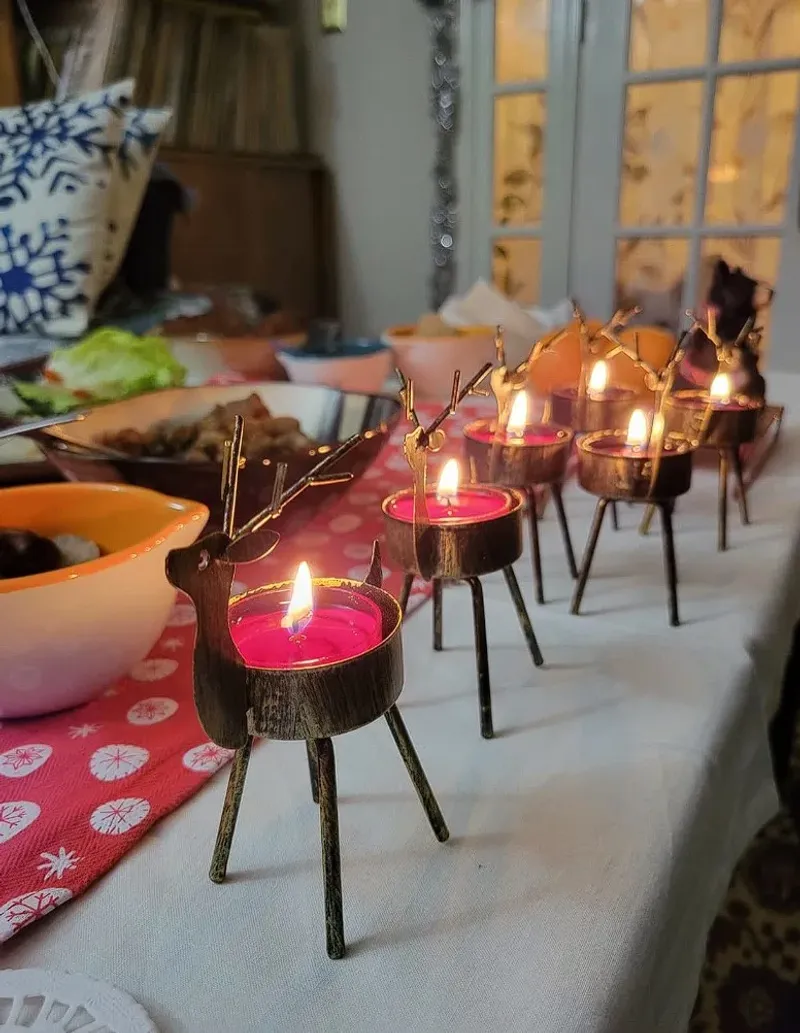
Candles set a cozy scene and a sneaky fire risk. Dry greenery and ribbons ignite quickly, especially when the table is bumping with refills. A moment away can become a smoky emergency.
Place candles in sturdy holders, away from reach and drafts. Trim wicks, keep clear space around flames, and blow them out before leaving the room. Consider LED candles for the same glow without the hazard. Peace of mind looks good on your table.
25. Serving Undercooked Stuffing
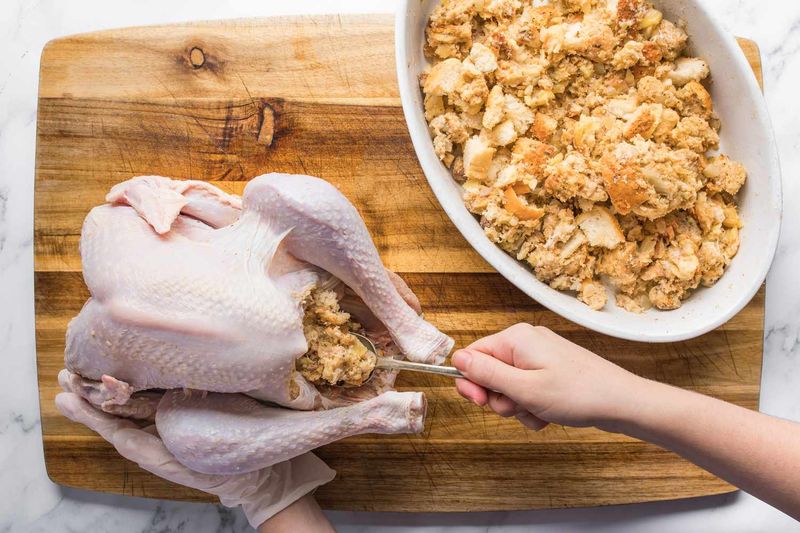
Stuffing inside the bird absorbs raw juices and can stay cool in the middle. If it does not reach 165 F, guests get a risky scoop. Delicious does not have to mean dangerous.
Cook stuffing separately in a casserole or stuff loosely and verify temperature before serving. Add hot stock to speed heating. If the turkey is done first, remove stuffing and finish it in the oven. A quick temp check keeps comfort food comforting.