25 Things You Should Never Say When Ordering Steak
Ordering steak should feel confident, not confusing. Yet a few awkward phrases can derail flavor, service, and your dining experience in seconds. Learn what to avoid so you sound savvy, respect the kitchen, and end up with a steak cooked exactly how you like it. Keep reading, and you will never second guess your order again.
1. Make it well done, but still juicy

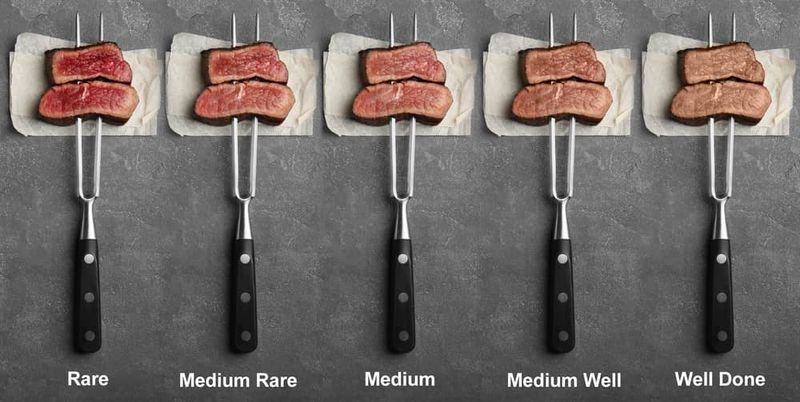
Asking for well done while demanding juiciness puts the kitchen in a tough spot. High doneness drives moisture out, so tenderness and pinkness will not stick around. Instead, request medium well for a firmer bite that keeps some moisture, or ask for a fattier cut.
Try a ribeye if you want flavor that survives higher heat. If you truly prefer well done, acknowledge the tradeoff. You will get respect and better results when your request matches cooking reality. Pair with a sauce for extra moisture.
2. Burn it to a crisp
This phrase sounds dismissive and confusing. If you mean well done, say well done. If you want charred edges, ask for a heavy sear and well done center. Precision helps the cook deliver what you are picturing. Vague shock value lines slow down service.
Use language that describes sear, doneness, and cut. Mention crust preferences, like extra char or light caramelization. That keeps flavors balanced without wrecking the texture. Your plate will arrive closer to perfection when your words match your tastes.
3. Surprise me with any steak
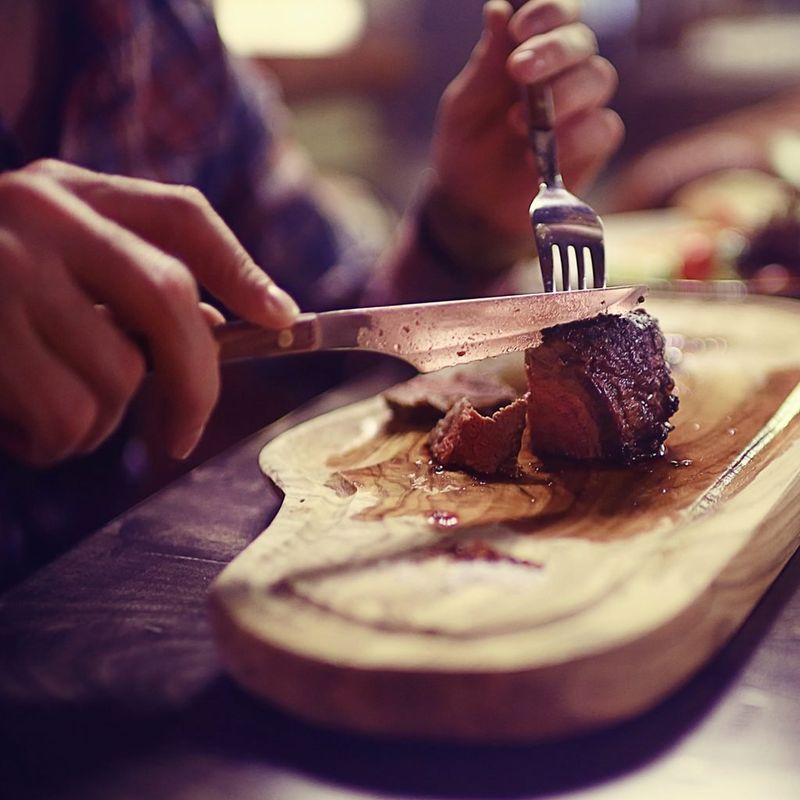
Surprises sound fun, but steak preferences vary wildly. Without guidance on doneness, cut, or budget, the result may miss your expectations. Give at least two details, like medium rare ribeye or lean sirloin medium. That protects your wallet and palate.
Servers read your cues, but clarity wins every time. If you enjoy chef selections, set parameters, such as price range and preferred texture. Then relax and let them shine. You will likely enjoy a thoughtful recommendation aligned with your comfort zone and taste.
4. Make it rare but no red
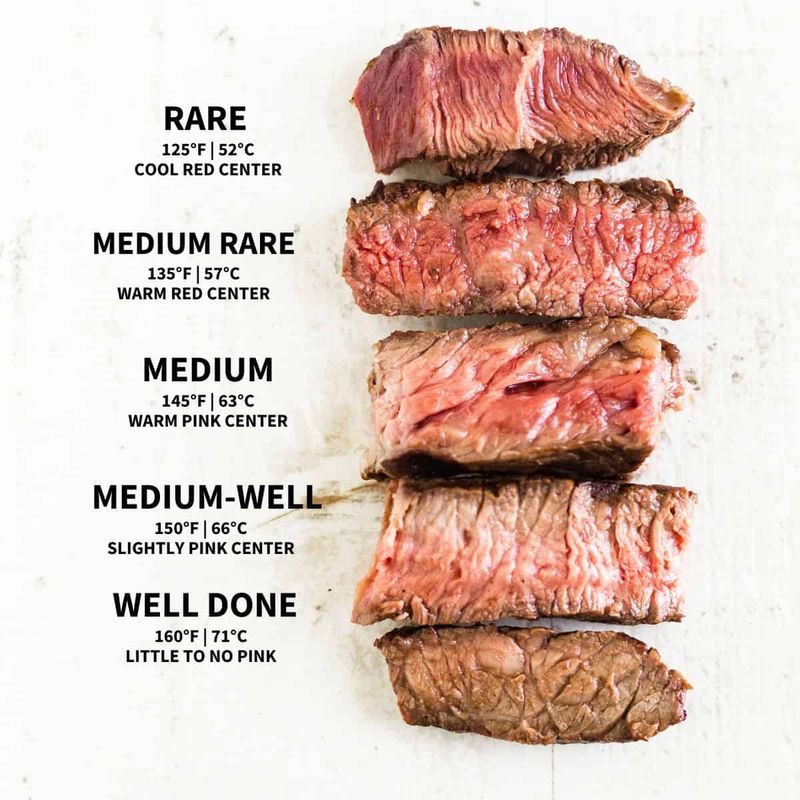
Rare by definition includes a cool red center. Saying rare without red is contradictory and confusing in a busy kitchen. If you want warmth with less redness, request medium rare or medium, depending on your comfort level. That sets correct expectations and protects food safety perceptions.
Transparency speeds up the line and avoids remakes. You can also mention texture goals, like tender with a warm pink center. Clear, standard doneness language gets you predictable results. Everyone wins when your words map to reality.
5. Cook it fast, I am in a hurry
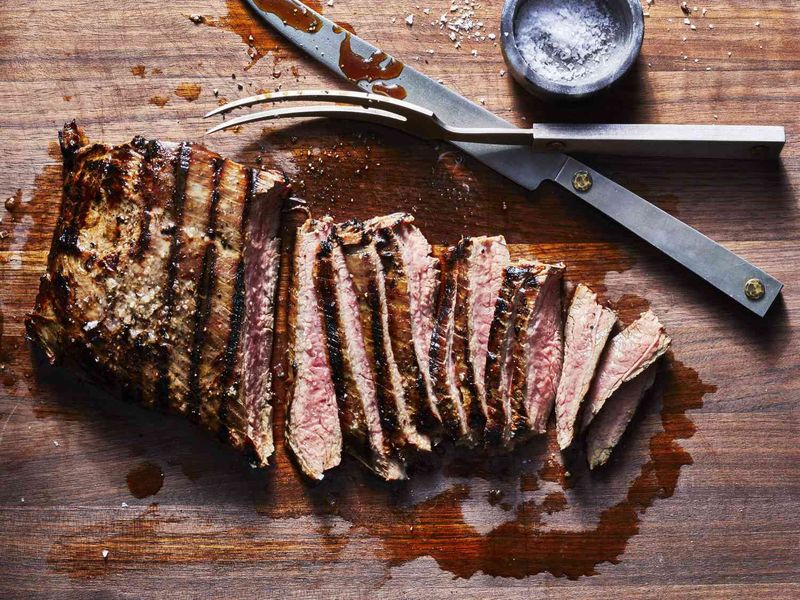
Rushing a steak often compromises sear, internal temperature, and resting time. The result can be uneven, tough, or underseasoned. If time is short, ask what the kitchen can execute quickly, like a thinner cut or a steak salad. They will guide you.
Communicate your timeframe politely, then trust their solution. You might discover a chef favored workaround that still tastes great. A realistic plan beats pressure that backfires on quality. Good cooking needs a little breathing room to shine.
6. Just make it like filet mignon
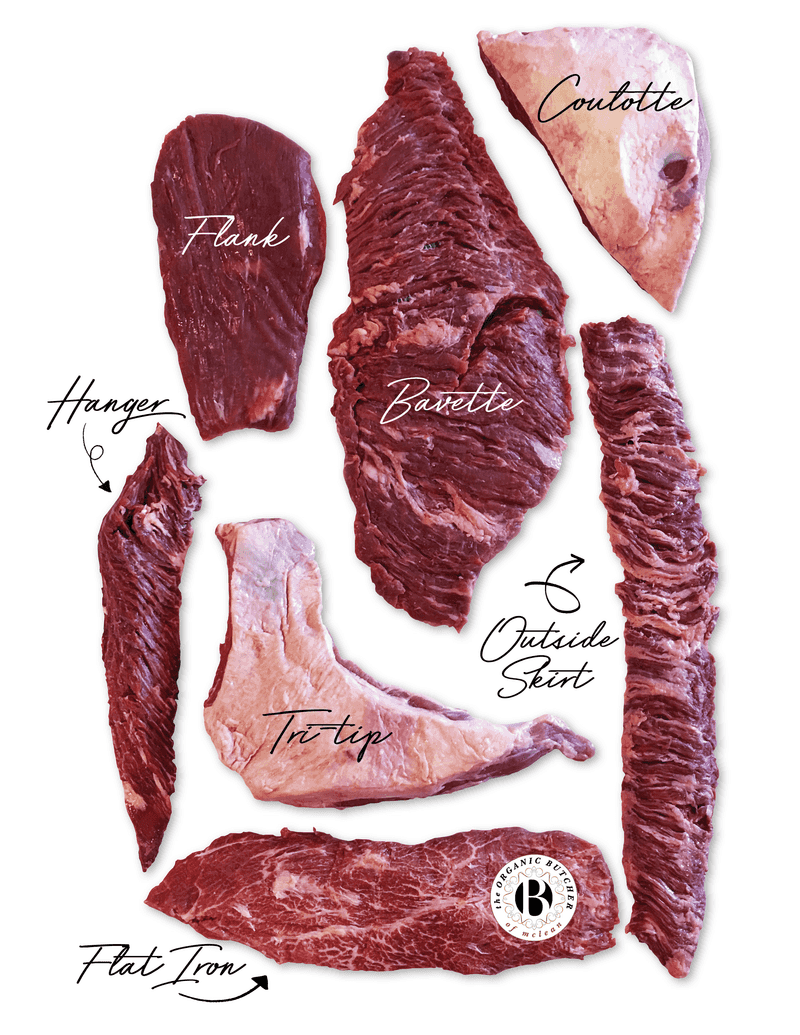
Telling the kitchen to cook a different cut like filet mignon ignores how unique each cut behaves. Ribeye, sirloin, and hanger have distinct fat and muscle structures. Instead, describe what you like about filet, such as tenderness and mild flavor. They can suggest a suitable cut or technique.
Chefs respect specific preferences. Ask for a tender cut cooked medium rare, or a leaner steak with a soft texture. You will get a tailored recommendation without forcing mismatched expectations. It keeps the flavors honest to the cut.
7. I want it bloody but safe
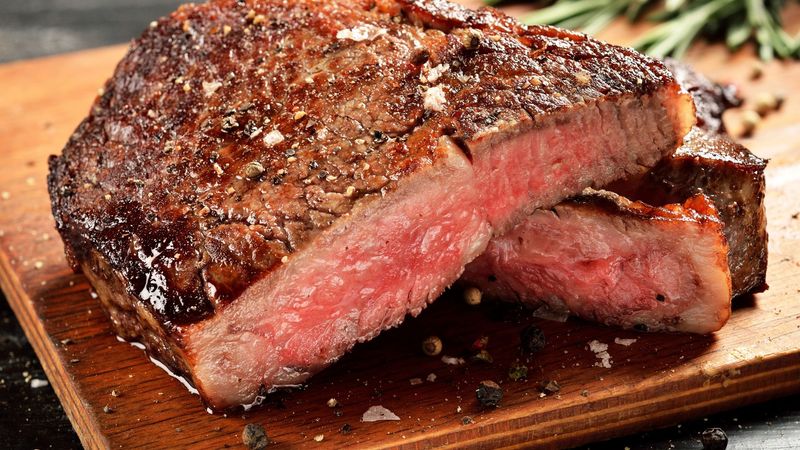
Bloody is imprecise and can spook staff or other guests. Steak juice is not blood, and safety hinges on surface searing and handling. Use standard terms like rare or medium rare, then ask about sourcing. That invites a helpful conversation without drama.
Precision language is your friend. If you are nervous, request medium rare and confirm rest time. You will get tenderness with a warm center and better peace of mind. The kitchen will appreciate the clarity and respect.
8. Can you butterfly everything by default
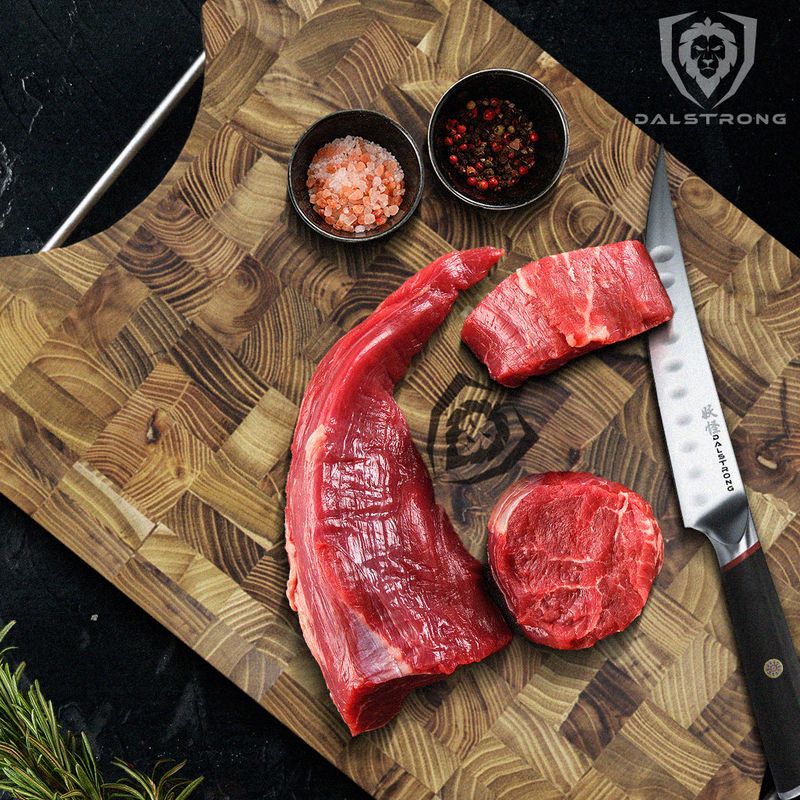
Butterflying thins the steak, speeding cooking but risking dryness and a weaker crust. It is best requested when needed, not by default. If you prefer more doneness without long waits, ask the server whether butterflying suits your cut and size. Collaboration beats blanket rules.
Thicker steaks benefit from uncut cooking to develop a deeper crust and even interior. Discuss your timing and doneness needs, then listen to guidance. Great results follow tailored approaches. Flexibility turns a potential flaw into a perfect bite.
9. Drown it in sauce so I cannot taste the meat

Over saucing can mask a well sourced steak and signal distrust of the kitchen. If you like sauce, that is fine, but consider balance. Ask for sauce on the side or mention a preference for light basting. You keep control without overwhelming flavor.
Chefs often season and baste carefully. Let the steak speak first, then add sauce as needed. You may find less is more, especially with marbled cuts. It is your plate, but thoughtful restraint often tastes better.
10. Give me Wagyu medium well to save fat
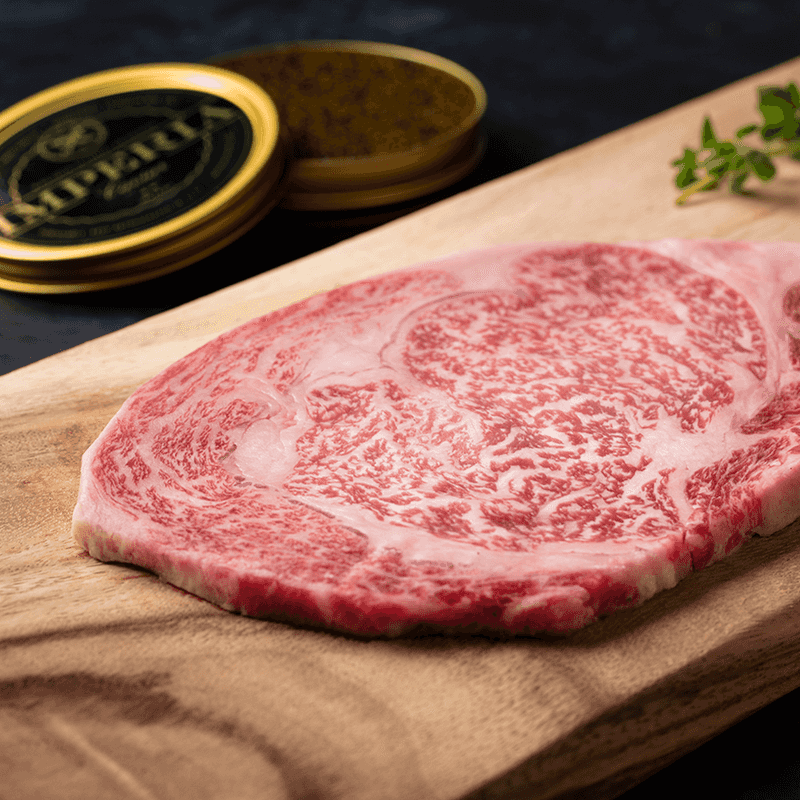
High marbling shines at lower doneness where fat gently renders and stays tender. Ordering Wagyu medium well risks greasiness without silkiness. If you want a firmer bite, ask for a leaner cut medium well instead. You will save money and get a better texture.
For Wagyu, medium rare usually unlocks its signature mouthfeel. Tell the server you want buttery but not mushy, and they will steer you right. Smart choices respect the cut and your budget. Precision pays off on premium beef.
11. Make it taste like chicken
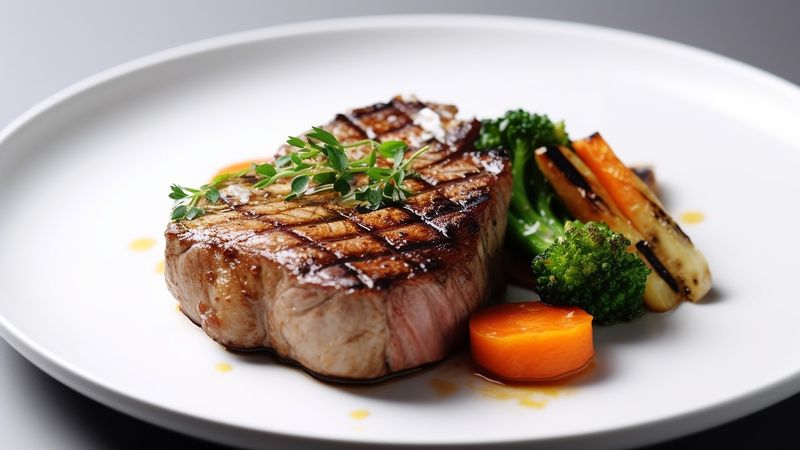
Steak should taste like beef. If you prefer milder flavors, say so, and choose filet or a lean sirloin. Avoid jokes that confuse your server and waste time. Humor lands better when the order is clear first.
Describe what you enjoy, such as subtle seasoning or minimal char. The team can adjust salt, pepper, and butter accordingly. You will still get a flavorful bite that suits your palate. Clarity beats punchlines when your dinner is on the line.
12. I do not care about the cut, cheapest is fine

Price only ordering can backfire on texture and satisfaction. Instead, mention budget and preferred traits, like lean, tender, or rich. Servers can guide you to value cuts that match your taste. Think hanger, flat iron, or top sirloin when value matters.
You deserve a good experience at any price. Framing your order around flavor and texture helps the kitchen succeed. Clear preferences create better recommendations without stretching your wallet. Smart choices beat blind bargains every time.
13. Cut it in the kitchen so I look fancy
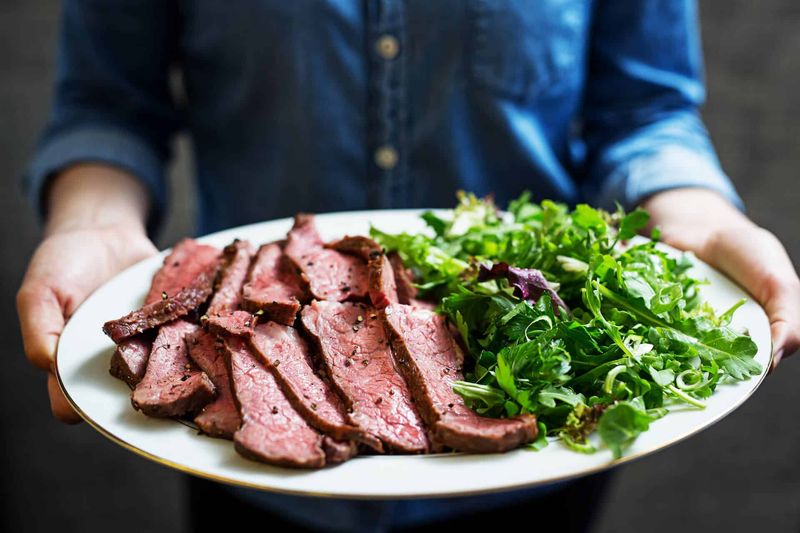
Pre slicing can cool the steak faster and leak juices, weakening presentation and texture. If you want easy eating, ask for a shareable cut or a steak frites style. That preserves heat and crust while keeping things neat. Trust plating that respects the cook.
Servers can bring sharper steak knives or share plates. Communicate your needs without forcing a compromise. Your steak will stay hotter and juicier, and you will still look composed at the table. Function meets finesse when handled right.
14. No salt at all, I hate flavor
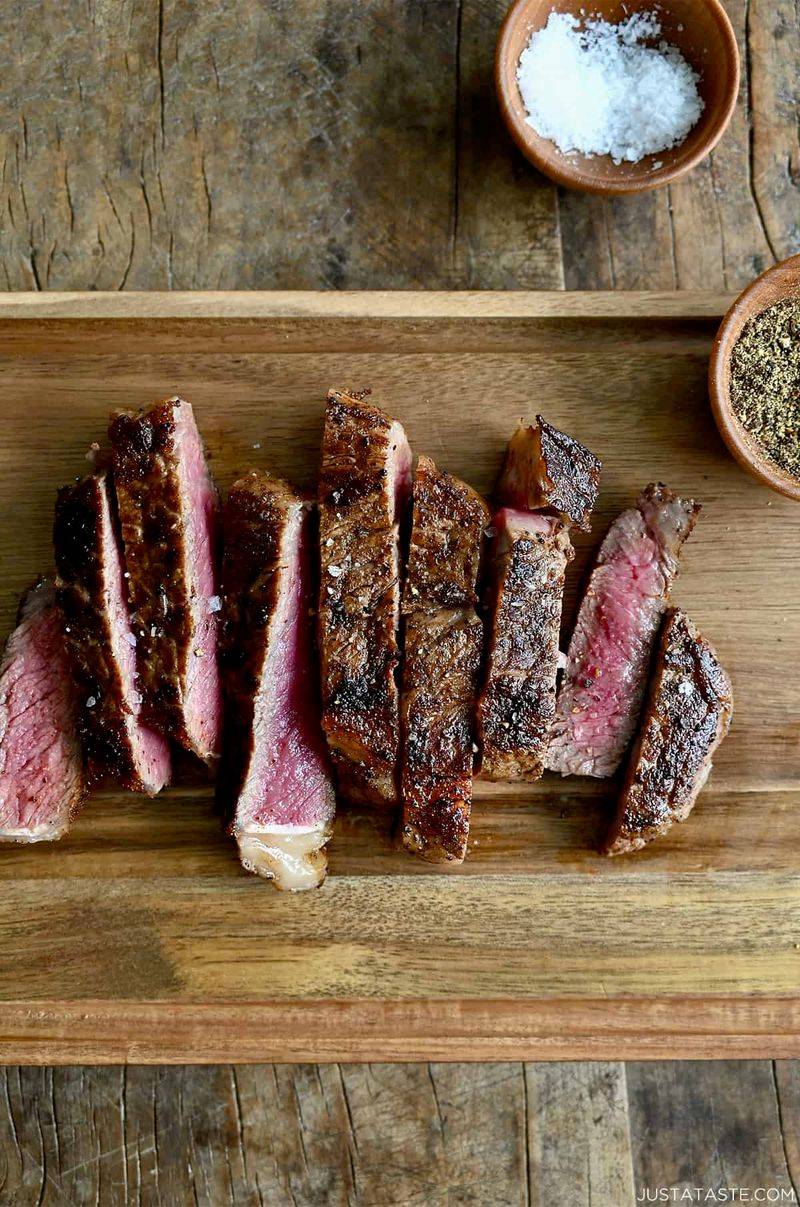
Joking about hating flavor signals confusion and may lead to underseasoning. If you need low sodium, say so directly. Ask for light salt and pepper, then request sauce on the side. You will control seasoning without sabotaging the crust.
Salt helps browning and balance. Chefs can accommodate preferences while preserving technique. Clear, respectful language ensures your steak remains enjoyable and safe for your needs. Keep the humor for after your plate hits the table.
15. Cook it with no oil or butter at all
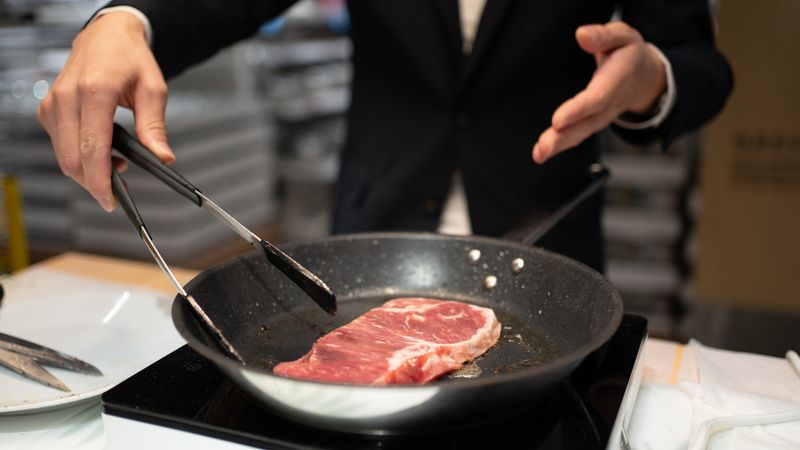
Fat helps searing, heat transfer, and flavor. Zero fat can lead to sticking, pale crust, and dryness. If you need a lighter approach, ask for minimal oil and no finishing butter, not none. That keeps technique intact while honoring your goals.
Consider lean cuts and grilled methods to reduce added fat. Communicate clearly and ask for suggestions. The kitchen will find a workable compromise. You will get a satisfying crust without derailing the process.
16. Make it taste smoky without any char
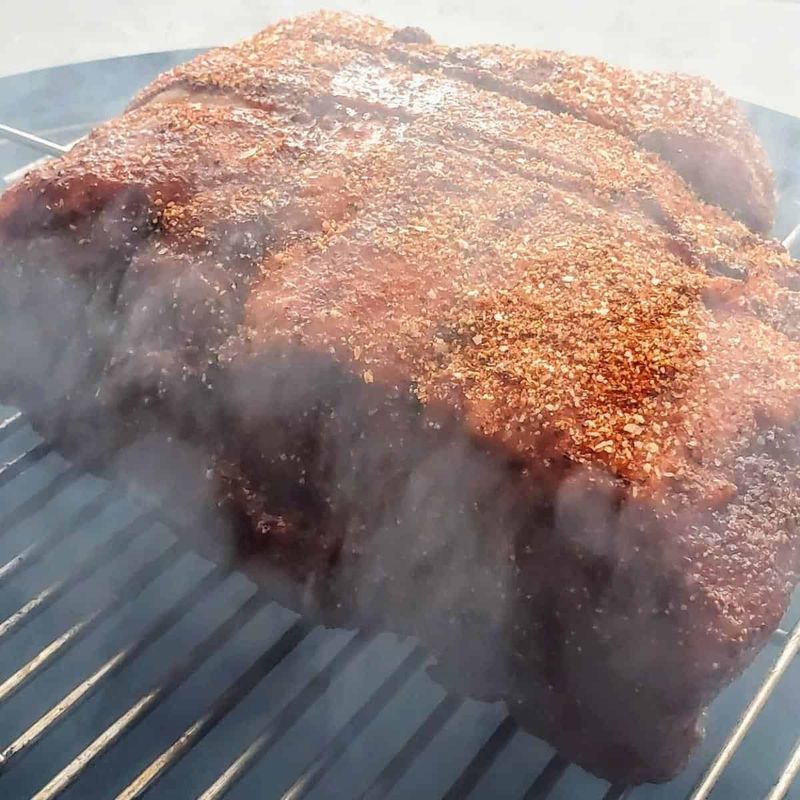
Smoke and char are related but not identical. Asking for smoke flavor without any char is tricky indoors. If you want smokiness, request a wood grilled or smoked preparation, and specify a light sear. That guides the kitchen to achievable results.
Explain your threshold for bitterness and crust. A gentle sear and finishing over wood embers can satisfy both goals. You will enjoy complexity without harshness. Realistic expectations produce the best bites.
17. Give me the biggest cut for the same price
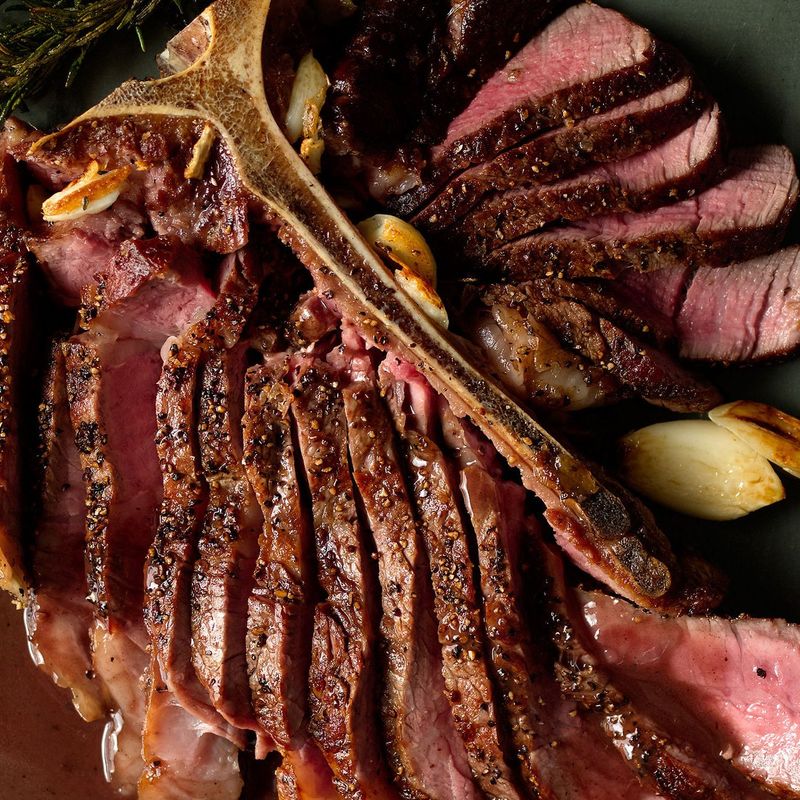
Negotiating price mid order disrupts service and puts staff in a tough spot. Menus reflect portion costs and sourcing. If size matters, ask about larger cuts and their prices up front. Transparency prevents awkwardness and ensures satisfaction.
Consider sharing a larger steak if budget is fixed. Many restaurants offer split options or share friendly plates. You will get the experience you want without uncomfortable haggling. Respect for the process leads to better hospitality.
18. I want it medium rare, but no pink
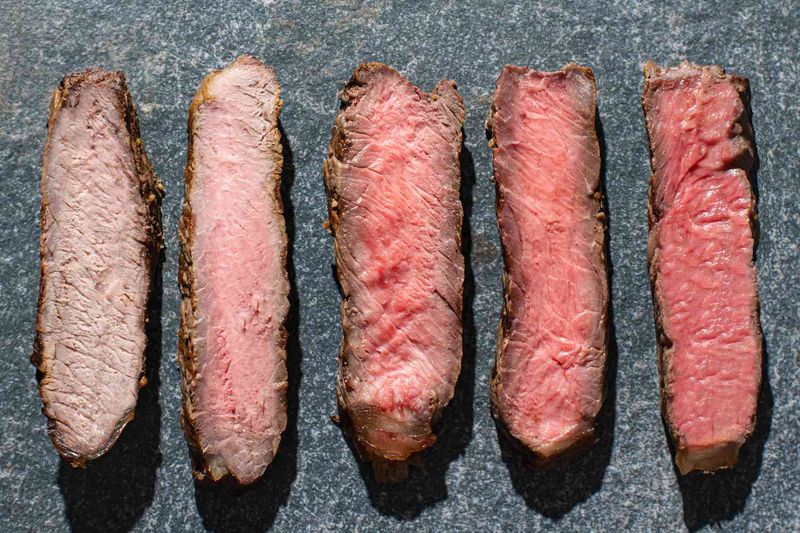
Medium rare always includes a warm pink center. Saying medium rare without pink sends mixed messages and risks a miss. If pink bothers you, request medium for light pink or medium well for just a blush. You will get closer to your comfort zone.
Use doneness terms as the kitchen defines them. It is the fastest path to a steak you enjoy. Clear language saves time for everyone. Trust the standards, then fine tune with sauce and sides.
19. Season it after cooking only
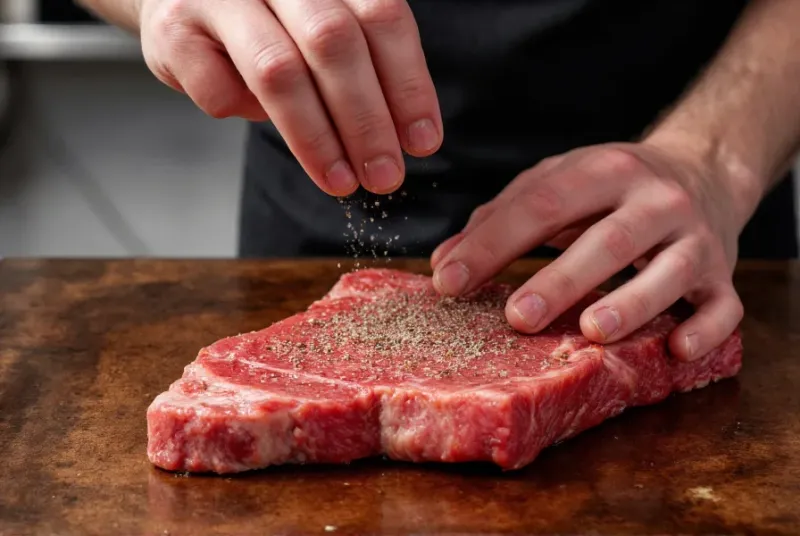
Salting before cooking aids browning and draws flavors into the meat. If you insist on post cooking only, you lose crust development and balance. Instead, ask for a lighter pre salt with finishing salt on top. You will enjoy texture plus pop.
Communicate preferences like flaky salt or no added butter. Cooks can adapt without compromising fundamentals. Your steak will taste deliberate, not flat. Collaboration beats rigid rules that undermine technique.
20. Tell the chef I know a better way

Challenging the chef hurts rapport and rarely improves your plate. If you have a technique preference, express it respectfully and ask whether the kitchen can accommodate. You will likely get a thoughtful response. Mutual respect improves outcomes.
Focus on results, not righteousness. Say you prefer a heavy crust or less butter, then listen to suggestions. Professional teams want you happy, but they also protect quality. Polite collaboration keeps everyone on the same side.
21. Do not rest it, I want it now
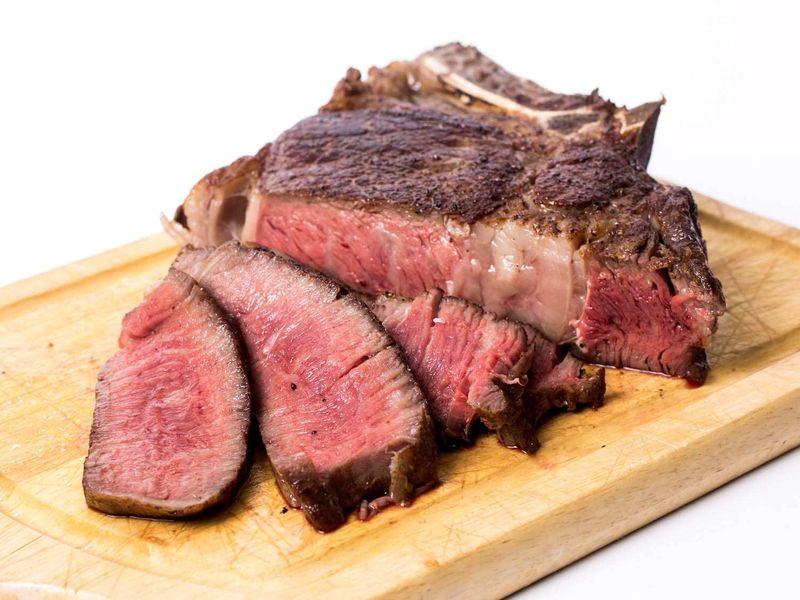
Skipping rest pushes juices out when sliced, leaving dryness and a messy plate. Resting settles heat and moisture for better bites. If timing worries you, ask how long rest will take and whether sides can arrive first. Patience pays off in flavor.
Explain you want hot food without losing juiciness. The kitchen can adjust plating and sequence. You will taste the difference in every slice. Good steaks need a brief pause to shine.
22. Make it crispy all the way through
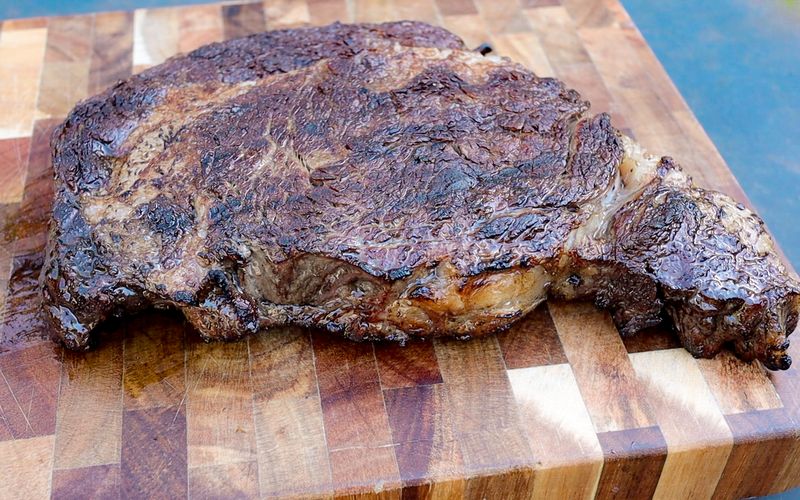
Steak is not fried chicken. A full crispy interior means overcooked, dry meat. If you love crunch, ask for a deeper crust and consider a thinner cut or a schnitzel style dish. Precision turns a mismatch into a win.
Describe texture goals honestly. A firm exterior with a juicy center is achievable with proper sear and resting. You will get bite and satisfaction without shoe leather. Let the cook balance crust with tenderness.
23. Just use steak sauce, I do not care which
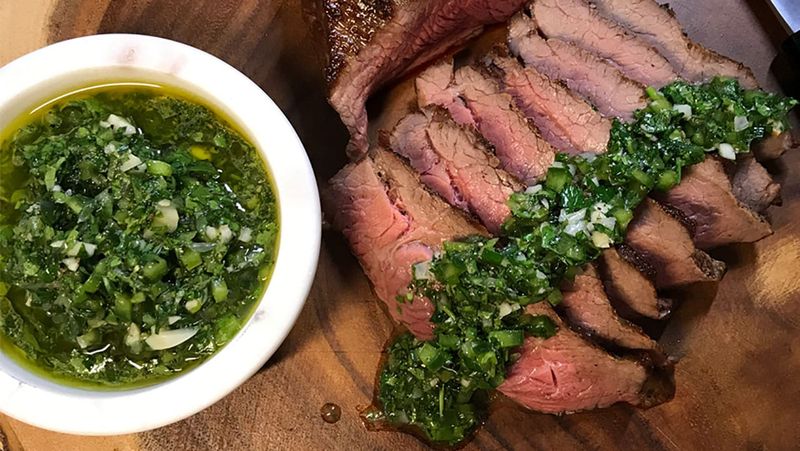
All sauces carry different sweetness, spice, and richness. Blanket permission may bring a flavor you dislike. Share what you enjoy, like peppercorn heat or tangy acidity. Ask for sauce on the side so you stay in control.
Precision prevents disappointment and kitchen waste. You might love chimichurri or a light red wine reduction instead. Aim for balance with the cut and doneness. Small guidance makes a big difference.
24. Can you grill it without any smoke or smell
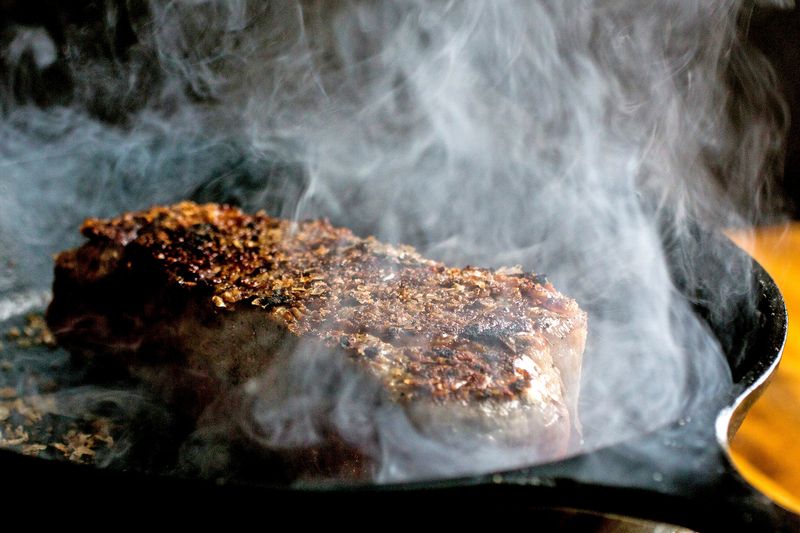
Grilling by nature creates aroma and light smoke. Demanding none is unrealistic. If sensitivity is an issue, request pan searing with ventilation or a less smoky preparation. The team will try to accommodate while keeping flavor intact.
Be specific about what bothers you. They can avoid heavy charring oils or wood. You will still enjoy a satisfying steak with fewer triggers. Realistic requests build trust and better outcomes.
25. Use truffle oil to make it fancy
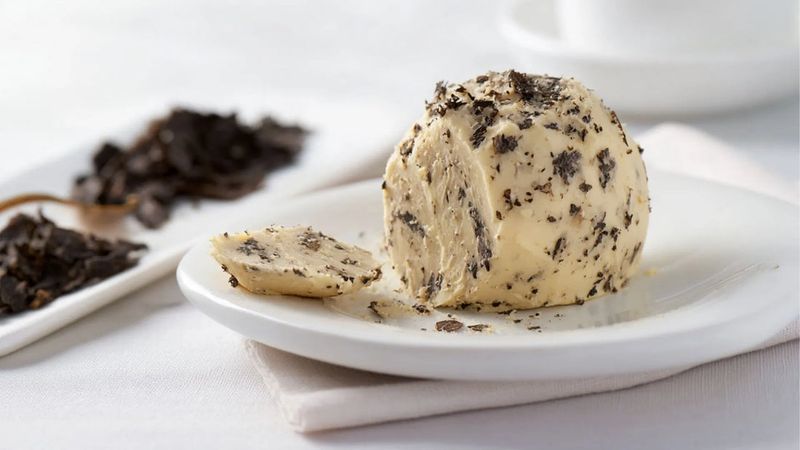
Truffle oil can overpower beef and often tastes synthetic. If you want luxury, ask about real truffle shavings, compound butter, or a red wine sauce. Those options elevate without bulldozing beefy notes. Your palate will thank you.
Share whether you prefer earthy, buttery, or herbal accents. The kitchen can tailor a garnish that complements the cut. Fancy should taste balanced, not perfumed. Subtlety keeps steak center stage.