25 Unusual Survival Foods From The Old West
Life on the frontier demanded grit, creativity, and meals that could outlast dust, distance, and doubt. If you have ever wondered how pioneers ate when supplies ran thin, these time tested foods tell a story of endurance and ingenuity.
You will discover flavors that are rugged, practical, and surprisingly clever in their simplicity. Ready to stock your modern pantry with old school survival wisdom?
1. Pemmican
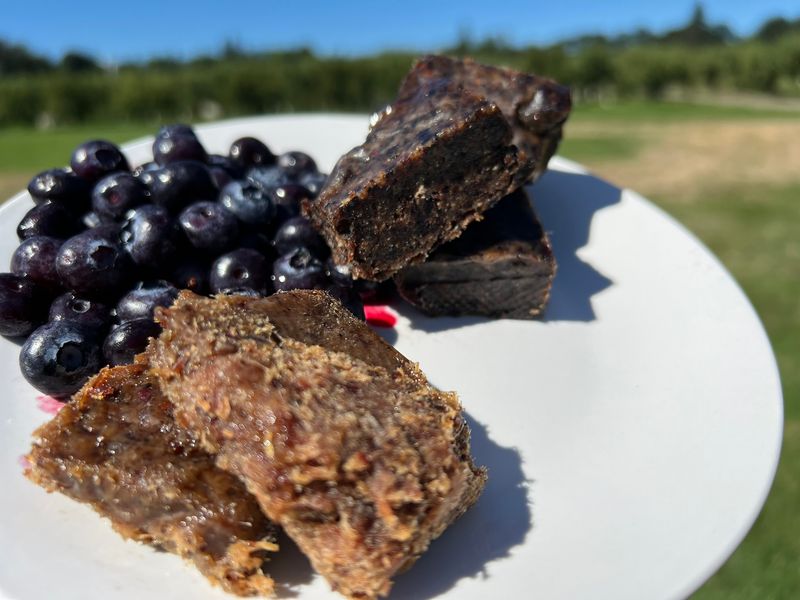
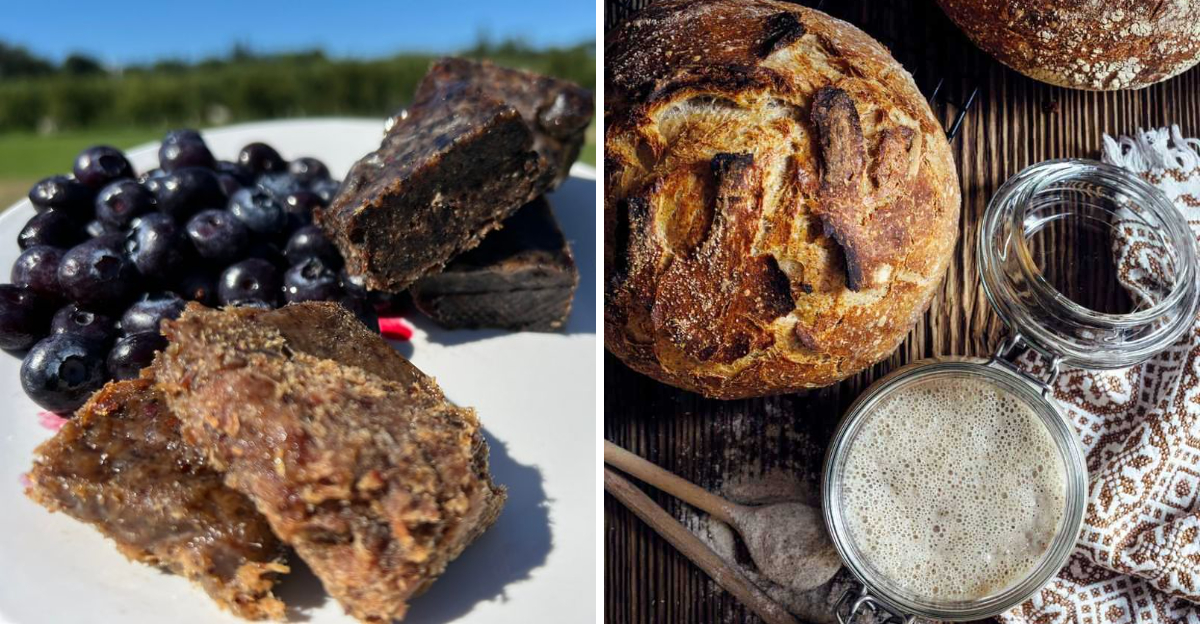
Pemmican kept travelers moving when hunts failed and winter bit hard. Made from dried, pounded meat blended with rendered tallow, it traveled light and hit heavy with calories.
Add dried berries for a tang that brightened grim days and masked gamey notes.
You did not nibble pemmican. You rationed it, shaved slivers into stews, or softened it by the fire.
It fueled scouts, couriers, and families because it stored safely for months and needed no fancy gear.
2. Hardtack
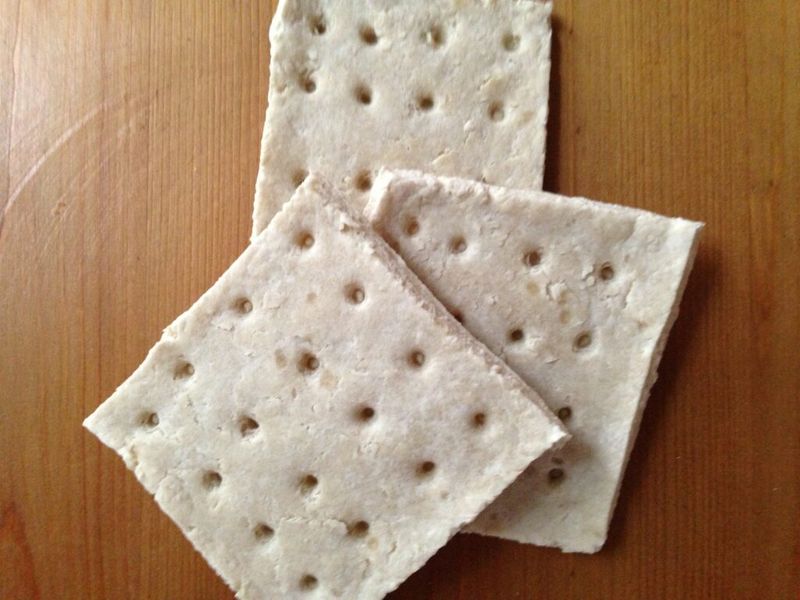
Hardtack was not cooked to please. It was cooked to survive the journey.
Flour, water, and salt formed bricks that could outlast a season of storms and careless packing.
You softened hardtack by soaking it in coffee or stew, or by smashing it first with a rifle butt. Bugs sometimes claimed it, so a quick toast drove hitchhikers out.
It tasted plain, but plain kept you alive when towns were weeks apart.
3. Salt Pork
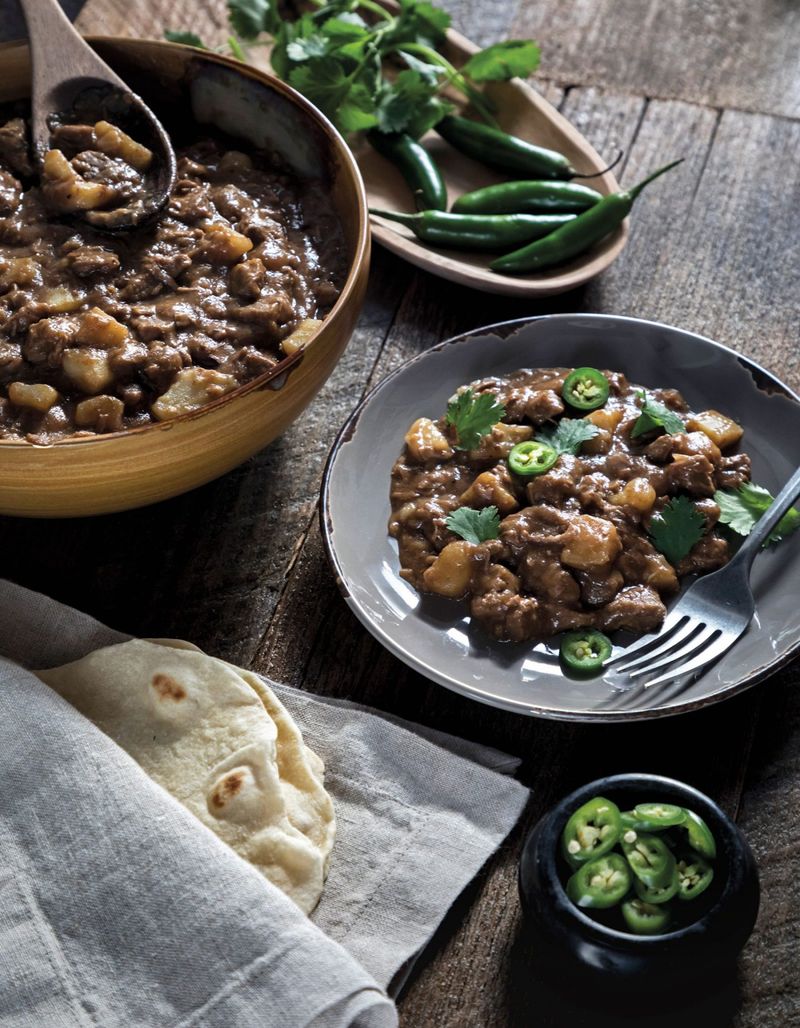
Salt pork rode in barrels and made beans sing. The heavy brine locked out spoilage and kept fat dense and ready.
Camp cooks scraped off crystals, soaked, then sizzled slices to stretch flavor across a pot.
You could survive days on beans and salt pork alone. Dice it tiny to perfume a stew or fry it crisp as a treat.
The salt felt fierce, but frontier work drank it up, and the fat kept bodies fueled through lean miles.
4. Jerky Variants
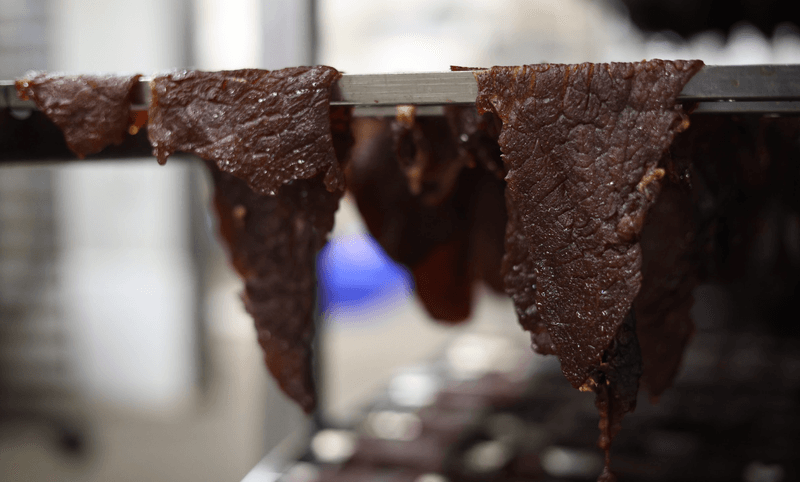
Jerky was insurance against bad luck. Thin slices, salted and smoke dried, tucked into saddlebags without fuss.
Different cuts, different woods, and different cures created a whole roster of flavors.
You chewed it straight when you needed quick strength or simmered it to rehydrate for a stew. It weighed little and laughed at heat.
Jerky was not a luxury, but it carried the comfort of meat across impossible miles and unpredictable weather.
5. Parched Corn
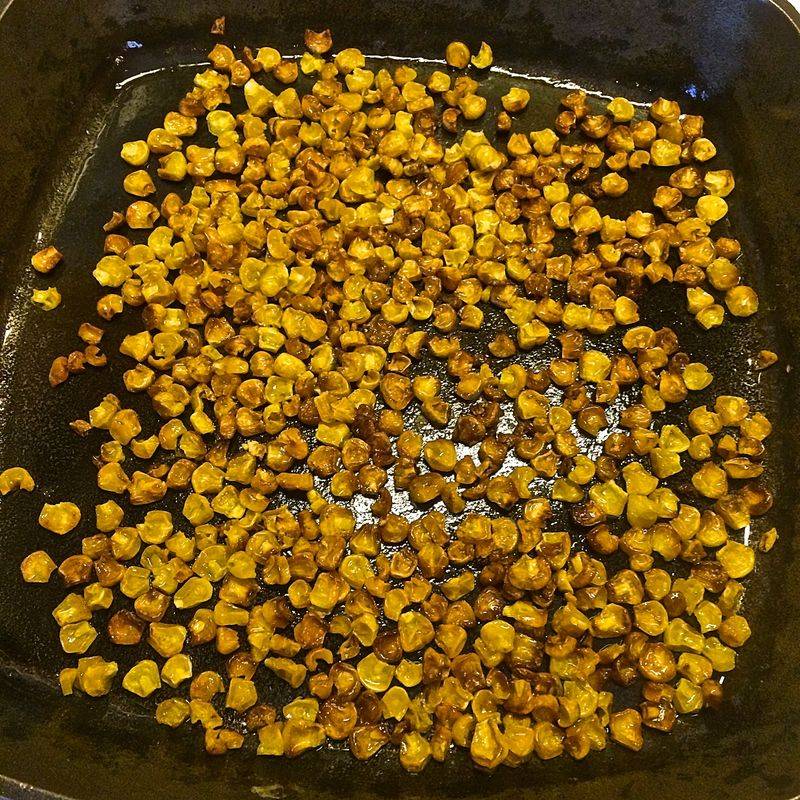
Parched corn turned corn into trail mix before trail mix had a name. Kernels toasted until crackly, then salted or sweetened, stayed crisp and edible.
It traveled in small pouches and poured straight into hungry hands.
You could grind it and whisk it into hot water for a quick mush. You could fold it into stew for texture.
Parched corn stayed steady when wagons shook and canteens rattled, offering a bite that felt familiar and filling.
6. Chokecherry Cakes
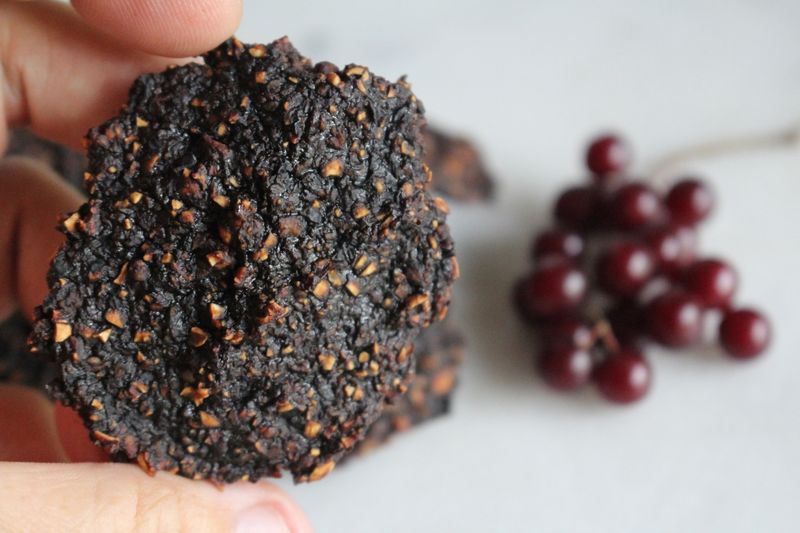
Chokecherries were tart, stubborn fruit, but nothing went to waste. The pits and skins were crushed into a paste and shaped into cakes to dry in the sun.
Bitter at first, they softened in stews or with a touch of fat.
You crumbled them into porridge to wake up the flavor. You chewed them sparingly when fresh food ran thin.
Their wild bite delivered vitamins and grit in a single mouthful.
7. Bean Hole Beans
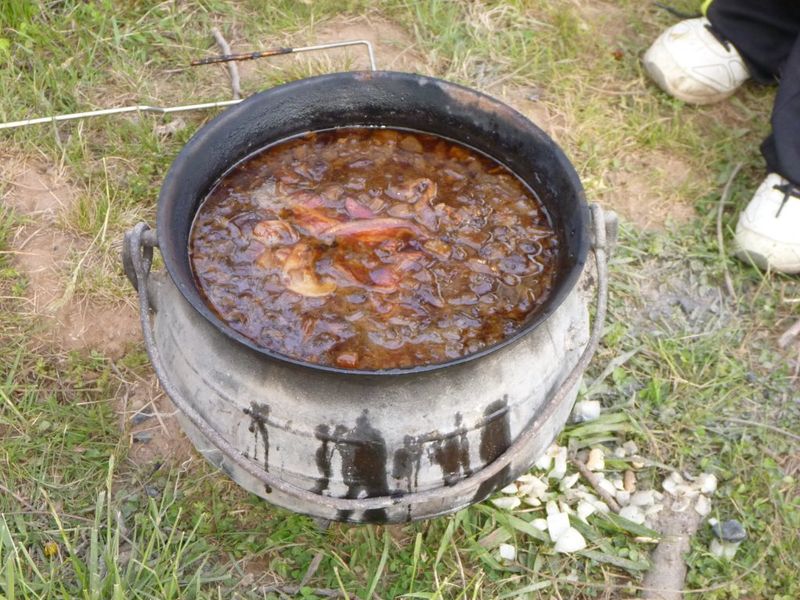
Bean hole beans cooked while you worked. Dig a pit, build a fire, bury the pot, and let time do the rest.
The slow heat melted salt pork into creamy beans that lasted days.
You scooped portions at dawn or dusk, and the pot kept giving. It filled bellies and freed hands from constant tending.
On the trail, steady food is gold, and this was a miner’s stash without a lock.
8. Sourdough Starter
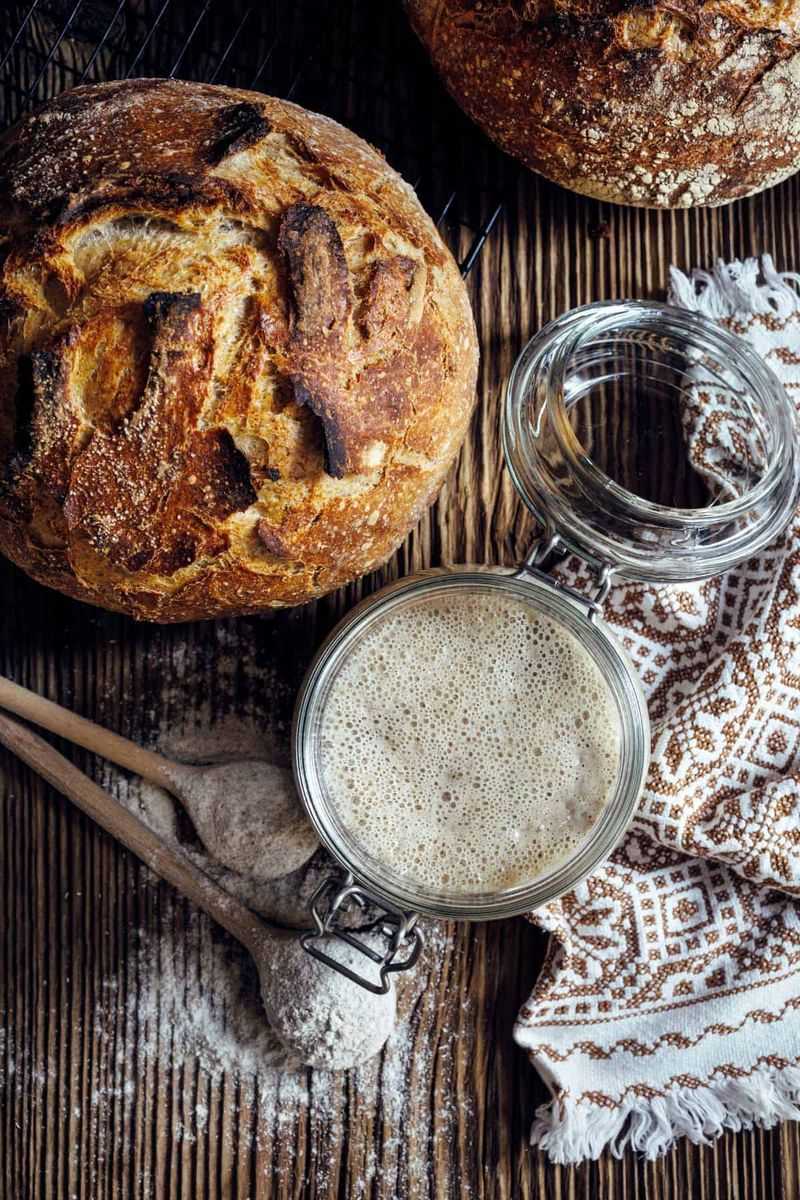
Sourdough was a living pantry that walked with you. A crock of starter fed with flour and water raised biscuits, flapjacks, and quick loaves.
It forgave rough measurements and delivered tangy comfort.
You guarded it like treasure, because losing starter meant losing bread for weeks. A warm pocket or bedroll kept it active on cold nights.
With patience and practice, sourdough turned scraps into meals that felt like home.
9. Rendered Tallow
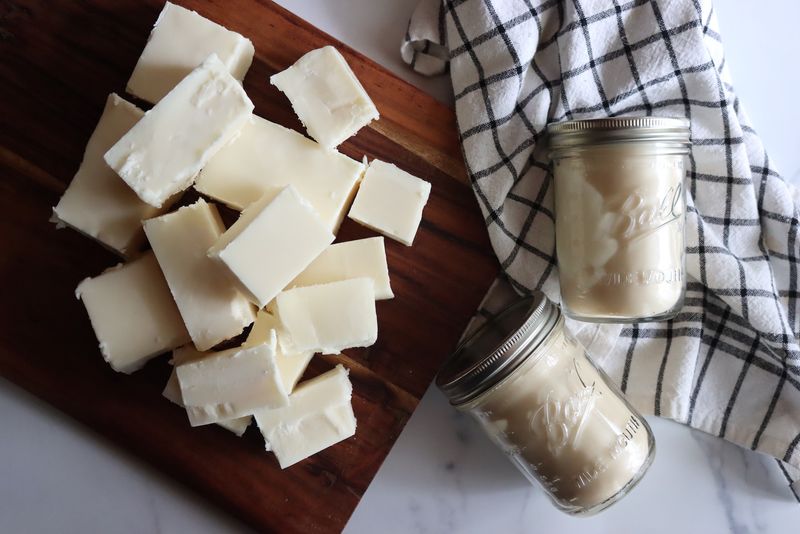
Tallow did everything. It preserved meat, fried flapjacks, sealed leather, and fueled lamps when oil ran out.
Rendered clean, it kept for months without complaint.
You stirred it slow, skimmed impurities, and poured it into tins to cool. In camp, a spoonful could turn wild greens into a meal.
When supplies thinned, fat was survival, and tallow was the frontier’s reliable bank.
10. Corn Dodgers
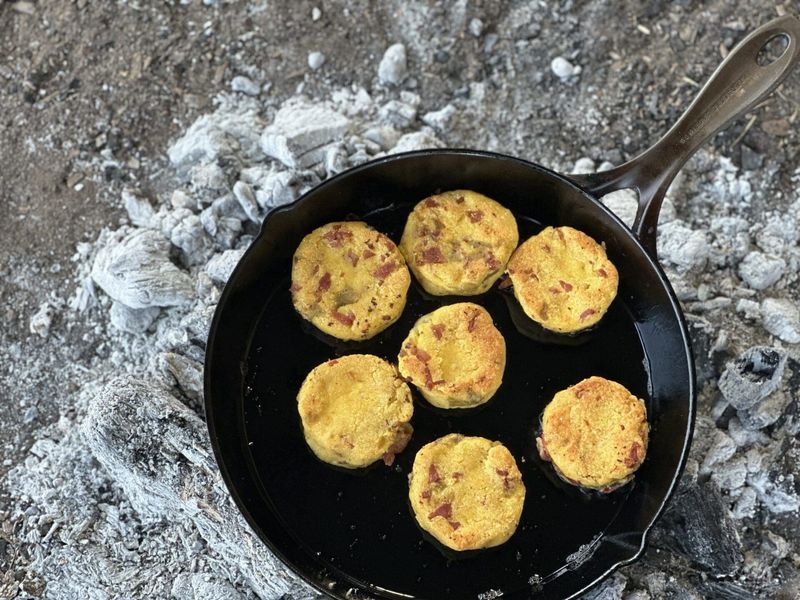
Corn dodgers were fist sized cornmeal dumplings that traveled well and filled gaps between meals. Simple batter fried or baked into sturdy bites, they handled rough rides and quick lunches.
A dunk in gravy made them shine.
You could mix in bacon drippings or wild onions for a punch of flavor. They hardened a bit by day two, but hunger softened every edge.
Dodgers kept morale up when miles stretched longer than expected.
11. Pickled Eggs
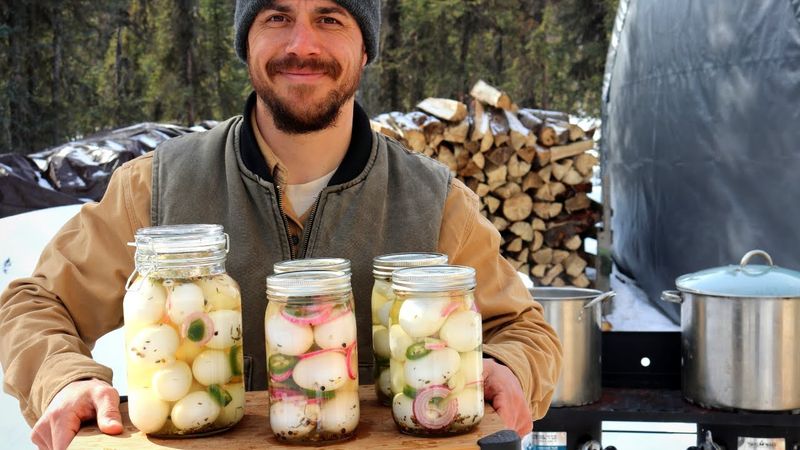
Pickled eggs were bar food and trail insurance. Vinegar, salt, and spices soaked into boiled eggs, toughening them for weeks of storage.
They carried protein in a tidy, peel free package once jarred.
You grabbed one on the run, chased it with coffee, and got back to work. The tang cut fatigue and added variety when meat felt heavy.
They fit in saddle bags and survived jolts without complaint.
12. Dried Apples
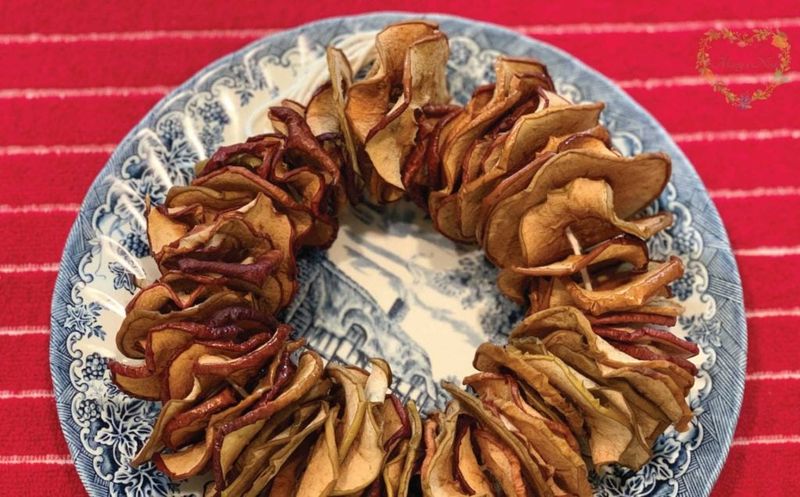
Dried apples brightened winter stews and pies when fresh orchards were a memory. Sliced thin, strung, and hung by the stove, they traded moisture for time.
The result was sweet, leathery chips that kept well and traveled light.
You soaked them back to life for fritters or ate them straight during a long ride. They tasted like sunshine saved in a pocket.
Little comforts made tough days easier.
13. Coffee Substitute
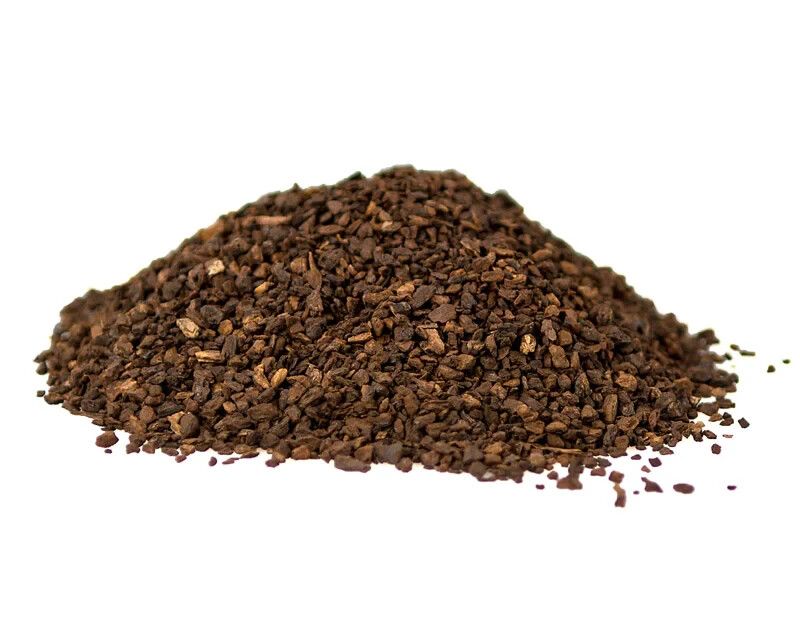
When coffee ran out, grit did not. Roasted chicory, dandelion roots, and toasted grains stepped in.
The brew tasted bold enough to fool a sleepy rider and warm cold hands at dawn.
You roasted the roots dark, ground them fine, and boiled them like the real thing. No caffeine, but plenty of ritual.
On the frontier, routine steadied the mind as much as food filled the belly.
14. Wild Greens Mess
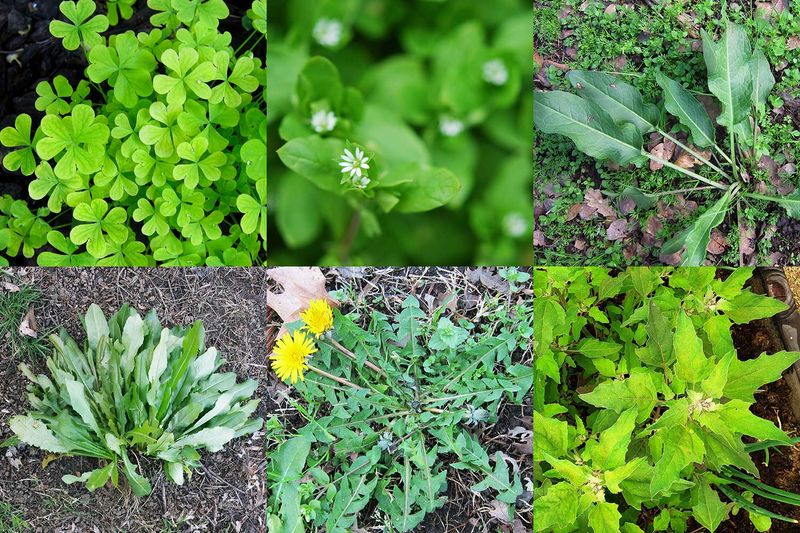
Wild greens saved many suppers. Dandelion, lambs quarters, and miner’s lettuce wilted fast in hot fat with a sprinkle of salt.
They offered minerals your body craved after weeks of meat and starch.
You learned the leaves by feel, because mistakes could hurt. A handful transformed a bland pot into something bright.
When gardens failed, the hills still fed those who paid attention.
15. Vinegar Pie

Vinegar pie was a sweet trick when lemons were a rumor. Sugar, eggs, vinegar, and water set into a custard with a sharp edge.
It baked from shelf staples and soothed homesick hearts.
You balanced the tang with a knob of butter and a pinch of spice. Slices traveled to neighbors as gestures of goodwill.
In lean times, clever cooks made celebration from simple jars.
16. Ash Cakes
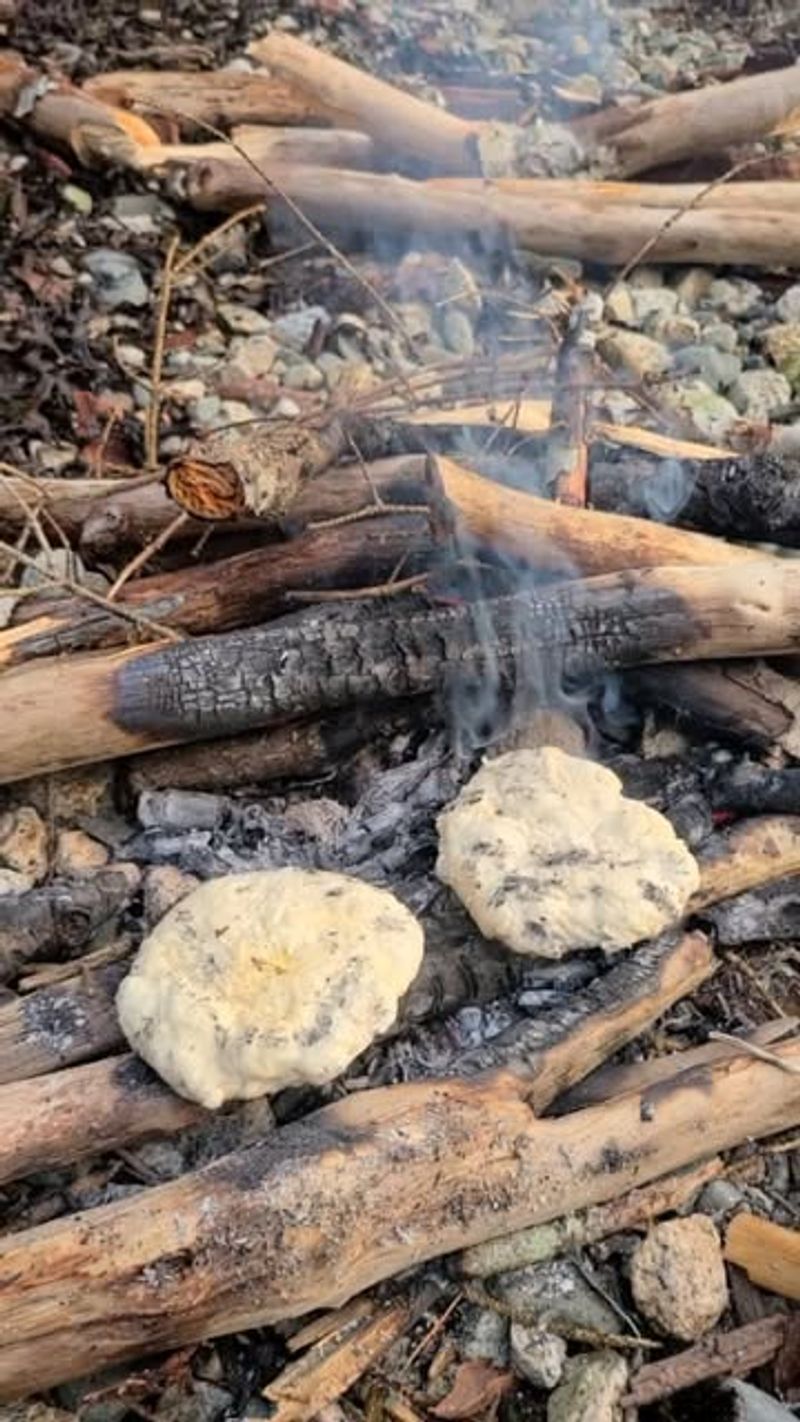
Ash cakes proved you could bake without a pan. Cornmeal dough slapped onto hot ashes formed a smoky crust and a tender middle.
Brush them clean, dab with grease, and breakfast was ready.
You used what you had, which was often just fire and grit. Ash cakes paired with beans or honey if luck smiled.
They were quick, sturdy, and almost impossible to ruin.
17. Dried Salmon Strips
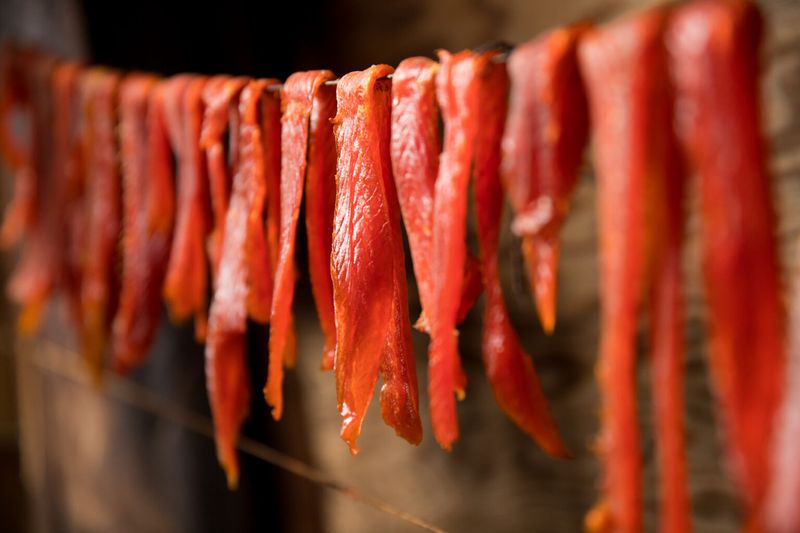
River camps leaned on salmon season. Fillets sliced thin, brined, and smoke dried into candy firm strips.
They kept for weeks and tasted like the river itself.
You gnawed them on long walks or simmered them to moisten. The oil fed your body well, and the smoke kept flies uninterested.
Fish was a blessing that needed only patience and watchful eyes.
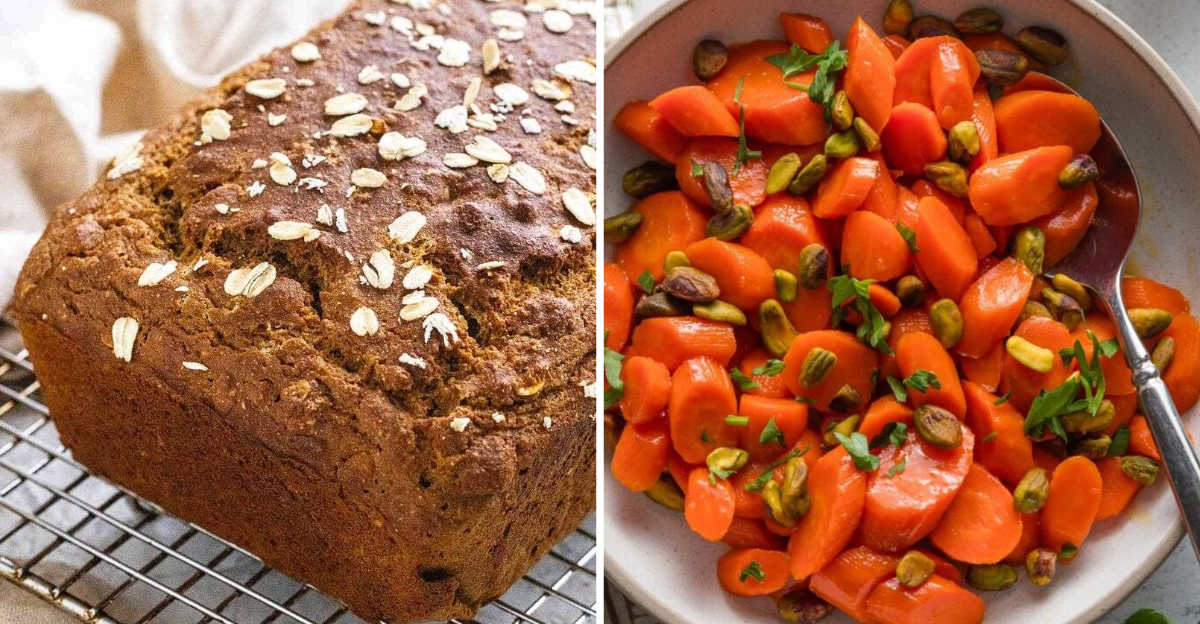
18. Molasses Bread
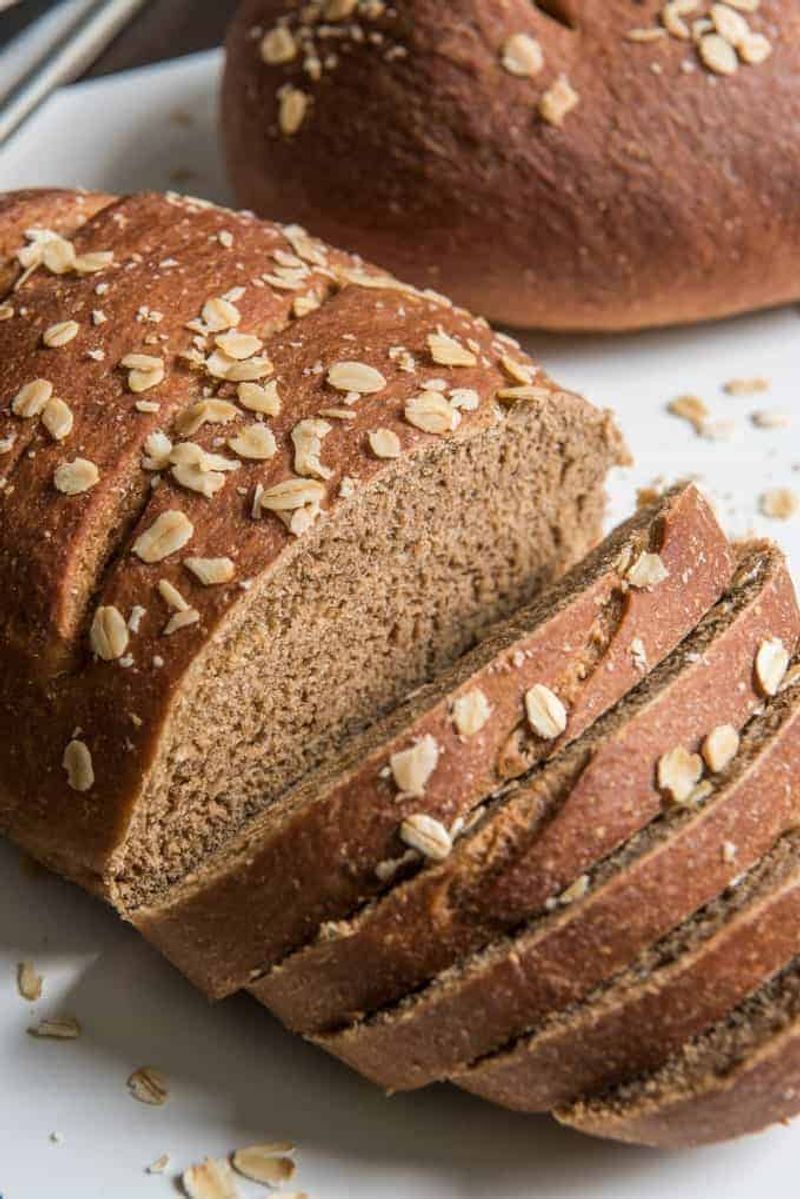
Molasses bread turned sparse larders into something generous. The syrup sweetened coarse flour and masked rough flavors from old wheat.
Baking soda lifted it just enough for a tender crumb.
You sliced it thick and smeared on tallow or apple butter. It traveled wrapped in cloth, holding moisture better than plain loaves.
A warm slice tasted like relief at the end of a long day.
19. Rhubarb Leather
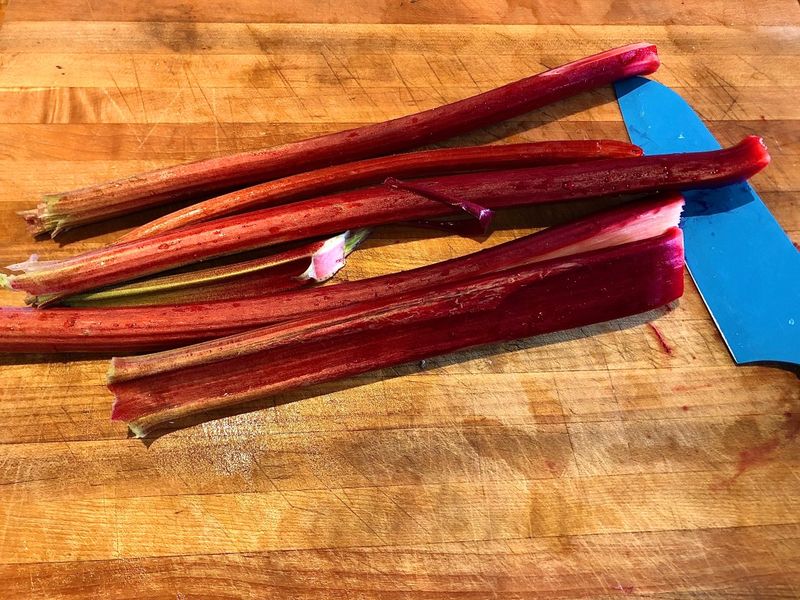
Rhubarb leather packed tart power into thin sheets. Stewed stalks sweetened slightly, spread thin, and dried until flexible.
Rolled tight, it fit pockets and tempted children into chores.
You tore strips to chew on rides or chopped them into porridges. The zing woke up a tired mouth and reminded you that seasons cycle.
Preservation tasted like planning ahead and trusting tomorrow.
20. Bannock
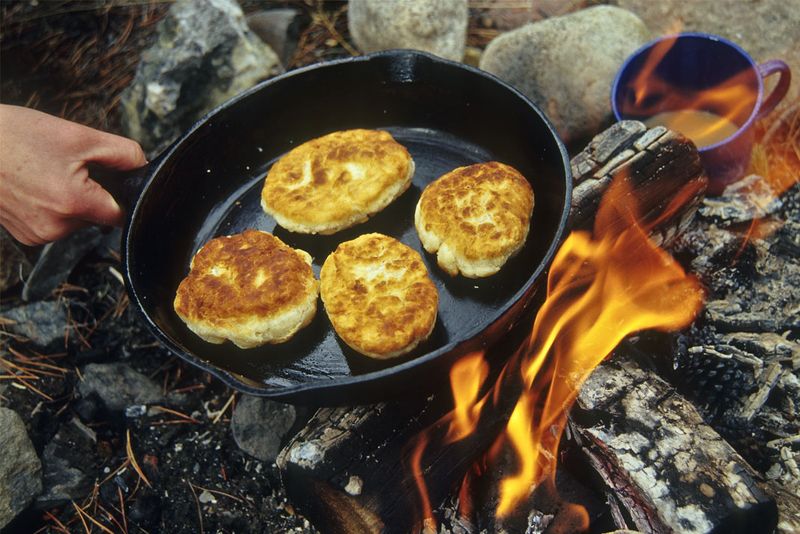
Bannock was the frontier’s universal bread. Flour, fat, water, and a pinch of leaven made a dough that behaved kindly.
Skillet baked, it turned golden and reliable.
You tore hunks to dip into stew or split it for jerky sandwiches. It forgave rough measuring and burned edges.
When time and ingredients were both scarce, bannock still showed up.
21. Fried Cactus Pads
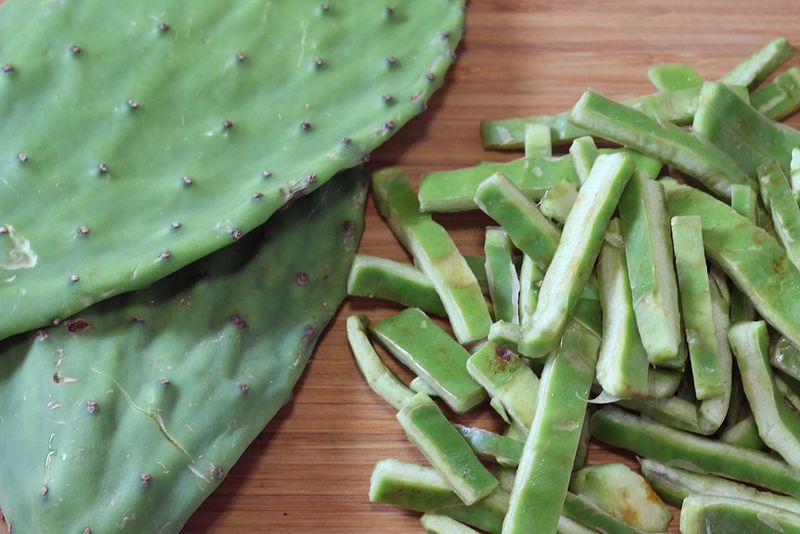
Cactus pads looked unfriendly, but hunger made friends fast. Once de spined and sliced, they hit the pan with a squeak and turned tender.
Slightly tart, they cut through heavy meats and added vitamins few other trail foods offered.
You charred them for smoky edges or stewed them with onions. Water scarce country prized plants that fed and hydrated.
Cactus earned its place with every bite.
22. Grease Tea
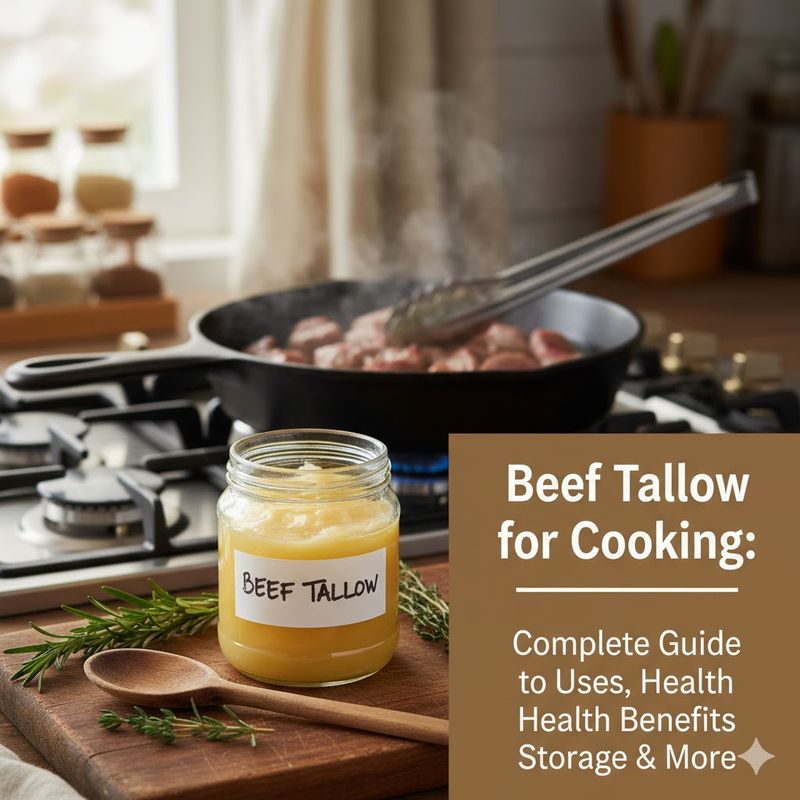
Grease tea sounded rough, but cold nights demanded calories. Hot water, a spoon of tallow, and a little salt made a quick, warming drink.
It slid strength back into tired bodies when chewing felt like too much work.
You did not brag about it, but you appreciated the warmth. It was fast, safe, and surprisingly steadying on bitter mornings.
Survival cares more about fuel than finesse.
23. Cracklings
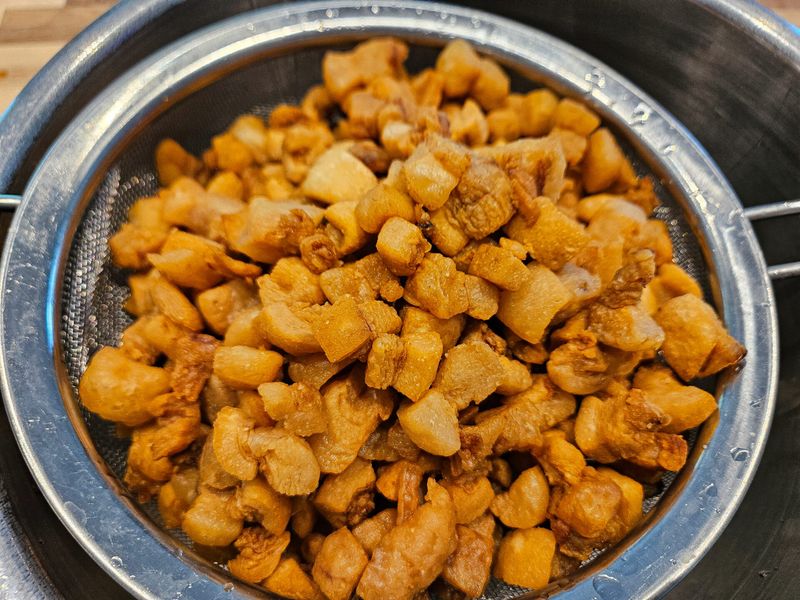
Cracklings were the crunchy dividend of rendering lard. Salty, rich, and durable, they brightened cornbread and enlivened soups.
A handful delivered energy and morale in one bite.
You saved every piece, because nothing was wasted. Cracklings packed well, resisted spoilage, and tasted like victory after long labor.
They proved thrift could be delicious.
24. Graveyard Stew
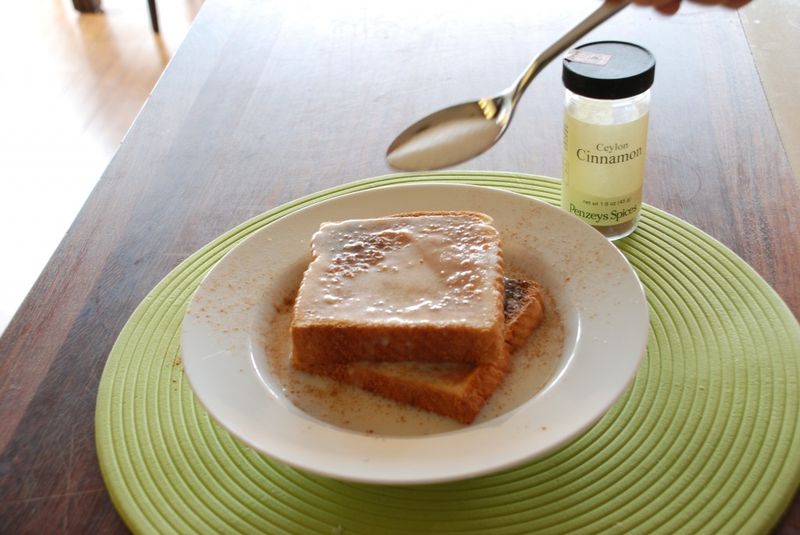
Graveyard stew sounded grim, but it soothed exhausted bodies. Stale bread revived under hot milk with a bit of sugar and spice.
It used scraps and gave comfort when teeth chattered and spirits dipped.
You ate it before dawn rides or after storms. It was soft, quick, and kind to empty cupboards.
Sometimes survival tastes like childhood, warm and simple.
25. Rocky Mountain Oysters
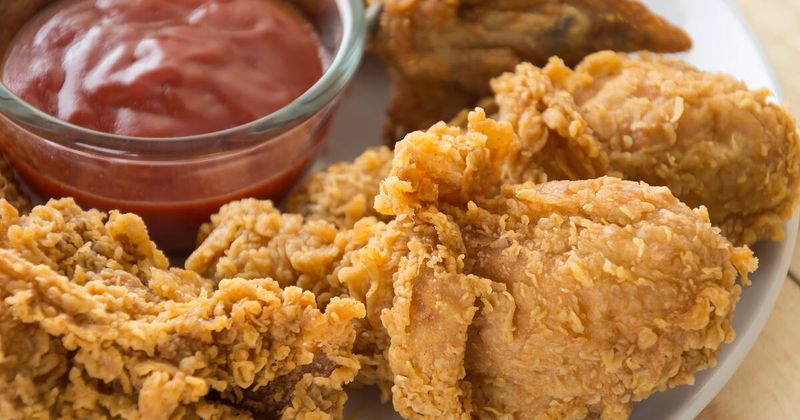
Nothing wasted meant exactly that. Rocky Mountain oysters turned a byproduct into a meal.
Cleaned, sliced, breaded, and fried, they offered tender bites with a mild flavor.
You ate them fresh at brandings or saved leftovers cold. Protein is protein when winter watches.
They surprised newcomers and satisfied old hands who respected thrift.