26 1960s Dinner Table Traditions That Would Shock Modern Kids
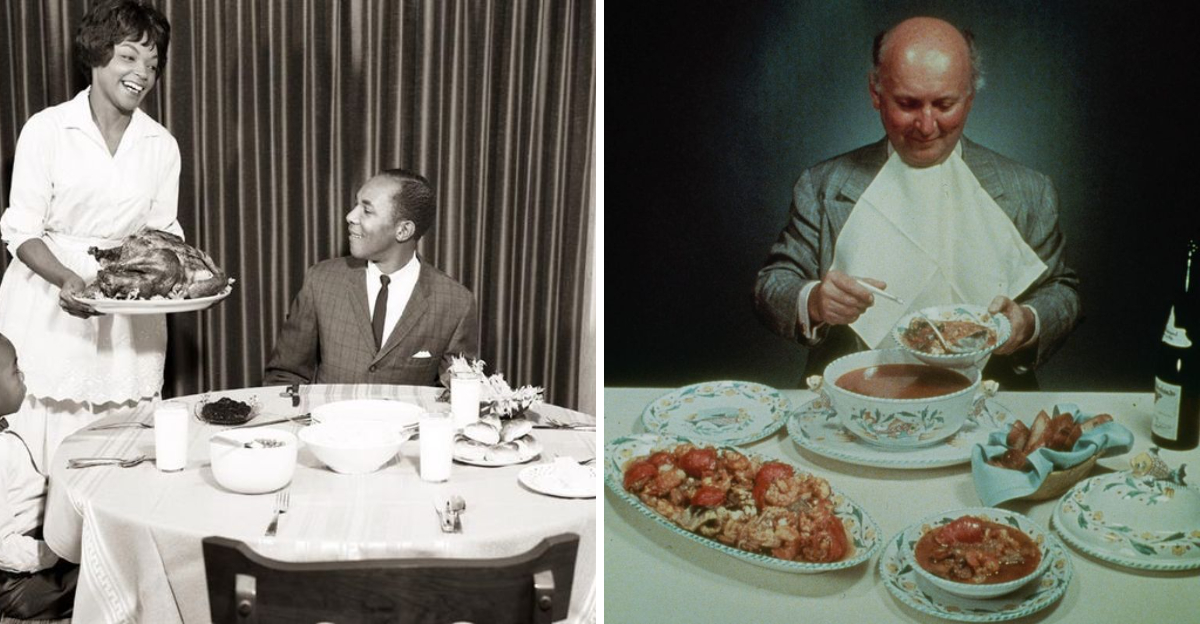
Step back into a decade when dinner felt like a small ceremony and every seat had a rule. The 1960s dinner table came with rituals that could surprise, delight, or baffle modern kids used to screens and snacks. You will spot traditions that shaped manners, family roles, and even how food was served. Get ready to compare your nightly routine with a past that was both strict and charming.
1. Dressing up for dinner
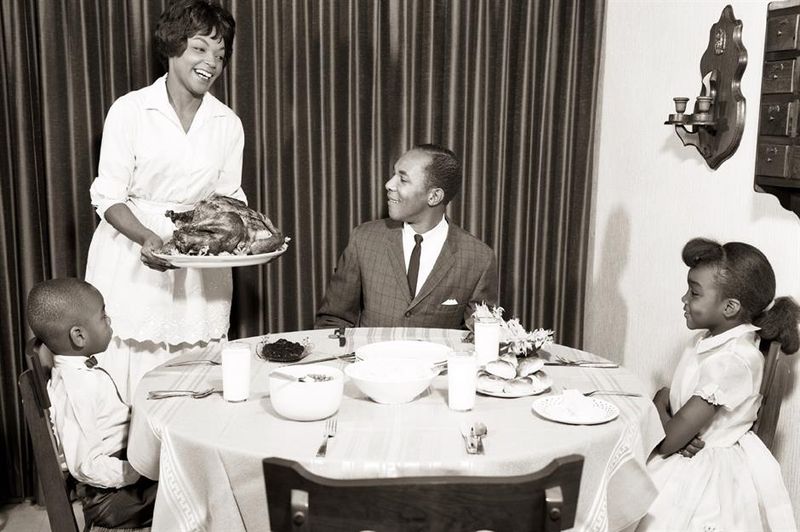
Back then, dinner was not just eating. It was an occasion, and you dressed the part, even at home. Kids could expect collared shirts or tidy dresses, and shoes on, not socks.
Neat hair and clean hands were part of the look, signaling respect for the meal and whoever cooked it. You might laugh now, but getting ready meant more than hunger. It meant you belonged at the table with your best behavior.
2. No television at the table
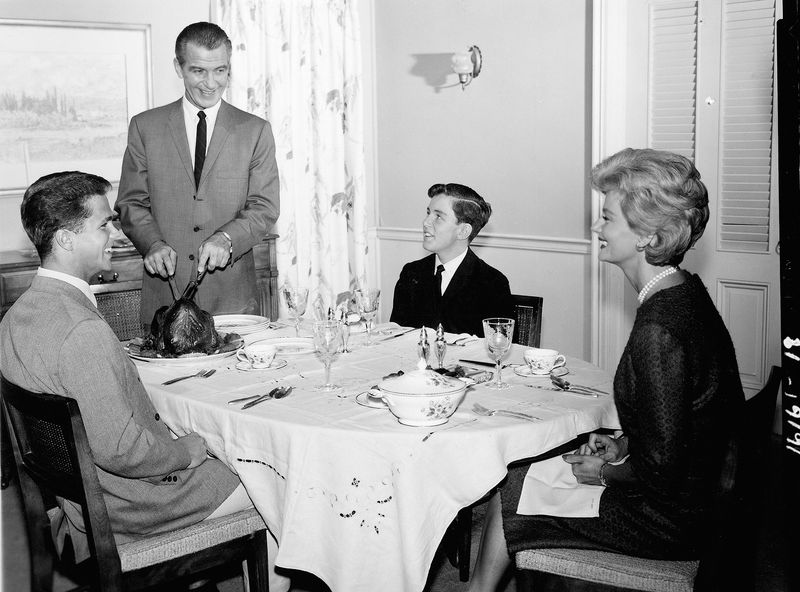
The television might have sat nearby, but it stayed off during dinner. Conversation was the program, and you were expected to participate. Jokes, news, and school updates replaced sitcoms and commercials.
Today, turning off every screen sounds heroic. In the 1960s, it was normal. Parents believed attention belonged to the people at the table. You learned to listen, make eye contact, and wait your turn. It could feel strict, but it made meals feel important.
3. Assigned seating for everyone
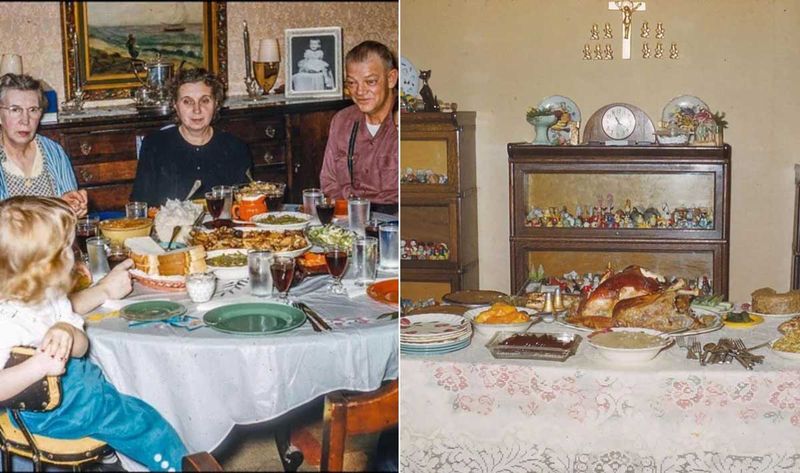
Seats were not random. Dad often took the head of the table, with mom near the serving platters. Kids filled in the sides, creating a familiar layout that made meals predictable.
That arrangement signaled order and respect for roles. You knew where to go, what to expect, and how to pass dishes. Modern kids might rotate chairs with friends, but the 1960s loved consistency. It helped keep conversations flowing and elbows out of the way.
4. Waiting to eat until everyone sat
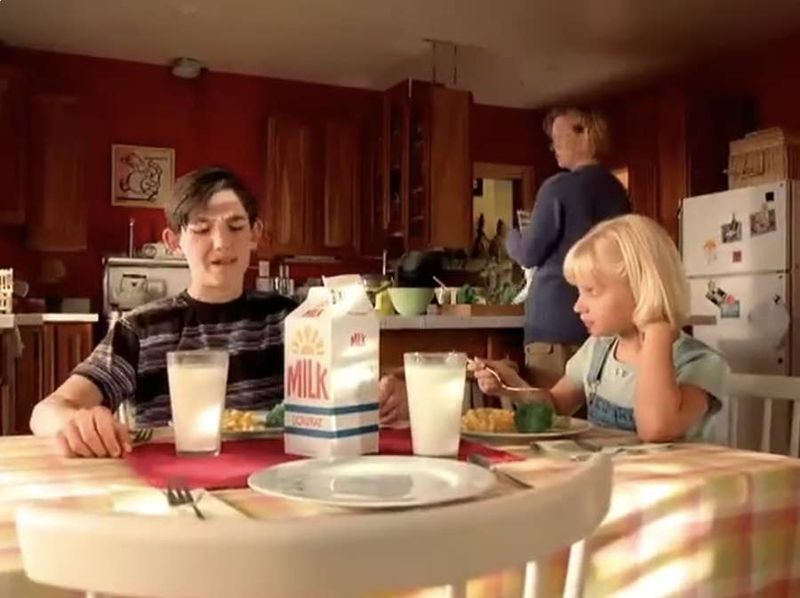
No one took a bite until every person was seated and served. The pause signaled respect, patience, and gratitude. You waited, even if the casserole smelled like pure magic.
Once everyone had a plate, the first bite followed a nod or a simple grace. This ritual taught self-control and awareness of others. It made the first mouthful taste better because it was shared. Try it today and watch the room grow calm.
5. Saying grace before meals
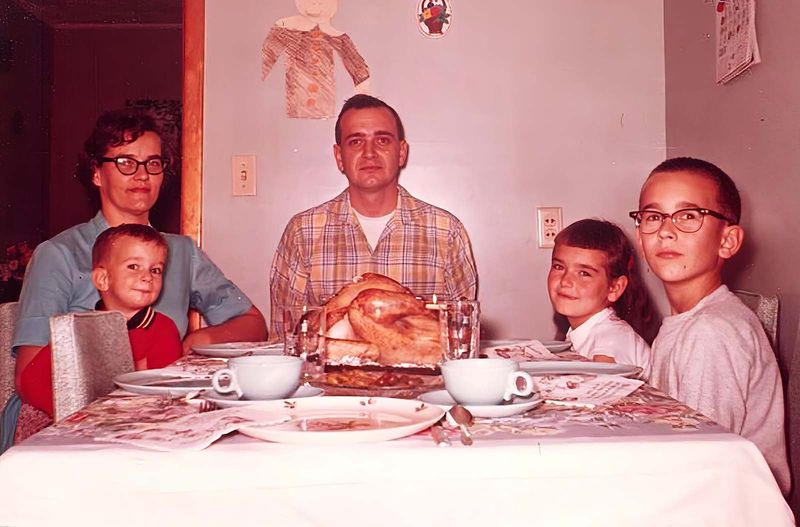
Many families paused for a short prayer or moment of thanks before eating. It was not always formal, but it grounded the meal. Kids learned gratitude and focus in a few quiet seconds.
Even non-religious households sometimes observed a moment of appreciation. It slowed life down. Today, it can feel unusual, but a small pause still works wonders. It resets chatter, softens mood, and reminds everyone that the meal and company matter.
6. Home-cooked meals most nights
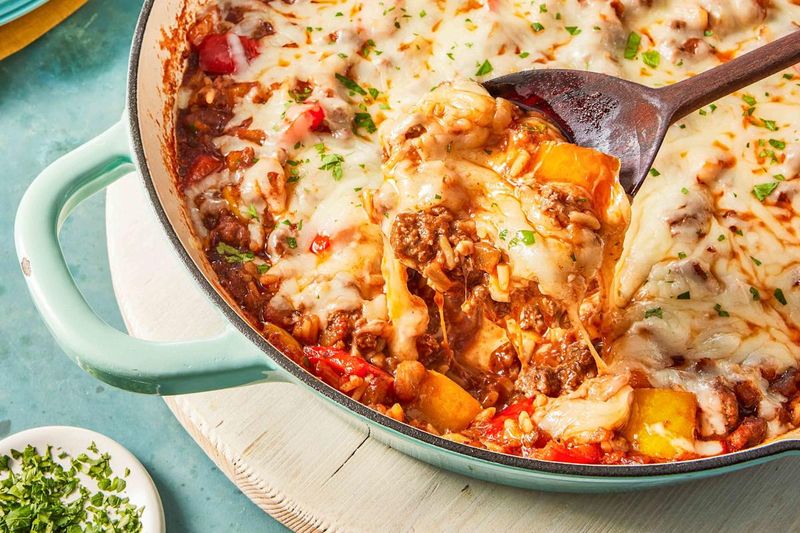
Takeout was rare. Most nights, someone cooked at home from scratch or near-scratch, using seasonal ingredients and pantry staples. The menu rotated predictably: casseroles, roasts, and simple sides.
Leftovers were strategic and never wasted. You knew Tuesday’s meatloaf might transform into sandwiches. The kitchen smelled like onions, butter, and something bubbling. Today’s delivery apps make speed easy, but the 1960s leaned on routine, flavor, and frugality to feed everyone well.
7. Family-style serving bowls
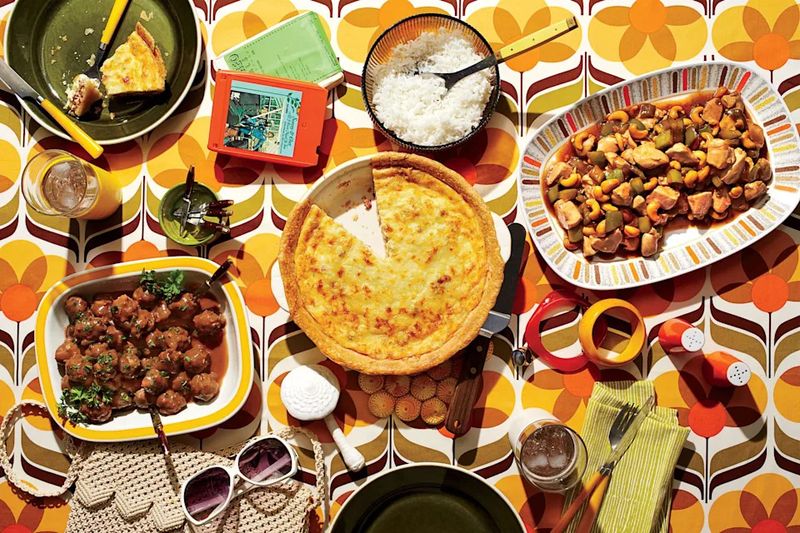
Dishes landed in the center for everyone to pass. That meant coordination, patience, and the art of saying please. You learned to take enough, not too much, and leave some for others.
Family-style serving made the table feel generous and communal. It also taught portion awareness without lectures. Passing bowls encouraged manners, small talk, and smiles. It was a simple choreography that kept dinner moving and people connected.
8. Milk as the default drink
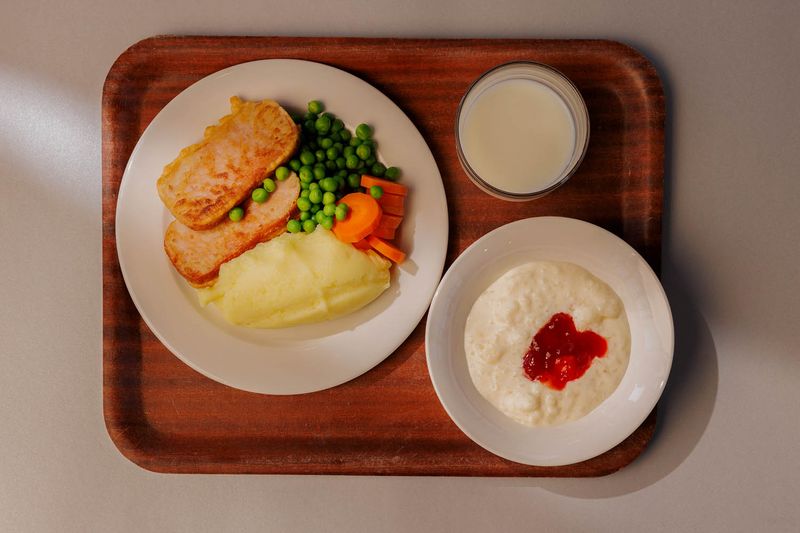
Water was fine, but milk ruled the dinner table. Parents believed it helped kids grow strong. You would see tall, cold glasses lined up next to meatloaf, peas, and potatoes.
Soda was a treat saved for weekends or guests. Juice showed up at breakfast instead. The habit might surprise modern kids who prefer flavored seltzers. Milk felt like fuel and part of the meal, not an afterthought.
9. Polite requests and formal manners
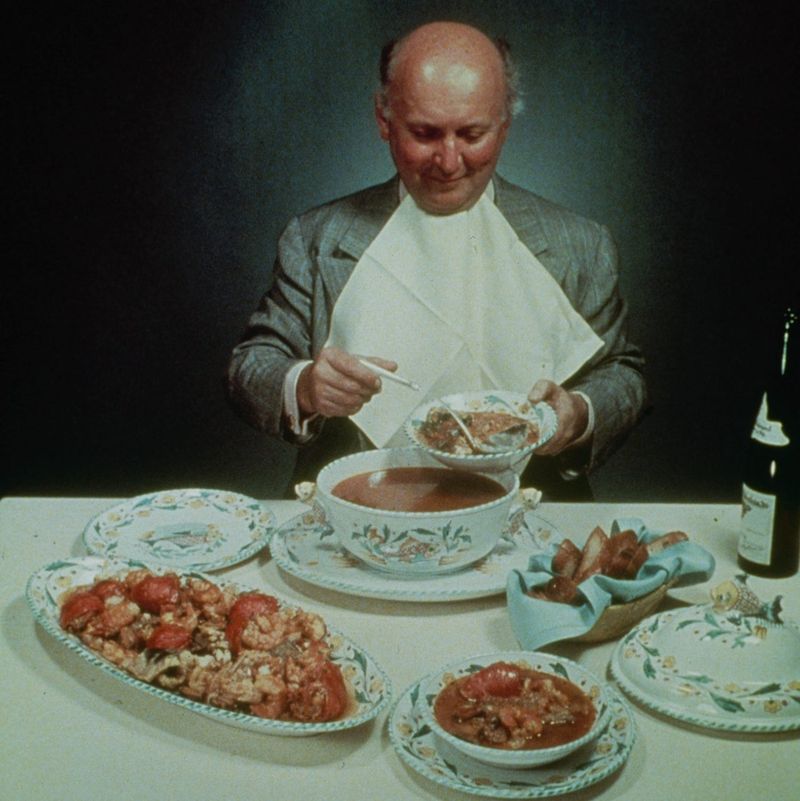
Sharing food required words like please, thank you, and may I. Elbows off the table, napkin in your lap, chew with your mouth closed. These rules were drilled gently but firmly.
Politeness made everything smoother and kept arguments from boiling over. Parents rarely needed long speeches. The structure was enough, and kids adjusted. Today’s casual style is friendly, but a few old-school manners still work beautifully.
10. No snacks before dinner
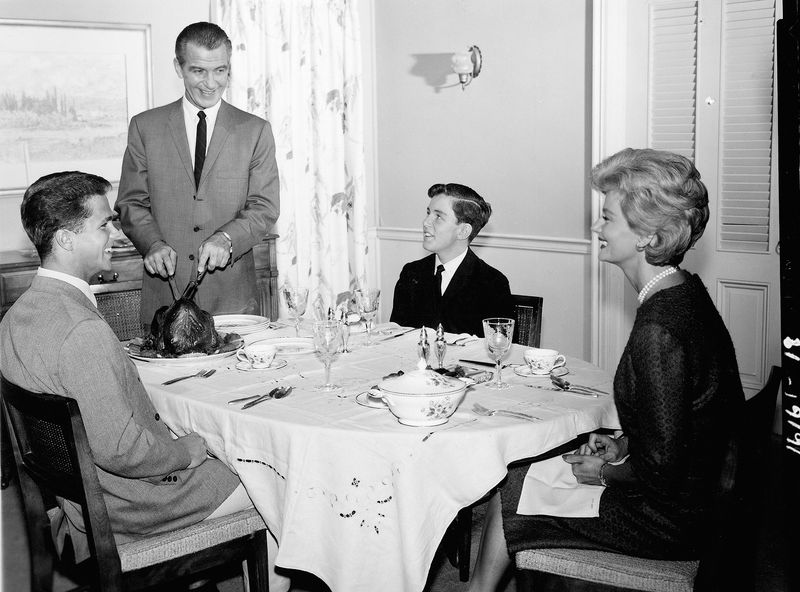
Afternoon snacks were limited so dinner remained the main event. You could smell the roast but still had to wait. Hunger made the food taste better, or so adults promised.
That boundary taught timing and appetite control. It also encouraged families to eat together instead of grazing all evening. Modern schedules can scatter mealtimes, but saving your appetite still makes dinner feel special.
11. Clearing your plate expectation
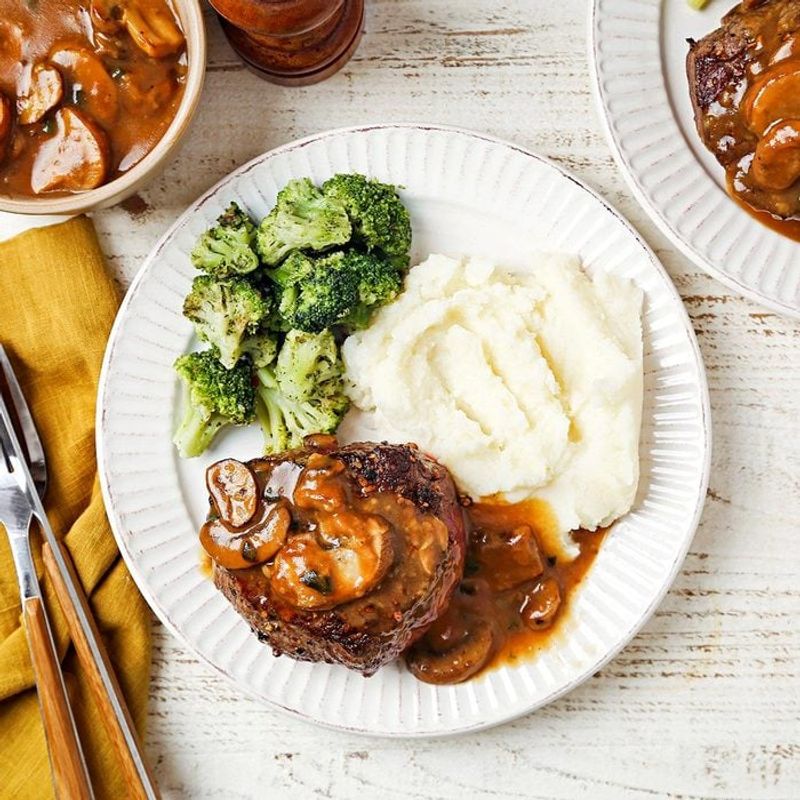
You were expected to finish what you took. Waste felt disrespectful to money, effort, and ingredients. Portions were modest, and seconds were fine if you cleared your plate first.
Today, we know hunger cues matter, but the lesson had roots in thrift and gratitude. Families stretched groceries, so leaving food behind seemed unthinkable. The message was simple: take what you will eat.
12. Children waiting to speak
Kids learned to wait for a pause before chiming in. Interrupting adults was considered rude, even at home. You practiced patience and jumped in when there was an opening.
The result was slower, more thoughtful conversation. It could feel stifling, but it taught listening and timing. Modern kids might be encouraged to speak up anytime, yet the old rhythm had a calming effect.
13. Dad carving the roast
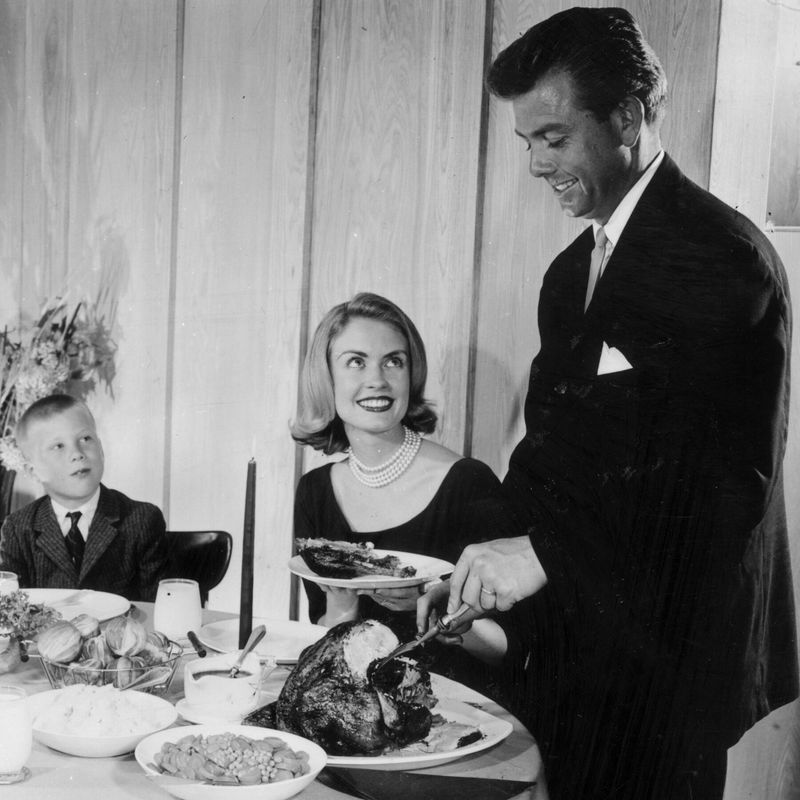
Carving the roast was almost a performance. Dad often handled the knife, slicing tidy portions for each plate. The ritual combined skill, patience, and a spotlight moment.
It reinforced roles that were common then, with tasks divided by tradition. The theater of carving made Sunday dinners feel grand. Even when the meat was humble, the ceremony gave it dignity and flair.
14. Starched tablecloths and cloth napkins
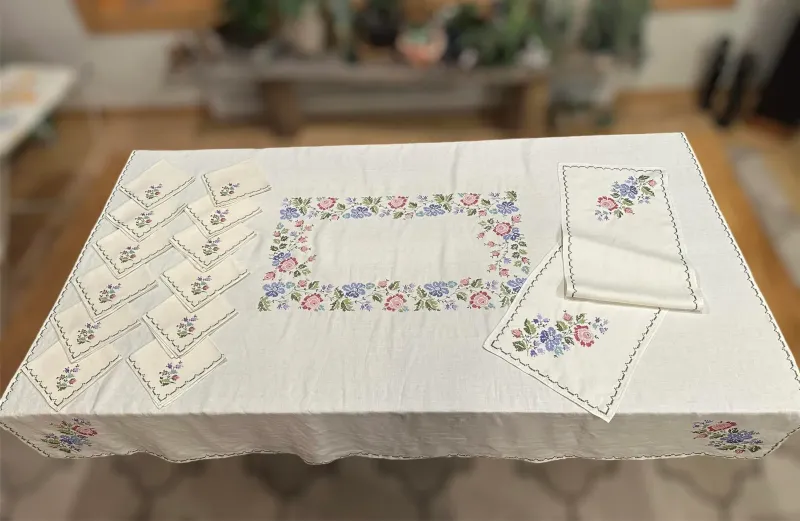
Setting the table was a craft. A crisp cloth, folded cloth napkins, and polished flatware made the room feel special. Even simple meals gained ceremony.
The care showed respect for guests and family alike. Laundry work was real, but the payoff was ambiance. Today, paper napkins dominate, yet unfurling cloth still signals a slower, more intentional dinner.
15. Formal place settings with forks and courses
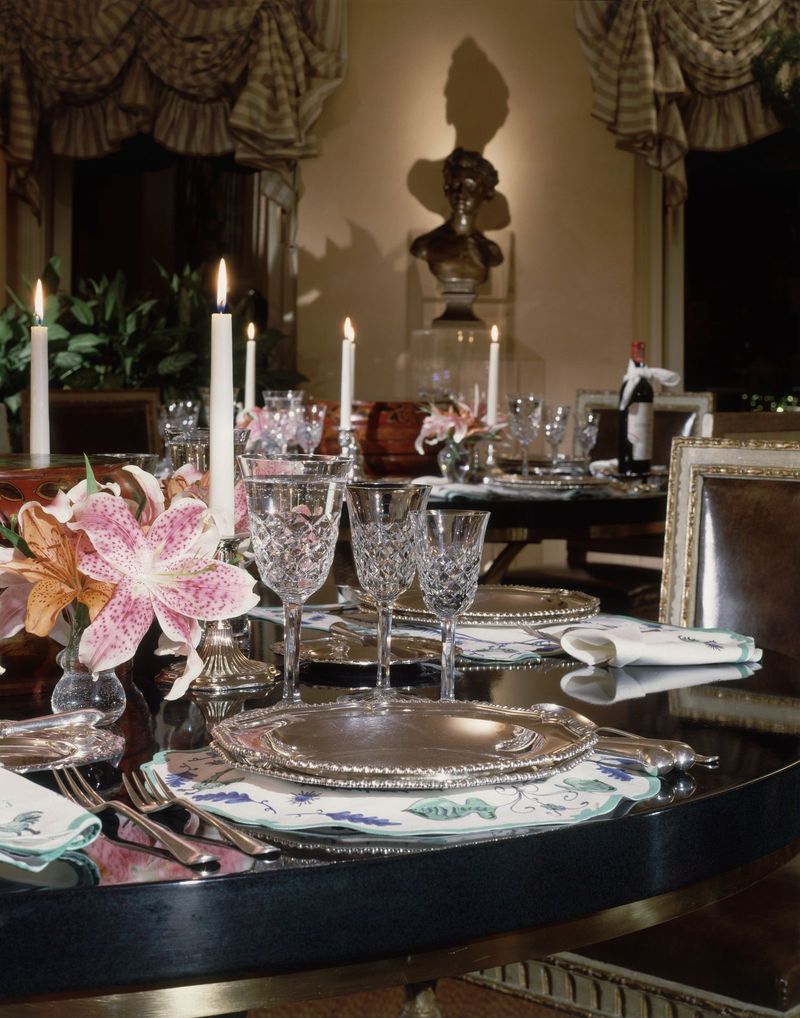
Learning which fork to use was part of growing up. Salad fork, dinner fork, dessert spoon, water glass up top. Even on ordinary nights, settings leaned tidy and semi-formal.
Courses might be simple, but the structure taught order. You followed cues and learned not to panic over utensils. The practice made restaurants less intimidating later on.
16. Casseroles as weekly staples
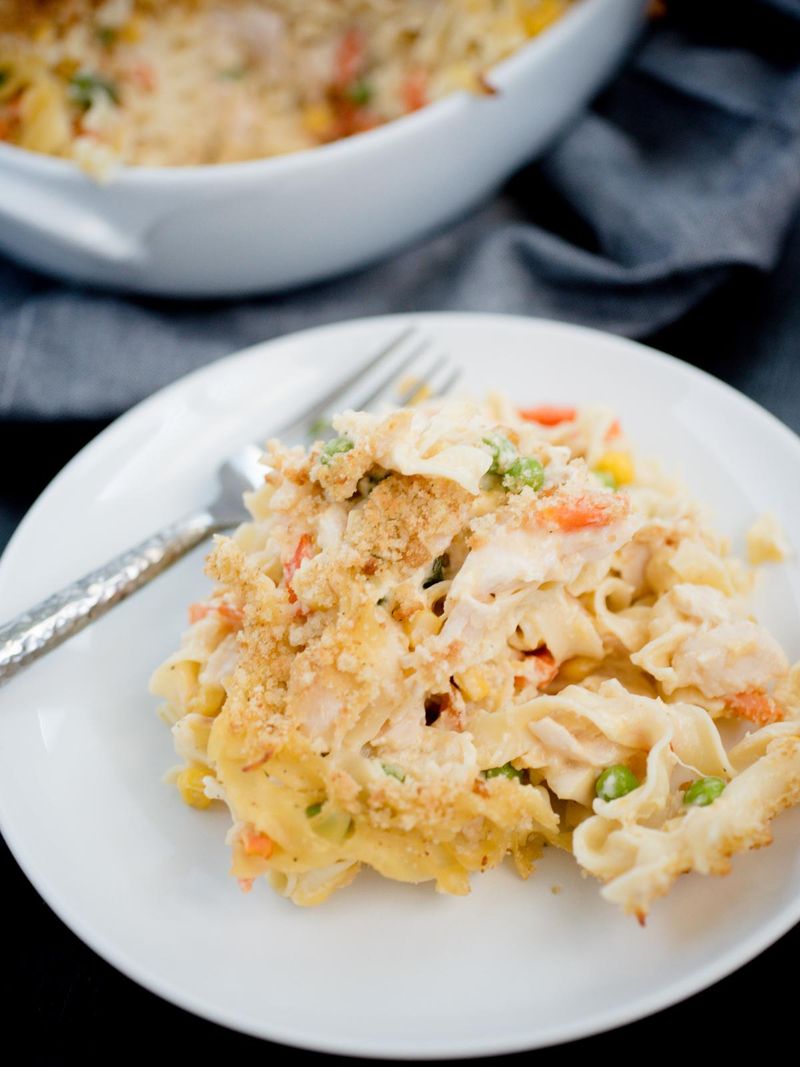
Tuna noodle, green bean, and chicken rice casseroles were royalty. One pan fed many with minimal mess. Creamy sauces, crunchy toppings, and leftovers guaranteed happy lunches.
Pantry ingredients turned into comfort with a sprinkle of onion powder and love. Modern kids might blink at condensed soup magic, but it worked. Affordable, filling, and easy to reheat, casseroles anchored the week.
17. Jell-O salads at center stage

Jell-O salads were dazzling centerpieces. Fruity rings, layered colors, sometimes even carrots or cottage cheese lived inside shimmering molds. They looked like desserts but claimed salad status.
Half novelty, half pride project, these creations drew gasps. Kids either loved them or plotted avoidance strategies. Few modern tables feature a wobbly fruit crown, but the spectacle still charms in memory.
18. Bread and butter plates for everyone
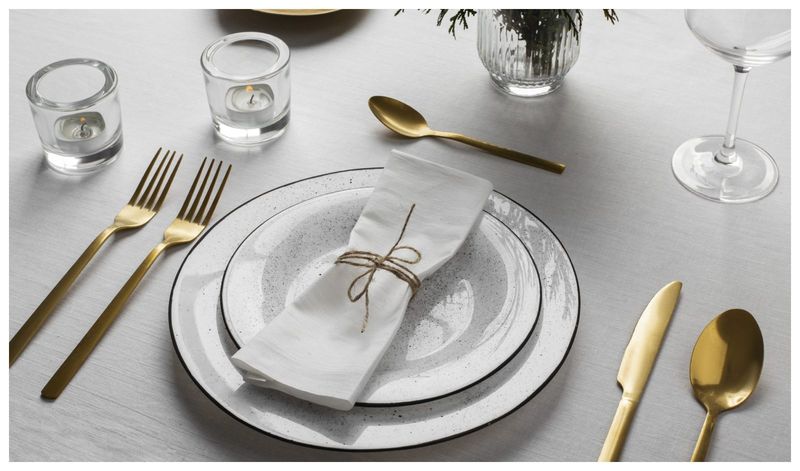
Carbs had their own real estate. Small plates held bread with neat butter pats, sometimes softened just right. Passing the basket felt like sharing comfort.
That tiny plate made the table look complete and kept crumbs corralled. Today, many families skip extra dishes, but a dedicated spot for bread made sense and felt gracious. Butter tasted better when it had ceremony.
19. Sugar in vegetables
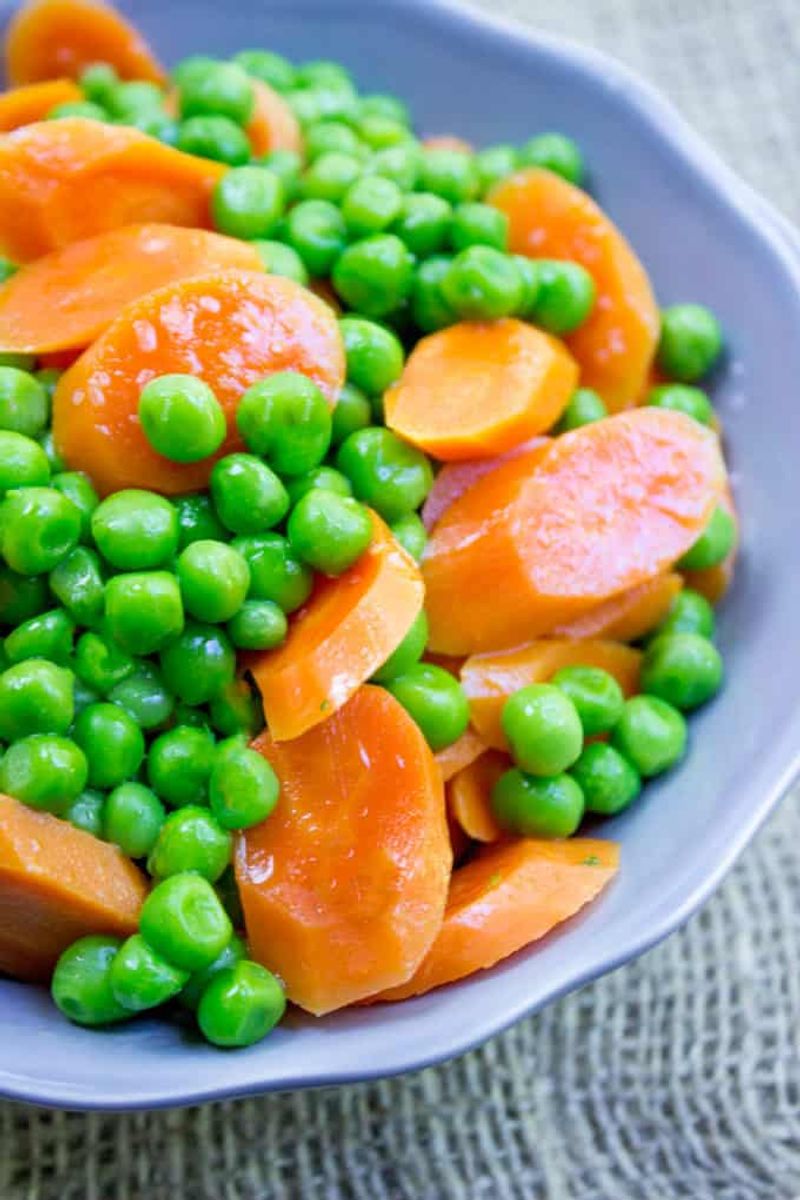
A pinch of sugar in carrots or peas was common. It brightened flavors and coaxed picky eaters along. Butter plus sugar made vegetables taste like treats.
Modern palates lean toward roasting and herbs, but sweetness did the job. It might surprise kids who expect vegetables to be savory. In the 1960s, a spoonful really did help the greens go down.
20. Telephone calls were ignored during dinner

If the phone rang, it could wait. Dinner time was not interrupted by a call unless it was urgent. The steady ring became background noise that no one acknowledged.
That boundary made the table feel like protected time. Today, notifications chirp constantly, but ignoring them creates the same magic. You choose the people in front of you.
21. Seasonal Sunday roasts

Sunday often meant roast beef or chicken with potatoes, gravy, and a vegetable. The long cook filled the house with comfort. By late afternoon, everyone drifted toward the table.
Leftovers shaped the week ahead. Slices turned into sandwiches, bones into broth. The rhythm gave families an anchor and a flavor to anticipate. Even now, a Sunday roast resets the week.
22. Kids setting and clearing the table
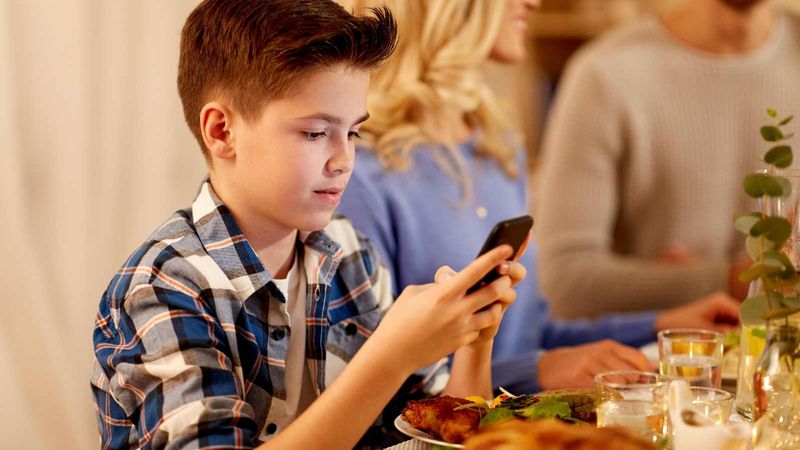
Setting the table was a kid job, and so was clearing it. You learned placement, pacing, and how not to drop a stack of plates. Chores linked you to the meal beyond eating.
Helping gave a sense of pride and fairness. Everyone contributed something, even small hands. That teamwork taught responsibility without lectures. The table turned into a classroom for life skills.
23. Strict no hats at the table rule
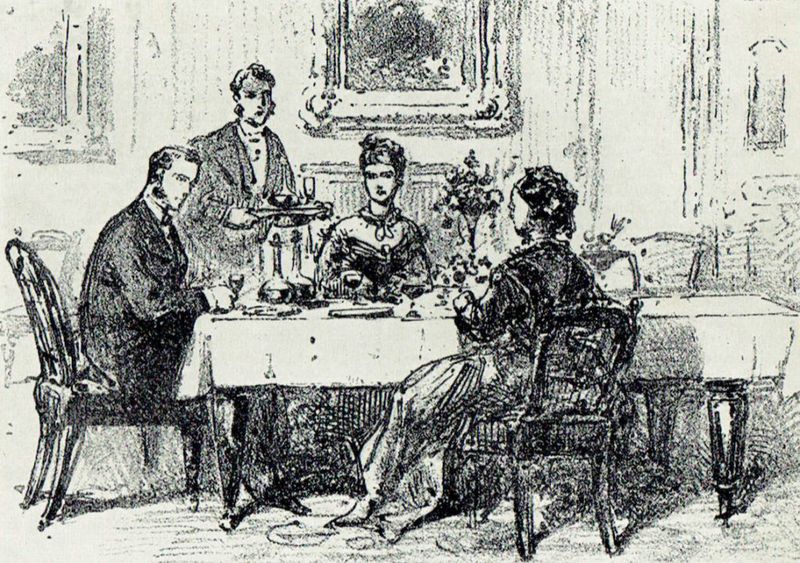
Hats came off the second you approached the table. It was a universal sign of respect. No debate, no exceptions, just a small gesture that set the tone.
Even today, removing a cap changes the mood. It reminds you to show up fully. The rule may feel old-fashioned, but it costs nothing and adds courtesy instantly.
24. Dessert as a sometimes treat
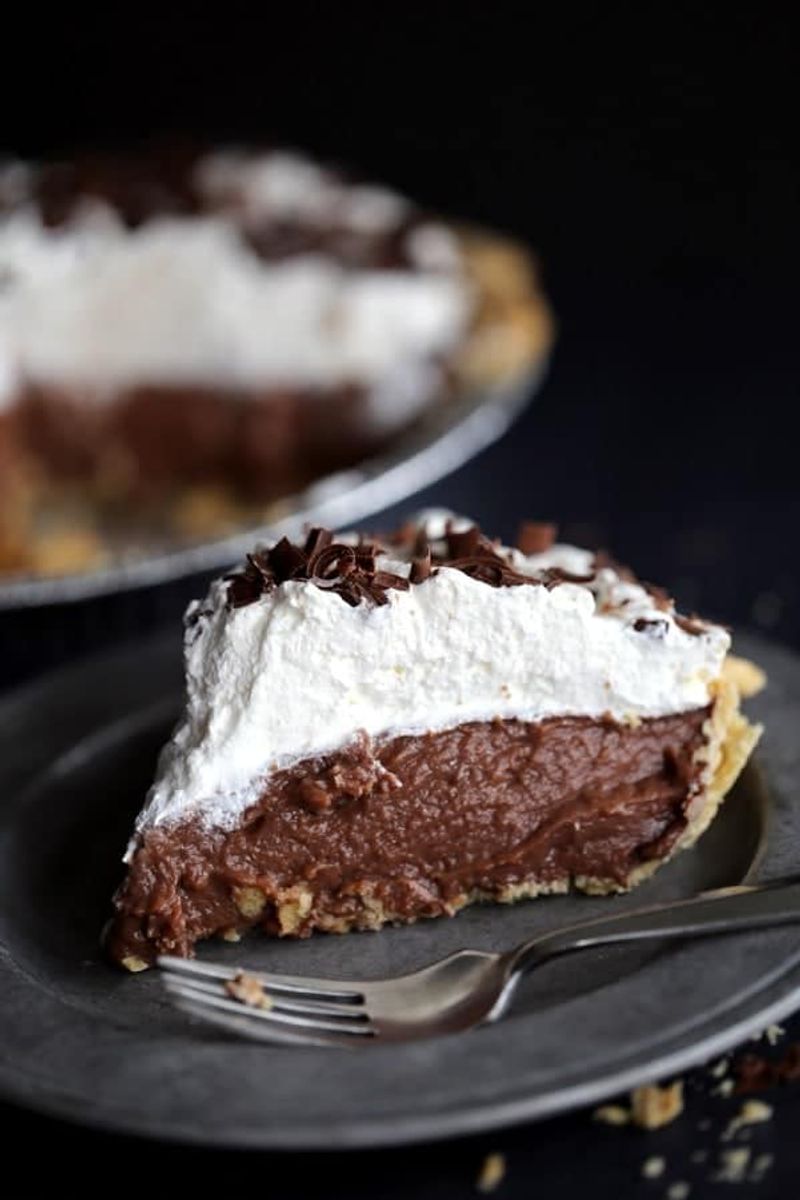
Dessert did not appear nightly. When it did, it felt celebratory: pie, pudding, or ice cream scoops on special evenings. You learned that sweetness shines brightest when it is rare.
Parents emphasized balance and saved sugar for moments that mattered. The treat ended the meal with a smile and gratitude, not entitlement. That pacing made dessert magical.
25. Polite refusals and the one-bite rule
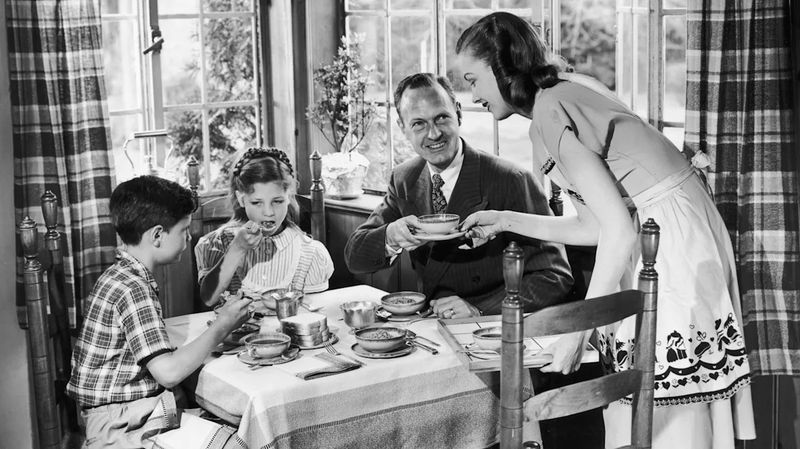
Refusing food required manners. A small taste was expected before no thank you. The one-bite rule helped kids meet new flavors without waste.
Parents aimed for curiosity, not battles. You did not need to love everything, but you were expected to try. That middle ground lowered drama and raised palates, one cautious forkful at a time.
26. Ashtrays on sideboards
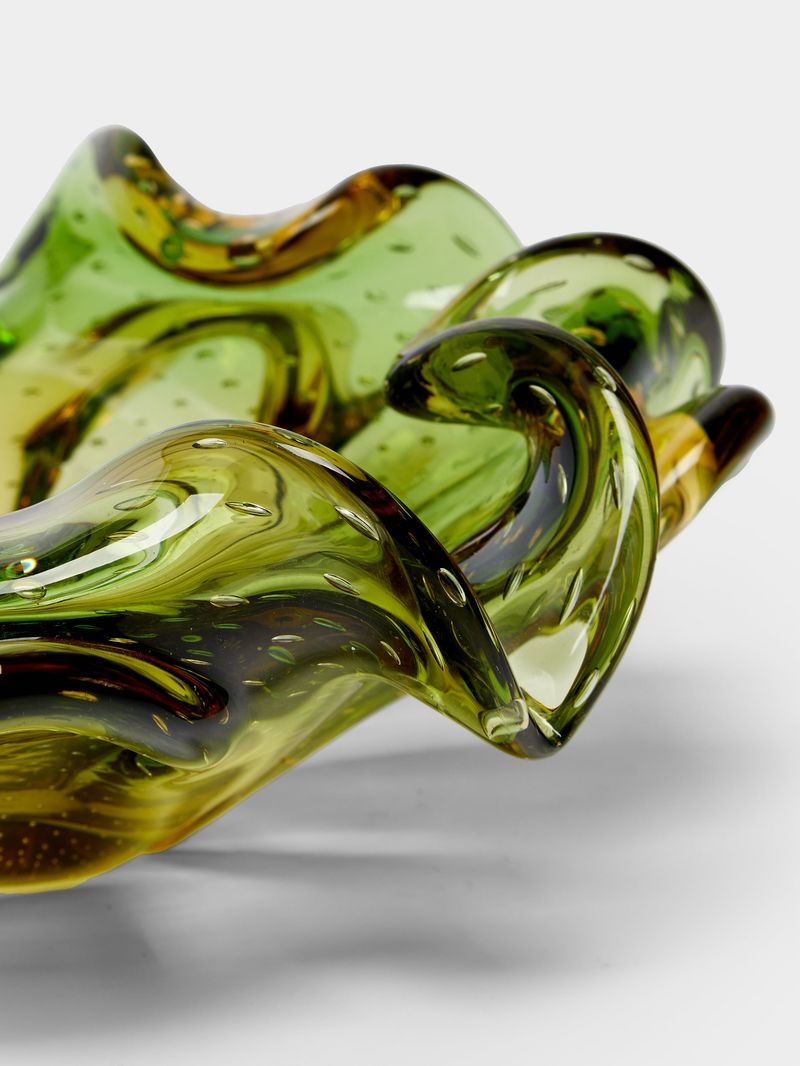
Smoking near the dining room was shockingly normal. Ashtrays waited on sideboards for after-dinner cigarettes. The smell mingled with coffee and dessert.
Modern kids would balk, and rightly so. Back then, the habit slid through social rules. You learned to wave smoke away politely and carry on. It was a different world.