
28 Simple Foods You Can Grow Easily At Home
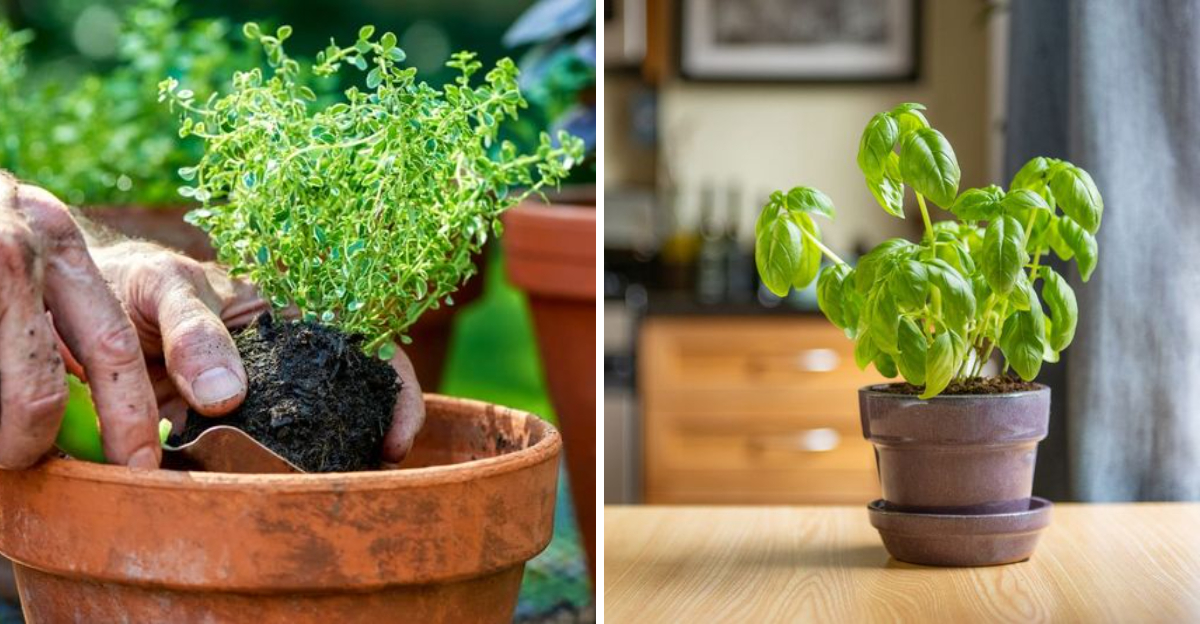
Growing food at home can be rewarding and surprisingly simple. With a little care and the right conditions, you can cultivate a variety of herbs, greens, vegetables, and even fruits. Here are 28 easy-to-grow foods that will add freshness to your meals and beauty to your home.
1. Basil
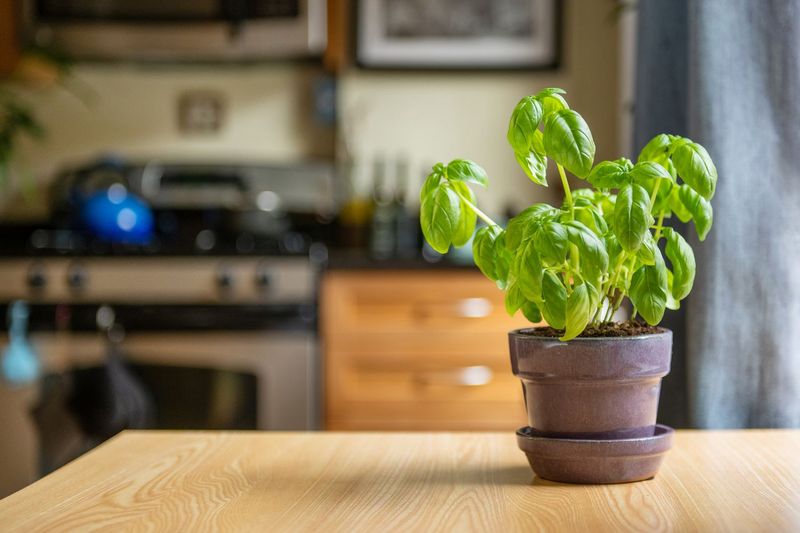
Basil loves the sun and warmth, making it a wonderful addition to any window garden. Pinching the tops encourages bushier growth, resulting in a more abundant harvest. This aromatic herb is perfect for adding a fresh touch to your pasta and salads.
Try growing it in a sunny spot where it can soak up plenty of light. Basil is known for its rewarding nature, providing endless leaves when cared for properly. Just remember, it doesn’t like cold or overly wet conditions.
A fun fact: basil is often considered a symbol of love in Italy, making it the perfect romantic culinary addition.
2. Mint
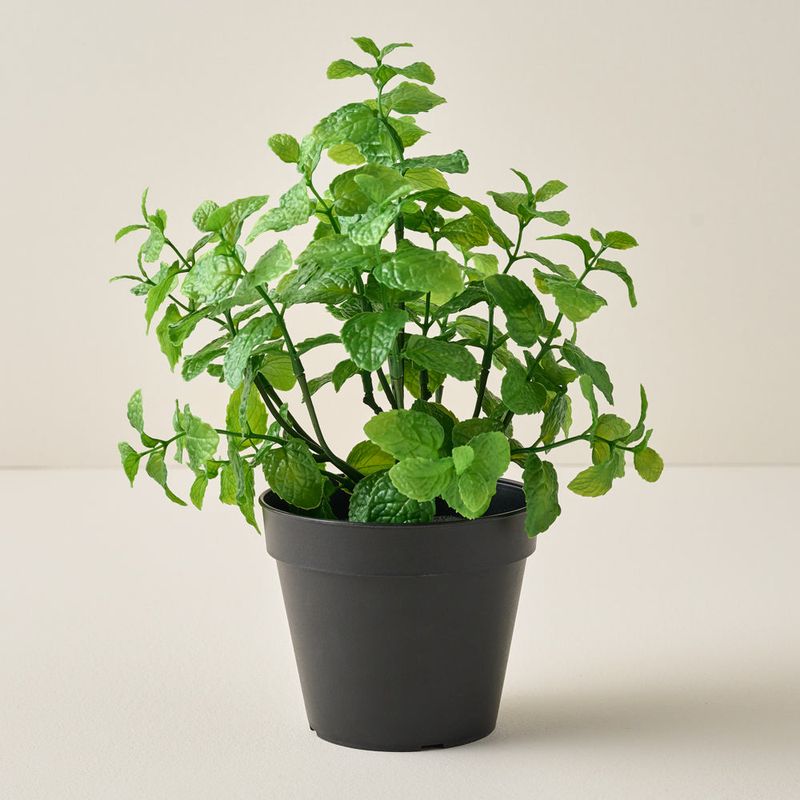
Mint is famously easy to grow and quite resilient, making it a favorite for new gardeners. Just be cautious, as mint can spread vigorously and take over your garden if not contained. It thrives in its own pot, where you can manage its growth.
This herb is perfect for teas, desserts, and even savory dishes. Its refreshing flavor is a staple in many kitchens. Mint prefers moist soil and partial sunlight, adapting well to indoor and outdoor environments.
Did you know that ancient Greeks used mint to clean their banquet tables? It was also a symbol of hospitality.
3. Parsley
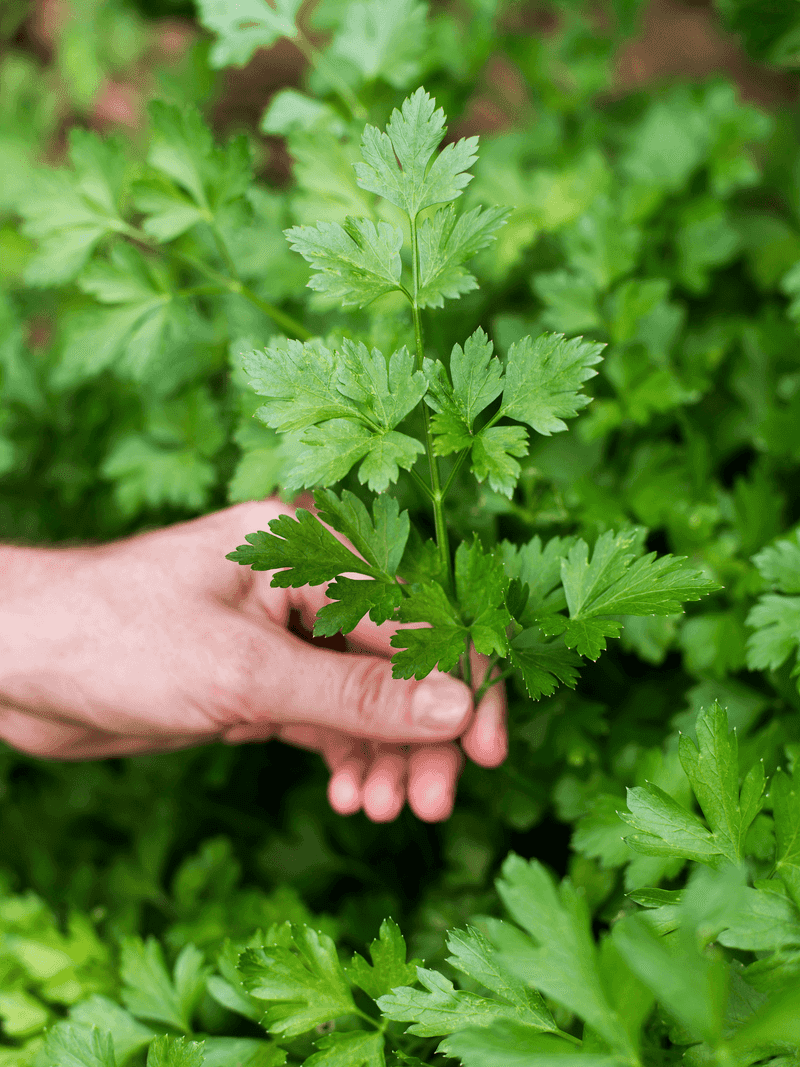
Parsley may start slowly, but once established, it becomes a prolific provider. This biennial plant can be grown in pots or garden beds, thriving with regular watering and a sunny spot.
Its fresh, peppery flavor enhances a wide range of dishes, from soups to salads. Parsley is more than just a garnish; it’s a nutritional powerhouse rich in vitamins.
For an interesting tidbit: the Ancient Romans believed parsley could ward off drunkenness. Whether that’s true or not, its culinary versatility is undisputed.
4. Chives
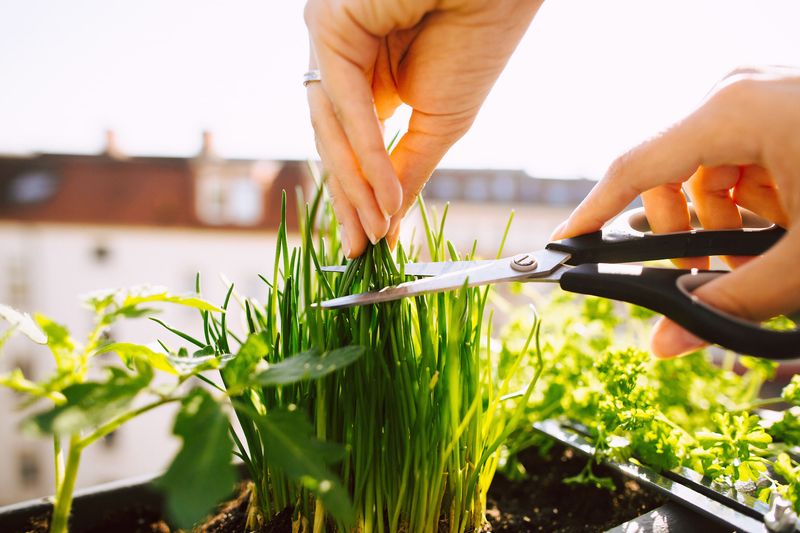
Chives are delightful and easy to grow, adding a mild onion flavor to your dishes. Their slender, green stalks regrow quickly after cutting, ensuring a continuous supply.
These plants thrive in well-drained soil and can be easily grown indoors or outdoors. They make an excellent addition to eggs, potatoes, and soups.
Interestingly, chives belong to the same family as onions and garlic, which explains their subtle but recognizable taste. Plus, they produce lovely purple flowers that are also edible.
5. Cilantro
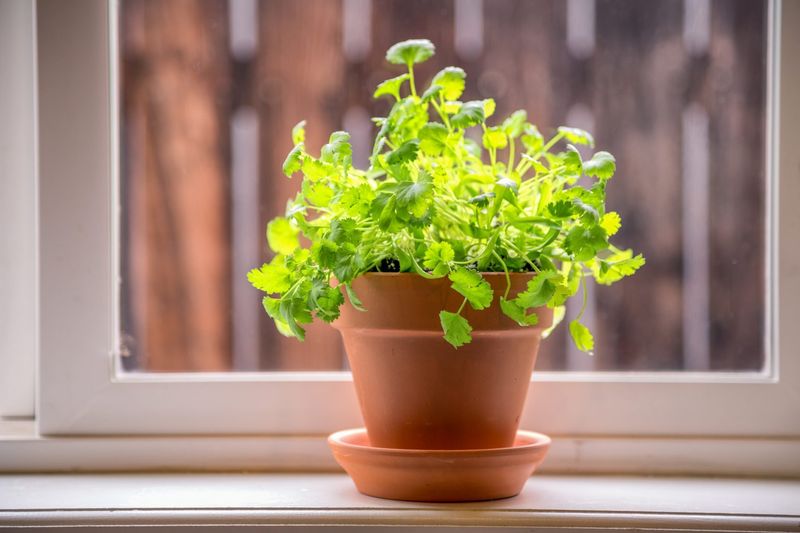
Cilantro offers a vibrant, citrusy flavor that is a staple in many cuisines. It grows quickly, making it an ideal choice for those seeking fast results.
However, cilantro tends to bolt in warm weather, so planting in small, regular batches is recommended. It prefers cool temperatures and consistent moisture.
Did you know cilantro and coriander are from the same plant? In many countries, cilantro refers to the leaves and stems, while coriander refers to the seeds.
6. Thyme
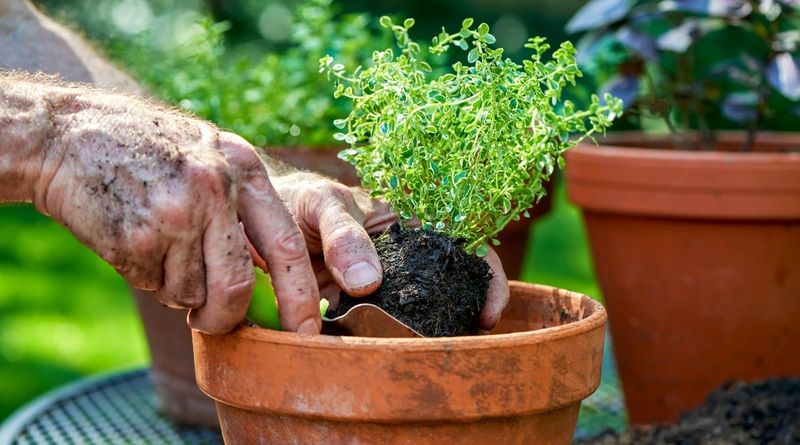
Thyme’s hardy nature makes it a forgiving choice for gardeners. It thrives in sunny locations and prefers to dry out between watering, making it well-suited for less attentive gardeners.
This herb adds a subtle, earthy flavor to meats, stews, and roasted vegetables. Thyme’s versatility extends beyond the kitchen; its essential oils are used in aromatherapy.
An interesting fact: thyme was used in ancient Egyptian embalming practices, showcasing its long history of use across different cultures.
7. Rosemary

Rosemary’s aromatic, evergreen leaves are a beloved addition to various dishes, from roasts to breads. While it grows slowly, the wait is worthwhile, as rosemary is a resilient herb.
It needs good light and prefers being on the dry side, making it an excellent choice for low-maintenance gardening. It’s often associated with memory improvement in folklore.
Historically, rosemary was used in weddings as a symbol of love and remembrance, adding an aromatic touch to bouquets and decorations.
8. Oregano
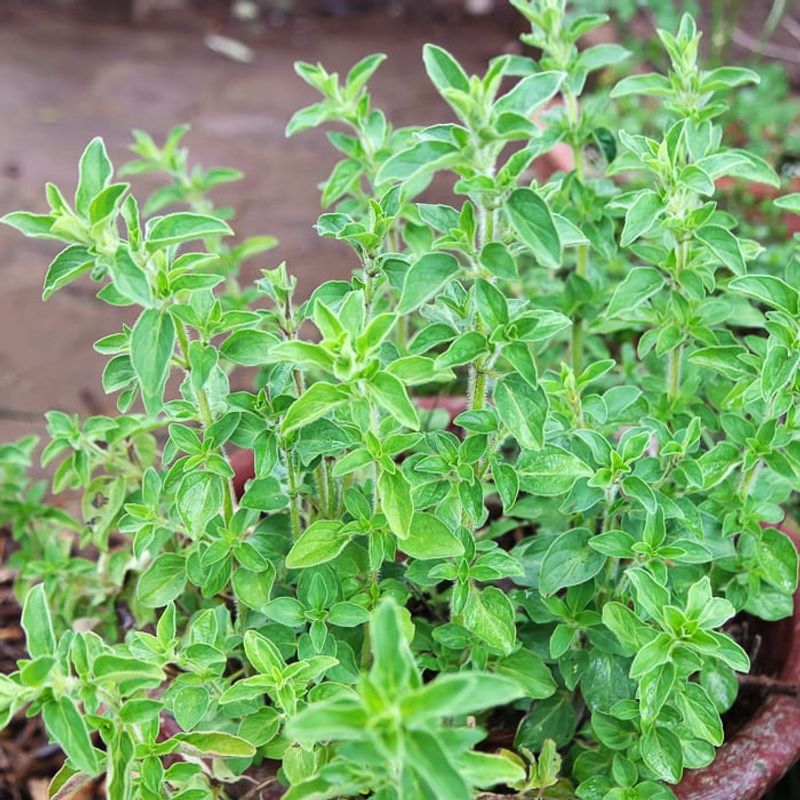
Oregano is a classic culinary herb, known for its robust flavor that enhances Italian and Mediterranean dishes. It grows vigorously, making it a satisfying addition to your garden.
This perennial thrives in a sunny spot with well-drained soil. Once established, it requires minimal care, rewarding you with a plentiful harvest.
In ancient Greece, oregano was a symbol of joy and happiness, and newlyweds were crowned with it. Its rich history and delightful taste make it a must-have in your home garden.
9. Lettuce
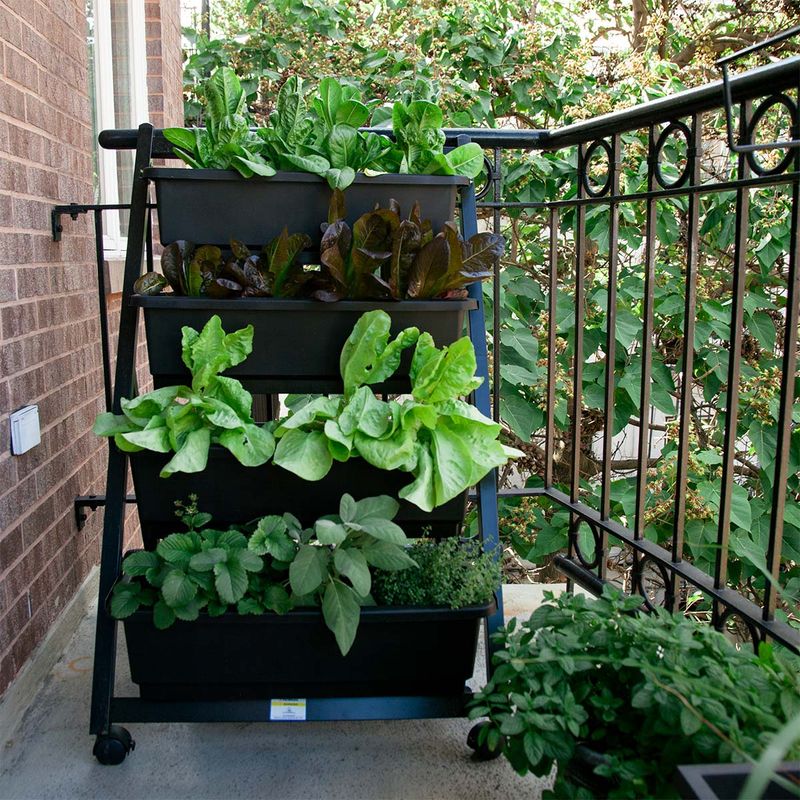
Leaf lettuce is an easy and rewarding choice for container gardening. Its ability to regrow after leaves are harvested makes it a fantastic option for continuous fresh salads.
Lettuce thrives in shallow containers and prefers cooler conditions, so avoid the intense heat of summer. With regular watering and adequate sunlight, you’ll enjoy a bountiful supply.
Fun fact: lettuce was first cultivated by the ancient Egyptians, who valued it both as a food and for its oil-rich seeds.
10. Spinach
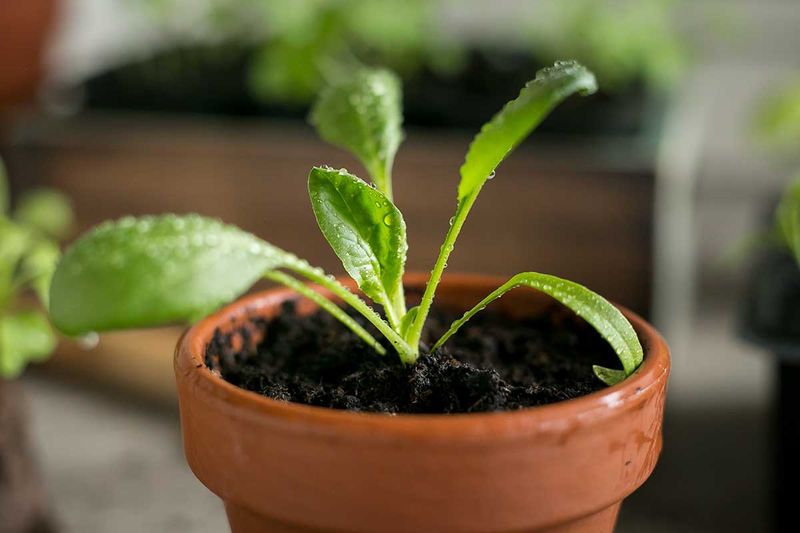
Spinach is a nutrient-rich green that prefers cooler weather and consistent moisture. Its quick growth makes it a favorite for those seeking fast results.
Plant it in early spring or fall to avoid bolting in the heat. Spinach can be grown in containers or garden beds, and its tender leaves are perfect for salads and cooking.
Did you know spinach is native to Persia? It was known as the “Persian vegetable” before spreading to other parts of the world.
11. Arugula

Arugula, with its peppery bite, is a fast-growing green that adds zest to salads and sandwiches. Its quick turnaround makes it ideal for eager gardeners.
This leafy green thrives in cooler temperatures and needs regular watering for optimal growth. Harvest leaves when they’re young for the best flavor.
Historically, arugula was considered an aphrodisiac in the Mediterranean region, adding a touch of intrigue to its culinary appeal.
12. Kale
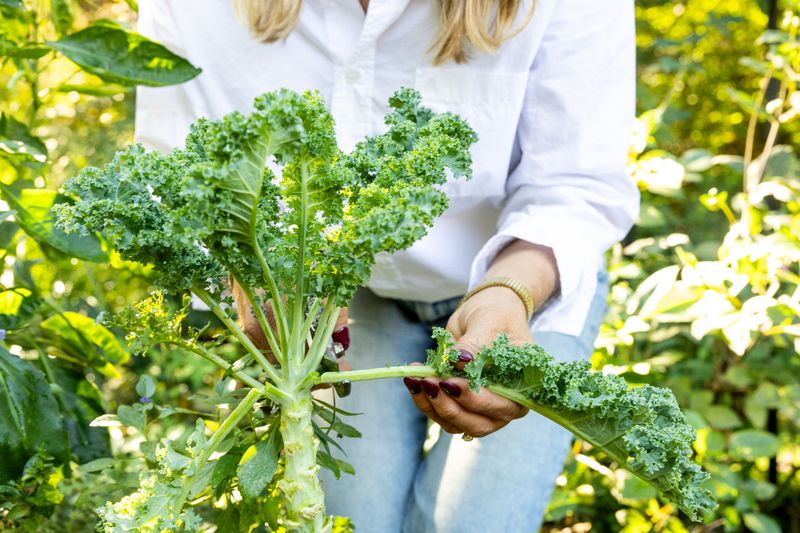
Kale is a hardy green that continues producing throughout the cool months, offering a nutritional boost to any meal. It’s perfect for salads, smoothies, and soups.
This leafy vegetable thrives in cooler temperatures and can withstand light frosts, improving its flavor. Regular harvesting encourages new growth.
Did you know kale was one of the most common green vegetables in Europe until the end of the Middle Ages? Its resilience and health benefits have ensured its popularity over centuries.
13. Swiss Chard
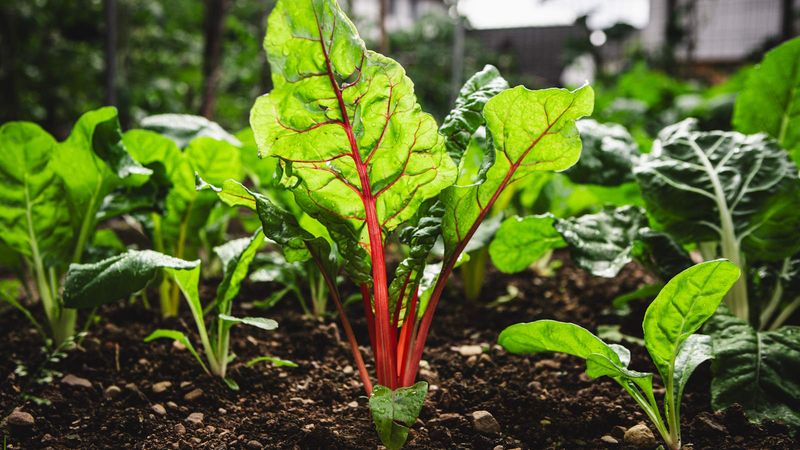
Swiss chard, with its colorful stems, offers both visual appeal and culinary versatility. It produces large leaves that continue growing after harvesting.
This plant is easy to grow, thriving in a variety of conditions and requiring regular watering. Its mild flavor makes it a great addition to stir-fries and sautés.
Interestingly, Swiss chard is not Swiss at all. It was named as such to differentiate it from French spinach varieties.
14. Microgreens
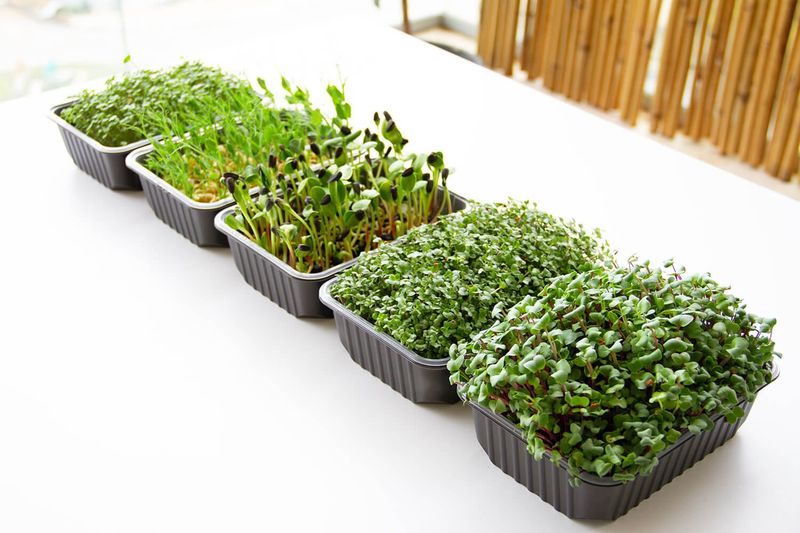
Microgreens, such as radish, broccoli, and sunflower, offer a quick and rewarding gardening experience. Ready in just 1-2 weeks, they pack a nutritional punch.
Grow them indoors on a windowsill for a fresh supply of greens that enhance salads, sandwiches, and more. Keep the soil moist and the lighting adequate for best results.
Did you know microgreens contain higher nutrient levels than their mature counterparts? They’re a powerhouse addition to your diet, despite their small size.
15. Cherry Tomatoes
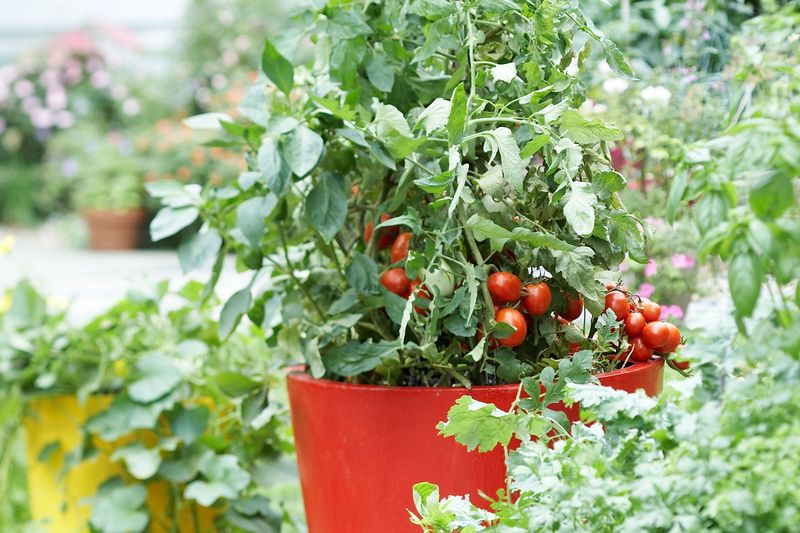
Cherry tomatoes are a must-have for any home gardener, providing a sweet and juicy burst of flavor. They’re perfect for container gardening, needing sun and support to thrive.
These delightful tomatoes grow quickly and produce abundantly, adding color to your balcony or garden. Regular watering and a sturdy trellis will ensure a fruitful harvest.
Fun fact: cherry tomatoes are believed to have originated in Peru, proving their adaptability to various climates and conditions.
16. Peppers
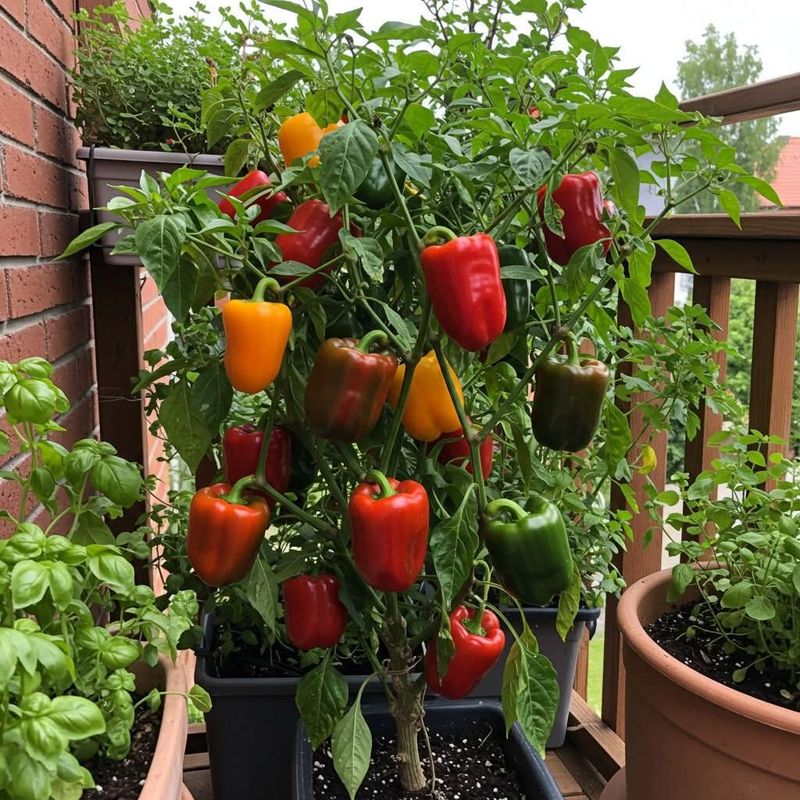
Peppers, whether sweet or hot, are rewarding plants that thrive in pots. Once they start producing, you’ll enjoy a bountiful harvest of flavorful peppers.
These plants need plenty of sunshine and regular watering to flourish. They’re versatile in the kitchen, enhancing everything from salads to stews.
Interestingly, the heat of a pepper is measured in Scoville units, a scale invented by a pharmacist named Wilbur Scoville in 1912. It’s a fun way to explore the spice level of different varieties.
17. Green Onions
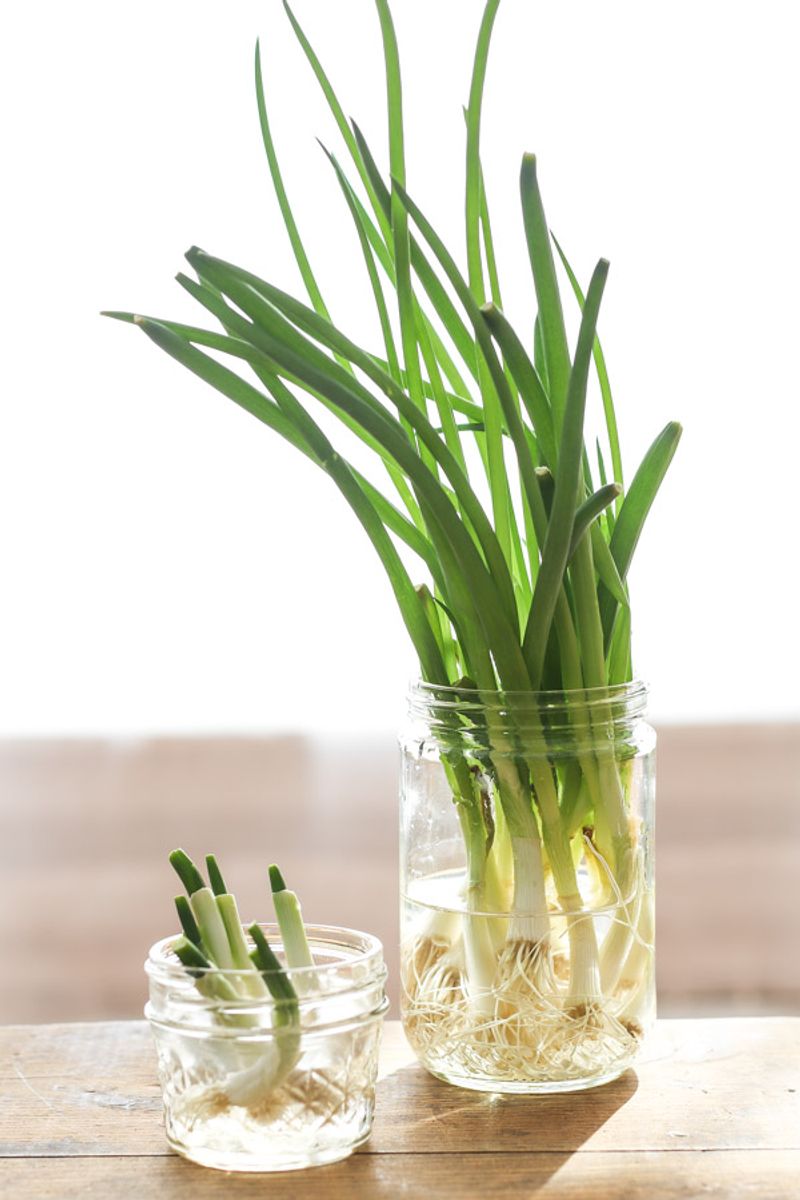
Green onions are incredibly easy to regrow from kitchen scraps. Simply place the white ends in water, and watch them sprout within days.
Once they start growing, plant them in soil for a longer life. These onions add a mild, fresh flavor to a variety of dishes.
Did you know green onions are also known as scallions? Their versatility and ease of growth make them a favorite among home gardeners.
18. Radishes

Radishes are quick-growing and beginner-friendly, offering a satisfying gardening experience. They mature in just a few weeks, providing crunchy, peppery roots.
These vegetables prefer cooler weather and thrive in well-drained soil. Regularly harvesting encourages a continuous supply.
Fun fact: radishes were one of the first European crops brought to the Americas. Their adaptability and easy growth have kept them a staple in many gardens.
19. Carrots
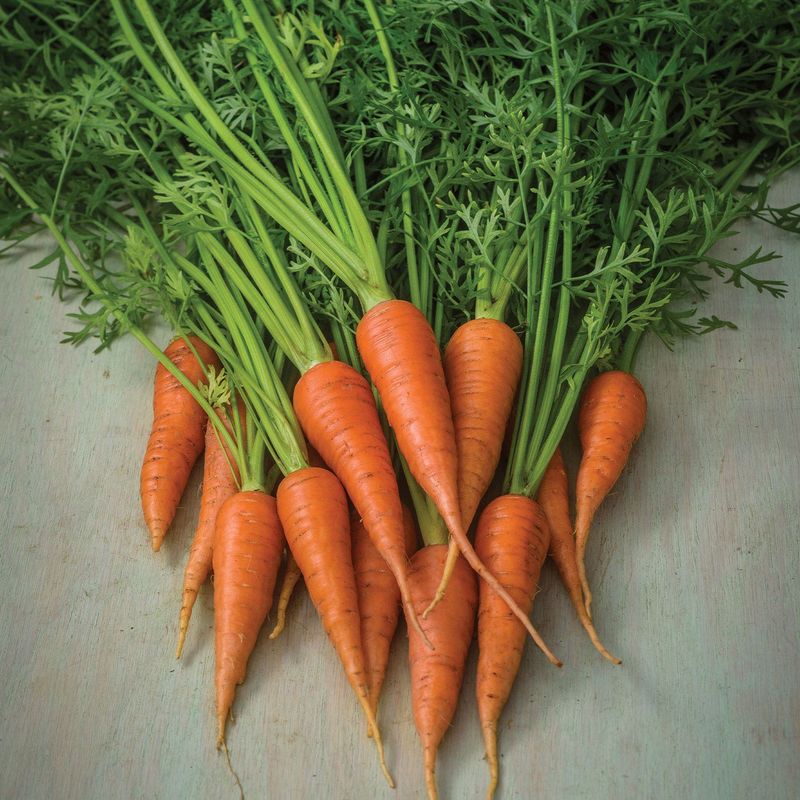
Carrots, particularly short or “baby” types, are perfect for container gardening. They offer a sweet, crunchy addition to your meals.
These root vegetables thrive in loose, well-drained soil, requiring consistent moisture for optimal growth. Their vibrant color and flavor make them a delightful addition to any garden.
Carrots were originally cultivated for their aromatic leaves and seeds, rather than their roots. Over time, the focus shifted to the delicious orange varieties we enjoy today.
20. Cucumbers
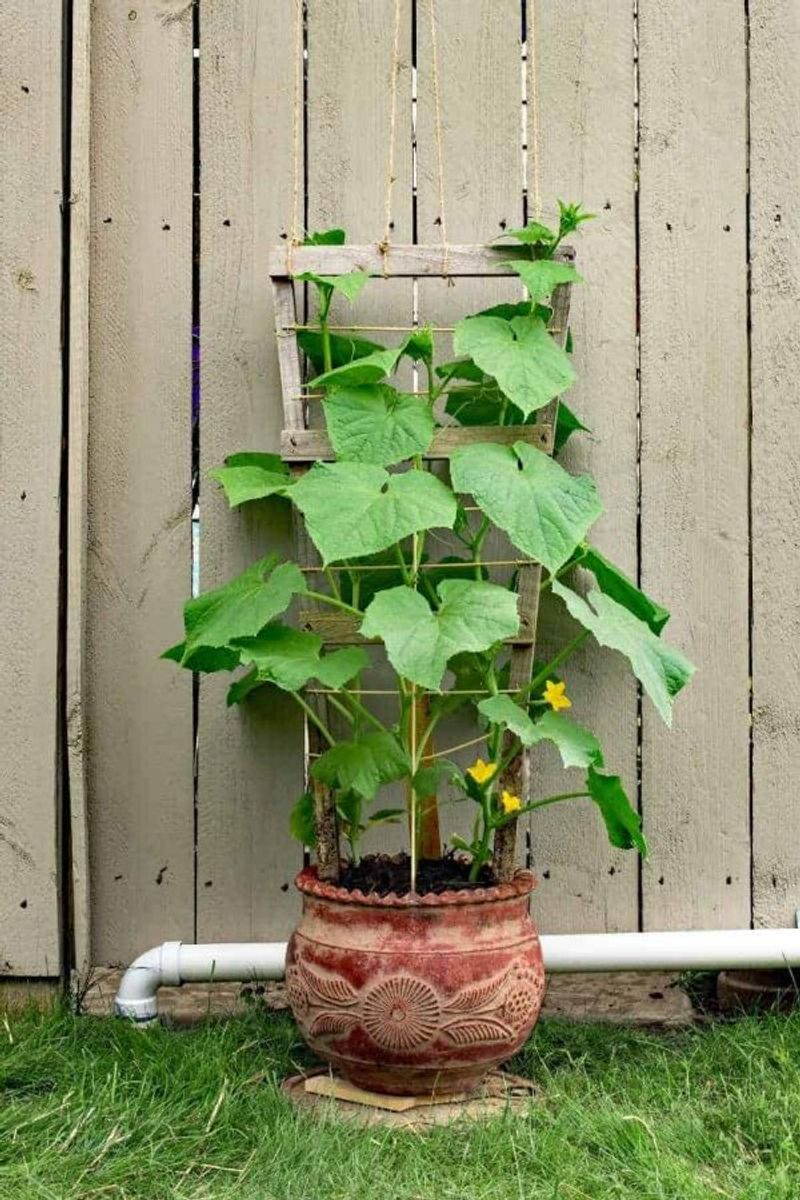
Cucumbers, especially bush varieties, are ideal for small spaces. Grow them in pots with a trellis for support, and enjoy fresh, crisp cucumbers all summer long.
These plants need plenty of sunlight and regular watering to thrive. They’re perfect for salads, pickling, and refreshing summer snacks.
Cucumbers have a long history, dating back to ancient India. They were highly valued for their hydrating properties and cool, refreshing taste.
21. Zucchini

Zucchini is a prolific producer, providing an abundance of vegetables from just one plant. It requires a large container and adequate space to grow.
These plants thrive in warm weather and need regular watering. Zucchini is versatile in the kitchen, perfect for grilling, baking, or adding to savory dishes.
Did you know zucchini flowers are edible and often used in Italian cuisine? Their delicate taste adds a special touch to various recipes.
22. Bush Beans

Bush beans are easy to grow and highly productive, making them a favorite for beginners. They require minimal care and provide an excellent yield.
These plants prefer full sun and well-drained soil. Harvesting regularly encourages more growth, ensuring a bountiful supply.
Bush beans, unlike pole beans, don’t need support structures, making them a simple choice for garden beds or containers. Their delicate flavor enhances a variety of dishes.
23. Celery

Celery can be regrown from its base, offering a simple way to recycle kitchen scraps. Place the base in water, and it will begin to sprout within days.
Once new growth appears, plant it in soil for a continuous supply of fresh celery. It thrives in cool weather and requires regular watering.
Historically, celery was used for medicinal purposes before becoming a popular culinary vegetable. Its crunchy stalks and unique flavor make it a versatile kitchen staple.
24. Romaine Lettuce
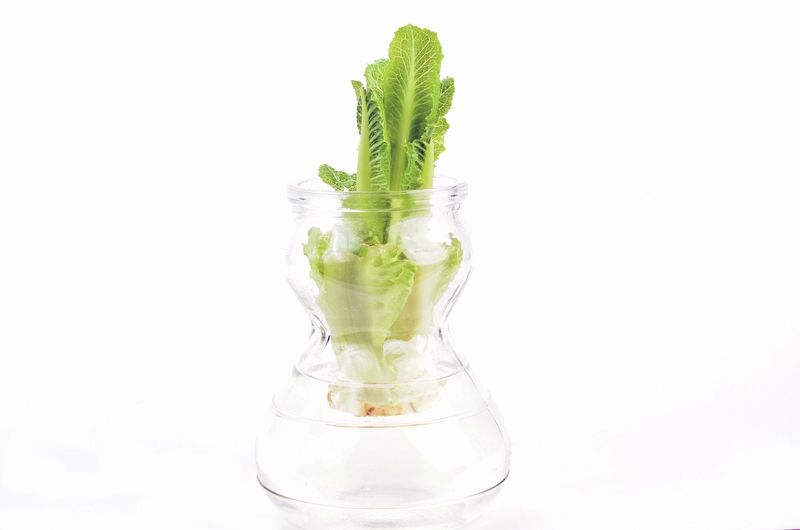
Romaine lettuce can be easily regrown from the base, providing a quick and gratifying kitchen hack. Simply place the base in water, and watch new leaves sprout.
Once the roots have developed, transfer it to soil for longer growth. Romaine’s crisp texture makes it a popular choice for salads and wraps.
Did you know romaine lettuce was used by the ancient Egyptians as a symbol of fertility? It’s been enjoyed for centuries thanks to its refreshing taste and health benefits.
25. Garlic Greens
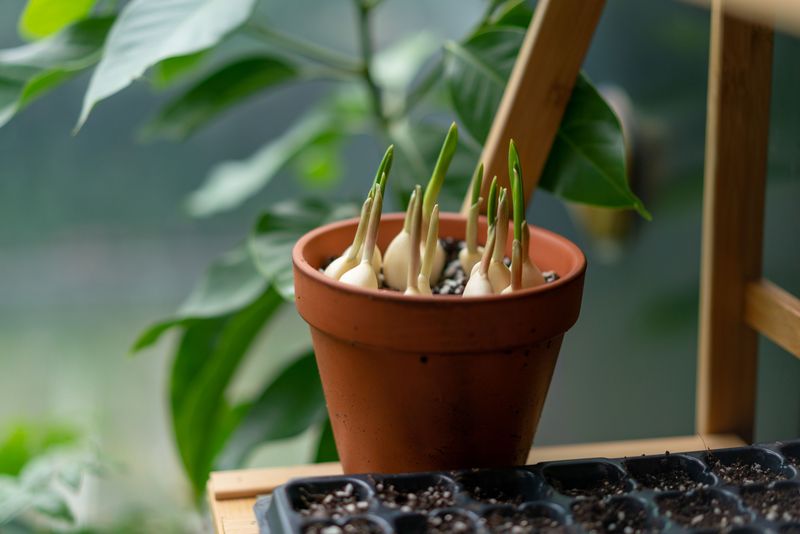
Garlic greens offer a mild garlic flavor, adding depth to a variety of dishes. Plant a single clove in soil, and watch as it sprouts greens.
These plants are simple to grow indoors, requiring minimal care and consistent moisture. Harvest the greens like you would chives for a versatile ingredient.
Garlic has a rich history, used for both culinary and medicinal purposes. Its greens are a delightful way to enjoy the plant’s subtle flavor without waiting for bulbs to mature.
26. Ginger
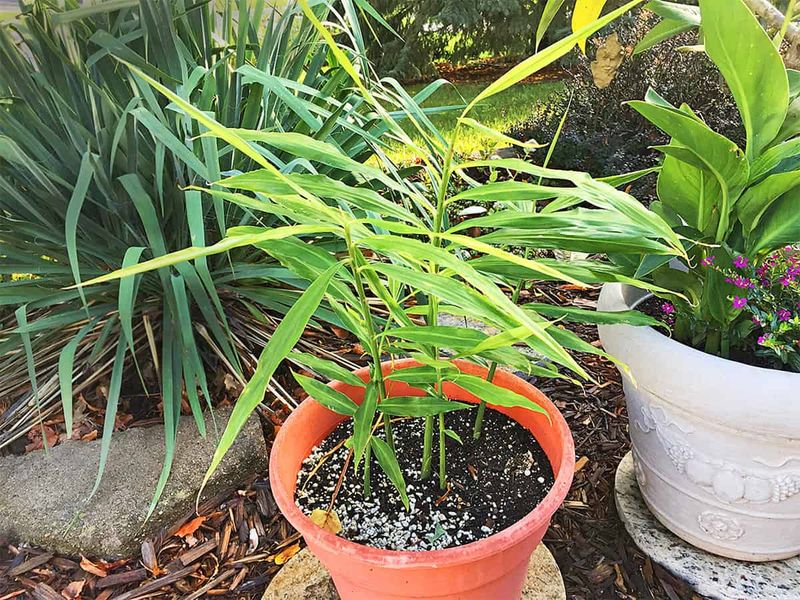
Ginger is a slow-growing but rewarding plant, perfect for pots in warm climates. Plant a piece of fresh ginger in soil, and watch as it gradually sprouts.
It thrives with consistent moisture and indirect sunlight, offering fresh ginger for culinary uses. Enjoy its spicy, aromatic flavor in teas, curries, and confections.
Ginger has been used in traditional medicine for centuries, celebrated for its digestive and anti-inflammatory properties. Growing it at home provides both flavor and health benefits.
27. Strawberries
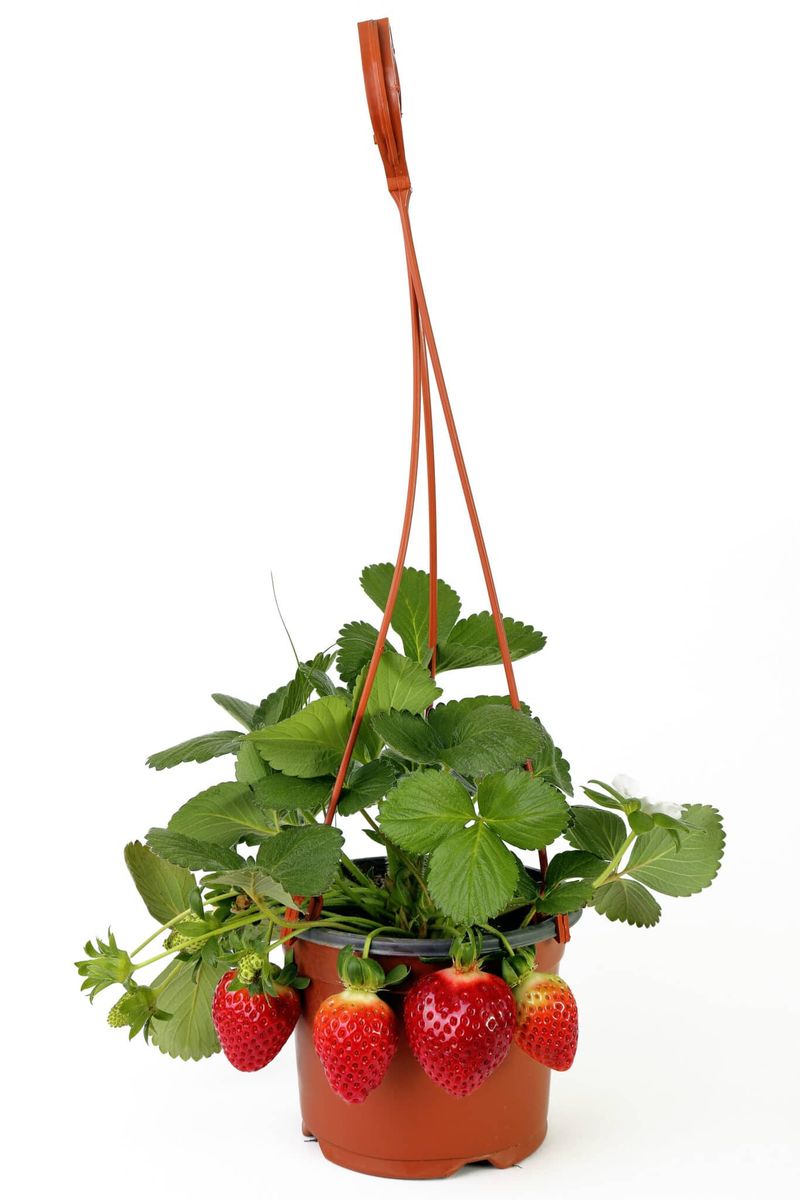
Strawberries are a delightful fruit that can be grown in pots or hanging baskets, adding a sweet touch to your home garden. They thrive in sunny spots and produce surprisingly well.
These plants require regular watering and appreciate a bit of fertilizer for optimal growth. Enjoy their juicy, red berries fresh or in desserts.
Strawberries have a charming history, once believed to symbolize Venus, the goddess of love, due to their heart-shaped appearance and sweet taste.
28. Dwarf Lemon Tree
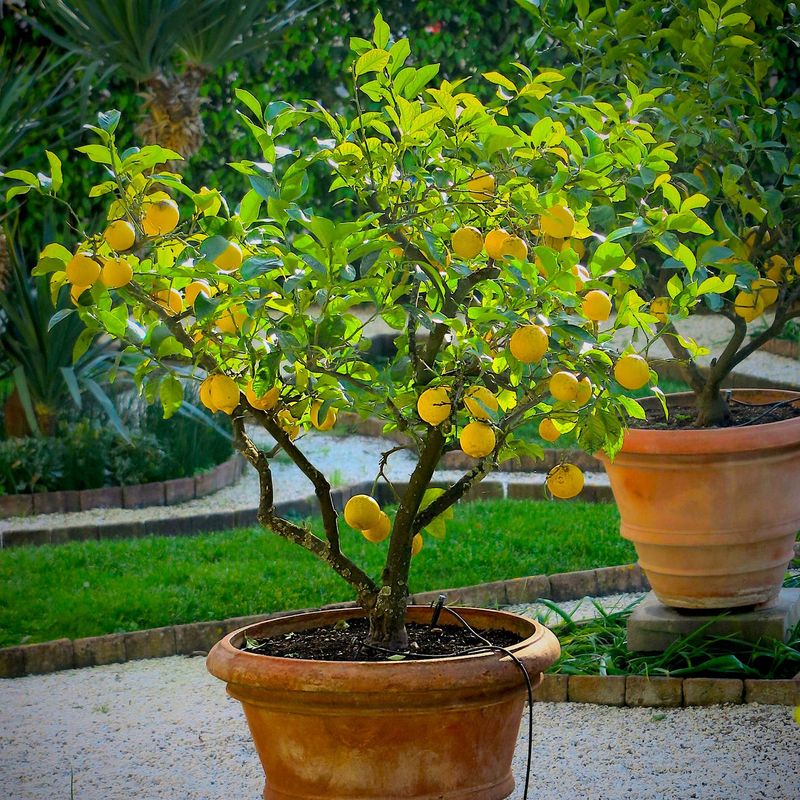
Dwarf lemon trees are a special addition to any home, offering fresh lemons right from your balcony. They require strong light and well-drained soil to thrive.
These trees are perfect for containers, providing both decorative appeal and delicious fruit. Regular care and attention will reward you with a fragrant and fruitful plant.
Interestingly, lemons were historically cultivated for ornamental purposes before becoming a culinary staple. Their bright flavor and aroma bring a touch of sunshine to any dish.