30 Foods That Could Increase Artery Build-Up
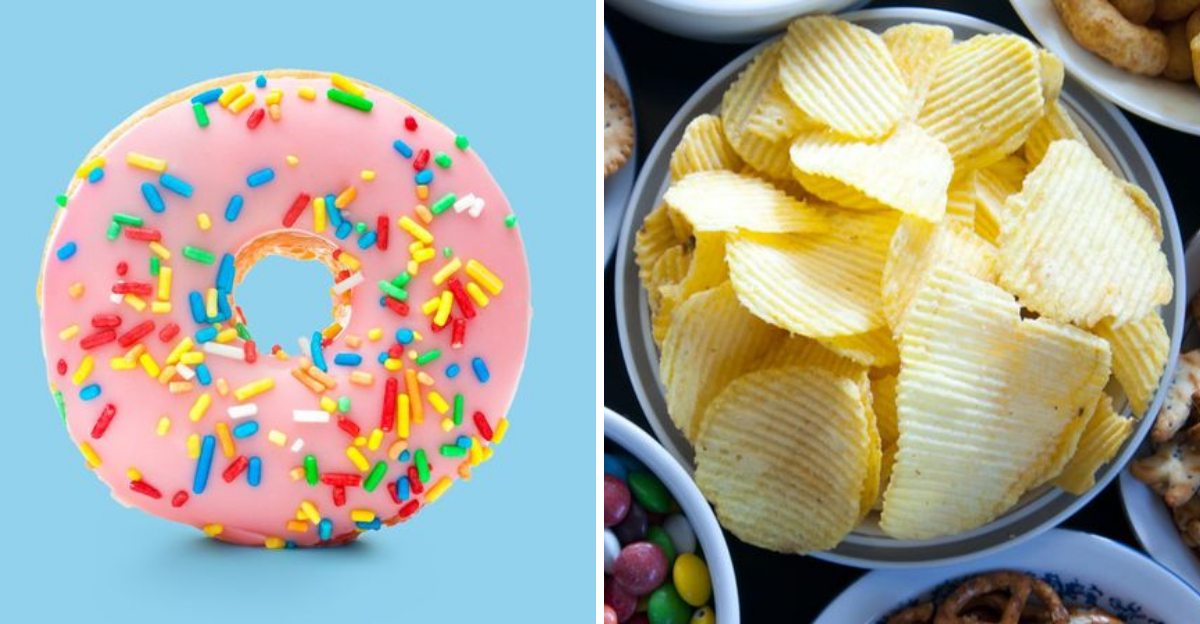
Artery health can quietly slip in the wrong direction when everyday foods stack up more fat, sugar, and sodium than your body can handle. You do not need fear or perfection, just awareness and smarter swaps.
This list spells out the usual suspects that can nudge cholesterol, inflammation, and blood pressure upward. Use it to spot patterns, choose better portions, and protect your heart without losing all the foods you love.
1. Deep-fried fast-food french fries
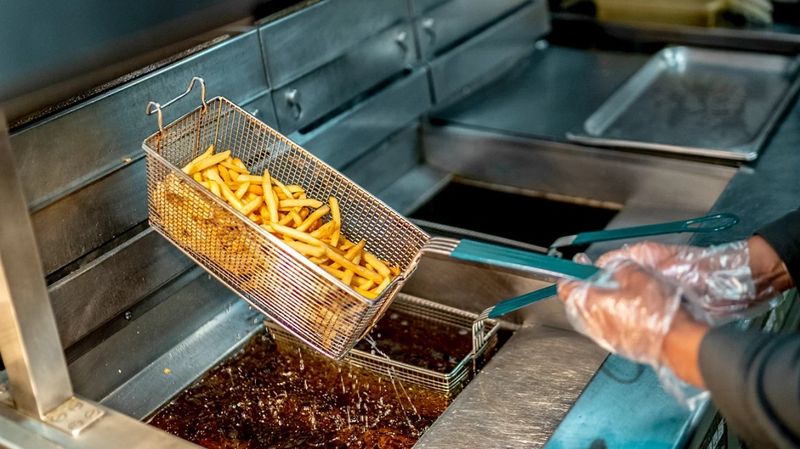
Fast-food fries seem harmless, but the combo of deep-frying, refined starch, and heavy salt can hit arteries hard. Many chains reuse high-heat oils, increasing oxidation that may stress blood vessels.
Large portions push calories and sodium sky high.
Refined potatoes spike blood sugar quickly, encouraging triglyceride production that can build plaque over time. The oil adds saturated and sometimes trans-like compounds.
You will feel more satisfied and heart-smart by picking baked potatoes, air-fried wedges, or sharing a small order.
2. Fried chicken (breaded, deep-fried)

Crispy fried chicken delivers a one-two punch of saturated fat and refined flour. The breading soaks up oil during deep-frying, increasing calorie density and potentially harmful oxidation products.
Skin-on pieces often carry extra saturated fat that can raise LDL.
Generous servings plus salty coatings make blood pressure creep upward. Swap to oven-baked or air-fried chicken, remove skin, and use whole-grain or nut coatings.
Season boldly with spices, citrus, and herbs so flavor does not rely on grease.
3. Fried fish sandwiches and battered fried seafood
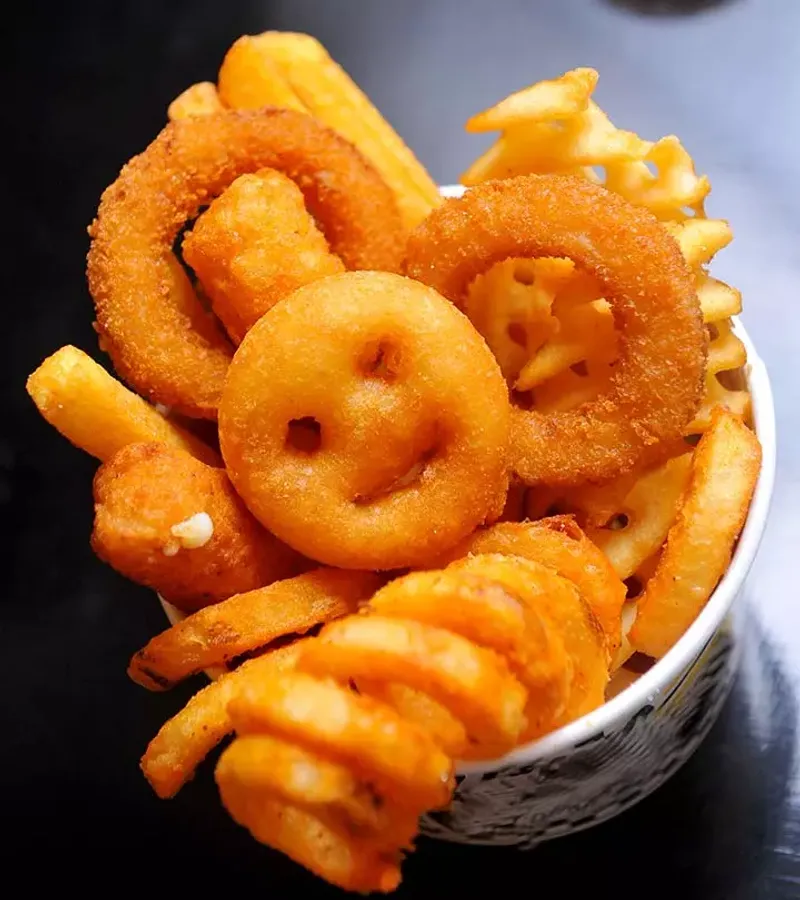
Fish can be heart friendly, but battering and deep-frying change the story. The crust absorbs oil, increasing calories and adding oxidized fats that may inflame vessels.
White buns and creamy sauces stack refined carbs and saturated fat.
Regular orders can overwhelm omega-3 benefits. Choose grilled or baked fish, whole-grain buns, and tangy slaws or salsa instead of heavy mayo.
A squeeze of lemon and fresh herbs brightens flavor without artery tax.
4. Donuts
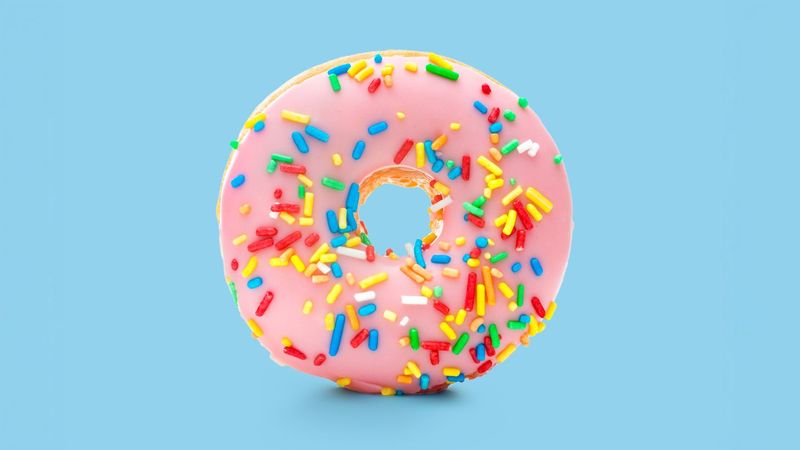
Donuts pair deep-fried dough with loads of sugar, a fast track to spiking triglycerides. The white flour digests quickly, and the icing or fillings add a sugar rush that stresses arteries.
Many varieties use shortening-rich fats.
Eating them frequently can raise LDL and encourage insulin swings that promote plaque. If cravings hit, split one, choose baked styles, or reach for a cinnamon-dusted whole-grain muffin.
Balance sweetness with protein and fiber later.
5. Packaged pastries (danishes, frosted pastries)

Packaged pastries often rely on refined flour, added sugars, and industrial fats that drive LDL upward. Shelf stability can mean more saturated fat and additives.
Frosting and fillings dial up calories without fiber.
These treats can become a breakfast habit that quietly undermines artery health. Save them for rare occasions, pair with fruit and yogurt if indulging, or swap to whole-grain toast with nut butter.
A little planning beats a pastry emergency.
6. Commercial pie crusts and shelf-stable desserts
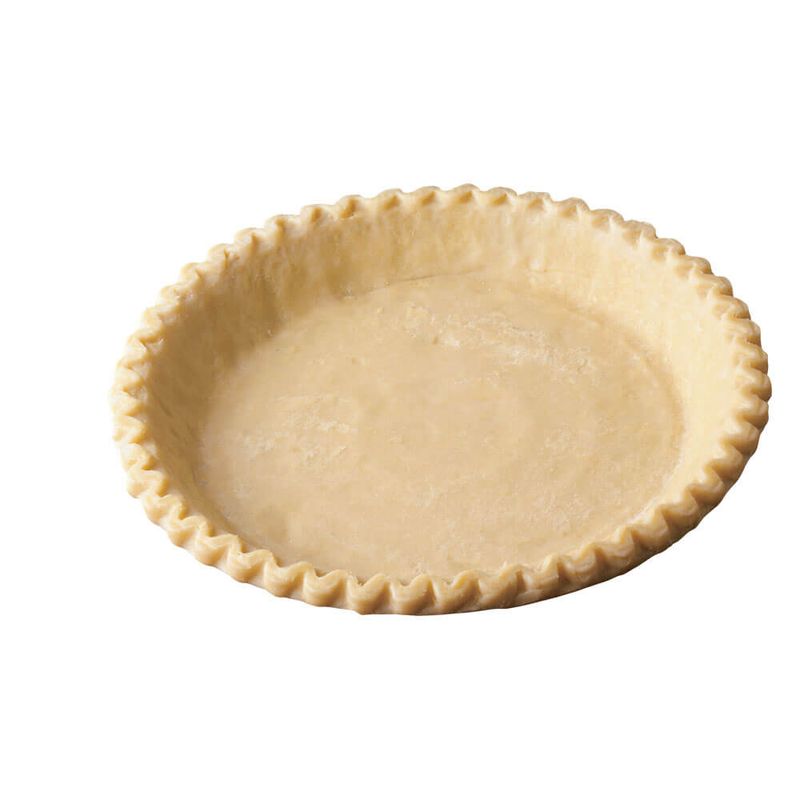
Commercial crusts often use shortenings that are high in saturated fat. The flaky texture comes at an arterial cost when eaten frequently.
Shelf-stable desserts also pack sugars and low-quality oils that can add to plaque risk.
Portion control matters because slices are easy to overserve. Make crusts with nut or oat bases, or choose fruit-forward desserts with modest added sugar.
Your arteries prefer butter used sparingly over mystery shortenings.
7. Foods made with partially hydrogenated oils
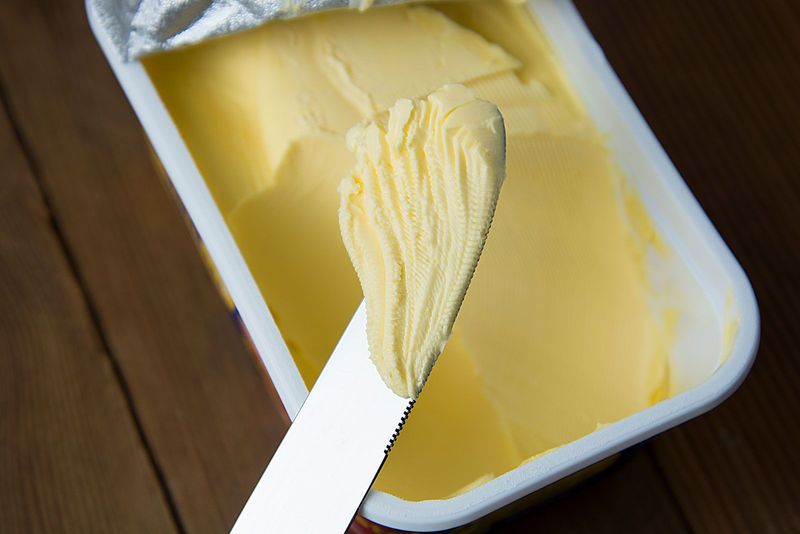
Industrial trans fats raise LDL and lower HDL, a harmful combination for arteries. Although restricted in many places, some products may still contain partially hydrogenated oils.
Even tiny amounts can be problematic when eaten often.
Scan labels for partially hydrogenated anything. Choose brands using high-oleic oils or minimally processed ingredients.
Cooking at home with olive or canola oil helps swap trans risks for heart-friendlier fats.
8. Packaged crackers and chips with low-quality oils
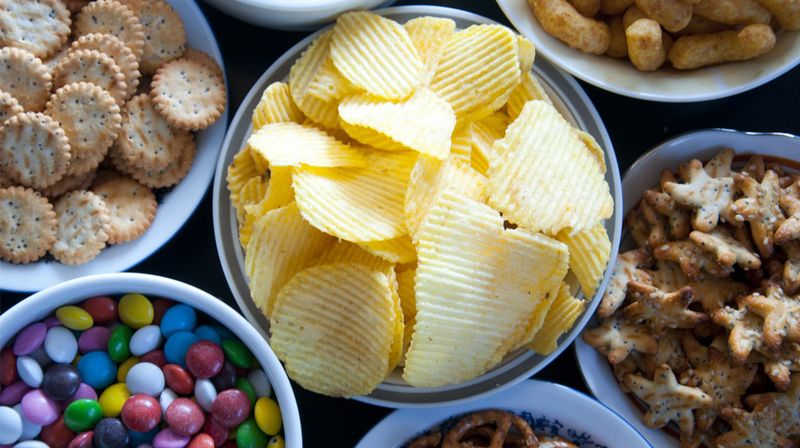
Snack aisles overflow with chips and crackers fried or sprayed with cheap oils. Sodium and refined starch drive cravings and water retention, straining blood pressure.
Seasoning blends often hide sugars.
Frequent snacking can push calorie intake beyond needs, encouraging weight gain that narrows arteries. Seek baked options, whole-grain crackers, or nuts and seeds in modest portions.
Pair crunchy cravings with raw veggies to cut the salty load.
9. Ultra-processed snack cakes
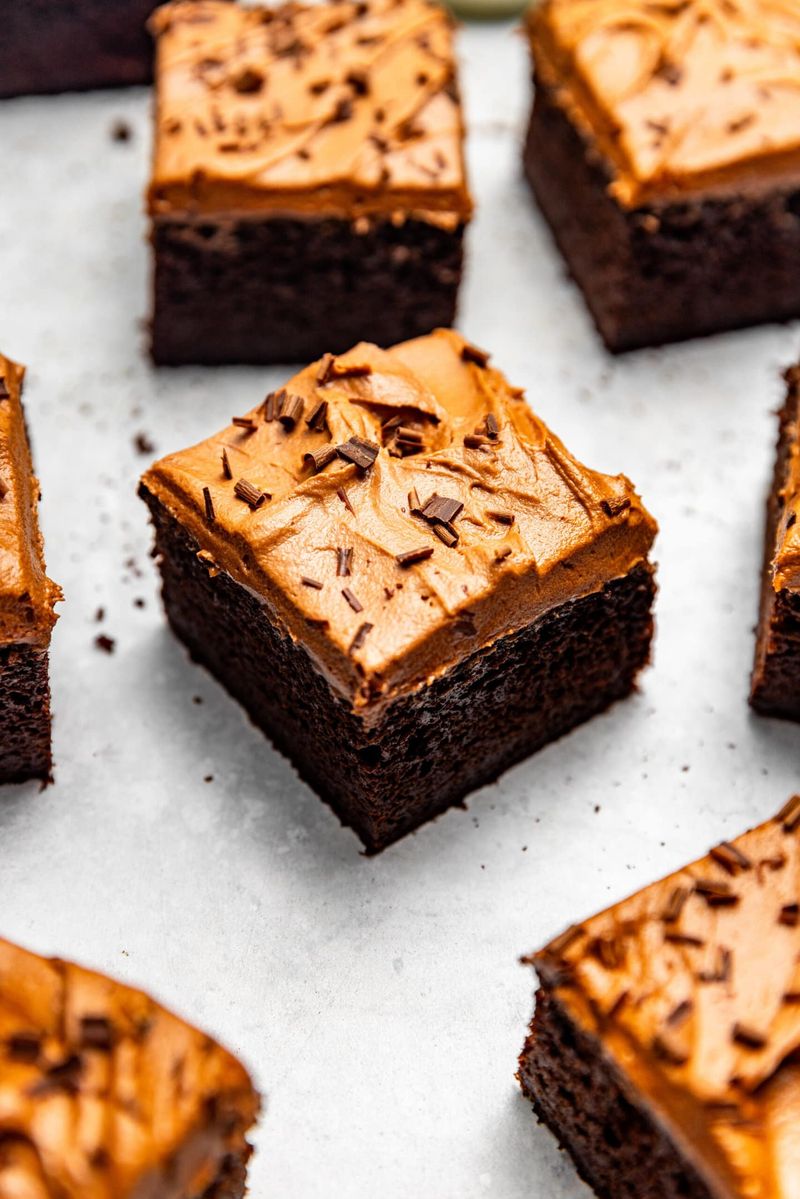
Snack cakes mix refined flour, sugar, emulsifiers, and shelf-stable fats that challenge arterial health. The sweet-fat combo is engineered to overdeliver calories.
Regularly eating them can raise triglycerides and LDL while displacing fiber-rich foods.
Choose fruit, yogurt, or homemade oat bars for a more balanced sweet. If you buy them, portion and freeze singles to slow impulse snacking.
Your arteries will appreciate the upgrade.
10. Pepperoni pizza
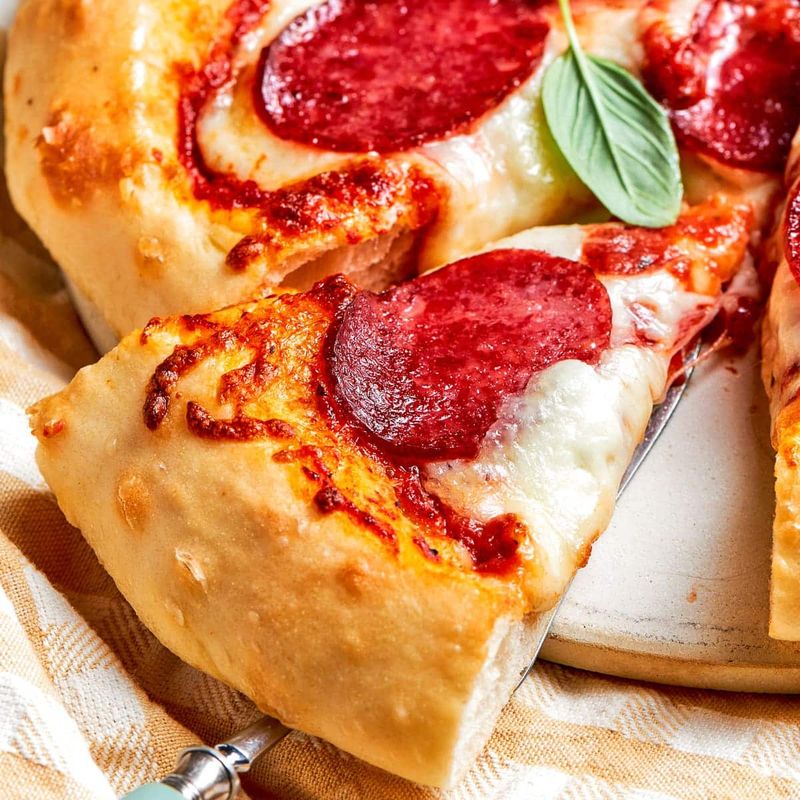
Pepperoni pizza combines refined crust, salty processed meat, and lots of cheese. Saturated fat and sodium team up to push LDL higher and elevate blood pressure.
Extra slices add up quickly.
Go lighter with thin crust, veggie toppings, and half the cheese. Swap pepperoni for grilled chicken or mushrooms.
A salad starter makes fewer slices feel satisfying.
11. Processed meats: bacon
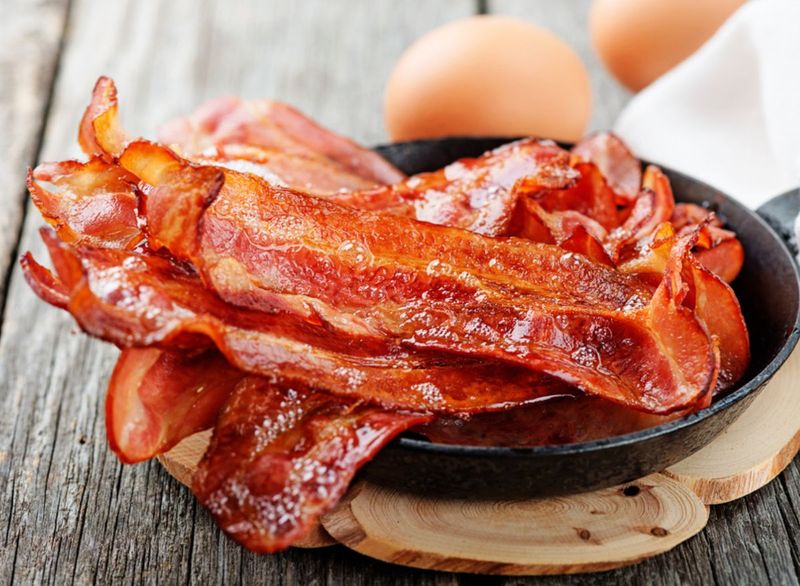
Bacon is intensely salty and high in saturated fat. Nitrates and nitrites used in curing may contribute to vascular damage when eaten often.
The smoky flavor is addictive, encouraging oversized portions.
Keep it occasional, choose thin-cut, and drain excess grease. Consider turkey bacon with careful label reading for sodium and additives.
Pair with fiber-rich sides like berries and oats to buffer impact.
12. Processed meats: sausages and hot dogs
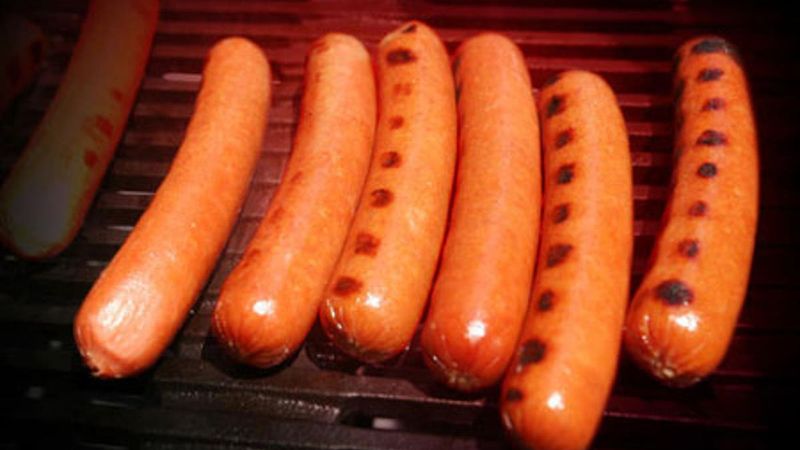
Sausages and hot dogs pack saturated fat, sodium, and preservatives that may irritate arteries. The bun and sweet condiments add refined carbs and sugar.
Charred edges can form compounds linked to inflammation.
Limit frequency, pick leaner options, and load up veggies instead of extra links. Check labels for lower sodium and fewer additives.
Grilling at moderate heat reduces char.
13. Processed deli meats (bologna, salami)
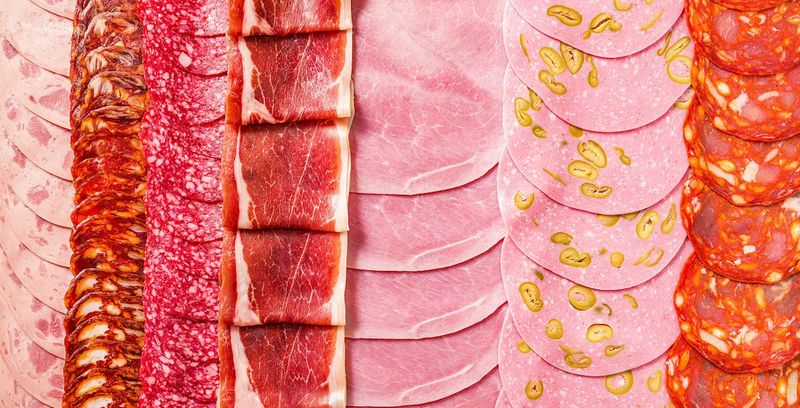
Deli meats accumulate sodium and saturated fat, especially salami and bologna. Preservatives help shelf life but may harm endothelial function with heavy intake.
Stacked sandwiches can turn into stealth salt bombs.
Choose roasted turkey or chicken with minimal additives, and skip extra cheese. Layer in crunchy vegetables and whole-grain bread to support arteries.
Mustard beats sugary sauces for flavor.
14. High-fat red meats eaten often
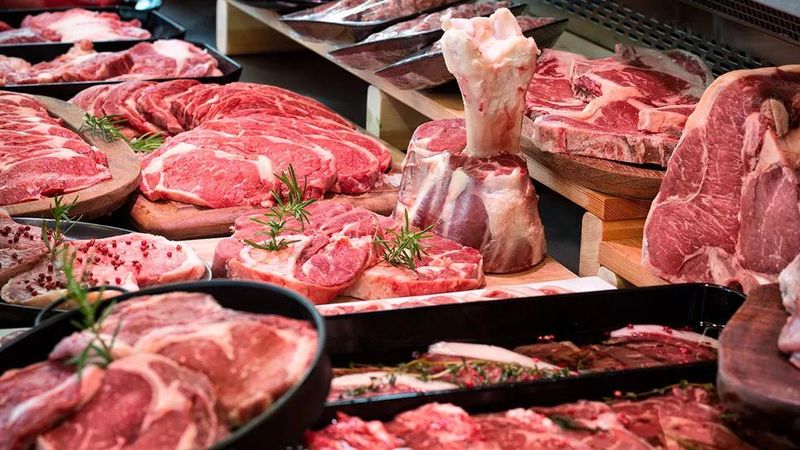
Regularly choosing fatty cuts like ribs and double-patty burgers increases saturated fat intake. This can drive LDL higher and foster plaque formation.
Large restaurant portions make it easy to overdo.
Rotate in lean cuts, smaller servings, and plant proteins like beans or tofu. Trim visible fat and choose gentler cooking methods.
A colorful plate helps crowd out excess meat.
15. Meat-heavy fast-food combo meals

Combo meals bundle refined buns, fried sides, and sugary drinks. That trio drives a surge in calories, sodium, and added sugar that strains arteries.
Frequent meals like this raise LDL and blood pressure.
Downsize, skip fries, or swap water for soda to cut the hit. Choose single patties and extra veggies.
Your heart notices those small changes quickly.
16. Chicken nuggets and breaded fried bites
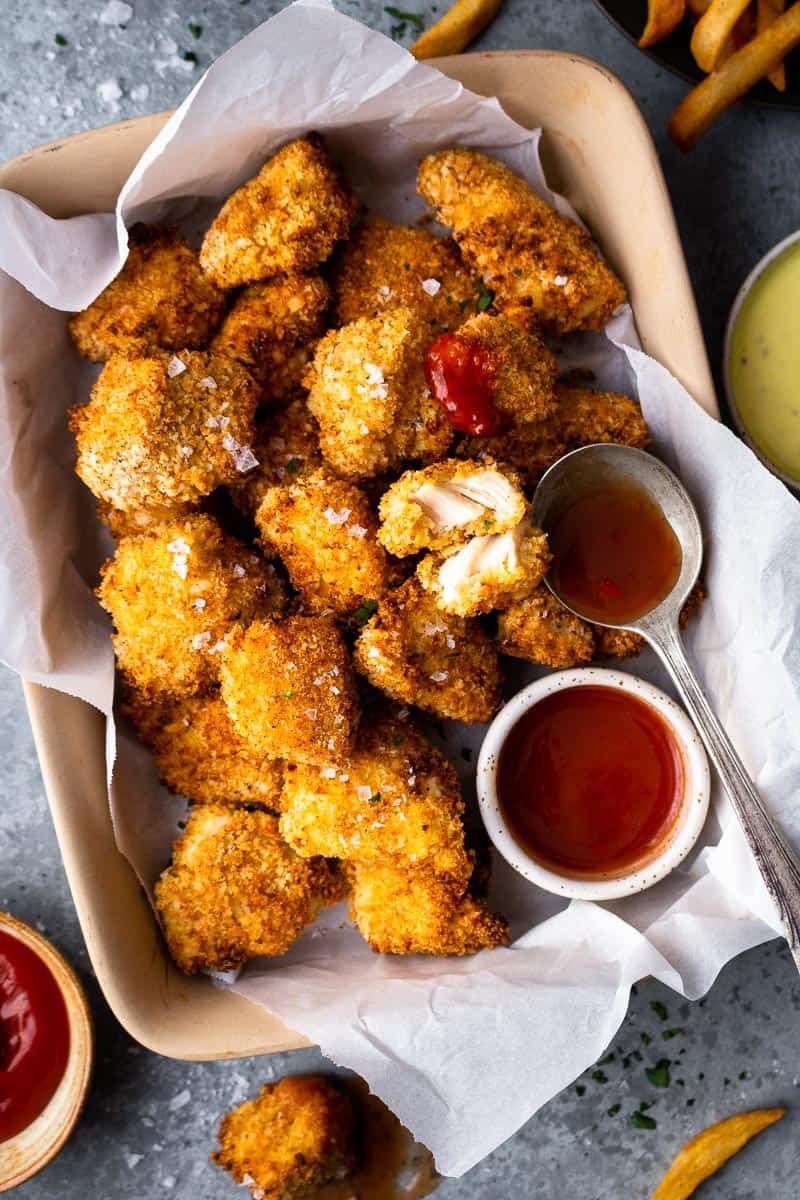
Chicken nuggets look innocent but are often fried, salty, and ultra-processed. The breading and oils add calories without much fiber.
Dipping sauces can pile on sugar.
Air-fry homemade nuggets using whole-grain crumbs and lean chicken. Offer yogurt-based dips or mustard.
A side of veggies balances the meal better than more nuggets.
17. Cream-based pasta dishes (alfredo-style)
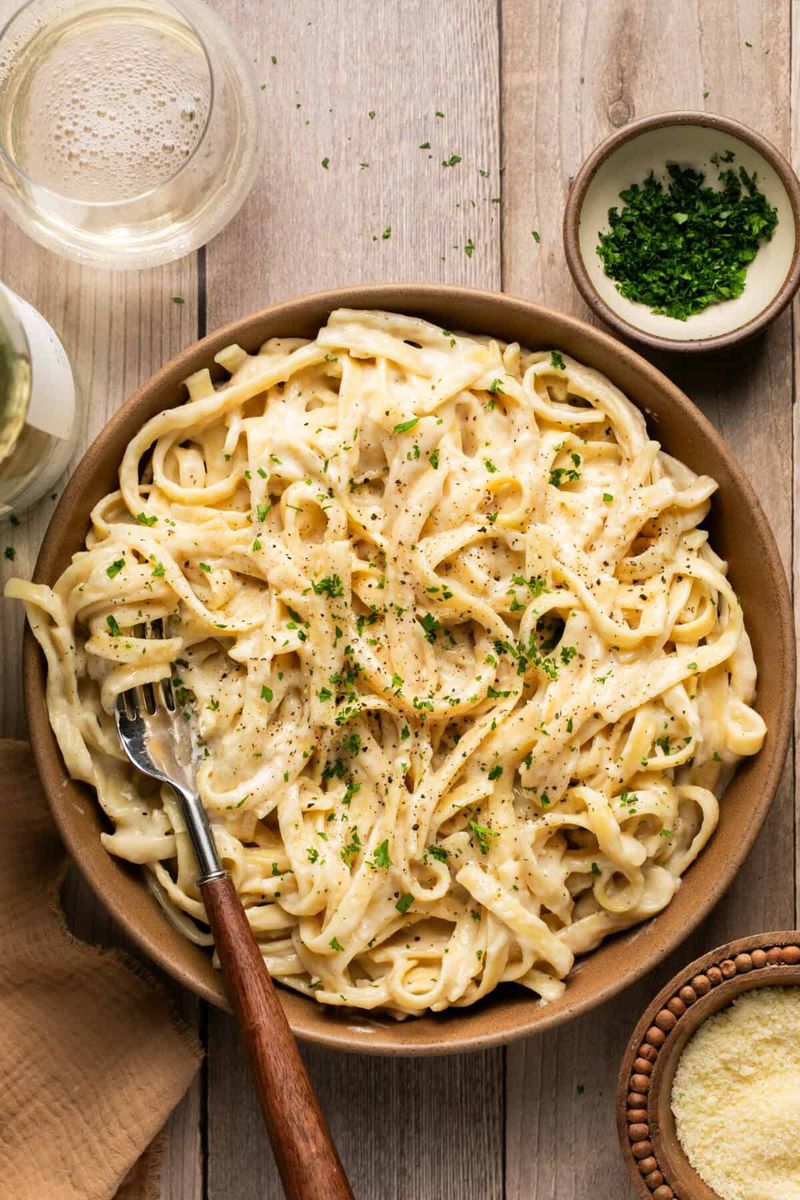
Alfredo-style sauces concentrate heavy cream, butter, and cheese. That means a big hit of saturated fat that can raise LDL.
Super-sized portions add more trouble.
Lighten the dish with a cashew cream or half-and-half plus broth. Toss in broccoli or peas for fiber that supports arterial health.
A smaller bowl with a salad on the side satisfies without overload.
18. Mac and cheese as a main dish
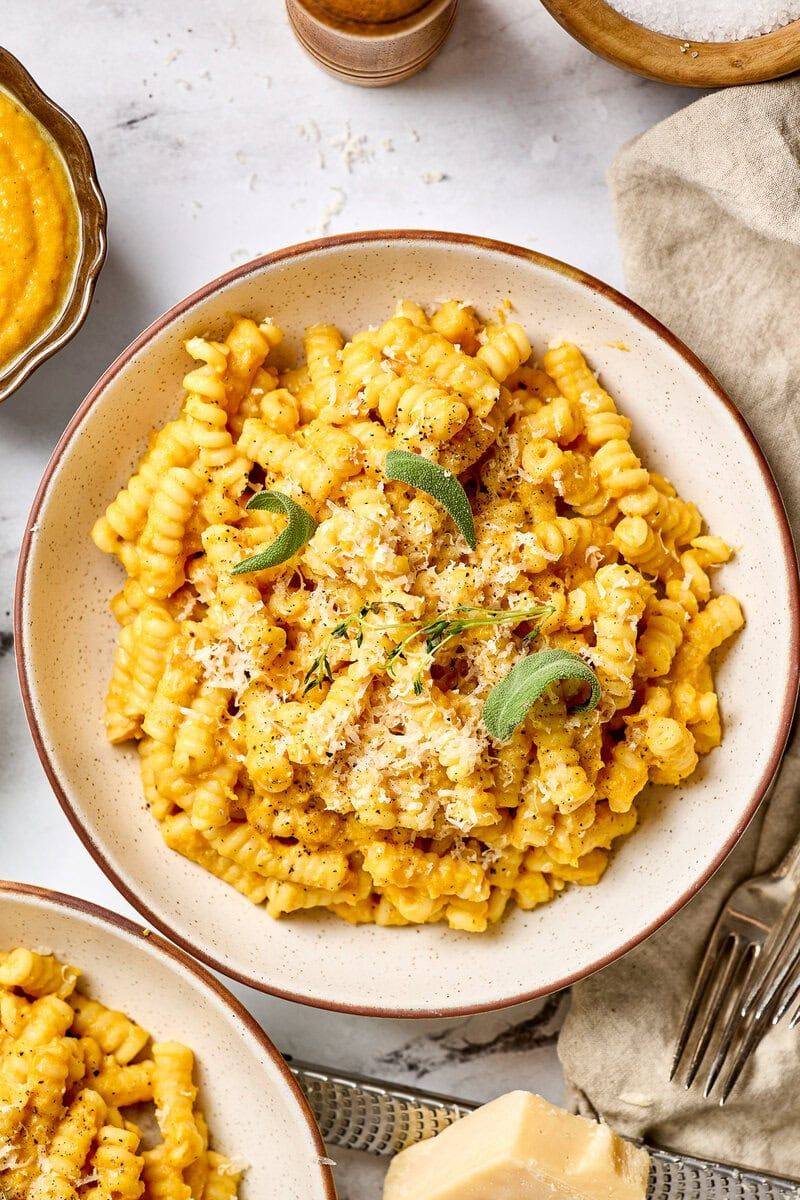
Mac and cheese served as a main can pack dense cheese and butter. White pasta offers little fiber to slow digestion.
Add-ons like bacon raise sodium and saturated fat further.
Use whole-grain pasta, sharp cheese for bold flavor in smaller amounts, and pureed squash for creaminess. Serve as a side, not the star.
Your arteries will appreciate the re-balance.
19. Full-fat dairy desserts (ice cream, milkshakes)

Ice cream and shakes combine saturated fat and sugar that challenge arteries. Large portions deliver many calories quickly.
Toppings like caramel or cookie crumbles add more sugar.
Pick smaller scoops, sorbet, or frozen yogurt with mindful toppings. Blend shakes with milk and fruit, not syrups.
An occasional treat fits better than nightly habits.
20. Butter-heavy pastries and desserts

Buttery treats are delicious but deliver saturated fat that can push LDL up. Laminated doughs and rich frostings concentrate calories.
Pairing them with sugary coffees compounds the impact.
Enjoy mindfully, choose smaller portions, and savor slowly. Balance the day with fiber-rich meals and unsweetened drinks.
Reserve the richest desserts for special moments.
21. Sugary soda

Soda delivers rapid sugar without fiber, spiking triglycerides and insulin. Over time, this can promote arterial plaque.
Large bottles make portion control tricky.
Switch to sparkling water with citrus, unsweetened tea, or diluted juice. Keep soda an occasional treat in small cans.
Your arteries respond well to less sugar.
22. Sweet tea and other sugar-sweetened drinks
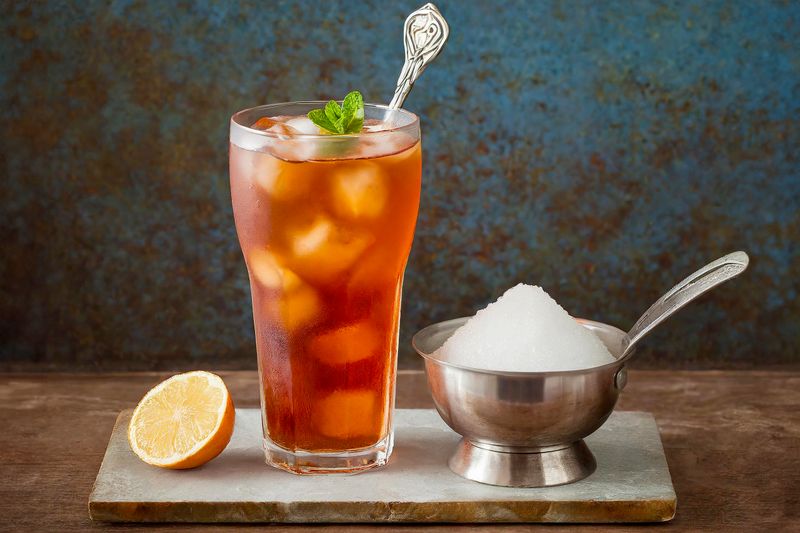
Sweet tea tastes refreshing but can pack more sugar than soda. Regular refills quietly raise daily sugar totals.
That raises triglycerides and taxes arteries.
Brew strong tea and sweeten lightly or use stevia. Add mint and lemon for brightness.
Try half-sweet blends to taper down gradually.
23. Energy drinks loaded with sugar
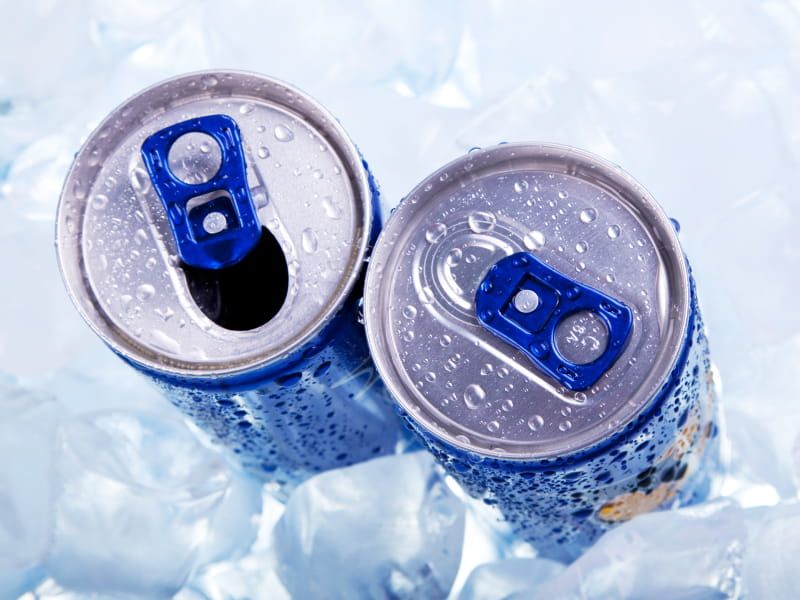
Energy drinks often combine high sugar with heavy caffeine. The sugar surge can elevate triglycerides, while caffeine may spike blood pressure.
That pairing is tough on arteries when consumed frequently.
Choose unsweetened caffeinated options or water plus a short walk for energy. If you drink them, pick low sugar versions and smaller cans.
Keep hydration steady during the day.
24. Sweetened coffee drinks with syrups and cream

Flavored lattes and frappes can hide dessert-level sugar and saturated fat. Whipped cream, syrups, and whole milk add up quickly.
Oversized cups turn a drink into a meal.
Order smaller sizes, choose skim or oat milk, and limit pumps of syrup. Skip whipped cream or swap to cinnamon and cocoa.
You still get your coffee fix without the artery hit.
25. Candy, especially large share bags
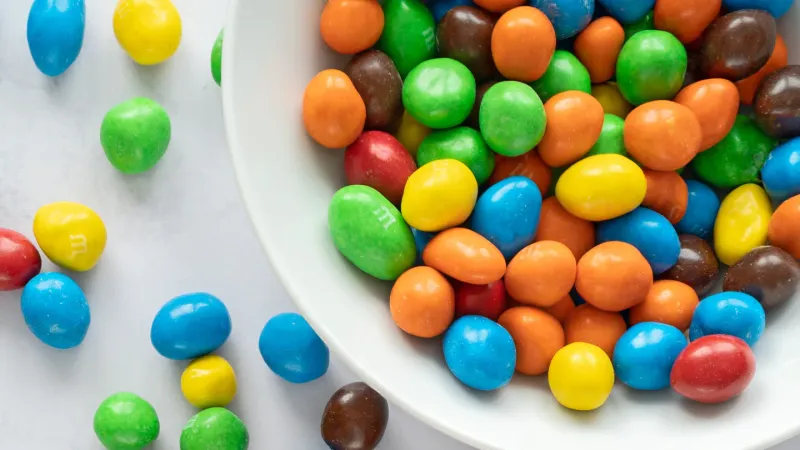
Big bags of candy make grazing easy, sending sugar intake soaring. Rapid absorption elevates triglycerides and may fuel inflammatory pathways.
Chocolate candies also add saturated fat.
Buy small packs, portion out a few pieces, or choose dark chocolate with nuts. Pair sweets with a meal to blunt spikes.
Out of sight beats out of control.
26. Sugary breakfast cereals
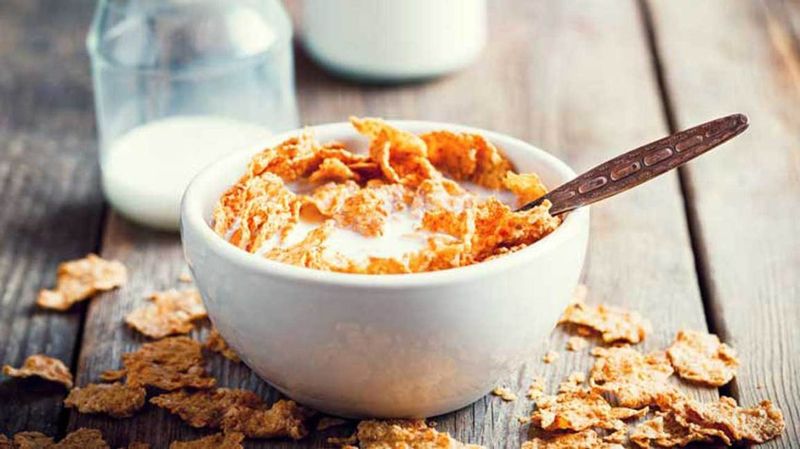
Sugary cereals turn breakfast into a dessert. Rapid carbs plus added sugars leave you hungry and can raise triglycerides.
Many lack fiber that supports cholesterol balance.
Switch to high-fiber, low-sugar cereals, oats, or muesli. Add berries, nuts, and cinnamon for flavor.
Your morning routine sets the tone for artery health.
27. Refined white bread products eaten constantly

White bread digests fast, driving blood sugar swings that can raise triglycerides over time. Frequent servings displace whole grains that support arterial function.
Burgers and sandwiches stacked daily add up.
Choose whole-grain breads with visible seeds and at least 3 grams of fiber per slice. Balance sandwiches with lean protein and veggies.
Variety keeps your arteries happier.
28. White rice or refined pasta as default base
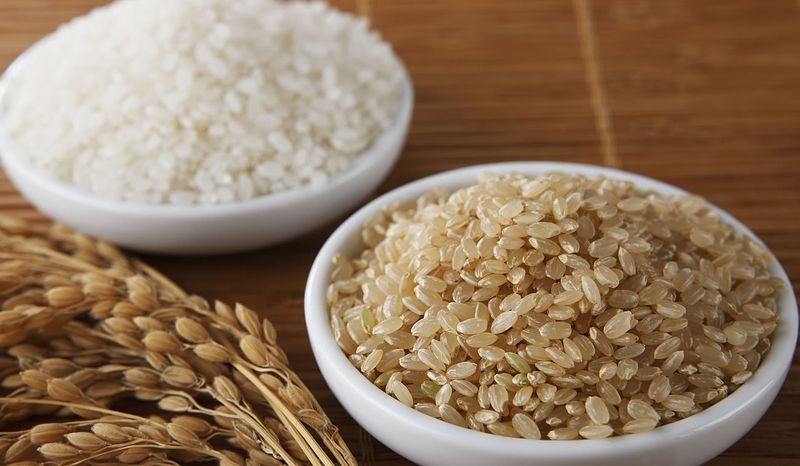
Making refined starch the base of most meals can crowd out fiber-rich foods. That pattern nudges triglycerides higher and may reduce satiety, encouraging overeating.
Sauces often add sodium.
Rotate in brown rice, quinoa, lentils, and whole-grain pasta. Add colorful vegetables and beans to build a heartier plate.
Small shifts protect your arteries long term.
29. Sugary sauces used heavily
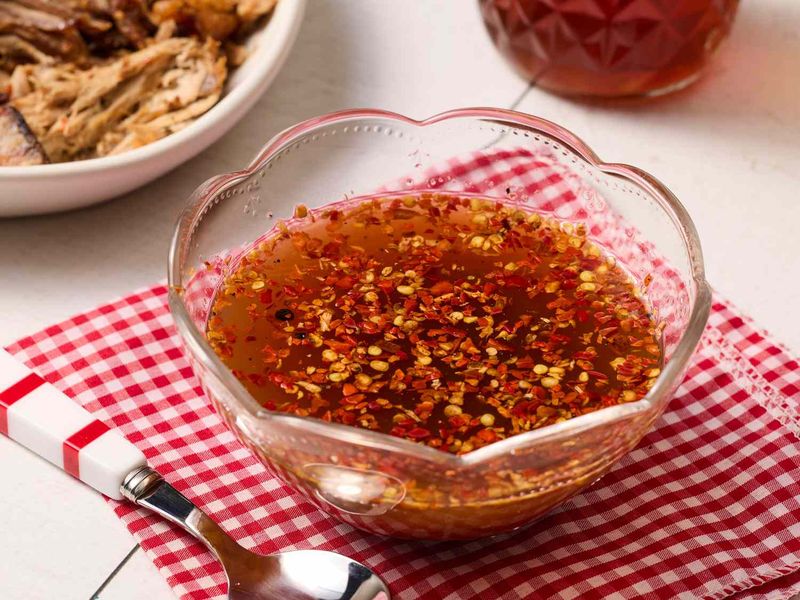
Sweet sauces can sneak in multiple teaspoons of sugar per serving. When poured generously, they can rival dessert.
That sugar rush raises triglycerides and encourages fat storage.
Brush sauces lightly, pick lower-sugar versions, or make your own with spices and vinegar. Try salsa, chimichurri, or mustard for bold flavor.
Your arteries notice the difference.
30. Very salty packaged convenience meals
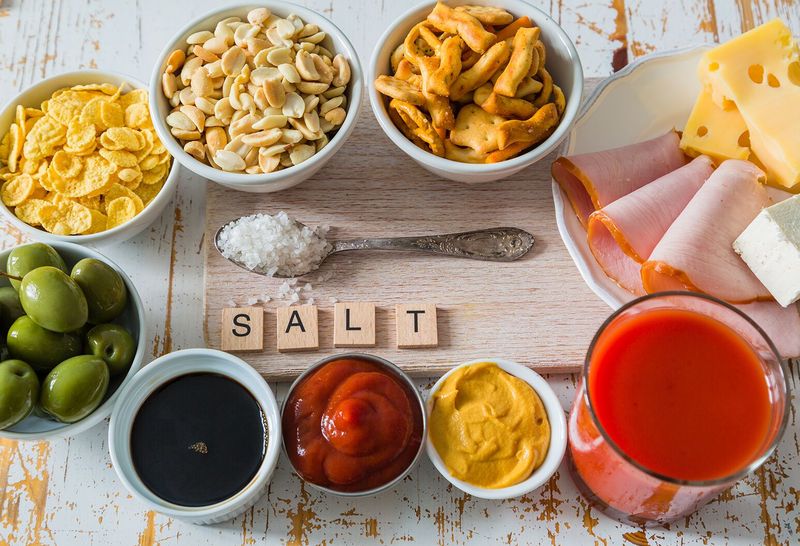
Frozen and instant meals often pack sodium beyond daily targets. High sodium raises blood pressure, stressing artery walls.
Add-ons like cheesy sauces and processed meats increase saturated fat.
Scan labels for lower sodium options and add vegetables to stretch portions. Cooking simple batches on weekends can beat the salt trap.
Your heart benefits from fresher choices.