35 Surprising Foods From The Middle Ages You Didn’t Know About
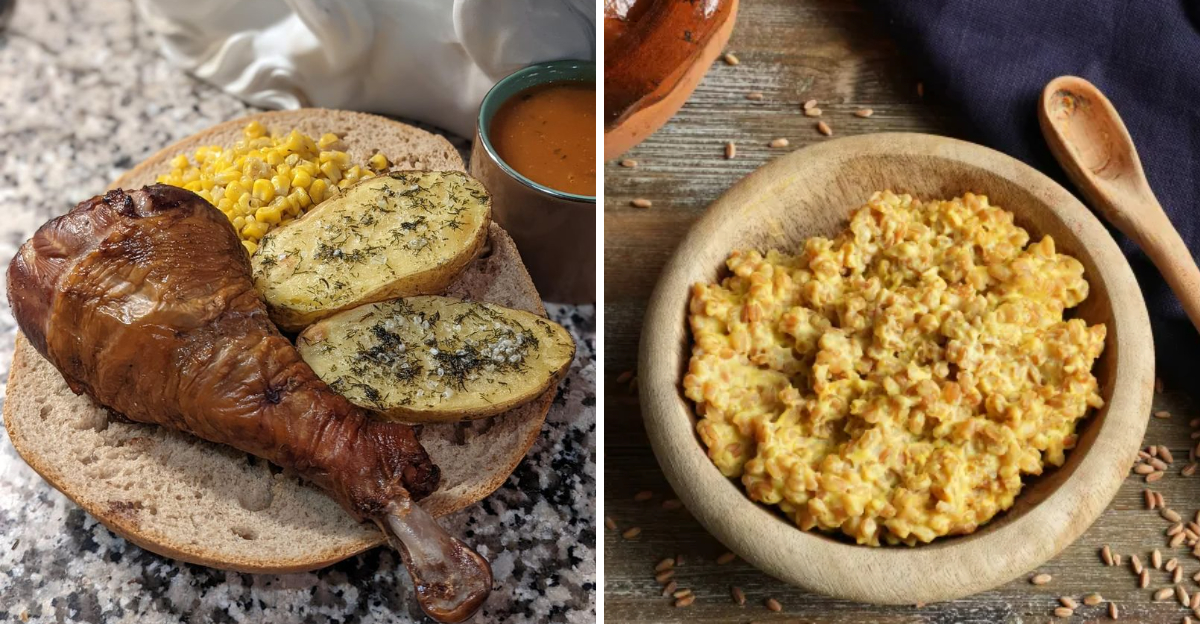
The Middle Ages were a time of culinary exploration and creativity. While some dishes from this era have faded into obscurity, others have evolved into the foods we enjoy today. The following list uncovers 35 unexpected and fascinating foods that were part of medieval dining, offering a glimpse into the flavors and customs of a bygone era.
1. Trenchers (edible plates)
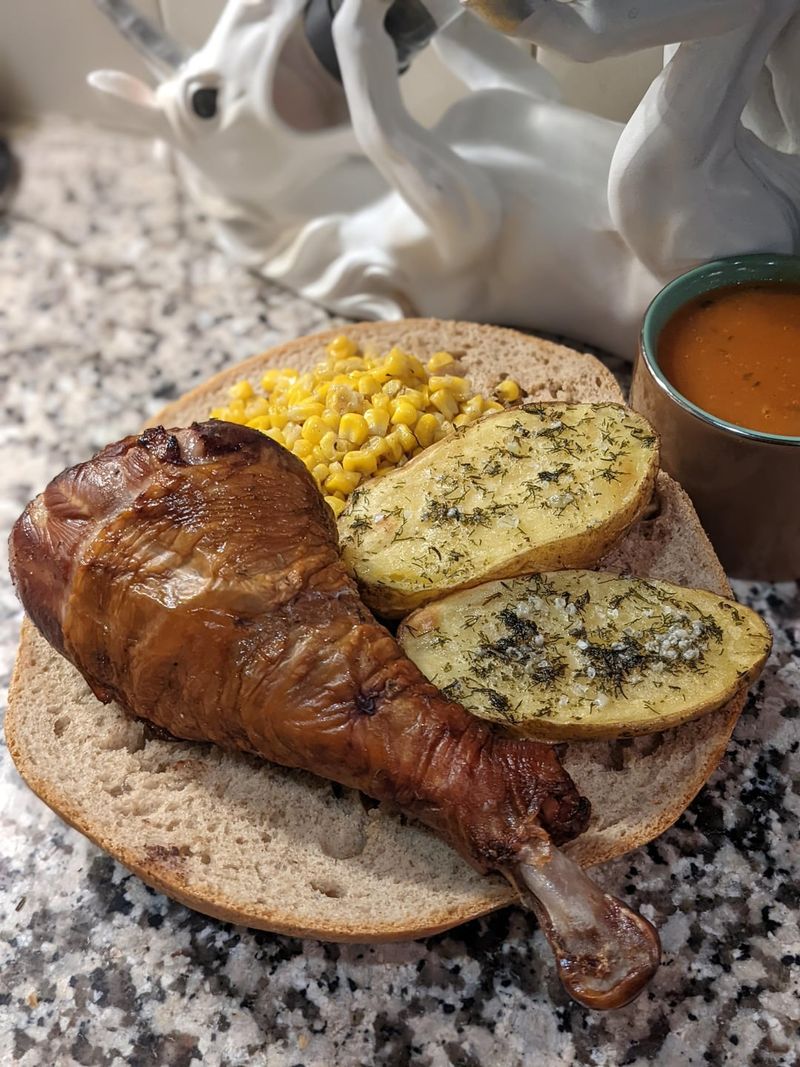
Imagine a meal where the plate itself was part of the dining experience. Trenchers were thick slabs of stale bread used as plates during the Middle Ages. After absorbing the rich sauces and juices, these edible plates became a part of the meal or were given away as alms to the poor.
This practice not only minimized waste but also added an extra layer of flavor to the meal. While today’s tableware is more refined, the concept of trenchers reflects a practical and resourceful approach to dining.
2. Pottage
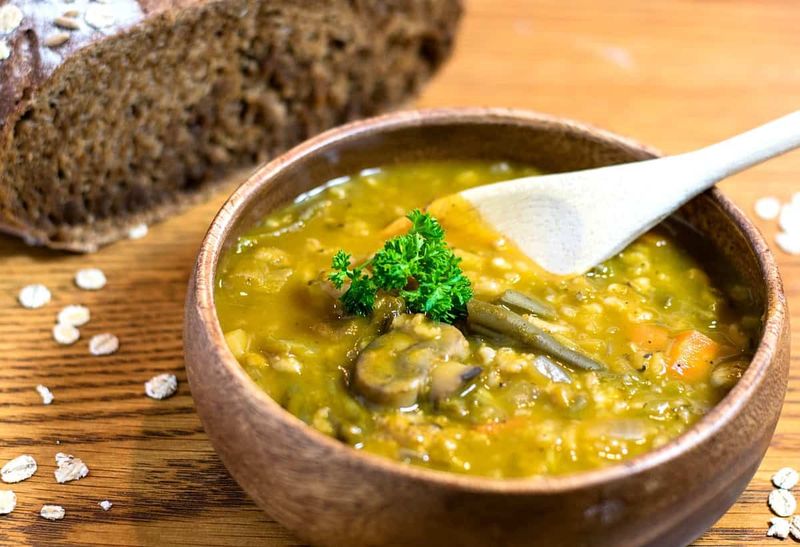
Pottage was a staple in medieval households, providing nourishment and warmth. This thick stew could be simple, made with vegetables and grains, or enriched with meat and spices. It was the backbone of daily meals, adaptable to whatever ingredients were available.
In an era where food preservation was limited, pottage allowed for flexibility and creativity. Its comforting, hearty nature made it a beloved dish for all social classes, from peasants to nobility. This timeless dish continues to inspire modern interpretations.
3. Frumenty
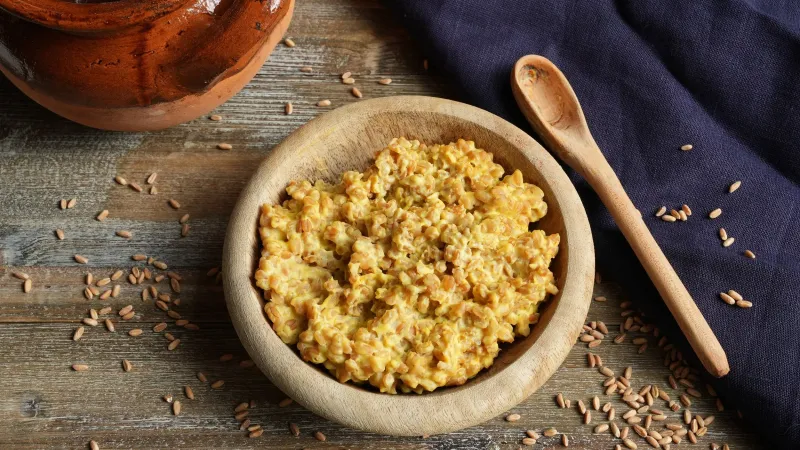
Frumenty, a medieval comfort food, was often made from wheat grains cooked until creamy. It could be served with milk or broth, and sometimes accompanied by meat, offering a hearty and filling meal.
Its smooth, porridge-like texture provided nourishment and warmth, making it a beloved dish during colder months. Frumenty was a versatile dish, adapting to various tastes and preferences. Its simplicity and richness capture the essence of medieval home cooking, offering a glimpse into daily life.
4. Blancmange
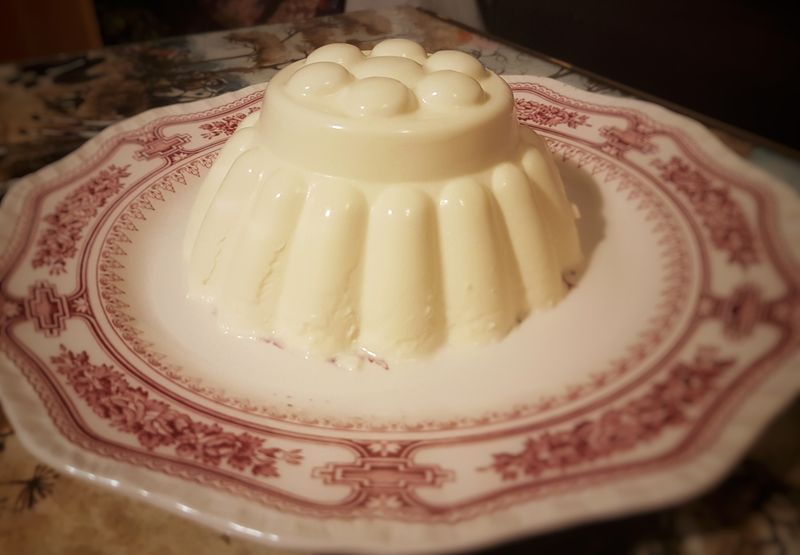
Blancmange, a dish of pale elegance, was crafted from chicken or fish, rice, almond milk, and an array of spices. Its sweet-savory profile made it a unique and refined choice at medieval feasts.
The combination of flavors and silky texture created a dish that was both comforting and sophisticated. Often served on special occasions, blancmange highlighted the culinary creativity of the time, blending familiar ingredients into something entirely new. Its legacy continues in modern interpretations.
5. Almond milk (as a major kitchen staple)
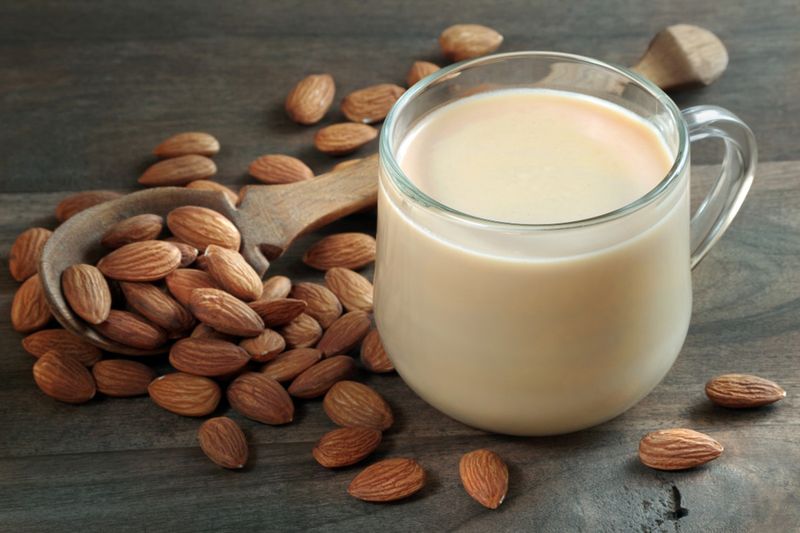
Long before it became a trendy substitute, almond milk was a kitchen staple in the Middle Ages. It was especially important on fasting days when animal products were restricted.
Almond milk provided a versatile base for many recipes, offering a creamy texture without the use of dairy. Its mild flavor made it a perfect ingredient in both sweet and savory dishes. This essential component of medieval cooking shows an early appreciation for plant-based alternatives.
6. Verjuice
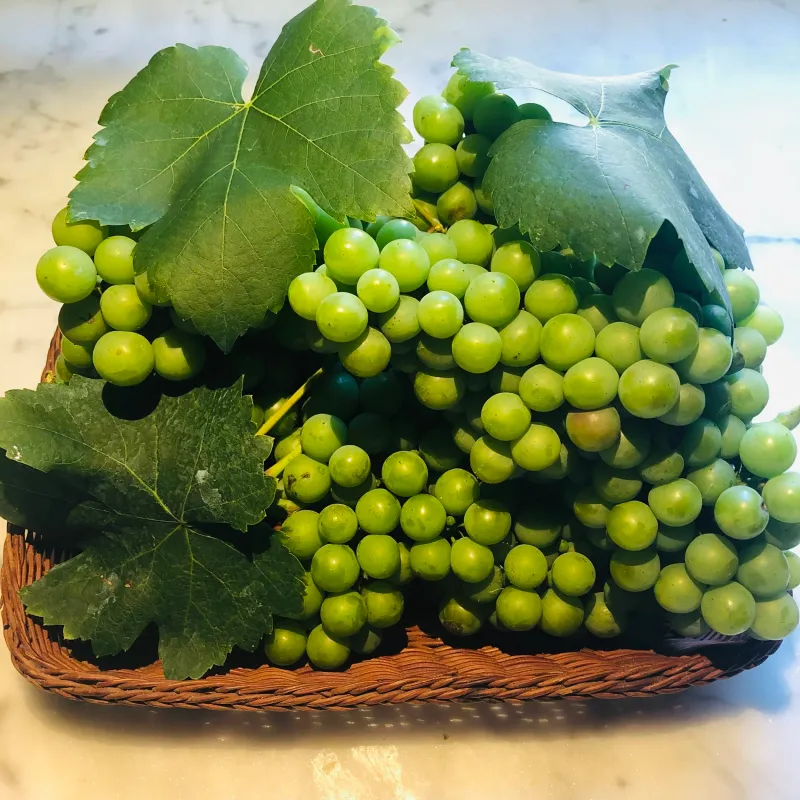
Verjuice, a tart juice made from unripe grapes or other sour fruit, was a beloved ingredient in medieval kitchens. It added a bright, mouth-watering snap to sauces, much like modern vinegar or lemon juice.
This versatile ingredient was used to enhance flavors, balance richness, and provide a fresh contrast to heavier dishes. In a time when fresh citrus was scarce, verjuice played a crucial role in elevating medieval cuisine. Its tangy essence remains appreciated in culinary circles today.
7. Hippocras

Hippocras was the medieval answer to mulled wine, an aromatic and spiced beverage that added warmth to gatherings. Often sweetened and strained through cloth, it was a festive drink enjoyed during celebrations.
The blend of spices such as cinnamon and ginger created a complex flavor profile that delighted medieval palates. This drink not only provided comfort but also showcased the era’s love for luxurious flavors. Hippocras remains a symbol of medieval culinary creativity.
8. Mead

Mead, the ancient honey wine, graced many a medieval banquet table. Its flavor varied from light and floral to strong and boozy, depending on the region and household producing it.
A symbol of hospitality and celebration, mead was often brewed at home, reflecting the local ingredients and traditions. This sweet, golden elixir captured the essence of nature’s bounty, providing a taste of the land in every sip.
Though centuries have passed, mead continues to enchant with its rich history and delightful taste.
9. Metheglin
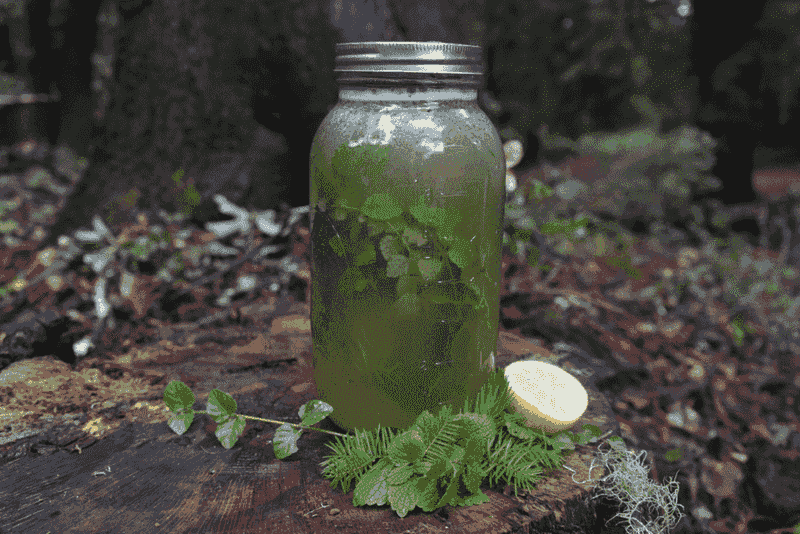
Metheglin, a variant of mead, was infused with herbs and spices, creating a drink that was both flavorful and medicinal. Often sweet and aromatic, it was consumed as a tonic, believed to have health benefits.
The addition of ingredients like cloves and rosemary provided a unique depth of flavor, turning mead into something more than just a beverage. Metheglin illustrates the medieval blending of culinary and medicinal practices, showcasing the era’s innovative spirit.
10. Posset
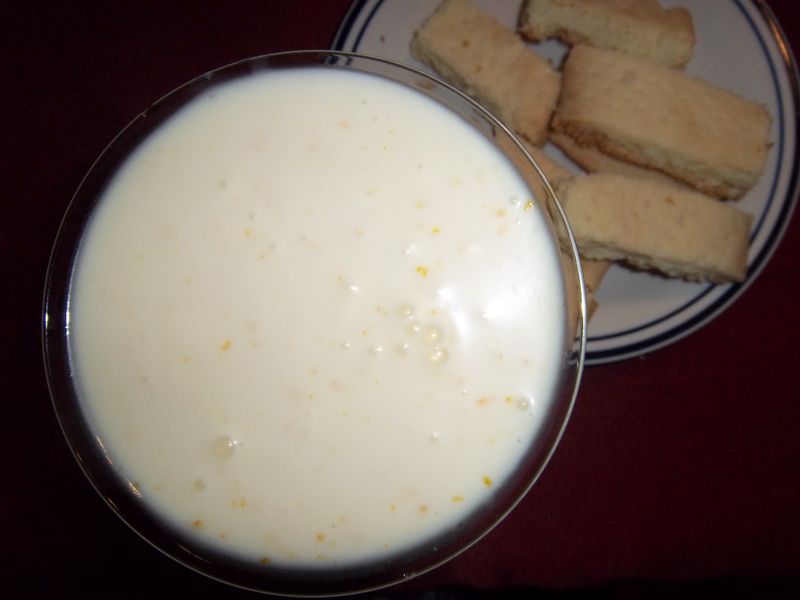
Posset might sound peculiar today, but this hot drink was a comfort staple in medieval times. Made by curdling milk with ale or wine and adding spices, it was enjoyed both as a remedy and a warming treat.
Its thick, frothy texture and soothing warmth made it a beloved choice during cold winter nights. The combination of sweet and savory flavors provided a unique and satisfying experience. Posset continues to intrigue with its curious blend of ingredients.
11. Caudle
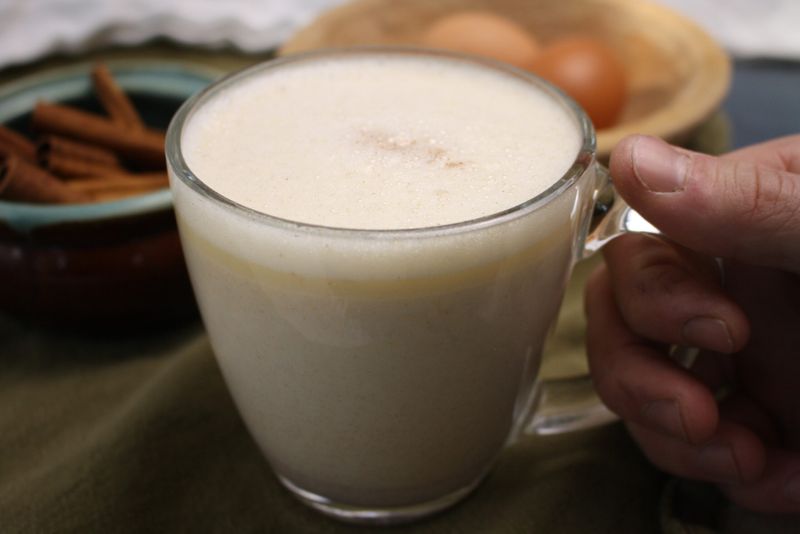
Caudle was a medieval concoction that blurred the line between drink and snack. Often made with thickened ale or wine, eggs, spices, and sometimes bread, it provided nourishment and warmth.
Served hot, caudle was a popular choice for those needing sustenance in a drinkable form. Its rich, hearty nature encapsulated the era’s inventive approach to food, combining simplicity with satisfaction.
This comforting blend continues to inspire, reflecting the creativity of medieval cuisine.
12. Sops
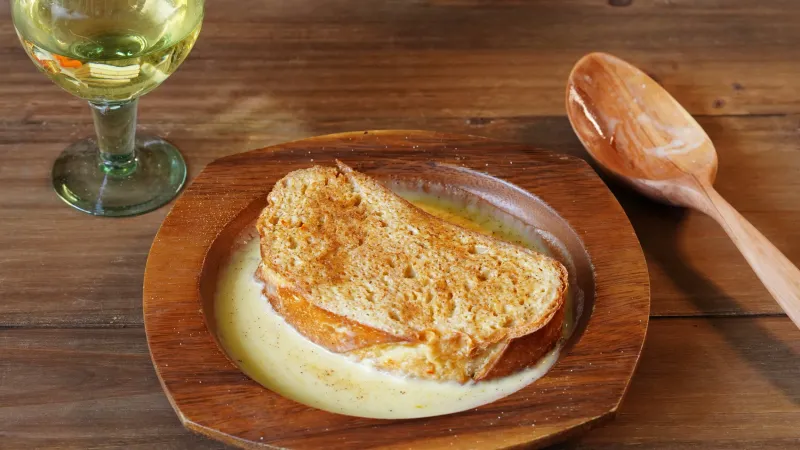
Sops might sound simple, but this dish was a clever medieval solution to transform liquids into a filling meal. By soaking bread in broth, wine, or meat drippings, sops provided a hearty and satisfying experience.
This method of repurposing leftovers showcases the resourceful nature of medieval cooking. Sops offered both flavor and nourishment, creating a comforting dish that transcended social classes.
Today, the spirit of sops lives on in various culinary traditions around the world.
13. Meat pies with “coffyn” crusts
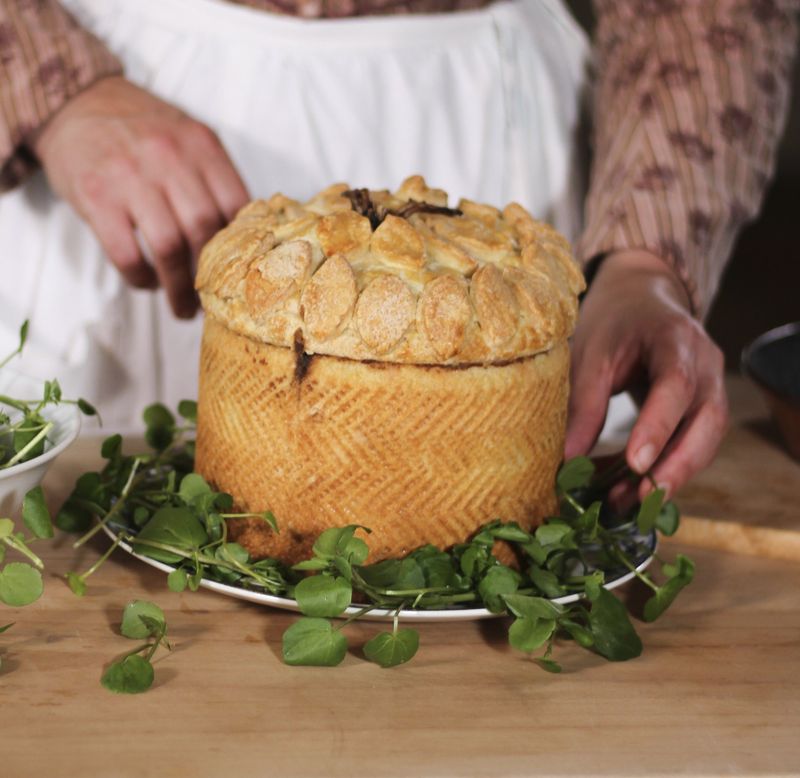
Medieval meat pies, with their sturdy “coffyn” crusts, were more than just a meal; they were a practical solution for food storage. The thick crust acted as a container, preserving the meat filling inside.
While the crust itself might not have been edible in the same way we enjoy today, it provided a protective barrier against spoilage. These pies were a testament to the ingenuity of medieval cooks, turning necessity into a culinary art form.
Their legacy continues in modern pastry dishes.
14. Eel pie
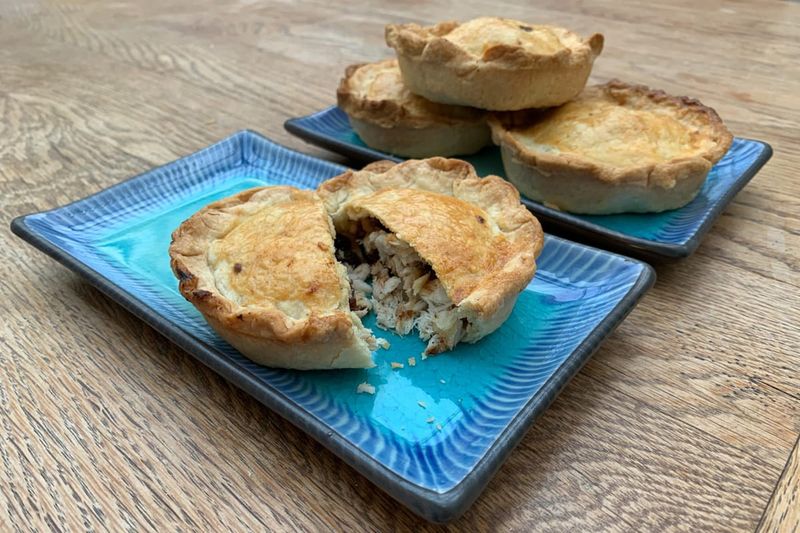
Eel pie was a common dish in regions with abundant rivers and wetlands. Eels were highly valued and often featured in pies, stews, and rich sauces.
The savory, slightly gamey flavor of eel made it a sought-after ingredient, especially during fasting periods when other meats were restricted. Eel pie was a luxurious treat, reflecting both the bounty of nature and the culinary creativity of the time.
Today’s appreciation for local and seasonal ingredients echoes this medieval tradition.
15. Lamprey
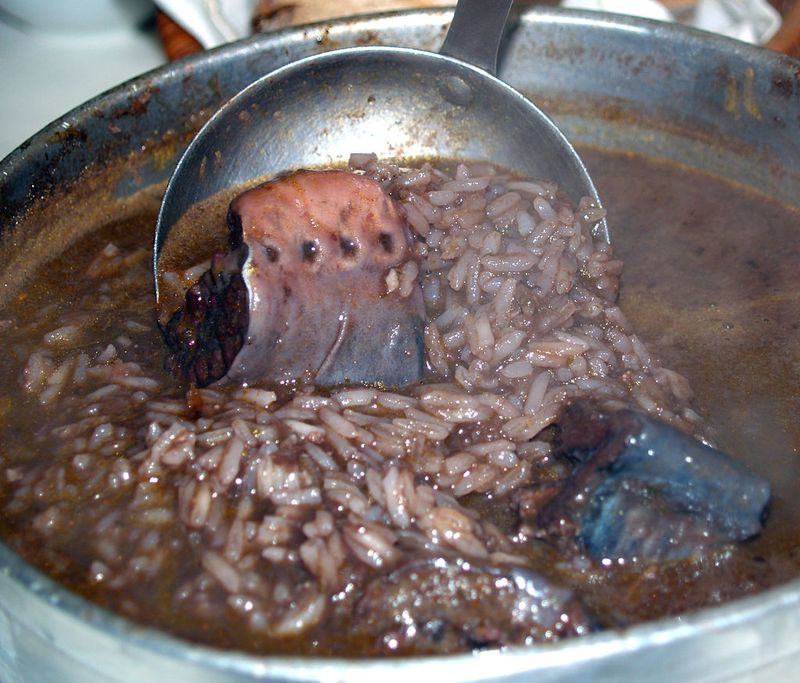
Lamprey, the jawless eel-like fish, was a luxury food in medieval Europe. It was considered a delicacy, often served at grand feasts and royal banquets.
The unique texture and rich flavor of lamprey made it a sought-after dish among the nobility. Preparation required skill and care, reflecting the importance of this prized ingredient.
While lamprey may not be as popular today, its presence in medieval cuisine highlights the diverse tastes of the time.
16. Brawn
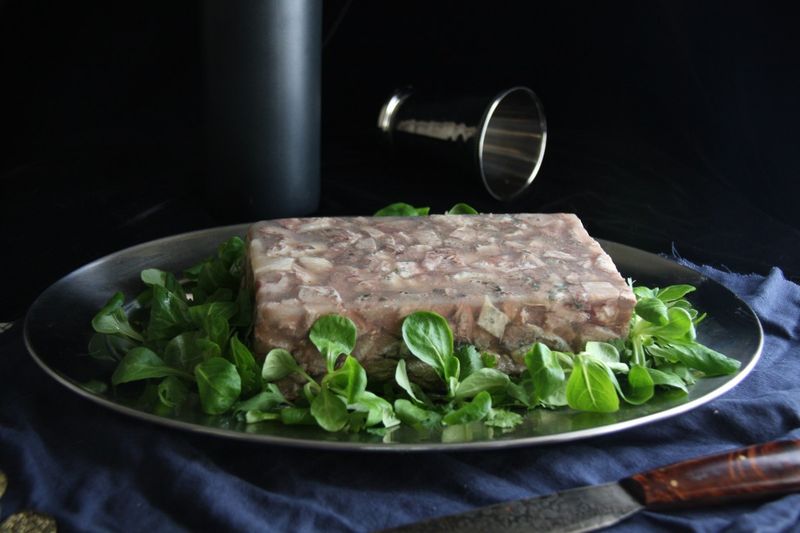
Brawn, a cold, set meat dish made from boiled pork (often head or shoulder), was a medieval favorite. It was typically sliced and served as a hearty, satisfying meal.
The process of boiling and setting the meat created a texture similar to a terrine. Brawn was both practical and flavorful, offering a way to make use of less desirable cuts of meat.
This dish showcases the ingenuity and resourcefulness of medieval cooks, turning simple ingredients into something special.
17. Mortrews
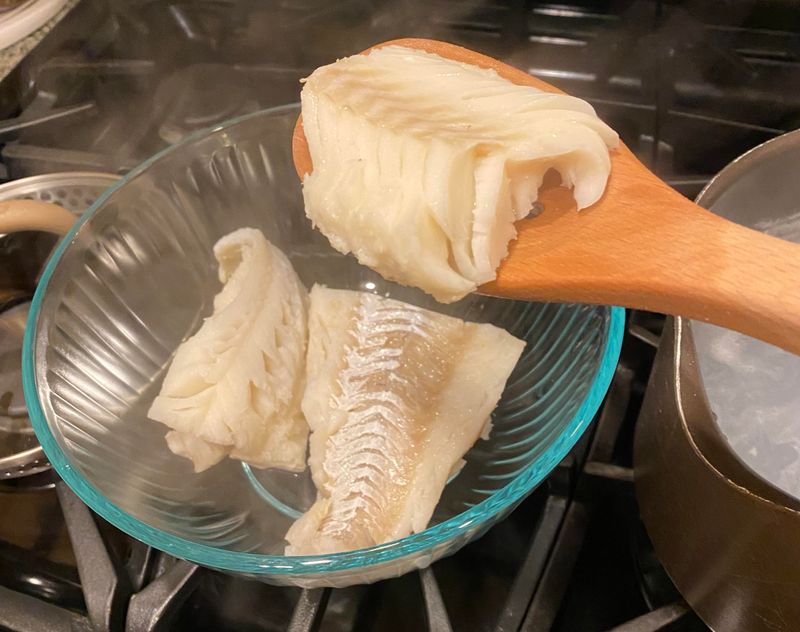
Mortrews was a unique medieval dish that transformed meat into a thick, smooth porridge. Made by pounding meat with bread, eggs, and spices, it offered a creamy texture and robust flavor.
This dish reflects the medieval love for turning ingredients into rich, comforting pastes. Mortrews provided both nourishment and satisfaction, showcasing the creativity of the time.
Its intriguing blend of flavors and textures continues to inspire culinary exploration today, echoing the innovation of the Middle Ages.
18. Civey
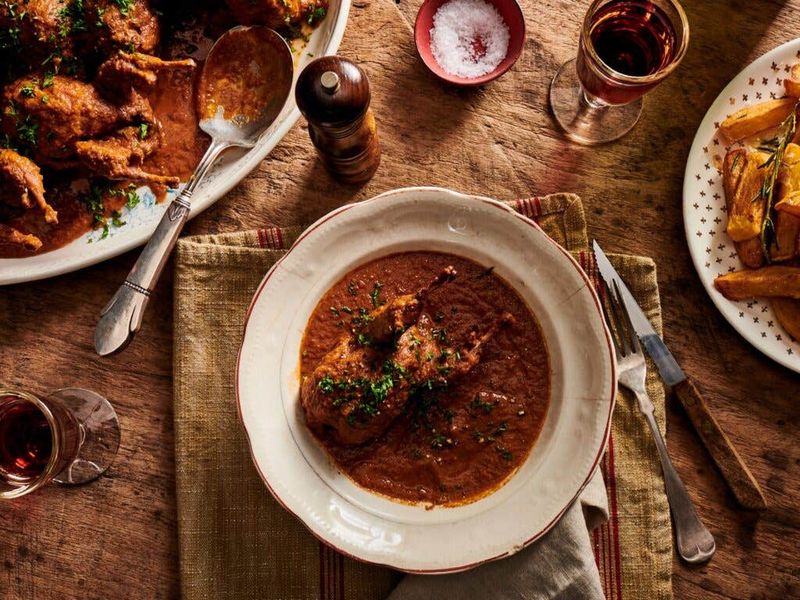
Civey, a tangy medieval stew, was crafted with rabbit or other meats, thickened with bread, and brightened with vinegar or verjuice. This combination created a dish that was both comforting and full of flavor.
The use of vinegar or verjuice provided a refreshing contrast, enhancing the richness of the meat. Civey was a beloved choice for those seeking both heartiness and zest in their meals.
Its balance of flavors captures the spirit of medieval culinary exploration.
19. Pottage with saffron

Pottage, a staple of medieval life, became something truly special when infused with saffron. This prized spice turned the dish a vibrant gold, adding an air of luxury and celebration.
Saffron’s delicate flavor and color created a unique experience, elevating a simple stew into a feast for the senses. Despite its high cost, saffron was cherished for its ability to transform everyday meals.
The use of saffron in pottage illustrates the medieval appreciation for flavor and beauty in food.
20. Pease porridge
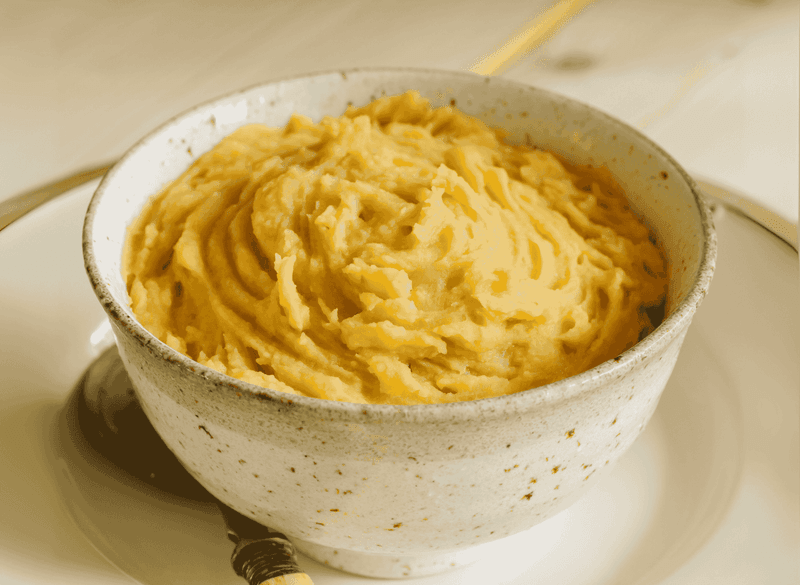
Pease porridge was a practical and nourishing dish in medieval times, crafted from split peas cooked down into a thick porridge. It was both cheap and filling, making it a staple for feeding large groups.
Its simple ingredients and hearty texture provided sustenance, offering comfort during harsh winters. Pease porridge exemplified the medieval approach to food, where simplicity met necessity.
This humble dish continues to inspire, reflecting the resourcefulness and ingenuity of past generations.
21. Rye and maslin breads
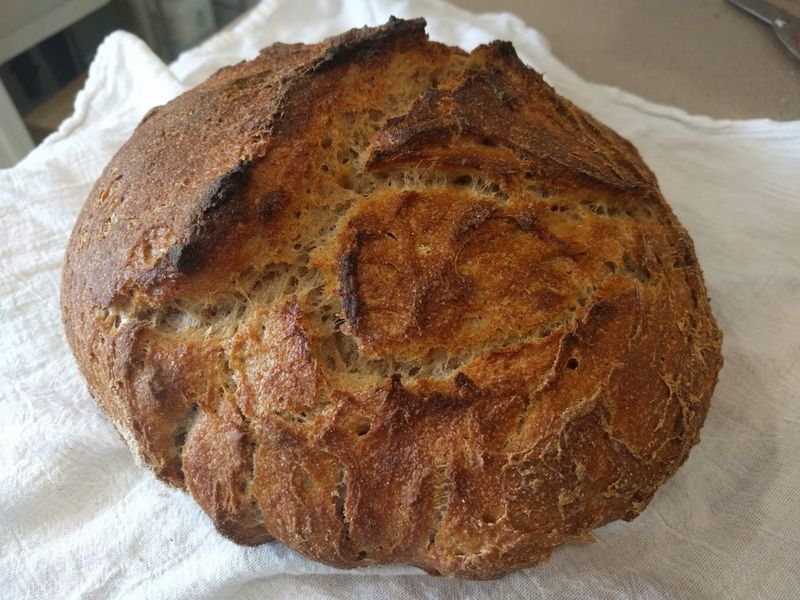
Rye and maslin breads were the everyday loaves for many during the Middle Ages, offering a heartier and darker alternative to the white bread of the wealthy. Maslin, a blend of rye and wheat, provided a unique flavor and texture.
These breads were staples, reflecting the agricultural practices and natural resources of the time. They provided nourishment and sustenance, forming the backbone of medieval meals.
Their enduring popularity speaks to their timeless appeal, connecting us to history through each slice.
22. Manchet (fine white bread)
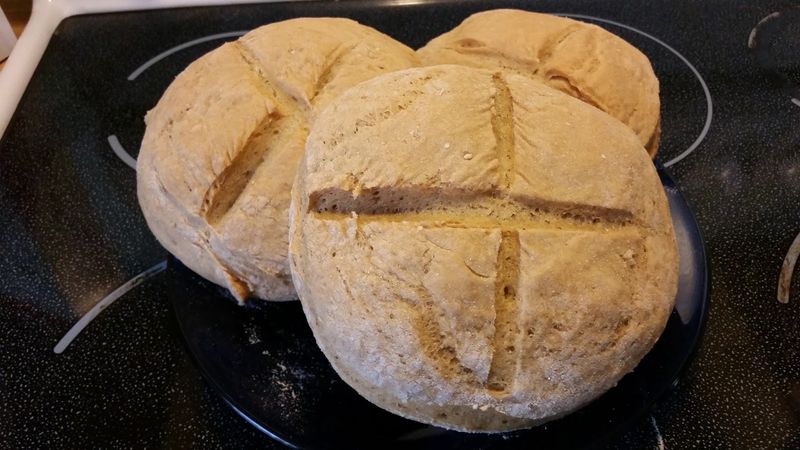
Manchet, a fine white bread, was a symbol of refinement and luxury in medieval households. Reserved for the wealthier classes, it was characterized by its light, airy texture and delicate flavor.
This bread was a status symbol, reflecting both wealth and social standing. Its soft, tender crumb made it a coveted item, highlighting the skill and precision of medieval bakers.
The allure of manchet continues to captivate, embodying the elegance and sophistication of a bygone era.
23. Wafers used like edible utensils

Wafers in the Middle Ages were not just desserts; they were functional too, often used as edible utensils. These thin, crisp creations scooped, layered, or accompanied sweet dishes, adding both flavor and texture.
The versatility of wafers made them a beloved element of medieval dining, offering a delightful twist on traditional eating implements.
Their dual purpose showcases the creativity and practicality of the time, turning simple ingredients into something extraordinary.
24. Cheese tarts
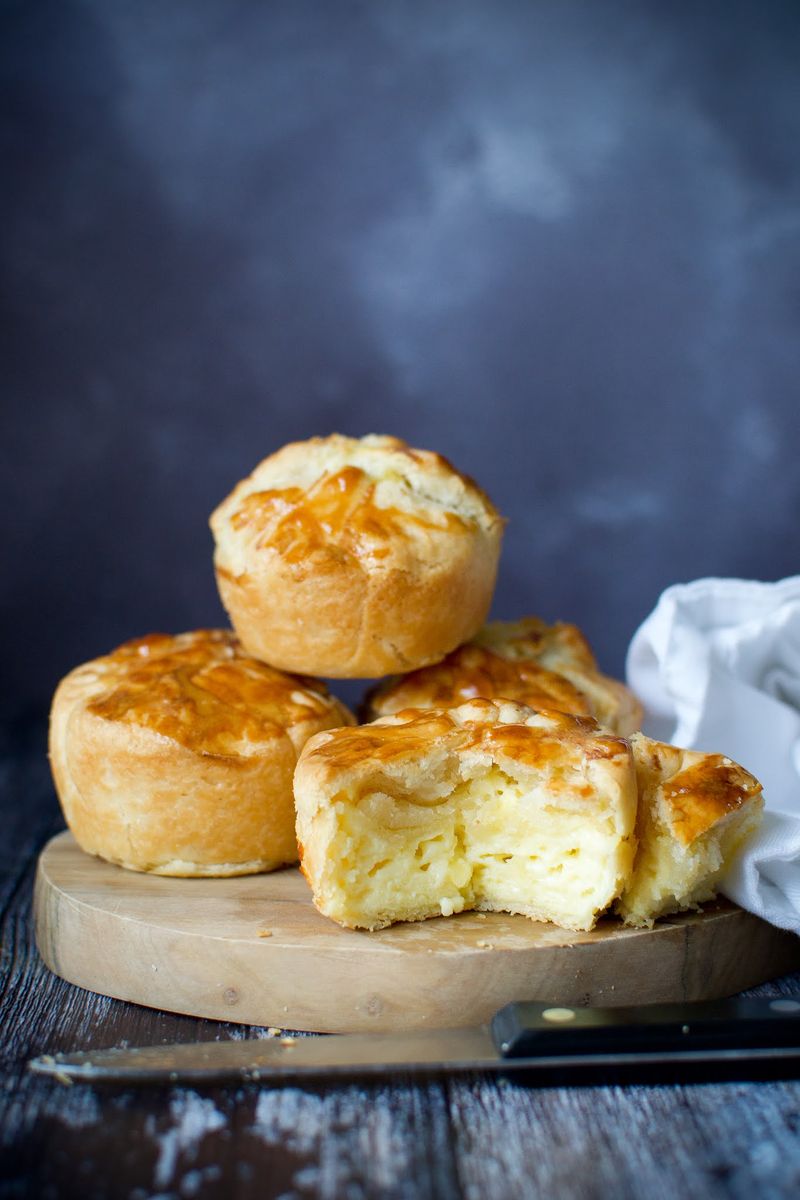
Cheese tarts in medieval times were a delectable blend of savory and sometimes sweet flavors. Often spiced and baked to perfection, they offered a delightful contrast in taste and texture.
These tarts were a testament to the medieval love affair with “baked filling in a crust,” highlighting the era’s culinary creativity. Whether served as a main dish or dessert, cheese tarts captured the imagination and taste buds of diners.
Their legacy continues to inspire modern baking.
25. Marchpane
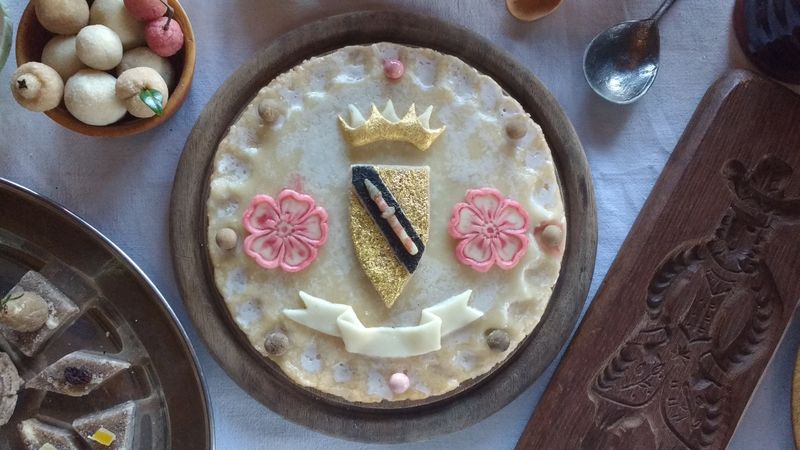
Marchpane, an early precursor to marzipan, was a luxurious sweet crafted from almonds and sugar. Often shaped into intricate forms, it was a centerpiece at grand medieval feasts.
The skill and artistry involved in making marchpane reflected the opulence of the time, turning simple ingredients into something extraordinary.
This luxury treat symbolized celebration and indulgence, its legacy enduring as a cherished confection in various forms around the world.
26. Quince paste
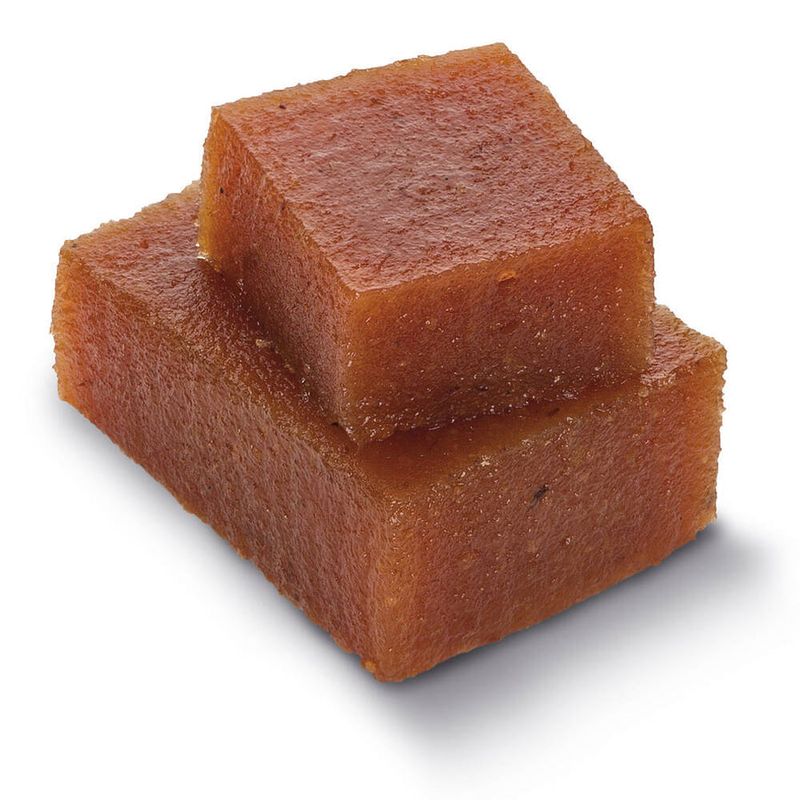
Quince paste was a treasured medieval treat, transforming the tart fruit into a thick, sliceable sweet. Its rich, fruity flavor made it a favorite for pairing with cheese and other savory delights.
The process of cooking quince into paste reflected the medieval appreciation for preserving and enhancing natural flavors.
Quince paste’s enduring popularity speaks to its timeless appeal, offering a taste of history with every bite.
27. Comfits
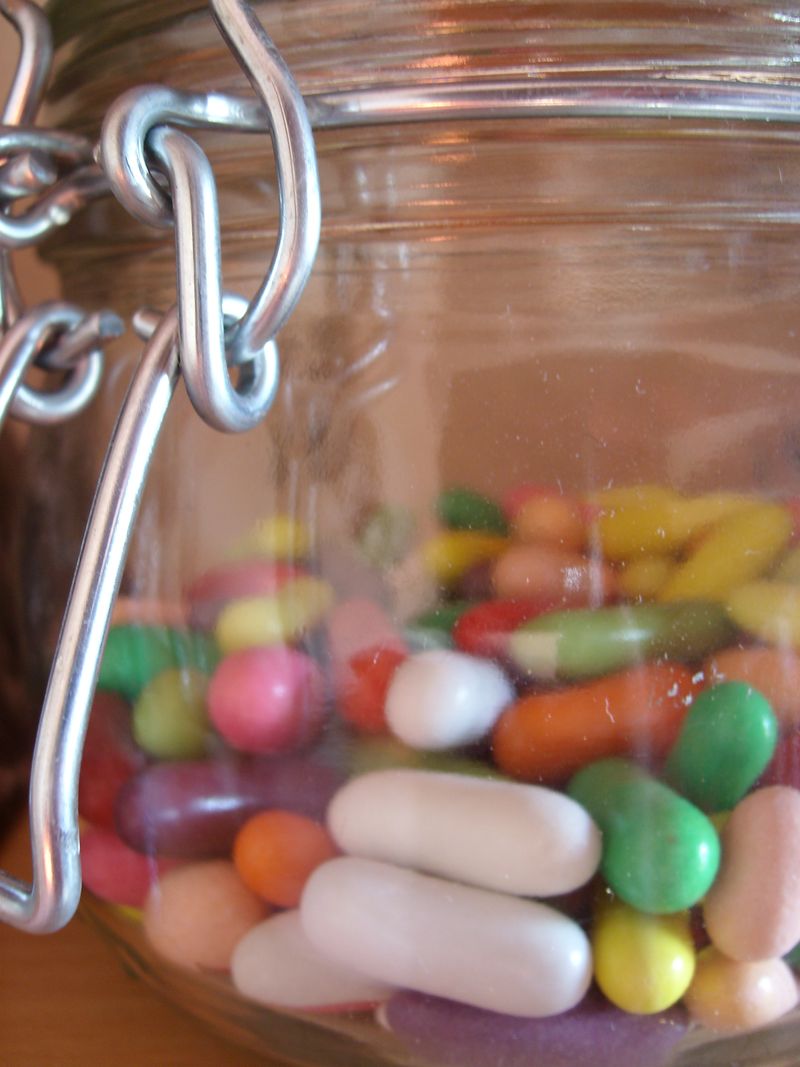
Comfits were an intriguing medieval treat, consisting of sugar-coated seeds or nuts like anise and fennel. These sweet delights doubled as breath fresheners, offering both flavor and utility.
The process of coating seeds in sugar was an art form, reflecting the skill and patience of medieval confectioners.
Comfits were a symbol of luxury and refinement, often enjoyed as a special treat. Their legacy lives on in modern confectionery traditions.
28. “Gingerbread” that wasn’t cake
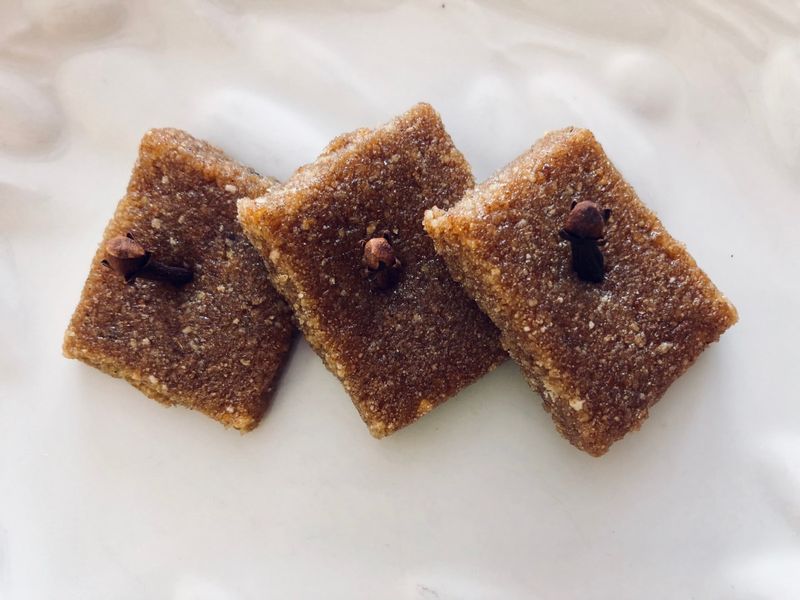
Medieval gingerbread was a far cry from the fluffy cakes we know today. Often a spiced paste made with breadcrumbs, it was pressed into shapes rather than baked into loaves.
The aromatic spices and dense texture made it a favored treat, especially during festive occasions.
This unique form of gingerbread showcases the culinary diversity of the Middle Ages, offering a different perspective on a beloved classic.
29. Rose sugar
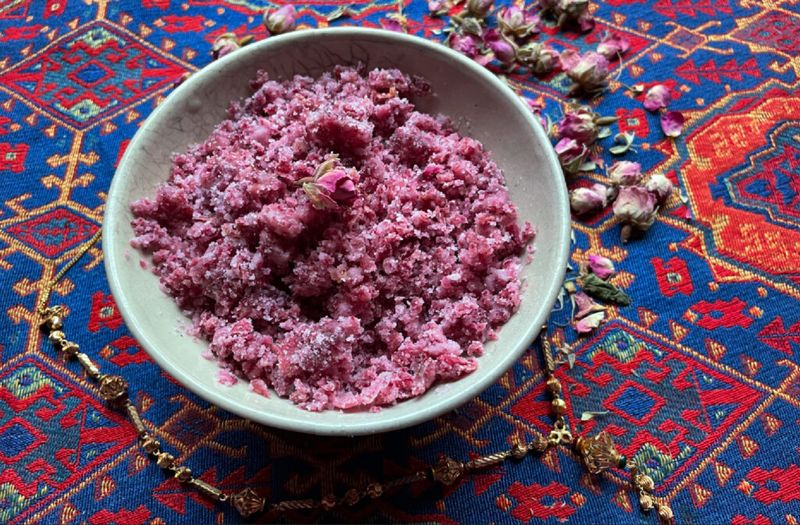
Rose sugar was an aromatic delight in medieval kitchens, made by infusing sugar with fragrant rose petals. It added a unique floral note to sweets and even some savory dishes.
The use of rose sugar highlights the medieval love for floral flavors and aromas, enhancing the sensory experience of dining.
This elegant ingredient continues to inspire, bringing a touch of romance and history to modern cuisine.
30. Sweet-and-sour sauces

Medieval cooking often celebrated contrast, and sweet-and-sour sauces were a perfect example. Made by combining vinegar or verjuice with honey or dried fruit, these sauces added complexity to meat and fish dishes.
The balance of sweet and tangy flavors highlighted the culinary creativity of the time, offering a delightful twist on traditional seasonings.
This exploration of flavor continues to influence modern cooking, reflecting a timeless appreciation for diverse tastes.
31. Dried fruit in meat dishes
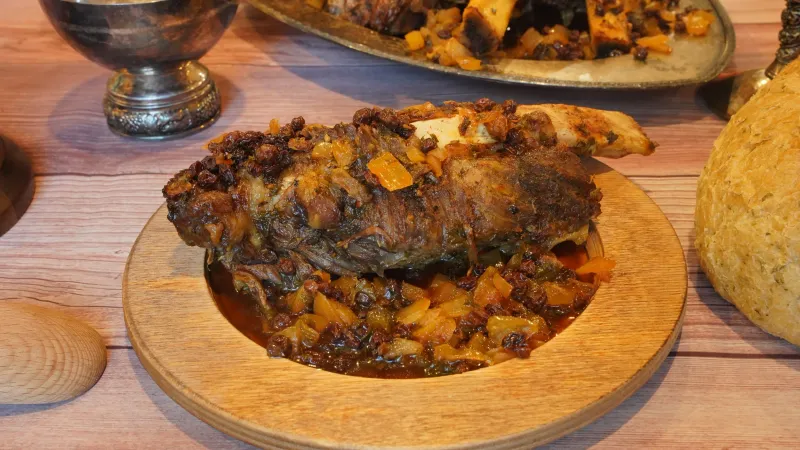
In medieval times, dried fruits like raisins, prunes, dates, and figs were not just for desserts. They played a crucial role in meat dishes, adding a sweet counterpoint to savory flavors.
This combination created a rich and satisfying balance, enhancing both taste and texture.
The use of dried fruits in savory cooking reflects a creative approach to flavor, continuing to inspire culinary exploration today.
32. “Salads” made from herbs and flowers
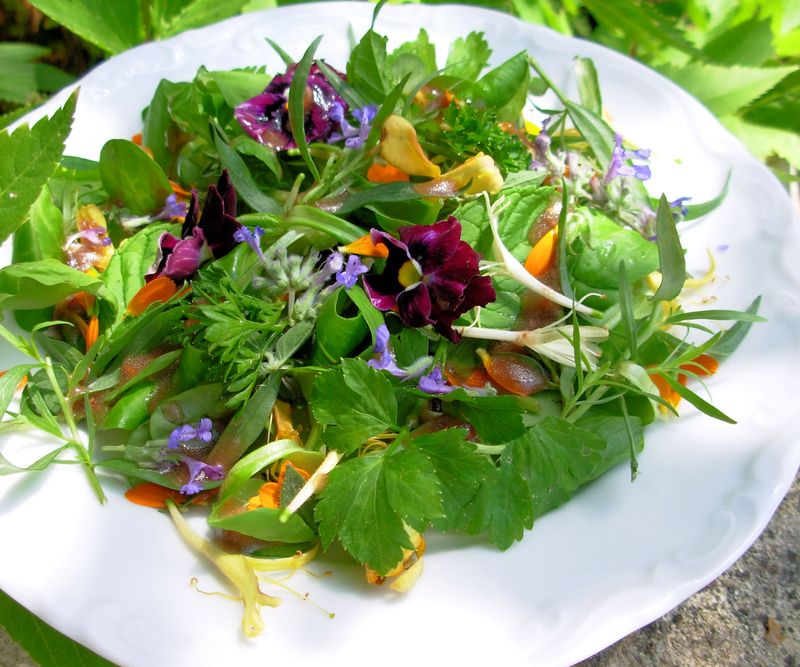
Medieval salads were a far cry from today’s leafy greens. Comprised of mixed herbs, tender greens, and sometimes edible flowers, they offered a foraged delight.
These salads showcased the natural bounty of the land, celebrating both flavor and visual beauty.
The use of herbs and flowers in salads reflects the medieval appreciation for nature’s gifts, offering a fresh and vibrant dining experience.
33. Peacock or swan as showpiece food

Peacocks and swans were not everyday meals but rather dramatic showpieces at medieval banquets. Often roasted and presented whole, they symbolized wealth and extravagance.
These majestic birds were a testament to the culinary artistry of the time, showcasing both skill and opulence.
Their presence at feasts highlighted the importance of visual spectacle in medieval dining.
34. Subtleties

Subtleties were edible centerpieces that turned dining into theater during the Middle Ages. Crafted from sugar paste or shaped foods, they dazzled guests with intricate designs and symbolism.
These sculptures were more than mere decoration; they were a testament to the creativity and skill of medieval cooks.
Subtleties captured the imagination, blending art and cuisine in a way that continues to inspire today.
35. Spiced vinegar pickles
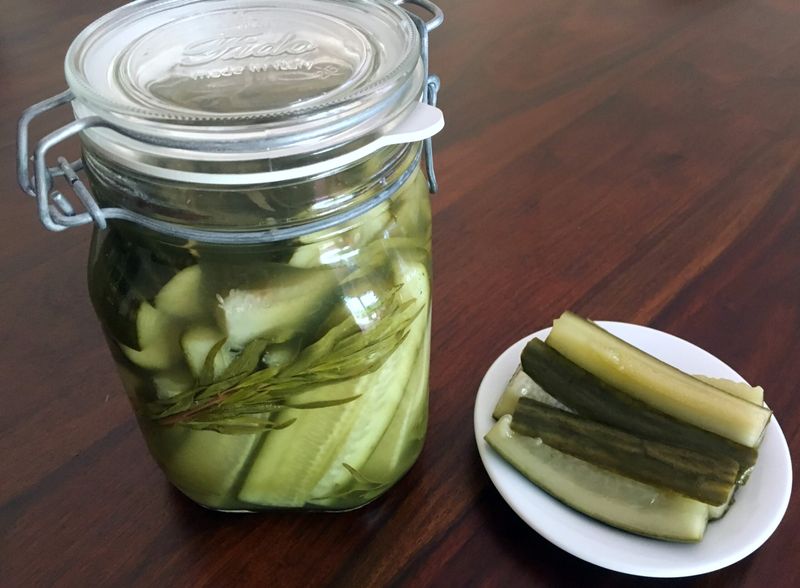
Pickling in the Middle Ages extended beyond cucumbers, embracing a variety of produce preserved in spiced vinegar. These pickles added a sharp, craveable bite alongside rich dishes.
The use of spices elevated the humble pickle, turning it into a flavorful and essential accompaniment.
Spiced vinegar pickles illustrate the medieval focus on preservation and flavor enhancement, offering a taste of history with every bite.