6 Different Kinds Of Salt And Their Culinary Uses
Salt seems simple until you realize different salts behave differently. Texture, crystal size, and dissolve speed change how flavors bloom and how food feels.
Once you understand the differences, you can season more confidently and get better results with less effort. Let’s explore six common salts and exactly when to reach for each one.
1. Kosher Salt
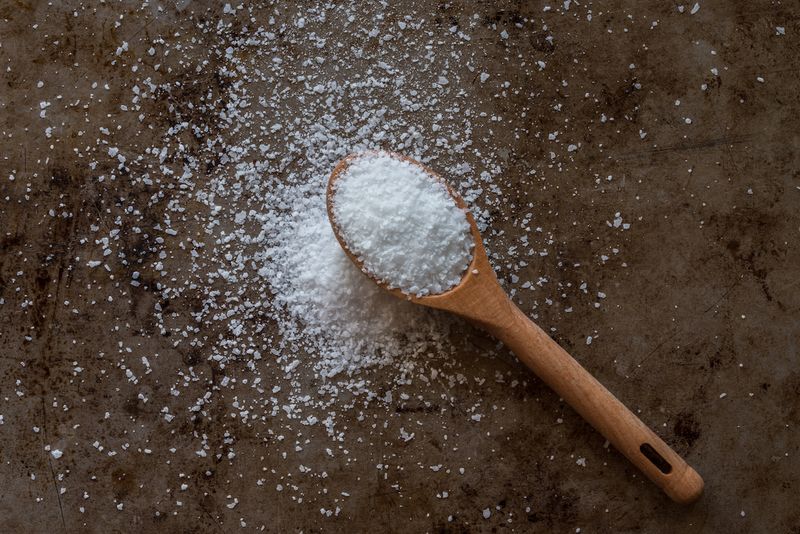
Kosher salt is the everyday workhorse you reach for without thinking. Its larger, hollow flakes are easy to pinch, so you season more evenly and avoid clumps.
Because the crystals are less dense than table salt, you get more control and fewer salty surprises.
Use it to season meats before searing or roasting, salting vegetables as they sauté, and flavoring pasta water generously. It dissolves at a steady pace, letting flavors bloom gradually.
If a recipe calls for table salt, start with more kosher by volume.
2. Table Salt (Iodized)
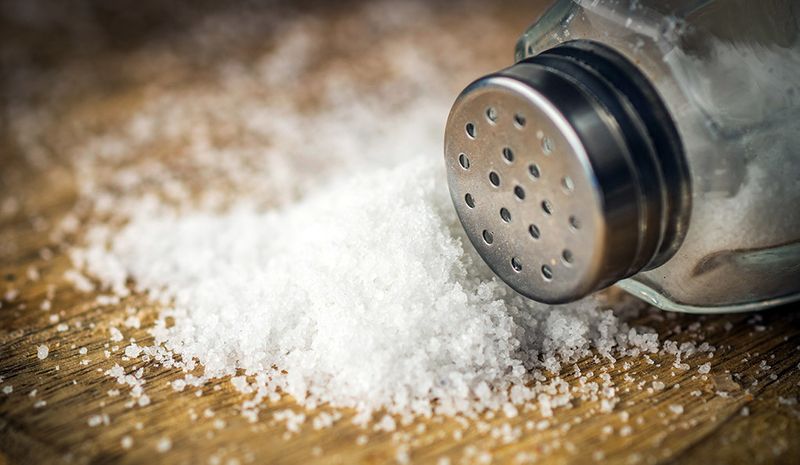
Table salt has fine, uniform grains that dissolve instantly. By volume, it tastes saltier than flakier salts because more compact crystals fit into a teaspoon.
The iodine adds nutrition and can bring a faint mineral note, usually unnoticed in cooked dishes.
It shines in baking when precision and rapid dissolution matter. Use it in doughs, batters, and custards if the recipe specifies table salt.
For boiling water, it disappears fast and seasons evenly.
3. Sea Salt (Fine or Coarse)
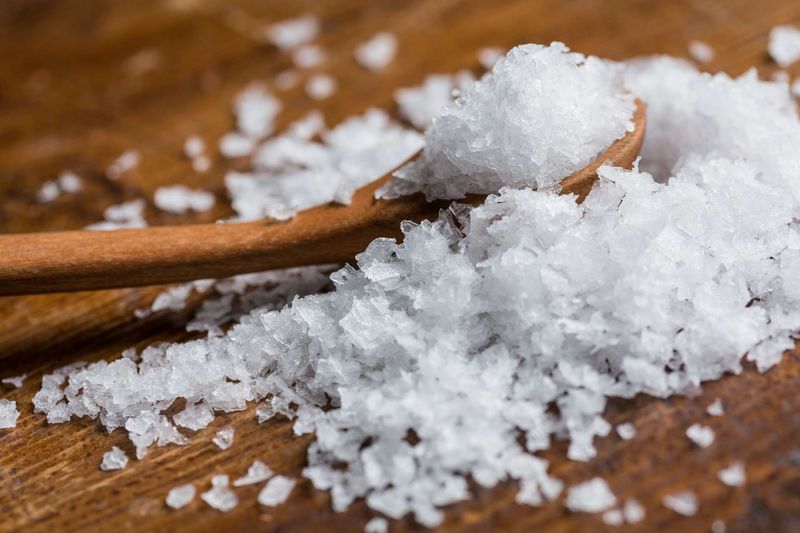
Sea salt comes from evaporated seawater, carrying subtle mineral nuances that can feel cleaner or brinier. Fine sea salt works like a gentler table salt, dissolving quickly in sauces, soups, and dressings.
Coarse crystals bring pleasant crunch and visual sparkle.
Use fine sea salt for general cooking when you want a straightforward, bright salinity. Reserve coarse sea salt as a finishing touch on tomatoes, grilled fish, or freshly baked focaccia.
It adds texture without overwhelming.
4. Flaky Finishing Salt (Maldon-style)
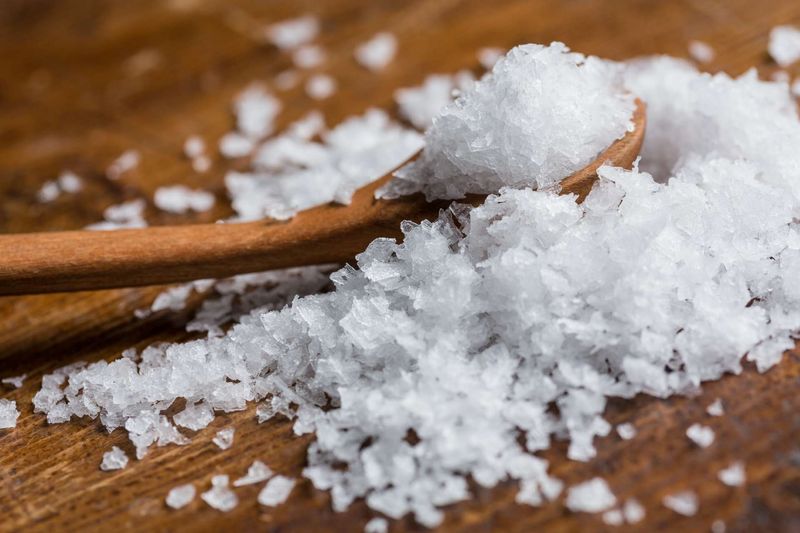
Flaky finishing salt delivers big, light crystals that shatter on your tongue. Those airy pyramids dissolve just enough to pop, then vanish, amplifying flavor and adding a clean, satisfying crunch.
A tiny pinch wakes up everything from salads to seared steaks.
Sprinkle at the very end over roasted vegetables, buttered bread, caramel brownies, or ripe tomatoes. It is not for boiling or braises where texture disappears.
Use sparingly for a wow finish.
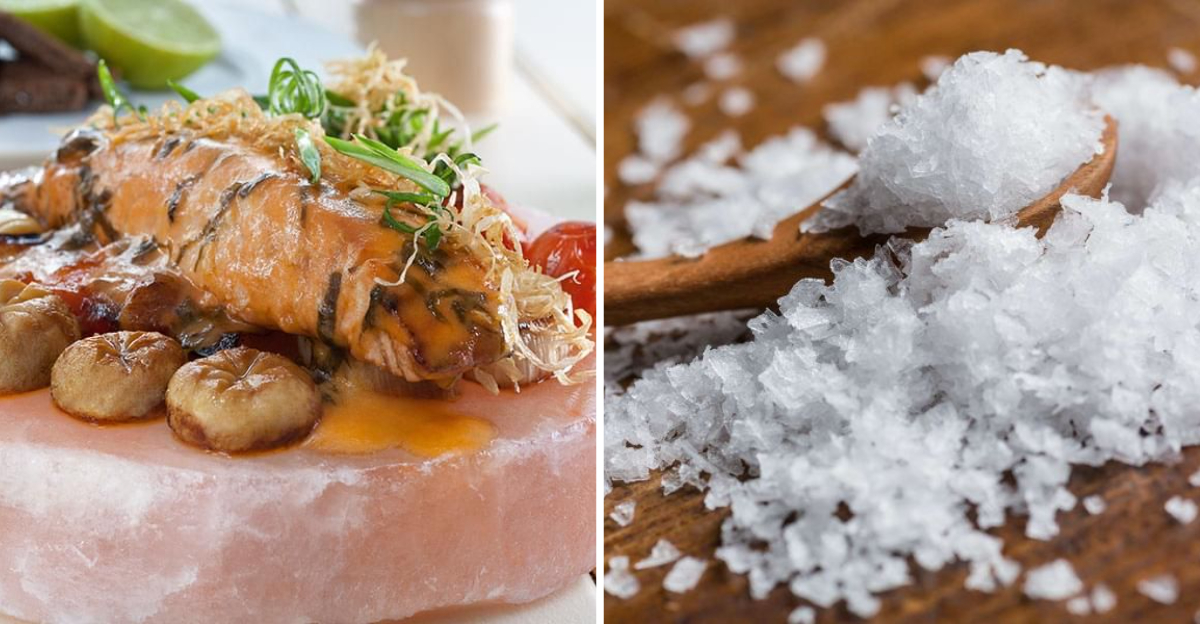
5. Himalayan Pink Salt
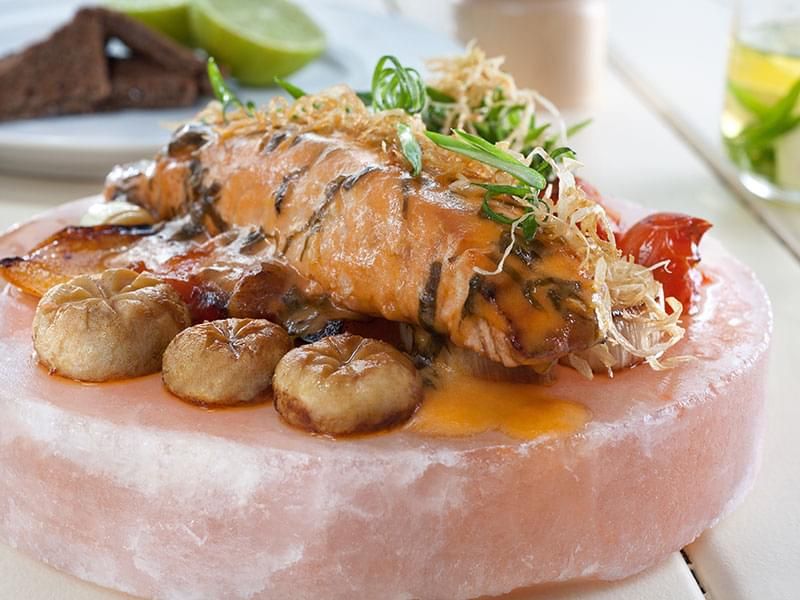
Himalayan pink salt’s rosy hue comes from trace minerals. Flavor is gentle with a mild mineral note, so it behaves like a coarse sea salt in most cooking.
Large crystals crush nicely for rubs and seasoning blends.
Use it for general cooking, vegetable roasting, and finishing when you want a soft salinity and pretty color. Salt blocks can sear shrimp or serve chilled fruit, adding theater more than strong flavor.
Grind as needed for consistency.
6. Smoked Salt

Smoked salt infuses dishes with campfire vibes without firing up a grill. Woods like apple, hickory, or alder lend different smoke personalities, from sweet to bold.
A sprinkle post-cook preserves aroma and prevents bitterness.
Use it on eggs, roasted potatoes, burgers, beans, and simple avocado toast. It shines on grilled meats as a final accent, and it can lift chocolate or caramel.
Start small, taste, and add gradually to avoid over-smoking.