6 Salmon Varieties Worth Knowing At The Seafood Counter
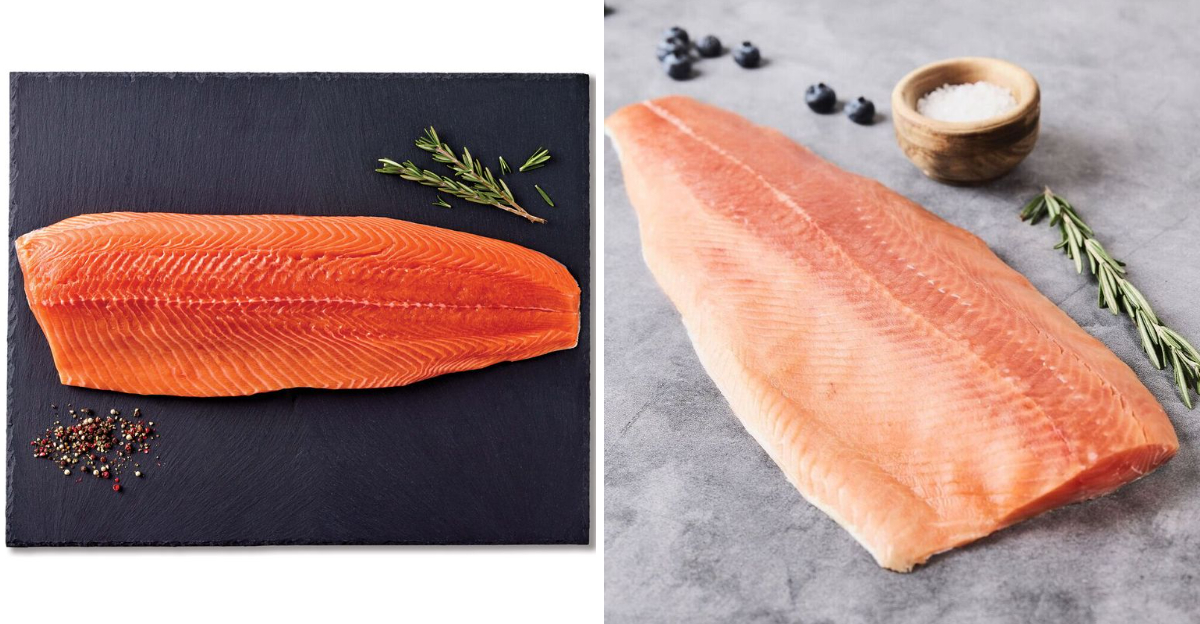
Staring at the seafood case and not sure which salmon to choose? You are not alone, and the differences matter more than you think.
From buttery rich kings to lean, bright sockeyes, each type shines with specific cooking methods and flavors. Use this quick guide to pick confidently, cook smarter, and eat better tonight.
1. King (Chinook) Salmon

King salmon is the plush one you reach for when you want luxury on a plate. Its high fat content means it stays juicy and silky, even if you overshoot the timer a little.
The flavor is rich, buttery, and effortlessly satisfying.
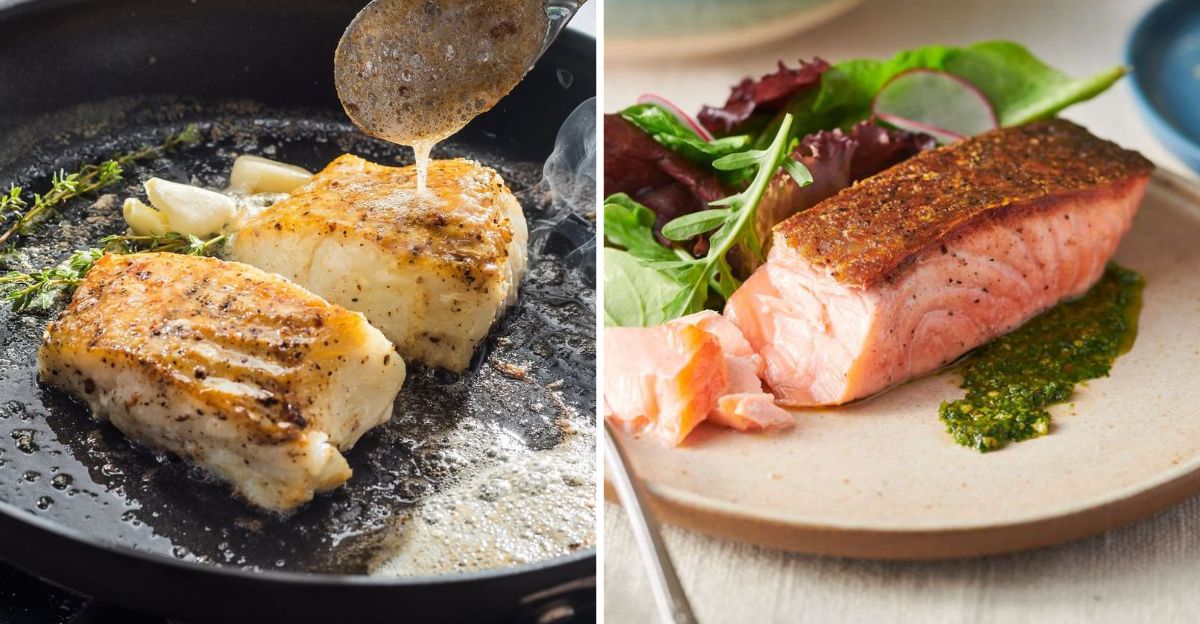
Roast a thick fillet simply with salt, pepper, and olive oil. Pan-sear until the exterior turns crisp and the center glows tender.
Or grill it hot for gorgeous grill marks and a barely set middle.
When in doubt, choose king for celebrations. It forgives, flatters, and always tastes special.
2. Sockeye (Red) Salmon
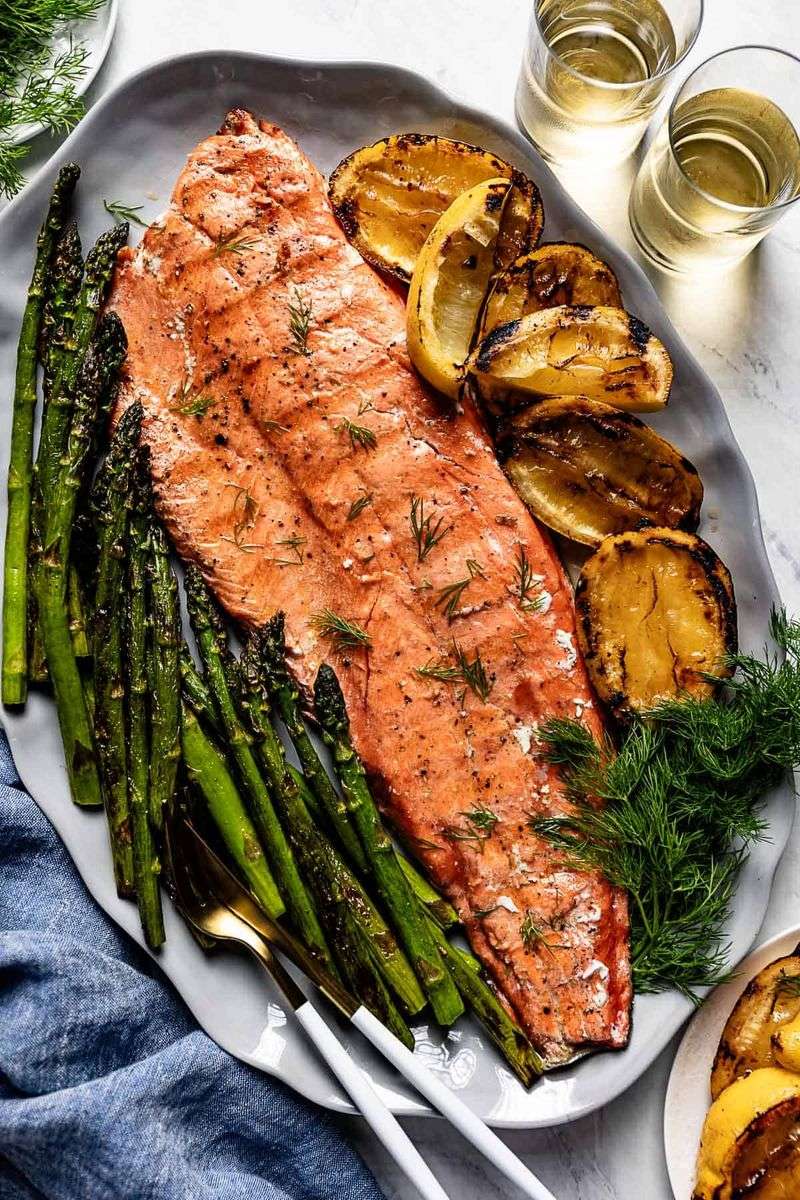
Sockeye brings that unmistakable salmon heartiness with a vivid red color. It is leaner than king, so keep the heat gentle and the cook time quick.
The flavor stands tall, bold and satisfying even with minimal seasoning.
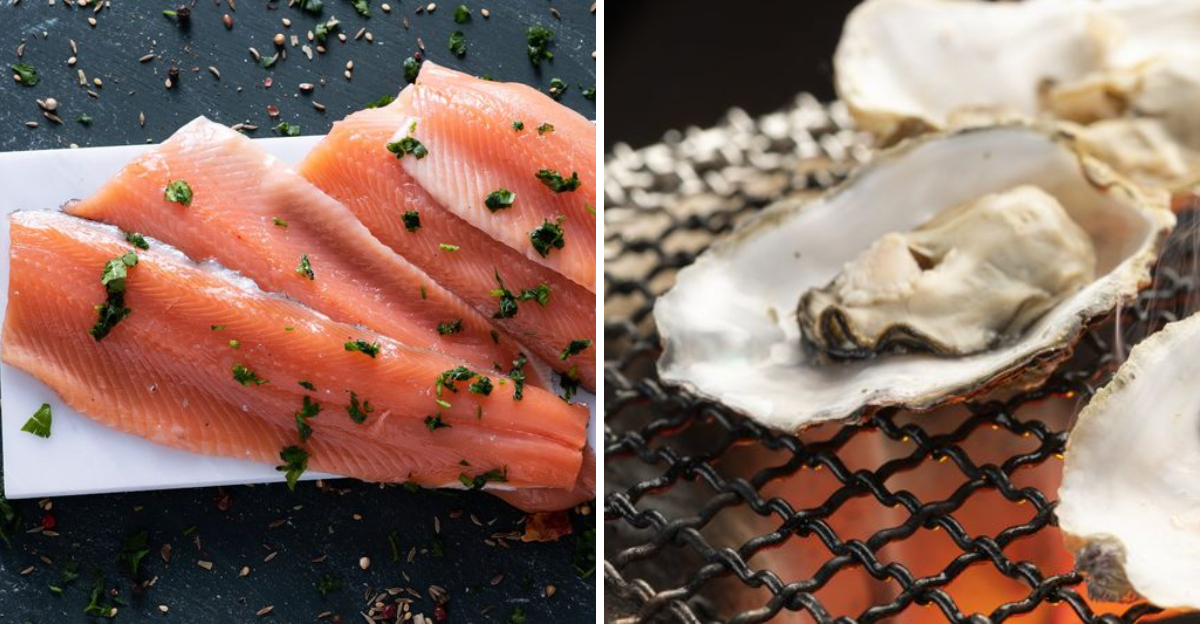
Grill over medium heat, broil fast, or lay it on a cedar plank for smoky aroma. A squeeze of lemon and a brush of butter go far.
Watch closely to avoid drying.
Its firm texture shines in tacos, grain bowls, and salads. When you want that classic salmon taste to lead, sockeye delivers.
3. Coho (Silver) Salmon
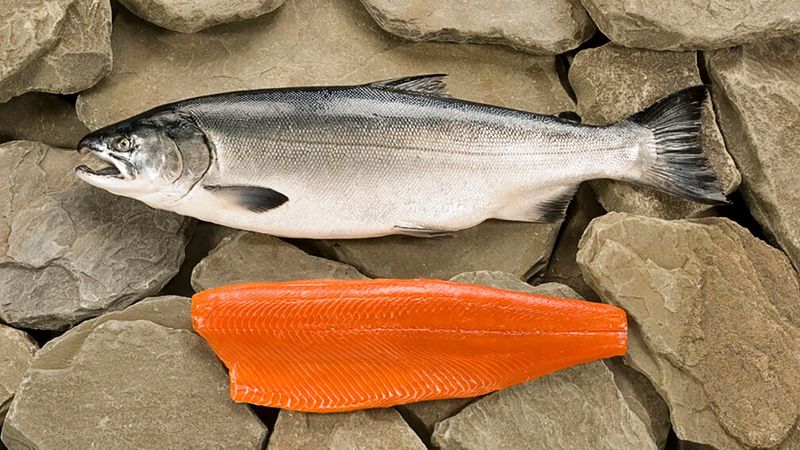
Coho is the easygoing middle ground you can cook any night. Milder than sockeye and leaner than king, it tastes clean with a pleasantly tender bite.
It plays well with brighter seasonings and quick weeknight techniques.
Think baked fillets with herbs, a simple pan-sear, or sliced into salmon bowls. It is friendly to meal prep and reheats gently.
Keep an eye on doneness to preserve moisture.
Coho invites creativity without stress. When you want versatility and balance on your plate, this silver standout fits perfectly.
4. Atlantic Salmon (Usually Farmed)
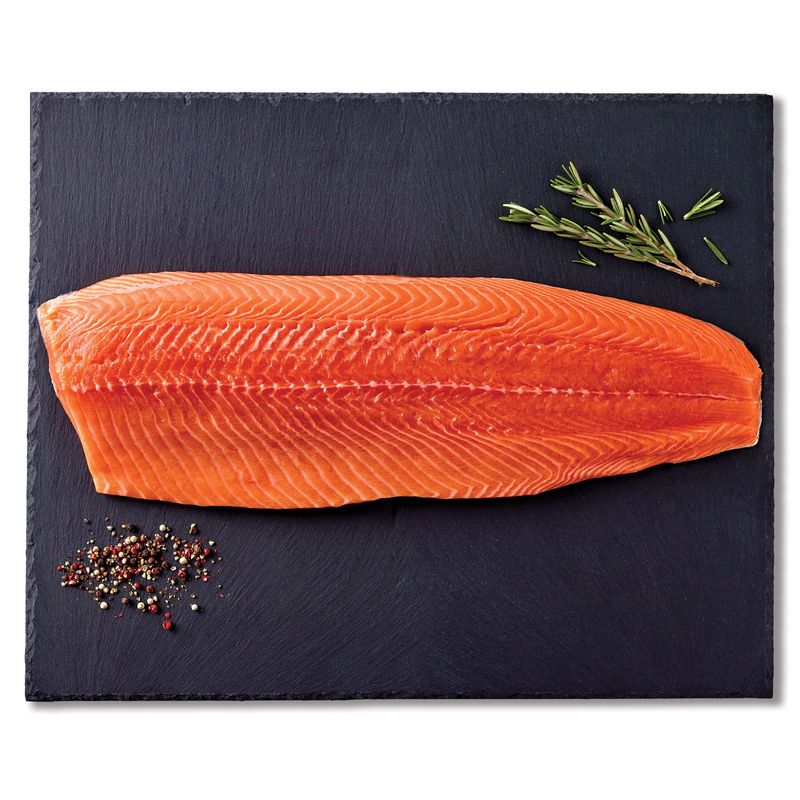
Atlantic salmon is the dependable staple many stores carry year round. Typically farmed, it tends to be mildly flavored and nicely fatty, which keeps it forgiving for beginners.
It takes to sauces and seasonings effortlessly.
Roast it on a sheet pan with vegetables, or try the air fryer for crisp edges. It pairs beautifully with creamy lemon-dill or garlicky yogurt.
Consistency makes it a weeknight hero.
If you are learning, start here. Simple technique, reliable texture, and friendly pricing make Atlantic salmon a practical go to.
5. Pink Salmon
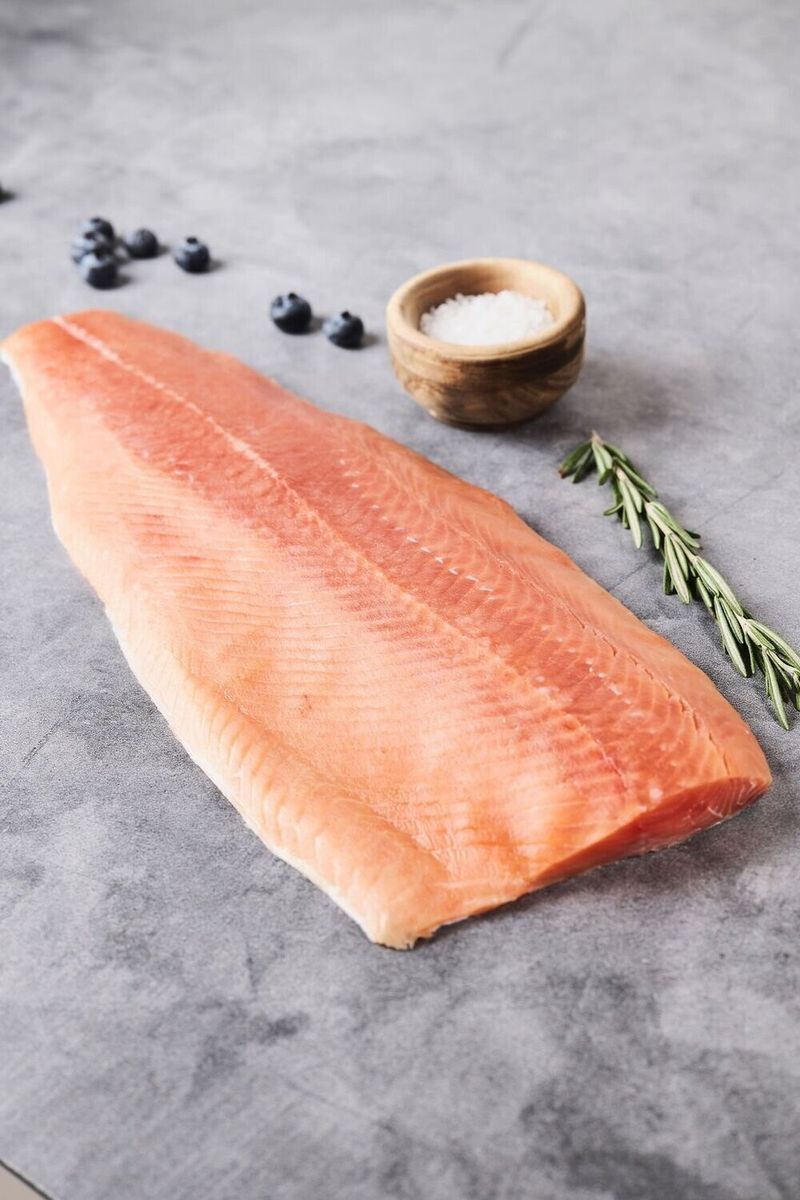
Pink salmon is the budget friendly pick that still tastes fresh and light. Available fresh and widely canned, it shines when mixed into flavorful preparations.
Because it can dry out, gentle cooking is key.
Turn it into salmon cakes with breadcrumbs, herbs, and lemon. Fold flakes into salads, tacos, or creamy spreads.
Poach softly or simmer in sauce to keep it tender.
When stretching dollars, pink makes smart sense. With the right seasoning and moisture, you get bright flavor without overspending.
6. Chum (Keta) Salmon
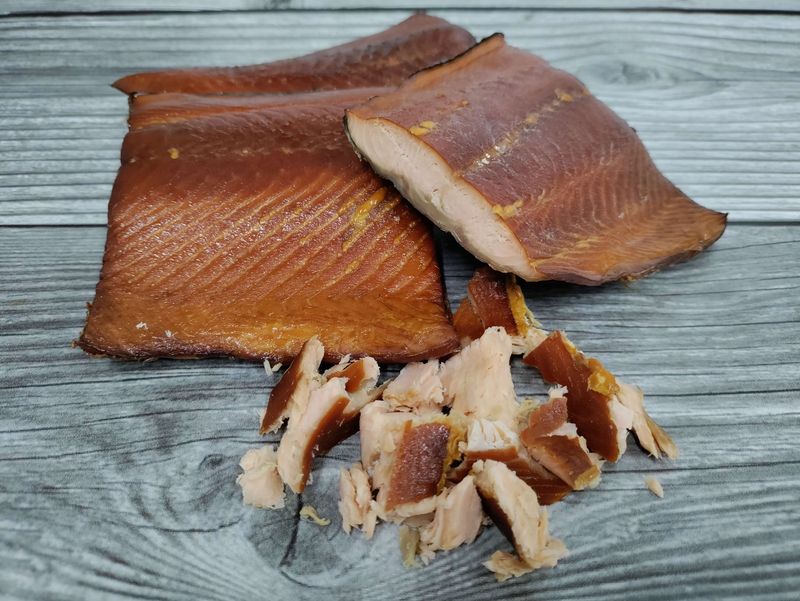
Chum, also called keta, is leaner and firmer, making it a value choice. It may not boast king-level richness, but it excels when sauces and spices lead.
Think of it as a reliable canvas for big flavors.
Glaze with teriyaki, simmer into coconut curry, or flake into hearty chowders. It makes excellent salmon patties too.
Poaching helps keep it moist.
When the recipe is all about seasoning, chum steps up. It is affordable, adaptable, and perfect for bold weeknight cooking.