7 Meats Mostly Found In Italy (And Italians Take Them Seriously)
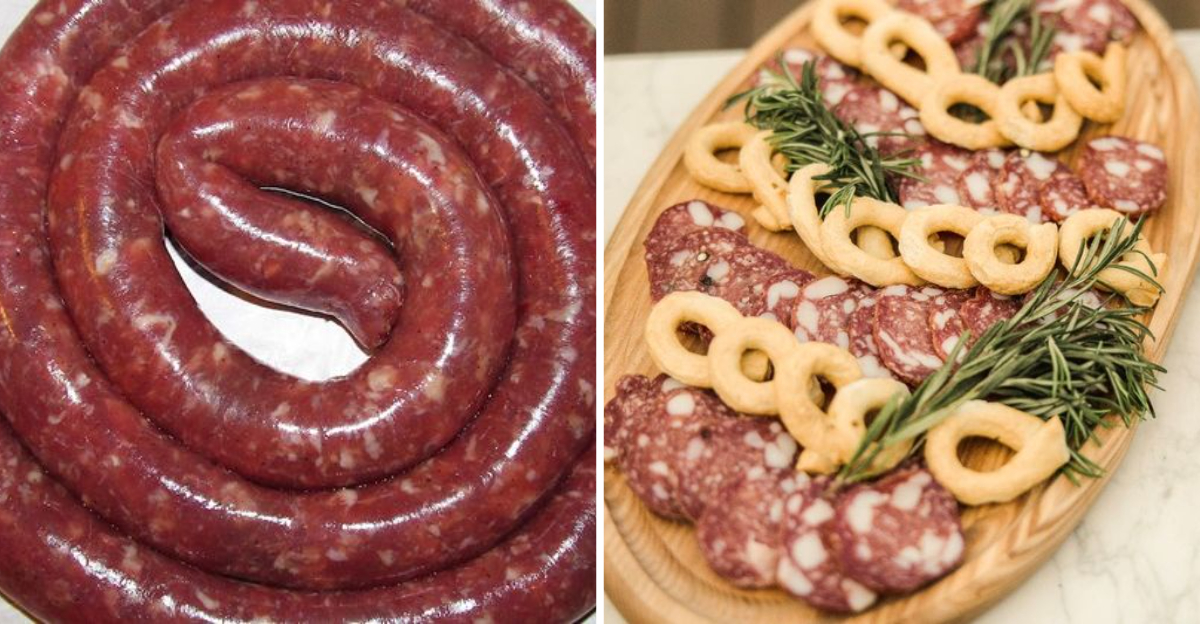
Italy treats meat like a love language, and you taste the devotion in every slice. Travel from village to village and you will meet loyalists who defend a single cut with fierce pride.
If you care about tradition, these are the names you learn to say correctly. Keep reading and you will know exactly what to order and how to respect it.
1. Culatello di Zibello
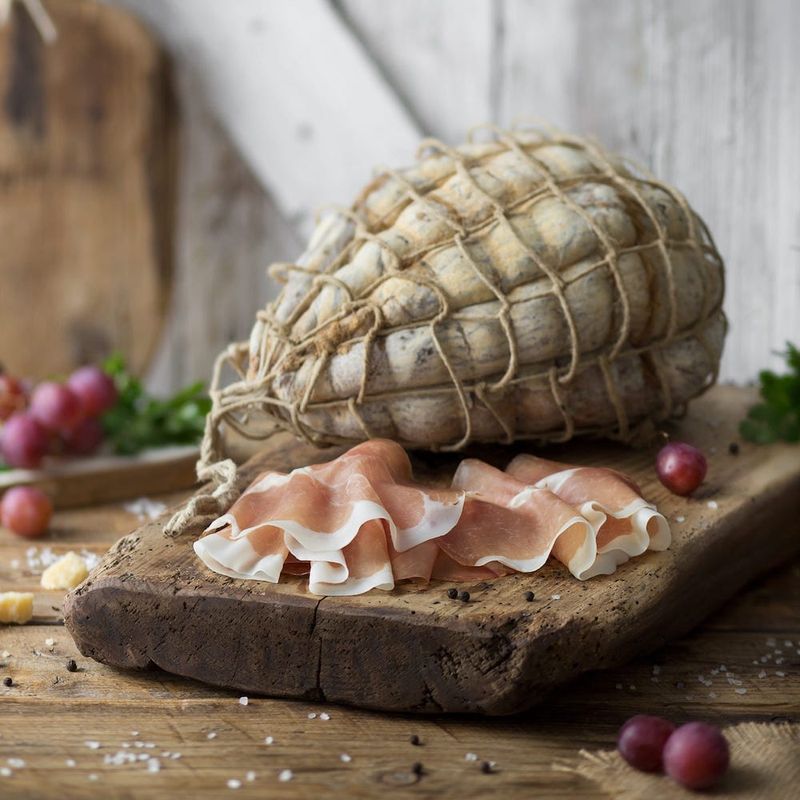
You hear whispers about Culatello di Zibello long before you taste it, and the first slice proves the fuss. Made from the heart of the pig’s hind leg, it ages in foggy Parma cellars.
The aroma is delicate, almost sweet, with savory depth that lingers.
Order it paper thin, let it warm on your tongue, and skip heavy bread so the silkiness shines. Locals pair it with butter, soft gnocchi fritti, and sparkling Lambrusco, which you should absolutely try.
If anyone offers ham instead, smile politely and wait for the real thing. Respect the slice, and locals notice every time.
2. Guanciale
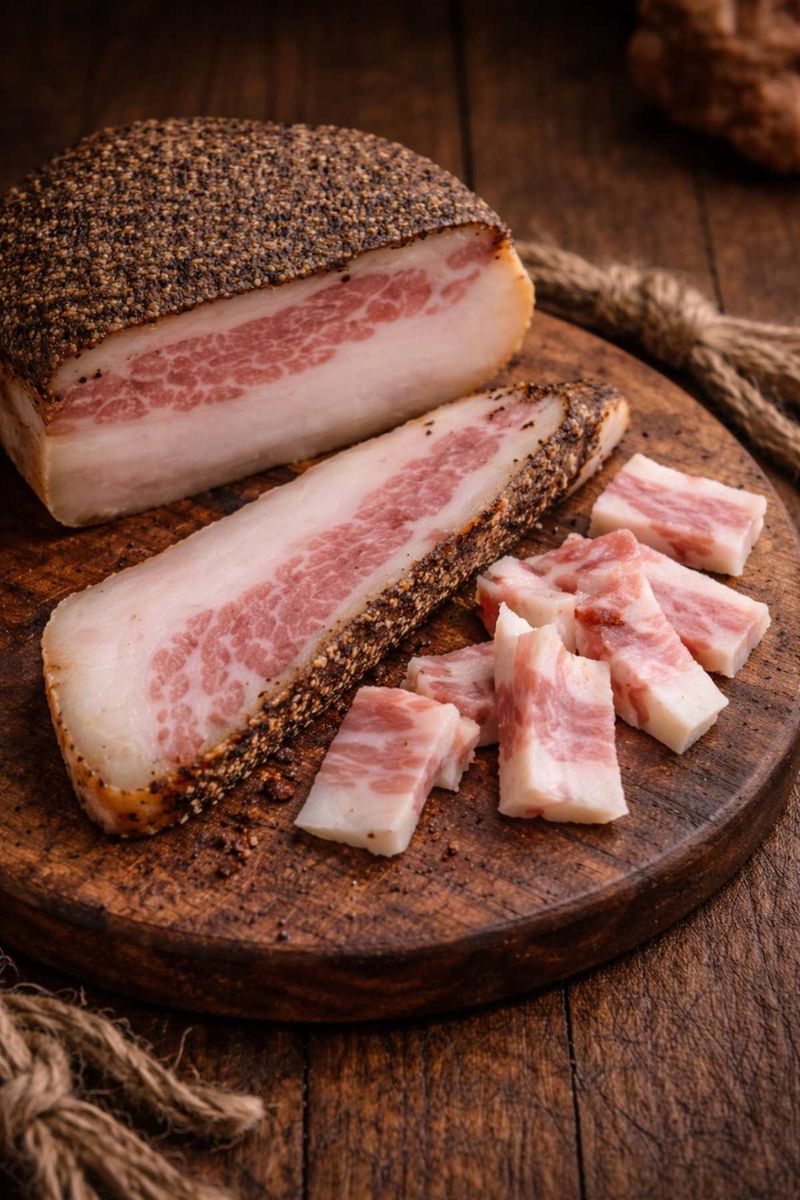
Guanciale is the quiet enforcer of Roman tradition, and you feel it the second it hits the pan. Rendered slowly, the pork jowl releases glossy fat that smells like pepper and countryside.
The cubes turn glassy and crisp outside, tender within, building the backbone of sauces.
Try making carbonara with bacon once, then switch to guanciale, and you will never go back. It seasons the pasta from the inside out, and suddenly the dish tastes right.
Keep the eggs silky, the pecorino sharp, and the pepper bold, then watch Romans nod in approval. Use restraint, because fat carries flavor beautifully.
3. Lardo di Colonnata
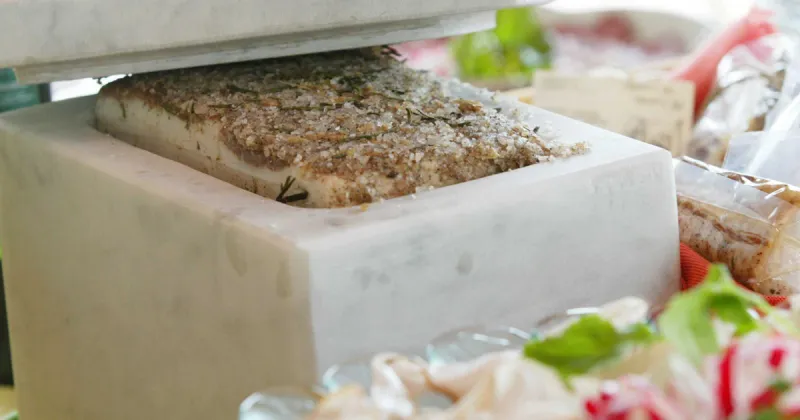
Lardo di Colonnata turns simple fat into poetry, and you taste place in every ribbon. Cured in Carrara marble with herbs, garlic, and sea salt, it breathes slowly in mountain air.
The result is cool, perfumed, and impossibly silky, a whisper of pork that melts instantly.
Slice it almost translucent and lay it over warm toast or hot potatoes, letting the heat wake aromas. Skip heavy seasoning, because rosemary and pepper already sing.
Ask for Colonnata specifically, not generic lardo, and you will see Tuscan eyes light up, grateful you understand the difference. Tradition matters, and marble earns respect here.
4. Finocchiona
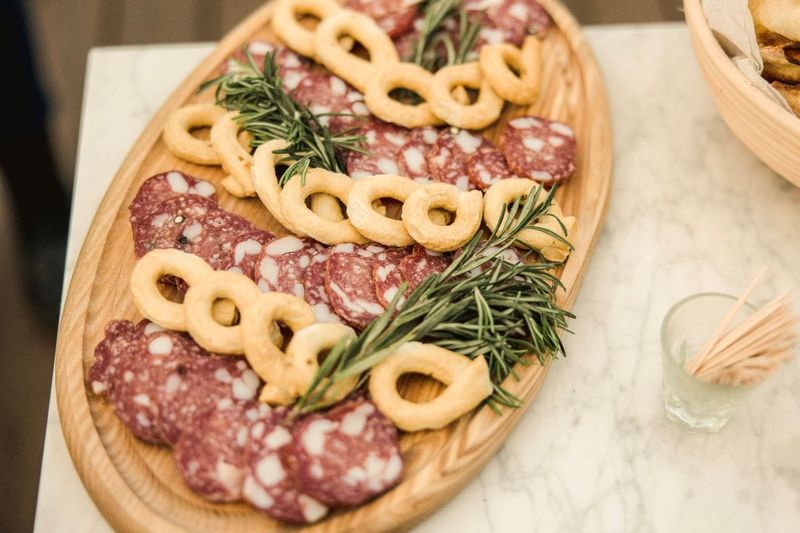
Finocchiona smells like a Tuscan hillside after rain, fennel drifting through the air. This salami leans softer, fragrant, and gently rustic, with pepper and garlic rounding the edges.
You taste seeds, not just spice, and the finish is bright, which makes simple bread and wine sing.
Order it at a market in Florence, and you will notice vendors guarding family recipes. They will guide you toward a slice with perfect marbling, then nudge you to pair pecorino and olives.
Say the name clearly, enjoy it slowly, and you will earn approving smiles that feel priceless. Fennel tells the story there.
5. Ciauscolo
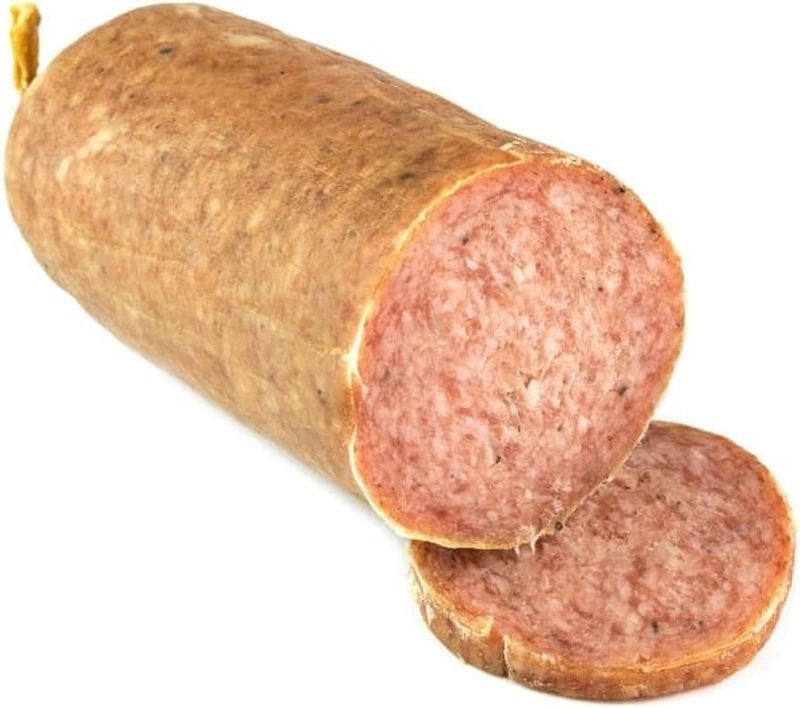
Ciauscolo is spreadable comfort from the Marche, smoky, garlicky, and softly tangy. Unlike firm salami, this PGI sausage smears like pâté, begging warm bread.
The texture comes from fine grinding and gentle curing, which keeps it moist and friendly, perfect for picnics, aperitivo platters, or a late kitchen snack.
Ask for it by name, and spread generously, then squeeze lemon for lift. Locals might add honey or herbs, but simplicity usually wins.
If someone hands you a random spreadable sausage, pause, check the label, and make sure it is truly Ciauscolo, because that regional pride deserves your full attention today.
6. Salsiccia di Bra
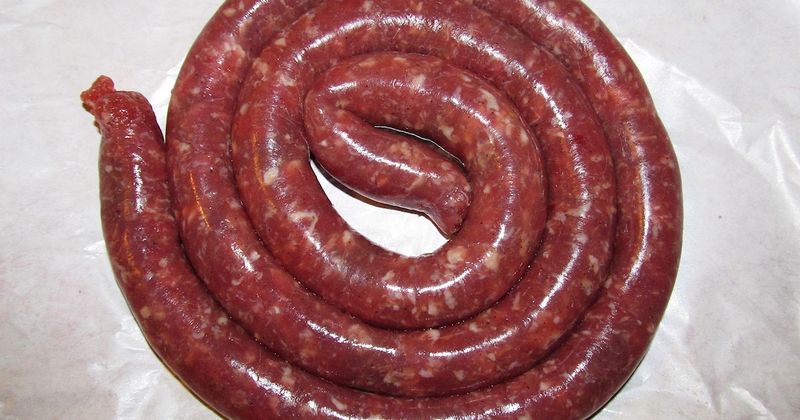
Salsiccia di Bra breaks every expectation, leaning on lean beef blended with pork fat for silk. Traditionally eaten raw when impeccably fresh, it tastes clean, bright, and slightly spiced.
The texture is tender and springy, almost sweet, which makes a simple bite with bread and olive oil thrilling.
Only buy it from trusted shops, ask about the day, and follow local advice strictly. If raw worries you, try it lightly cooked, but understand Piedmontese traditions first.
When you call it by name and treat it carefully, people notice, and you taste why Bra protects this sausage fiercely. With good reason.
7. Speck Alto Adige
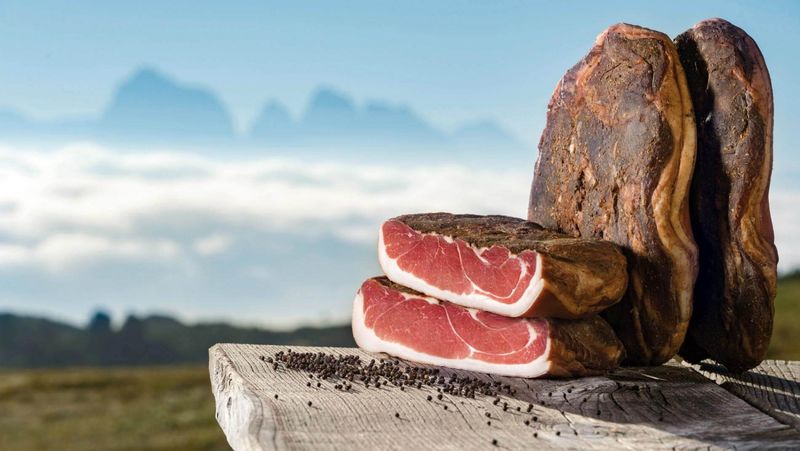
Speck from Alto Adige wears mountain air like perfume, smoked gently and cured with patience. Thin slabs show crimson meat and rosy fat, edged with juniper and bay.
Bite and you get chew, smoke, and sweetness together, a northern accent that feels different from Parma hams but equally proud.
Slice it thinner than bacon, pair with rye bread, horseradish, and crisp apples, and take a long breath. Do not cook it hard.
Let the smoke lead and the salt support, sip a chilled white from the Dolomites, and you will understand why locals defend this identity with gusto. So passionately.