8 Ancient Recipes That Still Resonate And 9 That Reflect Their Era
Some ancient dishes taste like they were invented yesterday. Others transport you straight into a smoky hearth where survival and tradition shaped every bite.
You will see both sides here, the timeless flavors you could serve tonight and the fascinating relics that whisper about trade, class, and clever preservation. Read on and decide which ones belong on your table and which belong in your history-loving imagination.
1. Roman moretum (herby cheese spread)
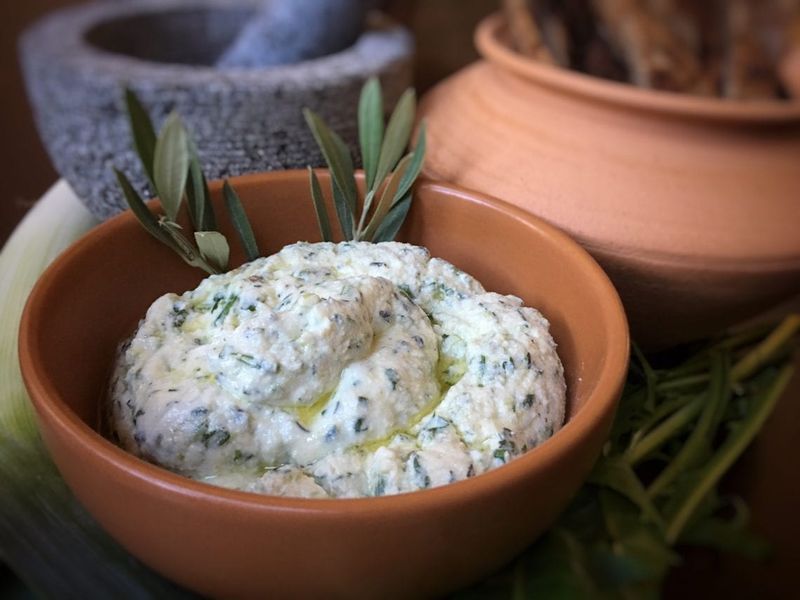
Meet moretum, the Roman herby cheese spread that feels like a cousin to pesto and chimichurri. You crush fresh cheese with garlic, herbs, and olive oil until it turns into a fragrant paste that begs for warm bread.
It is bright, salty, and peppery, the kind of flavor that makes a simple lunch feel intentional.
You can tweak the herbs, using parsley, celery leaves, or coriander, and adjust the bite with more or less garlic. The texture lands between a dip and a crumbly spread, which means it loves grilled vegetables, roasted chicken, or crisp cucumbers.
Serve it with olives and a big salad, and suddenly dinner seems grounded and generous.
2. Ancient flatbread with herbs
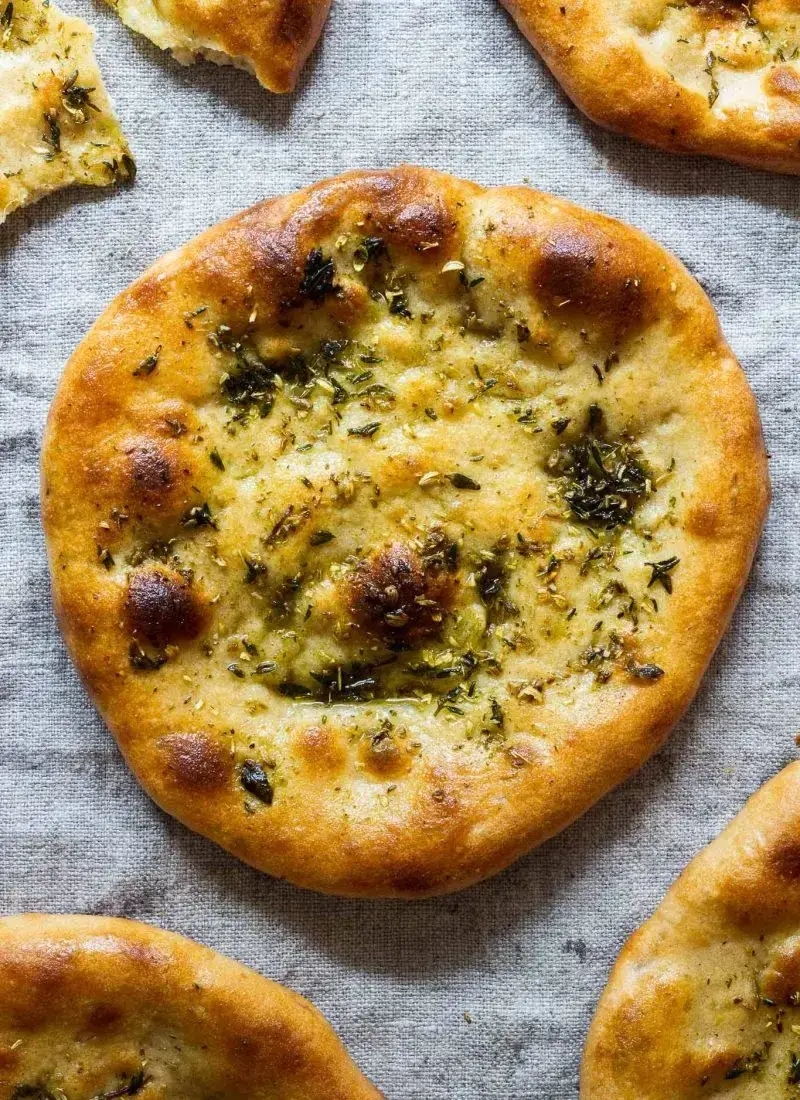
Flour, water, salt, heat. That is the blueprint for flatbread, and it has not needed rewriting for millennia.
Roll it thin, cook it hot, and brush with oil and herbs while it still sighs steam.
You get charred bubbles, chewy edges, and a canvas for whatever is near: stews, dips, grilled fish. Tear it, fold it, use it as a utensil that tastes better than any spoon.
If you want a little drama, scatter sesame or nigella before cooking.
Make it weekday simple or party friendly. Your kitchen will smell toasty and alive, and the table turns communal.
Sometimes the old ways are basically perfect.
3. Lentil stew (Mesopotamian-style comfort)
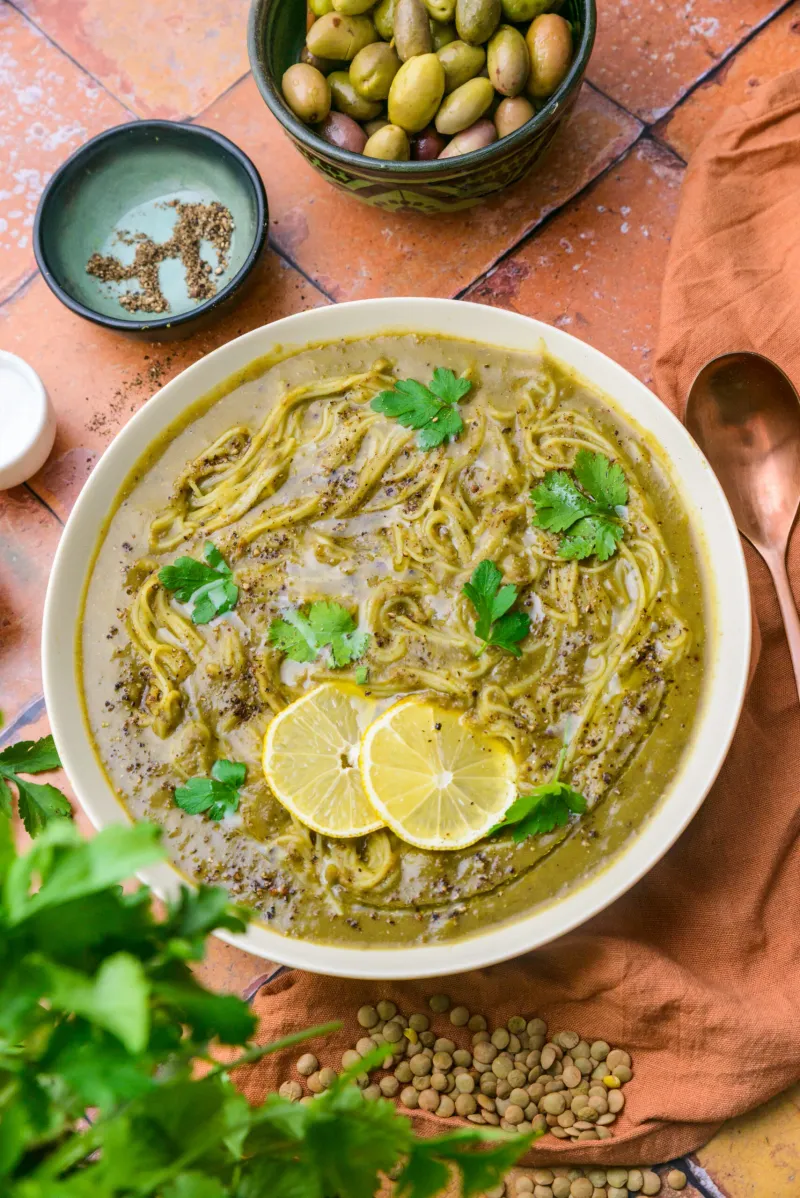
Lentils have been dinner for a very long time, and this stew explains why. Cook them slowly with onions, garlic, cumin, coriander, and a hit of acid at the end to wake everything up.
The result is silky, earthy, and deeply satisfying.
You can add greens, shards of flatbread, or a spoonful of yogurt if you like contrast. The spices are gentle, not flashy, so the lentils shine.
It is the kind of bowl that lets you breathe out after a day, with warmth that feels generous.
Leftovers taste even better, thickening into something spoon-coating and cozy. Serve with olives and crunchy vegetables.
Simple ingredients, smart cooking, timeless comfort.
4. Greek honey cakes

Greek honey cakes deliver sweetness that feels elegant rather than loud. Flour, honey, olive oil or butter, a pinch of spice, maybe sesame on top.
Bake until golden, then finish with warm honey so the crumb drinks it in.
The texture lands between tender and pleasantly dense, like a tea cake you want with coffee or after dinner. A little cinnamon or crushed coriander seed gives them a whisper of perfume.
They keep well, and the flavor mellows by day two.
Serve with figs, yogurt, or nuts for a dessert that reads both rustic and refined. You taste flowers, grain, and time.
Old recipe, modern pleasure.
5. Roman garlic-and-herb sauce for meat
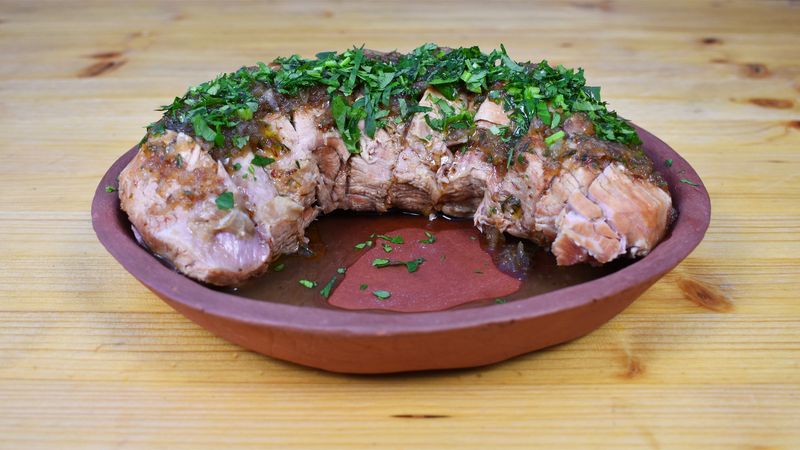
This punchy Roman sauce makes roasted meat taste like you planned everything. Mash garlic with herbs, a splash of vinegar or verjuice, olive oil, and a pinch of salt.
It is bright, savory, and sharp enough to cut through fat beautifully.
Drizzle over grilled lamb, roast chicken, or charred vegetables. The acidity lifts, the herbs perfume, and the garlic quietly takes charge.
You can thin it for dressing or keep it thick for dolloping.
Leftovers are a gift, turning cold meats into a picnic that feels intentional. Try parsley, lovage, or celery leaves for a slightly wild edge.
One bowl, many wins, very now.
6. Fish with herbs and acid (Mediterranean ancient style)
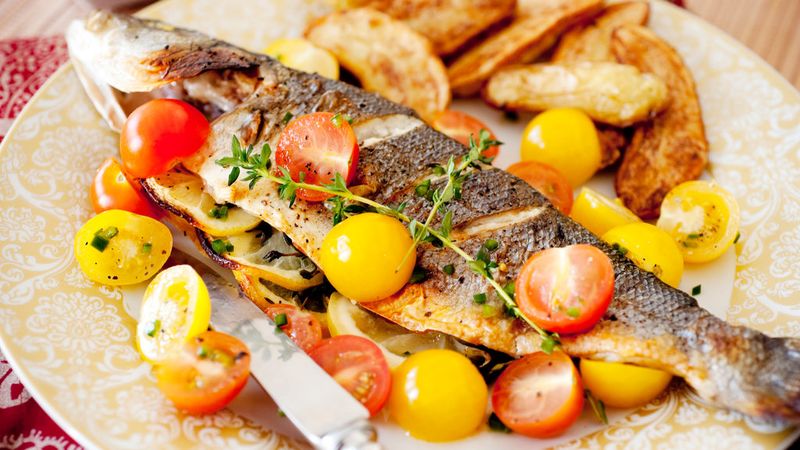
Clean, simple, and focused, this style still feels restaurant modern. You take a whole fish or fillets, season with salt, herbs, and a bright sour note like vinegar or citrus.
Bake or grill just until the flesh turns opaque and juicy.
The herbs you choose steer the mood: dill and parsley for fresh, thyme and bay for savory. The sourness wakes everything up without getting bossy.
Finish with good oil and a few capers if you want a salty wink.
Serve with greens and flatbread. The dish tastes like waves, sun, and clarity.
Technique like this never really left.
7. Stuffed dates with nuts
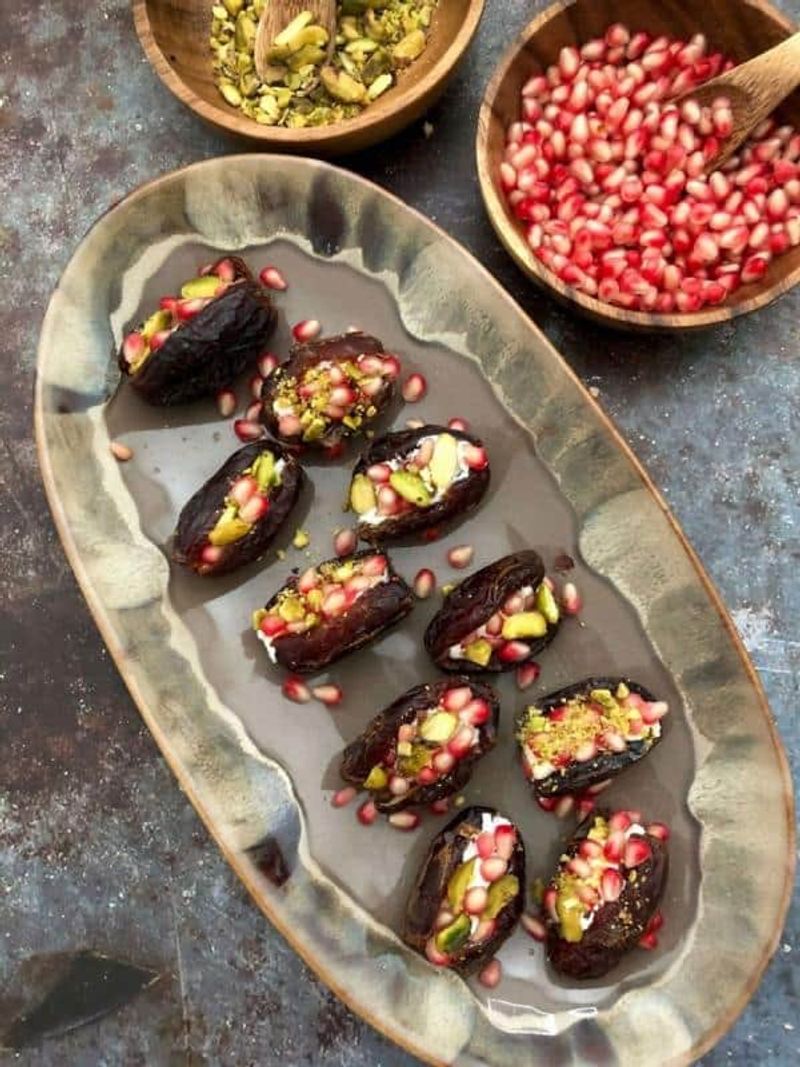
Stuffed dates are the original fancy snack. You split plump dates, tuck in chopped nuts, and add a hint of spice or citrus zest.
Sometimes you drizzle honey, sometimes you dip in sesame for crunch.
They deliver quick energy with a touch of ceremony, perfect for guests or a small sweet after dinner. The textures play nicely: sticky, crunchy, aromatic.
You can lean warm with cinnamon or bright with orange blossom water.
Serve them with tea, salty cheese, or yogurt. They look like jewels and eat like dessert, yet they are simple to make.
A tiny bit goes a long way.
8. Barley porridge with fruit and honey
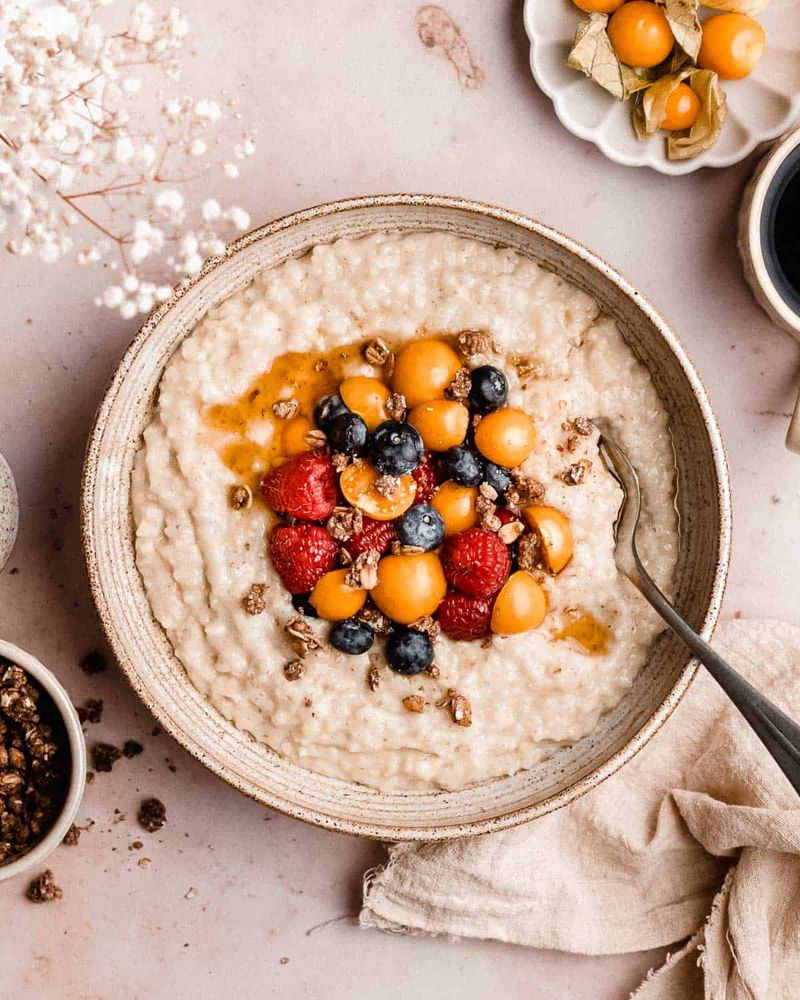
Barley porridge is a breakfast that still makes sense. Cook barley until tender and creamy, then add fruit, nuts, and a ribbon of honey.
You get hearty grains, natural sweetness, and texture that feels nourishing rather than heavy.
It is easy to scale for a crowd or prep ahead for the week. Warm spices like cardamom or cinnamon give it morning charm.
A spoon of yogurt or milk brings silkiness and balance.
Leftovers reheat well, thickening into a pudding vibe you can loosen with water. It is the kind of bowl that makes you feel looked after.
Old grain, current energy.
9. Garum-heavy sauces (Roman fermented fish sauce style)
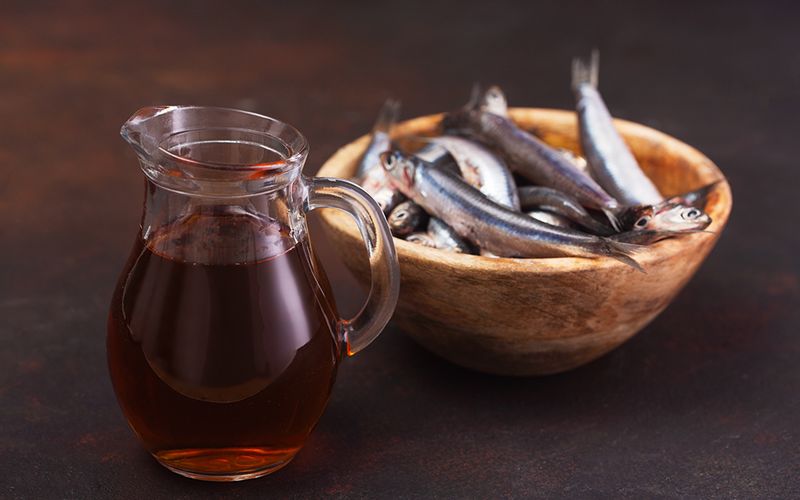
Garum was the Roman umami bomb, and it showed up in everything. Fermented fish juice sounds intense, and it is, delivering salt, savoriness, and a certain sea depth.
Drip a little and dishes taste finished, but modern palates may flinch at the potency.
In its era, it solved preservation and flavor problems at once. Today you could swap in Southeast Asian fish sauce to approximate, though the profiles differ.
The concept holds, yet the threshold for funk has shifted.
Use carefully, think anchovy-level power, and expect it to dominate. It is a lesson in resourcefulness and taste evolution.
Fascinating, yes, but not everyone will crave it.
10. Ancient blood sausages
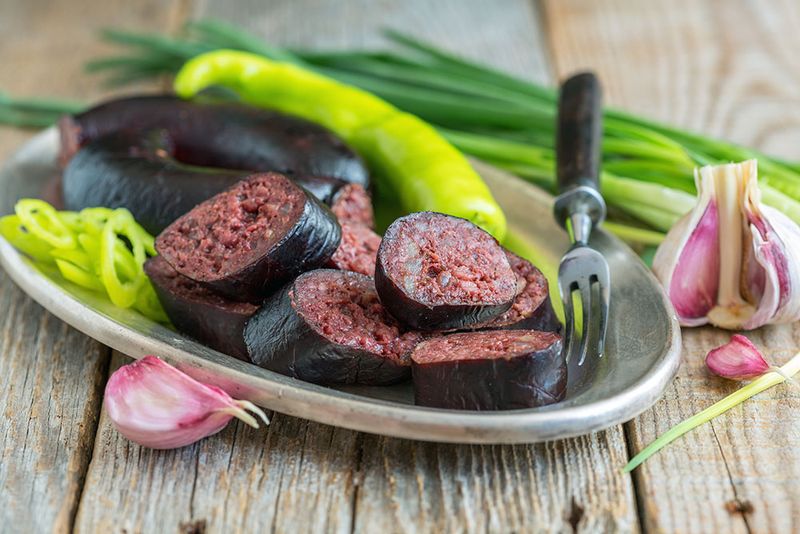
Blood sausages were practical protein before refrigeration, turning every part into food. Mixed with grains, fat, and spices, they cook into something rich and unmistakable.
Some cultures still love them, but many people hesitate at the idea.
They taste mineral, savory, and heavy in a way that feels of their time. Texturally they can be smooth or crumbly depending on the grain and fat ratio.
Serve with onions or apples if you want a balancing sweetness.
They tell a story of thrift and respect for the animal, which is valuable on its own. As a weeknight dinner, though, they are a harder sell.
History, more than habit.
11. Organ meat stews
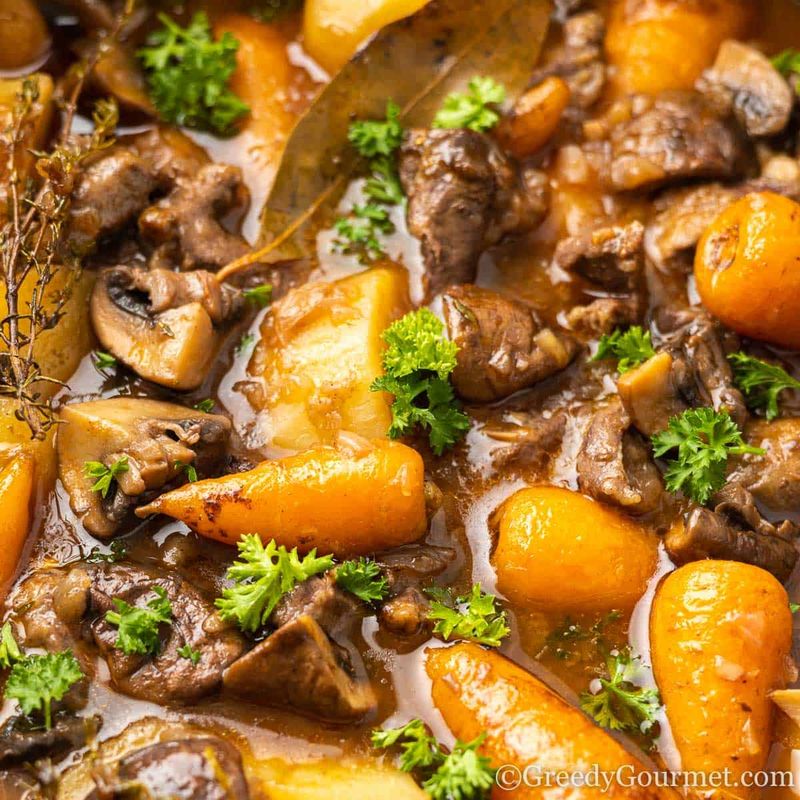
Organ meat stews were nutrient insurance in lean times. Liver, heart, kidneys, and tripe brought iron and vitamins that muscle meat alone could not.
Slow cooking with aromatics made them tender, but the flavors run bold and metallic.
Today, many cooks shy away, more from habit than difficulty. The texture asks for attention and precise timing.
Vinegar, wine, or lots of herbs help tame intensity, while barley or root vegetables add comfort.
These dishes carry cultural pride and culinary skill, yet they rarely appear on everyday menus now. They remind you of necessity meeting ingenuity.
Worth tasting to understand, even if you do not keep them in rotation.
12. Grain-and-beer porridges
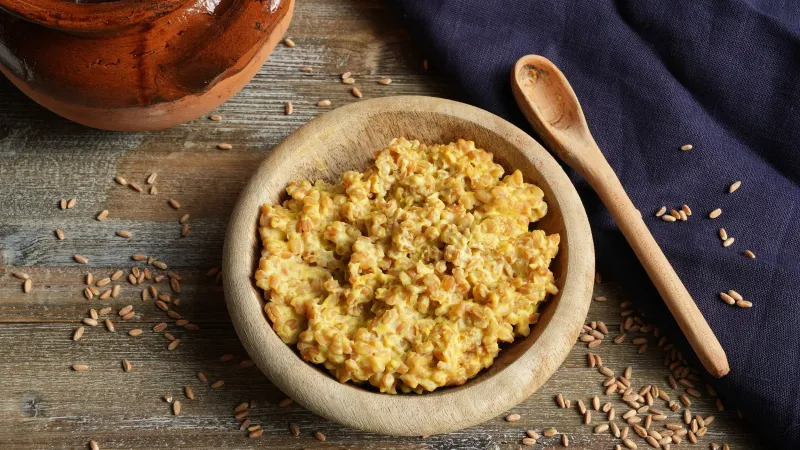
Beer was safer than water in many eras, so it wandered into cooking. Grain-and-beer porridge tastes malty, slightly sour, and surprisingly hearty.
It made sense when calories mattered and fermentation kept things stable.
Modern palates might find the bitterness odd at breakfast and the texture a bit gluey. Sweeteners help, but the beer character still shows.
It is more interesting than craveable unless you love brewery notes in your bowl.
As a historical snapshot, though, it is fascinating. You can feel how households stacked functions into one pot: hydration, calories, and preservation.
Smart, practical, and firmly of its moment.
13. Ancient sour milk cheeses and curds
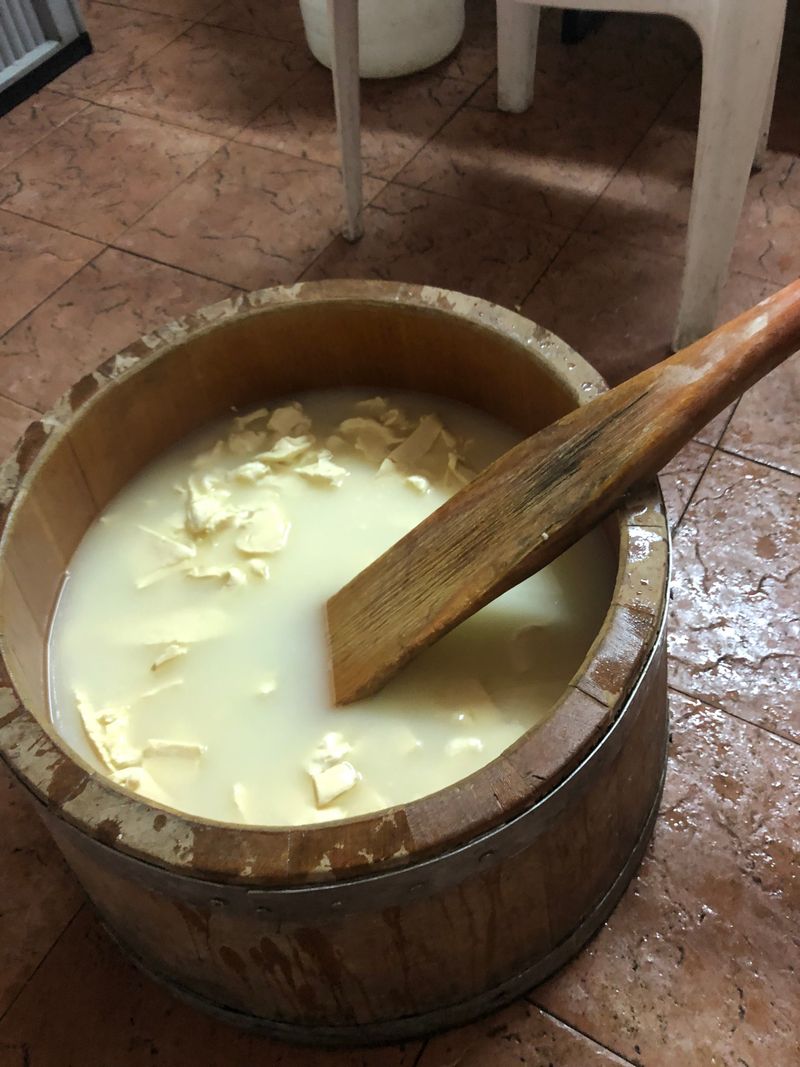
Before precise cultures and refrigeration, sour milk cheeses and curds were everyday solutions. Milk turned, you drained it, salted it, maybe pressed it, and ate it fresh.
The flavor is tangy and clean, but sometimes a little barnyard sneaks in.
They are wonderful with herbs and bread, yet not always consistent, which can put modern eaters off. Texture swings from creamy to squeaky depending on method and timing.
A drizzle of honey or olive oil can help smooth edges.
They tell you about immediacy and the rhythm of milking, not supermarket predictability. Good when fresh, less lovely as they sit.
Charming, but era specific.
14. Very salty preserved fish dishes
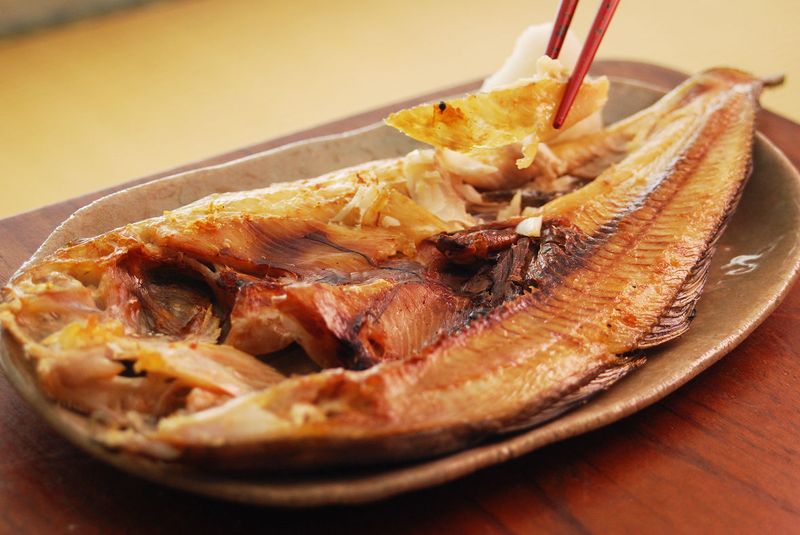
Preservation once meant salt, lots of it. Very salty fish kept people fed through winters and voyages, but the flavor can feel punishing today.
You rinse, soak, and still the salinity leads every bite.
Handled well, you get a chewy, savory intensity that works with potatoes, greens, and plenty of oil. Handled badly, it bulldozes everything.
The technique mattered more than finesse because survival outranked delicacy.
Try it if you want a bracing taste of maritime history. Expect elbow grease and patience to make it friendly.
Valuable, instructive, and occasionally delicious, yet rarely weeknight casual.
15. Honey + vinegar drinks and syrups

Sweet and sour tonics made sense when clean water was tricky and flavor variety was limited. Honey for energy, vinegar for brightness and maybe safety.
Diluted with water and herbs, these drinks wake your palate like a tart lemonade cousin.
Still, the medicinal vibe comes through. Some people love that bite, while others feel scolded by it.
As a syrup for desserts or fruit, the combination behaves more gently and feels balanced.
It is a great lesson in how taste follows need. You might sip it after a heavy meal and feel surprisingly refreshed.
Useful, memorable, and a bit niche.
16. Early hard travel breads
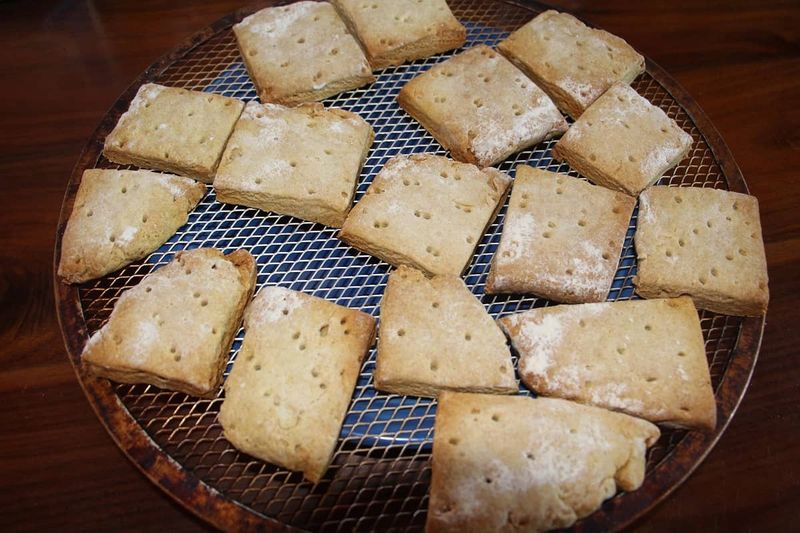
Travel breads were designed to survive, not delight. Dense, dry, and sturdy, they keep for ages and need soaking or stewing to be edible.
Think calorie bricks you could carry across miles without crumbling.
Flavor takes a back seat to durability. Sometimes a touch of fat or spice appears, but mostly you get plain grain and chew.
With broth or wine they soften into something acceptable, even comforting on the road.
They are brilliant in purpose and tough in practice for modern tables. Bake them to understand logistics, not to impress dinner guests.
Respect the design, then pass the buttered flatbread.
17. Rustic foraged greens with minimal seasoning
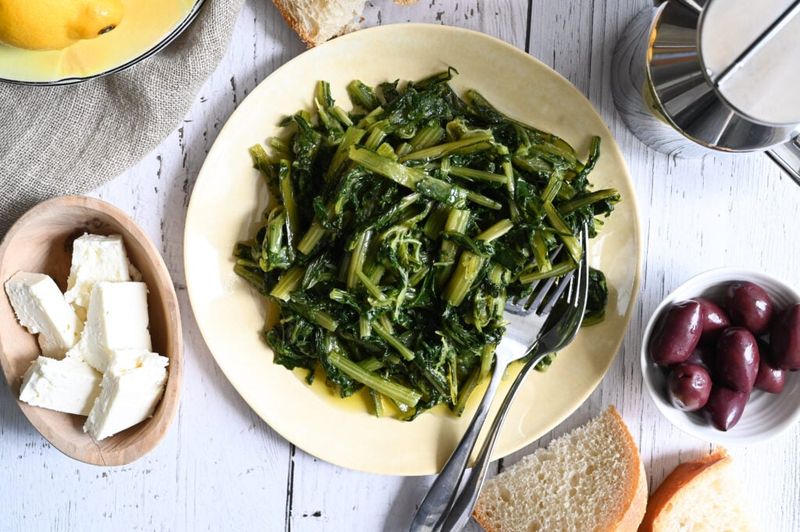
Foraged greens tell you what the land offered that week. Nettles, dandelion, wild chicory, and sorrel go into the pot with water, salt, and maybe a little oil.
The result is nutritious and honest, but the flavors skew bitter and sharp.
Pair with bread, cheese, or beans and you get a complete meal shaped by season and place. Modern diners may want more spice, fat, or acid than tradition allowed.
A squeeze of lemon helps a lot.
Eat it to appreciate skillful gathering and thrift. You can feel the calendar in every bite.
Humble, vivid, and more about context than indulgence.