As A Nutritionist, I’m Sharing 25 Signs You’re Overdoing It On Carbs

Carbs are not the enemy, but going overboard can quietly derail your energy, mood, and health. If you have been wondering why you feel sluggish after meals or constantly crave something sweet, the clues might point to carb overload. As a nutritionist, I have seen these patterns again and again, and they are fixable. Let us decode the subtle signs so you can feel steady, satisfied, and in control.
1. Constant post-meal energy crashes
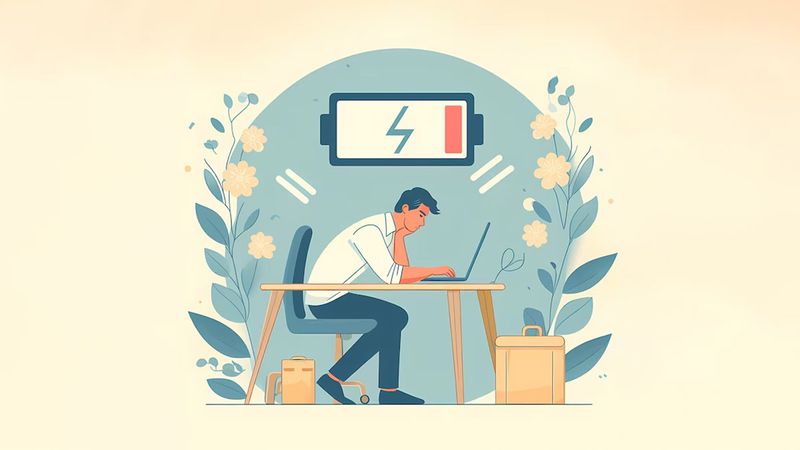
Feeling heavy-eyed or foggy an hour after eating often signals a carb-heavy spike followed by a crash. When a plate leans on refined grains and sugary drinks, blood sugar rises quickly, then dips hard. That dip feels like sudden fatigue, yawning, or an urge to nap.
Try balancing your plate with protein, fiber, and healthy fats to slow digestion. Even small tweaks help, like adding chicken to pasta or swapping juice for water. Notice whether your energy steadies when you choose whole foods more often.
2. Intense sweet cravings shortly after eating

Craving sweets right after a meal suggests your blood sugar spiked and then dropped. That drop nudges your brain to seek quick sugar for relief. If meals are mostly bread, noodles, or pastries, that rollercoaster hits harder.
Start by adding protein to each meal, like eggs, tofu, or yogurt. Use fruit to satisfy sweetness with fiber and water. Over time, steadier meals reduce those urgent cravings, and you will feel more in control.
3. Persistent bloating after starchy meals

Bloating after carb-dense meals can stem from rapid stomach emptying, fluid shifts, or fermentable carbs reaching the gut. It is common with large portions of pasta, bread, and certain high-FODMAP foods. The uncomfortable pressure makes clothes feel tight and energy drop.
Try smaller portions, chew thoroughly, and include protein and produce for balance. Notice if certain carbs like garlic or wheat worsen symptoms. A food diary for two weeks can reveal patterns and help you make targeted swaps.
4. Morning grogginess despite enough sleep

Waking sluggish despite seven to eight hours can reflect nighttime blood sugar dips from evening carb overload. Heavy desserts, big bowls of cereal, or late-night snacking can disrupt sleep cycles. You may wake up unrefreshed, craving coffee immediately.
Shift dinner toward protein, fiber, and moderate carbs. A balanced bedtime snack, like Greek yogurt with berries, can steady overnight blood sugar. Track how you feel after three nights of changes and adjust from there.
5. Frequent afternoon headaches

Headaches around 2 to 4 p.m. often tie to fluctuating blood sugar from carb-heavy lunches. A spike-and-drop pattern can tighten muscles and trigger a dehydration-like ache. Sugary drinks amplify the swing and leave you foggy.
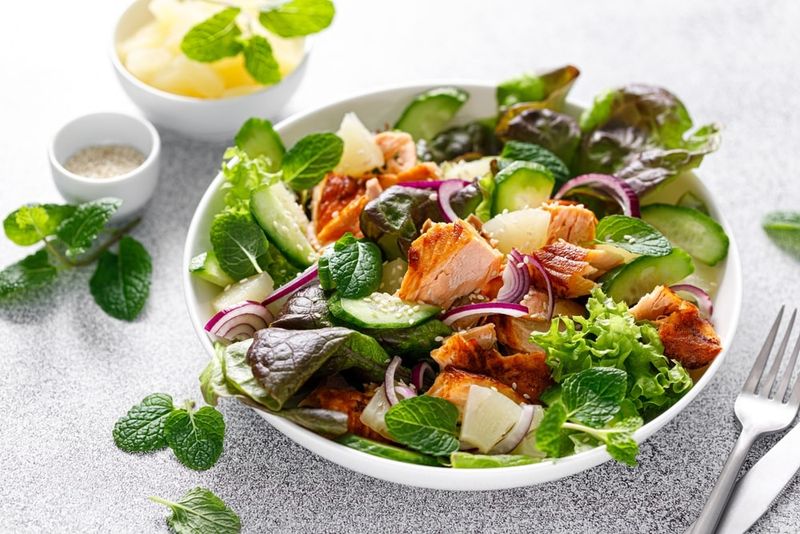
Build a lunch with protein and fiber, like salmon salad with quinoa and greens. Hydrate before caffeine. If headaches fade when you add balance and water, carbs likely played a role.
6. Midnight hunger despite a big dinner

Feeling ravenous at midnight after a large dinner hints at a quick carb burn. Big portions of rice, bread, or noodles can digest fast, leaving you hungry hours later. That drive sends you searching the fridge.
Even out dinner with protein, vegetables, and healthy fats. Consider a small balanced snack earlier in the evening if needed. Notice whether steadier meals reduce nighttime prowling and improve sleep quality.
7. Skin breakouts that flare after sugary days

High sugar intake can increase insulin and IGF-1, nudging oil production and inflammation. Many people notice breakouts after desserts, sweet drinks, or doughy weekends. While not the only cause, carb-heavy days often line up with new blemishes.
Focus on low-sugar choices and whole foods most days. Add colorful produce and omega-3s to calm inflammation. Track flare-ups alongside meals to see your personal pattern and adjust accordingly.
8. Feeling shaky or jittery between meals
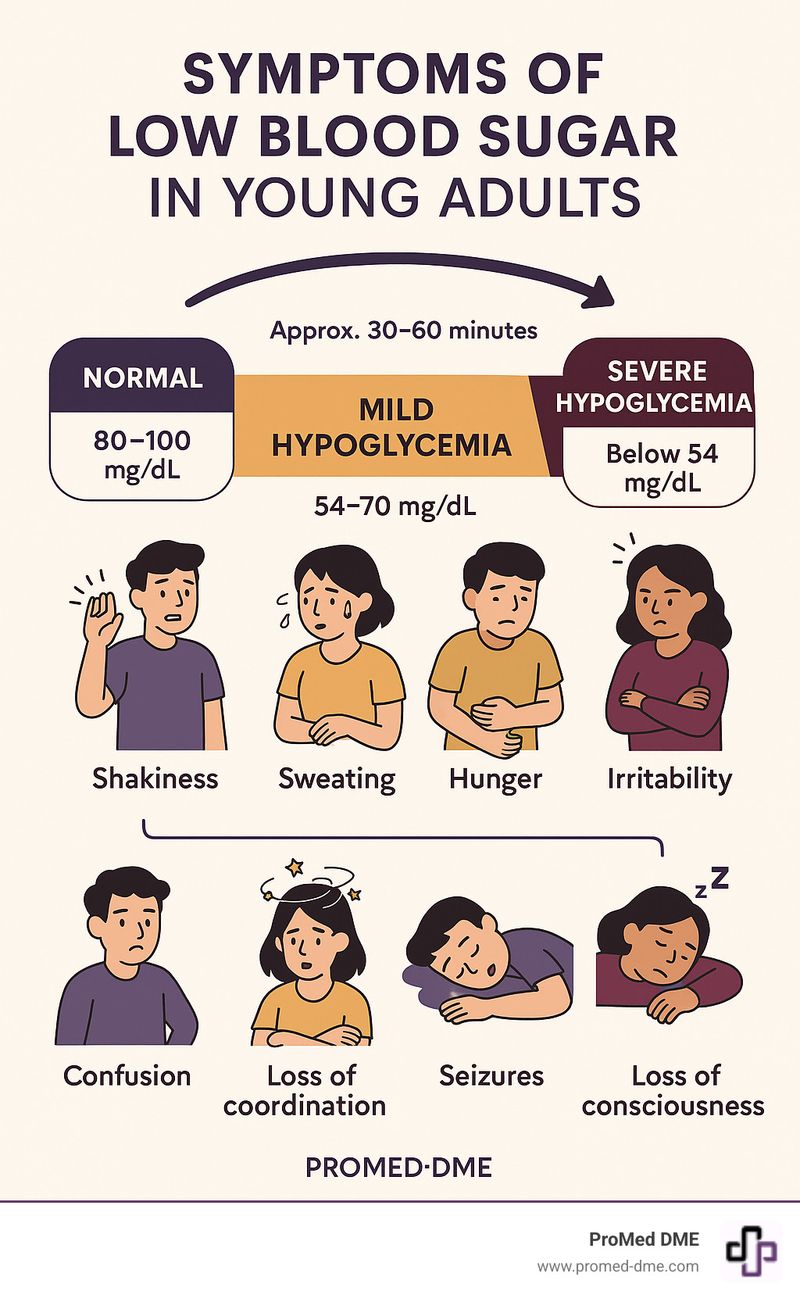
Shakiness between meals can indicate reactive hypoglycemia after a carb spike. The body releases insulin to bring sugar down, sometimes overshooting. You feel edgy, sweaty, or unfocused until you eat again.
Pair carbs with protein and fat to slow absorption. Nuts with fruit, turkey with whole-grain crackers, or hummus with veggies can help. Watch whether steadier snacks keep the jitters away.
9. Unrefreshing naps after carb-heavy lunches

Napping after lunch but waking foggy points to a blood sugar dip, not true restoration. Big sandwiches, chips, and soda digest quickly, leading to a crashy snooze. You wake groggy and still hungry.
Balance lunch with protein and vegetables. Try sparkling water instead of soda, and add avocado or olive oil for staying power. Track how your afternoon productivity changes when you shift the mix.
10. Frequent urination after sugary drinks
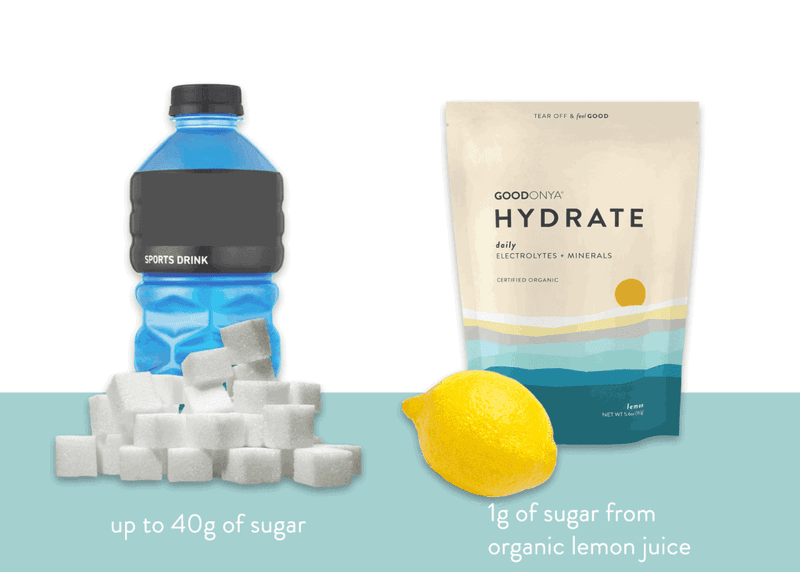
High sugar drinks raise blood glucose rapidly, and your kidneys pull water to flush the excess. You end up peeing more often and feeling thirsty again. This cycle dehydrates you and can leave you with a dry mouth.
Swap soda and sweet teas for water, unsweet iced tea, or seltzer. If thirst and urination stay excessive, consult your clinician. For many, simply cutting sugary beverages brings quick relief.
11. Brain fog that lifts after balanced meals
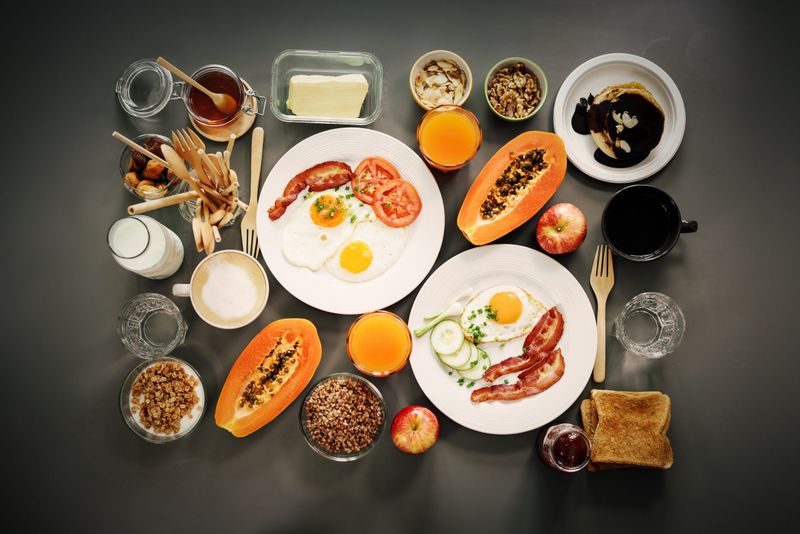
Foggy thinking can follow carb-loaded breakfasts like pastries or plain cereal. The initial lift fades quickly, and focus suffers. When you add protein and fiber, the fog often clears faster than you expect.
Try eggs with greens, or oatmeal topped with nuts and chia. Notice the difference within a week. Your brain prefers steady fuel, not the sugar rollercoaster.
12. Unstable mood and irritability between meals
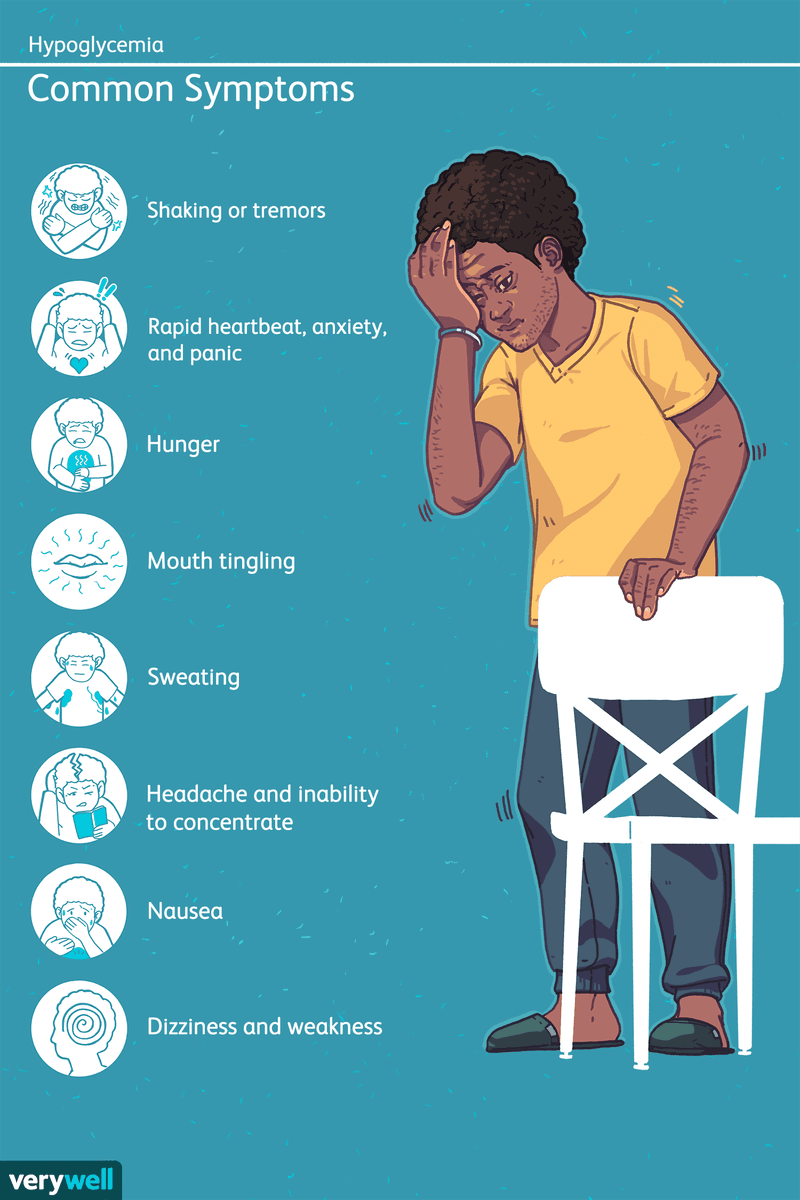
Rapid shifts in blood sugar can make patience short and emotions volatile. After a carb rush, the drop can show up as snappiness or anxiety. It is not just in your head, it is physiology.
Build meals with the Rule of Three: protein, fiber, and fat. Keep emergency snacks like nuts or jerky on hand. Stabilizing your plate often stabilizes your mood.
13. Unusually strong thirst after carb-heavy meals

Carb-heavy meals pull water into your digestive tract and bloodstream, prompting thirst. Sauces and refined starches can make it worse by combining sugar with sodium. You may notice dry lips and frequent sipping.
Drink water before eating and include hydrating foods like vegetables and soup. Choose whole grains and slow carbs to blunt spikes. If thirst persists, rule out medical causes with your provider.
14. Weight creeping up despite same calories
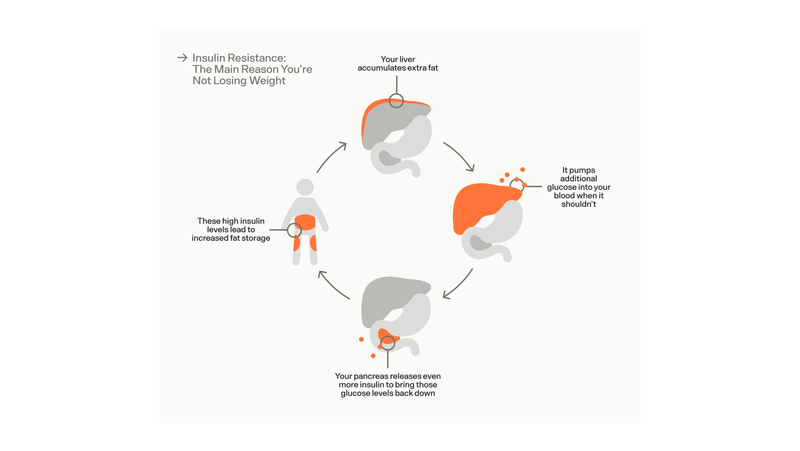
Calories matter, but carb timing and quality influence water retention, insulin, and appetite. Frequent refined carbs can raise insulin, which nudges fat storage and makes you hungrier later. Weight creeps despite feeling like nothing changed.
Shift toward fiber-rich carbs and prioritize protein at each meal. Plan balanced snacks to curb rebound eating. Track weekly trends rather than daily swings to see progress.
15. Drowsy driving after fast-food meals

Greasy, carb-heavy combos like fries and soda lead to a swift glucose spike and crash. The crash can hit on the drive back, making eyes heavy and reflexes slow. It is a risky pattern, not just inconvenient.
Order protein-forward options, skip sugary drinks, and add fiber from a side salad. Even small swaps can change how you feel behind the wheel. Notice alertness on your next commute.
16. Trouble focusing in meetings
When breakfast is a sweet latte and a donut, attention wobbles by midmorning. A high-carb hit leaves you restless, then unfocused as sugar dips. You might fidget, reread slides, or zone out.
Eat a protein-rich breakfast like cottage cheese with berries or a veggie omelet. Keep a balanced snack for long meetings. Watch how reliably your attention improves.
17. Needing bigger portions to feel satisfied

Refined carbs digest fast, leaving you hungry again even after big portions. That pushes you toward seconds and larger bowls over time. It is not a willpower issue, it is physiology and satiety signaling.
Add lean protein and fibrous vegetables to increase meal satisfaction. Whole grains and legumes slow digestion and help fullness last. Pay attention to how portion sizes naturally shrink with better balance.
18. Afternoon slump relieved by a protein snack

If a small protein snack quickly rescues your energy, your earlier carb intake likely set the slump. Cookies or pretzels alone do not sustain, but yogurt or nuts stabilize blood sugar. The contrast is your clue.
Plan snacks with at least 10 grams of protein and some fiber. Try edamame, tuna packs, or cheese with an apple. Consistency transforms afternoons from sleepy to steady.
19. Worsening heartburn after carb-heavy dinners
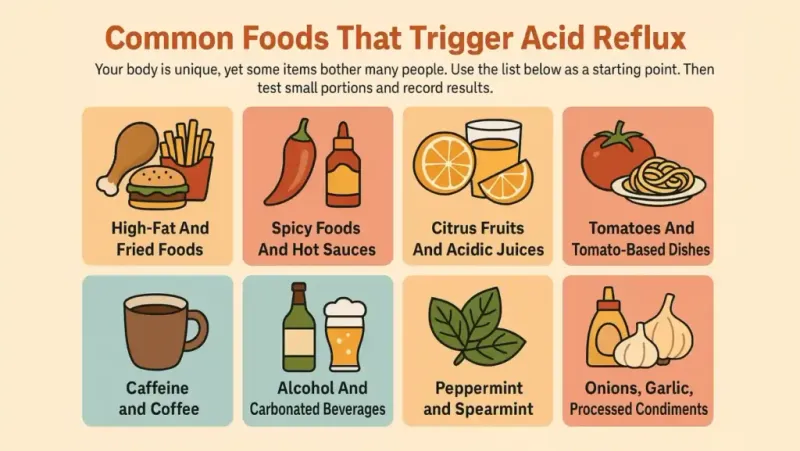
Large carb-centric dinners, especially with acidic sauces, can worsen reflux. Full stomach volume and quick digestion increase pressure on the lower esophageal sphincter. That backflow burns and disturbs sleep.
Eat earlier, reduce portion sizes, and add lean protein and vegetables. Skip late-night sweets and alcohol. Elevating the head of your bed can help while you adjust meals.
20. Sleep that improves when carbs are balanced
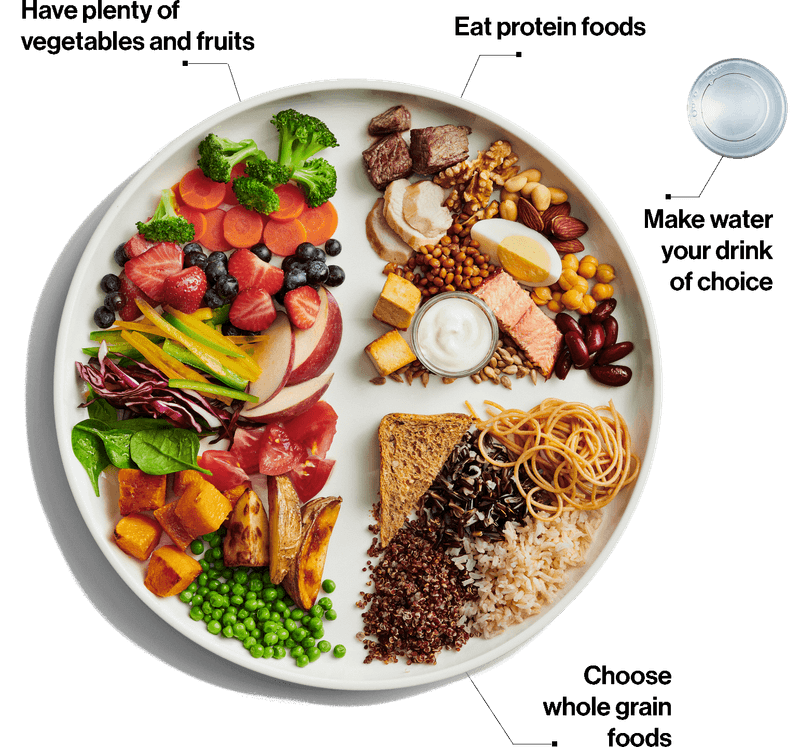
When you balance carbs with protein and fiber at dinner, sleep often deepens. Fewer overnight blood sugar dips mean fewer wake-ups and less restlessness. You wake clearer and more refreshed.
Try a plate like salmon, roasted vegetables, and a small sweet potato. Avoid heavy desserts and late snacking. Track your sleep for a week and notice the difference.
21. Exercise that feels harder than it should
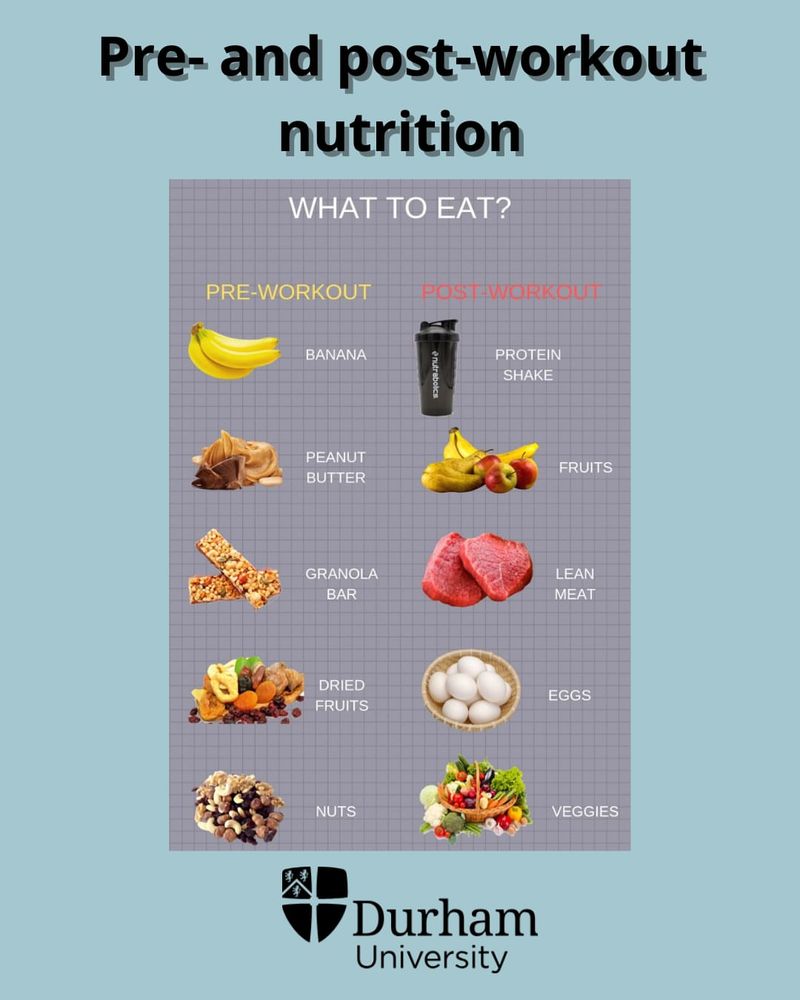
Flooding pre-workout with sugary carbs can backfire, spiking then crashing mid-session. You feel heavy, breathless, and oddly weak. Training quality suffers even though effort is high.
Choose a balanced pre-workout snack like yogurt with fruit or a banana with peanut butter. Hydrate and time carbs closer to activity if high intensity. Pay attention to steadier energy and better performance.
22. Gum sensitivity or frequent mouth sores
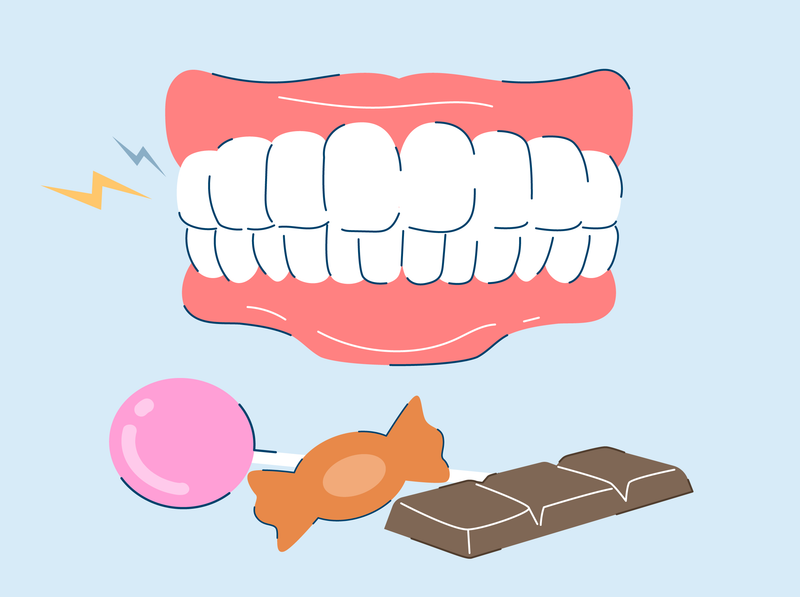
High-sugar patterns can shift oral bacteria, increasing inflammation and sores. Sticky sweets and constant sipping bathe teeth in sugar. Gums feel tender, and healing slows.
Cut back on sugary drinks and rinse with water after eating. Support with flossing, xylitol gum, and balanced meals. If symptoms persist, see your dentist and adjust your diet.
23. Elevated triglycerides on your lab work
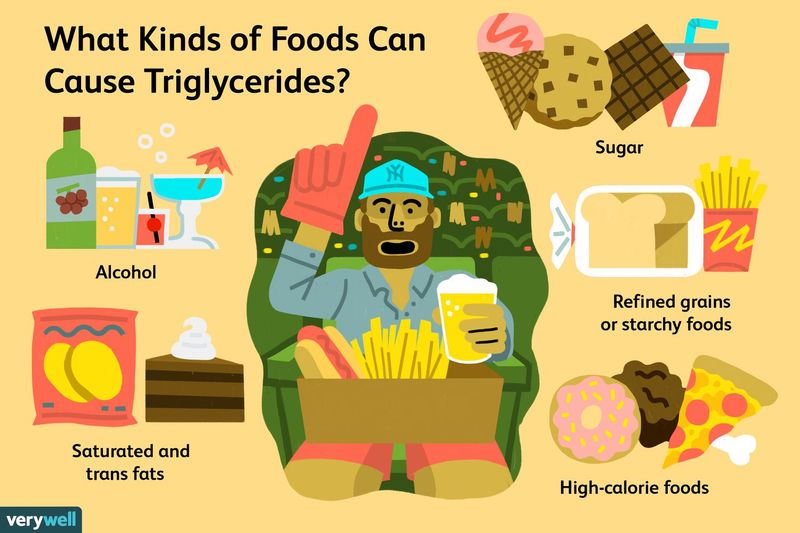
Consistently high refined carbs can raise triglycerides by driving liver fat production. You might not feel symptoms, but labs tell the story. Paired with low HDL, it flags metabolic strain.
Focus on fiber-rich carbs, omega-3s, and steady activity. Limit sugary beverages and desserts most days. Recheck labs after 8 to 12 weeks to confirm improvement.
24. Hiding snacks or feeling out of control

Feeling secretive about snacks or eating past fullness can signal a carb-driven reward loop. Quick sugars light up dopamine pathways, making restraint harder. Shame grows, which fuels more sneaking.
Bring structure and balance to meals, and remove moral labels from foods. Consider support from a dietitian or therapist. Gentle consistency beats restriction and rebounds.
25. Swollen hands or puffiness after high-carb days

Glycogen binds water, and high-carb days can increase water retention. Combine that with salty sauces and you may feel puffy or tight in rings. It usually eases within a day or two.
Hydrate, include potassium-rich produce, and balance carbs at your next meals. Gentle movement helps circulation. Track which foods trigger noticeable swelling for you.