Biscuits And Gravy: 21 Facts You Might Not Know About The Southern Classic
Craving comfort that feels like a warm hug on a chilly morning? Biscuits and gravy might look simple, but their story is rich with history, debate, and delicious surprises.
From wartime ingenuity to regional family secrets, there is so much more behind that creamy blanket of gravy. Get ready to discover fun facts that will make your next plate taste even better.
1. Frontier origins during lean times
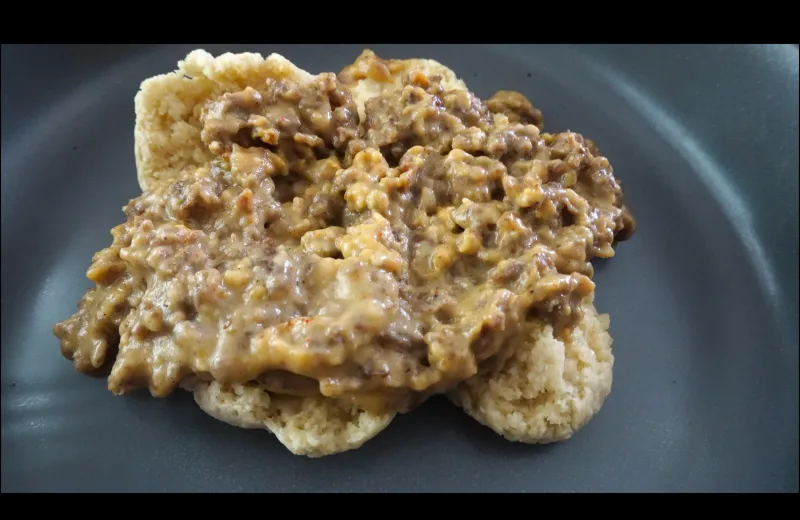
Biscuits and gravy grew out of necessity on the American frontier when ingredients were scarce and budgets tighter. Flour, lard, milk, and a bit of meat scrap created hearty fuel for long days.
The dish made simple pantry staples stretch further while keeping workers full.
Early cooks used cast iron, rendering fat to build a roux that transformed into rich gravy. Biscuits were quick to bake and forgiving, even in rough kitchens.
Together, they formed an affordable, reliable breakfast that survived hard times and kept communities going.
2. Not always sausage gravy
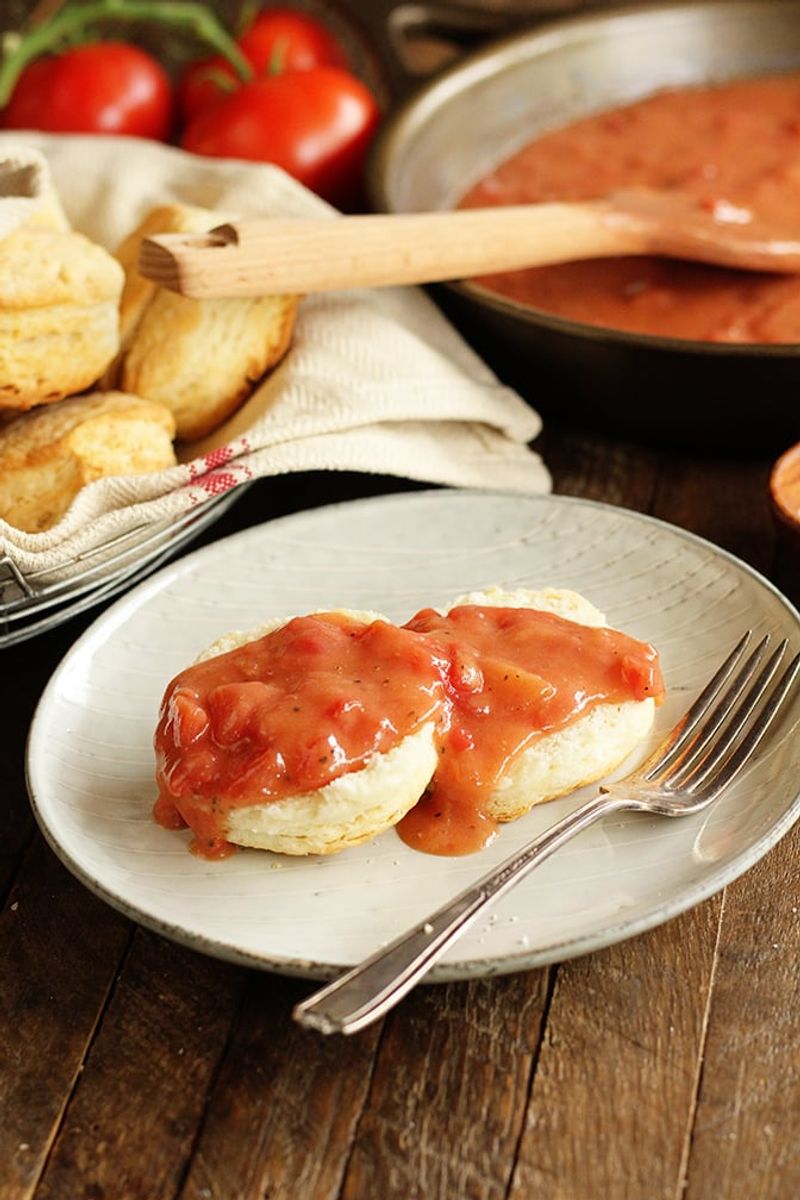
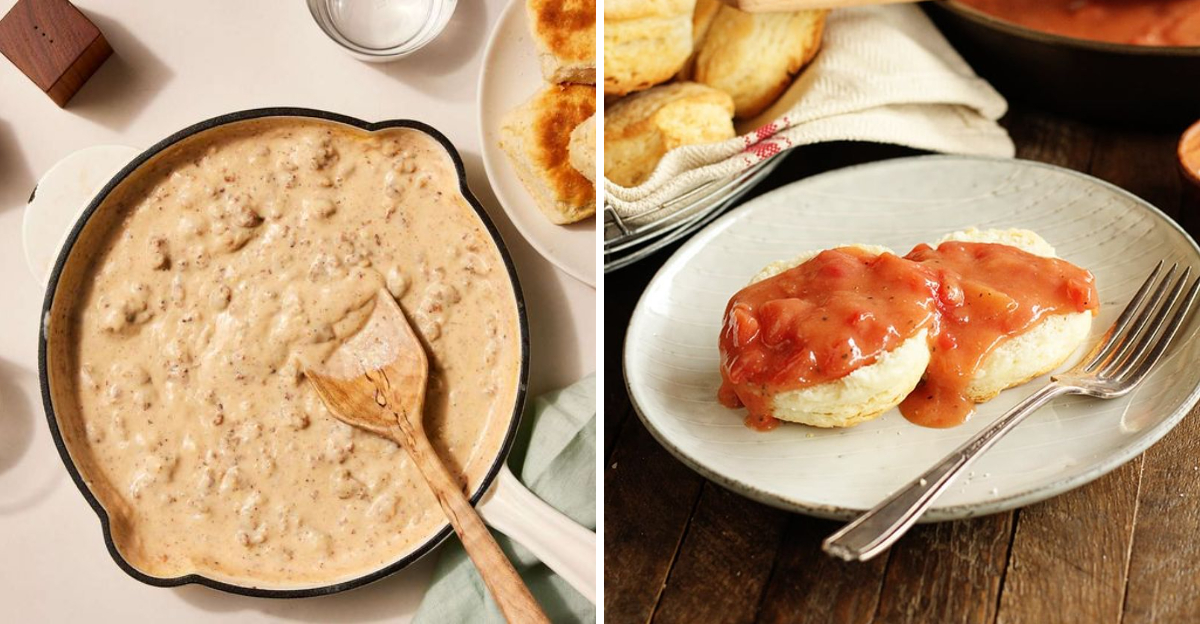
People often assume sausage gravy is the only option, but biscuits pair with several gravies. Sawmill gravy uses drippings and milk, sometimes with cornmeal for body.
Red-eye gravy is coffee and ham drippings, thin and punchy, perfect for salty bites.
There are pepper gravies, mushroom gravies, and even tomato-sausage gravies in some kitchens. The key is balancing fat, flour, and liquid for the texture you love.
Try tasting across styles to find your favorite, because variety keeps breakfast exciting and surprisingly versatile.
3. Civil War era resourcefulness
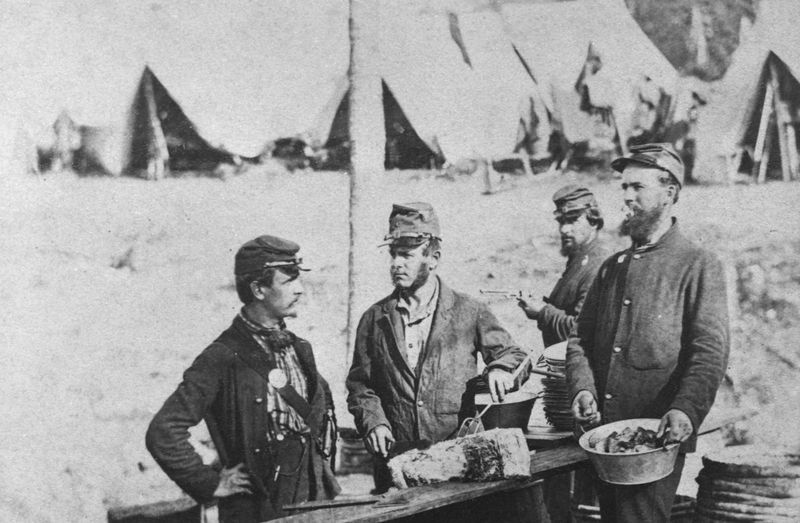
During the Civil War, resourcefulness shaped how people cooked, and biscuits with gravy fit that moment. Camp cooks relied on flour, fat, and preserved meats when supplies ran low.
Thick gravies made small amounts of meat feel abundant.
Soldiers and families learned to create comfort with minimal tools and rough heat sources. That make-do spirit carried into postwar kitchens, embedding the dish in Southern tradition.
When you taste it today, you are tasting a legacy of ingenuity born from hardship and care.
4. Why it is called sawmill gravy
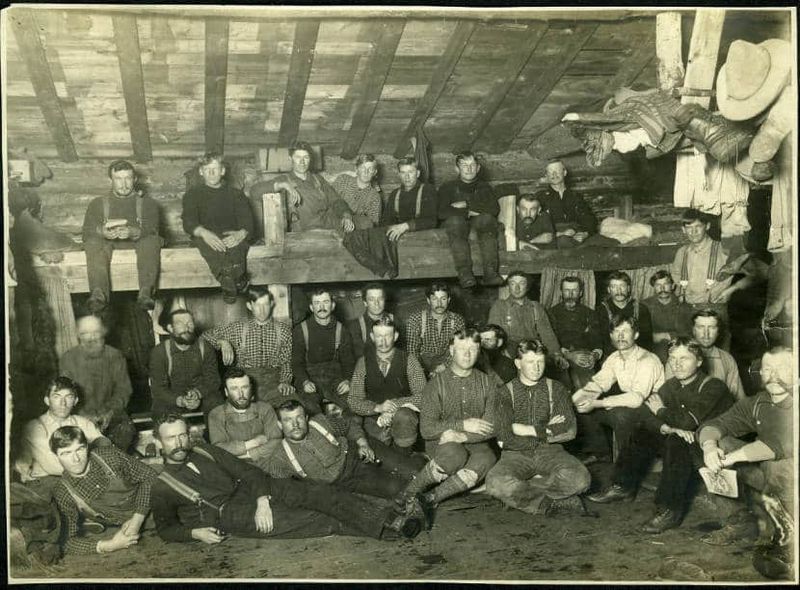
Sawmill gravy likely got its name from lumber camps where laborers needed filling meals. Some stories say the gravy was thick enough to hide sawdust, a cheeky nod to tough working conditions.
Others suggest mill cooks used cornmeal in the roux, creating a speckled look.
Either way, the dish fueled long days with simple, hearty calories. The lore reflects humor and grit, which suits a meal built on thrift.
Next time you spoon it over biscuits, imagine the echoing mills and the crews it kept going strong.
5. Buttermilk makes tender biscuits
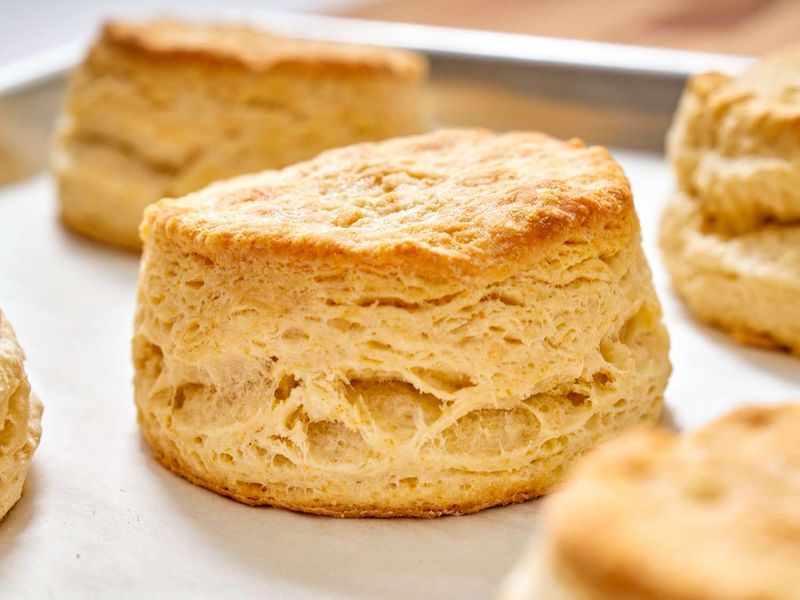
Buttermilk brings acidity that reacts with baking soda, creating lift and tenderness in biscuits. The tang also balances rich gravy, so each bite feels lively instead of heavy.
Cold fat and minimal handling are key to flaky layers.
Cut butter small, keep ingredients chilled, and press gently to maintain pockets of fat. A hot oven sets the layers fast for impressive rise.
If you love dramatic height and delicate crumb, buttermilk is the quiet hero that turns good biscuits into great ones.
6. Roux ratio matters
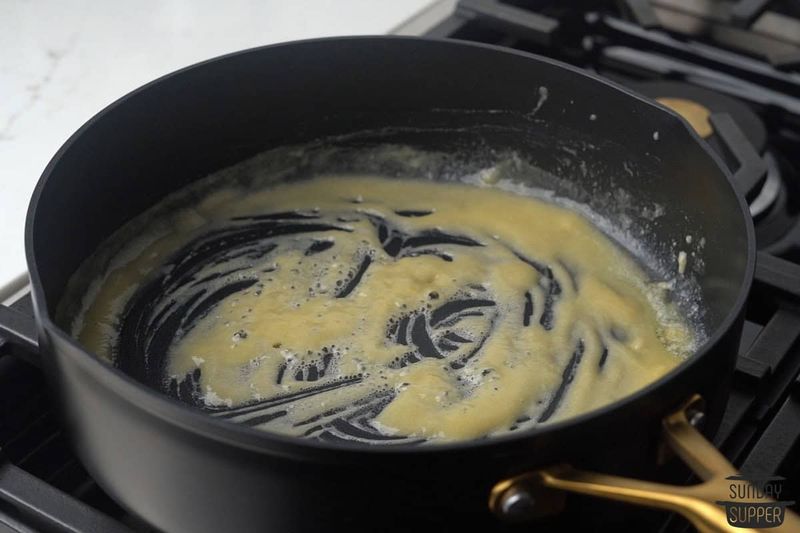
A good gravy depends on the roux, the cooked mix of fat and flour that thickens everything. A common ratio is equal parts fat and flour by weight, whisked until foamy and lightly golden.
Add milk slowly, stirring to avoid lumps.
If it is too thin, simmer longer. Too thick, whisk in more milk.
Adjust seasoning last to avoid dullness. You control texture with time and liquid, so watch the bubbles and trust your whisk for silky, spoon-coating gravy every time.
7. Black pepper is not optional
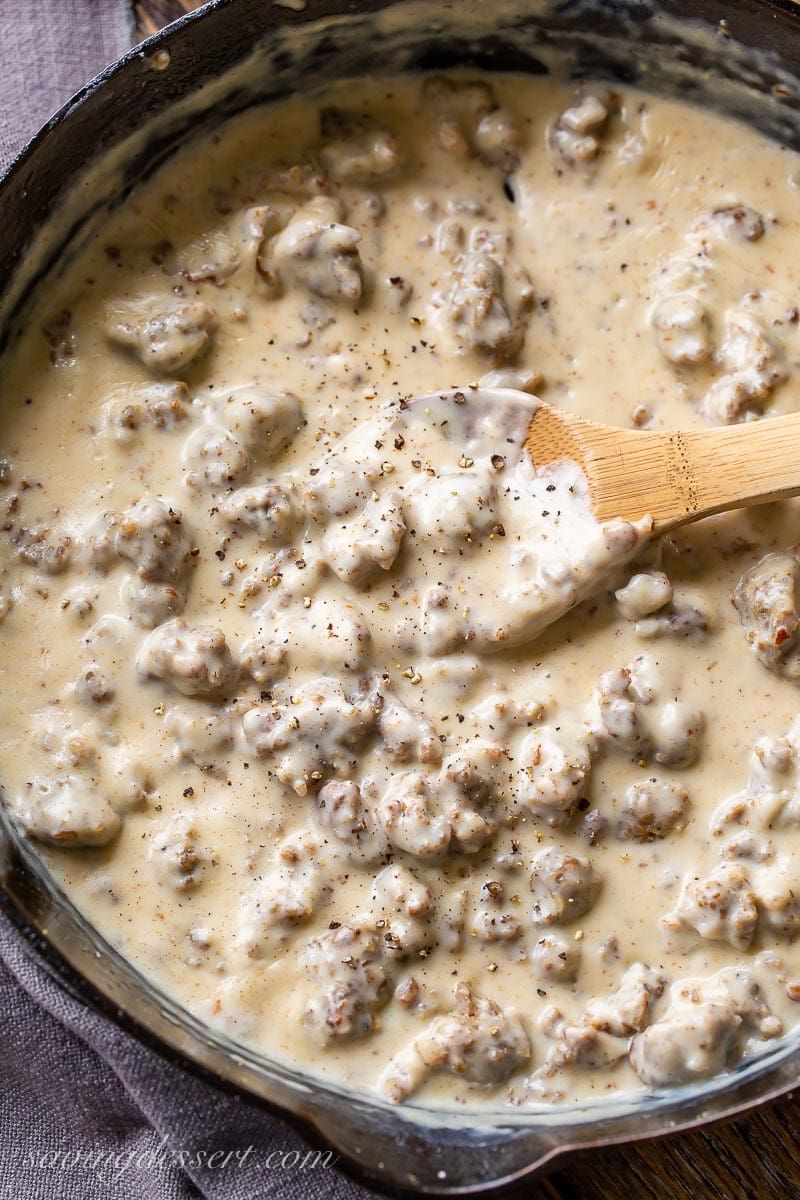
Classic sawmill or sausage gravy practically demands bold black pepper. Those speckles are more than looks, adding bite that cuts through dairy richness.
Freshly cracked pepper blooms in hot fat, releasing aroma and layered heat.
Use a coarser grind for hits of peppery pop, or finer for steady warmth. Season in stages: some in the roux, some after simmering, and a final sprinkle at the table.
You will taste a fuller, more confident gravy with character and lift.
8. Country sausage styles vary
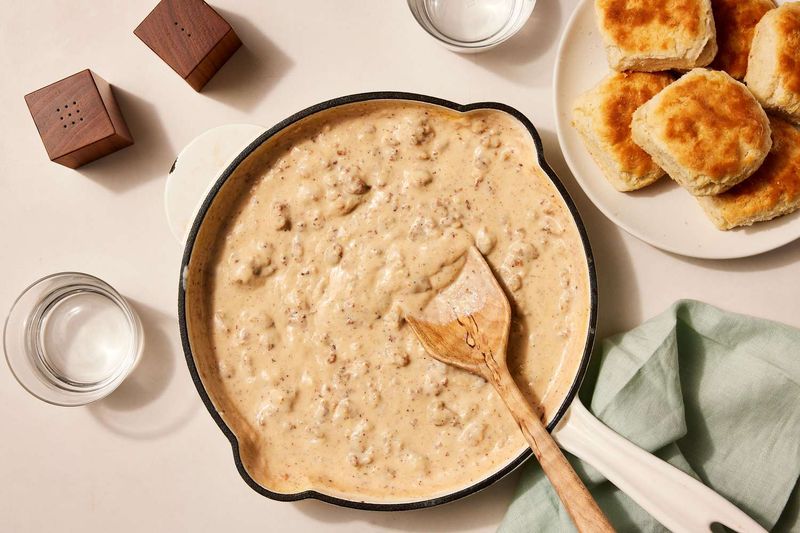
Not all breakfast sausage tastes the same, and that changes your gravy. Some blends emphasize sage and black pepper, while others lean maple-sweet or red pepper hot.
Fat content also shifts mouthfeel, from silky to robust.
Brown sausage thoroughly to develop fond before building the roux in its drippings. Taste the cooked meat first so you know how much salt to add later.
Exploring different sausage styles turns one recipe into many, each with a personality you can match to your morning mood.
9. The drop biscuit advantage
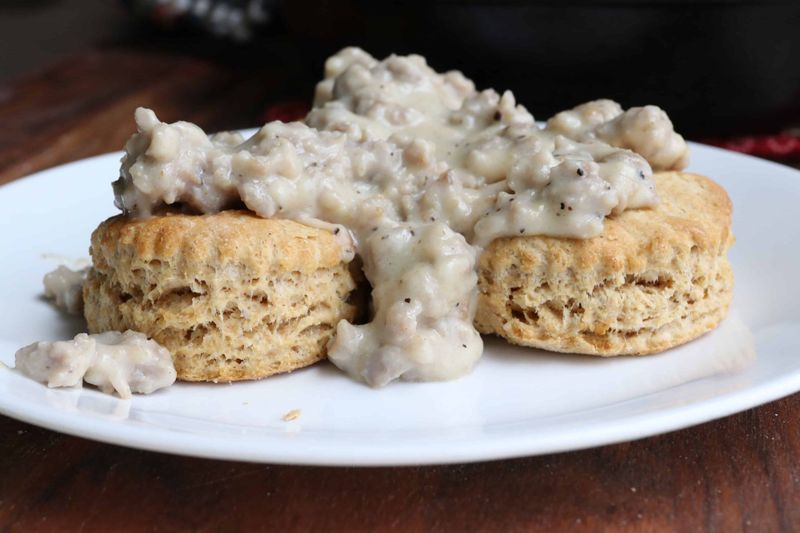
Drop biscuits skip rolling and cutting, which saves time and keeps the crumb tender. The rough, craggy tops hold gravy like little reservoirs, great for serious sopping.
They are perfect when you want breakfast fast without sacrificing texture.
Use a wet scoop or two spoons to portion dough, and keep it cold for better lift. A higher hydration dough creates steam that lightens the interior.
You get rustic charm, fewer dishes, and plenty of nooks for creamy goodness.
10. Cold fat equals flaky layers
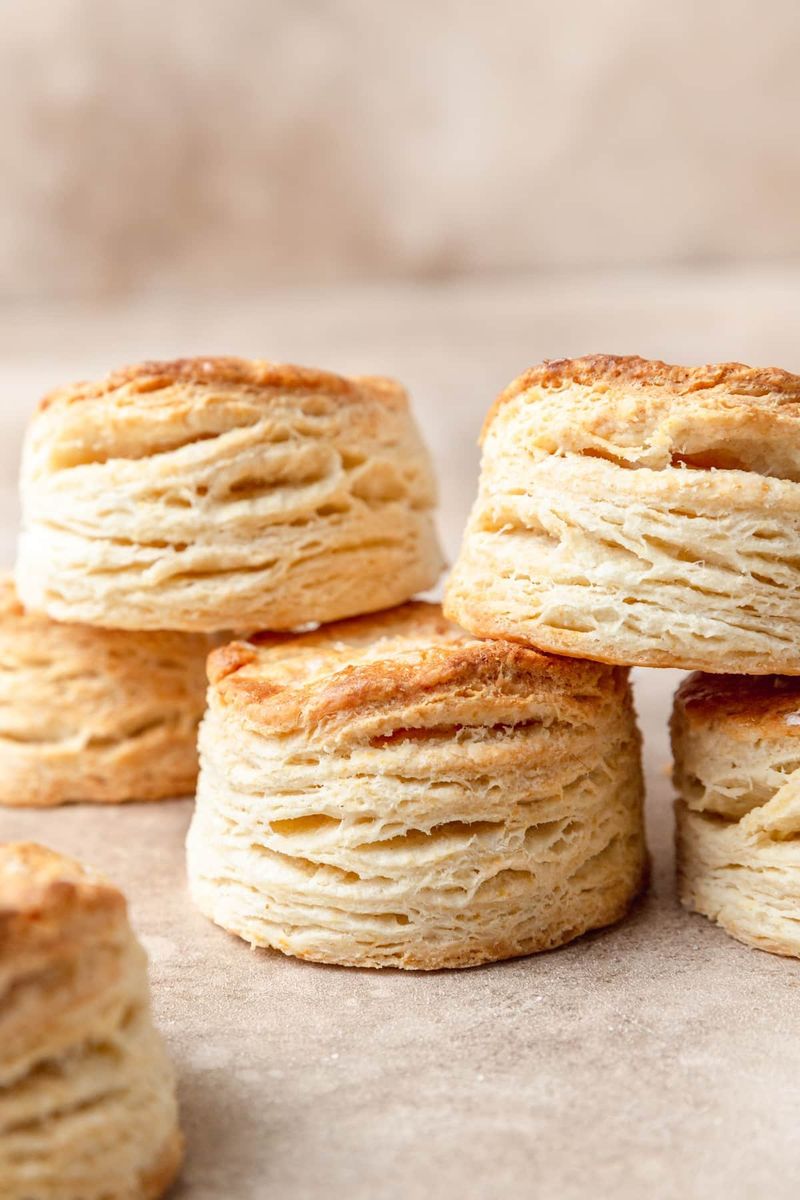
Flaky biscuits come from cold fat that stays distinct until it hits high heat. Those tiny butter pockets melt and steam, separating layers as the dough rises.
Warm fat blends too much, making biscuits dense and shy on lift.
Chill the butter, the bowl, even the flour if your kitchen runs hot. Work quickly, and avoid overmixing to preserve visible pieces.
Your reward is tall, layered biscuits that split cleanly and welcome a flood of silky gravy without turning gummy.
11. Why milk fat matters
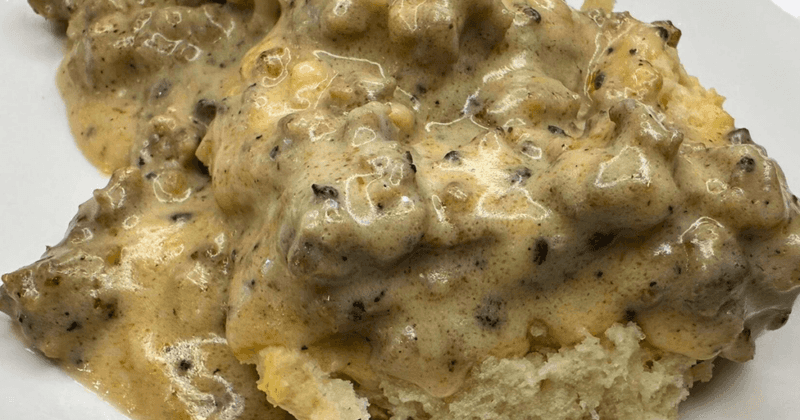
Milk fat changes the body and gloss of gravy. Whole milk gives classic richness without heaviness, while half-and-half makes a plush, dessert-like texture.
Heavy cream can turn things too thick and dulled if overused.
If you want a lighter sip, try 2 percent and reduce slightly longer. The trick is matching dairy to your sausage fat and roux level.
Taste for balance, aiming for a pourable gravy that still clings to biscuit edges and saturates the crumb beautifully.
12. Flour choices beyond all-purpose
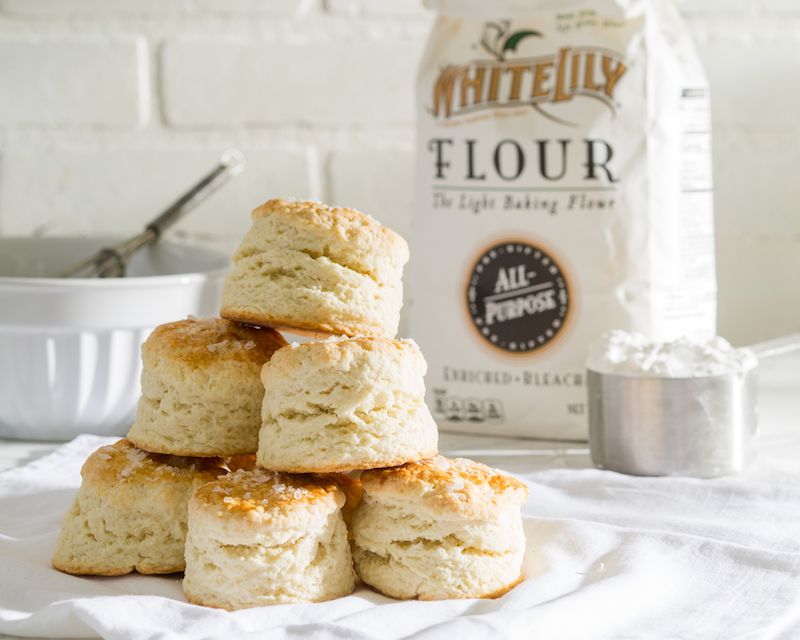
All-purpose flour works well, but Southern soft wheat flours like White Lily produce especially tender biscuits. Lower protein means less gluten, yielding delicate crumbs.
Self-rising flour shortens the ingredient list and delivers reliable lift.
Whole wheat brings nutty flavor but needs more liquid and a light hand to avoid heaviness. Blend a little whole wheat with soft wheat to add character without losing fluff.
Choose flour to match your texture goals and you will notice a big difference in every batch.
13. Red-eye gravy pairing tips
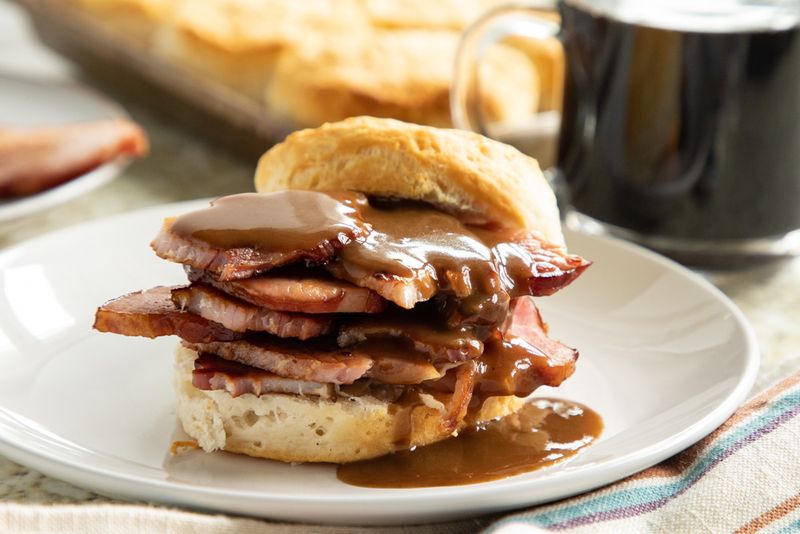
Red-eye gravy is thin and punchy, made from country ham drippings and coffee. It is not creamy, so think of it as a savory glaze.
The salty, smoky ham flavor sings when spooned lightly over biscuits, sometimes with a pat of butter underneath.
Because it is sharp, pair it with a softer egg or a sweet jam on the side. The contrast makes each bite lively.
Try it when you want something bold and a little bracing with your morning coffee.
14. Gravy without meat drippings
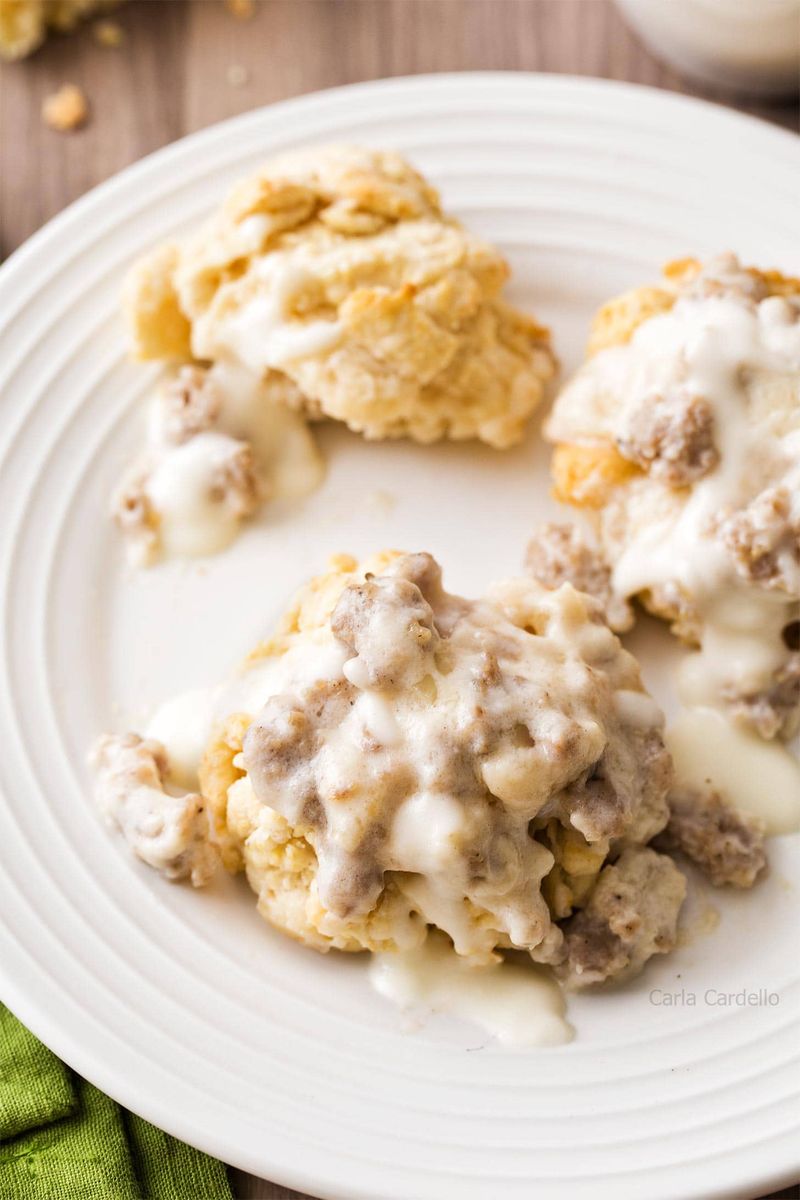
You can make great gravy without meat drippings using butter and flavorful add-ins. Toast the flour well for nuttiness, then build depth with mushroom browning or a splash of soy sauce.
Vegetable stock plus milk gives body without heaviness.
Season generously with black pepper, thyme, and a pinch of onion or garlic powder. The result is comforting and familiar while staying vegetarian.
Serve over biscuits and you might not miss the sausage at all, especially with roasted mushrooms for bite.
15. Regional spins across the South
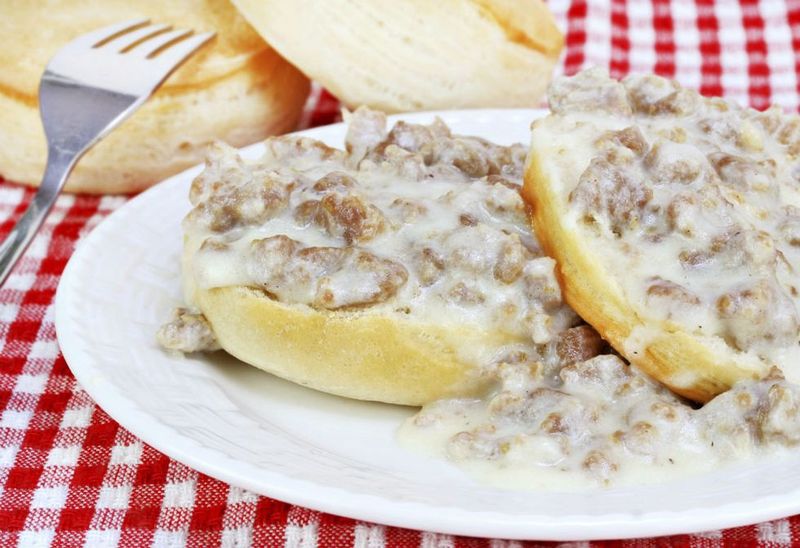
Across the South, biscuits and gravy wear different accents. Appalachian versions may be black-pepper bold and sawmill thick.
Lowcountry kitchens often aim for silky textures and balanced seasoning, sometimes with seafood breakfasts nearby.
In Louisiana, you might find heat leaning on cayenne or andouille. Texas plates can go heartier, with big biscuits and sausage-heavy ladles.
Exploring regions is like tasting dialects of the same comforting language, each bite telling a local story rooted in tradition and family tables.
16. Diner culture made it famous
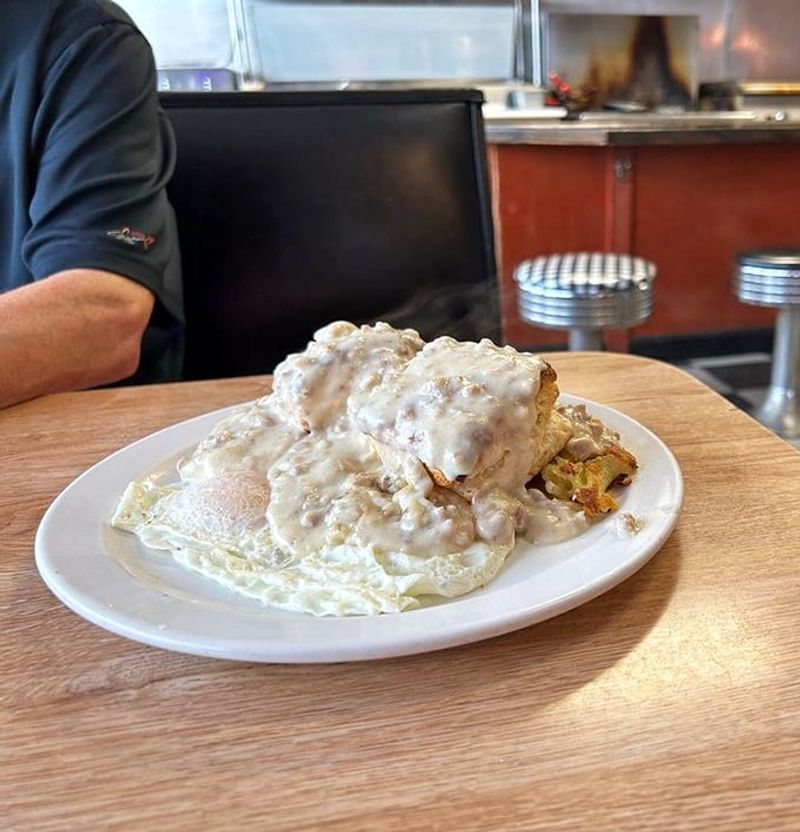
Roadside diners and small town cafes helped cement biscuits and gravy as a go-to breakfast. Short-order cooks perfected quick roux methods and consistent seasoning.
Regulars came for the familiar plate that never disappointed.
The dish fits diner culture perfectly: affordable, filling, and customizable. Add eggs, hot sauce, or a side of crispy hash browns and you are set.
That dependable comfort built generations of loyalty, making the meal feel like a ritual as much as a recipe.
17. Freezing and reheating tips
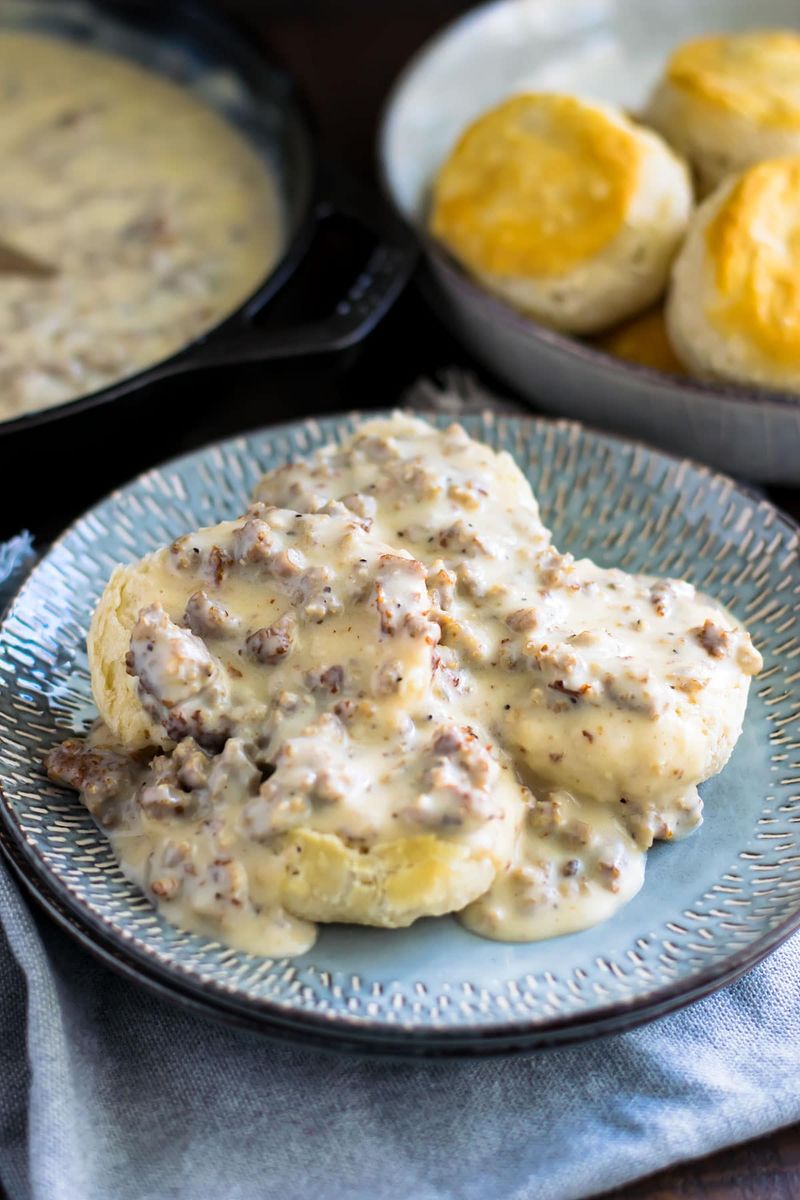
Gravy freezes well if you cool it fast and store in airtight containers. Reheat slowly on the stove with a splash of milk to loosen texture.
Whisk as it warms so it returns to silky rather than clumpy.
Par-bake biscuits, then freeze and finish baking from frozen for fresh tops. Keep portions small so weekday breakfasts are easy.
With smart prep, you can enjoy a five minute morning plate that tastes weekend-level satisfying.
18. Gluten-free paths to comfort
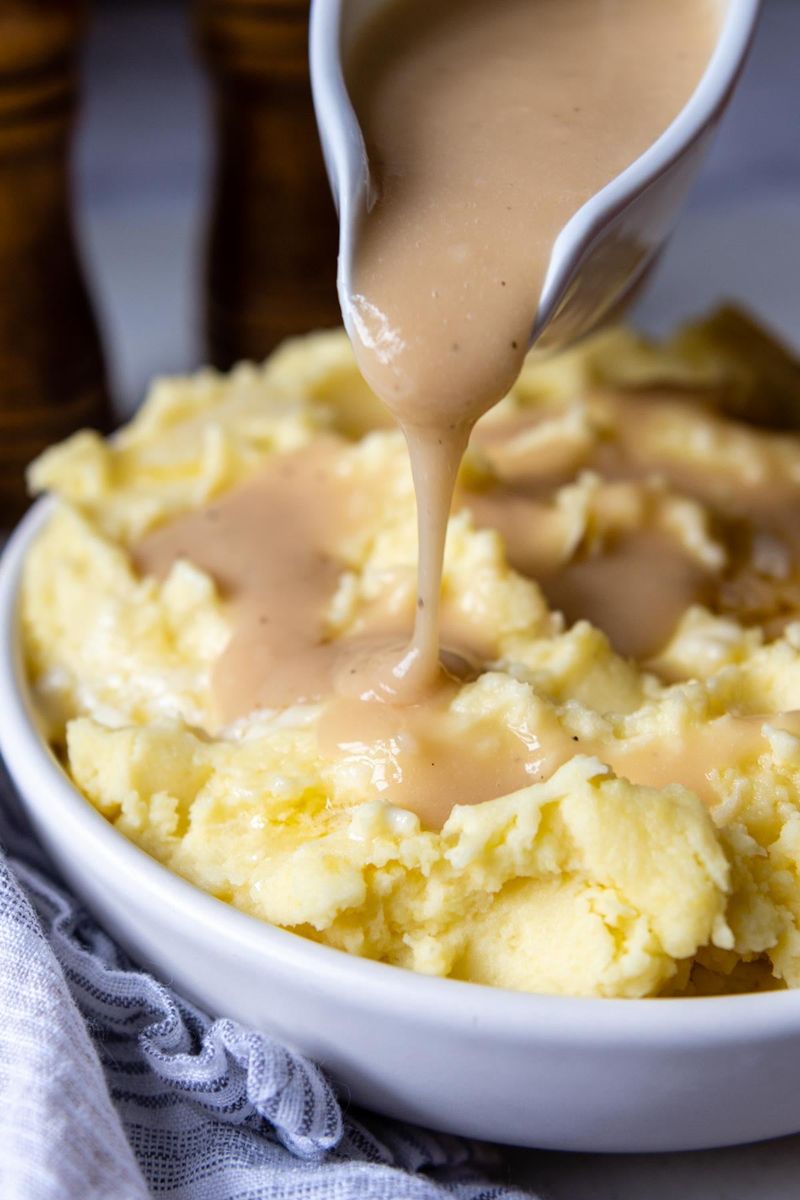
Gluten-free biscuits can still be tender with a smart flour blend and plenty of cold fat. Use xanthan gum for structure and avoid overworking the dough.
Drop biscuits shine here because the texture favors moisture and lift.
For gravy, make a roux with sweet rice flour or cornstarch slurry instead of wheat flour. Season boldly to keep flavor front and center.
The result delivers classic comfort without compromise, perfect for sharing the table with gluten-free friends and family.
19. Hot sauce and toppings
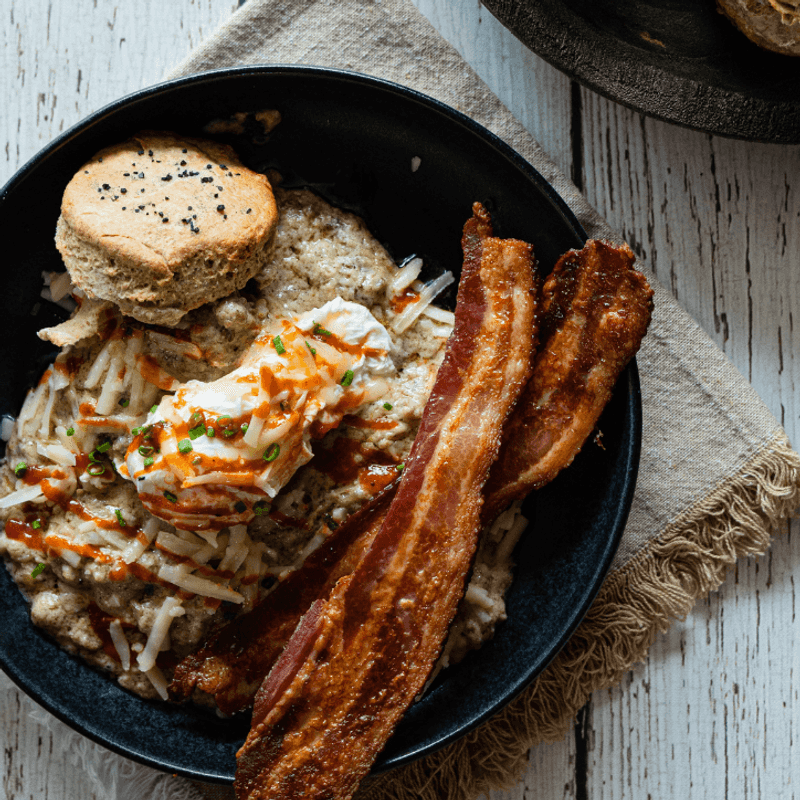
Toppings turn a familiar plate into something personal. A dash of hot sauce brightens creamy gravy, while chives add fresh lift.
Crumbled bacon or cheddar brings crunch and depth, and pickled jalapenos cut through richness with tangy heat.
Start simple and add one or two accents so flavors stay balanced. Treat toppings like accessories that compliment, not overwhelm.
Your perfect bite might just be a splash of vinegar and a scatter of herbs away.
20. Crispy bottom biscuit trick
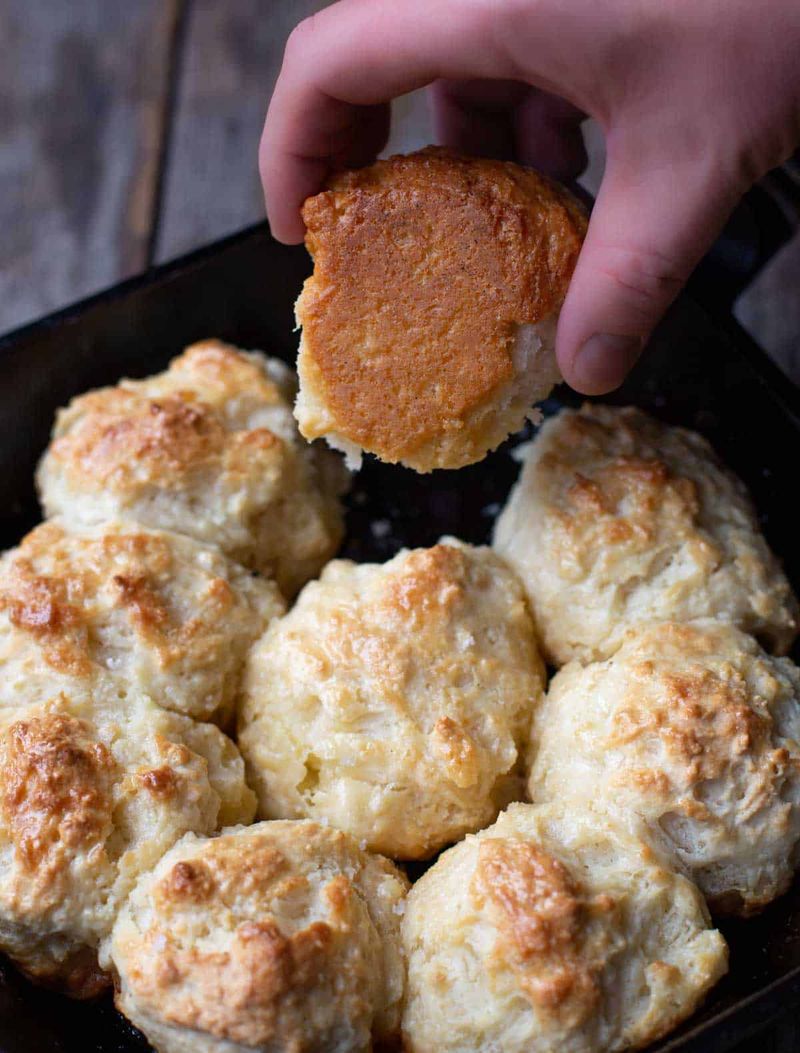
For a delightful contrast, bake biscuits in a preheated, lightly buttered cast iron skillet. The hot fat crisps the bottoms while the tops rise tall and tender.
That texture difference turns every bite into crunch meeting cloud.
Do not overdo the butter or they will fry instead of bake. Just a thin film is enough.
Slide them out while still hot and serve immediately with gravy to keep edges crisp and centers fluffy.
21. Coffee on the side matters
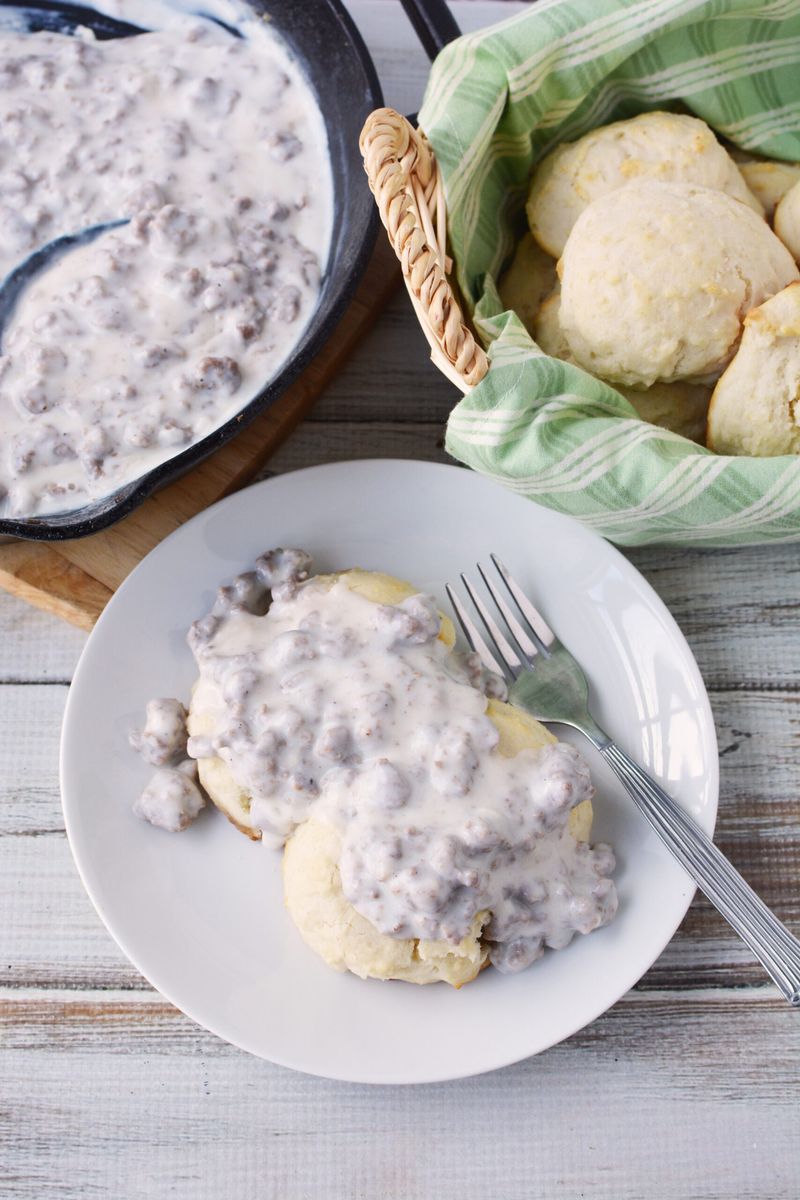
Coffee is not just a beverage here, it is a counterpoint. The bitterness refreshes your palate between creamy, salty bites.
Even a lighter roast stands up, but a medium-dark cup adds chocolatey depth that complements peppery gravy.
If coffee is not your thing, unsweet iced tea offers similar cleansing contrast. Either way, a sip resets the senses, making the next forkful feel new again.
Breakfast harmony is real, and your mug is part of the chorus.