Common Kitchen Slip-Ups That Happen More Often Than Expected
Even confident home cooks have tiny habits that trip them up when dinner is racing the clock. The good news is that most kitchen problems are preventable with a few small tweaks.
Think of these as friendly reminders that save your meal, your time, and your sanity. If you have ever wondered why something turned soggy, tough, or bland, the fix is probably here.
1. Not reading the whole recipe first
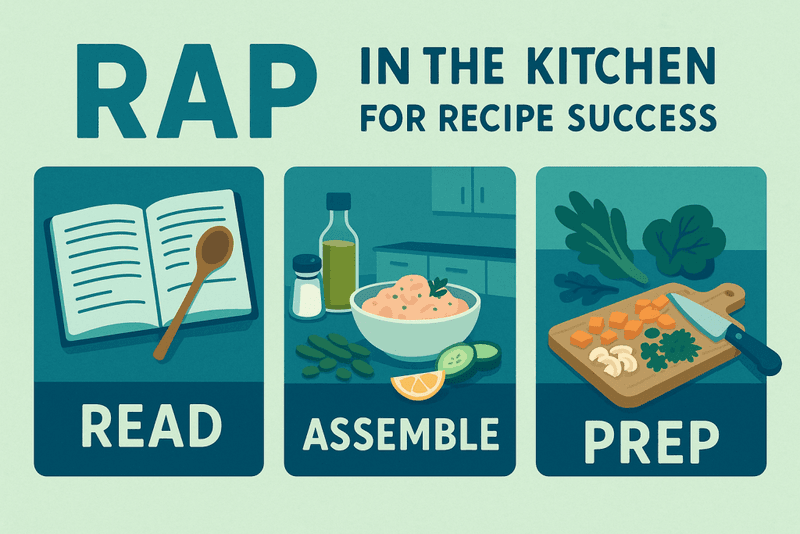
Recipes hide important cues like resting, chilling, or marinating, and skipping those can derail timing fast. Read top to bottom before you heat a pan, then gather tools, measure ingredients, and note any make-ahead steps.
You will catch surprise wait times and awkward steps early, so dinner hits the table when expected. Planning three minutes up front saves thirty later.
Flag unfamiliar techniques and look up quick videos if needed. Put sticky notes on timing traps, like reserve a cup of pasta water.
When you start cooking, you will feel calmer and less rushed, which helps everything taste better. Think of it as your pregame huddle, where small decisions prevent big headaches and keep flavor on track.
2. Guessing the heat level
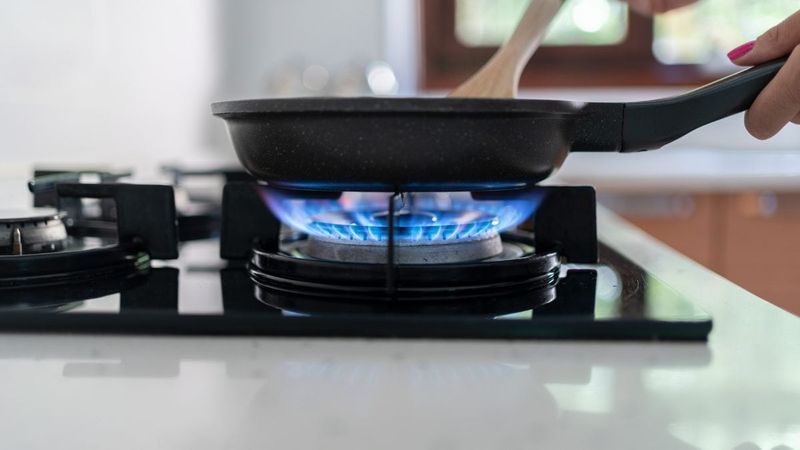
Heat is an ingredient, and guessing usually ends with scorched bits or pale, soggy food. When unsure, start at medium and watch the clues: oil should shimmer, butter should foam then settle, and garlic should whisper, not scream.
Adjust in small nudges. You can always go hotter once food is moving and moisture releases.
Use a thermometer for oil if frying, and learn how your own stove behaves. Electric and induction hold heat differently, so patience pays.
If something threatens to burn, pull the pan off heat for a few seconds. This simple rhythm keeps flavors sweet, textures crisp, and dinners recoverable.
Aim for control, not bravado, and your food will thank you.
3. Overcrowding the pan
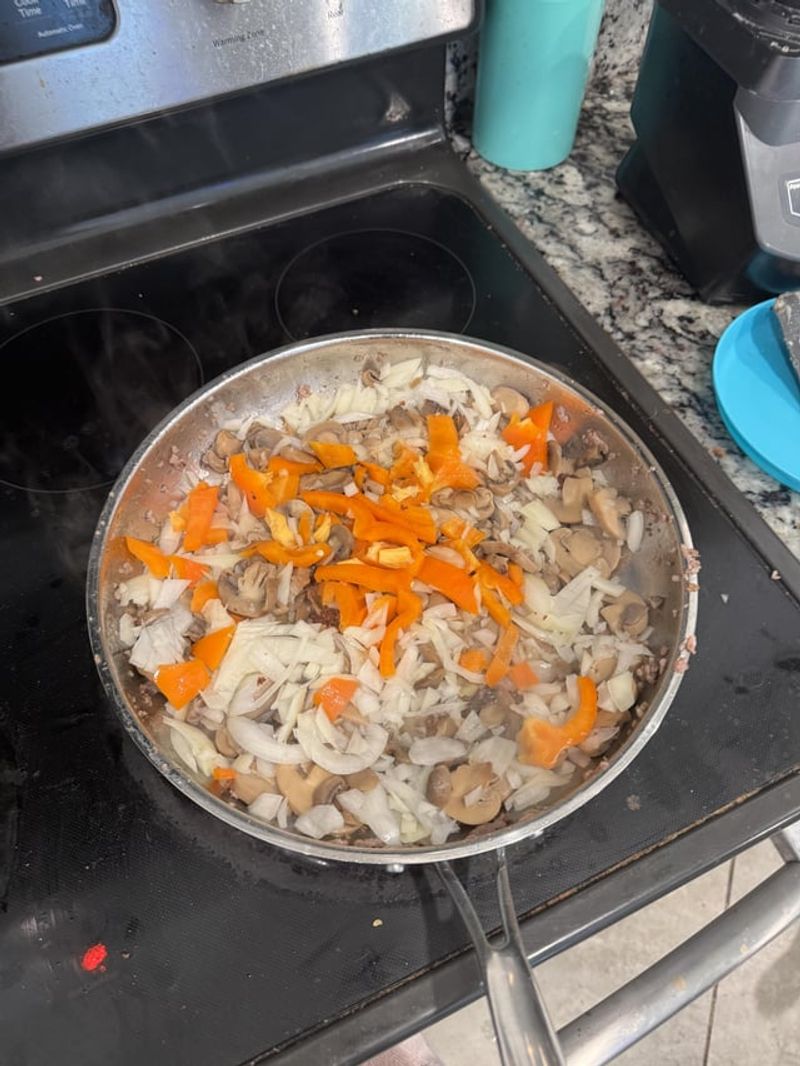
Dumping everything into one pan sounds efficient, but it floods the surface with moisture and drops heat. Instead of a sear, you get gray steam and lost flavor.
Give each piece space to make contact with the hot metal, and cook in batches when needed. You will earn deep browning that tastes like magic.
Keep finished pieces on a warm plate or low oven while the rest cooks. Deglaze between batches if the fond threatens to burn.
That caramelized layer is flavor gold, so do not rush it. A bigger pan or a second skillet is often faster overall.
Your patience turns everyday proteins and vegetables into restaurant-level bites with crisp edges and tender centers.
4. Skipping the preheat
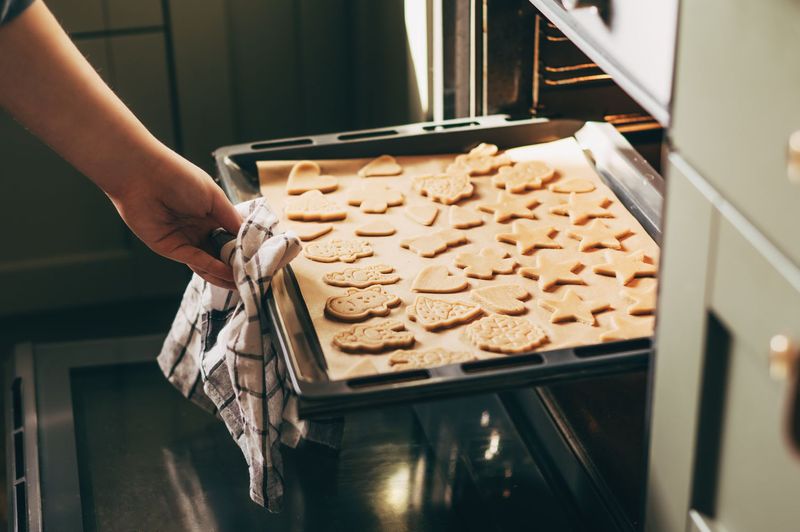
Cold pans sabotage crisping and browning, and cold ovens turn roasting into slow drying. Preheating feels like waiting, but it actually saves time by cooking efficiently from the start.
Let ovens reach temp, give sheet pans a head start, and warm skillets until oil shimmers. Those few minutes prevent soggy fries, pale chicken, and flat pancakes.
Use an oven thermometer, since many ovens lie by 25 degrees. For stovetops, flick a drop of water and watch for the dancing bead.
Preheat cast iron longer due to its mass. When your heat source is truly ready, food releases easier, caramelizes faster, and stays juicy.
The difference between blah and wow is often five quiet minutes.
5. Cutting meat right after cooking
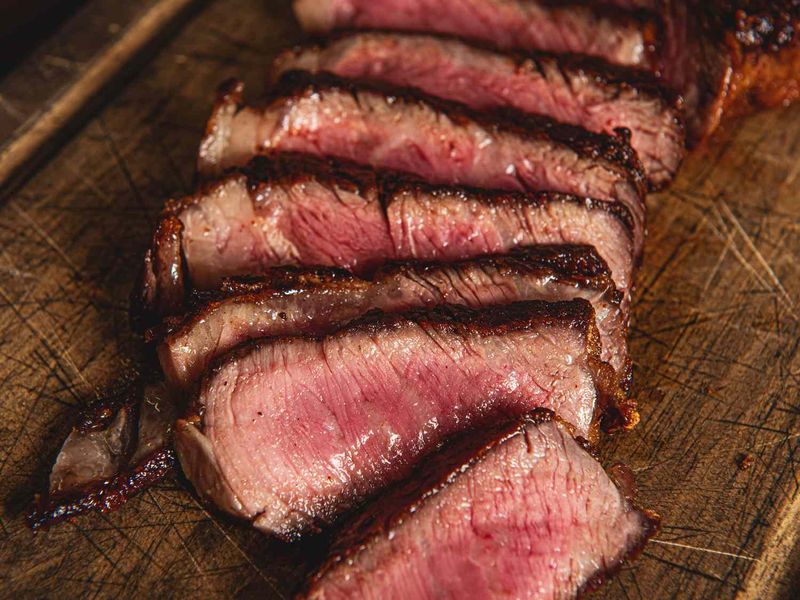
Cutting too soon sends precious juices onto the board instead of into your bite. Resting lets fibers relax and redistribute moisture so every slice stays succulent.
For steaks and chops, five to ten minutes does wonders. Big roasts need longer, ideally on a rack with a loose foil tent to keep heat steady without trapping steam.
Use the time to finish sides, make a pan sauce, or set the table. Expect carryover cooking, so pull meat a few degrees early.
Slice against the grain when you finally cut. You waited on purpose, and your reward is tenderness from edge to edge.
It is the easiest upgrade you will taste immediately with zero extra cost.
6. Under-seasoning in layers
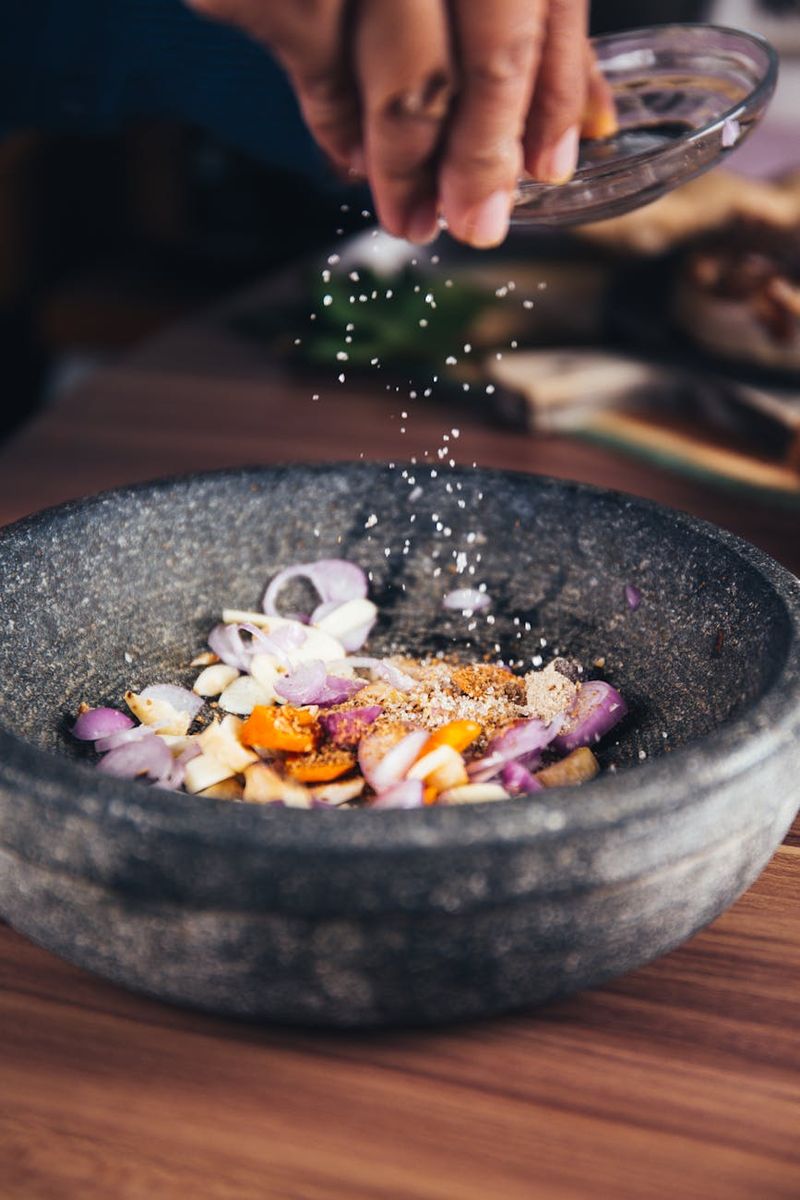
Dumping a big pinch at the end rarely wakes up dull food. Salting in small, thoughtful layers encourages moisture release, sweeter browning, and balanced flavor.
Hit onions with a pinch, season simmering liquids, then adjust before serving. When you build gradually, you can actually taste each ingredient instead of burying it.
Use your fingers, not a shaker, for control. Different salts vary in salinity, so get familiar with yours.
Taste often, especially after reductions, because flavors intensify. Remember acids and fats balance salt, so finish with lemon, vinegar, or butter when needed.
Layering is not about making food salty. It is about tuning flavor like a dimmer switch until everything shines.
7. Overmixing batters and doughs
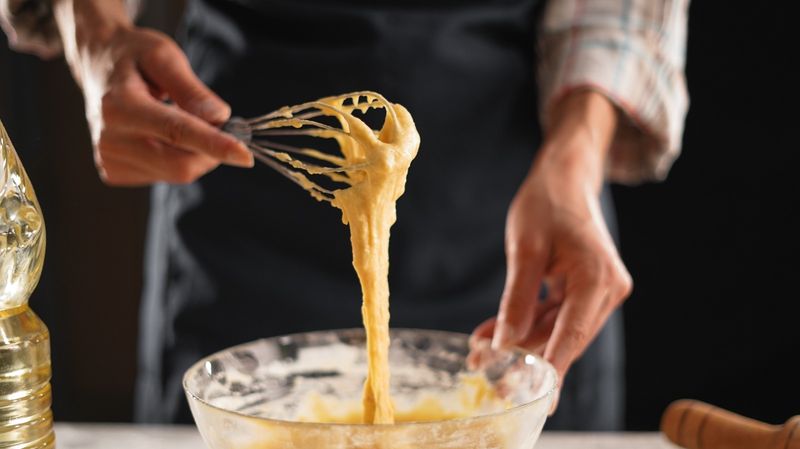
Stirring feels productive, but overmixing develops gluten and knocks out air, turning cakes dense and pancakes tough. Mix just until the dry disappears and a few small lumps remain.
For doughs, stop when it comes together and let time or rest do the work. Gentle handling preserves tenderness and rise.
Use a spatula to fold rather than beat, and weigh flour to avoid dry, stiff batter. Add liquids in stages so you do not chase clumps later.
If you accidentally overwork it, give the batter a short rest to relax gluten. The goal is tender, not perfect-looking.
Ugly batter can bake beautifully when you keep your hands calm.
8. Using dull knives
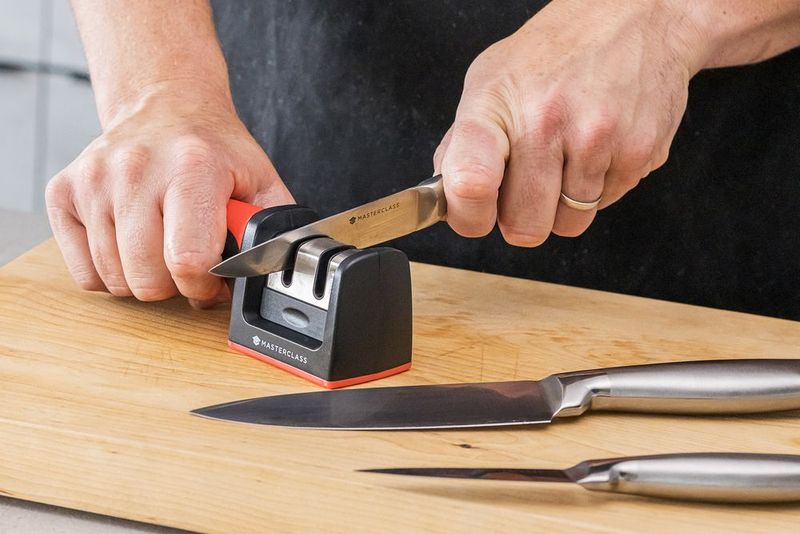
Dull knives make you press harder, which skids blades and risks fingers. A sharp edge bites cleanly, giving control and neat cuts that cook evenly.
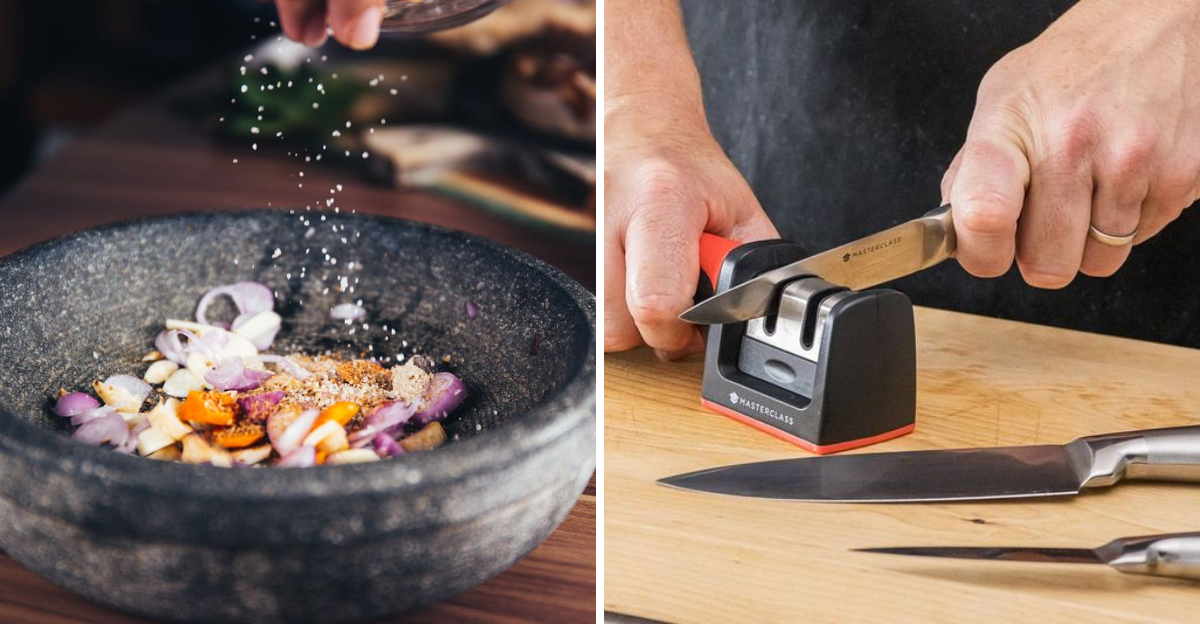
Hone regularly to realign the edge, and sharpen when honing no longer helps. If a tomato skin fights back, your knife is overdue.
Stash a simple pull-through sharpener or learn to use a whetstone. Keep boards stable with a damp towel, and mind your knuckles.
Sharp tools are safer tools because they follow your intent, not momentum. Once you experience that effortless slice, prep gets faster and more enjoyable.
You will cut straighter, waste less, and feel like a pro without changing a single recipe.
9. Not tasting until it is done

Waiting to taste at the end is like proofreading after printing. Flavors evolve as moisture evaporates, so small adjustments early steer the dish toward balance.
Grab a tasting spoon and check salt, acid, sweetness, and heat at natural pauses. Correct halfway and the finish line gets easy.
Remember that reductions intensify salt, so be conservative early. A splash of vinegar or squeeze of lemon near the end can make everything pop.
If bitterness creeps in, a pinch of sugar or extra fat may smooth it. Tasting is not cheating.
It is coaching your food in real time so the final bite hits exactly right.
10. Boiling instead of simmering
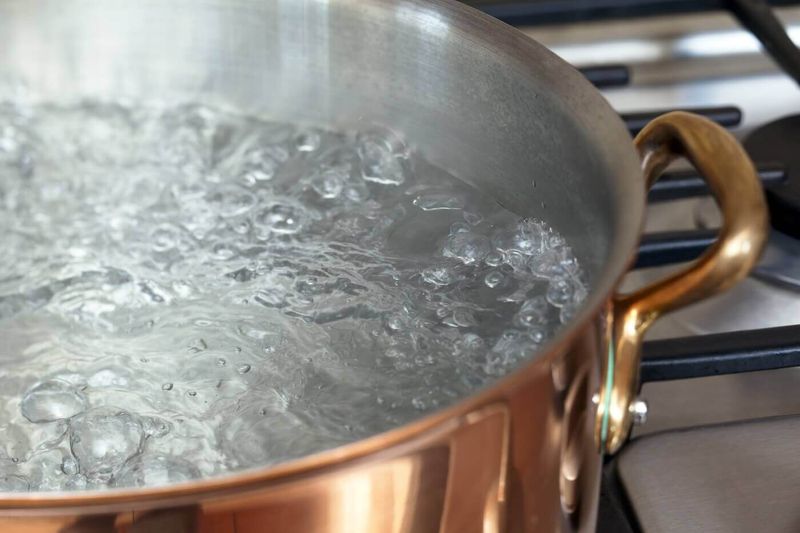
Vigorous boiling batters delicate proteins and breaks sauces, while a gentle simmer coaxes tenderness and clarity. Aim for steady, lazy bubbles that quietly move the surface.
Soups, sauces, and braises reward patience with silkier textures and deeper flavor. Lid cracked, heat low to medium-low, and let time do the heavy lifting.
Skim foam for clean taste, and stir occasionally to prevent sticking. If bubbles rage, pull the pot off heat for a minute.
Collagen melts at lower temps, turning tough cuts luscious without shredding them apart. Your noodles, beans, and broths will thank you.
The difference between harsh and harmonious often lives a few degrees below a boil.
11. Adding all the liquid at once to sauces
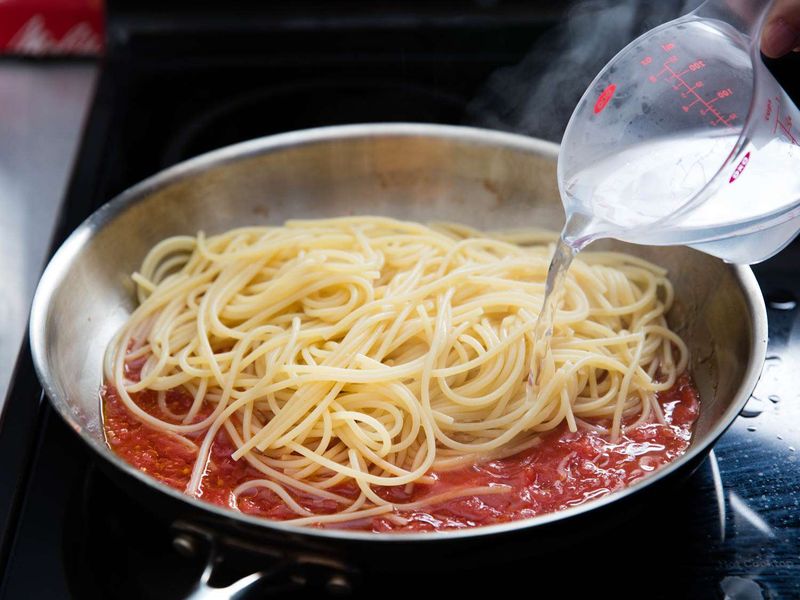
Dumping liquid all at once shocks starches and fats, creating lumps or thin, broken sauces. Add in stages and whisk, letting each addition fully incorporate before the next.
With pasta, splash in reserved starchy water gradually to adjust body and cling. You will get that glossy, restaurant-style coat instead of soupy puddles.
Control heat so the sauce simmers gently, not scorches. Taste after each addition to keep salt and acidity balanced.
If butter is involved, mount off heat for silkiness. Patience here is tiny but powerful.
A measured pour and steady whisk turn pantry staples into something polished enough to lick from the spoon.
12. Not drying ingredients before cooking
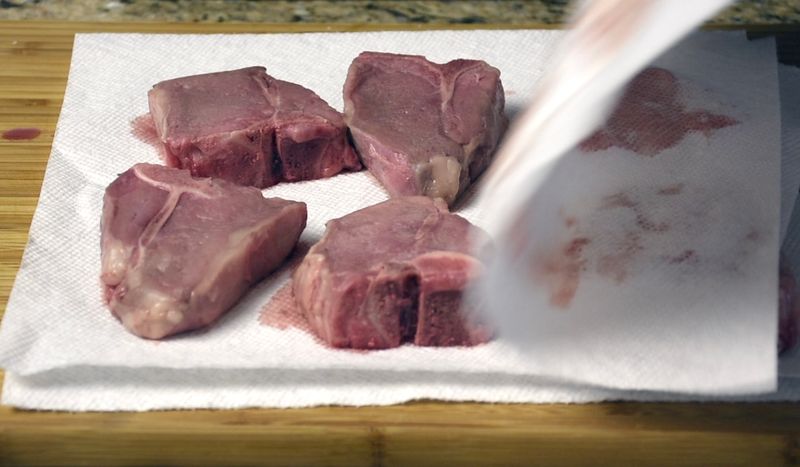
Surface moisture is the enemy of browning. Wet meat or mushrooms steam before they sear, leaving pale, rubbery results.
Pat dry with paper towels, salt lightly, and give air exposure on a rack if you can. When food hits a truly hot pan dry, the Maillard party begins immediately and flavor multiplies.
Do not rinse mushrooms, and if you must, dry thoroughly. For tofu, press to remove excess water.
Even vegetables benefit from a quick towel-off after washing. It is a tiny step with huge payoff: crisp edges, concentrated aroma, and better sauce adhesion.
Dry first, then season and cook. Your skillet will sound different, and your dinner will taste different too.
13. Using the wrong pan size
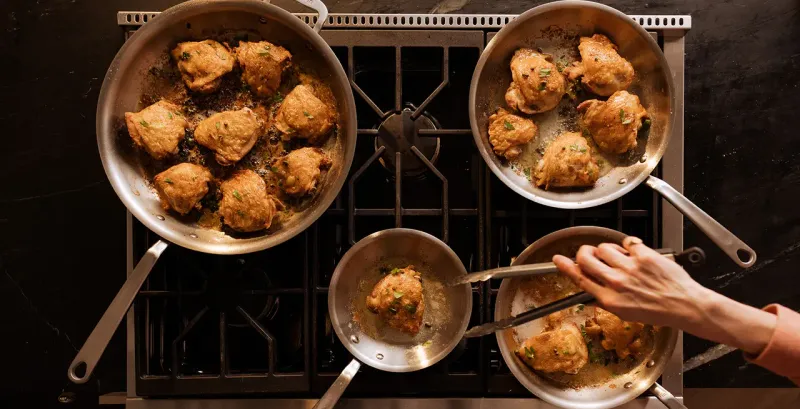
Pan size dictates evaporation, contact, and heat control. A too-small pan crowds and steams, while an oversize pan scorches thin sauces.
Pick a big skillet for browning and a smaller, taller-sided pan for reducing liquids. Matching the vessel to the job gives you predictable texture and timing.
Consider material too. Stainless and cast iron excel at searing, while nonstick suits delicate eggs and fish.
If in doubt, cook in batches or split tasks between pans. Your food should drive the choice, not what is clean.
Right-size gear makes recipes behave, turning chaos into consistency and saving you from mystery cook times.
14. Not watching garlic closely
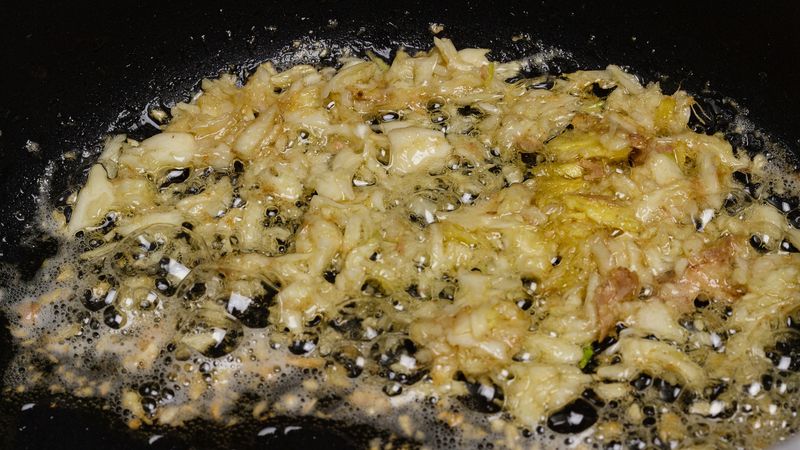
Garlic sprints from fragrant to bitter in under a minute. Add it after onions soften or lower the heat so it can infuse without burning.
Look for pale gold and pull the pan if color deepens too fast. Burnt garlic will tank a dish, so treat it like the finicky star it is.
Slice for gentler flavor, mince for punch, and smash cloves for subtle perfume. Bloom in oil briefly, then add liquids to slow cooking.
If things go south, toss the garlic and start over. It is cheaper than salvaging bitterness.
A little attention keeps flavors sweet, nutty, and balanced instead of sharp and acrid.
15. Forgetting to scrape the good bits
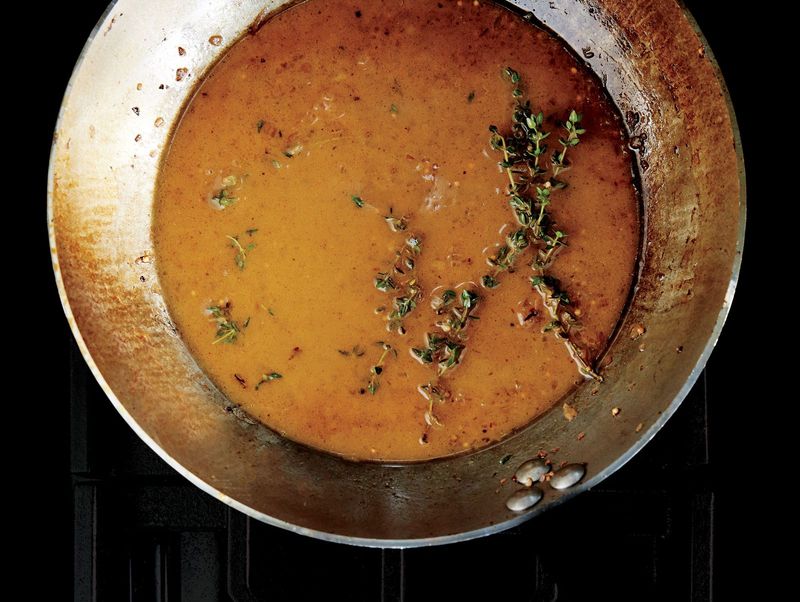
Those browned bits stuck to the pan are pure flavor. Deglaze with a splash of wine, broth, or even water, then scrape with a wooden spatula to dissolve them.
The liquid lifts fond into a quick sauce that tastes like hours of cooking. You paid for that flavor with heat, so do not leave it behind.
After searing, kill the heat briefly, add your liquid, and let the sizzle calm. Reduce to desired thickness and finish with butter, herbs, or a squeeze of lemon.
Pour over the resting meat or vegetables. Suddenly dinner feels fancy with almost no effort.
It is the simplest chef trick in your pocket.
16. Cooking with cold ingredients when it matters
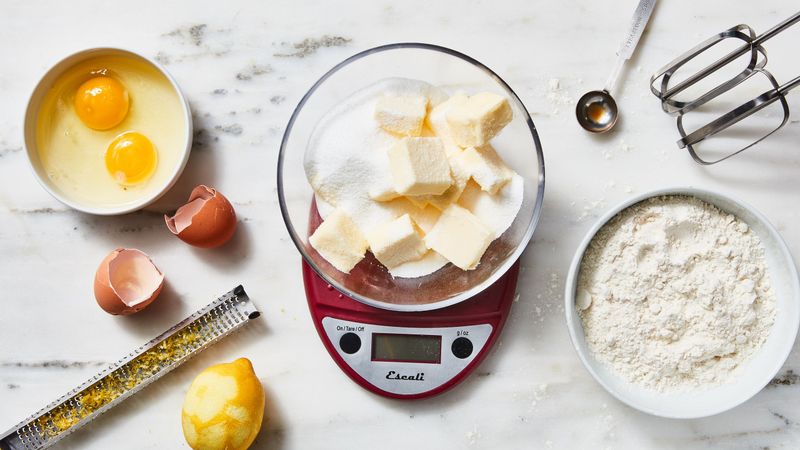
Temperature changes outcomes. Ice-cold steak seizes the pan and cooks unevenly, while room-temp butter creams airy and light.
Let proteins sit out briefly for even heat, and bring eggs and dairy to room temp for better emulsions. Follow recipe cues when cold is intentional, like flaky biscuits that love chilled fat.
Safety matters, so do not linger. Fifteen to thirty minutes is plenty for most cuts.
For baking, plan ahead so you are not microwaving butter into soup. When ingredients start compatible, textures behave and flavors bloom.
Your sear improves, batters rise properly, and sauces do not break at the finish line.
17. Measuring salt incorrectly
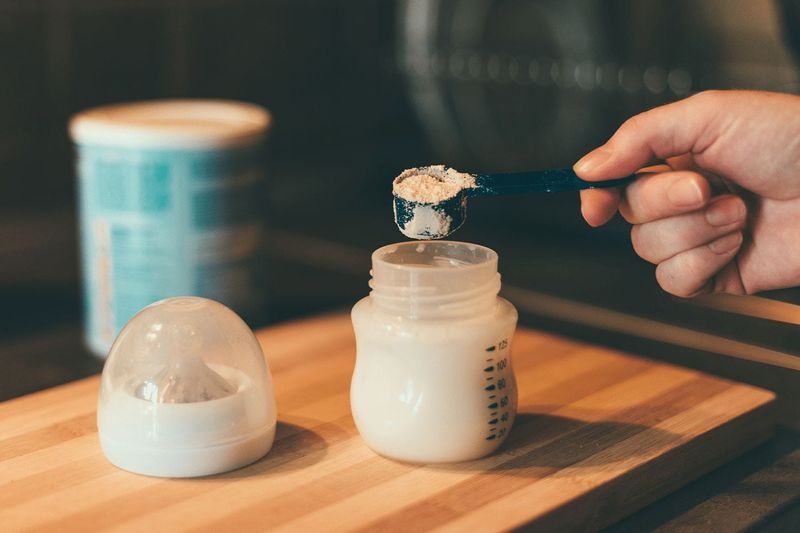
Salt crystals vary wildly in size, so a teaspoon is not a teaspoon across brands. If you swap table for kosher or vice versa, you can oversalt fast.
Start with less, taste, and creep upward. Learn your brand’s pinch so seasoning becomes consistent, not chaotic.
When baking, measure by weight if the recipe lists grams. For savory cooking, season with fingers for better control and feedback.
Keep a small dish of salt near the stove so you can grab precise amounts. The goal is bright, not briny.
Thoughtful measuring protects balance and preserves the nuance you worked to build.
18. Microwaving without a plan
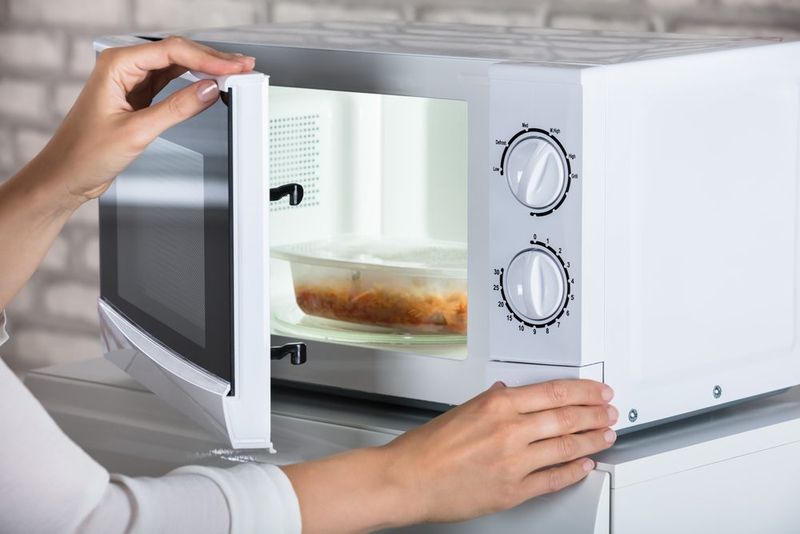
The microwave is fast but unforgiving if you blast and hope. Cover food so steam circulates, stir halfway to erase cold spots, and let it rest a minute for carryover heat.
Use reduced power for delicate items. These small habits turn rubbery leftovers into evenly heated, actually tasty food.
Spread food in a shallow layer for better results. Add a splash of water to rice or pasta so moisture returns.
For sauces, short bursts with frequent stirring prevent breakage. Think gentle, not nuclear.
With a plan, your microwave becomes a real tool, not a last resort that punishes texture.
19. Crowding the baking sheet
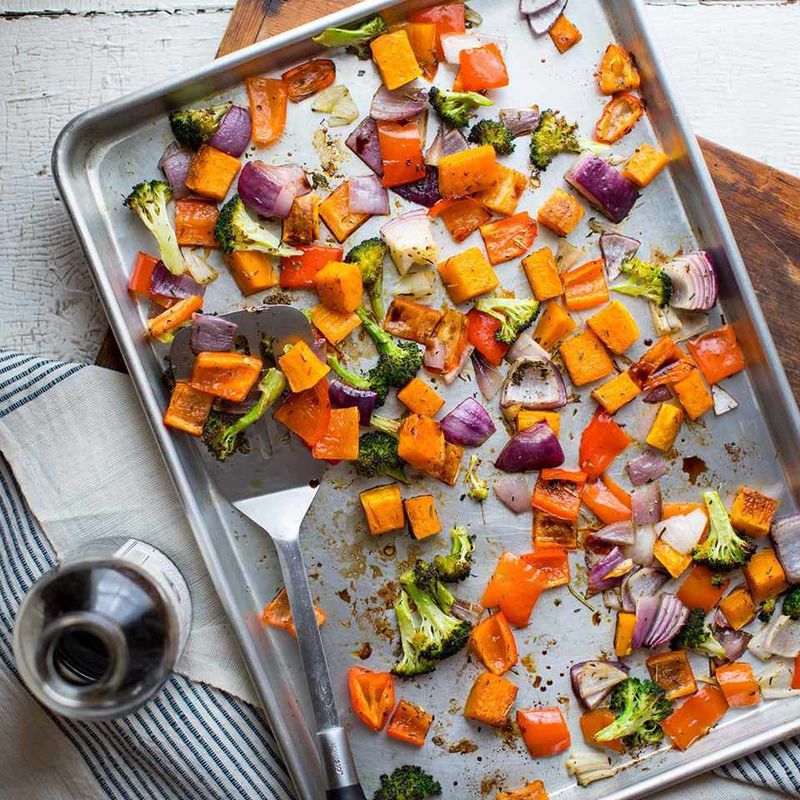
Roasting needs hot air contact. When vegetables huddle, steam gets trapped and browning stalls.
Spread in a single layer with gaps, or use two sheets and rotate halfway. A preheated pan helps jump-start caramelization and keeps edges crisp instead of soggy.
Do not forget to dry produce and toss with enough oil to coat, not drown. Set the oven properly hot and avoid opening the door constantly.
If your oven has convection, this is its moment. Space equals color and flavor.
You will taste the difference in sweet, nutty edges and tender centers that are never mushy.
20. Forgetting carryover cooking
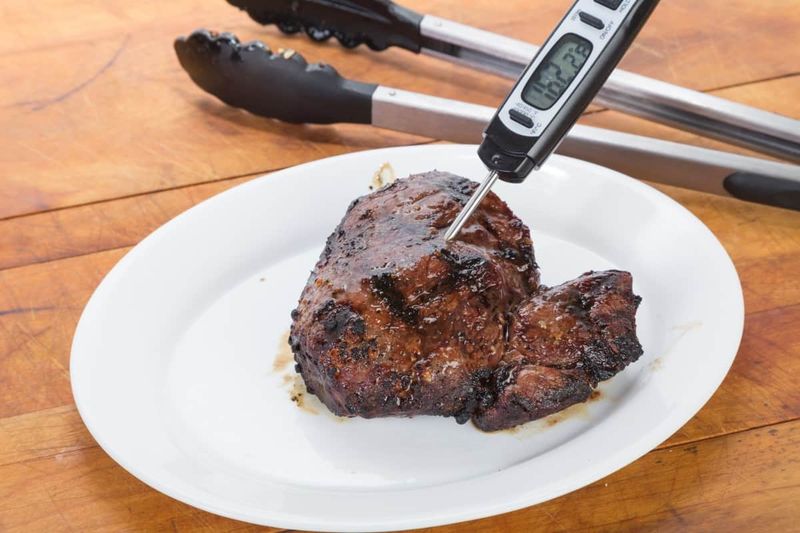
Food keeps cooking after you pull it from heat. Residual energy raises internal temperature several degrees, which can overshoot doneness fast.
Plan for this by stopping early and letting rest complete the job. Thicker cuts and dense casseroles show the biggest rises, so be proactive.
Use an instant-read thermometer and learn target temps. For steak, pull a few degrees shy of your preference.
For custards and eggs, gentle heat and quick cool-downs protect texture. Carryover is not a problem.
It is a tool you can use to land perfectly juicy results without panic at the finish.