Cornbread Methods From A Firefighter’s Kitchen
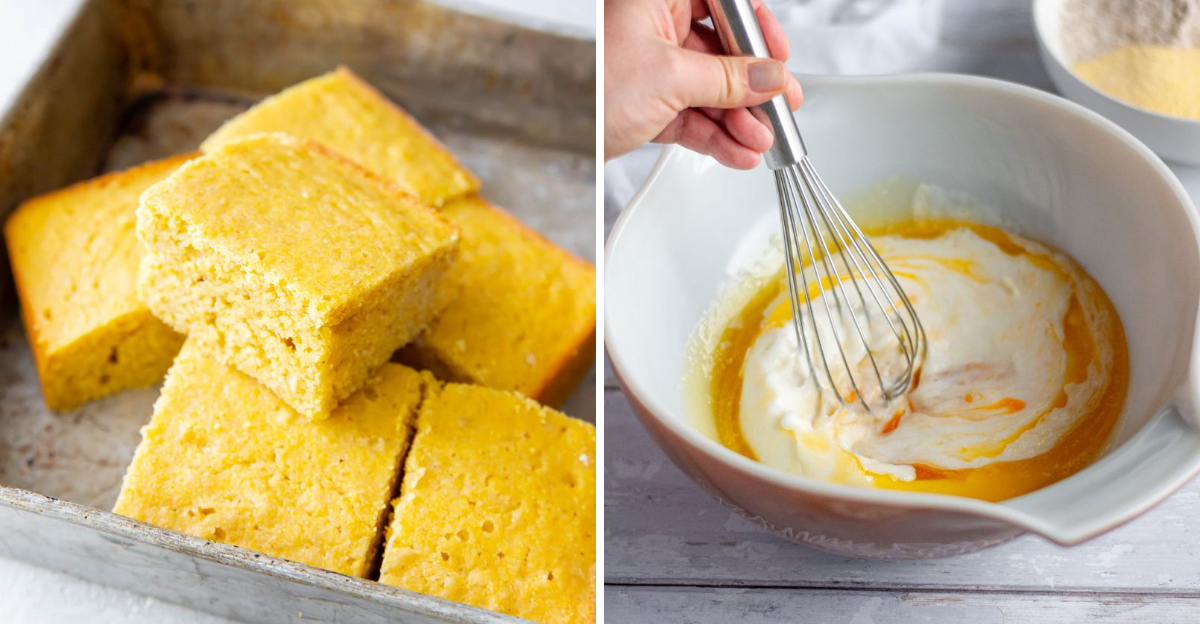
Cornbread can be humble, but it turns unforgettable when you treat it right. In a firefighter’s kitchen, you need speed, reliability, and big flavor that holds up for a hungry crew.
These methods dial in crust, crumb, and balance so every pan comes out ready to impress. Stick with me and you’ll have cornbread that works for chili night, breakfast, or anything in between.
1. Start With A Hot Pan On Purpose
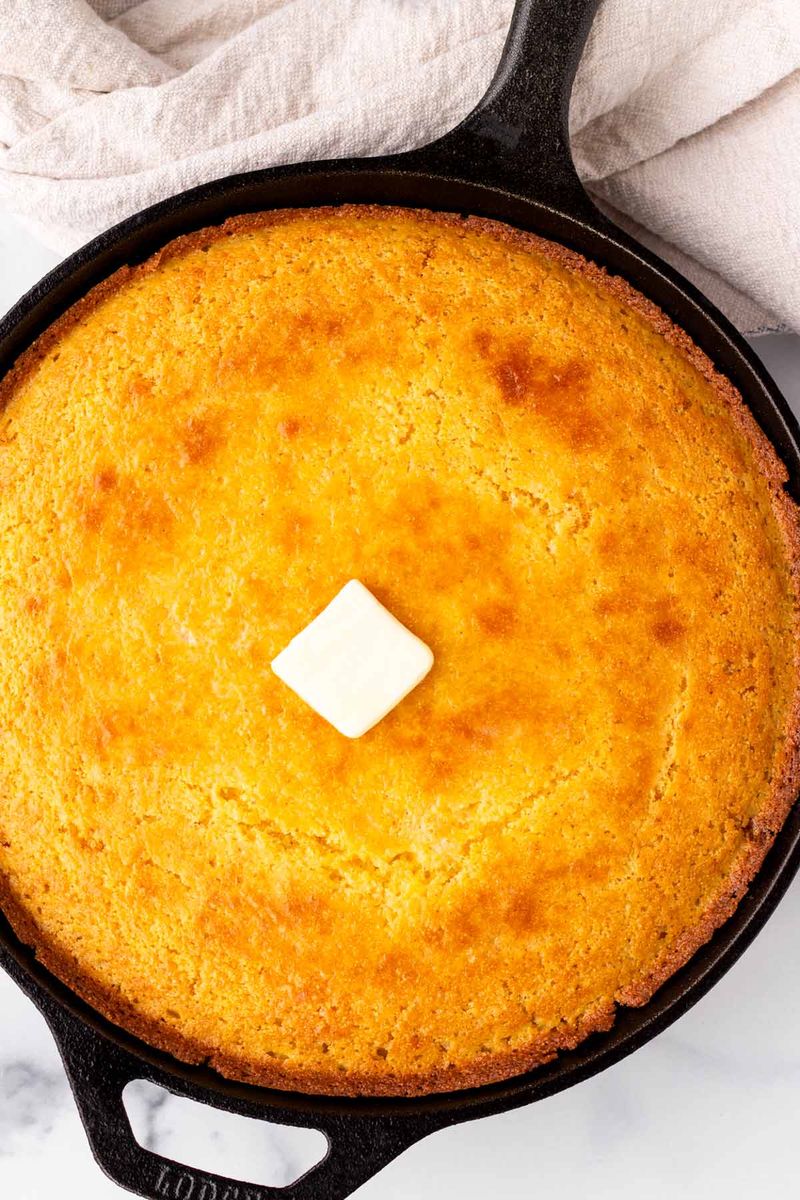
Preheat your cast-iron skillet while the oven comes up to temperature. A smoking-hot pan gives you a fierce sizzle the second batter hits, creating that deep golden crust you chase.
No more pale edges or soggy bottoms, just confident, even browning.
Work quickly: pull the skillet, add a little fat, swirl, then pour the batter and return it immediately. The contact heat jump-starts lift and seals moisture inside.
You’ll taste the difference in every crunchy corner.
This approach is especially helpful when serving a crowd, because predictable crust removes guesswork. It also buys you a few extra minutes of tenderness.
Once you try it, you won’t go back.
2. Grease Like You Mean It
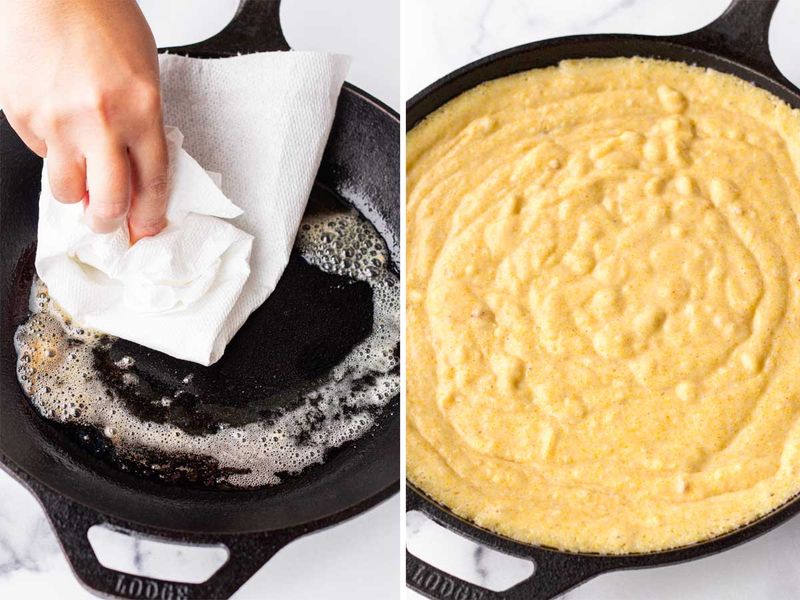
Use both butter and oil to nail flavor and crunch. Butter brings nutty richness and that classic cornbread aroma.
Oil delivers higher-heat resilience and a crisper edge that fries instead of steams.
Swirl a spoonful of oil in the hot pan, then add a knob of butter to foam. Pour in the batter while it’s still sizzling so the edges set immediately.
This combo is quick, reliable, and repeatable.
For even more insurance, lightly grease the bowl and spatula, too. Batter will slide out cleaner, preserving bubbles.
Your crew gets slices with glossy, crunchy borders and a tender middle, every single time.
3. Pick Your Lane: Sweet, Savory, Or In Between
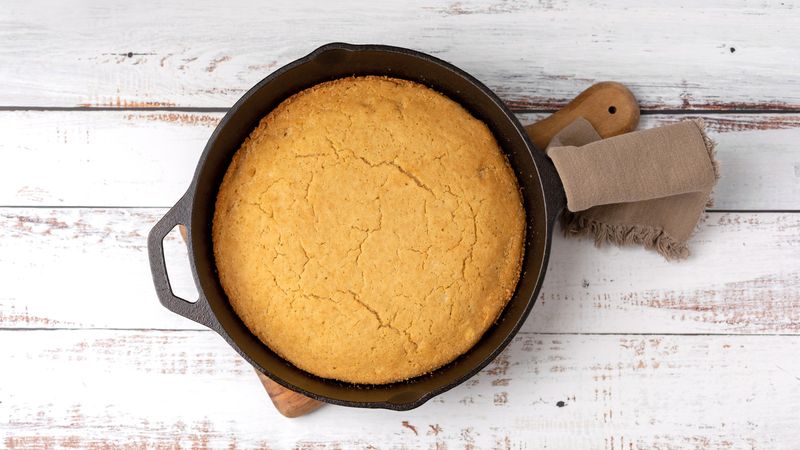
Decide before you mix: Are you serving chili, barbecue, or breakfast? Savory wants restraint on sugar and maybe a pinch more salt.
Snacks lean slightly sweet with a honey or sugar bump.
Staying in the middle is fine, but pick a purpose so it doesn’t land bland. Add-ons should match the lane: jalapeños and scallions for savory, vanilla and honey for sweet.
This choice shapes the entire experience.
When feeding a crowd, I announce the lane upfront so expectations line up. People love knowing what they’re getting.
Dialing intent keeps your cornbread memorable, not muddled, and helps every plate make sense.
4. Use Buttermilk For Tenderness
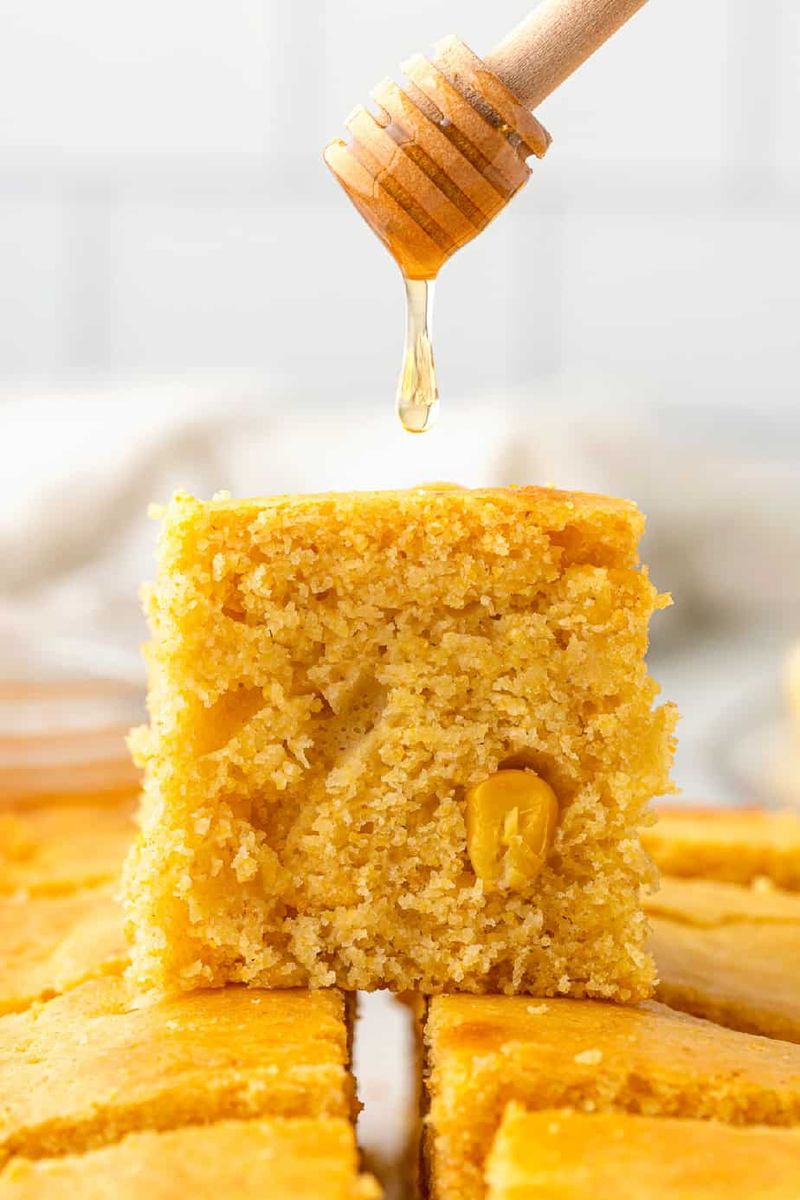
Buttermilk brings gentle tang and tenderness, making cornbread soft without turning cake-like. Its acidity relaxes gluten and partners with leavening for taller, softer crumb.
The flavor plays nicely with butter, honey, or chili.
No buttermilk handy? Mix milk with a splash of vinegar or lemon, then rest a few minutes.
It is not identical, but it’s close enough for weekday wins. The key is balancing acidity with your leaveners.
This swap saves runs to the store and keeps your pace fast. You’ll feel the crumb soften and notice cleaner slices.
It’s a small change that reads big at the table, especially when serving a crew.
5. Don’t Overmix The Batter
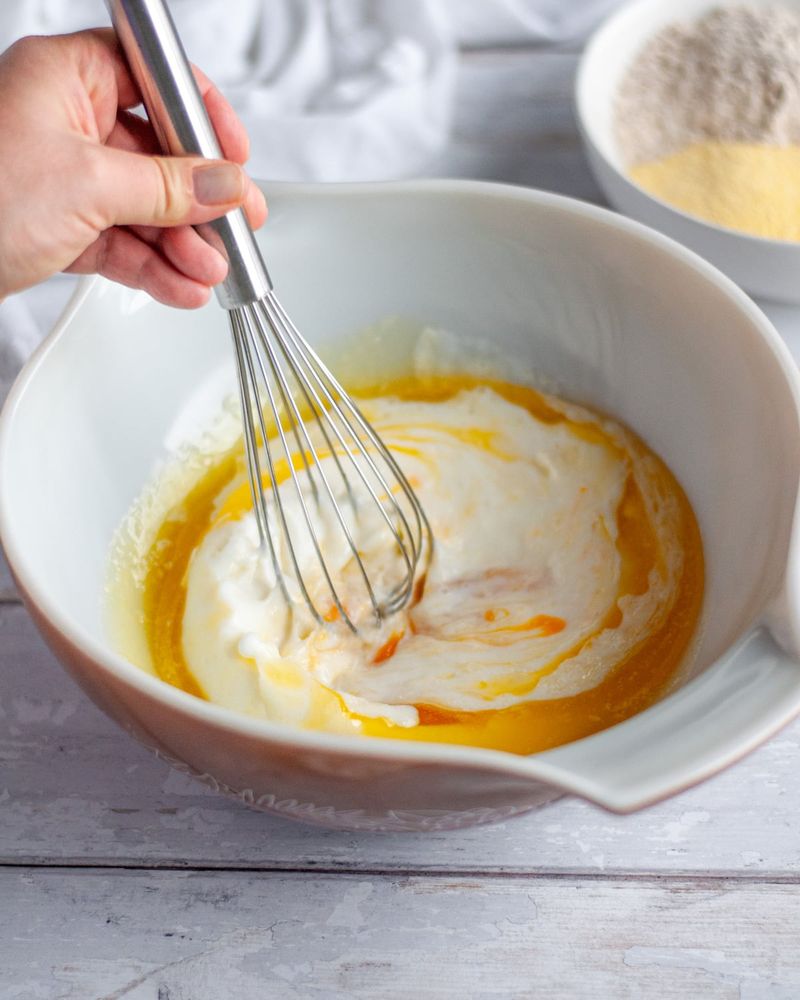
Stir only until the dry bits disappear. Overmixing crushes air pockets and toughens the crumb, turning cornbread dense and rubbery.
You want a soft batter that still looks slightly rustic.
Combine wet and dry in broad folds, not frantic stirring. If you see a few tiny streaks, that is okay.
They’ll hydrate during the rest and bake-out. Gentle mixing preserves lift so slices stay tender.
In a busy kitchen, it is tempting to keep stirring. Resist.
The oven finishes what you started, and your reward is a lofty, moist interior with minimal effort, especially helpful when timing multiple dishes.
6. Let The Batter Rest 10 Minutes
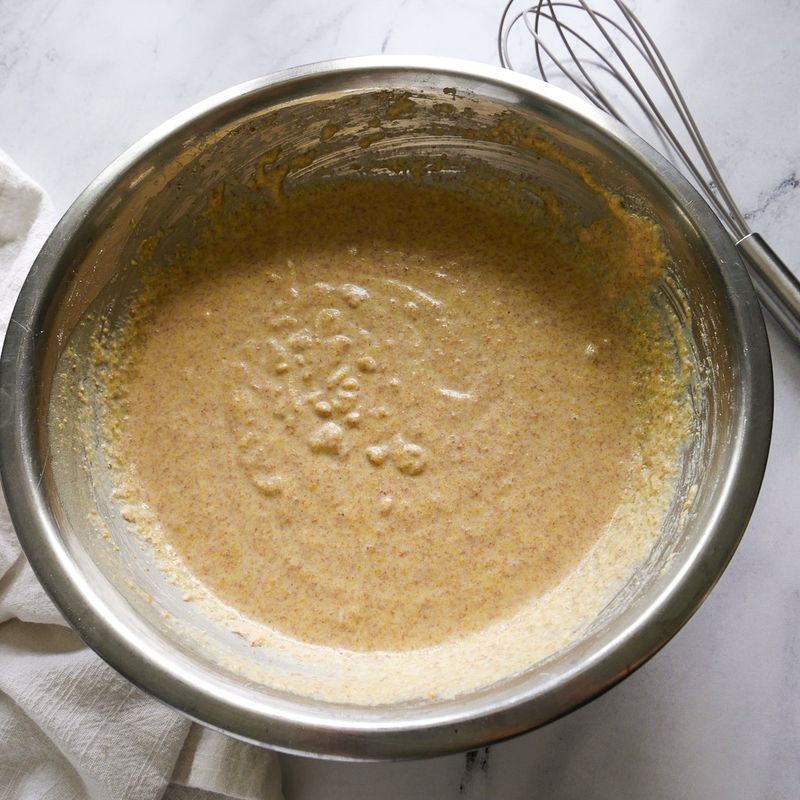
After mixing, let the batter sit for about ten minutes. This pause gives cornmeal time to drink up liquid and soften.
The payoff is a tender crumb that feels plush, not gritty.
Use the window to preheat the skillet and tidy the station. Hydration also steadies bake time, making doneness cues more predictable.
You’ll notice cleaner slices and fewer crumbs scattering.
In a firehouse flow, every minute counts. This rest is a low-effort upgrade that returns more than it costs.
Once you feel the difference under a knife, you’ll build the habit into any recipe.
7. Add Fat To The Batter
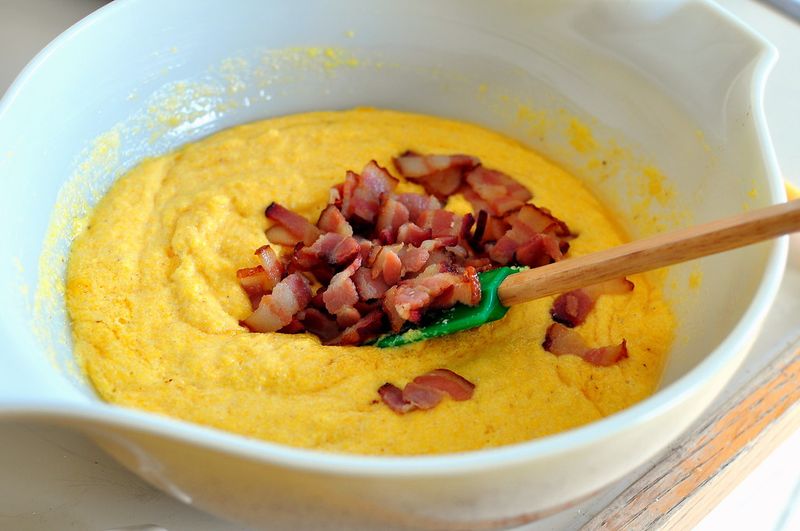
A little fat in the batter keeps cornbread moist and flavorful. Melted butter adds richness, bacon fat brings smoky depth, and neutral oil protects tenderness.
Choose one or blend for balance.
Start modestly, then adjust after a test batch. Too much can weigh down the crumb, so aim for supple, not greasy.
The right dose shines whether you go sweet or savory.
When feeding a crew, consistent moisture matters because slices hold longer on the table. Fat also carries flavors like cheddar and jalapeño further.
You get reliable texture and a satisfying bite that stands up to chili or eggs.
8. Do Not Skip The Leavening
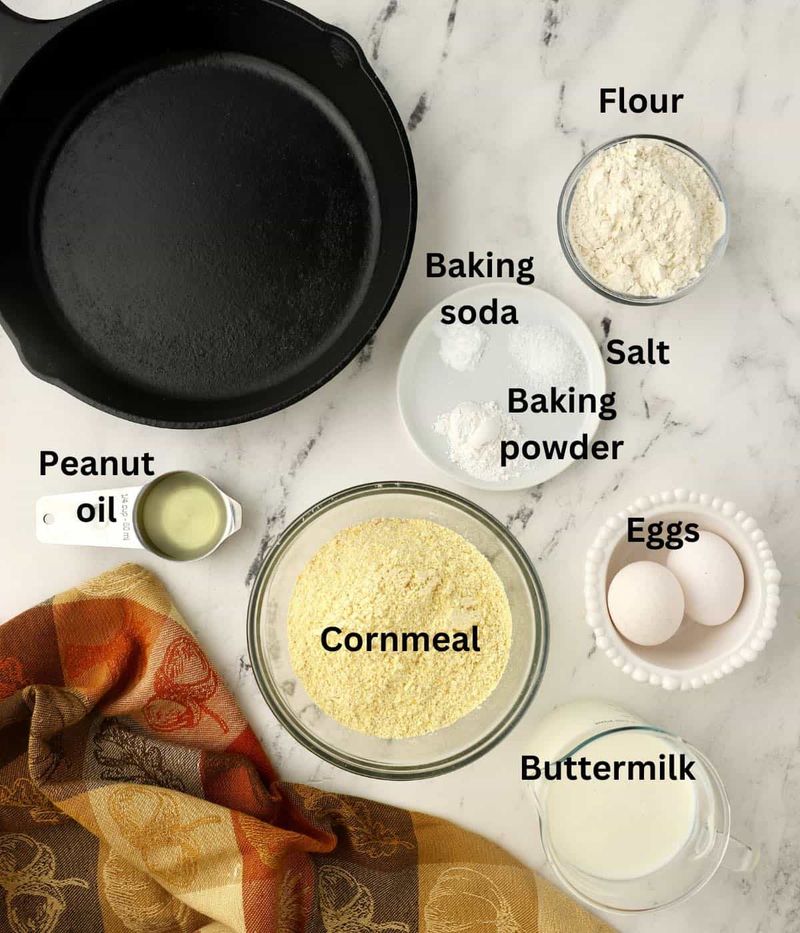
Baking powder delivers the primary lift, so check it is fresh. If you add baking soda, pair it with acidity like buttermilk or yogurt.
This duo raises the roof and keeps the crumb delicate.
Measure carefully: too little means flat, too much tastes bitter. Sift with the dry ingredients for even distribution.
When the batter hits a hot skillet, chemistry and heat work together.
In a firefighter’s kitchen, dependable rise equals dependable servings. Every square slices cleaner and taller.
You get confident texture without extra steps, freeing you up to handle the rest of dinner.
9. Use A Two-Zone Bake
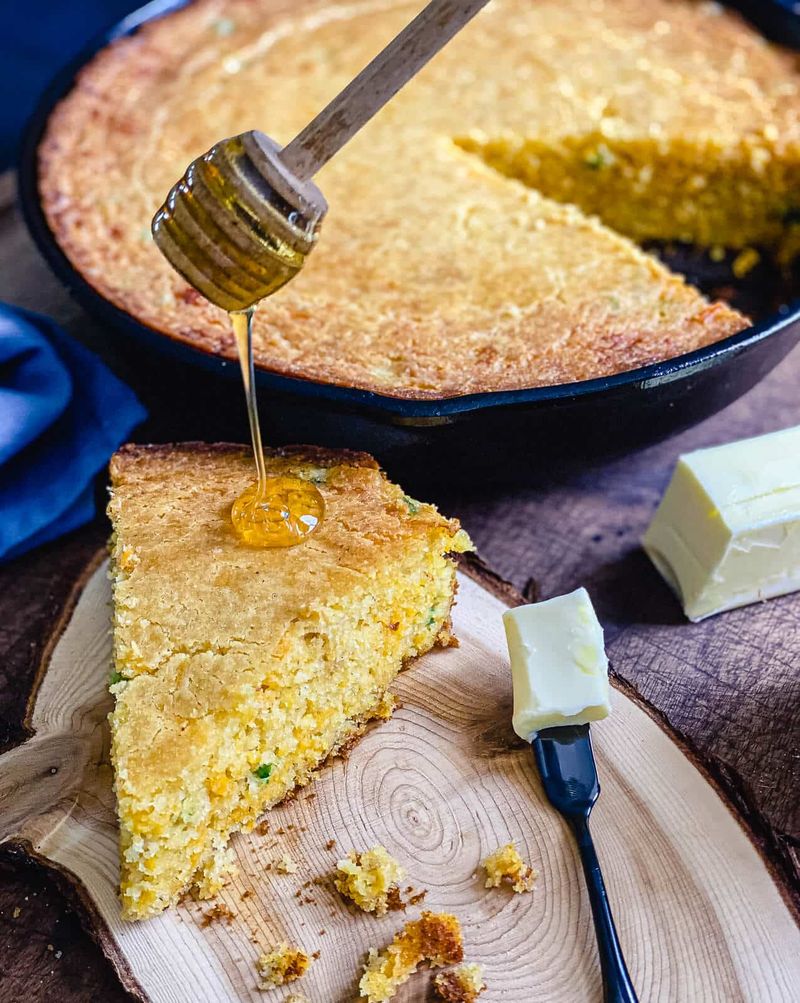
Bake on the middle rack until mostly set, then move the pan higher to finish. That top-down heat deepens color and gives a gentle, bakery-style shell.
You’ll still protect the crumb from drying.
This two-zone approach is simple but effective when you want showy, even browning. Keep an eye on it during the final minutes.
Pull when the top hits your target shade of gold.
It is a small choreography tweak with big payoff. Crew plates look better, and slices hold up to butter or honey.
You get contrast between crispy top and tender interior without fuss.
10. Lock In Moisture With Proper Doneness
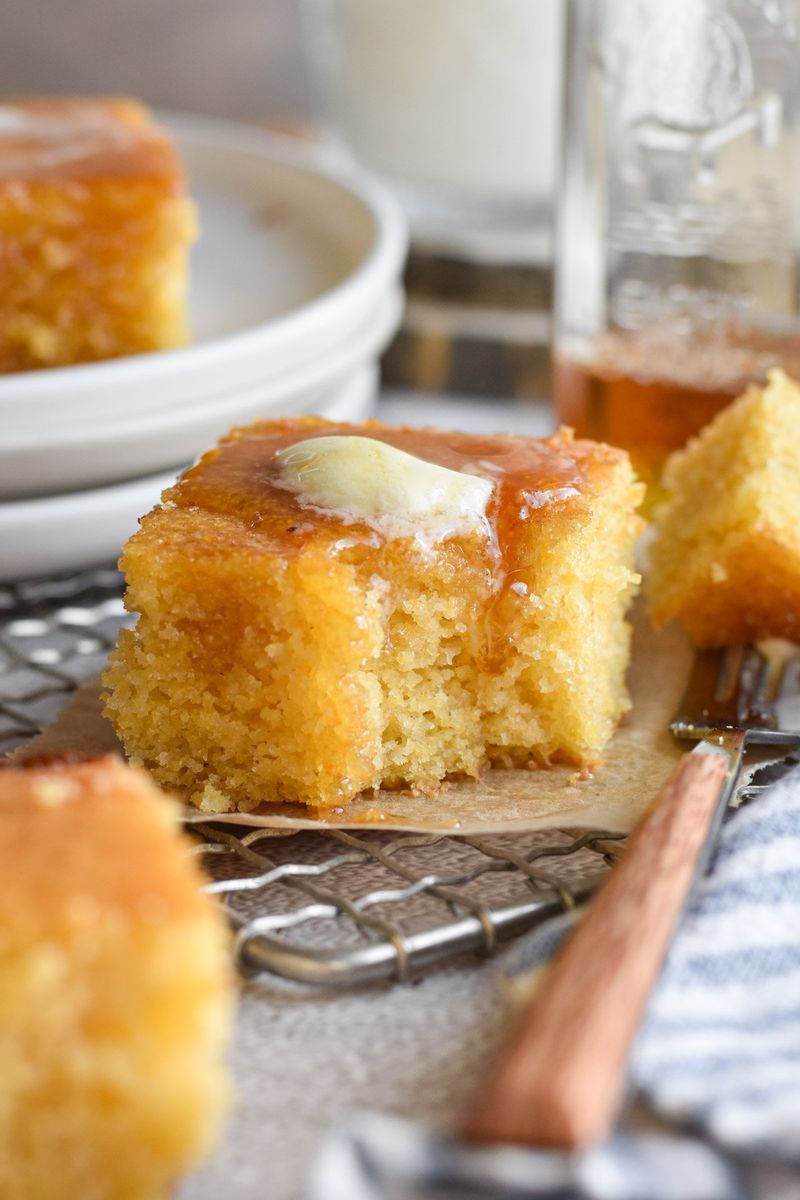
Pull cornbread when the center springs back and a toothpick shows a few moist crumbs. Waiting for a spotless pick usually overshoots doneness.
Moisture is flavor, and you want to keep it.
Carryover heat finishes the middle during the short rest. If you’re unsure, temp it around 200 degrees Fahrenheit.
Trust texture cues more than the clock, especially with different pans.
This habit prevents dryness and keeps leftovers friendly. It’s the difference between buttery soft slices and thirsty, crumbly squares.
Your crew notices, even if they cannot name why it eats better.
11. Rest, Then Cut Clean
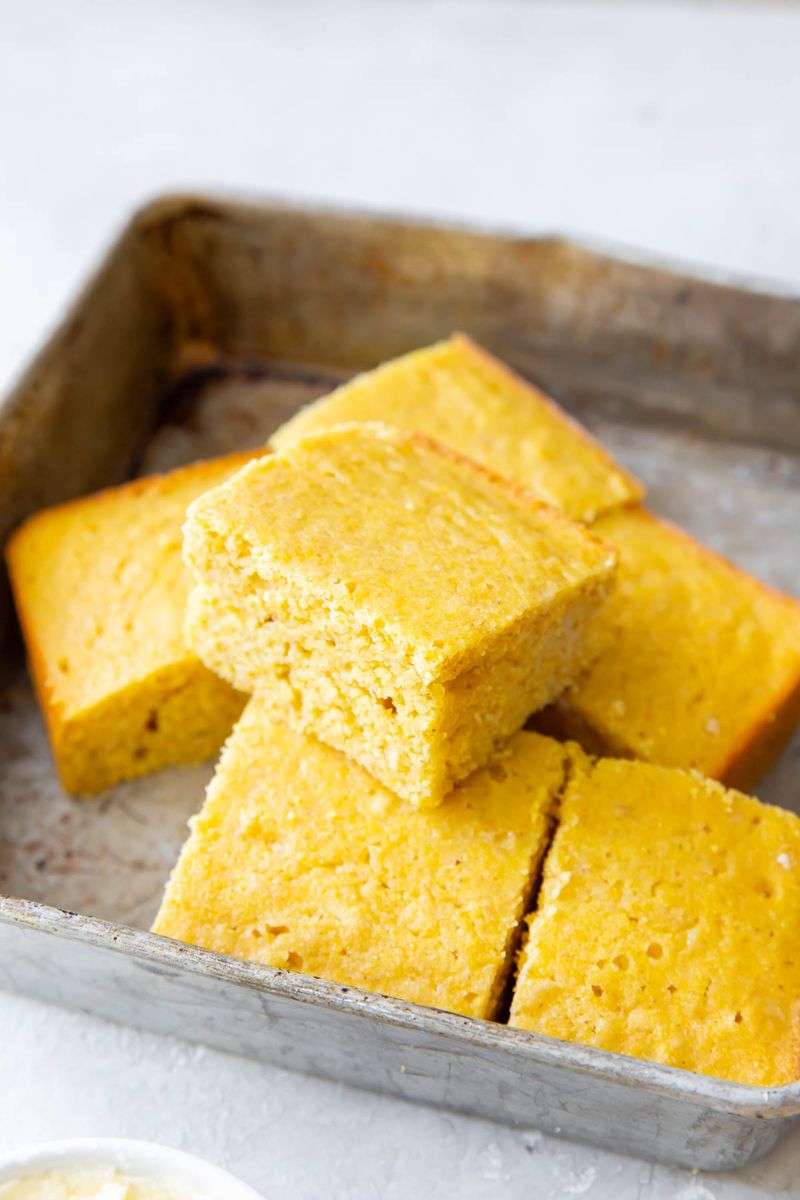
Give the pan ten minutes before slicing. This short rest lets steam settle and structure set, so pieces hold together.
Impatient cuts collapse crumb and smear the crust.
Use a sharp knife or bench scraper for tidy edges. Wipe between cuts if needed.
Clean squares look generous on a platter and stack neatly in to-go containers.
In a busy kitchen, that calm pause makes serving smoother. You’ll move faster afterward with fewer broken pieces.
It is a professional-feeling step that costs little and pays back in presentation.
12. Chili-Ready: Corn, Heat, And Scallions
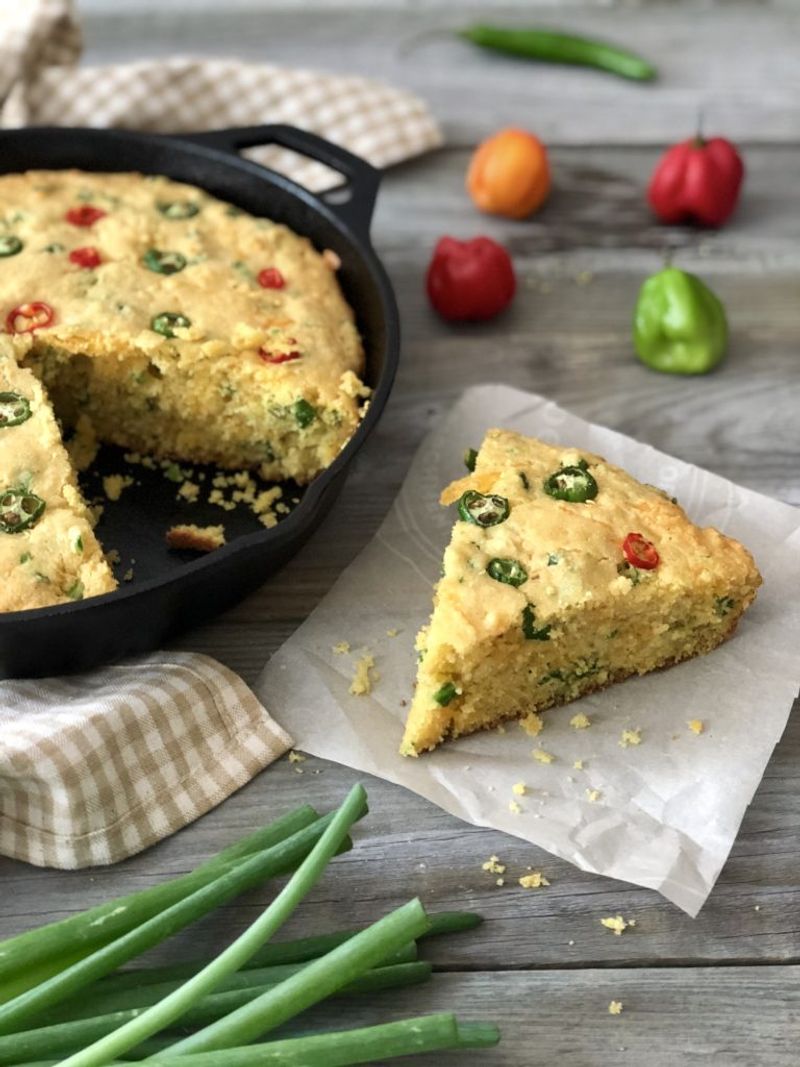
Fold in corn kernels, diced jalapeños, and sliced scallions for a cornbread that can hang with chili. The kernels pop sweet, the peppers bring warmth, and scallions add fresh bite.
Keep sugar low so flavors stay savory.
Grease assertively and preheat the skillet for extra crunch. This mix-in combo adds moisture, so watch doneness cues closely.
A pat of butter on top mellows the heat nicely.
When the tones hit right, you barely need a spoon. Chili becomes a topping, not the main event.
It’s hearty, colorful, and a fast way to upgrade a plain pot into a full meal.