Dishes That Surprise Diners Once The Ingredients Are Explained
Some foods sound downright confusing until someone breaks down why the ingredients actually belong together. That is usually the moment skepticism turns into curiosity, and curiosity turns into a first bite.
Once you hear the logic behind salt, sweetness, fat, acid, and umami, these strange-sounding dishes stop feeling random. Here are the meals and flavor pairings that win people over the second they are properly explained.
1. Caesar salad
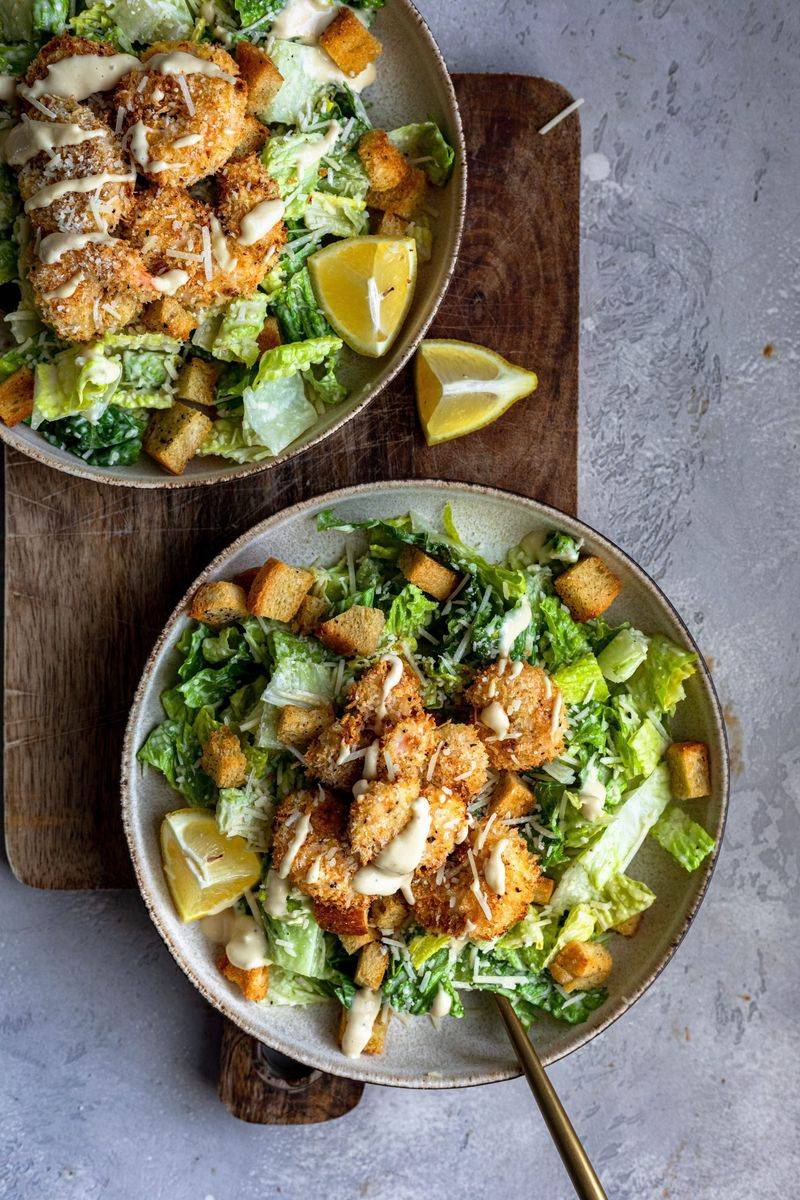
Caesar salad sounds basic if you think it is just lettuce with creamy dressing. But the magic clicks once you explain that the classic dressing is built on anchovy, garlic, lemon, Parmesan, and egg.
That combination is less ranch-like and more savory, bright, and deeply umami.
When you taste it with that in mind, the whole salad suddenly feels smarter. The anchovy does not make it fishy so much as rich and rounded.
It is really a bold, balanced sauce draped over crisp romaine, which makes the dish far more interesting than people expect at first glance.
2. Carbonara
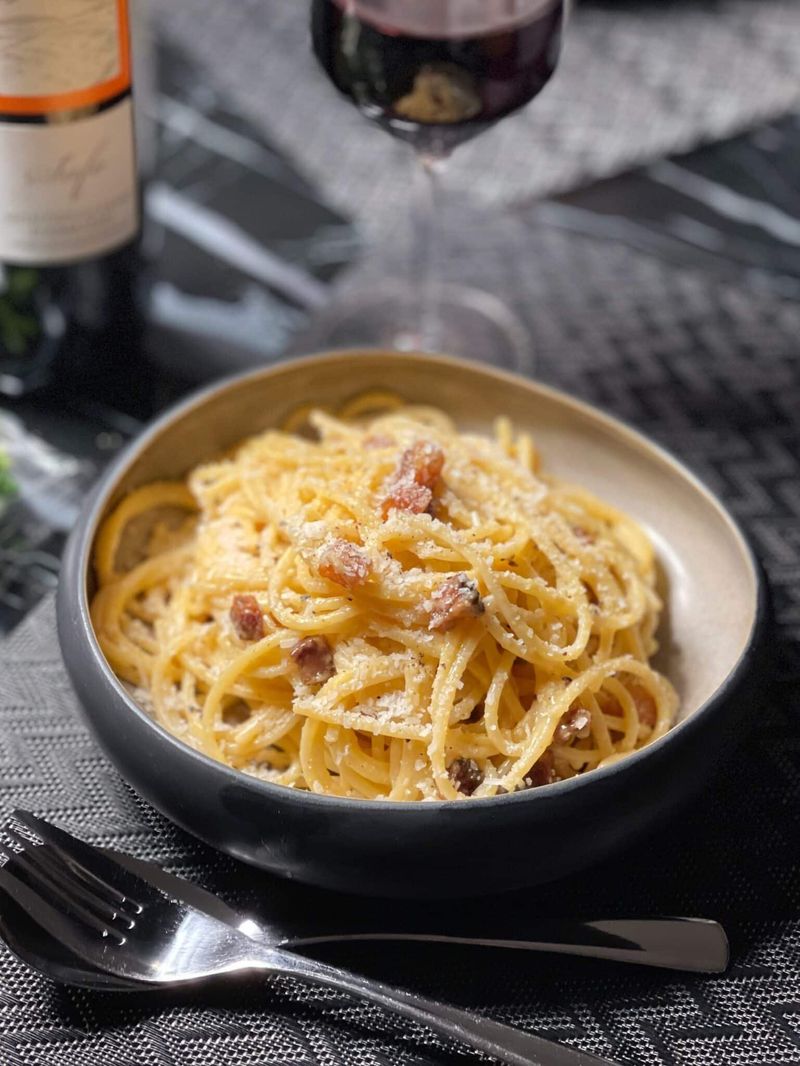
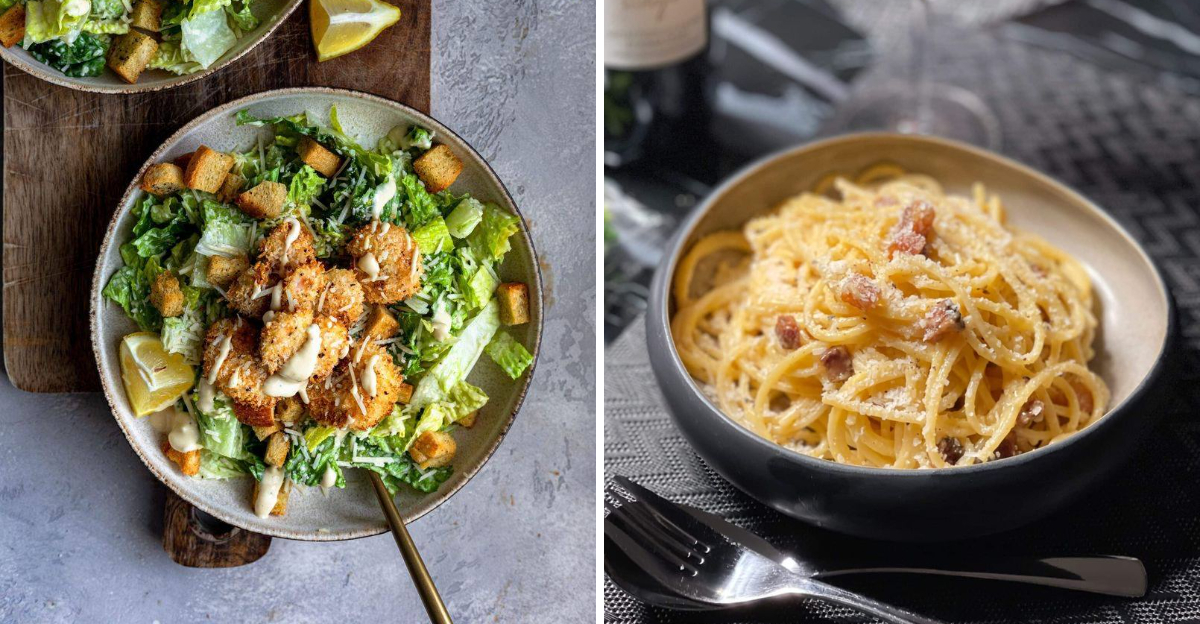
Carbonara surprises people because many assume it is basically Alfredo with bacon. Then you explain there is no cream in the traditional version, just eggs, Pecorino, black pepper, and cured pork.
Suddenly it sounds less heavy and much more elegant.
The sauce works because hot pasta gently cooks the egg into a silky coating instead of a thick cream blanket. The pork adds salt and richness, while the cheese and pepper bring bite.
Once you understand that balance, carbonara stops sounding like a guilty shortcut and starts feeling like one of the smartest pasta dishes ever made.
3. Cacio e pepe
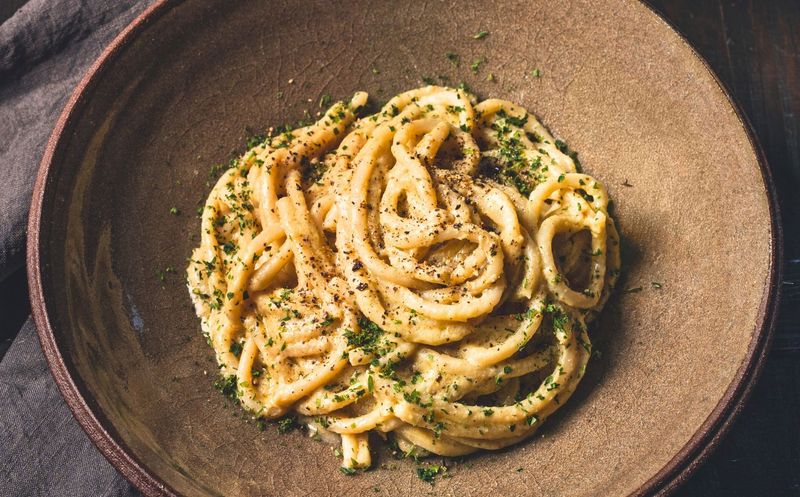
Cacio e pepe can sound underwhelming when someone translates it as cheese and pepper pasta. It seems too simple to deserve all the hype, until you explain that the real trick is creating a smooth emulsion with Pecorino and starchy pasta water.
Then it becomes a technique dish, not just a pantry snack.
The result is silky, sharp, and peppery without needing butter, cream, or extra ingredients. Every strand gets coated in a glossy sauce that feels richer than it looks.
Once diners understand that transformation, they usually stop dismissing it and start respecting how much flavor can come from so little.
4. Prosciutto and melon
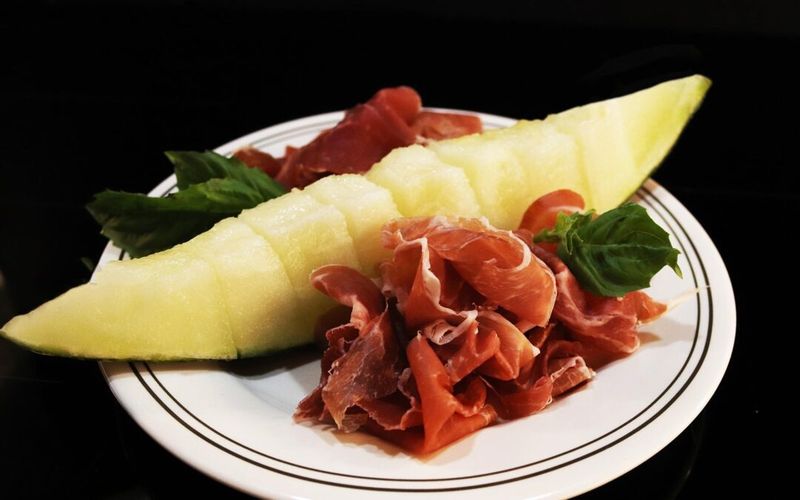
Prosciutto and melon can sound odd if you are not used to mixing meat with fruit. But the explanation is wonderfully simple: salty, fatty cured ham meets sweet, juicy melon, and each makes the other taste better.
It is contrast doing exactly what great food is supposed to do.
The melon cools and refreshes while the prosciutto adds savory depth and a silky texture. Instead of clashing, the flavors sharpen one another and create balance in every bite.
Once someone hears that logic, the pairing stops feeling random and starts sounding like a warm-weather classic that was always meant to exist.
5. Chicken and waffles
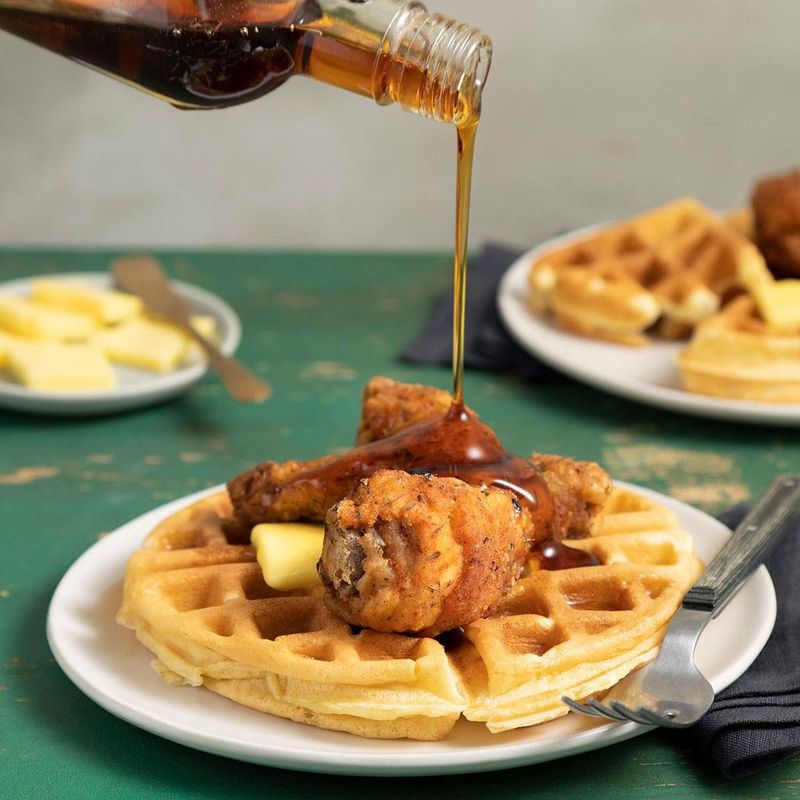
Chicken and waffles sounds like two meals colliding by accident if you did not grow up with it. Then you explain that crispy fried chicken, fluffy waffles, and syrup create a sweet-salty combination that behaves almost like a glaze.
That is when the whole dish starts to make perfect sense.
You get crunch, tenderness, richness, and sweetness in one bite, which is exactly why people crave it. The syrup plays off the savory seasoning instead of fighting it.
Once diners stop imagining separate breakfast and dinner foods, they can see it for what it is: comfort food built on contrast and indulgence.
6. Peanut butter and pickles
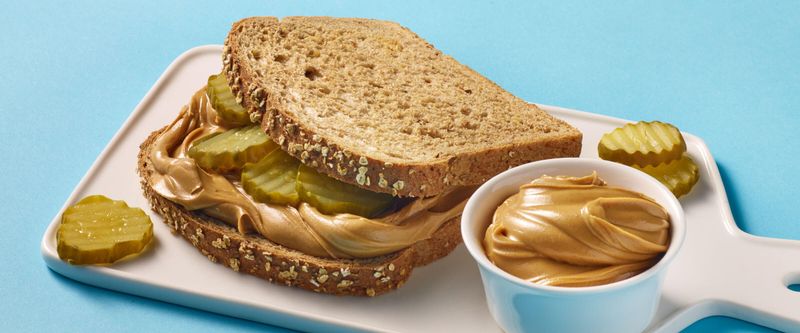
Peanut butter and pickles sounds like someone lost a bet in the kitchen. But once you explain the contrast, it stops sounding like a joke and starts sounding oddly smart: creamy, salty peanut butter meets cold, crunchy, tangy pickle.
That combination hits texture and flavor from completely different angles.
The peanut butter brings richness and a smooth, nutty base, while the pickle adds brightness and snap. It is not far from other beloved pairings that depend on fat balanced by acid.
When you frame it that way, people usually become less horrified and more curious, which is often all this strange little combo needs.
7. Watermelon with feta
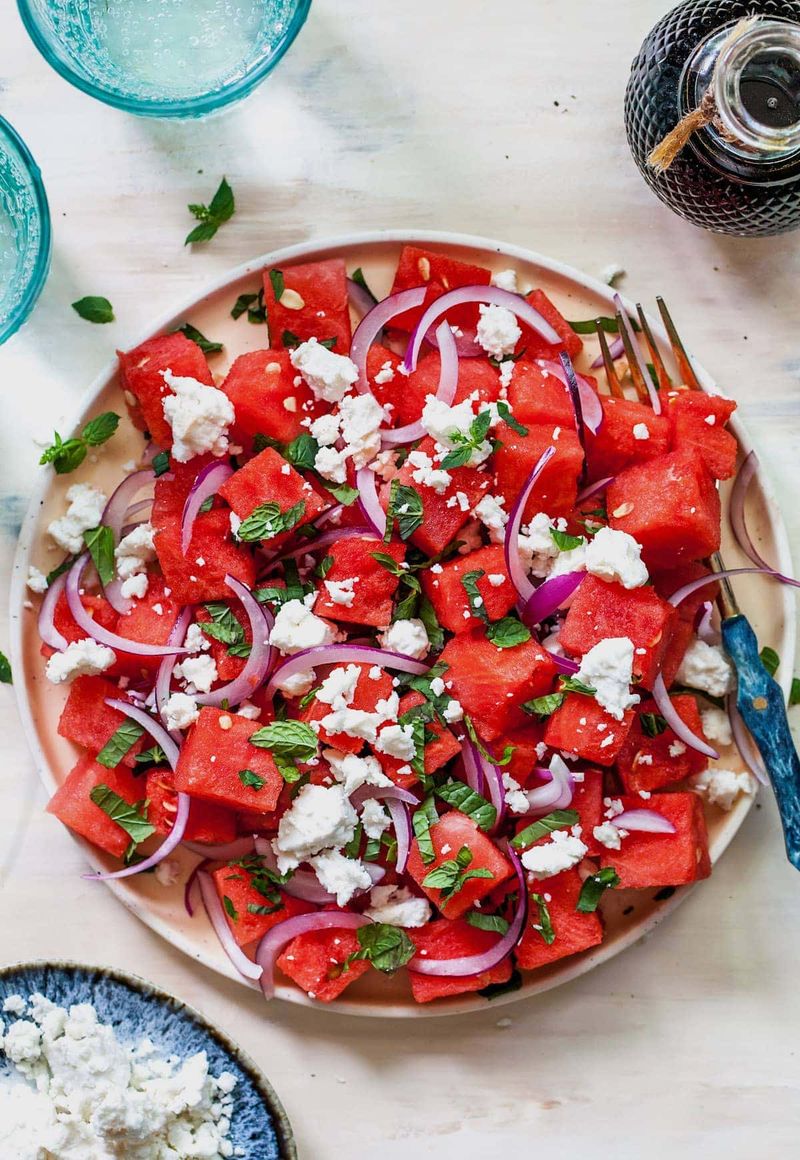
Watermelon with feta confuses people who think fruit should stay firmly in dessert territory. Then you explain the same sweet-salty idea that makes so many snacks irresistible: juicy watermelon brings freshness and sugar, while feta adds salty, briny sharpness.
Suddenly it sounds less weird and more like a clever summer move.
The textures help too, because the soft, watery fruit and crumbly cheese keep each bite interesting. Add mint or a little olive oil, and the whole thing feels even more intentional.
Once diners hear the logic, they usually stop doubting and start wondering why they waited so long to try it.
8. French fries dipped in a milkshake
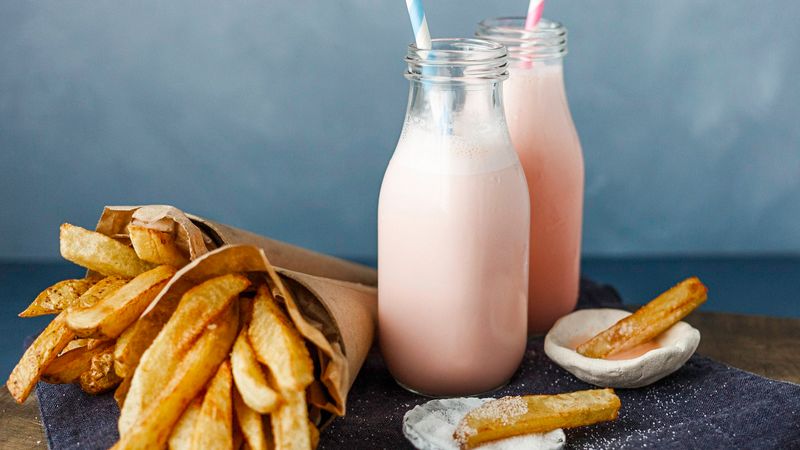
French fries dipped in a milkshake sounds like pure chaos until someone explains the actual appeal. It is the same sweet-salty contrast people love in salted caramel, only with temperature and texture turned way up.
Hot, crisp fries meet cold, creamy shake, and the clash becomes the point.
The salt on the fries makes the sweetness taste brighter, while the shake softens the edges of the fried potato. That combination feels indulgent, nostalgic, and strangely precise rather than messy.
Once you think about it as a balance of temperature, crunch, creaminess, salt, and sugar, it becomes surprisingly easy to understand.
9. Pineapple on pizza
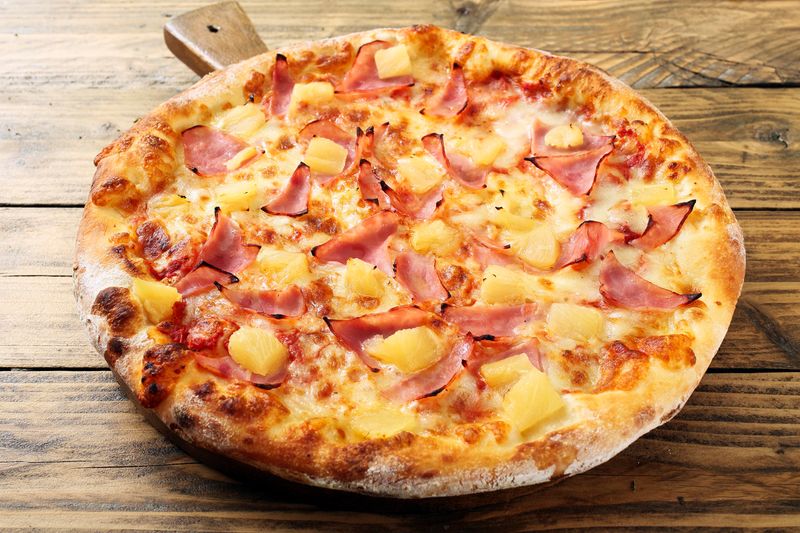
Pineapple on pizza inspires dramatic opinions, usually from people who focus only on the fruit part. Once you explain that pineapple brings sweetness and acidity to balance salty ham or pepperoni and rich cheese, the debate gets a lot more reasonable.
It is not random, it is contrast with a purpose.
The juice cuts through fat, the sweetness softens the salt, and the crust holds everything together. Plenty of great dishes rely on fruit with savory ingredients, so this is hardly culinary chaos.
Even if someone still does not want a slice, they can at least understand why the combination has loyal fans.
10. Curry goat
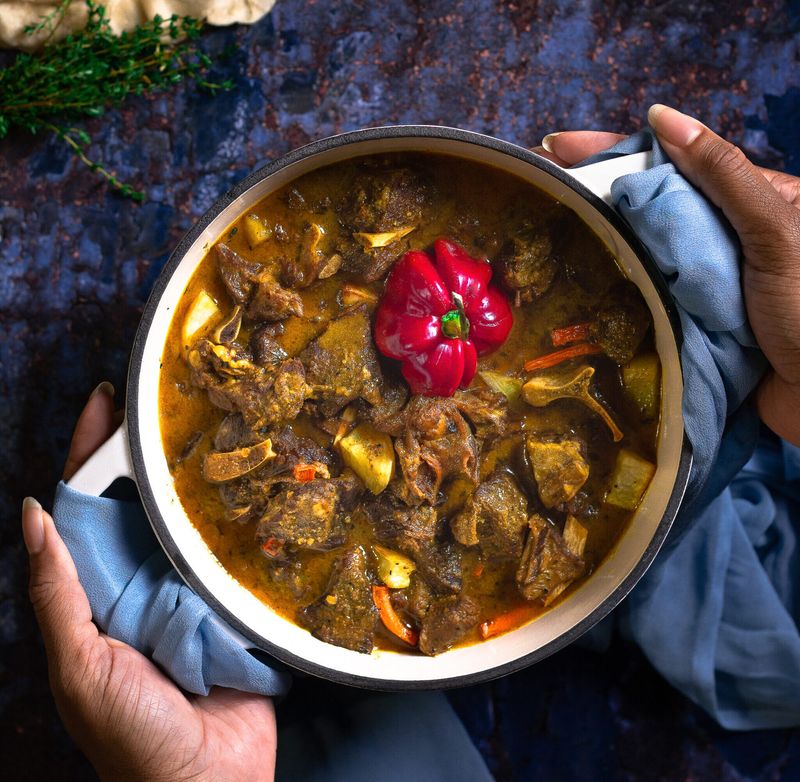
Curry goat can make hesitant diners pause because goat is not part of everyone’s everyday routine. But once you explain that it eats like a richer, more robust beef stew after slow cooking with warm spices, the fear usually softens.
The unfamiliar ingredient suddenly feels much more approachable.
When cooked properly, the meat turns tender and deeply flavored, absorbing curry, aromatics, and time. It is less about gaminess than depth, with a comforting, slow-simmered richness that rewards patience.
Framed that way, curry goat stops sounding intimidating and starts sounding like exactly what it is: a soulful, spice-filled dish worth getting to know.
11. Miso in desserts
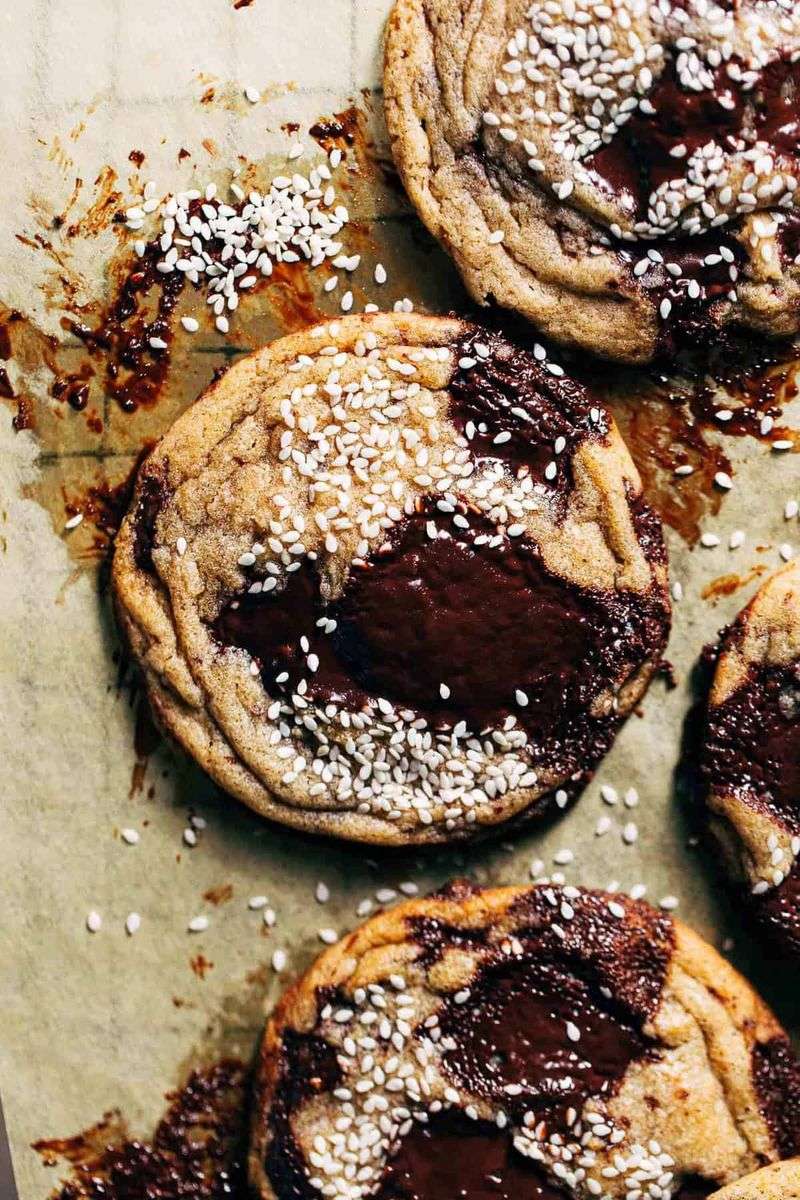
Miso in desserts throws people off because they associate it with soup, not sweets. Then you explain that miso brings salty, fermented depth, almost like salt with extra personality, and suddenly the idea becomes a lot more appealing.
In the right amount, it does not make dessert savory so much as more layered.
Miso can deepen caramel, sharpen chocolate, and give cookies or brownies a richer finish that lingers. It works by boosting what is already there instead of stealing the spotlight.
Once diners understand that it behaves like a flavor amplifier, they usually stop picturing soup and start picturing a smarter, more complex dessert.
12. Anchovies on pizza
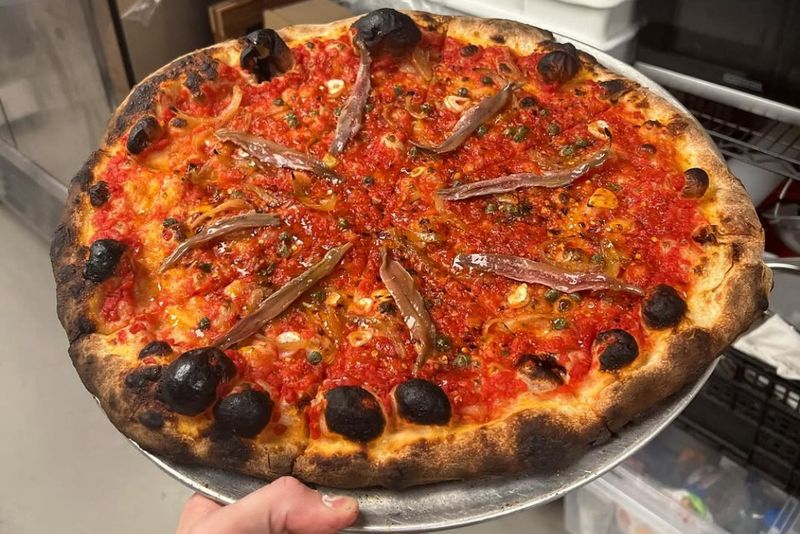
Anchovies on pizza scare people because they hear fish and imagine an overwhelming blast of ocean flavor. The better explanation is that, used lightly, anchovies melt into the heat and act more like a salty umami seasoning than a chunky topping.
That shift in framing changes everything.
Instead of dominating the slice, they deepen the sauce, sharpen the cheese, and make the whole pizza taste more savory. It is the same reason anchovy works in Caesar dressing or pasta sauces without announcing itself too loudly.
Once you describe them as concentrated flavor rather than obvious fish, many diners become much more open-minded.
13. Kimchi grilled cheese
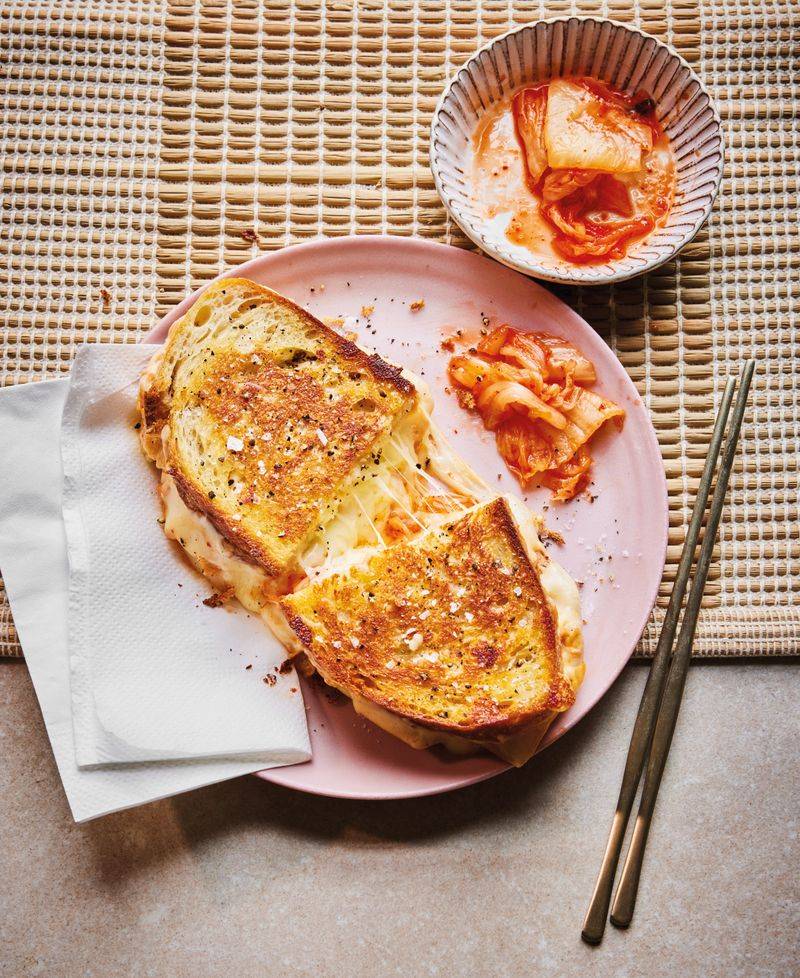
Kimchi grilled cheese sounds intense if fermented cabbage is all you hear. But explain it as spicy, tangy pickles folded into melty cheese on toasted bread, and it suddenly lands in familiar comfort-food territory.
The funk becomes less scary once people realize it is basically acidity and heat helping richness.
The cheese smooths out the sharp edges, while the kimchi keeps every bite from feeling too heavy. You get crunch, melt, tang, and a little spice, which is exactly why the sandwich feels so lively.
Once diners connect it to the classic pickle-with-cheese logic, the combination becomes far easier to love.
14. Chocolate and chili
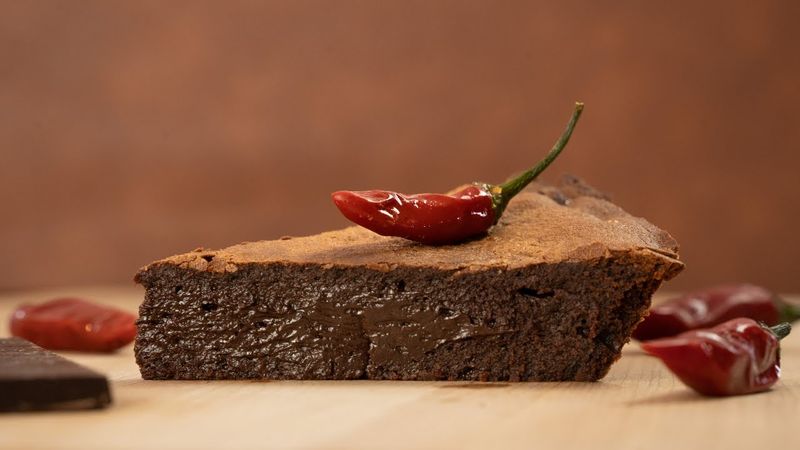
Chocolate and chili can sound like someone trying too hard to make dessert edgy. But this pairing has a long history in multiple cuisines, and the point is not to make chocolate taste like spicy candy.
It is to give chocolate more depth, warmth, and dimension.
A little chili wakes up the cocoa and makes its dark notes feel fuller rather than distracting from them. The heat often arrives gently, lingering after the sweetness instead of competing with it.
Once diners hear that the goal is complexity, not punishment, the whole idea becomes much more inviting and a lot less gimmicky.
15. Beef tongue tacos
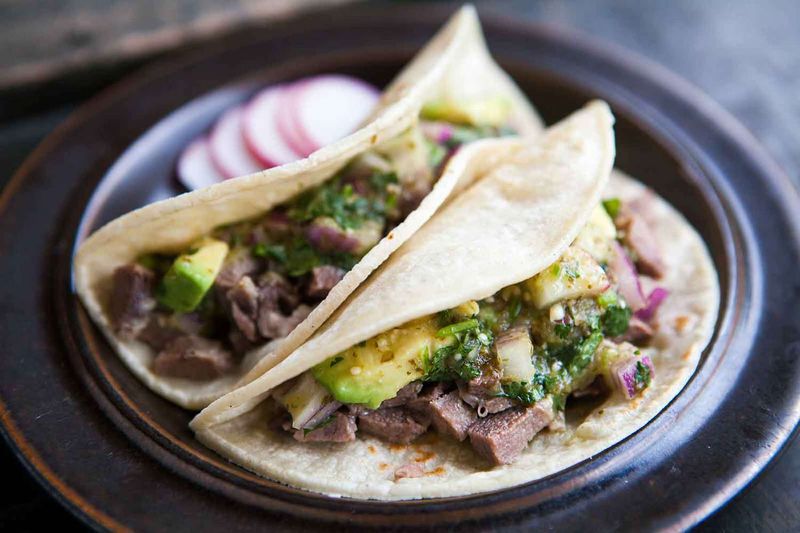
Beef tongue tacos can make people nervous before they know anything beyond the name. The easiest explanation is that, when cooked properly, tongue becomes incredibly tender and slices with a texture closer to roast beef than anything scary.
That alone makes many diners noticeably less hesitant.
The flavor is rich and beefy, and the meat takes beautifully to simple taco toppings like onion, cilantro, and salsa. In taco form, it is often more familiar than people expect after the initial intimidation wears off.
Once the ingredient is described by texture and flavor instead of anatomy, curiosity usually starts winning over fear.