Foods That Don’t Work Well In A Slow Cooker
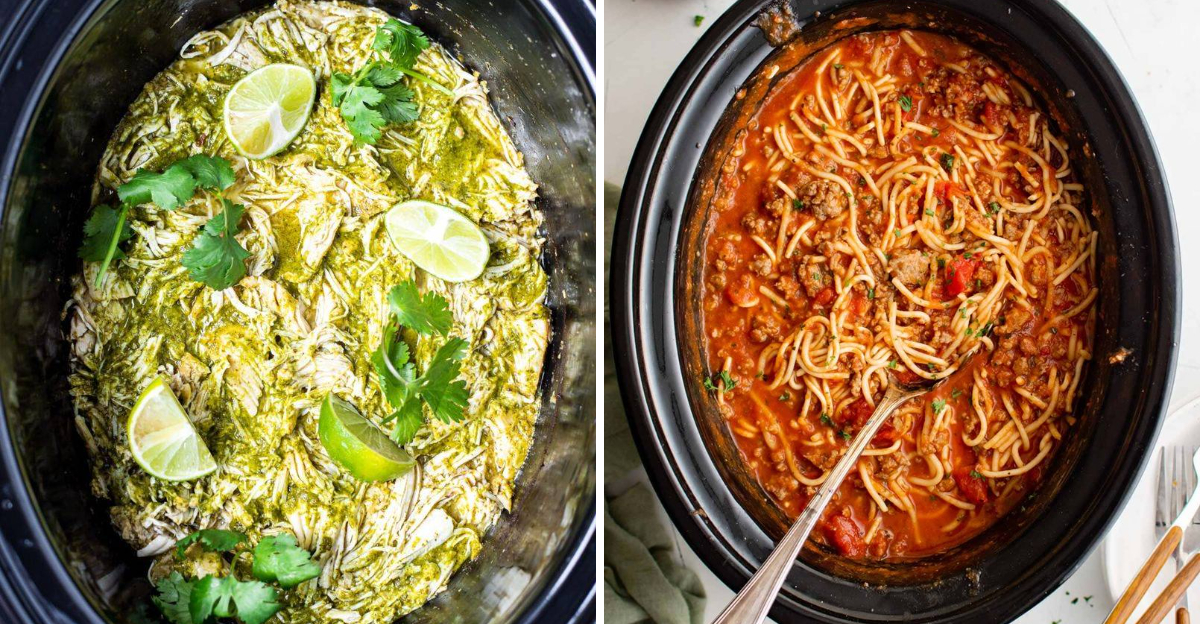
Slow cookers shine for hands-off comfort, but not every ingredient loves that long, gentle bath. Some foods turn mushy, rubbery, bitter, or just strangely bland when left to bubble away for hours.
If dinner keeps missing the mark, a few simple swaps and timing tweaks can fix it. Here are the usual troublemakers and how to handle each one like a pro.
1. Pasta
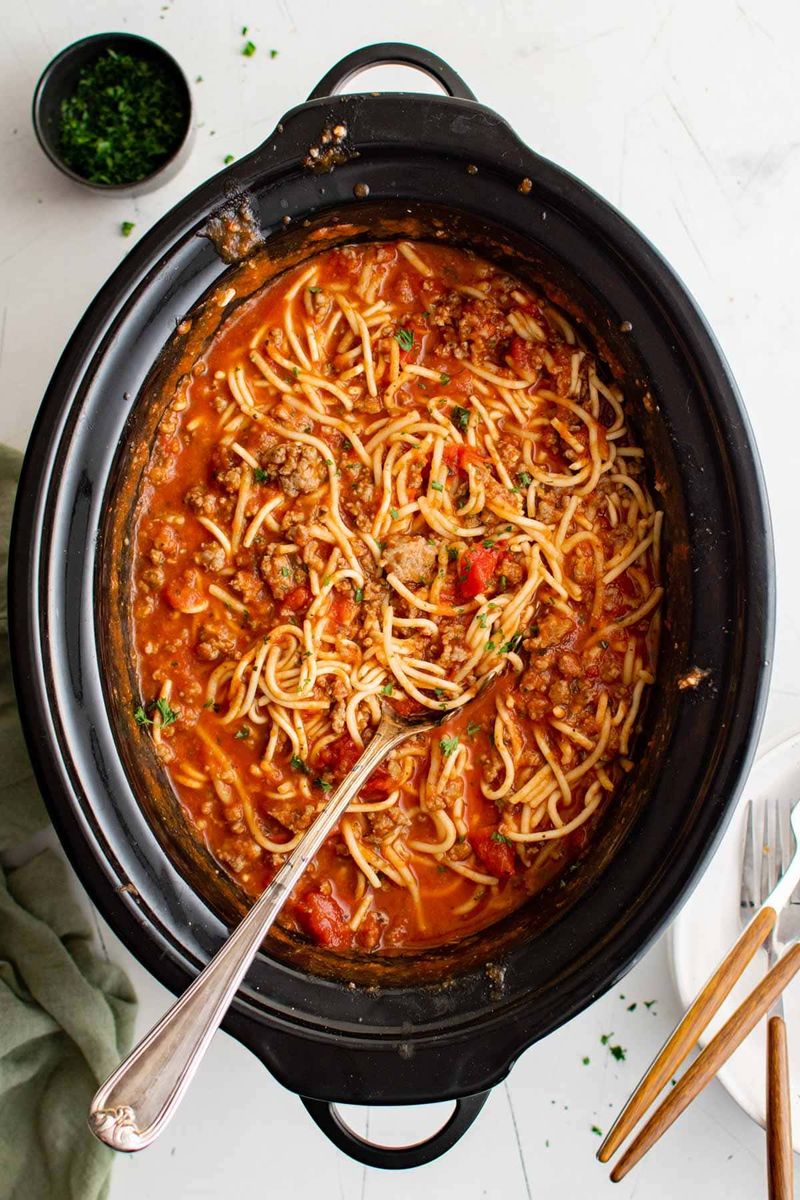
Pasta swells in slow, wet heat, so it often crosses from tender to soggy before you know it. Starches leach into the pot, thickening the liquid and muting flavors you wanted bright.
You end up with gummy noodles and a sauce that feels heavy and flat.
Better move: cook pasta separately in salted water, then drain and stir it in just before serving. If you must cook it in the slow cooker, use sturdy shapes and add during the last 20 to 30 minutes.
Keep the sauce a bit looser than usual. Taste often, because doneness changes fast.
2. Rice
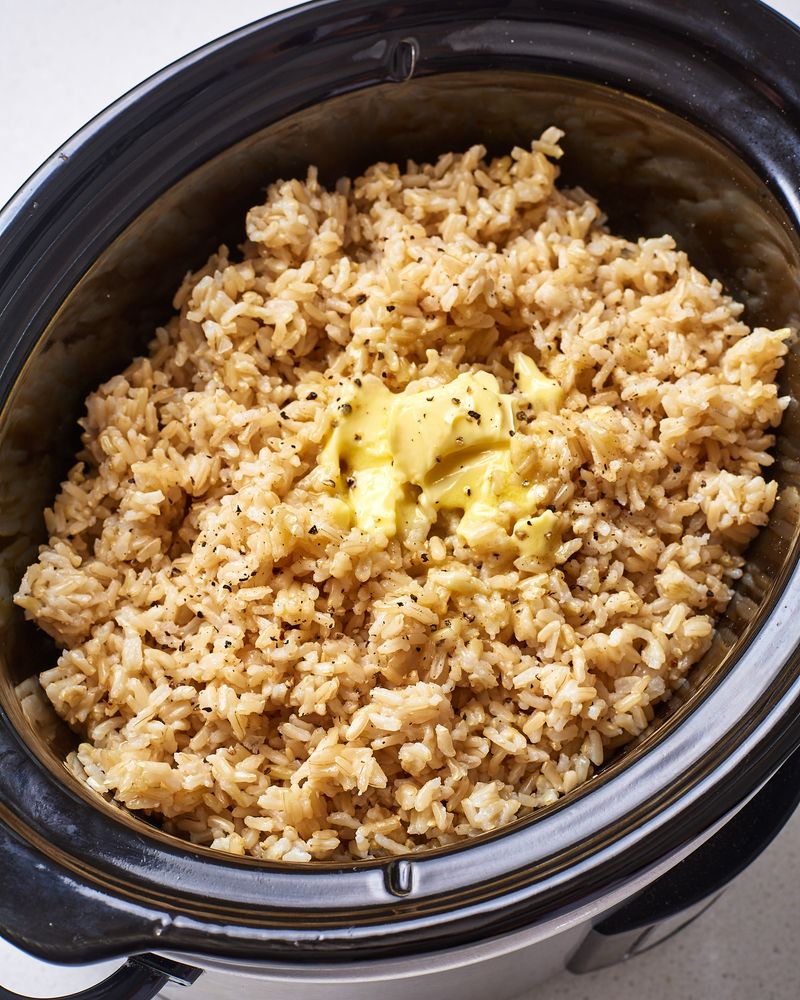
Rice can turn gummy or oddly firm because slow cookers heat gently and inconsistently across the pot. Some grains absorb too much moisture while others lag behind, leaving a patchy texture.
The starch clouding the liquid can also dull delicate seasonings.
Better move: cook rice separately on the stove, rice cooker, or Instant Pot, then fold it in at the end. If you want true one-pot ease, use par-cooked or leftover rice during the final 20 minutes.
Choose aromatic varieties thoughtfully, and salt the base properly. Resist lifting the lid early, but do check right at the end.
3. Delicate seafood (shrimp, scallops, most fish)
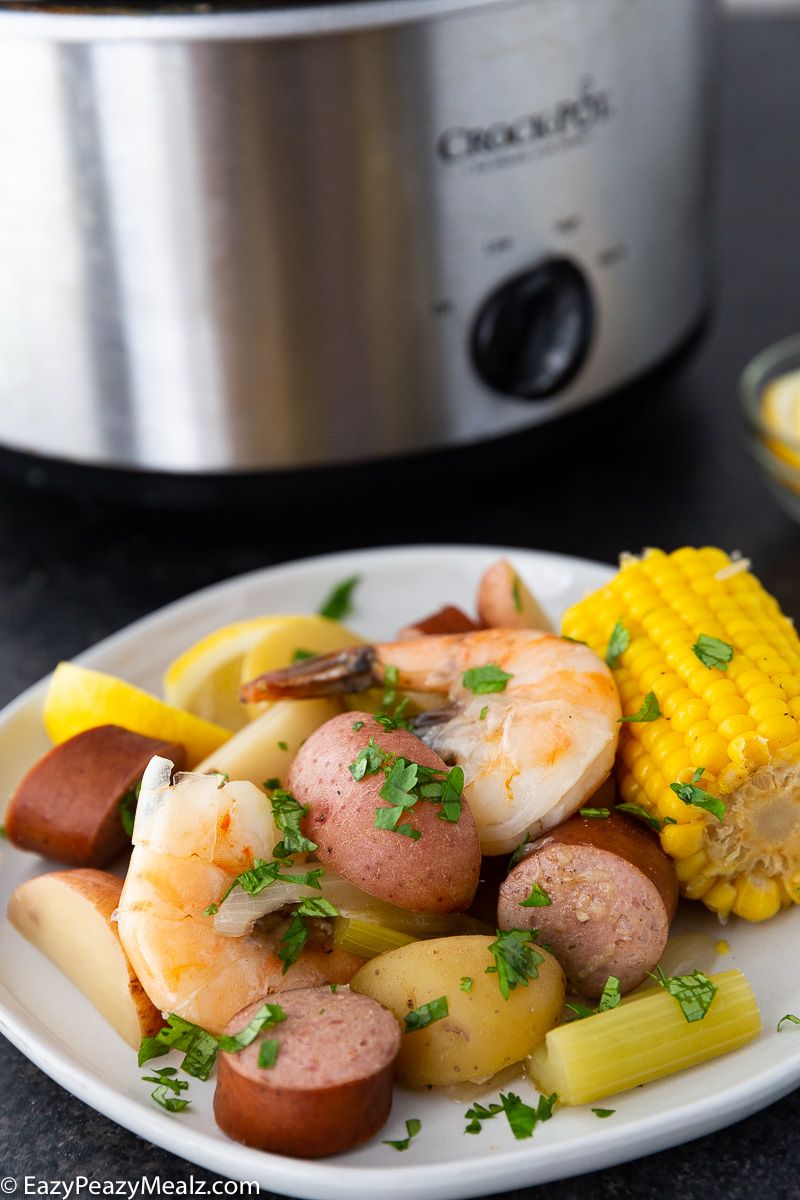
Delicate seafood cooks in minutes, so hours in a slow cooker make it rubbery or shred to bits. Shrimp curl tight, scallops weep liquid, and fish breaks apart into flavorless flakes.
Gentle heat still overdoes it because time, not temperature alone, ruins texture.
Better move: add seafood near the finish. Shrimp and scallops usually need 10 to 20 minutes, while thicker fish fillets take 15 to 30 depending on size.
Keep pieces larger for control, season assertively, and stop early. The carryover heat in the sauce will finish the job without wrecking tenderness.
4. Lean meats (skinless chicken breast, very lean pork)
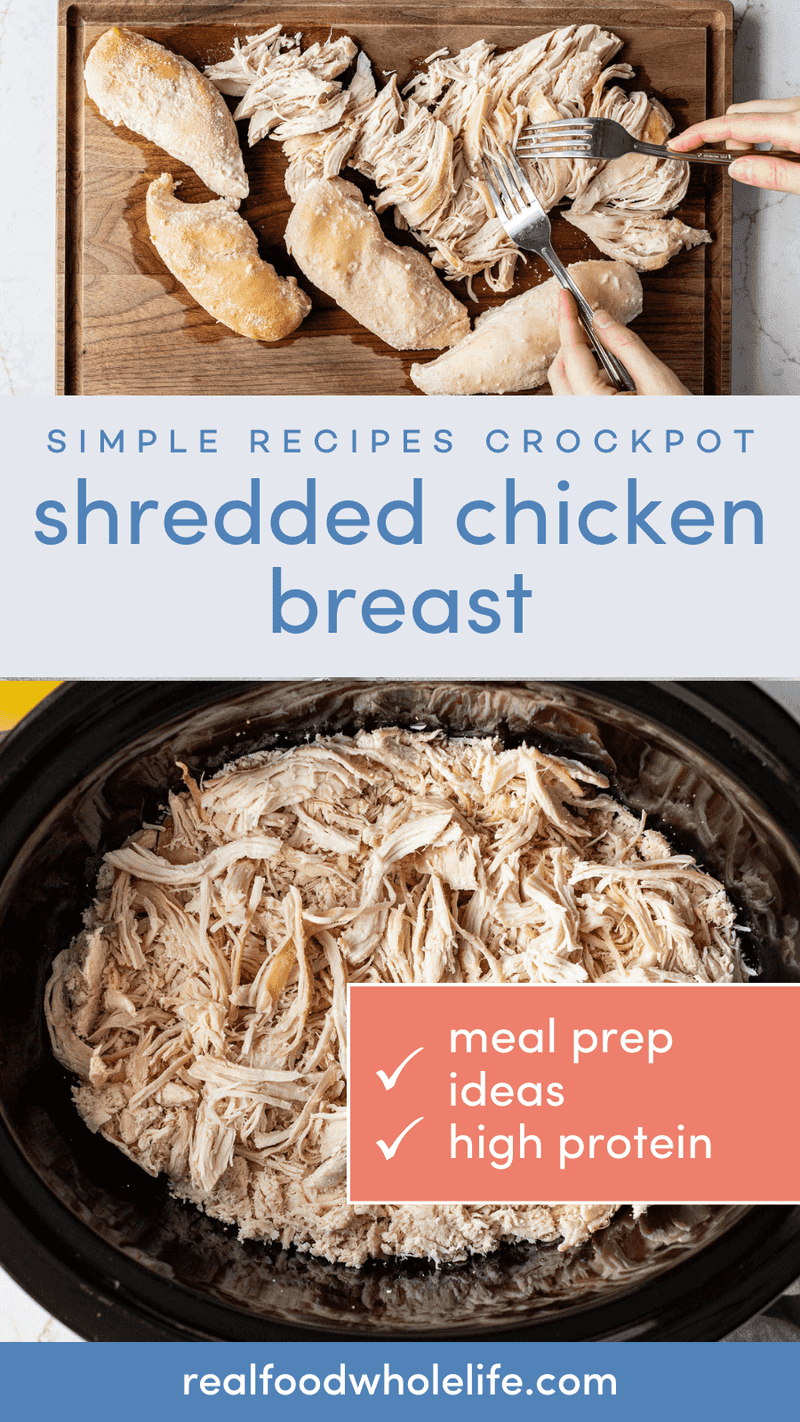
Lean meats lack fat to cushion long cooking, so they dry out and turn chalky. Chicken breast becomes stringy, and very lean pork loses juiciness, tasting flat instead of savory.
Even in lots of liquid, fibers tighten and squeak on your teeth.
Better move: choose chicken thighs, pork shoulder, or beef chuck for forgiving results. If you want breasts, add them only for the final 60 to 120 minutes on low, and monitor closely.
Brining helps, as does a flavorful, slightly salty sauce. Shred gently and moisten with cooking juices right before serving.
5. Steak cuts meant for quick cooking (sirloin, tenderloin)
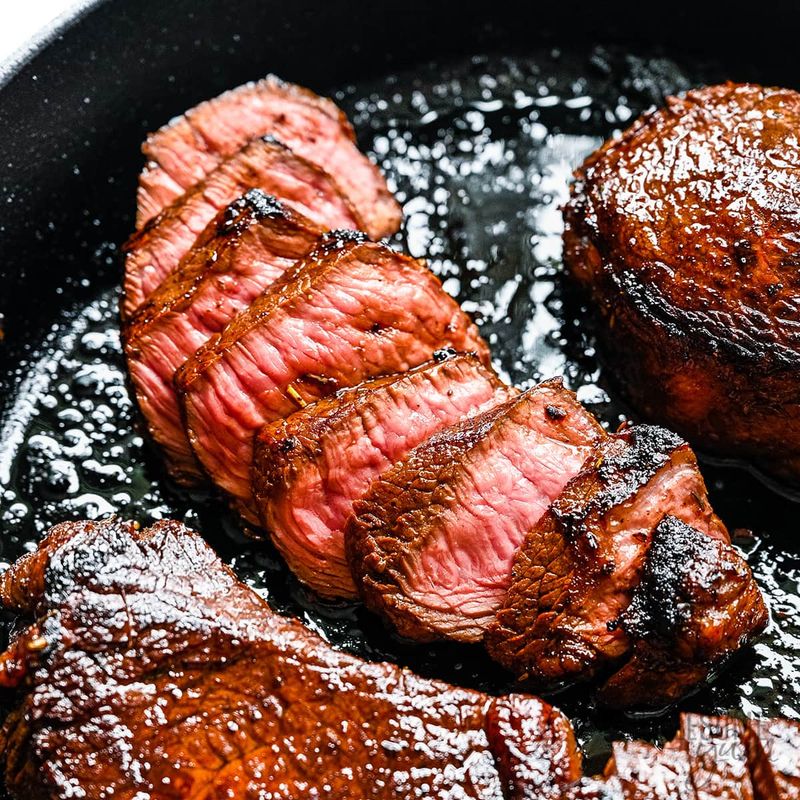
Steaks designed for hot-and-fast cooking lose their best qualities in a slow cooker. Without searing heat, they turn gray outside and tight inside, with no crust or rosy middle.
The gentle bath leaches character and leaves the meat tasting oddly bland.
Better move: pan-sear and cook steaks quickly, or pick slow-cooker stars like chuck, short ribs, or shank. If steak must go in, sear hard first and keep cooking time short on low.
Slice across the grain and sauce generously. Still, expect compromise compared to skillet or grill results.
6. Fresh herbs (basil, parsley, cilantro)
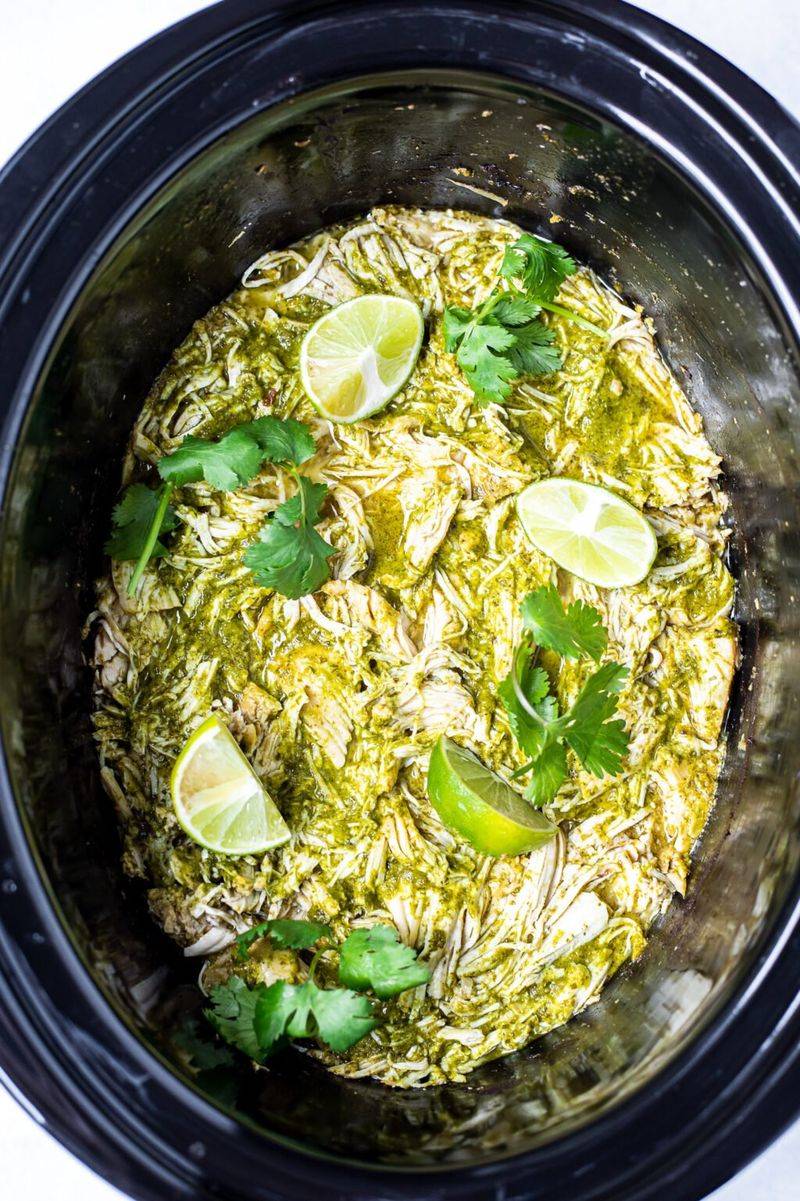
Fresh herbs carry bright top notes that fade or turn muddy over hours of heat. Basil blackens, cilantro loses perfume, and parsley tastes tired.
You miss that fresh lift that makes a dish pop at the end.
Better move: add leafy herbs right before serving, off heat if possible. Stir in chopped basil, parsley, or cilantro, then taste and adjust salt and acidity.
For long cooking, use sturdy dried herbs early and finish with fresh for aroma. A squeeze of lemon or splash of vinegar helps those greens sing.
7. Tender vegetables (zucchini, summer squash, asparagus)
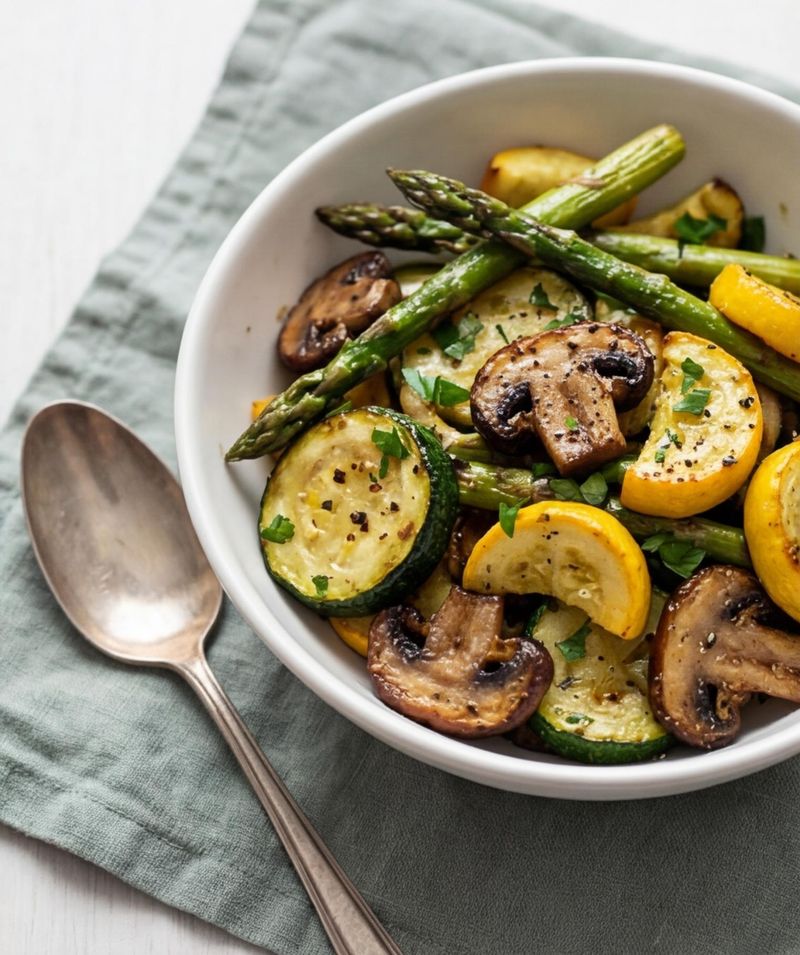
Tender vegetables collapse in slow, wet heat, flooding the pot with extra water. Zucchini and summer squash go from crisp to slumped, and asparagus turns stringy.
Their mild flavors get washed out, leaving a soupy, pale-tasting dish.
Better move: add these vegetables in the last 30 to 60 minutes, depending on thickness. Cut larger pieces to buy time, or roast separately for caramelized edges.
Drain excess liquid before finishing, and brighten with herbs or lemon. You keep texture, color, and flavor contrast without overcooking.
8. Broccoli and cauliflower
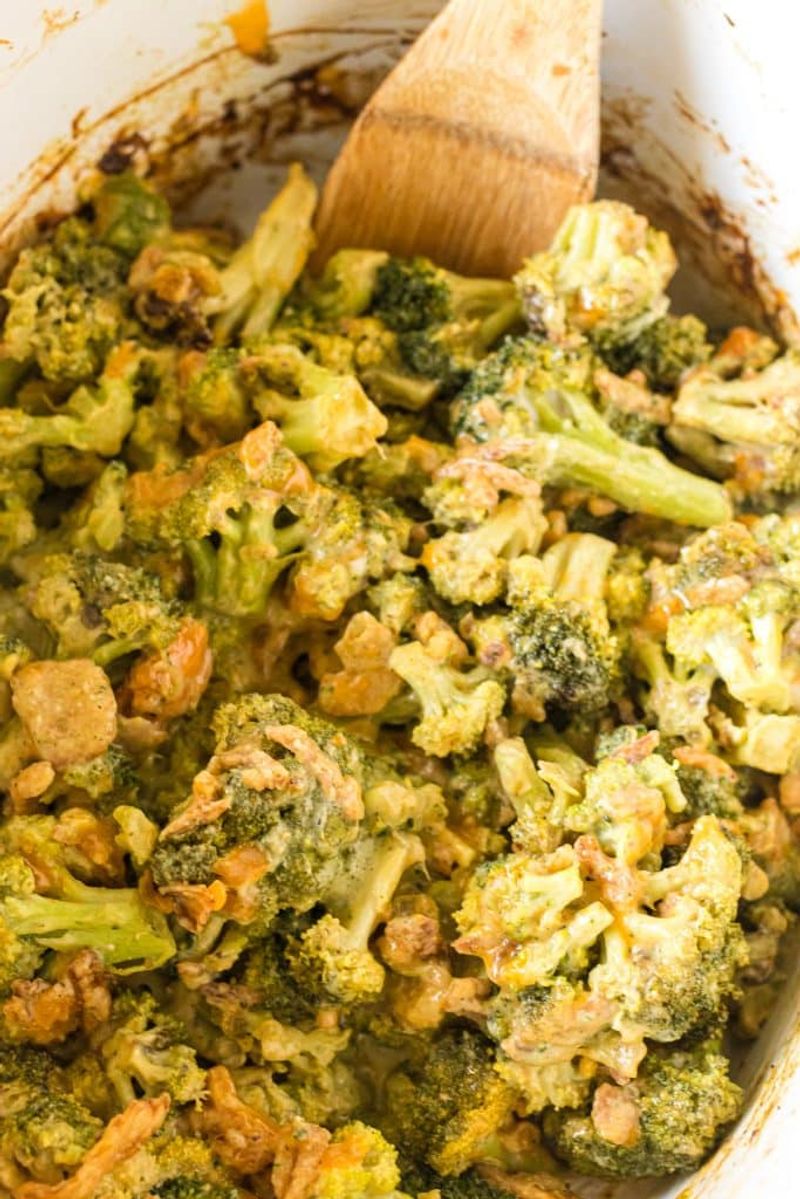
Broccoli and cauliflower release sulfur compounds when overcooked, making the pot smell funky. Florets soften into a grainy mash, tinting olive green and losing sweetness.
The sauce picks up cabbagey notes that overshadow everything else.
Better move: steam or roast florets separately for better texture, then fold them in at serving. If using the slow cooker, add them for the final 30 to 45 minutes.
Keep pieces larger and stems trimmed. Finish with lemon zest, butter, or sharp cheese to counter any lingering brassica bite.
9. Mushrooms without browning first
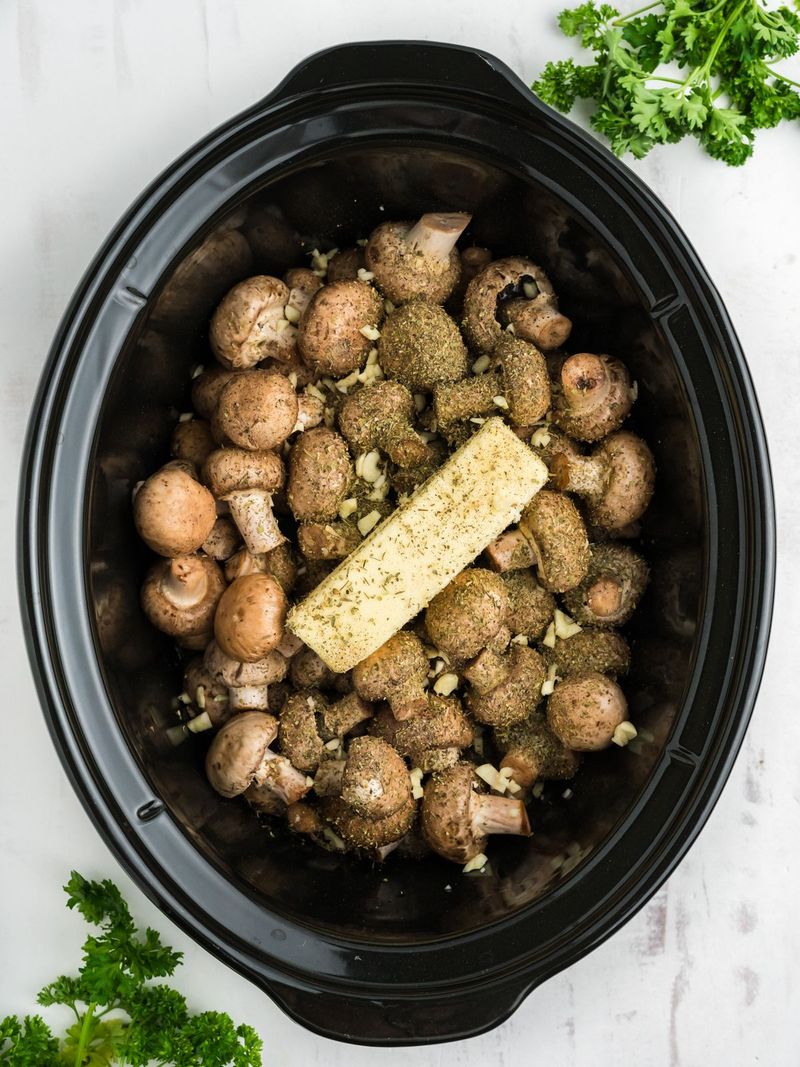
Raw mushrooms shed lots of moisture, so a slow cooker turns them pale and watery. Without browning, their flavor stays muted and slightly spongy.
The extra liquid thins sauces and mutes seasoning you worked hard to build.
Better move: sauté mushrooms in a hot pan until they release liquid and start to caramelize. Salt early, get color, then add to the slow cooker.
You lock in savoriness and reduce wateriness. If skipping the skillet, at least add them late and uncovered for a bit to vent steam.
10. Dairy that splits (milk, cream, sour cream, yogurt)

Milk and light creams can split after hours, turning sauces grainy and broken. Sour cream and yogurt curdle even faster, leaving unappetizing specks and watery pockets.
Gentle heat does not guarantee stability when time runs long.
Better move: stir dairy in during the final 15 to 30 minutes on low, and avoid boiling. Temper with a little hot liquid first.
Use cream cheese or evaporated milk for more stability. A cornstarch slurry can help emulsify and protect delicate textures without dulling flavor.
11. Soft cheeses (cheddar, mozzarella)

Soft, melty cheeses can separate into greasy pools when held hot for hours. Cheddar turns grainy, and mozzarella becomes stringy and rubbery.
The sauce loses body while oil floats on top, making every bite feel heavy.
Better move: add cheese at the end off heat, stirring until just melted and smooth. Shred finely so it integrates quickly.
For dips, blend cheese with starch or evaporated milk for stability. Serve warm, not scorching hot, to keep everything silky and unified.
12. Eggs
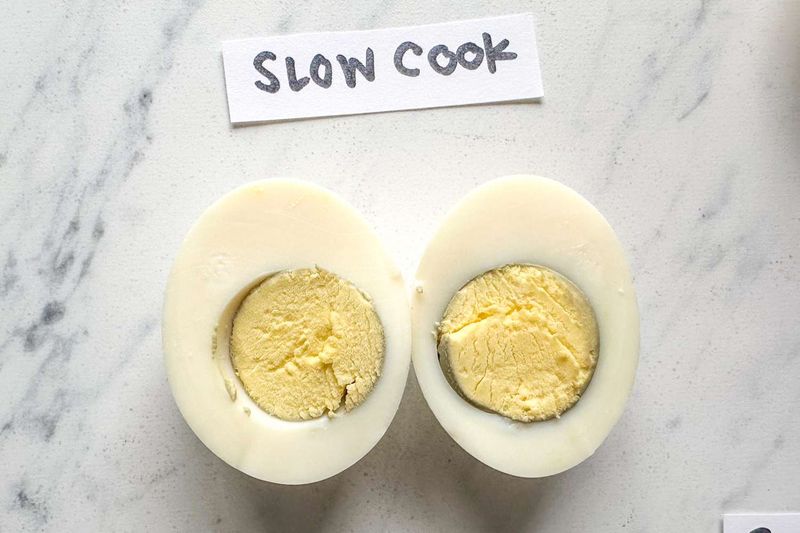
Eggs firm up quickly, so long slow-cooker sessions make them spongy and squeaky. The custard weeps water and the edges overcook while the center lags.
Delicate flavors get dull, leaving a bouncy, uneven bite.
Better move: cook eggs fresh on the stovetop, or use well-tested slow-cooker casseroles with tight timing. Grease the insert, keep the mixture thicker, and avoid overfilling.
Check early, use low heat, and rest before slicing. Often, baking in the oven delivers far better texture and consistency.
13. Crispy foods (fried chicken, breaded cutlets)
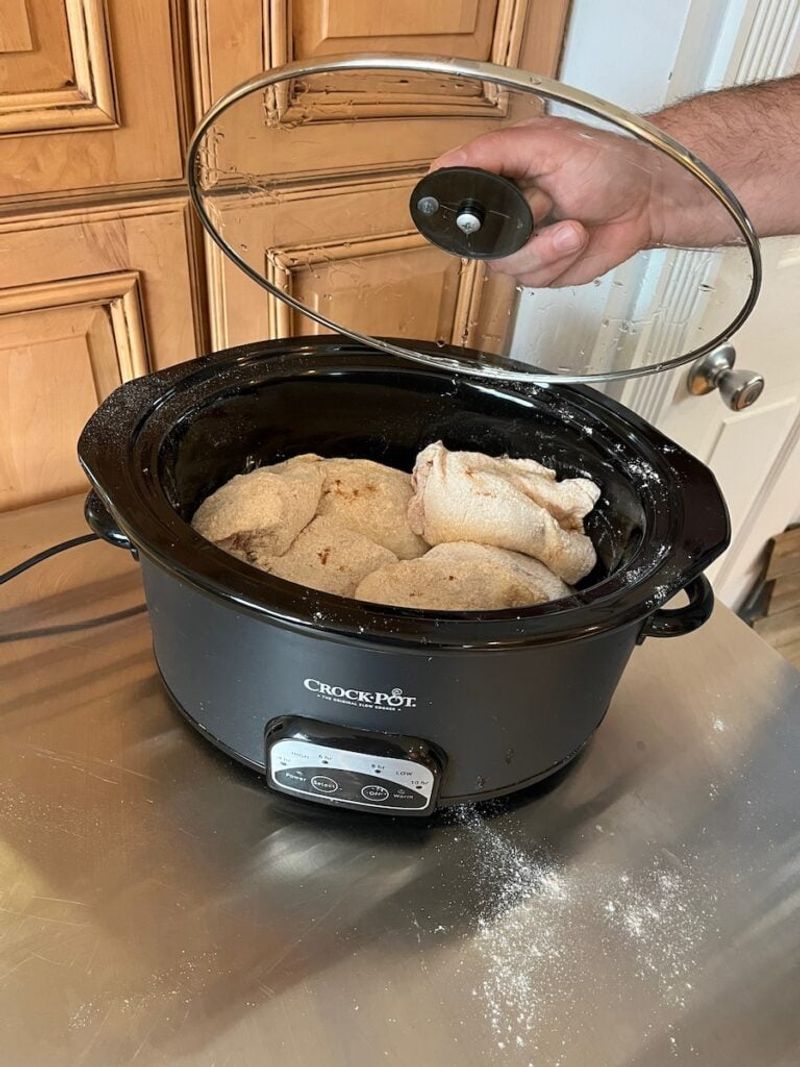
Steam and moisture undo crisp coatings, so anything breaded turns soggy in a slow cooker. Fried chicken loses its crackle and becomes damp, even greasy.
The lid traps condensation that drips back, soaking formerly crunchy edges.
Better move: keep crispy elements separate and add at the very end. Use the slow cooker for the sauce or filling, then top with fresh-fried or oven-crisped pieces.
Briefly broil to restore crunch if needed. Serve immediately so steam does not reclaim the texture you worked for.
14. Potatoes in some setups (especially diced russets)
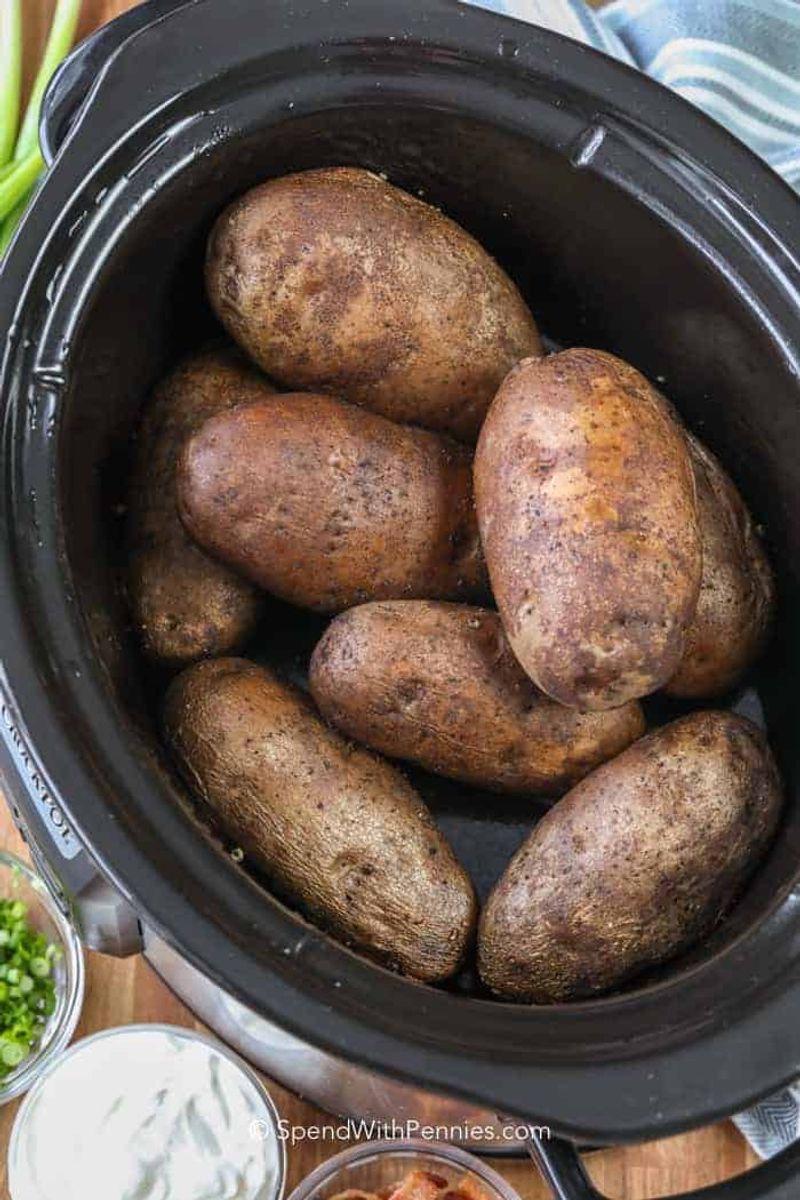
Russets can stay oddly firm because slow cookers heat gently and may not reach a strong simmer early. Large chunks resist softening, especially in acidic sauces.
Meanwhile, edges break down, giving a strange mix of mealy and hard.
Better move: cut potatoes smaller, preheat the cooker, or parboil briefly. Choose waxy varieties like Yukon Golds or reds when you want slices to hold.
Add acids later, and keep pieces submerged. Test often near the end, since small adjustments make a big difference in texture.
15. All-cabbage dishes
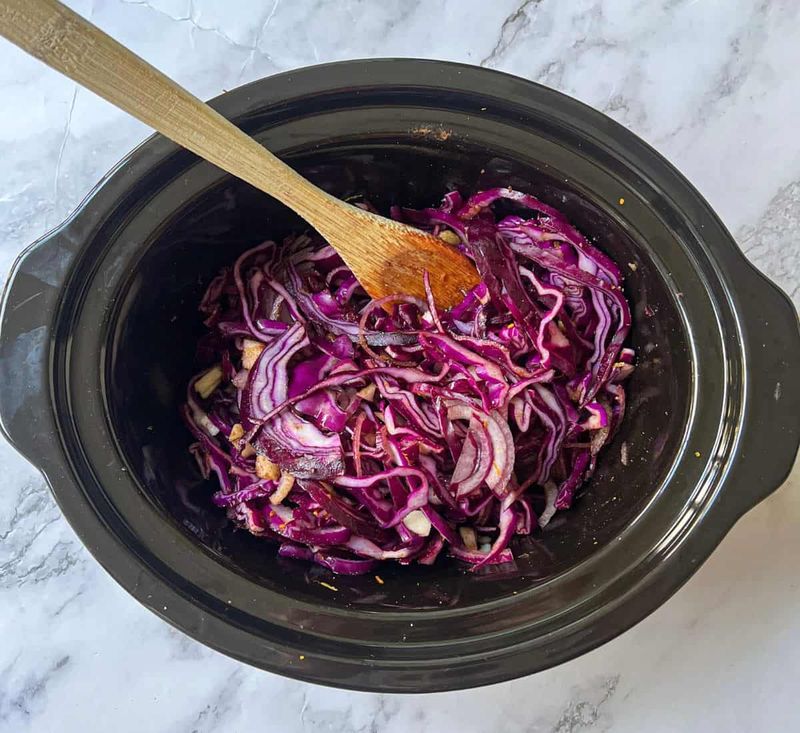
Long-cooked cabbage can dominate the kitchen with a strong smell and overly soft texture. Leaves collapse, releasing sulfur notes that overshadow milder ingredients.
The broth takes on a cabbage-first profile, crowding out nuance.
Better move: braise cabbage on the stove or in the oven where you can simmer uncovered. Or add shredded cabbage during the last hour in the slow cooker.
Balance with acidity, salt, and a touch of sweetness. A quick sauté before finishing adds color and tames pungency.
16. Wine-heavy sauces added from the start
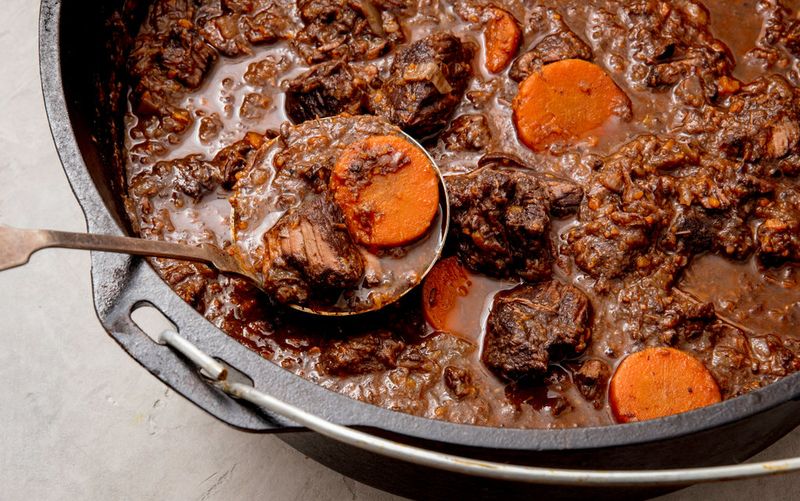
Alcohol does not evaporate efficiently in a sealed slow cooker, so raw wine notes linger. Instead of a mellow reduction, you get sharp, thin flavors that never round out.
Tannins can feel rough, distracting from tender meat and vegetables.
Better move: reduce wine on the stove first to cook off alcohol and concentrate flavor. Deglaze a hot pan, simmer until syrupy, then add to the slow cooker.
Balance with stock and aromatics. The result tastes integrated, not boozy or harsh.