Foods That May Not Be Around Much Longer
Some foods you love are getting tougher to grow, harvest, or catch consistently. Climate shifts, water stress, pests, disease, and rising costs are piling on, making certain favorites more seasonal or more expensive.
This is not about instant extinction, but about a slow squeeze that changes availability and flavor. Here are everyday staples and treats that could feel rarer in the coming decades if pressures keep stacking up.
1. Chocolate (cacao)
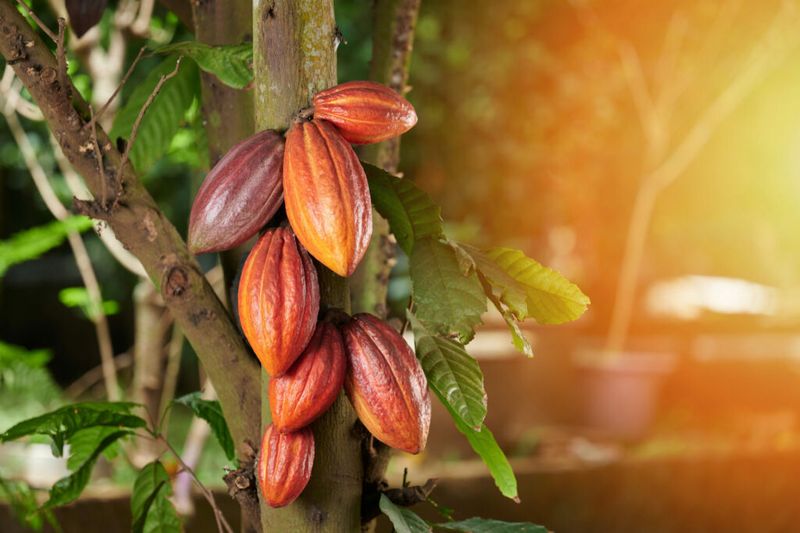
Chocolate depends on cacao trees that like steady heat, humidity, and rainfall. When temperatures spike or rains arrive at the wrong time, blossoms drop, pests flourish, and yields tumble.
You might still find bars on shelves, but price swings and flavor shifts can creep in as regions struggle.
Growers sometimes move uphill to chase cooler conditions, yet land is limited and new pests may follow. Disease pressure, like witches broom and frosty pod rot, raises costs for vigilant pruning and management.
Paying farmers fairly helps resilience, but that still cannot erase climate volatility.
As supply tightens, single origin bars may become pricier and more seasonal. You might notice more blends, smaller sizes, or reformulations.
Enjoy thoughtfully, and support shade-grown, traceable cacao when you can.
2. Coffee (especially arabica)
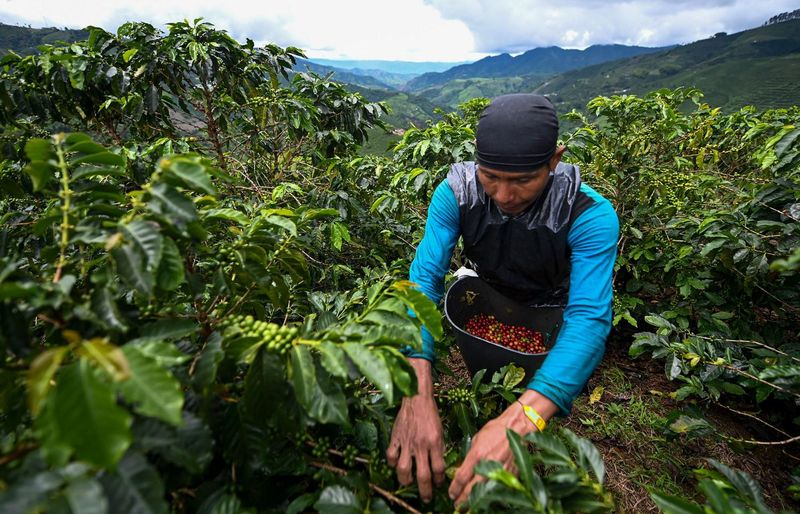
Arabica coffee thrives within a narrow temperature band. As nights warm and heat waves linger, beans ripen too fast, flavors flatten, and pests like coffee berry borer push higher uphill.
Many farms climb to cooler elevations, but suitable land and water do not always follow.
Erratic rainfall complicates flowering and fruit set, so harvests become less predictable. Diseases such as leaf rust surge under warmer, wetter conditions, forcing costly fungicide regimes or replanting with resistant varieties.
That can alter classic flavor profiles you expect from beloved regions.
Prices may swing, specialty lots may sell out quicker, and some origins could feel seasonal. You can look for climate-resilient programs and farmer support labels.
Brewing at home might taste different tomorrow than it does today.
3. Vanilla
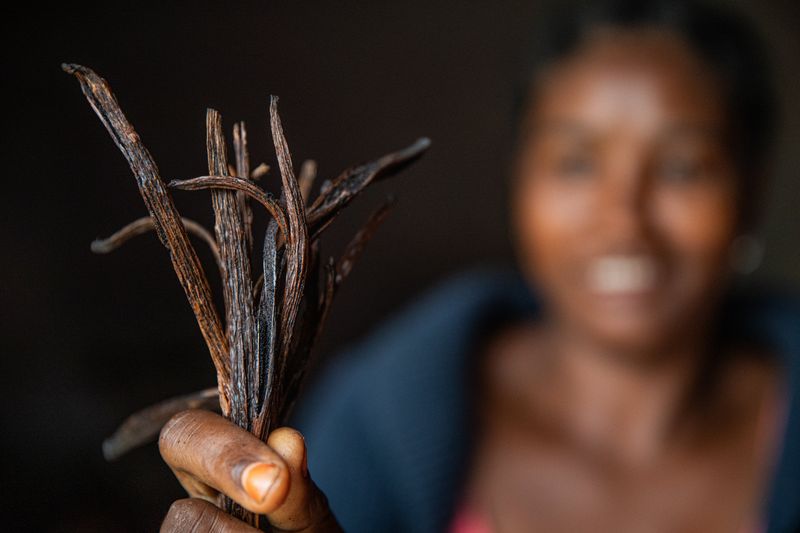
Vanilla is romantic until you meet its reality. The orchid blooms briefly, often needing hand pollination, then months of curing and drying to develop that signature aroma.
Weather hiccups, storms, or heat can slash harvests and send prices spiking overnight.
Because supply is geographically concentrated, disease or cyclones can ripple across global markets. Farmers face theft, crop failures, and complex processing steps that demand time and skill.
Synthetic vanillin fills gaps, but it lacks the nuance of true beans from places like Madagascar or Tahiti.
Expect volatility, smaller bottles, and blends stretching precious beans. When you splurge, store pods well and savor every speck.
Supporting traceable, ethically sourced vanilla helps keep the craft alive under tougher conditions.
4. Olive oil
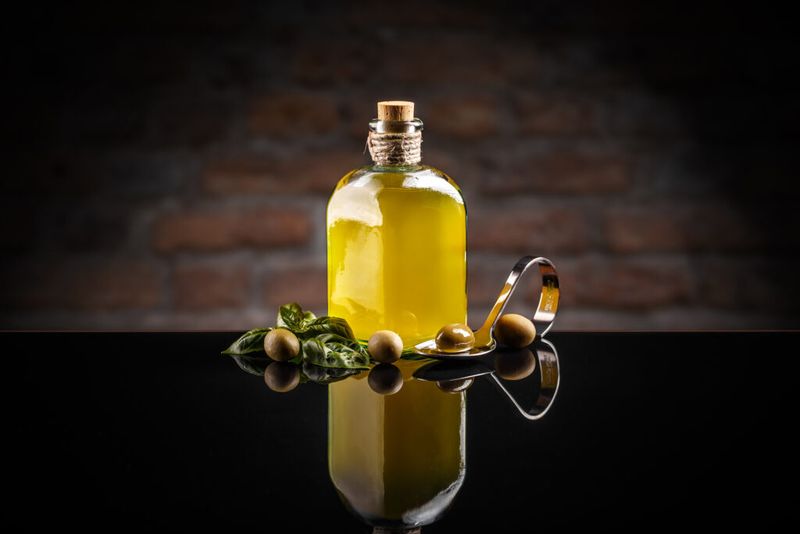
Olive trees handle drought better than many crops, but extreme heat and erratic rainfall push them past comfort. Heat during flowering can reduce fruit set, while water stress shrinks olives and affects oil yield.
Pests like olive fruit fly respond to warmer seasons, challenging quality.
Regions famed for peppery, green oils face shifting harvest windows and rising irrigation costs. Some groves transition to new varieties or super high density systems, yet that brings tradeoffs for flavor and biodiversity.
Year to year variability grows, so bottles may taste different than you remember.
Prices can climb, counterfeit risks rise, and blends become more common. Seek harvest dates and certification to find honest oils.
Drizzle mindfully, and store away from light and heat to protect precious flavor.
5. Wine grapes
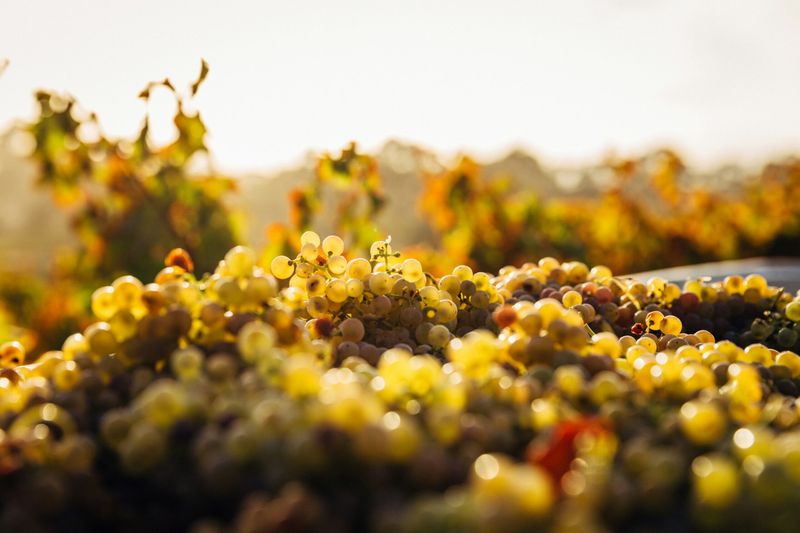
Great wine relies on a climate sweet spot. Warmer seasons speed ripening, raising sugars while acids plunge, so balance goes sideways.
Heat waves can sunburn berries, smoke taint from wildfires lingers, and harvests compress into frantic schedules.
Some regions experiment with canopy shade, irrigation tweaks, night harvesting, or planting at altitude. Others graft to drought tolerant rootstocks or pivot varieties entirely.
Classic terroirs may taste different, and new frontiers emerge in cooler latitudes where vines once struggled.
Expect vintages to vary more and labels to highlight adaptation strategies. Your favorite bottle might shift in style, alcohol, or texture.
It is a fascinating evolution, but scarcity and insurance costs can raise prices for the wines you love.
6. Almonds
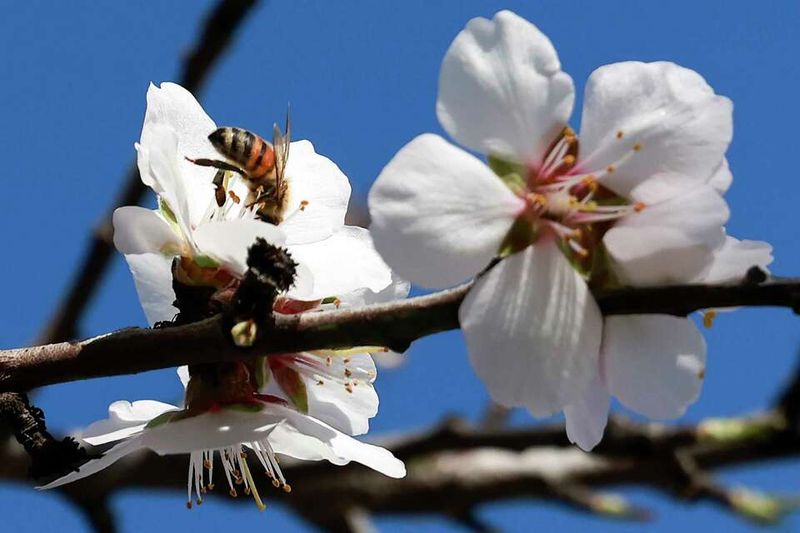
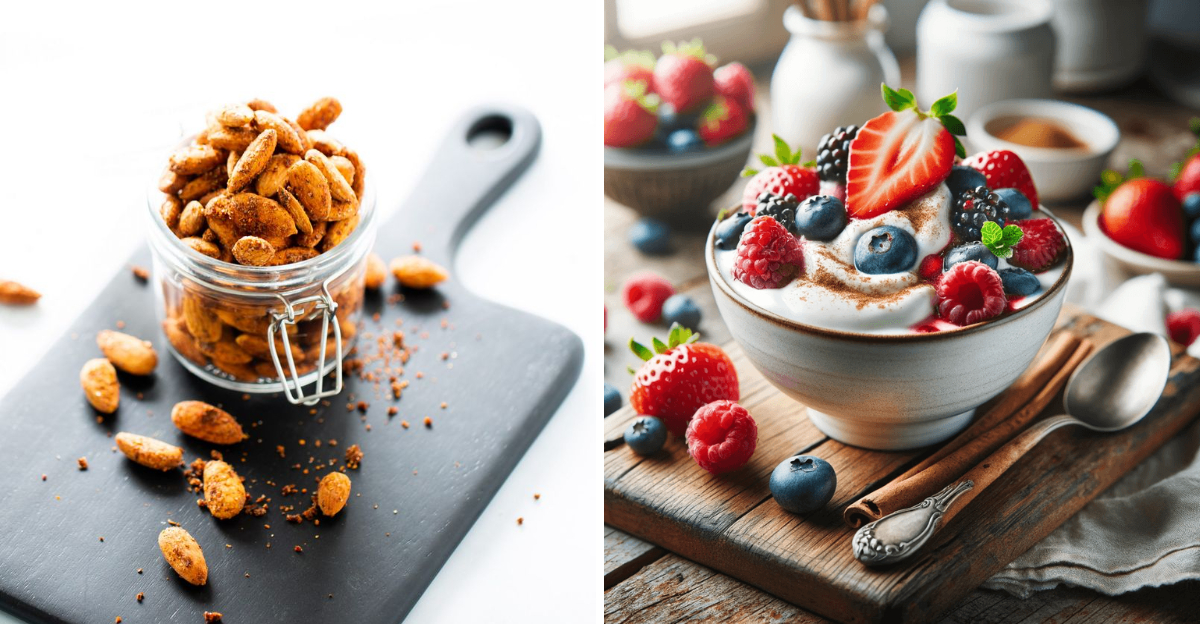
Almonds are thirsty, relying on reliable irrigation during critical growth stages. Prolonged droughts, snowpack swings, and water restrictions squeeze orchards, especially in California where most almonds are grown.
When blossoms open, bees must be healthy and abundant, or nut set plummets.
Heat stress and salinity can further reduce yields and quality. Farmers shift to micro irrigation, soil moisture sensors, and hedging with alternative crops, but costs stack up.
New plantings may slow, and older orchards can be pulled when water gets too tight.
Expect price bumps and more attention to origin. You may notice marketing around bee friendly practices and water stewardship.
Snacking on almonds will likely continue, just with more seasonal volatility and careful, costly management behind the scenes.
7. Rice
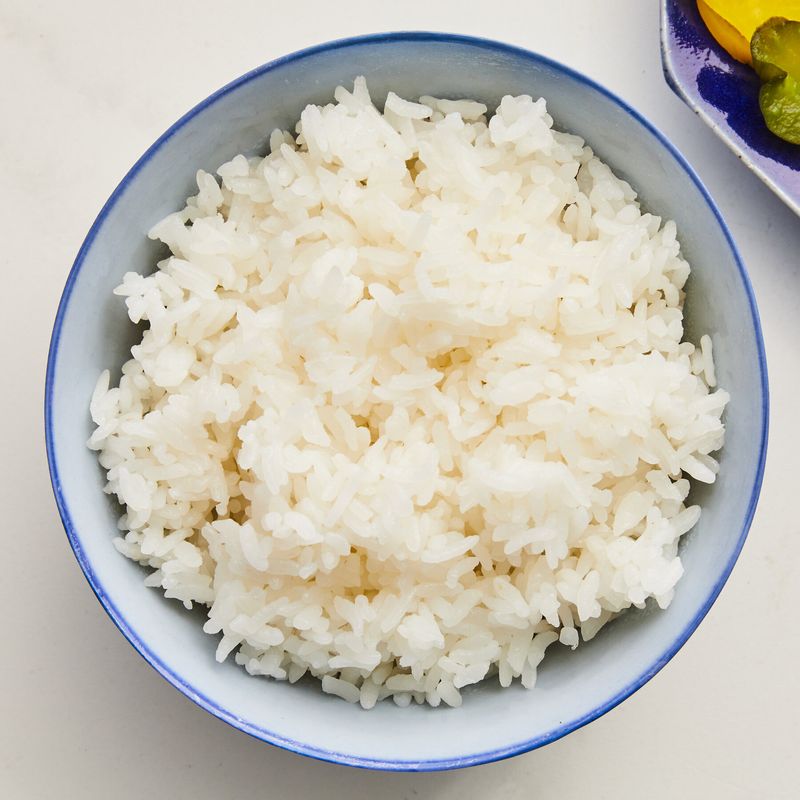
Rice needs steady water and predictable seasons. Heat at flowering can slash yields, while water shortages leave paddies patchy or push farmers to alternate wetting and drying.
Storms and floods can undo months of careful work overnight.
In many regions, groundwater depletion and erratic monsoons raise risk. Salinity intrusion from rising seas threatens coastal deltas, some of the world’s rice bowls.
Breeders race to release heat tolerant, submergence resistant varieties, yet adoption takes time and investment.
When multiple exporters suffer a bad year, prices jump and importers scramble. You may see tighter bags, blends, or origin changes on shelves.
Saving water at home is symbolic, but supporting sustainable programs helps keep bowls filled in a warming world.
8. Wheat
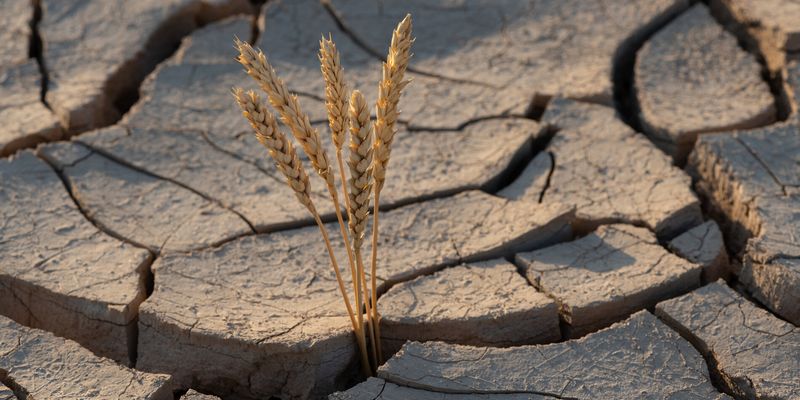
Wheat anchors global diets, but heat waves during flowering and grain fill can kneecap yields. Drought shrinks kernels and boosts protein in ways that complicate milling and baking.
When several breadbaskets stumble together, prices and food security concerns rise fast.
Farmers diversify varieties, plant earlier or later, and chase stored soil moisture. Heat tolerant lines help, but extreme events still bite.
Irrigation buffers in some regions, yet water is costly and scarce.
Expect more volatile flour prices, shifting export bans, and whispers about quality each season. Your favorite loaf might feel different as millers blend lots to hit specs.
Supporting resilient grain systems keeps noodles, chapati, and bread more dependable for everyone.
9. Corn (maize)
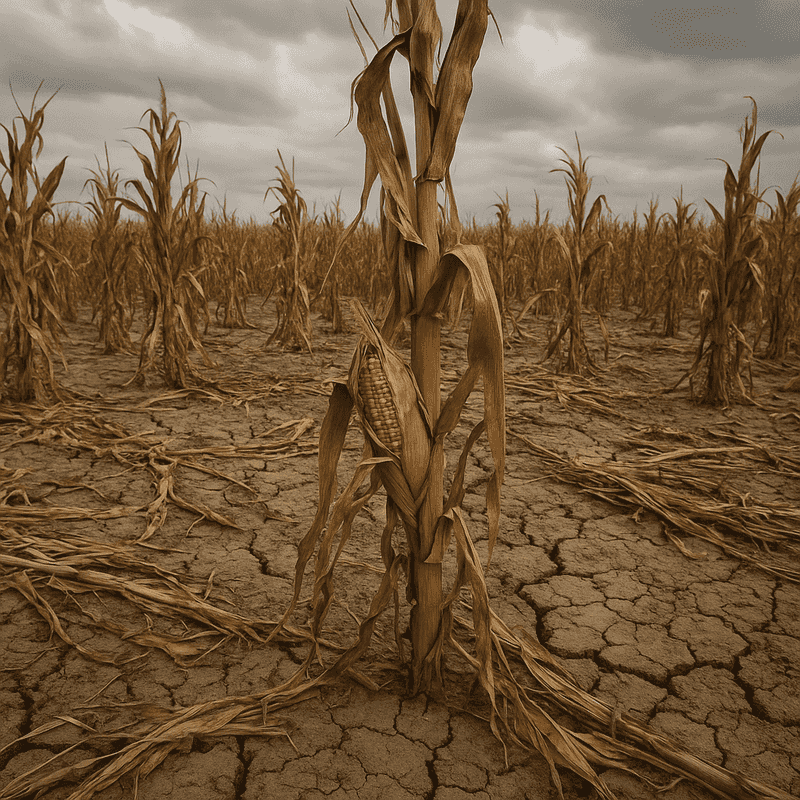
Corn is foundational for feed, fuel, and food ingredients. Hot, dry stretches around pollination wreck kernel set, shrinking yields across huge acreages.
Because corn feeds livestock and underpins sweeteners and starches, shortages ripple into meat, dairy, and processed foods you buy.
Growers add drought tolerant hybrids, adjust planting dates, and use precision irrigation where possible. But deep heat domes can overwhelm even improved genetics.
Storms and derechos also flatten fields, compounding losses.
Expect price swings in everything from tortillas to breakfast cereal. Ethanol mandates and export demand complicate the balance further.
When forecasts hint at a rough season, markets jump, and your grocery bill quietly follows, reminding you how central this one crop remains.
10. Maple syrup
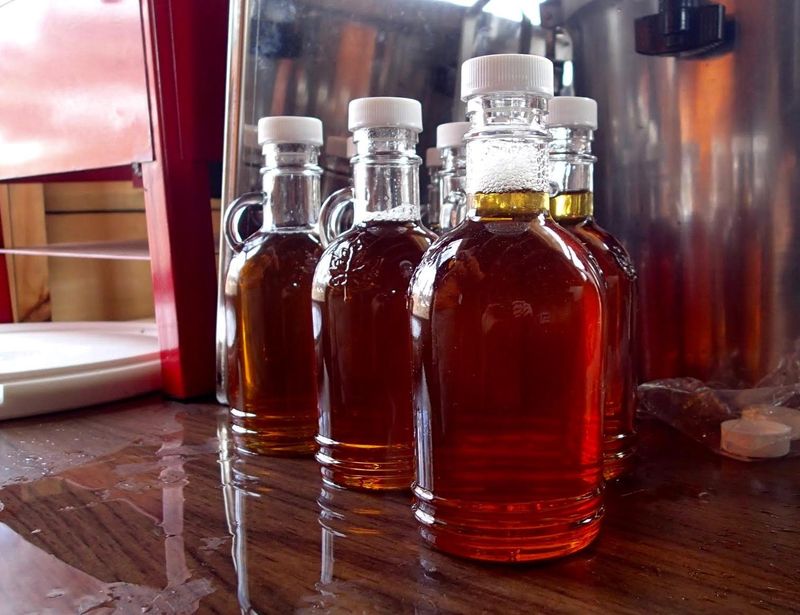
Maple syrup relies on a freeze thaw rhythm that nudges sap to flow. Warmer winters and shorter cold snaps can compress or scramble the season.
Producers may get unpredictable bursts instead of a steady run, making planning and staffing harder.
Earlier thaws risk muddy trails and access issues, while sudden warm spells reduce sap sugar content. That means more boiling to reach syrup, raising fuel costs and changing flavors subtly.
Some operations shift elevation or northward, but heritage sugarbushes cannot relocate easily.
You might see smaller batches, higher prices, and more emphasis on vintage style labeling. Syrup will not vanish, yet it could feel rarer in some years.
Savor that amber pour knowing timing and temperature did the real magic.
11. Avocados
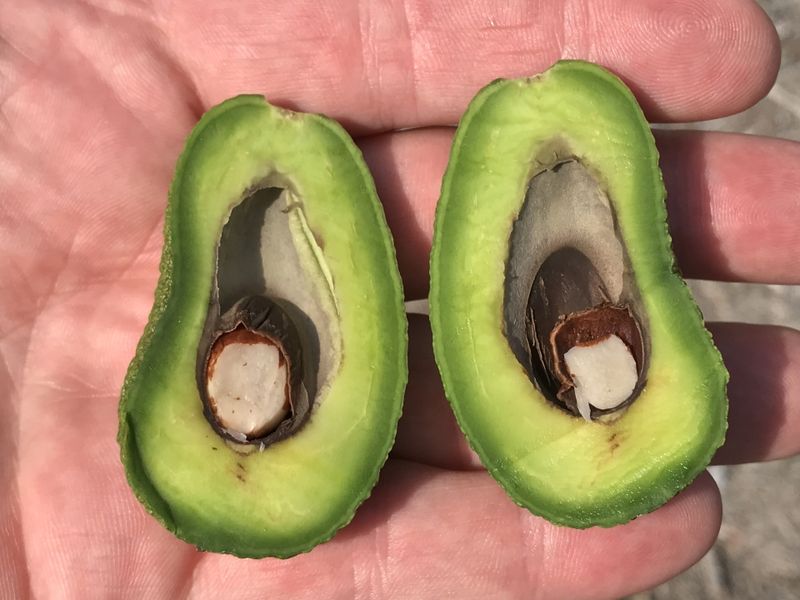
Avocados need plenty of water and mild conditions. Heat waves can scorch fruit and stress trees, while drought forces costly irrigation or limits new plantings.
In key regions, water conflicts and rising energy prices add pressure.
As orchards chase cooler microclimates, transport and labor costs grow. Storms or frost at the wrong time can knock flowers and slash yields.
When supply tightens, sizes and grades shift, and you may notice price whiplash at the store.
Growers adopt mulching, shade cloth, and more precise irrigation, yet extremes still bite. Expect more seasonality and origin changes on labels.
That perfect guacamole might cost a little more, so plan purchases and enjoy peak ripeness when deals appear.
12. Citrus (oranges, lemons, limes)
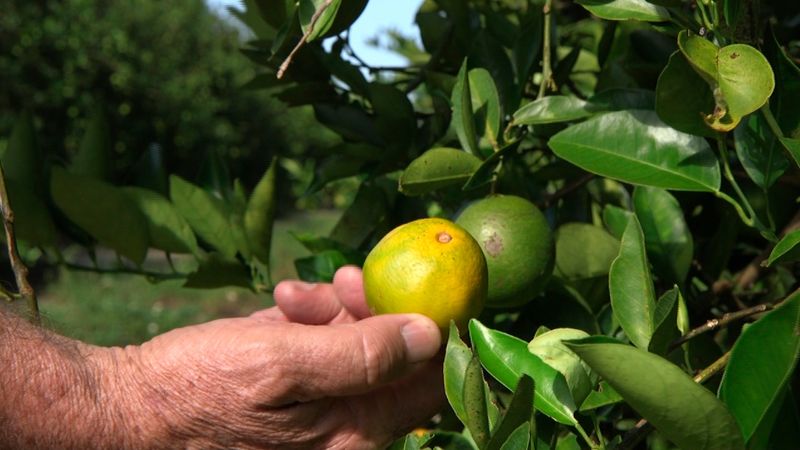
Citrus faces a pincer of disease and extreme weather. Huanglongbing, or citrus greening, devastates trees and fruit quality, demanding intensive monitoring or replanting.
Heat waves, hard freezes, and storms can bruise orchards and disrupt flowering cycles.
Water scarcity pushes groves to drip systems and protective netting, yet costs soar. Some regions pivot to tolerant rootstocks or new varieties, but flavor and juice yields may differ.
Packinghouses adjust grading more strictly when scarred fruit arrives.
In stores, expect tighter supply windows and more imports when local seasons falter. Prices for limes or orange juice can spike unexpectedly.
When you catch citrus at peak freshness, stock up a bit, and savor that brightness while trees battle tougher odds.
13. Bananas (export varieties)
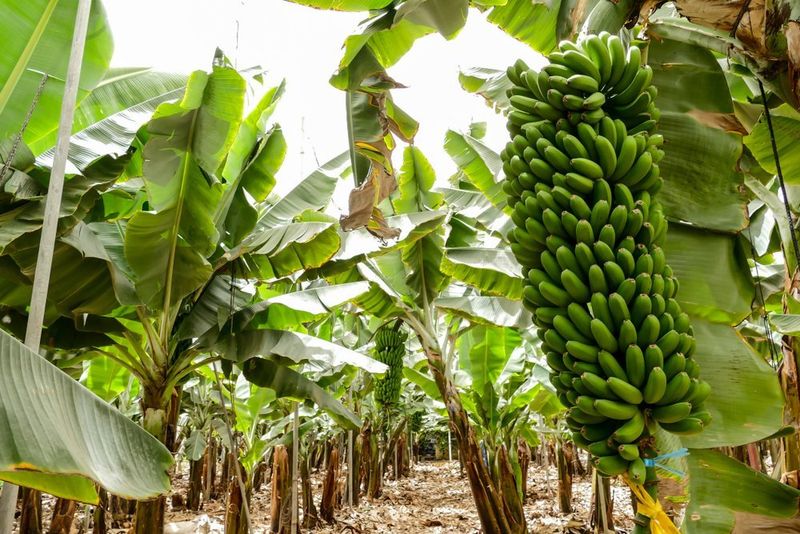
Export bananas are often genetically similar, which simplifies shipping but invites disease trouble. Panama disease Tropical Race 4 creeps across regions, killing plants and lingering in soils.
Managing it is expensive and sometimes ineffective, putting plantations at real risk.
Storms and heat stress further pressure yields and quality. When a region falters, importers shuffle origins fast, but logistics raise costs.
Consumers may not notice until prices pop or shelves look oddly bare.
Researchers test resistant varieties, yet taste, texture, and supply chain fit must please buyers. Expect gradual shifts in flavor or appearance as new types appear.
That familiar banana might stick around, just under heavier protection and with more frequent bumps in availability.
14. Honey (and honey-dependent foods)
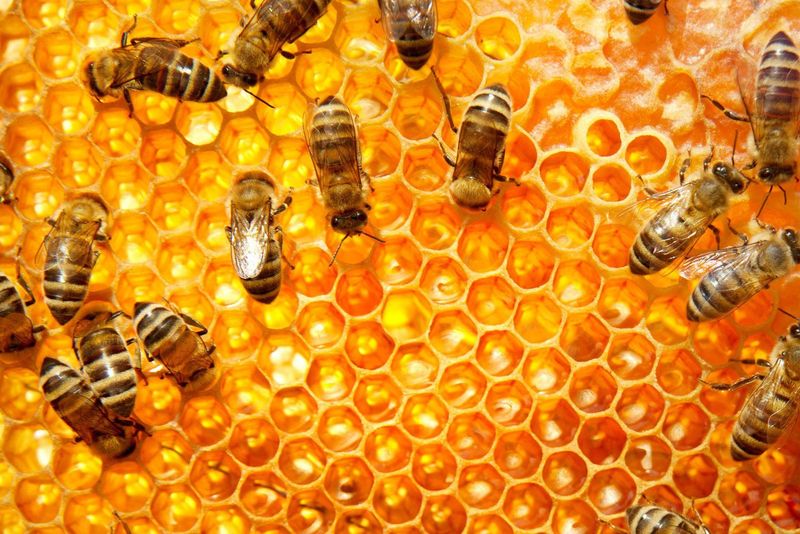
Honey reflects the health of pollinators and the landscapes they forage. Drought shrinks flowers, pesticides complicate bee resilience, and heat can stress colonies.
When nectar flows sputter, beekeepers produce less honey and must truck hives farther to crops needing pollination.
Almonds, apples, berries, and many vegetables depend on these tiny workers. Fewer bees mean tighter harvests and higher costs passing through to your cart.
Adulteration scandals also pop up when supply is scarce, so trust and testing matter.
You can favor diverse, pesticide mindful farming and plant pollinator friendly yards. Local jars may vary year to year, like a vintage.
Every spoonful hints at weather, flowers, and care, and sometimes that story includes scarcity.
15. Seafood like wild salmon
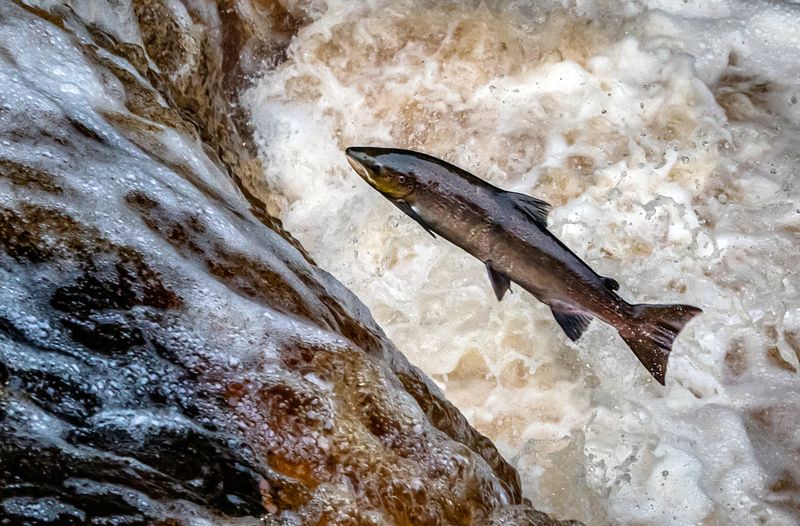
Wild salmon rely on cold, clean water and precise migrations. Warmer rivers, low snowpack, and altered ocean conditions stress fish at multiple life stages.
Drought and heat can close fisheries early to protect runs, cutting availability quickly.
Habitat restoration and smart management help, but marine heatwaves scramble food webs. Even good years feel fragile when rivers spike in temperature.
Processors pivot to other species or farmed options when wild harvests dip.
Expect tighter seasons, more variability by river system, and higher prices for premium fillets. Ask for origin and harvest method to support responsible fisheries.
When the run is on, enjoy respectfully, knowing timing and temperature write the menu.
16. Bluefin tuna and other large fish
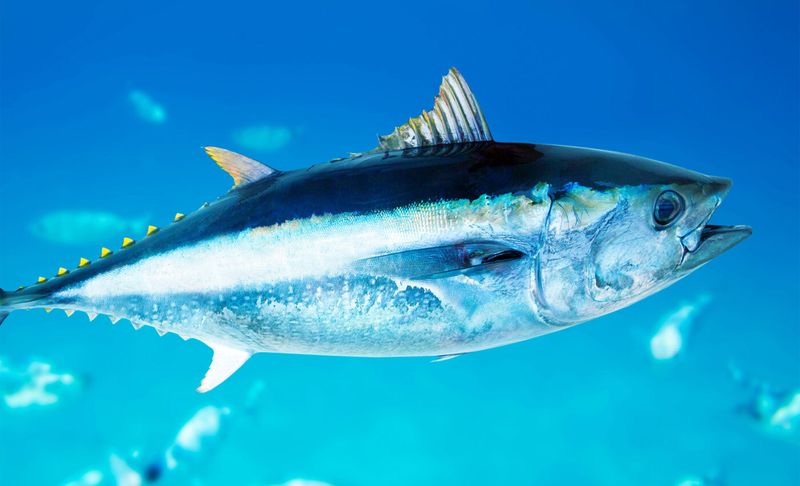
Bluefin tuna grow slowly and fetch high prices, so fishing pressure remains intense. Strict quotas help, but populations recover cautiously, and demand does not relax.
Warmer oceans shift migration routes, complicating where and when fleets can fish.
Large predators accumulate value and vulnerability together. When seasons tighten, auction prices soar and menus adjust accordingly.
Alternatives like albacore or farmed options may fill gaps, though flavor and texture differ.
As traceability improves, you will see more labels about stock status and gear. Expect scarcity narratives to continue, with celebrated catches commanding headlines.
If you splurge, consider certified sources, savor modest portions, and remember recovery depends on restraint today.
17. Shellfish (oysters, mussels, clams)
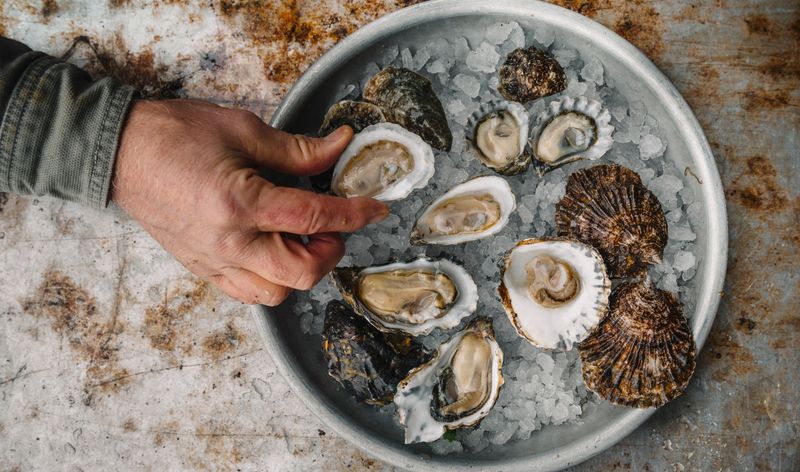
Shellfish build shells from minerals in seawater, so changing chemistry matters. Acidifying oceans and warming waters can stress larvae and slow growth, while harmful algal blooms shut farms abruptly.
Storms and heavy runoff change salinity and bring pathogens.
Growers use hatcheries, buffering, and selective breeding to cope. Monitoring gear and lab tests become as important as tide charts.
Some regions thrive, others pause harvests more often, and that unpredictability hits restaurants first.
Expect occasional shortages of half shells or sweet mussels in peak heat. Labels may highlight hatchery origins and water quality efforts.
When conditions line up just right, the brine sings, reminding you how fragile and local these flavors truly are.
18. Certain spices (like saffron and some chiles)
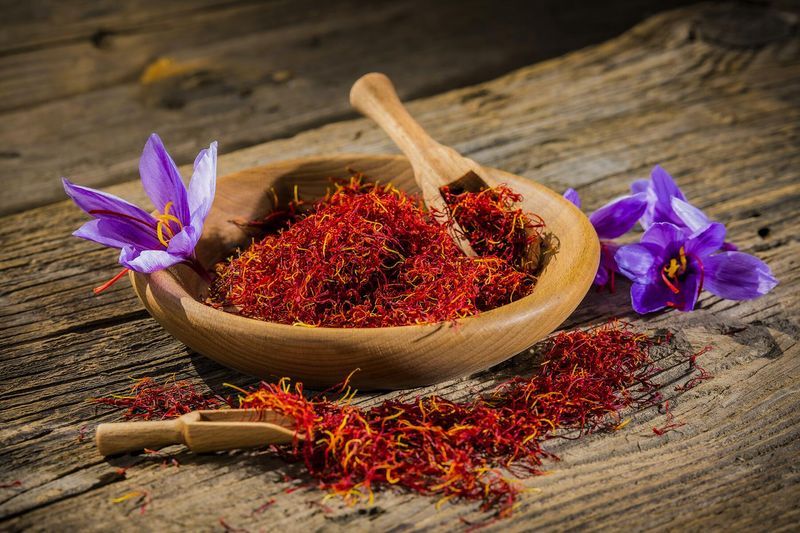
Spices often come from tiny microclimates and patient handwork. Saffron needs precise autumn blooms and careful drying, while many specialty chiles depend on dependable sun and gentle air.
Heat surges, drought, or untimely rain can wreck a season’s careful timing.
Because production is small scale, price spikes arrive fast when weather misbehaves. Farmers may switch crops or reduce plantings if risks outpace rewards.
Importers then juggle origins, and your favorite blend might taste subtly different.
Expect more limited releases and higher prices for top grades. Store spices cool and airtight to honor their effort.
When you find a batch that sings, buy a bit extra and treat it like a treasure from a very specific place and moment.