How To Select The Best Protein Bar: Dietitians Reveal Their Top Choices
Picking the right protein bar can feel confusing when every wrapper claims to be the cleanest, leanest, or most energizing. Dietitians cut through the noise by focusing on protein quality, sugar content, fiber, and real ingredient lists. You will learn how to decode labels quickly and which bars actually deliver on taste and nutrition. Ready to find a bar that fits your goals without guesswork?
1. High Protein, Low Sugar Balance
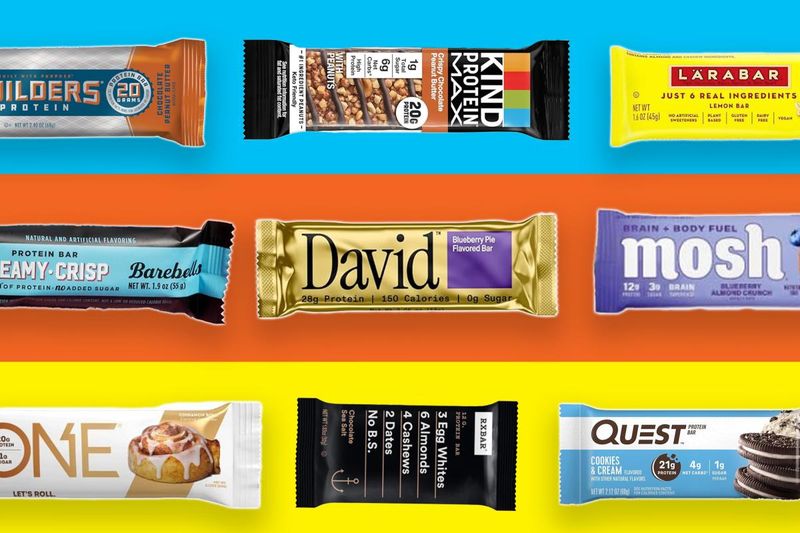
Start by checking protein and sugar side by side. Aim for 15 to 20 grams of complete protein to support muscles without overdoing calories. Keep sugars under 8 grams, especially if you are snacking between meals. Many bars hide syrups, so read beyond the claims and check total sugars plus added sugars. That quick scan saves you from dessert disguised as fuel.
Look for steady energy, not spikes. Balanced bars pair protein with fiber or healthy fats to slow digestion. If you train regularly, choose higher protein. If it is a light snack, lower protein can still work.
2. Quality Protein Sources Matter
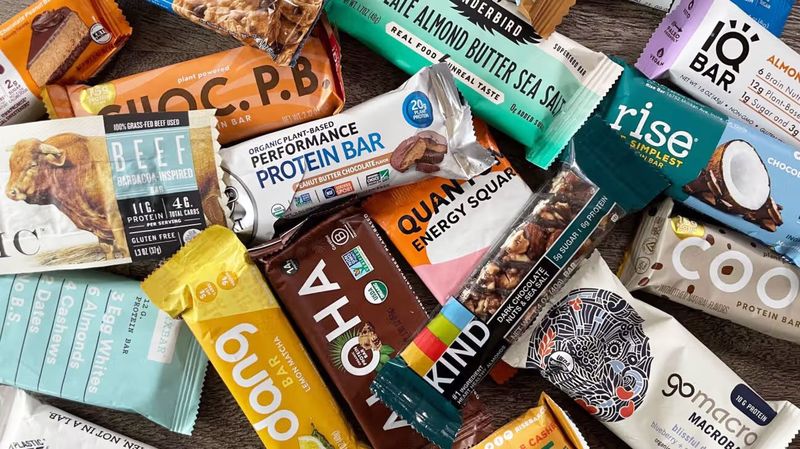
Not all protein is equal. Whey isolate offers a complete amino acid profile and is easily digested for most people, great post workout. Casein digests slower for sustained fullness. Plant options like pea, soy, and brown rice can be excellent, especially blended to balance amino acids. If you are dairy sensitive, choose plant-based or egg white bars.
Scan for collagen only bars if building muscle is your priority, since collagen is incomplete. Combining collagen with whey or plant protein improves quality. Choose what suits your body and your ethics, and track how you feel after eating.
3. Fiber For Fullness And Gut Health
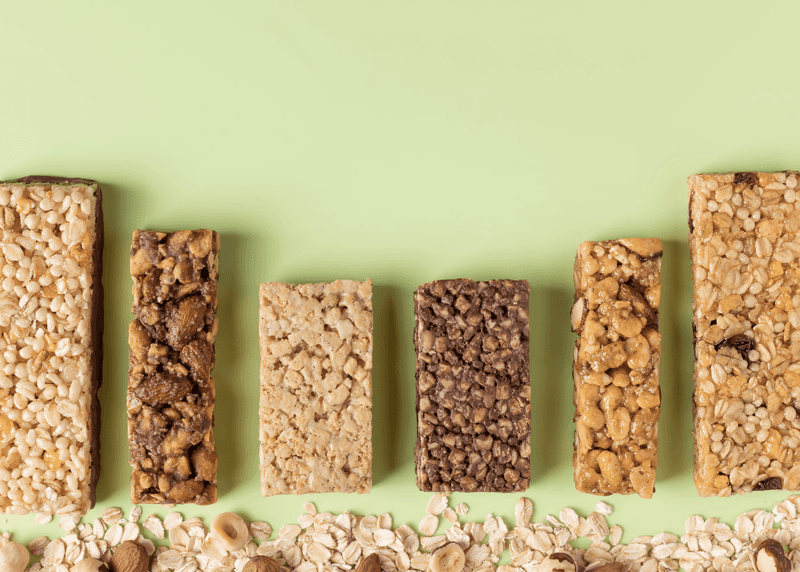
Fiber helps keep you satisfied and supports gut health. Many bars use chicory root or soluble corn fiber, which can be fine in moderate amounts. Aim for 3 to 8 grams of fiber per bar to slow digestion without causing bloat. If you notice gas, choose lower chicory or opt for oat fiber and nuts. Your gut will thank you.
Fiber also helps manage blood sugar. Paired with protein, it reduces energy crashes. For travel or busy days, a higher fiber bar can bridge long gaps between meals. Start low, increase slowly, and drink water.
4. Watch Out For Sugar Alcohols
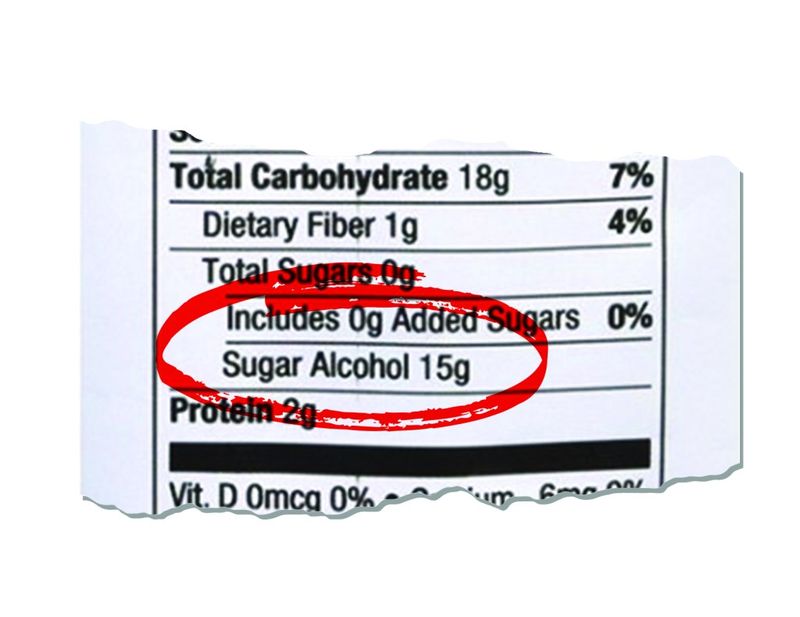
Sugar alcohols reduce calories and keep sugars low, but your stomach might disagree. Maltitol, sorbitol, and xylitol commonly cause bloating or urgency when eaten in larger amounts. Erythritol is often gentler, but everyone is different. If you experience digestive issues, pick bars with minimal sugar alcohols and rely on fiber and portion control instead.
Scan the ingredients, not just macros. If sugar alcohols appear early in the list, you may feel it later. Try half a bar first. You want a bar that fuels your day, not one that derails it.
5. Short Ingredient Lists Win
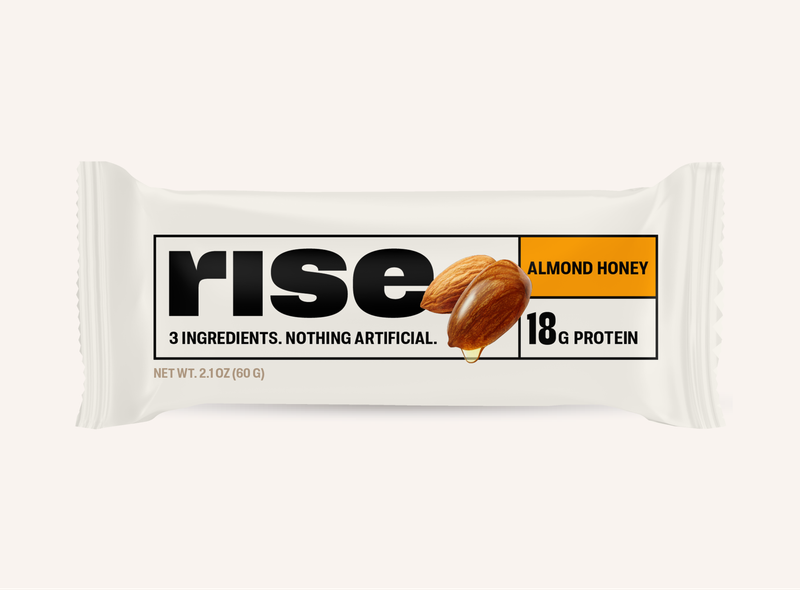
Fewer, recognizable ingredients usually mean fewer surprises. A bar made from nuts, seeds, natural flavors, and a clean protein source tends to taste better and digest smoothly. Avoid long lists packed with fillers, artificial colors, and gums if those bother you. Simplicity makes it easier to predict how you will feel later.
Whole foods bring micronutrients and texture. Look for cacao instead of artificial chocolate flavor and sea salt instead of chemical blends. Natural sweeteners like dates can be fine when portions are smart. Keep it real, keep it satisfying, and your cravings quiet down.
6. Calorie Sweet Spot For Goals
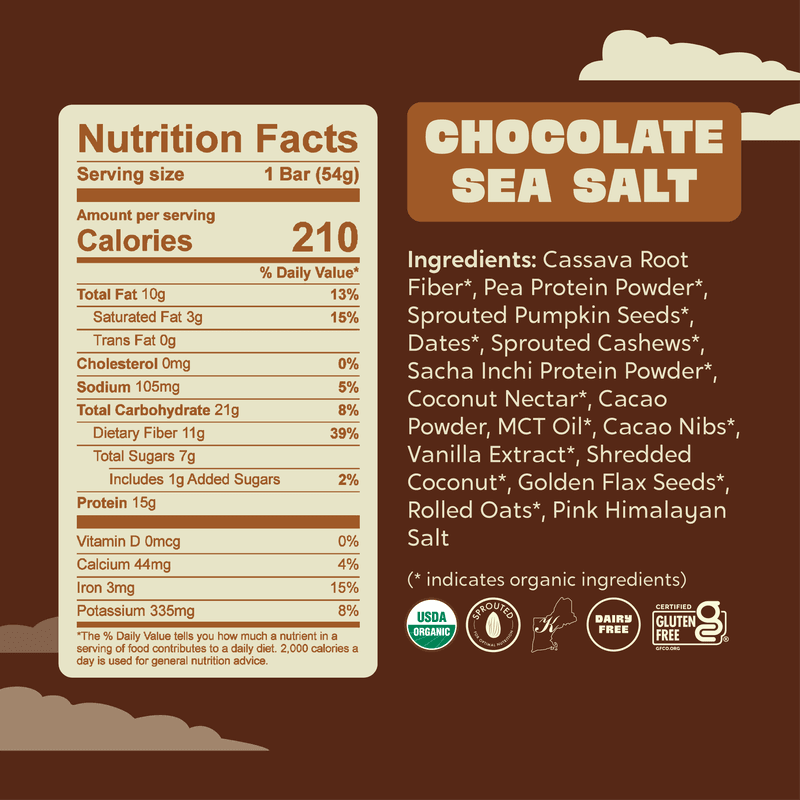
Calories should fit your day. For a snack, 180 to 220 calories works for most adults. For a meal replacement in a pinch, 220 to 260 calories with solid protein and fiber feels more satisfying. If you are cutting, pair a lower calorie bar with fruit or veggies. If bulking, add nut butter or yogurt.
Match the bar to your activity level. Training days may need more energy, rest days less. It is about context, not rules. Keep calories aligned with your hunger and schedule to avoid overeating later.
7. Taste And Texture You Enjoy

The best bar is the one you actually want to eat. Taste and texture matter because compliance beats perfection. Some prefer chewy nougat, others crave crunchy nuts or a cookie-like bite. If you hate the mouthfeel, you will skip it and grab something unbalanced later. Sample a few brands before committing to a box.
Temperature changes texture, too. Bars can firm up in the fridge or soften in a warm gym bag. Warm a bar slightly for a dessert vibe. Enjoyment keeps healthy habits sustainable and makes your choices feel effortless.
8. Timing For Performance
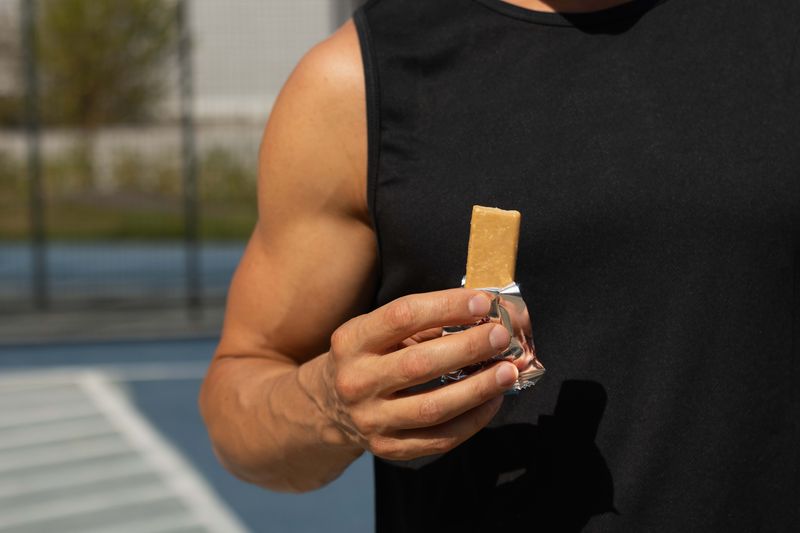
Timing shapes results. Before a workout, choose a lighter bar with quick digesting carbs and 10 to 15 grams of protein to avoid heaviness. After training, prioritize 20 to 30 grams of protein with some carbs to replenish glycogen and support recovery. For long days, a balanced bar between meals can stabilize energy.
Listen to your body. If you feel sluggish, shift the bar earlier or pick a smaller portion. Hydrate to aid digestion. Consistent timing turns a good bar into a powerful tool for performance and steady focus throughout the day.
9. Sodium, Additives, And Sensitivities
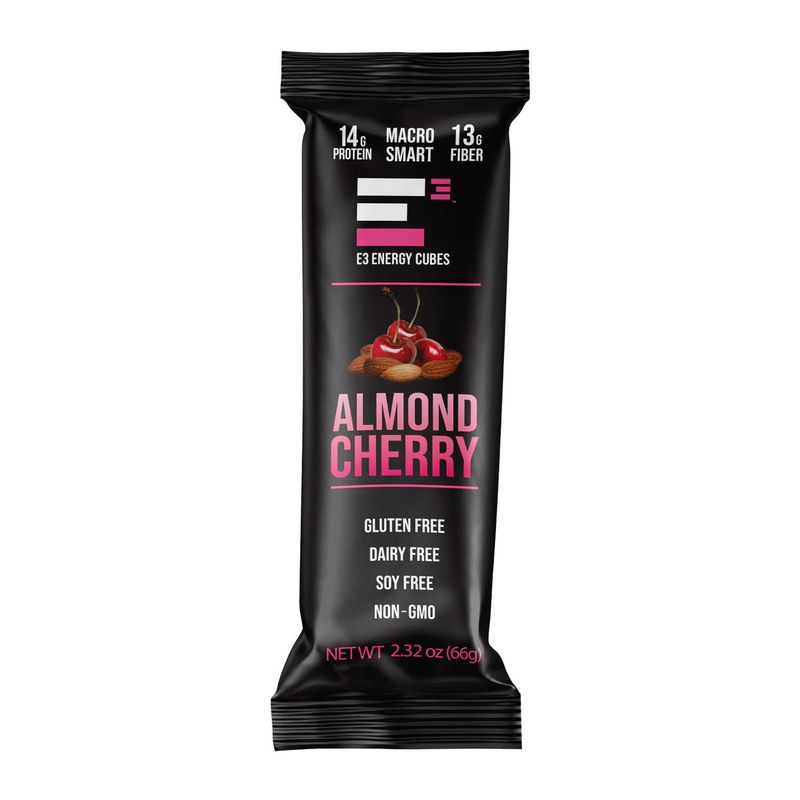
Hidden sodium and additives can sneak into bars. Keep sodium under 250 milligrams unless you are sweating heavily. If you have sensitivities, watch for soy, gluten, dairy, or artificial sweeteners. Choose certified gluten free or dairy free when needed. A little label diligence prevents headaches, breakouts, or stomach discomfort.
Colorings and preservatives are not always harmful, but unnecessary ones are easy to skip. Pick bars that align with your body and values. Note how you feel after different brands. Your symptoms provide better feedback than any marketing language or macro ratio ever will.
10. Budget And Value Checks

Value is nutrition per dollar, not just the sticker price. Compare grams of protein, fiber, and real ingredients against cost per bar. Bulk boxes can save money if you consistently enjoy the flavor. Watch for shrinkflation when bars get smaller but prices stay the same. Sales are helpful when you already know a bar works for you.
Do not chase the cheapest option if it derails your stomach. Paying a little more for digestibility and satisfaction often prevents extra snacking. Track what keeps you full. Smart budgeting supports consistency and long term health goals.
11. Travel Friendly And Storage Tips
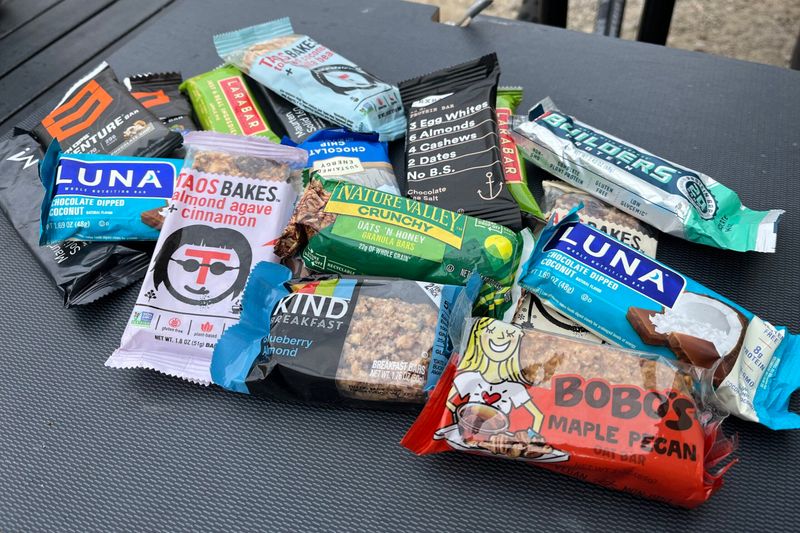
Protein bars are perfect for travel when chosen wisely. Pick sturdy coatings that will not melt easily, or store bars in a small insulated pouch. Keep a variety to avoid flavor fatigue on long trips. If you are sensitive to sugar alcohols, choose bars without them for flights and road trips. Hydration helps digestion, especially at altitude.
Rotate stock so older bars get eaten first. Check best-by dates and avoid extreme heat in cars. A resealable bag protects opened halves. Planning ahead keeps your energy steady from gate to gate.
12. Dietitians’ Trusted Picks
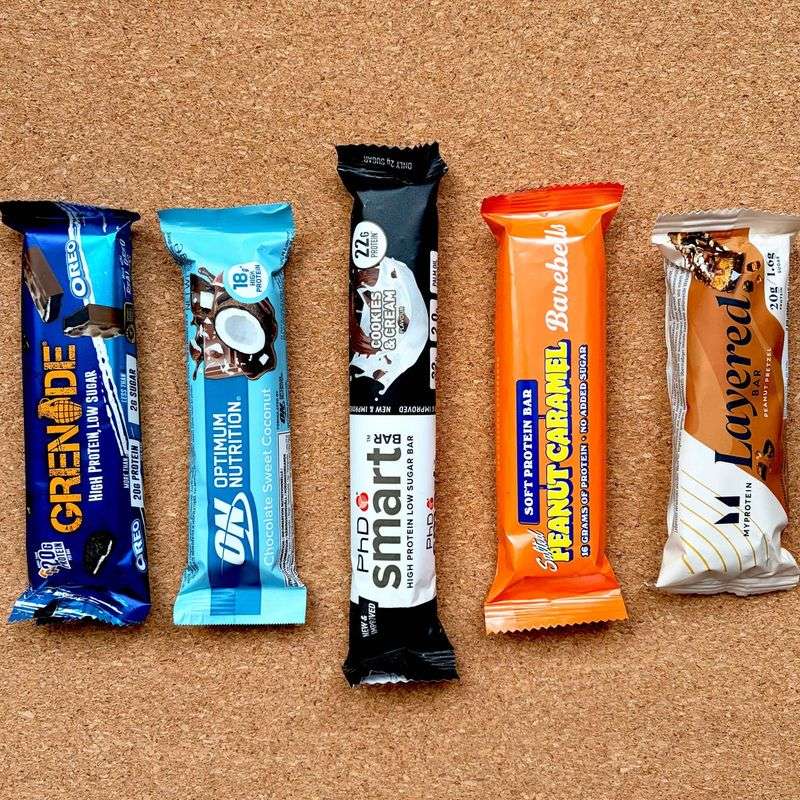
Dietitians consistently recommend bars that balance protein, fiber, and minimal added sugar. Examples often include whey isolate or pea protein with nuts, seeds, and natural flavors. Look for options around 180 to 220 calories, 15 to 20 grams protein, under 8 grams sugar, and at least 3 grams fiber. Brands vary by region, so use the template to guide your choice.
You want bars that digest well, taste great, and fit your routine. Keep notes on what satisfies you longest. The best pick is sustainable, enjoyable, and simple to find repeatedly.