Japanese Dishes Not Widely Known Outside Japan
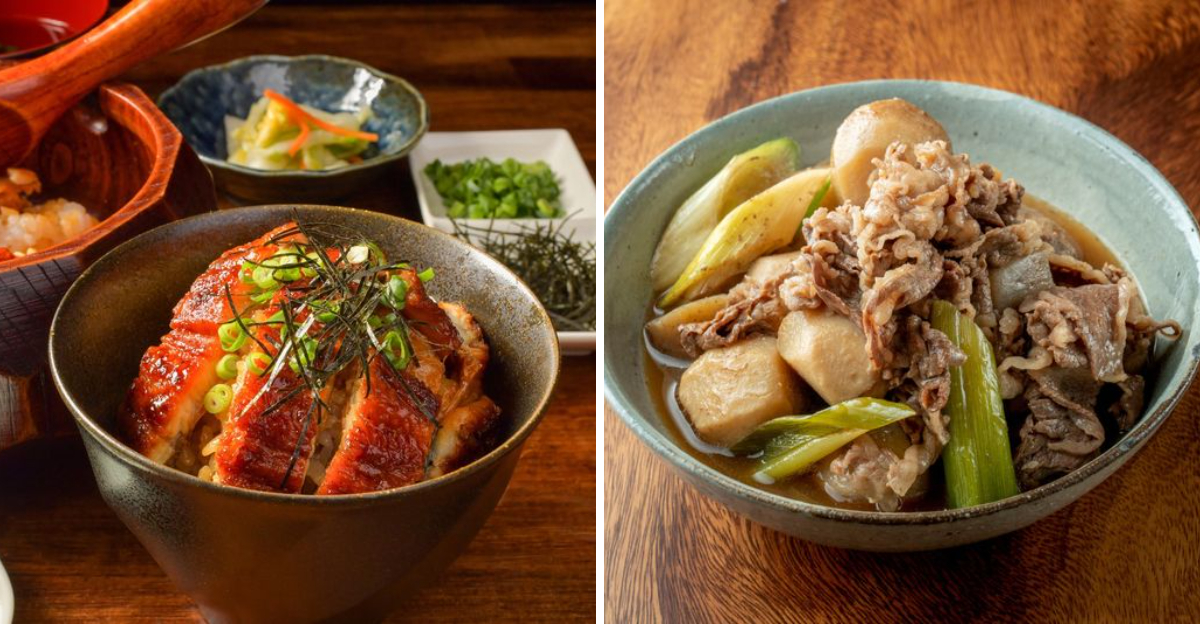
You know sushi and ramen, but Japan’s everyday tables hide so much more flavor. From simmered winter pots to temple fare, these dishes tell stories of regions, seasons, and comfort.
Think noodles cut wide in mountain towns, eel enjoyed in mindful stages, and tofu celebrated for its softness. Ready to meet the plates locals crave but tourists rarely try?
1. Oden
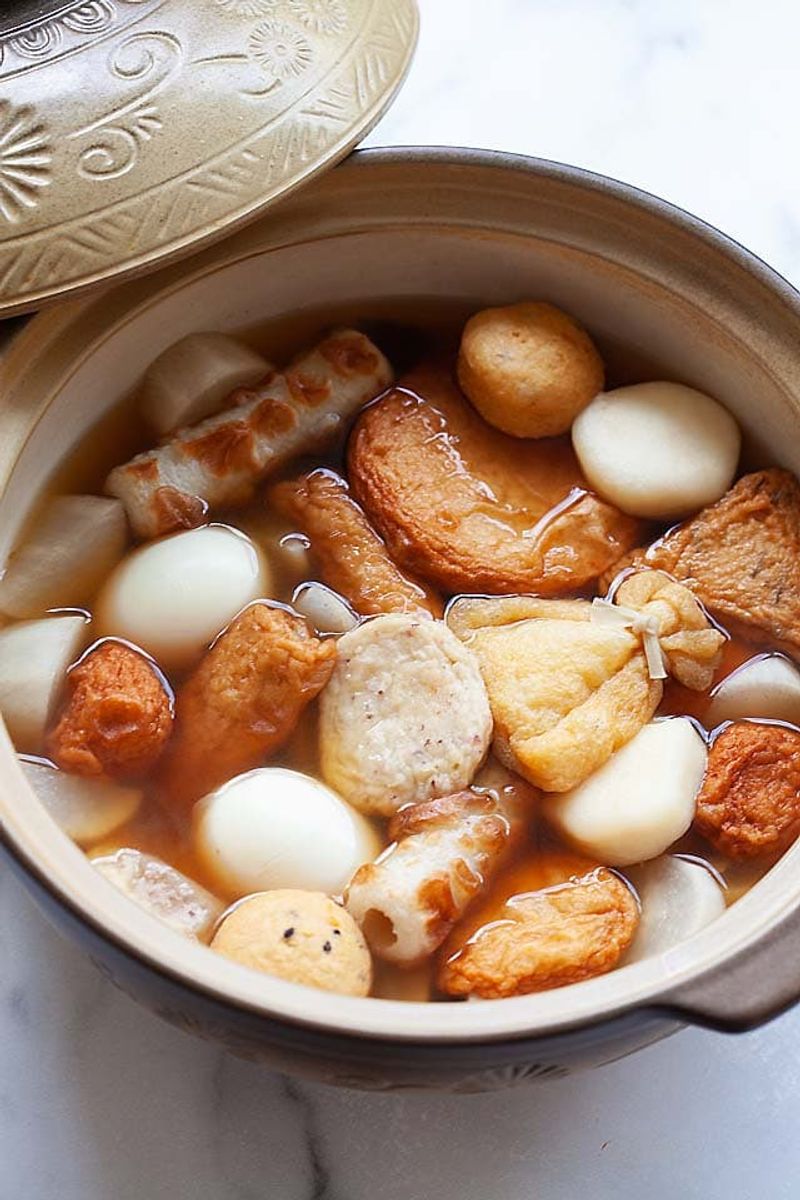
Oden is winter comfort that sneaks up on you. You pick daikon, eggs, tofu, chikuwa, and wobbly konnyaku, then let them linger in a gentle soy-dashi bath.
Each bite tastes like the broth’s patient hug, salty and mellow without shouting.
Convenience stores sell it by the skewer, but mom-and-pop shops feel special. Mustard gives a zippy kick, and a splash of yuzu kosho wakes everything up.
The trick is time, because the longer it simmers, the friendlier the flavors become.
You can build a personal bowl, mixing textures from tender daikon to springy fish cake. It is perfect with a cold night and a hot drink.
Oden turns waiting into flavor.
2. Hitsumabushi
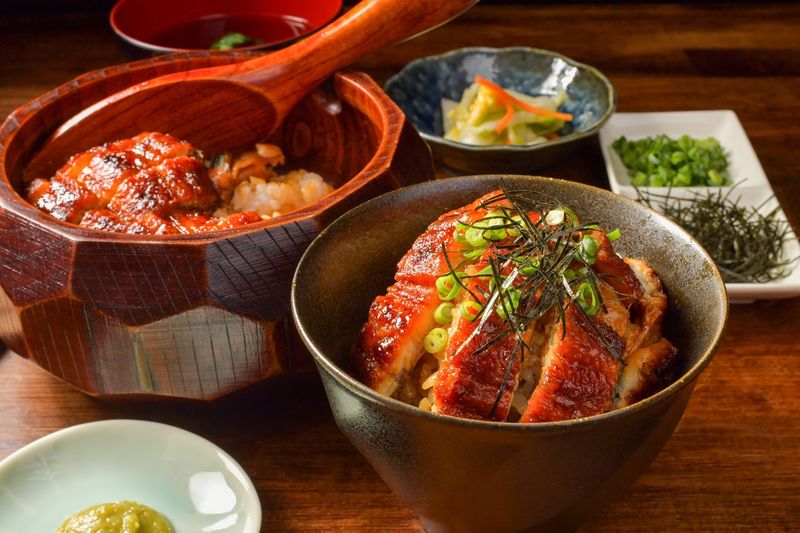
Hitsumabushi is grilled eel served Nagoya-style, and it is a little ritual you will love. First, taste it plain to admire the crisp edges, smoky tare glaze, and fluffy rice.
Then load toppings like scallions, nori, wasabi, and sansho pepper for sparkle.
The finale is pouring hot broth to make a tea-like bowl, transforming richness into soothing elegance. Each stage tells a different story about sweetness, charcoal, and aroma.
The wooden tub presentation feels celebratory yet relaxed.
Quality unagi matters, so look for glossy lacquered skin and tender flesh. The shifting flavors keep you engaged from first bite to last.
It is indulgence with structure, a mindful way to enjoy eel without rushing.
3. Hōtō
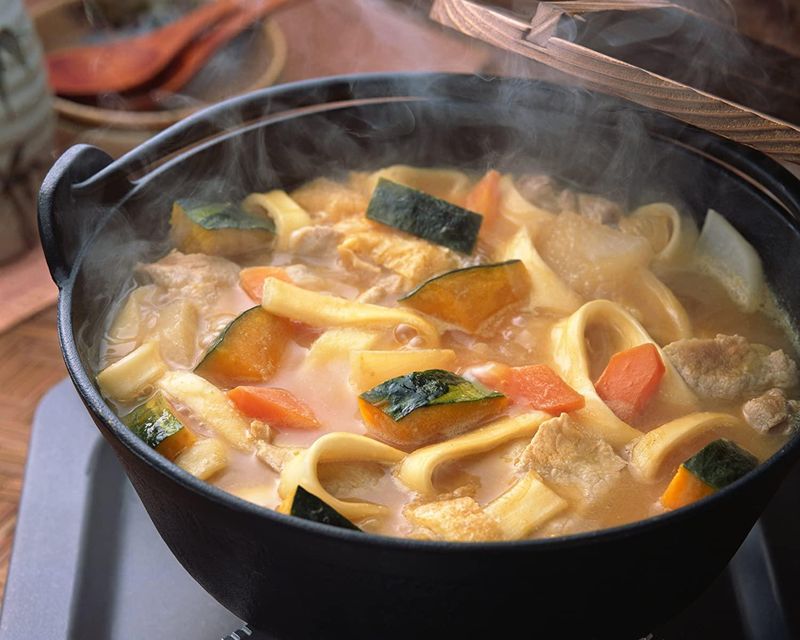
Hōtō is mountain energy in a bowl. The noodles are wide, rustic, and slightly chewy, built to hold thick miso broth.
Pumpkin melts into the soup, turning it silky and sweet alongside burdock, mushrooms, and cabbage.
It feels like a countryside kitchen after a chilly walk near Mount Fuji. You eat it hot, spoon and chopsticks working together, chasing bits of pumpkin and noodle ribbons.
The miso is earthy, not shy, and beautifully coats everything.
Locals consider it comfort more than showpiece. You can add chili oil or yuzu for brightness, but it is great as is.
Hōtō is a reminder that simple dough, vegetables, and patience can feel luxurious.
4. Motsunabe
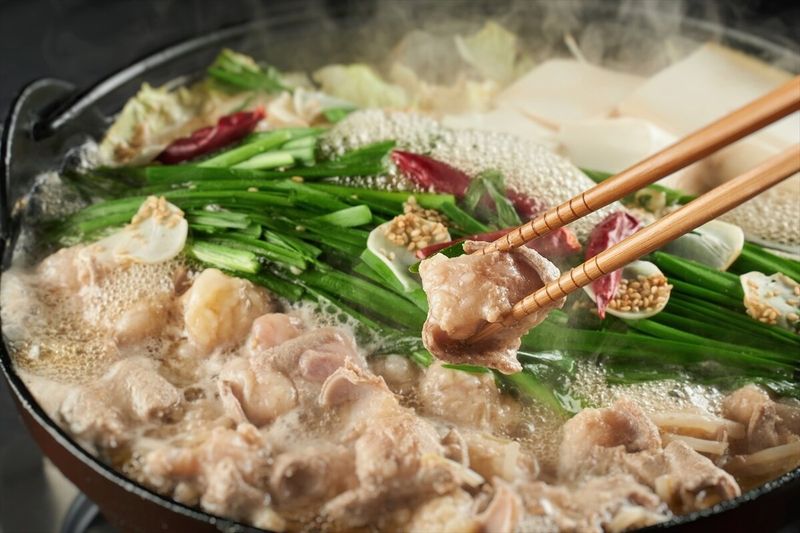
Motsunabe is Fukuoka’s big-flavor hot pot, bold yet surprisingly clean. Beef or pork offal softens in a garlicky soy or miso broth, turning silky and sweet.
Piles of cabbage and garlic chives soak up the richness and keep the pot balanced.
When it simmers, the room smells like comfort and nightlife. You dip, scoop, sip broth, and repeat, adding chili for punch or yuzu kosho for floral heat.
The textures shift from bouncy to tender as it cooks.
Finish by tossing in noodles or rice to catch every drop. It is social food perfect for cold nights and laughter.
Do not fear the offal, because proper cleaning and broth make it deeply satisfying.
5. Kiritanpo
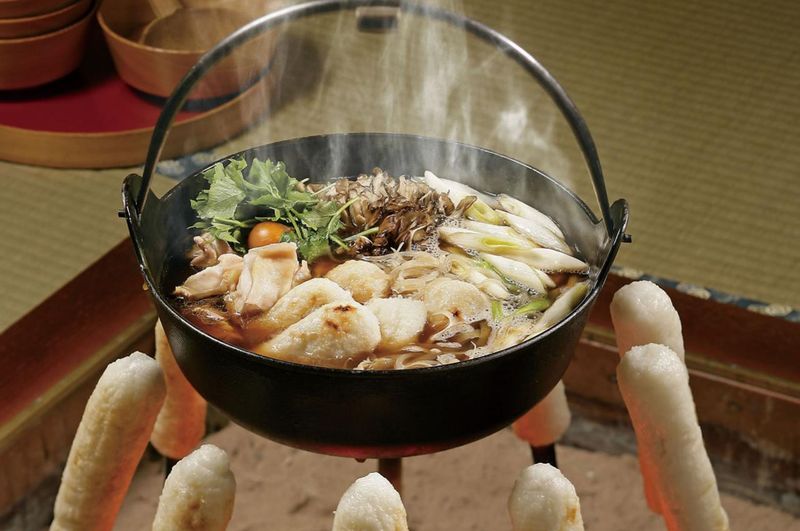
Kiritanpo turns rice into something playful and hearty. Cooked rice is pounded, wrapped around skewers, and toasted until gently crisp outside.
Then the cylinders slide into chicken-and-vegetable broth, where they drink up savory goodness.
Akita celebrates this at home and in rustic restaurants, especially when the weather cools. The rice logs become tender sponges with toasted edges that do not fall apart.
Hinai chicken adds depth, while burdock and mushrooms make it woodsy.
It is fun to eat, especially when shared around a steaming pot. Add a hint of yuzu for brightness and slurp the broth between bites.
Kiritanpo tastes like campfire rice meeting restorative soup.
6. Imoni
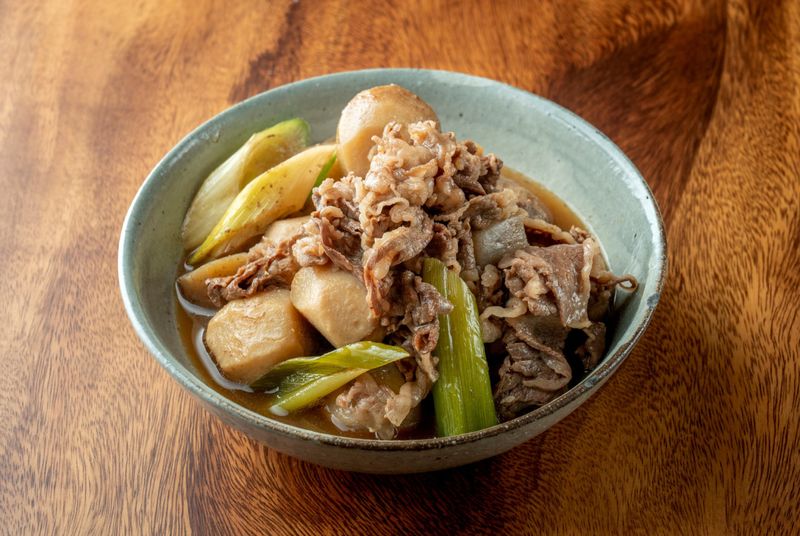
Imoni is an autumn party disguised as stew. In Tohoku, towns gather by rivers with enormous pots, leaves blazing around them.
Taro root turns silky, mingling with beef or pork, konnyaku, and sweetened soy broth.
The flavor is gentle, comforting, and perfect for chilly air. You scoop heavy spoonfuls and feel that outdoor appetite make everything taste better.
The taro’s texture is the quiet star, creamy without dairy and deeply soothing.
Imoni festivals feel friendly and casual, with laughter drifting over steam. At home, a smaller pot still delivers that communal warmth.
It is about ingredients, yes, but mostly about season, place, and people.
7. Shōjin ryōri
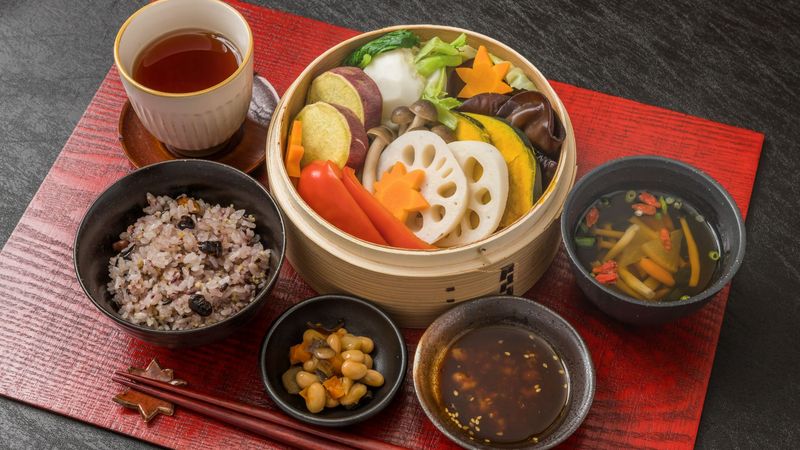
Shōjin ryōri whispers rather than shouts. Temple cooks build depth from vegetables, tofu, and seasonality, letting miso, sesame, and kombu-dashi guide flavor.
Every dish aims for balance and mindfulness, not shock or show.
Goma dofu feels custardy, pickles reset your palate, and simmered greens convey quiet sweetness. The meal asks you to slow down and notice textures and aromas.
Nothing is wasted, and seasoning is intentional rather than heavy-handed.
You finish satisfied yet light, like your senses were tuned. It is perfect for travelers who love subtlety and care.
Shōjin ryōri teaches that restraint can be generous, and vegetables can feel luxurious.
8. Yudōfu
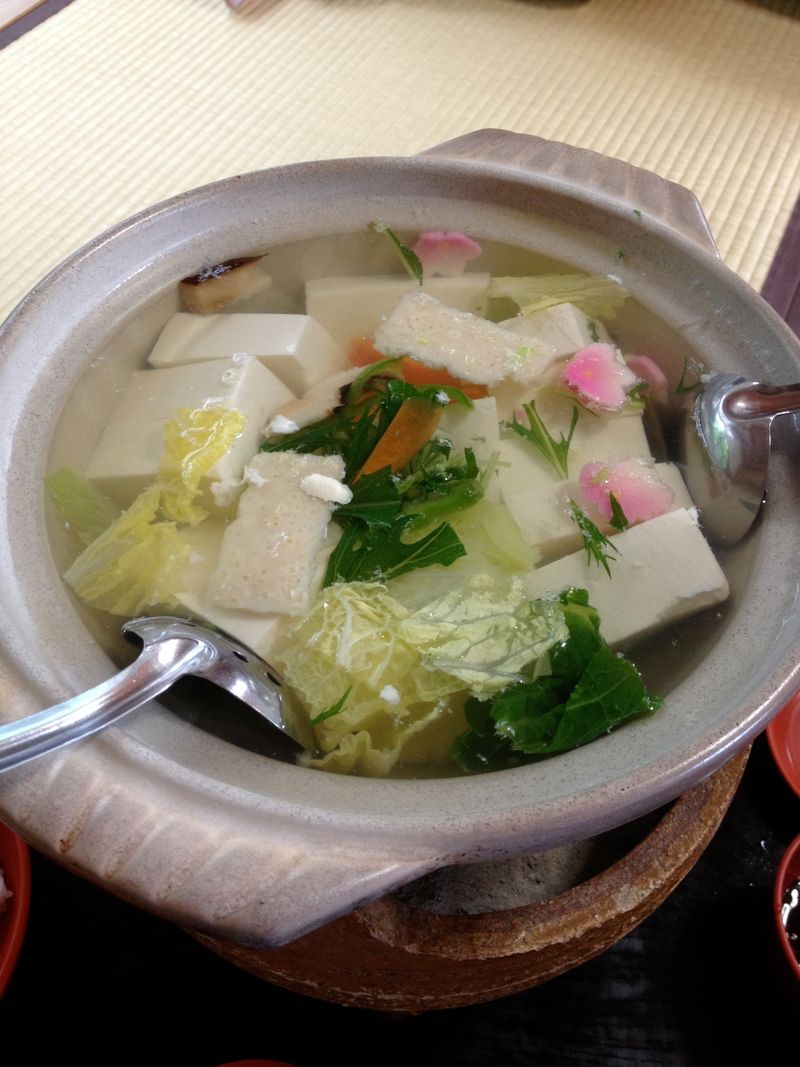
Yudōfu is tofu’s soft-spoken showcase. Cubes warm gently in kombu-scented water until they wobble like clouds.
You transfer them carefully and dress with ponzu, soy, grated ginger, or scallions.
The joy is the texture, clean flavor, and quiet steam curling from the pot. Kyoto restaurants treat it like a ritual, slow and respectful.
Even at home, it turns a simple table into a calming pause.
Good tofu matters, with fresh beany sweetness and delicate curd structure. The broth is barely seasoned so the condiments can sing.
Yudōfu proves comfort does not need heaviness, just heat, patience, and attention.
9. Zaru soba
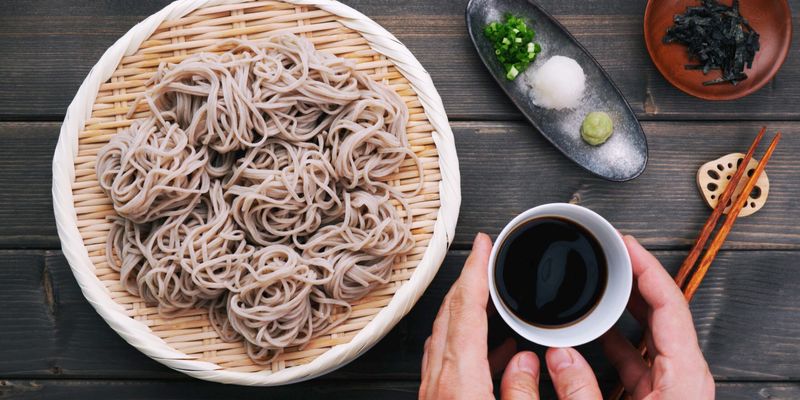
Zaru soba is summer cool on a plate. Buckwheat noodles chill on a bamboo mat, waiting for a dip in concentrated tsuyu.
You swish, slurp, and feel the snap of perfectly cooked strands.
Wasabi and scallions add lift, while nori offers aroma. The closing move is soba-yu, the starchy cooking water mixed into leftover sauce.
It turns sips creamy and satisfying without weight.
Quality shows in the grainy perfume of buckwheat and neat noodle edges. This dish seems simple, but timing, water, and noodle quality decide everything.
Zaru soba rewards care with refreshing clarity and quiet elegance.
10. Sansai ryōri
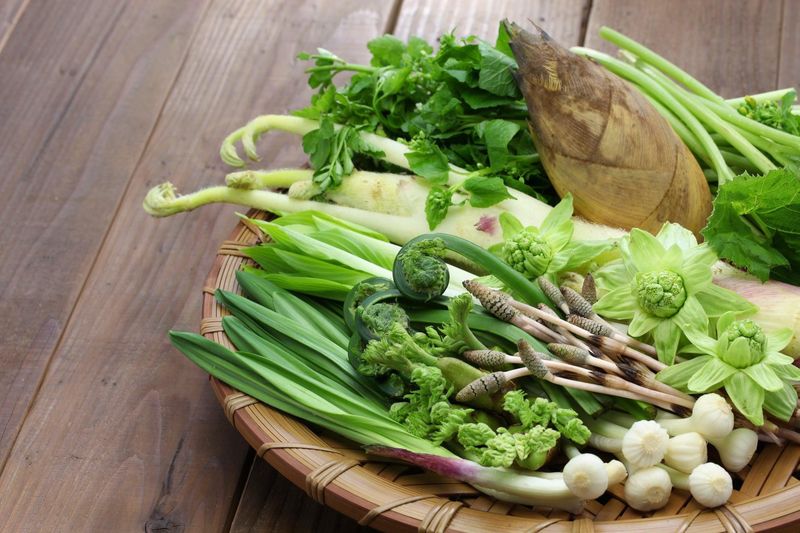
Sansai ryōri celebrates mountains waking up. Warabi, fuki, kogomi, and bamboo shoots appear in spring, tasting green, nutty, and slightly wild.
Dishes are lightly seasoned so you notice the plants’ personalities.
Some are blanched and dressed with miso, others turned into crisp tempura. The thrill is catching a short season and tasting terrain on the plate.
Bitterness and sweetness play together in a way city salads rarely manage.
It feels humble, like eating with curiosity and care. Pair with rice, miso soup, and a view if you can.
Sansai ryōri is a postcard from the hills, written in edible ink.
11. Kaki no dobin-mushi
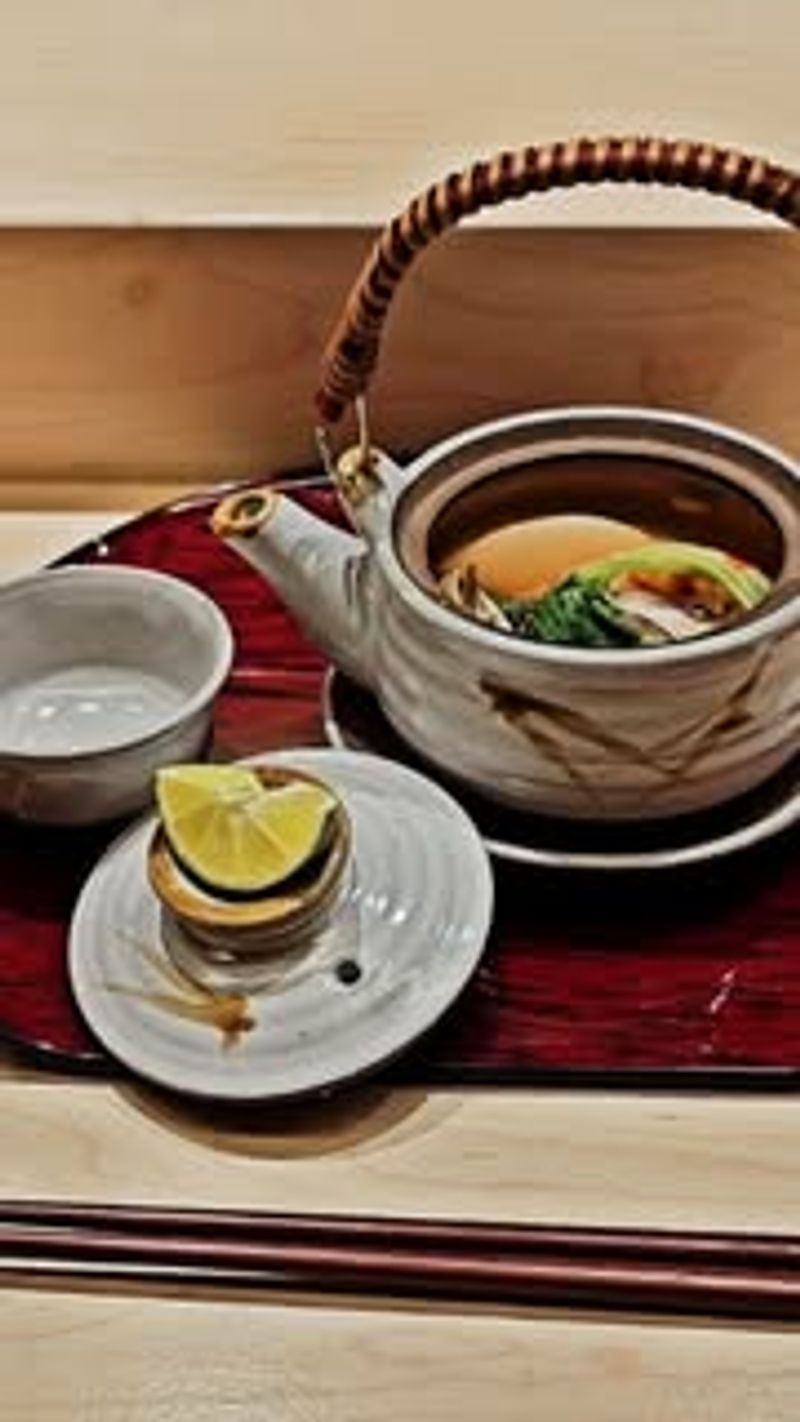
Kaki no dobin-mushi is fragrance first, spectacle second. A tiny teapot steams with clear dashi, mushrooms, seafood, and seasonal notes.
You pour into a cup and inhale forest, ocean, and citrus at once.
Matsutake steals attention when in season, but humble mushrooms still deliver magic. A squeeze of sudachi or lime brightens the broth without overpowering it.
The broth is delicate, yet it lingers longer than expected.
This dish feels ceremonial, tucked inside kaiseki courses or special dinners. It teaches you to drink aroma and taste patience.
When the pot empties, you will wish there were one more pour.
12. Champon
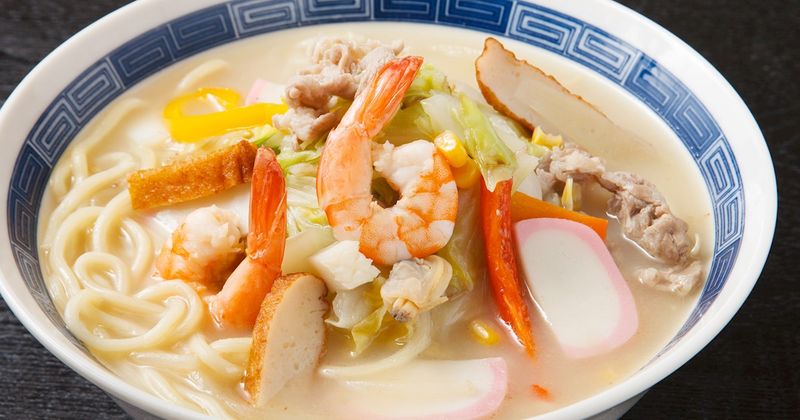
Champon is Nagasaki’s hearty hug, somewhere between ramen and its own proud lane. Thick noodles dive into a creamy, pork-chicken-seafood broth.
The bowl brims with shrimp, squid, pork, cabbage, and kamaboko, like a market tour in soup form.
It is balanced despite the crowd, with sweetness from cabbage and ocean savor from the seafood. Each slurp feels generous without turning heavy.
The noodles keep their chew and carry sauce beautifully.
Good champon should look abundant but not chaotic. A little vinegar or pepper sharpens the broth’s edges.
It is a one-bowl meal that satisfies curiosity and appetite in equal measure.
13. Ankake yakisoba
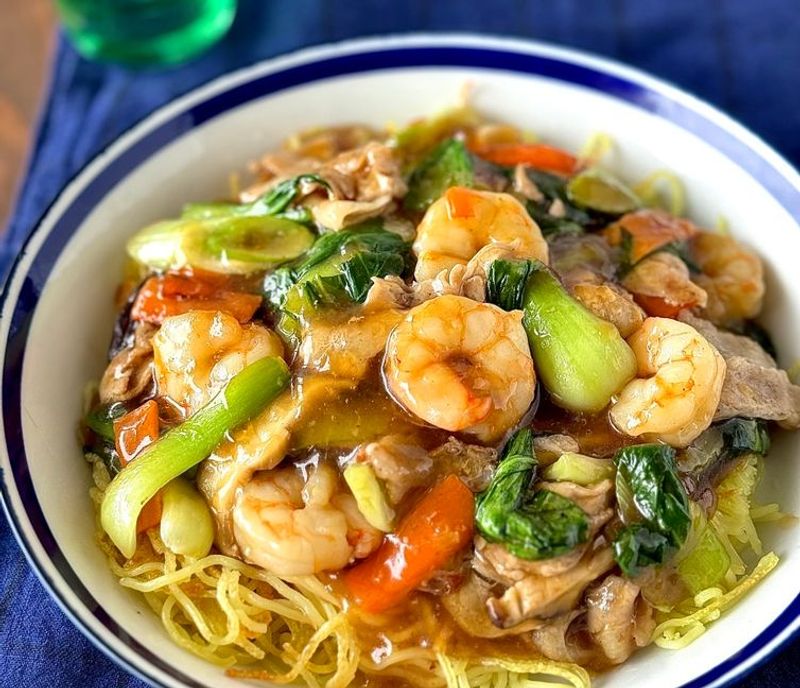
Ankake yakisoba is about texture play. Noodles are pan-crisped until golden and crackly, then smothered with a glossy, thick sauce.
Inside that sauce swim cabbage, mushrooms, carrots, shrimp, or pork, held together by savory starch-thickened magic.
Each bite alternates between crunch and silky gravy, which feels wonderfully indulgent. Vinegar or spicy mustard on the side gives welcome contrast.
The dish travels across regions with small tweaks but keeps the same craveable idea.
It is perfect when you want comfort that still crackles. The sauce clings to every noodle bend, delivering umami with each lift.
Ankake yakisoba proves crunchy and saucy can be best friends.
14. Nabeyaki udon
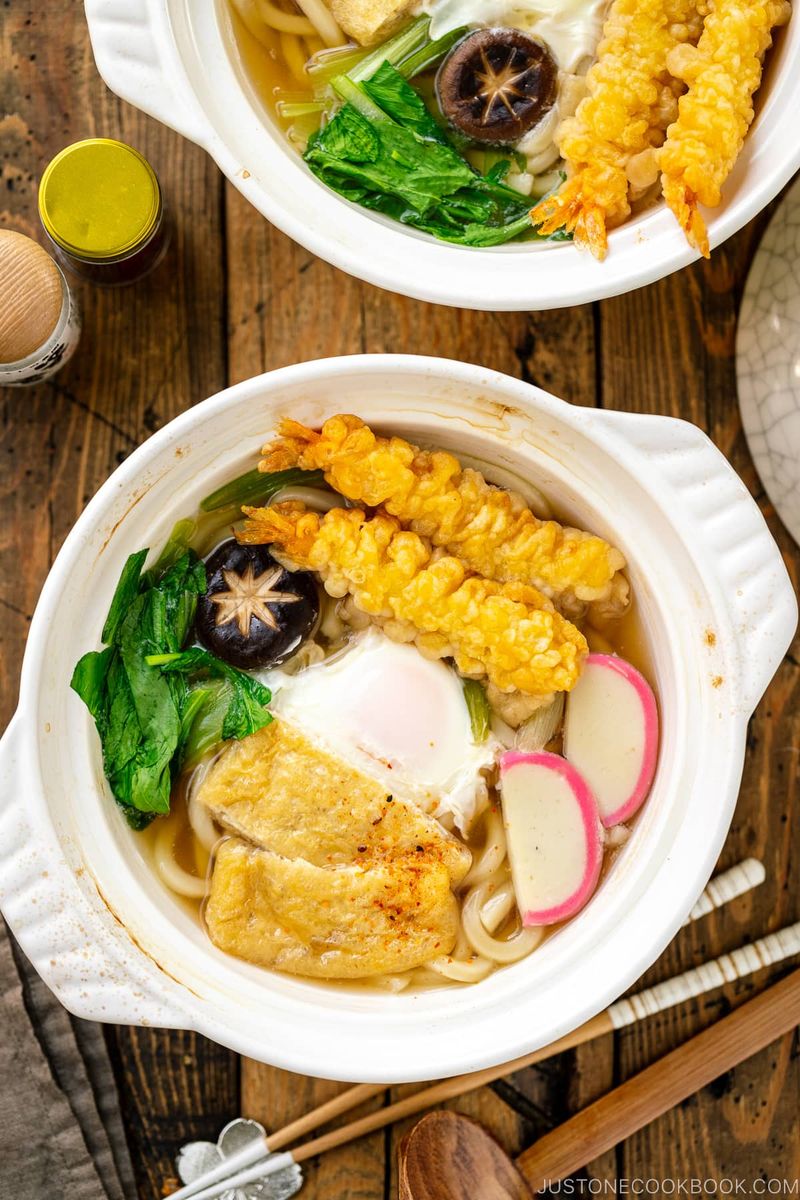
Nabeyaki udon arrives bubbling in its own pot, like a personal winter hearth. Thick udon lounge in clear dashi with mushrooms, greens, and sweet fish cake.
A cracked egg poaches in the steam, turning the broth velvety.
Tempura shrimp rides on top, staying partly crisp before surrendering to the soup. You chase noodles, sip broth, and pierce the yolk for richness.
The clay pot keeps everything hot to the last spoonful.
It is nourishing without heaviness, ideal for cold days or tired evenings. Add shichimi for gentle heat and citrusy sparks.
Nabeyaki udon feels like being looked after in edible form.
15. Tori soboro don
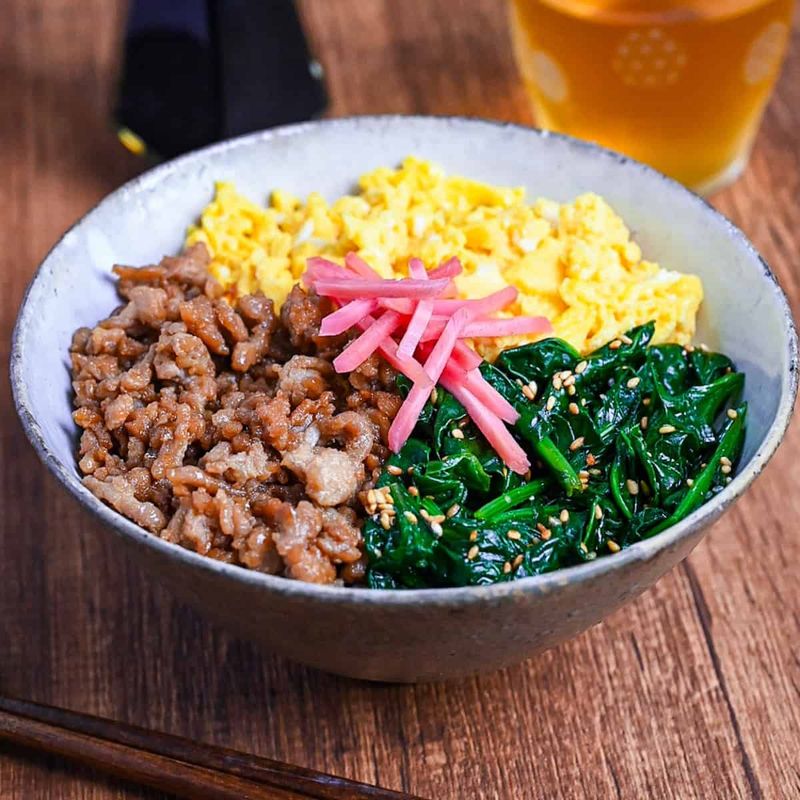
Tori soboro don is tidy comfort in a bowl. Minced chicken cooks with soy, mirin, and ginger until glossy and savory-sweet.
Next to it sits fluffy scrambled egg, bright peas or beans, and pristine rice.
The sections look like a tiny landscape, and you can mix or nibble separately. Each spoonful brings warmth, protein, and a friendly balance of flavors.
It is classic home cooking that touches both appetite and mood.
Make extra for lunches, because it reheats like a champ. A sprinkle of sesame or nori adds aroma without fuss.
Tori soboro don proves simple organization can taste like kindness.
16. Nikujaga
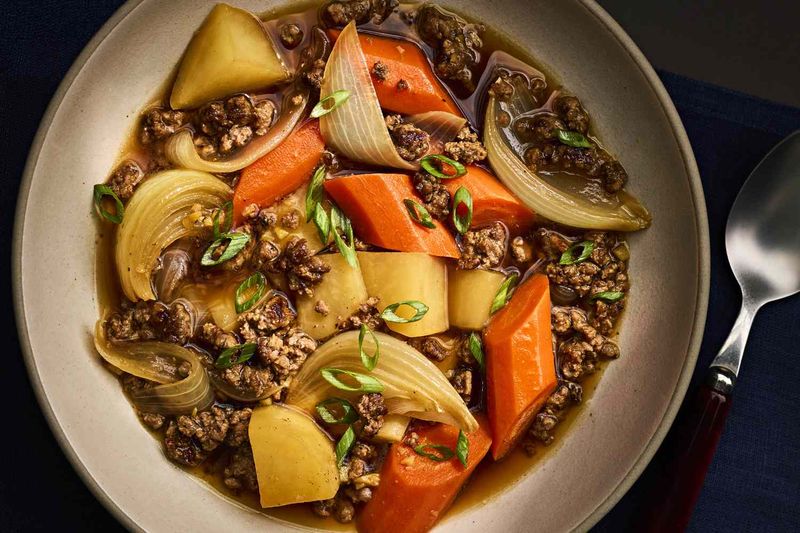
Nikujaga is a hug from the stove. Thin beef, potatoes, onions, and carrots simmer in a soy-mirin-sugar broth until everything glows.
The sauce thickens slightly and coats potatoes that taste like broth-soaked clouds.
It is weeknight food that still feels special because it smells like home. Leftovers are better, as the flavors settle and sweet-savory notes deepen.
You can lean saltier or sweeter depending on mood.
Serve it with rice and a little pickled crunch for contrast. The magic lies in patient simmering and thin slices that drink the sauce.
Nikujaga tastes like memory, even on your first try.
17. Okonomiyaki (regional styles beyond the basic version)
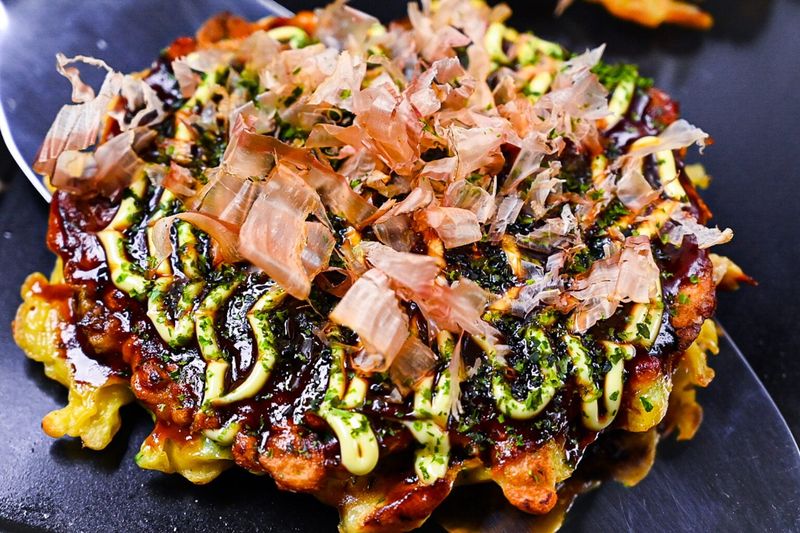
Okonomiyaki changes character by region. Osaka mixes batter, cabbage, and fillings into a thick pancake, griddled and sauced.
Hiroshima layers ingredients, often adding noodles and a fried egg for structured drama.
Both wear sweet-savory sauce, mayo, and dancing bonito flakes, but the texture and bite differ. You will taste cabbage’s sweetness more in layered style, while Osaka leans fluffy and integrated.
Regional stalls each have a rhythm and swagger.
Ordering is interactive, cooked before you on a hotplate. You can tailor fillings from pork to squid to cheese.
Exploring styles turns a familiar dish into a road trip on a plate.
18. Monjayaki
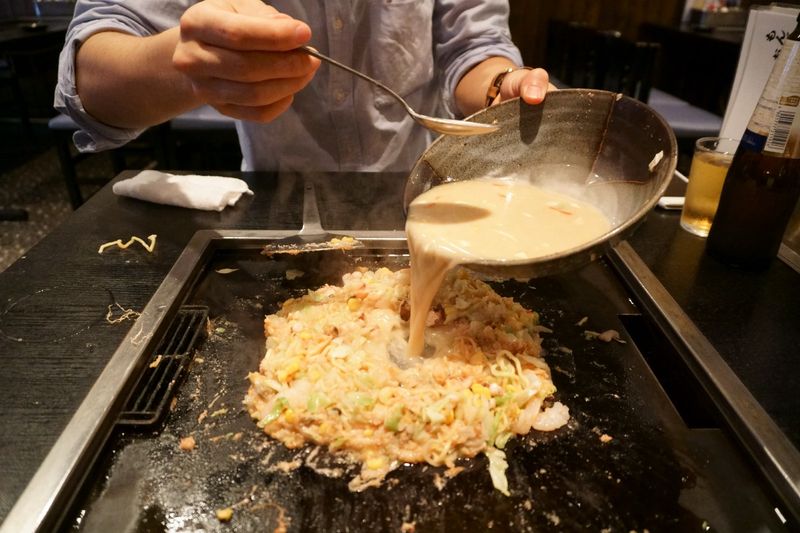
Monjayaki is Tokyo’s mischievous cousin to okonomiyaki. The batter is runnier, sizzling into a soft, gooey spread full of finely chopped cabbage and tidbits.
You eat straight from the griddle using tiny spatulas, scraping caramelized edges.
The texture surprises first-timers, more molten than bready. Sauces add tang, and ingredients range from mentaiko to mochi and cheese.
It feels like play, with a bit of crunchy lace forming as it cooks.
Monjayaki is best with friends, conversation, and light drinks. The griddle becomes a stage where aroma and crackle lead.
Embrace the goo, and you will get hooked.
19. Shirasu don
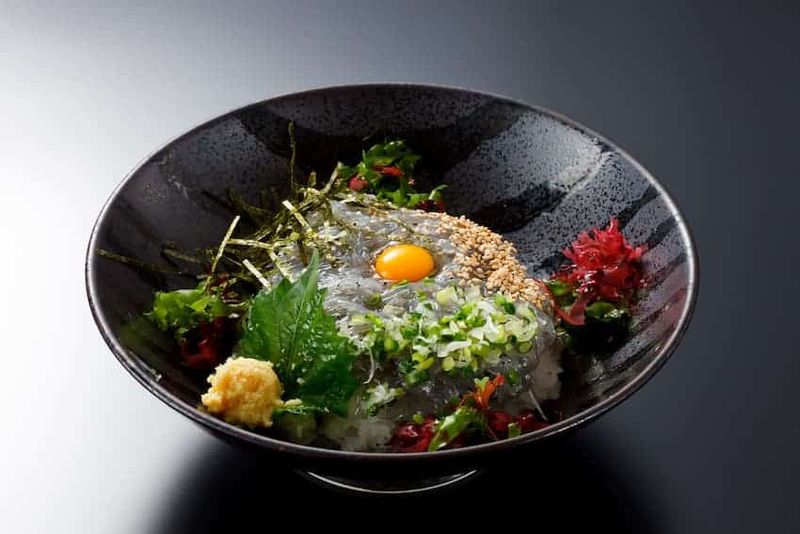
Shirasu don tastes like sea breeze over warm rice. Tiny whitebait pile up, tender and lightly briny, sometimes raw but often lightly boiled.
A raw egg yolk can melt across, turning everything glossy and luxurious.
Ginger, shiso, and soy bring lift and perfume. The pleasure is simple and direct, like a seaside lunch after a morning walk.
Freshness matters more than anything, so coastal towns make this shine.
It is protein-rich, quick, and quietly addictive. Mix gently so the rice stays fluffy while flavors mingle.
Shirasu don proves minimalism can deliver powerful satisfaction.
20. Zunda mochi
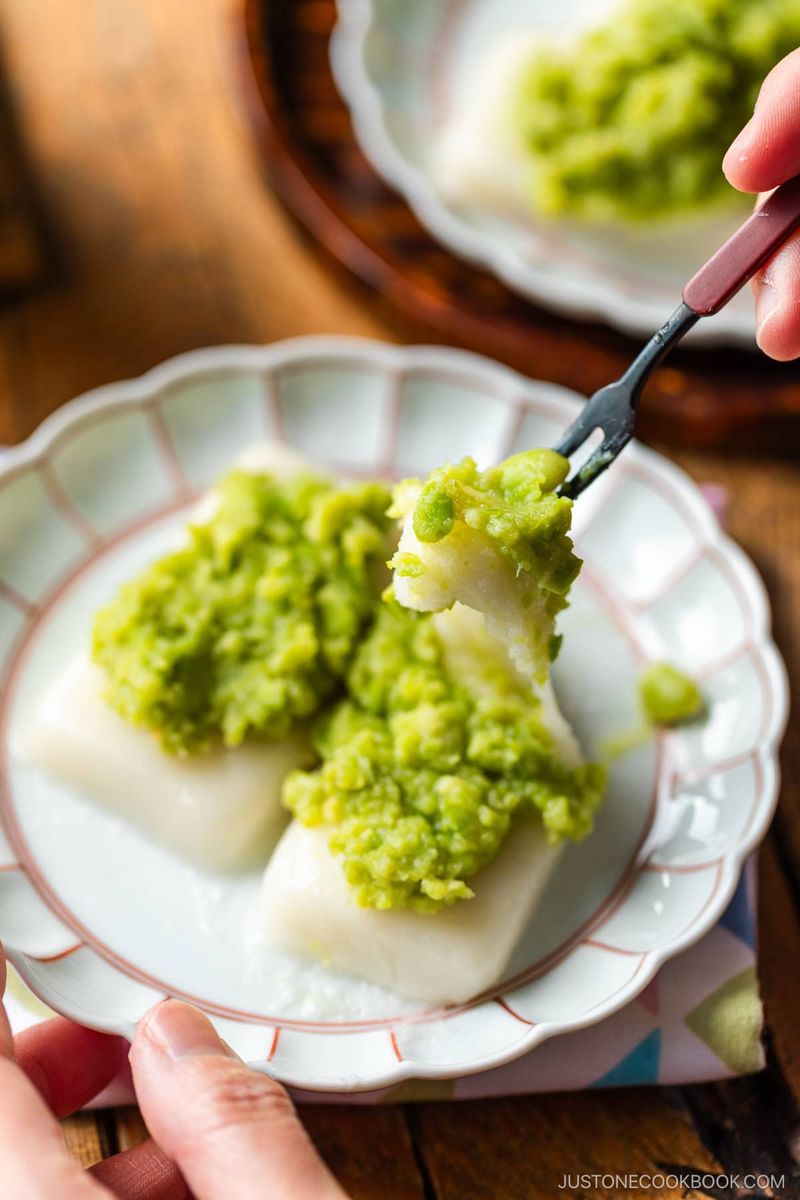
Zunda mochi is cheerful and green, a Sendai treat that feels fresh. Sweet edamame paste is folded until smooth but slightly nubbly.
It coats tender mochi, creating a contrast of chew and bright bean sweetness.
The flavor is clean, not cloying, with a gentle vanilla-like roundness from soybeans. It surprises anyone expecting red bean or heavy cream.
A sprinkle of salt or citrus zest can sharpen the profile.
Served chilled or at room temperature, it makes a lovely afternoon pause. The color alone lifts your mood before the first bite.
Zunda mochi tastes like spring dressed as dessert.