Never Ignore These 22 Golden Guidelines For Quick Pickling
Quick pickles are the fastest way to add bright, snappy flavor to everyday meals. With just a few pantry staples and a handful of minutes, you can transform humble veggies into a crunchy, craveable topping.
But small missteps can leave your jar too sharp, too bland, or disappointingly soft. Follow these practical guidelines and you will get balanced, crisp, and addictive results every time.
1. Use fresh, firm produce
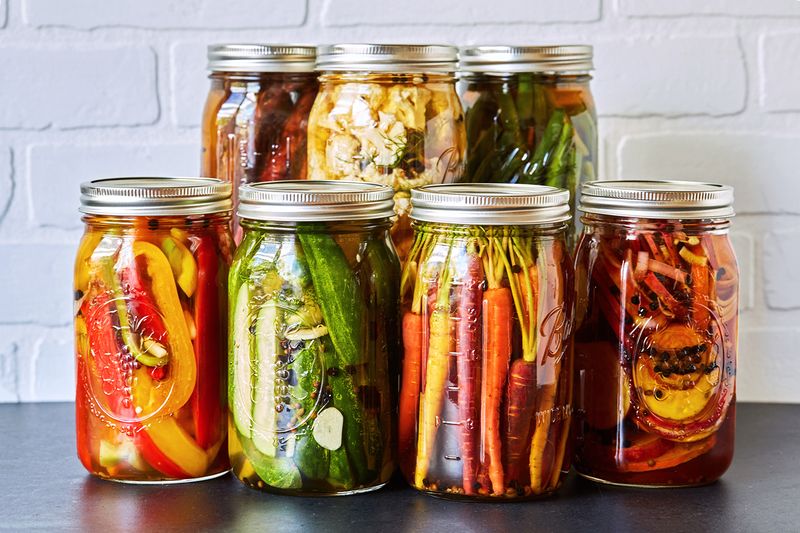
Start with produce that feels solid and snappy when you squeeze it lightly. Soft cucumbers or wilted onions will not magically turn crisp once they meet brine.
Freshness equals structure, and structure equals crunch in your finished pickles.
Look for shiny skins, bright color, and no mushy spots. Trim away any bruised ends and remove tired outer leaves from cabbage or herbs.
If your vegetables look tired, soak them in ice water for 10 minutes to revive some firmness.
Firm produce also absorbs flavors more predictably, so you get consistent results from jar to jar. It is the simplest insurance against soggy disappointment.
Start strong, and your pickles finish strong.
2. Slice evenly
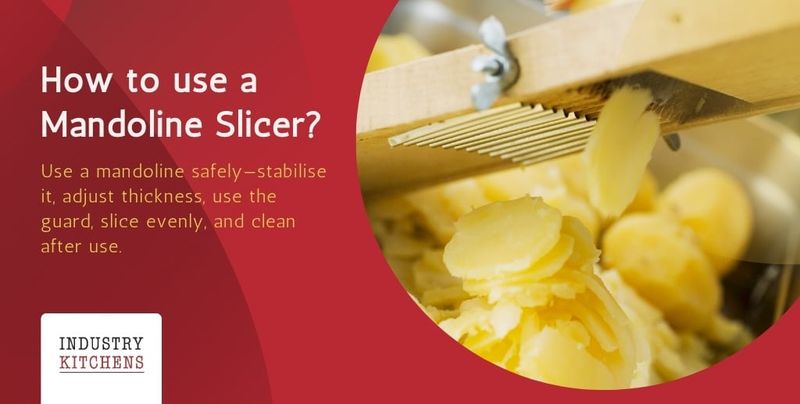
Uniform slices pickle at the same speed, so every bite tastes balanced. Grab a sharp knife or mandoline and aim for consistent thickness across the batch.
Even pieces help salt and acid penetrate predictably without leaving some crunchy and others limp.
Stack slices and compare edges to keep yourself honest. If you are mixing shapes, keep like with like in each jar.
Consistency keeps your brine math accurate and your timing reliable.
This also improves presentation, which matters when serving guests or snapping photos. Beautifully even slices signal care and make sandwiches easier to layer.
Your mouth will notice the difference.
3. Thinner slices pickle faster
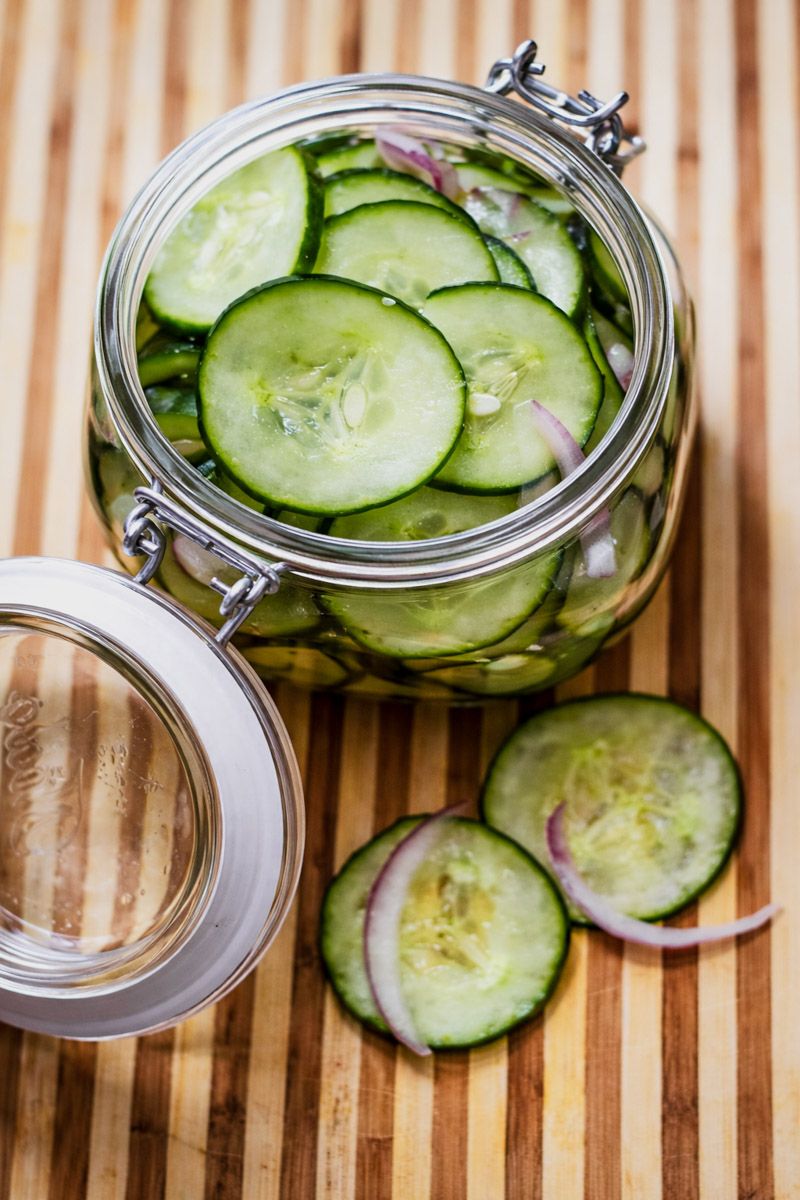
When the clock is ticking, go thin. Thin slices expose more surface area to the brine, so flavors move quickly into the vegetable.
You can have punchy pickles in 20 to 30 minutes.
If you want extra crunch, choose a slightly thicker cut and give them more time. Test a slice after 15 minutes to gauge progress, then adjust.
There is no prize for suffering through limp slices or eye-watering acid.
Match thickness to your goal. Paper-thin for quick tacos, medium for burgers, thicker for snacking spears.
Faster is great, but balance texture with timing so you get the bite you want.
4. Salt matters
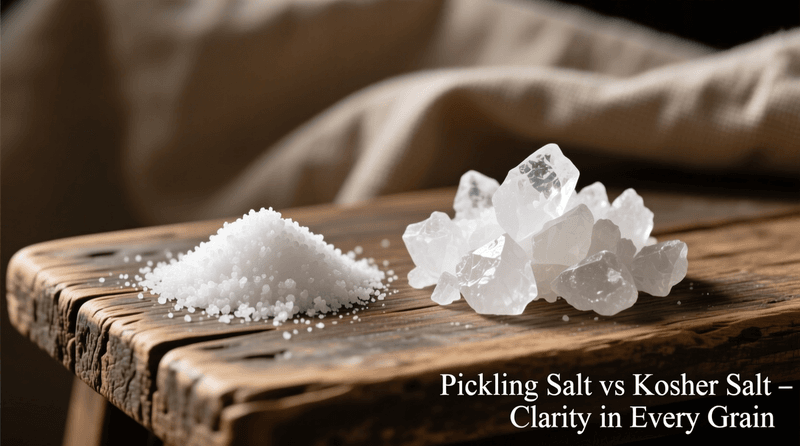
Salt is not just salty. It affects texture, flavor clarity, and how quickly vegetables shed moisture.
Kosher salt dissolves cleanly and measures more consistently than fine table salt.
Different salts vary in crystal size, so a tablespoon of one can equal much more of another. If you swap salts, measure by weight for accuracy.
Too much salt can tighten textures unpleasantly and overwhelm delicate herbs.
Choose a reliable brand and stick with it to lock in your results. Your brine will taste balanced, not harsh.
Cleaner salt makes every other flavor shine rather than shout.
5. Get the vinegar-to-water balance right
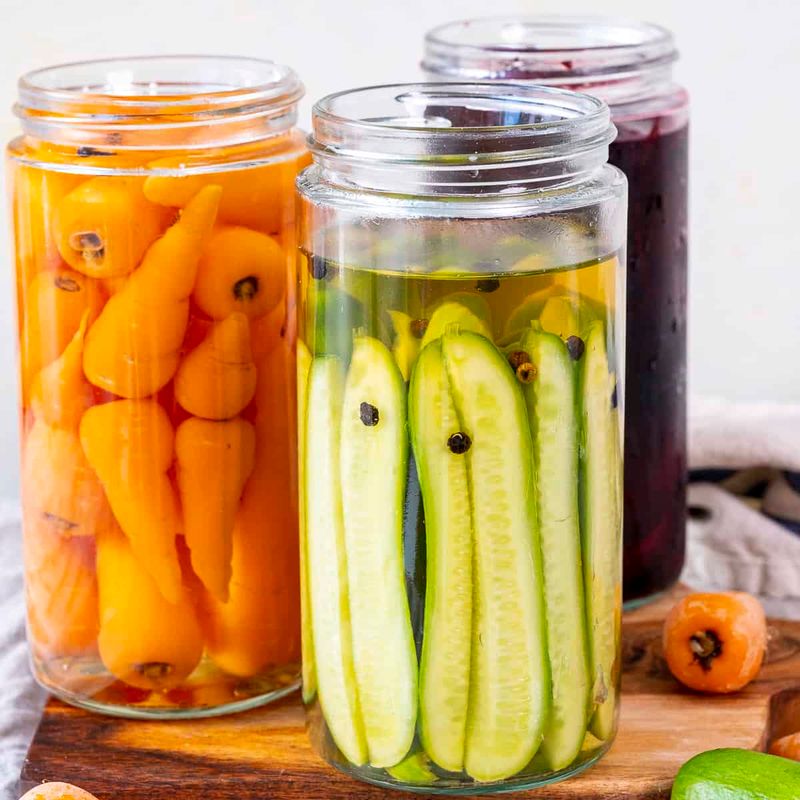
Too much vinegar tastes sharp and aggressive, while too much water dulls everything. A dependable starting point is roughly equal parts vinegar and water.
From there, tweak to your taste and the vegetable’s sweetness.
Use 5 percent acidity vinegars for predictable strength. Taste the warm brine before pouring and imagine it slightly muted once chilled.
If it stings your nose, back it off with water.
Balanced brine feels bright, not punishing. It should invite another bite rather than challenge you to finish.
Dial it in once, and your future jars become almost automatic.
6. Add a little sugar, even if you do not want sweet
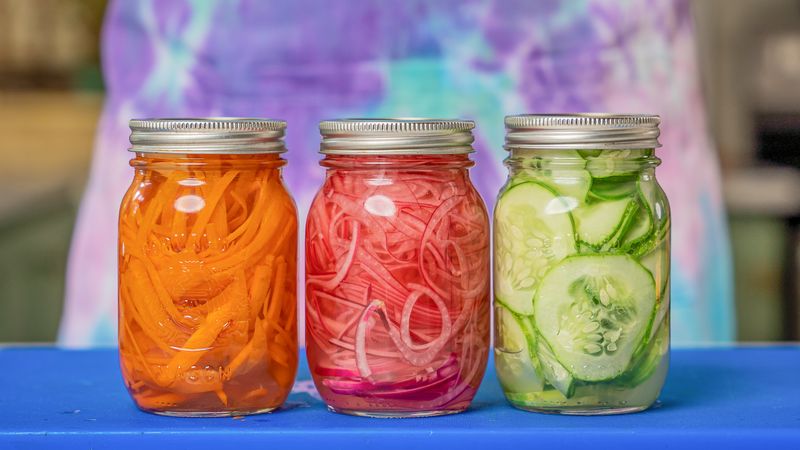
A pinch of sugar is not about candy sweetness. It softens acidity and rounds sharp edges so the other flavors read clearly.
Even people who say they hate sweet pickles appreciate a touch in quick brine.
Start with a teaspoon or two per cup of liquid and taste. The goal is balanced, not sugary.
You can use honey or maple for complexity, but keep it light.
That small addition makes herbs pop and heat feel friendlier. Your pickles will taste like themselves, just better.
Think of sugar as a volume knob, not a flavor change.
7. Heat the brine for speed
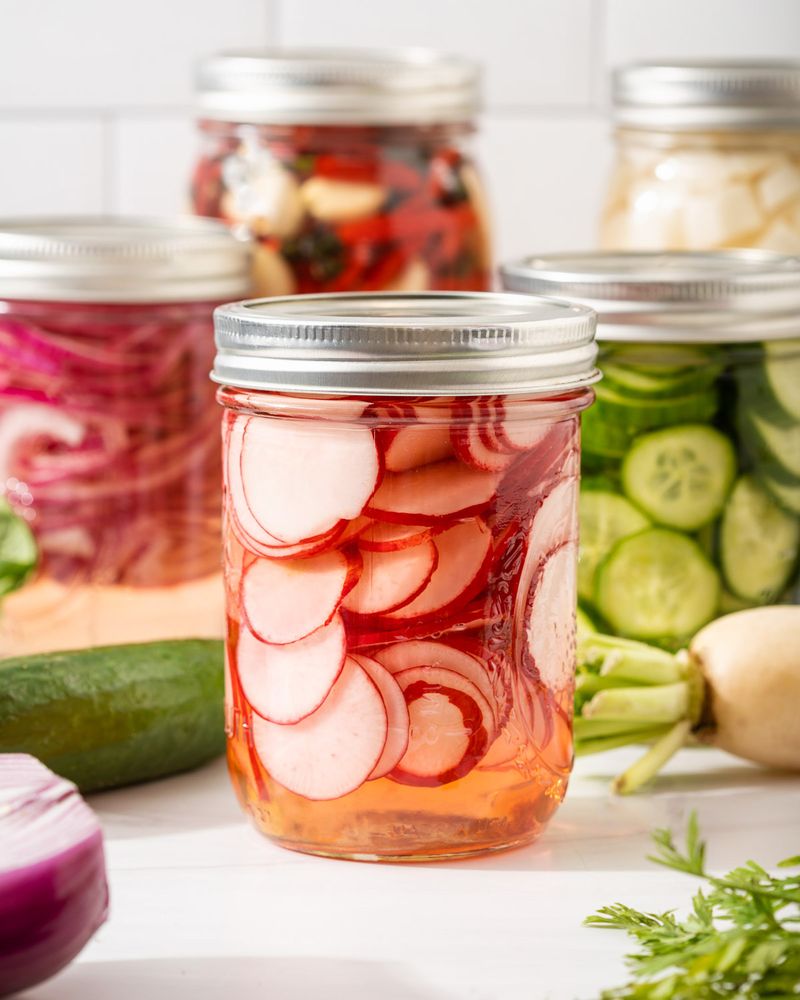
Warm brine dissolves salt and sugar instantly and moves flavor faster. You do not need a rolling boil, just steamy and hot enough to help diffusion.
This shortcut shaves minutes off your waiting time.
Heat also wakes up aromatics like mustard seeds and peppercorns. They bloom and release fragrant oils into the liquid.
That means your pickles taste seasoned right away.
Be mindful of delicate produce. You want speed without sacrificing crunch.
Keep the brine hot, not screaming, and pour thoughtfully.
8. Do not boil your vegetables
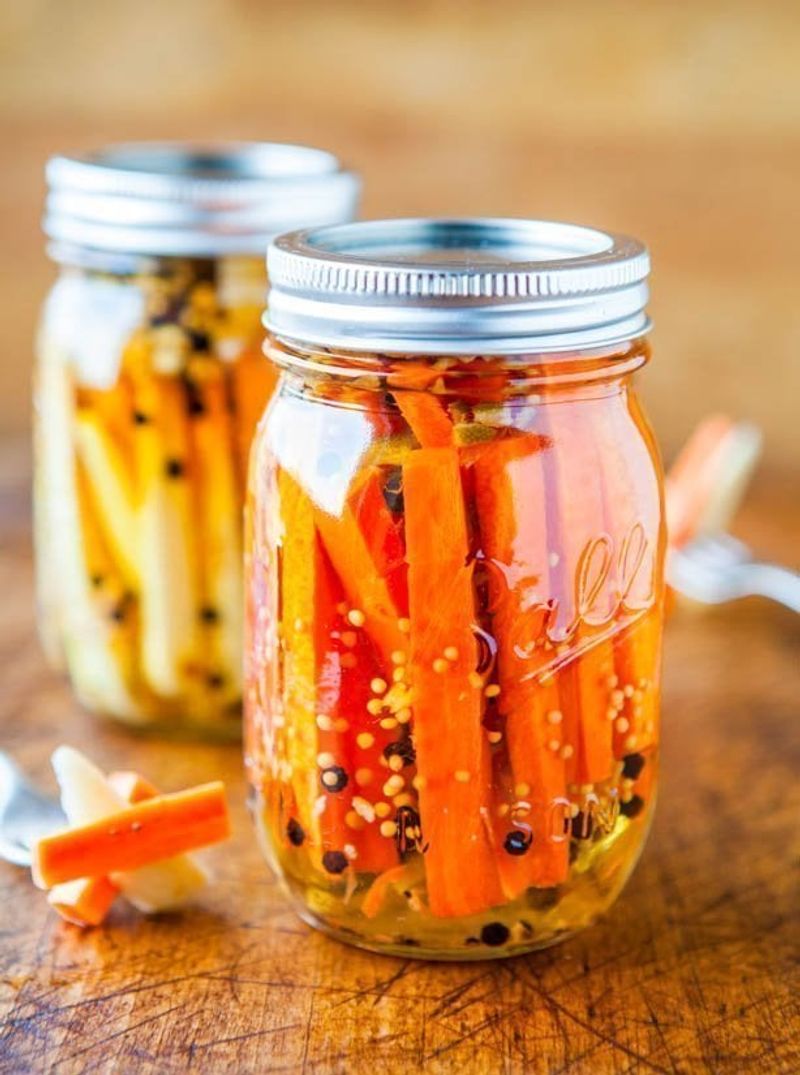
Boiling vegetables before a quick pickle leads to mush. The heat breaks down cell walls, and you lose that snap you are chasing.
Keep produce raw and let the brine do the work.
If your brine is screaming hot, it can blanch thin slices on contact. Aim for warm to hot, not boiling.
Pour slowly so heat distributes without shocking the jar.
For very firm vegetables like carrots, cut thinner instead of pre-cooking. You will keep vibrant color and crisp texture.
Remember, quick pickles are about freshness first.
9. Pack the jar tight, but not crushed
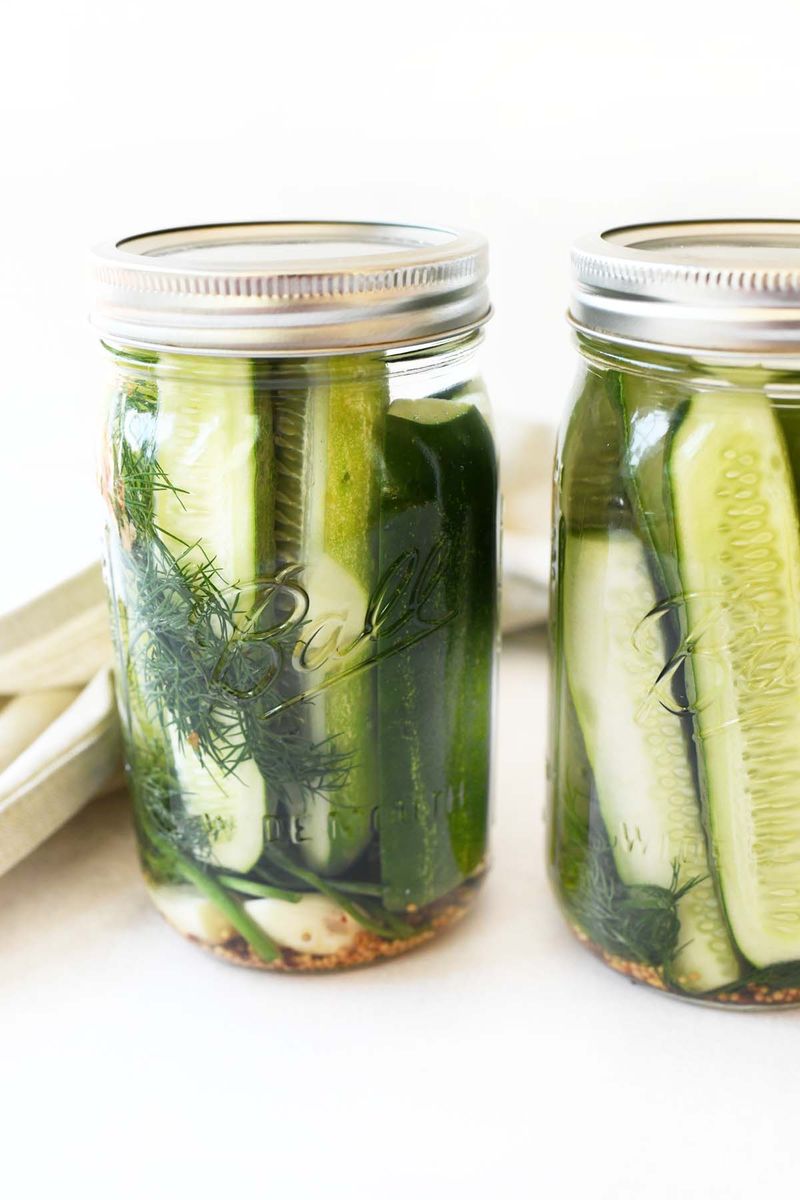
Snug packing keeps slices submerged and prevents floaters from peeking above the brine. Arrange spears or rounds neatly with minimal gaps.
Leave a little headspace for the liquid to circulate.
Do not smash or cram. Crushing bruises produce and squeezes out juices that cloud the brine and soften texture.
Gentle pressure is enough to keep everything tucked in.
If pieces want to float, tuck a sturdy slice across the top like a raft. It keeps the lid from pushing pieces up.
Your jar stays neat and fully covered.
10. Always fully submerge
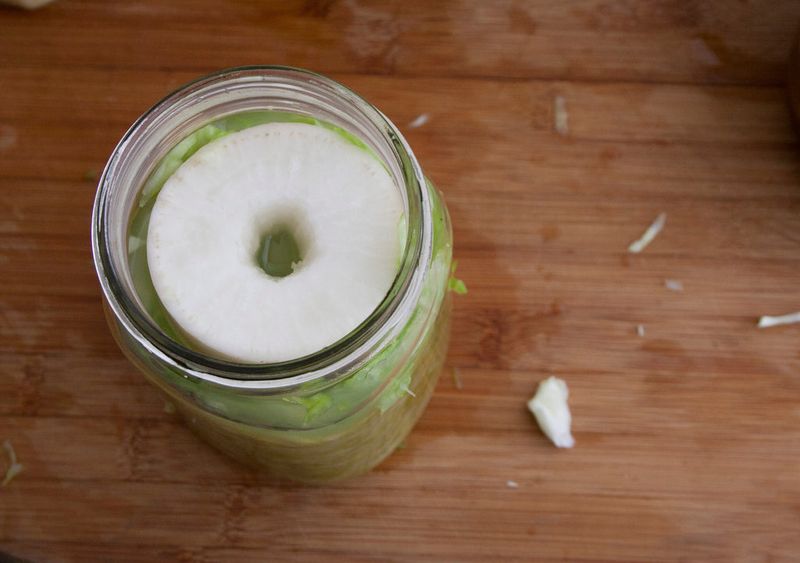
Anything sticking out of the brine will pickle unevenly and can taste oxidized or bitter. Submersion is non-negotiable for flavor and safety.
If pieces float, use a small food-safe weight or a crosswise slice to hold them down.
Check the jar after a few minutes. Air pockets escape and levels drop slightly.
Top up with extra brine if needed so everything stays covered.
Full coverage keeps texture consistent from top to bottom. You will not get weird half-pickled bites.
A submerged pickle is a happy pickle.
11. Use a non-reactive container
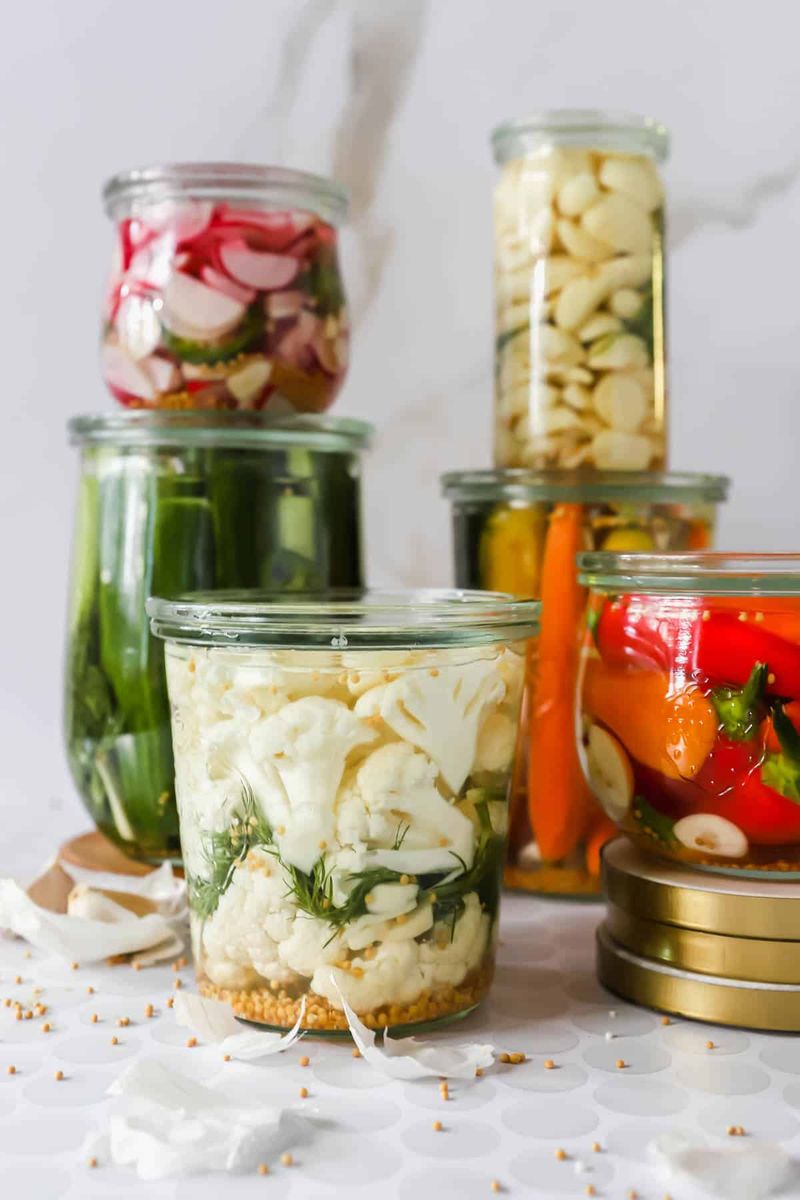
Acidic brine can react with certain metals and affect flavor and color. Glass, ceramic, and stainless steel are safe bets.
Avoid aluminum and cast iron for brining or storage.
Jars with tight-fitting lids help contain aromas and keep your fridge happy. Wide mouths make packing easier, especially for spears.
If you are prepping a big batch, work in stainless bowls, then portion into glass.
Using the right container preserves the brine’s clarity and your produce’s color. No metallic notes, no weird tinges.
It is a simple upgrade with big payoff.
12. Add aromatics for real flavor
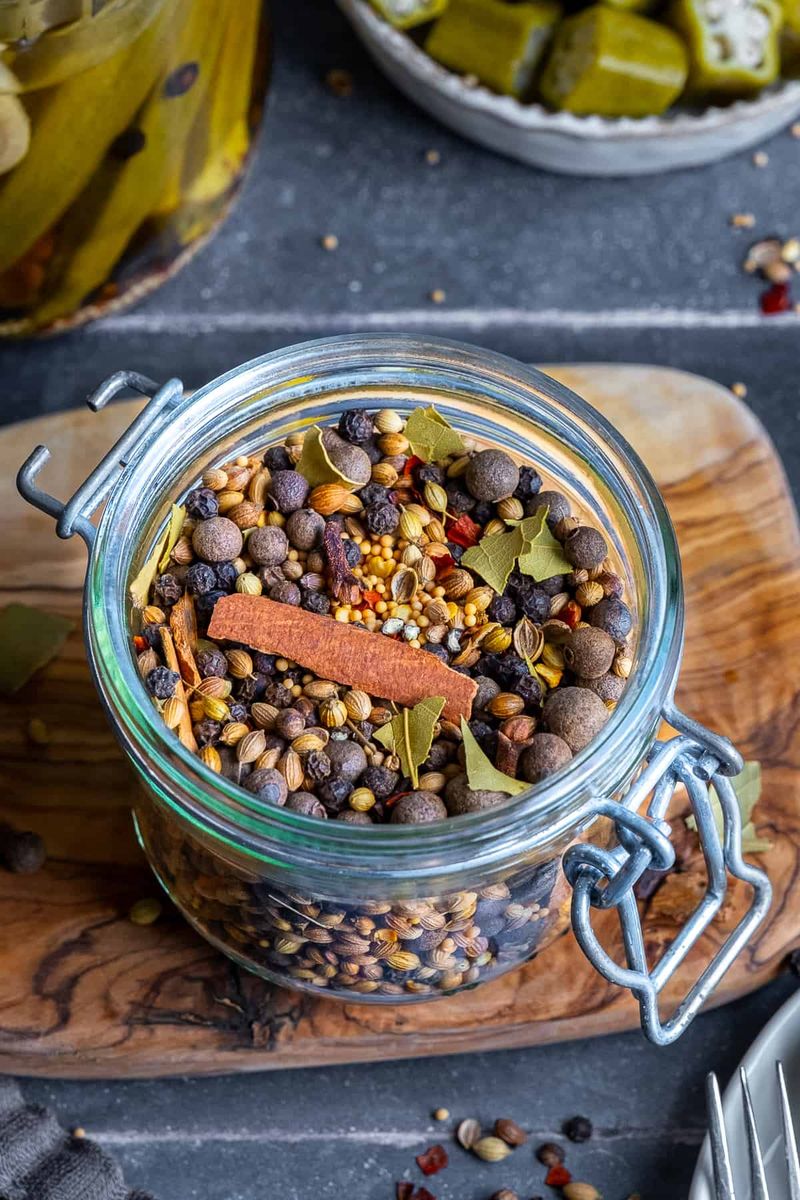
This is where the magic happens. Whole spices, garlic, dill, ginger, and chili flakes turn basic brine into something craveable.
A pinch goes far, so layer lightly and taste as you go.
Bloom whole spices in warm brine to release oils fast. Add fresh herbs directly to the jar just before pouring.
Each jar can have its own personality without extra effort.
Think of aromatics as your signature. You can riff endlessly while keeping the base formula simple.
Small additions, big payoff.
13. Use fresh herbs, but do not let them dominate
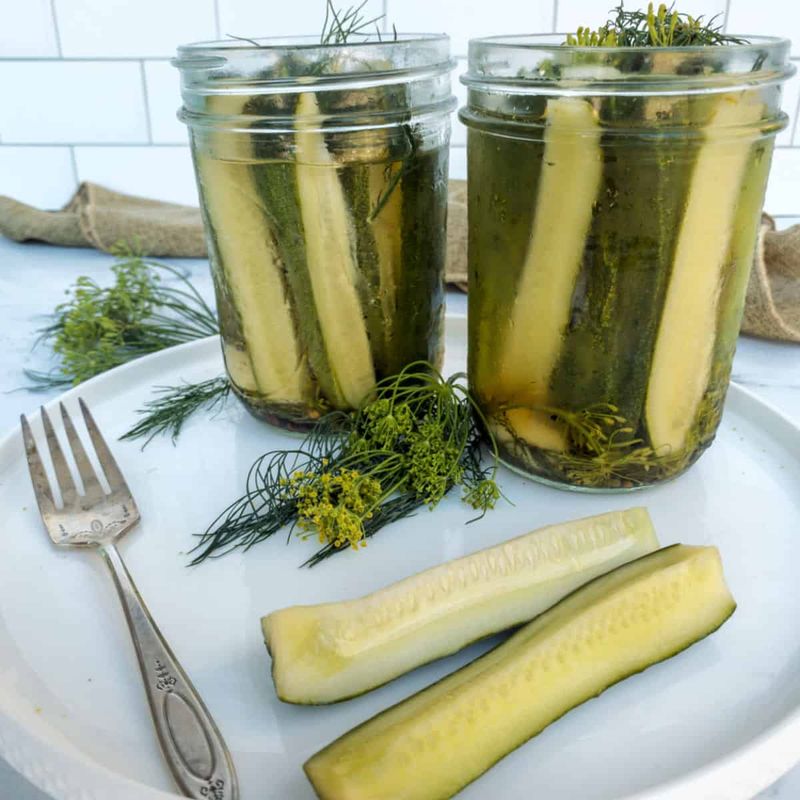
Fresh herbs bring brightness, but they can steamroll delicate vegetables. Dill, cilantro, or tarragon should whisper, not shout.
A few sprigs per jar is usually enough.
Add herbs at packing time to protect their aroma. If they sit in hot brine too long, they can go dull or bitter.
Consider hardy stems for flavor and tender leaves for garnish.
Balance matters. You want crisp vegetable flavor first, herb perfume second.
When in doubt, start small and add more next batch.
14. Bloom spices in the warm brine
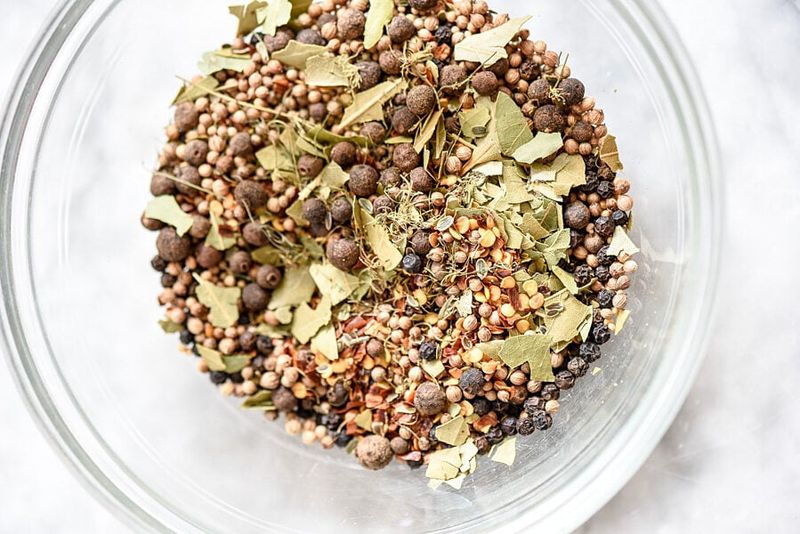
Whole spices wake up in warm liquid. A brief steep helps them release flavor quickly without turning gritty.
You get depth from the first bite instead of waiting overnight.
Keep the heat gentle and stir to prevent sticking. After a minute or two, the brine smells toasty and complex.
That is your cue to pour.
Strain if you do not want seeds floating in the jar, or leave them for visual flair. Either way, blooming is a tiny step with huge impact.
Your brine becomes a fast infusion.
15. Do not overdo garlic
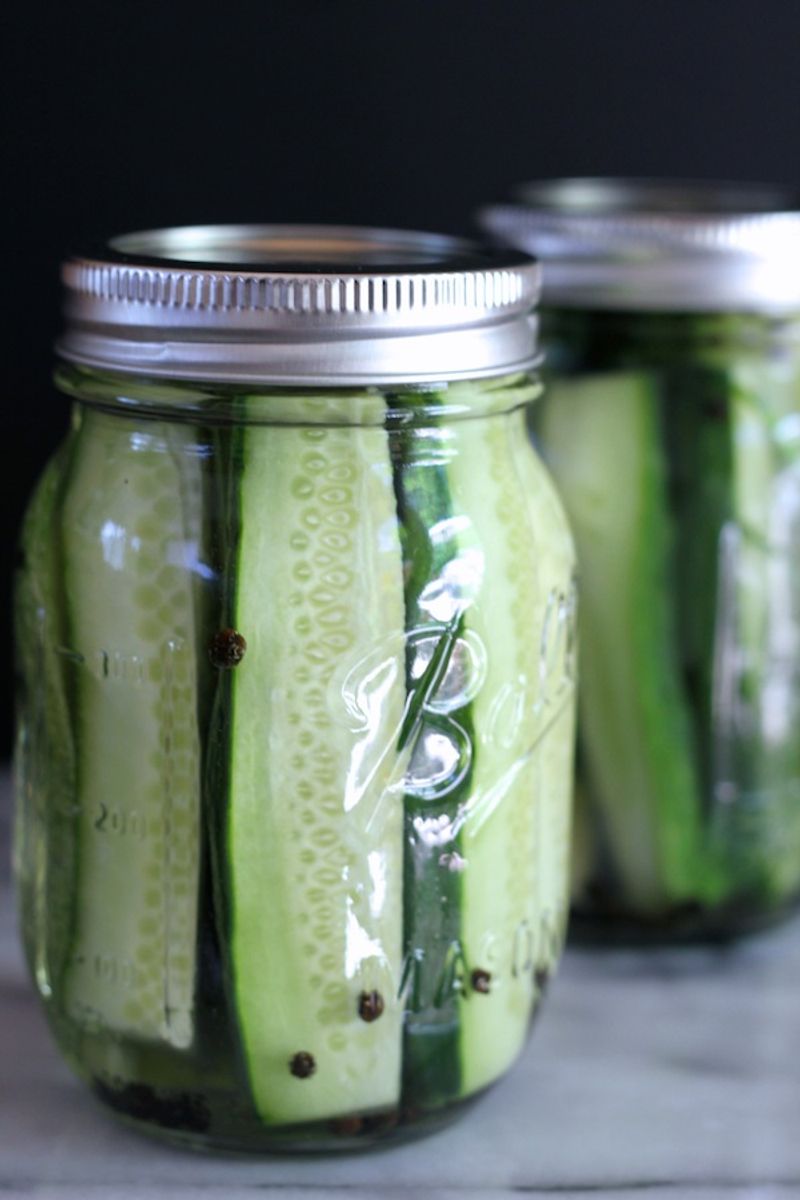
Garlic grows stronger as it sits in acid, so restraint pays off. One clove can turn into a loud chorus by tomorrow.
If you love garlic, add a small slice and taste the next day before adding more.
Crushing releases more bite than slicing. Choose the cut that suits your tolerance.
For subtlety, skip blooming garlic in hot brine and add it directly to the jar.
You want harmony, not garlic takeover. Let the vegetables and herbs sing too.
Balanced jars get emptied faster.
16. Add crunch insurance
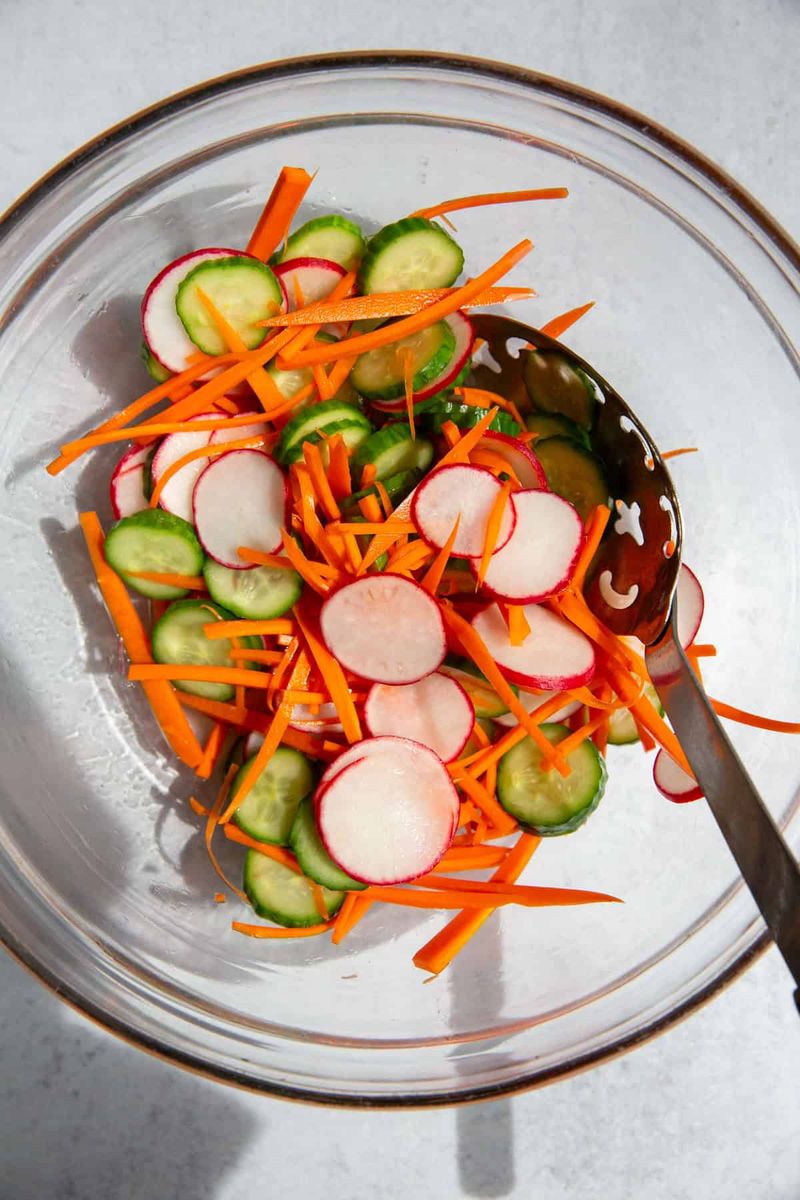
Texture is everything in quick pickles. Add a few slices of onion, a chunk of carrot, or choose extra-firm cucumbers to keep the jar lively.
A mix of textures makes every forkful interesting.
These sturdier additions hold up longer in the fridge. They also share flavor with softer vegetables nearby.
It is like building a team where some players bring crunch.
Do not overload the jar. Just enough to boost structure and variety.
Every bite should crunch, not squish.
17. Let them sit at least 20–30 minutes
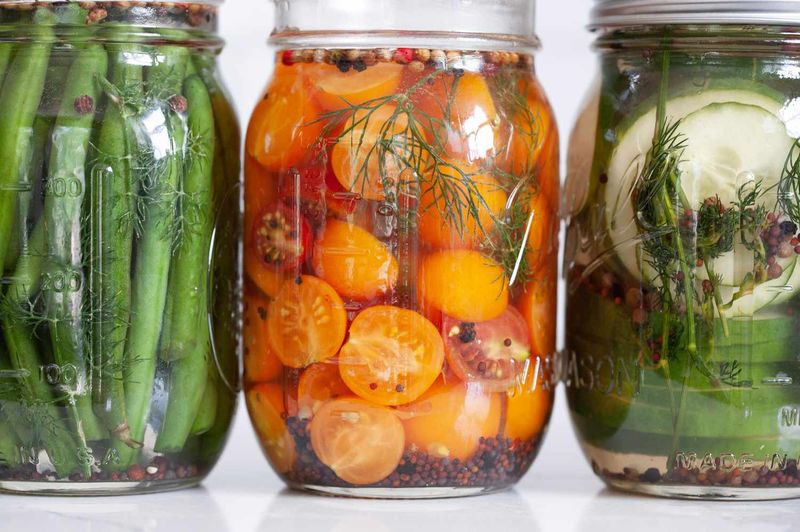
Quick pickles taste good fast, but they taste better once flavors settle. Give the brine 20 to 30 minutes to penetrate and balance.
You will notice the sharpness mellow and the aromatics come forward.
Set a timer to avoid jumping in too early. Use the wait to toast bread, prep tacos, or assemble bowls.
When time is up, taste and adjust.
This brief pause turns good into great. It is the easiest patience you will practice in the kitchen.
Reward yourself with that first crisp bite.
18. Chill for the best bite
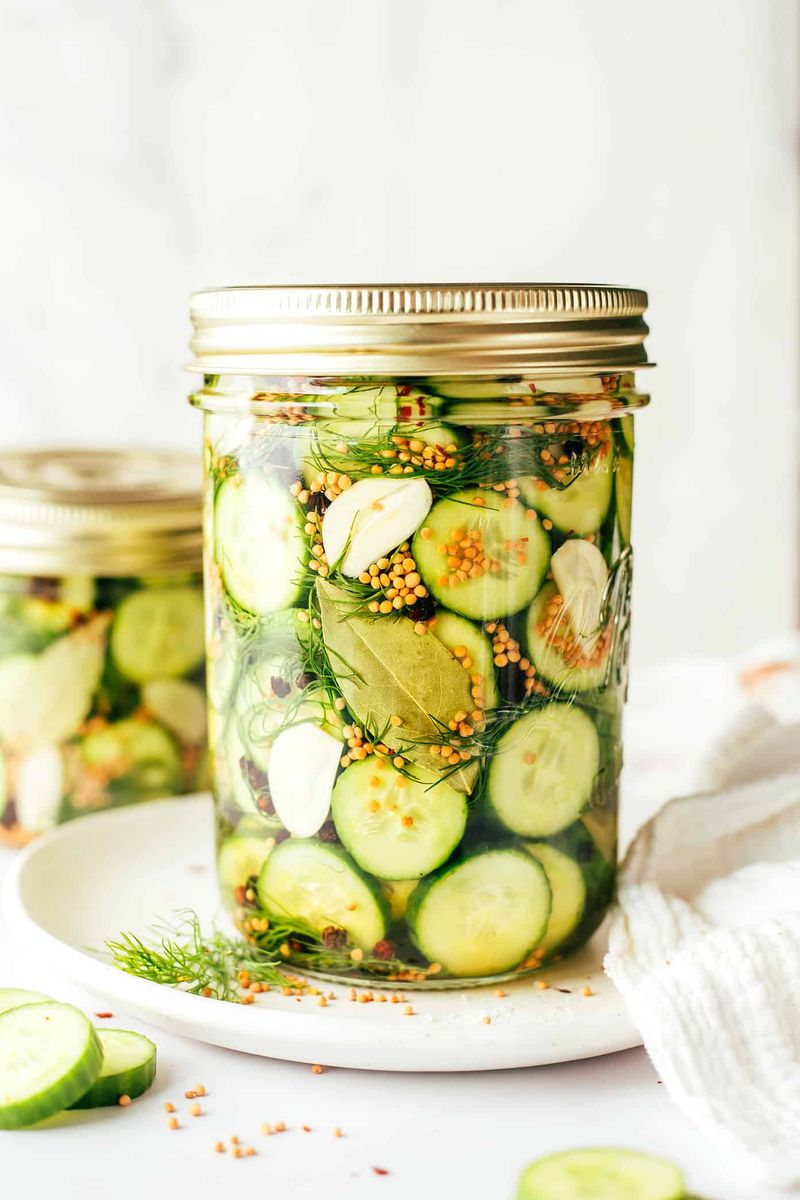
Cold amplifies crispness and tamps down harsh edges. A short chill makes quick pickles taste cleaner and more refreshing.
Even 15 minutes in the fridge can transform the bite.
Temperatures matter. Warm pickles feel floppy and taste louder.
Chilled ones snap and feel balanced.
Slide the jar into the coldest reasonable spot. If you are in a hurry, chill a smaller portion in a shallow dish.
Cold is your secret finishing step.
19. Taste and adjust early
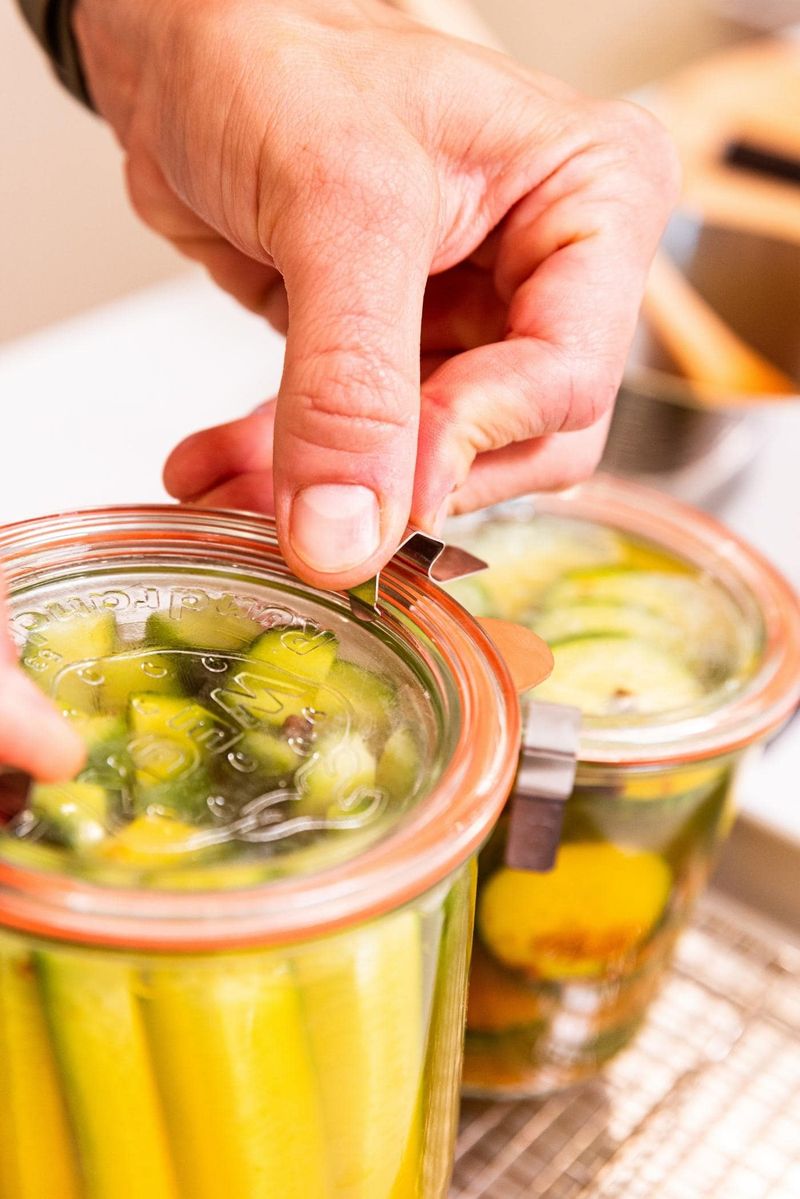
Do not wait until tomorrow to discover the brine is off. Taste while it is warm and fix it on the spot.
Too sharp, add a pinch of sugar. Too flat, add salt.
Too mild, splash more vinegar.
This is your safety net for consistent results. Small changes now save the whole batch.
Keep adjustments tiny and retaste.
You are building balance like a DJ tuning levels. When it sounds right, pour.
Your vegetables will carry that harmony through.
20. Label the jar
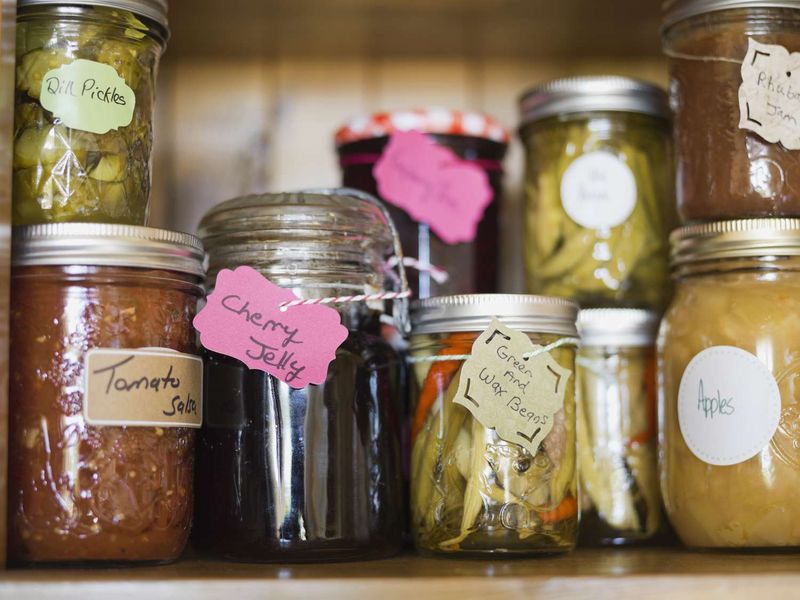
Three jars in the fridge turn into a mystery fast. Write the contents and date on masking tape or a reusable tag.
You will thank yourself when planning meals or checking freshness.
Clear labels prevent accidental mix-ups. No more confusing sweet jalapenos with classic dills.
It protects your efforts and your taste buds.
Make labeling a habit like washing the cutting board. It takes seconds and saves frustration.
Organized jars equal easier eating.
21. Store them in the fridge
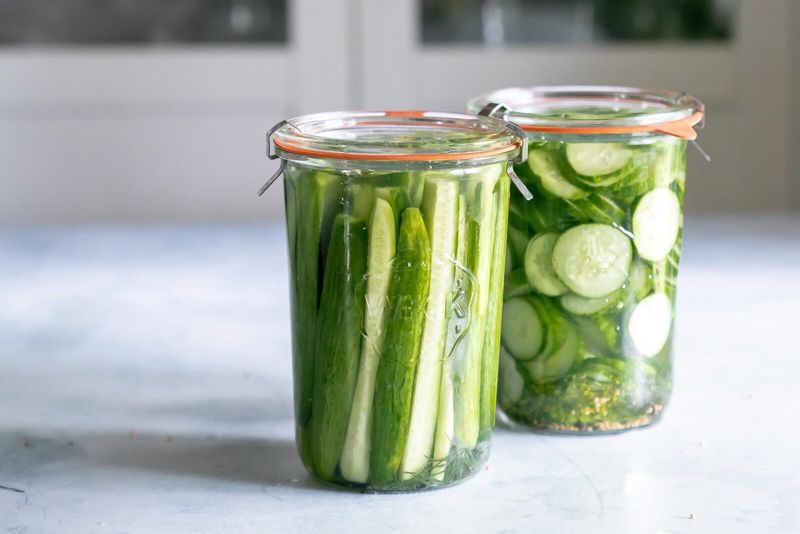
Quick pickles are not shelf-stable. They live in the fridge, not the pantry.
Cold storage keeps texture crisp and flavor bright while slowing spoilage.
Plan to eat them within about a week for peak quality. Some sturdier vegetables stretch longer, but softer ones fade fast.
Use your senses and common sense.
Keep jars toward the back where temperatures are steady. Avoid the door if you open it often.
Consistent cold equals consistently great pickles.
22. Use the leftover brine
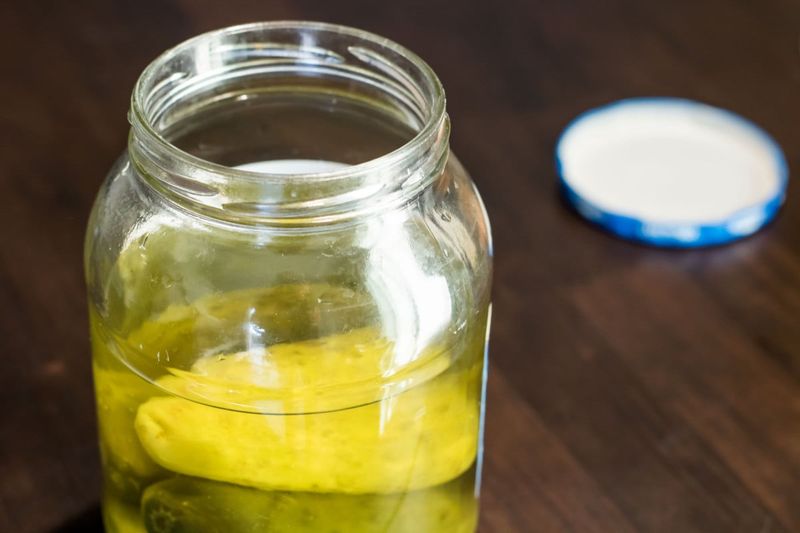
Do not toss that flavorful liquid. Leftover brine makes a zippy salad dressing, marinade, or base for slaws.
It is already seasoned, so you save time and reduce waste.
Whisk with olive oil for a fast vinaigrette. Splash it into potato salad or drizzle over roasted vegetables.
You can even quick-pickle another batch if it still tastes vibrant.
Taste first and adjust salt or sweetness as needed. Strain out spent spices if you want a smoother texture.
That jar has more to give than you think.