Fifty Foods People Consider Overrated In Each State
Every state has that one dish locals swear by, but visitors just don’t get the hype. Maybe it’s too greasy, overhyped, or just plain bland.
From coast to coast, we’re calling out fifty foods that might be famous but leave plenty of people scratching their heads and wondering what all the fuss is about.
1. Alabama: White BBQ Sauce
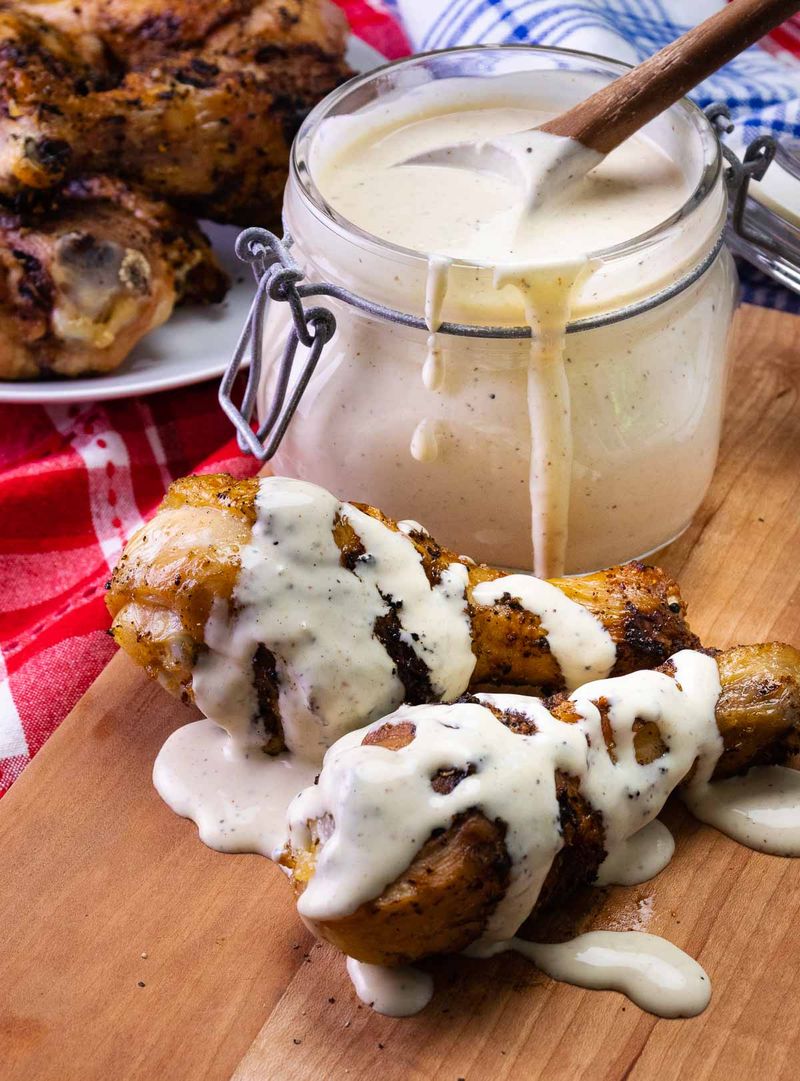
Tangy mayo-based sauce sounds weird, and honestly, it kind of is. While some swear by this creamy condiment on smoked chicken, many folks find it more confusing than delicious.
Traditional red sauce just hits different. Why mess with perfection when tomato-based BBQ has been winning hearts for generations?
2. Alaska: King Crab Legs
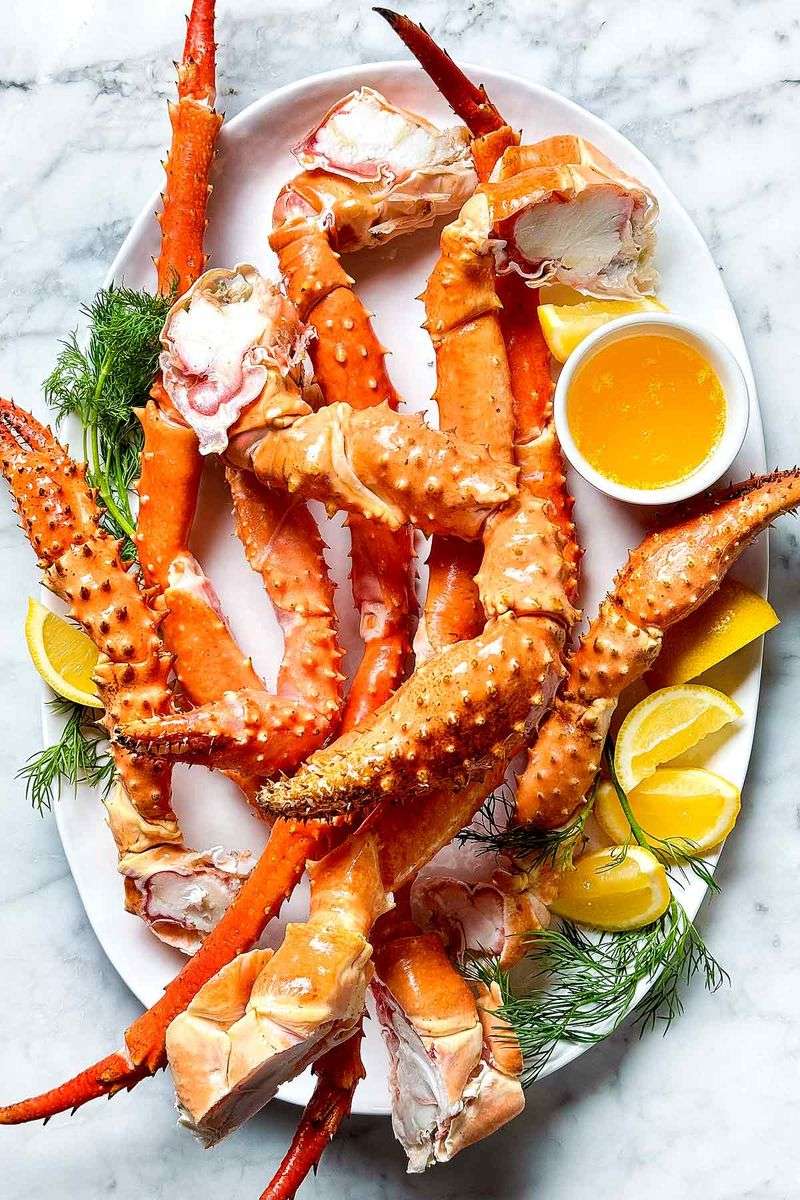
Sure, they’re massive and impressive on a plate, but the work-to-reward ratio feels off. Cracking through thick shells for tiny bites gets old fast, especially at those tourist trap prices.
Plus, the flavor isn’t that different from regular crab. Sometimes simpler seafood delivers more satisfaction without the hassle or the hefty bill.
3. Arizona: Prickly Pear Everything
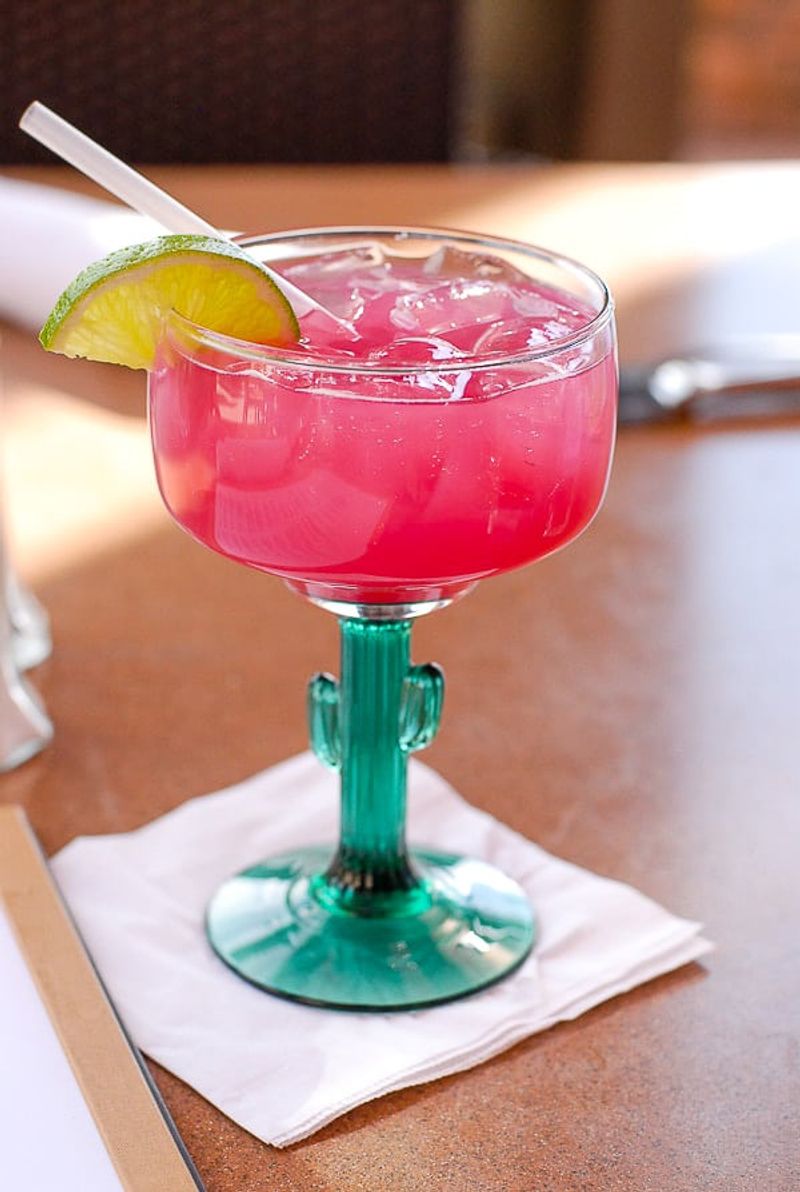
From margaritas to candy, this desert fruit shows up everywhere in the Grand Canyon State. The problem? It tastes more like food coloring than actual fruit most of the time.
Restaurants charge premium prices for anything with that magenta hue. Real prickly pear has subtle flavor, but commercial versions just taste like sugar with pink dye added for effect.
4. Arkansas: Chocolate Gravy
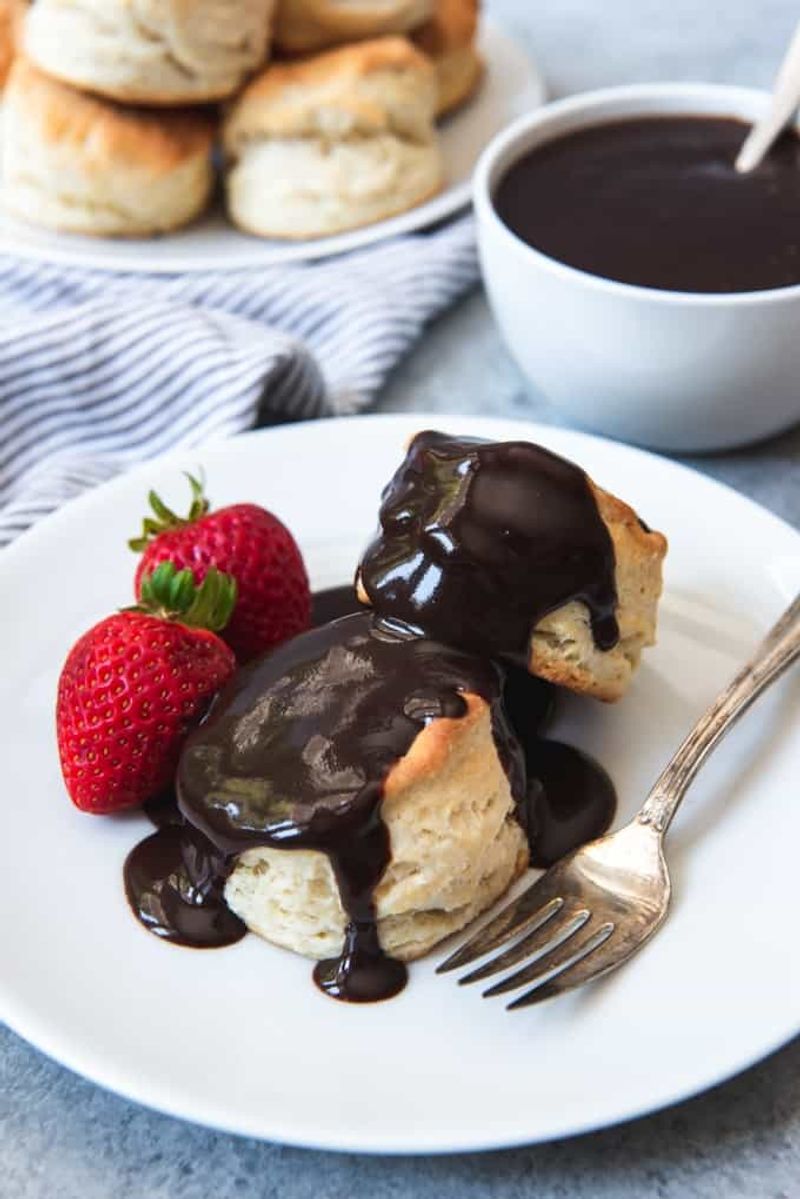
Biscuits deserve better than this overly sweet breakfast topping that confuses dessert with morning meals. Chocolate for breakfast sounds fun until you realize it’s basically thin pudding on bread.
Traditional sausage gravy wins every time. This Arkansas specialty might be nostalgic for some, but most outsiders find it cloying and oddly out of place on the breakfast table.
5. California: Avocado Toast
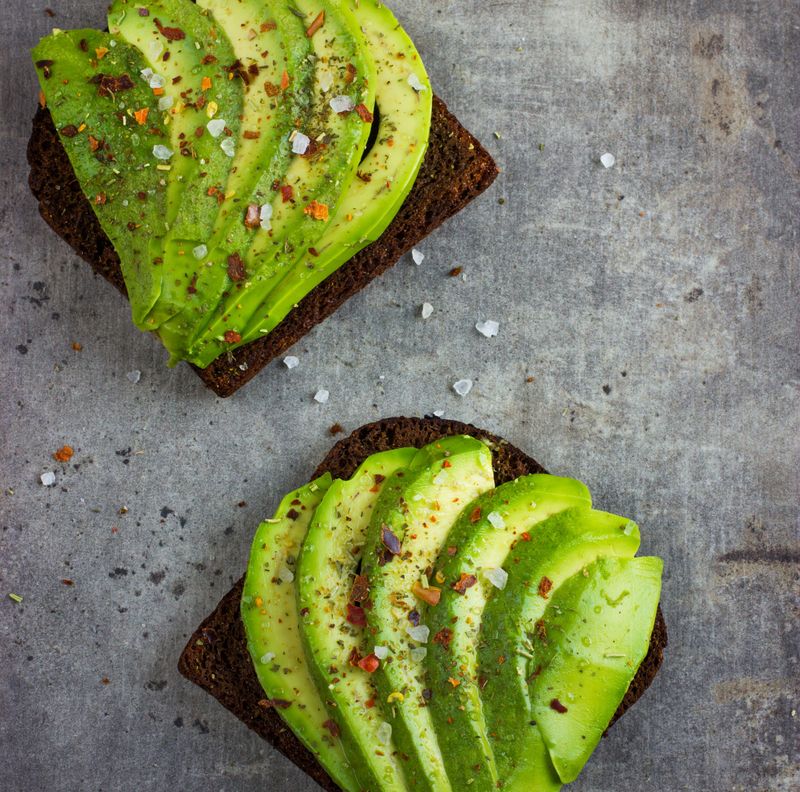
Paying fifteen bucks for smashed fruit on bread feels like a punchline to a joke about millennial culture. Yes, avocados are healthy and delicious, but the markup is absolutely ridiculous.
You can make this at home for two dollars. The California obsession with this simple snack has turned into an expensive status symbol rather than actual cuisine worth celebrating.
6. Colorado: Rocky Mountain Oysters
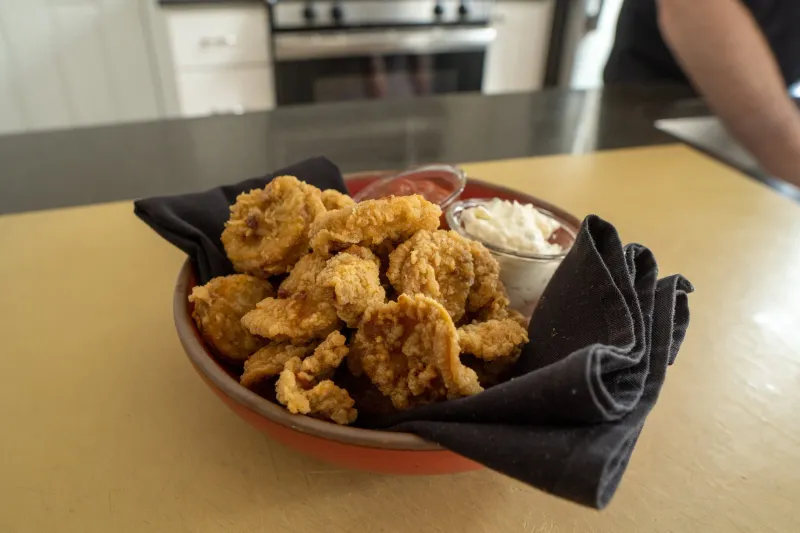
Tourists try them once for the story, then never again because the texture is weirdly chewy and the flavor is forgettable.
The whole appeal relies on shock value. Once you get past the dare factor, there’s nothing particularly tasty about this Colorado curiosity that justifies its place on menus.
7. Connecticut: Steamed Cheeseburger
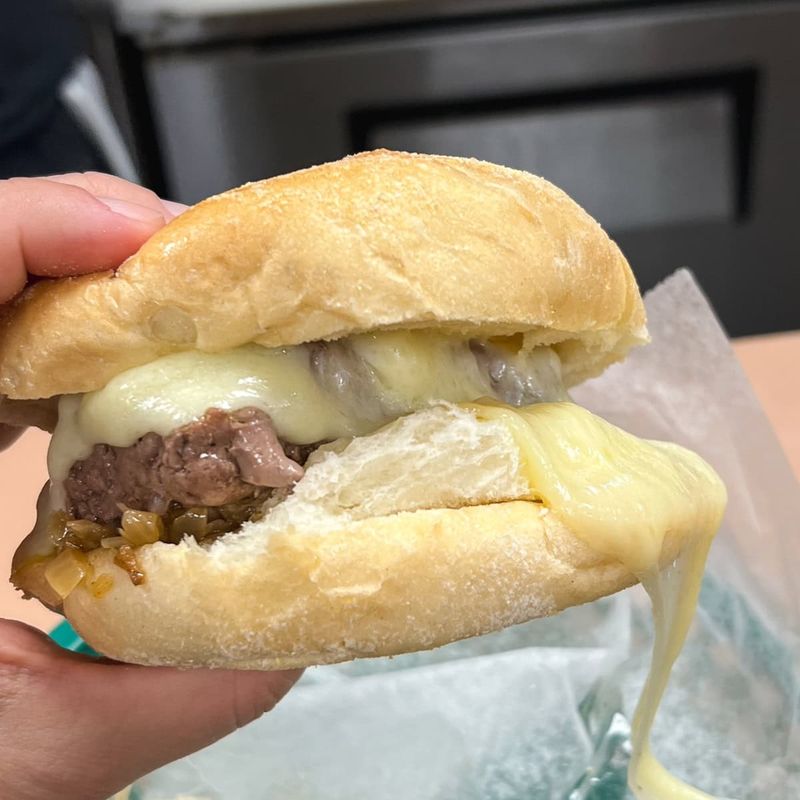
Grilling exists for a reason, and steaming a burger removes all the char and flavor that makes burgers great. This Connecticut oddity produces pale, soggy patties with melted cheese that somehow lacks appeal.
Crispy edges and smoky grill marks matter. Steaming might be healthier, but it sacrifices everything that makes a burger worth eating in the first place.
8. Delaware: Scrapple
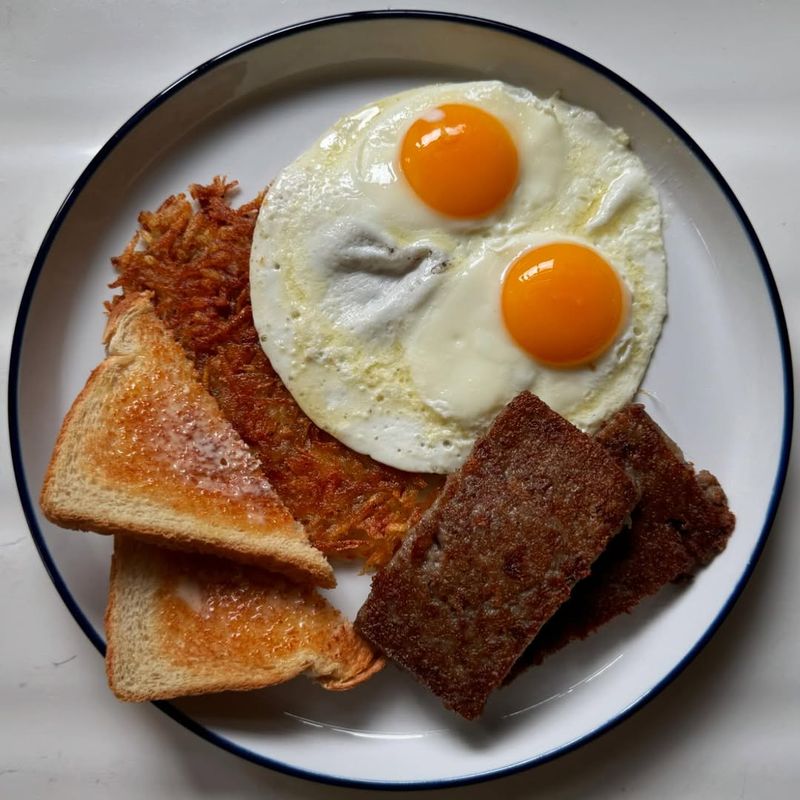
Mystery meat loaf made from pork scraps and cornmeal sounds unappealing because, well, it kind of is. This breakfast staple has die-hard fans, but most people find the texture mushy and the concept off-putting.
Knowing what goes into scrapple doesn’t help its case. Sometimes traditional doesn’t mean good, and this Delaware breakfast item proves that nostalgia can’t save everything.
9. Florida: Key Lime Pie
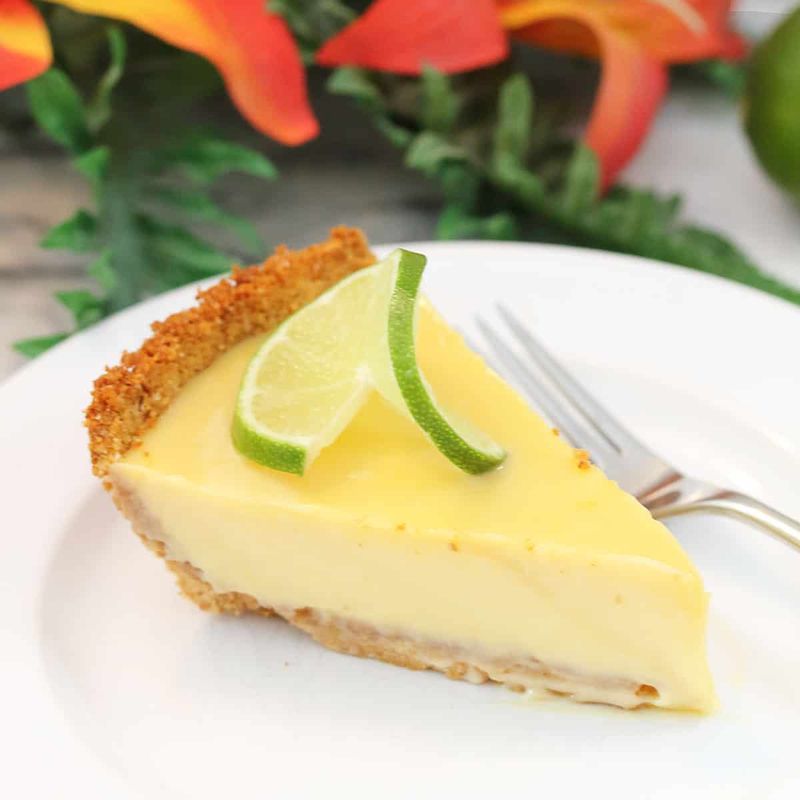
Hear me out: most versions are way too sweet and use regular limes anyway. Authentic Key lime pie should be tart and balanced, but tourist traps serve neon green sugar bombs instead.
The real deal is rare. What you usually get is artificially colored, overly sweetened filling that masks any actual lime flavor beneath mountains of whipped cream and meringue.
10. Georgia: Boiled Peanuts
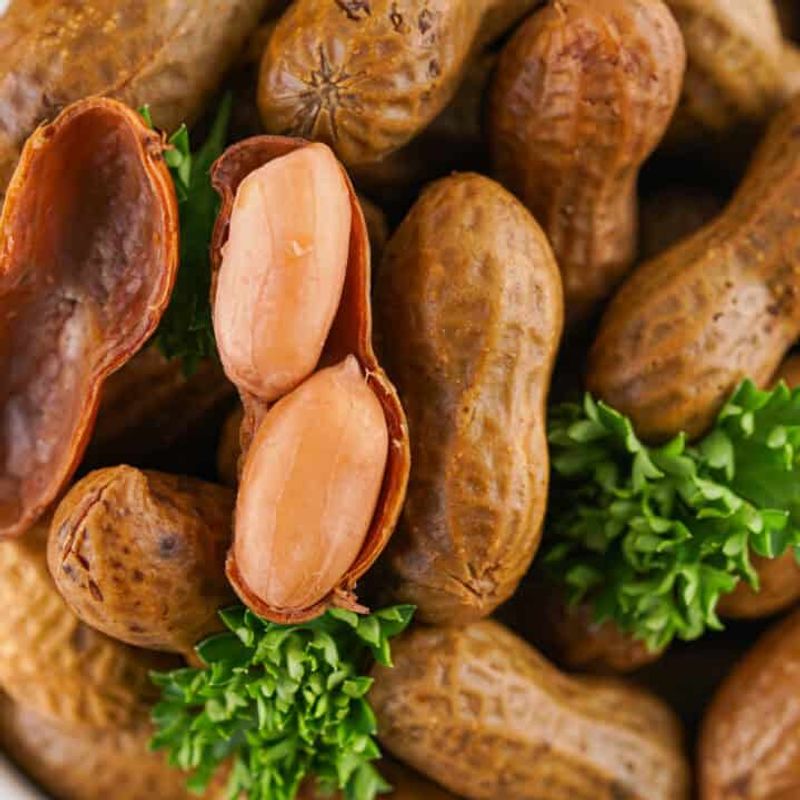
Soggy, salty legumes lack the satisfying crunch that makes peanuts enjoyable. This Southern roadside snack divides people sharply, and plenty of Georgians themselves admit they’re an acquired taste that many never acquire.
The texture feels wrong to most palates. Peanuts should snap, not squish, and boiling them creates a mushy experience that’s hard to appreciate even with an open mind.
11. Hawaii: Spam Musubi
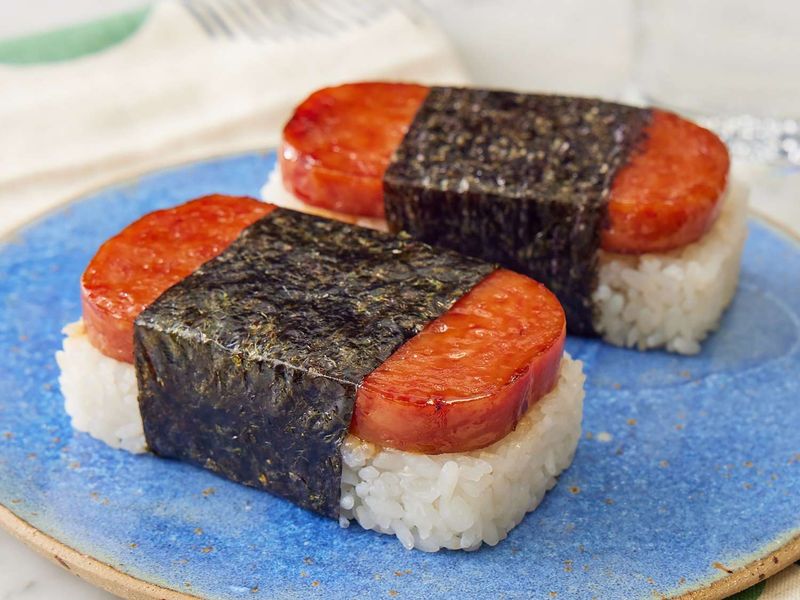
Canned meat on rice might be convenient, but calling it a delicacy feels like a stretch. Spam has its place, sure, but the hype around musubi seems disproportionate to what’s essentially a glorified snack.
Fresh fish exists in Hawaii abundantly. Why settle for processed meat when you’re surrounded by incredible seafood? The musubi obsession mystifies many visitors expecting island flavors, not wartime rations.
12. Idaho: Finger Steaks
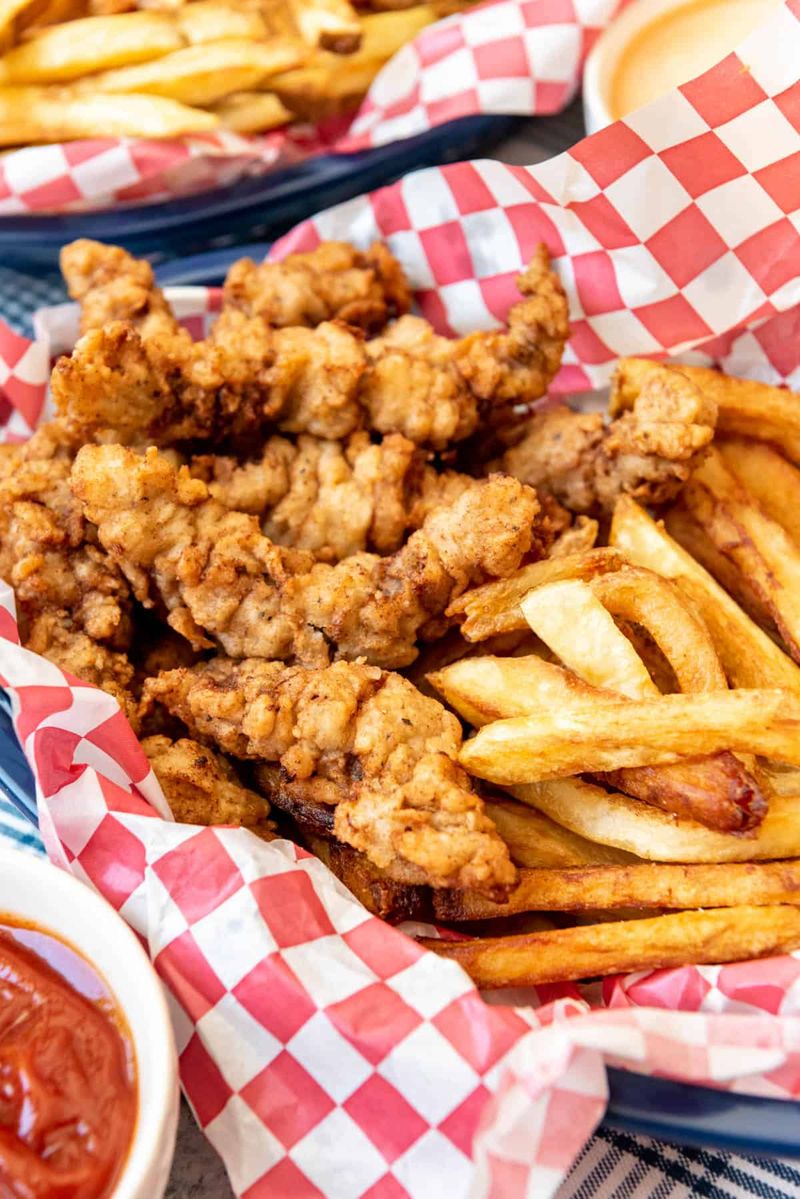
Deep-fried steak strips sound great until you realize you’re paying steak prices for something that tastes like fancy chicken fingers. The breading overwhelms any beef flavor, making the whole concept feel wasteful.
Just eat a proper steak instead. Idaho’s signature dish seems like an excuse to fry everything, sacrificing quality meat for a texture you can get from cheaper cuts or poultry.
13. Illinois: Deep Dish Pizza
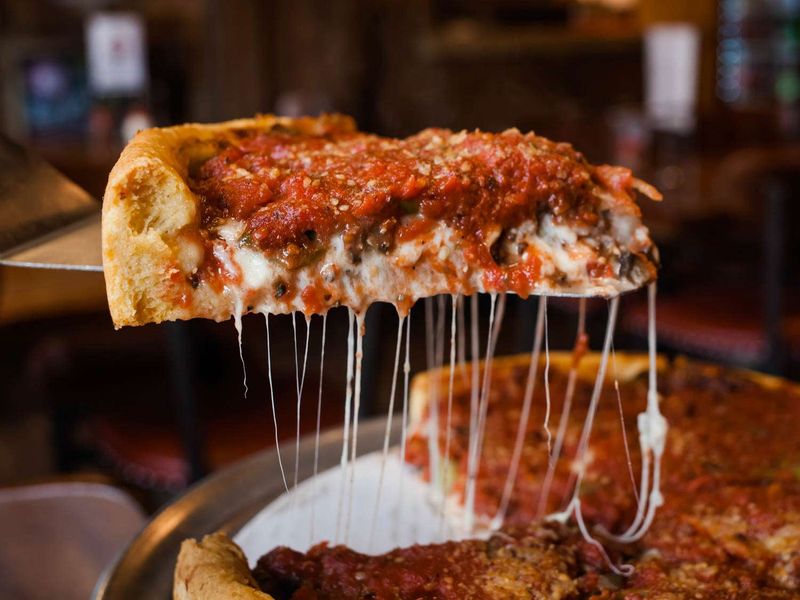
It’s basically a casserole pretending to be pizza, and the debate gets exhausting. Sure, it’s iconic to Chicago, but waiting forty-five minutes for something that requires a fork and knife doesn’t feel like pizza anymore.
New York slice wins for convenience. Deep dish is heavy, time-consuming, and often more about quantity than quality. Sometimes tradition doesn’t equal superior, and this Illinois staple proves that point deliciously – or not.
14. Indiana: Sugar Cream Pie
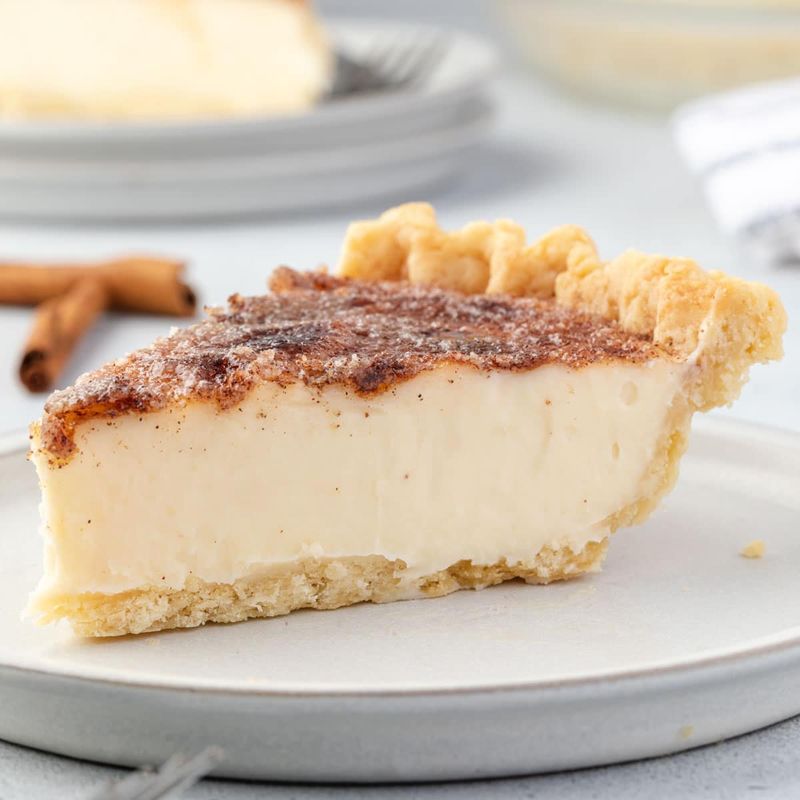
Called Hoosier pie, this dessert is essentially sugar, cream, and vanilla in a crust. While simplicity can be elegant, this one just tastes like eating sweet paste without much depth or interest.
Better pies exist with actual fruit. Indiana’s signature dessert feels like something created during rationing that stuck around out of habit rather than because it’s actually memorable or worth making today.
15. Iowa: Loose Meat Sandwich
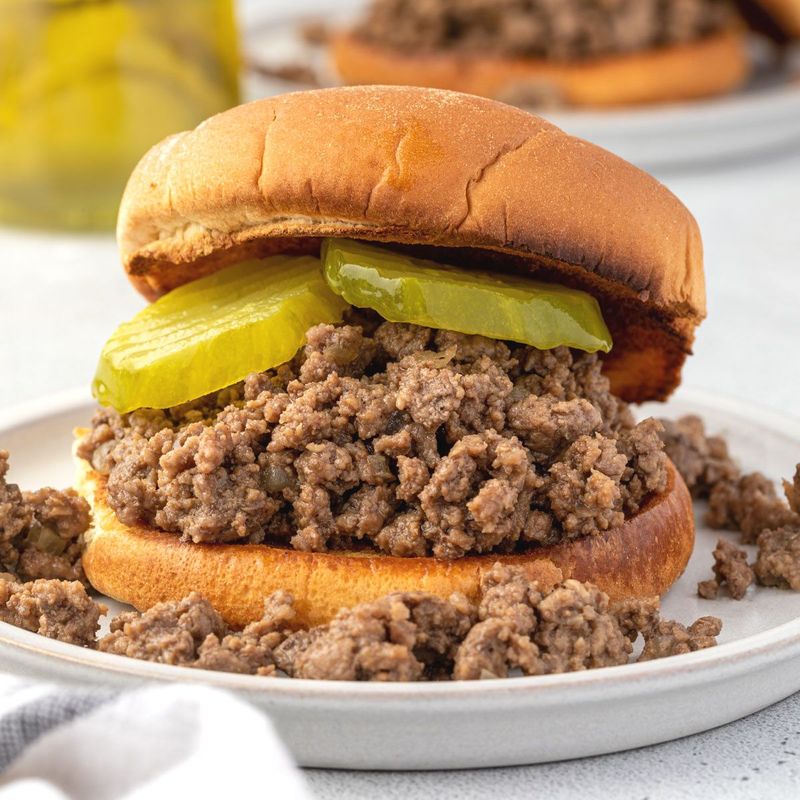
It’s a hamburger that fell apart, basically, and somehow became a state specialty. Ground beef without the patty form just makes a messy, bland sandwich that lacks the texture and satisfaction of a proper burger.
Why not just make a burger? Iowa’s tavern sandwich seems like a cooking mistake that got branded as intentional, and most people outside the state remain unconvinced of its appeal.
16. Kansas: Burnt Ends
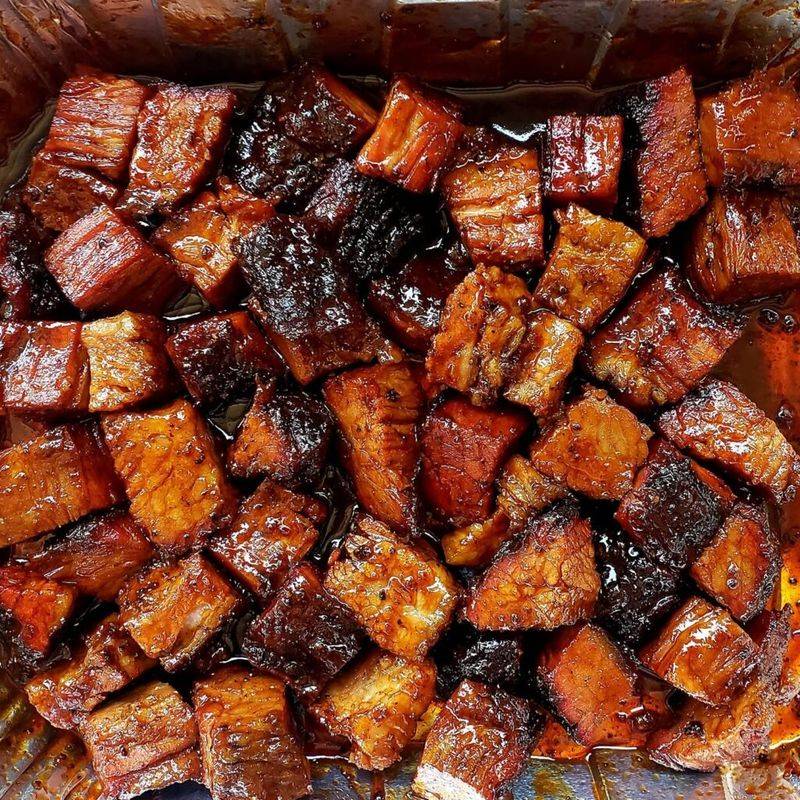
Fatty brisket chunks can be delicious when done right, but they’re often just dried-out, overcooked meat scraps. Kansas City BBQ joints charge premium prices for what used to be throwaway bits, and quality varies wildly.
Regular brisket tastes better consistently. The burnt ends craze has turned trimmings into treasure, but honestly, the hype exceeds the reality unless you’re at a top-tier smokehouse willing to do it properly.
17. Kentucky: Hot Brown Sandwich
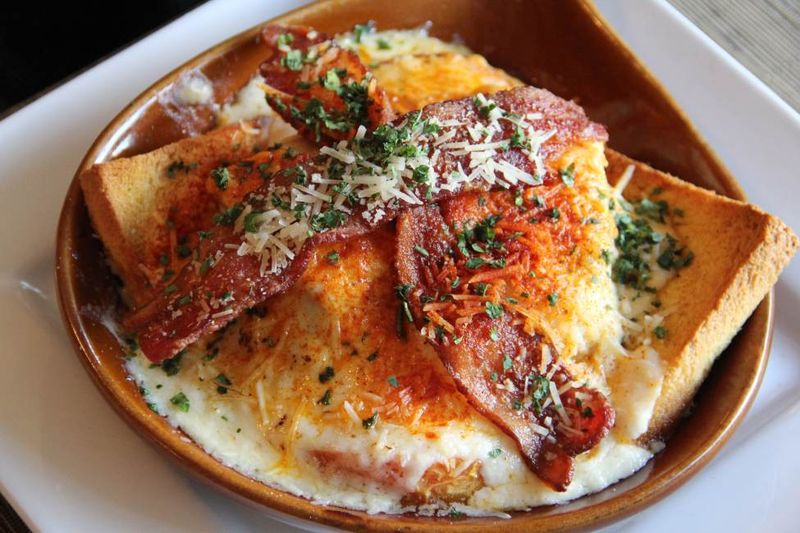
Open-faced turkey with Mornay sauce sounds fancy but ends up being a fork-required mess that’s too rich and heavy for most appetites. This Louisville creation feels more like leftovers casserole than an actual sandwich.
Regular turkey sandwiches are easier. The Hot Brown requires too much effort to eat, costs too much, and leaves you feeling uncomfortably full rather than satisfied and happy with your meal choice.
18. Louisiana: Turducken
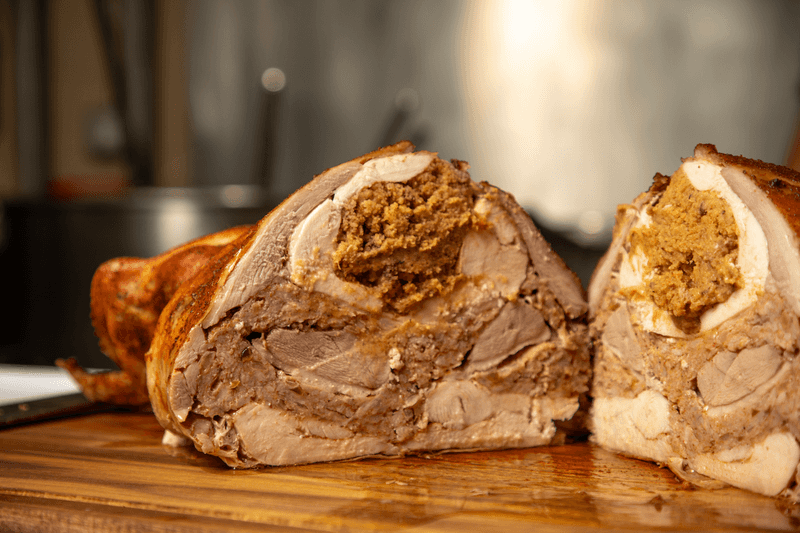
Three birds stuffed inside each other sounds impressive until you realize it’s a cooking stunt that doesn’t actually improve any of the meats involved. Each bird cooks differently, resulting in uneven textures and flavors.
Just roast them separately instead. Louisiana’s Thanksgiving showpiece is more about spectacle than taste, and most people who’ve tried it admit regular turkey tastes better and causes less kitchen stress overall.
19. Maine: Lobster Roll
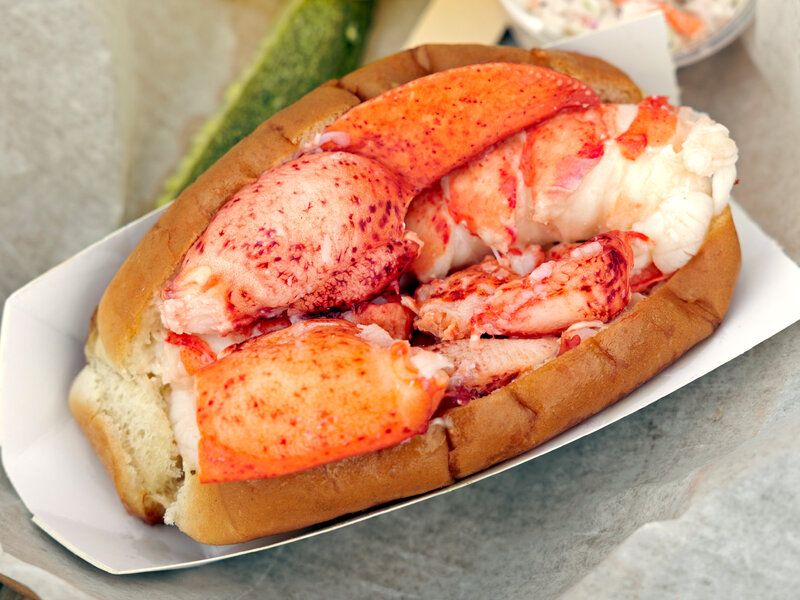
Before the pitchforks come out, hear this: twenty-five dollars for a small amount of lobster on a hot dog bun feels like highway robbery. Yes, lobster is delicious, but the markup at tourist spots is absolutely outrageous.
You’re mostly paying for location. The actual roll is often more mayo than meat, served cold, and gone in four bites. Maine’s iconic sandwich costs more than it’s worth in most places.
20. Maryland: Crab Cakes
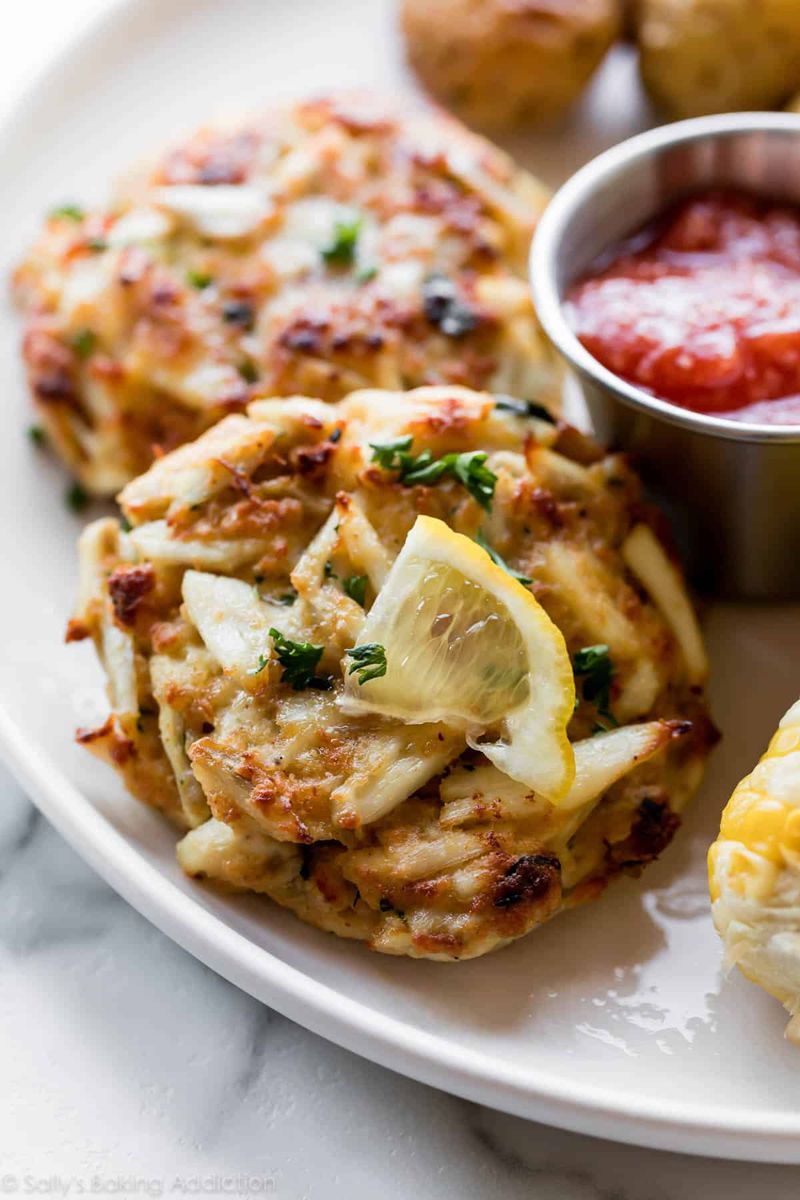
Too often, you’re paying for filler and breadcrumbs with minimal crab. Maryland takes pride in these, but restaurants frequently stretch expensive crabmeat with cheap ingredients, resulting in disappointing patties that don’t justify the cost.
Quality varies dramatically by location. Unless you’re at a trusted spot, you’re gambling on whether you’ll get actual crab or just a fried bread puck with crab flavoring and Old Bay seasoning.
21. Massachusetts: Clam Chowder
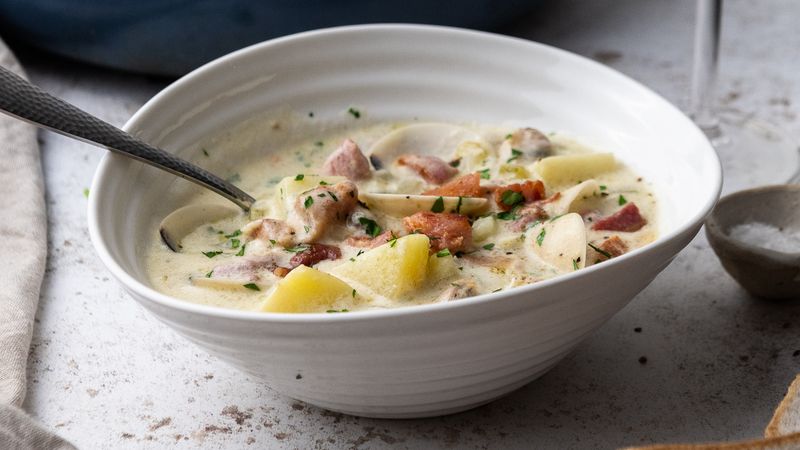
New England’s pride is basically cream soup with a few clams hiding at the bottom. It’s heavy, often bland despite the hype, and leaves you feeling uncomfortably full rather than satisfied with seafood flavor.
Manhattan version has more personality. The Boston obsession with cream-based chowder produces a lot of mediocre bowls that rely on tradition rather than taste to maintain their overinflated reputation across the state.
22. Michigan: Coney Dog
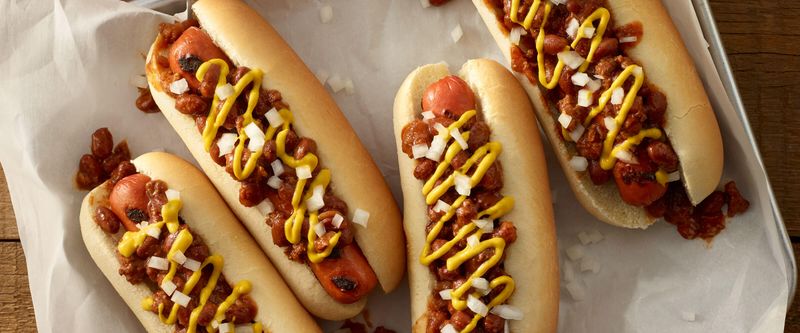
A hot dog with chili, mustard, and onions isn’t revolutionary—it’s just a hot dog with toppings. Detroit’s fierce loyalty to this simple creation confuses outsiders who see it as standard ballpark fare with regional branding.
Every city has similar versions. The Coney Island connection is historically interesting, but the actual food doesn’t warrant the cult following or the intense debates about which Detroit shop does it best.
23. Minnesota: Tater Tot Hotdish
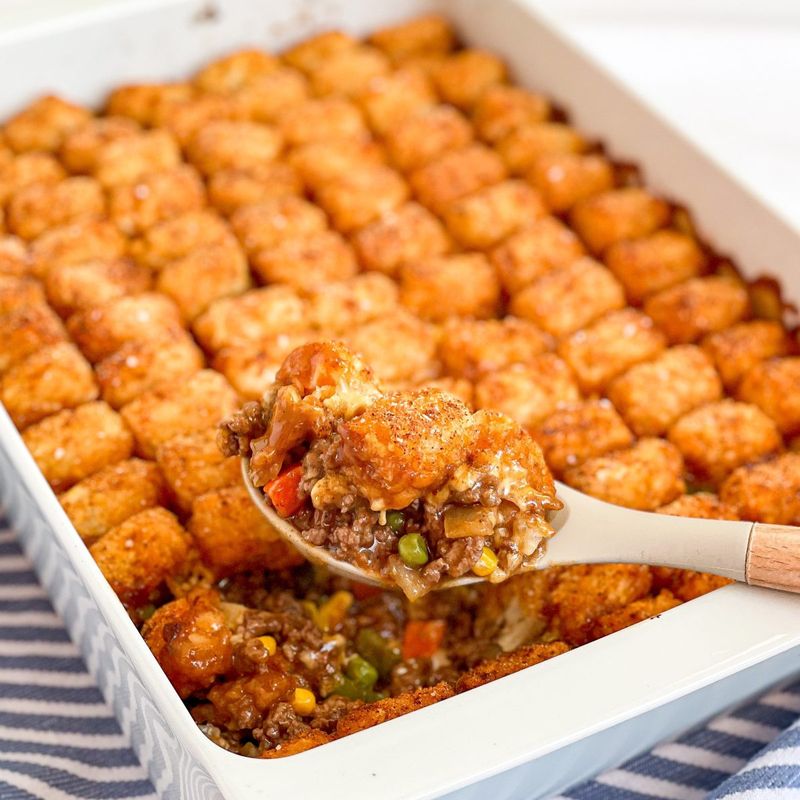
Casserole with frozen tots on top is comfort food, sure, but calling it anything special feels generous. This Midwestern staple is essentially Campbell’s soup, ground beef, and freezer aisle ingredients baked together without much creativity.
It’s budget cooking, not cuisine. Minnesota’s hotdish obsession makes sense for potlucks, but elevating this to state treasure status seems like nostalgia talking rather than actual culinary merit worth defending.
24. Mississippi: Mud Pie
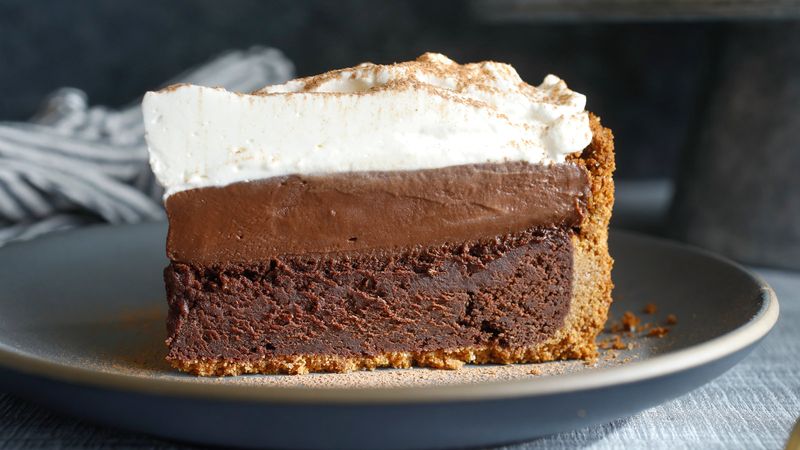
Chocolate dessert named after river sludge doesn’t exactly inspire appetite, and the reality matches the name too often. Heavy, overly sweet, and usually just layers of pudding and cookies, it lacks the sophistication of better chocolate desserts.
Mississippi has better food to celebrate. This pie feels like something kids make at summer camp, not a dessert worth seeking out or considering a highlight of Southern cooking traditions.
25. Missouri: St. Louis-Style Pizza
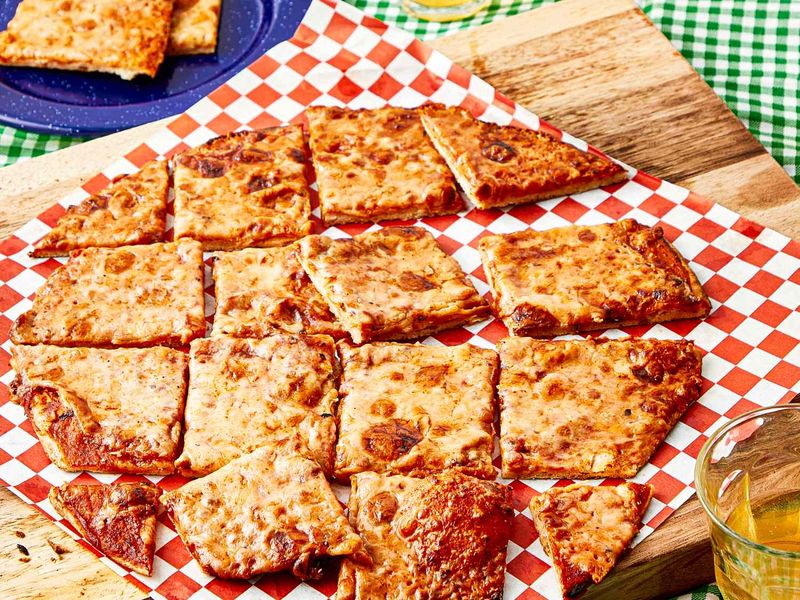
Cracker-thin crust with Provel cheese creates a weird texture that’s neither properly crispy nor satisfyingly chewy. This processed cheese blend melts into a gooey, somewhat plastic-like consistency that divides pizza lovers sharply and frequently.
Traditional mozzarella exists for a reason. St. Louis pizza feels like an acquired taste that most people never acquire, and defending it seems more about hometown pride than actual pizza quality or enjoyment.
26. Montana: Rocky Mountain Oysters (Again)
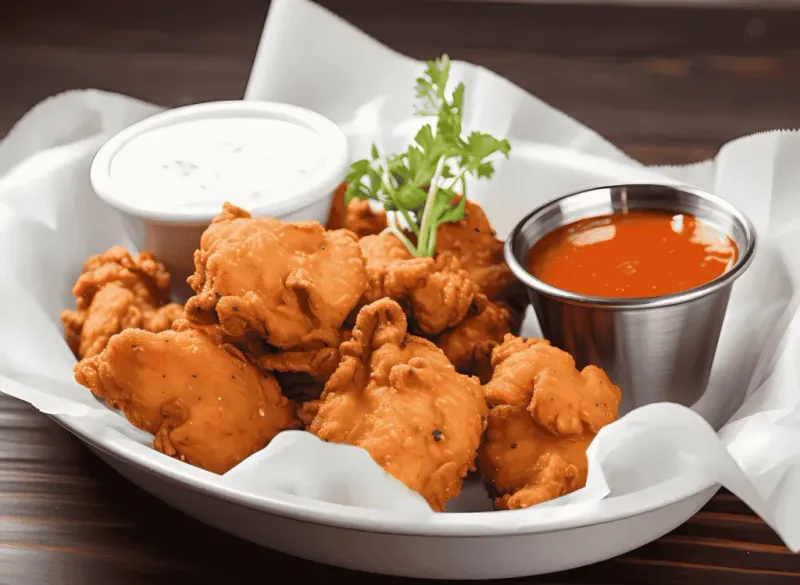
Yes, both Montana and Colorado claim this dubious delicacy. The novelty wears off fast regardless of which mountain state serves them to you.
Actual oysters taste better anyway. Montana’s adoption of this dish feels like leaning into cowboy stereotypes rather than celebrating genuinely good regional food that people would eat by choice, not dare.
27. Nebraska: Runza
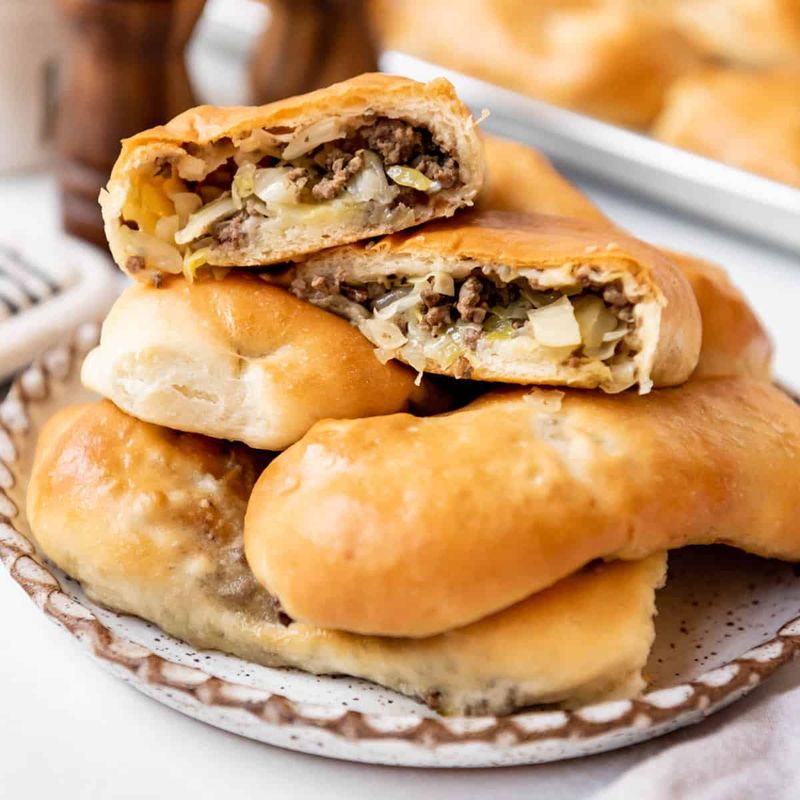
A meat and cabbage pocket sounds questionable, and honestly, it kind of is. This German-Russian import has devoted fans in Nebraska, but most first-timers find it bland, doughy, and weirdly underwhelming for something with such fierce local loyalty.
Hot Pockets offer similar experience. The Runza chain has made this a state icon, but objectively, it’s just okay at best and certainly doesn’t justify the cult-like devotion from Cornhusker fans.
28. Nevada: Shrimp Cocktail
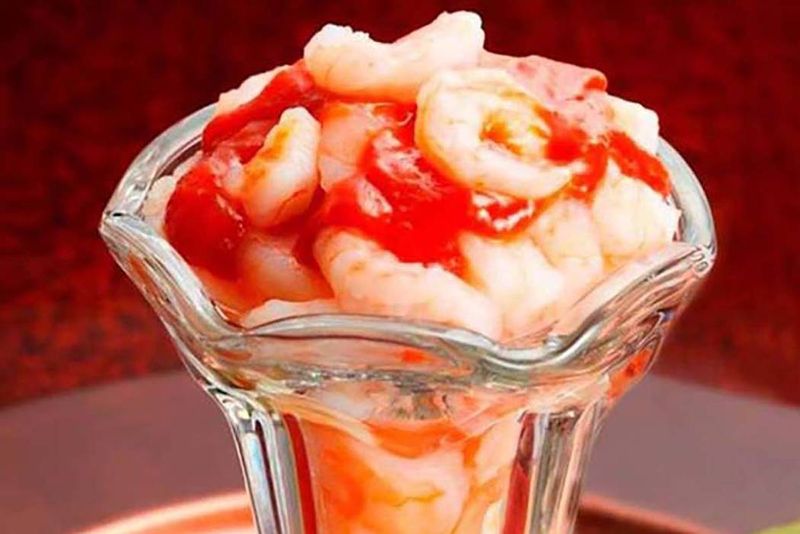
Las Vegas buffets made this famous with ninety-nine cent specials, but cheap shrimp usually means rubbery texture and questionable freshness. What was once a loss-leader deal has become synonymous with Nevada dining despite being pretty mediocre seafood.
Desert states and seafood rarely mix well. The casino connection doesn’t make shrimp cocktail special or worth celebrating as Nevada’s food identity when fresher, better options exist literally anywhere with an actual coastline nearby.
29. New Hampshire: Apple Cider Donut
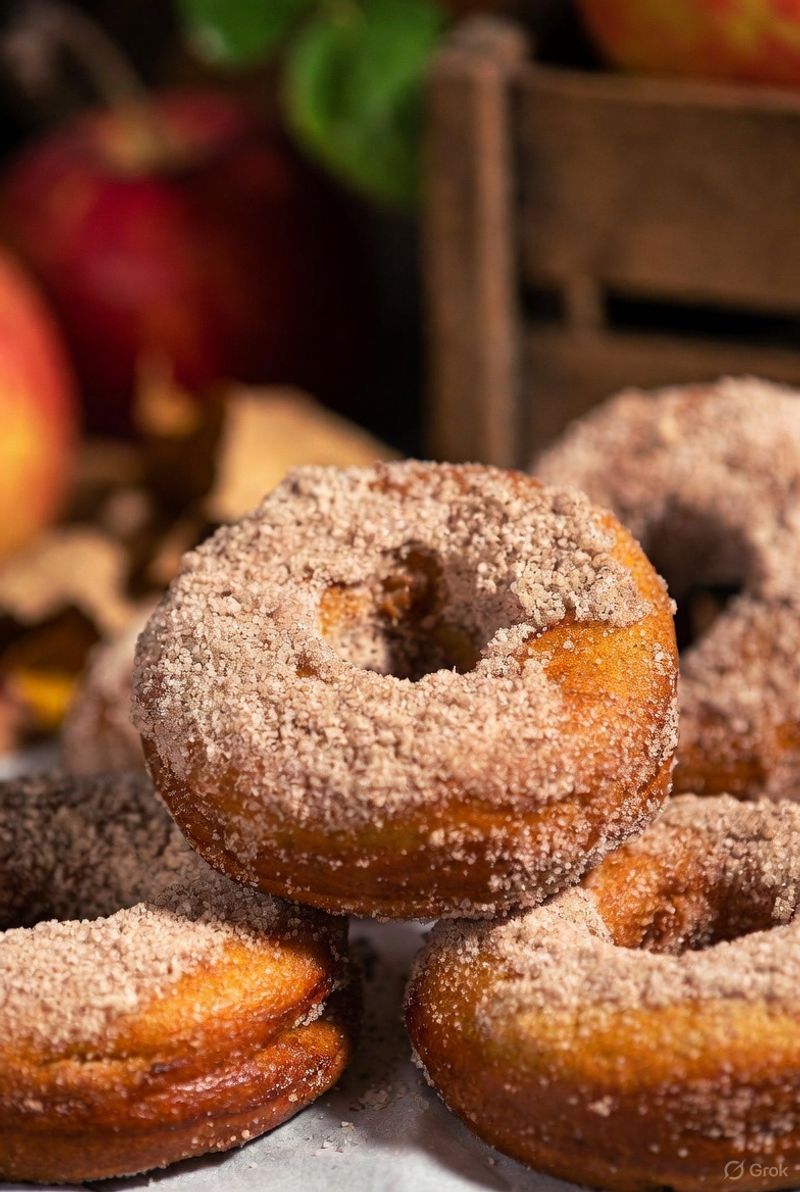
Every fall, these donuts appear everywhere, and people act like they’re revolutionary. Reality check: they’re just cake donuts with apple flavoring and cinnamon sugar. The hype far exceeds the actual taste, which is pleasant but nothing extraordinary.
Regular donuts taste just as good. New Hampshire’s autumn obsession with these treats seems more about seasonal marketing than genuinely superior flavor worth lining up at orchards and paying premium prices to experience firsthand.
30. New Jersey: Pork Roll
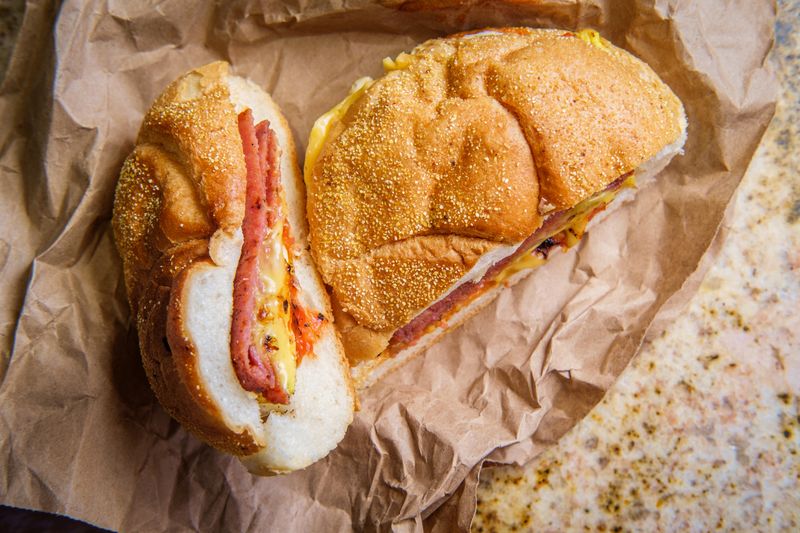
Taylor ham versus pork roll debate exhausts everyone, and the actual product is just processed meat that tastes like fancy bologna. New Jersey’s fierce attachment to this breakfast meat mystifies outsiders who see it as unremarkable deli fare.
Bacon and sausage taste better. The cult following seems based more on state pride and childhood nostalgia than the actual flavor of this salty, processed pork product that’s honestly pretty forgettable compared to other breakfast options.
31. New Mexico: Sopapillas
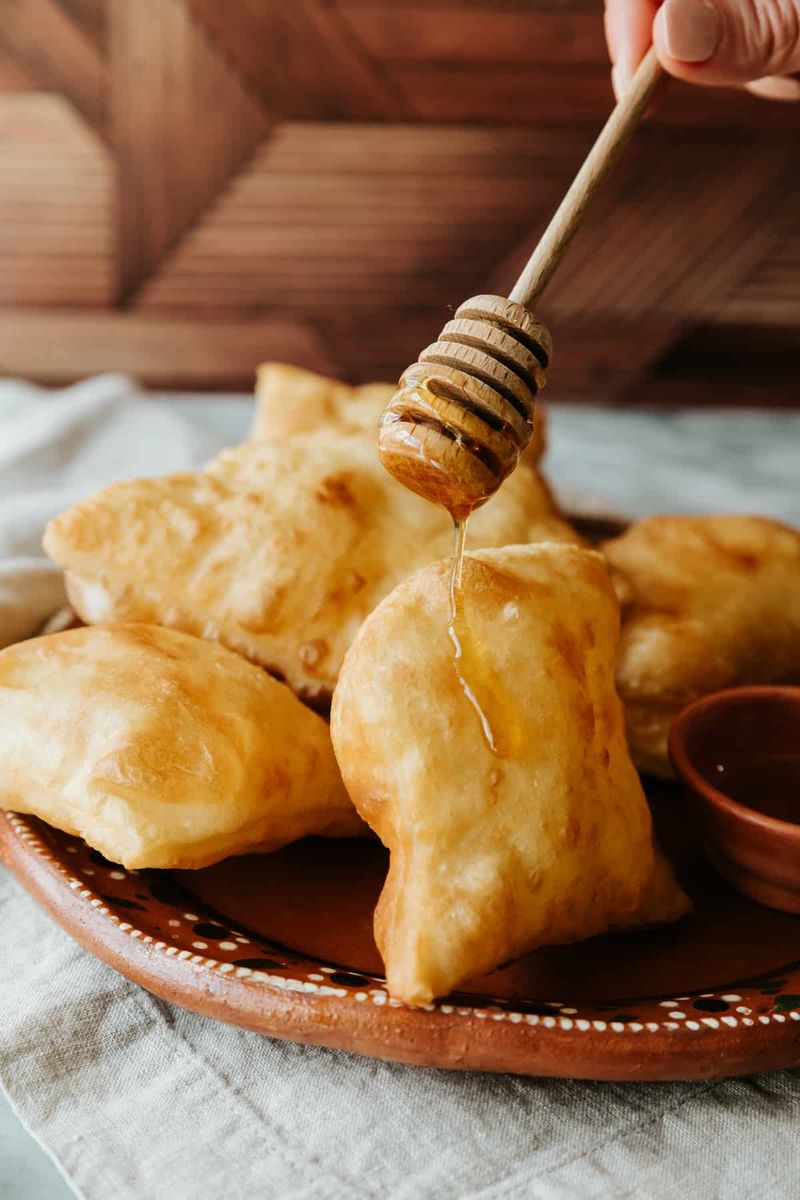
Fried dough with honey is fine, but it’s essentially just empty carbs masquerading as dessert. New Mexico restaurants serve these automatically, and while they’re not bad, they’re also not particularly interesting or memorable compared to actual desserts.
Churros have more flavor and personality. Sopapillas feel like filler that takes up stomach space better reserved for the excellent savory New Mexican food that actually deserves all the attention and praise it receives.
32. New York: Cronuts
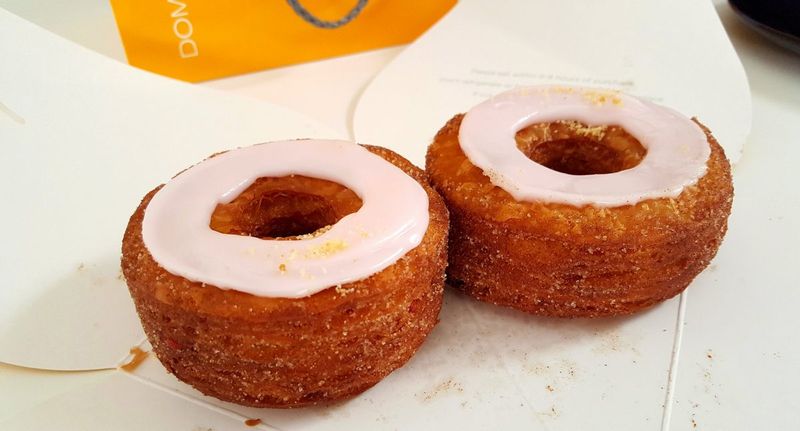
The croissant-donut hybrid took the city by storm, but honestly, it’s just a gimmick pastry that requires hours of waiting in line. The novelty wore off quickly, yet tourists still seek them out like they’re edible gold.
A good croissant or donut wins separately. Combining them doesn’t create something better, just more expensive and harder to obtain. New York has actual food worth the hype; this isn’t it anymore, if it ever was.
33. North Carolina: Livermush
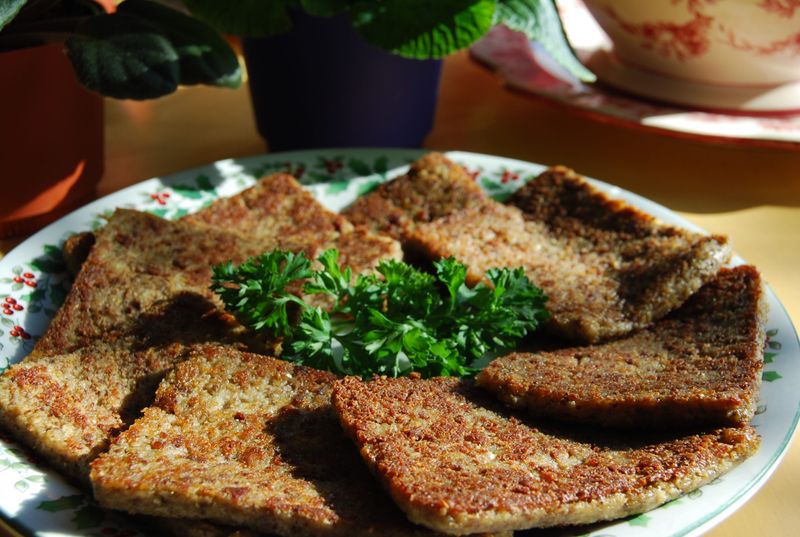
Pig liver, cornmeal, and spices formed into a loaf sounds unappetizing because it absolutely is to most people. This Western North Carolina specialty has regional devotees, but even locals admit it’s an acquired taste many never successfully acquire.
Scrapple’s Southern cousin isn’t better. The name alone turns people away, and the reality of eating liver mush for breakfast doesn’t improve with actual tasting. Sometimes traditional foods should stay in the past where they belong.
34. North Dakota: Knoephla Soup
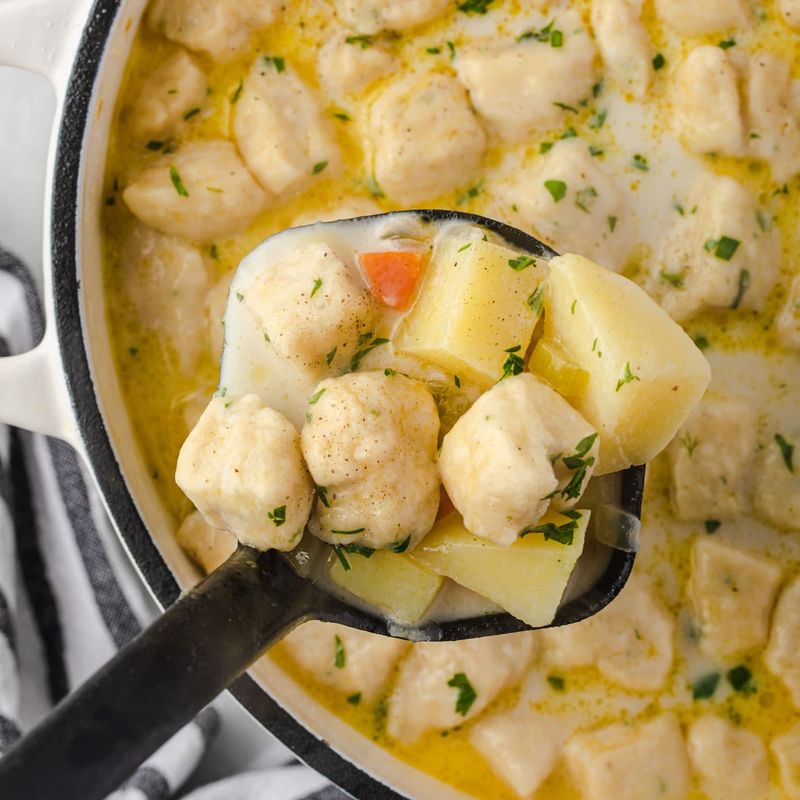
German dumpling soup might be comforting to some, but it’s essentially thick, starchy potato soup with bland dough balls floating in it. North Dakota’s cold climate explains the appeal, but that doesn’t make it actually delicious or interesting.
Better soups exist with more flavor. This Germanic import feels heavy and monotonous, lacking the seasoning and variety that would make it worth eating outside of surviving harsh prairie winters when options were historically limited.
35. Ohio: Cincinnati Chili
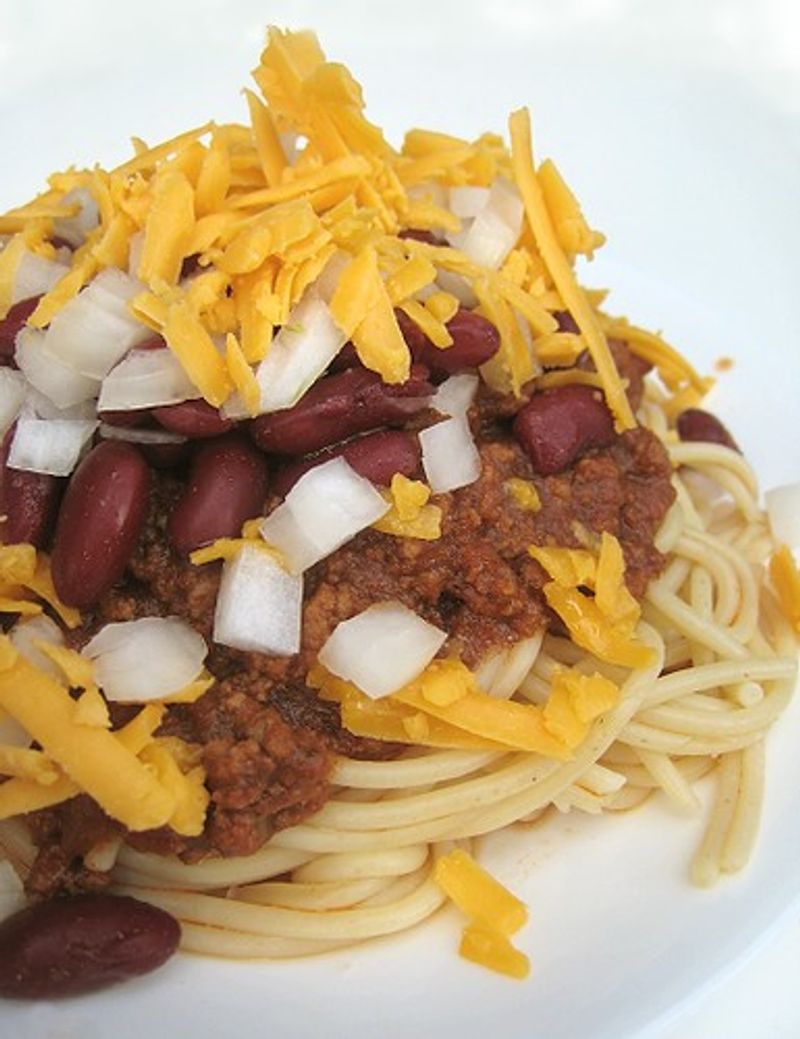
Watery meat sauce with cinnamon served over spaghetti isn’t chili—it’s an identity crisis on a plate. The five-way version adds beans, cheese, and onions, creating a confused mess that satisfies neither chili nor pasta cravings properly.
Actual chili from Texas wins. Ohio’s version seems like someone described both dishes over the phone and created something that misses the mark on both counts. The devoted following mystifies most people who try it expecting actual chili.
36. Oklahoma: Fried Onion Burger
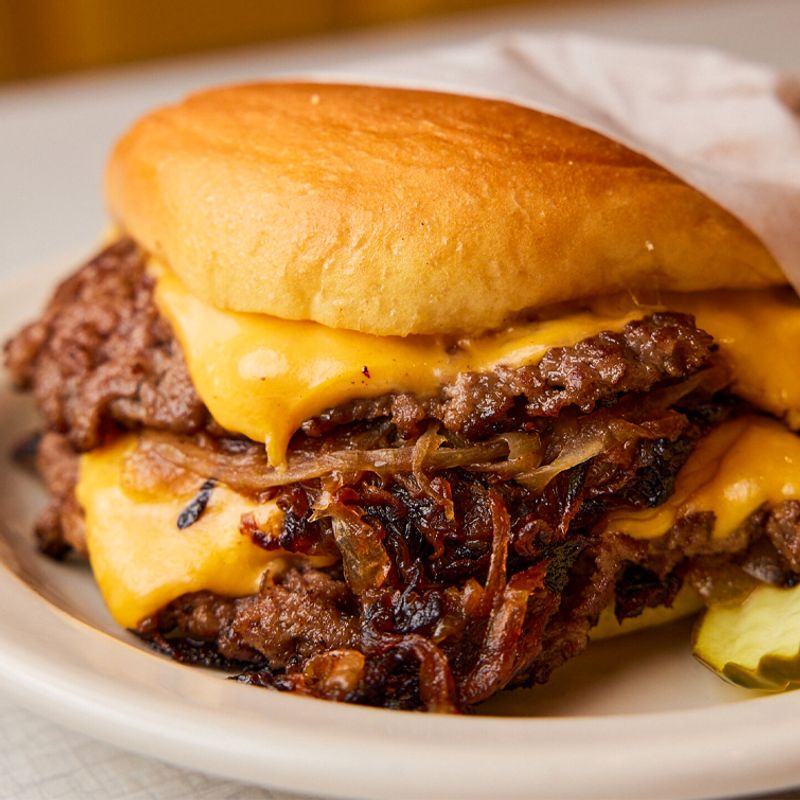
Smashing onions into a burger patty creates a greasy, onion-forward mess that overwhelms the beef. Oklahoma claims to have invented this during the Depression to stretch meat, and honestly, it still tastes like depression-era rationing rather than innovation.
Regular burgers with onion toppings work better. The onions burn and get crispy, sure, but they also make the burger fall apart and taste more like fried onions than actual beef. Balance matters in burgers.
37. Oregon: Voodoo Doughnuts
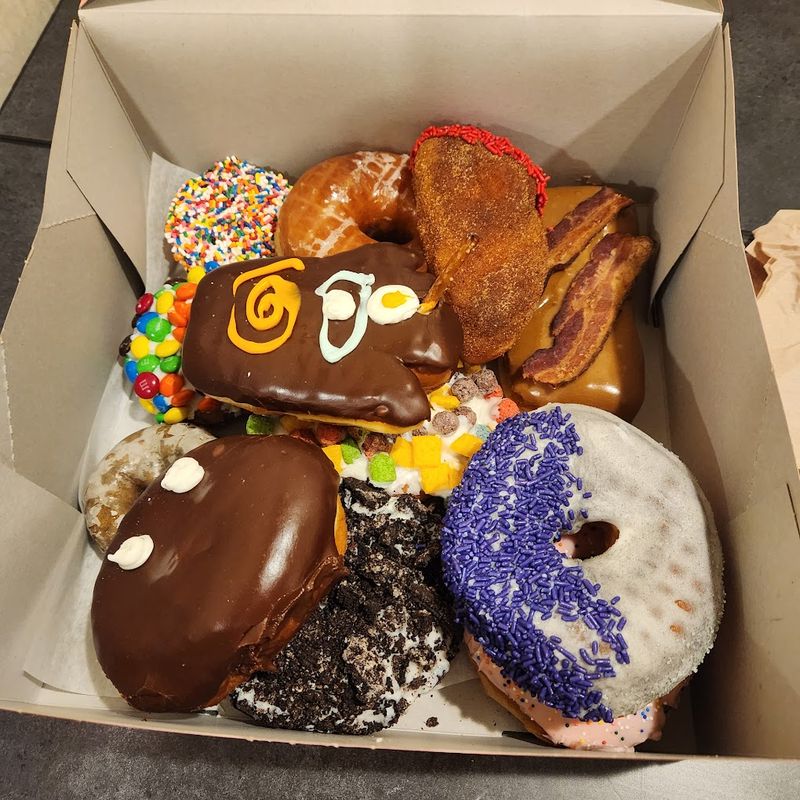
Portland’s quirky donut shop became famous for weird toppings and bacon, but the actual donuts underneath all that gimmickry are pretty mediocre. The lines and hype are about Instagram photos, not superior baking or flavor worth waiting for.
Local bakeries make better donuts. Voodoo relies on shock value and tourist appeal rather than quality ingredients or expert technique. Oregon has incredible food culture; this overrated chain shouldn’t represent it to visitors or locals alike.
38. Pennsylvania: Scrapple (Yes, Again)
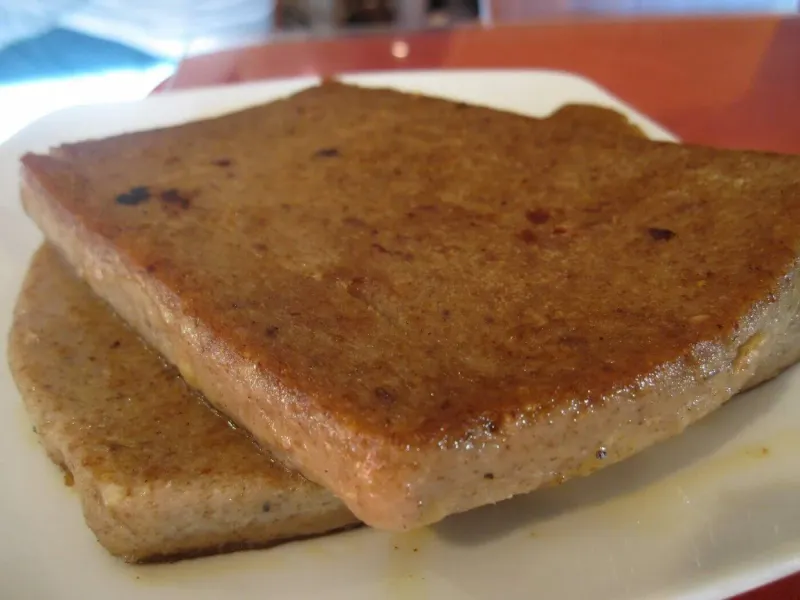
Both Pennsylvania and Delaware claim this mystery meat loaf, and neither state should be proud. Philly breakfast spots serve this alongside quality food, which just highlights how unnecessary and unappealing scrapple truly is by comparison.
Just order bacon instead. Pennsylvania has cheesesteaks and pretzels worth celebrating; focusing on scrapple as a state food feels like choosing the worst possible representative from a much better lineup of regional specialties available throughout the state.
39. Rhode Island: Clam Cakes
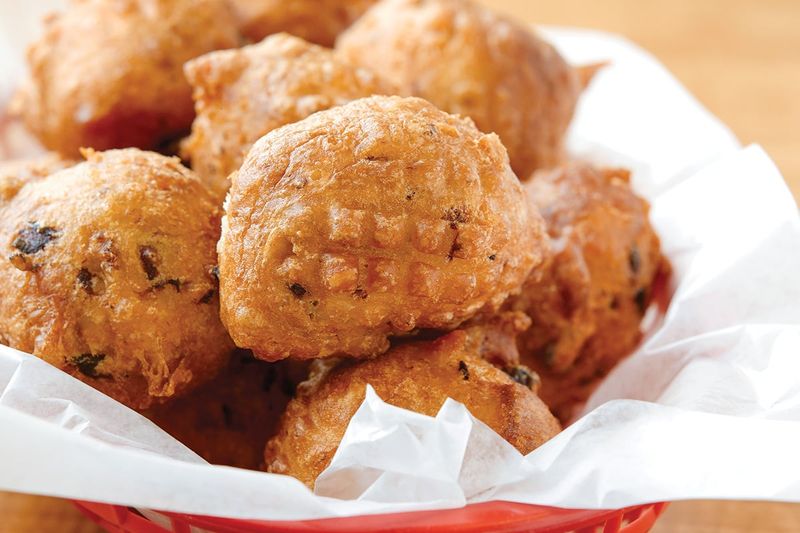
Deep-fried dough balls with tiny clam pieces are basically hush puppies with minimal seafood. Rhode Island beach shacks charge premium prices for these, but you’re mostly eating fried batter with clam as an afterthought rather than the star.
Fried clams offer more actual clam. These cakes feel like a way to stretch expensive shellfish with cheap filler, resulting in something that’s neither satisfying as fried food nor as seafood. Pick a lane and commit.
40. South Carolina: Boiled Peanuts (Again)
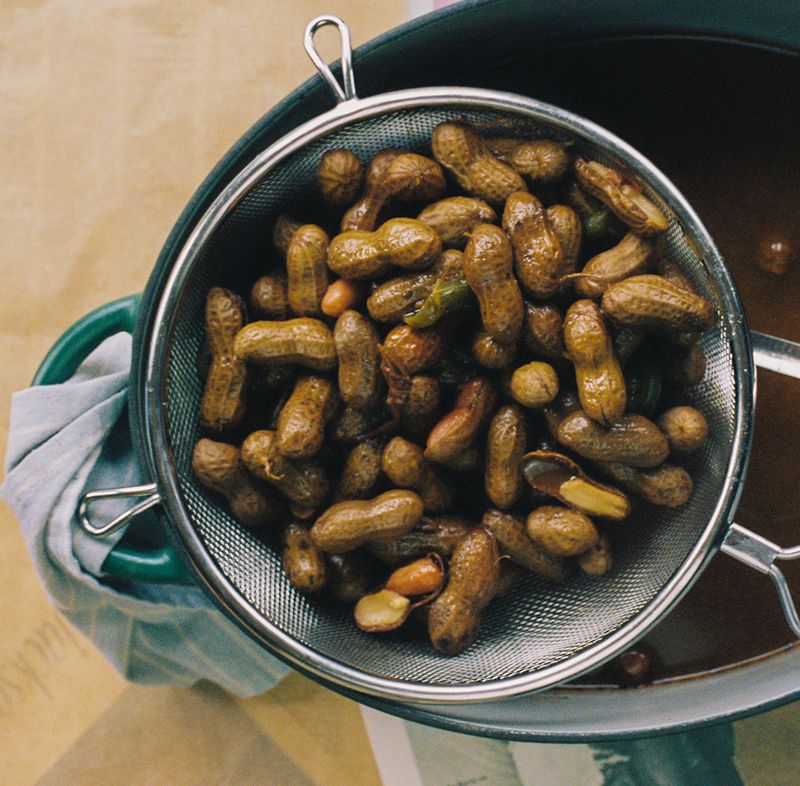
Both Carolinas and Georgia claim soggy peanuts as their thing, which means multiple states are wrong about this snack. The mushy texture remains off-putting regardless of which Southern state boils them in salty water.
Roasted peanuts have better texture. The regional pride in boiled peanuts seems like stubbornness more than genuine appreciation for a snack that most people outside the area find confusing at best and gross at worst when they try it.
41. South Dakota: Chislic
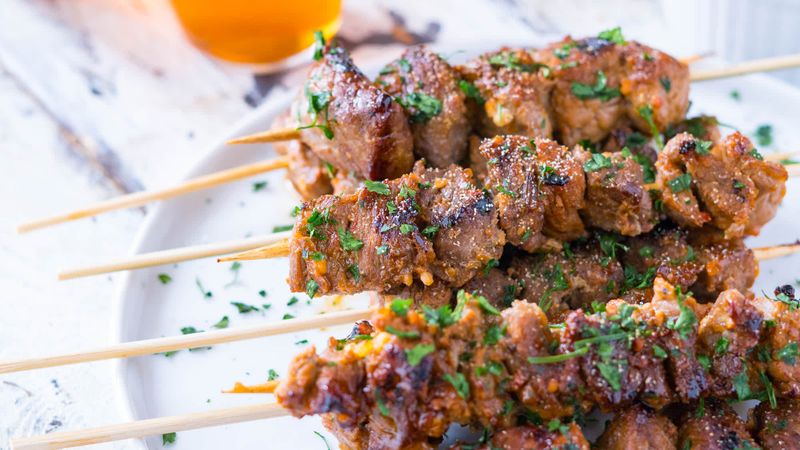
Cubed red meat on a stick sounds fine until you realize it’s usually mutton or lamb, which many Americans don’t enjoy. This South Dakota specialty has Eastern European roots, but the gamey flavor and chewy texture turn off most first-timers.
Regular beef skewers taste better. The state’s attachment to this dish seems based on heritage rather than widespread appeal. Even locals admit chislic is divisive, and many skip it entirely for less adventurous meat options at gatherings.
42. Tennessee: Hot Chicken
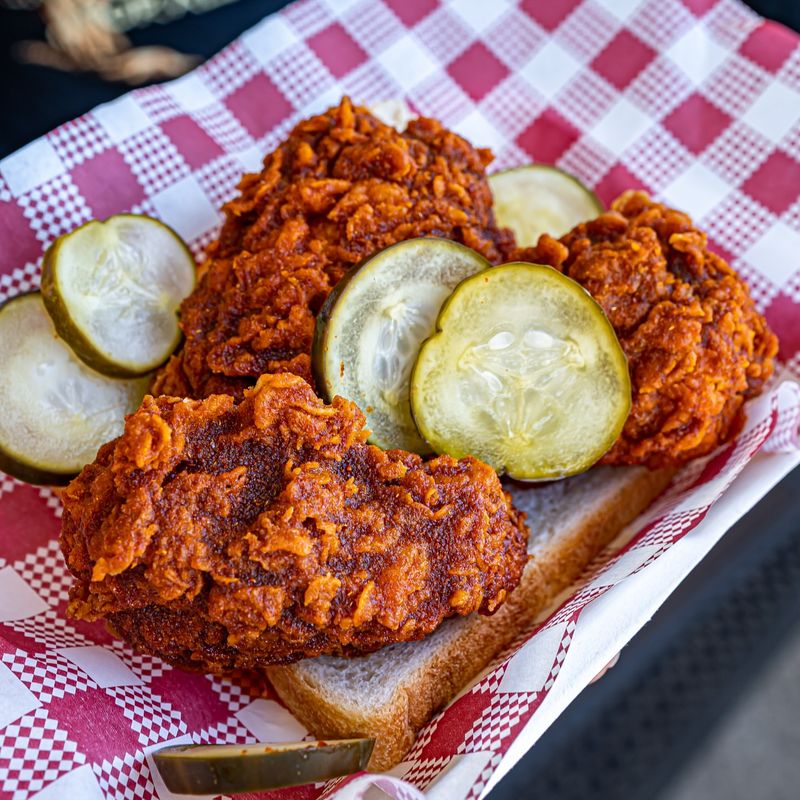
Nashville’s spicy chicken trend has gone too far, with restaurants competing to create inedible levels of heat that mask flavor. The original concept was punishment, and honestly, that’s still what extreme versions feel like eating today.
Flavor should matter more than pain. Tennessee’s hot chicken craze prioritizes shock value over taste, leaving you sweating and miserable rather than satisfied. Medium heat is tolerable, but the arms race toward capsaicin overload ruins the actual chicken underneath.
43. Texas: Brisket
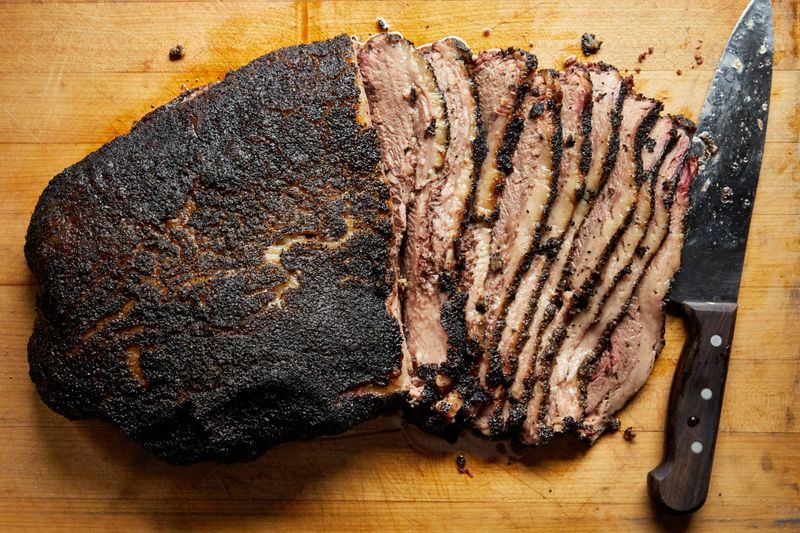
Before Texans riot, consider this: the hours-long waits at famous BBQ joints often aren’t worth it. Yes, good brisket is amazing, but plenty of overhyped spots serve dry, mediocre meat that coasts on reputation rather than quality.
Not every Texas brisket is legendary. The state’s BBQ culture has created impossible expectations, and many tourists leave disappointed after waiting three hours for meat that’s just okay. Sometimes the hype machine exceeds reality, even in Texas.
44. Utah: Fry Sauce
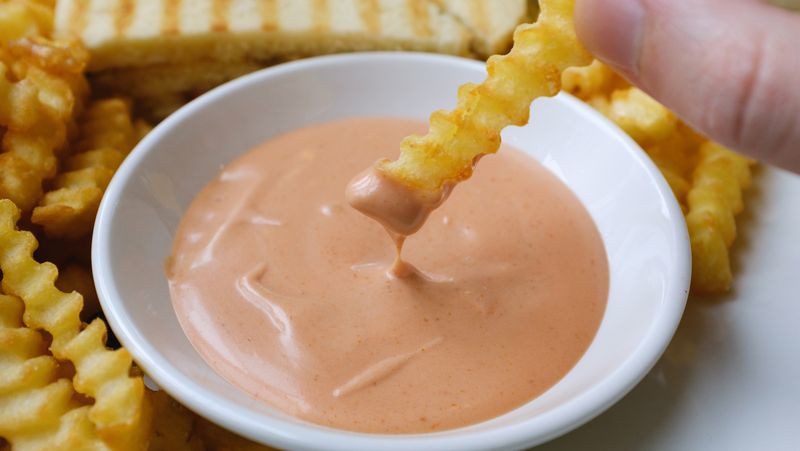
Ketchup mixed with mayo isn’t revolutionary—it’s something kids do accidentally at the condiment station. Utah treats this simple combination like a state treasure, but it’s literally just fancy sauce by another name without any special technique.
Thousand Island dressing exists already. The fierce loyalty to fry sauce seems like regional pride inventing importance where none exists. It’s fine as a condiment, but celebrating it as unique Utah cuisine feels like reaching desperately for identity.
45. Vermont: Maple Everything
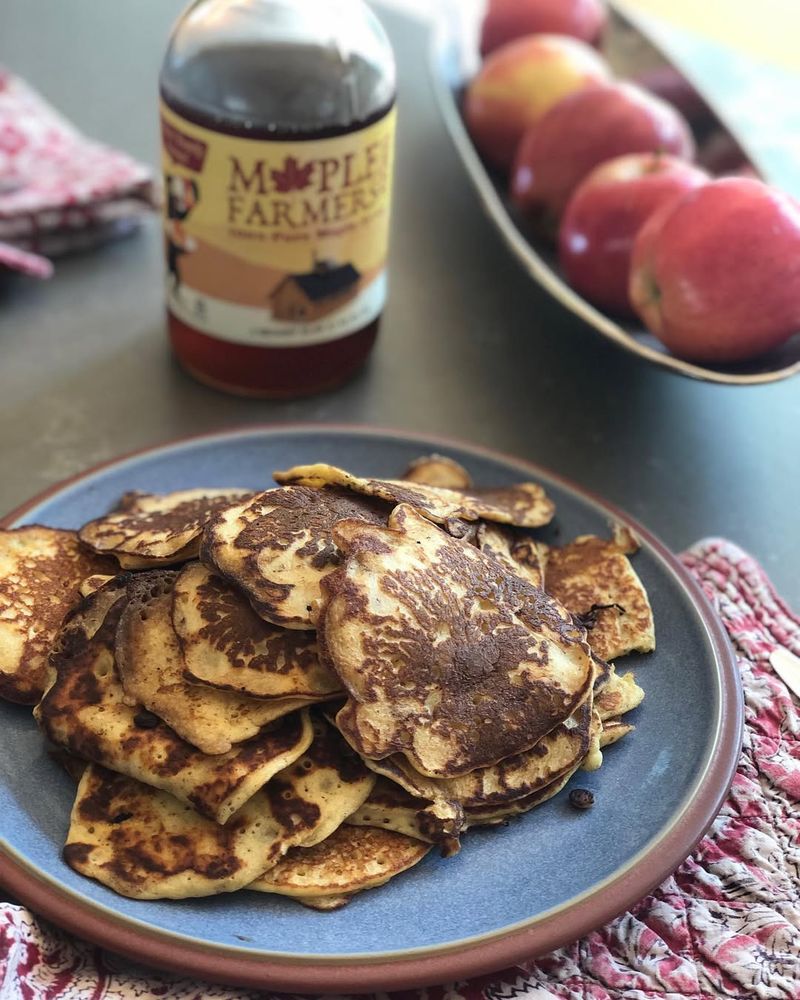
Maple syrup is great on pancakes, but Vermont puts it in everything from coffee to cocktails to barbecue sauce. The overuse dilutes what makes maple special, turning a lovely natural sweetener into a gimmick that gets old fast.
Not everything needs maple flavor. The state’s tendency to maple-ize every possible food feels like a one-note marketing strategy rather than genuine culinary creativity. Sometimes restraint creates better results than drowning everything in the same sweet flavor profile repeatedly.
46. Virginia: Peanut Soup
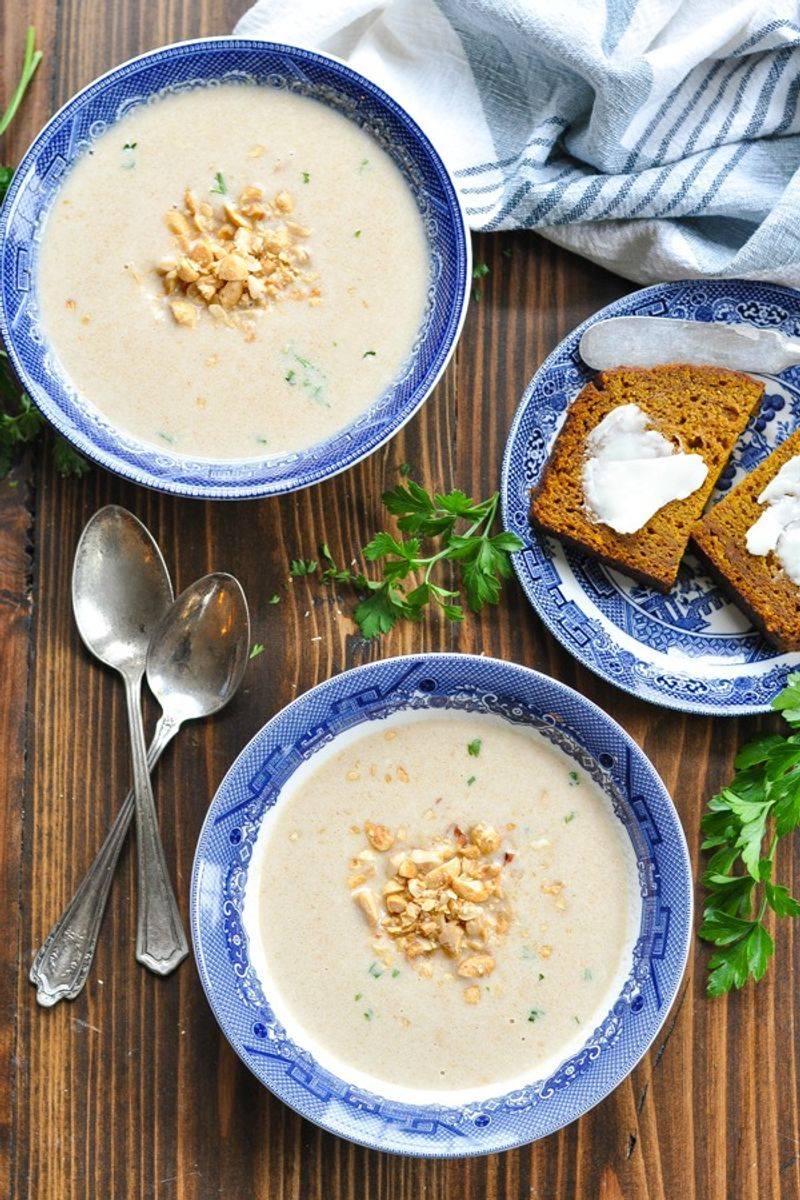
Creamy peanut butter soup sounds weird because it absolutely is. This colonial-era Virginia dish has historical interest, but the reality of eating hot, savory peanut butter leaves most modern diners confused and unsatisfied with the experience.
Peanuts work better as snacks. The soup’s thick, paste-like consistency and strange flavor profile don’t translate well to contemporary palates. Virginia has better foods to celebrate than this historical oddity that should probably stay in history books.
47. Washington: Coffee Culture
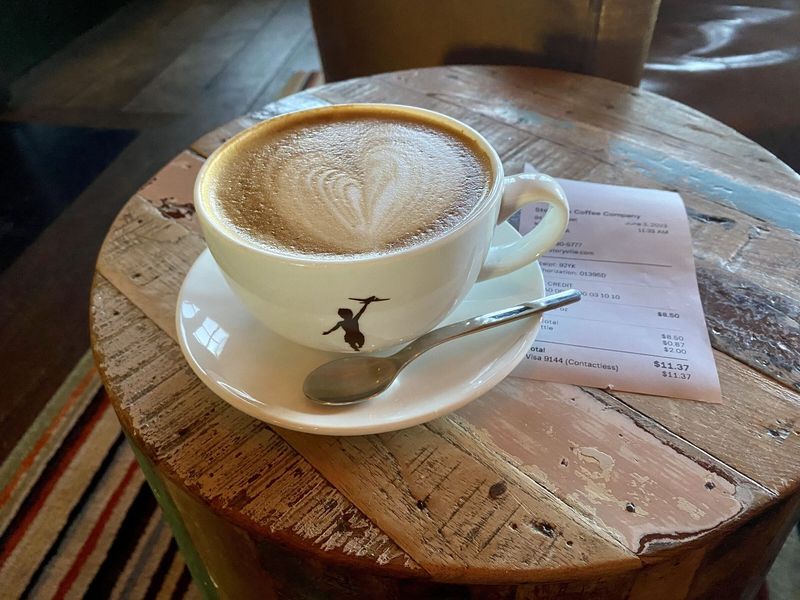
Seattle started the specialty coffee craze, but now it’s just overpriced, over-complicated drinks with too many steps. Five-dollar lattes with oat milk and flavor shots aren’t better than regular coffee – they’re just more expensive and pretentious.
Simple coffee tastes fine. Washington’s coffee obsession has created a culture where ordering becomes stressful and prices are absurd. The state deserves credit for innovation, but the current coffee scene has jumped the shark into ridiculous territory completely.
48. West Virginia: Pepperoni Rolls
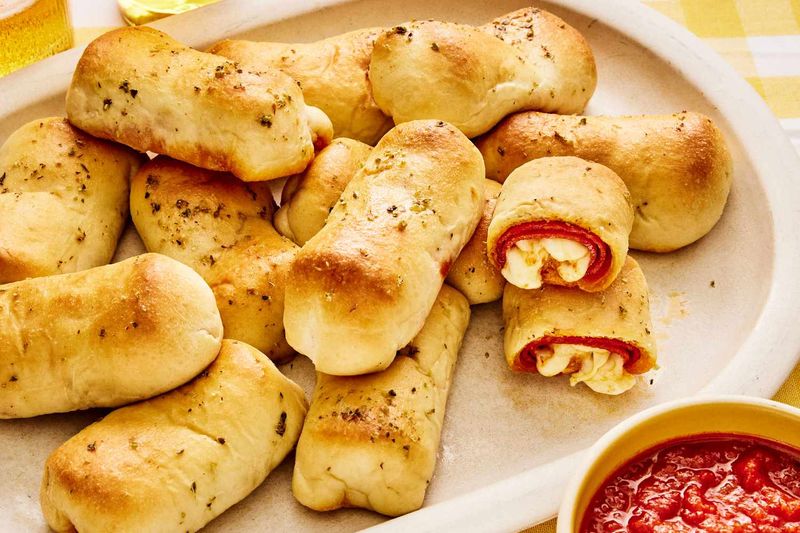
Pepperoni baked inside bread is just a lazy calzone without cheese or sauce. This coal miner lunch became a state icon, but objectively, it’s a dry, boring snack that needs dipping sauce to be remotely interesting or satisfying.
Pizza exists and is better. West Virginia’s devotion to this simple food seems based entirely on nostalgia and convenience rather than actual superior taste. It’s portable, sure, but that doesn’t make it good enough to celebrate as state cuisine.
49. Wisconsin: Cheese Curds
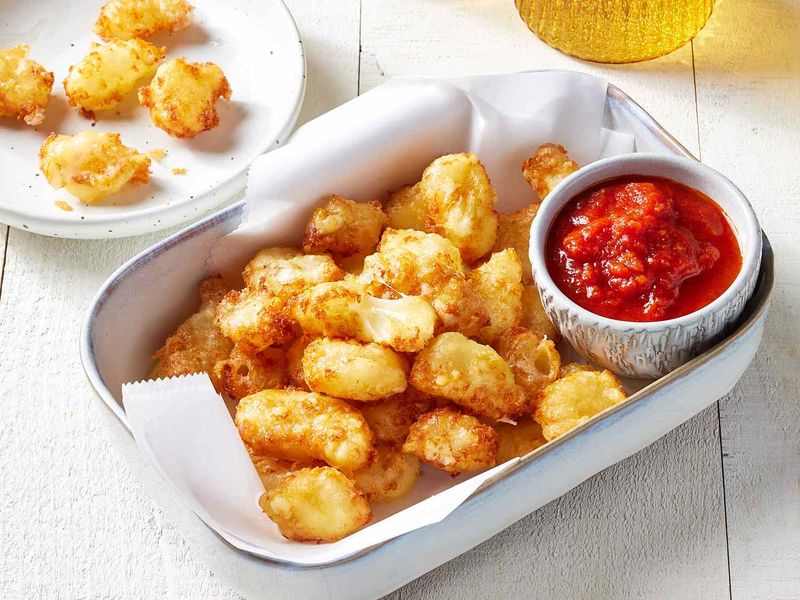
Fresh cheese curds that squeak are fine, but deep-fried versions are just mozzarella sticks with regional branding. Wisconsin’s obsession with these treats seems disproportionate to what’s essentially bar food that exists in similar forms everywhere else too.
The state makes amazing cheeses. Focusing on fried curds as the signature food feels like selling Wisconsin short when artisan cheeses deserve the spotlight instead. Fried food is fried food, regardless of what state claims it first or best.
50. Wyoming: Rocky Mountain Oysters (Third Time)
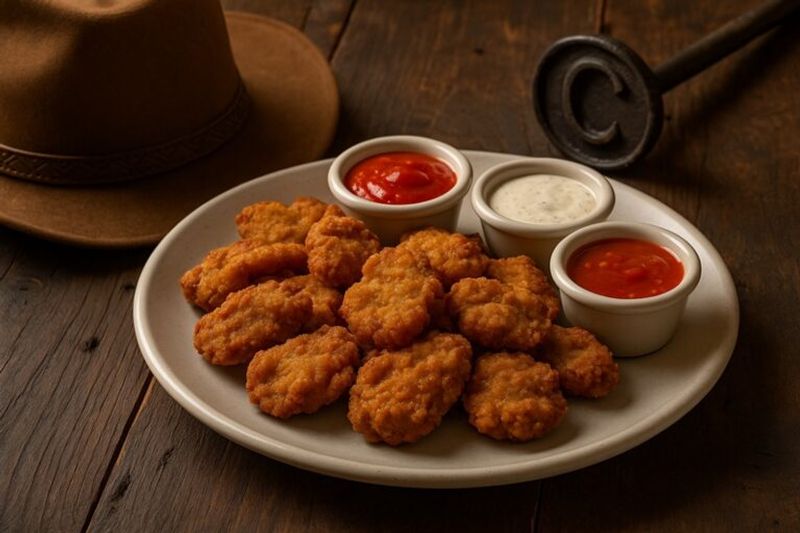
Wyoming’s version doesn’t magically taste better than Colorado’s or Montana’s because geography doesn’t improve the fundamental weirdness of eating reproductive organs.
This needs to stop being a thing. Let this tradition die peacefully in the past where it belongs forever.