Practical Ways To Improve The Flavor Of Roasted Vegetables
Roasted vegetables can taste incredible with just a few smart tweaks. If your pans steam instead of sizzle, or your broccoli never gets crispy, this guide will fix that fast.
You will learn simple, practical moves that transform texture and deepen flavor without fuss. Use these tips tonight and taste the difference in one sheet pan.
1. Preheat the pan, not just the oven
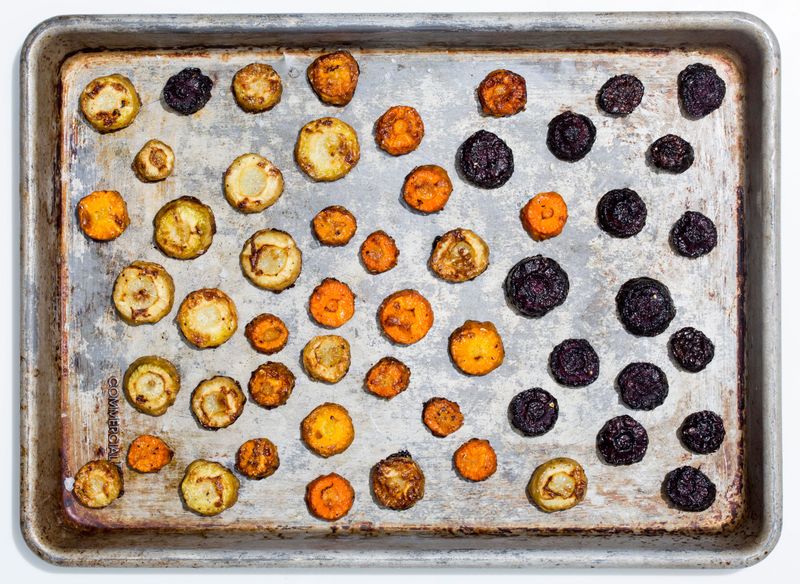
Slide the empty sheet pan into the oven while it preheats. When vegetables hit sizzling metal, they sear fast instead of sitting in a lukewarm puddle.
That early contact jumpstarts caramelization and keeps edges crisp.
You will notice less sticking and better browning within minutes. Toss vegetables with oil and seasoning while the pan heats, then spread quickly in a single layer.
Listen for the instant sizzle as your cue it is working.
2. Use higher heat more often
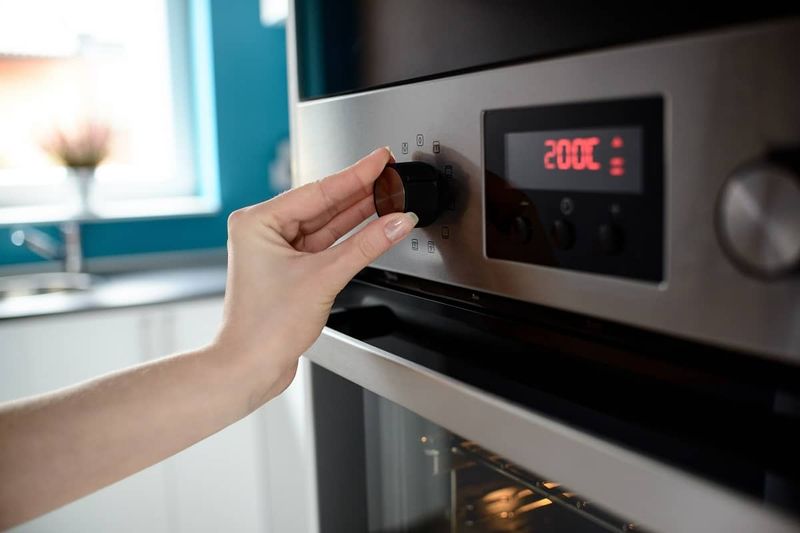
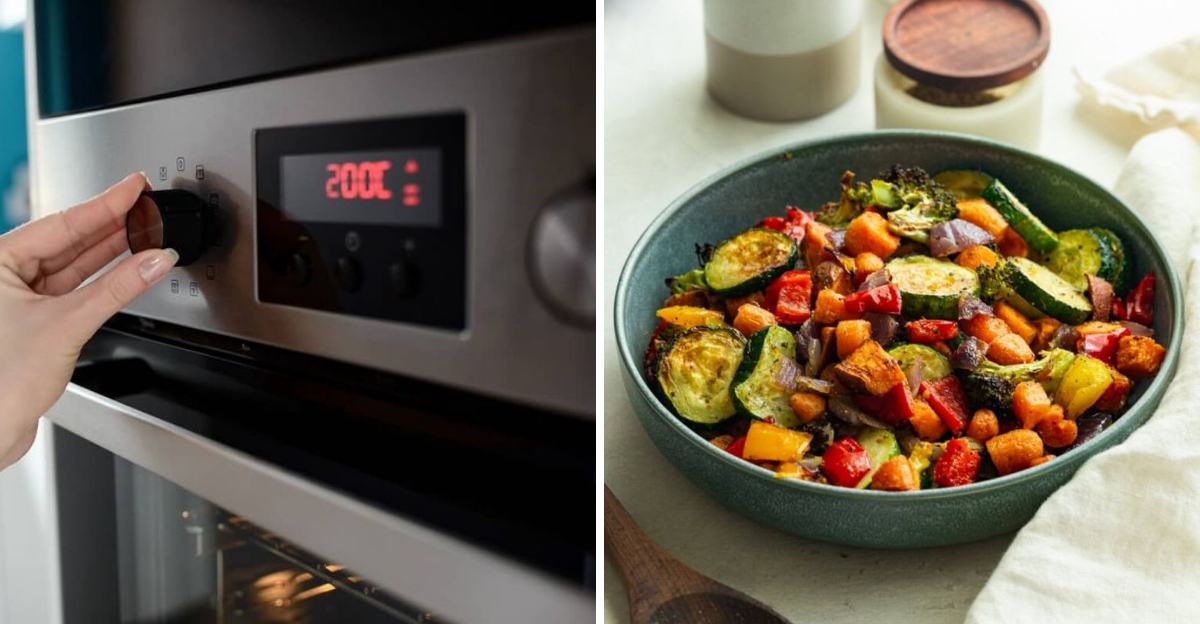
Higher heat builds flavor fast. Aim for 425 to 450 degrees Fahrenheit for most sturdy vegetables so sugars caramelize before interiors dry out.
You get crisp edges and sweet, concentrated centers.
Watch closely and adjust timing a few minutes earlier than usual. If smoke worries you, use a high smoke point oil and rotate the pan once.
You will be rewarded with blistered, bronze bites that taste restaurant-level.
3. Do not crowd the pan
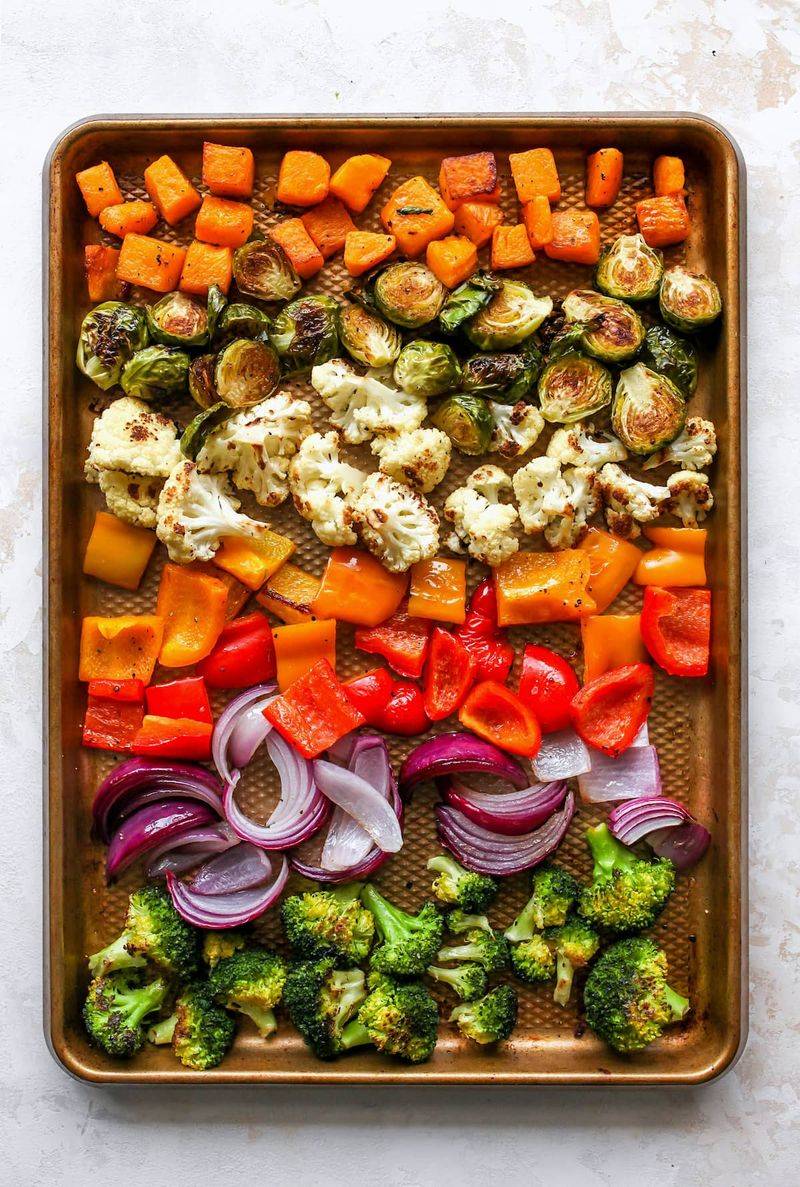
Space is flavor. When pieces touch, trapped moisture turns roasting into steaming, leaving pale, soft vegetables.
Spread everything so hot air can circulate and every side can brown.
If needed, use two pans rather than stacking. Roast on upper and lower racks and swap halfway.
You will see deeper color, crisper surfaces, and fewer soggy spots because each piece finally gets its own heat zone.
4. Cut pieces to match roasting speed
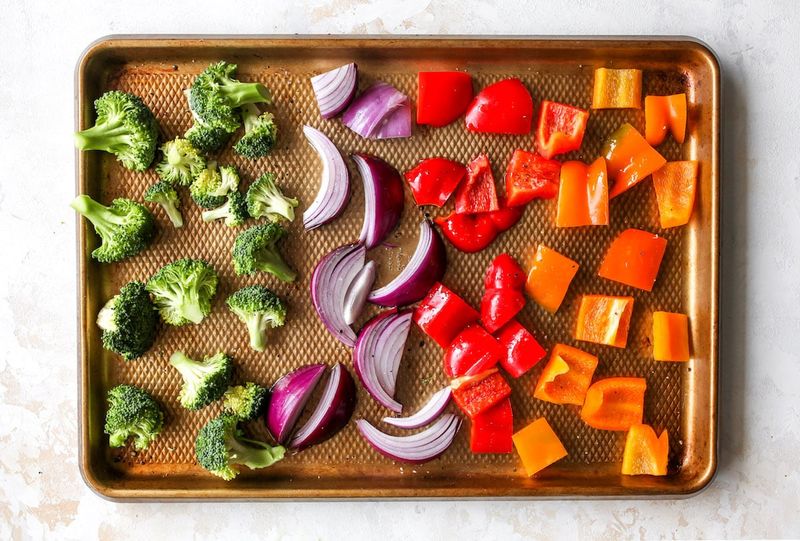
Uniform size equals uniform doneness. Keep pieces similar so everything finishes together rather than some burning while others stay raw.
Match cut to vegetable density and your texture goals.
Thin planks or halved sprouts brown faster than chunky wedges. For mixed trays, cut denser items smaller and tender ones larger.
You will pull one perfect pan instead of juggling rescue missions for uneven bites.
5. Dry vegetables before oiling
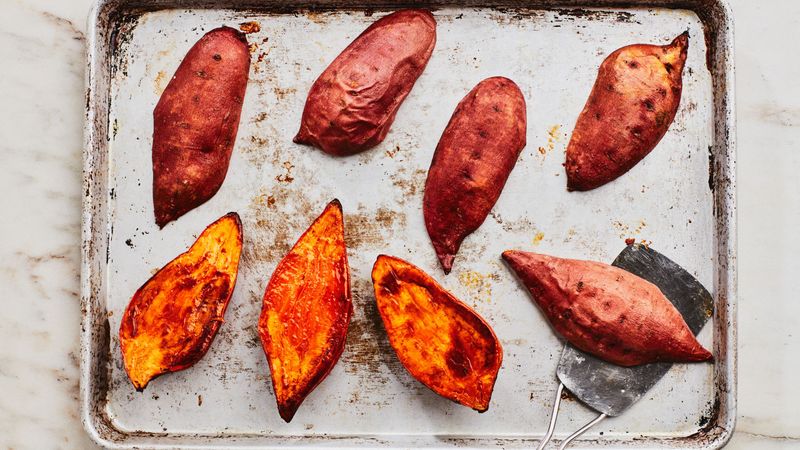
Water blocks browning. After washing, pat vegetables dry with a clean towel, especially mushrooms, zucchini, eggplant, and broccoli.
Drier surfaces mean oil clings evenly and heat can actually sear.
You will see fewer gray, rubbery spots and more golden crust. Take thirty extra seconds to blot, then season.
That tiny step unlocks crisp edges and richer roasted flavor in every bite.
6. Use enough oil, but not a puddle
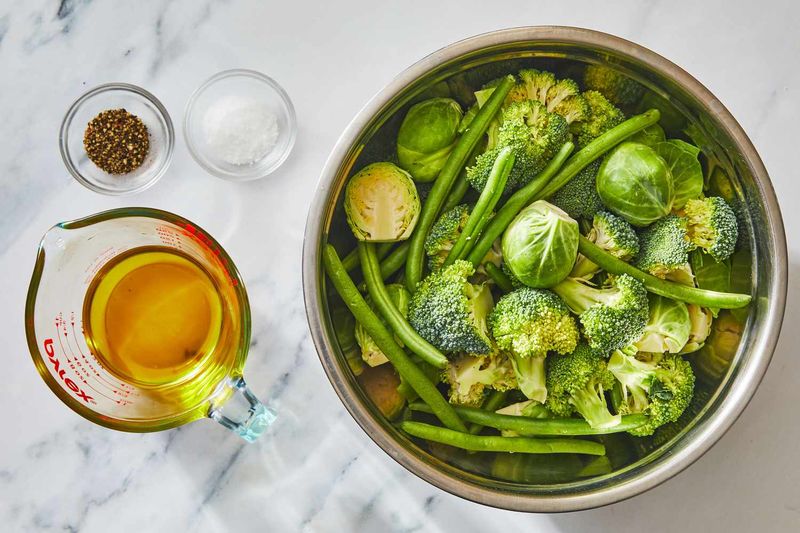
Oil is a conductor and flavor carrier. Too little and vegetables parch before browning.
Too much and they turn greasy without texture. Aim for a thin, even sheen that barely glistens.
Toss in a big bowl so every piece gets coated, then spread on the pan. If you can see oil pooling, you added extra.
You will taste brighter seasoning and get crispier edges.
7. Salt at the right time

Salt changes moisture. Sturdy vegetables like potatoes, carrots, and cauliflower handle salting before roasting.
Watery ones, such as zucchini, eggplant, and mushrooms, benefit from salting halfway or right after to avoid weeping.
Taste and adjust at the end with flaky salt. You will keep surfaces dry enough for browning while still building full seasoning.
Timing makes the difference between crisp and soggy.
8. Add garlic late if it burns
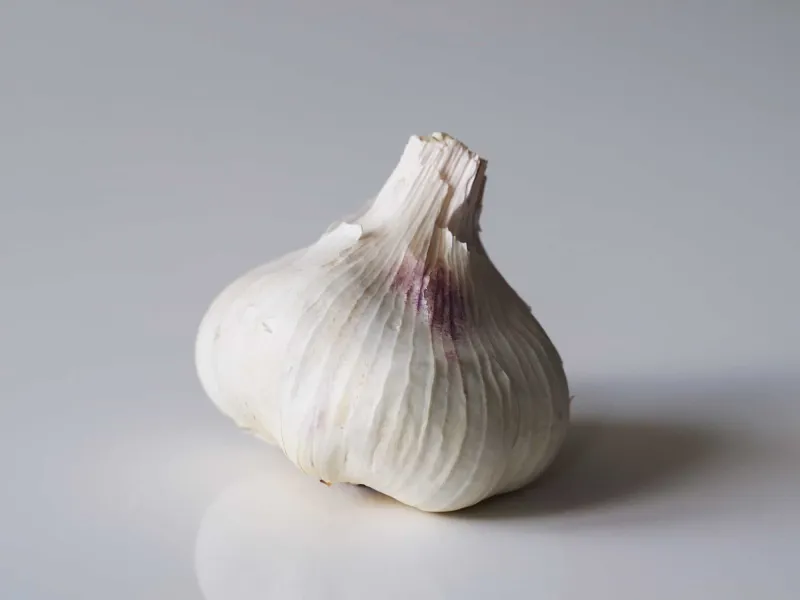
Minced garlic can scorch at high heat and turn bitter. If it keeps burning, add minced garlic during the last 8 to 10 minutes, or roast whole smashed cloves that mellow and sweeten.
You still get garlicky aroma without char. Stir near the end to coat everything in fragrant oil, and finish with a fresh microplane grate if you want punch.
Your pan will taste balanced, not acrid.
9. Roast in two stages
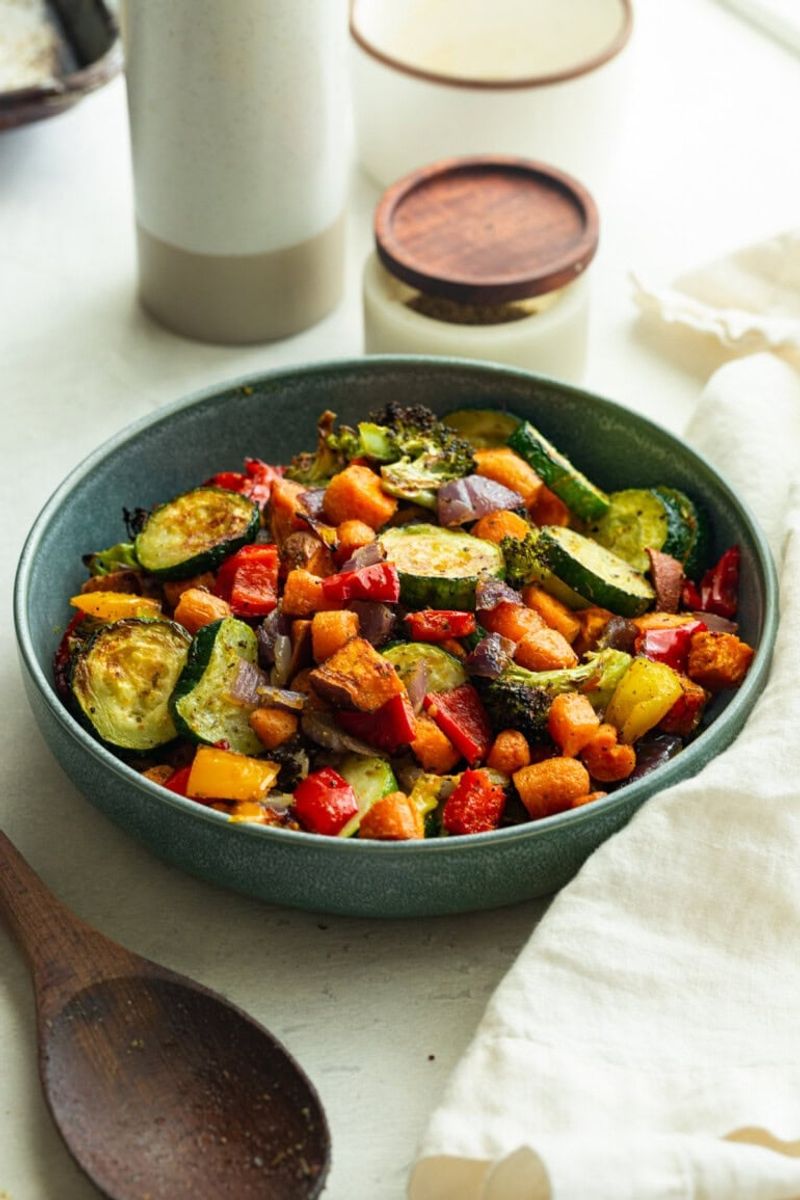
Use a high-then-low or low-then-high approach. Start hot to brown, then drop the temperature to finish tender, or reverse for delicate vegetables that need gentle cooking before crisping.
This technique keeps interiors juicy while edges caramelize. It is flexible and forgiving, especially with mixed trays.
You will see deeper color without drying out the centers.
10. Flip once, not ten times
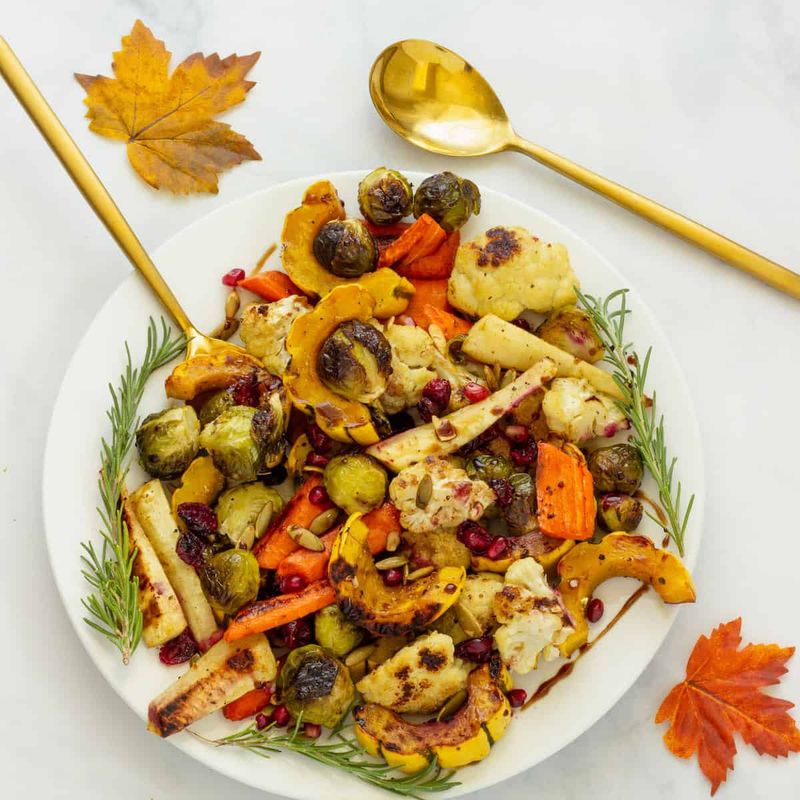
Constant stirring interrupts browning. Let vegetables sit undisturbed so they sear against the pan.
Flip once midway to expose fresh surfaces to heat and re-distribute oil.
You will earn deep, even color without tearing tender pieces. Set a timer for the halfway flip and resist the urge before then.
The oven will do the heavy lifting while you relax.
11. Use parchment only when needed
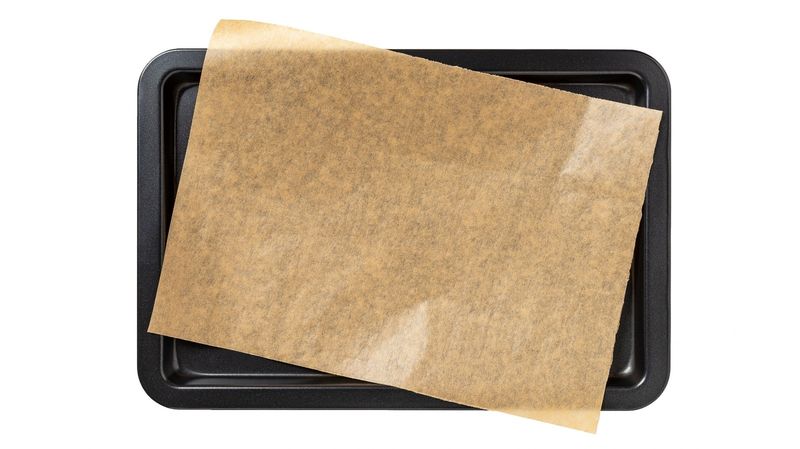
Parchment prevents sticking but slightly insulates, which can reduce caramelization. For maximum browning, roast on a bare, well-oiled metal pan and use a sturdy spatula to release crusty bits.
Use parchment for delicate or sugary glazes that might weld to the pan. Choose based on your goal.
You will trade a touch of convenience for better flavor when you go bare metal.
12. Add a pinch of sugar for bitter veg
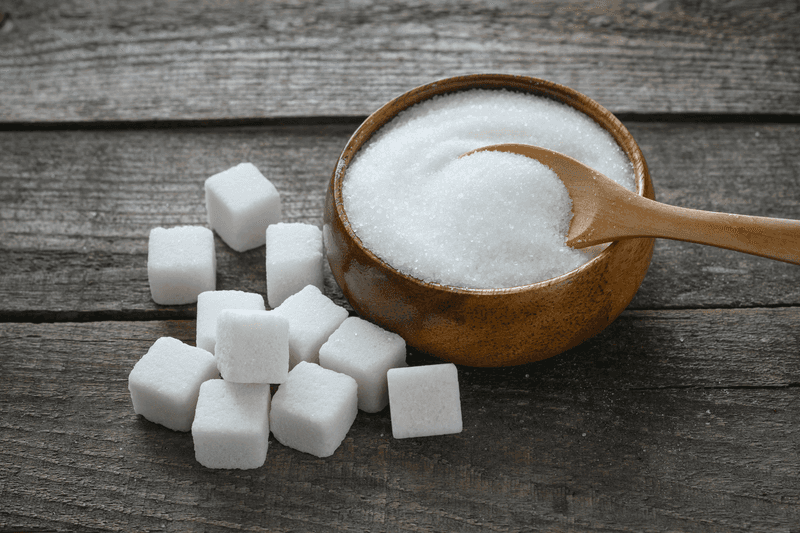
A tiny pinch of sugar can balance bitterness in Brussels sprouts, broccoli, or cauliflower and encourage browning. It is not about making things sweet, just rounding sharp edges.
Toss with oil, season, then add the lightest sprinkle. You will taste more nutty, roasted notes and less harshness.
If unsure, start microscopic and adjust next time.
13. Choose heat-proof spice strategy
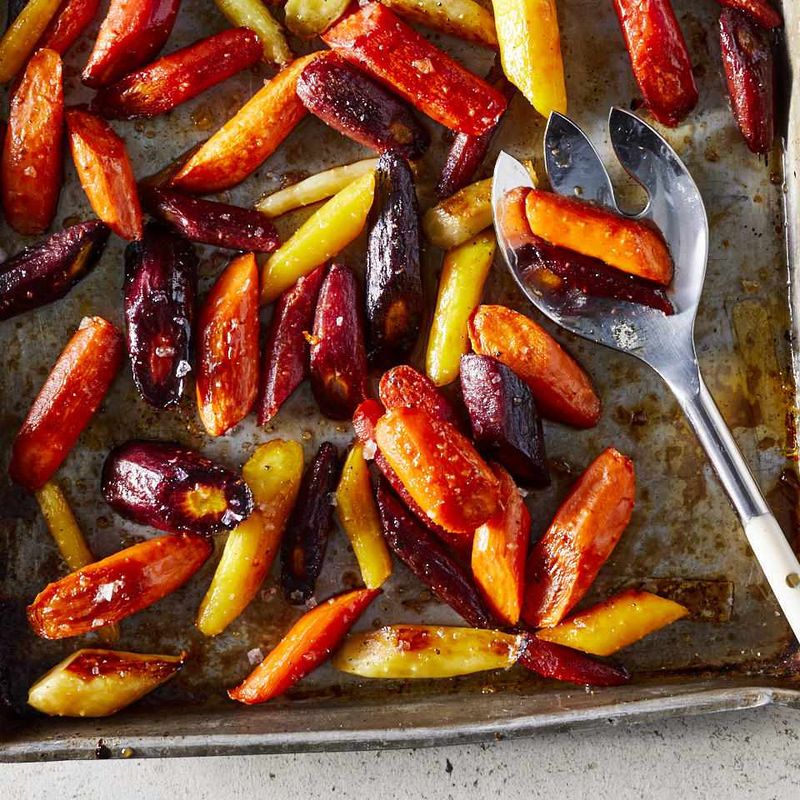
Some spices scorch. Split the difference by adding sturdy spices before roasting and delicate ones after.
Or bloom spices in warm oil on the stove, then drizzle as a finishing spice oil.
You will get bold flavor without bitterness or dusty notes. Taste and adjust with fresh herbs or zest at the end for brightness.
14. Finish with salts and crunch
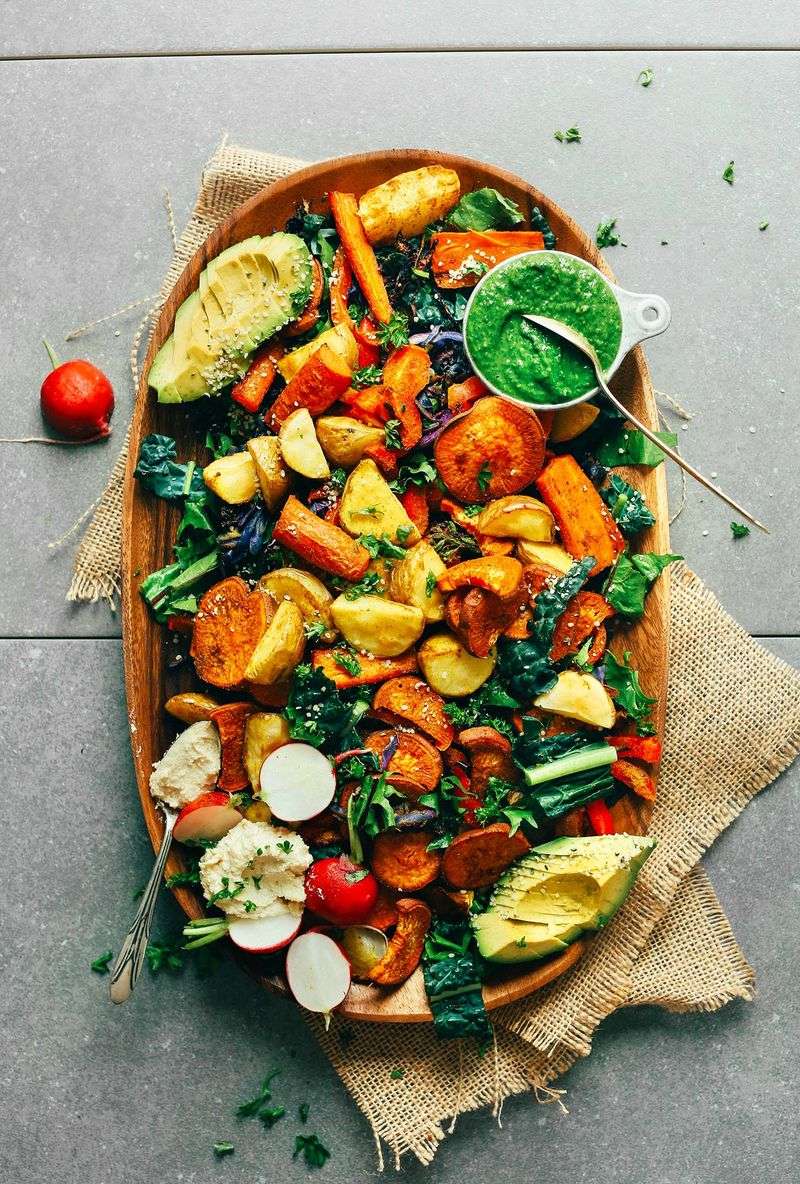
Texture makes flavor pop. A pinch of flaky salt at the end intensifies sweetness and adds sparkle.
Finish with toasted nuts, seeds, or breadcrumbs for contrast so every bite stays exciting.
Toss add-ons in a dry skillet until fragrant, then scatter just before serving. You will elevate humble veg into something that feels complete and special without much work.
15. Hit them with acid right after
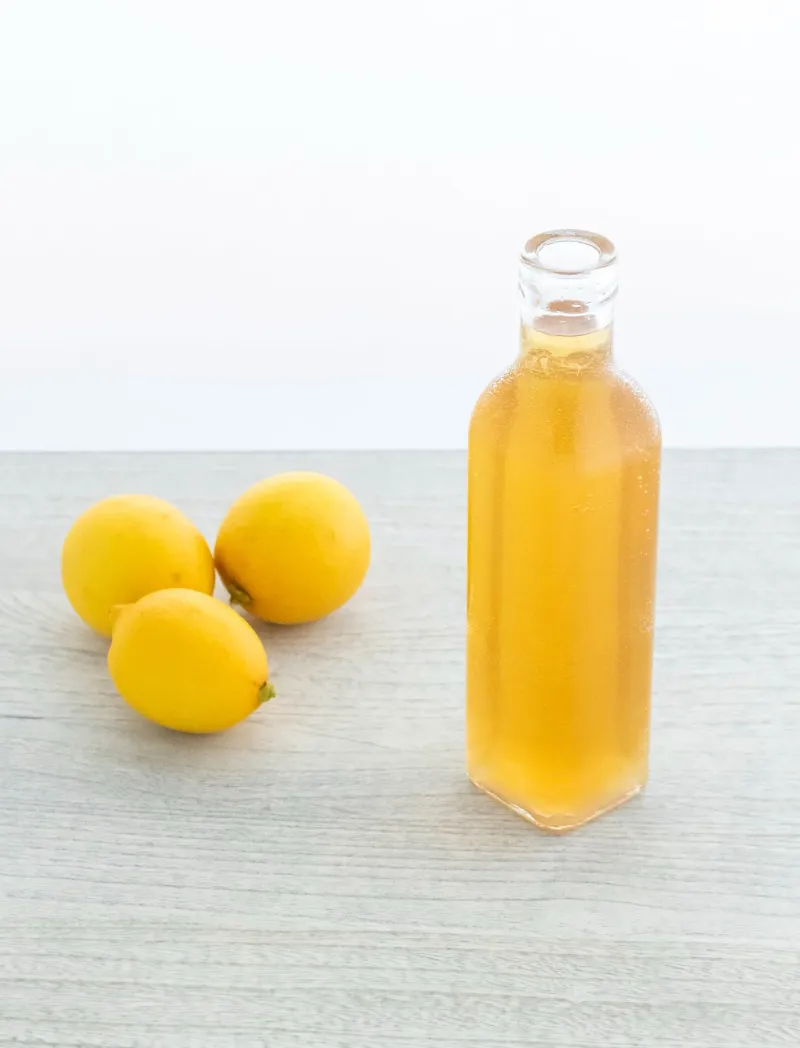
Acid wakes everything up. A squeeze of lemon, a splash of vinegar, or a spoon of pickle brine right after roasting brightens caramelized flavors and cuts richness.
Add while vegetables are hot so they absorb quickly. Taste, then adjust salt.
You will feel the whole dish snap into focus with a clean, lively finish.
16. Add cheese at the end
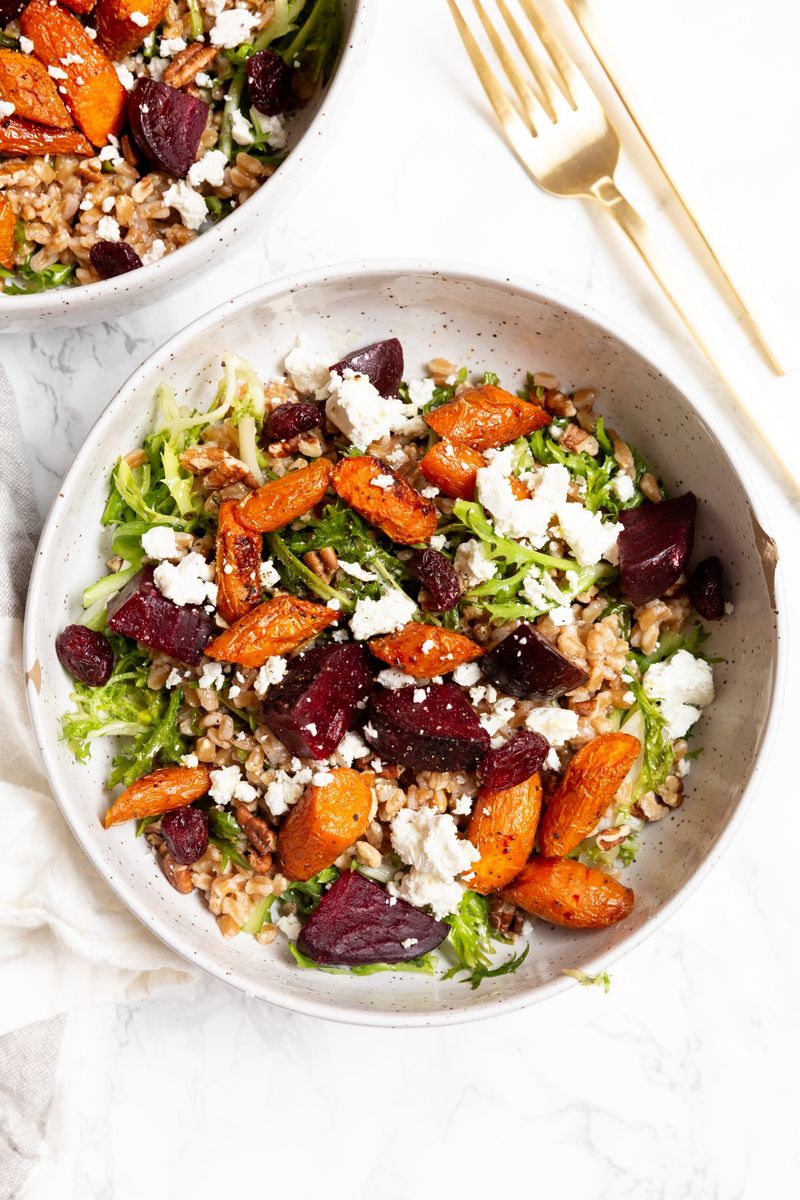
Cheese changes the vibe. Hard cheeses like Parmesan can go on near the end to melt and lightly brown.
Softer cheeses like feta or goat should be added after roasting for creamy contrast.
Use a light hand so vegetables still shine. You will get savory depth, a little richness, and gorgeous texture without greasiness.