Reliable Ways to Cook Green Lentils So They Turn Out Right
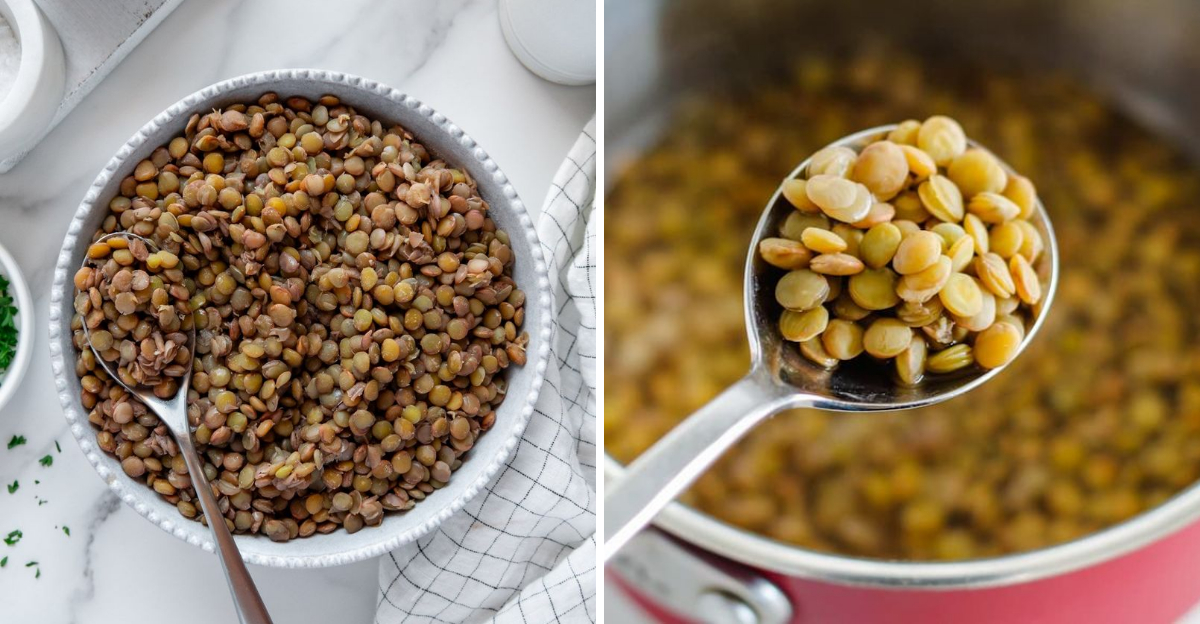
Green lentils can be wonderfully tender, flavorful, and reliable when you know a few simple moves. If you have ever ended up with mushy edges or stubbornly firm centers, this guide will change that.
You will learn easy steps that keep texture just right and flavor bright. Let’s make lentils you will actually crave, every single time.
1. Sort and rinse like a pro
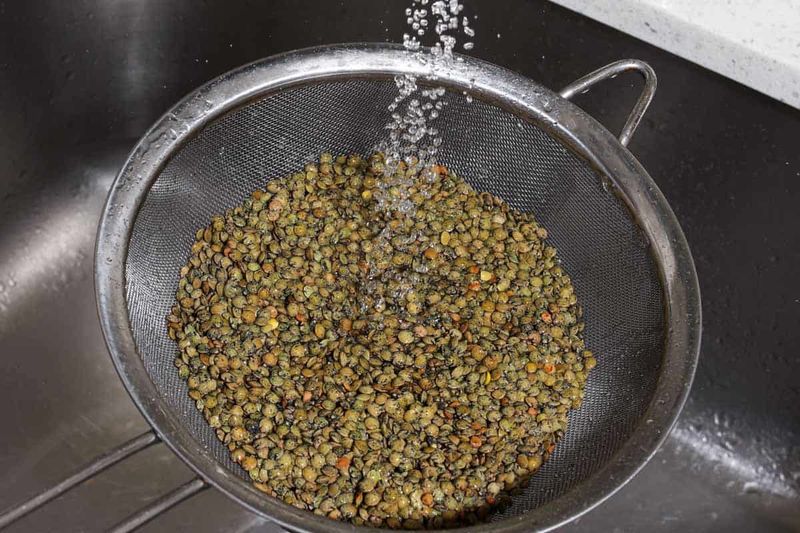
Start with a quick sort and rinse. Spread lentils out for 20 seconds and scan for tiny stones or damaged pieces, then rinse thoroughly in a fine-mesh strainer.
Dust and debris wash away fast, helping them cook cleaner and taste brighter.
You will also notice how even the lentils look, which sets you up for consistent texture. This small ritual takes a minute but avoids gritty surprises later.
Clean lentils hydrate more evenly and resist weird off-flavors.
Rinse with cool water until it runs clear, then drain well. Now you are ready to cook.
2. Use the right lentil to water ratio
For stovetop simmering, the dependable ratio is 1 cup green lentils to about 3 cups water or broth. That gives you enough liquid to prevent scorching and uneven cooking.
You can always drain any extra at the end.
This cushion of liquid lets lentils move gently, avoiding hot spots. If you want a brothier result, lean slightly higher.
For firmer lentils, aim right at 3 cups and monitor closely.
Use a medium pot with room to bubble. Cover partially to reduce evaporation while preserving a steady simmer.
Adjust heat to maintain calm movement, not a riot.
3. Salt smart, not heavy

A little salt early is fine, but skip heavy salting at the start. Too much can firm up skins and slow softening, leaving centers stubborn.
If lentils have stayed tough before, try adding just a pinch mid-cook.
Season more confidently once the centers are nearly tender. That way, you lock in flavor without locking up texture.
Taste and adjust near the end to balance the broth you used.
Remember that salty stock compounds seasoning quickly. Keep notes on timing and amounts for your favorite brands.
Consistency becomes easy when you track what worked.
4. Gentle simmer beats a hard boil
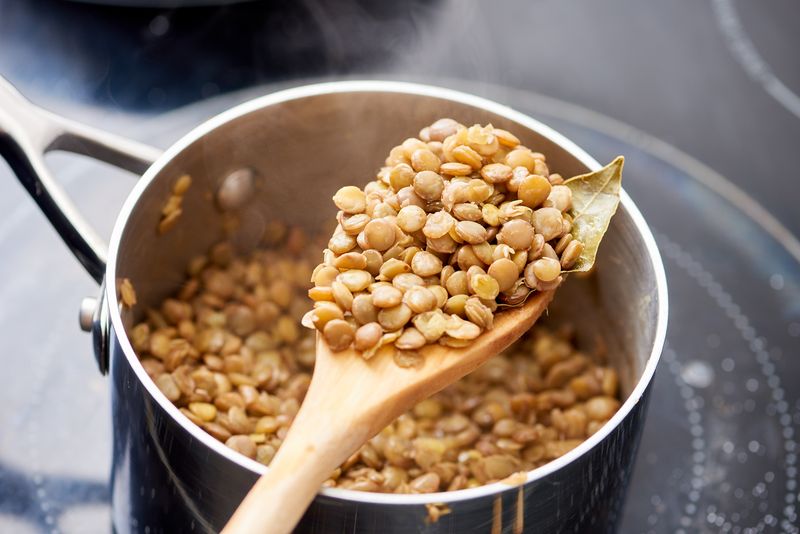
Bring the pot to a boil, then immediately drop to a steady simmer. You want small, relaxed bubbles that nudge the lentils around without battering them.
A rolling boil risks split skins, burst interiors, and uneven texture.
Gentle heat promotes even hydration from edge to center. The result is tender beans that still hold shape.
Skim any foam if needed, though it is harmless.
Use medium-low heat and adjust as evaporation changes. Keep the lid slightly ajar to control movement.
If things get wild, reduce the flame and stir once to reset.
5. Cook by texture, not the clock
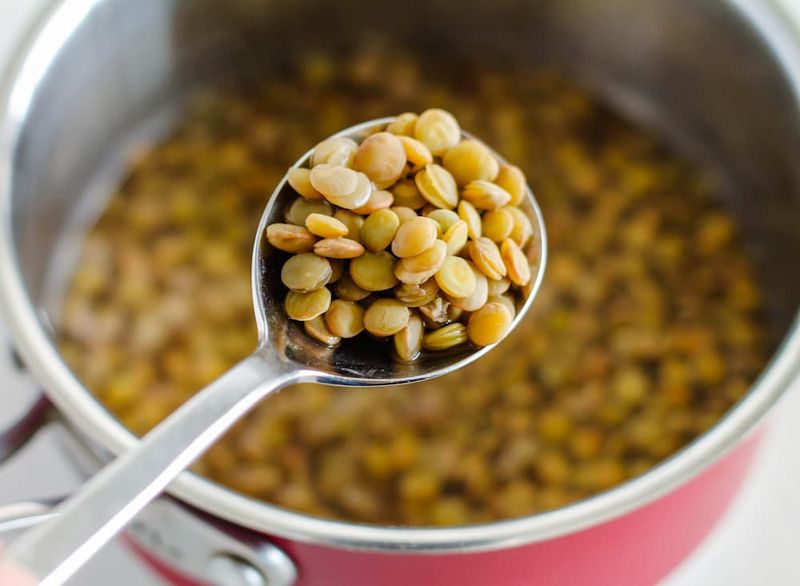
Green lentils usually take 20 to 35 minutes, depending on age and variety. Begin checking at 18 to 20 minutes.
Taste several lentils to judge the center, not just the edges.
You are aiming for tender through the middle while keeping shape, unless you want soup softness. Texture tells the truth better than any recipe time.
Adjust heat and liquid if they are racing or lagging.
Keep a spoon nearby and sample often. Write down your perfect doneness window.
Soon, your instincts will be more reliable than any timer.
6. Keep aromatics simple and skip acid early
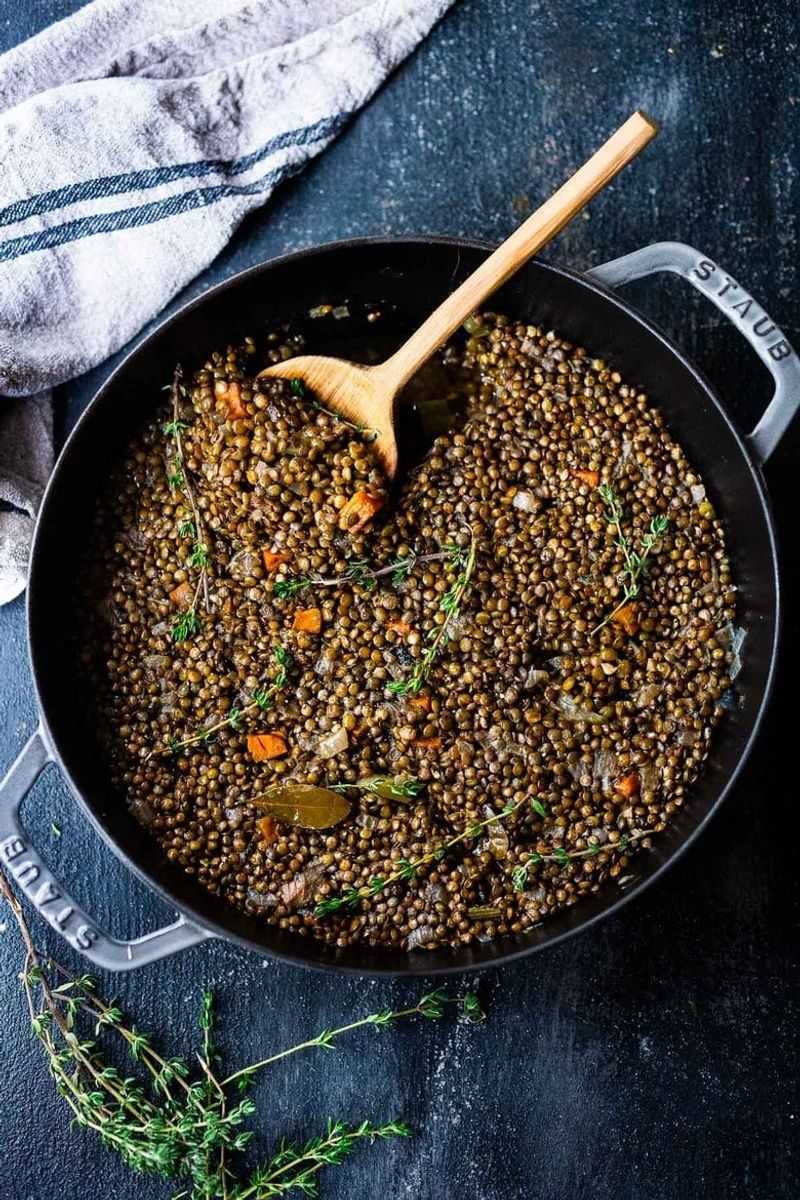
Flavor gently while they cook. Add bay leaf, a garlic clove, an onion wedge, a carrot chunk, or a thyme sprig.
These bring depth without turning bitter or interfering with softening.
Avoid acidic ingredients like tomatoes, vinegar, or lemon until the lentils are tender. Acid tightens skins and can stall softening.
Save those brighteners for the finish.
Fish out woody stems before serving. The broth will taste savory and clean, ready for final seasoning.
Keep it simple during the simmer and build complexity later.
7. Use broth strategically

Broth boosts flavor, but watch the salt if yours runs strong. A smart move is half broth, half water, so you get depth without oversalting.
Then finish with salt and acid at the end.
Taste the liquid mid-cook to gauge intensity. If it is already salty, hold back until the finish.
Neutral water gives you room to season precisely.
Stir occasionally to prevent sticking and distribute aromatics. If liquid drops too low, add hot water to keep temperature stable.
Strategic broth means bold flavor with flexible control.
8. Drain immediately for firm results
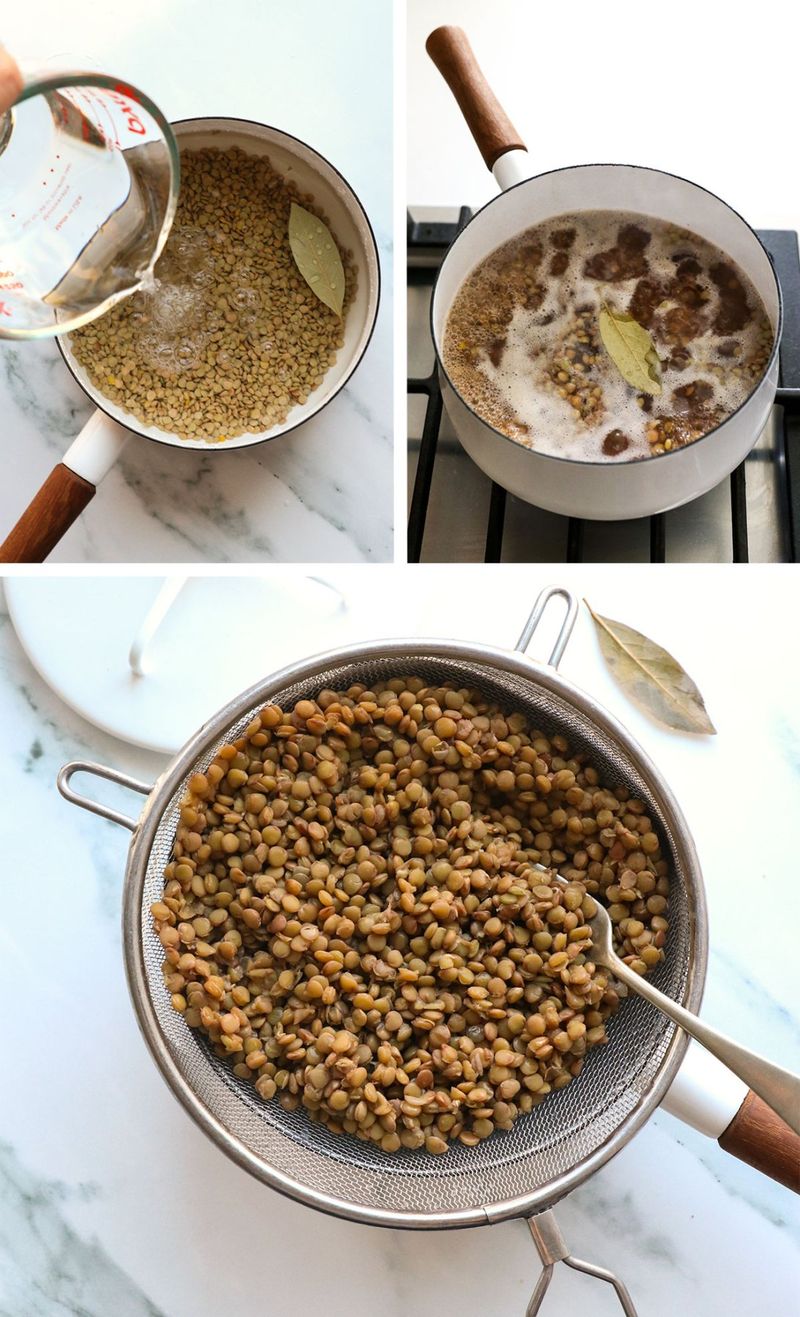
When lentils hit perfect tenderness, drain at once. Leaving them in hot liquid keeps cooking them, pushing texture toward mush.
For salads or bowls, immediate draining preserves structure.
Shake the colander to remove excess water. A quick taste lets you confirm seasoning before dressing.
Salt or oil can be adjusted now.
Firm lentils absorb vinaigrettes better and stay distinct in the bowl. If you want ultra-clean flavor, rinse very briefly with hot water.
Then move on to steam-drying for the best bite.
9. Try the pasta method for extra-firm

For extra-firm salad lentils, cook them like pasta. Use a big pot of well-salted water, maintain a gentle simmer, and taste for doneness.
When they are just tender, drain immediately.
This method gives you wide thermal cushioning, which reduces scorching and makes timing stress free. It also lets you stop exactly where you want.
No guessing about remaining liquid.
After draining, spread them to steam-dry. Season once they are no longer wet, so dressings cling.
You get bouncy lentils that hold up in salads and grain bowls.
10. Steam-dry, then finish strong

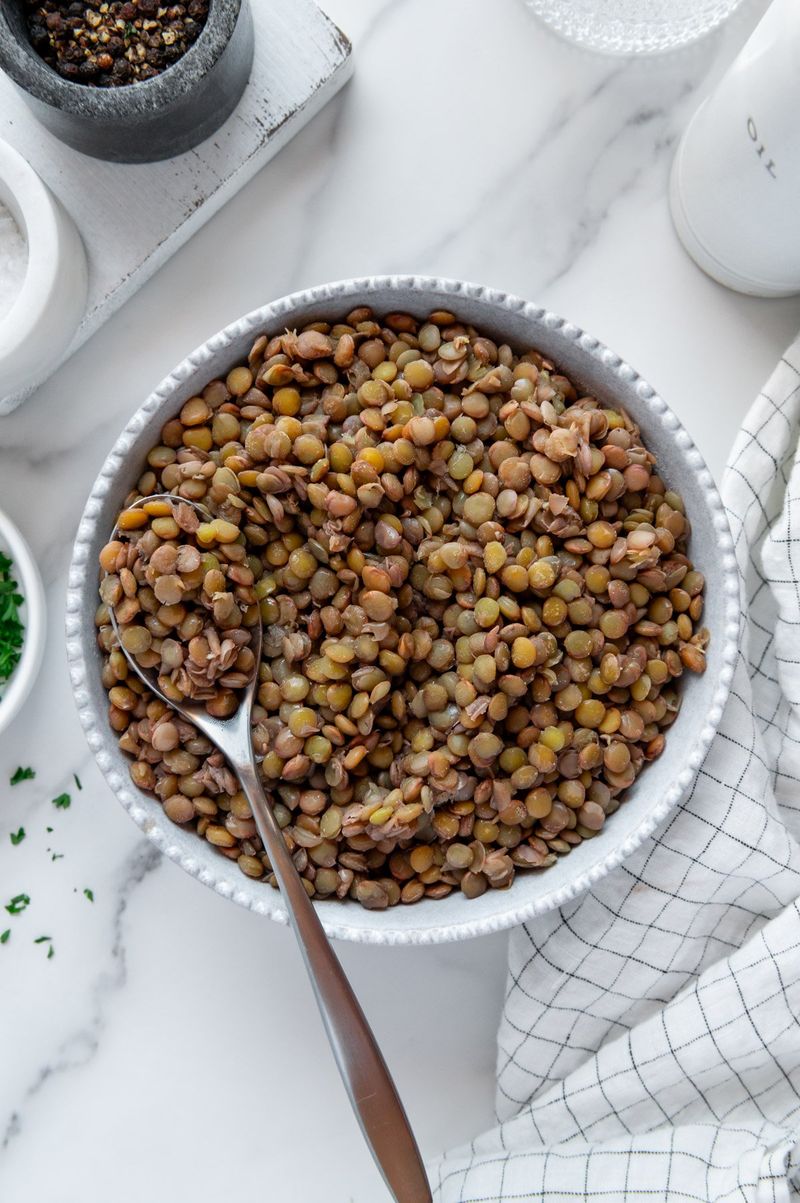
After draining, let lentils steam-dry for 5 minutes. Spread them on a tray or leave in a colander so steam can escape.
This prevents sogginess and helps them absorb dressing instead of watering it down.
Once surface moisture is gone, season boldly. Add salt, good olive oil, and a squeeze of lemon.
Fold gently to avoid smashing.
Dress warm for better flavor absorption. Toss in chopped herbs or scallions for freshness.
You will taste clearer flavors and feel a pleasantly firm bite.