Restaurant Brands Many Diners Don’t Realize Belong To The Same Chain
Think your favorite coffee shop or wing joint stands alone? Think again.
So many beloved restaurants are siblings under the same corporate roof, even when their menus and vibes seem worlds apart. Once you see the connections, news about one brand suddenly explains promos or changes at another.
Let’s pull back the curtain and make sense of who actually owns what, so your next lunch choice comes with a side of insider knowledge.
1. Dunkin’ and Baskin-Robbins (Inspire Brands)
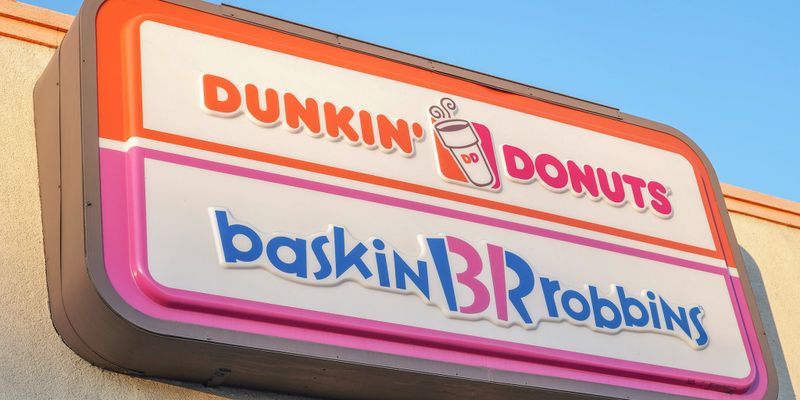
You grab a morning coffee at Dunkin’, then later celebrate with a Baskin-Robbins ice cream cake. They feel unrelated, right?
Surprise: both sit under Inspire Brands. That means shared technology investments, smarter loyalty integrations, and cross-promo playbooks can ripple between your latte habit and your mint chip cravings.
When Inspire tweaks digital ordering, both brands benefit.
It does not make the coffee taste like ice cream, but it does streamline supply chains and marketing. You might notice seasonal tie-ins or app perks syncing across both.
Next time you see a combo location, you will know why it works.
2. Arby’s and Buffalo Wild Wings (Inspire Brands)
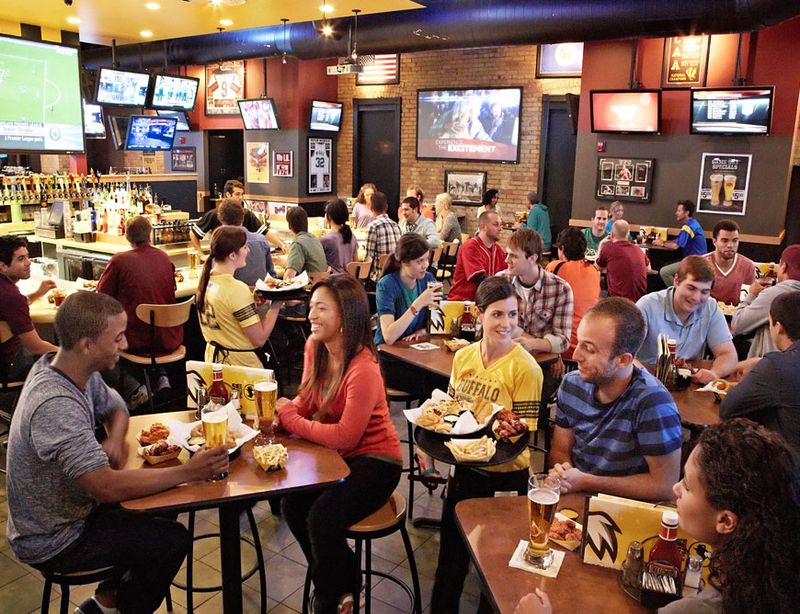
Arby’s is drive-thru roasts, Buffalo Wild Wings is game-day crowds. Different universes, same parent: Inspire Brands.
That shared ownership explains why you sometimes see similar app features, delivery partnerships, or loyalty shifts arrive in tandem. Backend tech and supply strategies can scale across both, saving costs while improving consistency.
It also means big marketing moments may align. Think limited-time flavors or shared sponsorships that pop up around sports seasons.
You still get your signature sauces and curly fries, but the engine behind the scenes is noticeably coordinated. That is the power of one umbrella company.
3. Jimmy John’s and SONIC Drive-In (Inspire Brands)
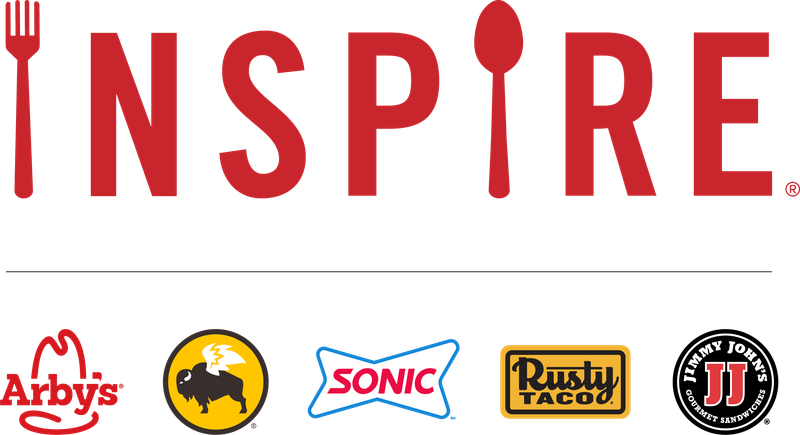
Jimmy John’s shouts freaky fast subs, SONIC shouts retro car-stall shakes. Yet both belong to Inspire Brands.
That connection shows up in shared delivery strategy, loyalty experiments, and behind-the-scenes purchasing power. While the ordering vibes differ, the corporate playbook helps both refine speed, menu testing, and digital convenience.
You may see similar app features or streamlined promotions roll out across both. Even kitchen equipment trials or packaging innovations can echo.
The brands stay distinct, but the corporate parent helps each sharpen execution. So your drive-in slush and your beach-day sub secretly learn from the same source.
4. Burger King and Tim Hortons (Restaurant Brands International)
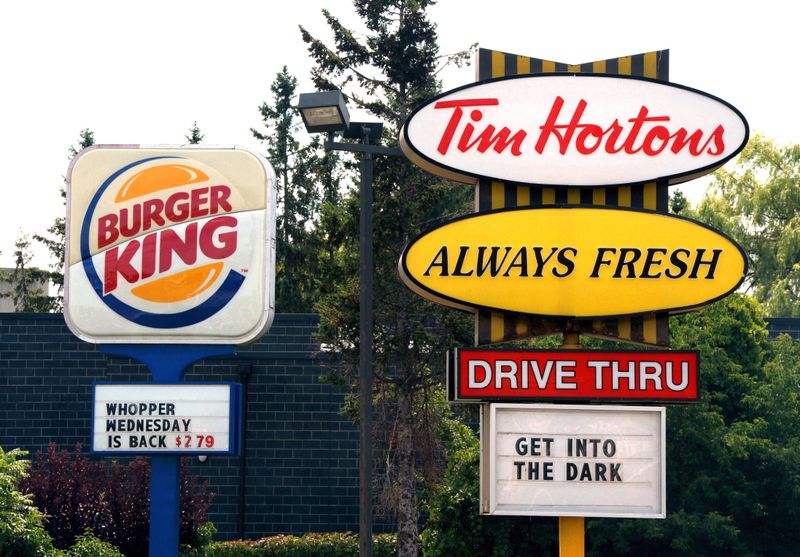
Burger King and Tim Hortons might feel like different countries in your mind, but both live under Restaurant Brands International. That means menu innovation, supply chains, and tech rollouts can be coordinated across markets.
It also explains why you see accelerated international moves or similar loyalty enhancements landing around the same time.
RBI’s scale gives both brands leverage with suppliers and marketing partners. You still get a flame-grilled Whopper and a double-double, just powered by the same corporate engine.
Watching one brand’s news can hint at the other’s next pivot, which makes following their updates surprisingly useful.
5. Popeyes and Firehouse Subs (Restaurant Brands International)
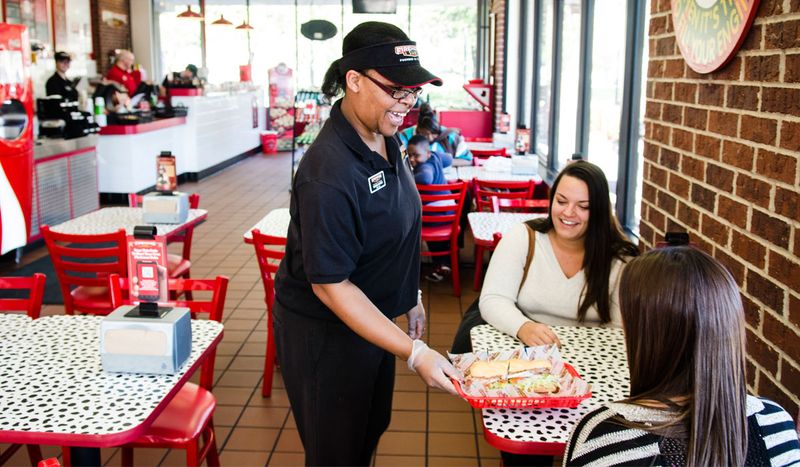
Popeyes brings spicy crunch, Firehouse Subs brings steamed, stacked subs. Both are RBI brands, which helps them share learnings on drive-thru optimization, limited-time launches, and delivery packaging.
When Popeyes cracked the chicken sandwich craze, the ripple effects on supply and marketing offered lessons for siblings.
Expect parallel investments in digital ordering and loyalty perks that feel familiar across both apps. The brands stay true to their identities, but shared ownership accelerates operational improvements.
When RBI talks international growth or kitchen efficiency, both can benefit. Your go-to combo meal and your favorite hot sub are closer than you think.
6. KFC and Taco Bell (Yum Brands)
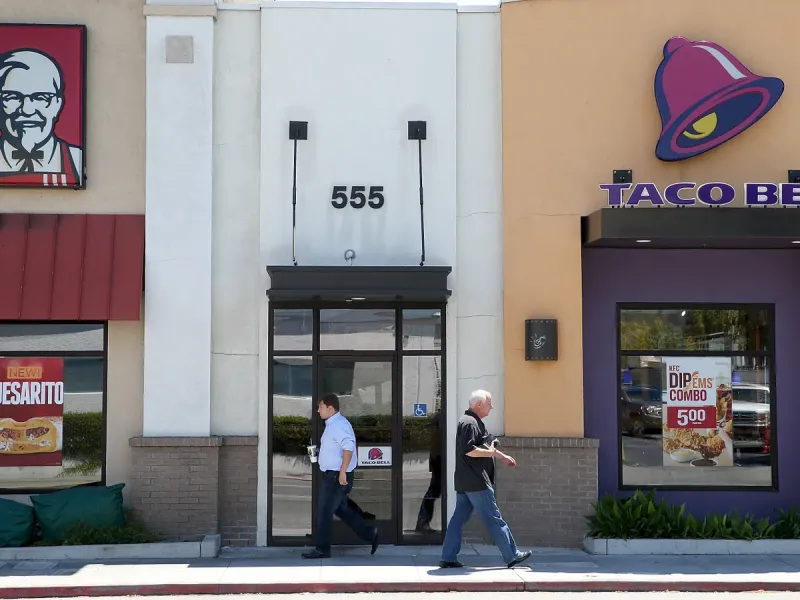
KFC and Taco Bell are both under Yum Brands, which explains the frequent combo stores and synchronized digital pushes. Shared kitchens in some locations allow smarter equipment use and streamlined staffing.
You still choose between buckets and burritos, but backend playbooks like delivery partnerships and loyalty platform upgrades often move in tandem.
Cross-brand testing means one brand’s hit can inspire another’s limited-time twist. International expansion lessons also flow both ways.
When Yum speaks about efficiency or new tech pilots, both brands are likely involved. That is why your local combo spot can feel unusually coordinated and convenient.
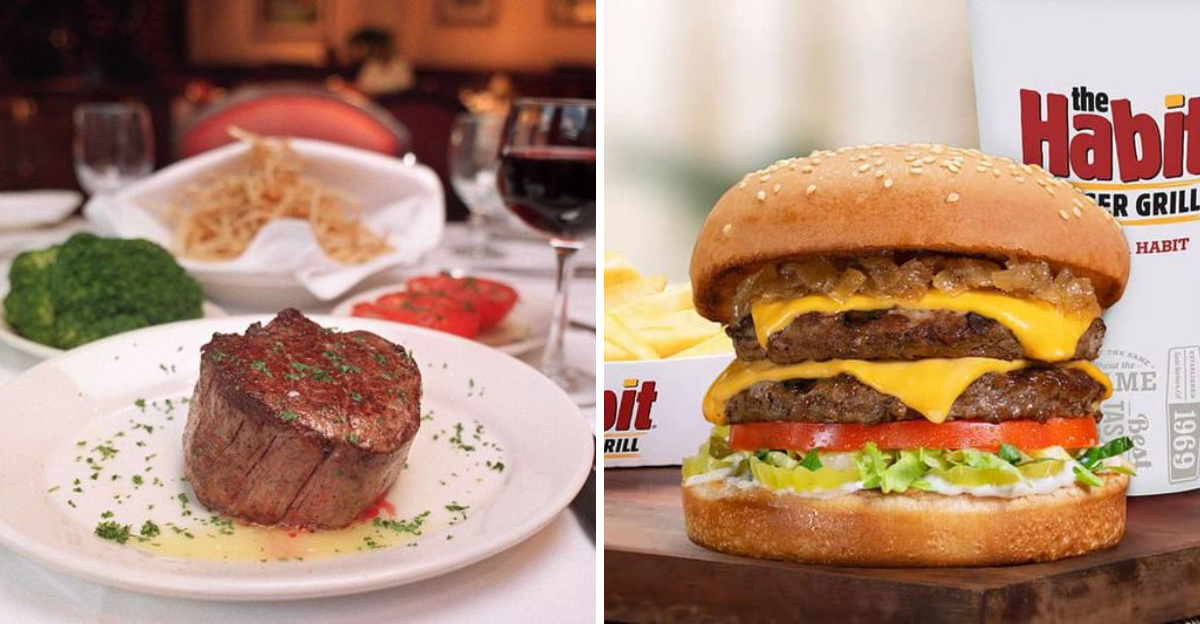
7. Pizza Hut and The Habit Burger Grill (Yum Brands)
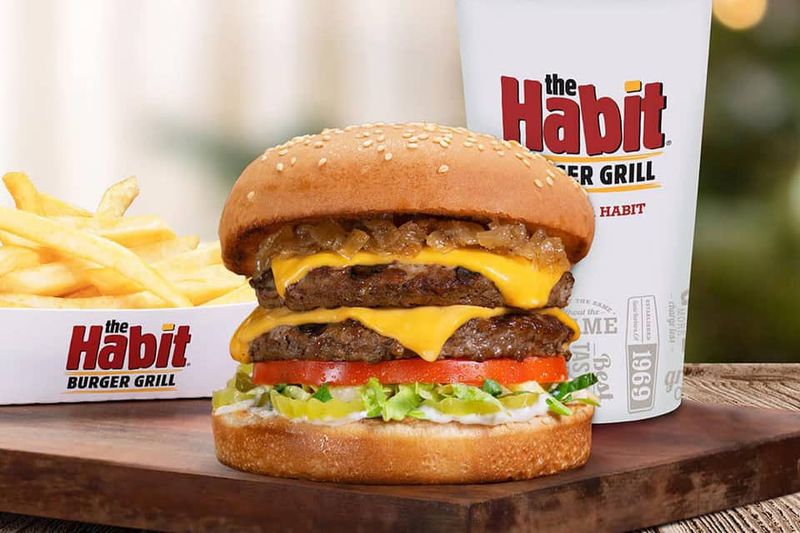
Pizza Hut and The Habit Burger Grill both sit under Yum Brands, a reminder that parent companies span cuisines. Yum’s tech backbone and global scale can boost Habit’s growth while refining Pizza Hut’s delivery and carryout.
You might notice shared themes in loyalty evolution, third-party delivery alignment, or kitchen efficiency pilots.
The menus do not overlap, but learnings about throughput, packaging, and marketing certainly do. Habit’s char and produce-forward style benefits from corporate know-how, while Pizza Hut keeps dialing in convenience.
If one brand tests smarter pickup shelves or app rewards, do not be surprised when the other borrows the best parts.
8. Auntie Anne’s and Cinnabon (GoTo Foods)
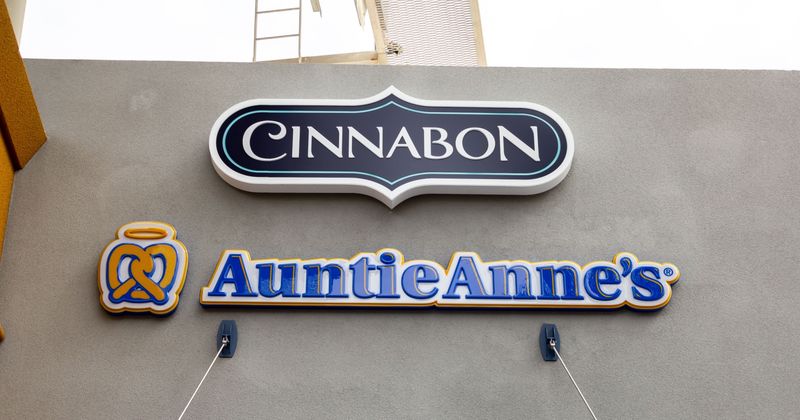
Auntie Anne’s and Cinnabon both live under GoTo Foods, formerly Focus Brands. That is why you often smell pretzels and cinnamon rolls competing in the same corridor.
Their shared parent coordinates mall strategies, kiosks, and co-branded buildouts, while leveraging joint procurement for flour, dairy, and packaging.
Expect synchronized seasonal flavors and dual-store deals where space allows. Their digital ordering and gift card ecosystems often interconnect, too.
The brands keep their iconic shapes and swirls, but share a back-office brain. If you spot a combo location or bundled promotion, that is the GoTo playbook in action.
9. Jamba and Moe’s Southwest Grill (GoTo Foods)
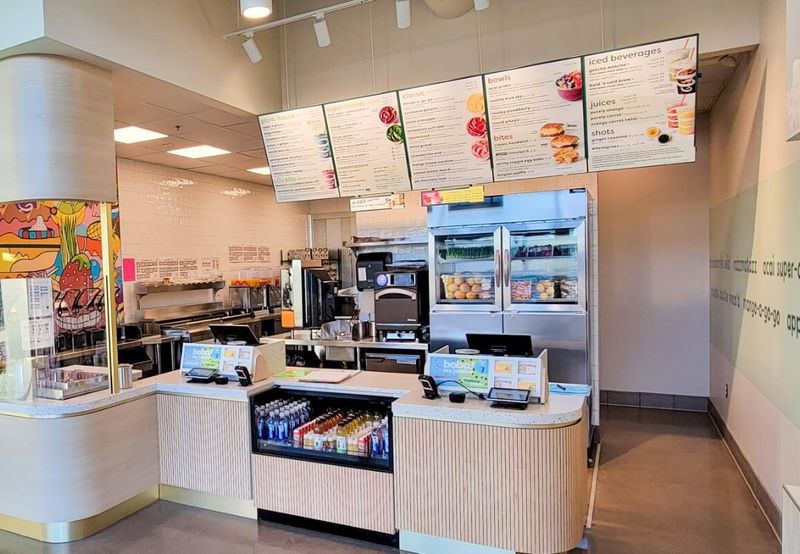
Jamba serves bright smoothies, Moe’s serves burritos with a welcome shout. Different lanes, same GoTo Foods family.
That shared parent helps both brands with site selection in busy retail areas, digital ordering improvements, and loyalty tie-ins that can cross-promote healthy snacks with hearty meals.
When Jamba experiments with bowl packaging or subscription perks, Moe’s can borrow the best ideas. Likewise, throughput improvements on Moe’s line can inform Jamba’s peak-hour staffing.
You still get fruit-forward blends and customizable burritos, just supported by the same playbook. Watch for creative bundle deals in shared neighborhoods.
10. Olive Garden and Ruth’s Chris Steak House (Darden Restaurants)
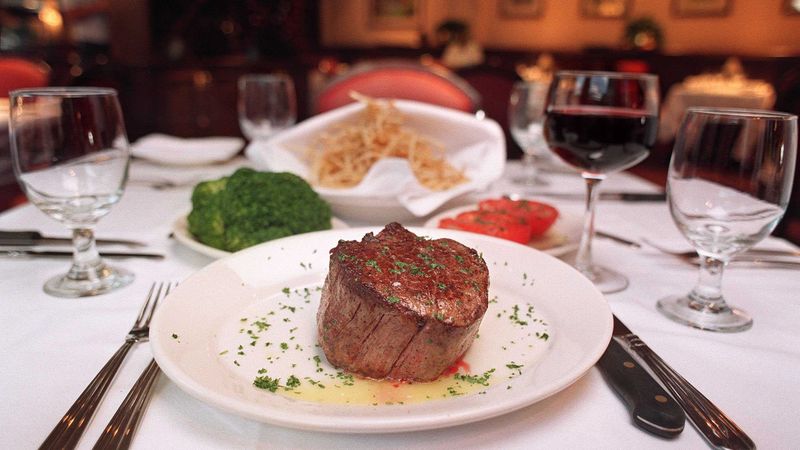
Olive Garden and Ruth’s Chris both belong to Darden Restaurants, blending casual comfort with upscale steakhouse finesse. That umbrella lets Darden share leadership talent, analytics, and real estate insights across very different price points.
You will not see breadsticks at a white-tablecloth dinner, but you may notice similarly polished service systems and reservation tech.
Darden’s scale improves training programs and purchasing leverage. It also supports smart menu engineering that fits each brand’s guests.
When Darden discusses traffic drivers or value strategies, both concepts benefit in different ways. That duality keeps weeknight pasta and celebratory steaks thriving together.
11. Applebee’s and IHOP (Dine Brands Global)
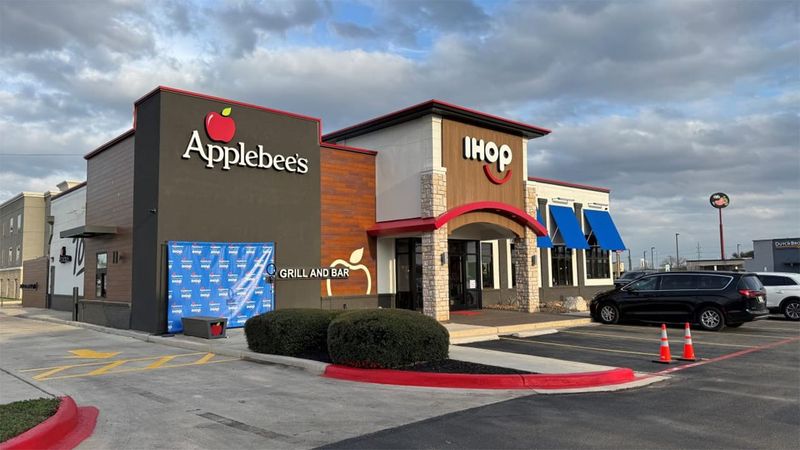
Applebee’s and IHOP share a parent, Dine Brands Global, despite focusing on different dayparts. That connection helps with franchising support, marketing muscle, and tech upgrades rolled out to large networks.
You might notice coordinated gift card promos around holidays or similar delivery partnerships landing across both apps.
Operational learnings travel both ways. Late-night menus, value bundles, and off-premise packaging all evolve under common leadership.
You still choose pancakes or a burger, but the systems behind pricing and promotion are closely aligned. That is why changes at one brand can hint at shifts at the other.
12. Outback Steakhouse and Carrabba’s Italian Grill (Bloomin’ Brands)
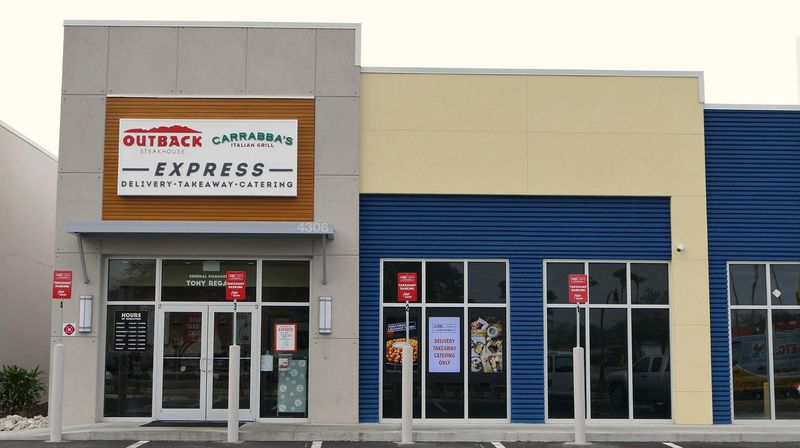
Outback and Carrabba’s both sit under Bloomin’ Brands, showcasing how one company can cover steak cravings and Italian comfort. Shared ownership supports training, labor scheduling tools, and culinary R&D that improve consistency.
While flavors differ, the guest experience benefits from common reservation systems, takeout packaging, and delivery playbooks.
Seasonal LTOs, wine programs, and kitchen equipment tests often echo. You will not see Aussie slang on your marsala, but you might notice similar curbside pickup efficiency.
Bloomin’s portfolio approach keeps variety strong while controlling costs. That is how date night at either spot keeps feeling smooth and reliable.