The Primary Ingredients In Common Imitation Foods
Imitation foods are everywhere, and many of them taste shockingly close to the real thing. They are not cheats so much as smart engineering that balances cost, shelf life, and texture.
If you have ever wondered what gives these copycats their convincing bite or aroma, you are in the right place. Let’s unpack the primary ingredients and what each one actually does in your mouth and on your plate.
1. Imitation crab (surimi)
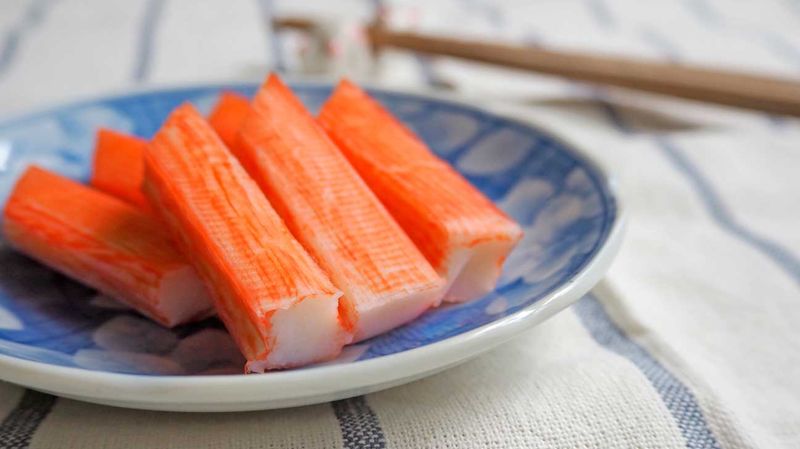
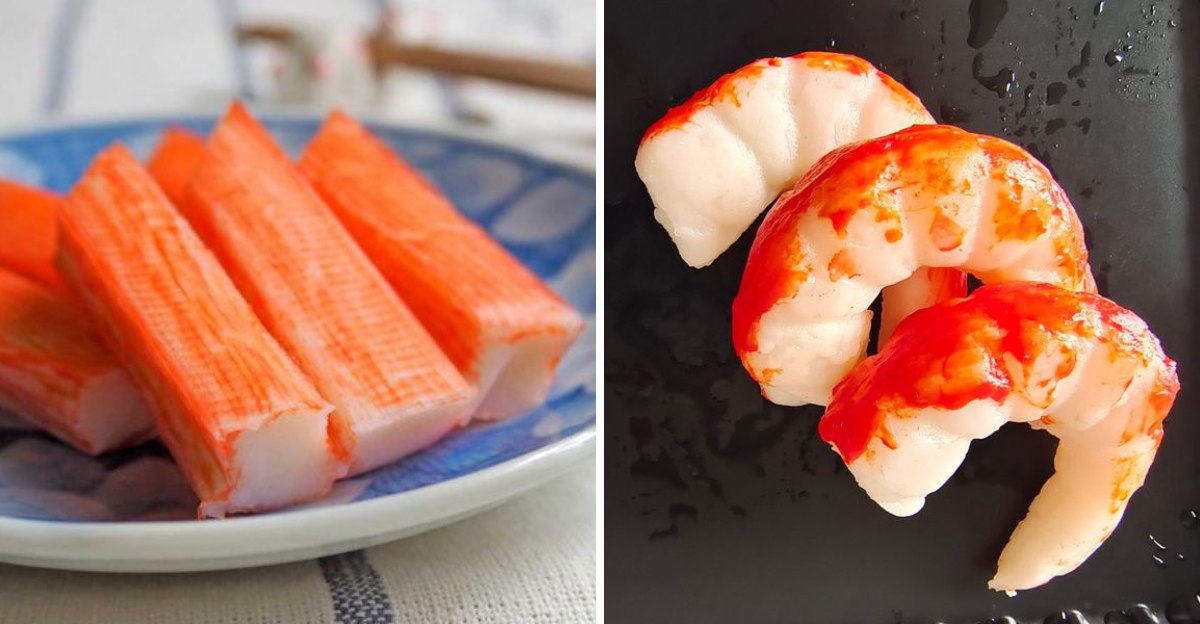
Imitation crab starts with white fish, usually pollock, that gets washed to remove fats and pigments. What remains is a concentrated fish protein paste called surimi, mixed with water, starch, and either egg white or soy protein.
Sugar and salt help with flavor and structure, while paprika or carmine provides that familiar red edge.
When heated and kneaded, the proteins cross-link and set into a springy, cohesive texture. Starches fill spaces and lock in moisture, so each bite stays firm yet tender.
Added crab flavorings cue your senses, especially when a little seafood sweetness hits your tongue.
That is why it slices cleanly and shreds into strands, mimicking crab leg fibers. It is dependable, affordable, and widely versatile.
2. Imitation lobster or lobster bites
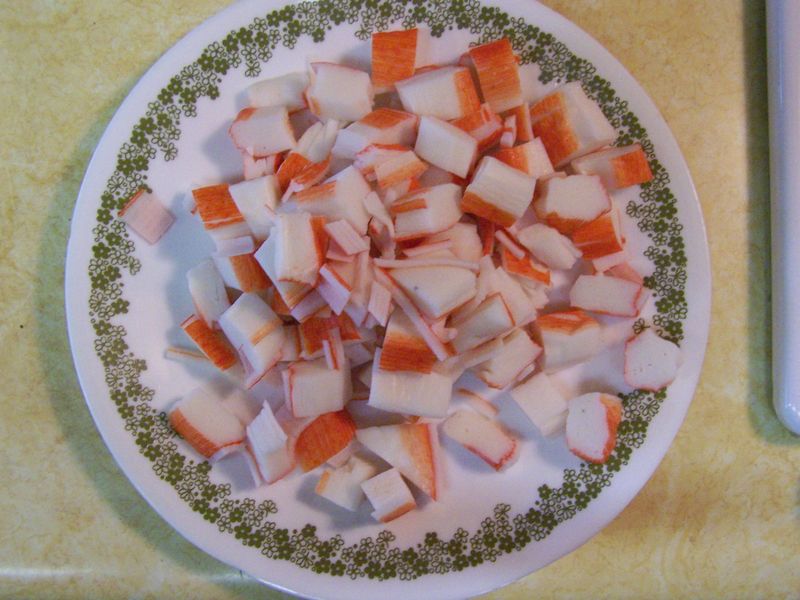
Imitation lobster is essentially surimi dressed differently. The same white fish base gets blended with starches, egg white or soy protein, and strategic flavorings that lean sweeter and brinier.
Coloring nudges it toward lobster’s blush, while sugar and salt adjust the flavor balance and help with browning when cooked.
During processing, controlled heating sets the proteins into a bouncy, succulent matrix. Starches stabilize moisture so the interior feels juicy, not crumbly.
Seasonings deliver the shellfish vibe, especially in fried or buttered formats.
Because shape and seasoning do heavy lifting, you will see bites, chunks, or rolls shaped to resemble claw meat. It is budget-friendly and consistent, ideal for salads, tacos, and creamy pastas.
3. Krab in sushi rolls
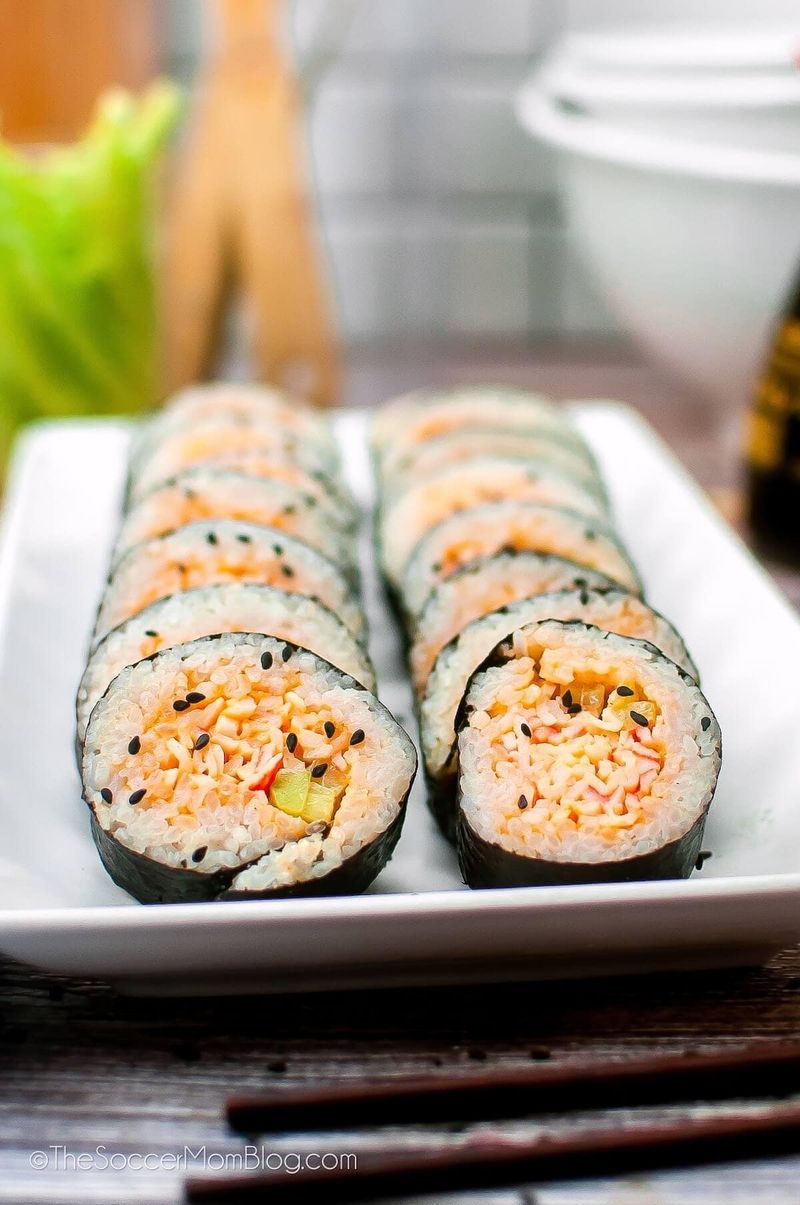
In many rolls, “krab” is surimi mixed with mayo and a touch of sugar or seasoning. The mayo adds fat and emulsifiers that create richness and a silky binding effect.
That creaminess helps bridge the rice, nori, and fillings so bites hold together and feel indulgent.
Surimi’s springy texture gives chew that stands up to rice compression. A little salt and umami flavor reinforce seafood notes without overpowering.
Sometimes spice or sesame boosts aroma and balances sweetness.
This combo is affordable and consistent across restaurants, so you get predictable flavor and texture. It also resists drying out in chilled cases.
The result is a craveable, slightly sweet shellfish salad impression inside your maki.
4. Imitation scallops
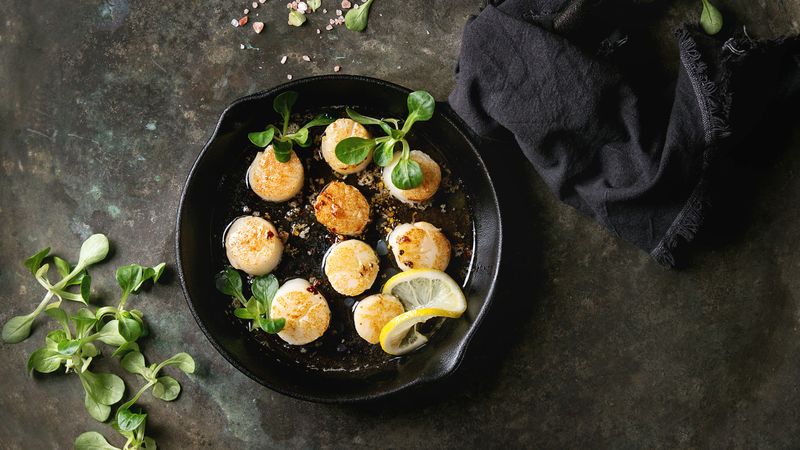
Imitation scallops often start with surimi shaped into neat cylinders or coin-like medallions. Starch and egg white or soy proteins strengthen the set, so they slice cleanly and resist crumbling.
Flavorings aim for gentle marine notes rather than exact scallop sweetness.
Here texture is king. The goal is a springy, resilient chew that tolerates pan searing without collapsing.
Starches trap water to keep the interior moist, while proteins gel into a cohesive bite.
Coloring and browning reactions provide the attractive seared look. Because the flavor is milder than real scallops, cooks rely on butter, aromatics, and sauces.
You get the scallop-like bite at a lower cost, especially in stir-fries and chowders.
5. Imitation shrimp
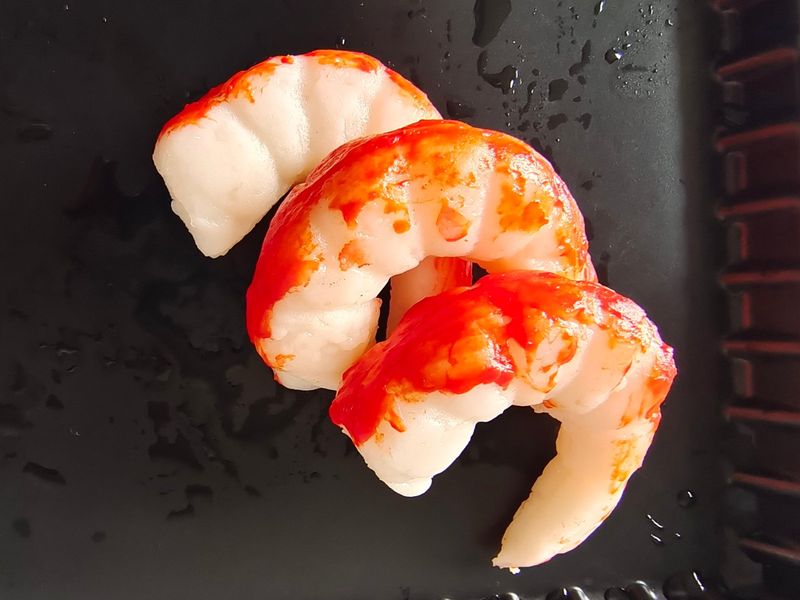
Imitation shrimp uses surimi as the base, reinforced with starch and either egg white or soy protein for elasticity. Flavorings provide briny sweetness, while coloring produces the familiar pink shellfish cues.
The mixture is extruded or molded into shrimp-like curves.
When heated, proteins gel and starches stabilize water, creating a bouncy bite that snaps slightly between your teeth. The shape primes your brain to expect shrimp, so seasonings do not have to be perfect.
A bit of sugar and salt balances the marine notes.
These work well in fried rice, noodle soups, or tempura where texture matters most. They offer consistency and value, plus long shelf life.
Dips and sauces easily complete the illusion.
6. Plant-based meat burgers
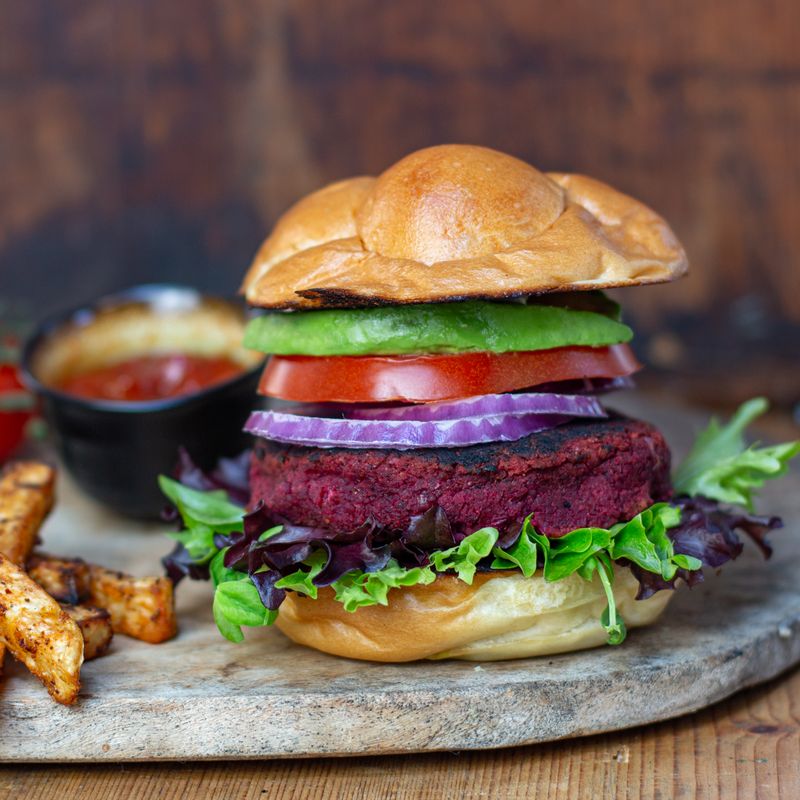
Plant-based burgers rely on protein isolates from peas or soy, mixed with water and oils like canola or coconut. Starches and fibers such as cellulose help hold moisture, while binders like methylcellulose create gel strength when heated.
Natural flavors, salt, and beet juice or other colors round out the experience.
During cooking, proteins tighten and fats melt, delivering juicy drips and a meaty chew. The binder sets, so the patty stays cohesive like ground beef.
Smoke flavors and amino acids boost savory depth.
The result feels familiar on a toasted bun. You taste sear, salt, and umami with each bite.
It is engineered for sizzle, browning, and that satisfying post-grill aroma you expect.
7. Vegan chicken nuggets or patties
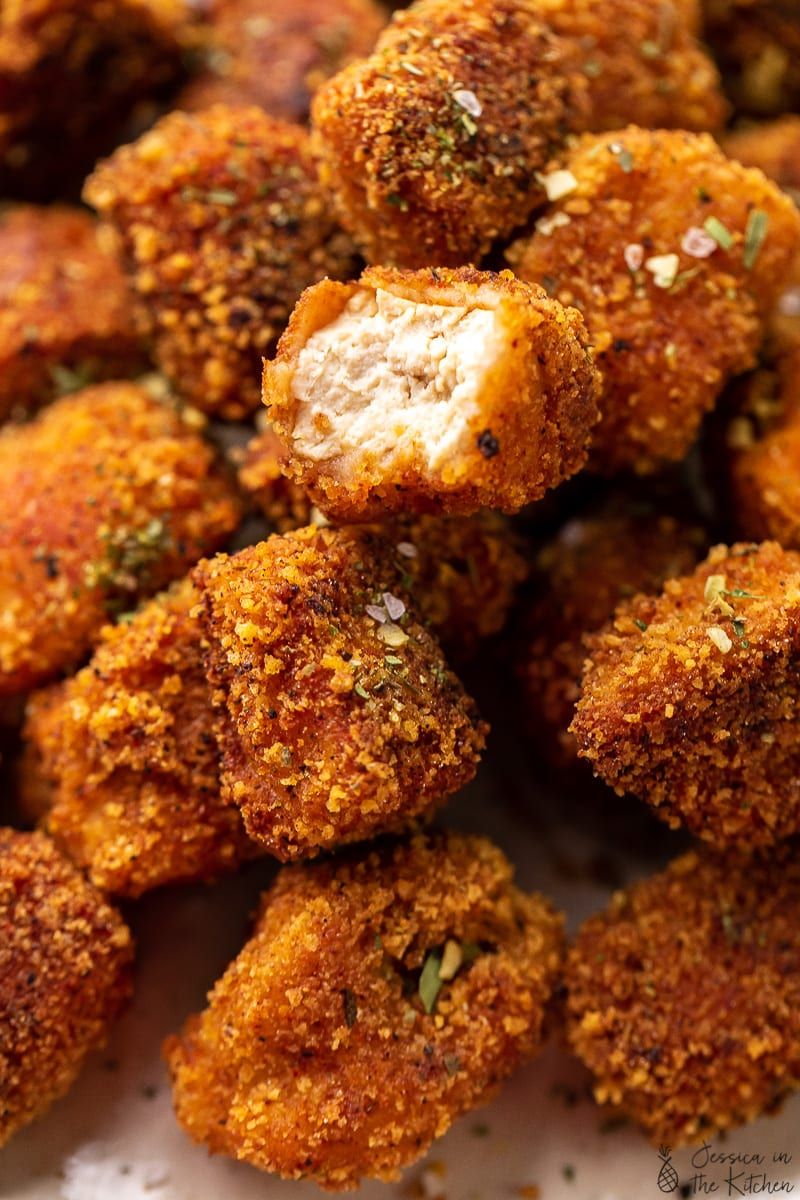
Vegan nuggets usually combine soy or wheat gluten with pea protein for structure and chew. Starches and oils contribute juiciness, while seasonings recreate poultry-like savoriness.
A flour or breadcrumb coating fries up into that signature crunch you expect.
Gluten forms elastic strands that mimic muscle fibers, and soy proteins gel for bite. The breading also protects moisture during frying, keeping interiors tender.
Salt, garlic, onion, and pepper bring fast-food familiarity.
These reheat well and hold their texture in sauces or sandwiches. The experience leans heavily on crunch, salt, and warm spices.
Dunk them in your favorite dip and the illusion clicks quickly, especially when fresh out of the fryer.
8. Vegan deli slices
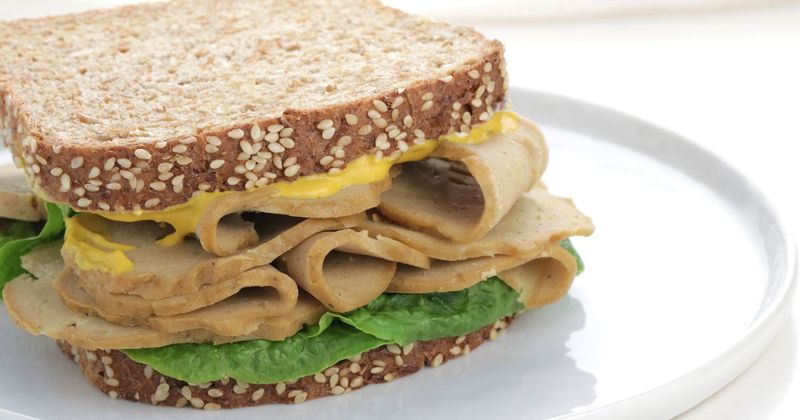
Vegan deli slices are built from wheat gluten, soy, or pea protein structured into a tight, sliceable matrix. Oils add tenderness and a slight sheen, while starches and gums stabilize the emulsion.
Smoke flavor, salt, and spices create turkey, ham, or roast-beef style profiles.
Steam or bake steps set the proteins, yielding that bouncy sandwich bite. Thin slicing enhances perceived tenderness and spreads flavor.
Emulsifiers keep fat from separating during reheating.
They shine in cold sandwiches where texture and seasoning do the heavy lifting. Mustard, pickles, and bread complete the deli illusion.
You get consistency and convenience, with plenty of room to layer crunch and acidity for balance.
9. Vegan bacon
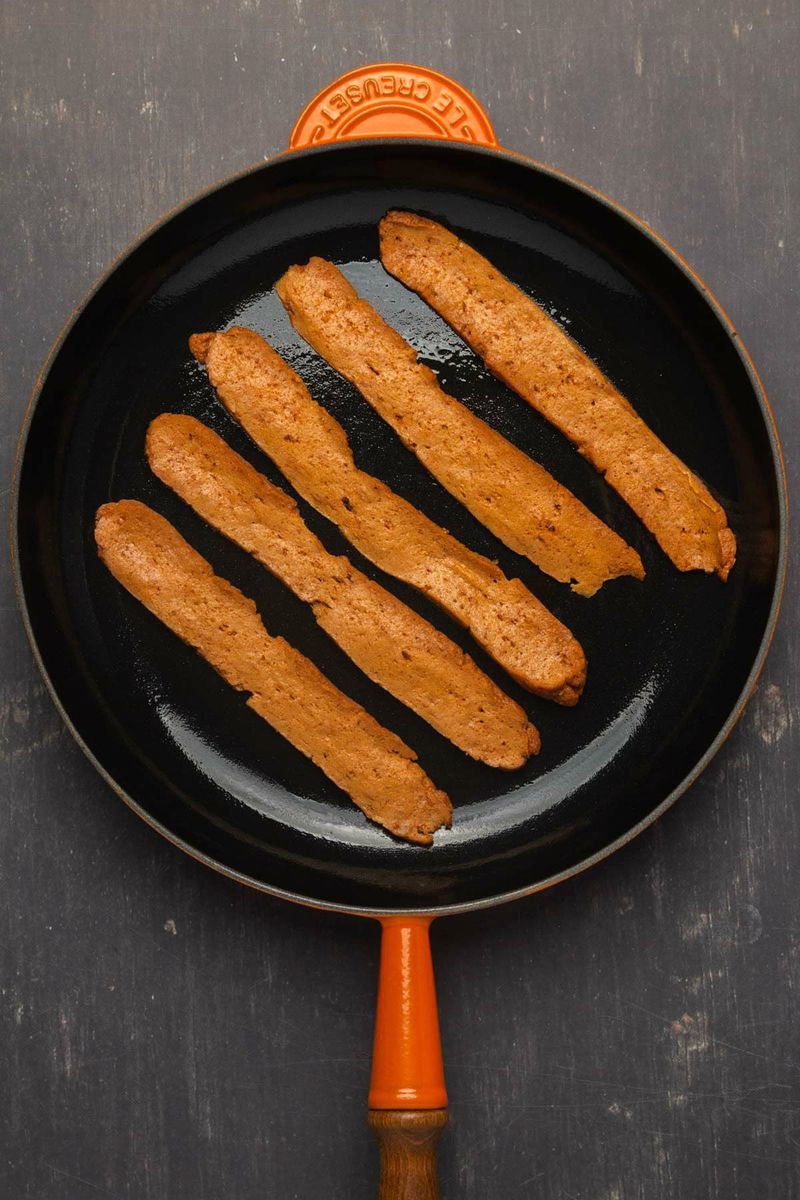
Vegan bacon leans on wheat gluten or soy for chew and coconut or canola oil for a fatty mouthfeel. Smoke flavor, sugar, and salt anchor the bacon identity, while coloring gives those red-brown streaks.
Some versions use layered protein sheets for a striated look.
When cooked, sugars caramelize and proteins firm, creating crisp edges and a slight snap. Oils render and sizzle, releasing smoky aromas that cue your senses.
The result reads bacon-adjacent even without pork.
It is best when fried until edges blister, then served quickly. Pair with toast, tomatoes, or a breakfast sandwich.
The craveable contrast of salty, sweet, and smoky does most of the work for you.
10. Non-dairy cheese slices and shreds
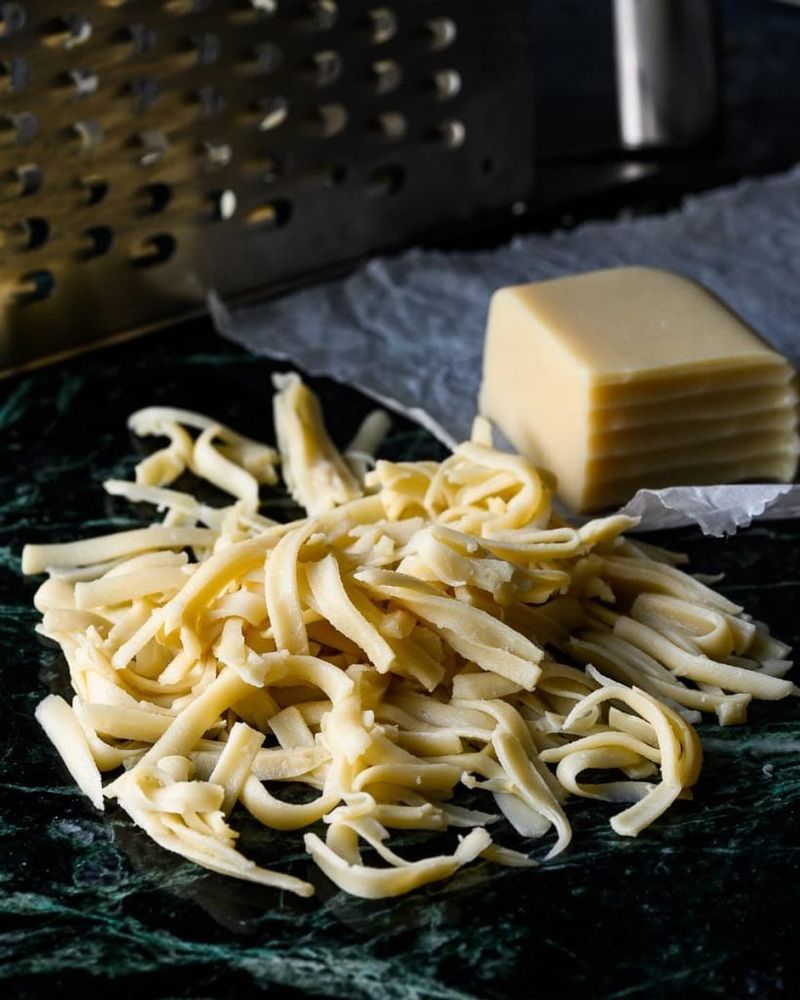
Non-dairy cheeses build structure with starches like tapioca or potato, then add coconut oil for melt and richness. Emulsifiers and gums stabilize the oil-in-water matrix so it stretches rather than breaks.
Acids like lactic or citric deliver the tang you associate with cheese.
During heating, starch gels and oil disperses, creating a gooey pull. Salt and flavorings push umami while reducing coconut notes.
Some products add cultures for complexity.
They shine on hot sandwiches and pizzas where melt matters most. Results vary by brand, so try a few to match your needs.
Keep expectations realistic and you will still enjoy satisfying ooze, salt, and chew without dairy.
11. Non-dairy cream cheese
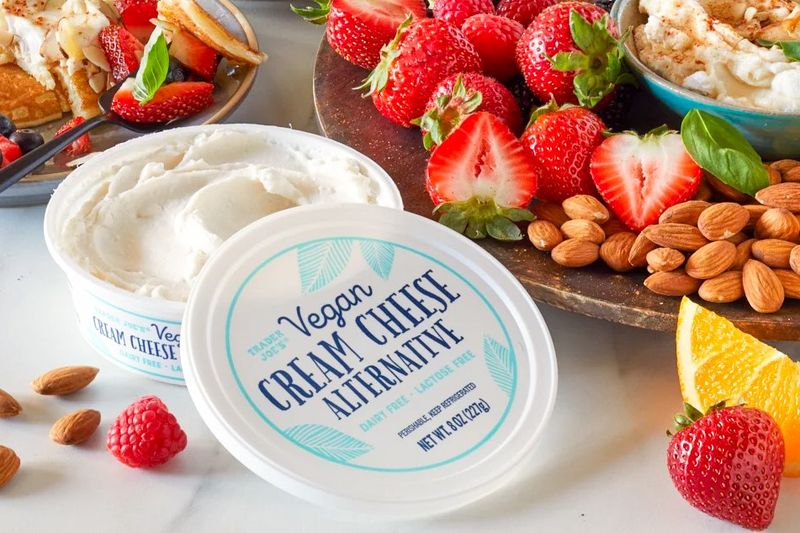
Non-dairy cream cheese is a thickened oil emulsion formulated to spread smoothly. Oils form the fat phase, while starches and gums build body and prevent separation.
Acids provide tang, and salt balances sweetness and boosts savoriness.
When chilled, the emulsion holds a dense, creamy structure. As it warms, it softens without weeping because stabilizers hold water.
Flavorings can mimic dairy notes or lean neutral for flexibility.
It works beautifully on bagels or as a base for dips and frostings. You can whip it for extra lightness.
Expect a clean, creamy feel with a gentle sour snap that mirrors the real thing closely in cold applications.
12. Non-dairy sour cream
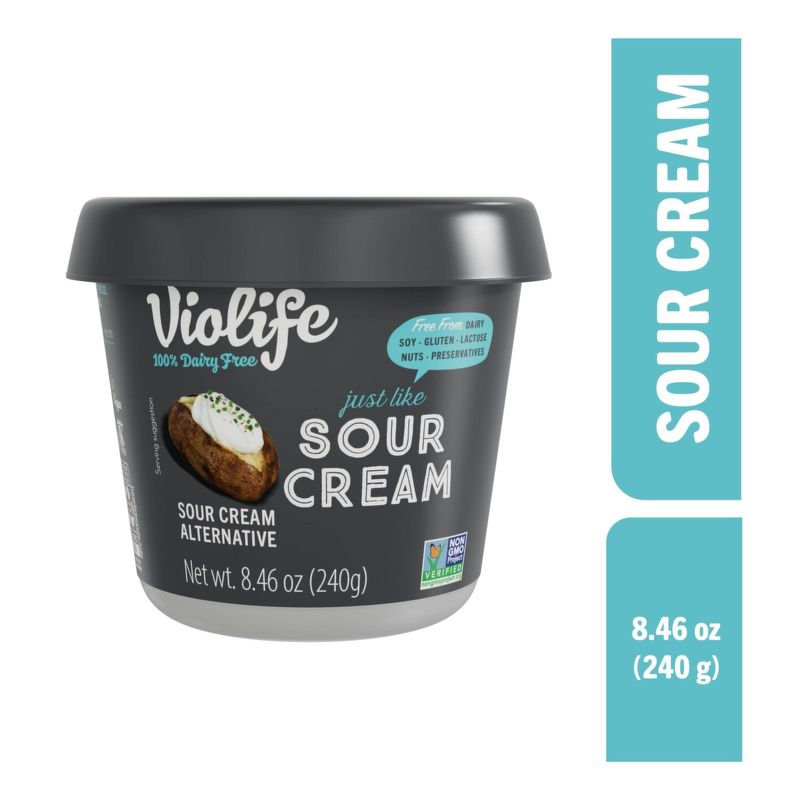
Non-dairy sour cream uses plant oils for richness, supported by starches and gums for spoonable thickness. Acids such as lactic or citric give that tart pop you expect.
Salt fine-tunes the balance and rounds out the flavor.
The stabilizers ensure the product holds peaks and does not curdle in cold dishes. In warm dishes, it should be folded gently to avoid breaking.
Some versions include cultures for deeper dairy-like complexity.
It is a friendly topper for tacos, chili, or baked potatoes. The cool tang cuts through spicy or fatty foods.
You get creamy contrast without dairy, and it behaves predictably in most home kitchens.
13. Coffee creamer (non-dairy)
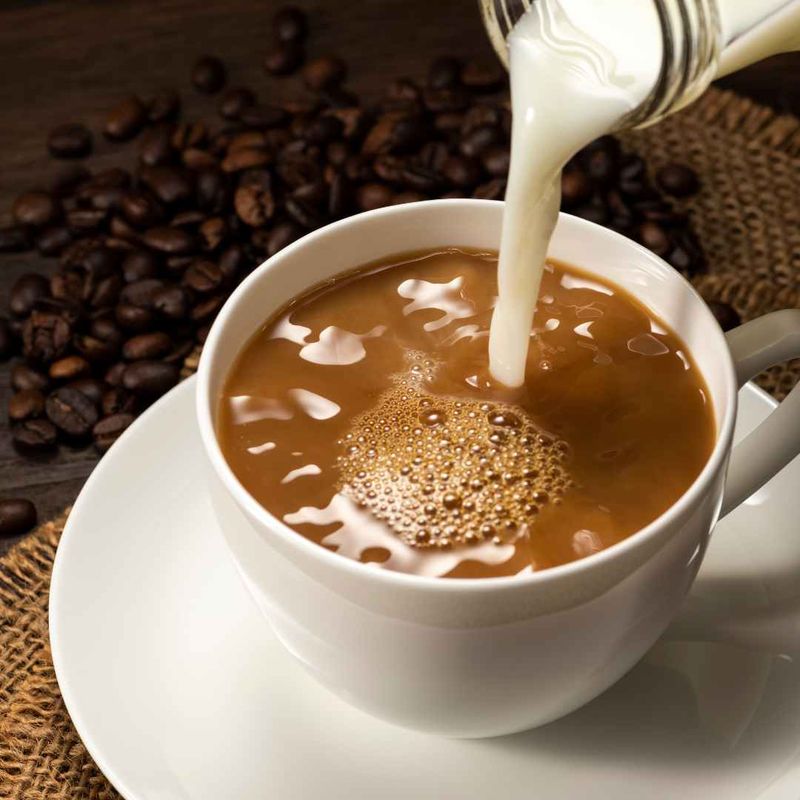
Non-dairy coffee creamer blends water, sugar or corn syrup solids, and vegetable oil into a stable emulsion. Emulsifiers keep oil droplets dispersed so your coffee turns creamy instead of oily.
Stabilizers prevent separation across temperature changes.
The sweetness smooths coffee’s bitterness, while flavors add vanilla, caramel, or hazelnut notes. Because it is shelf-stable, it is convenient for offices and travel.
The mouthfeel depends on droplet size and fat level.
When you pour, it blooms into swirling clouds, softening acidity without real cream. It is a practical swap for lactose avoiders and anyone who wants consistent flavor.
You get predictable richness and sweetness in every cup.
14. Maple pancake syrup (imitation)
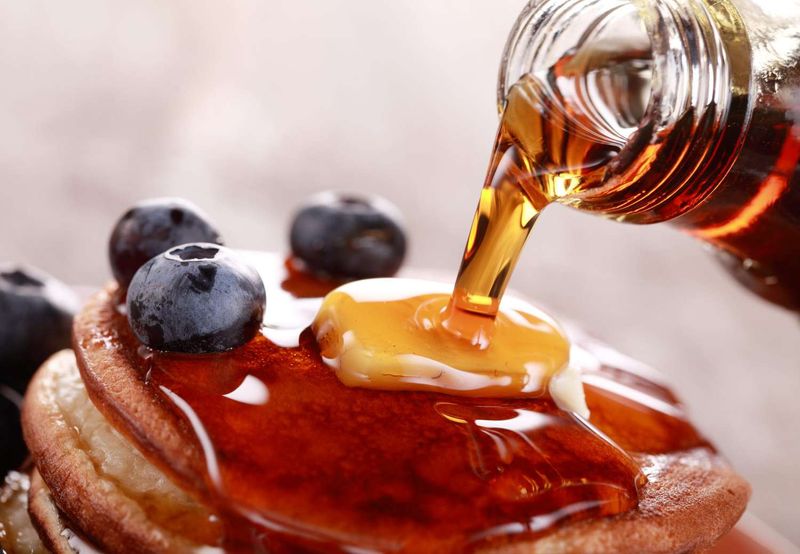
Imitation maple syrup typically uses corn syrup or high-fructose corn syrup as the base sweetener. Water adjusts viscosity, while caramel color provides the deep amber hue.
Natural and artificial flavors pattern the recognizable maple aroma, and preservatives help shelf stability.
The experience is mostly about sweetness, thickness, and color cues. Because real maple’s complexity is hard to copy, aroma compounds do the heavy lifting.
The syrup coats pancakes well and resists crystallization.
If you want a budget-friendly topper, this delivers familiar breakfast vibes. The pour is glossy and consistent, great for waffles and oatmeal too.
You trade nuance for reliability, but most taste buds are happy at brunch.
15. Honey syrup (imitation honey)
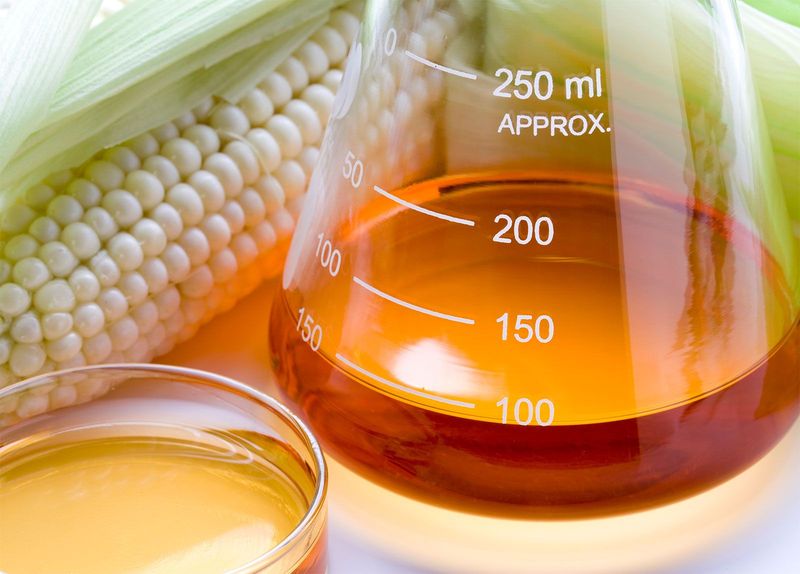
Imitation honey blends corn syrup, sugar, and water into a thick, glossy syrup. Honey flavoring supplies the floral aroma that your nose reads as authentic.
A touch of coloring aims for that warm golden hue.
The texture is key: slow-pouring viscosity convinces your senses before taste even lands. Because real honey’s enzymes and volatiles are complex, flavorings approximate the profile.
The sweetness is straightforward and consistent.
Use it where you want thickness and shine, like glazing biscuits or sweetening tea. It is cost-effective and easy to store.
While it lacks nuanced terroir, it gets you close enough for everyday use.
16. Imitation vanilla (vanilla flavoring)
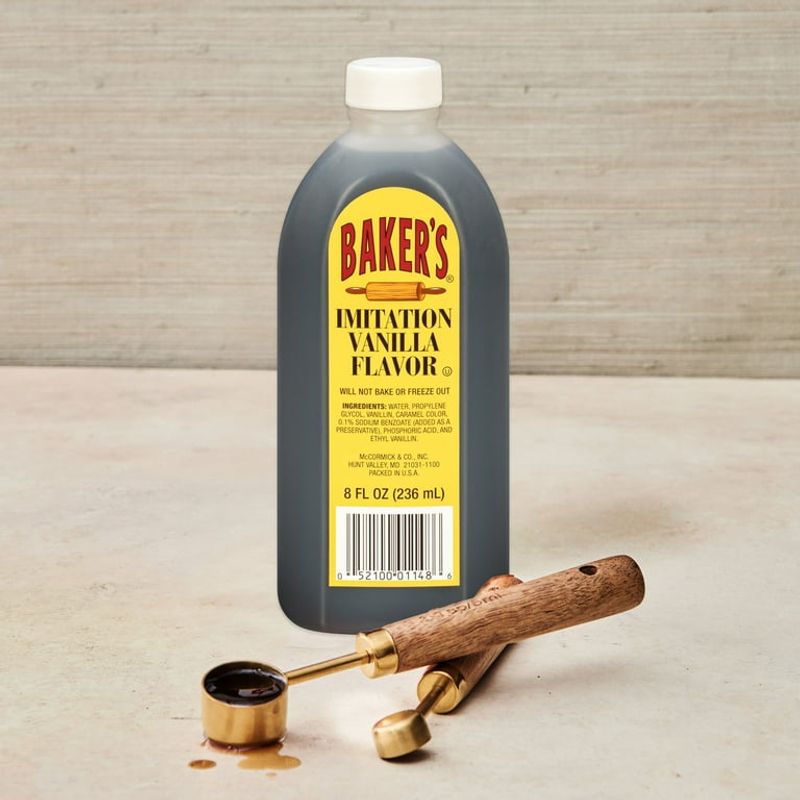
Imitation vanilla centers on vanillin, produced from wood pulp or petrochemical sources. It is diluted in alcohol or propylene glycol with water to make a convenient liquid flavor.
Since vanillin is the star aroma in real vanilla, it captures the familiar scent affordably.
Compared to pure extract, it lacks hundreds of minor compounds that add depth. Still, in cookies or cakes, sugar, butter, and heat fill in much of the experience.
The difference is most noticeable in uncooked applications.
Use it for large-batch baking when cost matters. You will get clean, sweet vanilla character that stands up to heat.
For custards or ice cream, consider upgrading, but this covers daily needs.
17. Truffle oil (common kind)
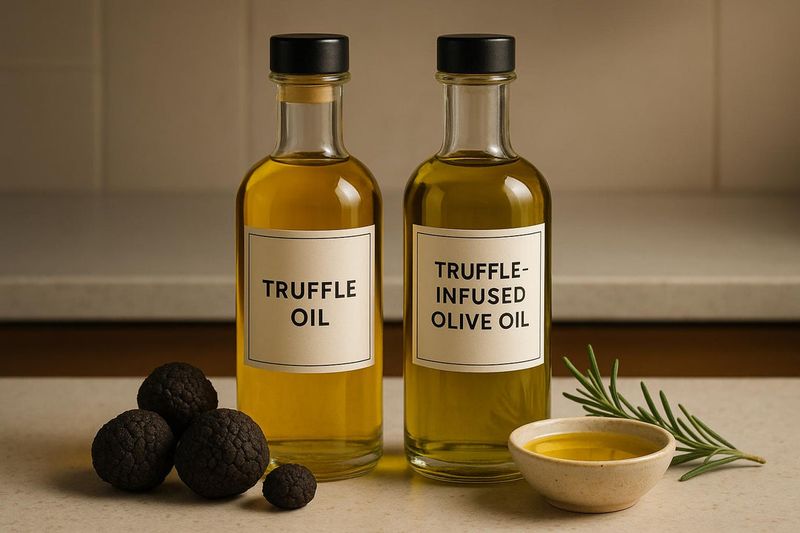
Most truffle oils suspend synthetic truffle aroma compounds in a neutral oil. The scent is punchy and instantly recognizable, even without real truffles present.
Sometimes tiny truffle flecks are added for visual effect, not flavor.
Because aroma dominates perception, a few drops transform fries, pasta, or eggs. The oil carries volatile compounds to your nose as soon as heat hits.
It is an affordable shortcut to a fancy profile.
Use it sparingly, since the flavor is concentrated and can overwhelm. Drizzle after cooking to preserve aroma.
When you want a dramatic truffle impression fast, this delivers reliable impact.
18. Wasabi paste (typical)
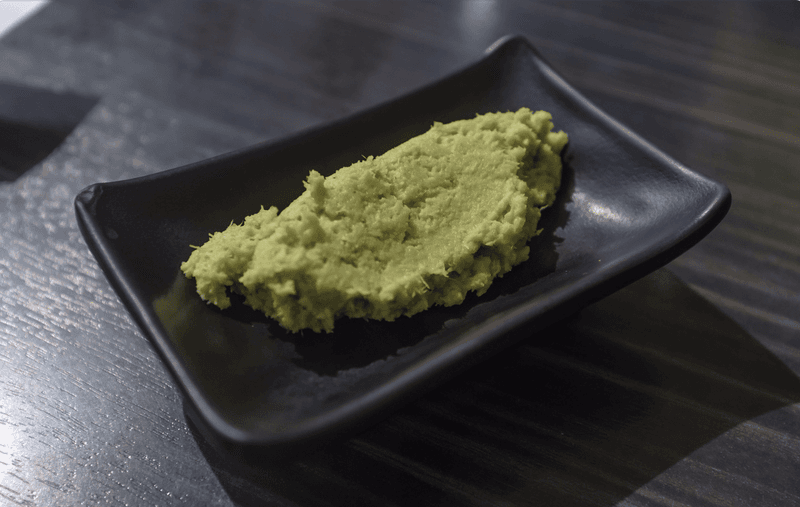
Most wasabi paste in packets or tubes is actually horseradish and mustard with starch, coloring, and flavors. The green hue signals “wasabi,” while horseradish provides that nasal heat you expect.
Starch thickens the paste so it holds neat quenelles.
Real wasabi is delicate and short-lived, so this blend aims for consistency and cost. The heat rises fast, then clears your sinuses quickly.
A little sweetness and salt balance the burn.
Use tiny dabs and mix with soy sauce to temper intensity. It wakes up sushi, soba, and grilled meats.
You get predictable punch without sourcing fresh wasabi rhizomes.
19. Almond marzipan flavor in baked goods
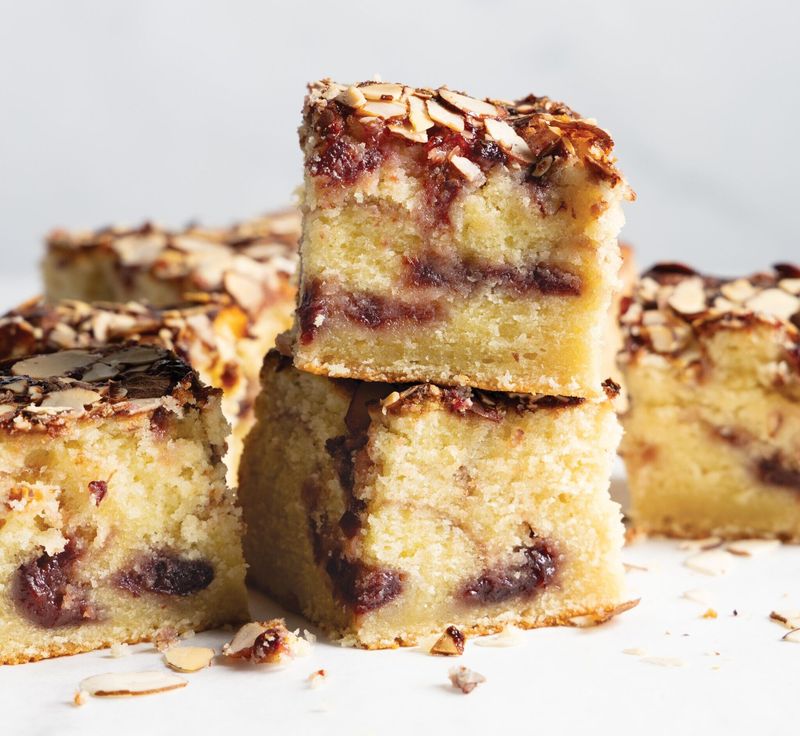
That marzipan-like note often comes from benzaldehyde, sourced naturally or synthesized. It delivers the cherry-almond aroma people associate with marzipan, even without ground almonds.
Sugar and extracts round out the profile in cookies and cakes.
Because benzaldehyde is potent, a few drops transform batter quickly. Heat blooms the aroma and embeds it into fats and sugar.
The result is familiar even when nuts are scarce or omitted.
Use it sparingly to avoid bitterness and keep balance with vanilla or citrus. It is clutch for flavoring frostings, pastries, and syrups.
You get that nostalgic bakery scent without relying on expensive almond paste.
20. Chocolate-flavored coatings
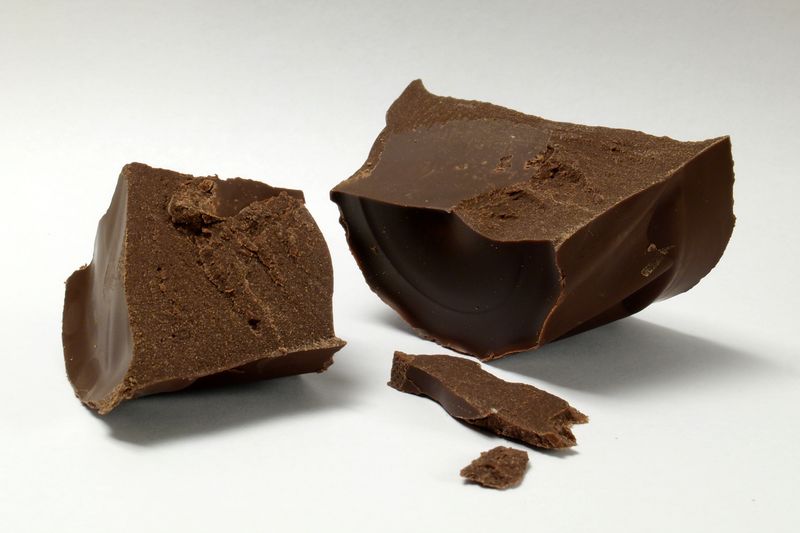
Chocolate-flavored coatings swap cocoa butter for cheaper vegetable oils like palm or kernel. Sugar and cocoa powder provide sweetness and chocolate taste, while emulsifiers keep everything smooth.
Flavors tweak the profile toward milk or dark notes.
Because these fats set quickly and melt easily, production is simpler than tempering real chocolate. The coating forms a shiny shell that resists bloom better under casual handling.
Texture remains snappy at room temperature.
Use them for enrobing candies, cake pops, or drizzles. You get convenience, stability, and a familiar chocolate vibe.
If you need true cocoa butter snap and complexity, choose couverture, but this option is great for speed.
21. Processed cheese product slices
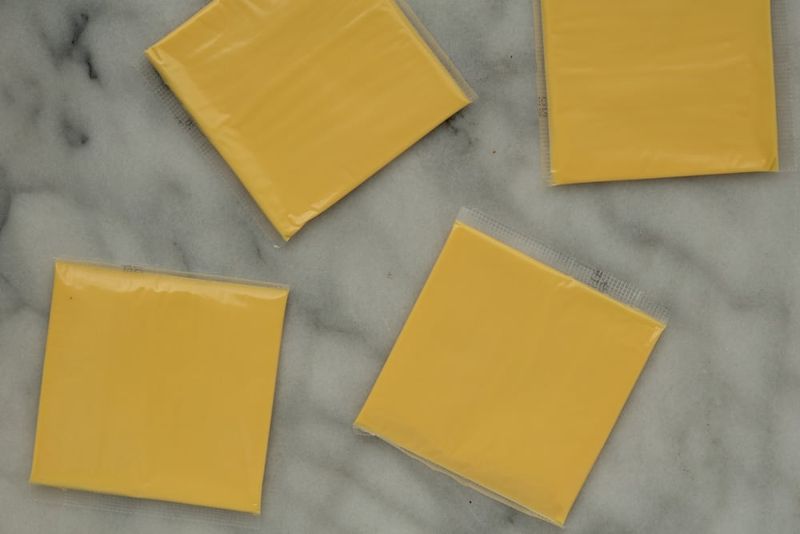
Processed cheese slices blend real cheese with milk or whey, water, and emulsifying salts like sodium citrate or phosphate. Sometimes oils are added for softness and melt.
The emulsifiers keep proteins and fats from separating during heating.
When you melt a slice, it flows smoothly instead of becoming oily or stringy. Salt and mild cultures deliver a consistent flavor across brands.
The result is that classic burger melt that hugs the patty.
It is built for reliability on grills and griddles. You get perfect edges and even coverage every time.
For sharp complexity, use aged cheeses, but this shines where meltability rules.
22. Whipped topping (tub-style)
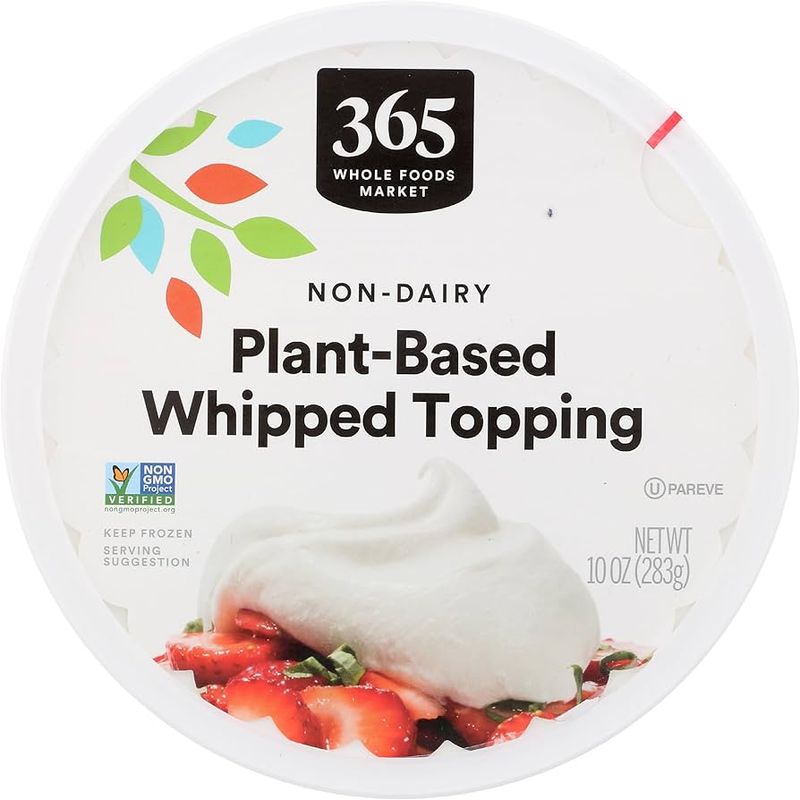
Whipped topping whisks water, hydrogenated or vegetable oils, and sugar into a stabilized foam. Emulsifiers help fat coat air bubbles, while stabilizers keep peaks from collapsing.
The sweetness is gentle so it pairs with desserts.
Because the foam is oil-based, it holds longer than dairy whipped cream. It stays fluffy in the fridge and survives short room-temperature windows.
The texture reads light and silky on the tongue.
Spoon it over pie, pudding, or fruit salads when you want convenience. It is freezer-friendly and scoops easily for party prep.
You trade dairy richness for shelf stability and dependable loft that lasts.