These 10 Frequent Missteps In Homemade Clam Chowder And How To Avoid Them
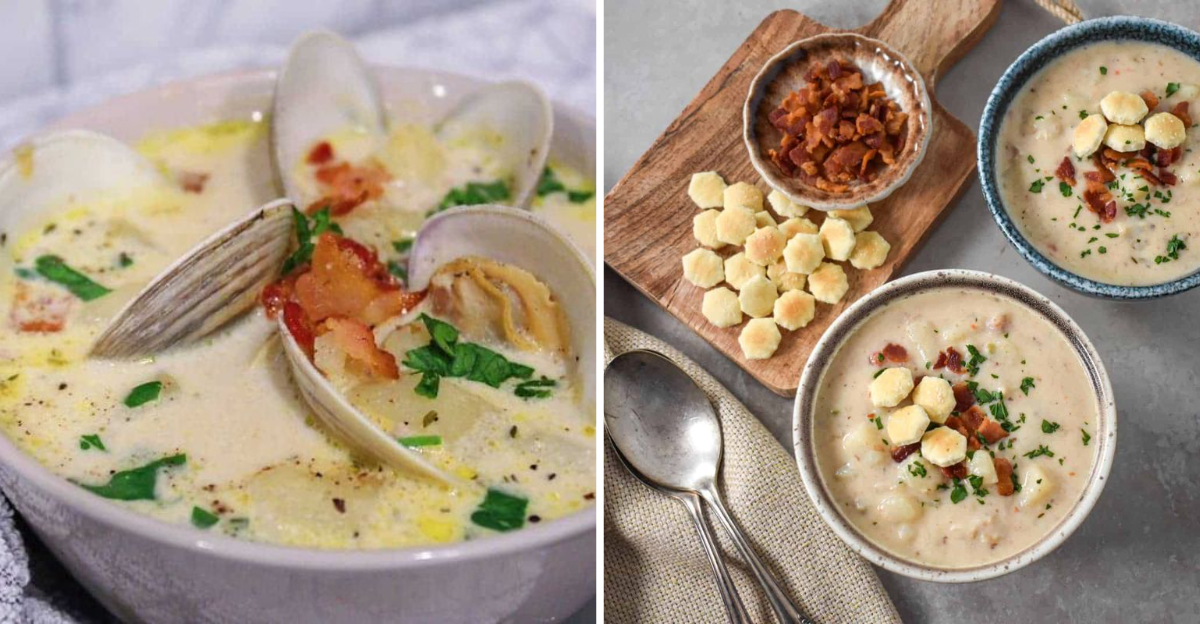
Homemade clam chowder feels cozy and straightforward until it suddenly turns gritty, bland, or broken. The difference between silky comfort and disappointing soup is usually a few small choices you can easily fix.
You will learn how to get that briny depth, plush texture, and gentle richness every time. Let’s turn common pitfalls into simple wins so your next pot tastes like a seaside classic.
1. Using the wrong clams for the style you are making
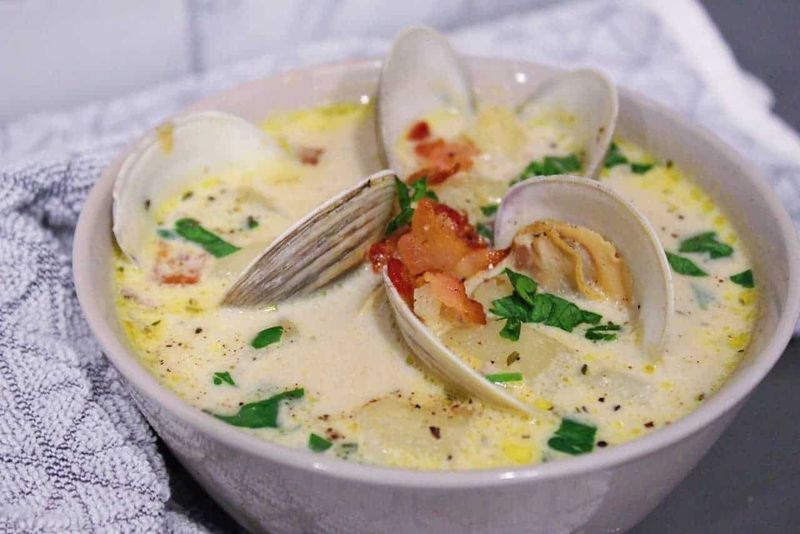
Choosing clams sets your chowder’s personality. Tender chopped clams suit classic New England bowls, while small littlenecks give delicate bites.
You can absolutely use canned clams for convenience and consistent texture, especially on busy nights.
Keep the clam liquor for the base because that is where the sea lives. If buying fresh, look for clams that smell clean and briny, not fishy.
Rinse grit, then steam briefly to collect juices.
Match your style to your clams. You will taste the difference in every spoonful, without overspending or compromising texture.
2. Draining and throwing away the clam juice
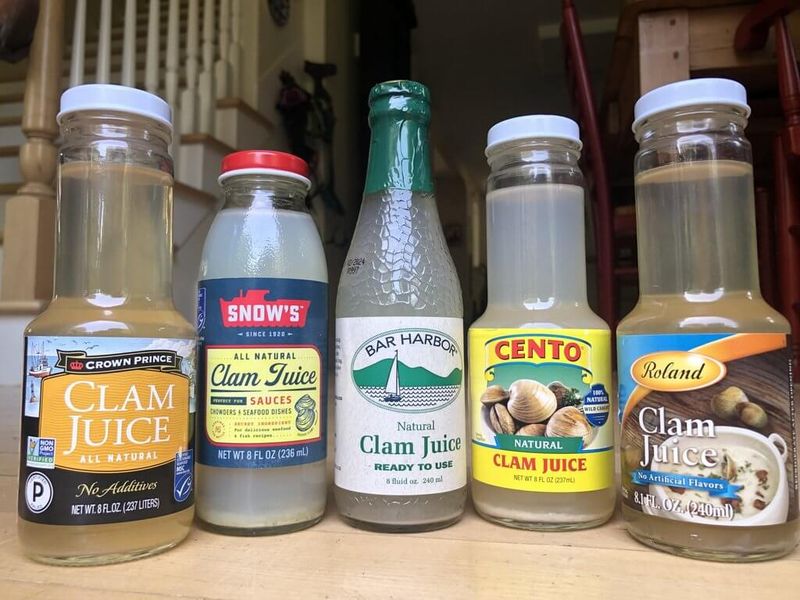
That liquid you are tempted to pour down the drain is liquid gold. Clam juice brings the ocean’s clean salinity and deep savor, so save every drop.
Strain it through a fine mesh to remove grit, then fold it into your broth.
When clams are canned, the juice is already there waiting. When clams are fresh, the steaming pot gives you flavorful liquor.
Build your base with part stock and part clam juice.
Season thoughtfully because the juice is naturally salty. Taste as you go to keep balance and brightness.
3. Overcooking the clams
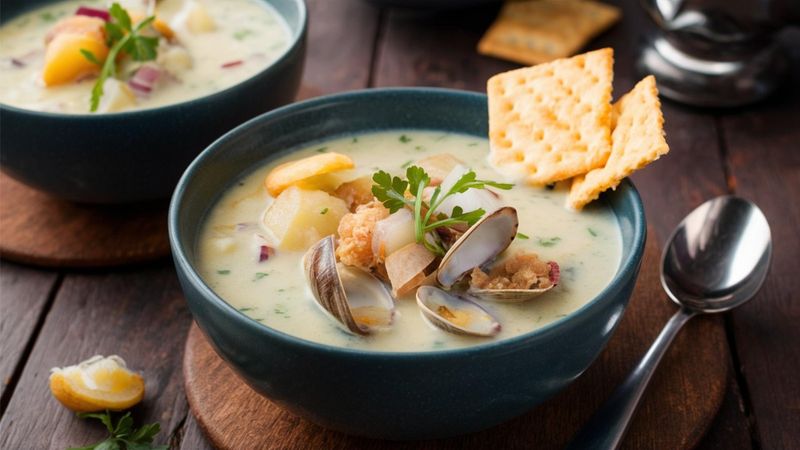
Clams go from tender to rubber bands fast. The trick is adding them at the end, just long enough to warm through.
Your chowder is already hot, so the clams need minutes, not a rolling simmer.
Pull the pot off heat, stir in the clams, and let residual warmth do the work. This preserves sweetness and soft texture.
You will notice fewer chewy bites and a cleaner finish.
If reheating leftovers, warm gently and briefly. Overheating twice magnifies toughness.
Treat clams like seafood jewels, not stew meat.
4. Cooking potatoes too fast on high heat
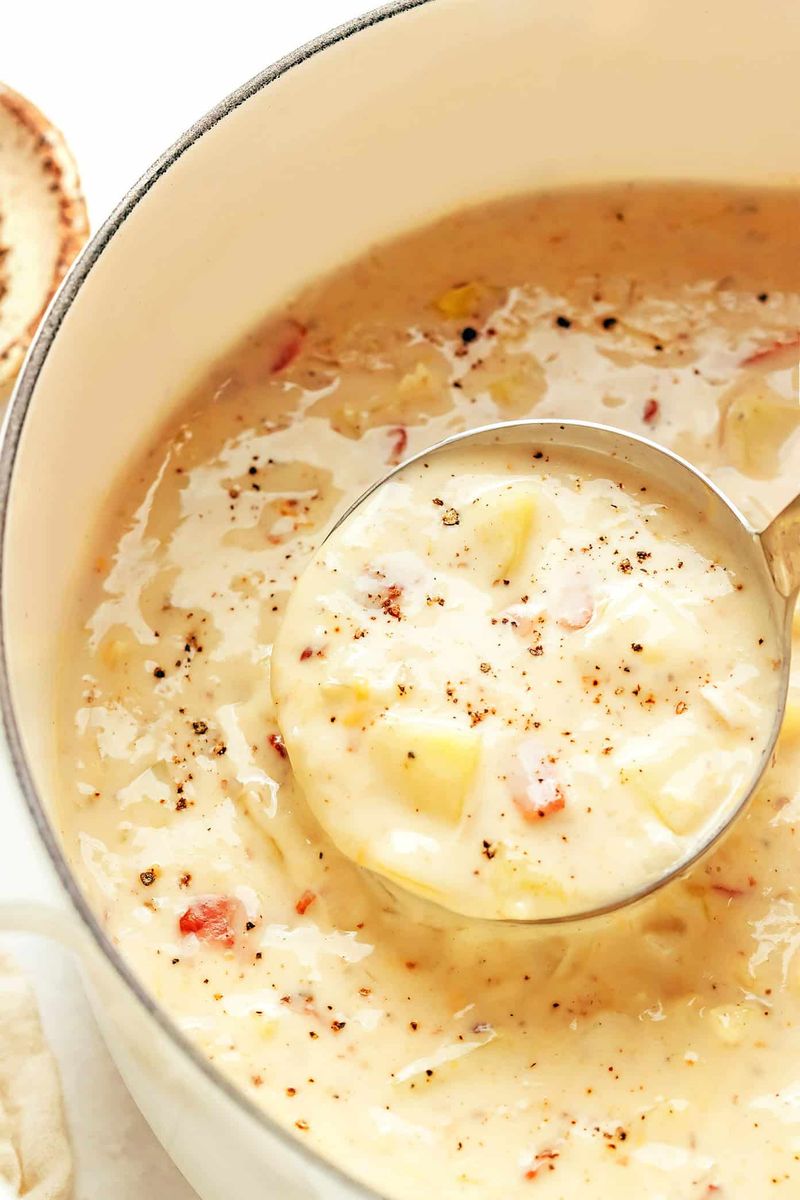
Potatoes hate chaos. A furious boil blows out their edges while the centers lag, leaving mushy grit and hard cores.
Keep the pot at a gentle simmer so starch relaxes and cooks evenly.
Cut evenly sized cubes to synchronize doneness. Test with a knife tip for tender but intact pieces.
Stir occasionally to prevent sticking and scorching.
When the potatoes are perfect, your chowder already feels velvety. Rush this step and texture never recovers.
Think calm bubbles, not rolling waves, and your spoon will glide through creamy comfort.
5. Boiling the dairy
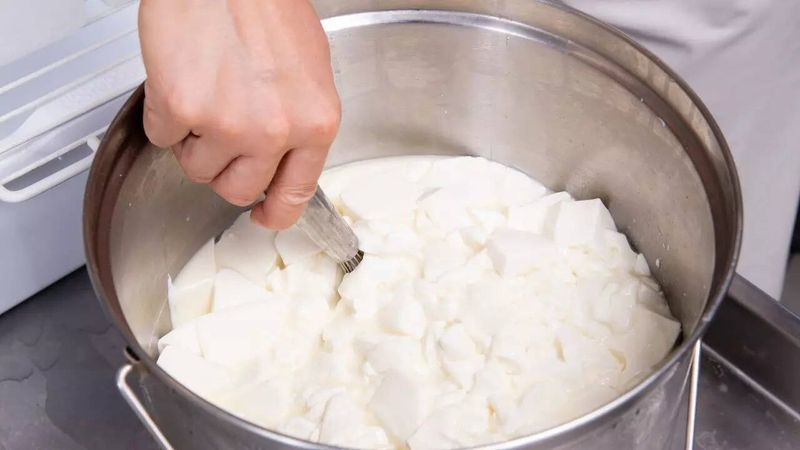
Milk and cream are delicate. Boil them and you invite curdling, graininess, and a broken appearance.
Once dairy goes in, lower the heat and keep things just below a simmer.
Temper cold dairy by whisking in a little hot broth before adding to the pot. This reduces shock and helps everything stay smooth.
Stir often and keep the flame modest.
Patience pays off with a glossy, unified body. You will taste pure dairy sweetness rather than scorched notes.
Your chowder stays elegant instead of stressed.
6. Making the roux too dark or skipping thickening
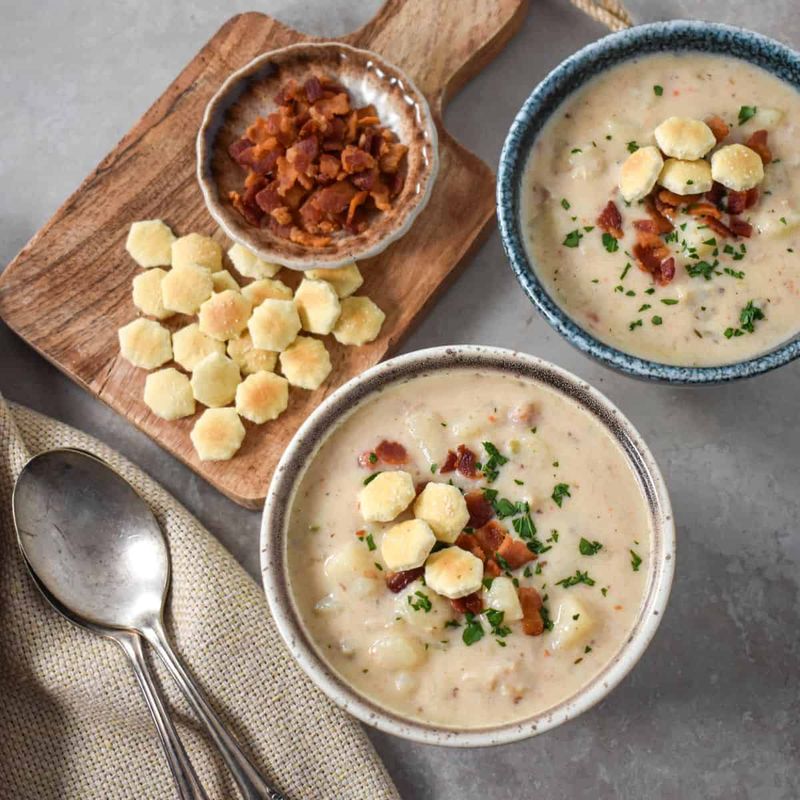
A blond roux is your friend here. Cook butter and flour until foamy and nutty but still pale, then gradually add liquid while whisking.
Too dark roux brings toasted flavors that fight the chowder’s gentle profile.
Skipping thickener leaves a thin, sad bowl. The goal is softly cushioned creaminess, not paste.
Build slowly, letting each addition smooth out before the next.
When it nappes the spoon, you are there. The texture should feel luxe yet light, supporting clams rather than burying them.
7. Adding flour directly into hot liquid
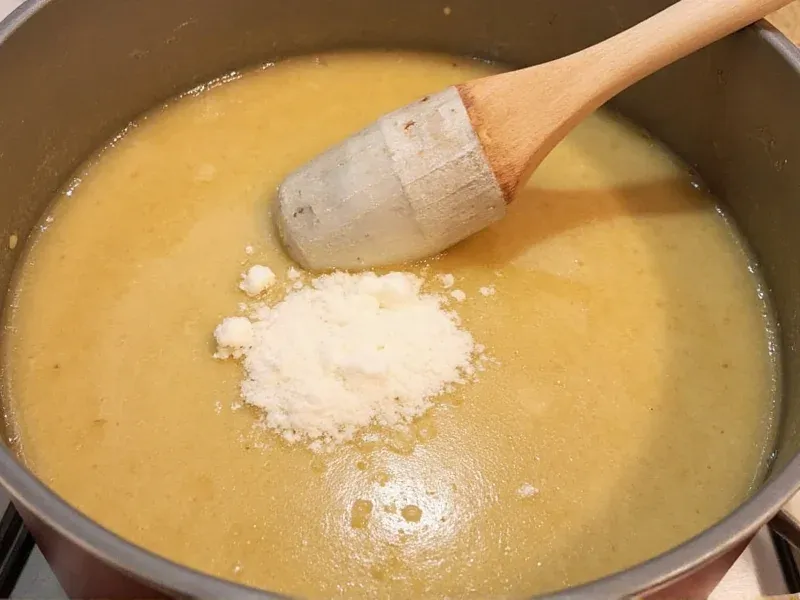
Flour thrown into hot broth clumps instantly and never fully dissolves. Make a roux first or whisk flour with cold milk or broth to create a silky slurry.
Then stream it in slowly while whisking constantly.
Control the heat and give the starch time to hydrate. You will see the soup tighten evenly without gummy bits.
If lumps appear, pull off heat and whisk harder.
Remember, thickness develops as it simmers gently. Stop before it looks perfect because it will continue to thicken.
Smooth now means silky later.
8. Under seasoning because you are afraid of salt
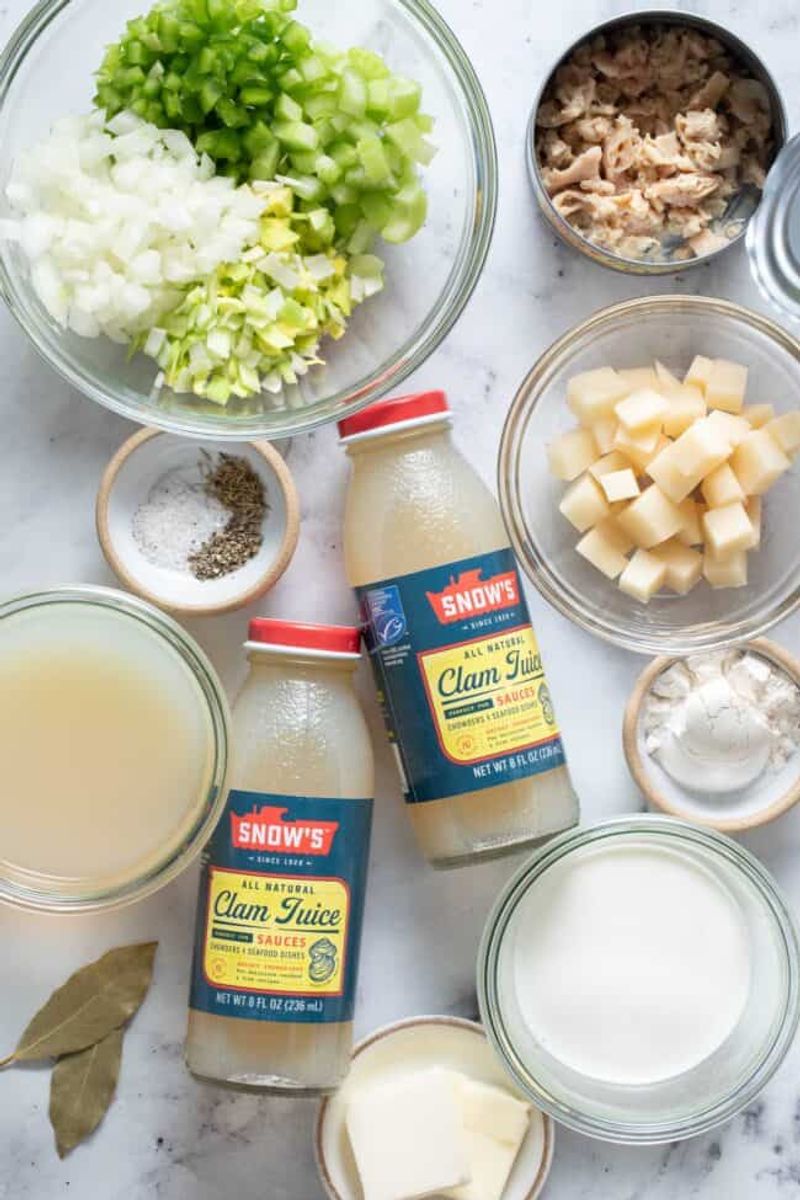
Good ingredients still need seasoning. Clam juice brings salinity, but potatoes and dairy mute flavors.
Taste in stages and add salt gradually, along with black pepper and a gentle aromatic backbone like onion or celery.
A tiny splash of vinegar or a squeeze of lemon at the end brightens everything. Fresh parsley adds clean lift without stealing the show.
You will find the line where briny meets balanced.
Keep tasting as the pot reduces because salt concentrates. Adjust right before serving for perfect equilibrium.
Confidence beats timid blandness.
9. Forgetting that bacon can overpower everything
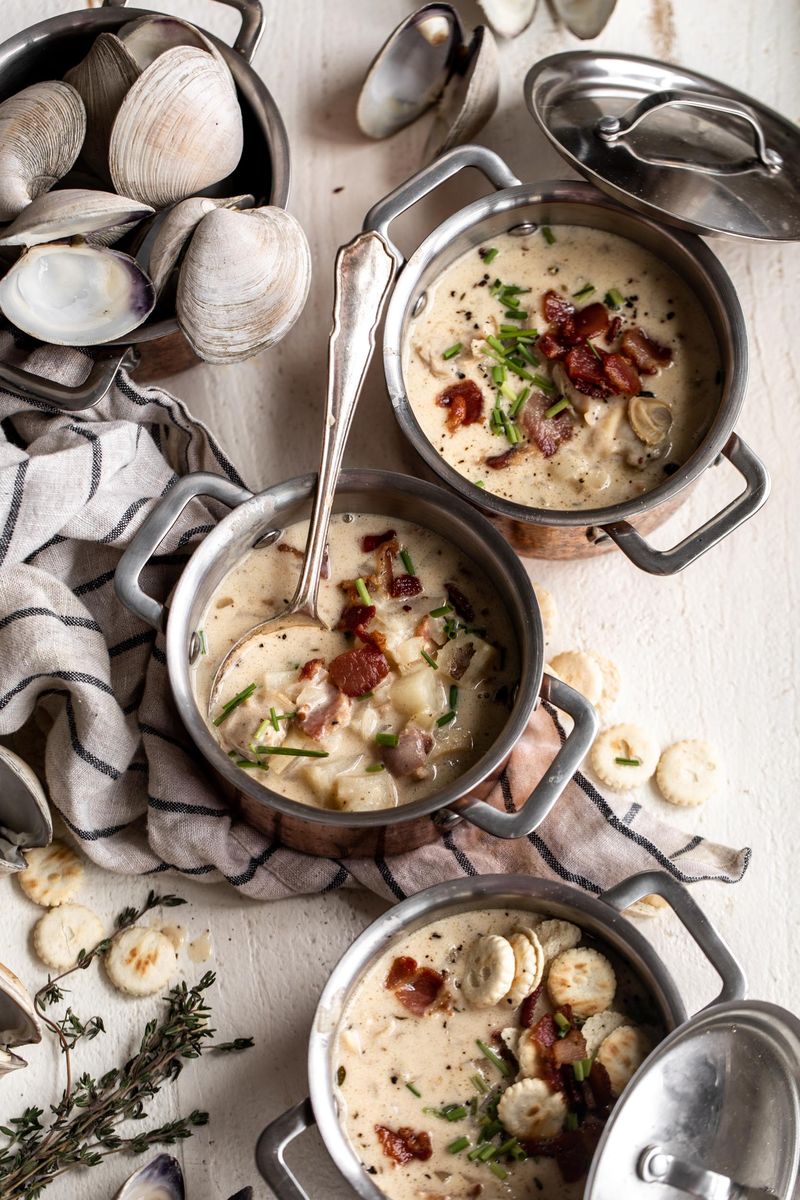
Bacon is a great supporting actor, not the lead. Render a few strips until crisp, then drain excess fat so smoke does not bulldoze the clams.
Use just enough for a warm, savory bass note.
Sweat onions in a spoonful of bacon fat, then switch to butter for balance. This layers flavor without turning the pot into a smoke bomb.
You will still taste the sea.
Garnish with a restrained sprinkle of bacon at the end. Your bowl will feel rounded, not dominated.
Smoky, briny, creamy harmony is the goal.
10. Skipping the rest time
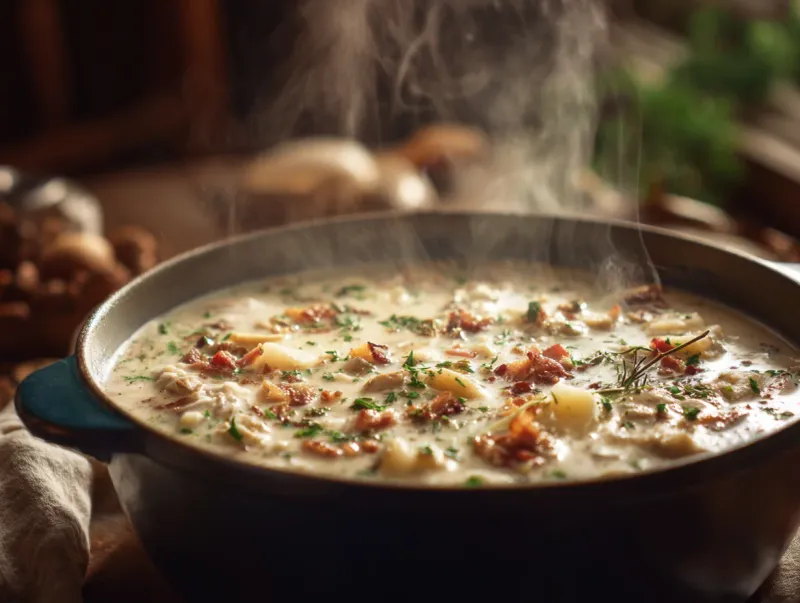
Letting chowder rest feels like waiting for nothing, but it transforms flavor and texture. Ten to fifteen minutes off heat allows starches to relax and thicken naturally.
The dairy integrates and the ocean notes soften into a cohesive whole.
Use the time to toast bread, chop parsley, or set the table. When you return, the ladle will catch a richer, silkier body.
The first spoonful lands deeper.
Resting also prevents burning during last minute scrambles. You get calm, predictable serving.
Small pause, big payoff.