These 15 Foods Divide Locals And First-Time Tasters
Some dishes feel like a warm hug to locals and a dare to first-time tasters. You taste comfort, they taste confusion, and suddenly dinner turns into a spirited debate.
These are foods that carry deep tradition and bold character, the kind you learn rather than instantly love. Ready to test your taste buds and your expectations?
1. Natto
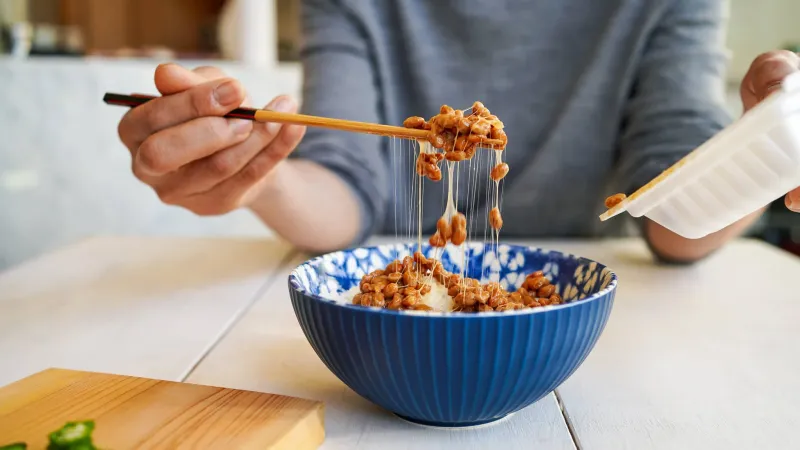
Natto rewards patience. If you grew up with it, the sticky strings read as familiar comfort, and the nutty-savory depth lands right where breakfast should.
Pair it with hot rice, a dash of soy, and a little karashi, and the whole bowl hums.
First-timers often flinch at the aroma and the gluey pull that seems to web between chopsticks. The trick is a quick, vigorous stir to wake its flavor, then small bites.
You start tasting toasted beans, faint sweetness, and a mellow funk.
Texture stays the hurdle. Once you focus on warmth, umami, and that morning energy it gives, natto stops being strange and starts feeling intentional.
Give it two tries.
2. Vegemite or Marmite on toast

Salty, malty, and intensely savory, this spread is pure comfort for those who learned the thin-layer rule. The magic is butter first, then the lightest brush of Vegemite or Marmite so it melts into the toast.
Suddenly it tastes like warm, toasty richness.
First-time tasters often smear it thick like peanut butter and immediately meet a wall of salt and yeast. Go thinner, then thinner again.
That is when the flavor turns from harsh to satisfying.
Think of it like a seasoning, not a topping. Pair with eggs or sliced tomato to soften the edges.
Once calibrated, the addictive savor shows up, and breakfast clicks into place.
3. Durian
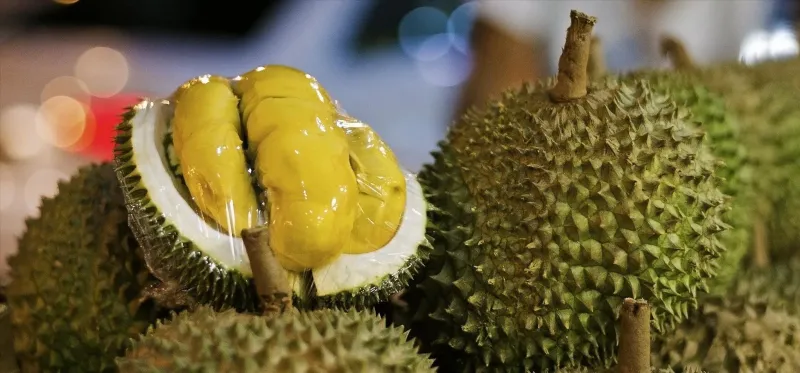
Durian announces itself before you see it. Fans describe the flesh as custardy, almondy, and deeply complex, like caramel meeting garlic in a tropical dream.
Chill the segments and the creaminess turns almost ice-cream rich.
First-timers often freeze at the smell, which can read as oniony or sweetly pungent. Start with a small spoonful and breathe through your nose gently.
The texture is lush, the sweetness restrained, and the savor lingers.
Eating with sticky rice or in a controlled bite helps. Respect the fruit and it reveals layers.
Some never cross over, but for others, durian becomes a once-intimidating treat that rewards curiosity with velvet richness and weird brilliance.
4. Blue cheese
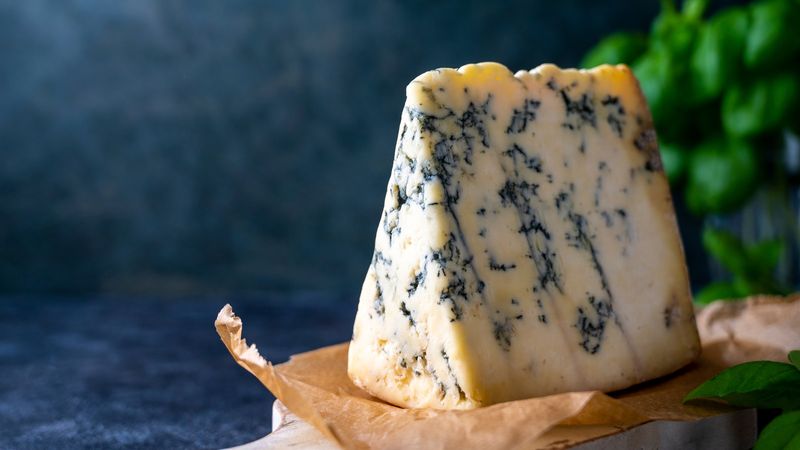
Blue cheese walks a thrilling line between creamy luxury and bold funk. For fans, the veins promise peppery tang and deep salt that bloom with honey or pear.
Crumbled onto steak or melted into sauce, it transforms a dish.
First-timers often catch a basement vibe and stop there. Start gentle with a mild gorgonzola dolce, then step to Roquefort or Stilton.
Balance matters, so pair with sweetness, acidity, or fat to round the edges.
Let it warm slightly before tasting. The aroma softens and the butteriness expands.
Soon you notice mushroomy notes, mineral sparks, and a lingering finish that turns skepticism into a slow nod.
5. Black licorice

Black licorice is a memory candy, especially across Northern Europe. When it hits right, you get herbal sweetness, molasses depth, and a gentle numbing whisper of anise.
Salty licorice adds a surprising mineral edge that fans crave.
First-timers often find it medicinal, like a candy store met a pharmacy. The key is starting with soft, mild pieces rather than ultra-salty bombs.
Chew slowly and let the anise open up.
Pairing with coffee helps tame intensity. Over time, the complexity becomes oddly comforting and strangely addictive.
You may never love the saltiest versions, but a balanced licorice can slide from challenging treat to cherished pocket snack.
6. Lutefisk
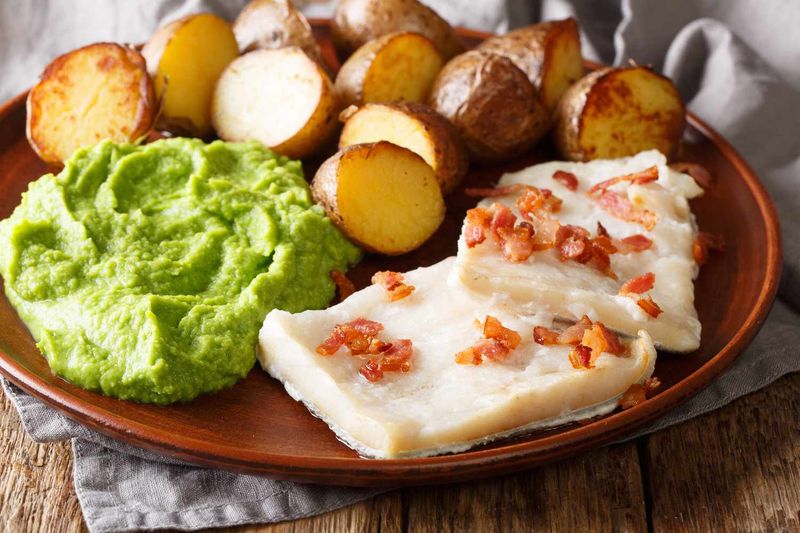
Lutefisk is holiday nostalgia on a plate. Prepared from dried whitefish rehydrated and treated, it finishes with a shimmering, gelatinous flake that locals know by heart.
Bathed in butter or cream sauce, it tastes mild, clean, and quietly briny.
First-time tasters usually wrestle with texture. The wobble feels unusual, and without generous seasoning it can read flat.
Salt, white pepper, and bacon or peas add welcome contrast.
Serve it piping hot and alongside sturdy sides like potatoes. Think comfort, not fireworks.
Once expectations shift, lutefisk becomes less about shock and more about gathering, passing plates, and honoring a winter table tradition that values warmth over flash.
7. Scrapple
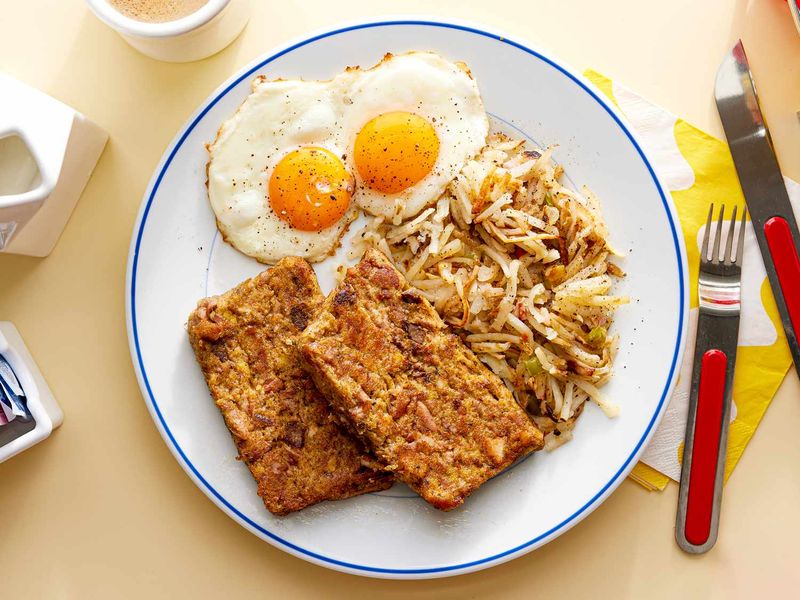
Scrapple is crispy edges meeting savory comfort. Pan-fried until golden, it delivers a cornbread-like crust around a soft, meaty center seasoned with pepper and sage.
With eggs and coffee, it feels like a diner morning in the Mid-Atlantic.
First-timers read the ingredient list and hesitate. Fair.
But treat it like you would sausage or hash: sear hard, slice thinner, and let the crust carry the bite.
Add maple or hot sauce to bridge flavors. Suddenly it is familiar, like breakfast you already know.
The best versions balance spice, grain, and porky richness, turning skepticism into second helpings before you realize you are planning tomorrow’s plate.
8. Head cheese
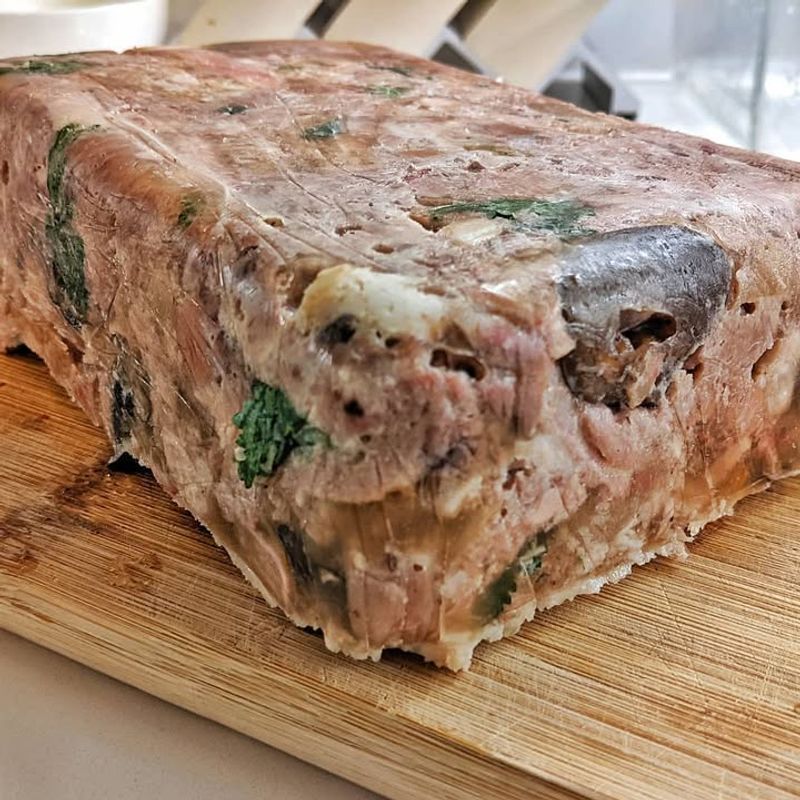
Head cheese is not cheese at all, but a mosaic of slow-cooked meats set in savory aspic. Sliced thin, it brings delicate porkiness, gentle spices, and a satisfying cold-cut chew.
With mustard, pickles, and rye, it sings.
First-timers often stall at the name and jellied look. The move is chilling it well and shaving translucent slices.
Treat it like charcuterie, not a mystery block.
Texture is the hurdle, flavor the reward. A squeeze of lemon or vinegar brightens everything.
Once you catch the pepper, garlic, and broth notes, head cheese shifts from intimidating to classic deli fare with old-world soul.
9. Tripe
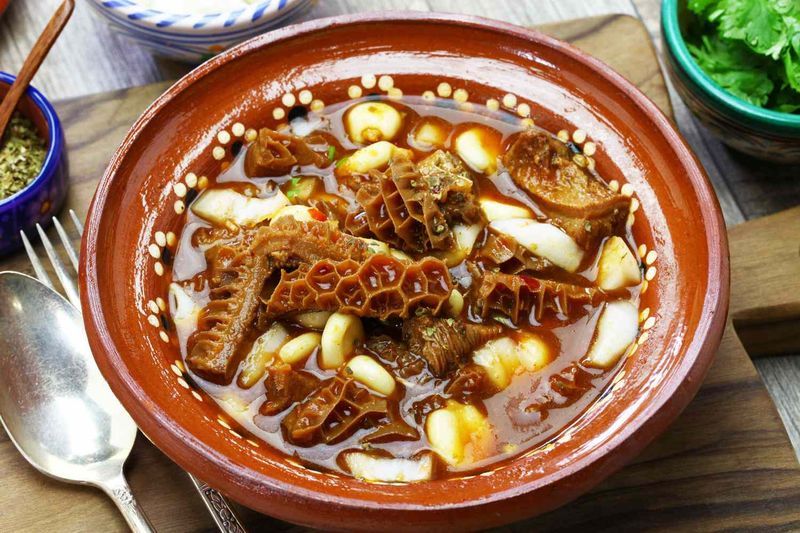
Tripe carries comfort in many kitchens. In menudo, pho, and lampredotto, it soaks up broth like a sponge, releasing gentle savor with every bite.
Cooked low and slow, the texture turns tender with a subtle, satisfying bounce.
First-timers fixate on the look and feel. Start with small pieces in a rich, aromatic soup where chiles, lime, or basil lead the way.
The broth does the heavy lifting, and the tripe follows.
Rinse, blanch, and long-simmer are nonnegotiable when cooking. Season boldly.
When treated right, tripe becomes less an obstacle and more a flavor carrier that tells a story about patience, thrift, and communal bowls shared hot.
10. Century eggs
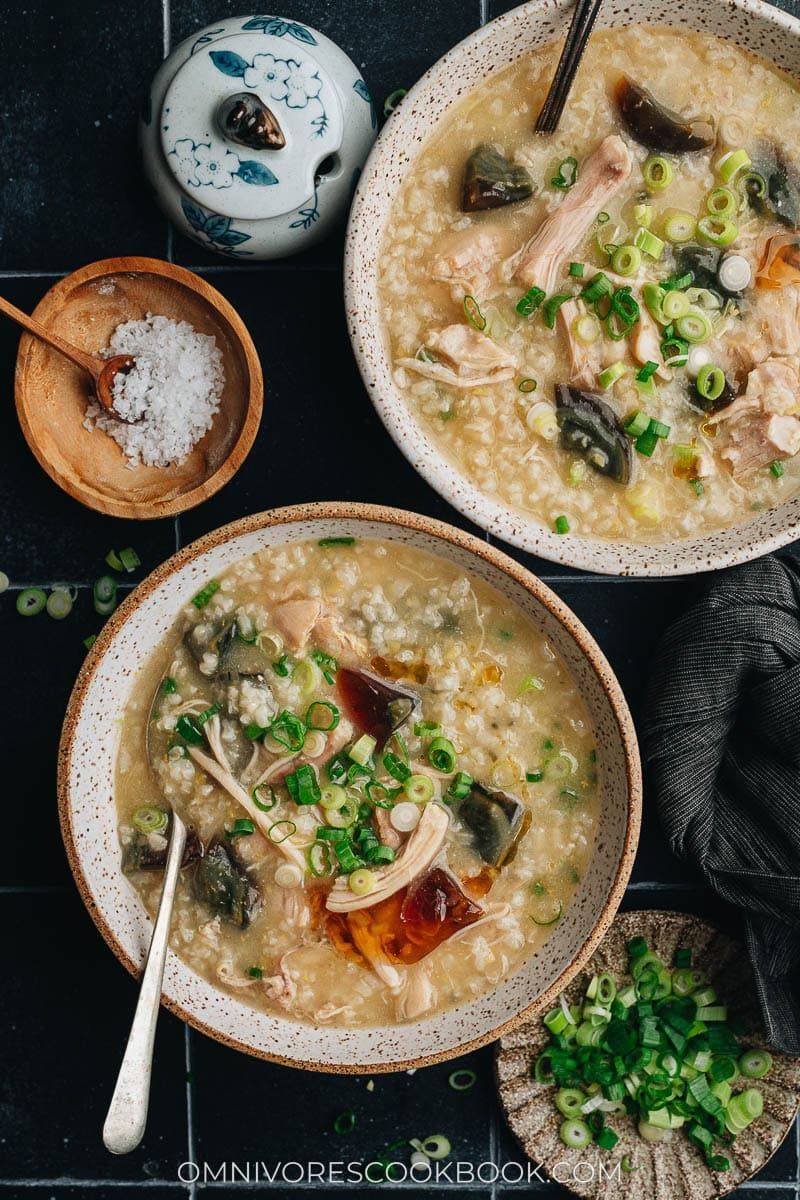
Century eggs look dramatic but taste soothingly savory. The yolk turns creamy and almost buttery, while the white becomes a bouncy, mineral jelly.
With congee or chilled tofu, they shine, offering depth and umami that feels deliberate.
First-time tasters sometimes get stuck on color and aroma. Start with a small wedge dressed in soy and sesame, plus scallions for freshness.
The richness balances beautifully with plain rice.
Think cheese-adjacent rather than eggy breakfast. Once you recalibrate, notes of mushroom, tea, and sea appear.
It is a dish about contrast and calm, proving that looks can intimidate while flavor kindly invites you in for another bite.
11. Hákarl (fermented shark)
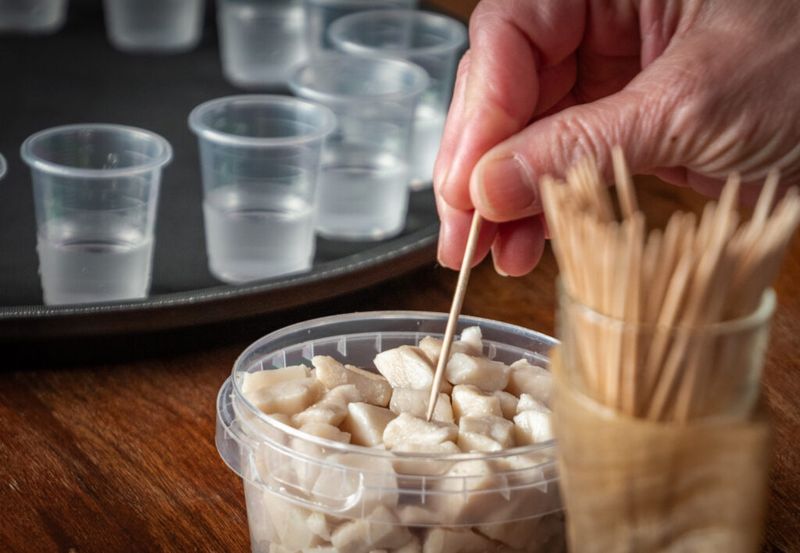
Hákarl is heritage you taste in careful cubes. Aged to purge toxins, it develops a fierce aroma that announces ammonia before flavor.
Locals approach it with a nod, a toast, and tiny bites that focus on history more than indulgence.
First-timers often recoil, then laugh, then try again. Chill it well and keep portions small.
Follow with Brennivin or something neutral, and the sharpness fades quicker than expected.
Underneath, there is a ghost of sweetness and ocean. It is not about craving, it is about participating.
If you treat it as ritual, hakarl shifts from dare food to cultural handshake you remember long after the fumes drift.
12. Sardines (especially straight from the can)
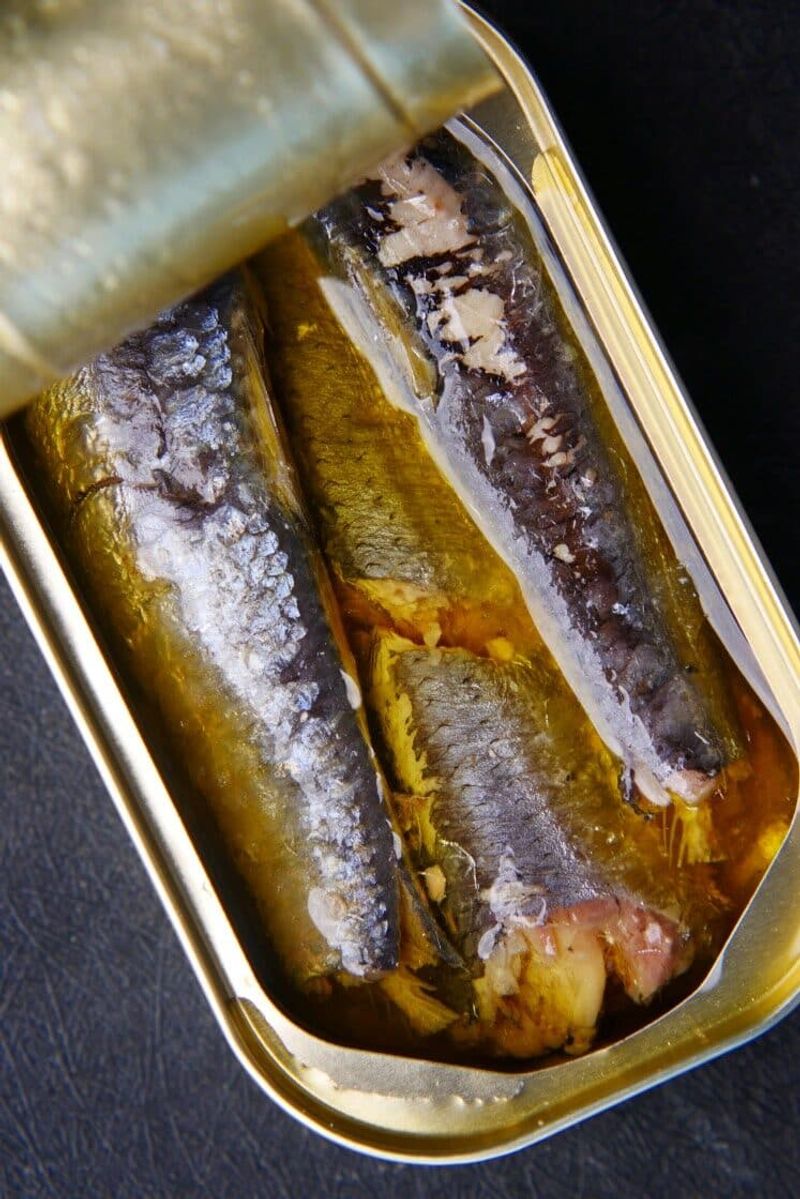
Canned sardines are compact power. Fans love the briny richness, the soft bones that melt, and how they turn toast into a complete meal.
With lemon, pepper, and olive oil, they taste bright, savory, and deeply satisfying.
First-timers sometimes meet a wall of fishiness. Rinse lightly, add acid, and pile onto hot bread.
Heat coaxes fragrance into something friendlier and rounds the edges.
Choose quality tins and look for olive oil or tomato. Pair with pickles or mustard for contrast.
Once you dial in the ritual, sardines become pantry gold that punches above their weight on rushed nights and lazy lunches.
13. Bitter melon
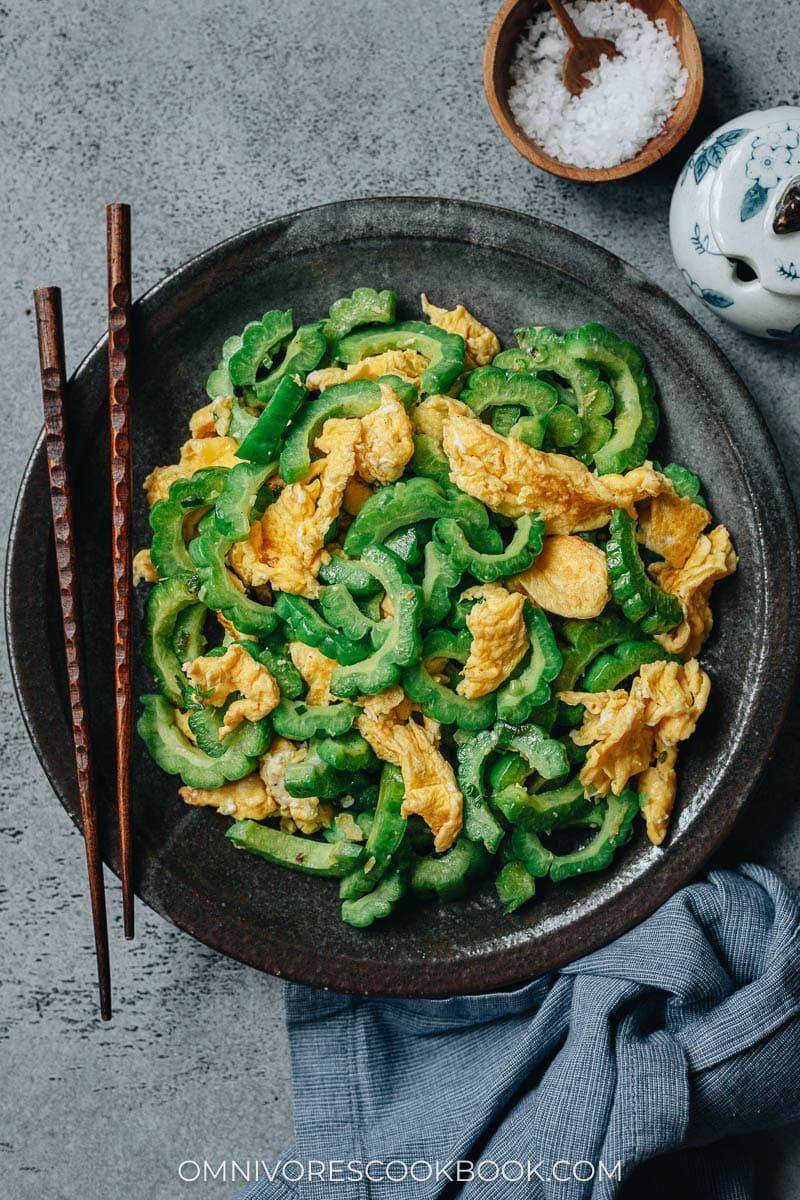
Bitter melon earns devotion through contrast. Sliced and stir-fried with eggs, garlic, and a touch of soy, it lands crisp-tender with a clean, palate-clearing bite.
In soups, the bitterness softens into something herbal and refreshing.
First-timers expect sweetness because it is a melon, then blink at the reality. Salt, heat, and a quick blanch help tame the edge.
A little pork or tofu adds roundness that carries the flavor.
Let bitterness be the point, not the problem. Once your tongue adjusts, other notes appear grassy, cooling, and quietly addictive.
It becomes a craving, especially on hot days when rich foods feel heavy and you want sharp clarity.
14. Anchovies
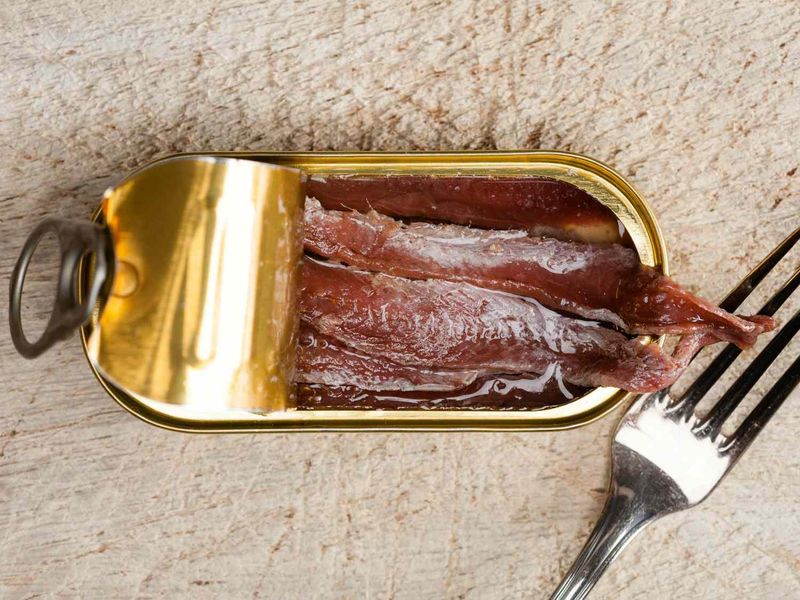
Anchovies are umami switches. Melted into oil, they vanish and leave sauces deeper, saltier, and more complete.
On pizza or toast, they show up whole and unapologetic, delivering a briny snap that wakes everything.
First-time tasters bite in expecting tiny fish and meet a tidal wave of salt. Try them dissolved in pasta puttanesca or bagna cauda first.
The transformation teaches what anchovies actually do.
Rinse fillets lightly and use quality brands. Add lemon or tomatoes for balance.
Once you trust the process, you reach for that tin like a secret ingredient and stop arguing about whether they belong on pizza.
15. Blood sausage
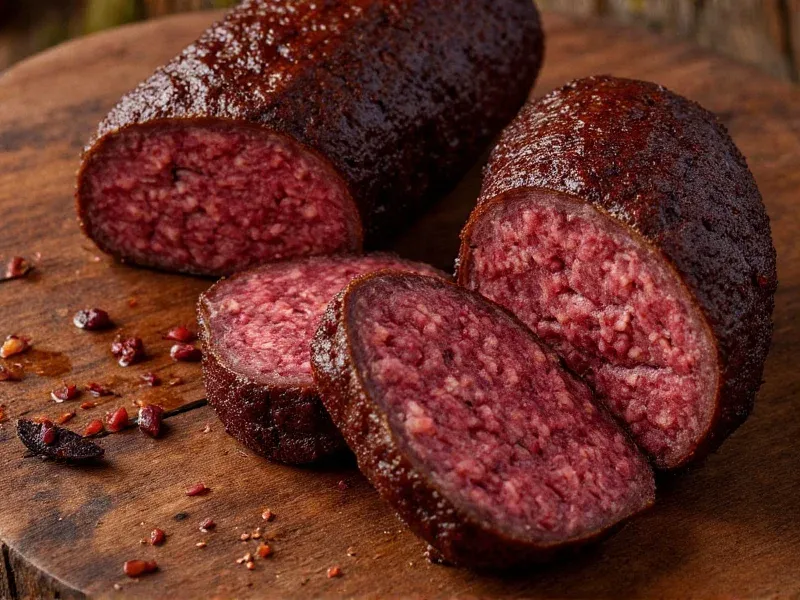
Blood sausage wears many names but shares a comforting core. When seared, it develops a delicate crust and a softly rich interior that tastes like spice, grain, and warmth.
Paired with apples, onions, or mash, it becomes pub-perfect.
First-timers often stumble on the idea before the bite. Focus on texture and seasoning first.
Most versions taste familiar, like a deeply seasoned pâté wrapped in a humble sausage form.
Cook gently so it holds together. A little acidity, like pickles or vinegar, brightens the richness.
Soon the concept fades and the plate speaks for itself hearty, balanced, and far more approachable than its name suggests.