These 20 Foods Are Closely Associated With The Baby Boomer Generation
Some foods do more than fill a plate – they instantly bring back an era. For many people, Baby Boomer kitchens were built on convenience, comfort, and a few unforgettable party staples.
From weeknight casseroles to holiday showstoppers, these dishes helped define what everyday American eating looked like for decades. If you want a taste of nostalgia, these are the foods that truly capture the generation.
1. Jell-O molds and gelatin salads
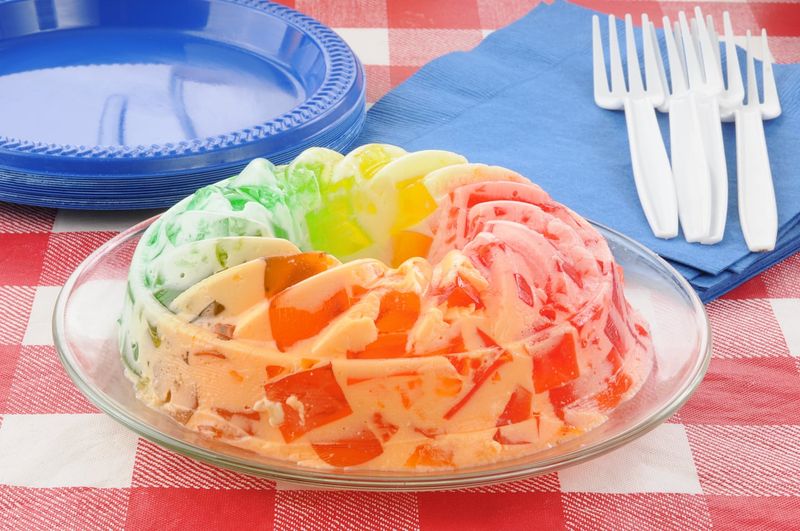
Jell-O molds and gelatin salads were peak make-ahead food, and you can almost see the avocado green kitchen when one hits the table. Sweet versions with fruit shared space with savory creations packed with vegetables, mayonnaise, or even seafood.
That mix feels wild now, but it once signaled hospitality and effort.
For Baby Boomers, these wiggly dishes were common at holidays, church suppers, and neighborhood gatherings. They looked festive, stretched ingredients, and fit the era’s love of molded presentation.
If you grew up around them, you probably remember the shine, the chill, and the suspense of what exactly was inside.
2. TV dinners
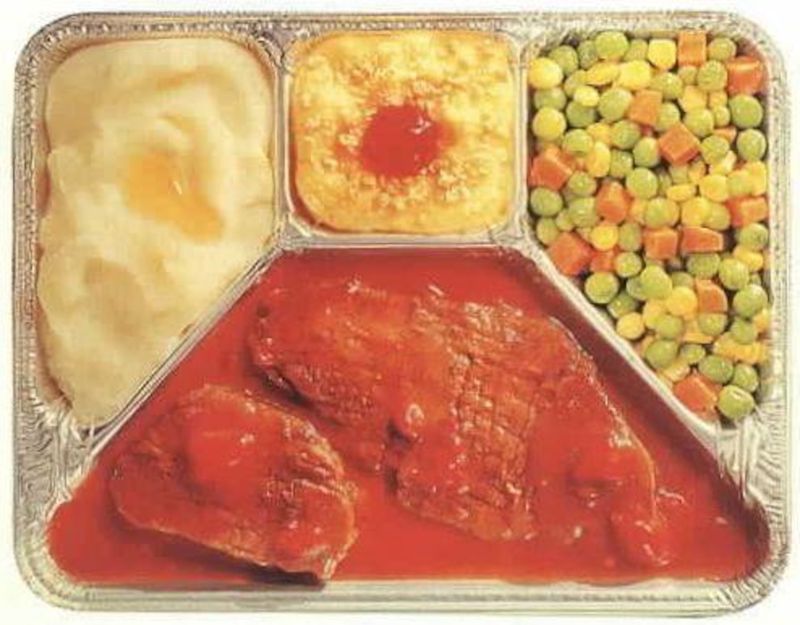
TV dinners changed more than supper – they changed where and how people ate. The compartment tray, foil cover, and promise of an easy meal made dinner in front of the television feel modern, convenient, and perfectly normal on busy weeknights.
Few foods capture postwar convenience culture better.
Baby Boomers grew up with these frozen meals as a symbol of progress, even when the peas were icy and the potatoes looked suspiciously smooth. Salisbury steak often led the lineup, with a brownie or apple dessert tucked into its own little square.
It was dinner, entertainment, and novelty all at once.
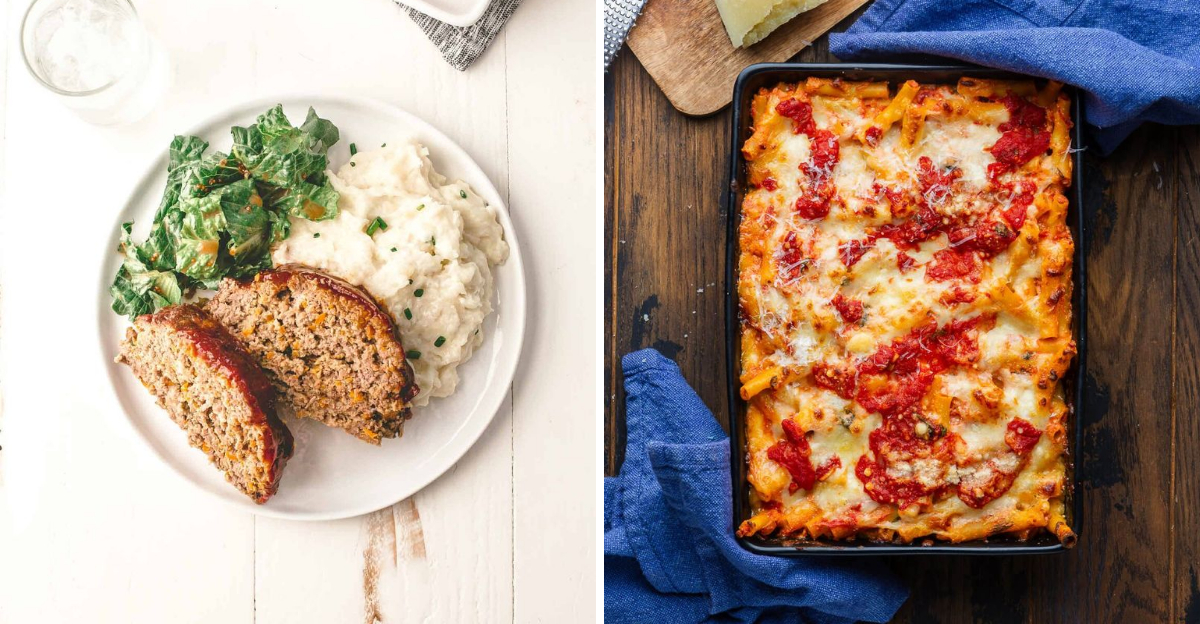
3. Meatloaf
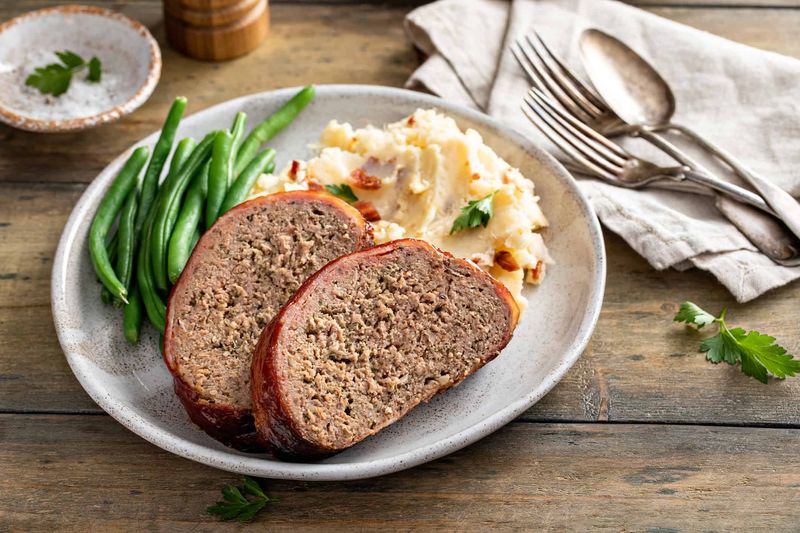
Meatloaf was the kind of dinner that showed up without fanfare, yet somehow defined the week. It stretched ground beef with breadcrumbs, onion, eggs, and seasoning, making it practical for feeding a full family without feeling skimpy.
Served hot, it was dependable comfort on a plate.
For many Boomers, meatloaf also promised great leftovers, whether tucked into sandwiches or reheated with gravy the next day. Every household had its own version, from ketchup glaze to brown gravy to strips of bacon on top.
It was budget friendly, filling, and deeply woven into everyday home cooking.
4. Tuna noodle casserole
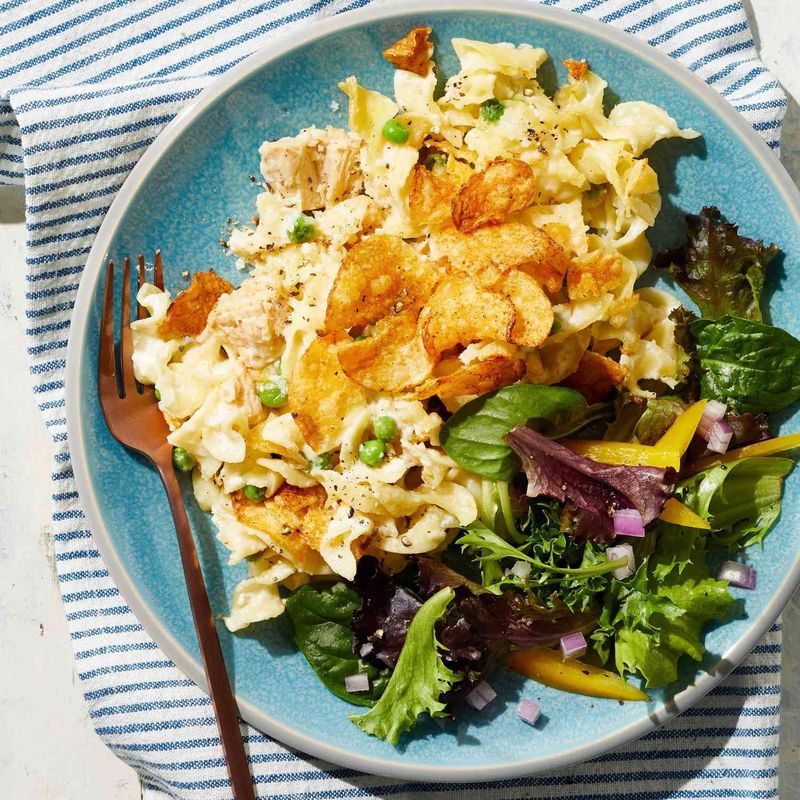
Tuna noodle casserole was pantry cooking at its most efficient, turning canned tuna, noodles, and creamy soup into a dinner that felt complete. It was easy, inexpensive, and built for households that needed filling meals without a long grocery list.
That practicality made it a classic.
Baby Boomers often knew this dish by sight before they smelled it – bubbly edges, soft noodles, and maybe a crunchy topping of chips or breadcrumbs. It showed up on weeknights because it used shelf-stable ingredients families already had.
Love it or not, it remains one of the era’s most recognizable casseroles.
5. Pot roast
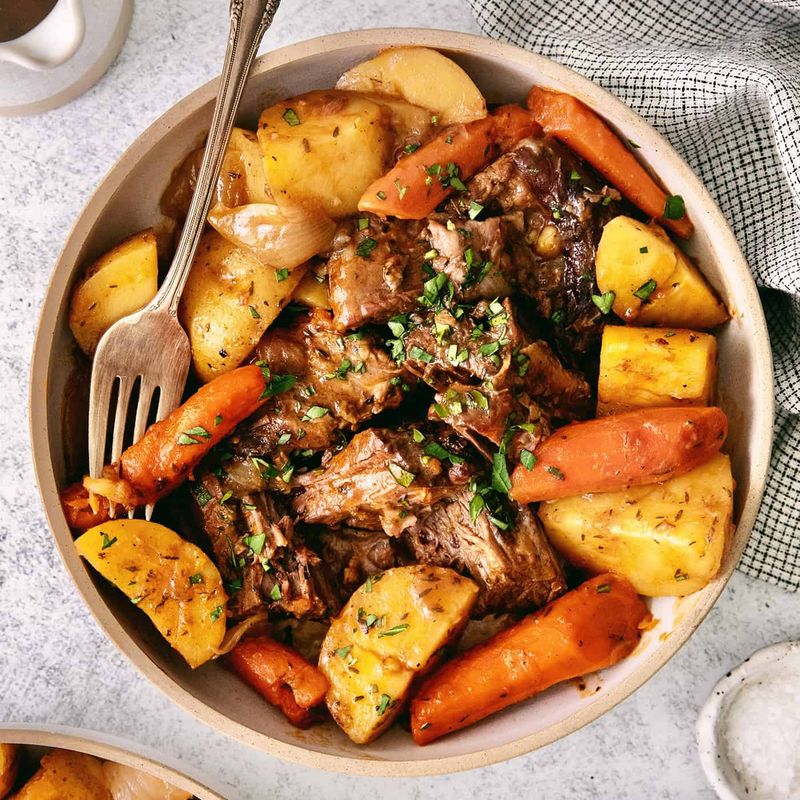
Pot roast was slow-cooked comfort that made the whole house smell like dinner long before anyone sat down. A tough cut of beef transformed into something tender alongside carrots, potatoes, onions, and rich gravy.
It felt hearty, homey, and especially right for Sundays.
For Baby Boomers, pot roast often meant family dinners that leaned formal without becoming fussy. It was the kind of meal that gathered everyone around the table and rewarded patience with deep flavor and generous leftovers.
Even now, it carries that old promise of warmth, routine, and real home cooking.
6. Deviled eggs
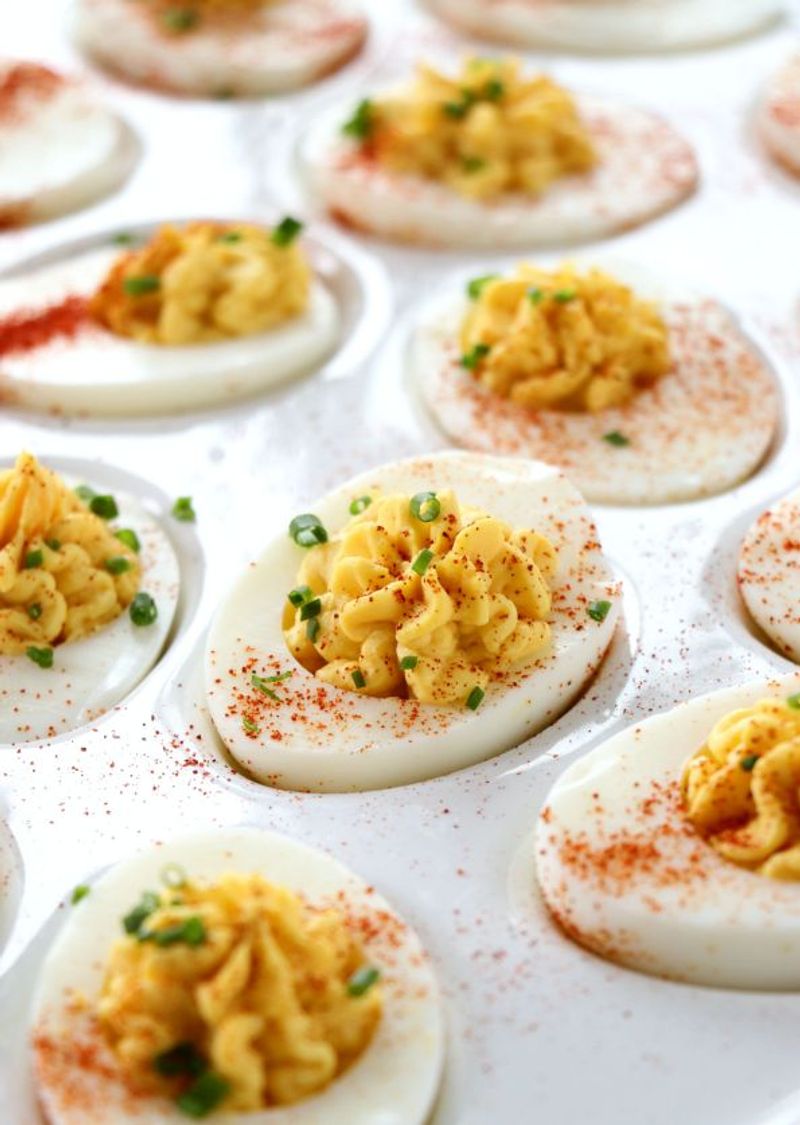
Deviled eggs were the appetizer that never needed an introduction. They turned humble eggs into something party worthy with a creamy yolk filling, a dusting of paprika, and a place on nearly every holiday, picnic, and church potluck table.
They disappeared fast for a reason.
Baby Boomers grew up seeing deviled eggs as a standard sign that guests were coming or a gathering mattered. They were affordable, simple to make ahead, and familiar enough to please nearly everyone in the room.
Few retro foods have stayed this beloved while still feeling so tied to an earlier generation.
7. Ambrosia salad
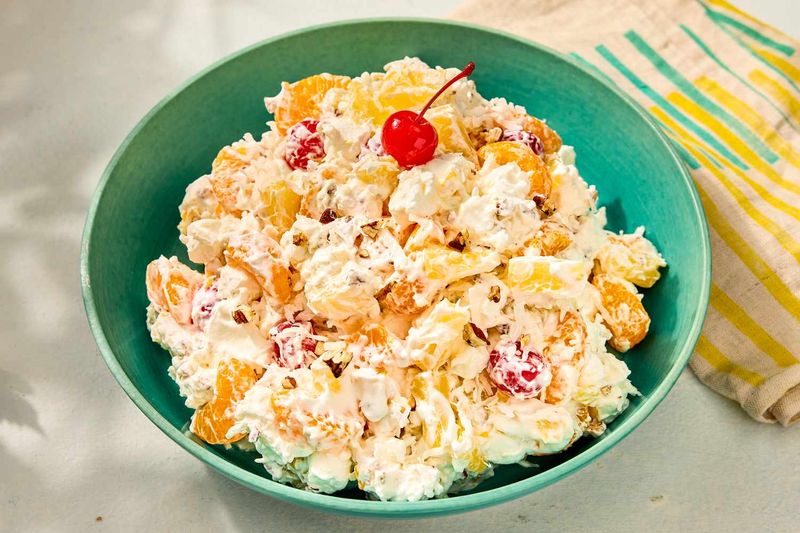
Ambrosia salad lived in that funny space between side dish and dessert, and no one seemed too concerned about the difference. With fruit, marshmallows, coconut, and whipped topping, it felt festive, sweet, and perfectly suited to buffets and holiday spreads.
It was cheerful food by design.
For Baby Boomers, ambrosia often showed up in cut-glass bowls beside savory dishes, as if that made total sense. The mix of canned fruit and fluffy sweetness reflected an era that prized convenience with a touch of flair.
It still reads like a time capsule of mid-century entertaining and church supper culture.
8. Pineapple upside-down cake
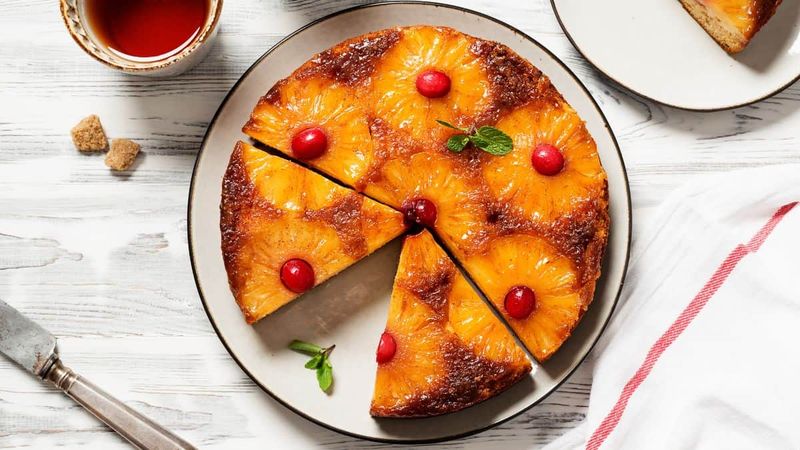
Pineapple upside-down cake had a way of looking special without being especially difficult, which made it ideal for home bakers. Canned pineapple rings, maraschino cherries, and a glossy brown sugar topping created a dessert that felt bright, polished, and company ready.
It was dependable and just flashy enough.
Baby Boomers remember it as one of those cakes that appeared when guests were coming or something needed a celebratory touch. The dramatic flip, the sticky fruit top, and the sweetness of canned pineapple gave it a personality all its own.
It remains one of the strongest dessert symbols of its era.
9. Cocktail wieners
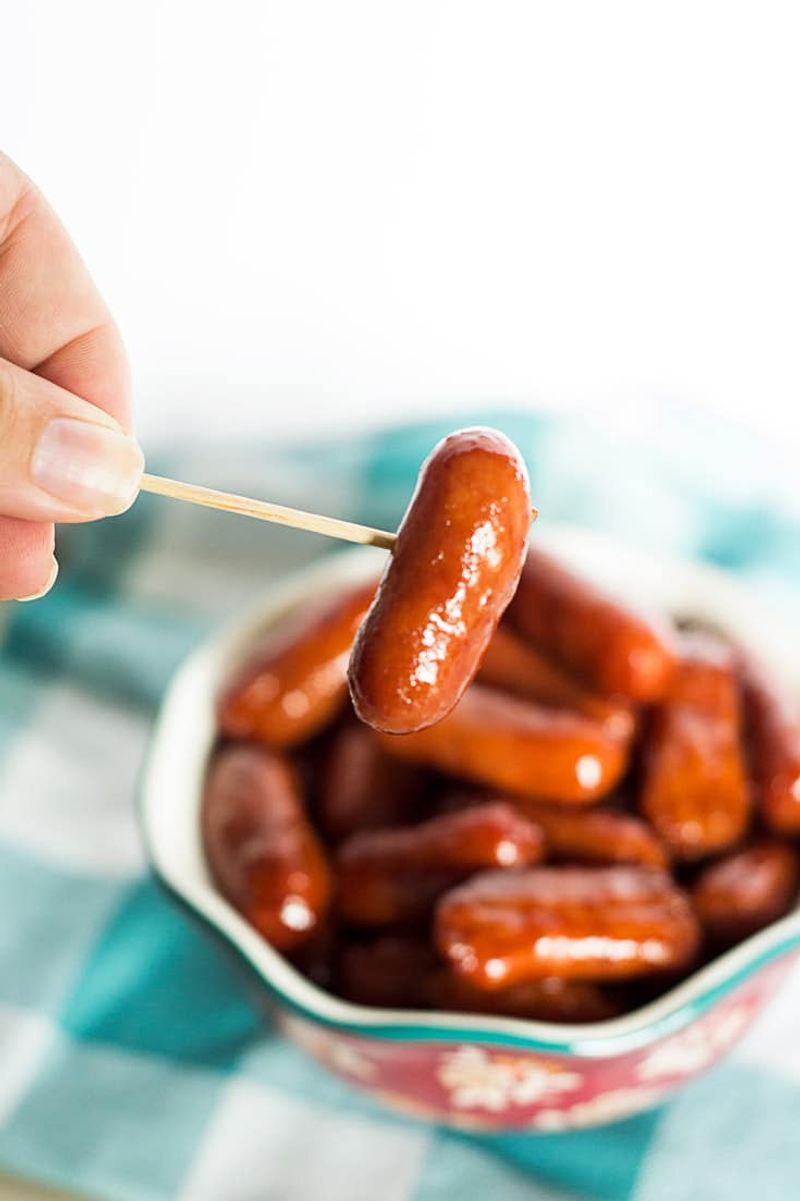
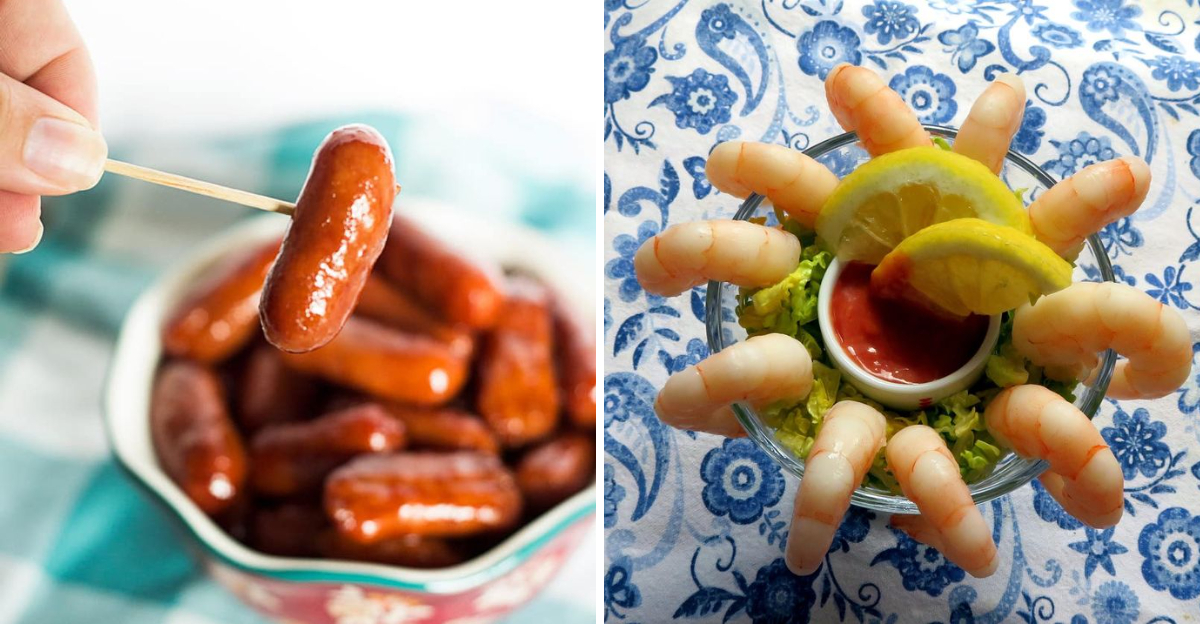
Cocktail wieners were a tiny party food with outsized popularity. Usually simmered in a sweet sauce made from grape jelly, barbecue sauce, or chili sauce, they landed on buffet tables as a guaranteed crowd-pleaser.
Toothpicks nearby, they vanished before many other appetizers had a chance.
For Baby Boomers, these little sausages were part of the standard party lineup at holidays, office gatherings, and neighborhood get-togethers. They required little fuss but delivered big nostalgia, especially when served from a slow cooker or chafing dish.
Few appetizers say mid-century entertaining quite as loudly as cocktail wieners in sauce.
10. Shrimp cocktail
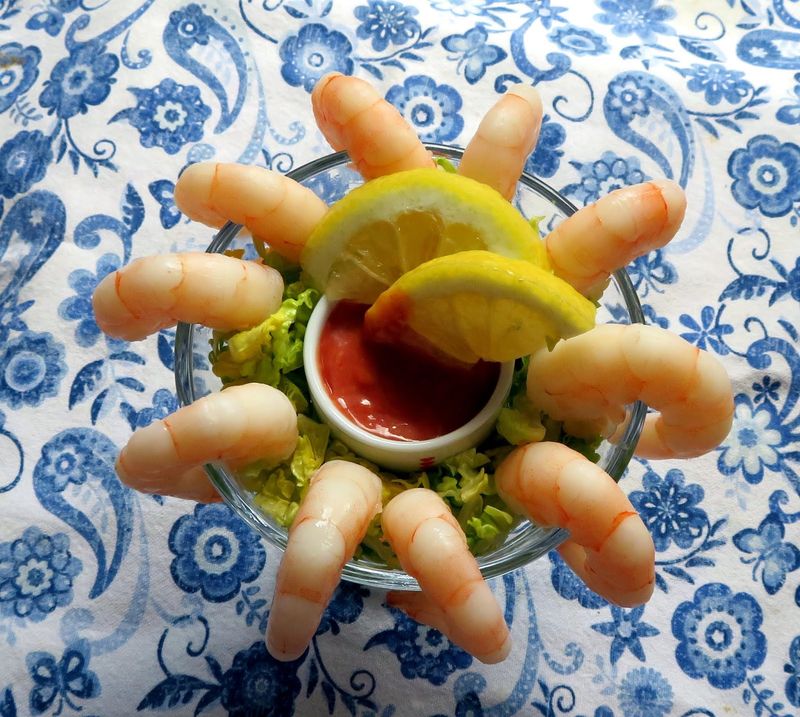
Shrimp cocktail felt sophisticated in a way that now seems wonderfully old-school. Chilled shrimp arranged around tangy cocktail sauce suggested a restaurant treat or a holiday appetizer meant to impress.
It was simple, but it carried an air of class that fit the era perfectly.
Baby Boomers often encountered shrimp cocktail at nicer dinners, wedding receptions, and festive home gatherings where the menu aimed a little higher than usual. The presentation mattered as much as the taste, especially when served in glass dishes or silver trays.
It remains a strong symbol of mid-century ideas about elegance and entertaining.
11. Salisbury steak
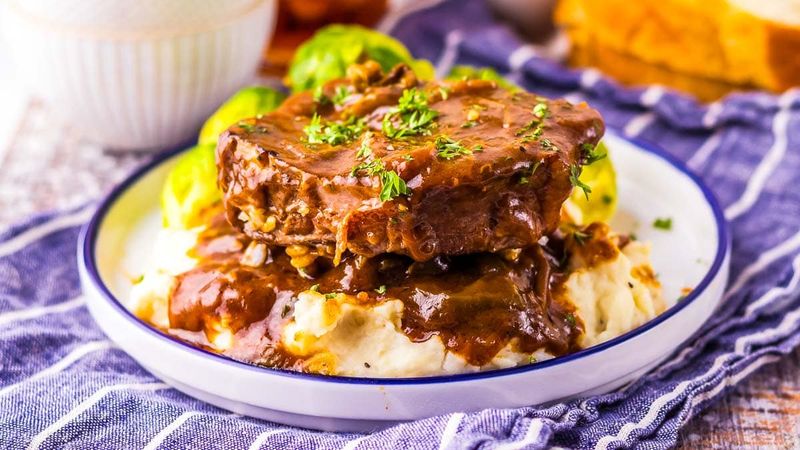
Salisbury steak sat at the crossroads of diner comfort and frozen dinner fame. Covered in brown gravy and usually paired with mashed potatoes, it offered the feeling of a hearty beef supper in a more processed, standardized package.
Somehow, that made it even more memorable.
For Baby Boomers, Salisbury steak was familiar from both restaurant menus and TV dinner trays, which gave it unusual staying power in American food culture. It was savory, filling, and built for an era that embraced convenience without abandoning meat-and-potatoes expectations.
Even now, the name alone sounds like a retro weeknight dinner.
12. Chicken à la King
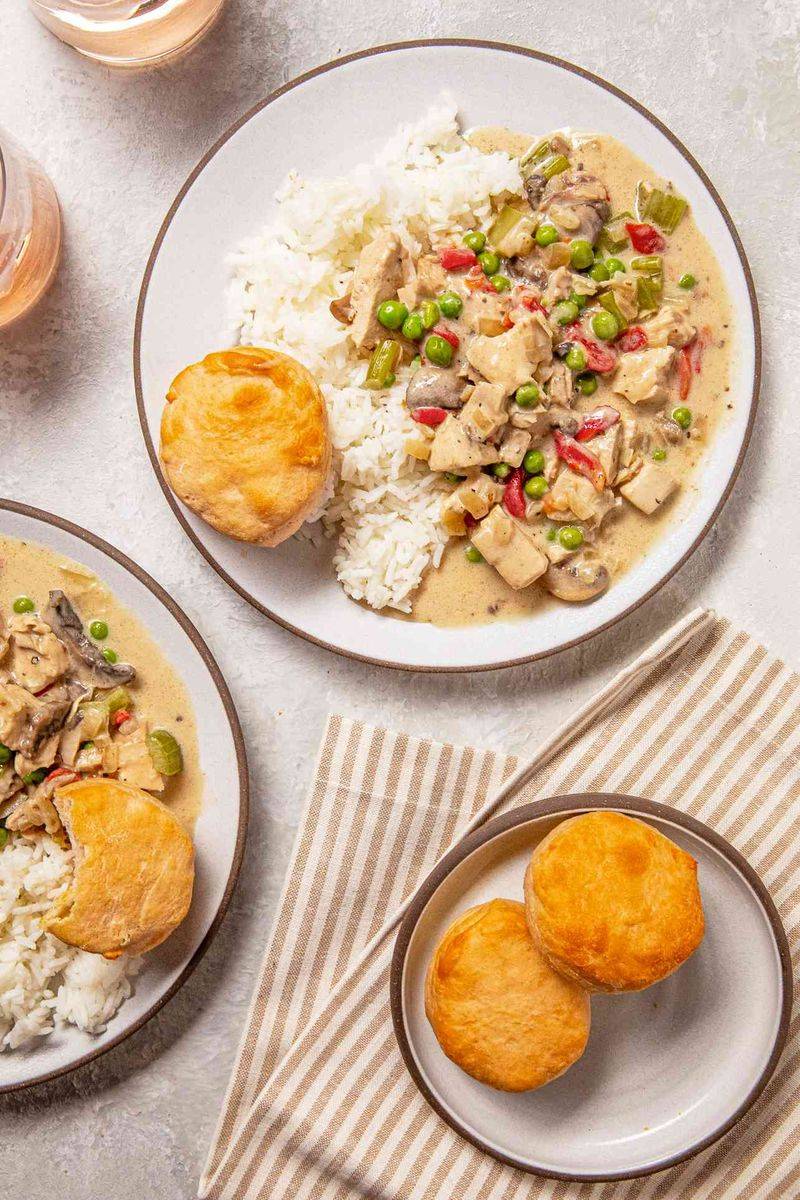
Chicken à la King was rich, creamy, and unmistakably mid-century. Usually made with diced chicken in a velvety sauce with mushrooms or peppers, it was served over toast, rice, noodles, or pastry shells for a meal that felt just a little dressed up.
It signaled comfort with a formal accent.
Baby Boomers often saw it at dinners where canned soup shortcuts met aspirations of elegance. The dish fit perfectly into an era that loved cream sauces, practical leftovers, and meals that seemed more refined than their ingredient lists suggested.
Today, it still tastes like a recipe card pulled from a metal kitchen box.
13. Creamed chipped beef on toast
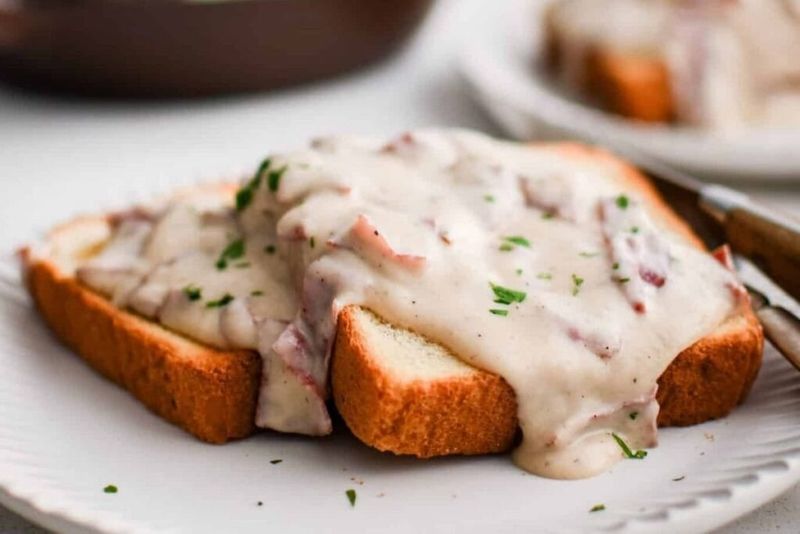
Creamed chipped beef on toast is one of those old-school dishes that instantly places you in another generation. Salty dried beef in creamy white sauce over toast was filling, inexpensive, and strongly associated with military mess halls and classic diners.
It was plain, practical, and unforgettable.
For many Boomers, this dish was part of a food culture that valued thrift and sat squarely between breakfast and supper comfort. It was not glamorous, but it was warming, rich, and oddly satisfying when made well.
Its enduring reputation comes as much from memory and tradition as from pure taste.
14. Baked ham with cloves and pineapple
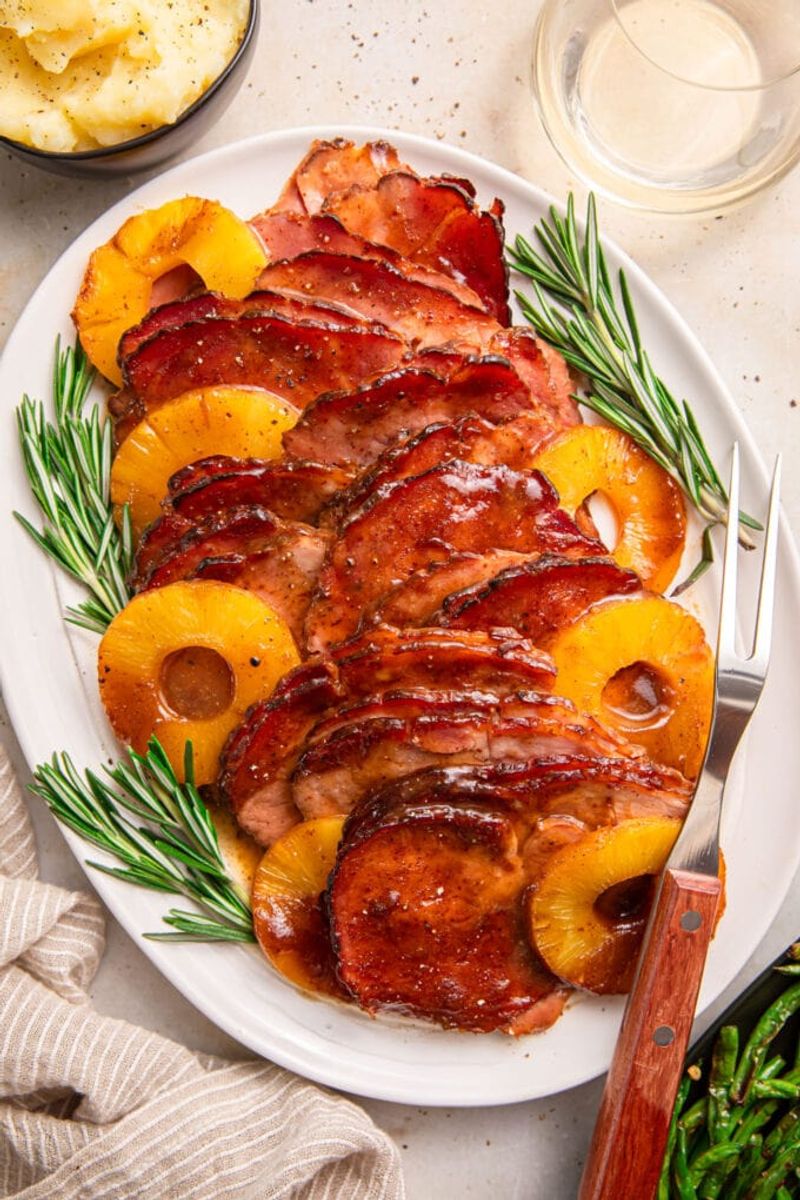
Baked ham with cloves and pineapple was the kind of centerpiece that announced a special occasion the moment it appeared. The scored surface, glossy glaze, studded cloves, and pineapple rings made it look festive without demanding restaurant-level skill.
It was dramatic, but still comfortably familiar.
Baby Boomers remember this ham as a holiday main dish that balanced sweetness, salt, and presentation in one reliable package. It looked impressive on the table and filled the house with a scent that meant guests, good dishes, and celebration.
Few meats are more tied to the era’s version of family entertaining.
15. French dressing and Catalina dressing
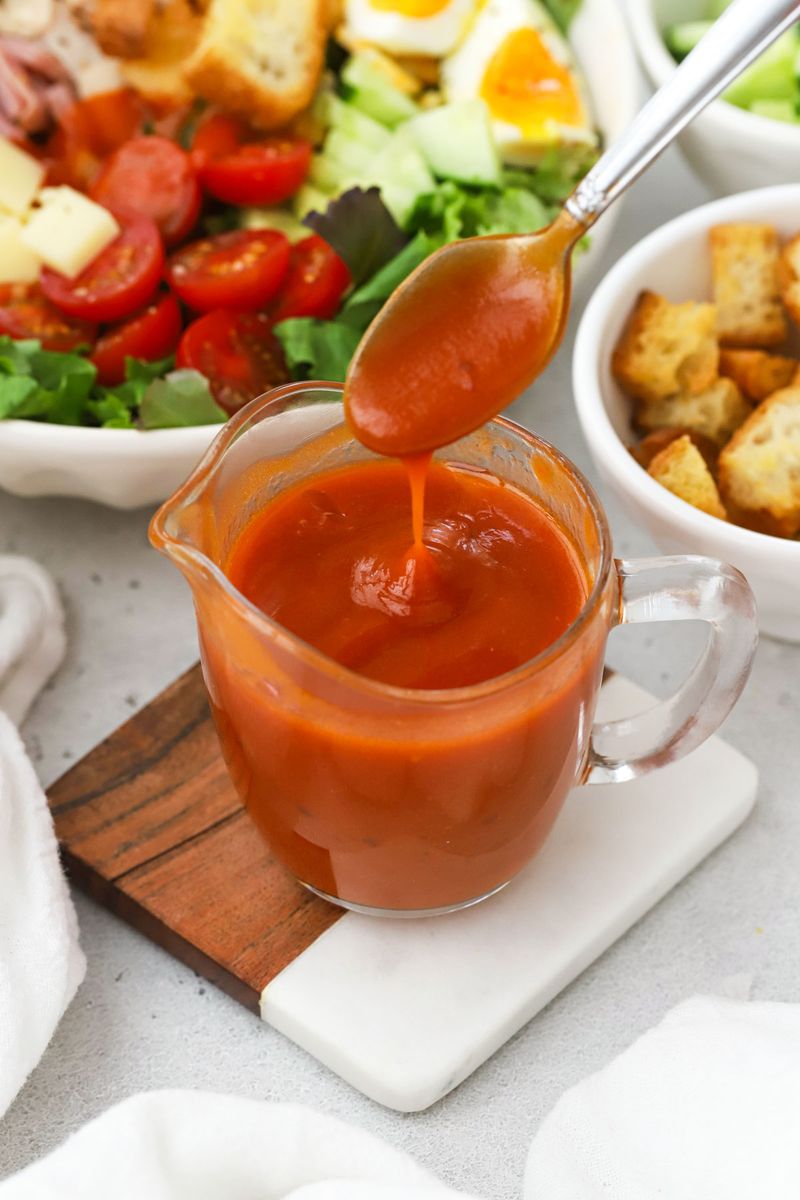
French dressing and Catalina dressing brought bright color and sweet-tangy flavor to an amazing number of meals. They were not just salad toppers – they also landed in marinades, casseroles, and potluck recipes that leaned on bottled convenience for a fast hit of flavor.
That versatility mattered.
For Baby Boomers, these vivid dressings were pantry staples during a time when convenience products felt modern and helpful. Their orange-red hue and unmistakable sweetness now read as deeply retro, especially next to lettuce wedges or baked chicken recipes.
They are a small but telling reminder of how packaged flavors shaped the era.
16. Liver and onions
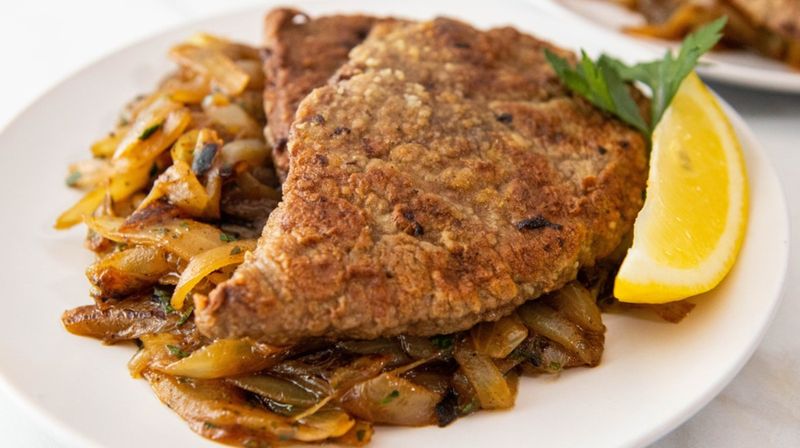
Liver and onions is one of the most remembered and most debated dinners tied to the Baby Boomer years. The strong flavor, soft texture, and pile of browned onions made it a meal many people were expected to eat whether they wanted it or not.
It carried a certain parental firmness.
That said, liver and onions was valued for thrift, nutrition, and tradition, especially in households that wasted little and respected old standards. For some, it is still genuine comfort food with deep savory flavor.
For many others, it remains the ultimate memory of being told dinner was not optional.
17. Bologna and American cheese sandwiches
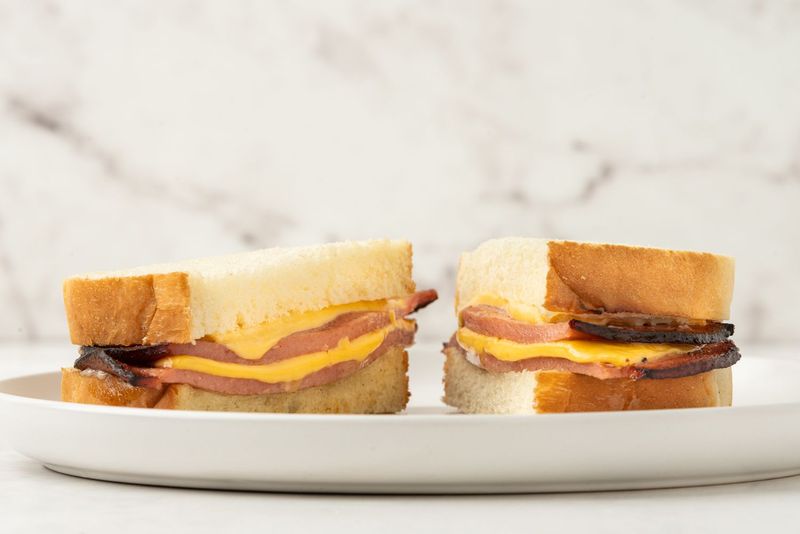
Bologna and American cheese sandwiches were lunchbox basics for a generation raised on simple, dependable deli staples. Usually stacked on soft white bread, maybe with mustard or mayonnaise, they were affordable, familiar, and easy to assemble on rushed school mornings.
Their plainness was part of the appeal.
For Baby Boomers, this sandwich represented everyday life more than celebration – packed lunches, quick suppers, and no-frills kitchen routines. Processed cheese and sliced bologna were normal household foods, not occasional compromises.
Even now, the combination instantly recalls metal lunchboxes, wax paper, and the uncomplicated food habits of childhood.
18. Instant mashed potatoes
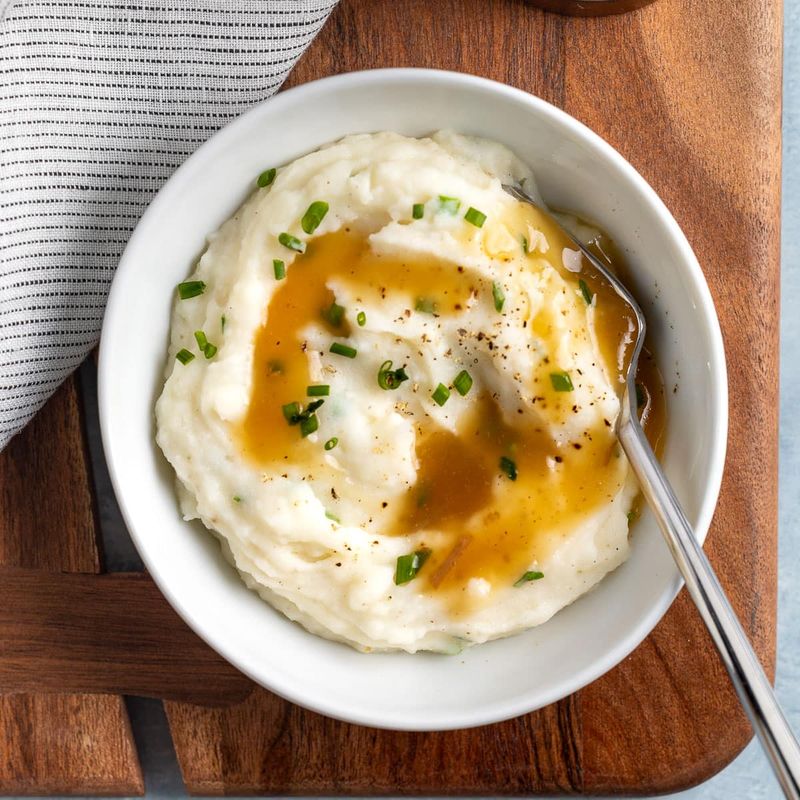
Instant mashed potatoes fit perfectly into a time when convenience foods promised to lighten the load of everyday cooking. They were fast, reliable, and close enough to the real thing for countless busy households trying to get dinner on the table.
Convenience often beat perfection on weeknights.
Baby Boomers grew up in kitchens where boxed potatoes were not a guilty shortcut – they were simply normal. Served beside meatloaf, ham, or Salisbury steak, they completed the classic plate without extra peeling, boiling, or mashing.
Their popularity says a lot about how postwar families balanced tradition with the lure of modern efficiency.
19. Canned green beans or canned corn
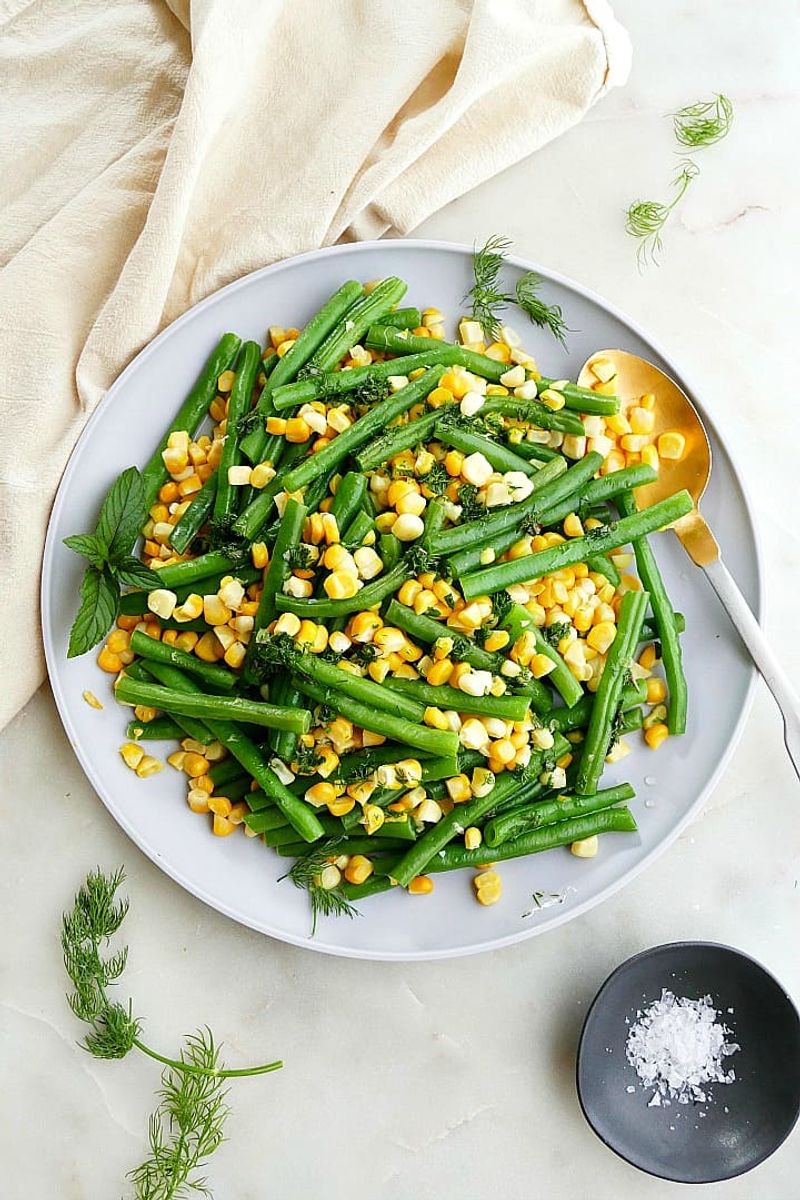
Canned green beans and canned corn were not backup vegetables – they were the standard side dishes on countless tables. Shelf-stable, affordable, and easy to heat, they matched the era’s practical style of cooking and made dinner feel complete with almost no extra work.
Convenience was the point.
For Baby Boomers, these vegetables were part of ordinary daily meals, often seasoned simply with butter, salt, and maybe a little pepper. Their softer texture and unmistakable canned flavor now spark instant nostalgia for family suppers.
They remind you how normal processed pantry foods once were in home kitchens.
20. Pound cake with berries
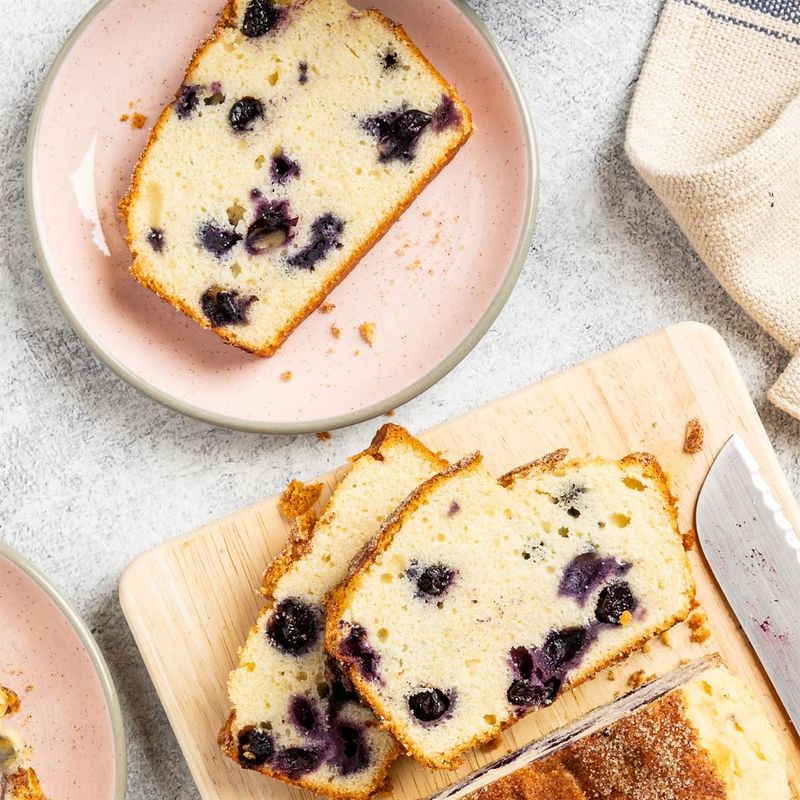
Pound cake with berries was the sturdy, reliable dessert that could go almost anywhere and still feel appropriate. It worked for guests, church events, family dinners, and those moments when you just wanted something sweet without a lot of fuss.
Simple never meant forgettable here.
Baby Boomers often knew pound cake as a versatile standby served with fresh berries in season or canned fruit when that was what the pantry offered. Its dense crumb and buttery flavor made it feel substantial, while the fruit kept it bright and company worthy.
It quietly captured the era’s practical approach to desserts.