These Are Probably The 15 Spices Behind KFC’s Fried Chicken Flavor
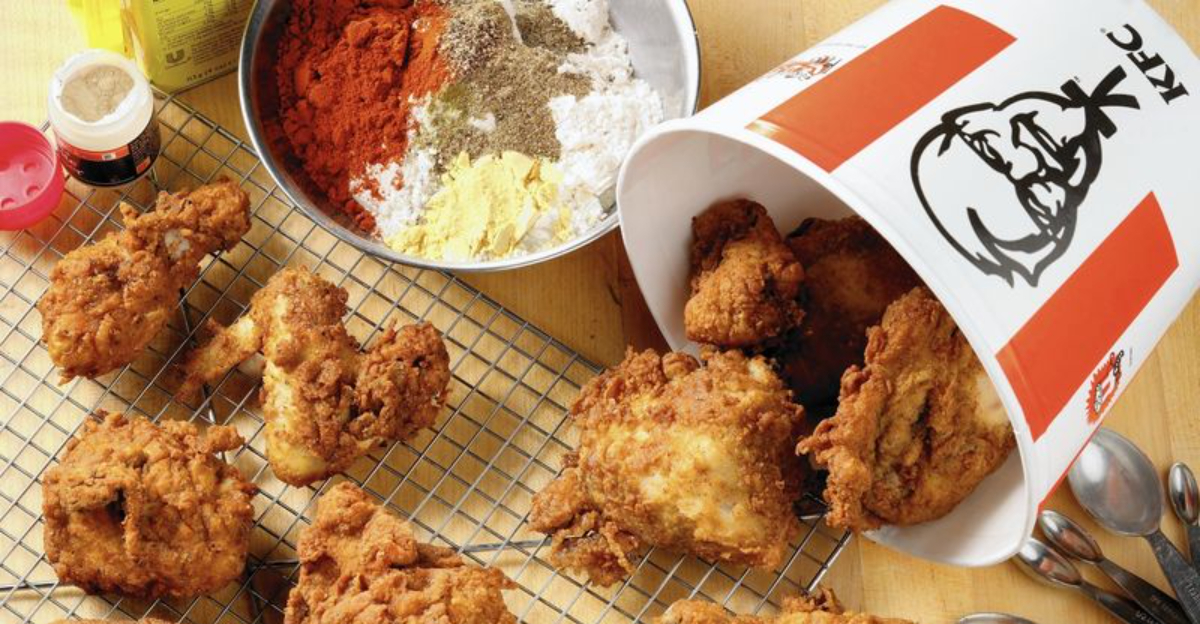
KFC’s fried chicken tastes like pure nostalgia, with a savory, peppery snap and a whisper of warm spice that keeps you chasing another bite. While the exact recipe is locked up tight, certain seasonings show up again and again in copycat tests and old-school frying lore.
If you want that craveable crust at home, these are the likely heroes doing the heavy lifting. Use them thoughtfully and you will get surprisingly close to that iconic flavor.
1. Salt
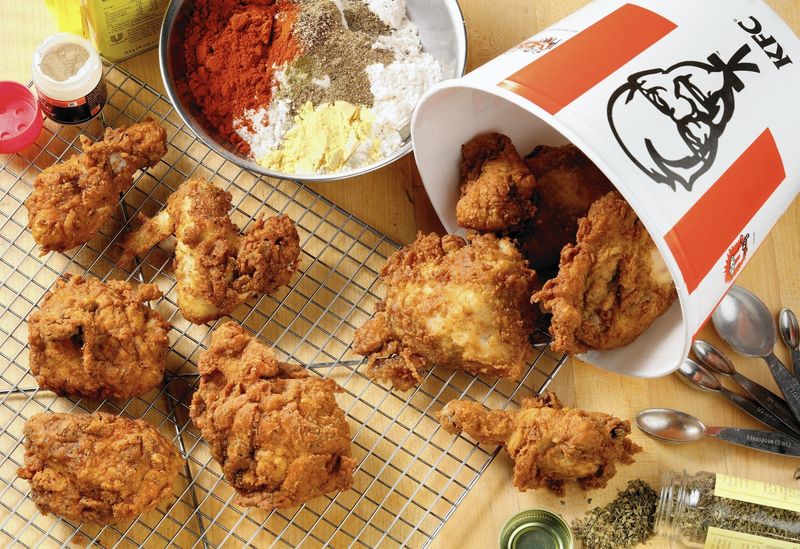
Salt is the backbone that makes everything else pop. It penetrates the chicken, seasons the buttermilk or brine, and amplifies every herb and spice in the dredge.
Without enough salt, the crust tastes flat and the meat feels oddly muted.
You do not need fancy flakes for the coating, but use a consistent grain like kosher salt for predictable results. Season the flour mixture and the brine separately so the balance carries through.
Aim for bright, savory, complete flavor, never just salty.
Let the chicken rest after seasoning so salt can do its work. This yields juicier meat and a more satisfying crunch.
Think of salt as structure, not just taste.
2. Black pepper
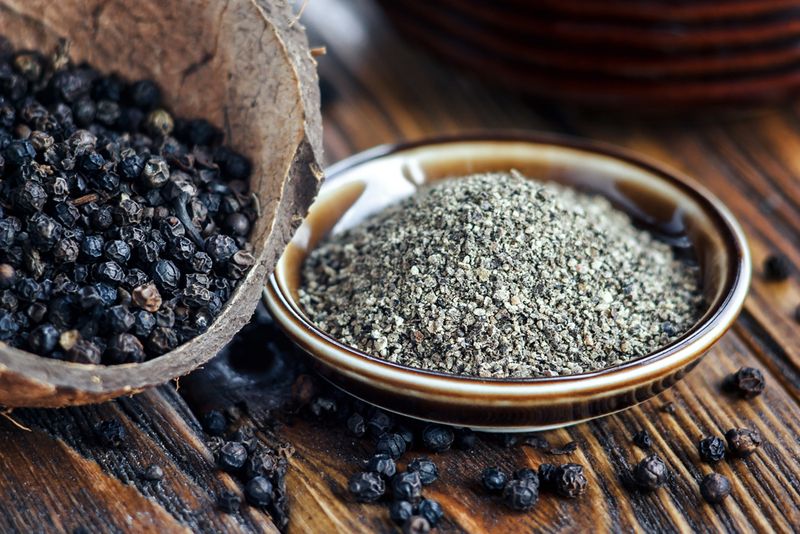
Black pepper brings that unmistakable first-bite sharpness. It is front-and-center in the aroma as soon as hot chicken hits the plate.
Freshly cracked or coarsely ground pepper gives speckled texture and a lively kick that reads as classic fried chicken.
Use more than you think, then taste-test. The heat should register quickly but fade into savory warmth as you chew.
Combine coarse and fine grinds to layer flavor throughout the crust.
Bloom a small portion in warm oil before mixing into the flour for deeper peppery resonance. That gentle toasty note pairs beautifully with paprika and garlic powder.
If the crust tastes timid, black pepper is usually what needs turning up.
3. White pepper
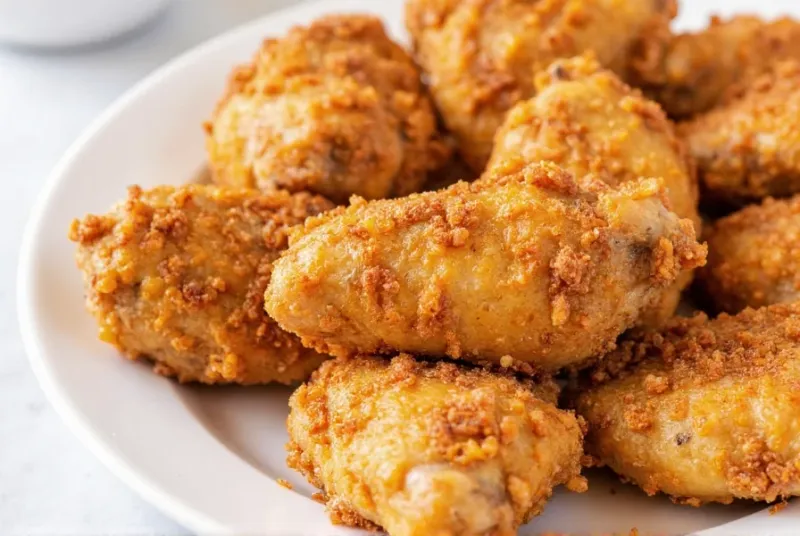
White pepper flies under the radar but matters. It adds a hushed, slightly funky heat that feels nostalgic and old-school.
Where black pepper shouts, white pepper murmurs in the background and rounds the edges.
Use it sparingly but deliberately. Its earthiness sneaks through in the aftertaste, giving that restaurant-fried vibe without tipping into overt spiciness.
Fine grind ensures even distribution and avoids bitter clumps.
Blend white and black pepper for a fuller spectrum of heat. White pepper also plays nicely with onion, celery salt, and sage, helping them harmonize.
If your copycat tastes modern but not quite vintage, a pinch more white pepper often bridges the gap and unlocks that familiar finish.
4. Paprika
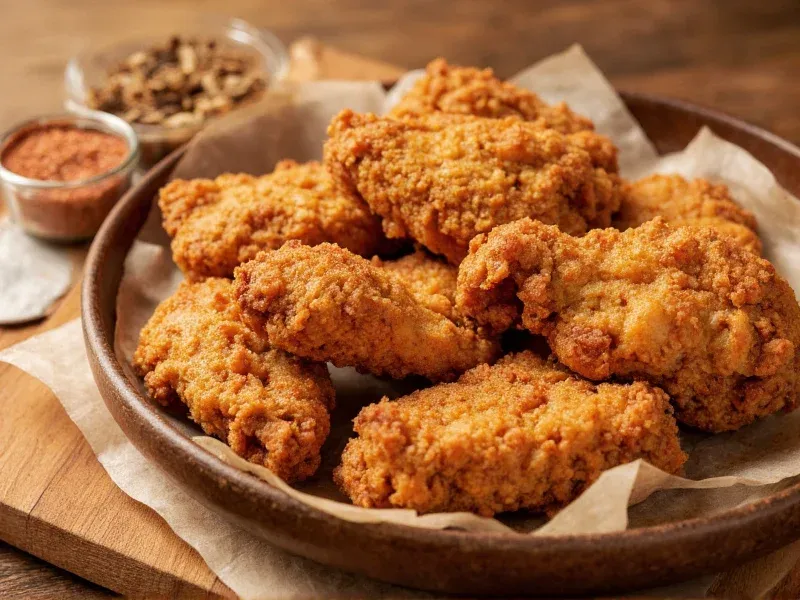
Paprika brings color, gentle warmth, and a subtle sweetness that makes the crust glow reddish-gold. It is not there to burn, but to fill in the mid-notes so pepper does not dominate.
Sweet paprika is typical, though a touch of smoked can add depth.
Use enough to tint the flour without turning it brick red. Its natural sugars toast during frying and create aroma that feels comforting and familiar.
Pair with garlic and onion for a savory backbone.
If your coating tastes hollow, increase paprika before reaching for more salt or heat. It is the quiet glue tying the spice blend together.
Choose fresh, bright paprika, since stale powder turns muddy and lifeless fast.
5. Garlic powder (or garlic salt)
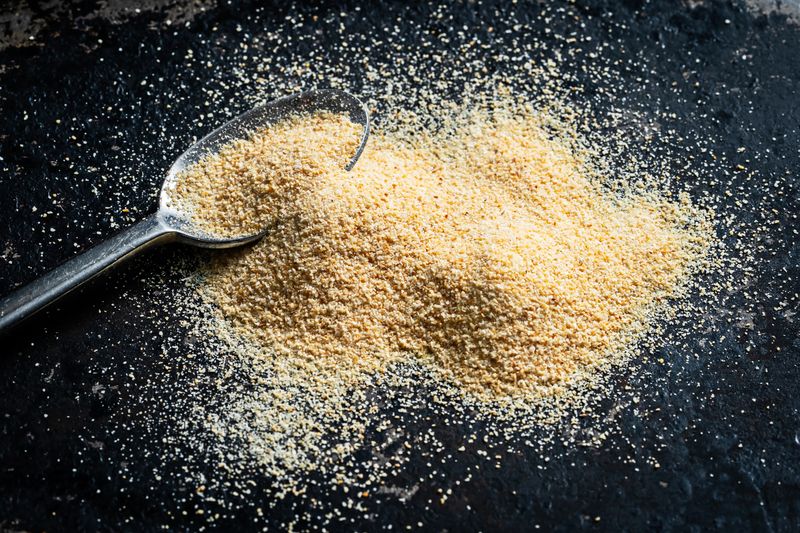
Garlic powder supplies savory depth that says deli-counter roast chicken but crisps into fried magic. It perfumes the kitchen and smooths the harsher corners of pepper.
Used right, it reads as mouthwatering, not garlicky.
Garlic salt can work, but be cautious adjusting the overall salt balance. Powder disperses more evenly and avoids hot spots.
It toasts quickly, layering a lightly sweet, browned edge into the crust.
Pair it with onion powder for a classic, reliable base. A touch of mustard powder lifts its savoriness further.
If your copycat smells amazing while frying yet tastes shy, a small bump of garlic powder usually corrects it without pushing the blend into Italian territory.
6. Onion powder
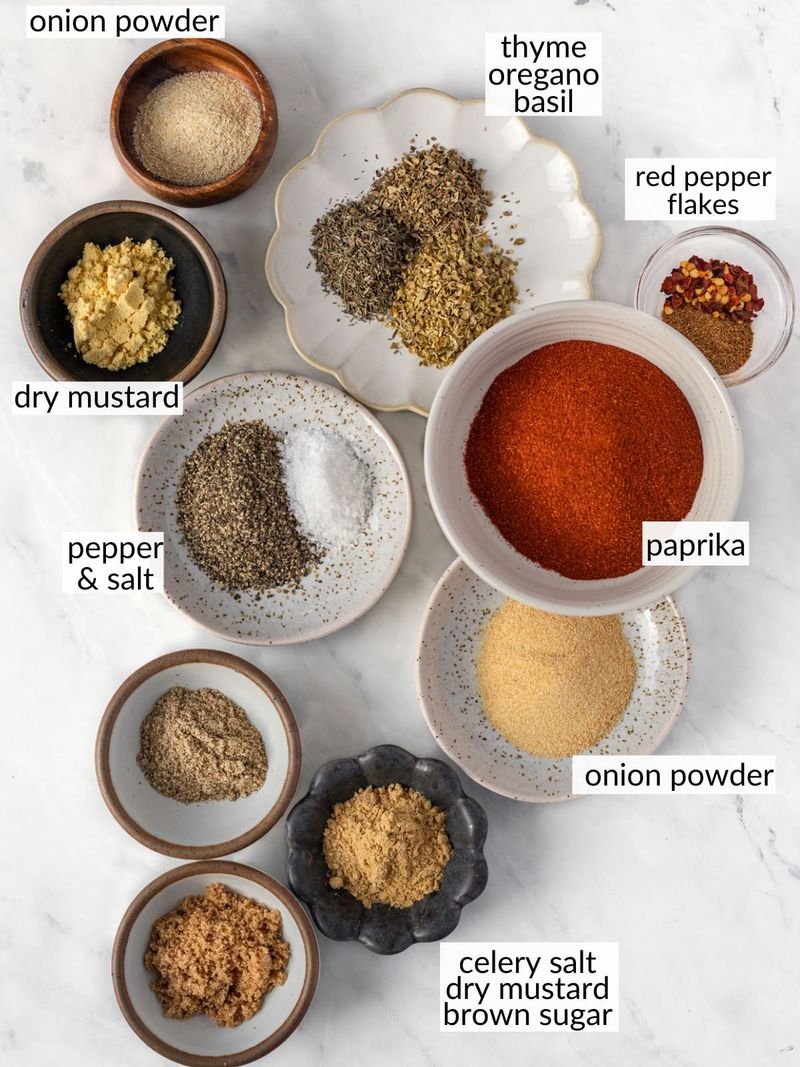
Onion powder is the quiet foundation under everything. It rounds the savory profile so the crust tastes complete rather than just salty and spicy.
Its sweetness blooms during frying, delivering that diner-style comfort note.
Use a steady hand. Too much and it turns cloying, but just enough makes the aftertaste linger pleasantly.
Pair it tightly with garlic powder for a familiar backbone that never screams onion.
Granulated onion gives slightly more texture, while powder disappears cleanly. Either way, sift well into your dredge.
When friends say the chicken tastes like fast-food perfection but cannot name why, onion powder is usually doing the subtle heavy lifting.
7. Mustard powder
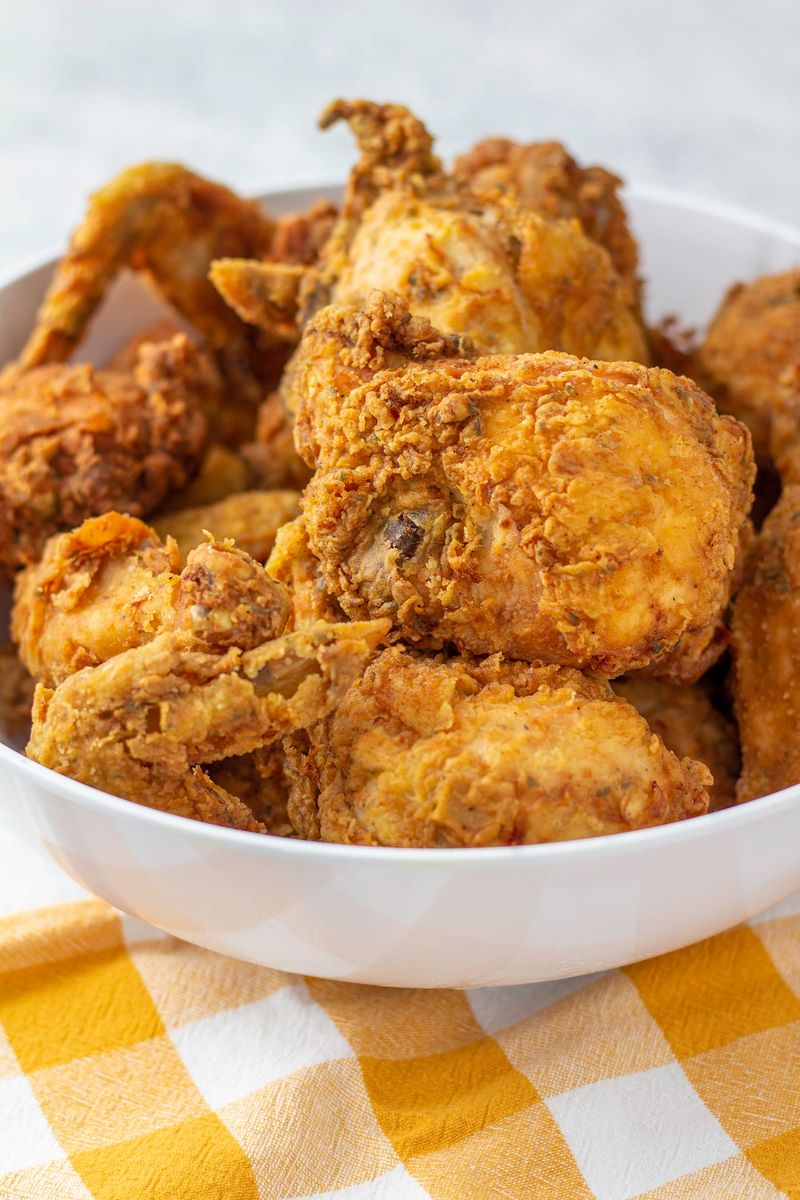
Mustard powder does not scream mustard here. Instead, it adds tangy lift and a savory twang that tightens the overall blend.
Think gentle acidity without liquid, helping the crust taste brighter and more complex.
A pinch goes far. Too much becomes bitter, but the right amount sharpens pepper and balances paprika’s sweetness.
It is the seasoning people cannot place but miss when it is absent.
Mix it thoroughly so pockets do not overwhelm a bite. It resonates with celery salt and ginger, creating that fast-food-adjacent snap.
If your coating tastes dull midway through the bite, mustard powder is the small key that often flips on the lights.
8. Celery salt
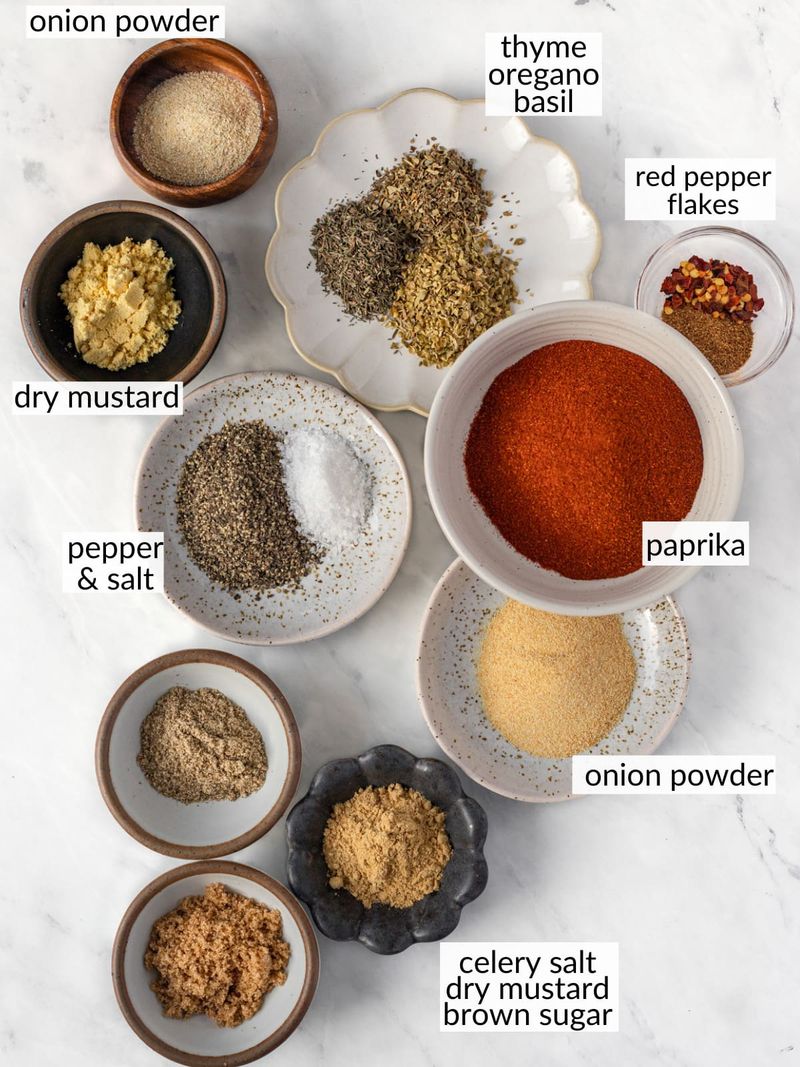
Celery salt delivers that unmistakable snack-bar snap. It is salty, lightly herbal, and instantly evocative of classic American fast food.
Use a deft hand because it stacks salt plus celery seed, which can dominate.
Its magic is how it sharpens the savory profile without tasting like a separate herb. Blend it with regular salt to maintain balance, or swap a portion of your base salt for celery salt.
The goal is sparkle, not celery-forward.
It pairs beautifully with mustard powder and white pepper, reinforcing that vintage fried chicken echo. If your copycat is close but lacks that “why is this so craveable” finish, a touch of celery salt often seals the deal.
9. Dried thyme
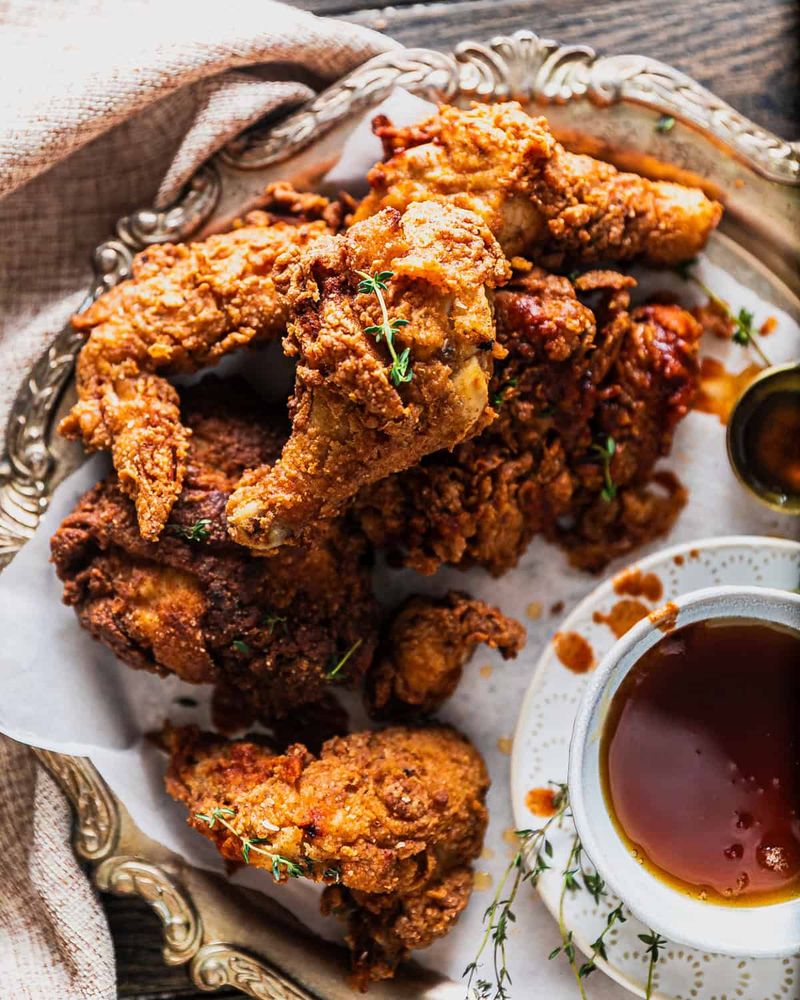
Dried thyme adds earthy, slightly floral notes that say Southern-fried without shouting. It slots between the peppers and the onion-garlic duo, giving the crust dimension.
Too much and it turns medicinal, so crumble it fine and measure lightly.
Thyme works because it complements savory fats. During frying, its aromatic oils bloom and mingle with paprika, creating a cozy, classic vibe.
Blend with oregano and marjoram for a rounded herb profile.
If your seasoning tastes one-note peppery, thyme is a reliable softener. It also pairs well with sage, which brings autumnal depth.
Keep the flakes small so they integrate into the flour and do not burn or create grassy, bitter spots.
10. Dried basil
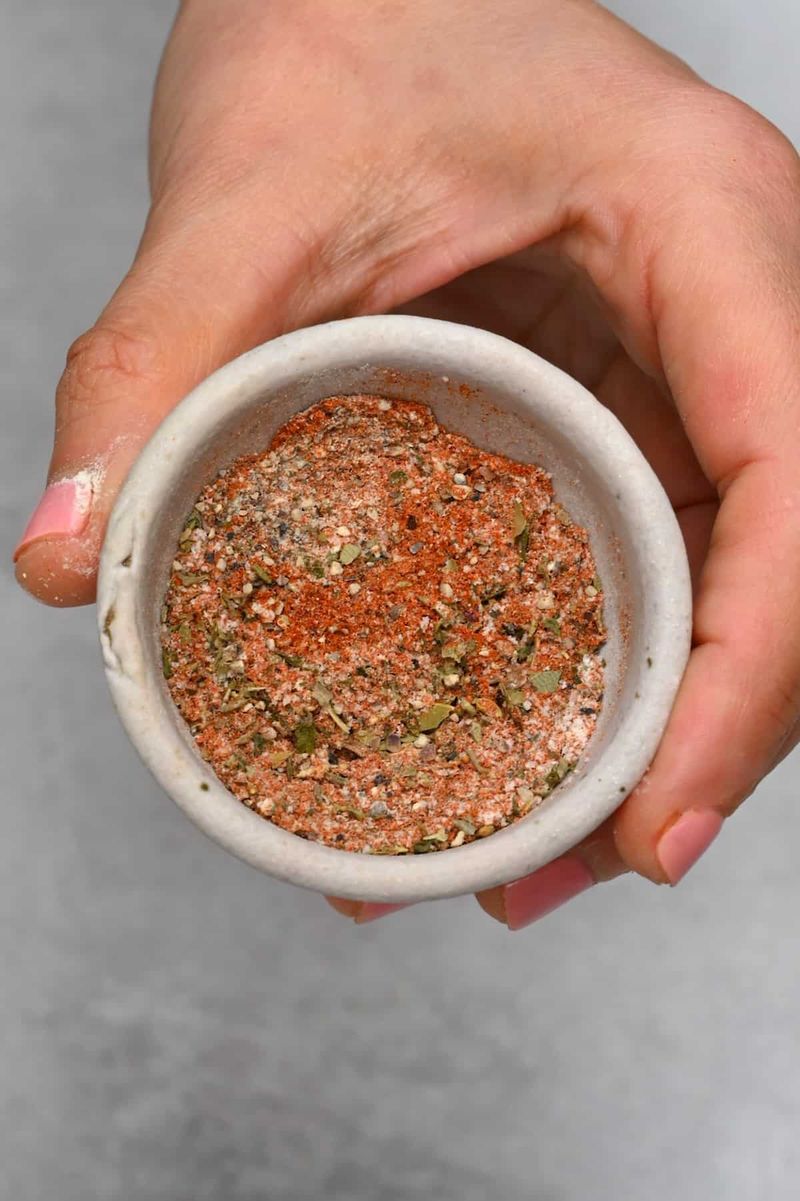
Dried basil is soft, sweet-herbal, and surprisingly supportive in fried chicken. It smooths the blend’s edges and contributes a subtle sweetness that keeps pepper from feeling harsh.
When used lightly, it reads as aroma more than flavor.
Rub the flakes between your fingers to wake the oils before stirring into the dredge. It teams up with oregano and marjoram to whisper Italian-adjacent without going pizza-like.
The result is a familiar, comforting bouquet.
If your crust tastes aggressive, basil can calm it without dulling intensity. Fresh basil is not right here, since moisture and bright notes fade in hot oil.
Dry, fine, and balanced is the route to that signature blend feeling.
11. Dried oregano
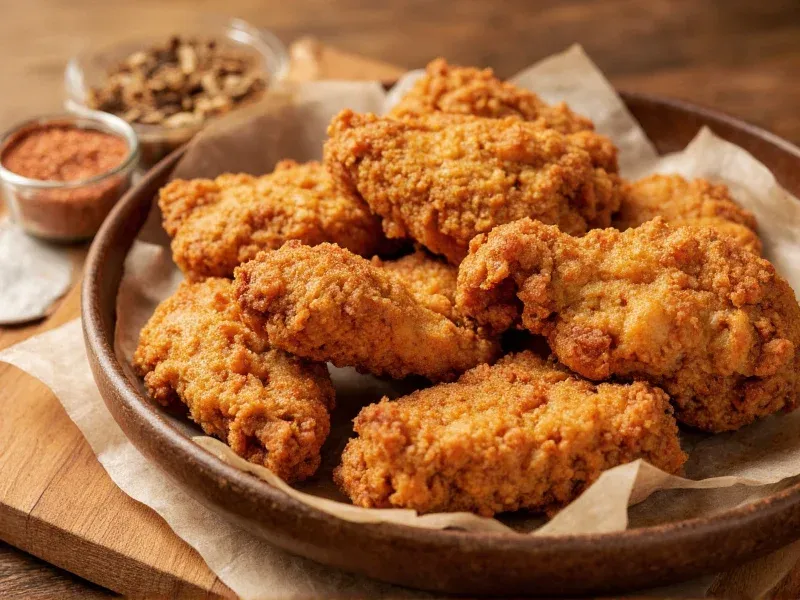
Dried oregano adds a faintly peppery, aromatic lift that deepens the herb layer. Think of it as a bridge between thyme’s earth and basil’s sweetness.
In tiny amounts, it gives the crust an intriguing complexity.
Crush it finely so the flakes do not scorch or dominate. It can quickly taste pizza-like if heavy-handed, so keep it subtle.
When balanced, it lengthens the aftertaste and supports white pepper’s quiet heat.
Oregano loves company from marjoram, which is gentler and sweeter. Together they read as old-school herb blend rather than overtly Mediterranean.
If your seasoning feels flat under the spice heat, a whisper of oregano rounds it out.
12. Dried marjoram
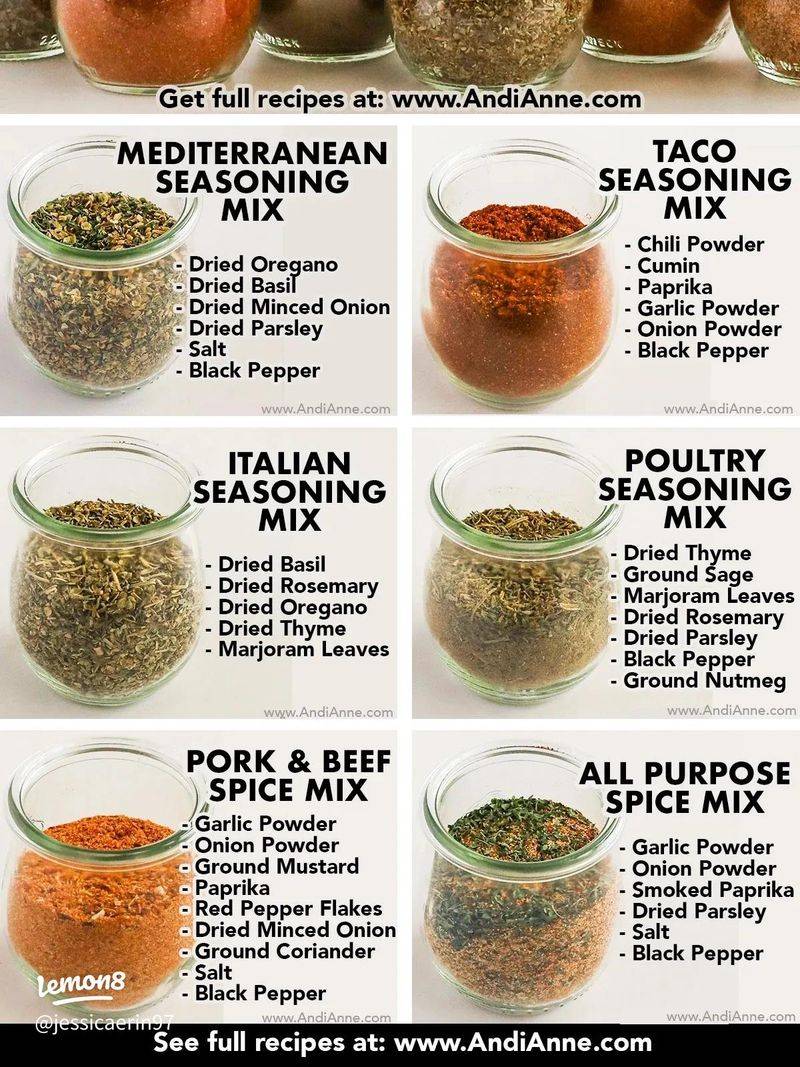
Marjoram is oregano’s kinder cousin, bringing gentle sweetness and a floral hint. It keeps the herb profile friendly and familiar, never sharp.
That softness makes people ask what the pleasant background flavor is.
Use a restrained sprinkle and rub it fine. It merges beautifully with basil and oregano, creating a rounded, vintage fast-food vibe.
During frying, its delicate oils release quickly, so avoid overtoasting by mixing evenly.
Marjoram also complements white pepper and paprika, polishing their edges. If your copycat tastes slightly bitter or stark, marjoram can smooth it out without muting character.
It is subtle work, but you notice it most when it is missing.
13. Ground ginger
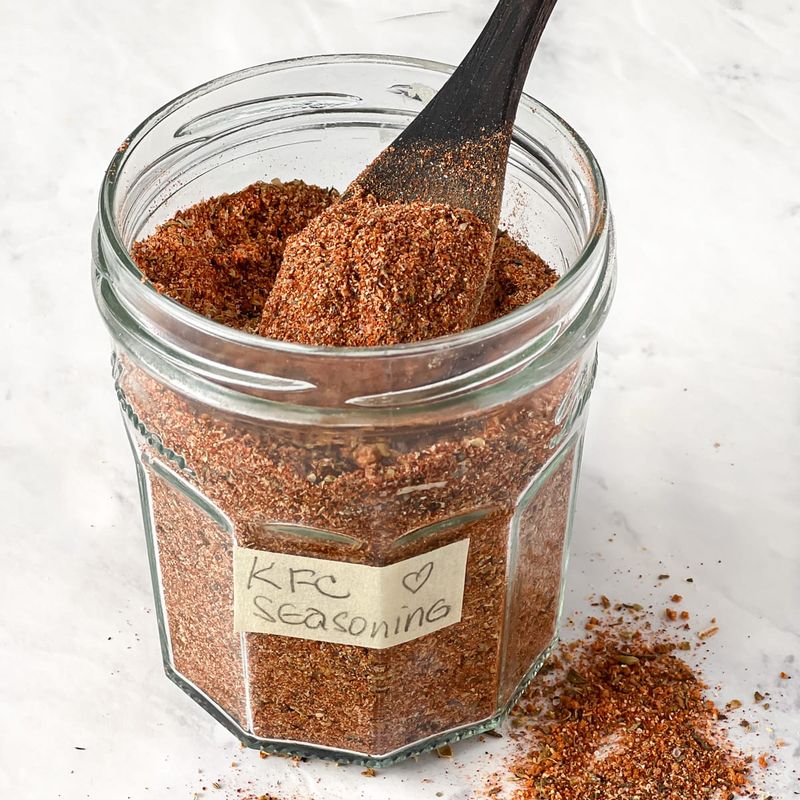
Ground ginger sounds unexpected, but in tiny amounts it adds warm brightness and a ping of energy. It does not taste like gingerbread; it lifts pepper and sharpens the finish.
Think background zing rather than spice headline.
Measure carefully. Too much becomes perfumed, but a pinch supports mustard powder and celery salt.
The result is a clean, slightly tingly aftertaste that feels restaurant-familiar.
Bloom a little in warm oil if you want its aroma rounder, then stir into the flour. Ginger’s volatile notes fade with heat, so restraint preserves balance.
If your seasoning lands heavy, ground ginger can flick on the lights without adding real heat.
14. Cayenne pepper
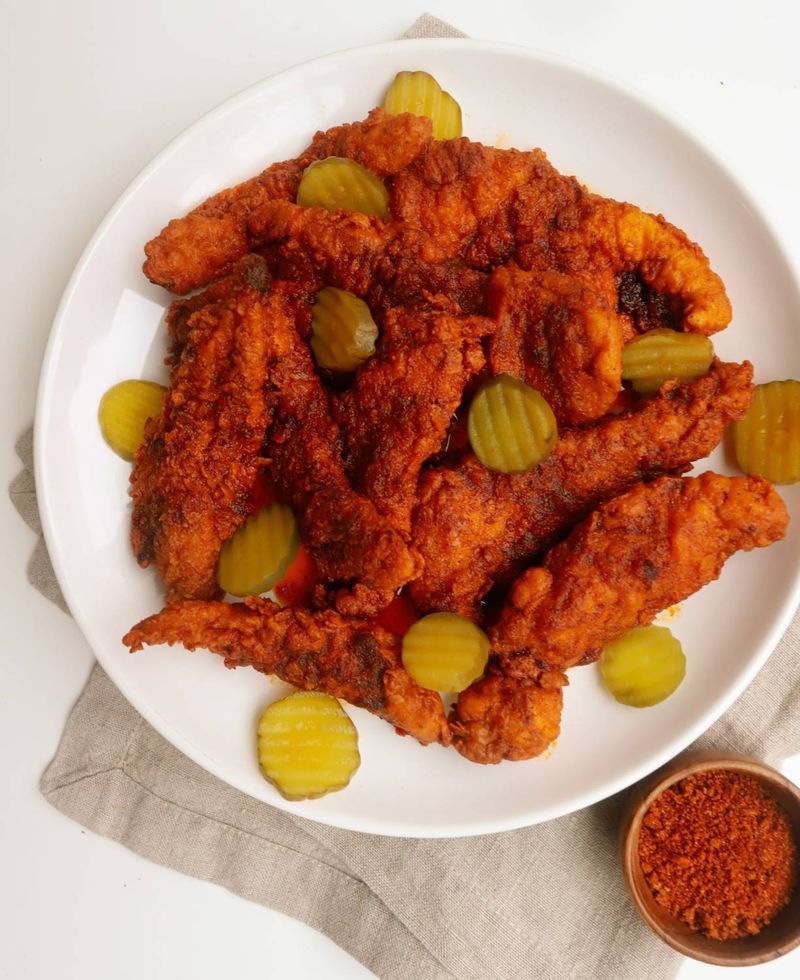
Cayenne brings gentle, lingering heat that builds over a few bites. It is not meant to torch the palate here, just keep you reaching back for another piece.
A modest dose underscores black pepper’s attack without overshadowing everything else.
Blend it thoroughly so hot spots do not surprise. Pair with paprika for a warm base and with white pepper for a sneaky afterglow.
You want warmth that hangs around pleasantly, not a challenge level burn.
If your copycat tastes great but lacks that satisfying hum, cayenne is the dial to nudge. Add incrementally, fry a tester, then adjust.
The goal is craveable, balanced heat that invites rather than intimidates.
15. Sage
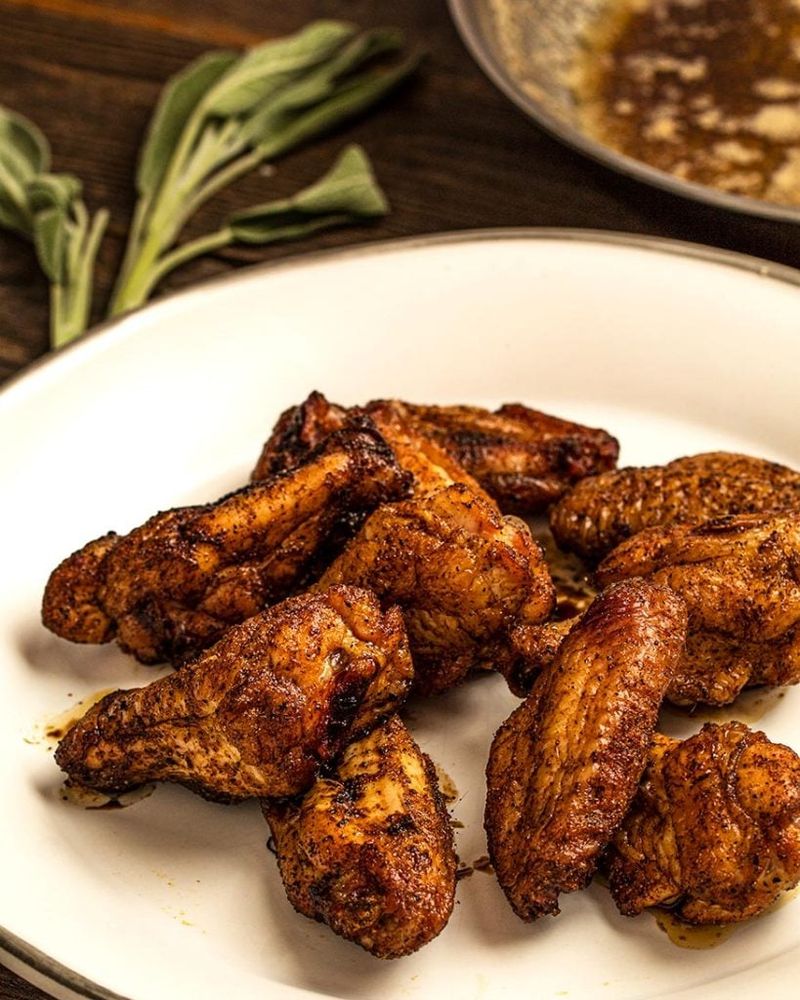
Sage contributes a savory, slightly woodsy depth that feels old-fashioned in the best way. Even a pinch adds complexity, echoing classic poultry seasoning.
It is potent, so keep it measured to avoid musty notes.
Rubbed sage disperses well into flour and plays beautifully with thyme and marjoram. During frying, it perfumes the oil just enough to make the kitchen smell nostalgic.
The flavor lands late in the bite and lingers comfortingly.
If your blend tastes modern but not timeless, sage is the missing thread. Use light hands, taste, and iterate.
When balanced against pepper, onion, and celery salt, sage helps the crust read like signature, not generic.