What $2 Bought At McDonald’s In The 1950s
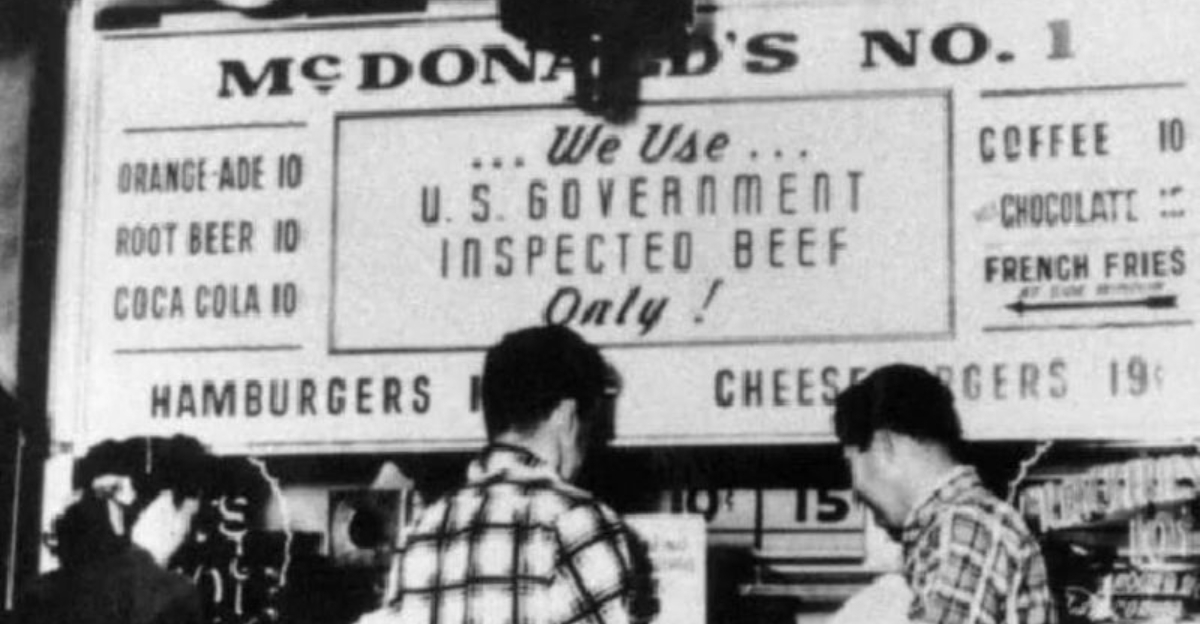
Imagine stepping into a glowing, tile-bright McDonald’s in the mid 1950s with just two crisp dollars. Back then, the menu was tiny, the prices were tiny too, and the value felt almost unbelievable.
You could feed a group, treat the team, or satisfy a serious craving without breaking a sweat. Let’s break down exactly how 200 cents could stretch, using real-world combos that would make any budget smile.
1. The burger overload order
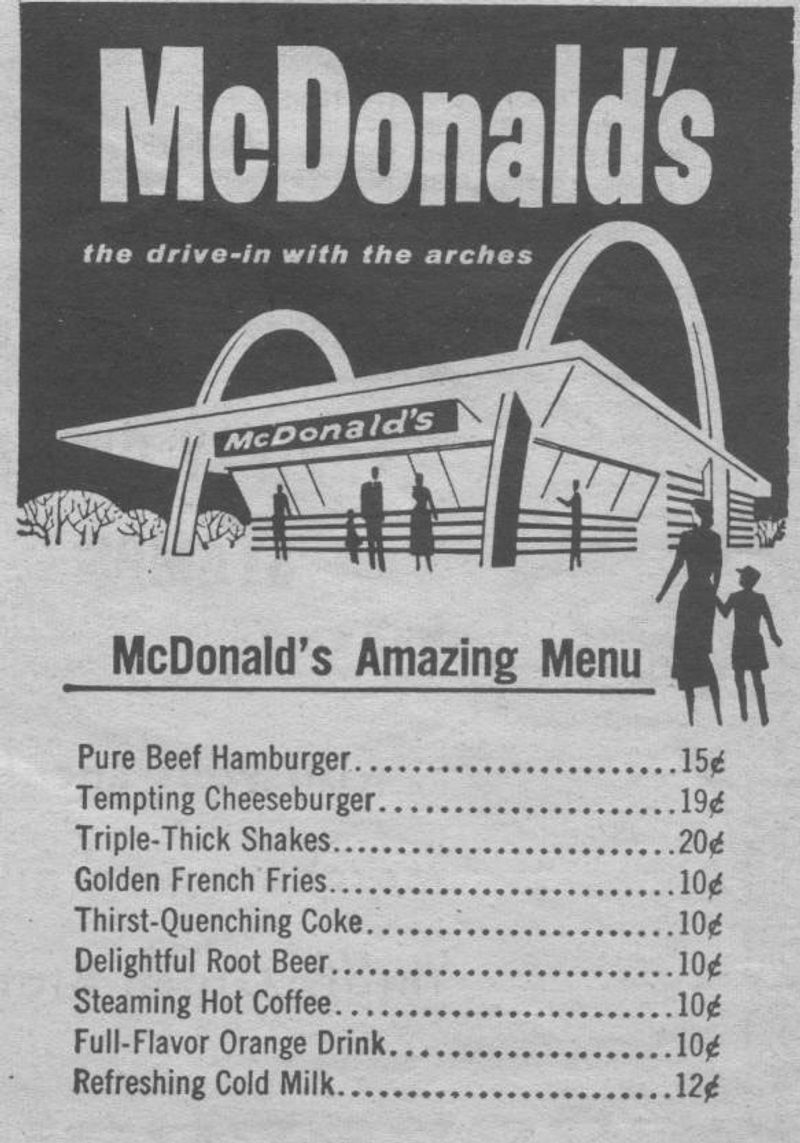
Sometimes you just want the main event. With $2 in the mid 1950s, you could line up 13 hamburgers, each at about 15 cents, and still have a lonely nickel jangling in your pocket.
Picture the counter stacked with warm, paper-wrapped burgers, mustard and pickles peeking through, and that unmistakable grill aroma drifting across the lot.
This order screamed abundance, perfect for a team after practice or neighbors gathered by tailgates. No bells, no frills, just classic patties and soft buns that hit the spot.
You might not finish them all, but sharing felt easy, casual, and fun. For pure burger joy on a budget, this mountain of sandwiches did the trick without overthinking a thing.
2. The shake run order
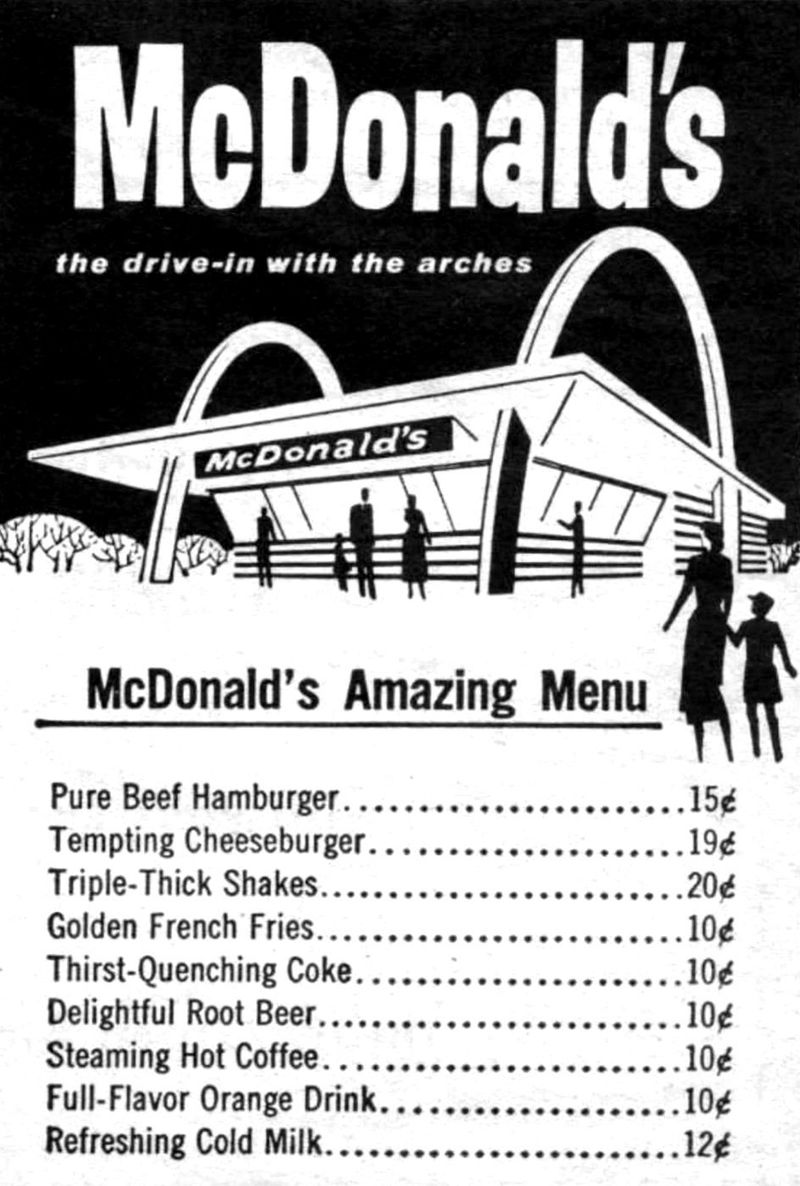
Got a sweet tooth or a hot day ahead? A $2 bill could buy ten milkshakes at about 20 cents each, turning you into the instant hero of any summer hangout.
Imagine that frosty, thick pull through a paper straw, condensation beading on wax cups, and the hum of a hardworking mixer behind the counter.
This haul was tailor-made for celebrations, post-movie treats, or cooling down a car full of friends. Flavors were simple, dependable, and creamy enough to count as dessert and a mood booster.
You could pass them around the hood of a Bel Air and laugh for an hour. Ten shakes for two bucks meant smiles multiplied fast, no complicated planning required.
3. The snack-table order
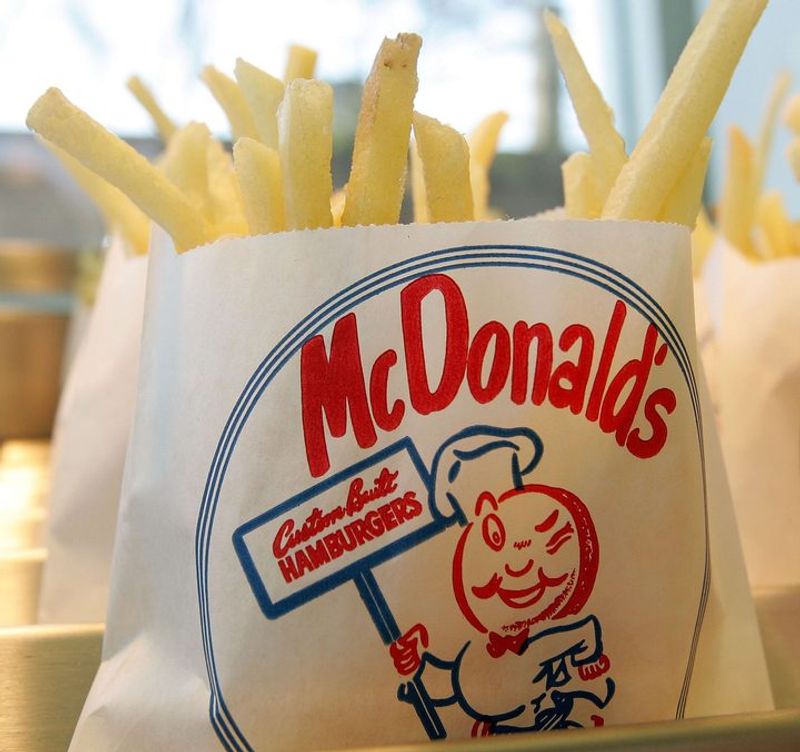
When the plan is grazing and chatting, fries fix everything. With $2 back then, you could snag 20 orders at about 10 cents each, turning a simple meet-up into a crunchy, salty spread.
Visualize small, crisp shoestring fries spilling from white paper sleeves, steam curling up into evening air, and everyone grabbing a handful.
This order worked for backyard card games, study groups, or a casual pit stop after cruising. Ketchup cups lined the table like little red beacons, and nobody argued with the math.
It was affordable variety without the fuss of full meals. Twenty orders meant constant refills and shared napkins, the kind of easygoing abundance that makes a hangout feel effortless.
4. The drinks for everyone order
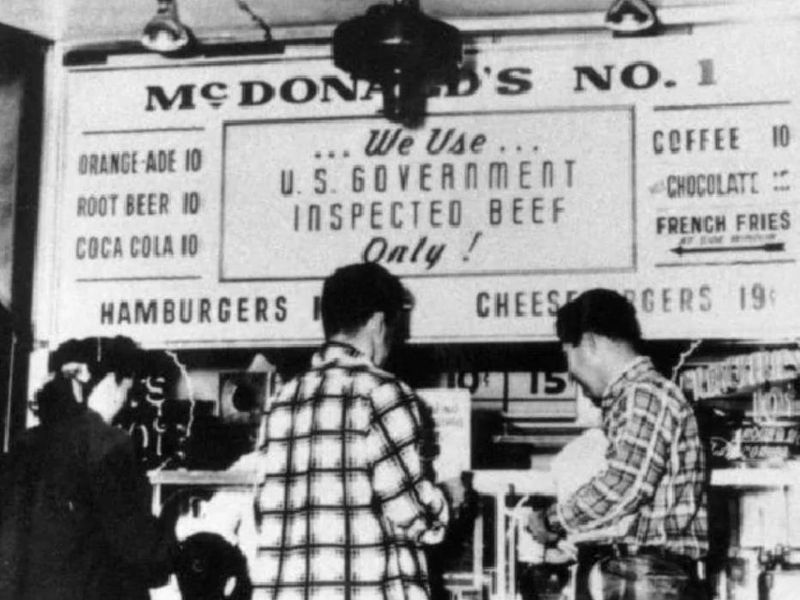
Thirsty crowd, tiny budget, no problem. Two dollars in the 1950s easily covered 20 drinks at around 10 cents each, from bubbly sodas to straightforward coffee.
You could fuel conversations at a church social, baseball bleachers, or a post-shift wind-down, all while keeping the tab laughably light.
Imagine the hiss of carbonation, the clink of ice, and the steady rhythm of cups sliding across steel. Everyone gets their pick, nobody feels left out, and the change math stays beautifully simple.
Drinks tie a gathering together, and this order did it better than any cooler in a trunk. With 20 cups lined up, the mood lifted fast, and your two dollars worked overtime.
5. A realistic family-style mix
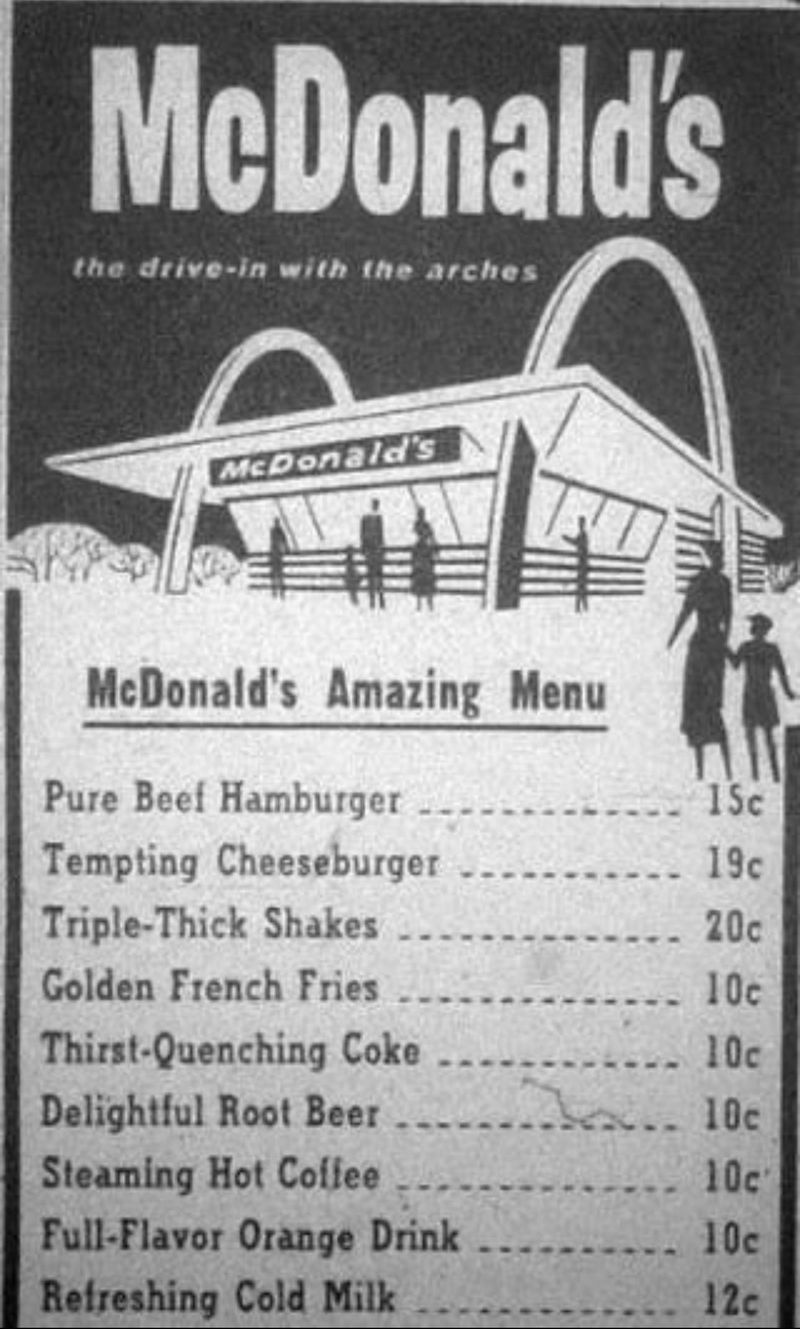
When you want balance, this combo nailed it: four hamburgers, four fries, four drinks, and three shakes, all adding perfectly to two dollars. It felt like a family treat without stretching a paycheck, covering savory, salty, sippable, and sweet in one neat spread.
Everyone at the table gets something fun.
The burgers satisfy the main hunger, fries keep hands busy, drinks refresh, and shakes add that celebratory finish. Picture a shared tray on a polished Formica table, napkins tucked under elbows, and ketchup smiles on kids’ faces.
No guesswork, no waste, just classic flavors dialed to a tidy total. This was the kind of order that made weeknights feel like small holidays.