Why Deli Sandwiches Taste Better Than Homemade Ones
Ever wonder why a deli sandwich makes you close your eyes on the first bite while your homemade one feels just fine? It is not skill, it is systems.
Delis stack tiny advantages that add up to huge flavor and perfect texture. Once you see what they do differently, you can steal their moves and upgrade every sandwich you make at home.
1. Better bread, handled the right way
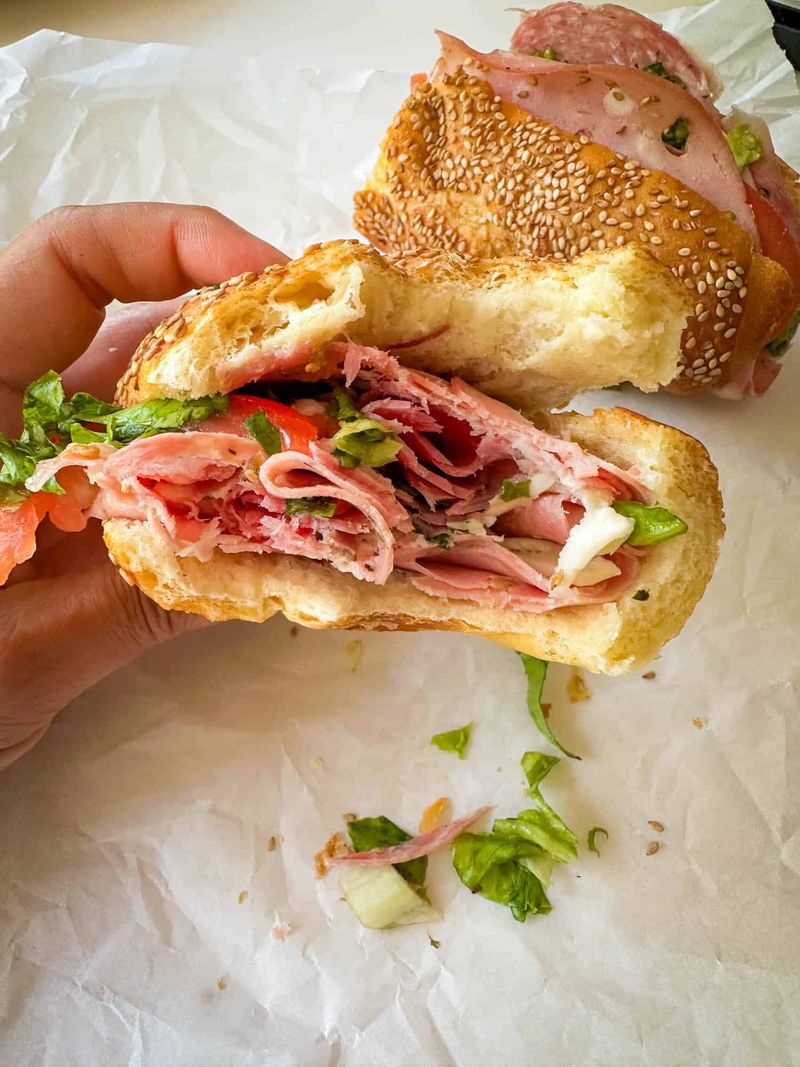
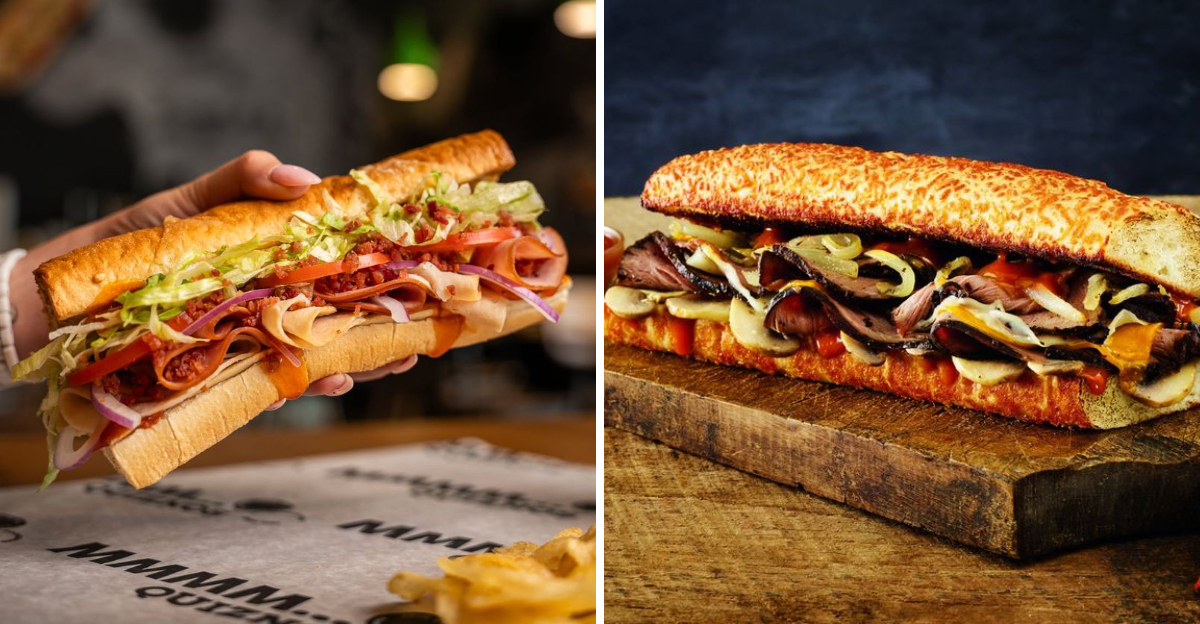
Deli bread is built for the job. Crusty rolls, chewy hoagies, and soft-but-strong heroes hold up under juicy fillings without collapsing.
The way they slice matters too, opening the loaf like a hinge so ingredients nestle in rather than slide out. You can copy this.
Choose bread with a resilient crust and a tender interior, and toast lightly to reinforce structure. Slice lengthwise so the top acts like a lid, and remove a little crumb if needed to make room.
When you assemble, let the bread determine the shape of the stack. Spread to the edges, anchor slippery layers with cheese, and keep sauces off the cut edge until the end.
Your bite stays clean.
2. Seasoning beyond mayo and mustard
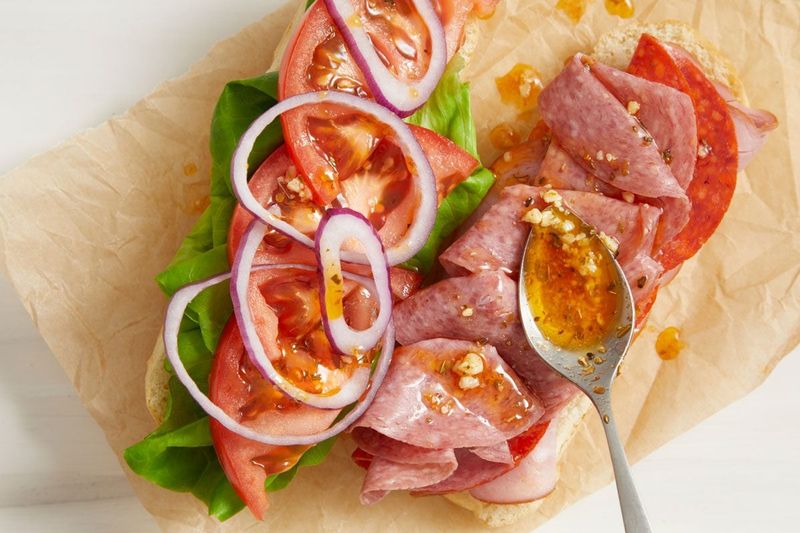
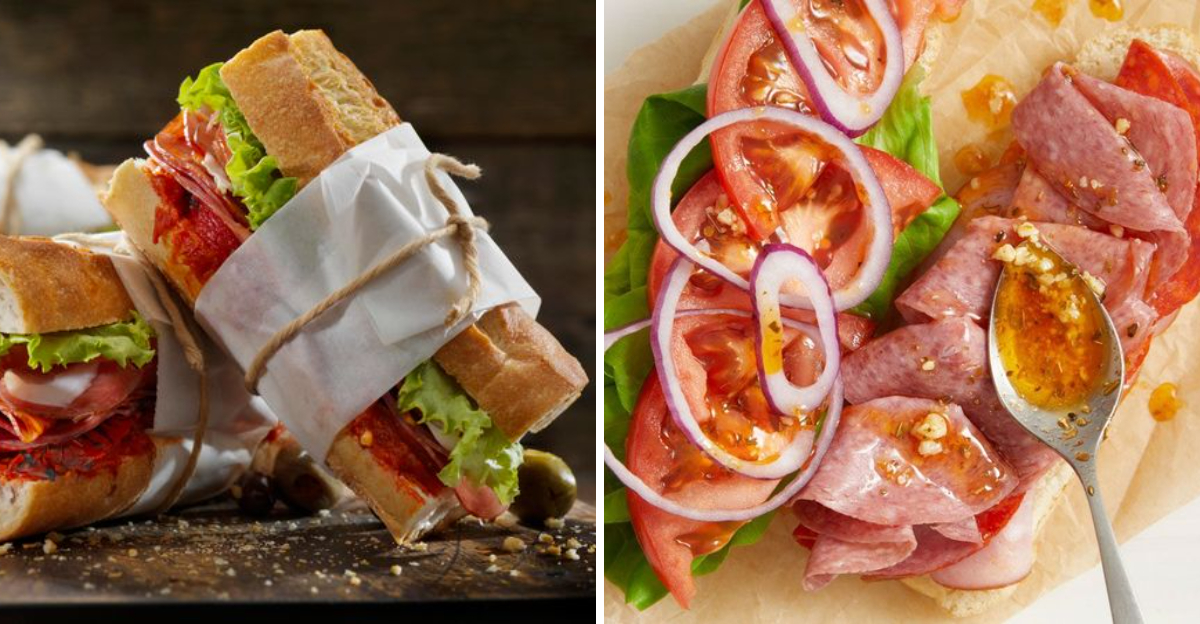
Delis do not stop at mayo and mustard. They dust salt, crank pepper, sprinkle oregano, and finish with oil and vinegar.
That little shower of seasoning wakes everything up and ties flavors together. At home, keep a mini sandwich kit: a squeeze bottle of oil, one of vinegar, plus salt, pepper, and dried oregano.
A tiny pinch matters, especially on tomatoes and lettuce. Layer seasoning where it touches moisture.
Salt on tomatoes, pepper over meat, oregano on warm bread so aromas bloom. A quick zigzag of oil followed by a smaller vinegar pass gives shine, acidity, and that deli finish you always notice but cannot name.
3. Thin slicing and purposeful piling
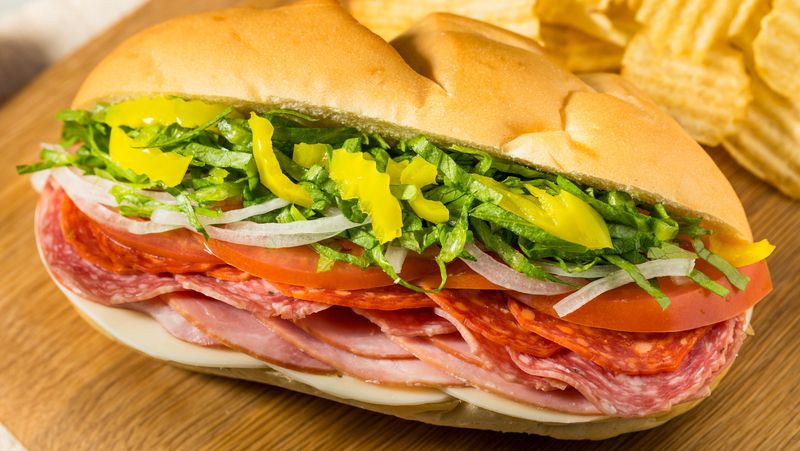
Thin slices create layers, and layers trap flavor. Delis fold meat into ruffles instead of laying thick slabs.
That structure makes bites bouncy and juicy without feeling heavy. Ask the counter to slice thinner, or set your home slicer low.
If using pre-sliced, separate pieces and gently fold, building height rather than weight. Air between layers helps sauces migrate and season evenly.
Stack with intent: meat on both sides of wetter ingredients to shield the bread, and overlap edges for even coverage. When you take a bite, those delicate folds compress pleasantly, distributing salt, fat, and seasoning in a way thick chunks never can.
4. Smart cheese placement
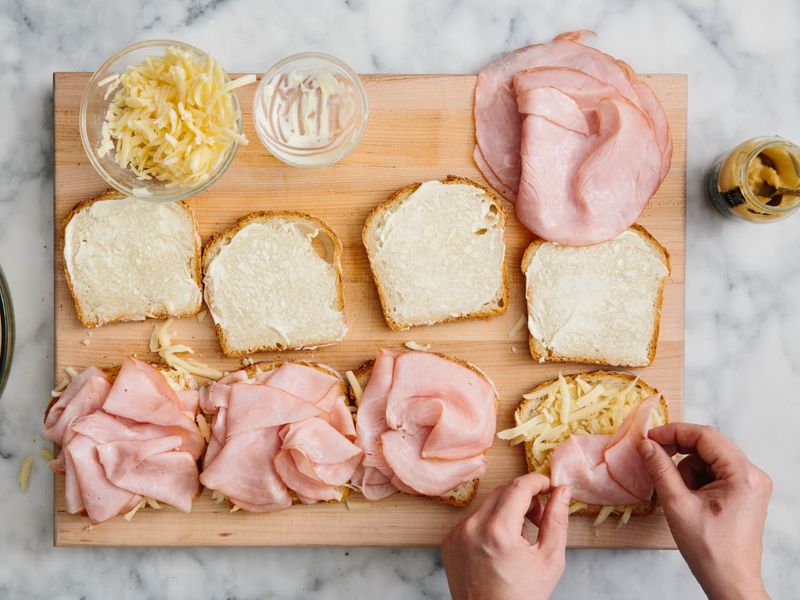
Cheese is not just a topping, it is a strategy. Delis tuck cheese against the bread or warm meat so it softens slightly and acts like delicious glue.
Softened cheese catches juices and keeps slippery items from shooting out. At home, place cheese under warm components or toast bread with cheese on the inside.
You want gentle melt, not full goo, unless you are pressing. Even cold sandwiches benefit from a brief warm touch.
Use cheese to separate wet ingredients from bread. Swiss or provolone as moisture shields, sharper cheeses for flavor punch.
When cheese blends into the bite instead of sitting stiff on top, the whole sandwich tastes coherent.
5. Lettuce and tomato prep that works
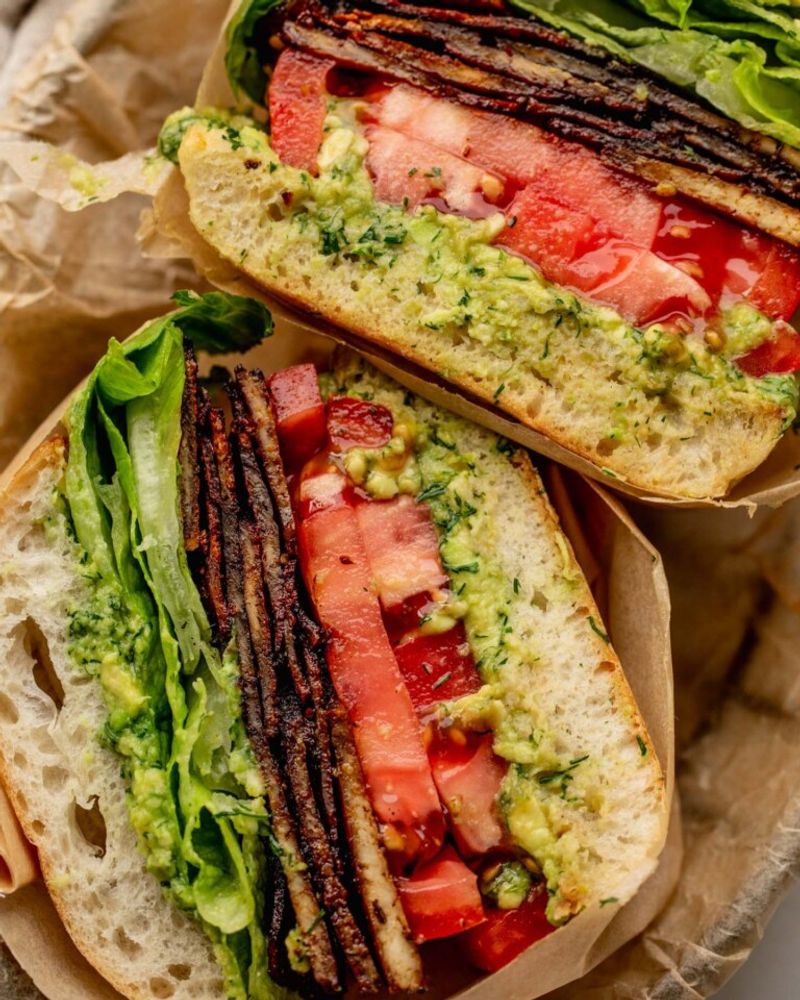
Delis control water. Shredded lettuce distributes crunch without creating slippery layers.
Tomatoes are sliced thinner than you think and often patted dry, so flavor stays and sogginess does not. At home, shred lettuce with a sharp knife and spin it dry.
Slice tomatoes 1 or 2 millimeters thinner than usual, then blot. Season tomatoes with a pinch of salt and pepper before they go in, because seasoned produce sings.
Stack lettuce away from the wettest ingredients and keep tomatoes centered to prevent slide. A moisture barrier of cheese or cured meat under tomatoes protects the bread.
Your sandwich stays crisp longer and tastes brighter in every bite.
6. Dialed-in acid for brightness
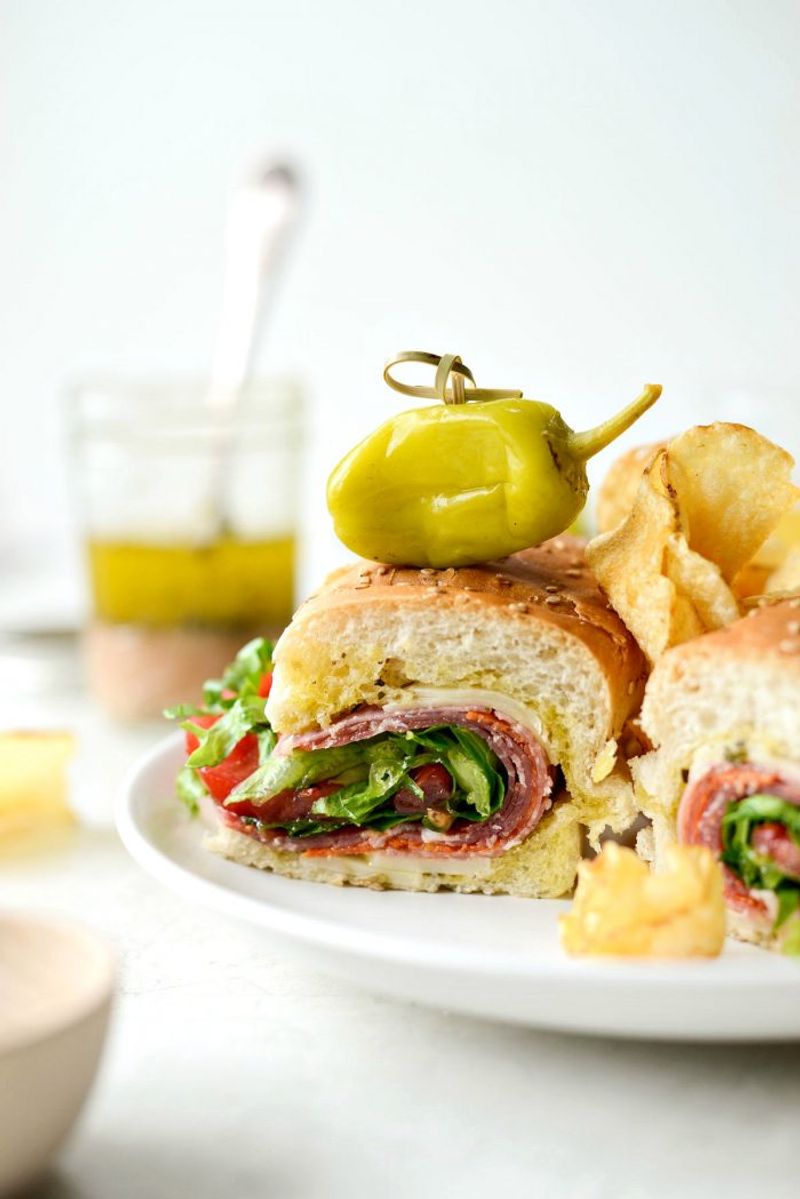
Acid cuts richness and resets your palate. Delis lean on pickles, banana peppers, pickled onions, and a splash of vinegar.
That tangy spark makes meats taste meatier and mayo feel lighter. Choose one main acid and one supporting accent.
For Italian subs, red wine vinegar plus banana peppers. For turkey, dill pickles and a lemony dressing.
Keep portions modest so acid lifts rather than overwhelms. Layer acids away from the bread and near fatty elements.
A quick flick of vinegar over meat, pickles tucked into lettuce, or onions pressed against cheese. You will taste definition in every bite, like a spotlight revealing each ingredient.
7. Bolder spreads and condiments
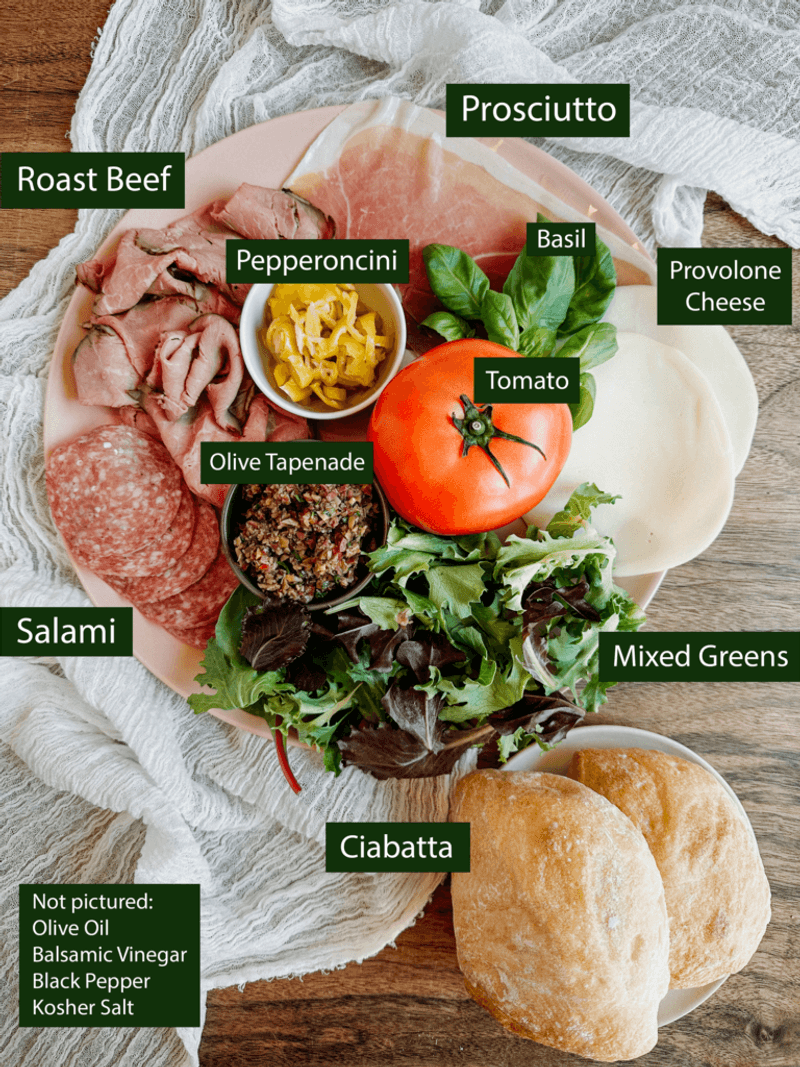
Delis stock power moves in jars. Pepper relish, garlic aioli, Dijon blends, olive tapenade, and herb vinaigrettes bring concentrated flavor.
A thin swipe transforms a decent sandwich into a craveable one. At home, keep one classic creamy spread and one punchy acidic element ready.
Stir Dijon into mayo, or fold chopped pickled peppers into aioli. Even a quick vinaigrette can be your flavor engine.
Apply spreads strategically. Creamy on one side for richness, tangy on the other for balance, meeting in the middle with the fillings.
Hit edges so every bite gets sauce. Suddenly your sandwich tastes intentional, not improvised.
8. Texture you can actually feel
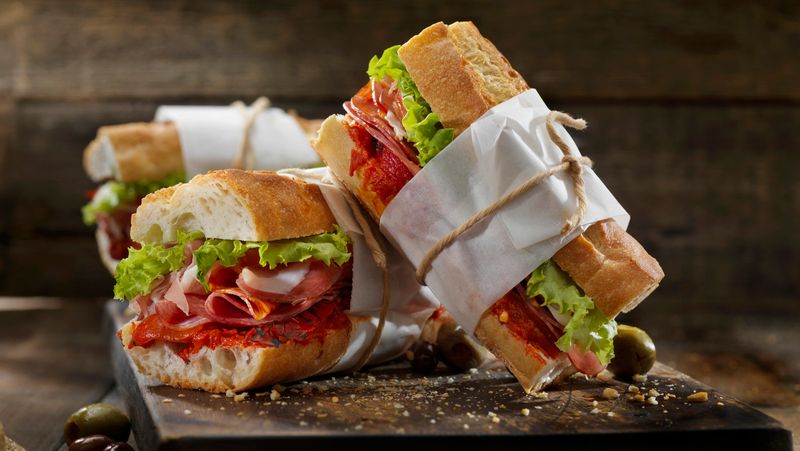
Great sandwiches deliver contrast. Delis chase crunch plus soft plus juicy all at once.
You feel crisp lettuce shatter, pickles snap, meat bounce, and sauce cushion the bite. Build texture on purpose.
Add something crisp, something creamy, something tender, and something sturdy. Consider chips inside, shredded lettuce instead of leaves, or a toasted interior with a soft exterior.
Do not let everything be soft. Even small contrasts change the experience.
If fillings are tender, crank up crunch with pickles or a pressed finish. When textures alternate, your brain registers more flavor because each bite is dynamic, not monotone.
9. Do not fear fat

Fat carries flavor and creates satisfaction. Delis are not shy with mayo, oil, cheese, and cured meats.
That does not mean greasy, it means enough richness to make herbs, spices, and acids pop. At home, be deliberate.
A thin oil zigzag, a respectable swipe of mayo to the edges, and a real portion of cheese deliver mouthfeel. Fat softens sharp notes and makes every fragrant element travel further.
Balance is key. Pair richness with acid and crunch so the sandwich feels lively, not heavy.
You are not overdoing it, you are tuning the engine. A little extra fat often unlocks the deli taste you keep chasing.
10. Repetition and reliable ratios
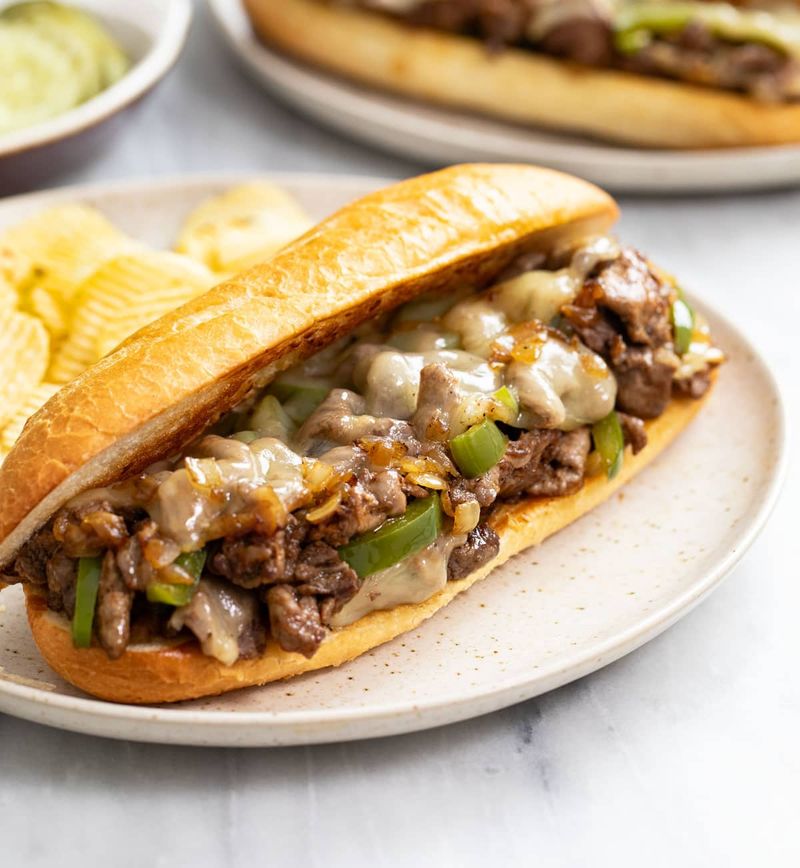
Delis make the same sandwich thousands of times. Repetition teaches exact amounts, order of operations, and how ingredients behave.
That experience produces reliable balance from first bite to last. Steal that precision.
Write your ratios once you love a build: grams of meat, number of tomato slices, teaspoons of oil and vinegar. Use a scale a few times and your hands will learn the feel.
Keep assembly order consistent so you know what each step does. When results are predictable, you can tweak with confidence.
Suddenly your homemade becomes repeatable, not lucky.
11. Pressing, wrapping, and resting
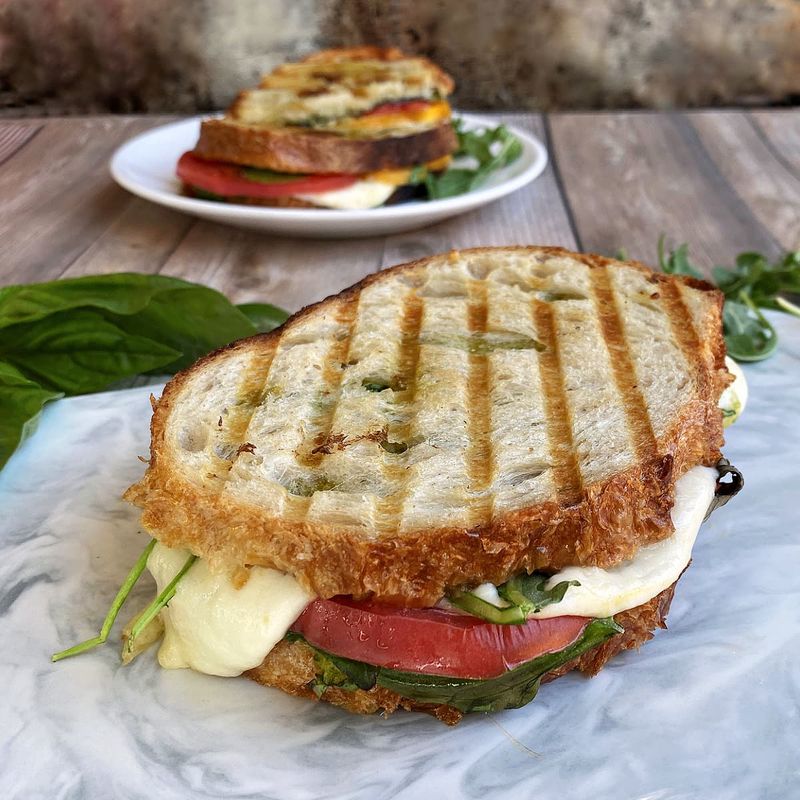
Wrapping tight is a deli superpower. Pressure compacts layers so flavors meld and slices stop slipping.
A short rest gives bread time to absorb seasoning and for cheese to relax. At home, use parchment or foil, wrap snugly, and let it sit five to ten minutes.
For hot builds, a gentle press in a pan or press adds texture and bloom to aromas. Do not over-crush or you lose loft.
When unwrapped, you get clean cuts and cohesive bites. The sandwich eats tidier and tastes like it belongs together.
Small patience, big payoff.
12. Moisture management and barriers
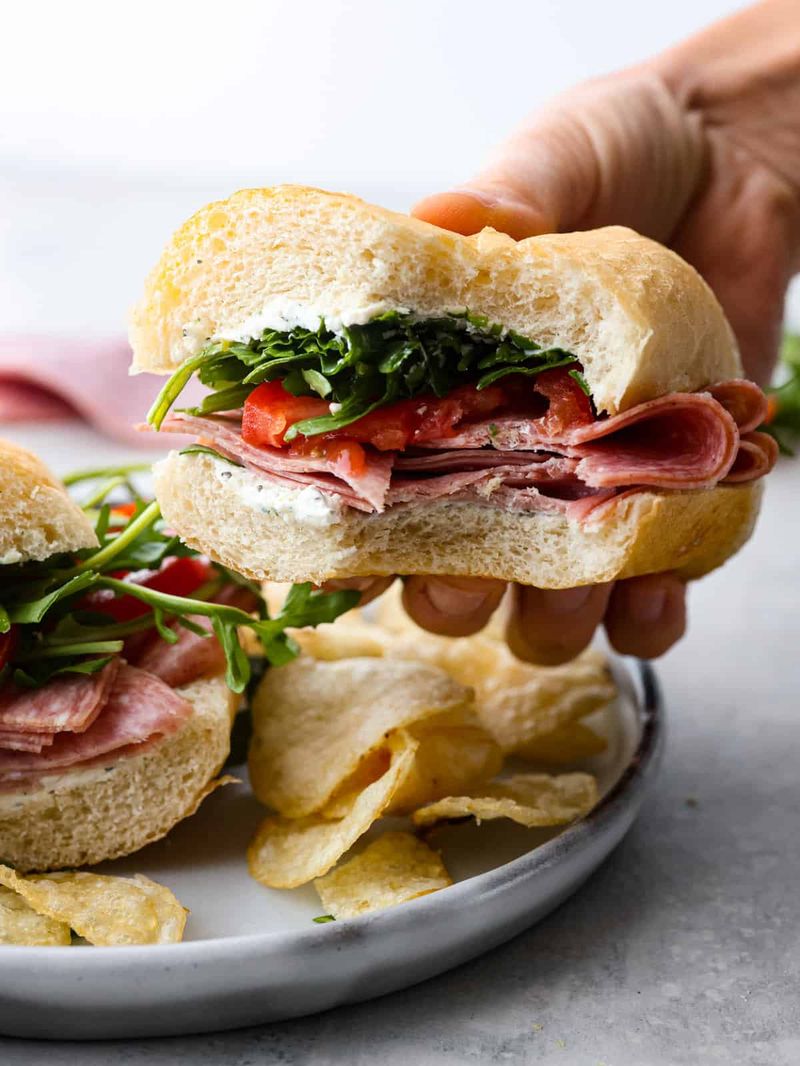
Moisture is the silent saboteur. Delis build barriers to keep bread from getting soggy: cheese under tomatoes, cured meats shielding wet veggies, and sauces away from cut edges until the end.
Every layer has a job. You can do the same.
Pat watery ingredients dry, put oil before vinegar, and keep acidic elements centered. Use fat based spreads as sealing coats on the bread.
Think like a roofer, overlapping layers so drips never reach the crust. If packing to go, keep the crunch component separate until serving.
Your sandwich will hold structure hours later and still taste fresh.
13. Nailing the final ratio
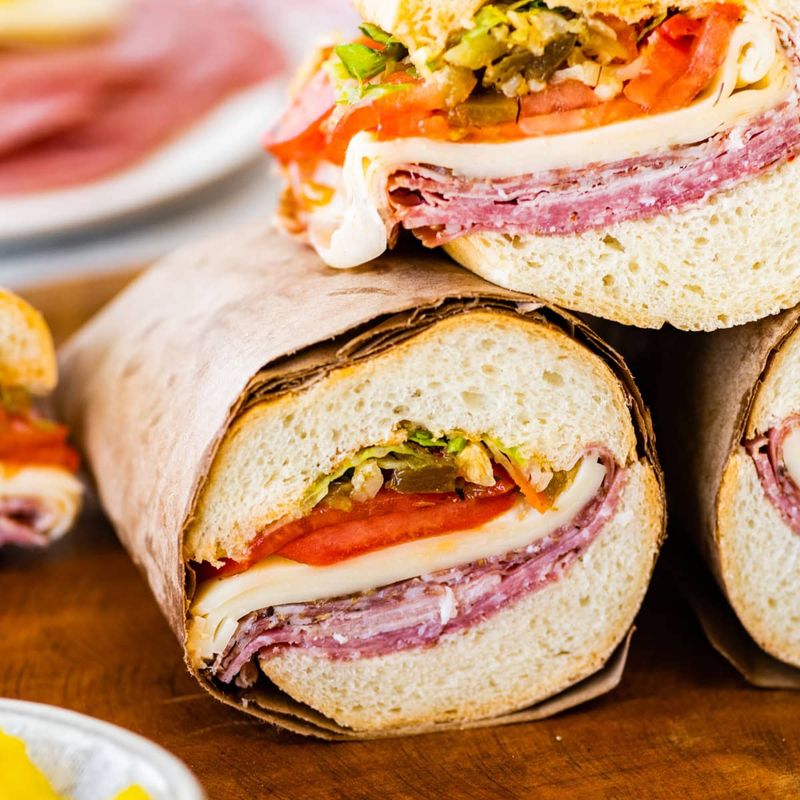
The magic is ratio. Enough meat for savoriness, enough crunch for contrast, enough sauce for lubrication, enough acid for lift.
Delis calibrate by feel because they have done it forever. Build a template: 1 part bread, 1 part meat and cheese, 1 part veg, plus measured hits of fat and acid.
Adjust for bread size so every bite includes everything. Trim excess that bulges and redistribute.
Take a test bite from the middle and tweak. Add a pinch of salt, a splash more vinegar, a few shreds of lettuce.
When ratio clicks, the sandwich tastes inevitable, like it could not be any other way.