10 Cooking Tips That Help Chicken Stay Juicy
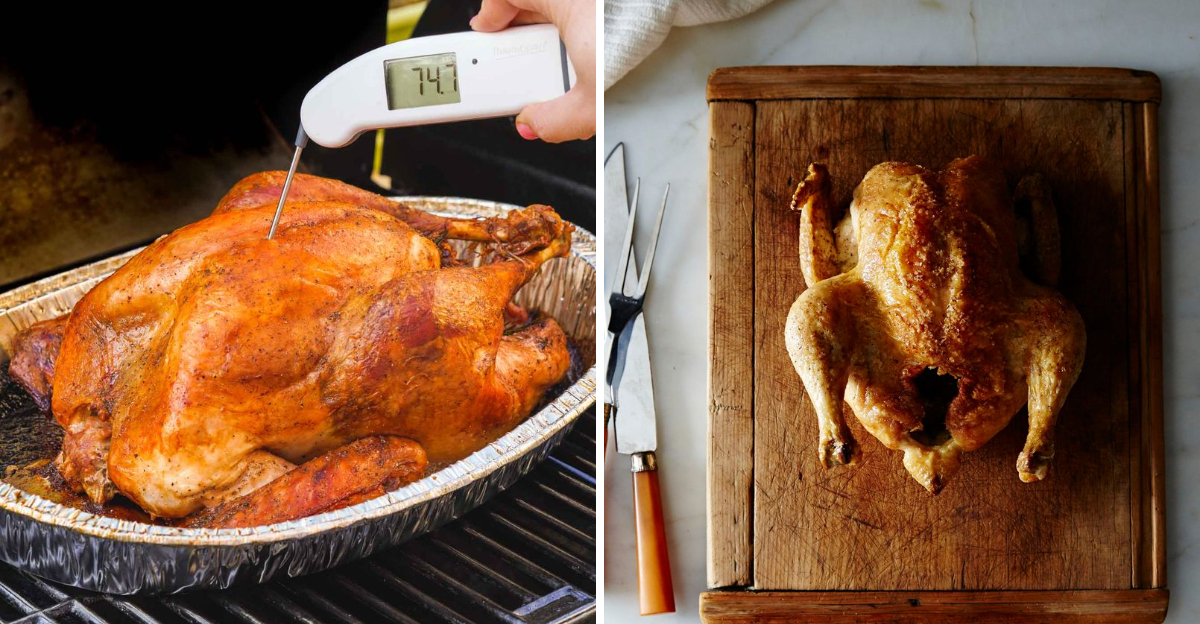
Nobody wants to sit down to a plate of dry, rubbery chicken. Whether you’re cooking for your family on a weeknight or impressing guests at a dinner party, keeping chicken moist and flavorful is the key to a great meal.
Luckily, a few simple tricks can make a huge difference between dry and delicious. These tips are easy to follow and will transform the way you cook chicken forever.
1. Do Not Overcook Your Chicken
The number one chicken-killer in most kitchens? Too much heat for too long.
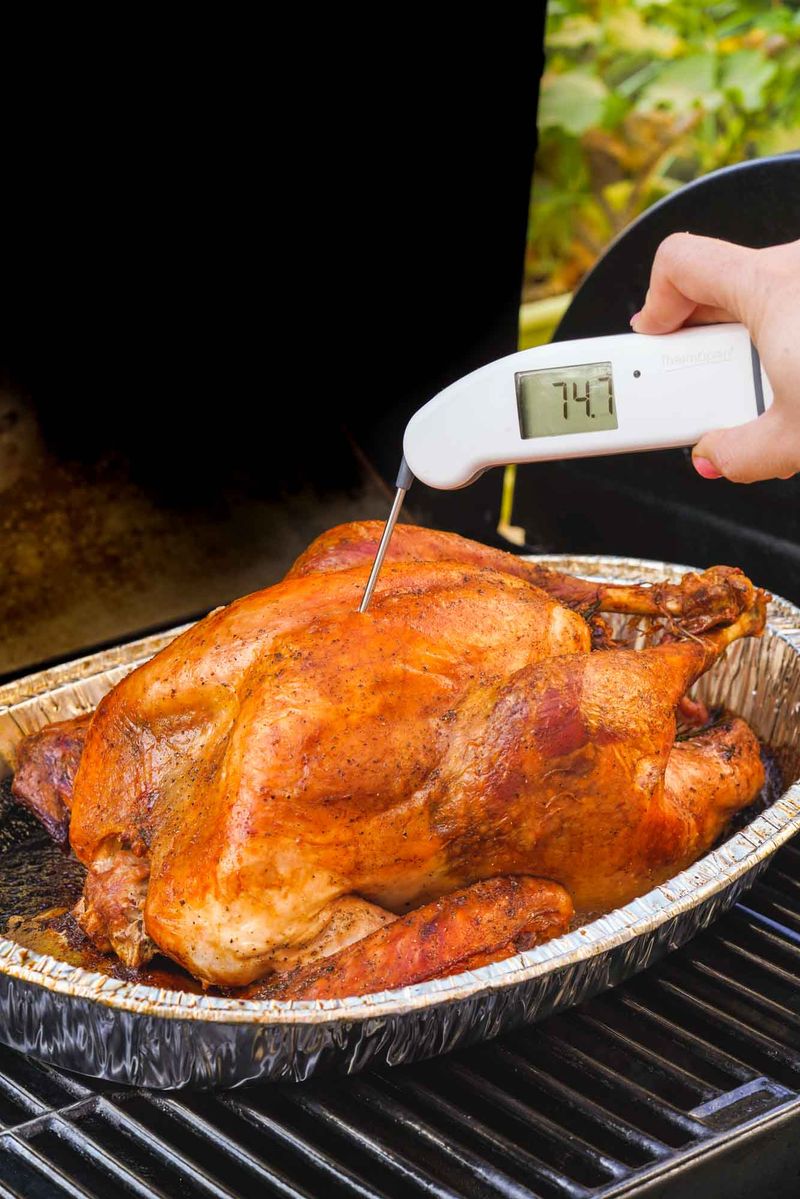
Overcooked chicken turns dry and chewy almost instantly. Using an instant-read meat thermometer takes all the guesswork out of cooking.
Chicken breasts are done at 165°F (74°C), while dark meat like thighs and drumsticks taste best around 170-175°F (77-79°C). Pull the chicken off the heat the moment it hits that target temperature, and you’ll be rewarded with juicy, tender bites every single time.
2. Let the Chicken Rest After Cooking
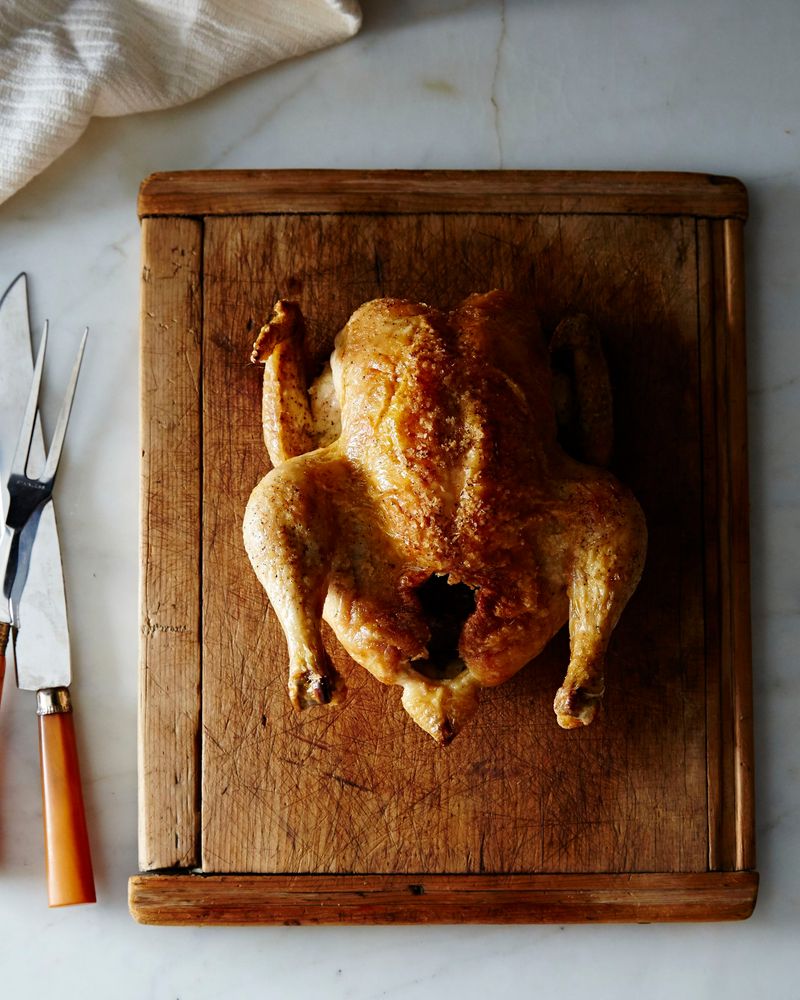
Right out of the pan, chicken is full of hot, bubbling juices that haven’t settled yet. Cutting into it immediately sends all that moisture straight onto your cutting board instead of into your mouth.
Resting for 5 to 15 minutes, depending on the size of the piece, allows those juices to redistribute evenly through the meat. For crispy skin, skip the foil and rest it uncovered.
Either way, patience here pays off with noticeably juicier chicken on every plate.
3. Brine the Chicken Before Cooking
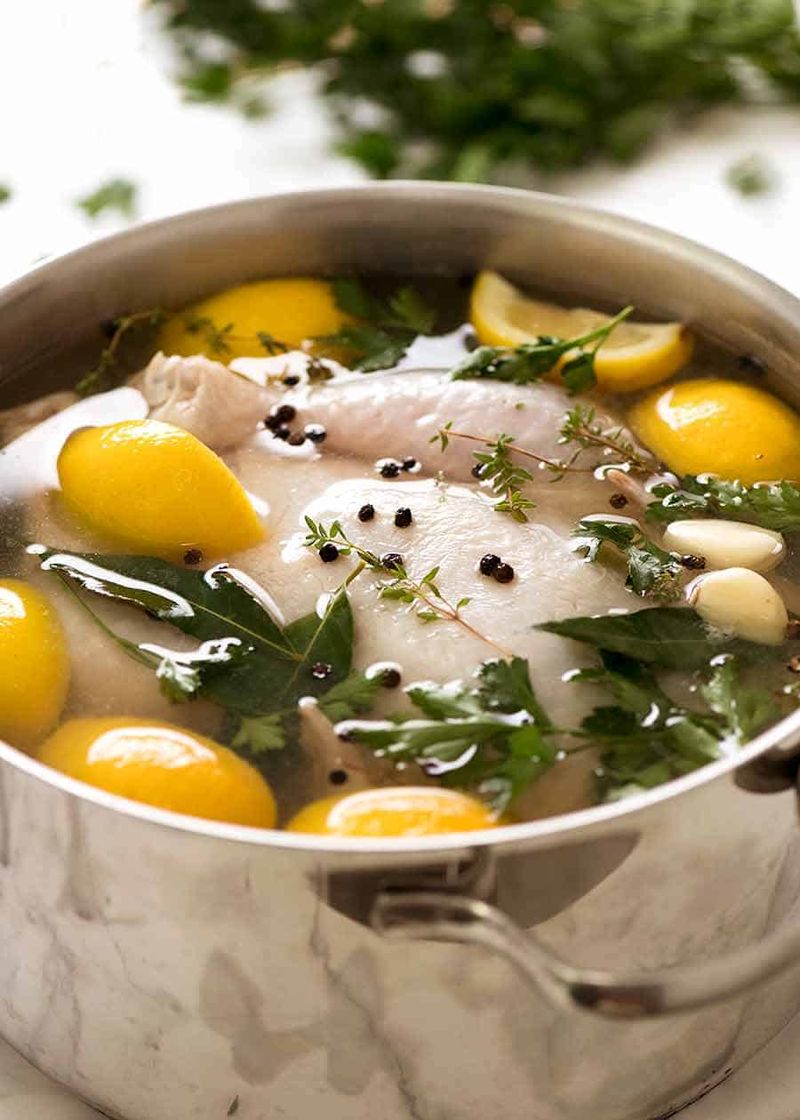
Brining is like giving chicken a long, refreshing soak before it hits the heat. When chicken sits in a saltwater solution, the salt breaks down proteins and helps the meat absorb and hold onto more moisture during cooking.
A basic brine is just water and salt, but you can add garlic, herbs, or citrus for extra flavor. Even a quick 30-minute brine makes a noticeable difference.
Overnight brining takes juiciness to a whole new level worth trying.
4. Marinate for Flavor and Moisture
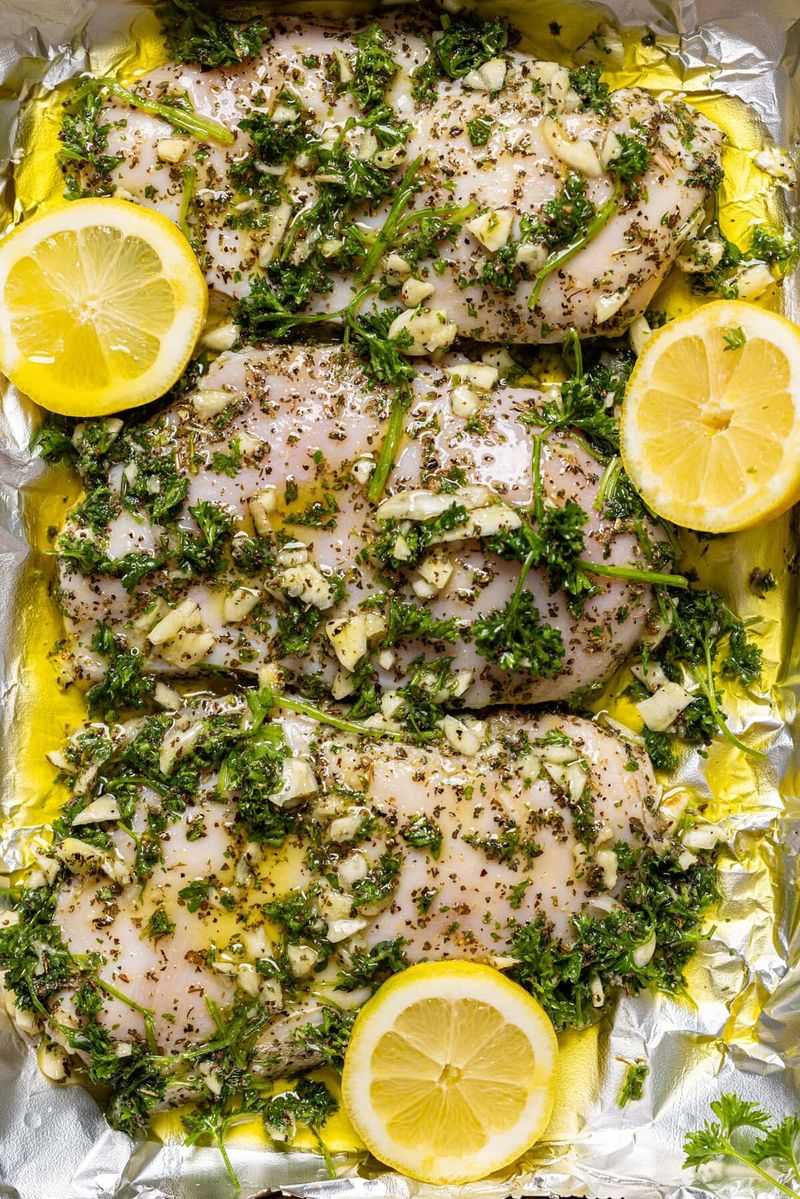
A good marinade does double duty — it adds bold flavor and helps tenderize the meat at the same time. Acidic ingredients like lemon juice, lime, vinegar, or yogurt gently break down tough muscle fibers, making every bite softer and juicier.
Even 30 minutes in a marinade can improve texture noticeably. For best results, marinate chicken in the refrigerator for 2 to 8 hours.
Just avoid marinating too long with strong acids, or the texture can turn mushy.
5. Pound Chicken to an Even Thickness
Ever noticed how the thin end of a chicken breast dries out while the thick center is still undercooked? That uneven shape is the culprit.
Pounding chicken to a uniform thickness fixes this problem completely.
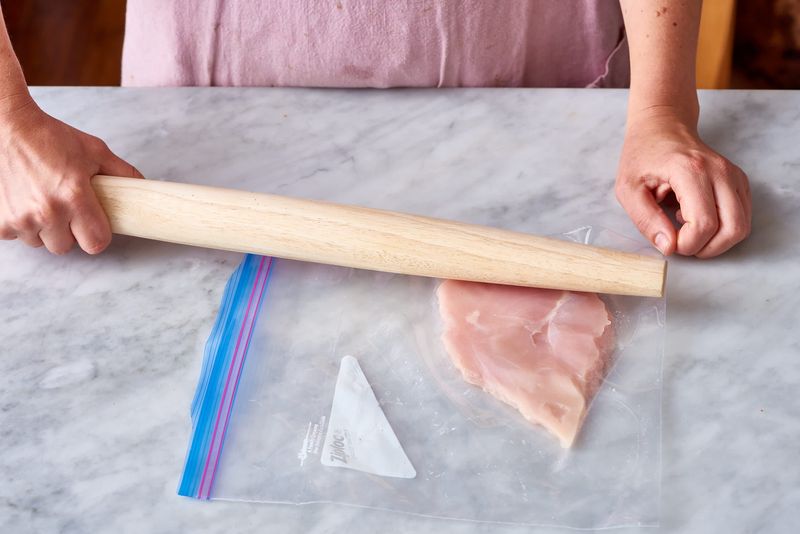
Place the breast between two sheets of plastic wrap or in a zip-lock bag and use a meat mallet or rolling pin to flatten it evenly. This simple step ensures every part of the chicken cooks at the same rate, eliminating dry edges and undercooked centers for good.
6. Cook at High Heat for Less Time
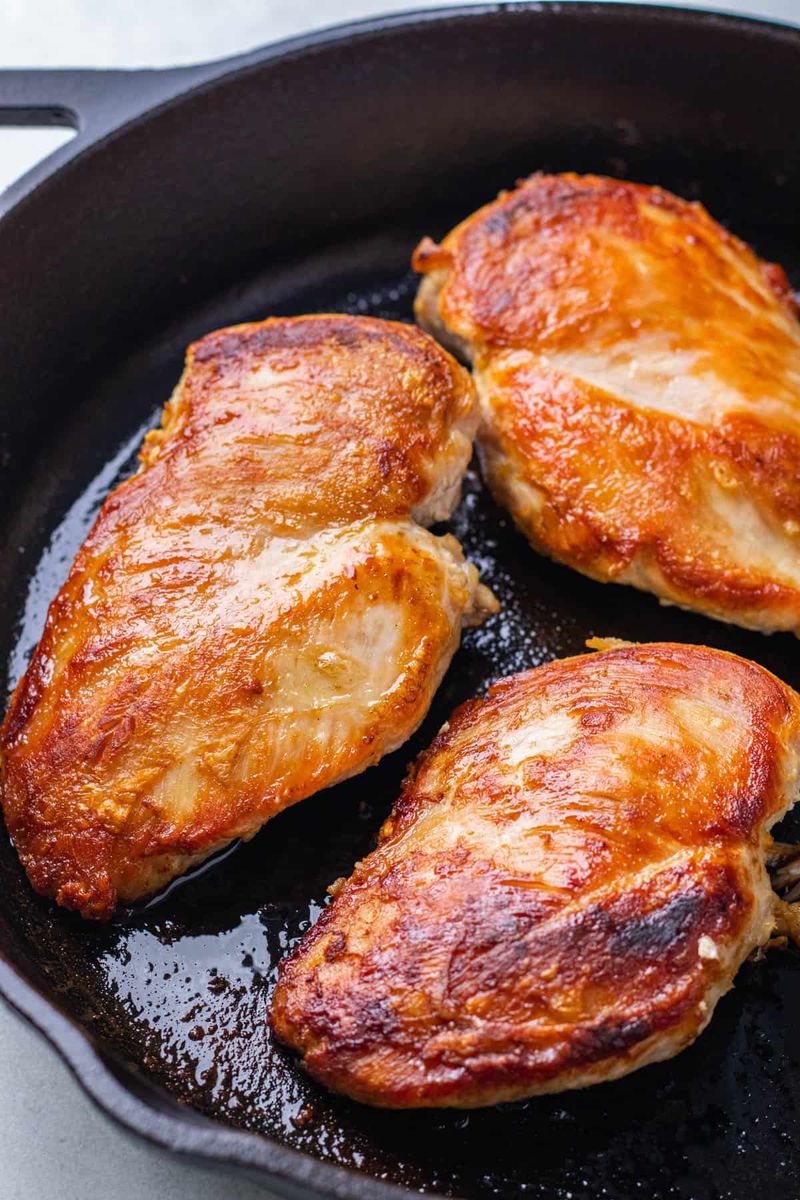
Slow and low might work for some meats, but chicken breast actually does better with a quick blast of high heat. Cooking at 425°F to 450°F in the oven, or searing in a blazing hot pan, creates a caramelized crust fast while keeping the inside moist.
The key is getting in and out quickly before the heat has time to dry out the interior. High-heat cooking also develops incredible flavor on the outside.
Pair this method with a thermometer, and you’ll get perfect results every time.
7. Bring Chicken to Room Temperature First
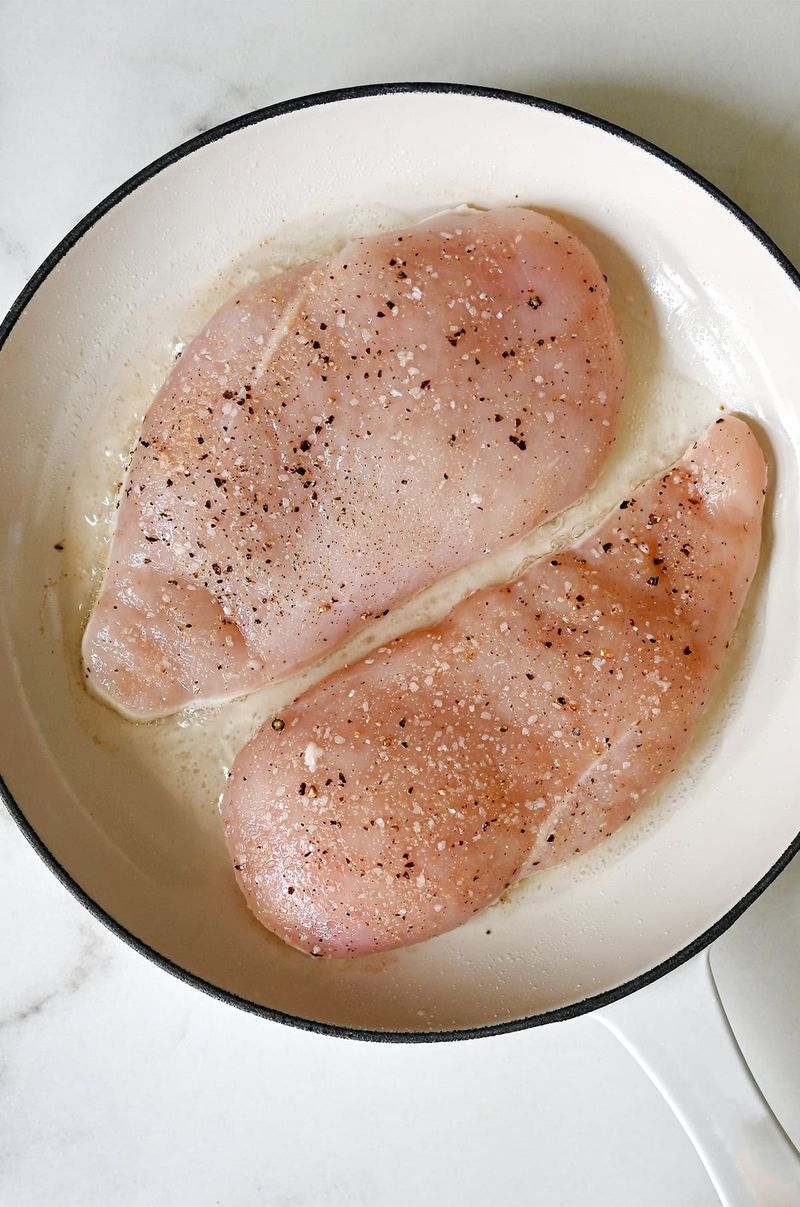
Tossing cold chicken straight from the fridge into a hot pan is a recipe for uneven cooking. The outside overcooks and dries out before the cold center even has a chance to warm through properly.
Letting chicken sit at room temperature for about 30 minutes before cooking gives it a head start. Heat penetrates more evenly when the meat isn’t ice-cold, meaning the outside and inside finish cooking at nearly the same time.
It’s a small habit that makes a surprisingly big difference in moisture.
8. Choose Bone-In, Skin-On Chicken Pieces
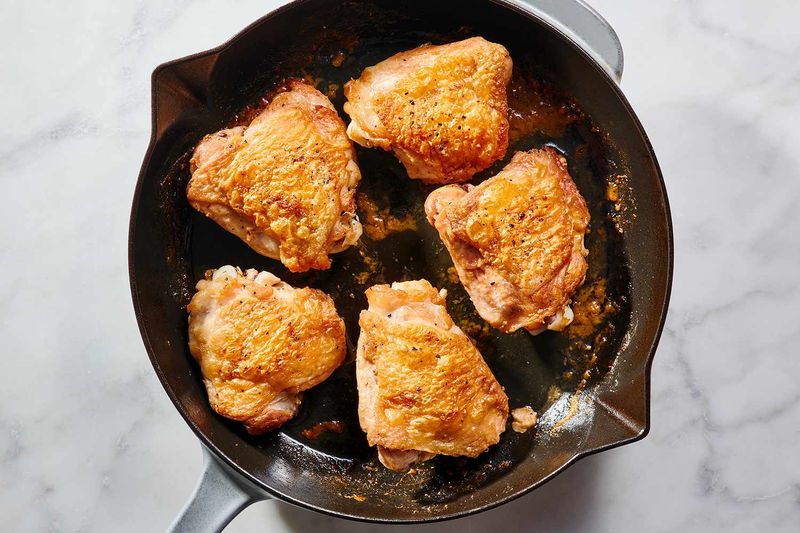
Skinless, boneless chicken breasts are popular, but they’re also the hardest cut to keep moist. Bone-in, skin-on pieces have a built-in advantage — the bone conducts heat evenly from the inside, while the skin acts like a protective shield on the outside.
As the skin cooks, it renders fat directly into the meat underneath, basting it naturally throughout the process. The result is chicken that’s deeply flavorful and stays moist even if you cook it a minute or two longer than intended.
9. Try the Velveting Technique
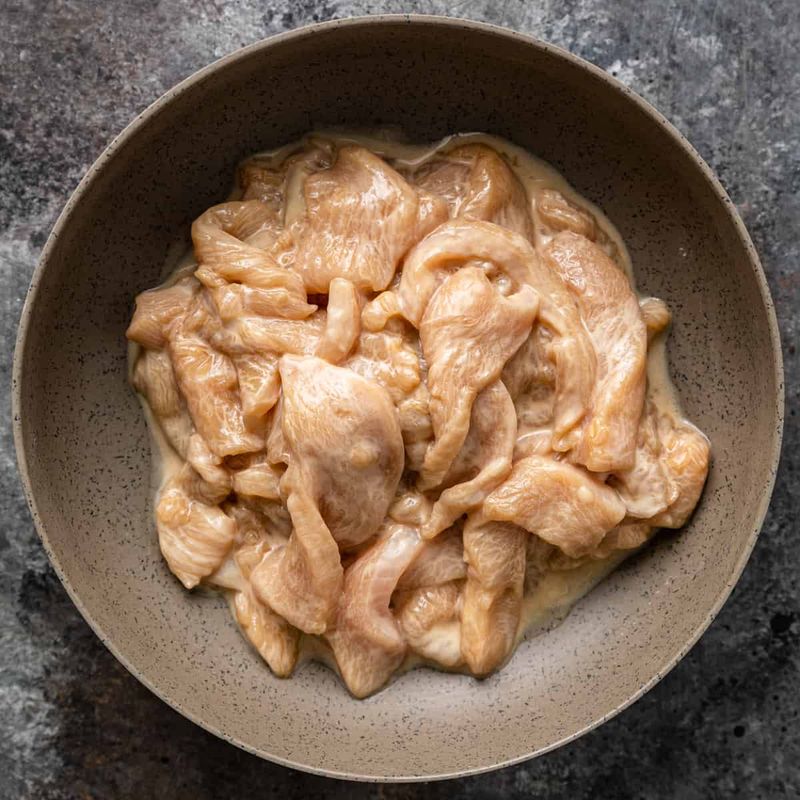
Velveting is a traditional Chinese cooking method that produces impossibly silky, tender chicken — and once you try it, you’ll wonder why it took so long to discover. The technique involves coating chicken in a mixture of cornstarch, egg white, or baking soda before cooking.
This coating creates a protective barrier that seals in moisture during high-heat stir-frying. The result is restaurant-quality chicken that stays tender and juicy no matter how hot your wok gets.
It works beautifully with any quick-cooking dish.
10. Salt the Chicken Well in Advance
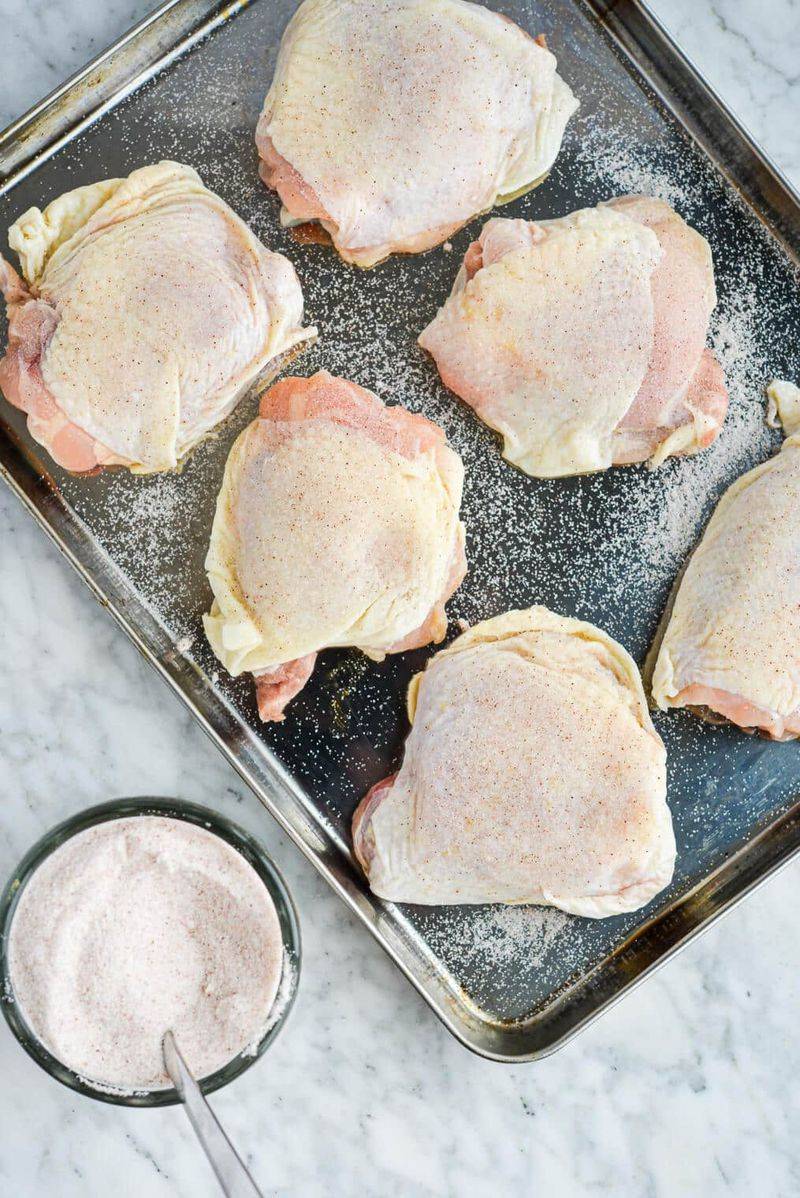
Salting chicken right before cooking only seasons the surface. But salting it at least 40 minutes ahead — or even overnight — works like a dry brine, pulling moisture out briefly and then drawing it back in along with the salt.
That recycled moisture is now seasoned all the way through the meat, not just on the outside. The texture also firms up slightly, helping the chicken hold onto its natural juices during cooking.
Coarse kosher salt works best for this technique and is easy to control.