10 Dishes That Taste Different Once Cold, And 10 That Work Better Warm

Temperature changes food more than most people expect. A slice, bowl, or bite can go from comforting to disappointing the second it cools off, while other dishes practically beg for heat to bring them alive.
If you have ever wondered why leftovers sometimes feel like a totally different meal, this list will make immediate sense. Here are the foods that lose their spark when cold and the ones that truly shine when served warm.
1. Pizza
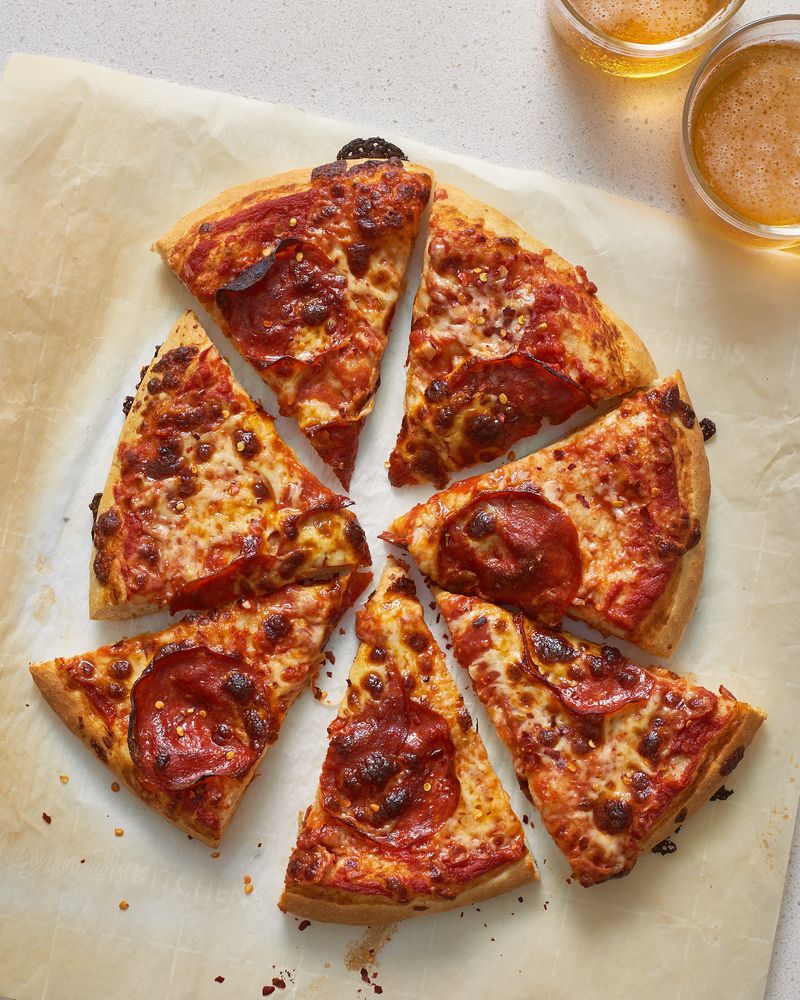
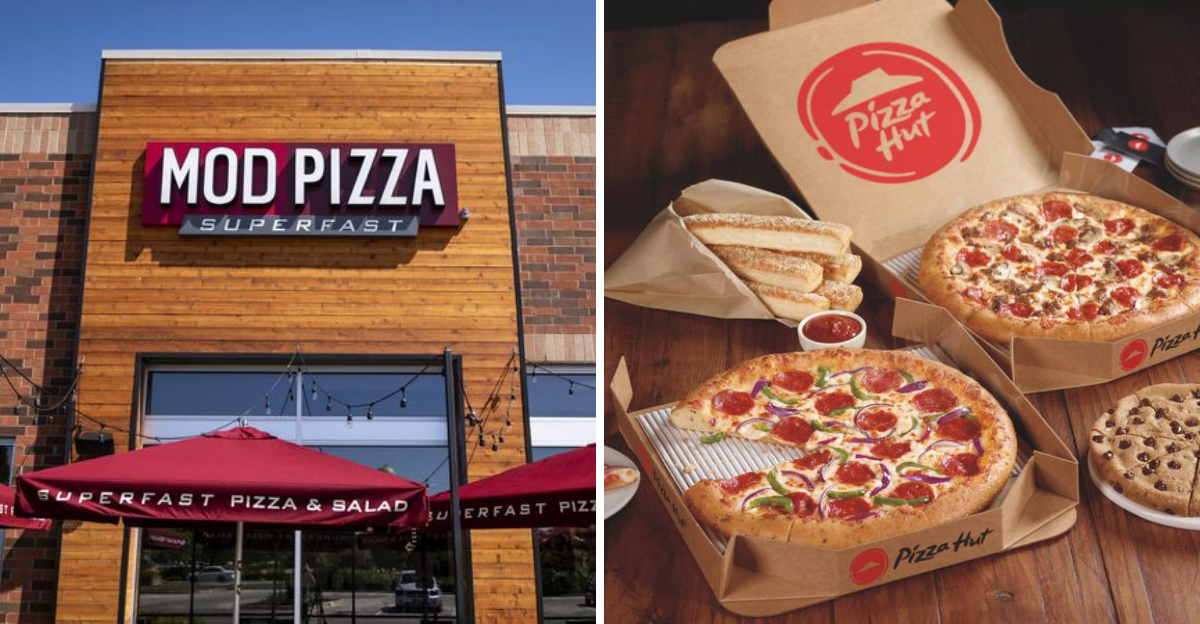
Cold pizza has its fans, but you can still taste how different it becomes once the heat disappears. The cheese firms up, the crust loses that fresh crispness, and the whole slice feels denser in your hand.
I notice the salt and tomato taste more concentrated too, which can be great for one bite and a little heavy by the third.
When pizza is hot, everything feels balanced and stretchy in the best way. Once cold, it turns into a firmer, chewier version of itself.
It is still pizza, obviously, but it eats like a completely different food.
2. Fried Chicken

Fried chicken changes fast once it cools down, and the first thing you notice is the skin. Warm, it has that shattering crunch that makes every bite exciting.
Cold, the seasoning stands out more clearly, but the coating turns chewy instead of crisp, which changes the whole experience.
The meat can still be juicy, so it is not like cold fried chicken is bad. It just becomes more about spice and salt than texture.
If you love crunch, you probably miss the hot version immediately after the first bite.
3. French Fries
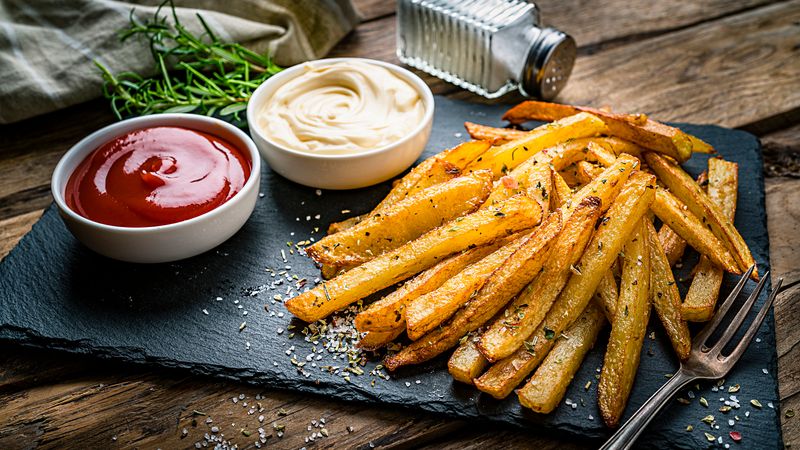
French fries might be the clearest example of a food that loses its magic when cold. The fluffy interior goes dense, the outside turns limp, and that irresistible contrast disappears almost completely.
You can still eat them, sure, but they stop feeling fun and start feeling like a compromise.
Fresh fries are all about steam, salt, and crunch happening at once. Once they cool, the potato taste becomes heavier and the texture gets oddly tired.
I always think cold fries taste less like a treat and more like evidence that I waited too long.
4. Mac and Cheese

Mac and cheese is built around creaminess, so cold leftovers can feel like a letdown right away. The sauce tightens, the noodles cling together, and the texture shifts from silky to clumpy or even slightly waxy.
Instead of coating each bite smoothly, the cheese starts sitting on the pasta in a heavier way.
When it is warm, the whole dish feels loose, rich, and comforting. Cold, the flavor is still there, but the texture stops working in your favor.
If you want that classic cozy payoff, this is one dish that really wants heat.
5. Spaghetti with Marinara

Spaghetti with marinara tastes noticeably flatter once it gets cold, even if the ingredients are exactly the same. The pasta keeps absorbing moisture, the sauce thickens, and the strands stick together in a way that feels less lively.
Instead of twirling neatly with bright tomato flavor, it starts eating more like a dense block.
Warm marinara feels brighter, looser, and more aromatic. Cold spaghetti mutes those fresh acidic notes and makes the whole plate seem heavier.
It is one of those meals where temperature quietly controls more of the flavor than you might expect.
6. Grilled Cheese

Grilled cheese is basically a temperature test disguised as a sandwich. Hot, it is gooey, crisp, buttery, and comforting in a way that feels almost impossible to improve.
Cold, the cheese firms up, the bread turns chewy, and the whole thing becomes less of a melted sandwich and more of a pressed cheese snack.
That does not mean it is inedible, but it absolutely feels like a different dish. The appeal of grilled cheese lives in contrast between crisp bread and molten center.
Take away the warmth, and you take away the point.
7. Pancakes or Waffles

Pancakes and waffles need warmth more than people sometimes admit. When they are fresh, the butter melts in, the syrup soaks beautifully, and the soft interior feels light instead of heavy.
Cold, they become denser, the sweetness feels muted, and the whole breakfast loses that just-made comfort.
I always think warmth is half the flavor here, not just a serving detail. Even good pancakes can seem bland once they cool completely.
Waffles hold up a little better sometimes, but both really depend on heat to feel fluffy, fragrant, and worth getting excited about.
8. Mashed Potatoes

Mashed potatoes are one of those foods that seem simple until you taste them cold. The butter and dairy stop feeling silky, the texture stiffens, and each spoonful starts leaning pasty instead of smooth.
What was fluffy and rich a few minutes ago suddenly feels dense and oddly restrained.
Warm mashed potatoes spread gently on the plate and carry gravy beautifully. Cold ones sit there like they have locked into place and do not want to cooperate.
If you love mashed potatoes for comfort, the temperature difference is impossible to ignore after one bite.
9. Dumplings

Dumplings lose a lot when they go cold, especially if you love that soft wrapper and juicy center. The dough firms up, sometimes turns a little gummy, and the filling seems tighter and less fragrant.
Even pan-fried dumplings lose that lovely contrast between crisp bottom and tender top once the heat is gone.
Warm dumplings feel gentle, savory, and balanced in a way cold ones rarely manage. You can still taste the filling, but the wrapper takes on too much of the story.
For me, dumplings are at their best when they are still giving off a little steam.
10. Ramen or Noodle Soup

Ramen and noodle soups change shockingly fast once they cool off. The broth loses its liveliness, noodles keep soaking up liquid until they swell, and any fat in the soup starts feeling heavier instead of silky.
A bowl that was balanced and layered can turn muddled in what feels like minutes.
This is why timing matters so much with noodle soup. Warm, you get aroma, bounce, and clear contrast between broth, noodles, and toppings.
Cold, those lines blur together, and the bowl tastes less like a meal and more like leftovers waiting to be rescued.
11. Brownies

A brownie is good at almost any temperature, but slightly warm is where it becomes hard to resist. Heat wakes up the chocolate aroma, softens the center, and makes each bite taste fudgier and more intense.
Even a basic brownie suddenly feels bakery-level when the middle is just a little molten.
Cold brownies can be chewy and pleasant, but the flavor stays more muted and compact. Warmth gives them drama, especially if you add ice cream and let it melt into the edges.
If dessert is about comfort, a warm brownie absolutely understands the assignment.
12. Chocolate Chip Cookies

Chocolate chip cookies might be the easiest win on this list because even ten seconds of warmth changes everything. The chocolate turns gooey, the center softens, and the butter smell becomes way more noticeable.
Suddenly, a decent cookie feels fresh from the bakery instead of from a container on the counter.
At room temperature they are still delicious, so this is not a knock against regular cookies. Warmth just pushes the texture and aroma into a better place.
If you want maximum comfort from a simple dessert, this tiny temperature upgrade does a lot of heavy lifting.
13. Apple Pie

Apple pie is perfectly good cold, but warm apple pie feels like the version your memory has been saving room for. The apples soften, the spices open up, and the crust seems more fragrant and inviting.
Cinnamon, butter, and fruit all feel fuller when heat gives them a chance to bloom.
I think warmth also makes the filling taste more unified instead of separate pieces of apple and syrup. Add a scoop of vanilla ice cream and it becomes the kind of dessert people pause over.
Cold works, but warm is absolutely the moment.
14. Cinnamon Rolls

Cinnamon rolls are built for warmth, and you can tell the second the icing starts to melt. The dough softens, the cinnamon smells stronger, and every layer pulls apart with that tender, rich feel you want.
When they are warm, the whole roll feels plush and fresh instead of merely sweet.
Once cold, the icing sets, the bread firms up, and the magic drops a few levels. They are still good, but less dreamy and more ordinary.
If you want that bakery-fresh effect at home, a quick reheat makes an enormous difference with almost no effort.
15. Lasagna

Lasagna holds together beautifully when cool, but that same firmness can make it feel heavier once it turns fully cold. Warm, the cheese stretches, the sauce loosens, and the layers taste rich without feeling dense.
You get creaminess, acidity, and savoriness all moving together instead of in separate blocks.
Cold lasagna can be satisfying in a leftover kind of way, though it definitely feels more compact. The warmth brings back the softness that makes every layer distinct and comforting.
If I have the option, I always want lasagna reheated enough to get that cheesy pull again.
16. Chicken Pot Pie

Chicken pot pie is one of those dishes where warmth is not optional if you want the full experience. The filling is supposed to be creamy and flowing, while the crust stays crisp enough to crack under your fork.
Cold, the gravy thickens too much and the crust softens, so the contrast fades quickly.
Warm pot pie feels cozy in a very specific way because each bite gives you flaky pastry, savory filling, and steam. Without heat, it turns heavier and less expressive.
It is still edible, but it stops delivering what makes pot pie special in the first place.
17. Pot Roast or Stew

Pot roast and stew really come alive when they are warm enough for the fat to melt back into the sauce. That heat makes the broth feel richer, smoother, and more balanced instead of slick or separated.
The meat also tastes more tender when the whole bowl is comfortably hot.
Cold stew can seem thick in a dull way, with flavors that feel trapped instead of rounded. Warmth unlocks aroma and helps every ingredient taste like part of the same dish.
This is comfort food, and comfort food usually needs more than room temperature to do its job well.
18. Soft Pretzels

Soft pretzels are all about chew, aroma, and that buttery warmth that hits right away. Fresh and warm, they feel tender inside with a lightly crisp exterior and a saltiness that tastes rounded instead of harsh.
Cold pretzels get tougher, less fragrant, and strangely less exciting, even when the flavor is still there.
I think this is because a pretzel depends on texture more than people realize. Without warmth, the chew goes from satisfying to stubborn pretty fast.
A little heat brings back the softness and makes the butter and salt taste like they belong together again.
19. Soup
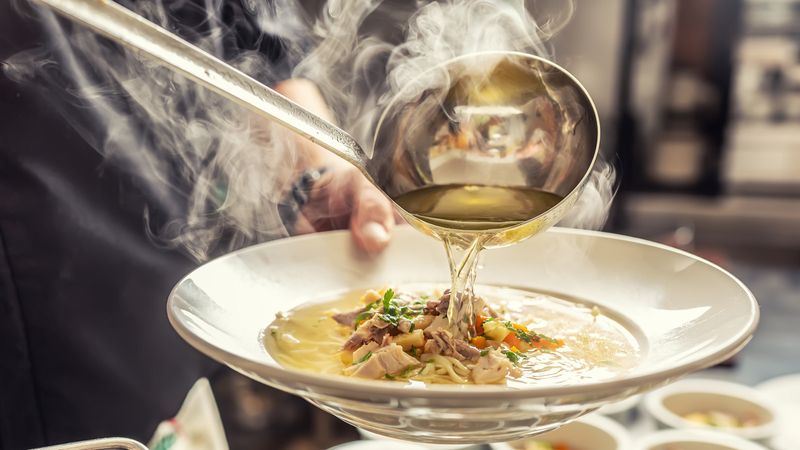
Soup may be the broadest category here, but the rule usually holds up. Heat carries aroma, blends the texture, and makes the ingredients feel unified in a way cooled soup often cannot match.
Unless you are talking about something intentionally chilled, like gazpacho, soup tends to lose its purpose once it drops too far in temperature.
Warm soup feels soothing before you even take a bite because the smell arrives first. Cold soup, by comparison, can seem flat, thick, or slightly awkward.
If a bowl is meant to comfort you, serving it warm does half the work already.
20. Buttered Toast

Buttered toast seems humble, but it depends heavily on timing. When it is warm, the butter melts into the surface, the edges stay crisp, and the whole slice tastes nutty, rich, and fresh.
Once it cools, that crispness fades into chewiness, and the magic becomes a lot harder to find.
This is one of the simplest examples of texture doing most of the emotional work. Warm toast feels like comfort because everything is happening at once, from crunch to butter to aroma.
Cold toast is not terrible, but it feels like a missed opportunity more than a treat.